Lithuania first named
The name of Lithuania appears in writing for the first time, as 'Litua', in the Annals of Quedlinburg. The entry tells the story of the missionary Saint Bruno.
Lithuania is one of the three Baltic states, on the eastern shore of the Baltic Sea. It is a low country of fields, forests and more than 3,000 lakes, smoothed by the glaciers of the last ice age. Its short coast includes half of the Curonian Spit, a thin strip of sand dunes that runs south towards Kaliningrad.
Baltic tribes lived here for thousands of years. Mindaugas united the Lithuanian lands and was crowned king in 1253, and by the end of the 14th century the Grand Duchy of Lithuania was the largest country in Europe. From 1569 it shared a Commonwealth with Poland, until its neighbours divided that state in 1795 and most of Lithuania passed to the Russian Empire.
Memories fade faster than photos. Ask these over a meal or a phone call, and write the answers down.
Lithuania's story runs from pagan Baltic tribes and a crowned king, through a grand duchy that stretched towards the Black Sea and a long union with Poland, to more than a century under Russian rule, two declarations of independence and a peaceful chain of two million people.
The name of Lithuania appears in writing for the first time, as 'Litua', in the Annals of Quedlinburg. The entry tells the story of the missionary Saint Bruno.
Mindaugas, who had united most of the Lithuanian lands, was crowned the Catholic King of Lithuania. He is the only king Lithuania ever had, and 6 July, the traditional coronation date, is Statehood Day.
Grand Duke Jogaila, now also King of Poland, began the official conversion of Lithuania to Catholic Christianity. Lithuania is often described as the last pagan country in Europe.
Poland and Lithuania joined into one Commonwealth with a single elected monarch and a common parliament. It was one of the largest countries in Europe at the time.
For about 40 years the Russian Empire had banned Lithuanian books printed in the Latin alphabet. Book smugglers carried them in from abroad, and on 24 April 1904 the ban was finally lifted.
Lithuania accepted a Soviet ultimatum and was occupied and turned into a Soviet republic. After German occupation from 1941, Soviet rule returned in 1944, with deportations and years of armed resistance.
On 11 March the Supreme Council declared Lithuania's independence restored. It was the first of the 15 Soviet republics to do so, and it survived a Soviet economic blockade that lasted 74 days.
Lithuania became a member of NATO in March and a full member of the European Union on 1 May 2004. It later joined the Schengen area in 2007 and the eurozone in 2015.
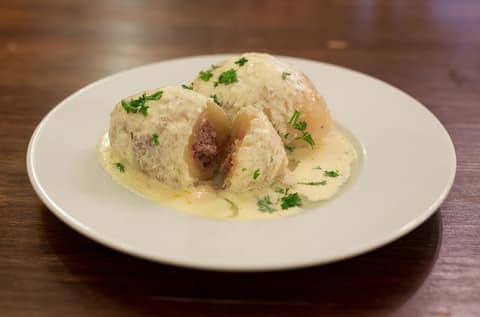
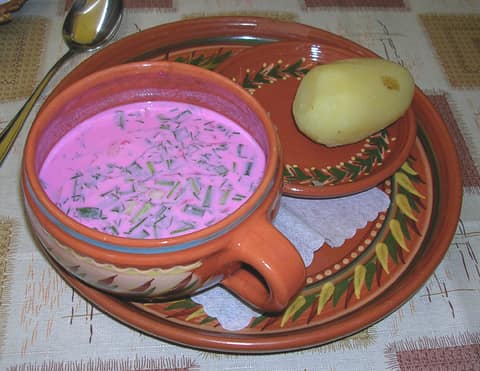
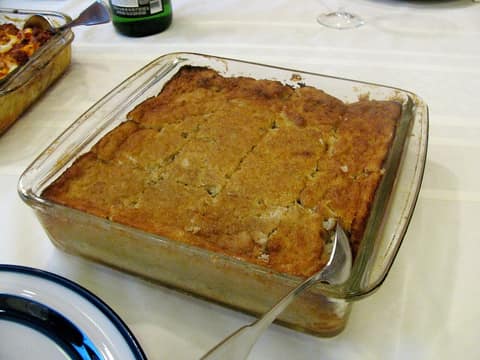
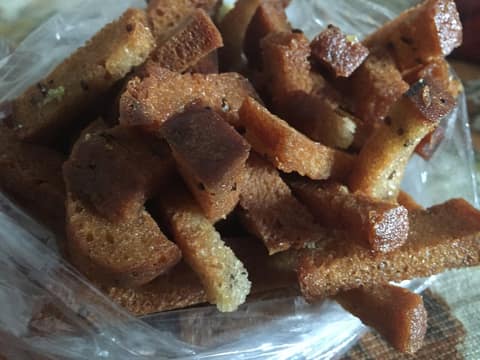
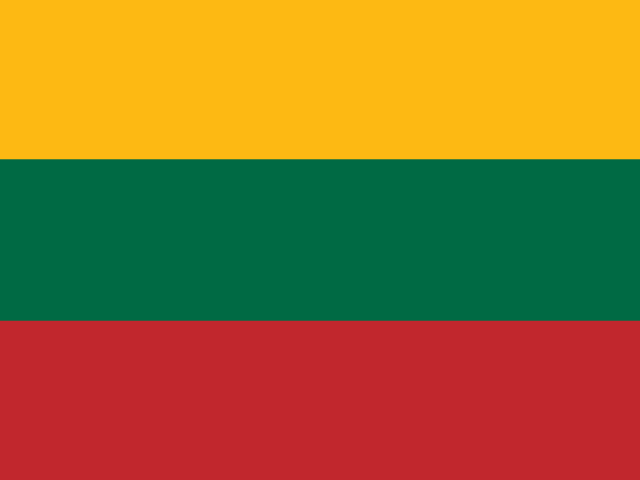
Cook one of the recipes, print the large-print pack about Lithuania, and finish with the big-screen quiz or the words crossword. Grandchildren can colour the flag.