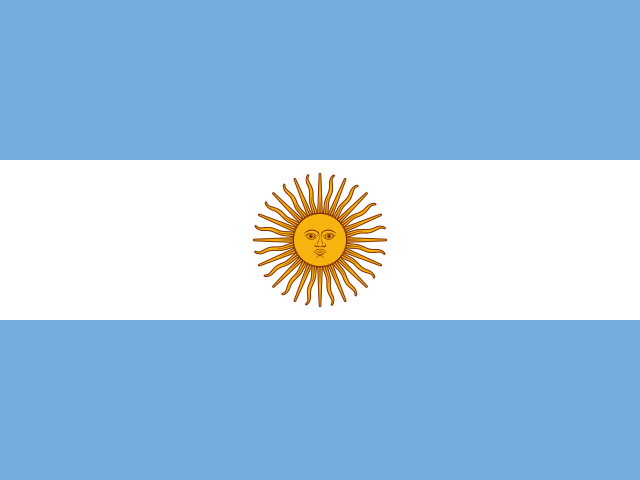
Tango and football, glaciers and giant waterfalls, the highest mountain in the Americas and a grill that never seems to go cold.
Argentina stretches from the hot, subtropical north all the way to Tierra del Fuego at the far southern tip of South America. The Andes run all the way down its western border with Chile. In the middle lie the Pampas, huge flat grasslands where cattle graze, and in the south lies Patagonia, a windy land of steppe, lakes and glaciers.
People lived here for thousands of years before the Spanish arrived in the 1500s. Buenos Aires grew into the capital of a Spanish viceroyalty, and in 1816 the provinces declared their independence. In the late 1800s and early 1900s millions of European immigrants arrived, most of them Italians and Spaniards, and they shaped the food, the accent and the music of the country.
Questions to ask the older generation
Memories fade faster than photos. Ask these over a meal or a phone call, and write the answers down.
Which town or region of Argentina did our family come from? Was it near Córdoba, Rosario, Mendoza?
Who was the first in the family to leave Argentina, when, and why?
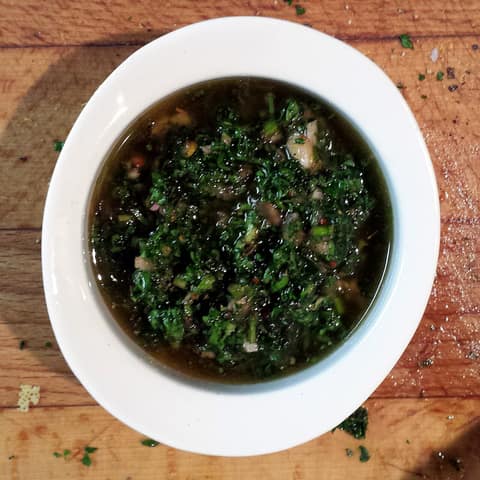
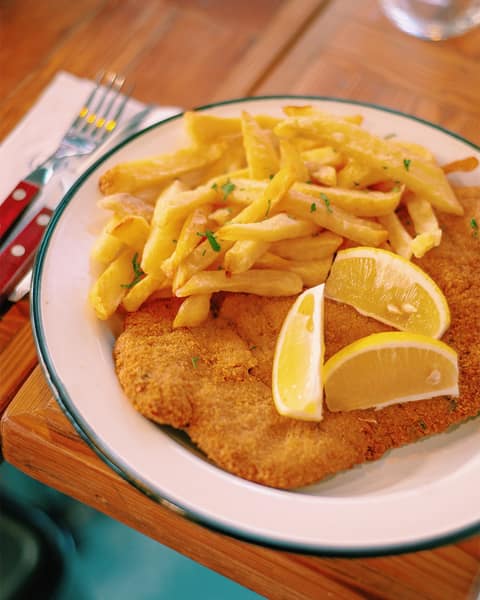
Which dishes from Argentina were cooked at home? Did anyone make Asado or Chimichurri?
Does anyone in the family still speak Spanish, or use a few words of it?
Were there songs, prayers, games or holidays from Argentina that the family kept?
Are there old photos, letters or documents from Argentina? Who has them?
If you could visit Argentina together, where would you go first?
A short history of Argentina
Argentina's story runs from hunters who painted their hands on cave walls in Patagonia, through three centuries of Spanish rule, to independence in 1816 and a great wave of European immigration. The 20th century brought prosperity and also hard times, including a military dictatorship from 1976 to 1983 and a war over the Falkland Islands (Islas Malvinas) in 1982. Since 1983 Argentina has been a democracy.
7300 BC
Hands are painted at the Cueva de las Manos
From about 7300 BC, hunters in Patagonia began stencilling their hands on the walls of a cave above the Pinturas River, by blowing paint through bone pipes. They kept adding hands and hunting scenes until about AD 700. The cave is now a UNESCO World Heritage Site.
1536
Pedro de Mendoza founds Buenos Aires
On 2 February 1536 the Spanish conquistador Pedro de Mendoza founded a settlement on the Río de la Plata. Hunger and conflict with the local peoples were so severe that the settlers abandoned it in 1541 and moved up the river to Asunción.
1776
The Viceroyalty of the Río de la Plata is created
Spain created a new viceroyalty with its capital in Buenos Aires. It covered roughly today's Argentina, Uruguay, Paraguay and Bolivia, and made Buenos Aires one of the most important cities in Spanish South America.
1816
Independence is declared in Tucumán
On 9 July 1816 a congress meeting in the city of Tucumán declared the independence of the United Provinces of South America, today's Argentina. The house where it met is now a national monument, and 9 July is Independence Day.
1865
Welsh settlers land in Patagonia
On 28 July 1865, 153 settlers from Wales landed from the ship Mimosa at the spot where Puerto Madryn now stands. They founded farms along the Chubut River, and Welsh chapels, tea houses and the Welsh language can still be found in towns such as Gaiman.
1947
Women win the right to vote
In September 1947 Congress passed Law 13,010, which gave women the same political rights as men. Eva Perón, 'Evita', campaigned for the law, and women voted in a national election for the first time in 1951.
1982
The Falklands War (Guerra de las Malvinas)
On 2 April 1982 Argentine forces landed on the Falkland Islands, which Argentina calls the Islas Malvinas. Britain sent a task force, and after 74 days the Argentine forces surrendered on 14 June. 649 Argentine and 255 British service members and 3 islanders died. The two countries still disagree about who the islands should belong to.
2013
An Argentine becomes pope
On 13 March 2013 Jorge Mario Bergoglio, the Archbishop of Buenos Aires, was elected pope and took the name Francis. He was the first pope from the Americas and the first Jesuit pope. He led the Catholic Church until his death on 21 April 2025.