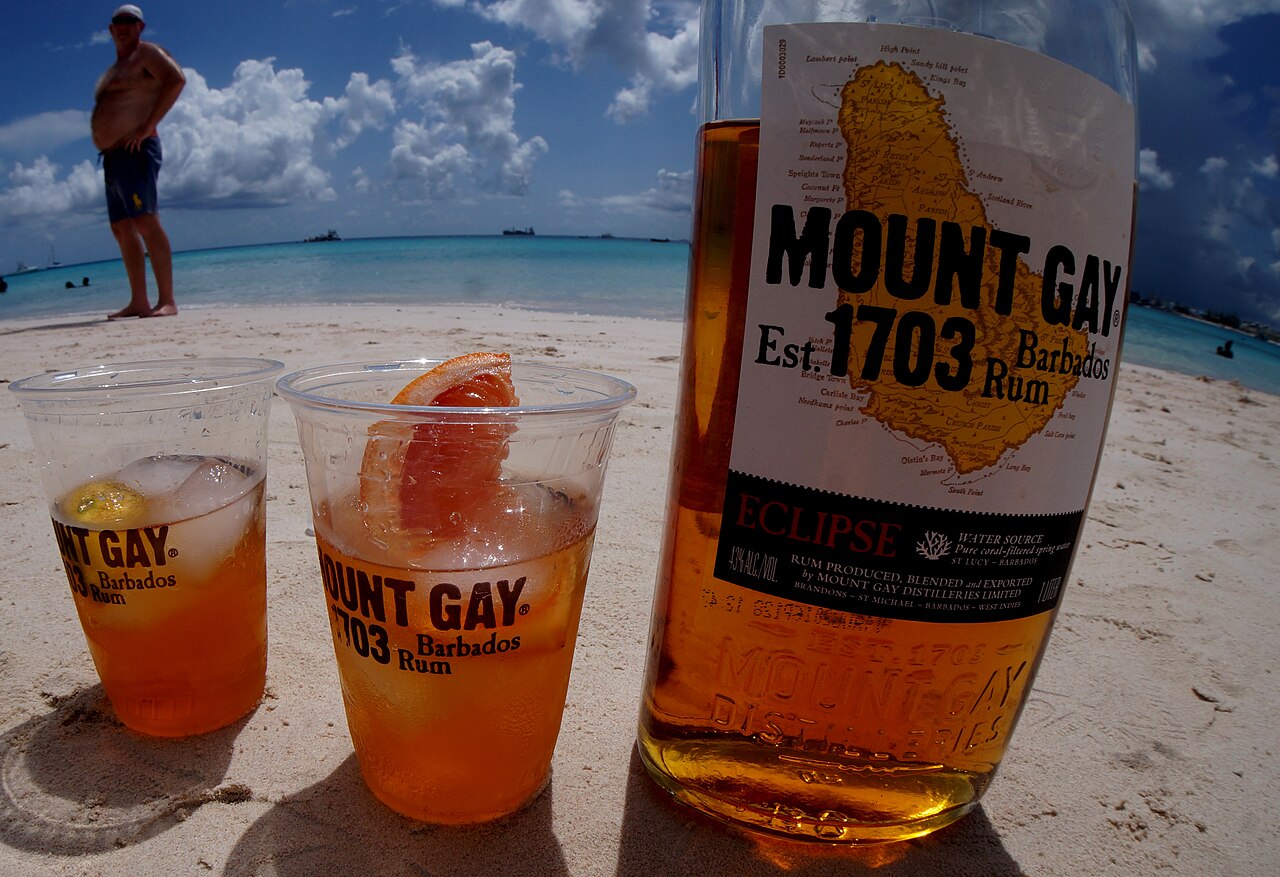
A small coral island out in the Atlantic, with calm beaches in the west, wild surf in the east, flying fish on the plate and rum punch made to an old rhyme.
Barbados is a small island country in the Atlantic Ocean, the easternmost island of the Lesser Antilles, about 168 km east of Saint Lucia and Saint Vincent. It is only about 34 km long and up to 23 km wide. Unlike its volcanic neighbours, Barbados is made of coral limestone and is fairly flat, rising gently to Mount Hillaby, 340 m, on the edge of the hilly Scotland District. The calm Caribbean side in the west has white sand beaches, while the Atlantic coast in the east is rocky and wild.
English settlers arrived in 1627, and Barbados stayed under English and then British rule without a break until 1966. From the 1640s sugar cane, grown on large plantations by enslaved Africans, made the island one of the richest colonies in the Americas. Slavery was abolished in 1834. Today most Barbadians, known everywhere as Bajans, are descended from those Africans, and many old customs, churches and place names still recall Britain, which earned the island the nickname 'Little England'.
Questions to ask the older generation
Memories fade faster than photos. Ask these over a meal or a phone call, and write the answers down.
Which town or region of Barbados did our family come from? Was it near Warrens, Holetown, Speightstown?
Who was the first in the family to leave Barbados, when, and why?
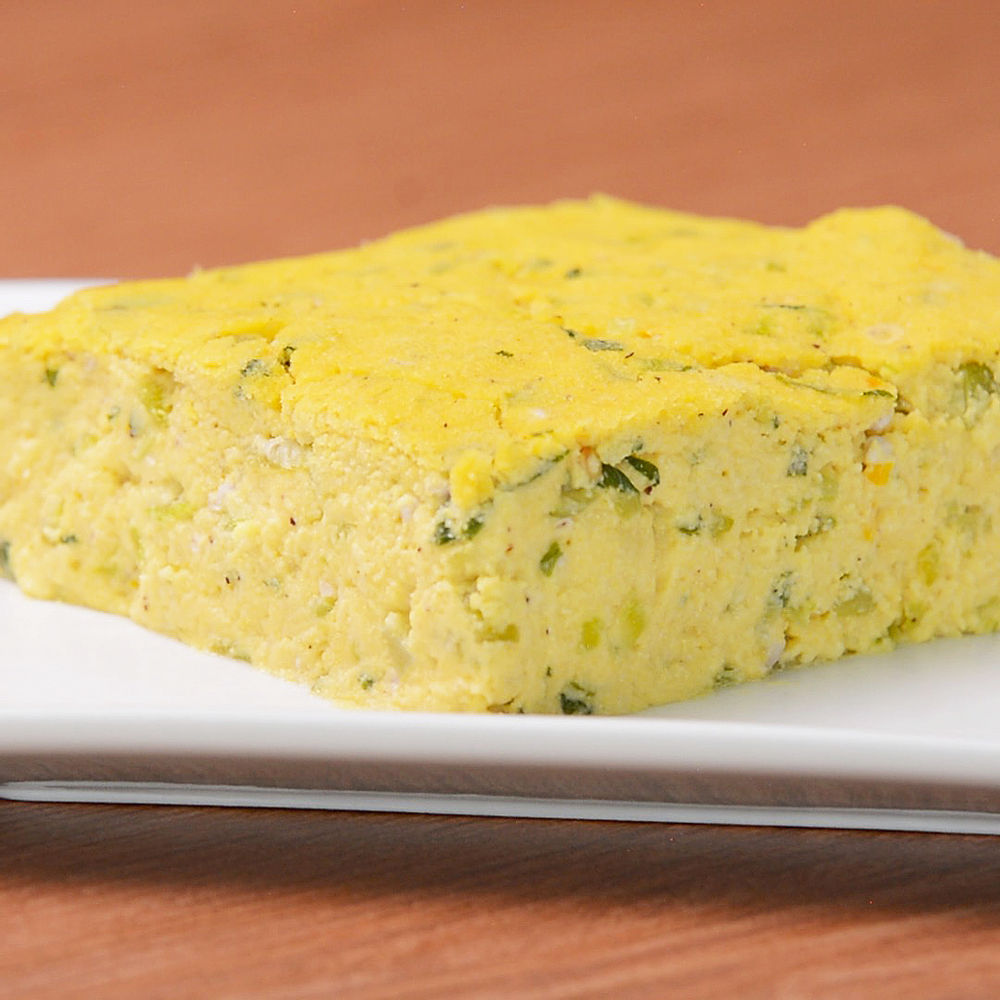
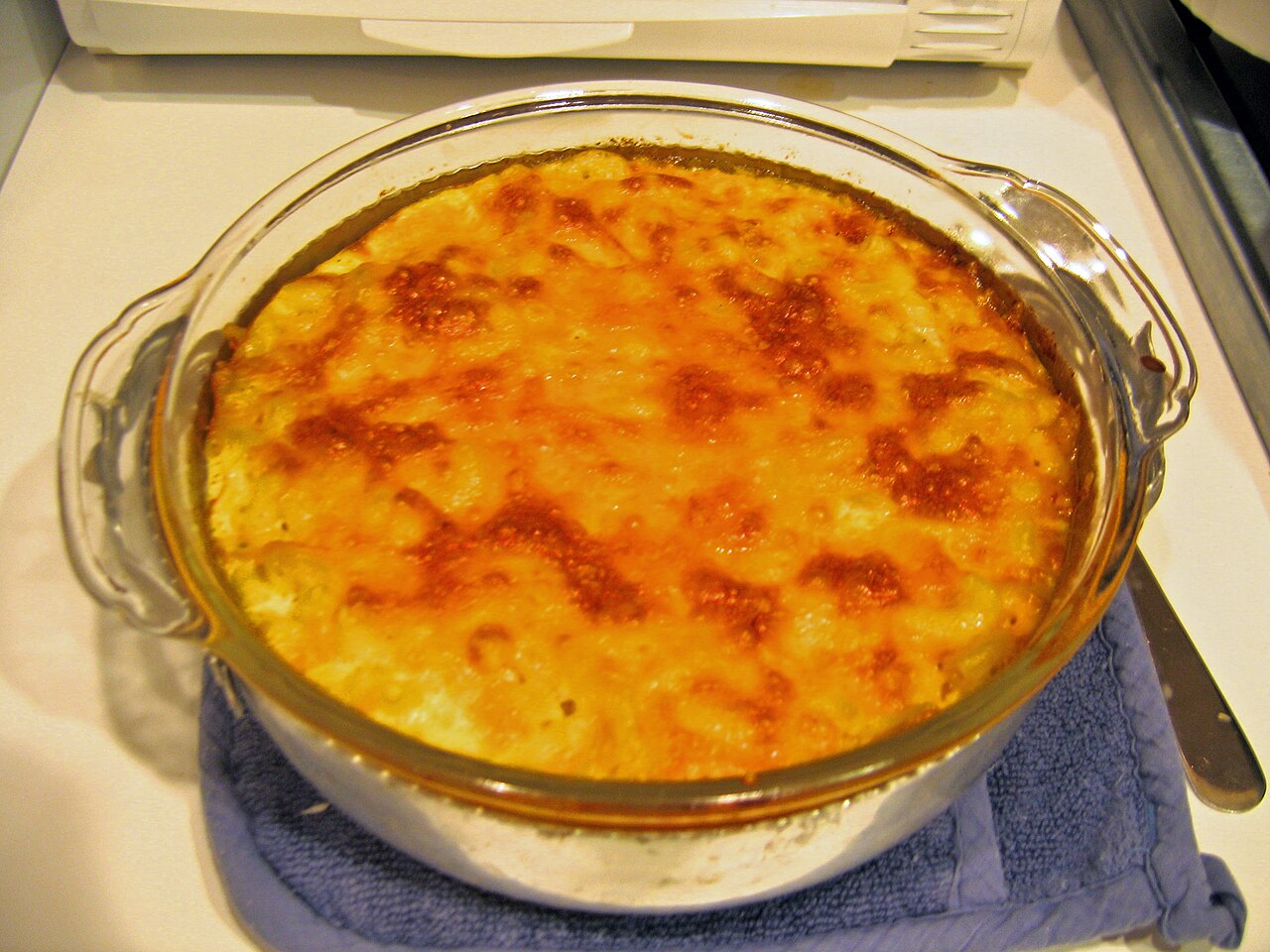
Which dishes from Barbados were cooked at home? Did anyone make Cou-cou or Macaroni pie?
Does anyone in the family still speak Bajan, or use a few words of it?
Were there songs, prayers, games or holidays from Barbados that the family kept?
Are there old photos, letters or documents from Barbados? Who has them?
If you could visit Barbados together, where would you go first?
A short history of Barbados
The story of Barbados runs from Amerindian fishing villages, through more than three centuries of English and British rule built on sugar and slavery, to independence in 1966 and a republic in 2021. Unlike most Caribbean islands, Barbados never changed hands between European powers. It is also a story of resistance, from Bussa's rebellion of 1816 to the riots of 1937 that led to votes for all adults and, in the end, to nationhood.
AD 800
Arawak settlers arrive
People may have visited the island as early as about 1600 BC, and settlers from South America lived here from about the 4th century AD. Arawak-speaking people arrived from South America around 800, and another group came in the 13th century. Kalinago people (called Caribs by the Spanish) visited often by canoe. By the early 1500s the Amerindian settlements had come to an end, partly because of Spanish slave raids.
1625
An English ship claims the island
On 14 May 1625 an English ship captained by John Powell landed and claimed the island for King James I. Barbados would stay under English, and later British, rule without a break until 1966.
1639
The House of Assembly is founded
In 1639 the governor set up the House of Assembly to give the planters a voice. Barbados has had an elected assembly ever since, which makes its parliament one of the oldest in the Commonwealth.
1652
The Charter of Barbados is signed
During the English Civil War the island's leaders sided with the king. Parliament in London sent a fleet, and on 17 January 1652 the two sides signed the Charter of Barbados, also called the Treaty of Oistins, at the Mermaid's Inn in Oistins.
1816
Bussa's rebellion
On Easter Sunday, 14 April 1816, enslaved people rose up, starting at Bayley's plantation in Saint Philip and spreading across the south of the island, led by an African-born man named Bussa. It was the largest slave revolt in the island's history. Bussa was killed in battle and the revolt was crushed within days, but it helped turn opinion in Britain against slavery.
1937
The 1937 riots
In July 1937 the labour leader Clement Payne was deported to Trinidad after organising meetings for workers' rights. Four days of rioting followed, and police killed 14 people. A British commission then backed many of the reforms he had called for, including trade unions, and political change gathered pace.
1966
Independence
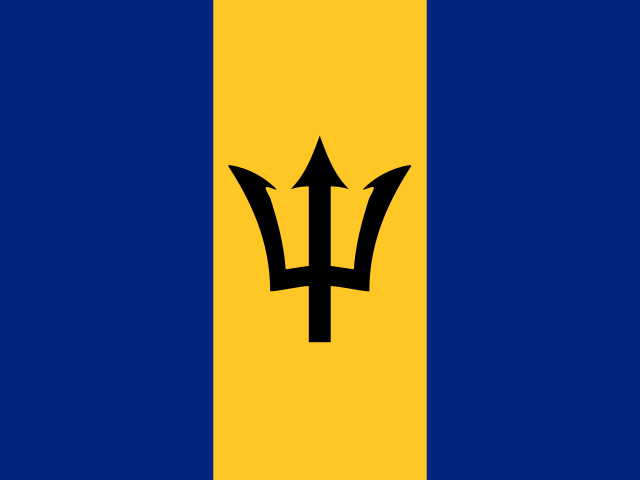
Barbados became independent on 30 November 1966, with Errol Barrow, often called the Father of Independence, as its first prime minister. The new blue and gold flag with a broken trident was raised at midnight, and Barbados joined the United Nations on 9 December 1966.
2021
Barbados becomes a republic
On 30 November 2021, the 55th anniversary of independence, Barbados replaced the monarch with a president elected by parliament, while staying in the Commonwealth. On the same day the singer Rihanna was named a National Hero.
Our sister site Daily Ancestor helps you read the real documents: ship passenger lists, Ellis Island arrivals, naturalization papers and census pages, with a free plan of which records exist for each ancestor.