World Stroll
Parliament Buildings (Barbados)
Photo: giggel, CC BY 3.0
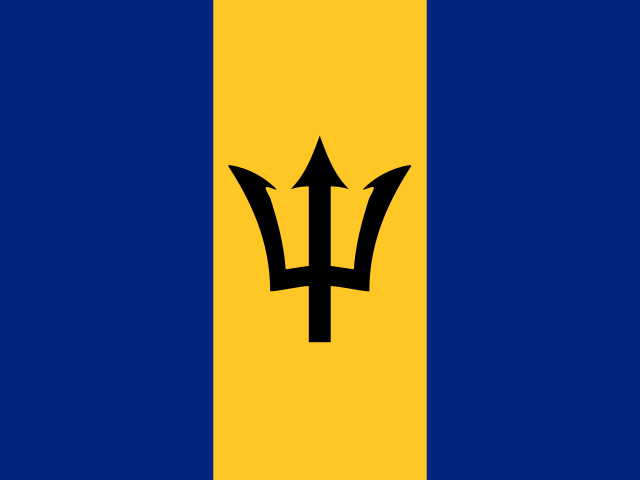
Flag of Barbados
Caribbean

Barbados

A small coral island out in the Atlantic, with calm beaches in the west, wild surf in the east, flying fish on the plate and rum punch made to an old rhyme.

Start the trip Skip to the quiz About five relaxed minutes.

Your trip to Barbados

  1. Stroll through nine short parts: the story, the food, the cities and a few words. One at a time, with "Next".
  2. Take the quiz as the last step: 10 friendly questions, no timer.
  3. Get your stamp in your passport.
Explore Barbados
You have explored 0 of 9 parts. Scroll on to discover the rest.
Antigua and BarbudaBarbadosBrazilColombiaCosta RicaCubaCuraçaoDominicaDominican RepublicGuyanaHaitiHondurasJamaicaMexicoNicaraguaPanamaPuerto RicoSaint LuciaSaint MartinSaint Vincent and the GrenadinesSint MaartenSurinameTrinidad and TobagoVenezuela
Going to Barbados?Phrases, table manners and local tips on one printable page.Send a postcard from BarbadosA free digital postcard for family and friends.
Overview

Barbados at a glance

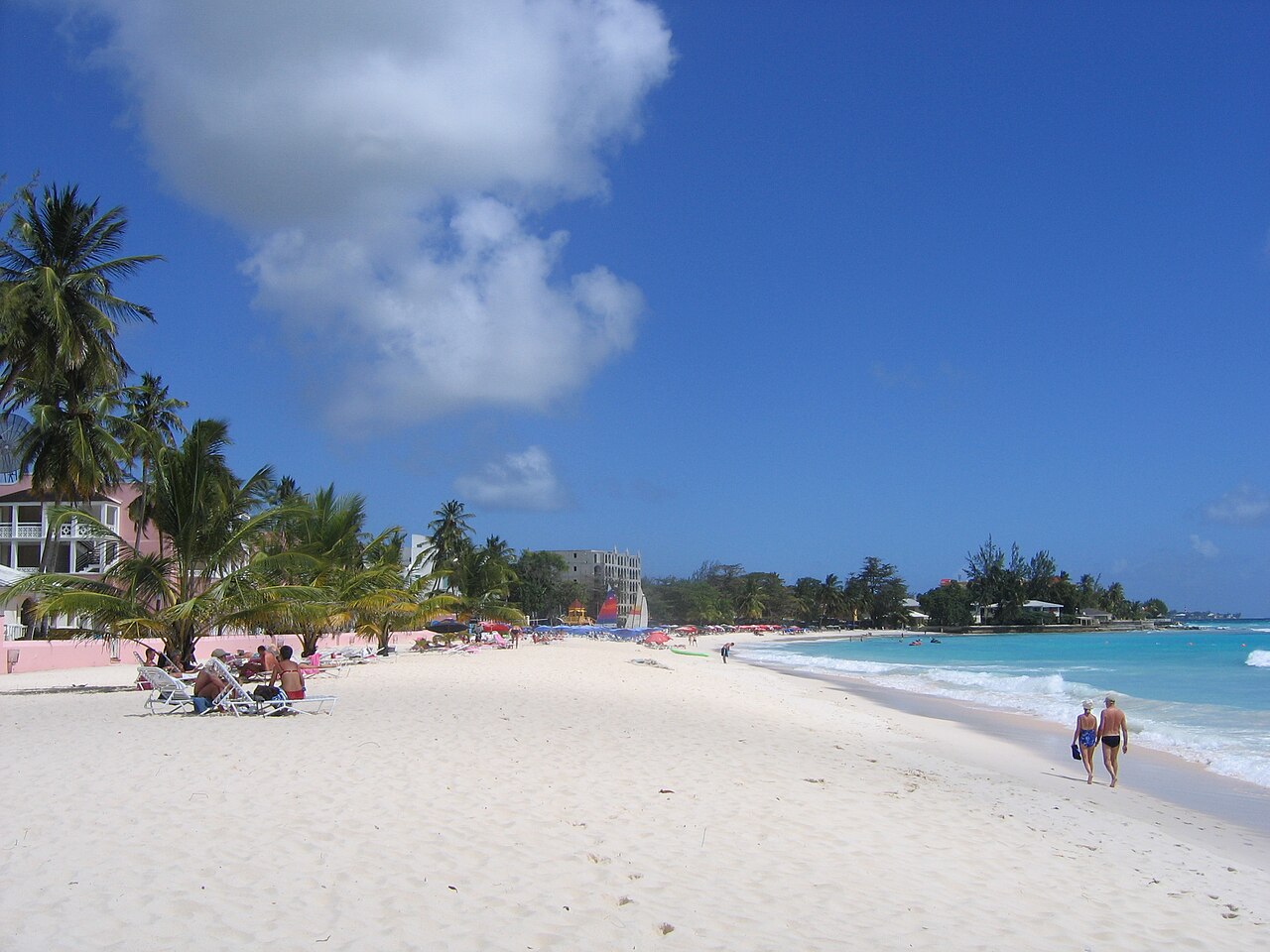
Barbados is a small island country in the Atlantic Ocean, the easternmost island of the Lesser Antilles, about 168 km east of Saint Lucia and Saint Vincent. It is only about 34 km long and up to 23 km wide. Unlike its volcanic neighbours, Barbados is made of coral limestone and is fairly flat, rising gently to Mount Hillaby, 340 m, on the edge of the hilly Scotland District. The calm Caribbean side in the west has white sand beaches, while the Atlantic coast in the east is rocky and wild.

English settlers arrived in 1627, and Barbados stayed under English and then British rule without a break until 1966. From the 1640s sugar cane, grown on large plantations by enslaved Africans, made the island one of the richest colonies in the Americas. Slavery was abolished in 1834. Today most Barbadians, known everywhere as Bajans, are descended from those Africans, and many old customs, churches and place names still recall Britain, which earned the island the nickname 'Little England'.

Barbados became independent on 30 November 1966 and a republic, with its own president as head of state, on 30 November 2021. Fewer than 300,000 people live here, making it one of the most densely populated countries in the world. Bridgetown, the capital, and its old British garrison are a UNESCO World Heritage Site. The island is known for cricket, for the summer festival of Crop Over, for its rum, and for the singer Rihanna, who was named a National Hero in 2021.

CapitalBridgetown
PopulationAbout 270,000 to 280,000 (the 2021 census counted 269,090; UN estimates for 2025 are about 282,000)
Official languageEnglish, used in government, schools and the media. Most Barbadians also speak Bajan, an English-based creole, in everyday life
CurrencyBarbadian dollar (BBD), tied to the US dollar since 1975; in shops 2 Barbadian dollars are counted as 1 US dollar
AreaAbout 439 km², about 34 km long and up to 23 km wide
GovernmentParliamentary republic since 30 November 2021, with a president as head of state and a prime minister as head of government. From 1966 to 2021 the British monarch was also the monarch of Barbados
Highest mountainMount Hillaby, 340 m, on the edge of the hilly Scotland District
Longest riverBarbados has no large rivers. Rain soaks through the coral limestone into underground streams, which supply the island's drinking water. The best known stream is the short Constitution River, which flows into the Careenage in Bridgetown
NeighboursNo land borders. The nearest countries are Saint Lucia and Saint Vincent and the Grenadines, both about 168 km to the west. The French island of Martinique lies about 180 km to the northwest, and Trinidad and Tobago about 400 km to the southwest
Drives on theLeft, as in Britain
Calling code+1 246. Barbados is part of the North American numbering plan, and 246 spells BIM on a phone keypad
The story

A short history of Barbados

The story of Barbados runs from Amerindian fishing villages, through more than three centuries of English and British rule built on sugar and slavery, to independence in 1966 and a republic in 2021. Unlike most Caribbean islands, Barbados never changed hands between European powers. It is also a story of resistance, from Bussa's rebellion of 1816 to the riots of 1937 that led to votes for all adults and, in the end, to nationhood.

  1. AD 800

    Arawak settlers arrive

    People may have visited the island as early as about 1600 BC, and settlers from South America lived here from about the 4th century AD. Arawak-speaking people arrived from South America around 800, and another group came in the 13th century. Kalinago people (called Caribs by the Spanish) visited often by canoe. By the early 1500s the Amerindian settlements had come to an end, partly because of Spanish slave raids.

  2. 1511

    Barbados appears on a Spanish map

    Spanish and Portuguese sailors knew the island in the early 1500s, and it first appeared on a Spanish map in 1511. The name comes from Spanish or Portuguese 'los barbados' or 'os barbados', 'the bearded ones', possibly after the hanging roots of the bearded fig tree. Neither Spain nor Portugal ever settled here.

  3. 1625

    An English ship claims the island

    On 14 May 1625 an English ship captained by John Powell landed and claimed the island for King James I. Barbados would stay under English, and later British, rule without a break until 1966.

  4. 1627

    First English settlers land

    On 17 February 1627 a group of about 80 settlers led by Henry Powell, John Powell's younger brother, landed on the west coast and founded Jamestown, now Holetown. A second settlement on Carlisle Bay followed in 1628 and grew into Bridgetown.

  5. 1639

    The House of Assembly is founded

    In 1639 the governor set up the House of Assembly to give the planters a voice. Barbados has had an elected assembly ever since, which makes its parliament one of the oldest in the Commonwealth.

  6. 1640

    Sugar cane arrives

    Sugar cane was brought from Dutch Brazil around 1640 and transformed the island. Small farms of tobacco and cotton were bought up for large sugar plantations, worked by tens of thousands of enslaved Africans. By 1660 Barbados generated more trade than all the other English colonies together.

  7. 1652

    The Charter of Barbados is signed

    During the English Civil War the island's leaders sided with the king. Parliament in London sent a fleet, and on 17 January 1652 the two sides signed the Charter of Barbados, also called the Treaty of Oistins, at the Mermaid's Inn in Oistins.

  8. 1751

    George Washington visits

    In November 1751 the 19-year-old George Washington came to Barbados with his half-brother Lawrence, who was ill and hoped the warm climate would help. They rented a house near Bridgetown, where George caught smallpox. He left on 22 December 1751. It was his only journey outside mainland North America.

  9. 1816

    Bussa's rebellion

    On Easter Sunday, 14 April 1816, enslaved people rose up, starting at Bayley's plantation in Saint Philip and spreading across the south of the island, led by an African-born man named Bussa. It was the largest slave revolt in the island's history. Bussa was killed in battle and the revolt was crushed within days, but it helped turn opinion in Britain against slavery.

  10. 1834

    Slavery is abolished

    Under the Slavery Abolition Act of 1833, slavery ended across the British Empire in 1834. In Barbados, as in other British colonies, full freedom came only after a four-year period of so-called apprenticeship, in 1838.

  11. 1937

    The 1937 riots

    In July 1937 the labour leader Clement Payne was deported to Trinidad after organising meetings for workers' rights. Four days of rioting followed, and police killed 14 people. A British commission then backed many of the reforms he had called for, including trade unions, and political change gathered pace.

  12. 1958

    Barbados joins the West Indies Federation

    From 1958 to 1962 Barbados was one of ten members of the West Indies Federation, an attempt to unite Britain's Caribbean colonies into one country. When the federation broke up in 1962, Barbados went its own way.

  13. 1966

    Independence

    Barbados became independent on 30 November 1966, with Errol Barrow, often called the Father of Independence, as its first prime minister. The new blue and gold flag with a broken trident was raised at midnight, and Barbados joined the United Nations on 9 December 1966.

  14. 2011

    Bridgetown joins the World Heritage List

    On 25 June 2011 UNESCO added Historic Bridgetown and its Garrison to the World Heritage List, recognising the old town's street plan and buildings and the 18th and 19th century British military garrison next to it.

  15. 2021

    Barbados becomes a republic

    On 30 November 2021, the 55th anniversary of independence, Barbados replaced the monarch with a president elected by parliament, while staying in the Commonwealth. On the same day the singer Rihanna was named a National Hero.

At the table

What to eat in Barbados

Bajan food mixes West African, British, Irish, Portuguese and Indian influences with whatever the sea brings in. A typical meal is fish or meat marinated in herbs and spices, served with hot side dishes such as macaroni pie, rice and peas, sweet potato or breadfruit, a salad, and pepper sauce on the table. The national dish is cou-cou and flying fish, traditionally eaten on Fridays. Another traditional meal is pudding and souse: pickled pork with spiced sweet potato. Street food is everywhere: fried fish cakes, cutters (salt bread rolls with fried flying fish or ham and cheese), and the famous Friday night fish fry at Oistins. Conkies, steamed in banana leaves, are made for Independence Day on 30 November, and rum is never far away.

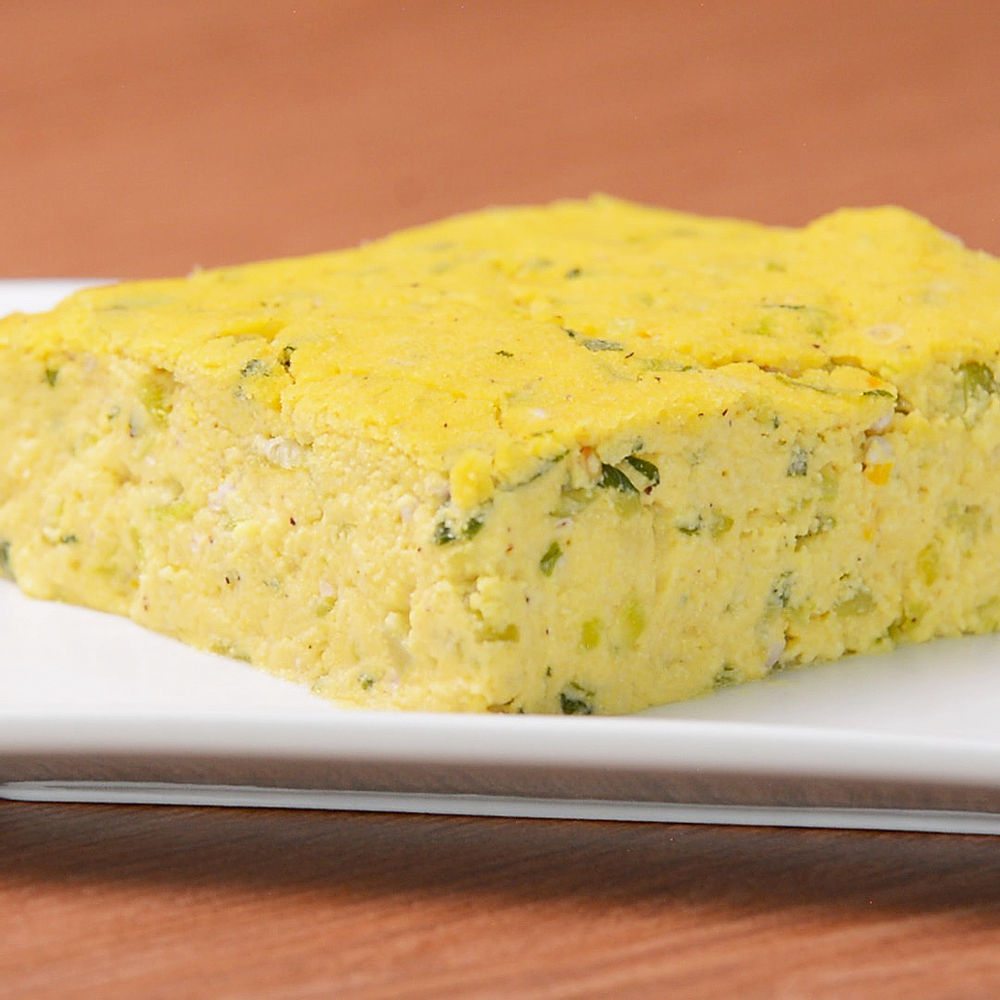
Cou-cou
Photo: KINGBROBLOXZZZ, CC BY-SA 4.0
Main courseRecipe

Cou-cou

The whole island
Read moreShow less

A smooth, firm cornmeal and okra pudding, stirred hard with a flat wooden 'cou-cou stick' until it holds its shape. Served with fried or steamed flying fish and a spicy tomato and onion gravy, it makes up the national dish of Barbados, cou-cou and flying fish, traditionally cooked on Fridays. A version is also made with breadfruit instead of cornmeal.

Cou-cou is related to African dishes such as fufu and the Angolan funge. Under the name fungee it is also eaten in Antigua and Barbuda and the Virgin Islands.

See the recipe
Serves 440 min

Ingredients

  • 8 to 10 fresh okra (about 150 g), sliced into thin rounds
  • 1 litre water and 1 teaspoon salt
  • 250 g fine yellow cornmeal
  • 250 ml cold water to mix the cornmeal
  • 2 tablespoons butter
  • 1 small onion, finely chopped (optional)

Method

  1. Bring the litre of salted water to the boil, add the okra (and onion, if using) and simmer for about 10 minutes until soft.
  2. Meanwhile stir the cornmeal into the 250 ml of cold water to make a smooth paste with no lumps.
  3. Lift out the okra with a slotted spoon and keep it aside. Pour about half of the okra water into a jug.
  4. Turn the heat down low and stir the cornmeal paste into the pot with a flat wooden spoon. Keep stirring hard, adding okra water a little at a time, for 10 to 15 minutes until the mixture is smooth, thick and comes away from the side of the pot. Mix the okra back in.
  5. Stir in the butter, then shape the cou-cou in a buttered bowl and turn it out onto a plate. Serve hot with fried or steamed fish and a tomato and onion gravy.
Macaroni pie
Photo: Wendy Harman, CC BY 2.0
Side dishRecipe

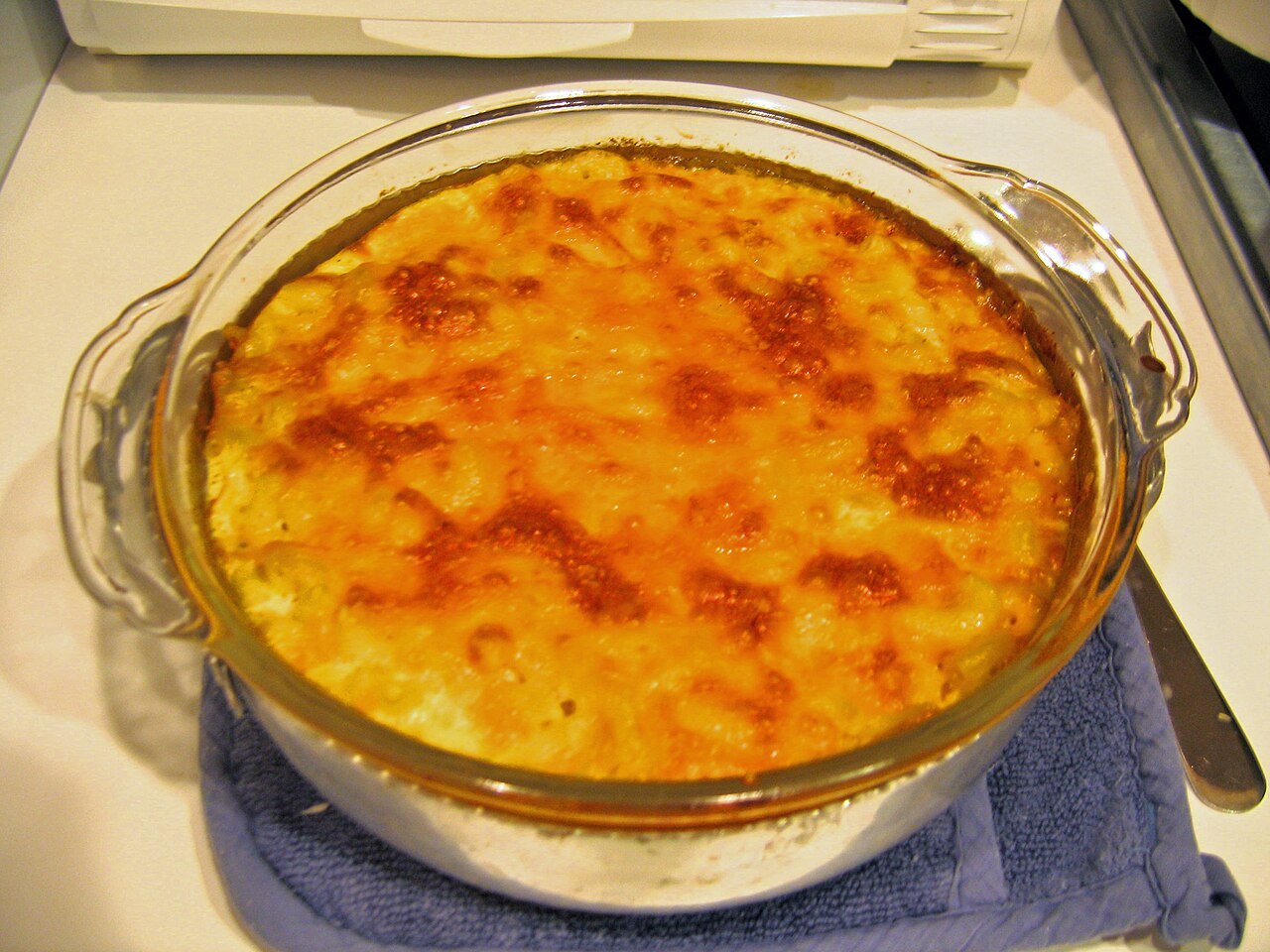
Macaroni pie

The whole island
Read moreShow less

A firm baked macaroni and cheese, made without a crust and cut into squares. In Barbados it is eaten as a main dish or as a side with fish or meat, and it is often spiced up with black pepper and hot sauce.

In the Caribbean, macaroni pie is sometimes eaten cold the next day, which is called 'Caribbean style'.

See the recipe
Serves 61 h

Ingredients

  • 250 g macaroni
  • 250 g strong Cheddar cheese, grated
  • 1 tin (410 g) evaporated milk
  • 2 eggs
  • 1 tablespoon mustard
  • 2 tablespoons ketchup (optional)
  • 1 small onion, grated, and black pepper
  • A few drops of hot pepper sauce (optional)
  • 1 tablespoon butter for the dish

Method

  1. Heat the oven to 180°C and butter a baking dish about 20 x 30 cm.
  2. Boil the macaroni in salted water until just tender, then drain it well.
  3. Beat the eggs with the evaporated milk, mustard, ketchup, onion, black pepper and pepper sauce.
  4. Mix the hot macaroni with three quarters of the cheese, then stir in the egg and milk mixture.
  5. Pour into the dish, sprinkle the rest of the cheese on top and bake for 35 to 40 minutes until set and golden. Let it rest for 10 minutes before cutting into squares, and check that the centre is firm and cooked through.
Roti
Photo: Jason Lam, CC BY-SA 2.0
Main course

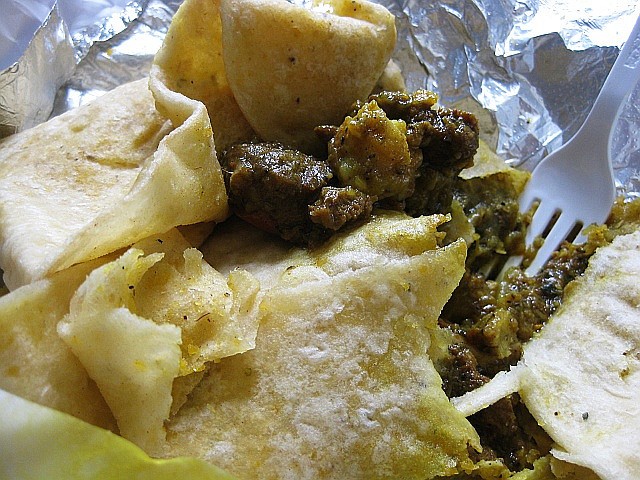
Roti

Brought by Indian workers to the Caribbean; eaten all over Barbados
Read moreShow less

A thin, soft flatbread wrapped around a curry filling, usually chicken, beef or salt fish with potatoes and spices, and sometimes chickpeas. It is a favourite lunch bought from roti shops and street stalls, and is eaten folded like a parcel.

The roti wrap was first made in the 1940s in southern Trinidad, and spread from there to the other islands.

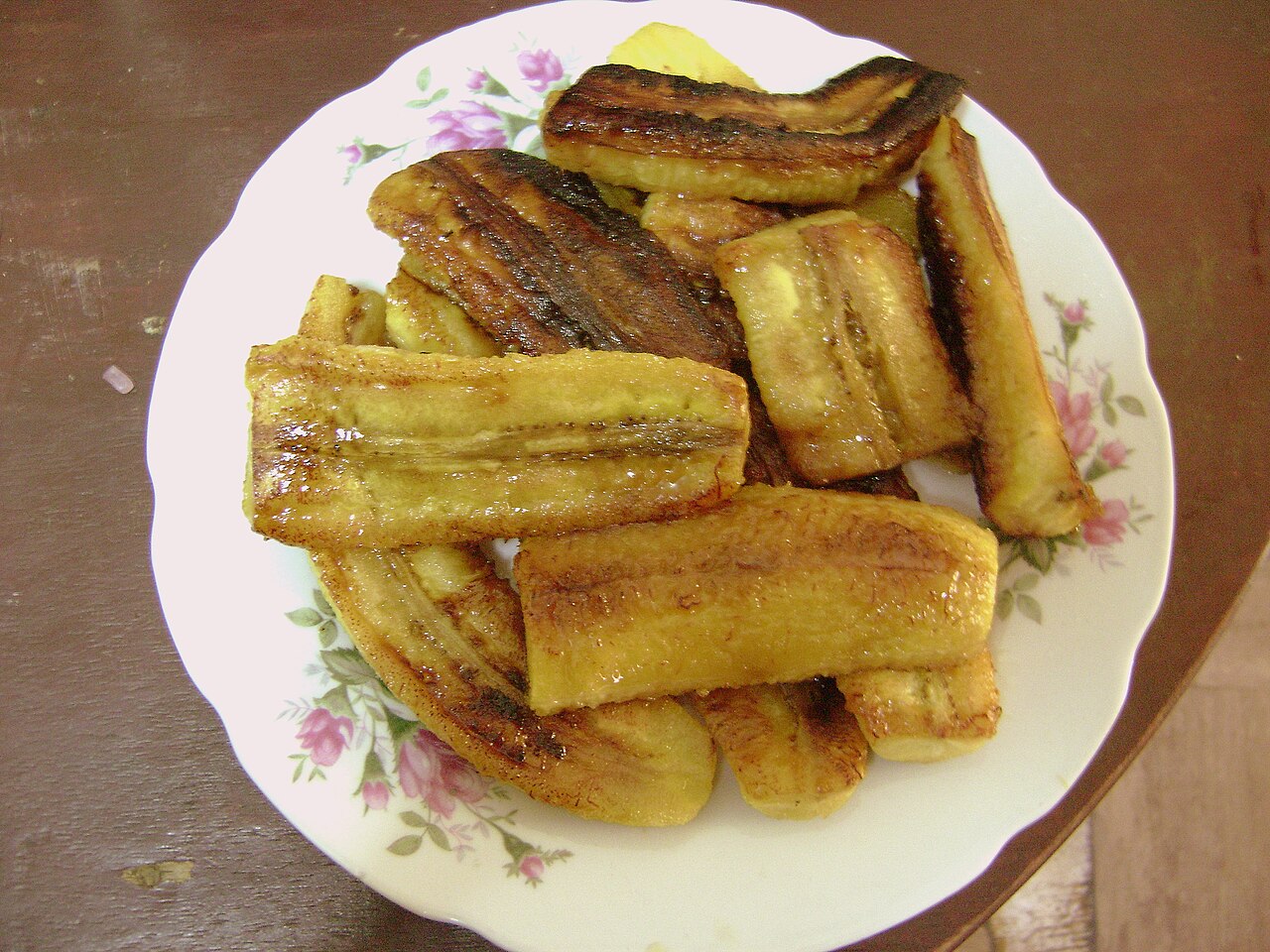
Fried plantain
Photo: Dtarazona, CC BY-SA 4.0
Side dish

Fried plantain

The whole island
Read moreShow less

Slices of ripe plantain, a large cooking banana, fried until soft inside and caramelised at the edges. Sweet and slightly sticky, it is served as a hot side dish with fish, chicken or stew.

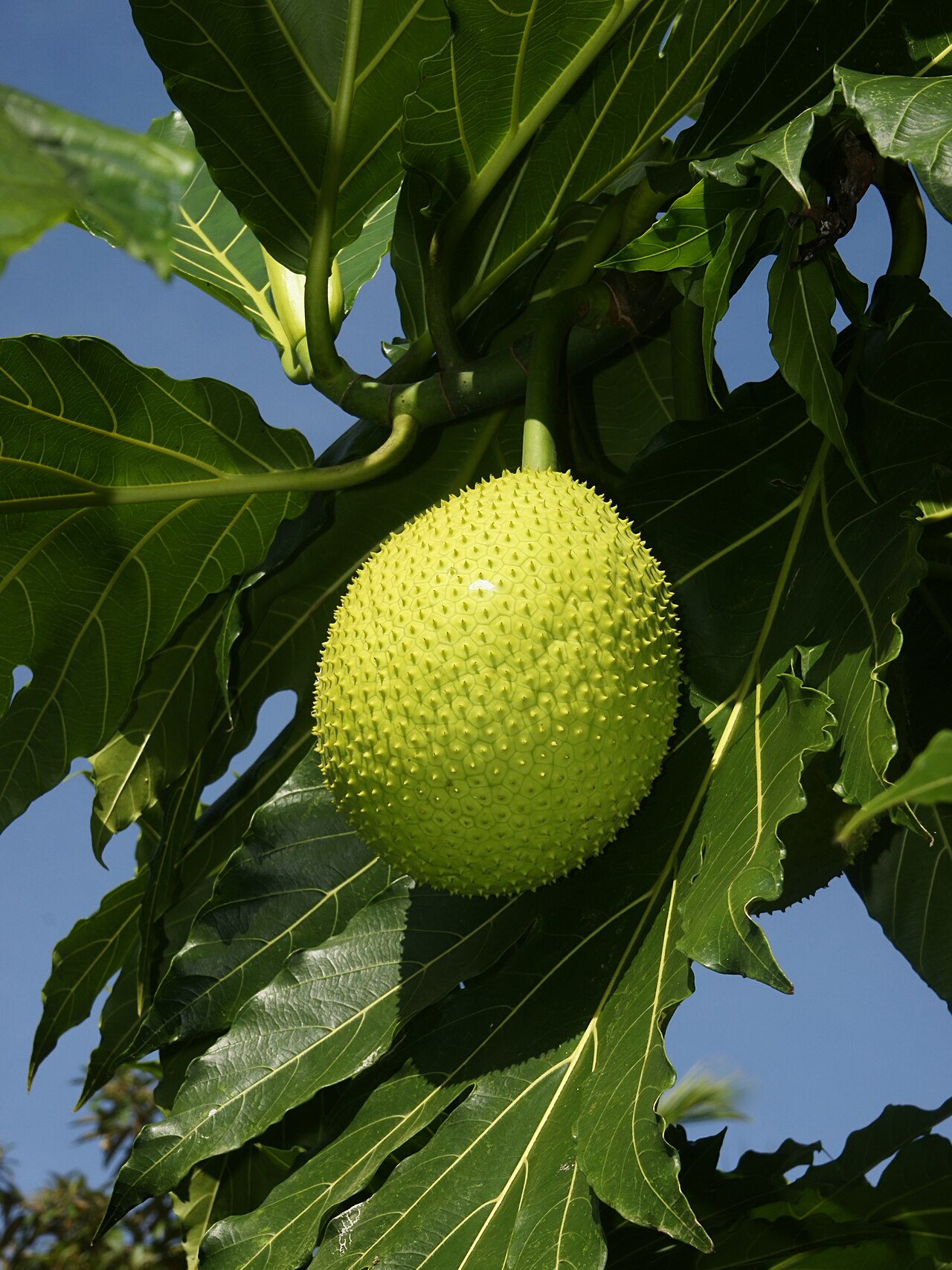
Breadfruit
Photo: Hans Hillewaert, CC BY-SA 3.0
Side dish

Breadfruit

The whole island
Read moreShow less

A large green tree fruit with a starchy, potato-like flesh. In Barbados it is roasted, boiled, mashed, fried as chips, or used instead of cornmeal to make breadfruit cou-cou.

Breadfruit comes from the Pacific. British and French sailors brought seedless kinds to the Caribbean in the late 18th century as cheap food for the plantations.

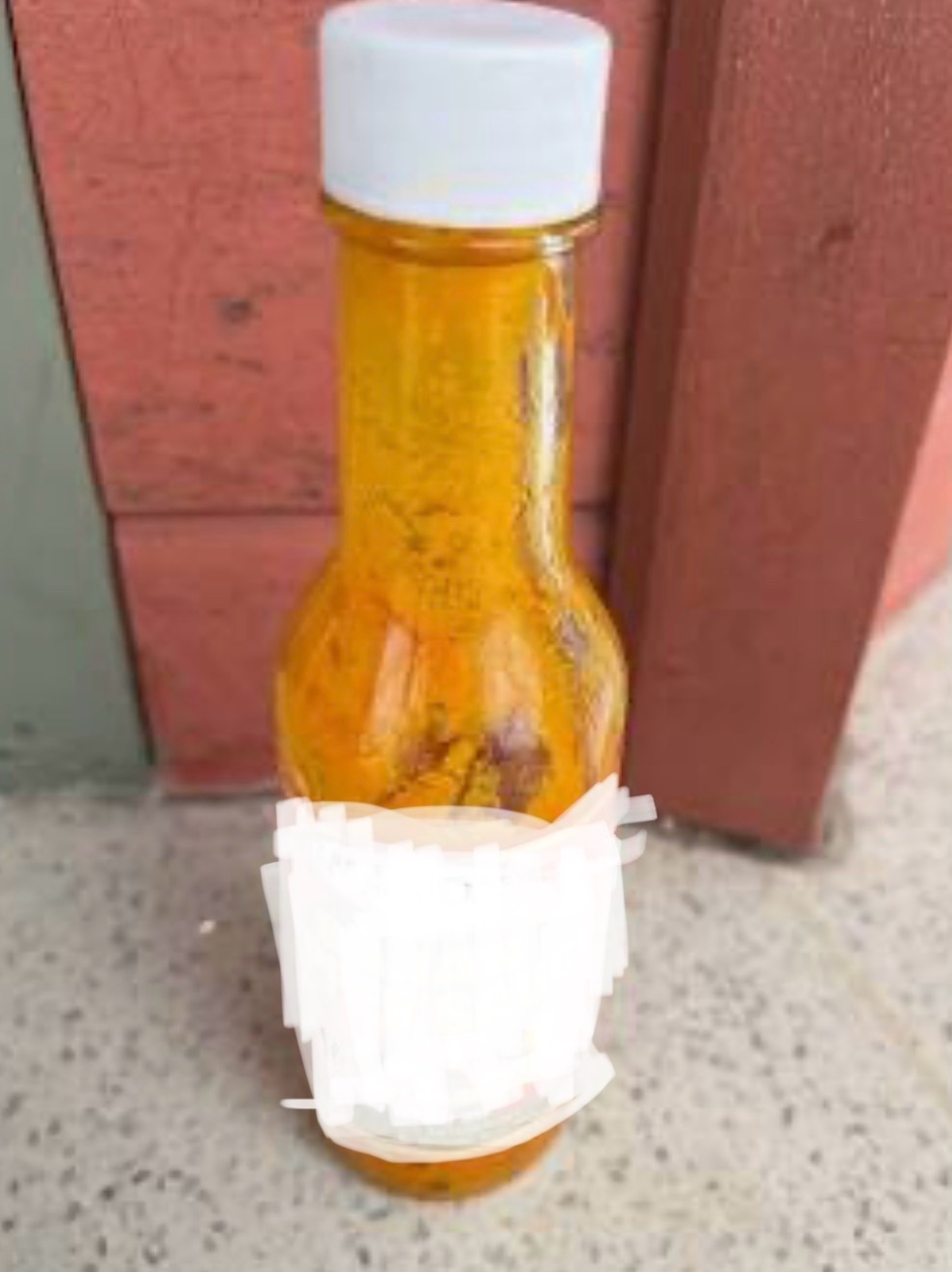
Bajan pepper sauce
Photo: LittleT889, CC BY 4.0
Side dishRecipe

Bajan pepper sauce

The whole island
Read moreShow less

A bright yellow hot sauce made from Scotch bonnet peppers, mustard, vinegar, onion and turmeric. A bottle stands on almost every table and is shaken over fish, chicken, pork and macaroni pie. Some versions add a little sea water or alcohol for extra flavour.

See the recipe
Serves 2030 min

Ingredients

  • 6 Scotch bonnet peppers, stems removed
  • 1 small onion, chopped
  • 3 tablespoons yellow mustard
  • 1 teaspoon ground turmeric
  • 125 ml white vinegar
  • 1 tablespoon vegetable oil and half a teaspoon salt

Method

  1. Put on kitchen gloves before you cut the peppers, keep your hands away from your eyes and open a window: Scotch bonnets are extremely hot.
  2. For a milder sauce, cut the peppers in half and scrape out the seeds and white ribs.
  3. Blend the peppers, onion, mustard, turmeric, vinegar, oil and salt until smooth.
  4. Pour into a small saucepan and simmer gently for 5 minutes, then let it cool.
  5. Spoon into a clean glass jar and keep it in the fridge for up to a month. Use a few drops at a time.
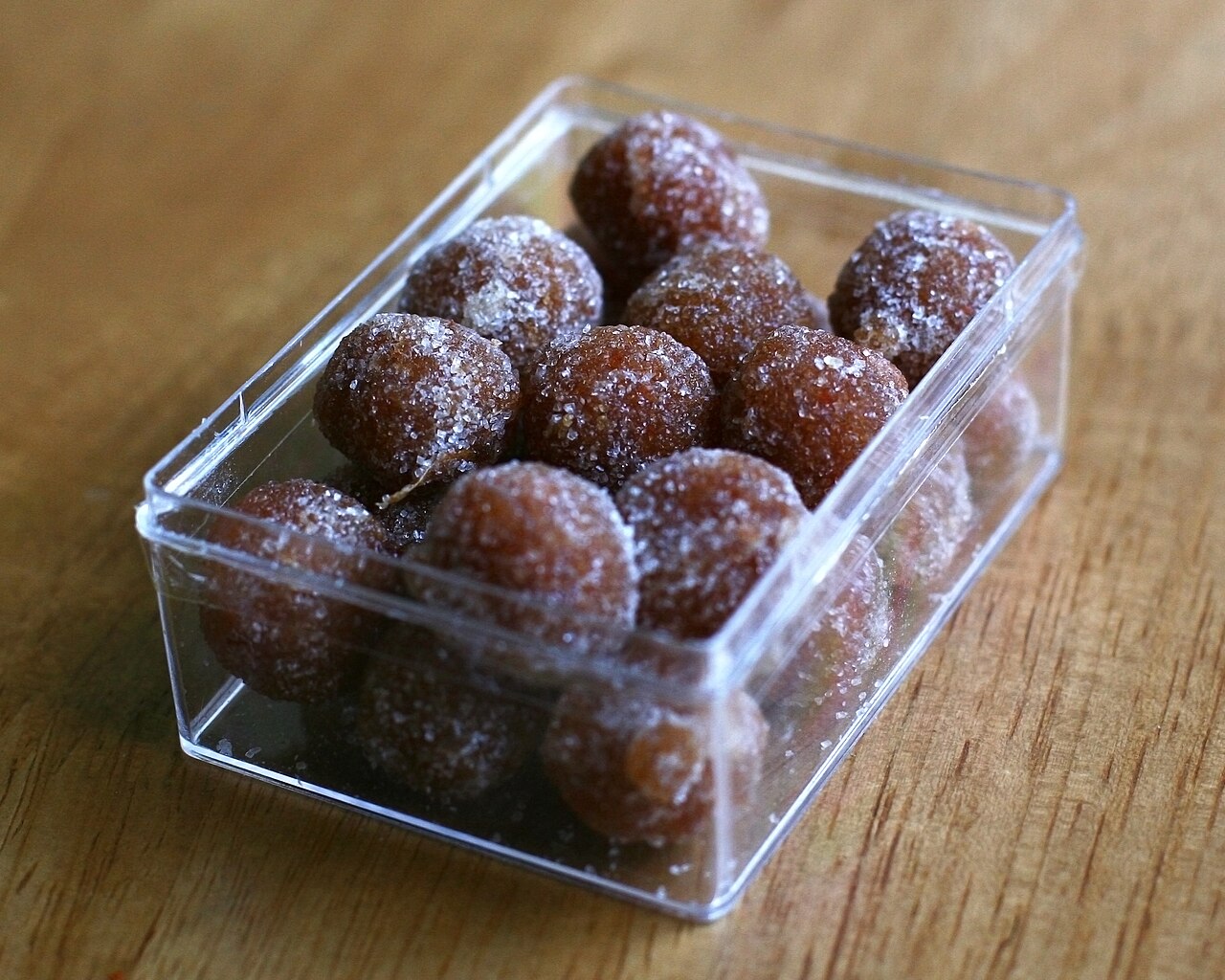
Tamarind balls
Photo: Sanjay Acharya, CC BY-SA 3.0
DessertRecipe

Tamarind balls

The whole island
Read moreShow less

Sticky, sweet and sour sweets made by mixing the brown pulp of the tamarind pod with sugar and rolling it into small balls, which are then coated in more sugar. They are one of the best known Bajan sweets.

See the recipe
Serves 630 min

Ingredients

  • 200 g tamarind pulp (from fresh pods, or a block from an Asian or Caribbean shop)
  • 300 g white or light brown sugar, plus extra for rolling
  • 1 to 2 tablespoons warm water if needed
  • A pinch of salt (optional)

Method

  1. If using fresh pods, crack them open and remove the shells and the stringy fibres.
  2. Work the pulp in a bowl with your fingers and pick out every seed. A block of pulp may need a spoon of warm water to soften it.
  3. Knead in the sugar and salt a little at a time until the mixture is thick enough to shape.
  4. Roll into balls about the size of a large marble, then roll each one in sugar.
  5. Leave them to firm up on a plate for an hour. Keep them in a jar for up to two weeks.
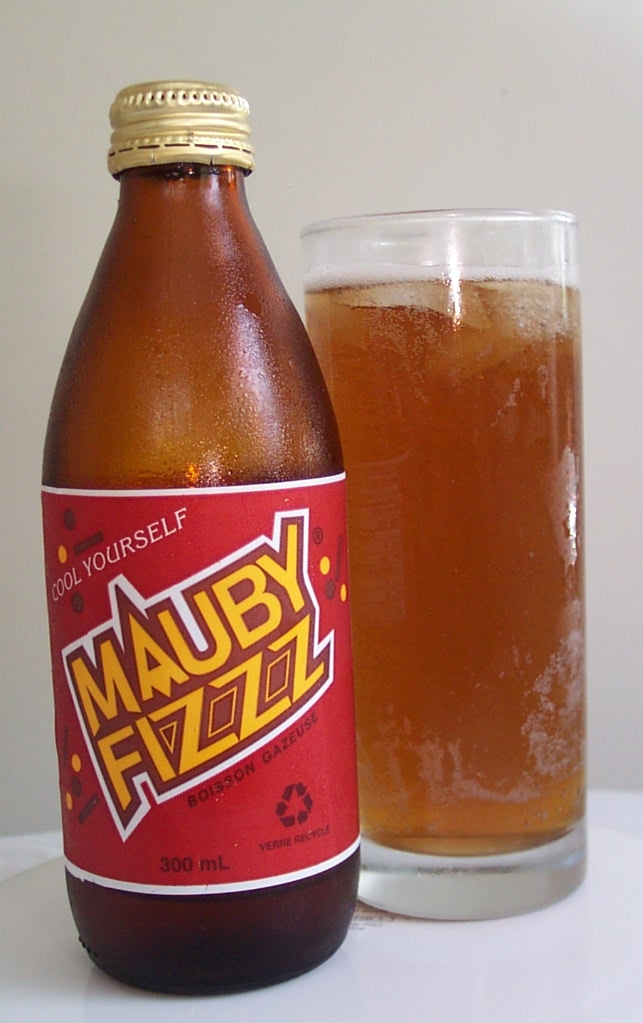
Mauby
Photo: Ryan Chen-Wing, CC BY 2.5
Drink

Mauby

The whole island; also Trinidad and Tobago and other islands
Read moreShow less

A cold drink made by boiling the bark of a small Caribbean tree with sugar and spices, often aniseed. It starts sweet, a little like root beer, and ends with a long bitter aftertaste. Many people buy it as a syrup and mix it with water.

In 1657 the English writer Richard Ligon described 'mobbie', a drink made from potatoes and the most common drink in Barbados at the time. Its name may be an early form of the word mauby.

Falernum
Photo: Craig Hermann, CC BY 2.0
Drink

Falernum

Barbados
Read moreShow less

A sweet syrup or light liqueur flavoured with lime, ginger, almond and cloves, which may go back to the 18th century in and around Barbados. It is mixed into rum punch and tropical cocktails, including the Barbados favourite Corn 'n Oil.

An 1892 magazine owned by the son of Charles Dickens described falernum as 'a curious liqueur composed from rum and lime-juice'.

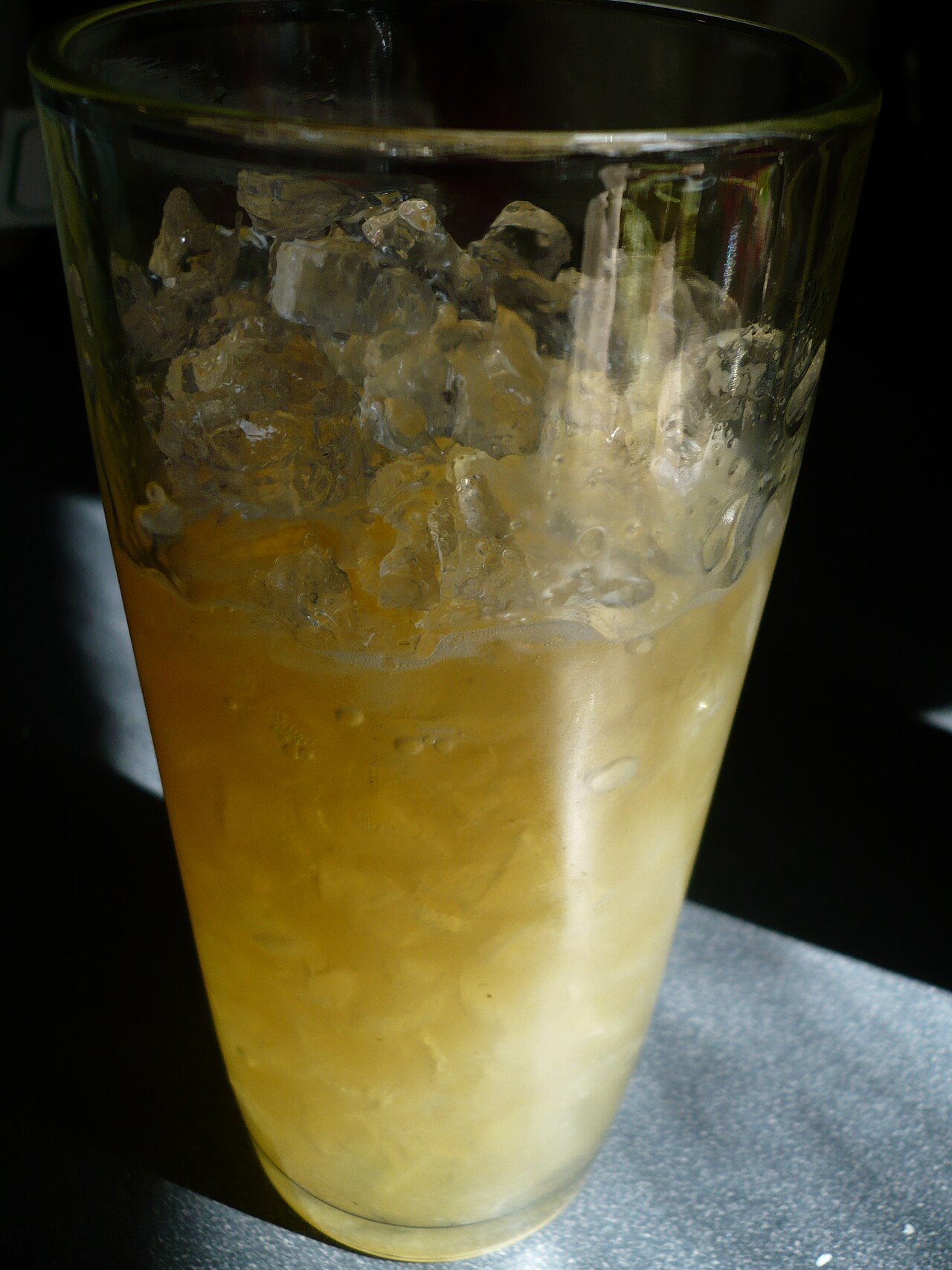
Barbados rum and rum punch
Photo: Aneil Lutchman, CC BY-SA 2.0
DrinkRecipe

Barbados rum and rum punch

The whole island
Read moreShow less

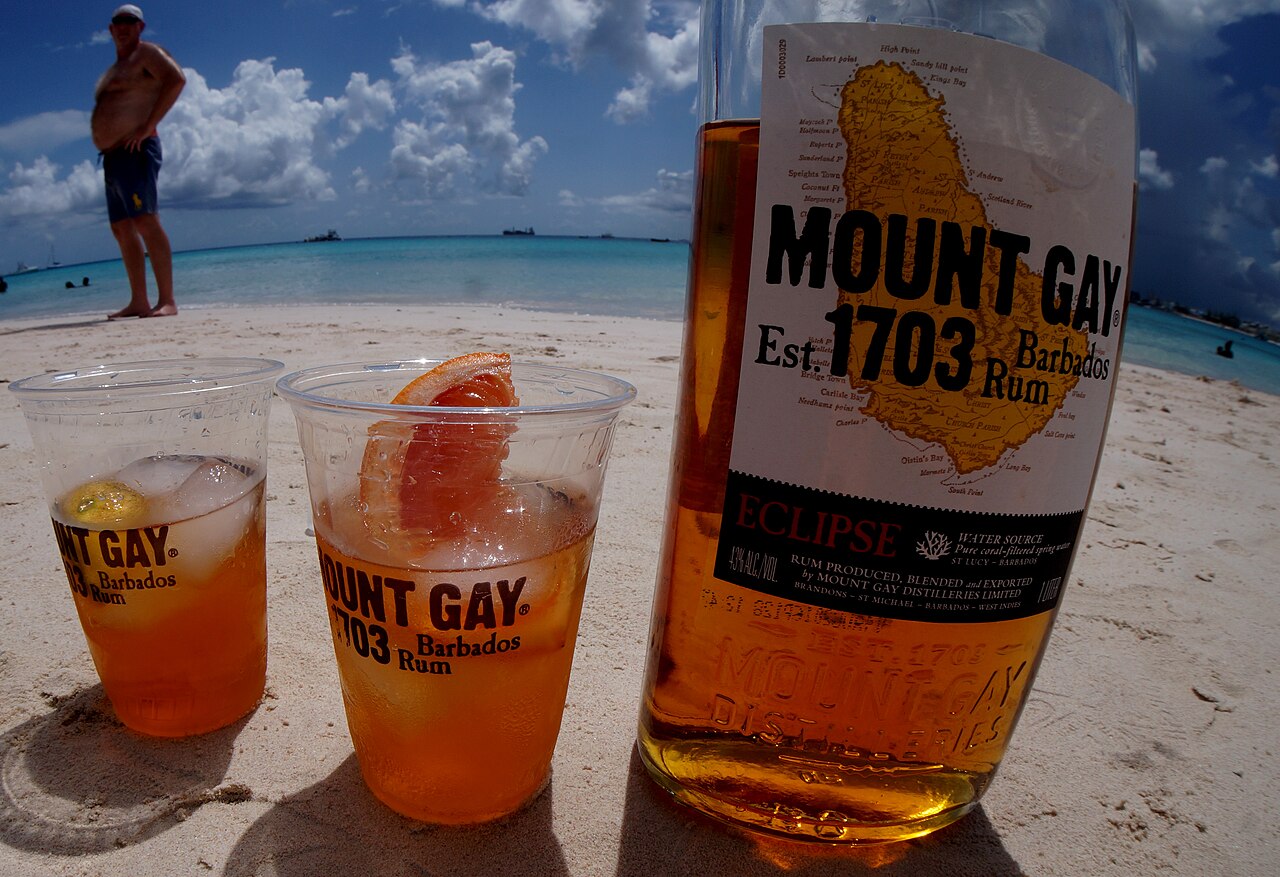
Rum has been made from Barbados sugar cane since the 1600s, and today it is drunk in small rum shops in every village. The classic Bajan rum punch follows an old rhyme: 'One of sour, two of sweet, three of strong, four of weak', finished with bitters and grated nutmeg.

The oldest surviving deed of Mount Gay Rum dates from 1703, and the company presents itself as the oldest rum brand still made today.

See the recipe
Serves 410 min

Ingredients

  • 1 part fresh lime juice (the sour), for example 60 ml
  • 2 parts sugar syrup (the sweet), 120 ml
  • 3 parts Barbados rum (the strong), 180 ml
  • 4 parts water (the weak), 240 ml
  • A few dashes of Angostura bitters
  • Freshly grated nutmeg and plenty of ice

Method

  1. Make the syrup: heat equal amounts of sugar and water until the sugar dissolves, then let it cool.
  2. In a jug, mix the lime juice, syrup, rum and water, following the rhyme: one of sour, two of sweet, three of strong, four of weak.
  3. Add a few dashes of bitters and stir well.
  4. Pour over ice and grate a little nutmeg on top of each glass.
  5. For a version without alcohol, use cold tea or fruit juice instead of the rum.
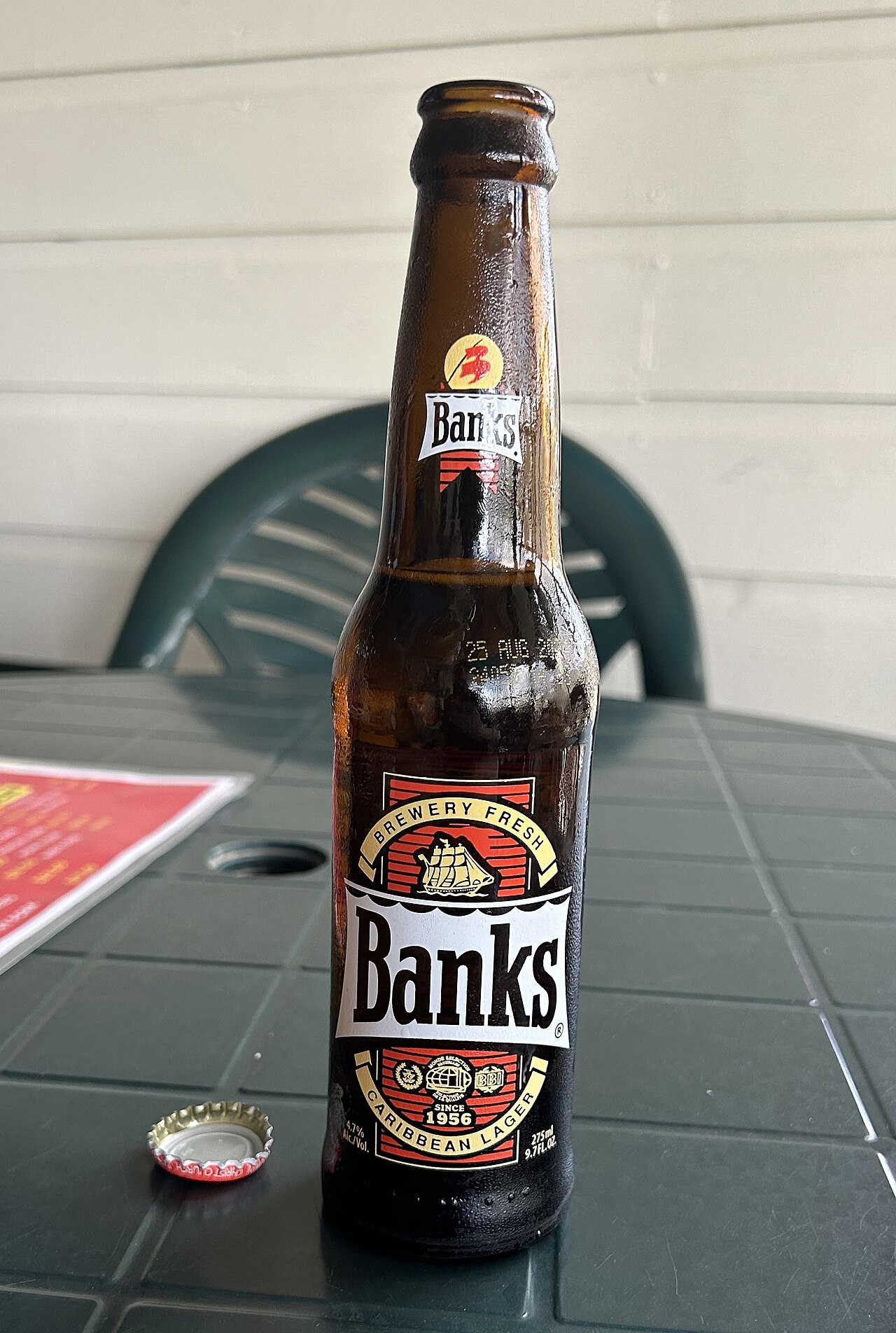
Banks beer
Photo: Upjav, CC0
Drink

Banks beer

Founded at Wildey, Saint Michael; now brewed at Newton, Christ Church
Read moreShow less

Barbados's own lager, brewed by the Banks brewery, which opened on 7 September 1961. Light and refreshing, it is the beer of rum shops, cricket matches and beach afternoons. The brewery also makes Tiger Malt, a non-alcoholic malt drink.

Table manners

  • Say 'Good morning' or 'Good afternoon' when you enter a shop, a bus or someone's home, even to strangers. Bajans find it rude to skip the greeting.
  • Friday is the traditional day for cou-cou and flying fish, and Saturday for pudding and souse.
  • Bajan pepper sauce is very hot. Try one drop first before shaking more over your food.
  • Street food such as fish cakes, cutters and roti is eaten with your hands, straight from the paper.
  • At the Oistins fish fry you queue at a stall, order your fish and sides, and share long tables with strangers. Joining in is part of the fun.
  • Dress neatly when you go out to eat in town: swimwear is for the beach only.
Cities

8 cities to know

Barbados is small, so its 'cities' are mostly towns and villages, and you can drive across the island in an hour or so. Bridgetown, the capital, sits on Carlisle Bay in the southwest. The calm west coast, the 'Platinum Coast', runs north through Holetown to Speightstown. The busy south coast has Saint Lawrence Gap and the fishing town of Oistins, while the rugged east coast has Bathsheba and its surf. The island is divided into 11 parishes, and each old parish had its own church and main village.

BridgetownWarrensHoletownSpeightstownBelleplaineBathshebaSt Lawrence GapOistins
Bridgetown
Photo: P.Lechien, CC0

BridgetownCapital

Saint Michael
Read moreShow less

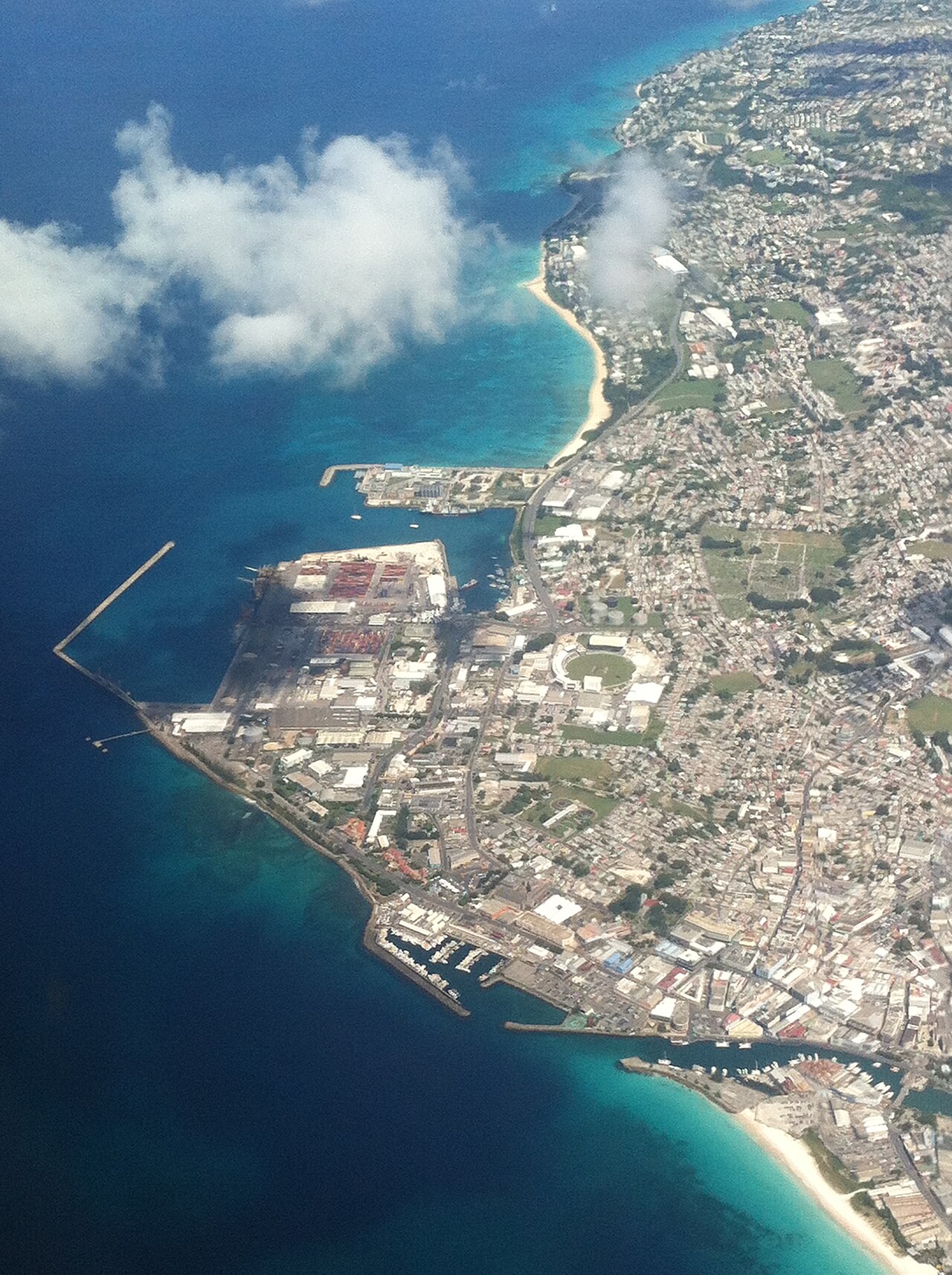
The capital, largest city and main port, on Carlisle Bay. English settlers founded it in 1628 at a spot they called Indian Bridge, after an old bridge across the swamp left by earlier inhabitants. At its heart is the Careenage, a small harbour in front of the Parliament Buildings. The greater Bridgetown area had about 110,000 people in 2014. The old town and the nearby Garrison have been a UNESCO World Heritage Site since 2011.

  • The Parliament Buildings and National Heroes Square
  • The Careenage and the Nidhe Israel Synagogue
  • Kensington Oval cricket ground and the Garrison Savannah racecourse
Warrens, Barbados
Photo: Inharmonicpartials, CC BY-SA 3.0

Warrens

Saint Michael
Read moreShow less

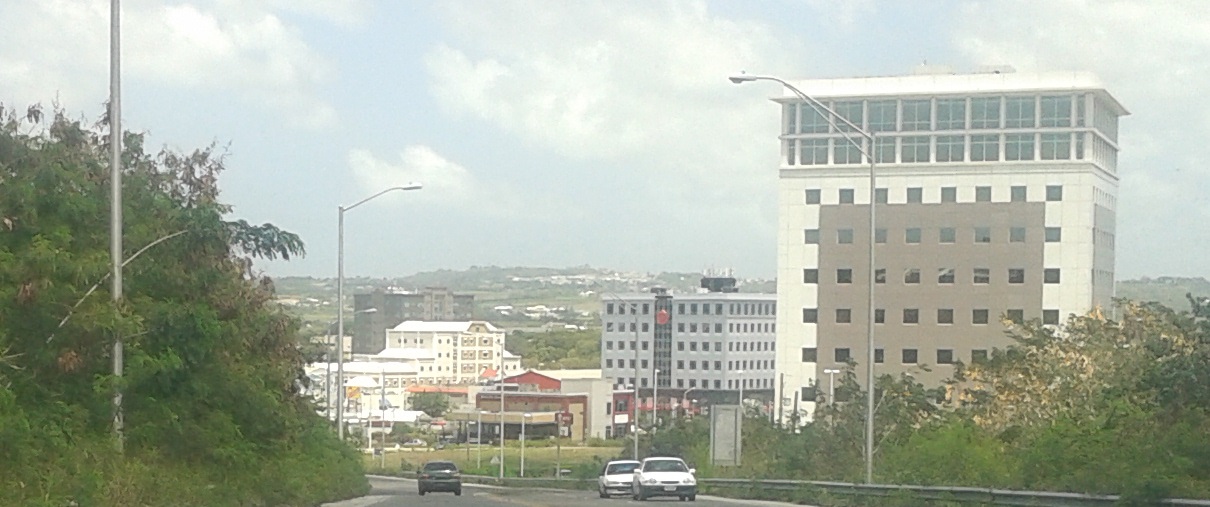
A fast-growing business district on the ABC Highway, about 5 km north of central Bridgetown. Because the old capital has strict limits on building height, many companies and government offices have built their modern towers here since around 2000.

  • Modern office towers and shopping centres
  • The ABC Highway, the main road around Bridgetown
  • Government offices, including the head office of the Ministry of Labour
Holetown
Photo: CaribDigita, Public domain

Holetown

Saint James
Read moreShow less

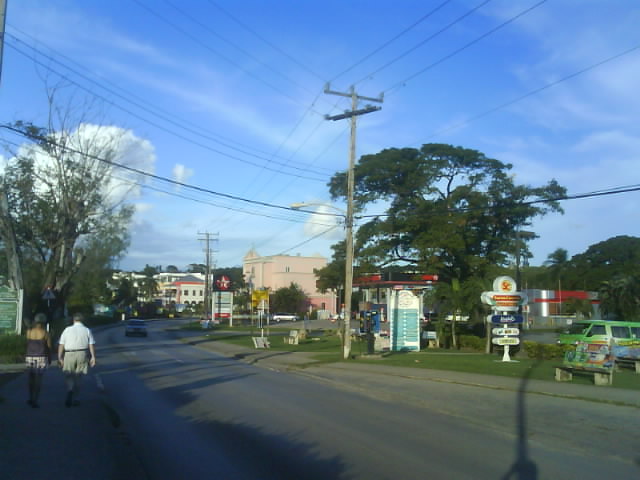
A small town on the sheltered west coast, where the first English settlers landed on 17 February 1627 and founded Jamestown. The name comes from 'The Hole', a stream that gave the ships a safe landing place. St James Parish Church was founded here in 1628, and the Holetown Festival has marked the landing every year since 1977.

  • The site of the first English settlement
  • St James Parish Church
  • Calm beaches, luxury hotels and the Holetown Festival
Speightstown
Photo: Postdlf, CC BY-SA 3.0

Speightstown

Saint Peter
Read moreShow less

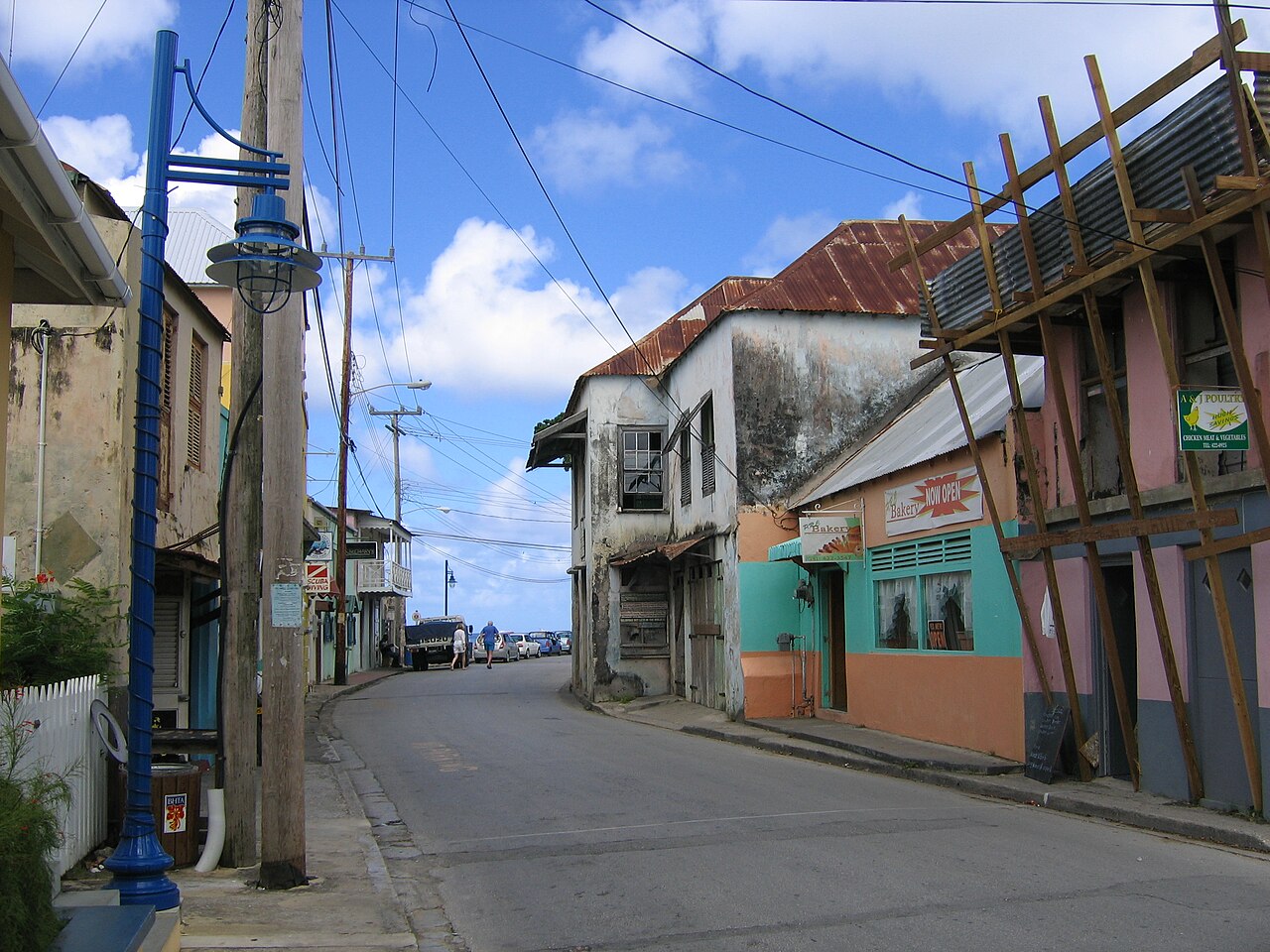
The second largest town in Barbados, on the northwest coast about 19 km north of Bridgetown. In the early colonial years it was the island's busiest port, shipping sugar straight to London and especially Bristol, which is why it is nicknamed 'Little Bristol'. Today it is a quiet town of old shops and fishing boats.

  • The nickname 'Little Bristol'
  • Old colonial buildings and a busy northern shopping district
  • A twin town of Charleston, South Carolina, which settlers from here helped to found
Belleplaine
Photo: Postdlf, CC BY-SA 3.0

Belleplaine

Saint Andrew
Read moreShow less

A village in the hilly Scotland District of Saint Andrew, near the northeast coast. From 1883 until 1937 it was the end of the line of the Barbados Railway, which ran here from Bridgetown. The name is said to mean 'beautiful plain'.

  • The old end station of the Barbados Railway
  • The Morgan Lewis windmill nearby
  • Views over the green hills of the Scotland District
Bathsheba
Photo: Postdlf, CC BY-SA 3.0

Bathsheba

Saint Joseph
Read moreShow less

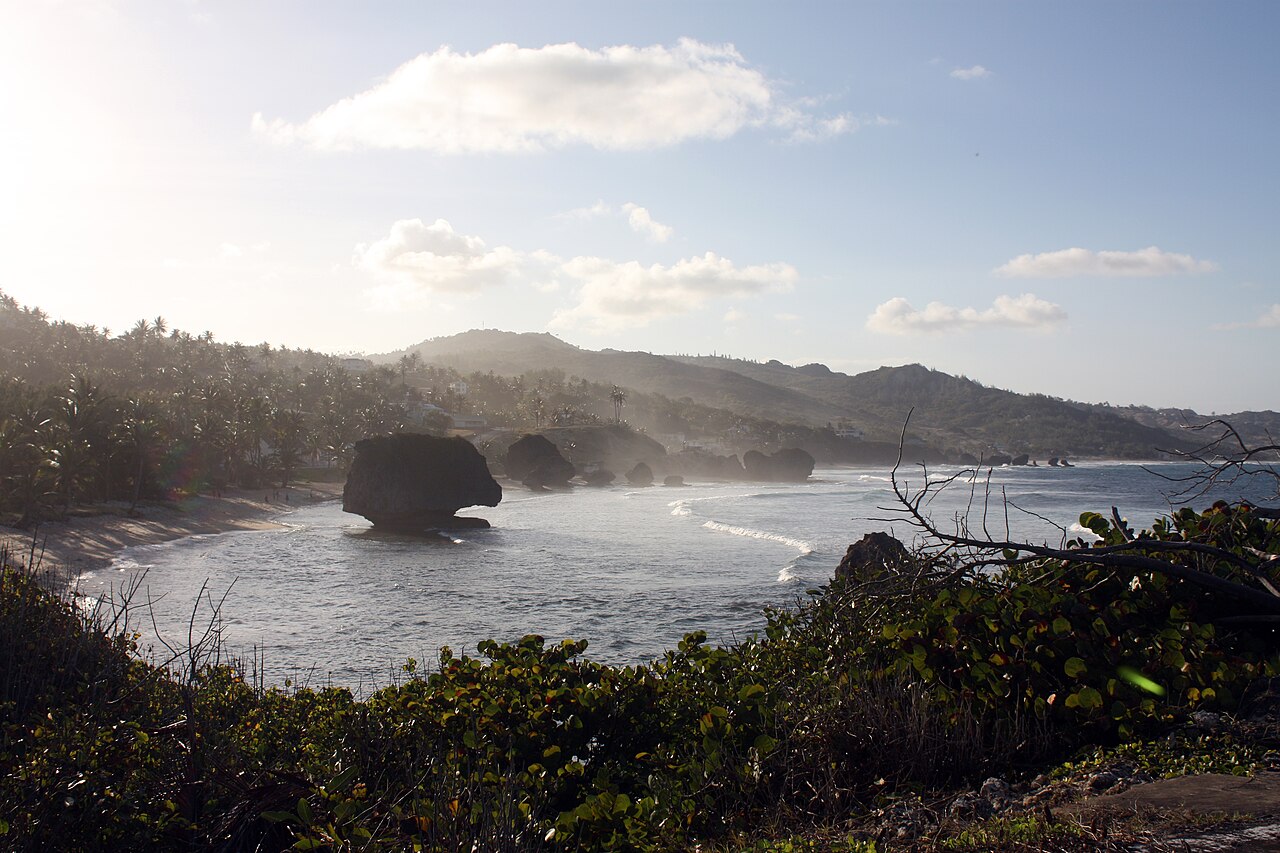
The main fishing village of Saint Joseph, on the wild Atlantic coast. Huge boulders stand in the surf off its beach, and the reef break known as the Soup Bowl draws surfers from around the world. The sea here has strong currents, so it is a place for surfers and sightseers rather than swimmers.

  • The Soup Bowl surf break and the yearly Barbados Surf Pro contest
  • Andromeda Botanic Gardens
  • Giant boulders and dramatic sea views
Saint Lawrence Gap
Photo: Postdlf, CC BY-SA 3.0

Saint Lawrence Gap

Christ Church
Read moreShow less

Known simply as 'the Gap', this is a 1.5 km strip of bars, restaurants, hotels and clubs along a white sand beach on the south coast, about 5 km southeast of Bridgetown. It is the liveliest place on the island at night.

  • Nightlife, restaurants and live music
  • Dover Beach and a seaside boardwalk
  • Large beach hotels
Oistins
Photo: Barry haynes, CC BY-SA 3.0

Oistins

Christ Church
Read moreShow less

A fishing town on the south coast and the main town of Christ Church. The Charter of Barbados was signed here in 1652. Today it is famous for its Friday night fish fry, when locals and visitors crowd the stalls for fried and grilled fish and dance late into the night. The Oistins Fish Festival takes place at Easter.

  • The Friday night fish fry
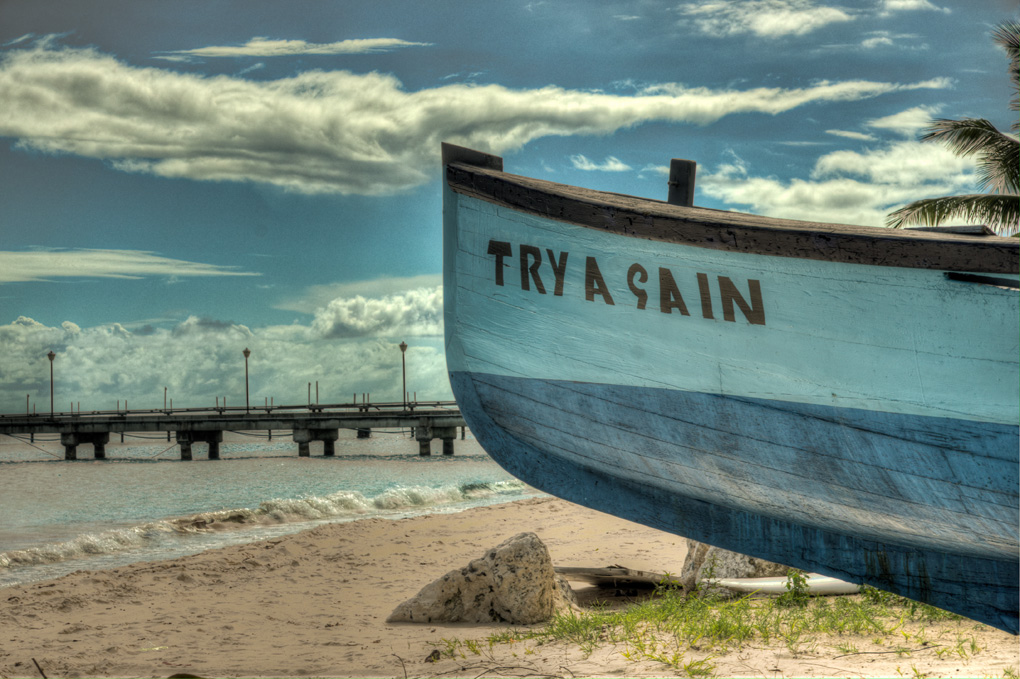
  • The fish market and fishing boats
  • The Oistins Fish Festival at Easter
Landmarks

Places everyone should see once

Parliament Buildings (Barbados)
Photo: giggel, CC BY 3.0
Bridgetown

Parliament Buildings

UNESCO World Heritage
Read moreShow less

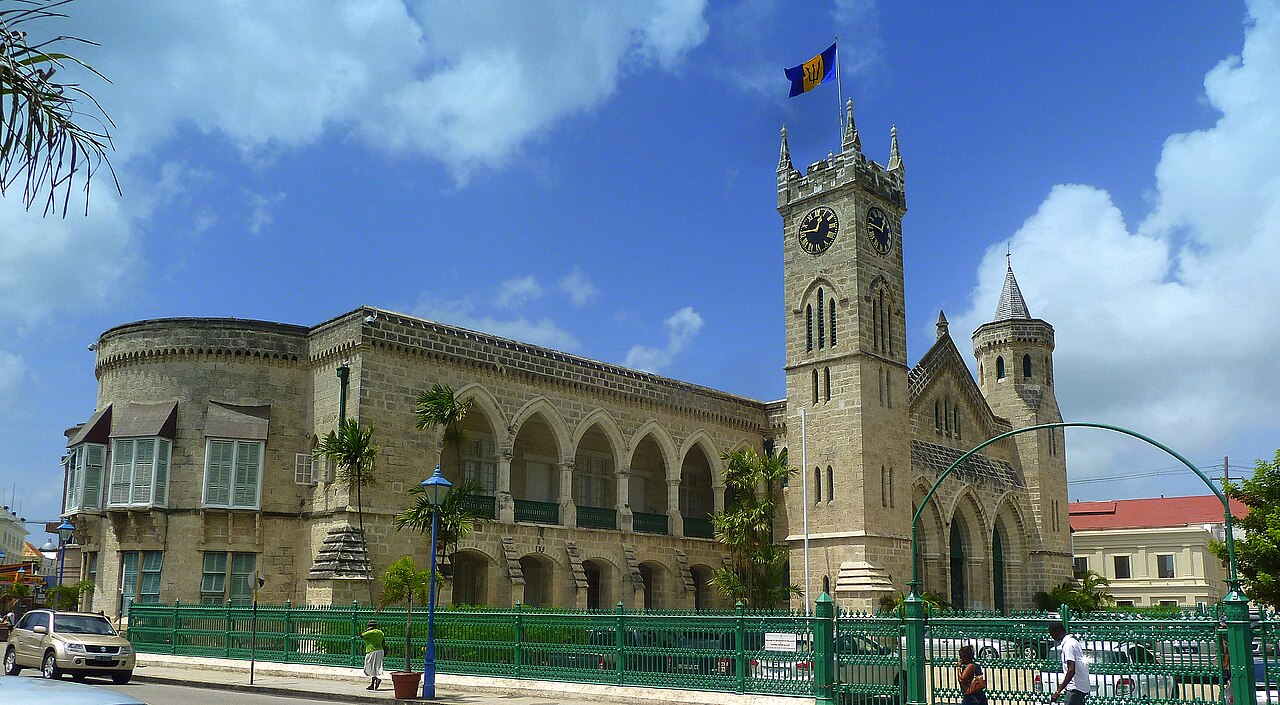
Two neo-Gothic stone buildings with a clock tower beside the Careenage in the centre of Bridgetown, built between 1870 and 1874 and used by parliament from 16 June 1874. The House of Assembly itself dates back to 1639, and before these buildings existed it sometimes met in taverns. The buildings are part of the World Heritage Site of Historic Bridgetown and its Garrison.

Nidhe Israel Synagogue
Photo: Rennboot, CC BY 3.0
Bridgetown

Nidhe Israel Synagogue

UNESCO World Heritage
Read moreShow less

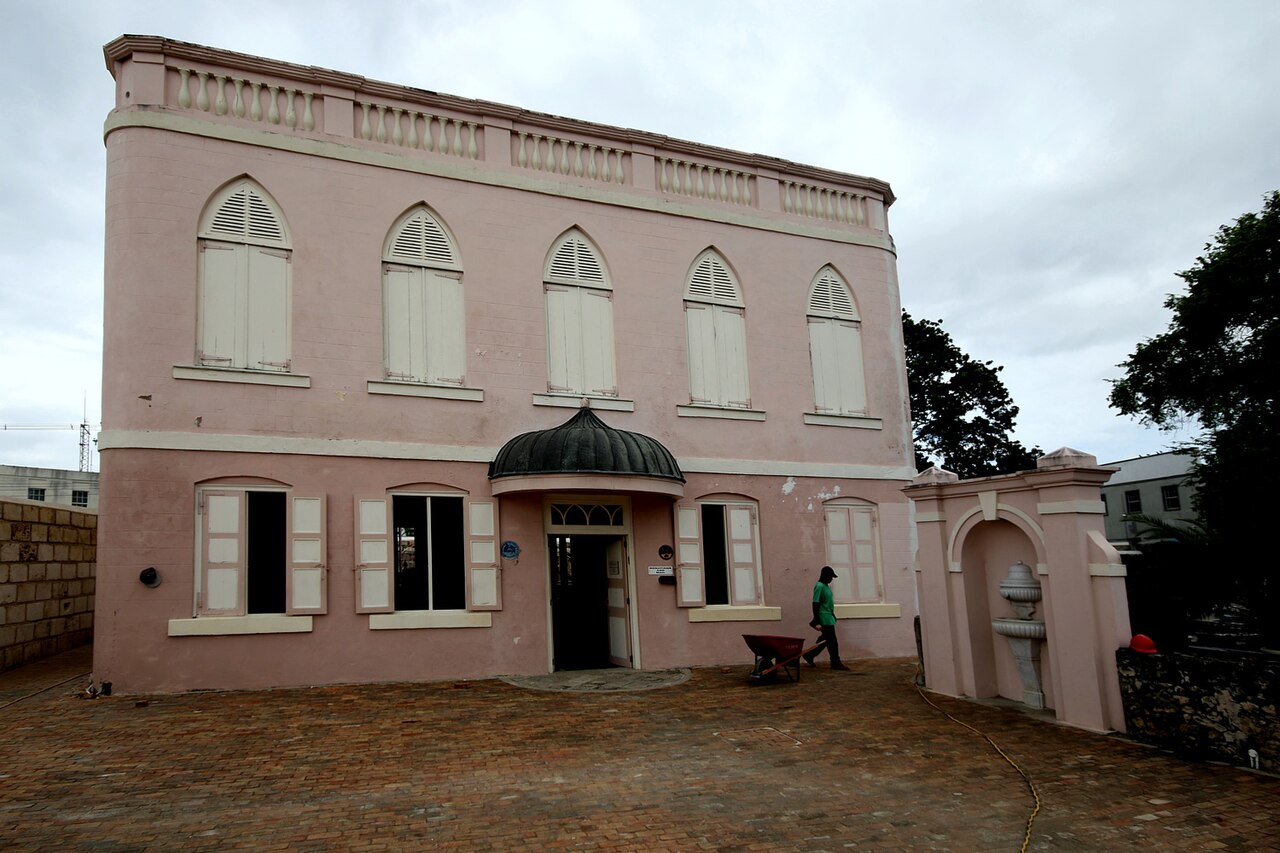
One of the oldest synagogues in the Western Hemisphere, first built in 1654 for a Jewish community, many of whose members came from Dutch Brazil and helped to build the sugar industry. The present building dates from 1833, after a hurricane destroyed the first. Restored from 1986, it has a small museum, an old cemetery and a 17th-century ritual bath found by archaeologists in 2008.

The Garrison and the Garrison Savannah
Photo: Ulises Icardi, CC BY-SA 4.0
Bridgetown

The Garrison and the Garrison Savannah

UNESCO World Heritage
Read moreShow less

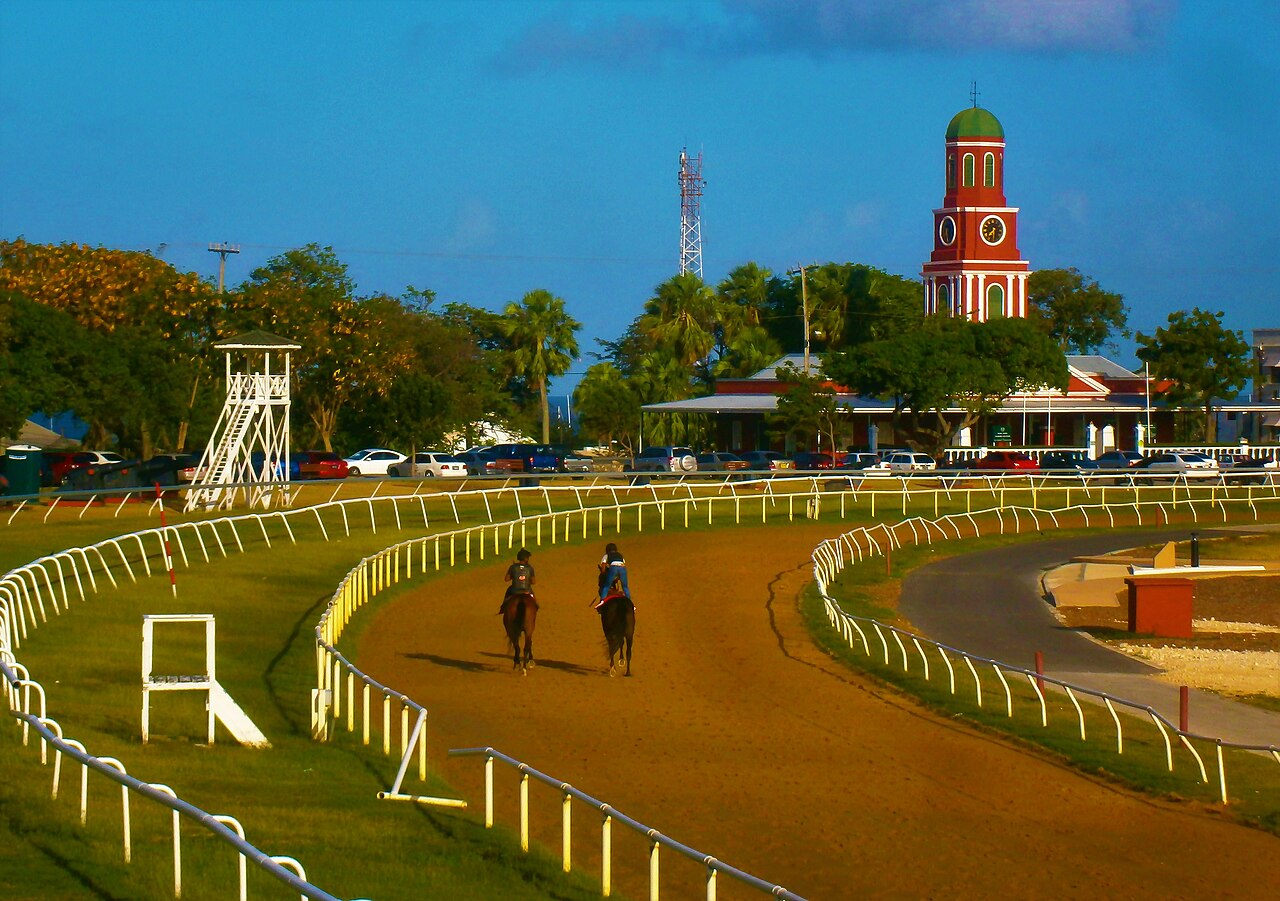
The former British military garrison just south of central Bridgetown, part of the World Heritage Site. Its old parade ground, the Savannah, is now a racecourse where the Barbados Gold Cup is run, surrounded by old military buildings, the Barbados Museum in the former military prison, and George Washington House, where the future first US president stayed in 1751.

Kensington Oval
Photo: Barry haynes, CC BY-SA 3.0
Bridgetown

Kensington Oval

Read moreShow less

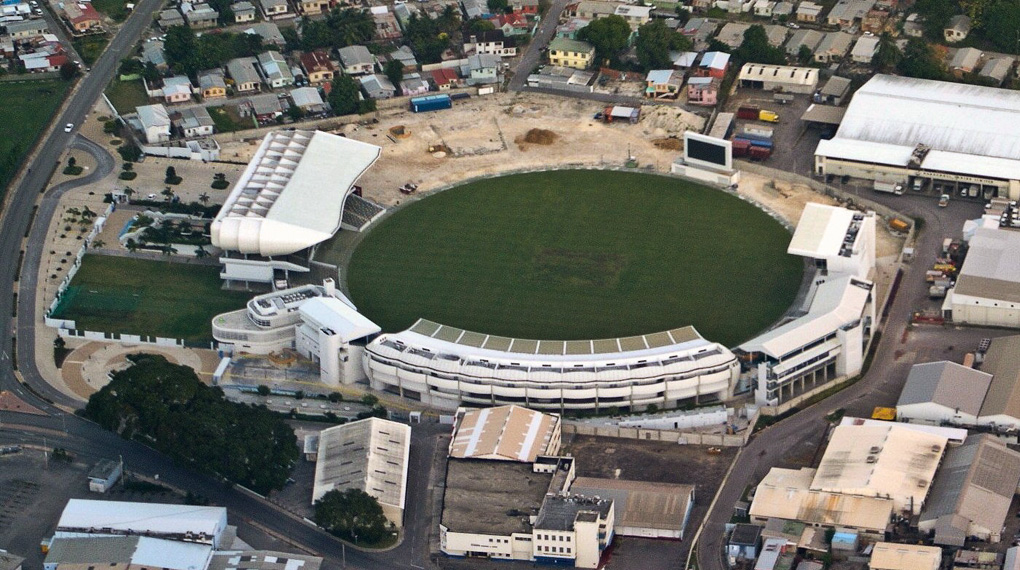
The home of cricket in Barbados, in western Bridgetown. Cricket has been played here since 1882, and the first Test match was held in January 1930, between the West Indies and England. Rebuilt for the 2007 Cricket World Cup, it hosted the final of that tournament and the final of the 2024 T20 World Cup.

Harrison's Cave
Photo: NeilEvans at English Wikipedia, Public domain
Near Warrens

Harrison's Cave

Read moreShow less

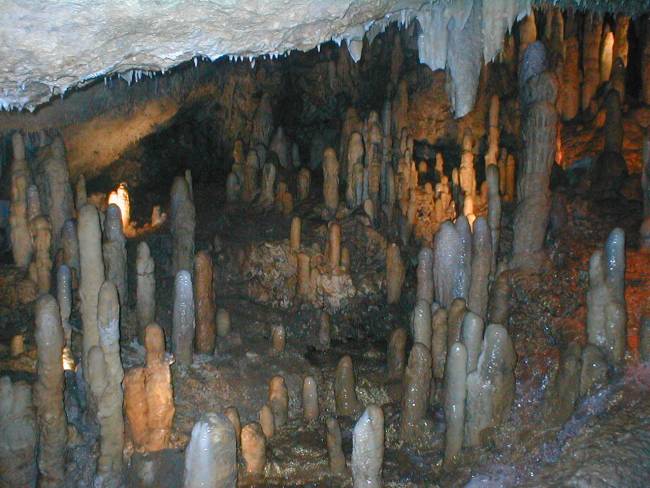
A limestone cave in the central uplands, carved out by water and filled with stalactites and stalagmites. First mentioned in 1795 and explored again in the early 1970s, it opened to visitors in 1981. Visitors ride through it on a small tram, stopping in chambers such as the Great Hall, which is more than 15 m high.

Gun Hill Signal Station
Photo: SamBlob, CC BY-SA 3.0
Near Warrens

Gun Hill Signal Station

Read moreShow less

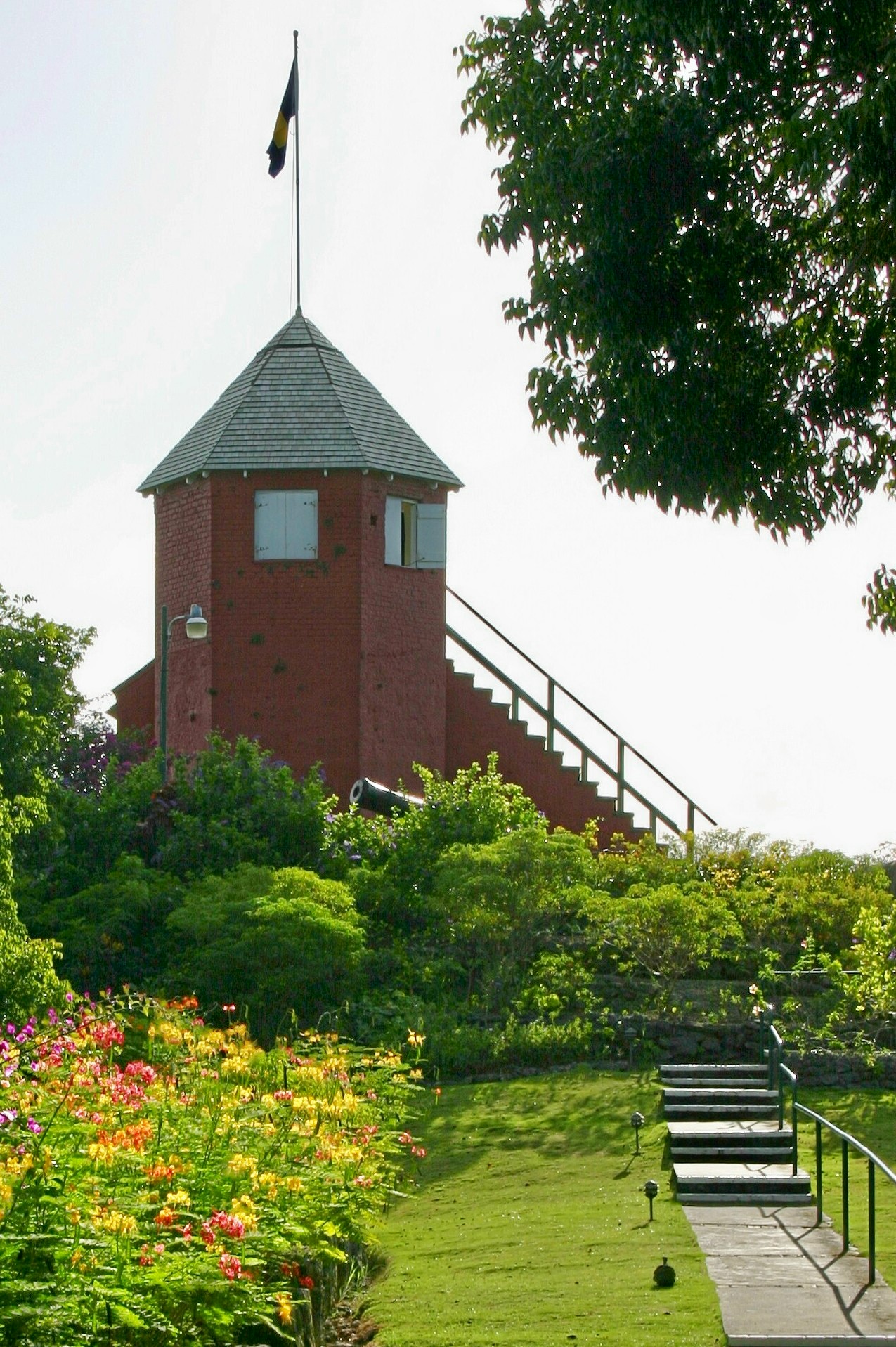
A hilltop signal tower in Saint George, built in 1818 and 1819 as part of a chain of stations that passed messages across the island with flags. It was also used as a cool place for sick soldiers to recover. Below the station stands a well-known sculpture of a lion. The Barbados National Trust restored the station in the 1980s.

Morgan Lewis Sugar Mill
Photo: TaroSingh, CC BY-SA 4.0
Near Belleplaine

Morgan Lewis Windmill

Read moreShow less

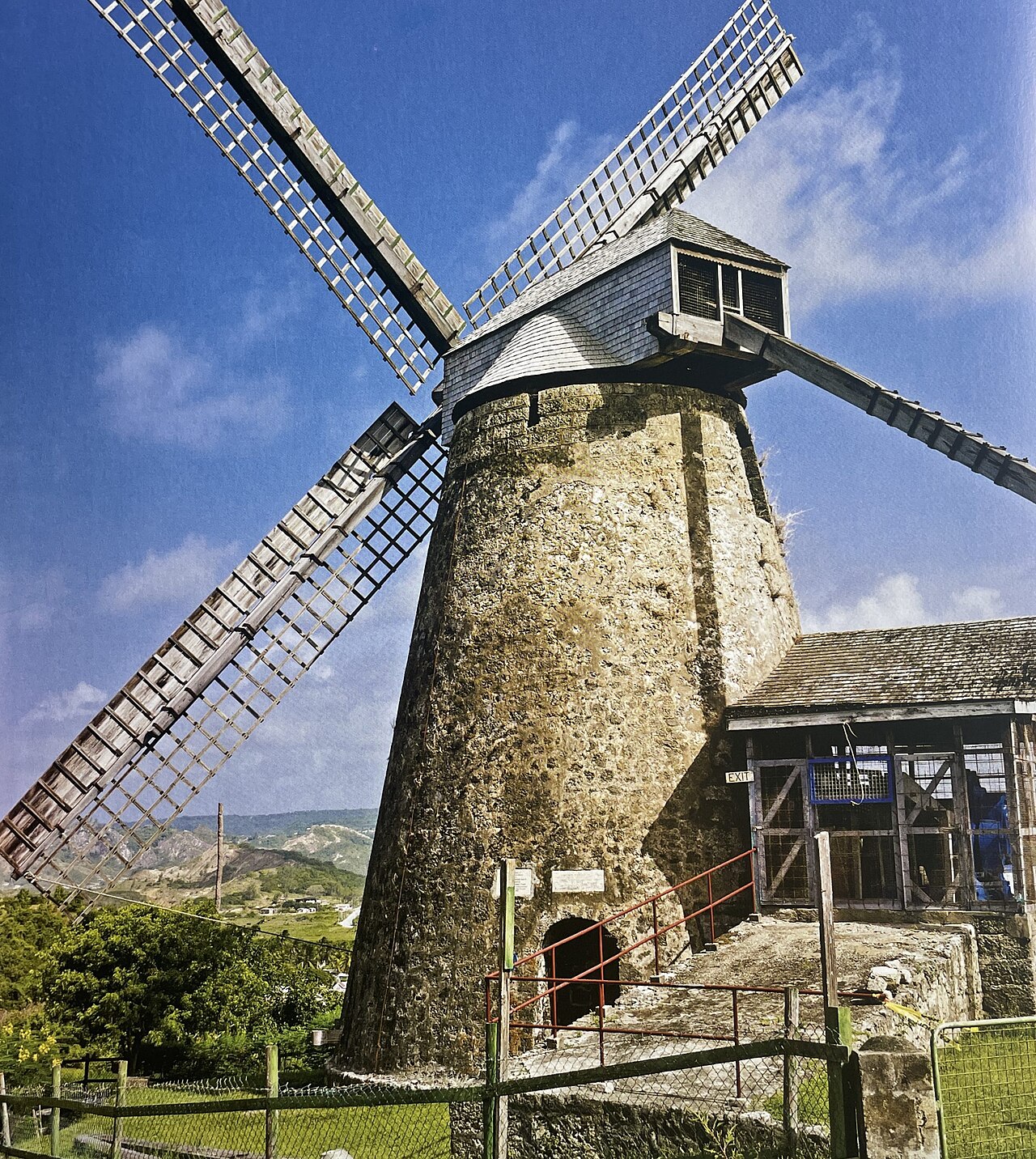
A stone sugar windmill in Saint Andrew, described as the largest complete one surviving in the Caribbean. It stopped work in 1947 and was restored with all its original machinery, reopening in 1999. In the cane harvest season its sails are fitted and it sometimes grinds cane again. Since 2013 it has appeared on the back of the Barbadian 2-dollar note.

St Nicholas Abbey
Photo: Pontificalibus, CC BY-SA 3.0
Near Belleplaine

St Nicholas Abbey

Read moreShow less

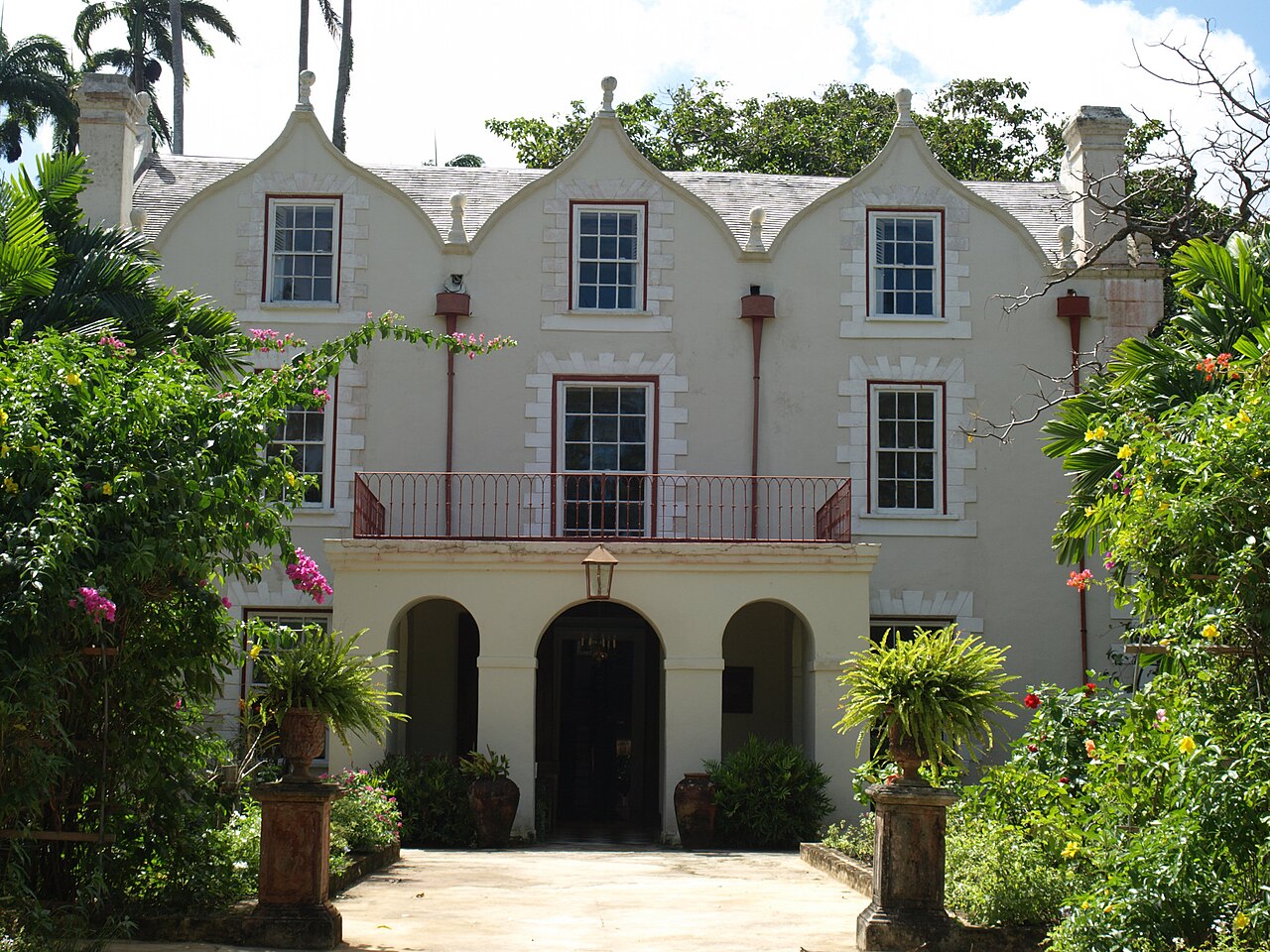
Despite its name, this has never been a church: it is a plantation house in Saint Peter, built in 1658 in the Jacobean style of early 17th-century England, and often described as one of only three Jacobean mansions in the Western Hemisphere. Today it is a museum with a rum distillery, an avenue of mahogany trees and a small heritage railway.

Animal Flower Cave
Photo: JERRYE AND ROY KLOTZ MD, CC BY-SA 3.0
Near Speightstown

Animal Flower Cave

Read moreShow less

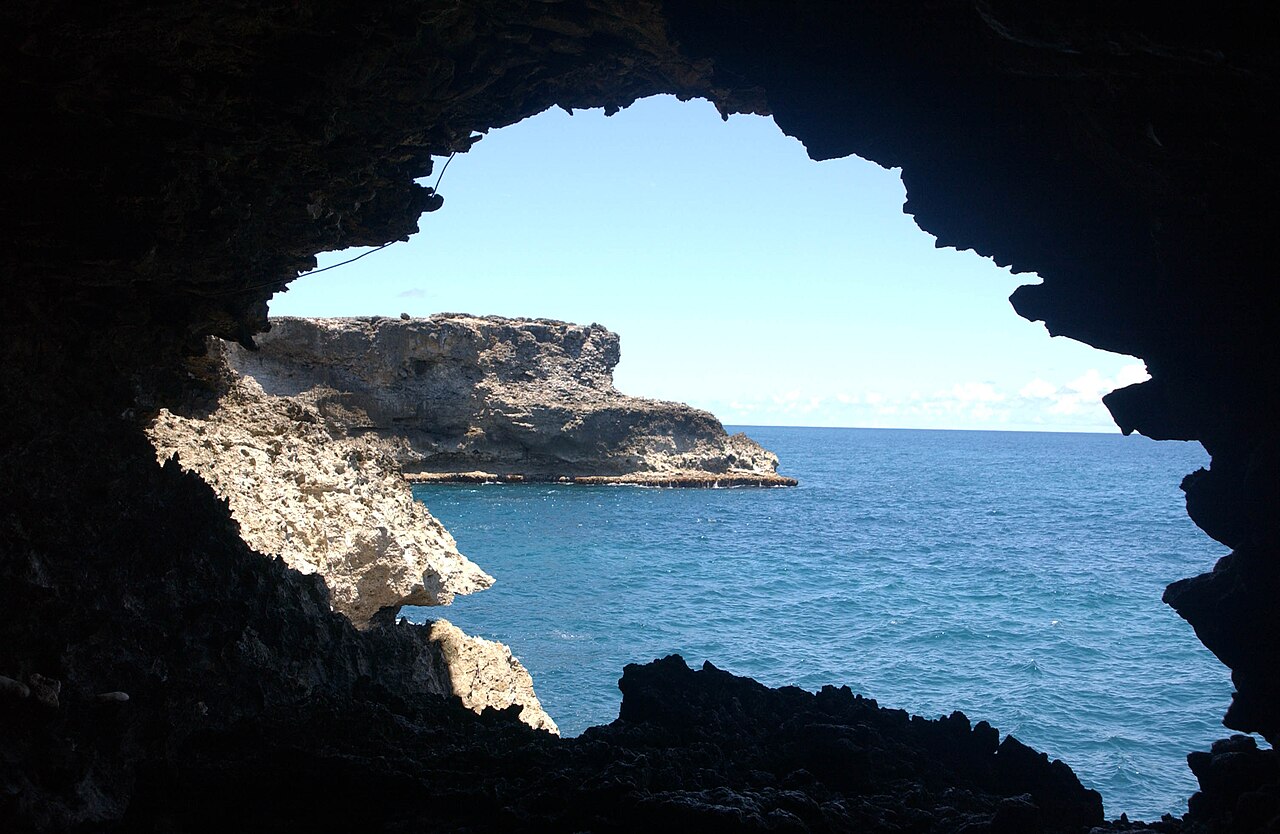
A sea cave under the cliffs at North Point, the northern tip of the island. Coral steps lead down into it, and inside there are rock pools and openings that look straight out onto the Atlantic. It is named after the sea anemones, called 'animal flowers' locally, that live in its pools. Its floor of old coral is estimated at 400,000 to 500,000 years old.

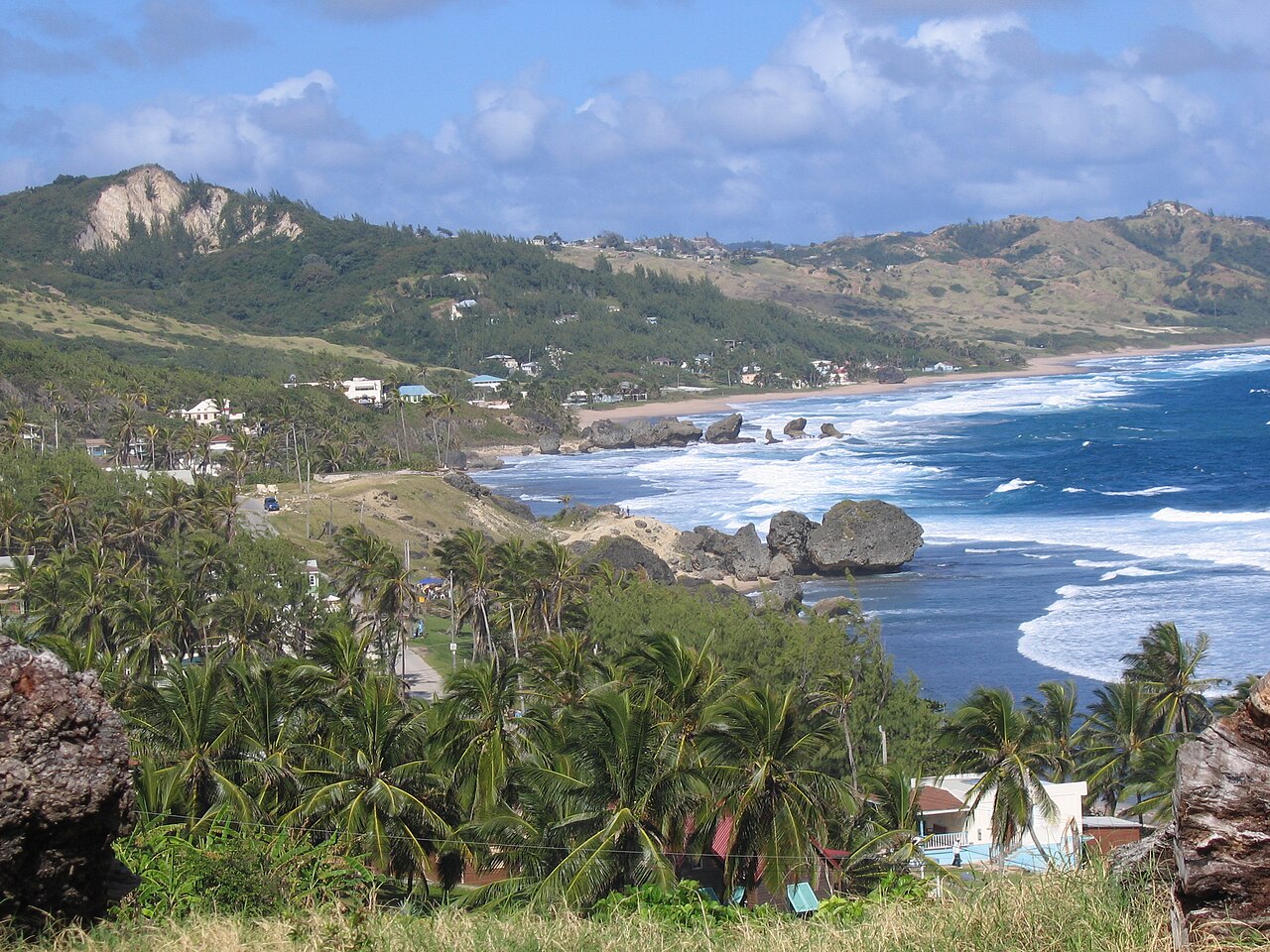
Bathsheba, Barbados
Photo: Postdlf, CC BY-SA 3.0
Bathsheba

Bathsheba and the Soup Bowl

Read moreShow less

The beach at Bathsheba on the Atlantic coast, with giant boulders of coral rock standing in the surf. The reef break here, called the Soup Bowl, is the island's best known surfing spot and hosts the international Barbados Surf Pro contest every year, usually in late winter or spring. The currents on this coast are very strong, and swimming is not recommended.

Fun facts

Things you might not know

  1. 01

    The name Barbados comes from Spanish or Portuguese words meaning 'the bearded ones'. The most popular explanation is the long, hanging roots of the island's bearded fig trees.

  2. 02

    Barbadians often call their island 'Bim', a word that may come from the Igbo language of Nigeria. The phone area code for Barbados, 246, spells BIM on a phone keypad.

  3. 03

    Barbados is still rising out of the sea, by about 2.5 cm every 1,000 years. The Animal Flower Cave was formed at sea level but now stands above the high water mark.

  4. 04

    The flag's black trident head is broken at the shaft, to show the break from colonial rule. The design won a national contest against about 1,000 other entries.

  5. 05

    George Washington's trip to Barbados in 1751, when he was 19, was the only time he left mainland North America. The house where he stayed near Bridgetown is now a museum.

  6. 06

    Green monkeys live wild in Barbados. Their ancestors came from West Africa on ships in the late 17th century.

  7. 07

    A flying fish appears on the Barbadian 1-dollar coin, and on the sculptures and menus all over the island.

  8. 08

    Mount Gay Rum's oldest surviving deed dates from 1703, and the company presents itself as the oldest rum brand still made today.

  9. 09

    Bajan rum punch is made to a rhyme: 'One of sour, two of sweet, three of strong, four of weak', meaning lime juice, sugar, rum and water.

  10. 10

    In 1958 the Barbadian cricketer Sir Garfield Sobers, then 21, scored 365 not out against Pakistan, a Test record that stood until 1994.

  11. 11

    Rihanna, who was born and grew up in Barbados, was named a National Hero on 30 November 2021, the day the country became a republic.

  12. 12

    Barbados was one of the few places with scheduled British Airways Concorde flights. The supersonic airliner flew from London to Barbados in under 4 hours, and one Concorde was kept at the airport after the fleet retired in 2003.

  13. 13

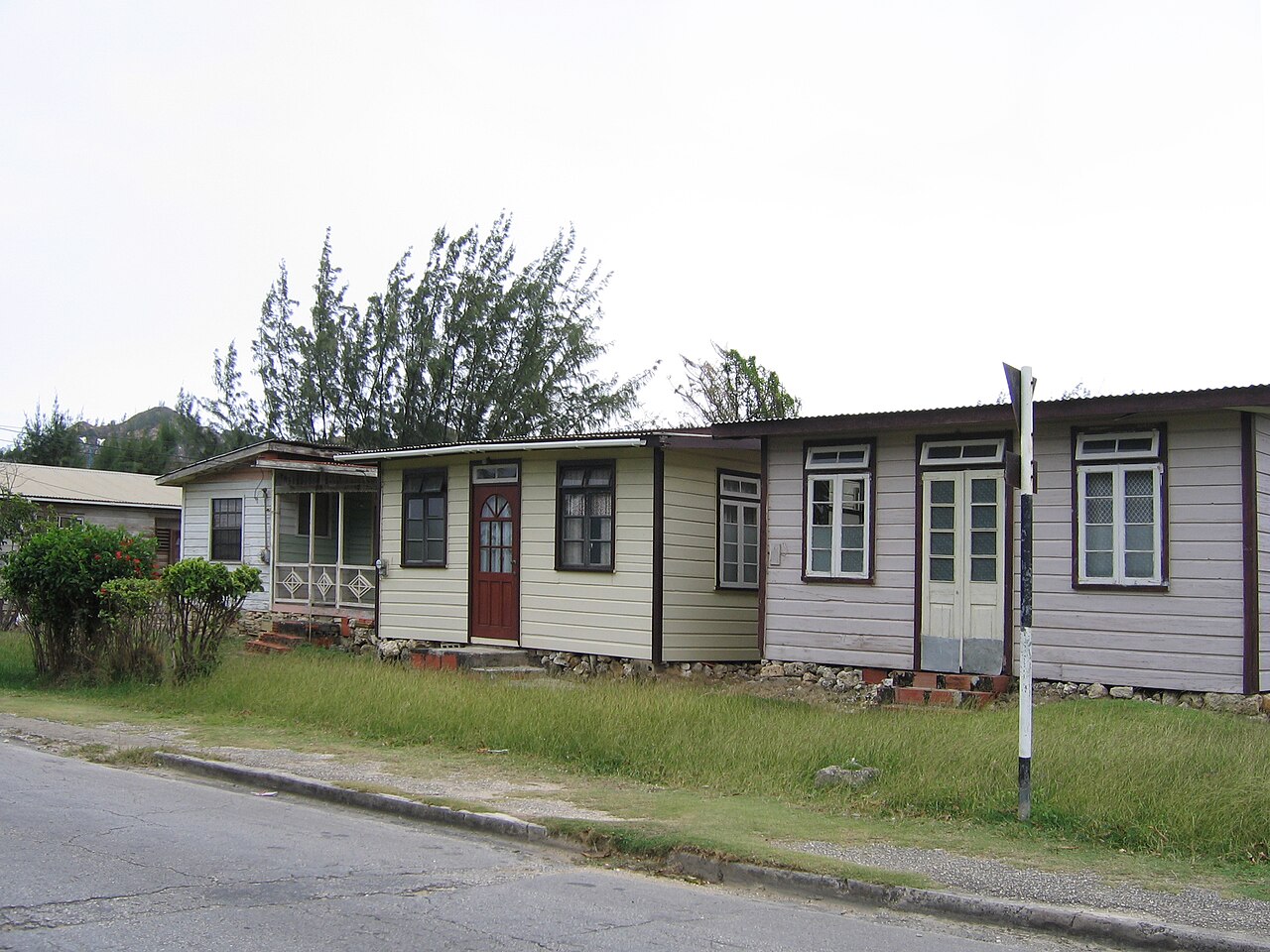
    Traditional Bajan 'chattel houses' are small wooden houses set on blocks instead of foundations, so that workers who did not own the land could take them apart and move them.

  14. 14

    Crop Over, the island's biggest festival, began on the sugar plantations as a celebration of the end of the cane harvest. It was revived as a national festival in 1974 and ends with Grand Kadooment on the first Monday in August.

Bajan (Bajan Creole) words

20 words to start with

Pronunciation is written the way it sounds; the capital letters show where the stress goes.

People

  • BajanBAY-juna Barbadian; anything from Barbados
  • wunnaWUN-nuhyou (when talking to more than one person), you all
  • BimBIMa nickname for Barbados
  • cuhdearkuh-DEERpoor thing (said with sympathy)
  • demDEMthey, them, their

Food

  • bakeBAYKa small fried cake of dough, a little like a thick pancake
  • cutterKUT-tuha sandwich in a crusty salt bread roll, for example with flying fish
  • cou-couKOO-kooa cornmeal and okra dish, half of the national dish
  • nyamNYAMto eat greedily
  • totTOTa small cup, usually made of tin

Places

  • chattel houseCHAT-tul howsa small wooden house that can be taken apart and moved
  • rum shopRUM shopa small village bar where people drink and talk
  • ZRZED-ara white route taxi, a small private bus
  • Crop OverKROP oh-vuhthe summer festival that celebrates the end of the sugar cane harvest

Everyday life

  • limeLYMEto hang out and relax with friends
  • chupseCHUPSto suck air through your teeth to show you are annoyed or do not believe something
  • duck's gutsDUKS gutstrouble, an awkward situation
  • hard-headHARD-hedstubborn, obstinate
  • eye-waterEYE-wah-tuhtears
  • sosoSOH-sohonly, just
Say it like a local

Useful phrases

Bajan (Bajan Creole), with English greetings

Good morning
gud MOR-nin
Good morning
Greeting anyone, even strangers on the street or in a shop. Bajans expect it before anything else
Good evening
gud EEV-nin
Good evening
Greeting people from late afternoon on
Wunna win de cricket?
WUN-nuh win duh KRIK-it
Did you all win the cricket match?
Asking a group of friends about the match. A yes or no question is said like a statement, with the voice rising at the end
Das yours?
dass YORZ
Is that yours?
Asking who something belongs to
Wha he wan?
wah hee WAHN
What does he want?
Asking what someone wants
Wha part de Chefette?
wah PART duh shef-ET
Where is the Chefette?
Asking the way. 'Wha part' means 'where'; Chefette is the island's own fast food chain
Wha time you see he?
wah TYME yoo SEE hee
When did you see him?
Asking when something happened. 'Wha time' means 'when'
How come you get hay so late?
how KUM yoo get HAY soh LAYT
Why did you get here so late?
Asking why. 'How come' is used instead of 'why'
I does guh church pun a Sunday
eye duz guh CHURCH pun uh SUN-day
I go to church on Sundays
Talking about something you do regularly. 'Does' marks a habit
She gine eat
shee gyne EET
She is going to eat
Saying what someone is about to do
Ah'n see she dis evening
AHN see shee dis EEV-nin
I didn't see her this evening
Saying you did not do something. 'Ah'n' is short for 'I ain'
We in de garage
wee in duh guh-RAHJ
We are in the garage
Saying where you are. Bajan often leaves out 'is' and 'are'
Cuhdear!
kuh-DEER
Poor thing!
Showing sympathy when someone tells you bad news
De higha de monkey climb, de more he show he tail
duh HY-uh duh MUN-kee KLYME, duh MOR hee SHOW hee TAYL
The more you show off, the more you show your faults
A proverb for someone who is showing off
Cat luck ain' dog luck
kat LUK ayn dog LUK
What one person gets away with may cause trouble for another
A proverb warning someone not to copy a lucky friend
Wuh ain' miss you, ain' pass you
wuh ayn MISS yoo, ayn PASS yoo
Just because you got away with it so far does not mean it will not catch up with you
A proverb about being patient with trouble that may still come
Ef greedy wait, hot wud cool
ef GREE-dee WAYT, hot wud KOOL
Patience will be rewarded
A proverb for someone who cannot wait for their food, or anything else
Local tips

Before you go

Greet people first

Say 'Good morning', 'Good afternoon' or 'Good evening' to people before you ask anything, in shops, on buses and even to strangers on the pavement. Bajans value good manners, and a greeting goes a long way.

Drive on the left, and slowly

Traffic drives on the left. Country roads are narrow and twisting, signs can be confusing, and few roads have pavements, so watch out for people walking. Crossing the island can take well over an hour.

Take the bus for a flat fare

Blue government buses, yellow private buses and white route taxis called ZRs cover most of the island. As of 2026 every ride costs the same flat fare of 3.50 Barbadian dollars, but the blue buses do not give change.

Money

The Barbadian dollar is tied to the US dollar, and in shops 2 Barbadian dollars are counted as 1 US dollar. US dollars are accepted in almost all shops and restaurants.

Do not wear camouflage

It is illegal for anyone in Barbados, including children, to wear camouflage clothing. Leave camouflage shorts, hats and bags at home.

Respect the sea on the east coast

Swimming is not recommended on many east coast beaches, such as Bathsheba, where currents are especially strong. Currents can be strong on some south and west coast beaches too, and some beaches have no lifeguards or warning flags.

Sun, water and storms

Barbados is only 13 degrees north of the equator, so wear a hat and sunscreen even on cloudy days. Tap water is safe to drink because it is filtered by the coral rock. The hurricane season runs from June to November, so follow local warnings if a storm is forecast.

Dress for town

Swimwear is fine on the beach, but cover up when you walk into town, shops or restaurants, and dress modestly for church.

Sources (69)
Last step of the trip

Take the quiz, get your Barbados stamp

10 friendly questions about what you just read. No timer, and the ones you miss come back later for review.

Your trip to Barbados

Ready for the quiz?

10 questionsAbout 3 minutesNo timer

My notes on Barbados

Memories, a dish to cook, a place you want to see. Only you can see this. It saves by itself.

Your notes are kept in My collection.

More about Barbados