World Stroll
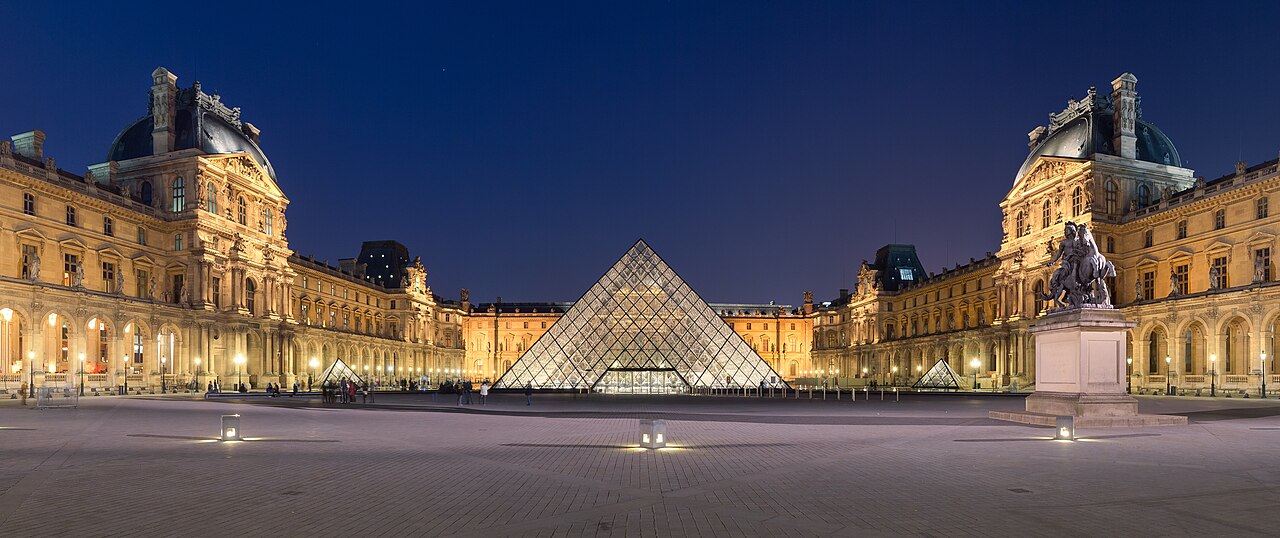
Louvre
Photo: Benh LIEU SONG (Flickr), CC BY-SA 3.0
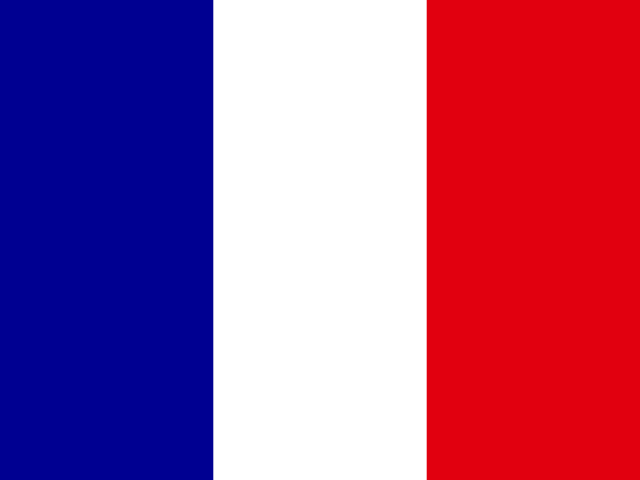
Flag of France
Western Europe

France

Cathedrals and castles, cafés and cheeses, and a way of life built around a good meal.
Your trip to France

Ready for the trip?

10 questionsAbout 3 minutesNo timer
Explore France
You have explored 0 of 9 parts. Scroll on to discover the rest.
AlbaniaAlgeriaAndorraAustriaBelarusBelgiumBosnia and HerzegovinaBulgariaCroatiaCzechiaDenmarkEstoniaFranceGermanyGreeceGuernseyHungaryIrelandIsle of ManItalyJerseyLatviaLiechtensteinLithuaniaLuxembourgMaltaMoldovaMonacoMontenegroMoroccoNetherlandsNorth MacedoniaNorwayPolandPortugalRomaniaRussiaSan MarinoSerbiaSlovakiaSloveniaSpainSwedenSwitzerlandTunisiaTürkiyeUkraineUnited KingdomVatican City

Neighbours

Going to France?Phrases, table manners and local tips on one printable page. Send a postcard from FranceA free digital postcard for family and friends.
Overview

France at a glance

France is the largest country in the European Union. Its mainland is roughly six-sided, so the French often call it 'l'Hexagone': it runs from the English Channel and the Atlantic coast to the Alps, the Pyrenees and the sunny Mediterranean shore.

Over two thousand years France has been a Roman province, a powerful kingdom and the home of a revolution that spread the ideas of liberty and equality around the world. Kings built Versailles, Napoleon built an empire, and engineers built the Eiffel Tower.

Today France is a republic of about 69 million people and the most visited country in the world. Visitors come for Paris, for the vineyards and villages, and for a food culture that UNESCO lists as part of the heritage of humanity.

CapitalParis
PopulationAbout 69 million
Official languageFrench
CurrencyEuro (€)
AreaAbout 552,000 km² in Europe (about 640,000 km² with the five overseas regions)
GovernmentSemi-presidential republic (the Fifth Republic, since 1958)
Highest mountainMont Blanc, about 4,800 m, on the border with Italy
Longest riverThe Loire, about 1,000 km
NeighboursBelgium, Luxembourg, Germany, Switzerland, Italy, Monaco, Andorra and Spain in Europe; Brazil, Suriname and the Netherlands (on Saint Martin) overseas
Drives on theRight
Calling code+33

Next: Story

The story

A short history of France

From Roman Gaul to the modern republic, France has been at the centre of European history, and many of its turning points still shape the world today.

  1. 52 BC

    Vercingetorix surrenders at Alesia

    The Gaulish chief Vercingetorix led a great revolt against Julius Caesar but surrendered after the siege of Alesia. Gaul became part of the Roman world for the next five centuries.
  2. AD 800

    Charlemagne is crowned emperor

    On Christmas Day in the year 800, Pope Leo III crowned the Frankish king Charlemagne emperor in Rome. His empire covered much of western Europe.

  3. 1066

    William of Normandy conquers England

    William, Duke of Normandy, won the Battle of Hastings and became king of England. For centuries afterwards French was the language of the English court.

  4. 1163

    Work begins on Notre-Dame

    The cornerstone of Notre-Dame de Paris was laid. The great Gothic cathedral took about two centuries to complete.

  5. 1429

    Joan of Arc frees Orléans

    During the Hundred Years' War, a young peasant woman, Joan of Arc, helped the French army end the English siege of Orléans. She later became a national heroine and a saint.

  6. 1682

    The court moves to Versailles

    King Louis XIV, the 'Sun King', moved his court and government from Paris to his enormous new palace at Versailles.

  7. 1789

    The storming of the Bastille

    On 14 July 1789 crowds in Paris stormed the Bastille prison, a symbol of royal power. The French Revolution had begun, and 14 July is now the national day.

  8. 1804

    Napoleon crowns himself emperor

    On 2 December 1804, in Notre-Dame de Paris, Napoleon Bonaparte crowned himself Emperor of the French.

  9. 1815

    Napoleon is defeated at Waterloo

    Napoleon's final defeat, at Waterloo in present-day Belgium, ended his rule. He spent his last years in exile on the island of Saint Helena.

  10. 1889

    The Eiffel Tower opens

    Gustave Eiffel's iron tower was built for the Paris world's fair of 1889, held a hundred years after the Revolution. Many Parisians first thought it was ugly.

  11. 1944

    The D-Day landings in Normandy

    On 6 June 1944 Allied troops landed on the beaches of Normandy. Paris was liberated that August.

  12. 1958

    The Fifth Republic begins

    A new constitution, shaped by General Charles de Gaulle, created a strong president. France is still governed under this Fifth Republic.

  13. 1994

    The Channel Tunnel opens

    A rail tunnel under the sea finally linked France and England, running from near Calais to near Folkestone.

  14. 1998

    France wins the World Cup at home

    France hosted the football World Cup and won it for the first time, beating Brazil 3 to 0 in the final near Paris.

  15. 2002

    The euro replaces the franc

    Euro notes and coins replaced the French franc in everyday life.

  16. 2024

    Paris hosts the Olympic Games

    Paris hosted the Summer Olympics for the third time, after 1900 and 1924. That December, Notre-Dame reopened after the fire of 2019.

Next: At the table

At the table

What to eat in France

Every French region has its own dishes, from butter and cream in Normandy to olive oil and herbs in Provence. A festive French meal, listed by UNESCO in 2010, follows a set order: an apéritif (a drink before the meal), then a starter (in France called the 'entrée'), a main course of meat or fish with vegetables, cheese, and finally dessert, often followed by coffee.
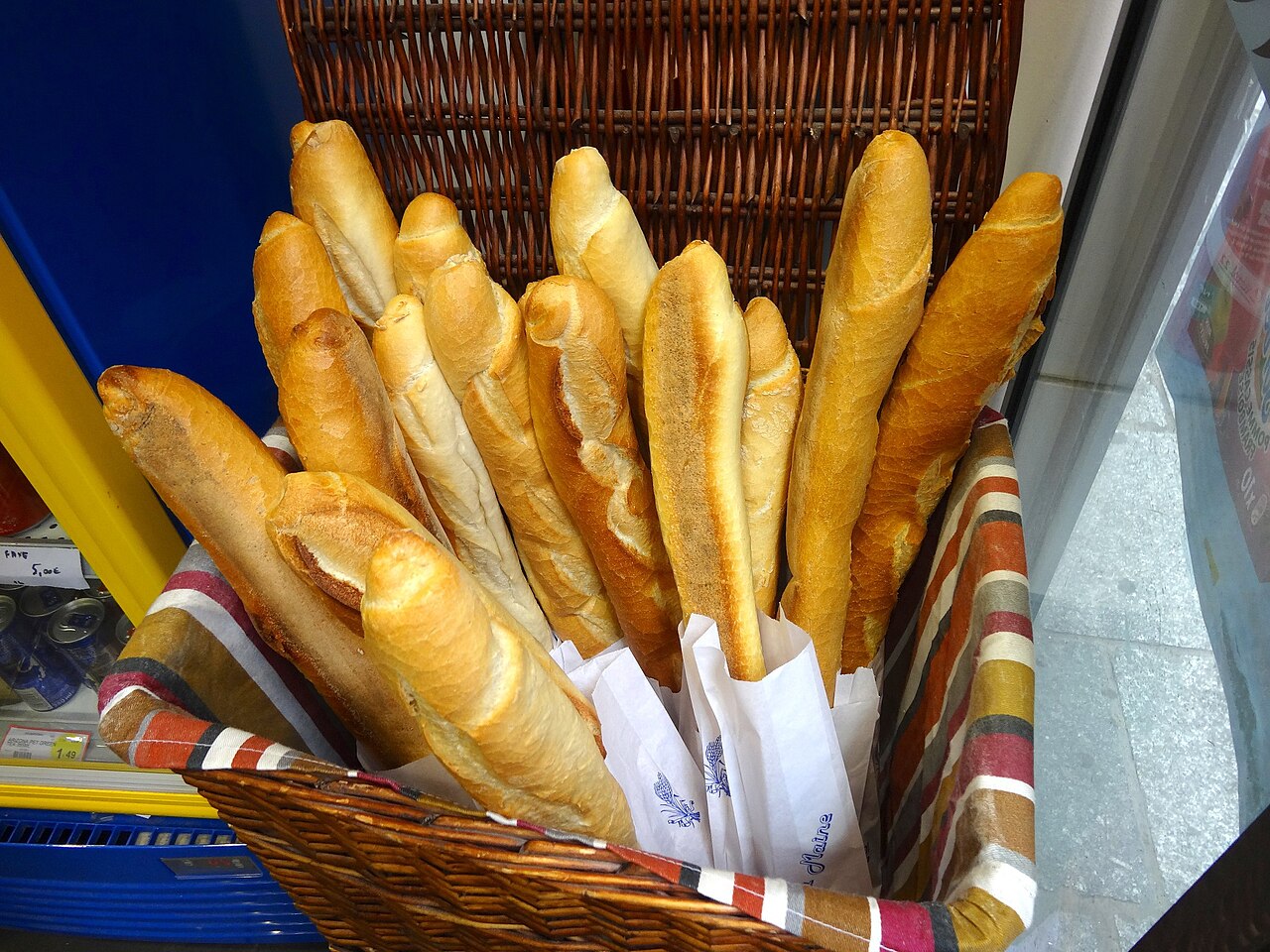
Baguette
Photo: Nick Thweatt, CC BY-SA 3.0
Bread

Baguette

All of France

The long, crusty stick of bread bought fresh every day from the local boulangerie. A traditional baguette is made only from flour, water, salt and yeast or leaven.

In 2022 UNESCO added the craft and culture of the baguette to its list of intangible cultural heritage.
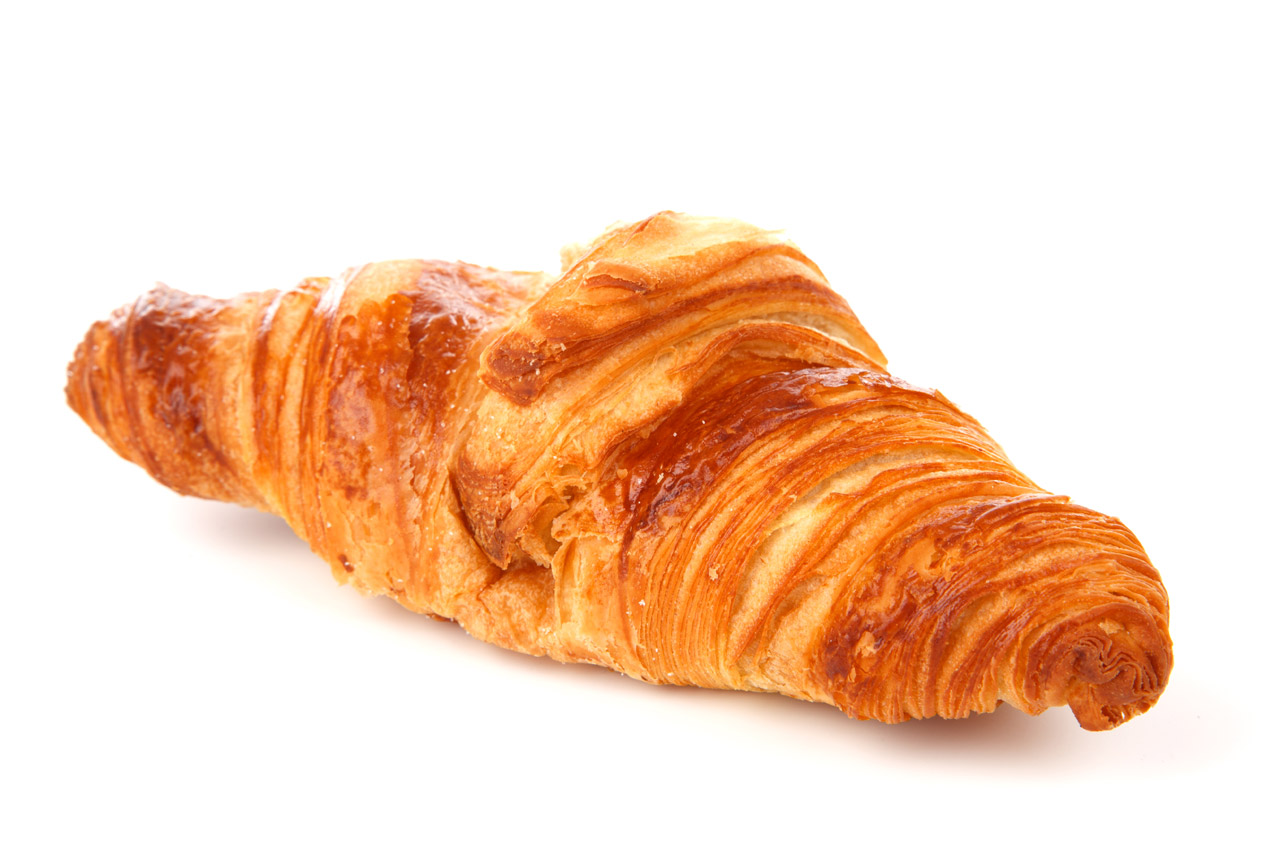
Croissant
Photo: Petr Kratochvil, CC0
Bread

Croissant

Paris, inspired by Vienna

A flaky, buttery crescent of layered dough, eaten at breakfast with coffee.

Its ancestor is the Austrian kipferl. An Austrian officer opened a Viennese bakery in Paris around 1838, and French bakers later created the flaky version we know.
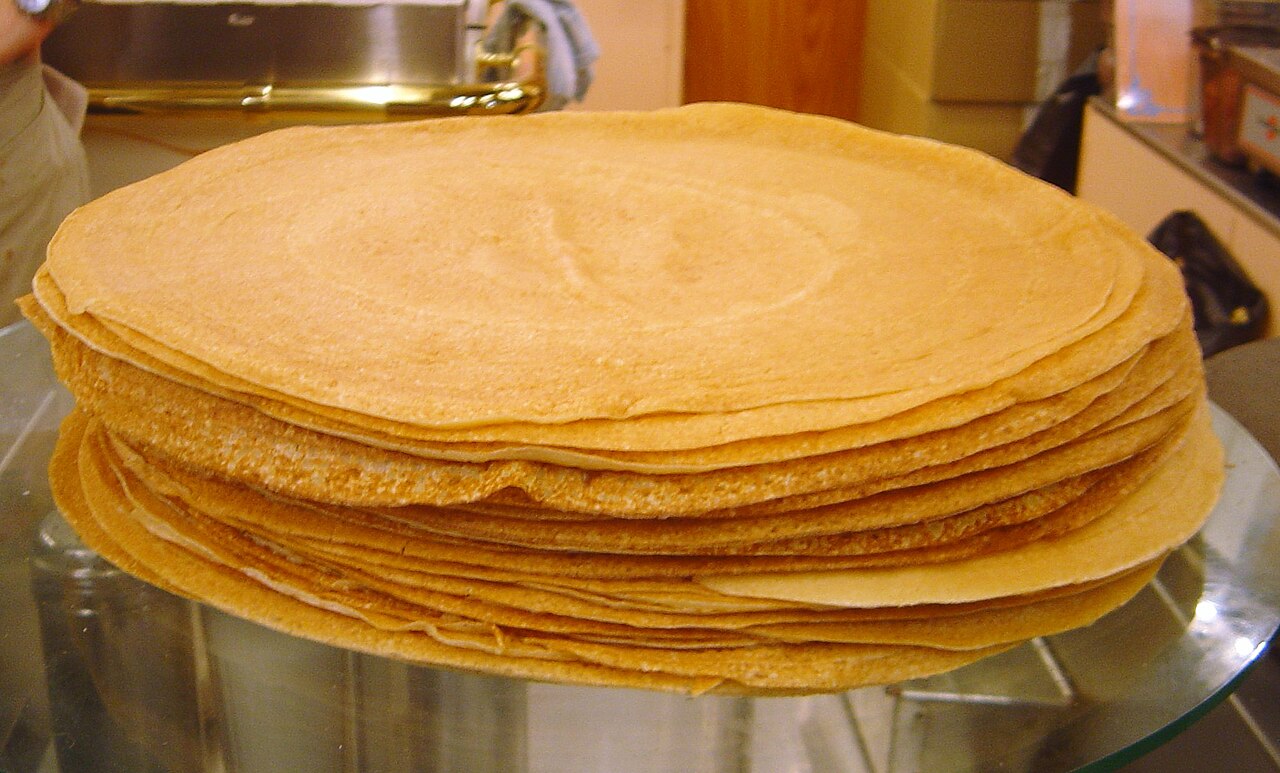
Crêpe
Photo: David Monniaux, CC BY-SA 3.0
DessertRecipe

Crêpes

Brittany

Very thin pancakes, eaten sweet with sugar, butter, jam or chocolate. In Brittany, savoury versions made with buckwheat flour are called galettes.
See the recipe
Serves 4 1 h 30 min

Ingredients

  • 250 g plain flour
  • 3 eggs
  • 500 ml milk
  • 50 g butter, melted, plus a little for the pan
  • 1 tablespoon sugar
  • A pinch of salt

Method

  1. Put the flour, sugar and salt in a bowl and make a well in the middle.
  2. Add the eggs and whisk, slowly pouring in the milk until the batter is smooth and runny, like single cream.
  3. Stir in the melted butter and let the batter rest for about an hour.
  4. Heat a lightly buttered frying pan over medium heat. Pour in a small ladle of batter and tilt the pan so it covers the bottom thinly.
  5. Cook for about a minute until golden underneath, flip and cook the other side for a few seconds.
  6. Fill with sugar and lemon, jam or chocolate spread, fold and serve warm.
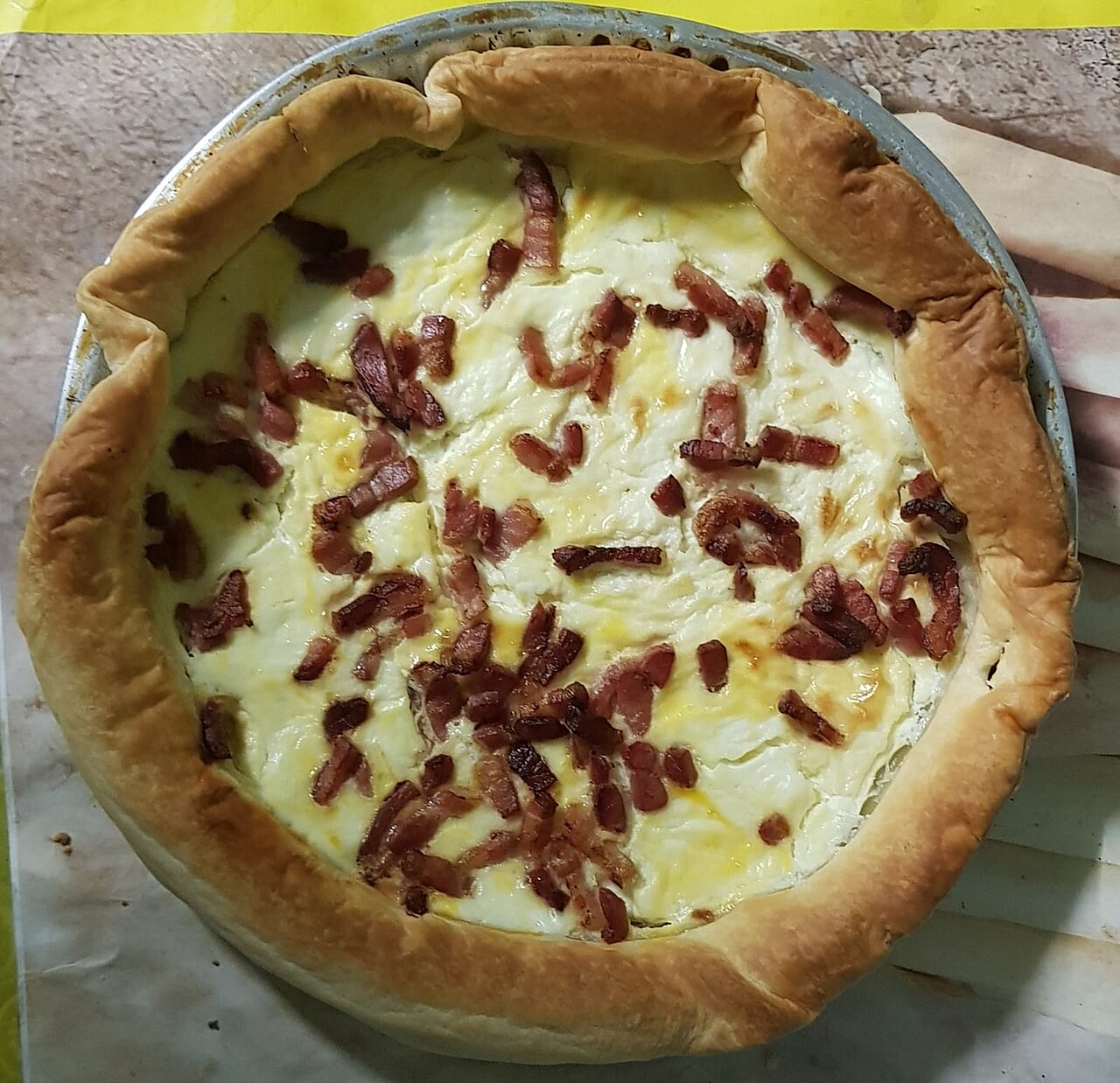
Quiche Lorraine
Photo: Donna Alvita, CC BY-SA 4.0
Main courseRecipe

Quiche lorraine

Lorraine, northeast France

A savoury tart of shortcrust pastry filled with smoked bacon and a creamy egg custard. Purists say the original has no cheese.
See the recipe
Serves 6 1 h

Ingredients

  • 1 sheet of shortcrust pastry (about 250 g)
  • 200 g smoked bacon lardons
  • 3 eggs
  • 200 ml crème fraîche
  • 200 ml milk
  • A pinch of nutmeg
  • Salt and black pepper

Method

  1. Heat the oven to 200°C. Line a tart tin of about 24 cm with the pastry and prick the base with a fork.
  2. Bake the empty pastry for about 10 minutes, then lower the oven to 180°C.
  3. Fry the lardons in a dry pan until lightly golden, then drain them on kitchen paper.
  4. Whisk the eggs, crème fraîche, milk, nutmeg and pepper. Add only a little salt, because the bacon is salty.
  5. Scatter the lardons over the pastry and pour in the egg mixture.
  6. Bake for 30 to 35 minutes, until the filling is set and golden. Serve warm with a green salad.
Ratatouille
Photo: Jack145945, CC0
Side dishRecipe

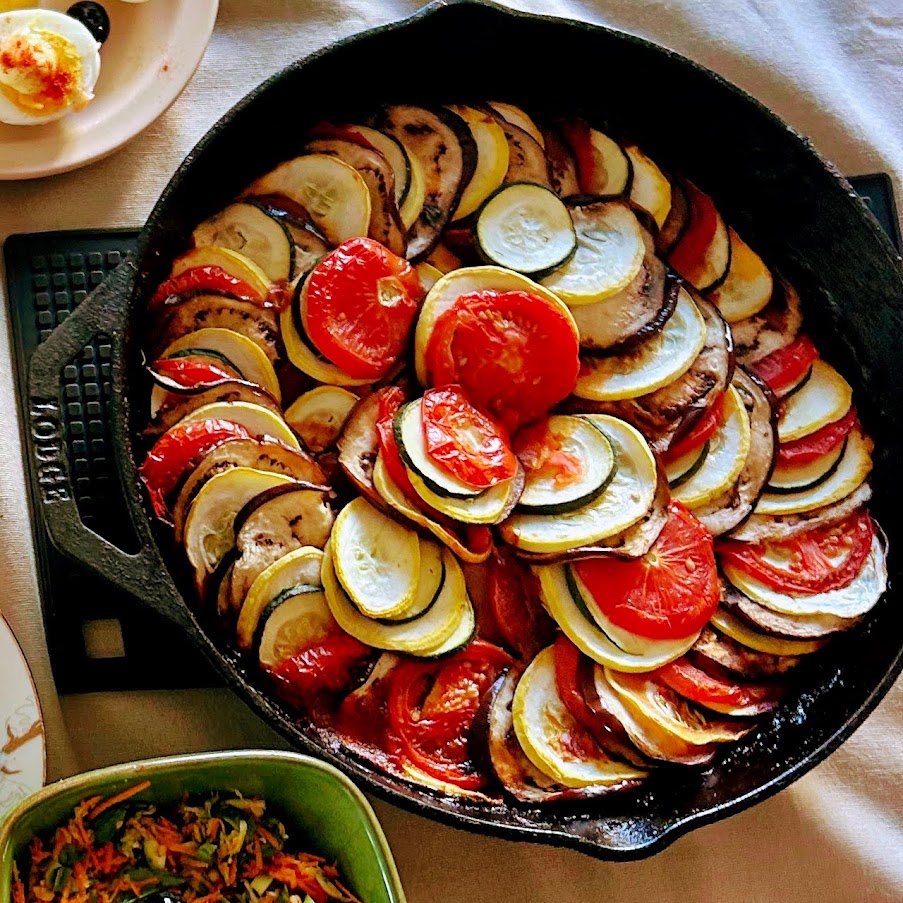
Ratatouille

Nice, Provence

A slow-cooked stew of summer vegetables: aubergine, courgette, peppers, onion and tomatoes, with garlic, olive oil and Provençal herbs.
See the recipe
Serves 4 1 h 15 min

Ingredients

  • 1 large aubergine, cut into cubes
  • 2 courgettes, sliced
  • 2 peppers (red and yellow), cut into strips
  • 1 onion, sliced
  • 4 ripe tomatoes, chopped
  • 3 garlic cloves, chopped
  • 5 tablespoons olive oil
  • A few sprigs of thyme, a bay leaf and some basil
  • Salt and pepper

Method

  1. Fry the aubergine in some of the olive oil until soft and lightly browned, then set it aside.
  2. Do the same with the courgettes, then with the peppers.
  3. In a large pot, soften the onion in the rest of the oil, then add the garlic and the tomatoes.
  4. Put all the vegetables back in the pot with the thyme and bay leaf, and season with salt and pepper.
  5. Cover and simmer gently for about 30 minutes, stirring now and then.
  6. Add torn basil before serving, warm or at room temperature.
Croque monsieur
Photo: Michael Brewer, CC BY-SA 2.5
SnackRecipe

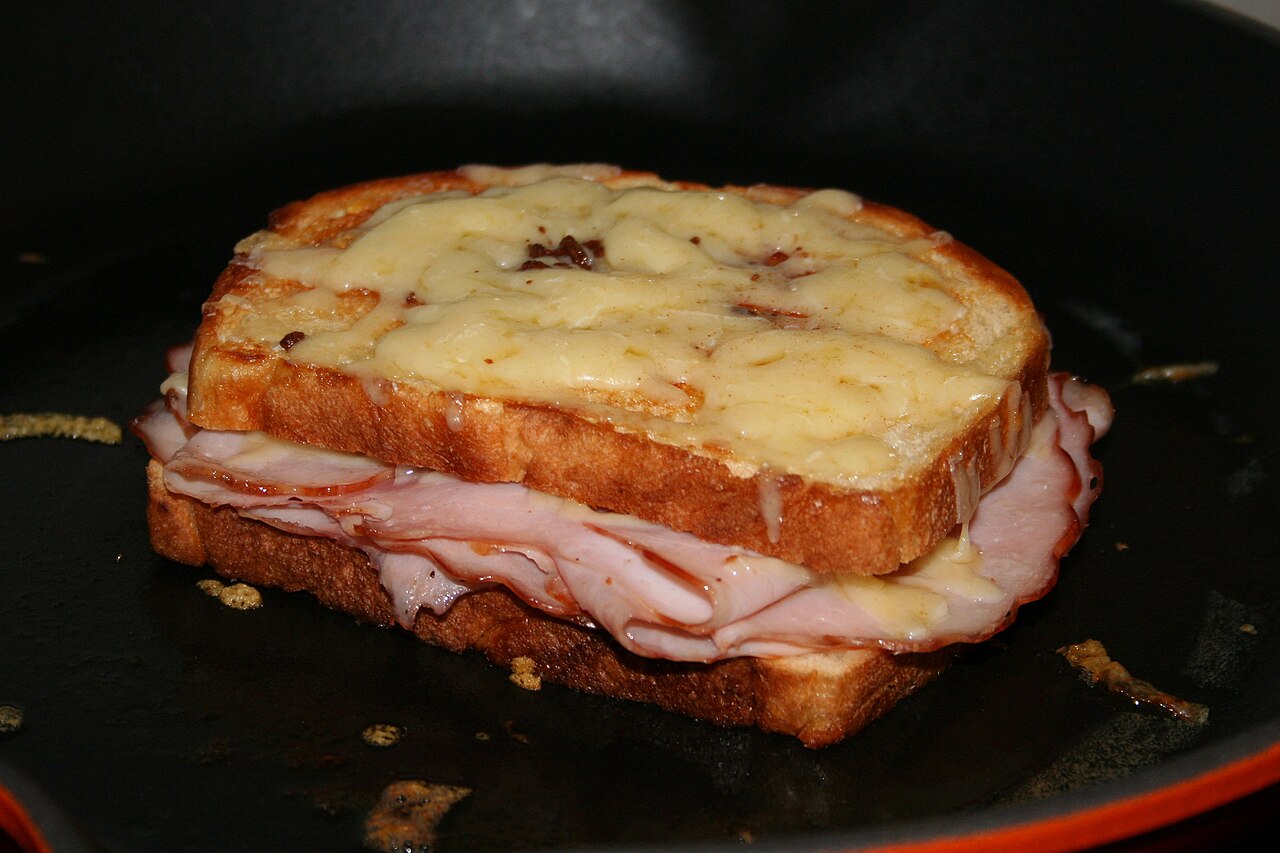
Croque monsieur

Paris cafés

A hot toasted sandwich of ham and melted cheese, usually Gruyère, sometimes covered with béchamel sauce. With a fried or poached egg on top it becomes a croque madame.

'Croque' comes from the French word for 'crunch', and 'monsieur' means 'mister'.
See the recipe
Serves 4 25 min

Ingredients

  • 8 slices of white sandwich bread
  • Soft butter for spreading
  • 4 slices of cooked ham
  • 150 g Gruyère or Comté cheese, grated
  • For the béchamel: 20 g butter, 20 g flour, 250 ml milk, a pinch of nutmeg

Method

  1. Heat the oven to 200°C.
  2. Make the béchamel: melt the butter, stir in the flour for a minute, then whisk in the milk and stir until thick. Season with nutmeg, salt and pepper.
  3. Butter the bread. Put a slice of ham and some cheese between each pair of slices, buttered sides out.
  4. Place the sandwiches on a baking tray, spread béchamel on top and cover with the rest of the cheese.
  5. Bake for about 10 minutes, then grill for a few minutes until the top is golden and bubbling.
French onion soup
Photo: Ludovic Péron, CC BY-SA 3.0
StarterRecipe

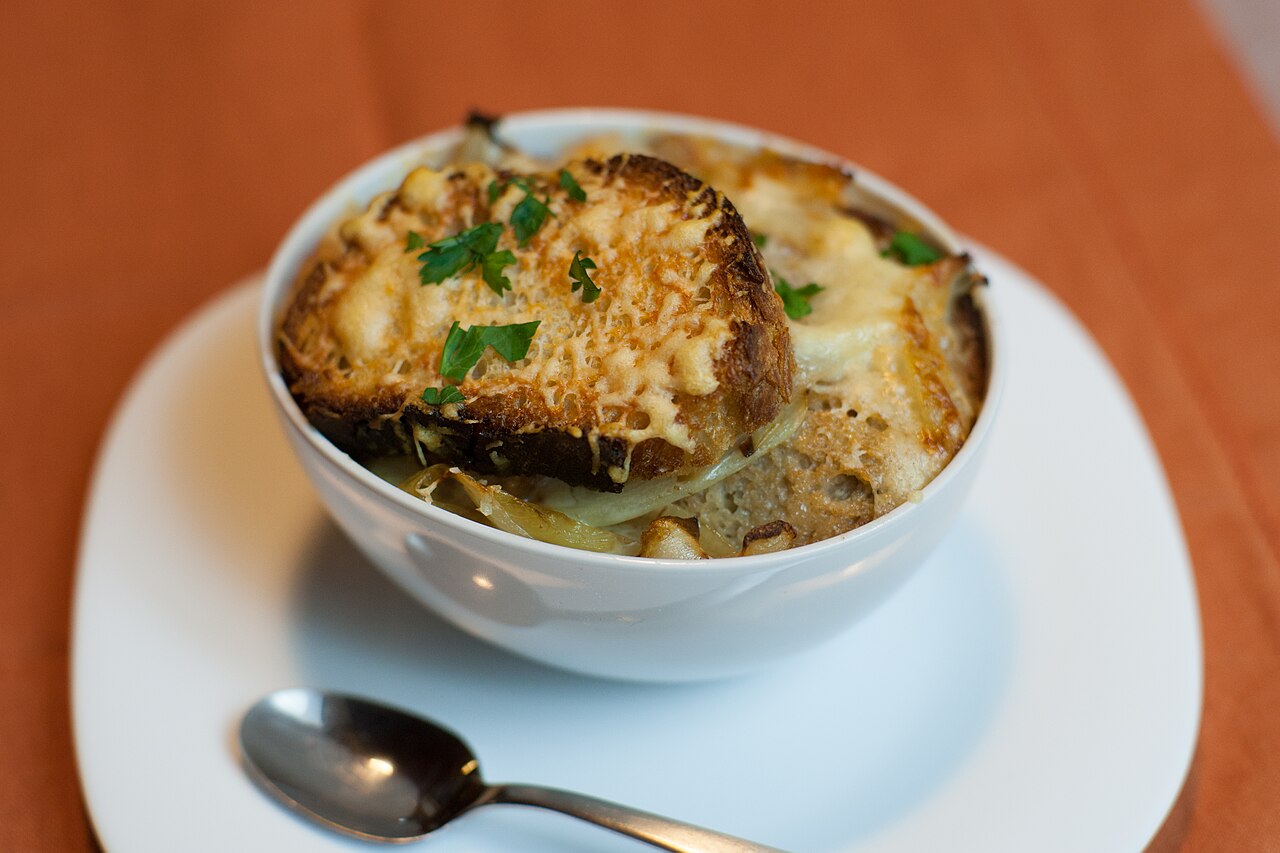
French onion soup

Soupe à l'oignon gratinée
Paris

A rich soup of slowly browned onions in beef stock, topped with toasted bread and melted cheese and browned under the grill.
See the recipe
Serves 4 1 h 30 min

Ingredients

  • 1 kg onions, thinly sliced
  • 50 g butter
  • 1 tablespoon flour
  • 150 ml dry white wine
  • 1.5 litres beef stock
  • 8 slices of baguette
  • 150 g Gruyère or Comté cheese, grated
  • Salt and pepper

Method

  1. Melt the butter in a large pot and cook the onions over low heat for about 40 minutes, stirring often, until soft and deep golden brown.
  2. Sprinkle over the flour and stir for a minute.
  3. Pour in the wine, let it bubble for a minute, then add the stock. Simmer for 20 minutes and season.
  4. Toast the baguette slices.
  5. Ladle the soup into ovenproof bowls, float two slices of toast in each and cover with cheese.
  6. Grill until the cheese is melted and golden. Take care: the bowls will be very hot.
Beef bourguignon
Photo: Slayschips, CC BY-SA 4.0
Main course

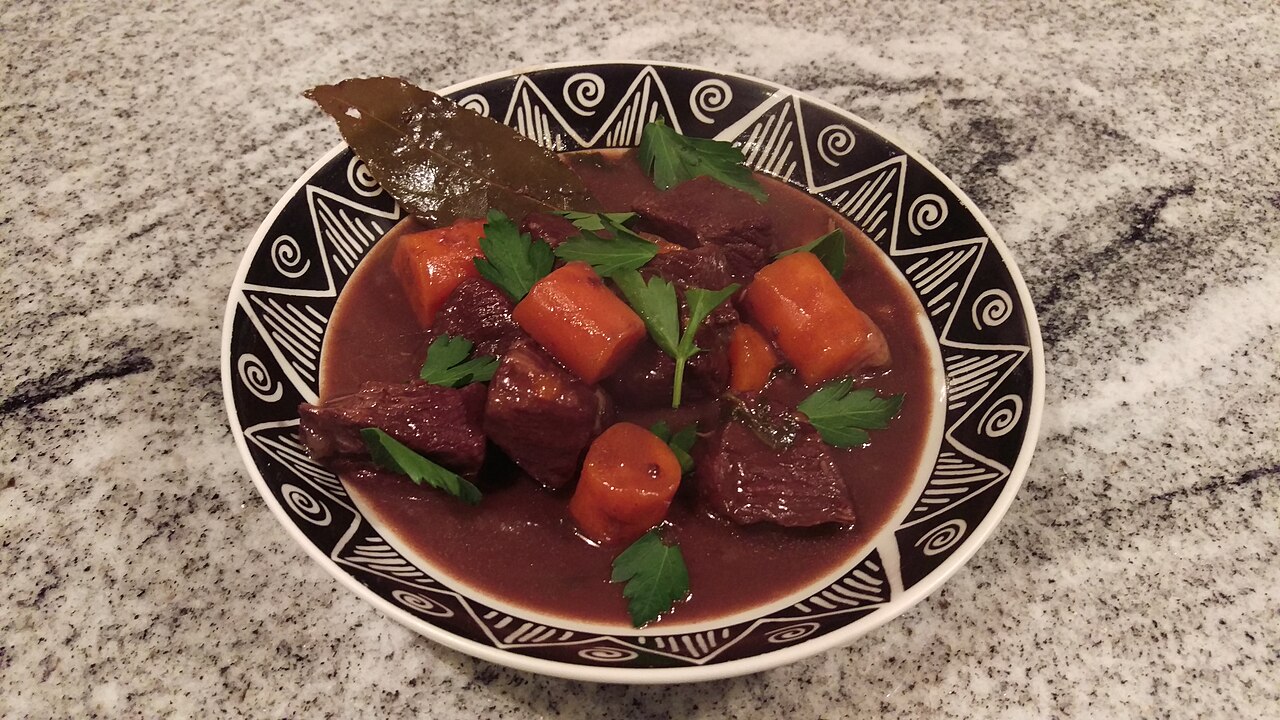
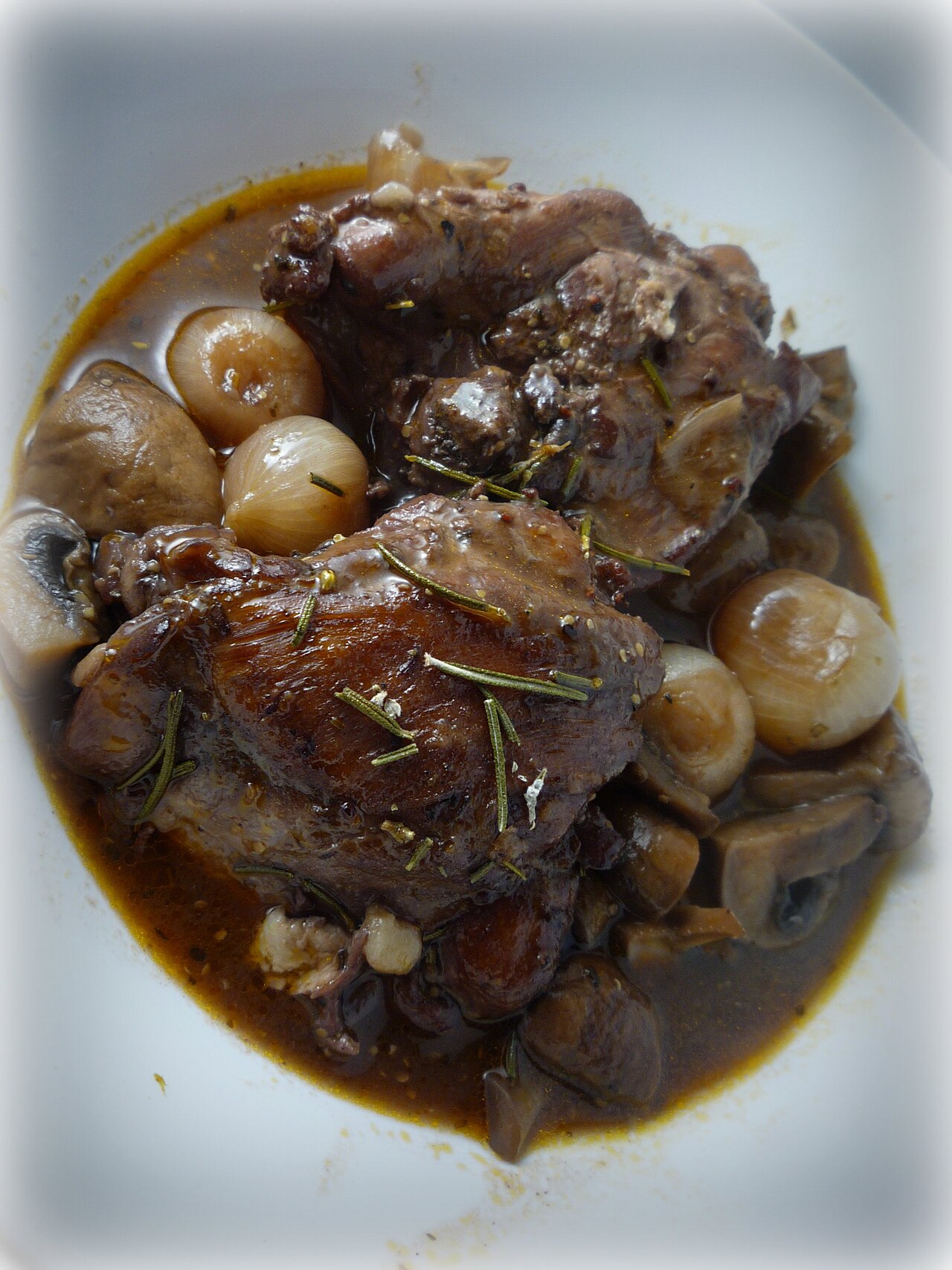
Boeuf bourguignon

Burgundy

Beef stewed for hours in red Burgundy wine with bacon, mushrooms and small onions, until it is tender enough to cut with a spoon.
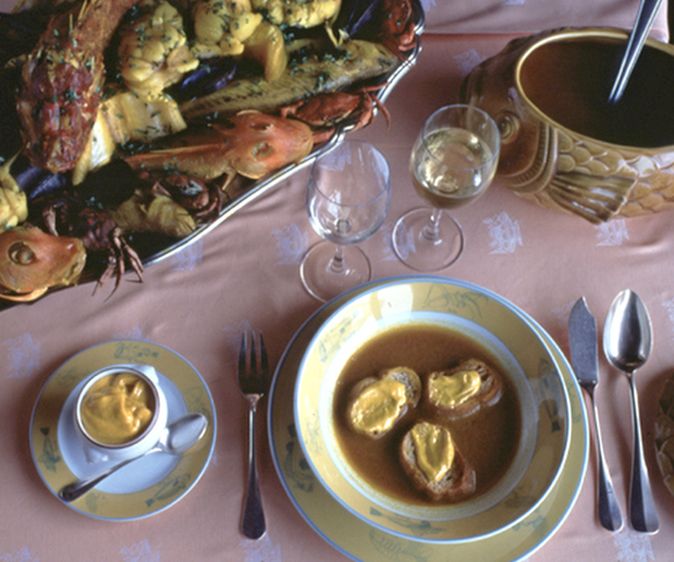
Bouillabaisse
Photo: Slastic, CC BY 3.0
Main course

Bouillabaisse

Marseille, Provence

A fish stew first made by Marseille fishermen from rockfish they could not sell, flavoured with saffron, fennel and olive oil.

In Marseille the broth is served first, with toast and rouille, a garlic and saffron sauce. The fish comes afterwards on a separate plate.
Cassoulet
Photo: BrokenSphere, CC BY-SA 3.0
Main course

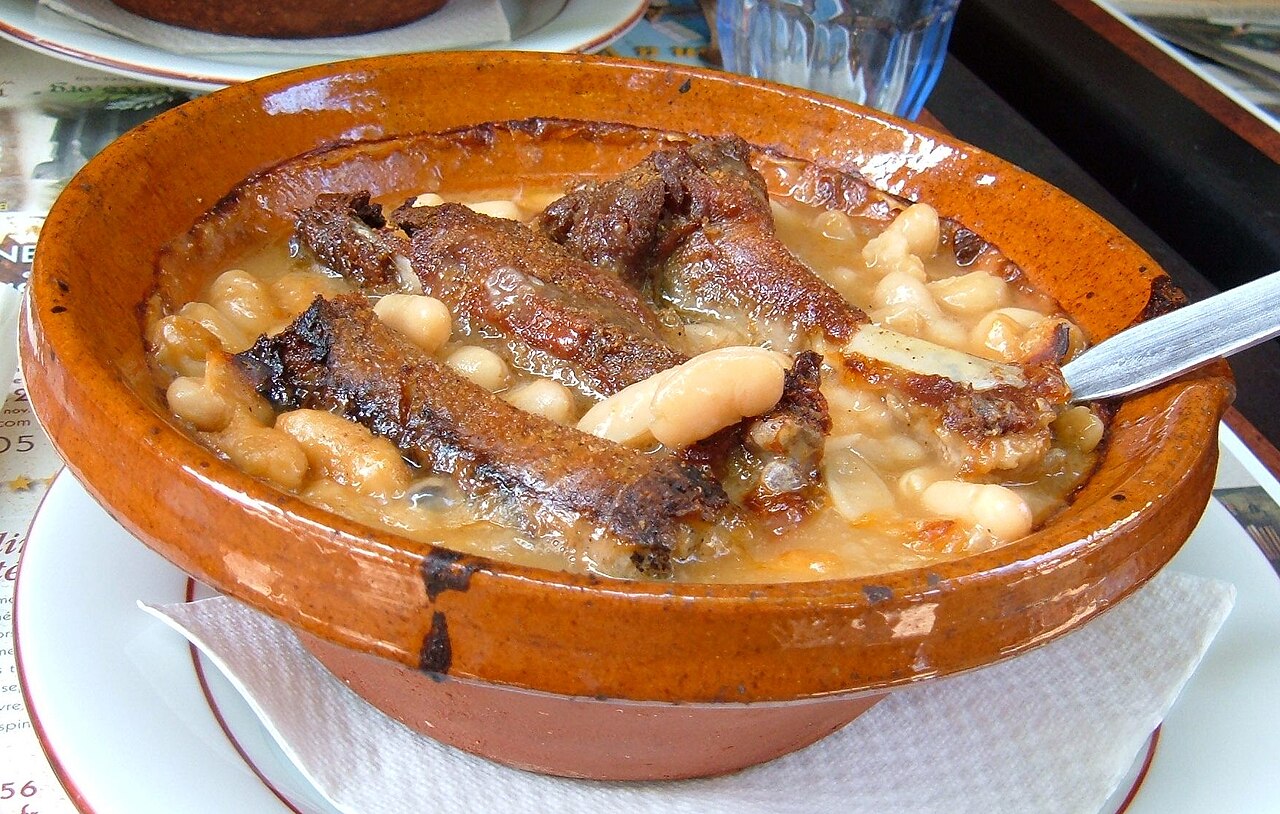
Cassoulet

Castelnaudary, Languedoc

A hearty bake of white beans with pork, sausage and duck or goose confit. It is named after the clay pot it is cooked in.

Castelnaudary, Carcassonne and Toulouse each have their own version, and each claims to make the best one.
Choucroute garnie
Photo: Miguel Discart, CC BY-SA 2.0
Main course

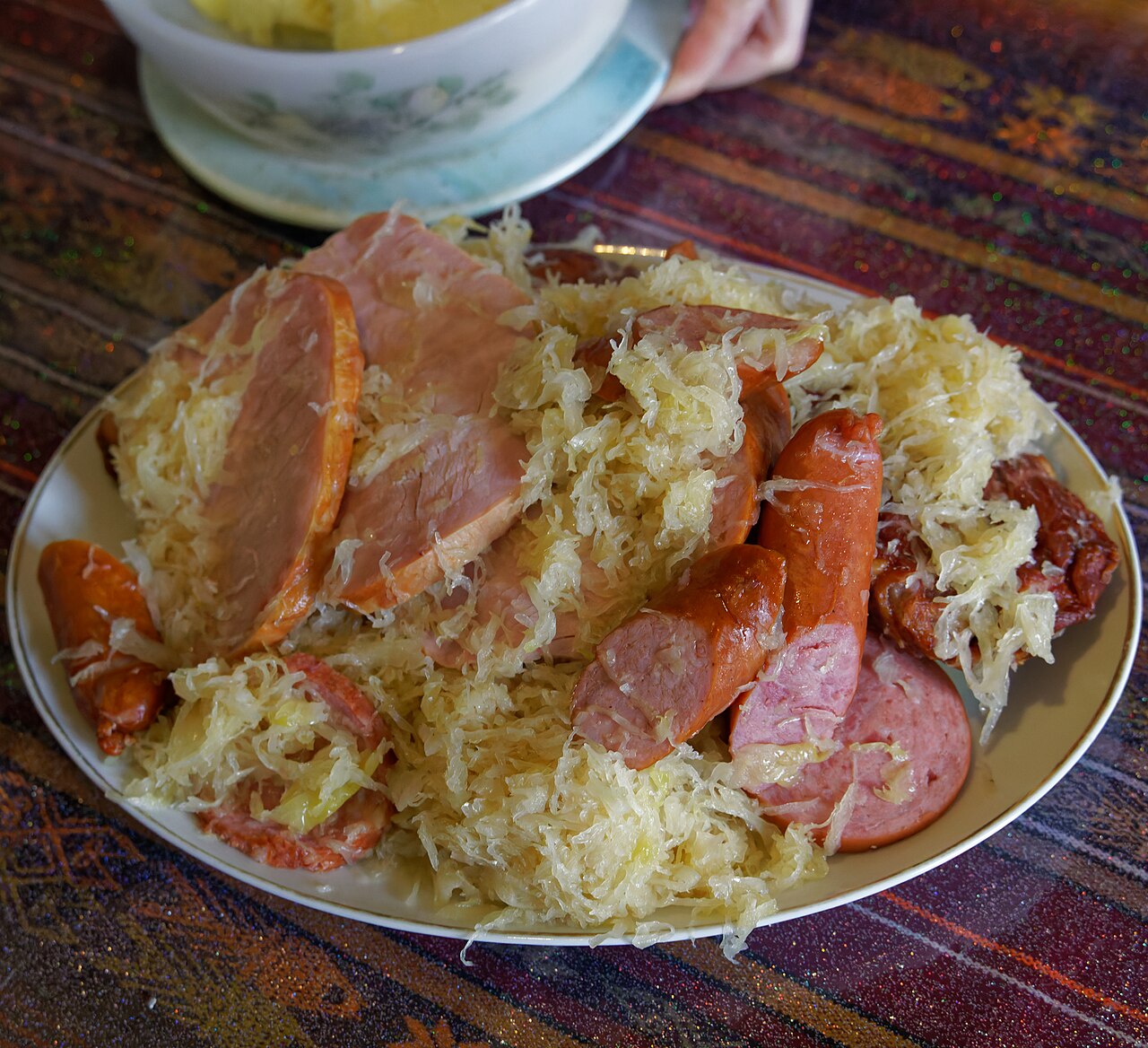
Choucroute garnie

Alsace

Sauerkraut cooked with white wine and served with sausages, smoked pork and potatoes, a sign of Alsace's position next to Germany.
Tarte Tatin
Photo: Djenghisz, CC BY-SA 3.0
Dessert

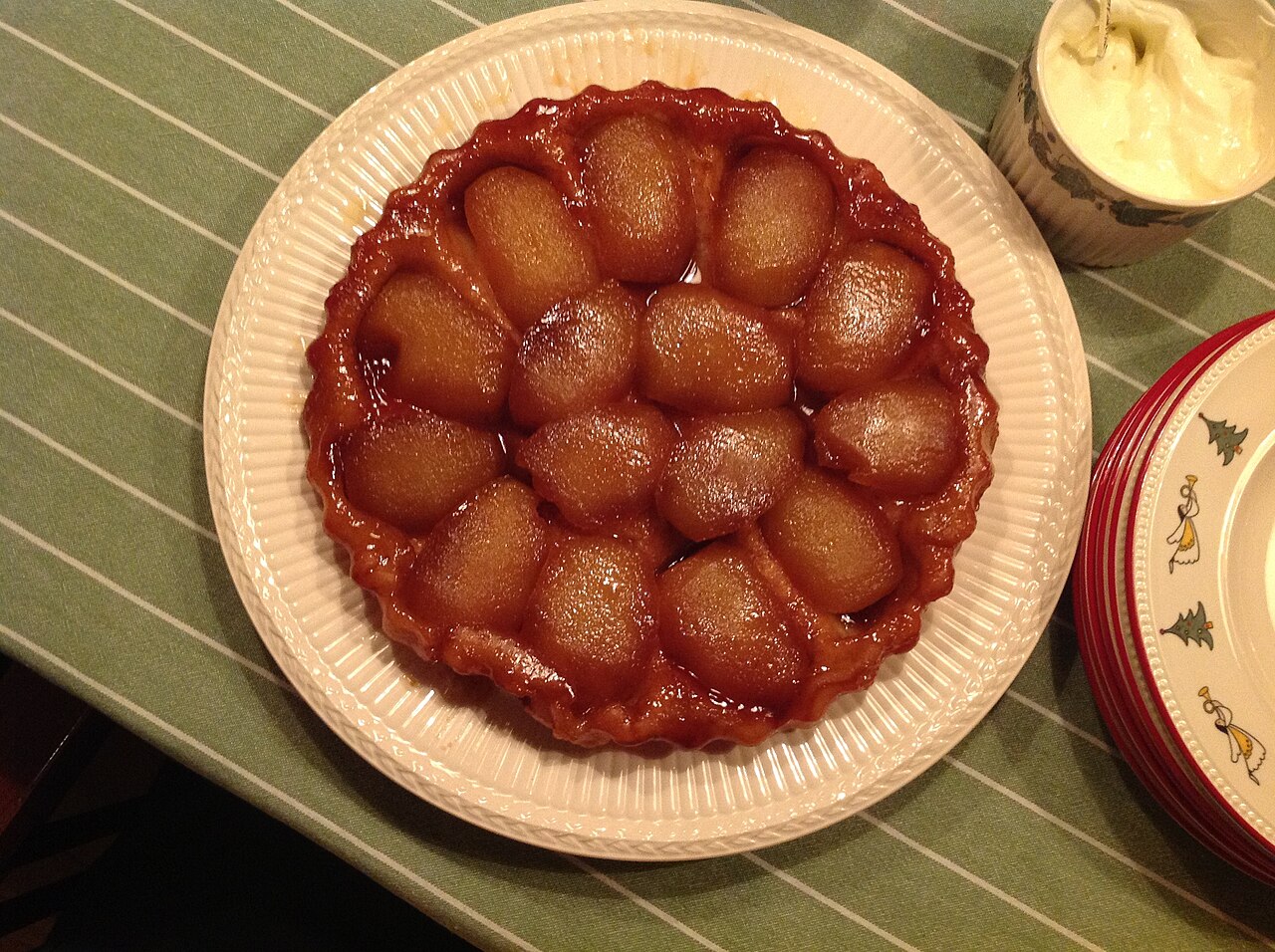
Tarte Tatin

Lamotte-Beuvron, Centre-Val de Loire

An upside-down apple tart: the apples are caramelised in butter and sugar, covered with pastry and baked, then the tart is turned out so the apples are on top.

It is named after the Tatin sisters, who served it at their hotel in the 1880s.
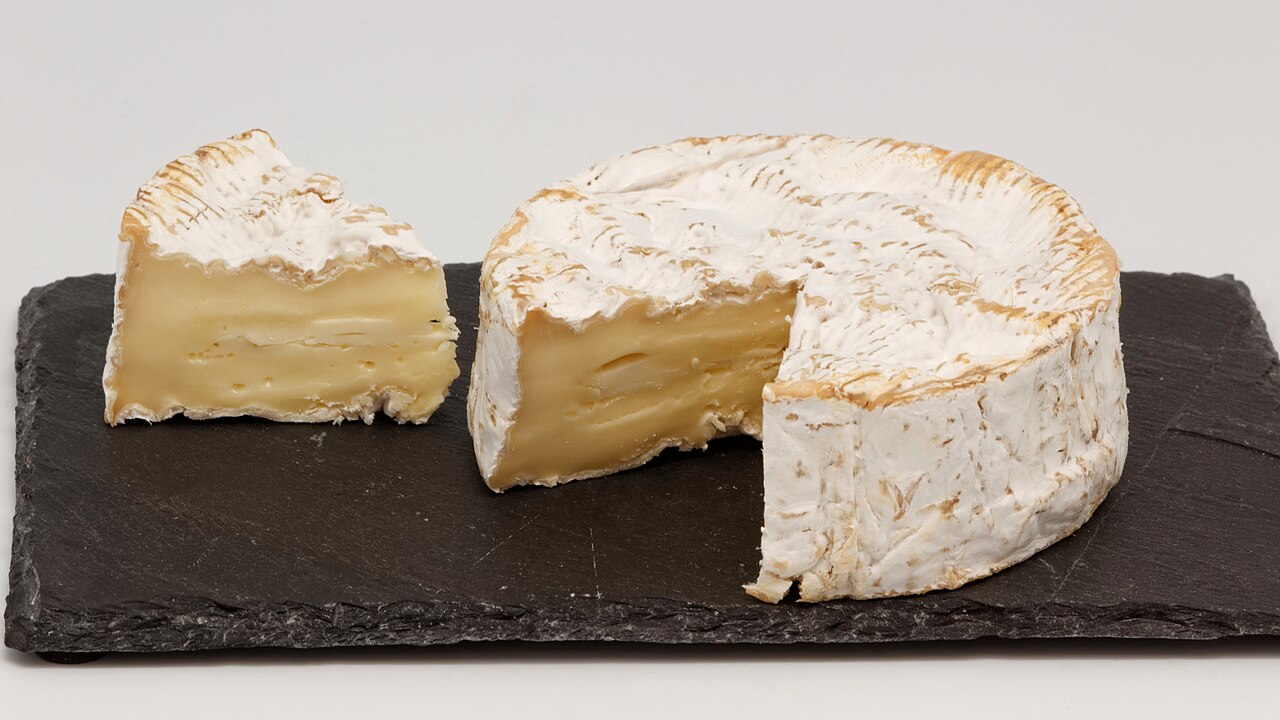
Camembert
Photo: Coyau, CC BY-SA 3.0
Snack

Camembert

Normandy

A soft, creamy cheese made from cow's milk with a white, bloomy rind, sold in a round wooden box.

According to tradition it was first made in 1791 by a Normandy farmer, Marie Harel.
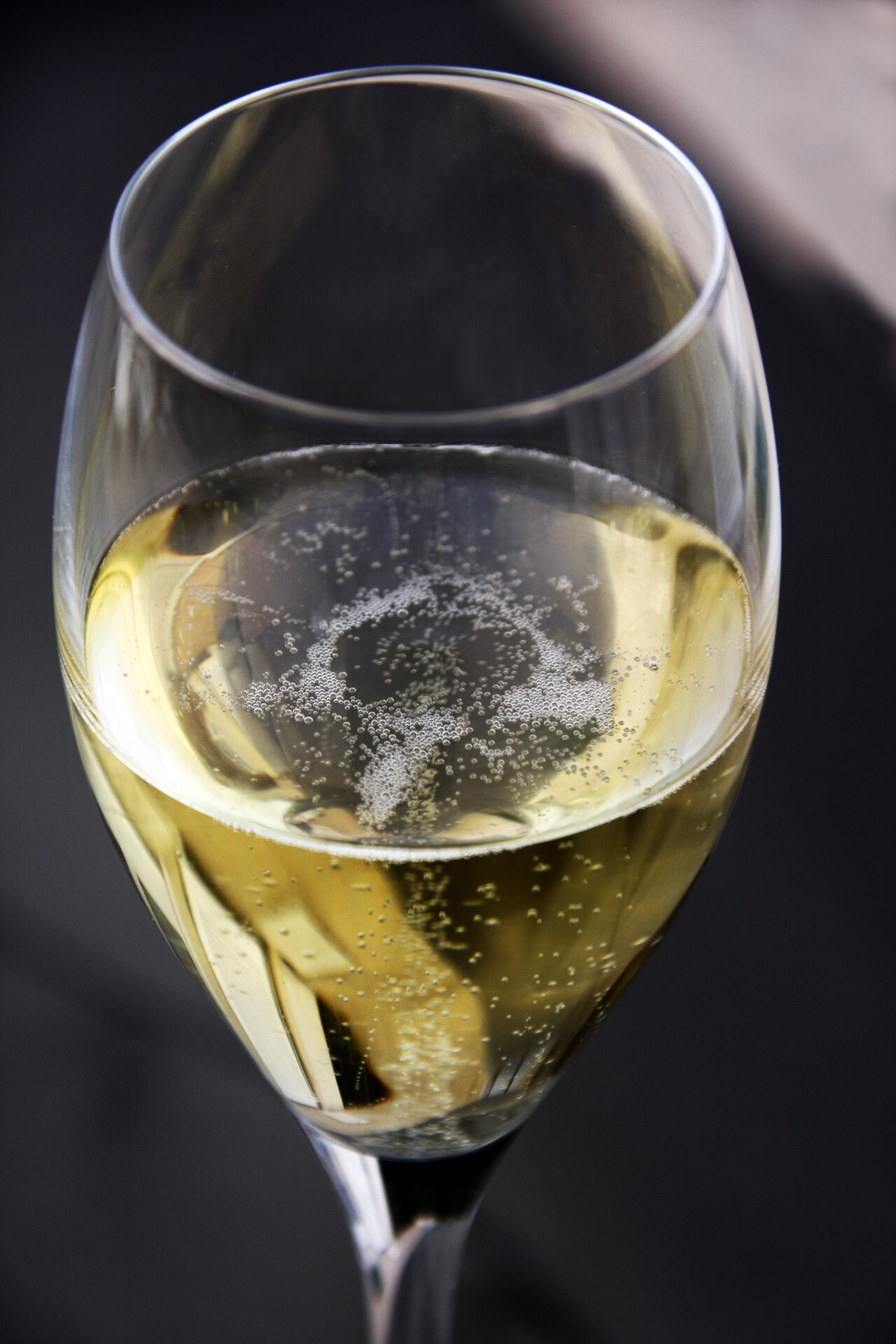
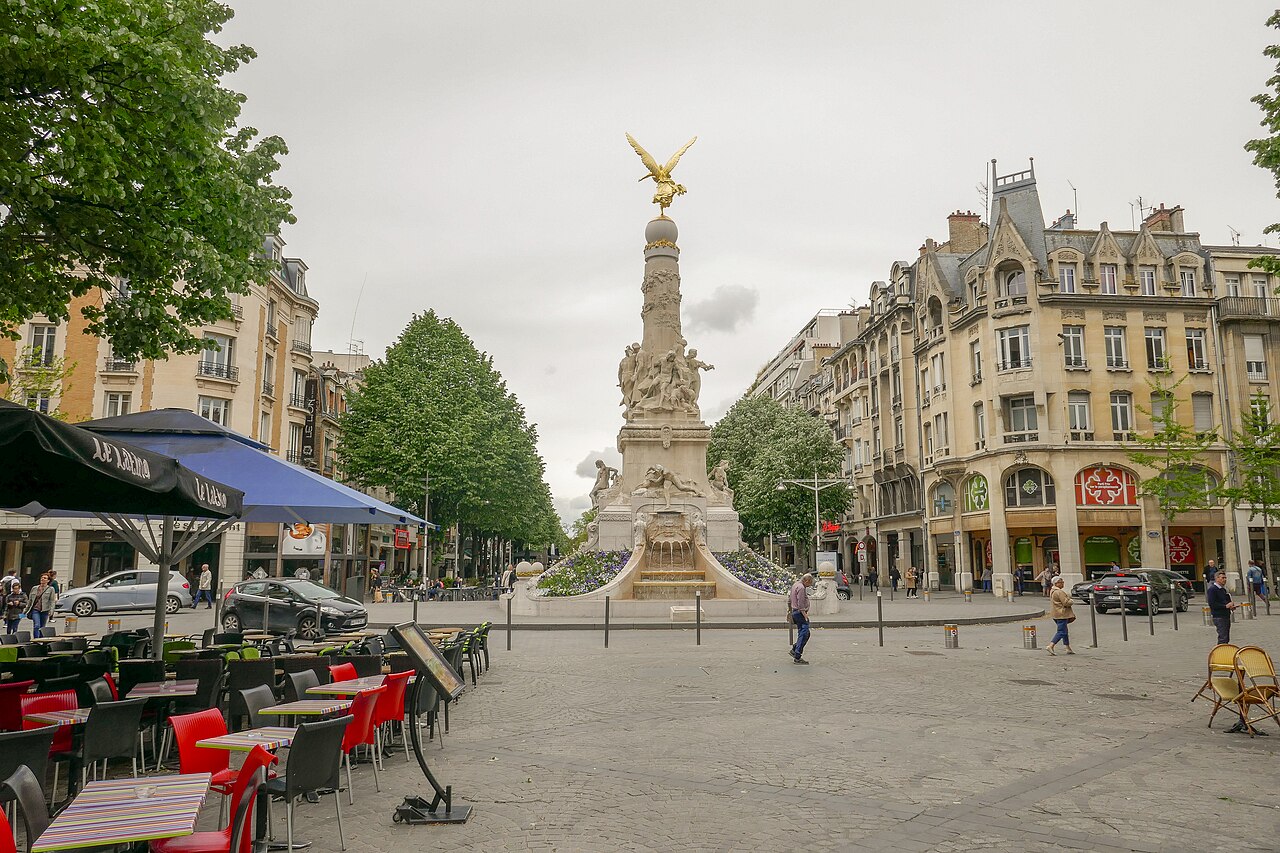
Champagne
Photo: bgvjpe, CC BY 2.0
Drink

Champagne

Champagne region, around Reims and Épernay

The famous sparkling wine, made in the Champagne region of northeast France. Many of the great champagne houses have cellars in Reims that are open for tours.

Table manners

  • In France the 'entrée' is the starter, not the main course. The main course is the 'plat principal'.
  • Cheese is served after the main course and before dessert.
  • Keep both hands on the table during the meal, not in your lap.
  • At someone's home, wait for the host to start eating, and never make a toast with water.
  • Meals are not rushed. Relax, enjoy the conversation and ask for the bill when you are ready.

Next: Cities

Cities

11 cities to know

Paris is by far the biggest city, but every region has a proud capital of its own, each with its own history, accent and food.
ParisMarseilleLyonToulouseNiceBordeauxStrasbourgLilleAvignonReimsRennes
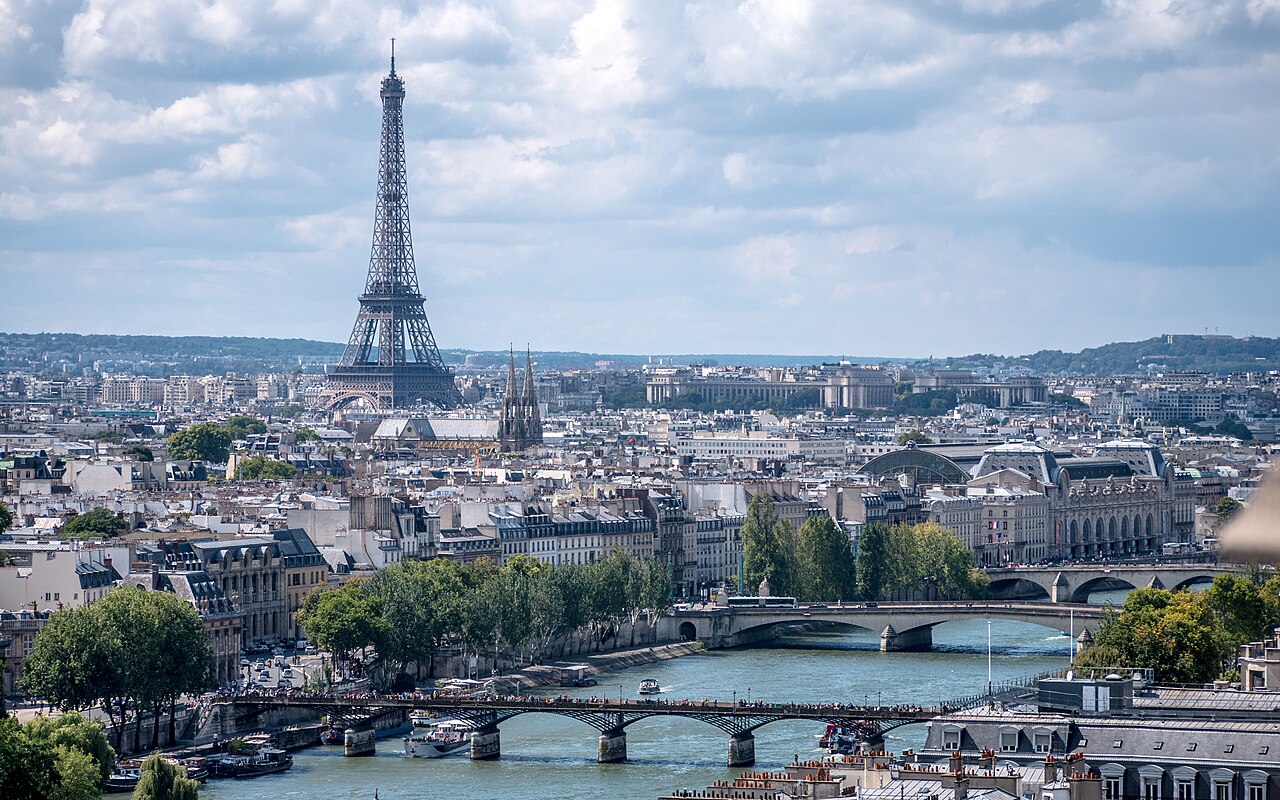
Paris
Photo: Yann Caradec from Paris, France, CC BY-SA 2.0

Paris Capital

Île-de-France

The capital, on the river Seine, known as the City of Light. Its riverbanks, lined with great monuments, are a UNESCO World Heritage Site.
  • The Eiffel Tower
  • The Louvre
  • Cafés and boulevards
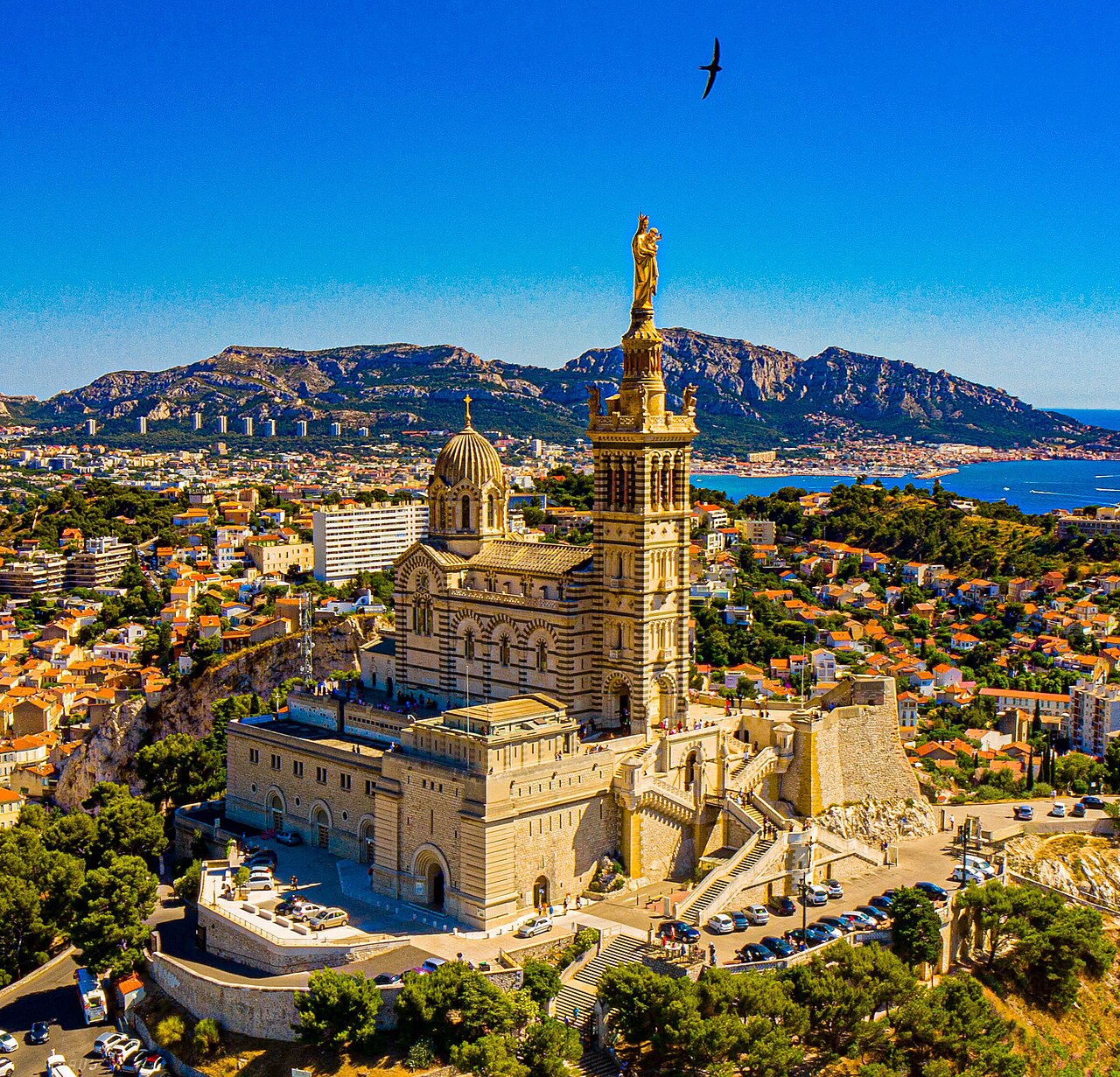
Marseille
Photo: Earth777, CC BY-SA 4.0

Marseille

Provence-Alpes-Côte d'Azur

France's second city and oldest city, founded by Greek sailors around 600 BC. A lively Mediterranean port with a famous Old Port.
  • The Old Port
  • Bouillabaisse
  • Notre-Dame de la Garde
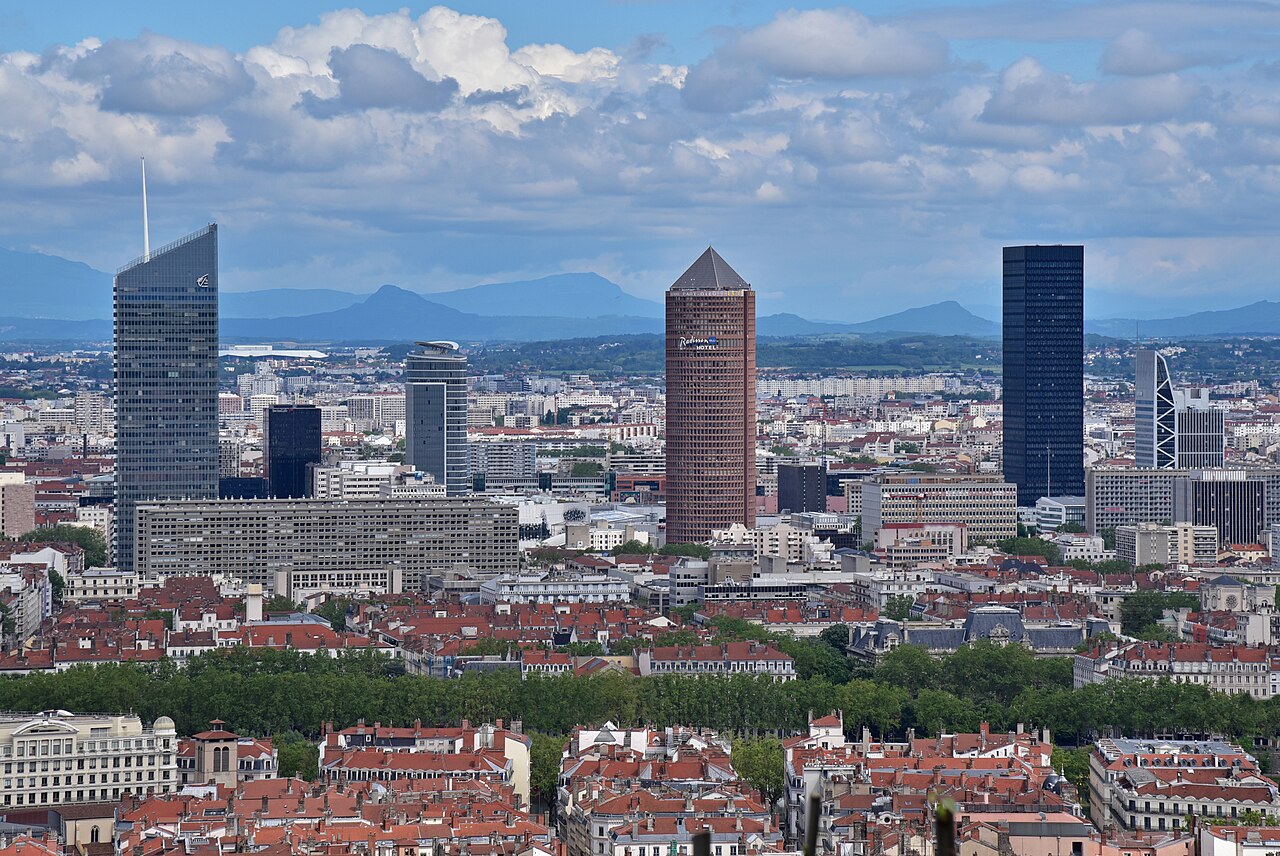
Lyon
Photo: Aldg692VX, CC BY-SA 4.0

Lyon

Auvergne-Rhône-Alpes

A city where two rivers, the Rhône and the Saône, meet. Once the Roman city of Lugdunum and a great silk centre, it is now famous for its food.
  • Gastronomy and bouchons
  • The Festival of Lights in December
  • The Lumière brothers and early cinema
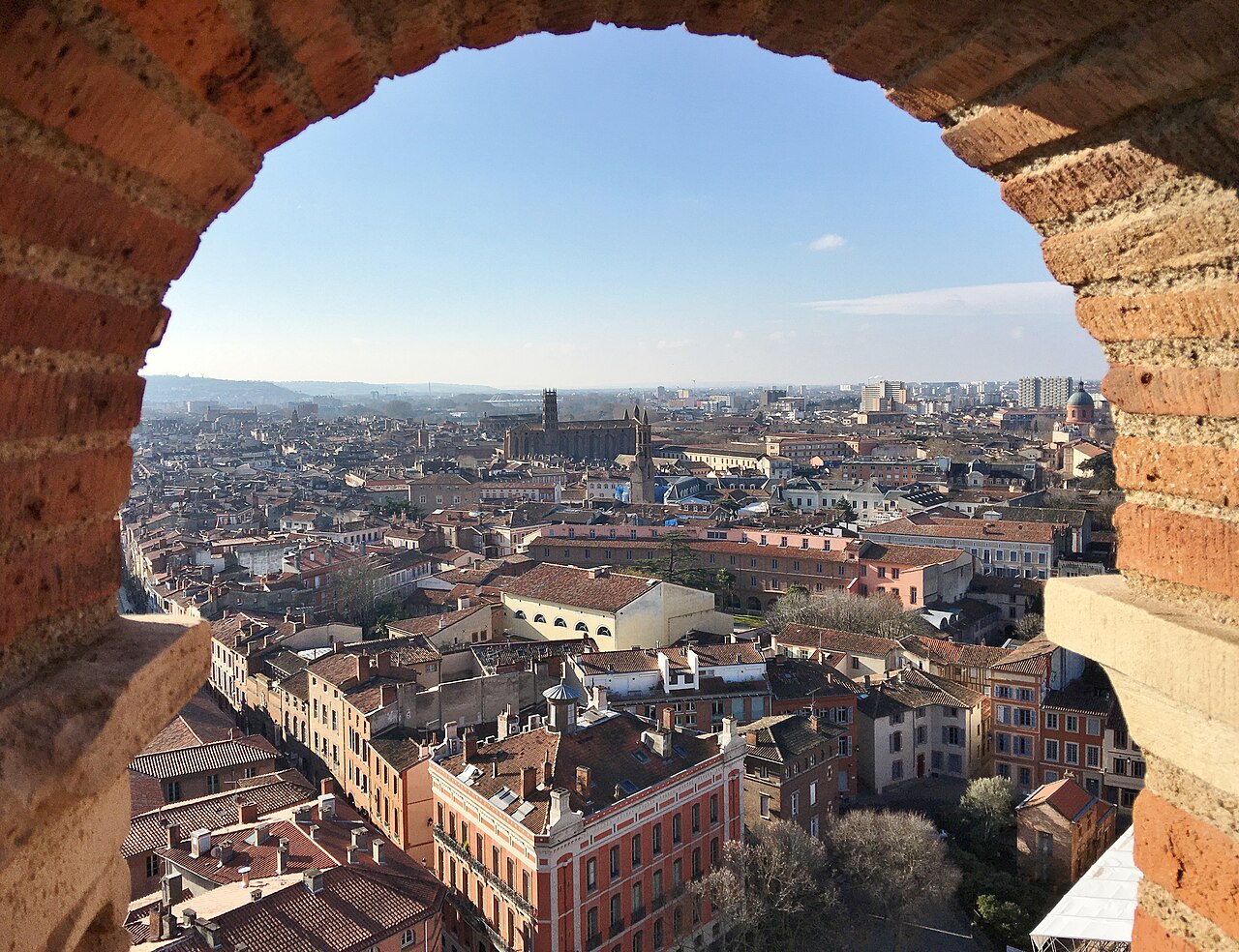
Toulouse
Photo: Frédéric Neupont, CC BY-SA 4.0

Toulouse

Occitanie

The 'Pink City', named for its warm terracotta brick buildings, on the river Garonne. It is the centre of Europe's aircraft industry.
  • Pink brick buildings
  • Airbus
  • Cassoulet
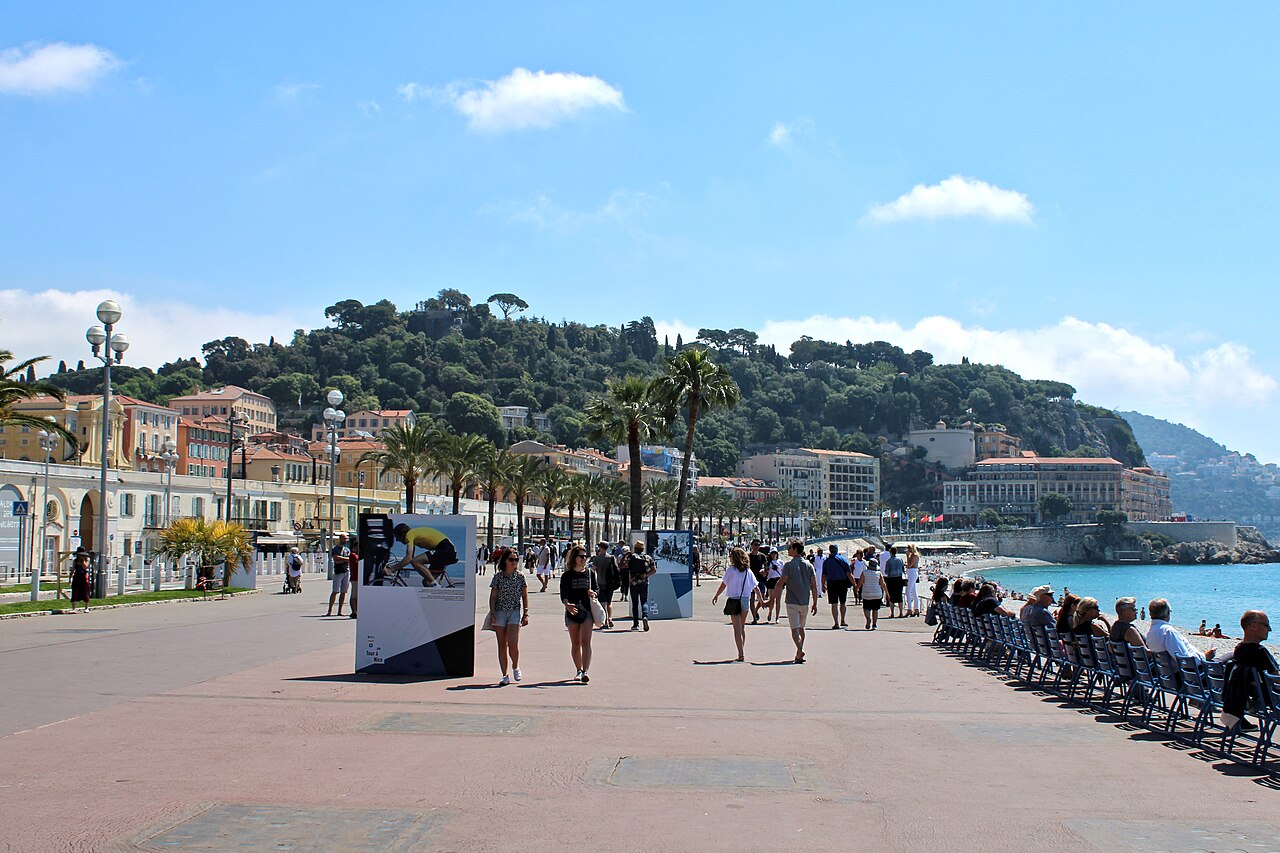
Nice
Photo: Alexander Migl, CC BY-SA 4.0

Nice

Provence-Alpes-Côte d'Azur

The sunny capital of the French Riviera, with a long seafront promenade and an old town full of markets.
  • The Promenade des Anglais
  • Its winter carnival
  • Salade niçoise
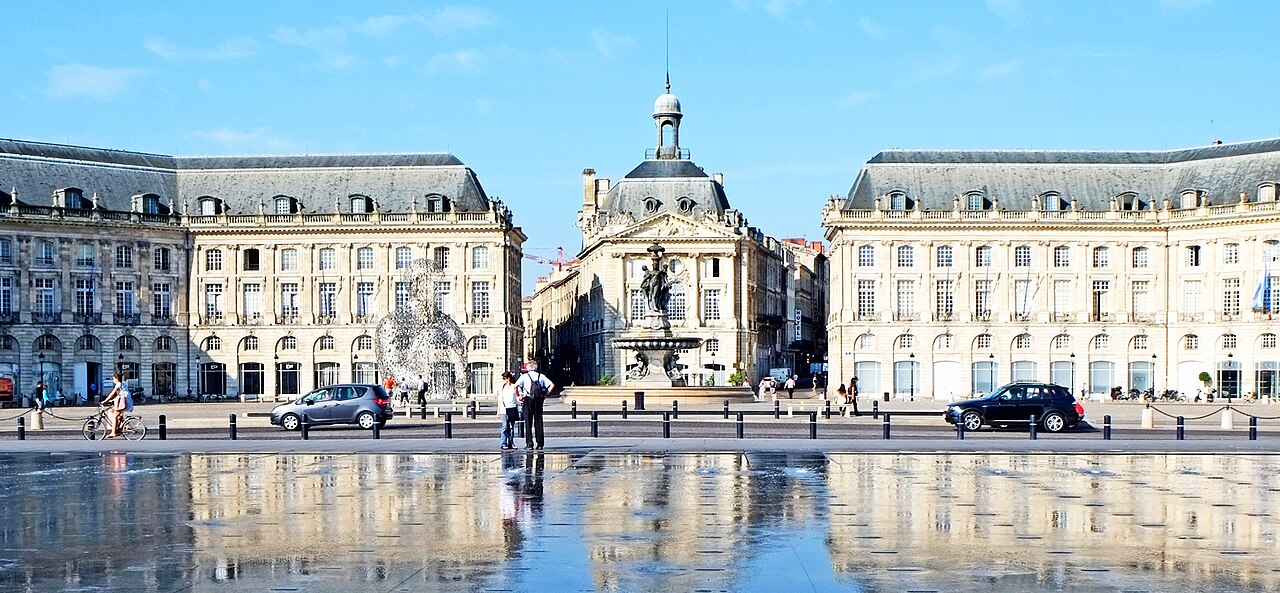
Commons: Bordeaux Place de la Bourse miroir
Photo: Patrick Despoix, CC BY-SA 4.0

Bordeaux

Nouvelle-Aquitaine

An elegant port city on the river Garonne, surrounded by some of the most famous vineyards in the world.
  • Wine
  • Place de la Bourse and its water mirror
  • 18th-century stone buildings
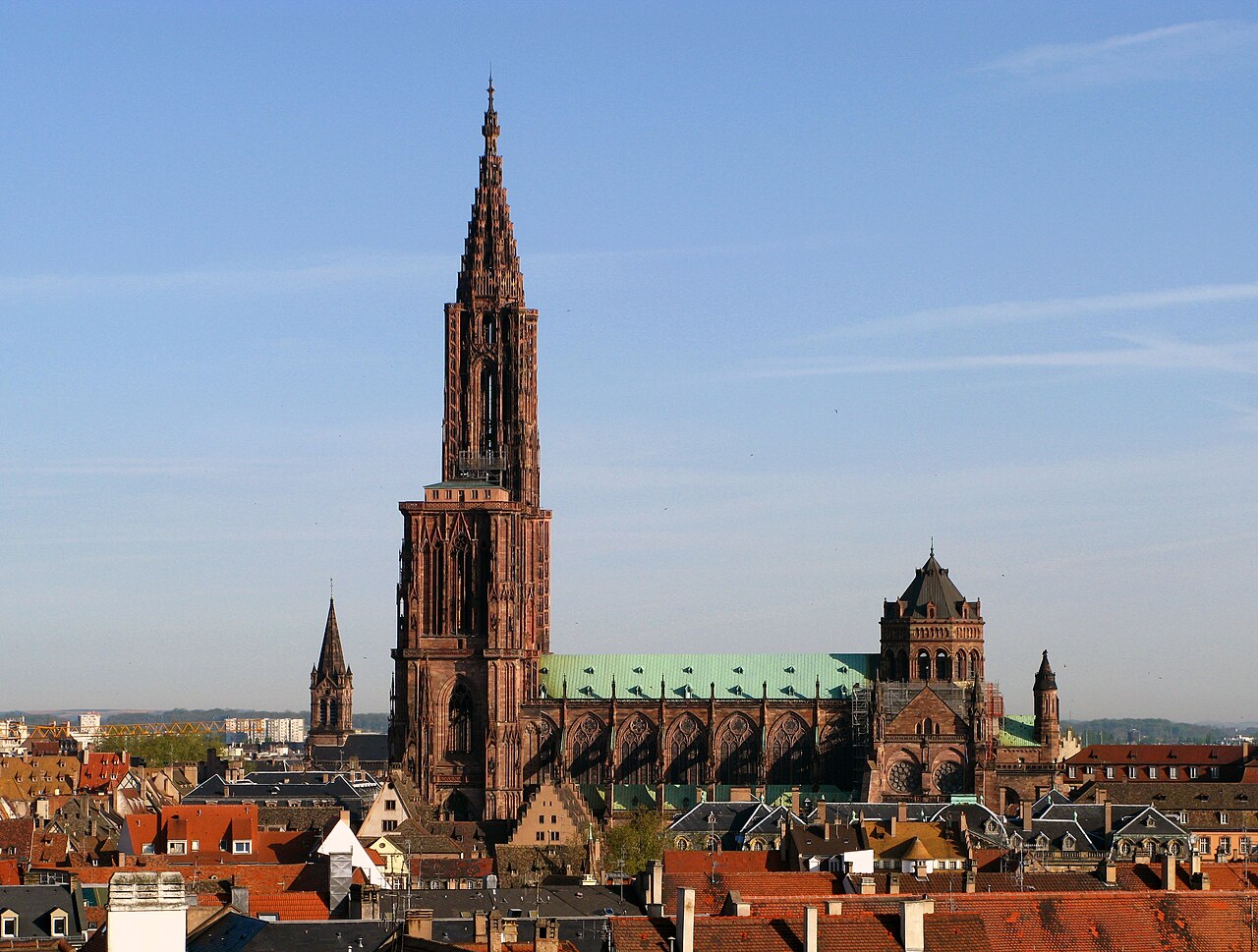
Strasbourg
Photo: Jonathan Martz, CC BY-SA 3.0

Strasbourg

Grand Est (Alsace)

A city on the Rhine, right on the German border, with half-timbered houses and a mix of French and German traditions. It is the official seat of the European Parliament.
  • The European Parliament
  • Its Gothic cathedral
  • Christmas markets
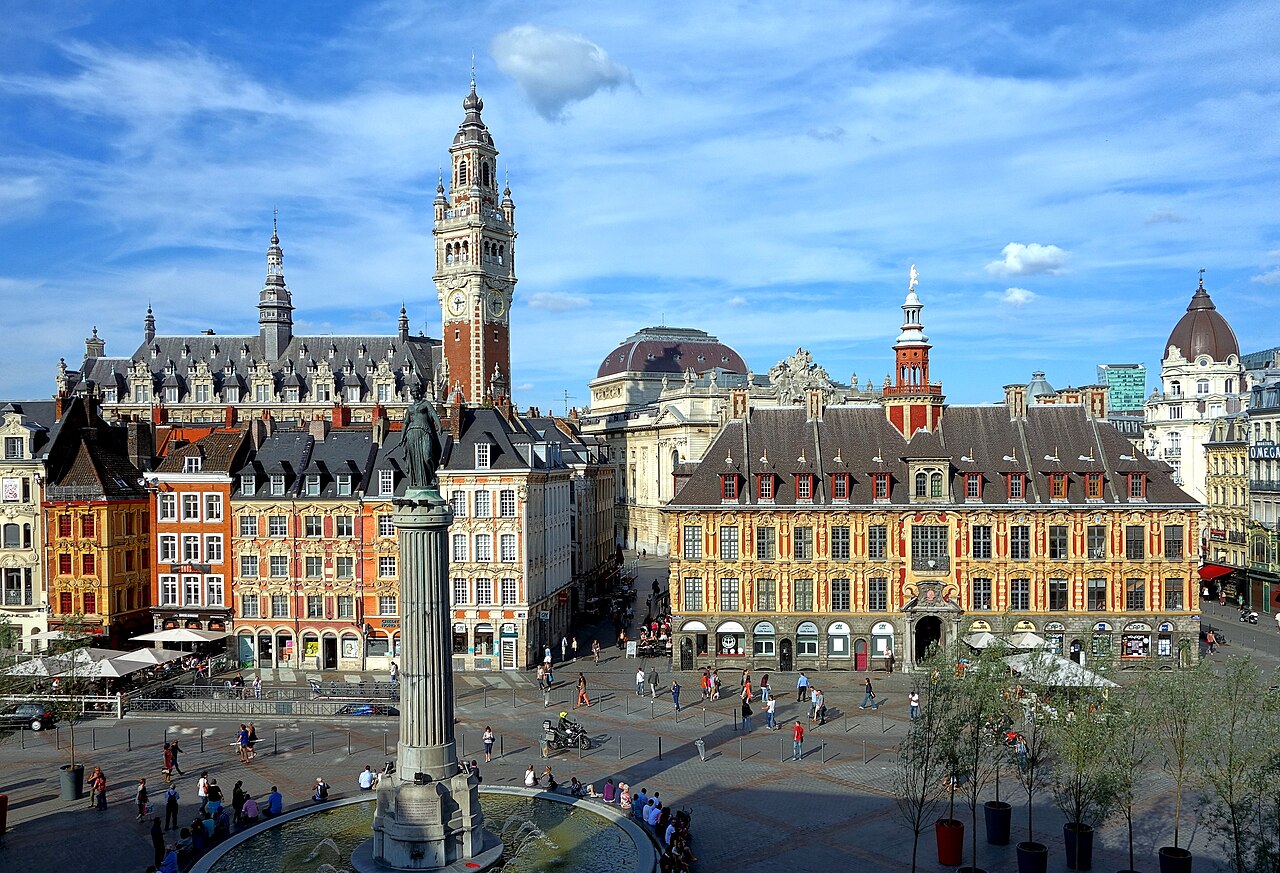
Commons: Lille Grand Place
Photo: Velvet, CC BY-SA 3.0

Lille

Hauts-de-France

A lively northern city near the Belgian border, with Flemish-style buildings and fast trains to Paris, London and Brussels.
  • Flemish architecture
  • A giant flea market every September
  • Waffles and beer
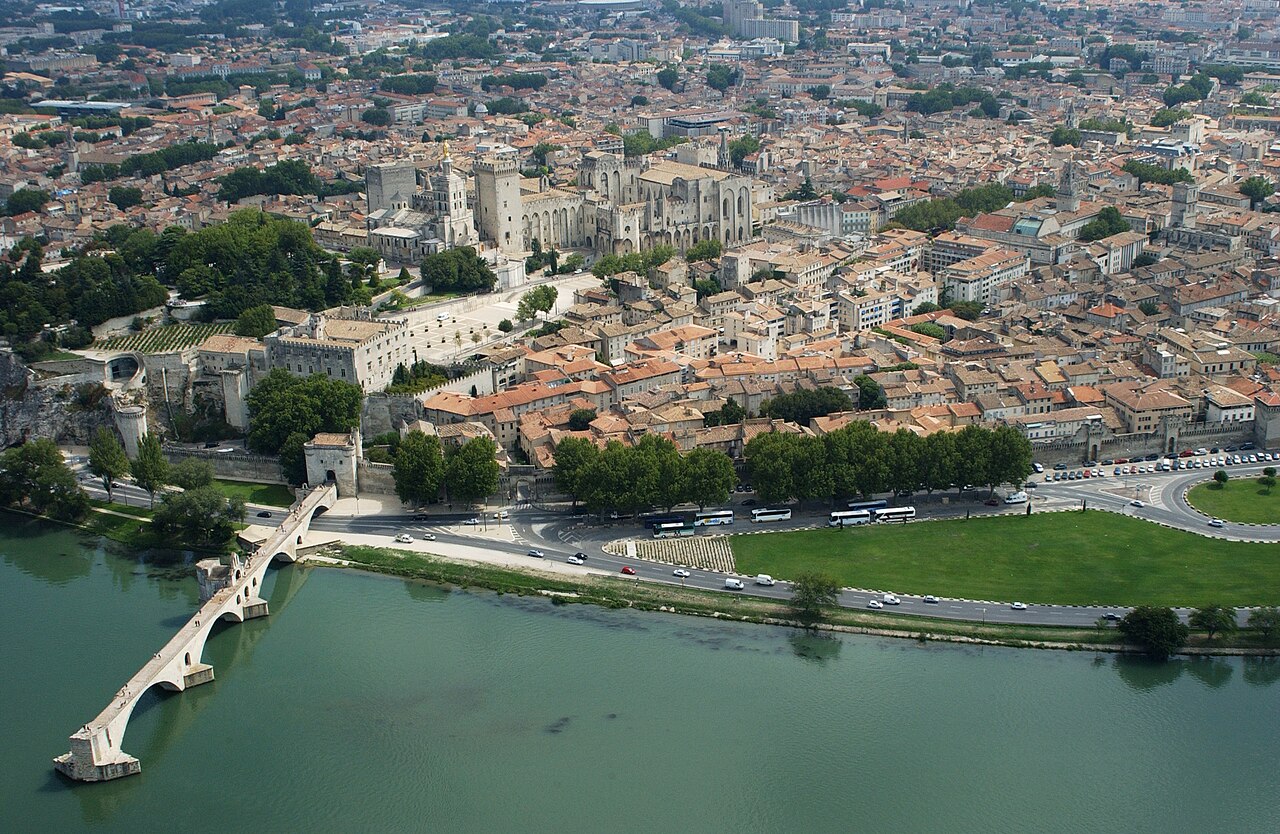
Avignon
Photo: OT Avignon, CC BY-SA 4.0

Avignon

Provence-Alpes-Côte d'Azur

A walled city on the Rhône where the popes lived in the 14th century. Every July it hosts a famous theatre festival.
  • The Palace of the Popes
  • The Pont d'Avignon
  • Its summer theatre festival
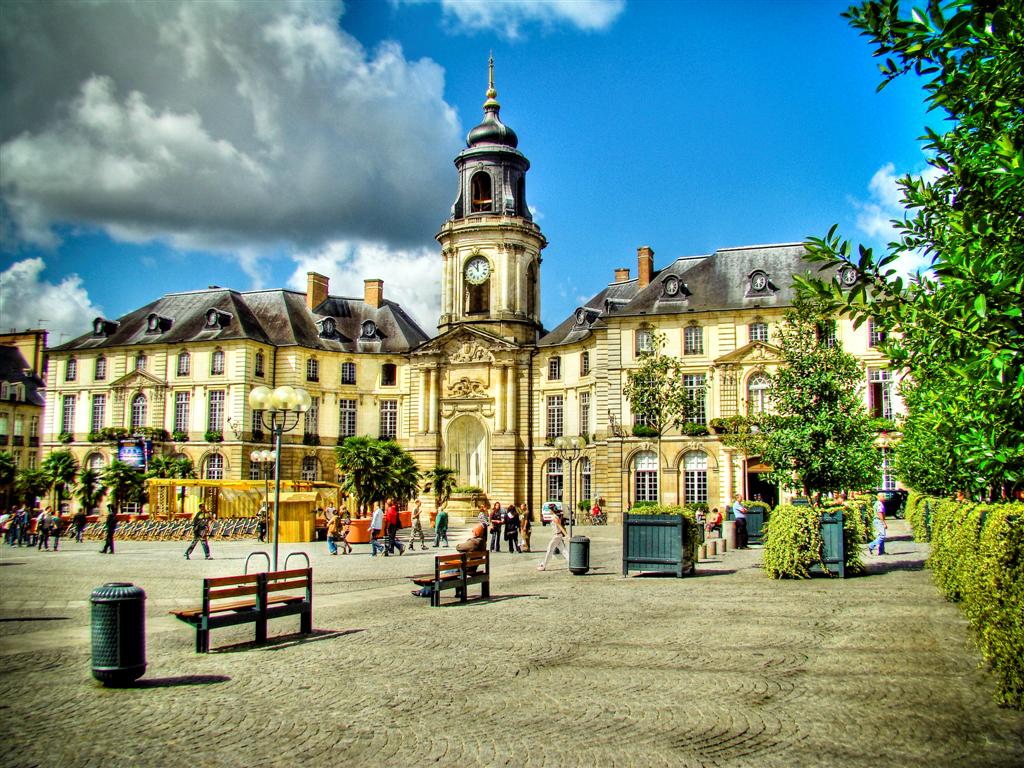
Rennes
Photo: Unknown author, CC BY-SA 3.0

Rennes

Brittany

The capital of Brittany, a student city with colourful half-timbered houses and a big Saturday market.
  • Half-timbered houses
  • Galettes and crêpes
  • Trips to Mont-Saint-Michel

Next: Landmarks

Landmarks

Places everyone should see once

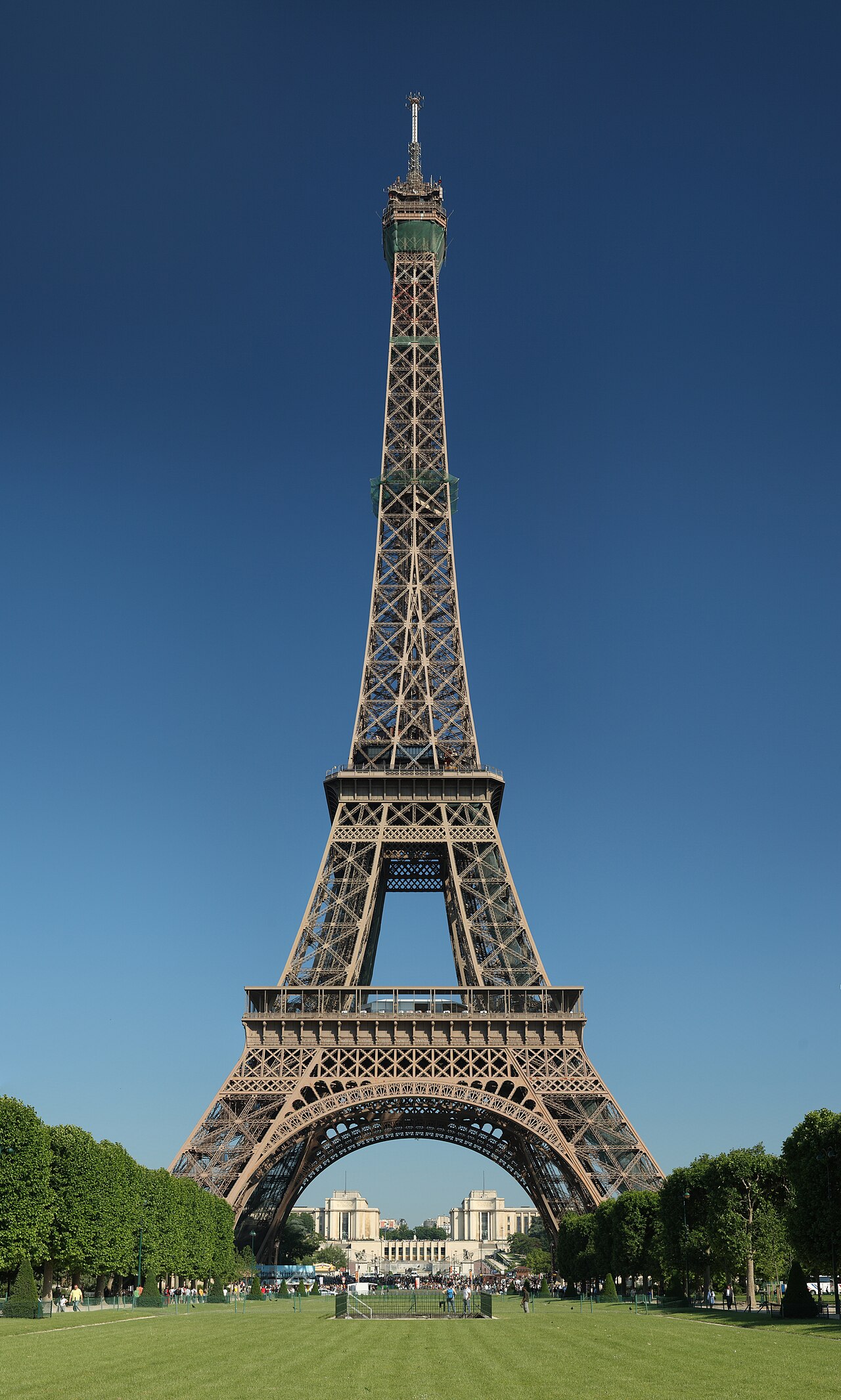
Eiffel Tower
Photo: Benh LIEU SONG, Public domain
Paris

The Eiffel Tower

The 330-metre iron tower built for the world's fair of 1889. It was meant to stand for 20 years and was the tallest structure in the world until 1930.

UNESCO World Heritage
Louvre
Photo: Benh LIEU SONG (Flickr), CC BY-SA 3.0
Paris

The Louvre

Once a royal palace, now the most visited museum in the world, home to the Mona Lisa. Its glass pyramid entrance, by the architect I. M. Pei, opened in 1989.

UNESCO World Heritage
Notre-Dame de Paris
Photo: Ali Sabbagh, CC0
Paris

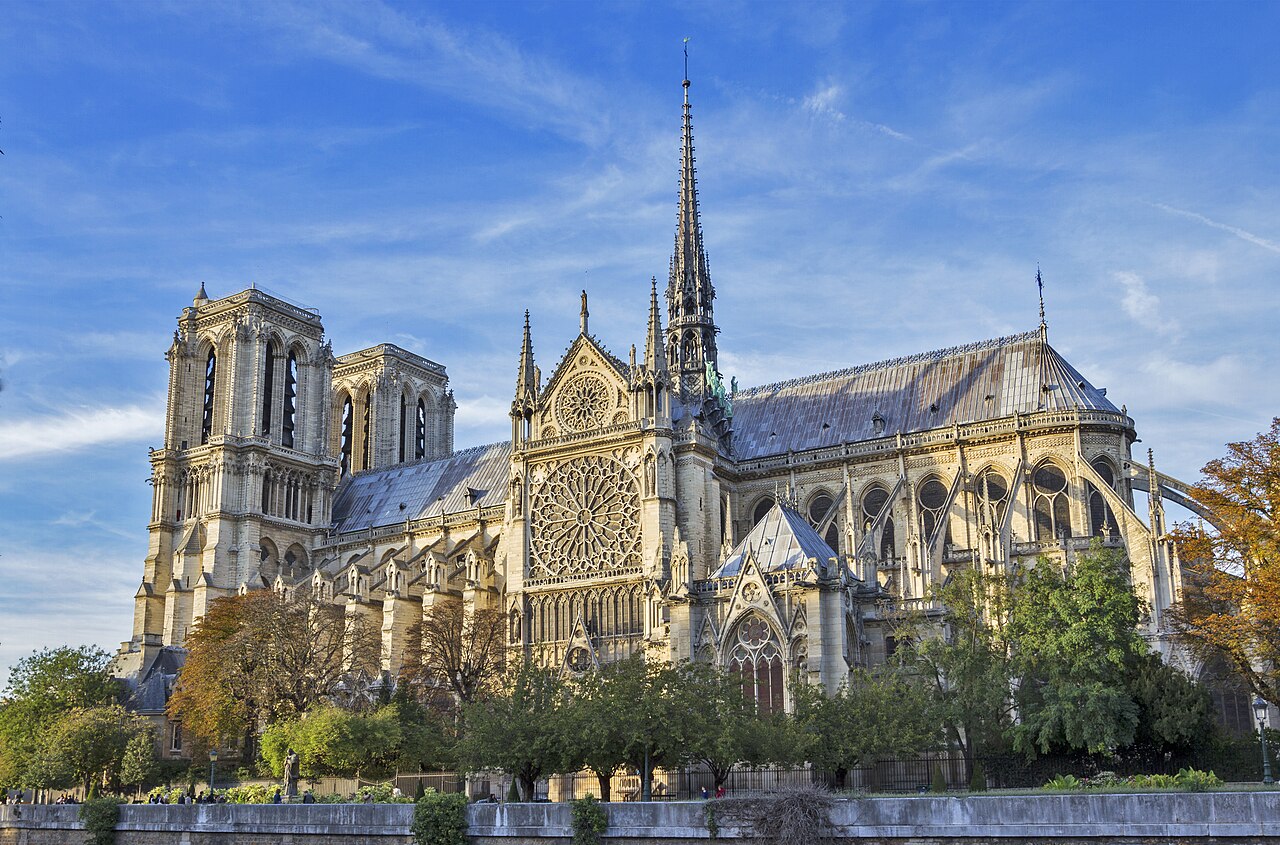
Notre-Dame de Paris

The Gothic cathedral on an island in the Seine, begun in 1163. A fire in 2019 destroyed its roof and spire, and it reopened in December 2024 after five years of restoration.

UNESCO World Heritage
Palace of Versailles
Photo: ToucanWings, CC BY-SA 3.0
Near Paris

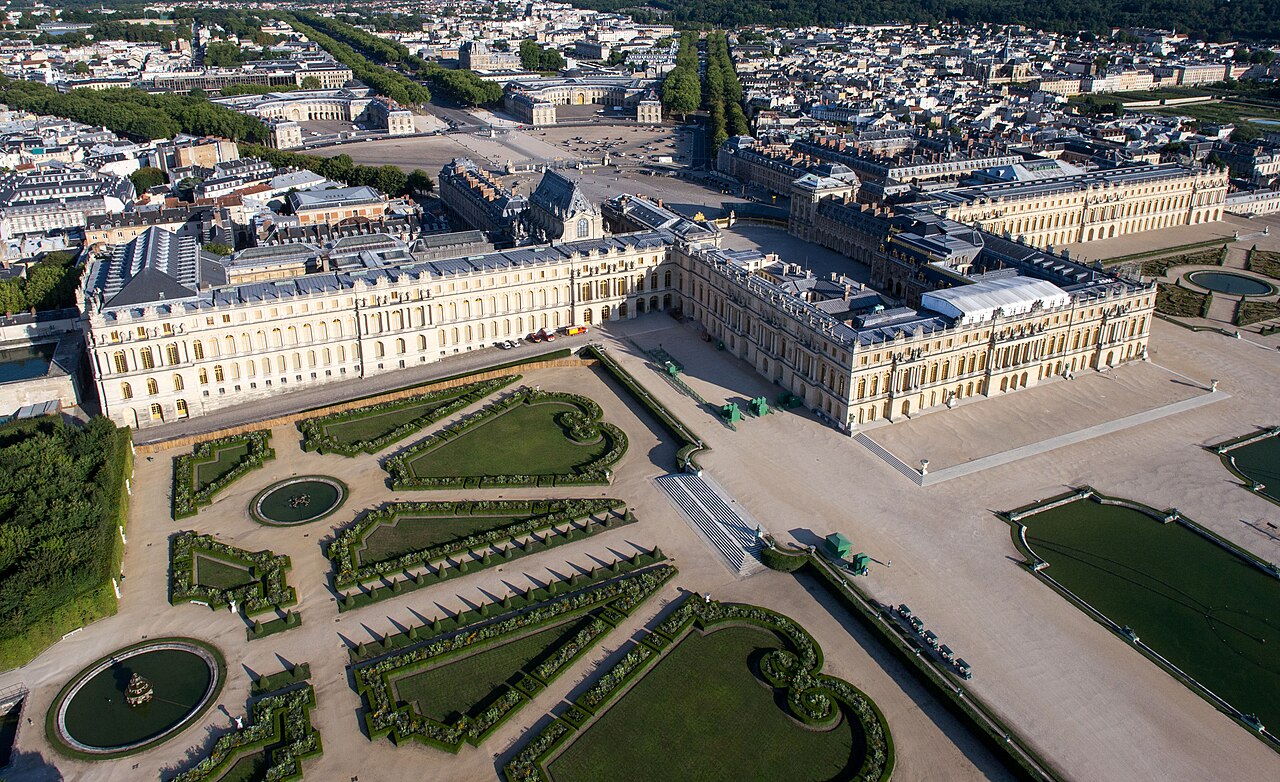
The Palace of Versailles

Louis XIV's vast palace just outside Paris, with its glittering Hall of Mirrors and formal gardens. The treaty that ended the First World War was signed here in 1919.

UNESCO World Heritage
Mont-Saint-Michel
Photo: Amaustan, CC BY-SA 4.0
Near Rennes

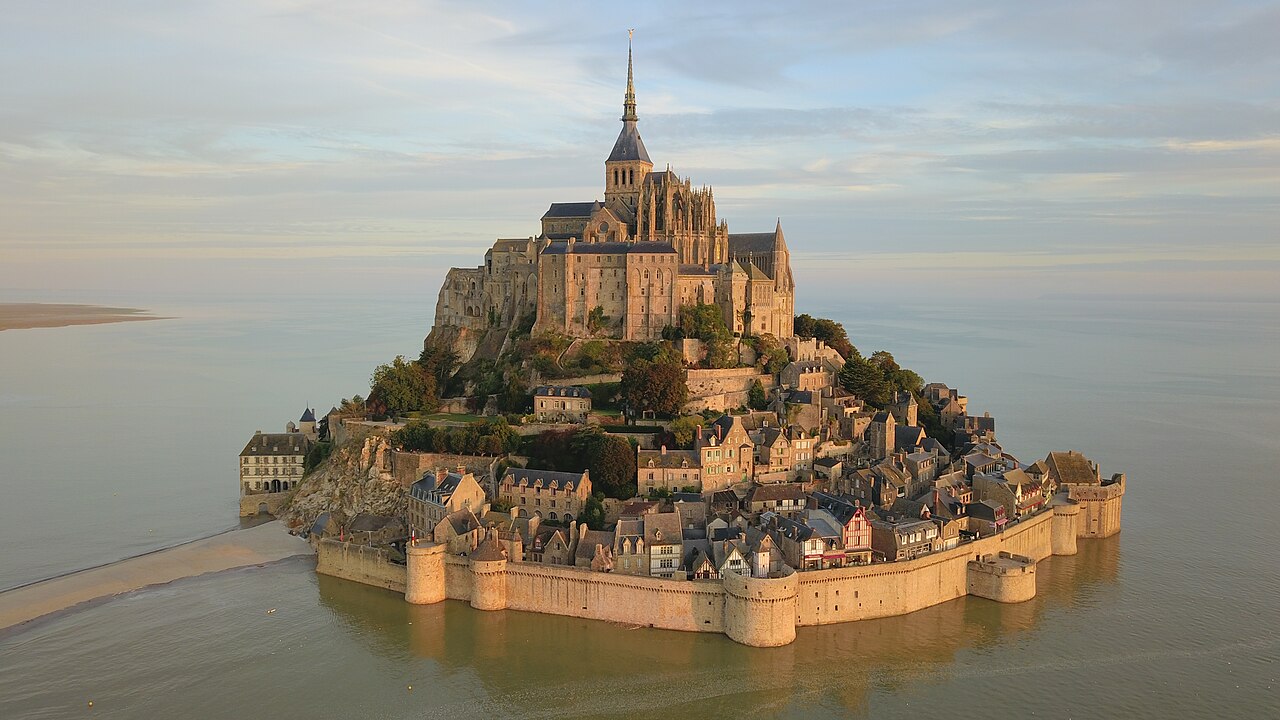
Mont-Saint-Michel

A rocky tidal island off the coast of Normandy, crowned by a medieval abbey, about an hour's drive from Rennes. The tide here can rise and fall by around 14 metres.

UNESCO World Heritage
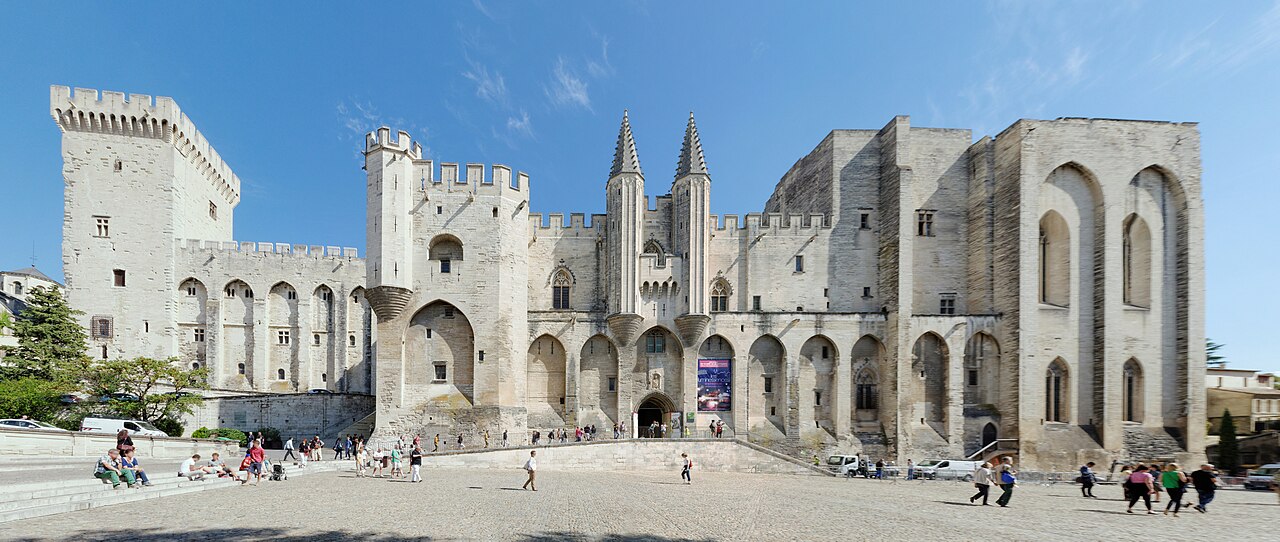
Palais des Papes
Photo: François de Dijon, CC BY-SA 3.0
Avignon

The Palace of the Popes (Palais des Papes)

A huge Gothic fortress-palace, built when the popes lived in Avignon instead of Rome in the 14th century.

UNESCO World Heritage
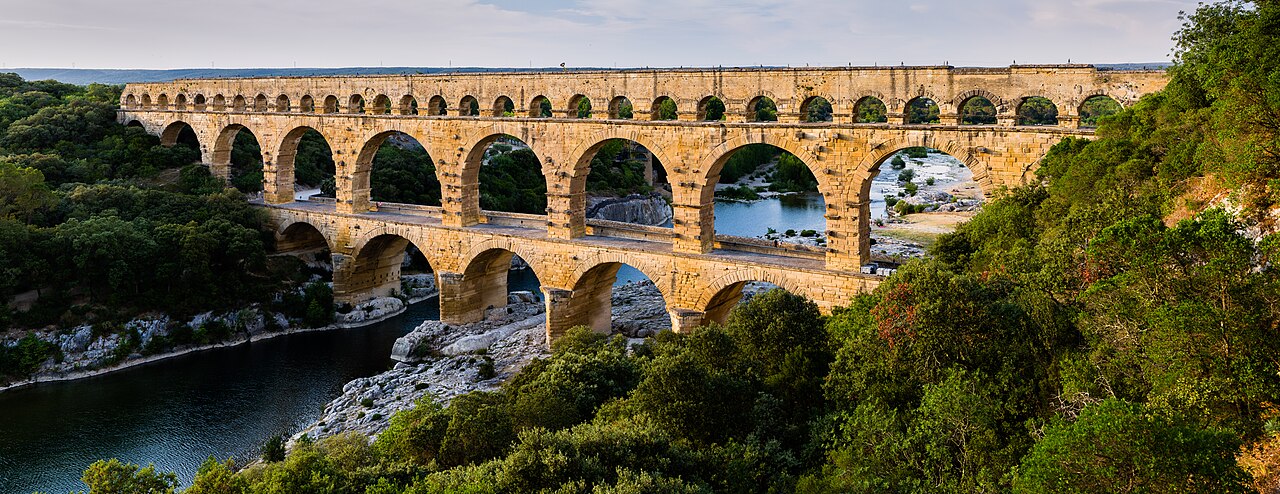
Pont du Gard
Photo: Benh LIEU SONG (Flickr), CC BY-SA 3.0
Near Avignon

The Pont du Gard

A Roman aqueduct bridge from the 1st century AD, three tiers of stone arches high, a short drive west of Avignon. It once carried water to the Roman city of Nîmes.

UNESCO World Heritage
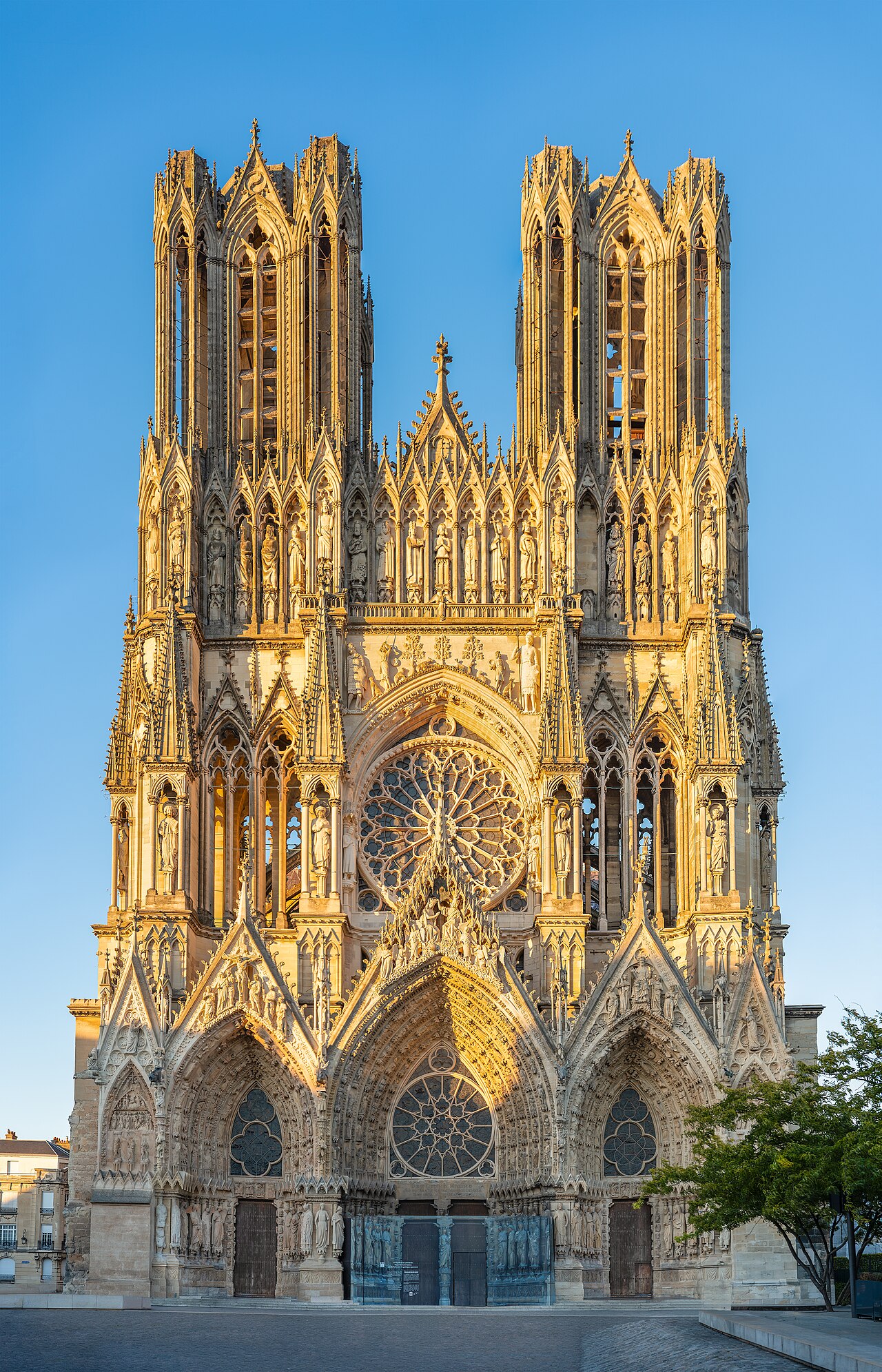
Reims Cathedral
Photo: Gennadii Saus i Segura, CC BY-SA 4.0
Reims

Reims Cathedral

The Gothic cathedral where most kings of France were crowned, the last one in 1825. Its front is covered with hundreds of statues, including a famous smiling angel.

UNESCO World Heritage
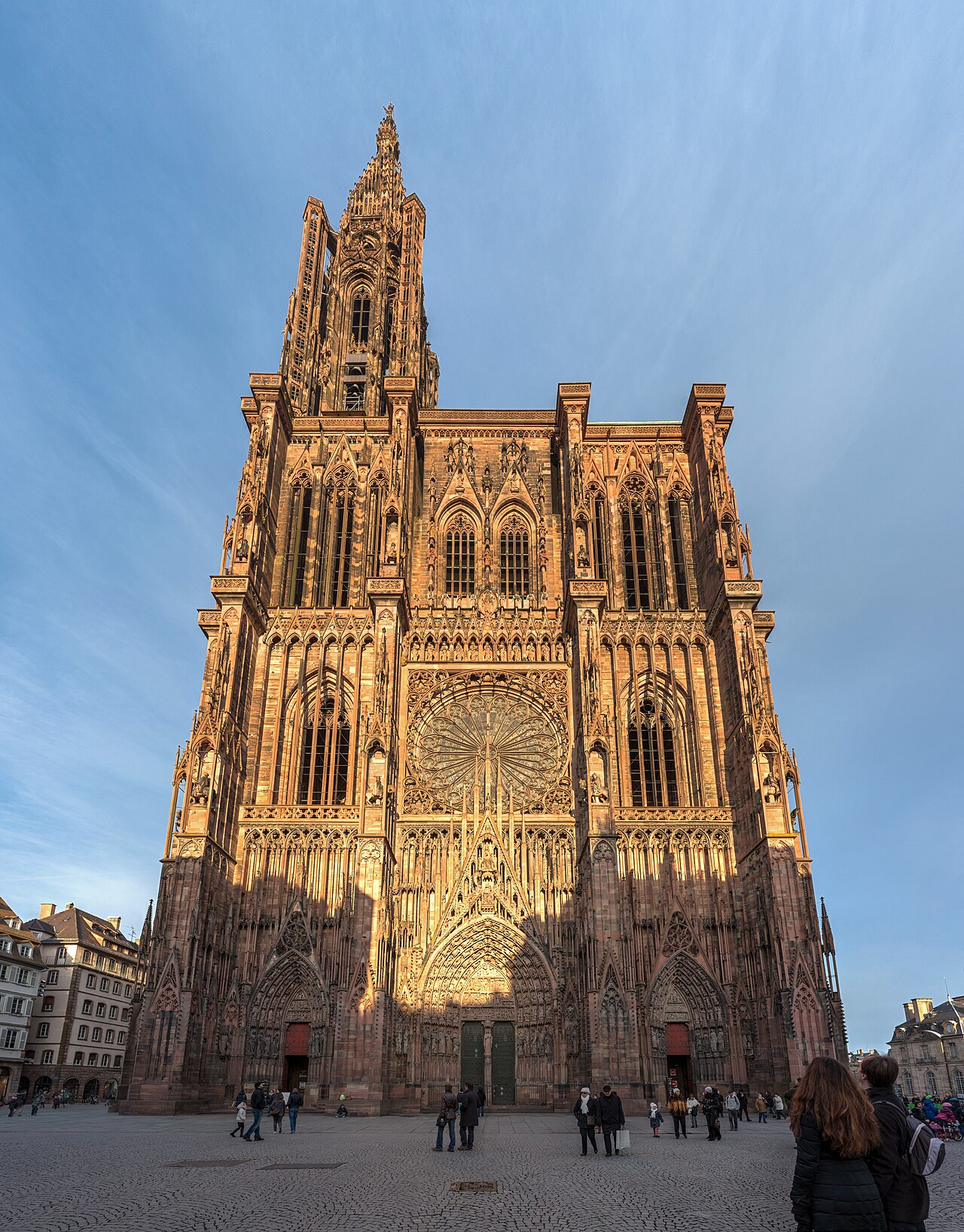
Strasbourg Cathedral
Photo: Diliff, CC BY-SA 3.0
Strasbourg

Strasbourg Cathedral

A pink sandstone Gothic cathedral with a single tall spire and a famous astronomical clock inside, in the historic centre of Strasbourg.

UNESCO World Heritage
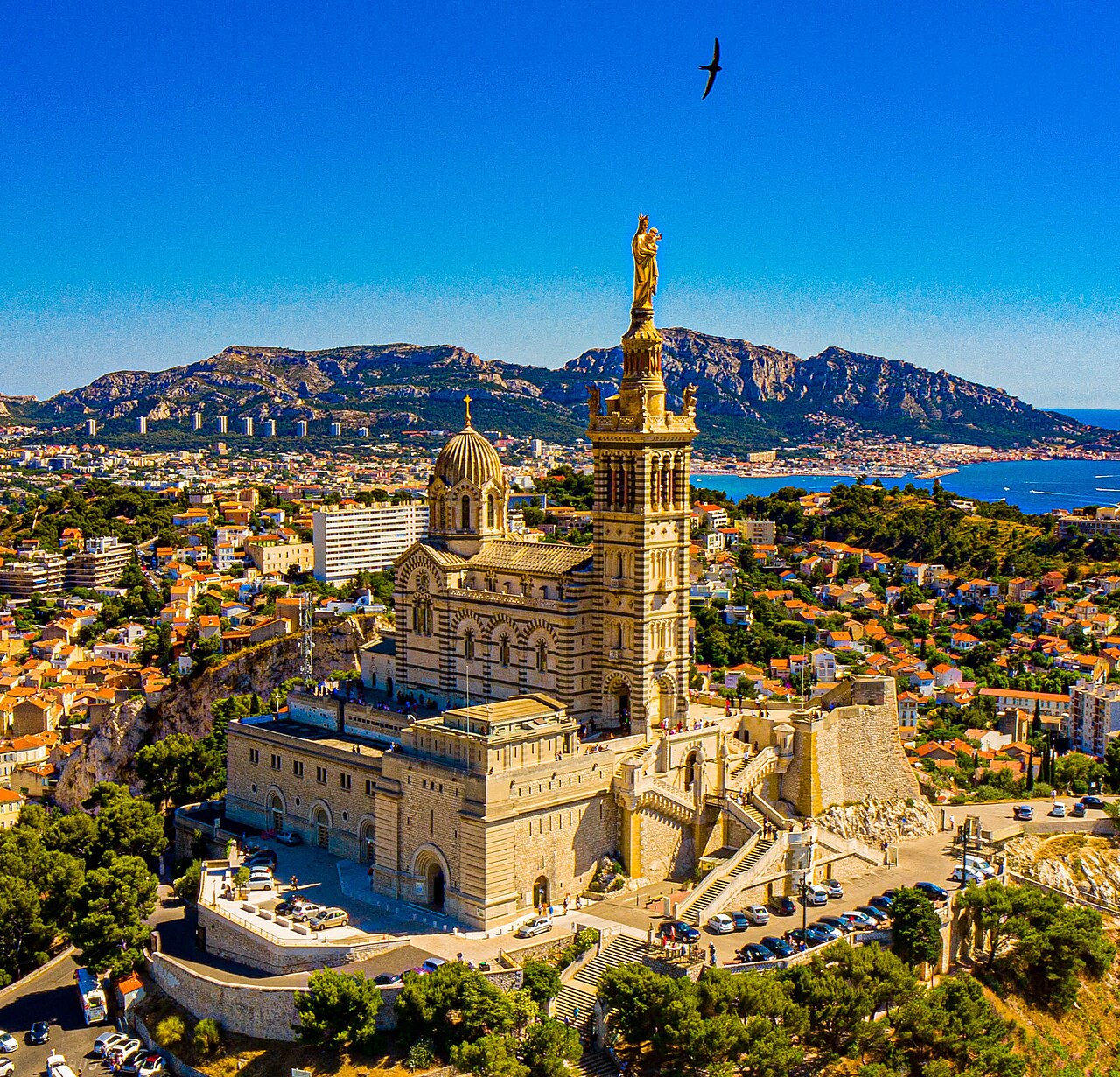
Notre-Dame de la Garde
Photo: Earth777, CC BY-SA 4.0
Marseille

Notre-Dame de la Garde

A 19th-century basilica on a hilltop above Marseille, topped by a golden statue of the Virgin and Child. Locals call it 'la Bonne Mère', the Good Mother.

Next: Fun facts

Fun facts

Things you might not know

  1. 01

    As of 2025, France is the most visited country in the world, with about 100 million foreign visitors a year.

  2. 02

    Thanks to its overseas territories, France uses 12 time zones (13 with its claim in Antarctica), more than any other country.

  3. 03

    Mainland France is nicknamed 'l'Hexagone' because its shape on the map looks roughly like a hexagon.

  4. 04

    The Eiffel Tower was meant to be temporary. It was due to be taken down 20 years after the world's fair of 1889.

  5. 05

    The Statue of Liberty in New York was a gift from the people of France. It was designed by Frédéric Auguste Bartholdi, and Gustave Eiffel designed its iron frame.

  6. 06

    The radio distress call 'Mayday' comes from the French 'm'aider', meaning 'help me'.

  7. 07

    The croissant's ancestor is the kipferl, a crescent-shaped pastry from Austria.

  8. 08

    Marseille, founded by Greek settlers around 600 BC, is the oldest city in France.

  9. 09

    As of 2025, the Louvre is the most visited museum in the world, with about 9 million visitors a year.

  10. 10

    The Lumière brothers from Lyon invented the cinematograph and held one of the first paid public film shows in Paris in December 1895.

  11. 11

    The Tour de France bicycle race was first held in 1903.

  12. 12

    The metric system, with metres and kilograms, was created in France in the 1790s, during the Revolution.

Next: Words

French words

20 words to start with

Pronunciation is written the way it sounds; the capital letters show where the stress goes. Audio is coming soon.

Greetings

  • mercimair-SEEthank you

Basics

  • ouiWEEyes
  • nonNOHN (nasal, the n is barely said)no

Time

  • aujourd'huioh-zhoor-DWEEtoday
  • demainduh-MAN (nasal)tomorrow

Food and drink

  • eauOHwater
  • painPAN (nasal)bread
  • vinVAN (nasal)wine
  • fromagefroh-MAHZHcheese
  • cafékah-FAYcoffee (usually an espresso), or a café
  • l'additionlah-dee-SYOHNthe bill (in a restaurant)

Travel

  • gareGAHRtrain station
  • billetbee-YAYticket
  • sortiesor-TEEexit

Around town

  • rueREW (like 'ee' with rounded lips)street
  • égliseay-GLEEZchurch
  • marchémar-SHAYmarket
  • plagePLAHZHbeach
  • boulangerieboo-lahn-zhuh-REEbakery

Describing

  • beauBOHbeautiful, handsome (belle for feminine words)

Next: Phrases

Say it like a local

Useful phrases

Bonjour
bohn-ZHOOR
Hello, good day
Greeting anyone during the day, and always when you walk into a shop
Bonsoir
bohn-SWAHR
Good evening
Greeting someone in the evening
Au revoir
oh ruh-VWAHR
Goodbye
Leaving a shop or saying goodbye politely
S'il vous plaît
seel voo PLAY
Please
Asking for anything
Merci beaucoup
mair-SEE boh-KOO
Thank you very much
Thanking someone warmly
Excusez-moi
ex-kew-zay-MWAH
Excuse me
Getting someone's attention politely
Enchanté
ahn-shahn-TAY
Nice to meet you
Meeting someone for the first time
Comment allez-vous ?
koh-mahn tah-lay-VOO
How are you? (polite)
Asking a stranger or an older person how they are
Parlez-vous anglais ?
par-lay voo ahn-GLAY
Do you speak English?
Before asking for help
Je ne comprends pas
zhuh nuh kohm-prahn PAH
I don't understand
When you are lost in the conversation
C'est combien ?
say kohm-BYAN
How much is it?
Shopping at a market
Où sont les toilettes ?
oo sohn lay twah-LET
Where are the toilets?
In a restaurant or café
Une table pour deux
ewn TAH-bluh poor DUH
A table for two
Arriving at a restaurant
Je voudrais un café
zhuh voo-DRAY an kah-FAY
I would like a coffee
Ordering at a café
L'addition, s'il vous plaît
lah-dee-SYOHN seel voo PLAY
The bill, please
At the end of a meal
Bon appétit
bohn ah-pay-TEE
Enjoy your meal
Just before eating
Santé !
sahn-TAY
Cheers!
Raising a glass
Au secours !
oh suh-KOOR
Help!
In an emergency

Next: Local tips

Local tips

Before you go

Always start with 'Bonjour'

Say 'Bonjour, Madame' or 'Bonjour, Monsieur' when you walk into a shop or café, and 'Au revoir' when you leave. Skipping it is seen as rude. After about 6 pm, say 'Bonsoir'.

Use 'vous' with strangers

French has a polite 'vous' and a familiar 'tu' for 'you'. Use 'vous' with anyone you do not know well, and wait for the other person to suggest 'tu'.

Service is included

Restaurant prices already include a 15% service charge ('service compris'). For good service, leaving a little extra or your small change is a kind gesture, but it is not required.

Sundays are quiet

Sunday closing is the norm in France, especially outside the big cities. Some tourist districts of Paris are exceptions. Plan your shopping for Saturday.

Check museum closing days

Many museums close one day a week. The Louvre, for example, is closed on Tuesdays. Check before you go and book a timed ticket online for the busiest sites.

Greeting with 'la bise'

Friends and family greet each other with light kisses on the cheeks: usually two, but from one to four depending on the region. With people you have just met, a handshake is fine.

Bring a small gift

If you are invited to a French home, bring wine, chocolates or flowers. Avoid chrysanthemums, which are the flowers of funerals and graves.

Take your time at table

Meals are not rushed, and nobody will hurry you out. When you are ready to pay, ask for the bill: 'L'addition, s'il vous plaît'.
You have seen it all: take the quiz

Sources (41)