A free large-print PDF. Choose what goes in: facts, map, history, dishes and recipes, phrases, fun facts, a quiz with or without answers. Made for clubs, care homes, libraries and family afternoons.
Switzerland is a small, mountainous country in the middle of Western Europe, with no coast. The Alps cover about 60 percent of it, the Jura hills run along the north-west, and between them lies a green plateau of lakes, farms and cities where most people live. About 9.1 million people live here, in 26 cantons that each keep a great deal of self-government.
It is a country of four national languages. German is the main language of the north and centre, French of the west, Italian of the south, and Romansh is spoken in parts of the canton of Graubünden. Many Swiss switch easily between two or three languages, and signs, banknotes and food packets are printed in several of them.
The Swiss trace their country back to an alliance of three Alpine communities in 1291, but the modern federal state dates from 1848. Switzerland has been neutral since 1815. It is not a member of the European Union, though it works closely with it and is part of the Schengen area, and Geneva hosts the Red Cross and many United Nations offices. Its citizens vote on national questions several times a year, a form of direct democracy found almost nowhere else.
CapitalBern
Capital statusBern is officially the 'federal city', the seat of parliament and government since 1848. The constitution does not name a capital, but Bern is the capital in practice
PopulationAbout 9.1 million (9,127,100 at the end of 2025)
Official languageFour national languages: German, French, Italian and Romansh. German, French and Italian are official at federal level, and Romansh is official for dealings with Romansh speakers. As main languages (2020 figures): German about 62 percent, French about 23 percent, Italian about 8 percent, Romansh about 0.5 percent
CurrencySwiss franc (CHF), since 1850, divided into 100 Rappen or centimes
AreaAbout 41,300 km²
GovernmentFederal republic of 26 cantons with direct democracy. The seven members of the Federal Council together are head of state and government, and the President of the Confederation changes every year
Highest mountainDufourspitze, 4,634 m, in the Monte Rosa massif near the Italian border
Longest riverThe Rhine runs about 375 km through or along Switzerland on its way to the North Sea. The Aare, about 295 km, is the longest river entirely within Switzerland
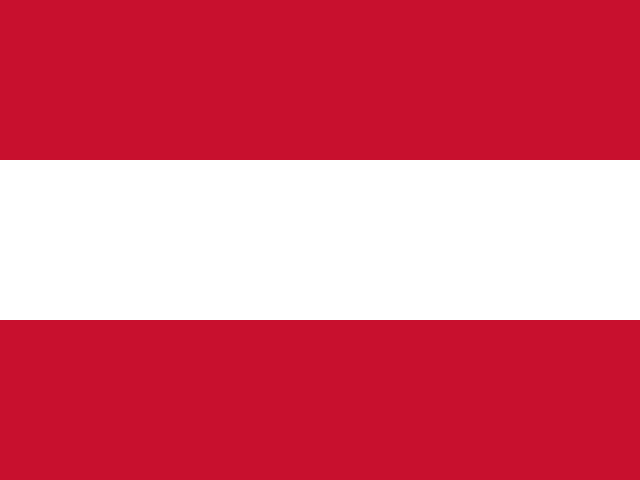
NeighboursFive: Germany, France, Italy, Austria and Liechtenstein
From a mountain alliance in 1291 and battles against the Habsburgs to the Reformation, neutrality, a short civil war and a modern federal state, Switzerland grew slowly, canton by canton, into one of Europe's most stable countries.
1291
The Federal Charter
In early August 1291, the communities of Uri, Schwyz and Unterwalden in the central Alps agreed to help each other against outside threats and to settle disputes without foreign judges. The charter became the symbol of the country's founding, and Swiss National Day is held on 1 August. The original is kept in a museum in Schwyz.
1315
The Battle of Morgarten
On 15 November 1315, men from Schwyz, Uri and Unterwalden ambushed the army of the Habsburg Duke Leopold I by Lake Ägeri and routed it. A month later the three communities renewed their alliance, and over the next decades Lucerne, Zurich, Bern and others joined.
1386
The Battle of Sempach
On 9 July 1386, the Confederates defeated a Habsburg army near Sempach, and Duke Leopold III was killed with many of his knights. A later legend says Arnold von Winkelried threw himself onto the enemy's pikes to open a gap, but the story first appears more than a century afterwards.
1515
The Battle of Marignano
On 13 and 14 September 1515, near Milan, the Swiss were heavily defeated by the French army of King Francis I and its Venetian allies. The defeat ended Swiss ambitions in northern Italy, and a 'Perpetual Peace' with France followed in 1516. It is often seen as the starting point of Swiss neutrality.
1519
Zwingli starts preaching in Zurich
In 1519, Huldrych Zwingli became the preacher at the Grossmünster in Zurich, and his sermons launched the Swiss Reformation. Switzerland split into Protestant and Catholic cantons, a divide that shaped its politics for more than 300 years.
1536
Calvin comes to Geneva
The French reformer John Calvin arrived in Geneva in 1536. The city became a centre of Protestant thought, sometimes called the 'Protestant Rome', and today the Reformation Wall in Geneva's park honours Calvin and his colleagues.
1648
The Peace of Westphalia
The treaties that ended the Thirty Years' War in 1648 formally recognised the Swiss Confederation as independent of the Holy Roman Empire.
1798
The Helvetic Republic
In 1798, French revolutionary armies invaded and replaced the old confederation with the Helvetic Republic, a centralised state allied to France. It lasted only until 1803, when Napoleon restored much of the cantons' self-government.
1815
The Congress of Vienna
After Napoleon's defeat, the European powers at the Congress of Vienna restored Swiss independence, and in 1815 they recognised the country's permanent neutrality. Geneva, Valais and Neuchâtel joined the confederation, which has kept its borders almost unchanged since.
1847
The Sonderbund War
In November 1847, seven Catholic, conservative cantons that had formed a separate alliance, the Sonderbund, were defeated by federal troops under General Guillaume Henri Dufour in less than a month. Fewer than 150 people were killed, and it was Switzerland's last civil war.
1848
The federal state is founded
On 12 September 1848, a new federal constitution turned the loose alliance of cantons into a modern federal state with a parliament and a seven-member Federal Council. On 28 November 1848 the new parliament chose Bern as the federal city.
1863
The Red Cross is founded in Geneva
Shocked by the suffering of wounded soldiers after the Battle of Solferino in 1859, the Geneva businessman Henry Dunant called for an organisation to help them. The International Committee of the Red Cross was founded in Geneva on 17 February 1863, and the first Geneva Convention followed in 1864. Dunant shared the first Nobel Peace Prize in 1901.
1882
The Gotthard rail tunnel opens
In 1882 the 15 km Gotthard railway tunnel, then the longest tunnel in the world, opened under the Alps between Göschenen and Airolo. About 200 workers died building it, and its chief engineer, Louis Favre, died of a heart attack inside it in 1879.
1971
Women win the federal vote
In February 1971, Swiss men voted to give women the right to vote in national elections, after rejecting it in 1959. The last canton to hold out, Appenzell Innerrhoden, had to give women the vote in cantonal matters after a Federal Supreme Court ruling in 1990.
2002
Switzerland joins the United Nations
After a popular vote, Switzerland became a full member of the United Nations in 2002, although Geneva had long been home to many UN offices.
2008
Switzerland joins the Schengen Area
On 12 December 2008, Switzerland joined the Schengen Area, so there are no routine passport checks at its borders with its neighbours. It is still not a member of the European Union: voters rejected the European Economic Area in 1992, and the old application to join the EU was withdrawn in 2016.
Swiss food is mountain food: cheese, potatoes, bread, dried meat and cream, with each language region adding its own flavour. German-speaking areas love rösti and veal in cream sauce, the French-speaking west is the home of fondue and raclette, and Italian-speaking Ticino eats polenta and risotto. Breakfast is bread, butter and jam or a bowl of muesli, lunch is often a warm meal, and cheese dishes are a winter treat to share.
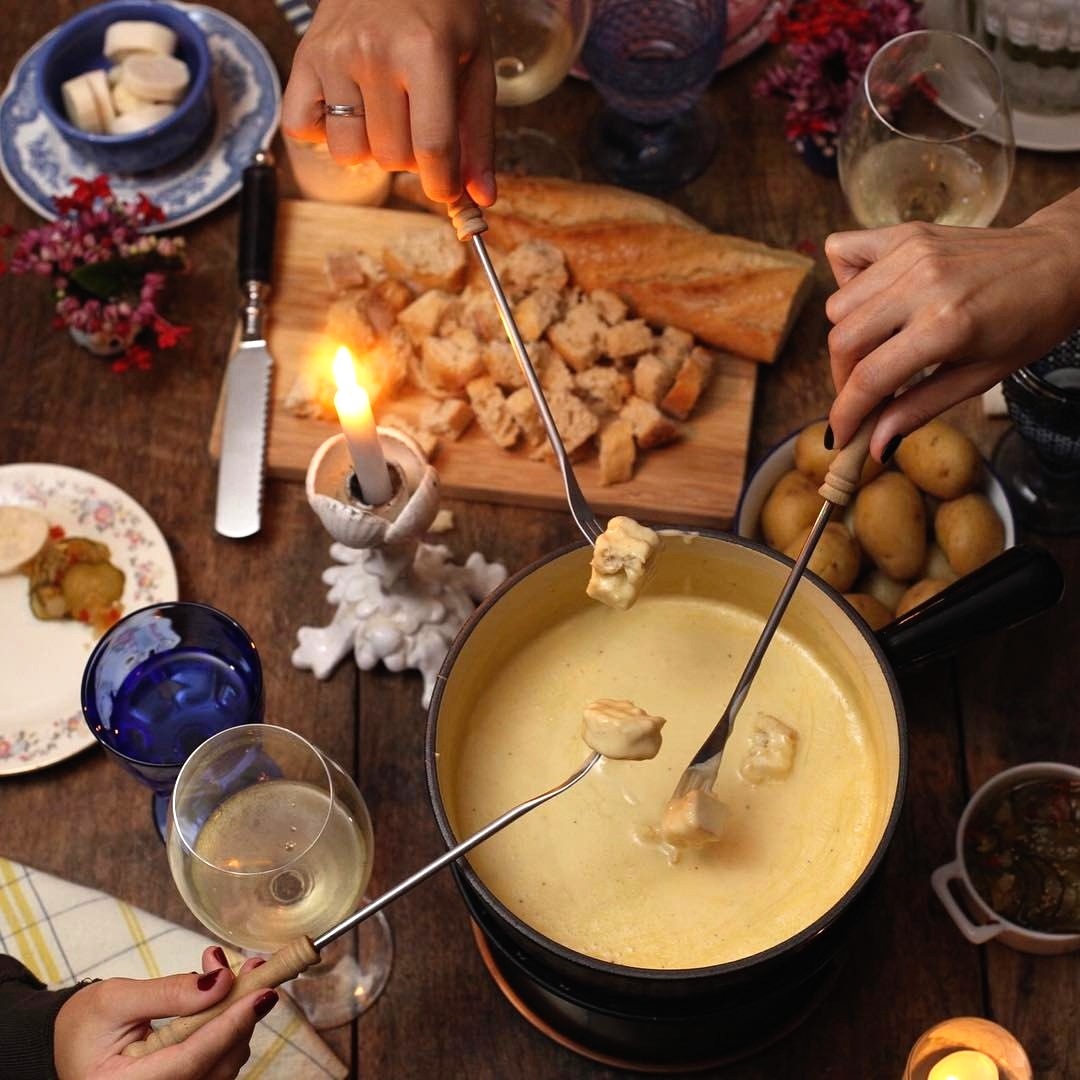
Cheese melted with white wine and a little cornflour in a heavy pot called a caquelon, kept warm at the table. Everyone dips cubes of bread on long forks. A classic mix is 'moitié-moitié', half Gruyère and half Vacherin Fribourgeois.
The oldest known recipe for cooking cheese with wine is in a Zurich cookbook of 1699. The crisp crust of cheese left at the bottom of the pot is called 'la religieuse', the nun, and is usually shared at the end.
See the recipe
Serves 4
30 min
Ingredients
1 clove of garlic, cut in half
300 ml dry white wine
1 teaspoon lemon juice
400 g Gruyère cheese, grated
400 g Vacherin Fribourgeois cheese, grated (or more Gruyère)
1 tablespoon cornflour
2 tablespoons kirsch (cherry brandy), optional
Pepper and a little grated nutmeg
800 g day-old white bread, cut into cubes with some crust on each
Method
Rub the inside of a fondue pot or heavy saucepan with the cut garlic.
Pour in the wine and lemon juice and warm them over medium heat until just steaming. Do not let it boil hard.
Add the cheese a handful at a time, stirring in a figure of eight with a wooden spoon until each handful melts.
Mix the cornflour with the kirsch (or with 2 tablespoons of wine) and stir it in. Keep stirring for 2 to 3 minutes until the fondue is smooth and creamy.
Season with pepper and nutmeg and set the pot over a burner on the table, on a low flame so it just bubbles.
Spear the bread cubes on long forks, dip and stir, and use the fork only to carry the bread to your plate. Note: not all the alcohol cooks off, so leave out the kirsch and use apple juice instead of wine if you cook for children or anyone avoiding alcohol.
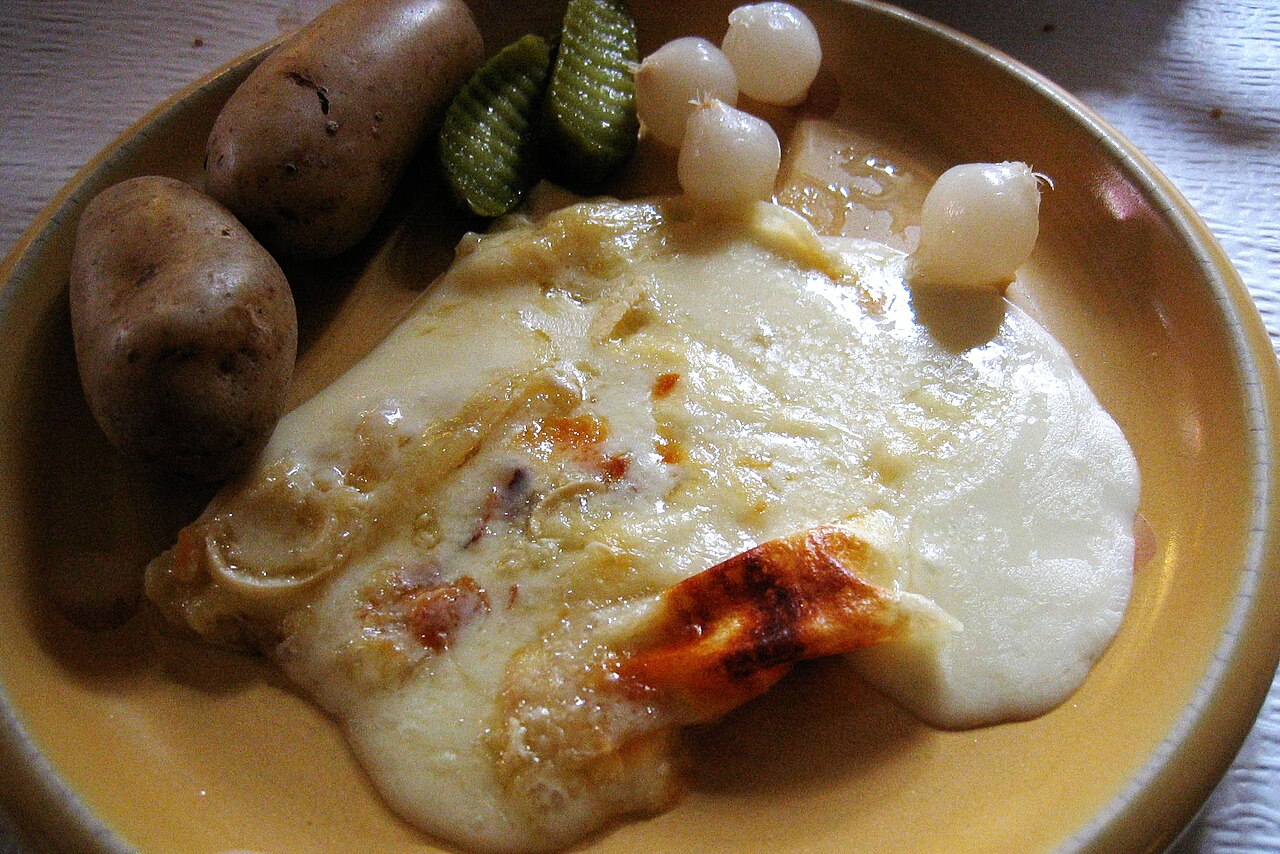
A half wheel of cheese is heated until the cut face melts, and the soft cheese is scraped onto plates. The name comes from the French 'racler', to scrape. It is eaten with boiled potatoes in their skins, small pickled gherkins and pickled onions.
Melting cheese by the fire is recorded in Valais as early as 1574. Raclette du Valais cheese has protected (AOP) status, and in Valais it is often served with black tea or a white Fendant wine.
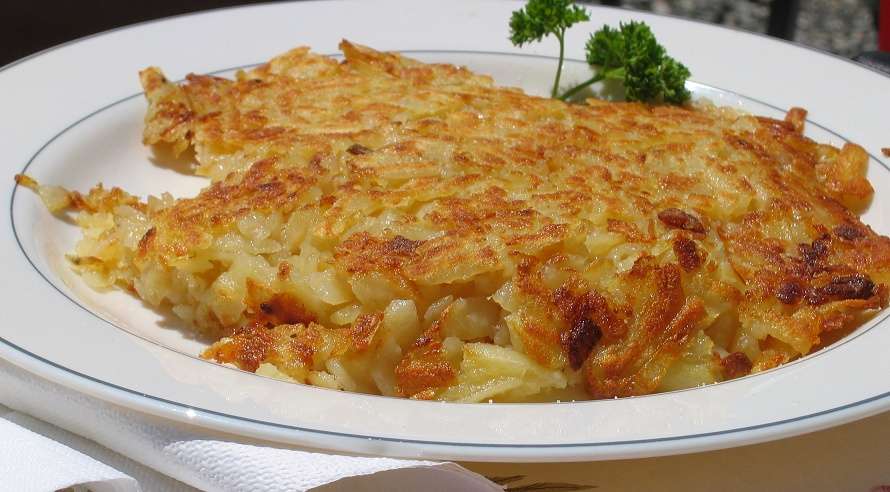
Coarsely grated potato, raw or boiled first, fried in butter into a flat golden cake. It began as a farmers' breakfast in the canton of Bern and is now served with many meals, often topped with a fried egg or cheese.
The invisible language border between German- and French-speaking Switzerland is jokingly called the 'Röstigraben', the rösti ditch.
See the recipe
Serves 4
45 min
Ingredients
1 kg firm, waxy potatoes, boiled in their skins the day before and chilled
3 tablespoons butter or butter with a little oil
1 teaspoon salt
Pepper
Method
Peel the cold potatoes and grate them coarsely into a bowl. Season with salt and pepper and mix gently.
Melt 2 tablespoons of butter in a large non-stick frying pan over medium heat.
Add the potatoes and press them lightly into a flat cake. Cook for about 15 minutes, shaking the pan now and then, until the underside is golden and crisp.
Put a plate over the pan, turn the rösti out onto it, add the rest of the butter to the pan and slide the rösti back in, uncooked side down.
Cook for another 10 to 15 minutes until golden underneath. Cut into wedges and serve hot.
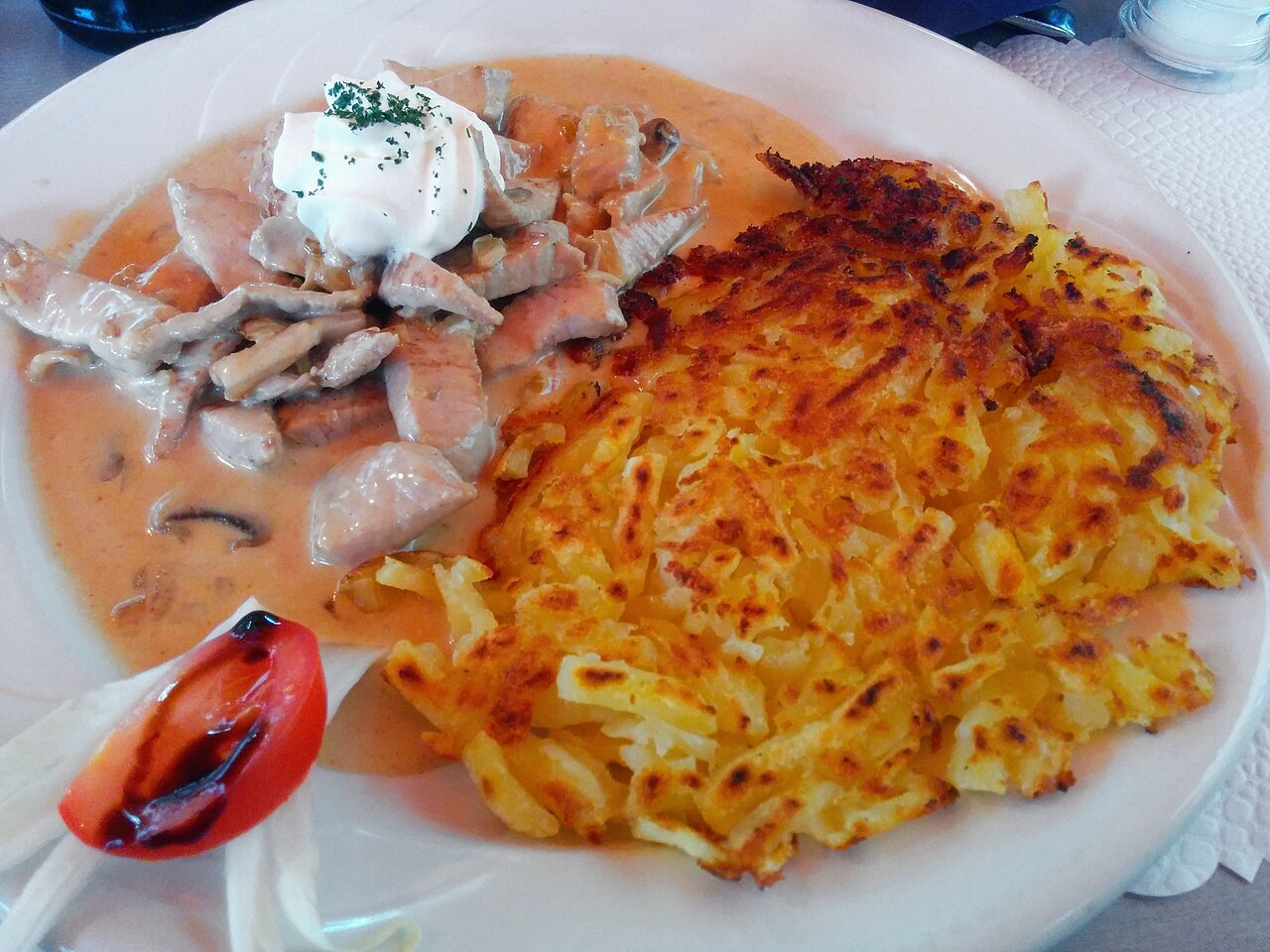
Thin strips of veal, quickly fried with onion, then simmered briefly in a sauce of white wine, cream and meat stock, often with mushrooms. It is traditionally served with rösti.
The first known written description of the dish is in a cookbook of 1947.
See the recipe
Serves 4
30 min
Ingredients
600 g veal (or pork fillet), cut into thin strips
2 tablespoons butter
1 tablespoon flour
1 onion, finely chopped
250 g mushrooms, sliced
150 ml dry white wine
150 ml beef or veal stock
200 ml double cream
1 teaspoon lemon juice
Salt, pepper and a pinch of paprika
Chopped parsley
Method
Dust the meat with the flour. Heat half the butter in a large frying pan until very hot and fry the meat in two batches for about 2 minutes each, until browned. Take it out and keep it warm.
Add the rest of the butter, the onion and the mushrooms to the pan and cook for 5 minutes until soft.
Pour in the wine and let it bubble for 2 minutes, then add the stock and cream and simmer for about 5 minutes until the sauce thickens.
Return the meat and its juices to the pan and heat through for 1 to 2 minutes, until the meat is hot all the way through, without boiling hard.
Season with lemon juice, salt, pepper and paprika, sprinkle with parsley and serve with rösti.
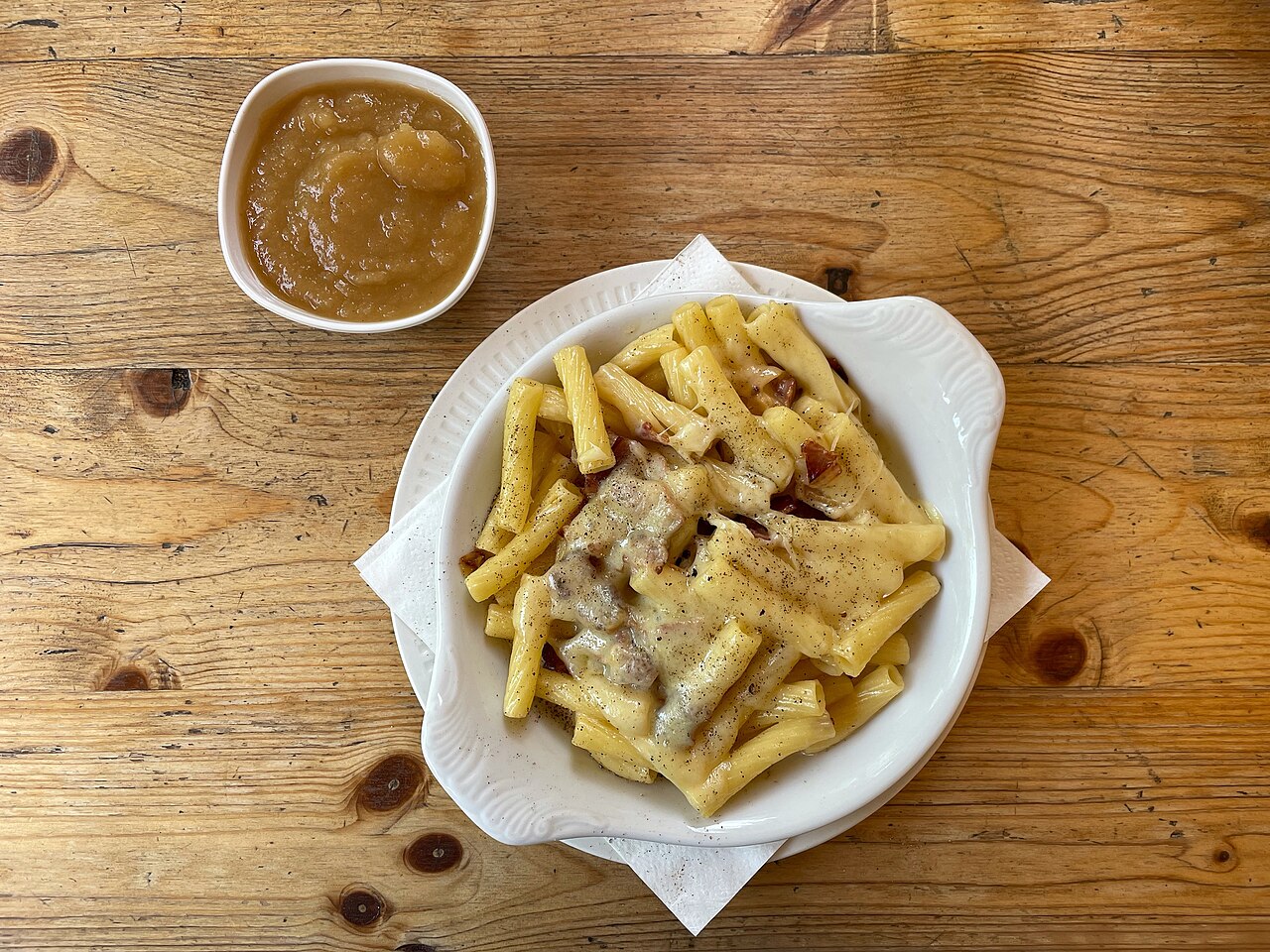
Pasta and diced potatoes cooked together, then mixed with cream and cheese and topped with fried onions. It is traditionally served with apple sauce on the side, a sweet contrast to the rich cheese.
The name joins 'Älpler', an Alpine herder, and 'Magronen', from the Italian 'maccheroni'. Dried pasta spread in northern Switzerland in the late 19th century, partly through Italian workers building the Gotthard tunnel.
See the recipe
Serves 4
40 min
Ingredients
300 g potatoes, peeled and cut into 1 cm cubes
300 g short macaroni or penne
200 ml single cream
150 g Swiss mountain cheese such as Gruyère, grated
2 onions, thinly sliced into rings
2 tablespoons butter
Salt, pepper and a little nutmeg
Apple sauce, to serve
Method
Bring a large pan of salted water to the boil. Add the potatoes and cook for 5 minutes.
Add the pasta and cook together until both are tender, about 10 minutes. Drain well and return to the pan.
Meanwhile fry the onion rings slowly in the butter for about 15 minutes, until soft and golden brown.
Warm the cream, pour it over the pasta and potatoes, stir in the cheese and season with salt, pepper and nutmeg.
Heat gently for 2 to 3 minutes until creamy, top with the fried onions and serve with apple sauce.
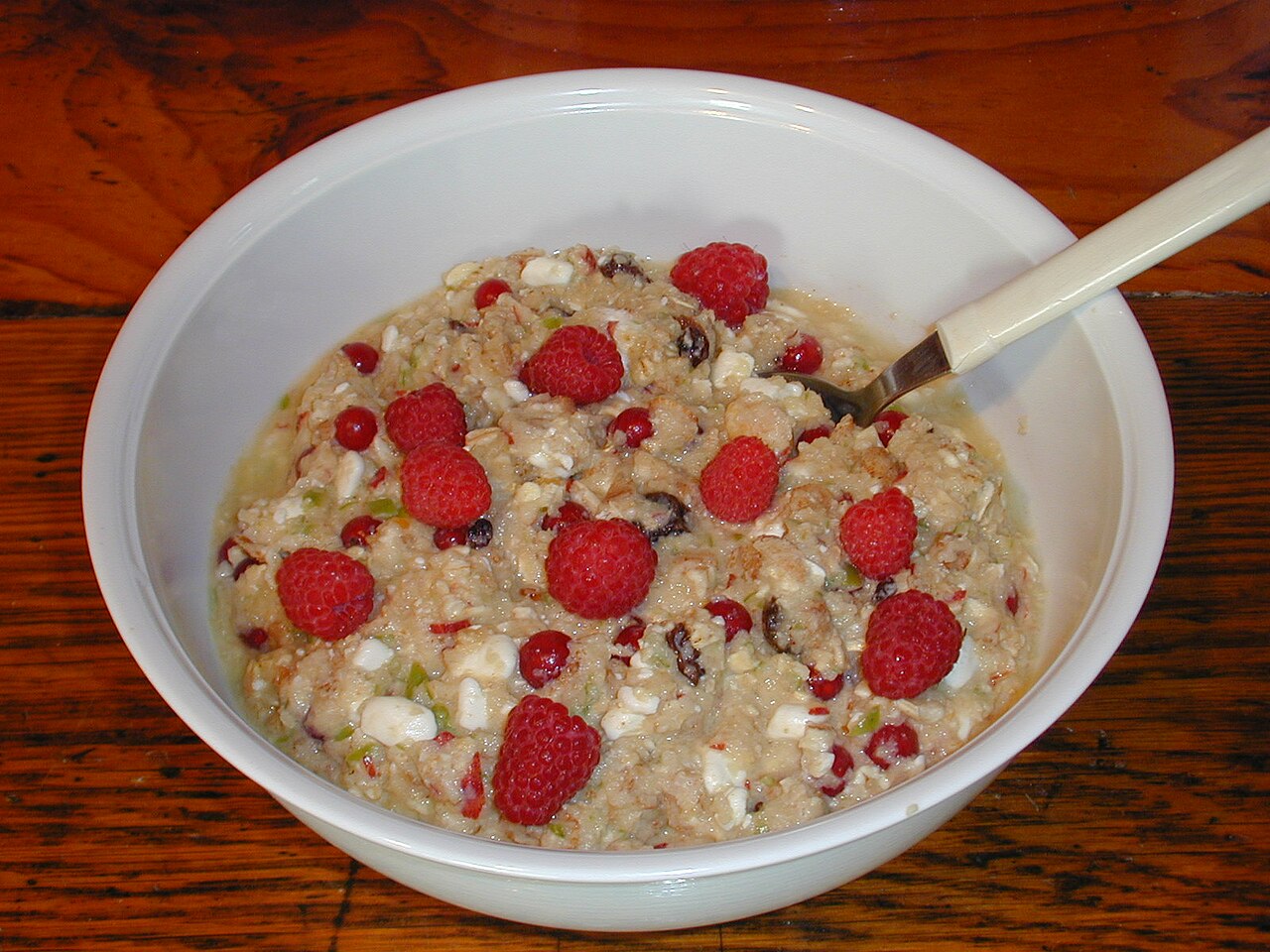
Rolled oats soaked overnight, mixed with lots of freshly grated apple, lemon juice, nuts and a little cream or yoghurt. Today it is a Swiss breakfast, but its creator served it to his patients as a light evening meal.
The Zurich doctor Maximilian Bircher-Benner created it around 1900 for patients at his clinic. 'Müesli' is a Swiss German word for a little mush.
See the recipe
Serves 4
15 min
Ingredients
100 g rolled oats
200 ml water or milk
Juice of 1 lemon
4 apples
4 tablespoons chopped hazelnuts or walnuts
150 g natural yoghurt or 100 ml single cream
1 to 2 tablespoons honey
Method
The evening before, stir the oats into the water or milk, cover and leave in the fridge overnight.
In the morning, put the lemon juice in a bowl and grate the apples into it with their skins on, stirring often so they do not turn brown.
Stir the apples into the soaked oats with the yoghurt or cream and the honey.
Sprinkle with the nuts and serve at once. Add berries or other fruit in summer.
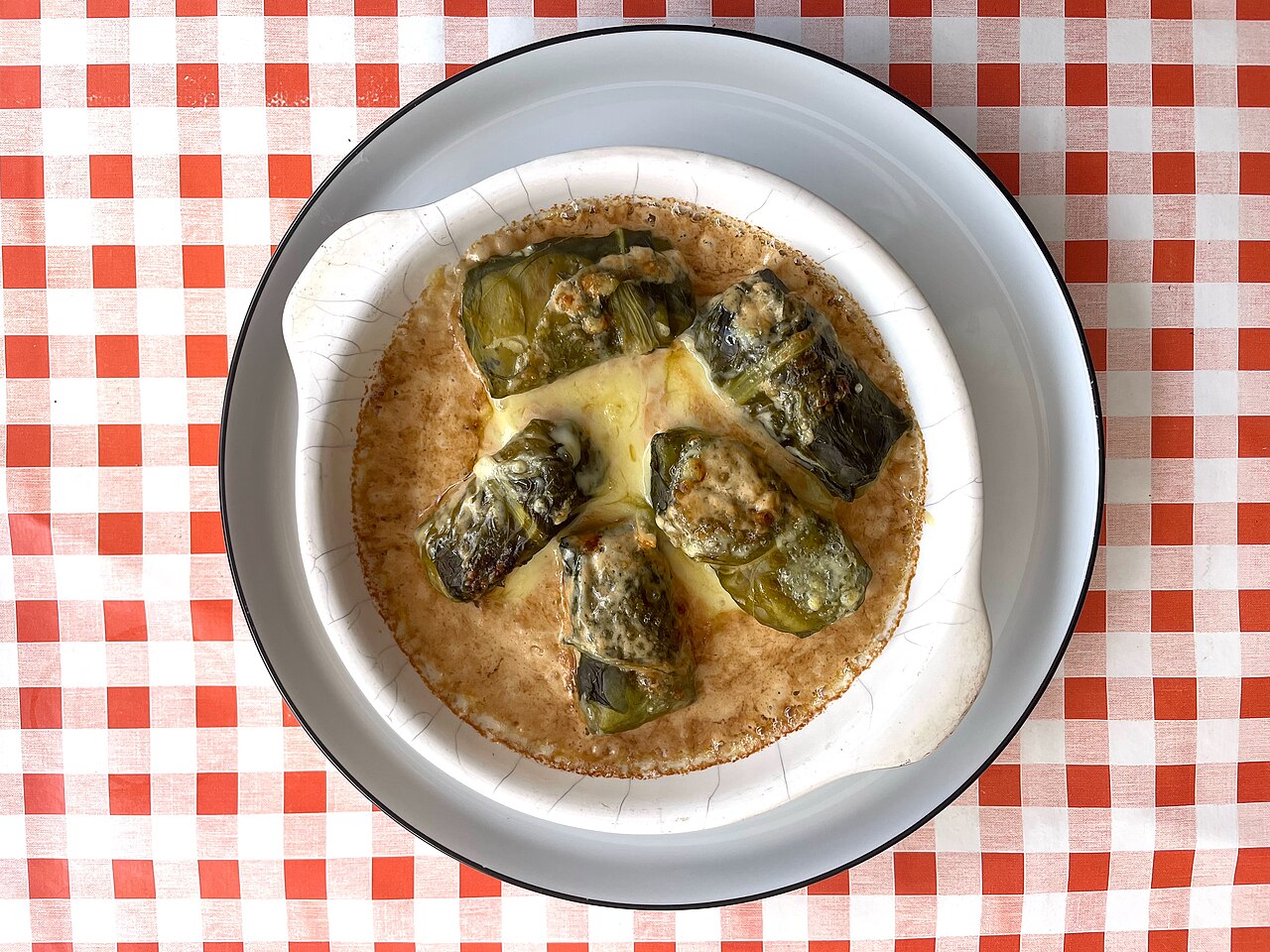
Little parcels of Swiss chard leaves filled with a spätzle-style dough and pieces of air-dried meat, simmered in a mix of stock and milk and served with grated cheese. It is a favourite dish of the canton of Graubünden.
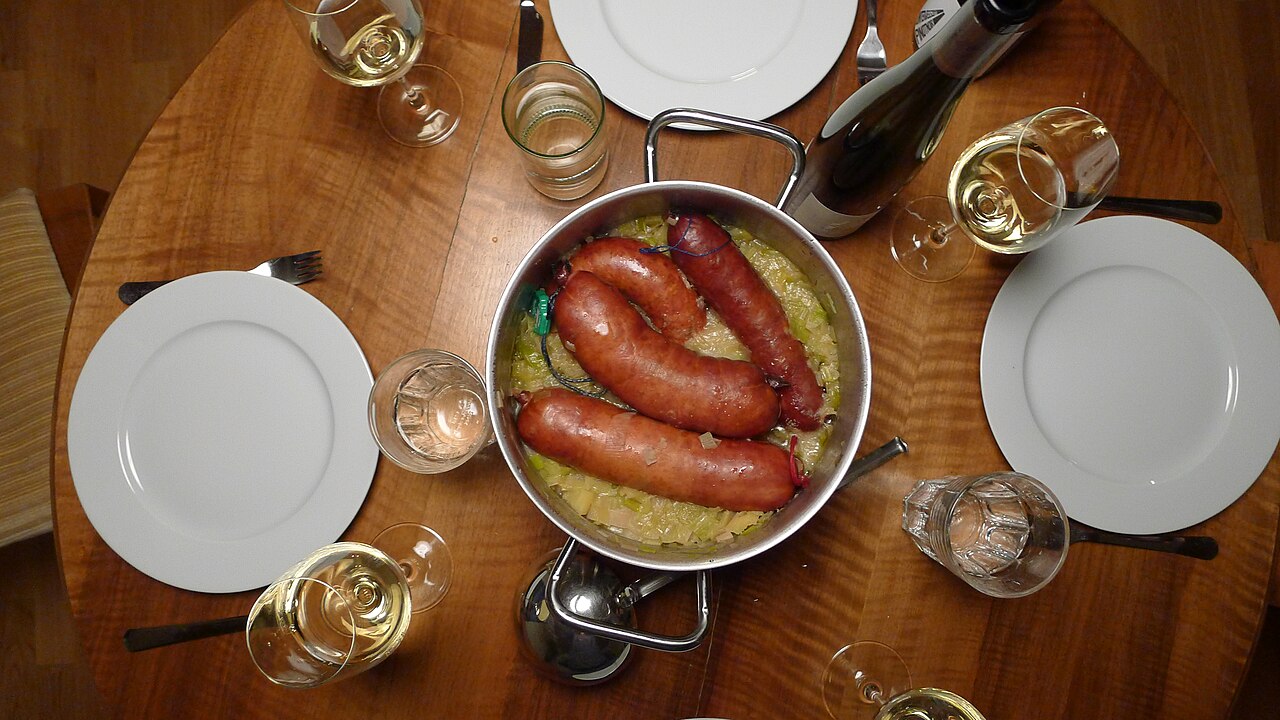
Leeks and potatoes gently stewed, often with a little cream and white wine, and served with a smoked cabbage sausage. The white and green of the dish are said to match the colours of the Vaud flag.
Since 2009, Vaud butchers have celebrated a 'Papet vaudois day' on the first Friday of October.
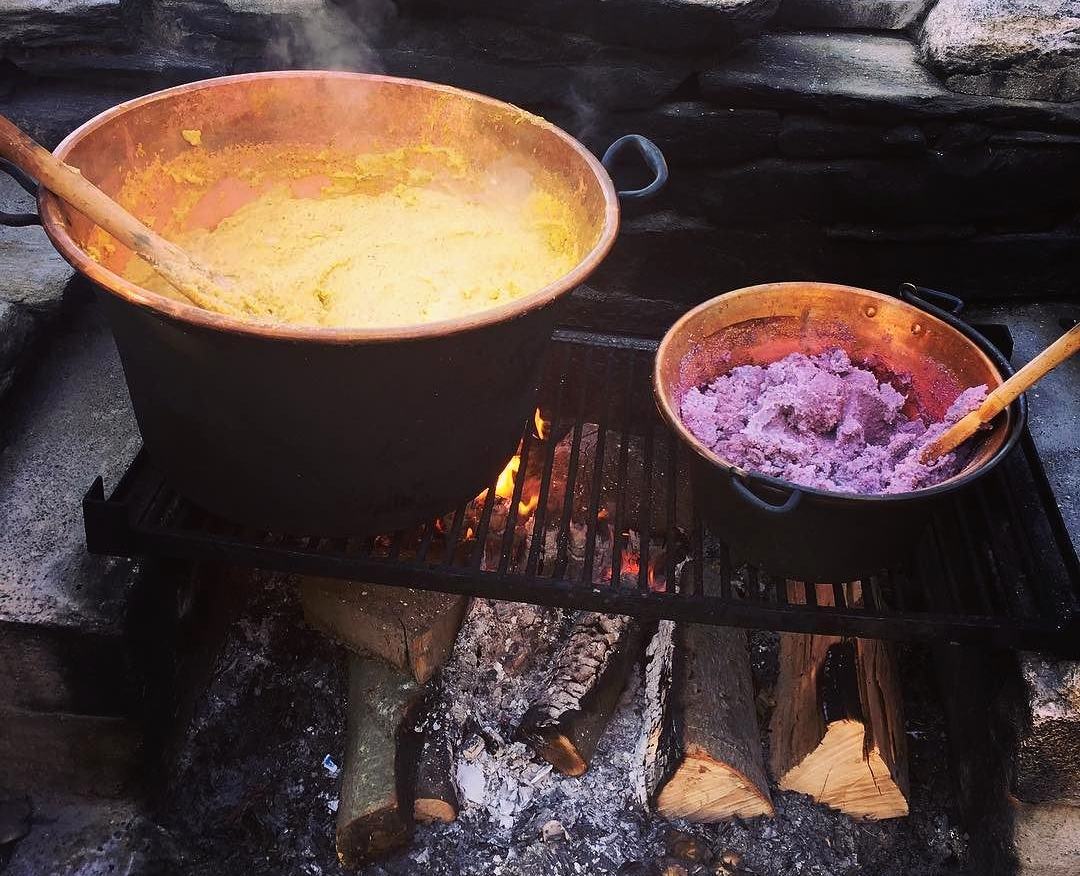
Cornmeal slowly cooked in water to a thick porridge, soft or left to set and then grilled or fried. In Italian-speaking Ticino it is a staple, often served with braised meat, sausages or cheese.
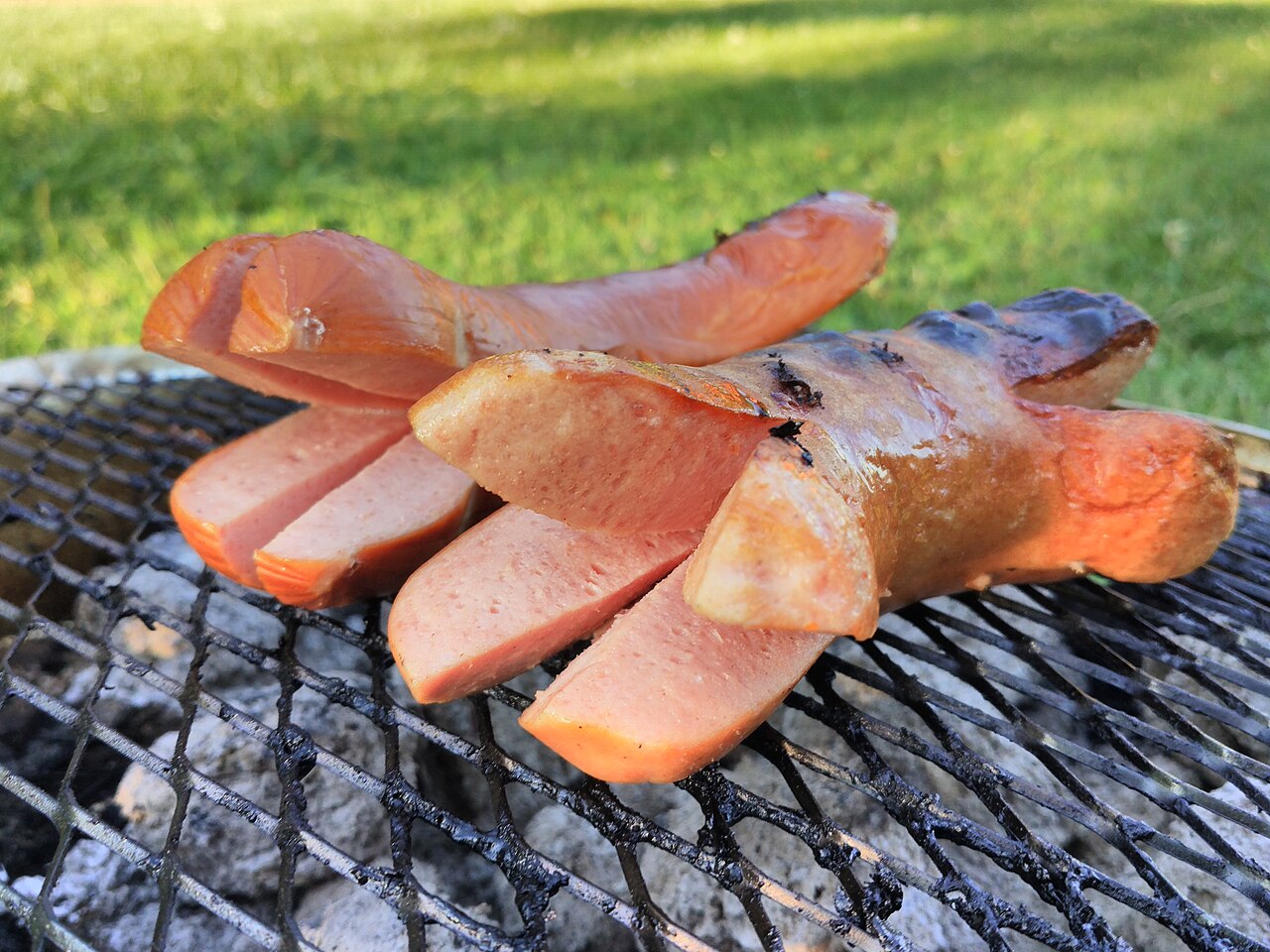
A short, plump sausage of beef, pork and bacon, often called the national sausage. It is grilled over a fire with the ends cut crosswise, so they open out as it cooks.
About 160 million cervelats are made in Switzerland each year, around 18 for every person.
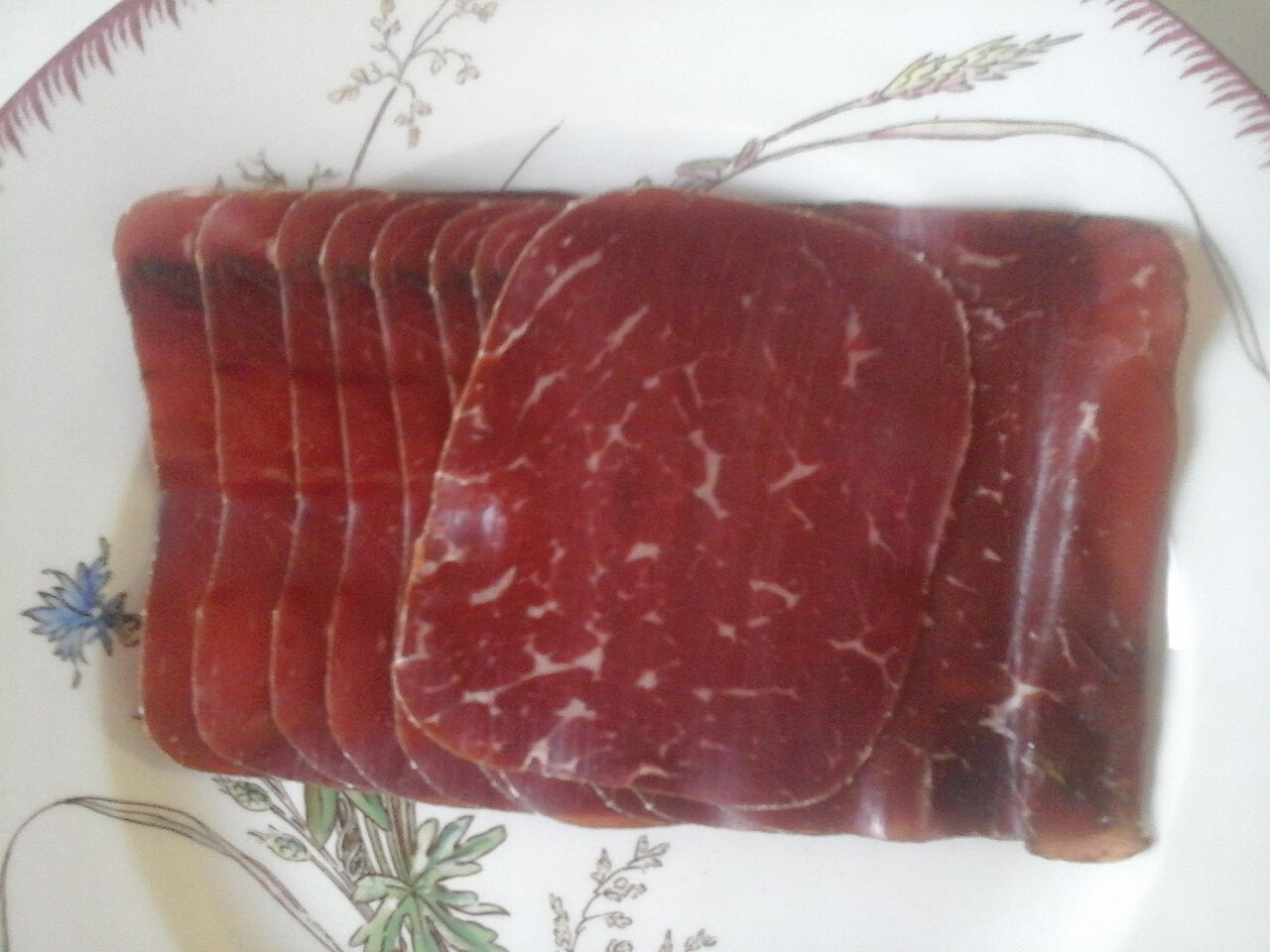
Lean beef that is salted, spiced and dried in the mountain air, then sliced paper thin. It is eaten as a starter with bread, and small pieces go into dishes such as capuns.
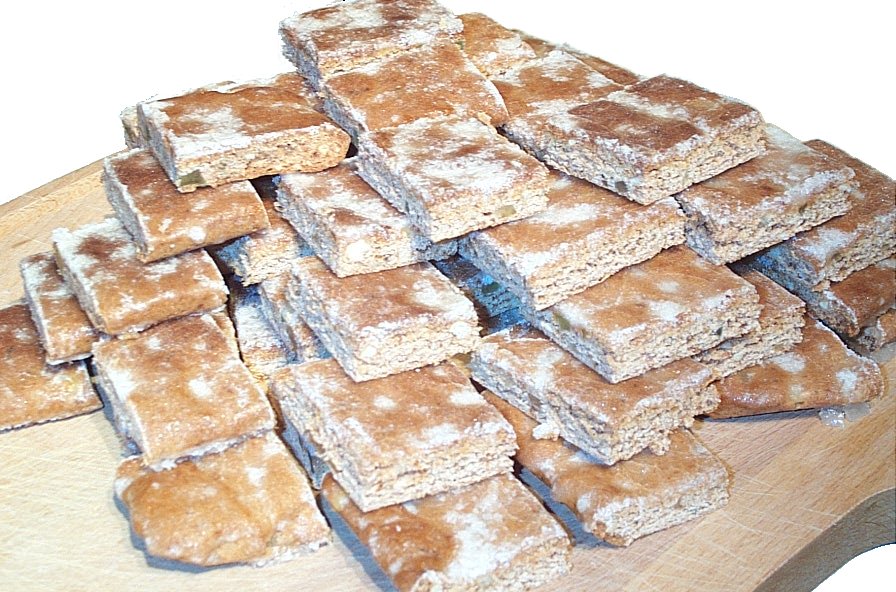
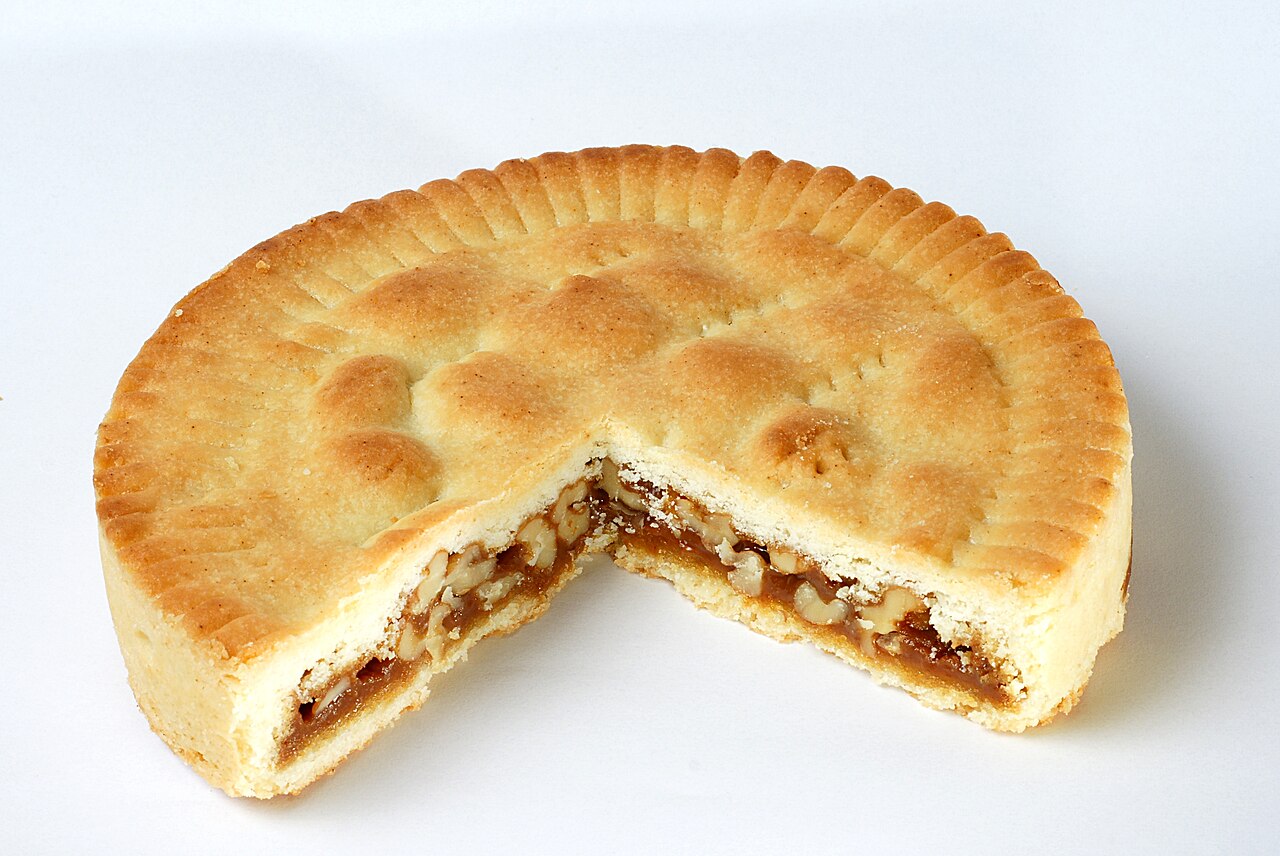
Hard spiced biscuits made with honey, almonds, hazelnuts, candied peel and kirsch, baked in a sheet, glazed with sugar and cut into small rectangles while still warm.
A popular story says they were made for the Council of Basel in 1431, but there is no evidence for it. Records linking Läckerli to Basel go back to the early 18th century.
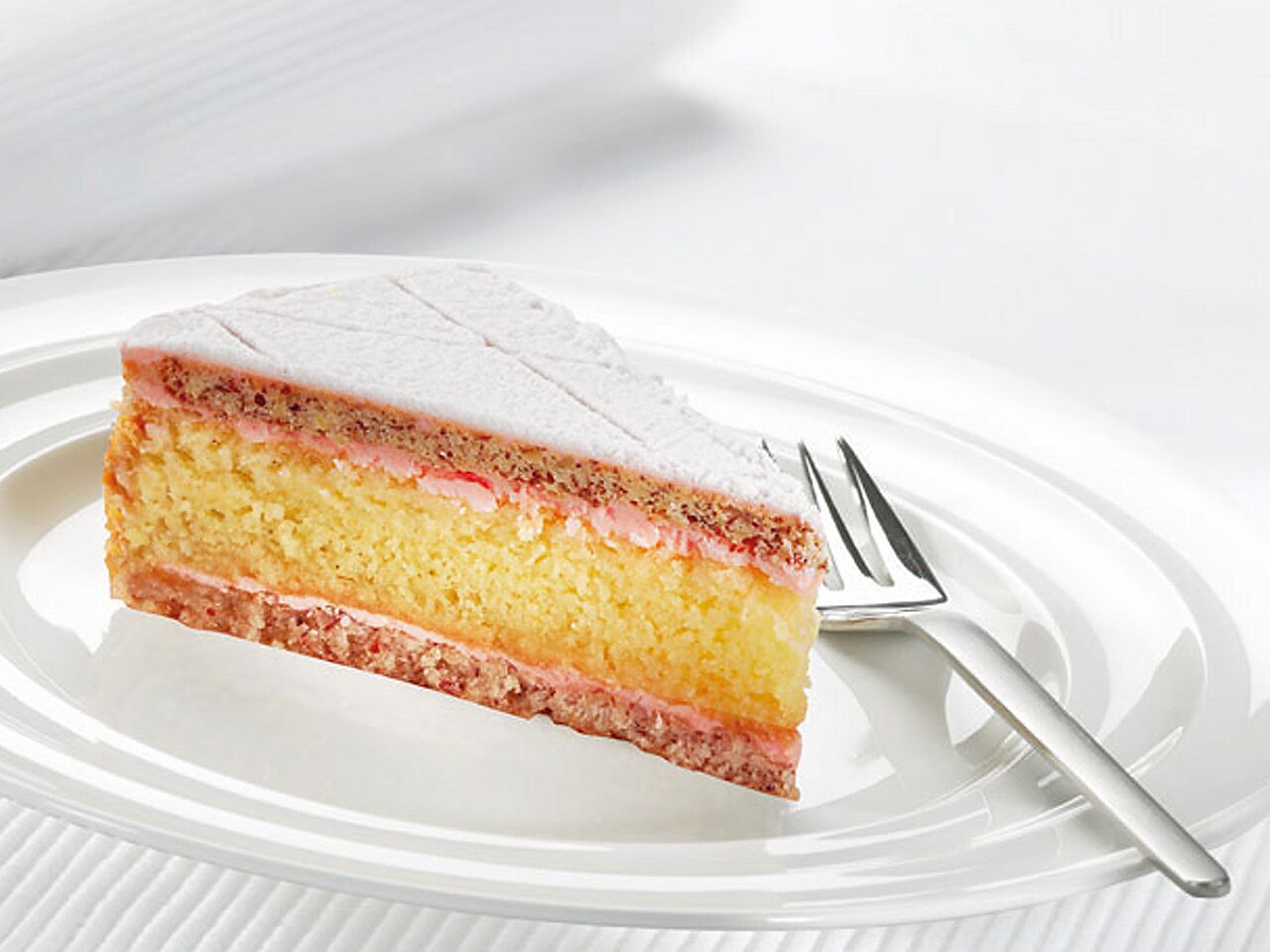
Layers of nut meringue and sponge soaked in kirsch, the cherry brandy of the region, filled with butter cream, covered with toasted almonds and dusted with icing sugar.
The pastry chef Heinrich Höhn created it in Zug in 1921.
Table manners
Before eating, people wish each other 'En Guete' in German-speaking areas, 'Bon appétit' in the French-speaking west and 'Buon appetito' in Ticino.
With fondue, use the long fork only to dip the bread and carry it to your plate, not to eat from. By tradition, whoever loses their bread in the pot buys a round of drinks or sings a song.
White wine or black tea is usually drunk with fondue and raclette.
Service is included in restaurant prices. Many people round up the bill or leave up to about 10 percent for good service, but it is not required.
At a fondue, stir the pot in a figure of eight each time you dip, and do not scrape the bottom: the toasted crust, la religieuse, is lifted out and shared at the end.
Swiss cities are small by world standards: Zurich, the largest, has about 440,000 people. Each has a strong character of its own, shaped by its language, its lake or river and its history, from banking Zurich and international Geneva to Italian-flavoured Lugano and car-free Zermatt.
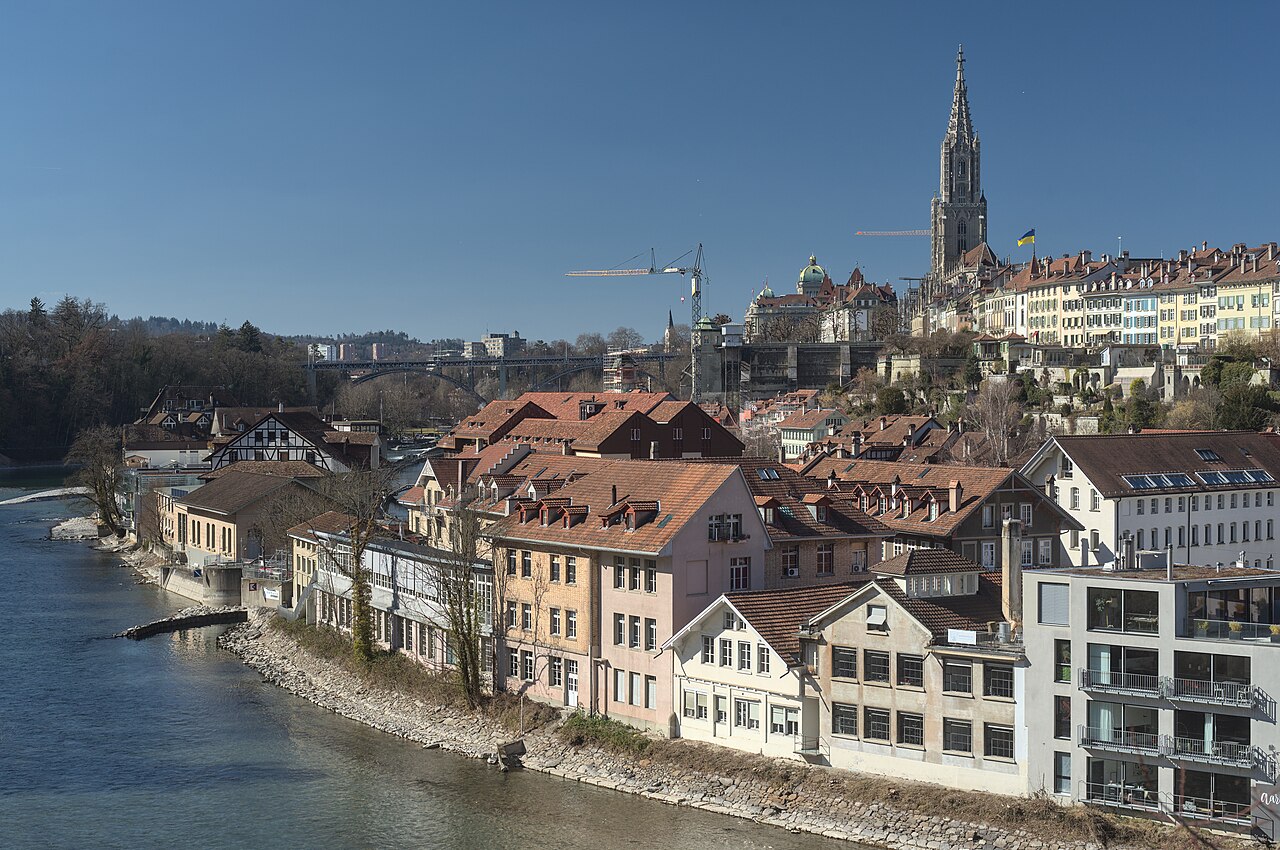
The federal city, the seat of parliament and government since 1848, with about 146,000 people. Founded in 1191, it sits on a rocky bend of the Aare river, and its medieval old town with arcaded streets and fountains is a UNESCO World Heritage Site.
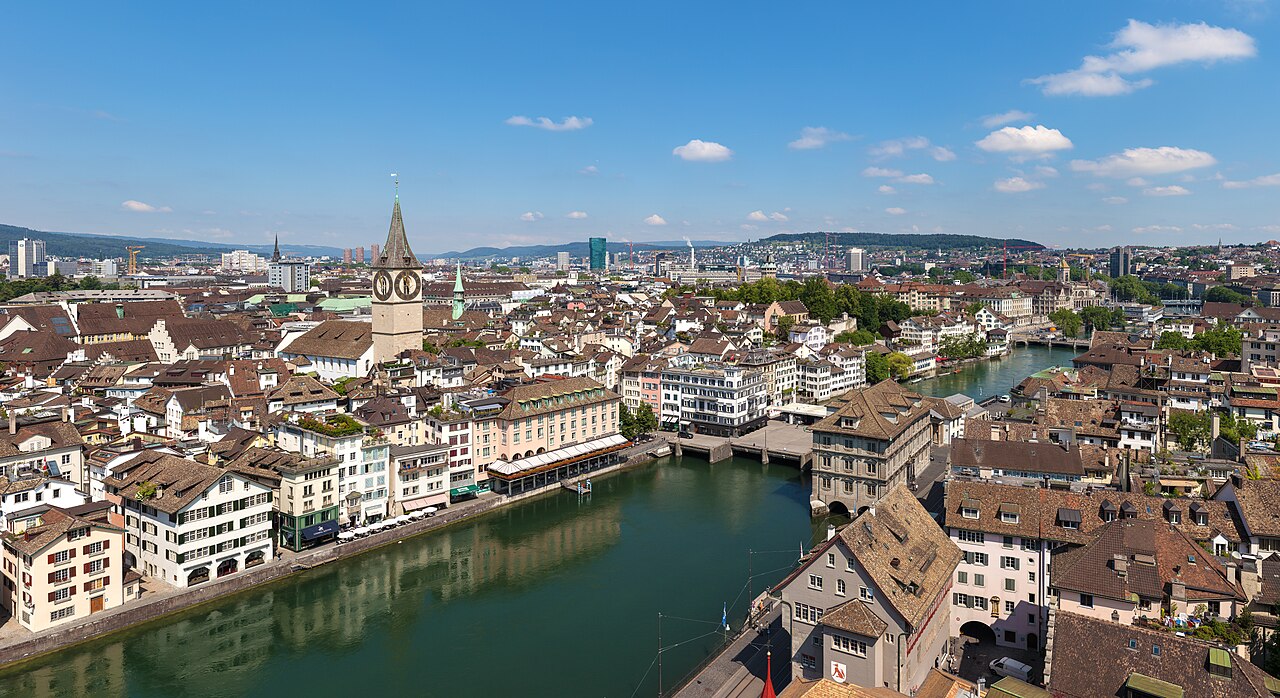
The largest city, with about 440,000 people, at the northern tip of Lake Zurich where the Limmat river flows out. Founded by the Romans as Turicum, it is a great centre of finance, science and culture.
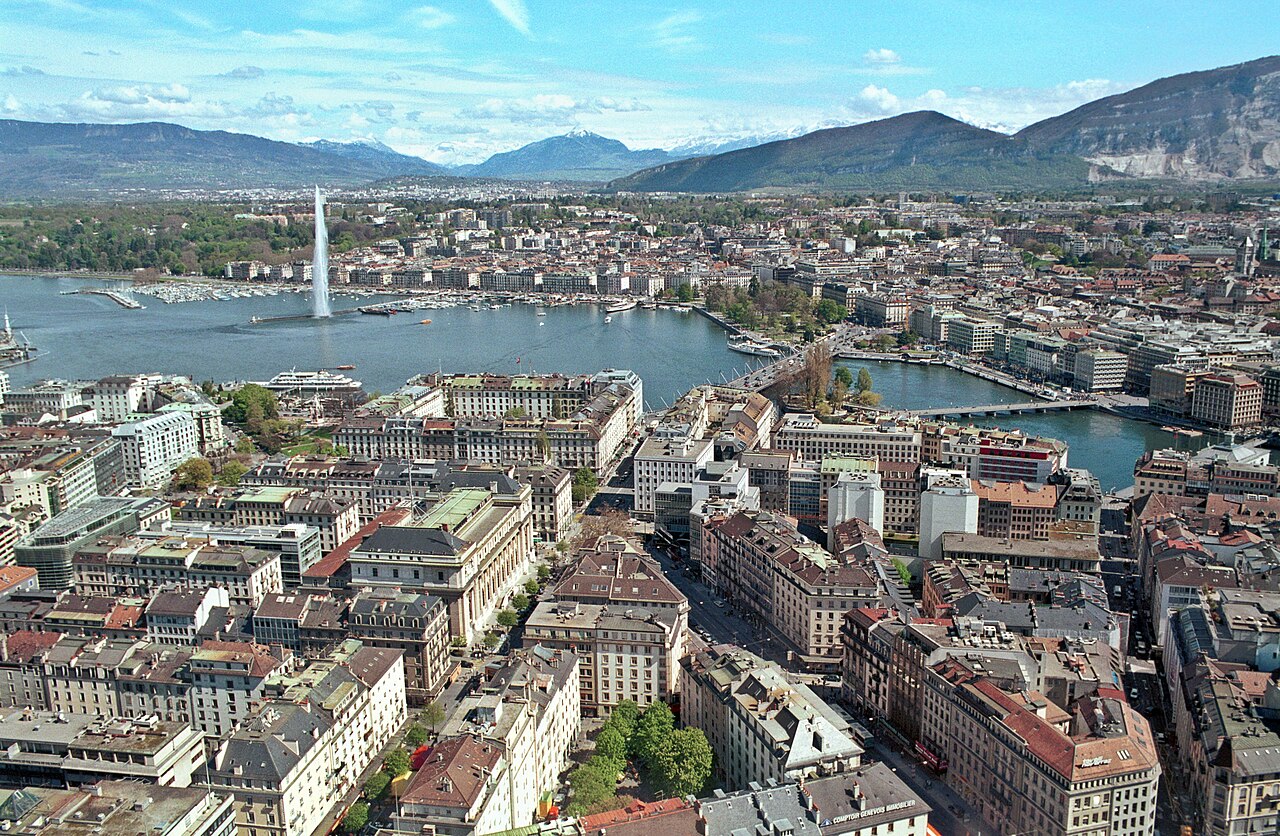
The second-largest city, French-speaking, where the Rhône leaves Lake Geneva. It hosts more international organisations than almost anywhere else, including the Red Cross and many United Nations offices.
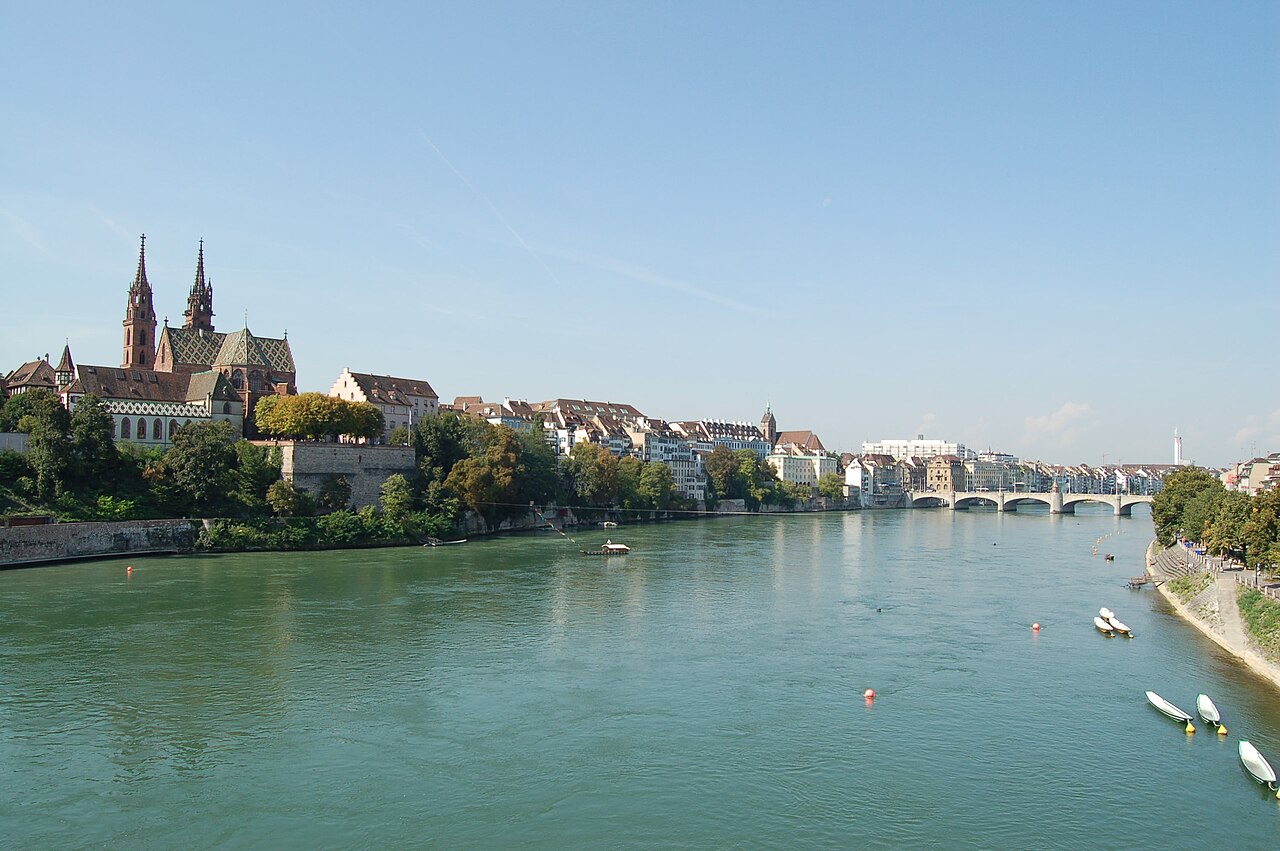
The third-largest city, on the Rhine where Switzerland meets France and Germany. It has Switzerland's oldest university, founded in 1460, and is a centre of the pharmaceutical industry and of art.
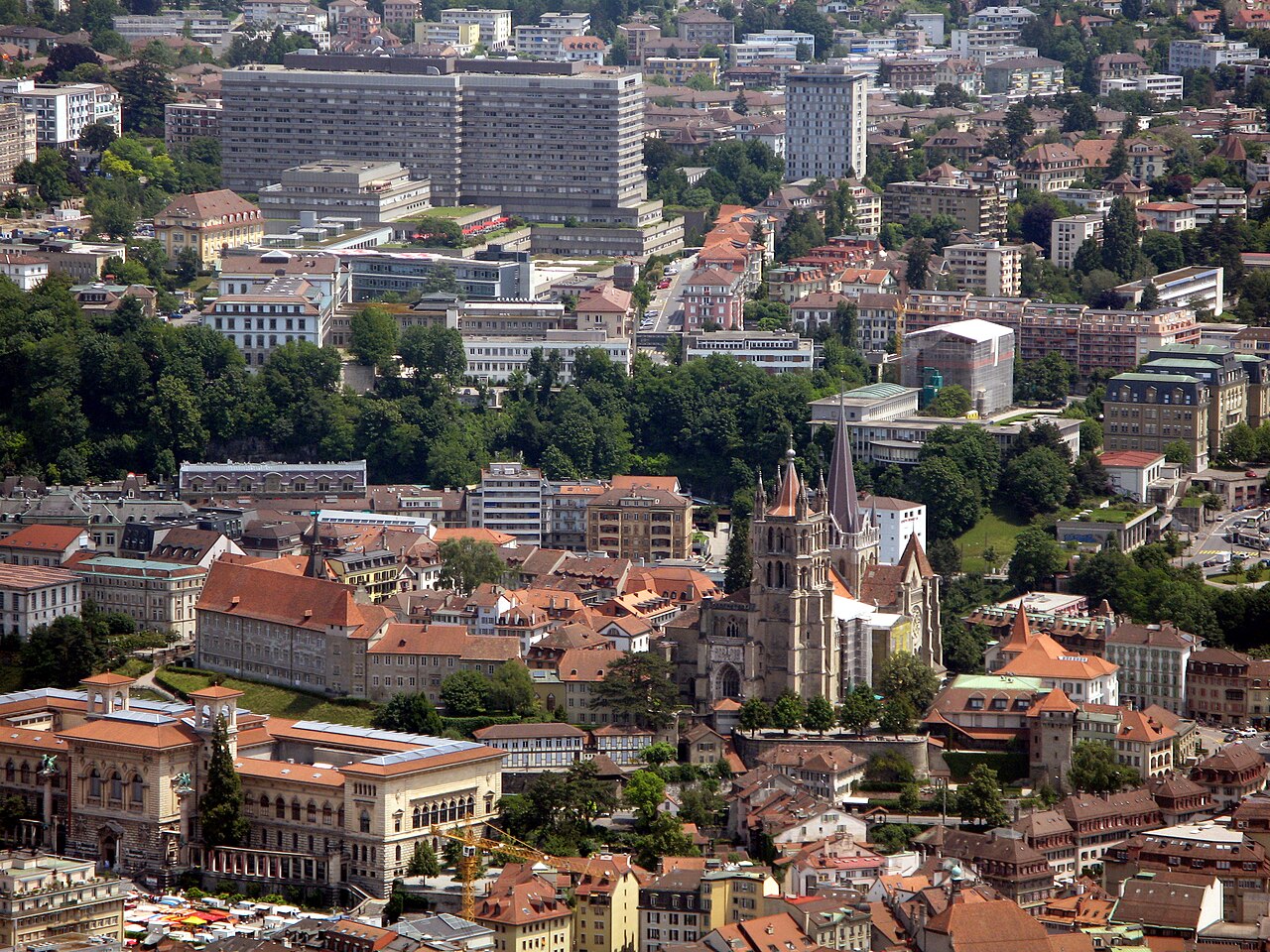
A steep, lively French-speaking city on the north shore of Lake Geneva, capital of the canton of Vaud. It is home to the International Olympic Committee and has called itself the Olympic Capital since 1994.
The International Olympic Committee and the Olympic Museum
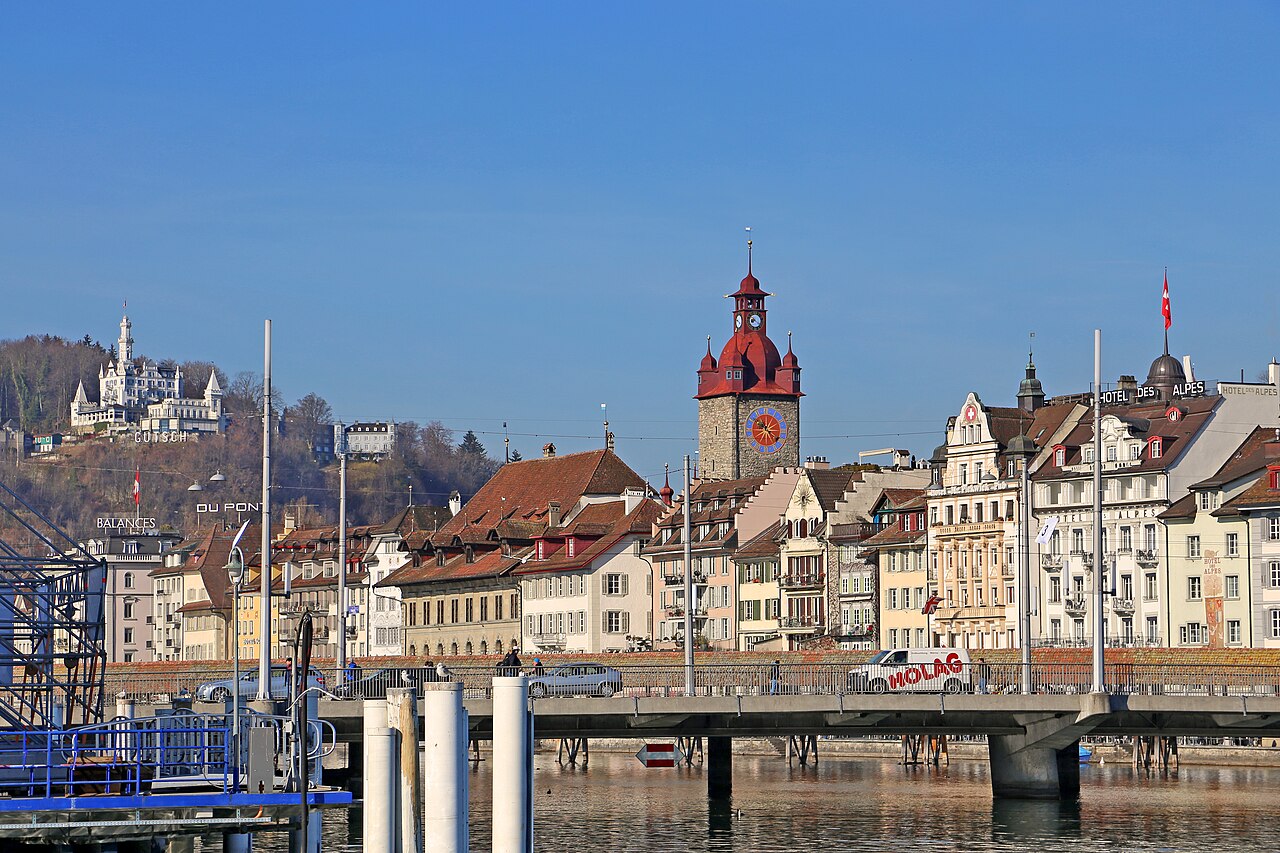
A beautiful old town where the Reuss river leaves Lake Lucerne, surrounded by mountains such as Pilatus and Rigi. It became a favourite of 19th-century travellers, including Queen Victoria and Mark Twain.
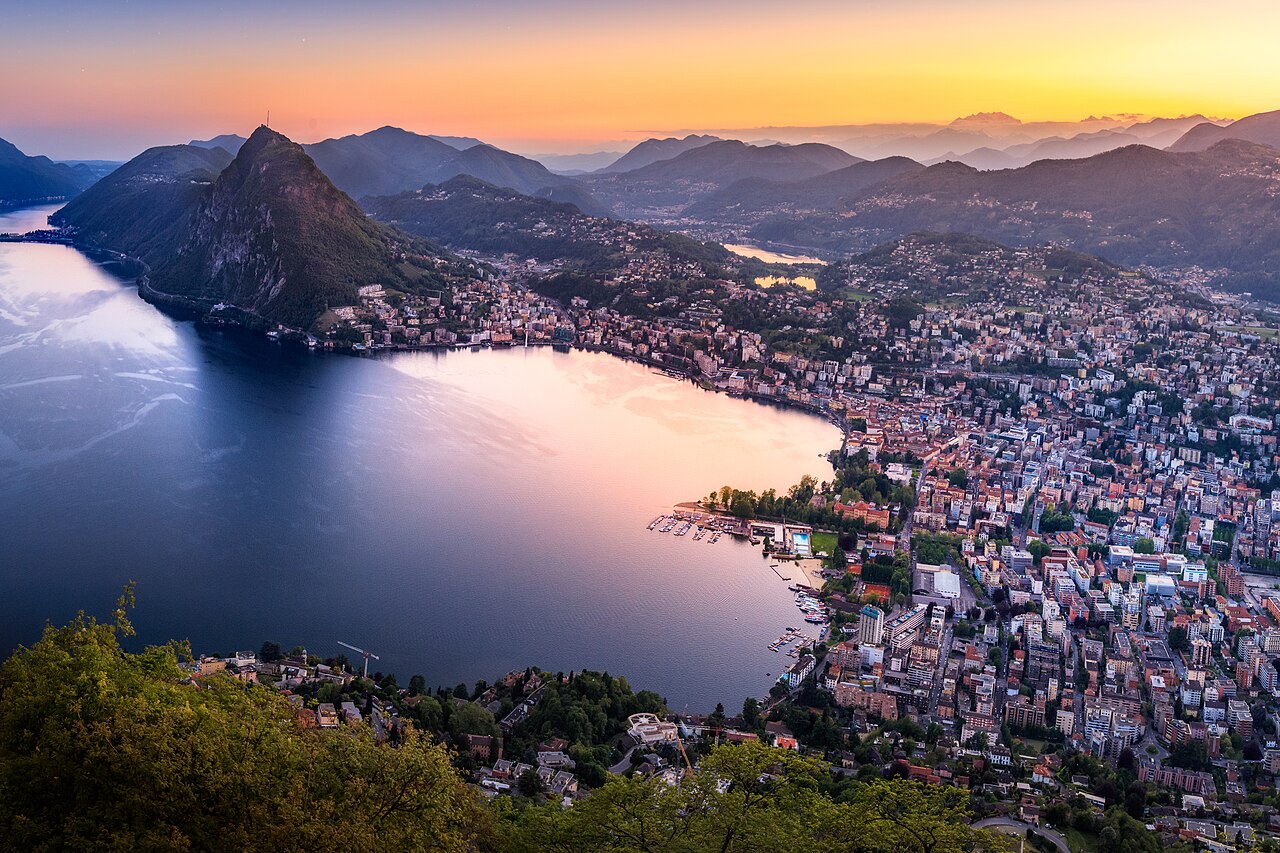
The largest city of Ticino and of Italian-speaking Switzerland, on Lake Lugano between the mountains Monte Brè and Monte San Salvatore. It has a mild climate, palm trees and Italian-style squares. The cantonal capital, however, is Bellinzona.
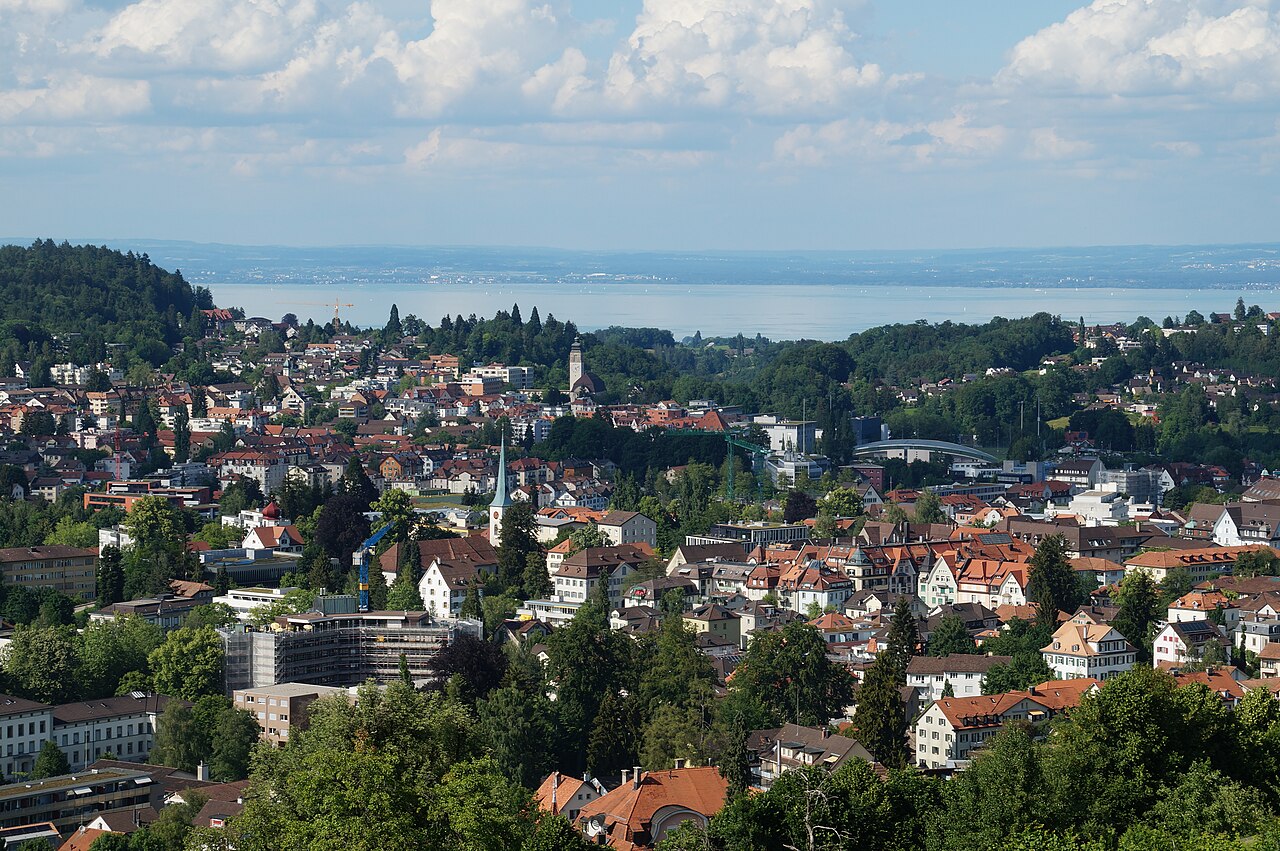
The main city of eastern Switzerland, which grew up around a monastery founded on the site of the hermitage of Saint Gall, a monk who by tradition came from Ireland, in the 7th century. It later became famous for fine embroidery and lace.
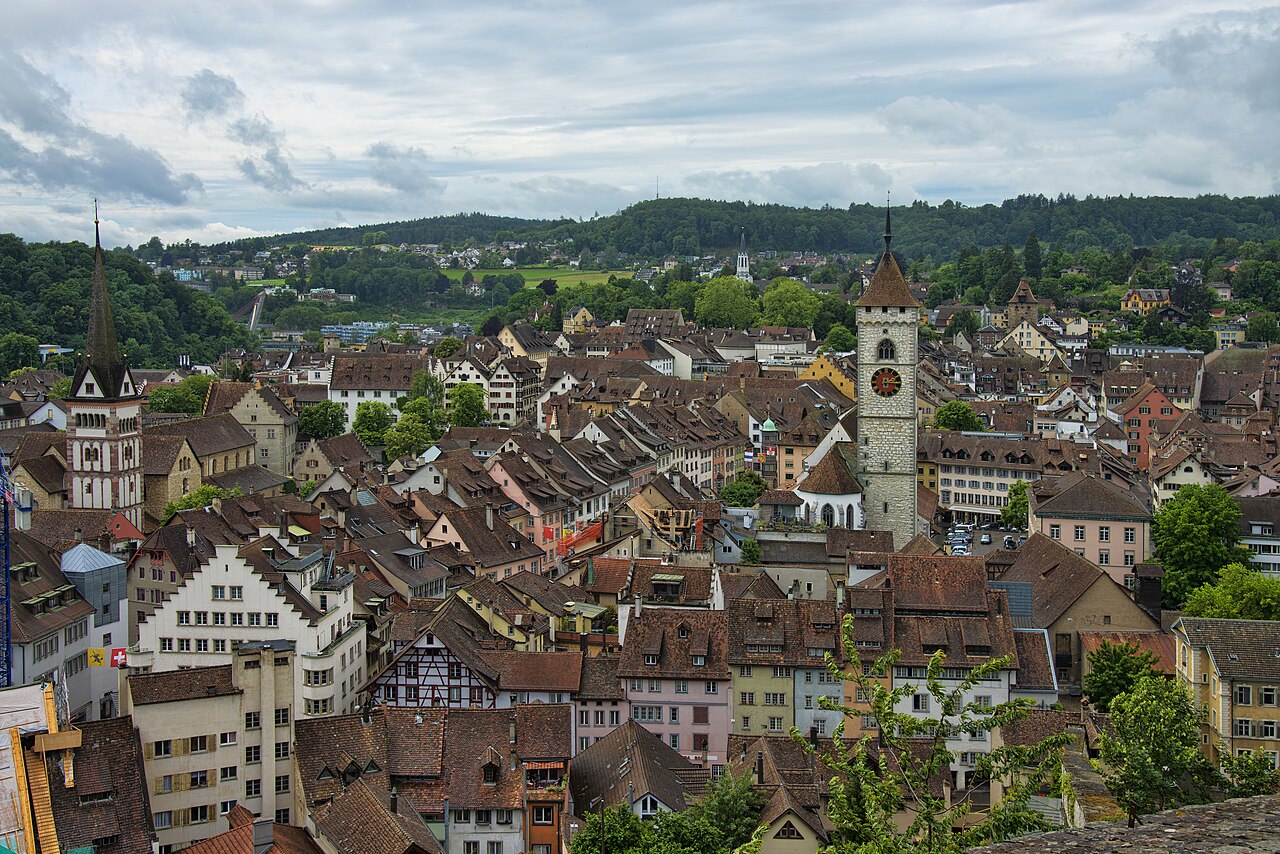
A handsome old town on the north bank of the Rhine, crowned by the round Munot fortress. It has 171 decorated oriel windows, more than any other Swiss town, and the Rhine Falls are just downstream.
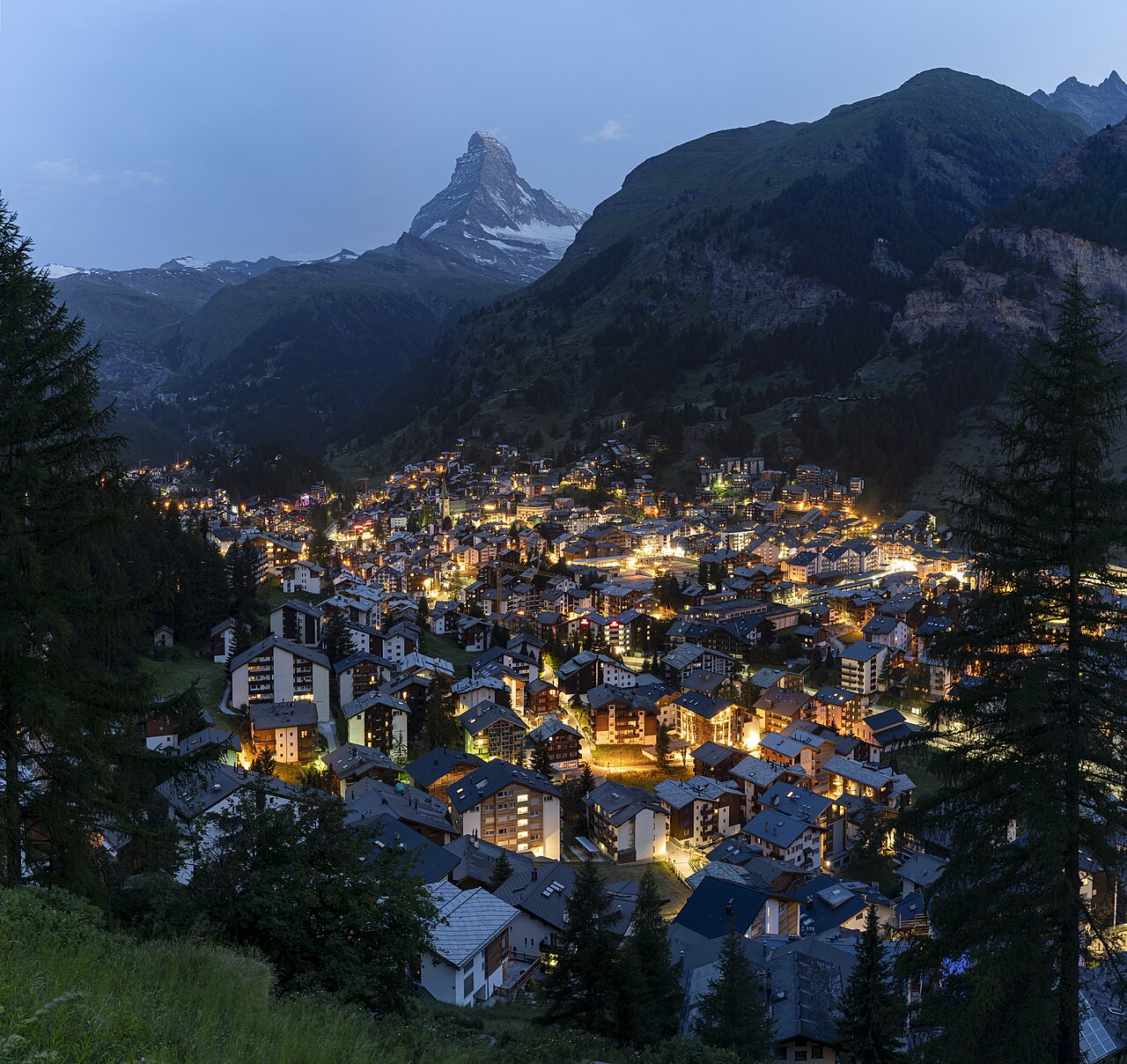
A mountain village at about 1,600 m at the foot of the Matterhorn. Petrol and diesel cars are not allowed, so visitors come by train, usually from Täsch, and small electric vehicles run the streets.
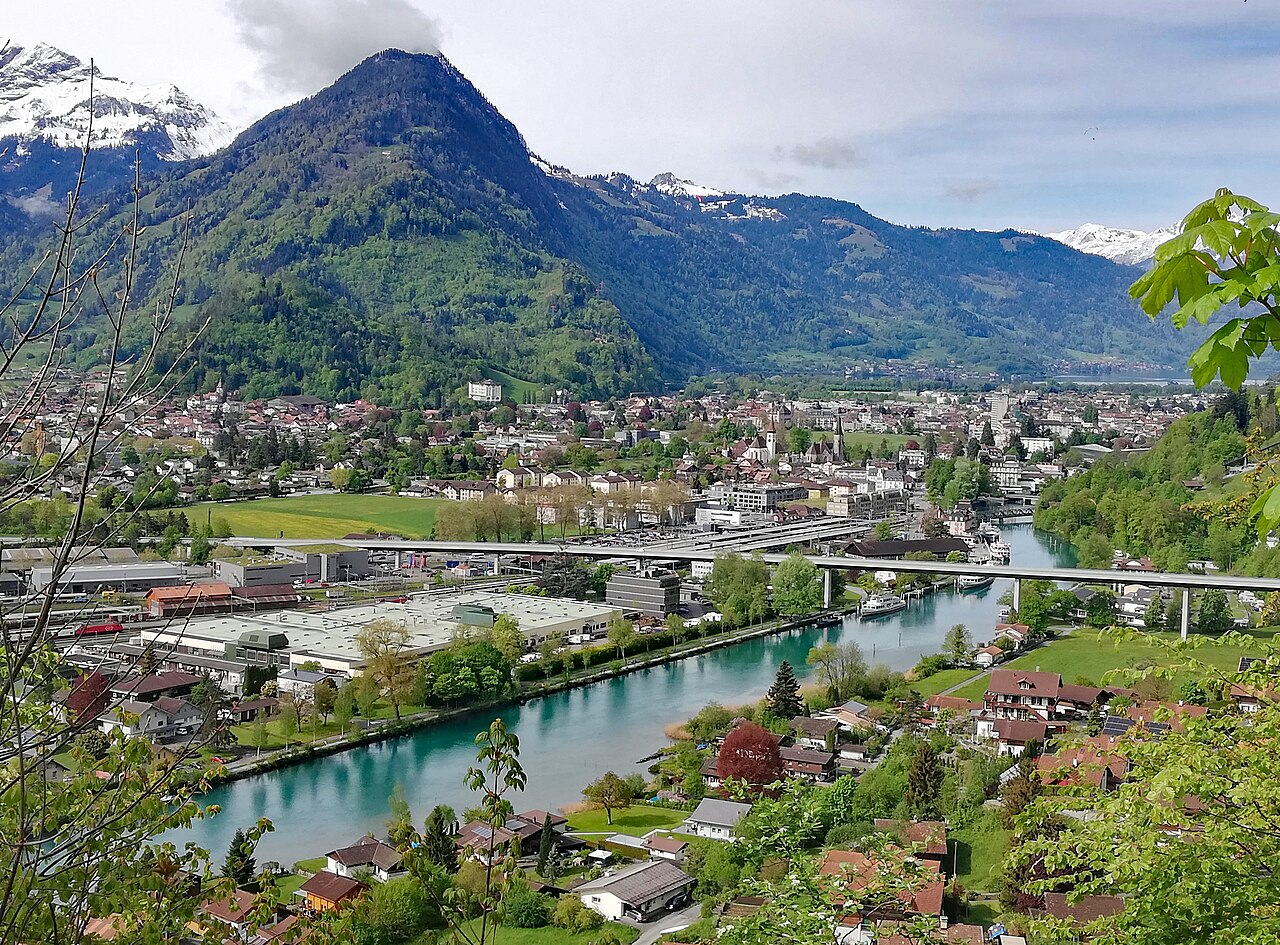
A small resort town whose name means 'between lakes': it lies between Lake Thun and Lake Brienz. It is the gateway to the Jungfrau region, with views of the Eiger, Mönch and Jungfrau.
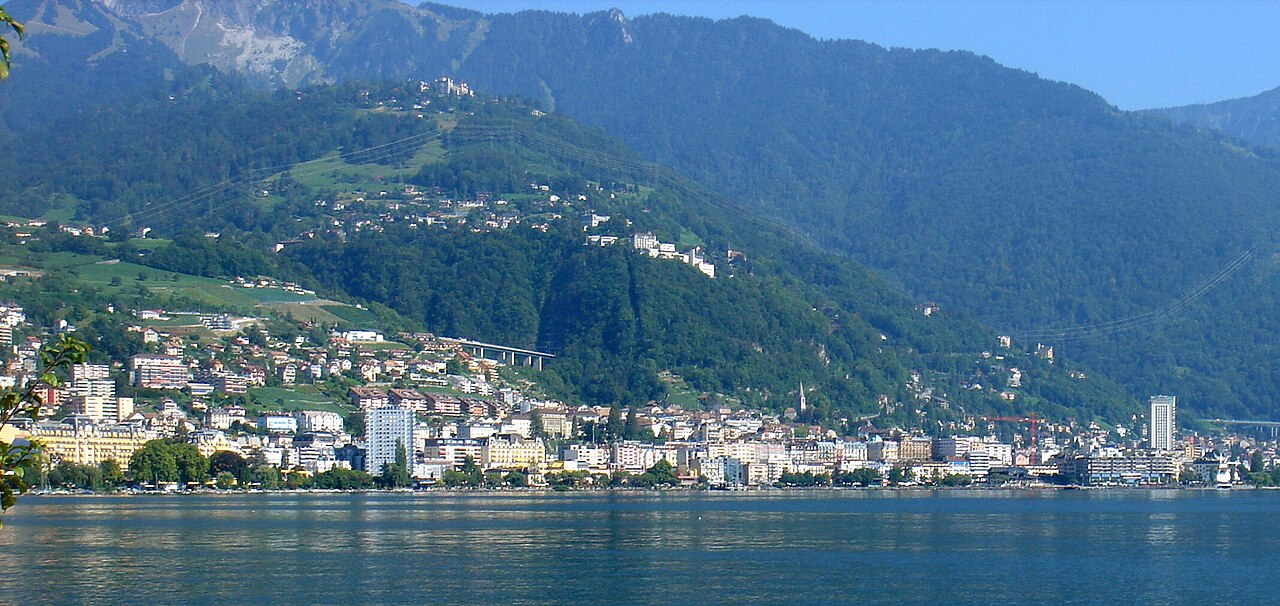
The heart of the Swiss Riviera on Lake Geneva, with a mild climate, lakeside promenades and grand Belle Époque hotels. The band Queen recorded here, and a statue of Freddie Mercury looks out over the lake.
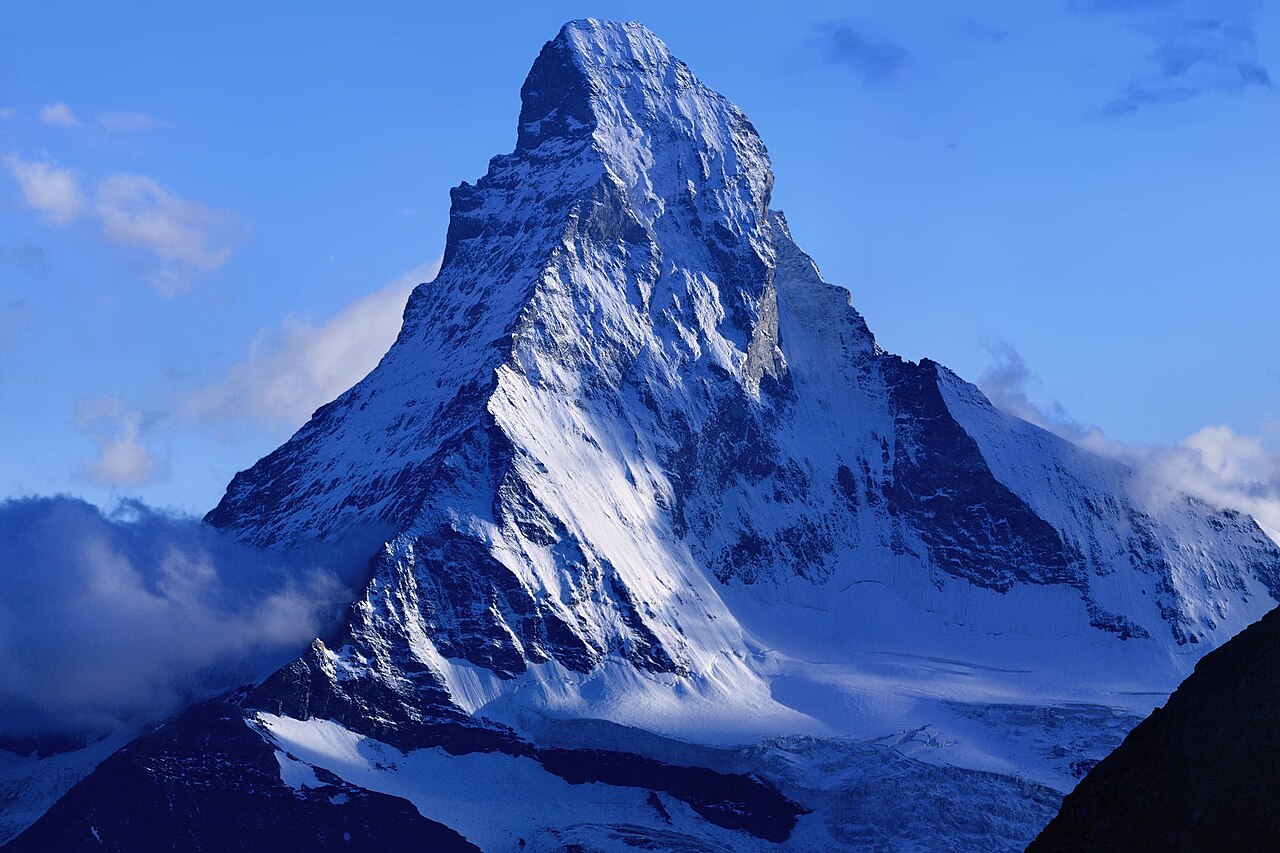
The famous pyramid-shaped peak, 4,478 m high, on the border between Switzerland and Italy, where it is called Cervino. Edward Whymper's party first reached the summit on 14 July 1865, but four of the climbers died on the way down when a rope broke.
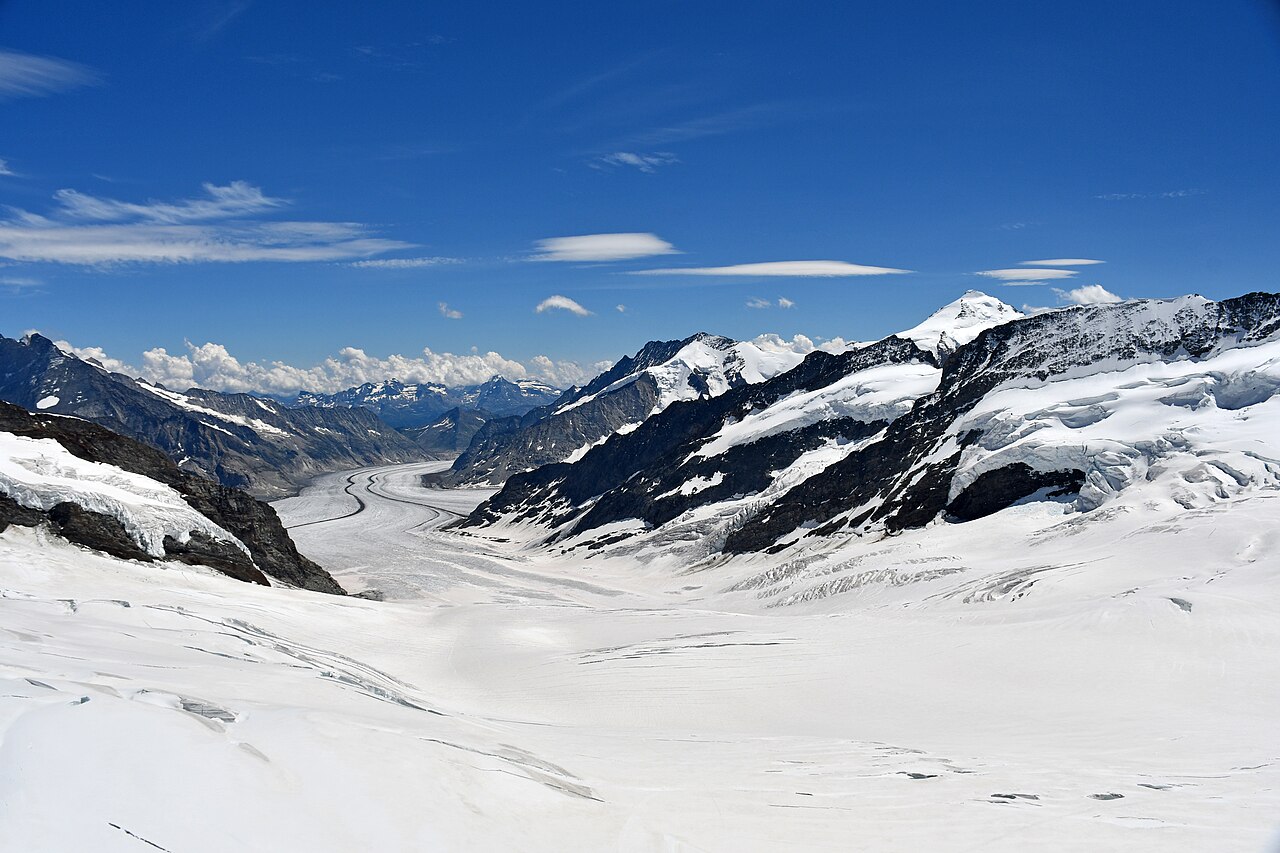
A snowy saddle between the Mönch and the Jungfrau, reached since 1912 by a railway that tunnels through the Eiger. Its station, at 3,454 m, is the highest in Europe. Below it flows the Aletsch Glacier, the longest in the Alps, in the Swiss Alps Jungfrau-Aletsch World Heritage Site.
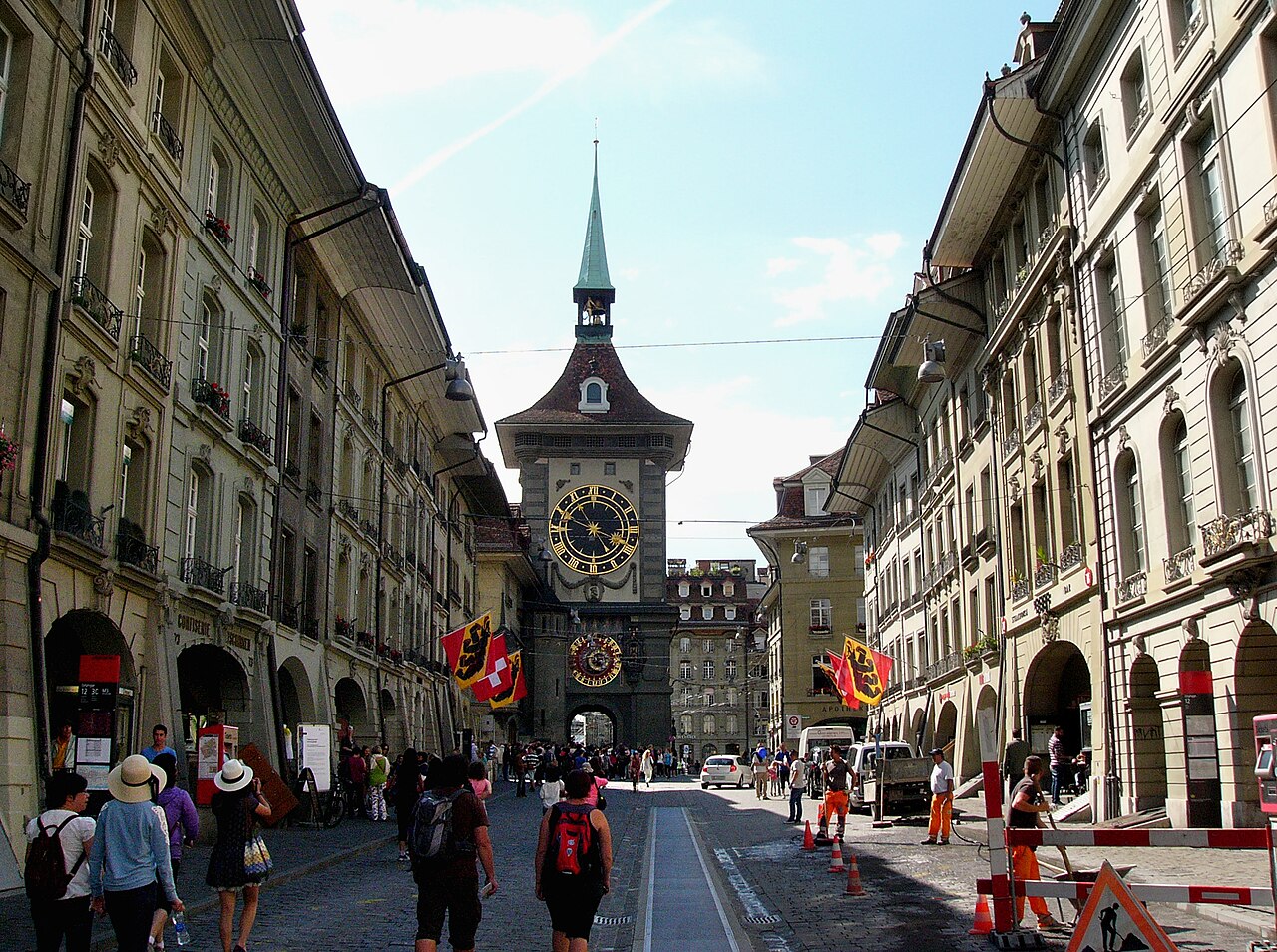
Bern's medieval old town, with its arcaded streets and many fountains, has been a UNESCO World Heritage Site since 1983. At its heart stands the Zytglogge, a tower built around 1220 whose astronomical clock, with its moving figures, was rebuilt in 1527 to 1530.
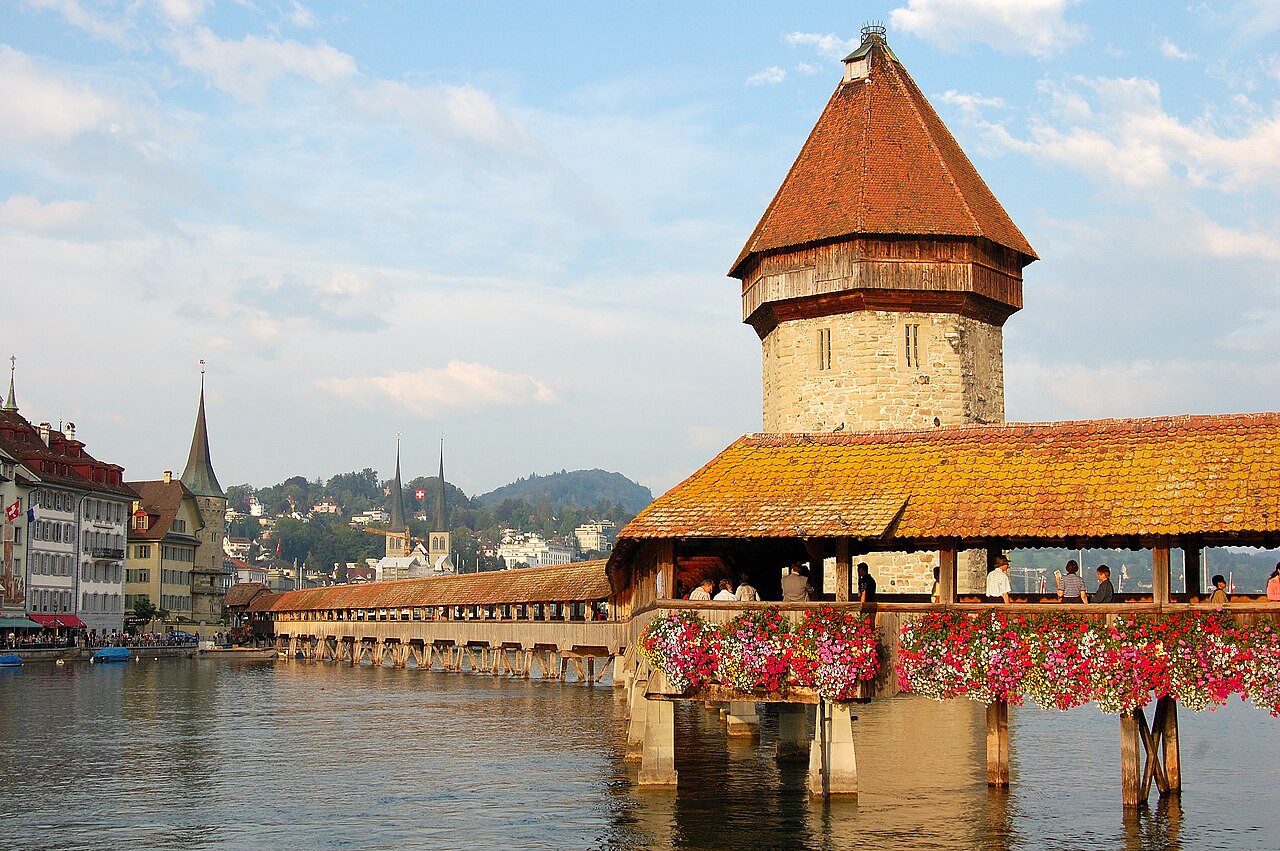
A covered wooden footbridge across the Reuss, built in the 14th century and often called the oldest covered wooden bridge in Europe, with the stone Water Tower beside it. A fire on 18 August 1993 destroyed much of it and most of its 17th-century paintings, and it was rebuilt within a year.
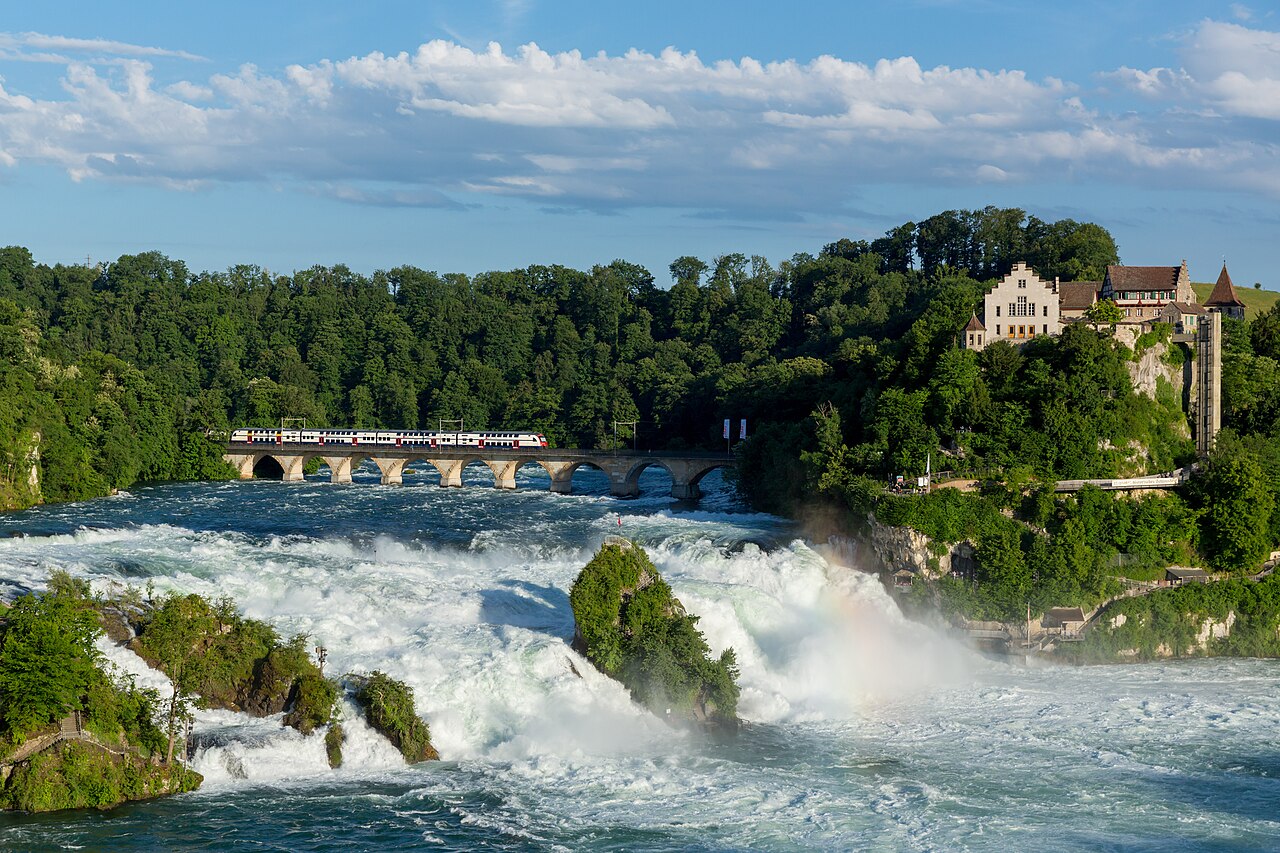
Often called Europe's most powerful waterfall, it is 150 m wide and about 23 m high, formed during the last ice age. Boats take visitors right up to the rock in the middle of the falls, and Laufen Castle looks down on them from above.
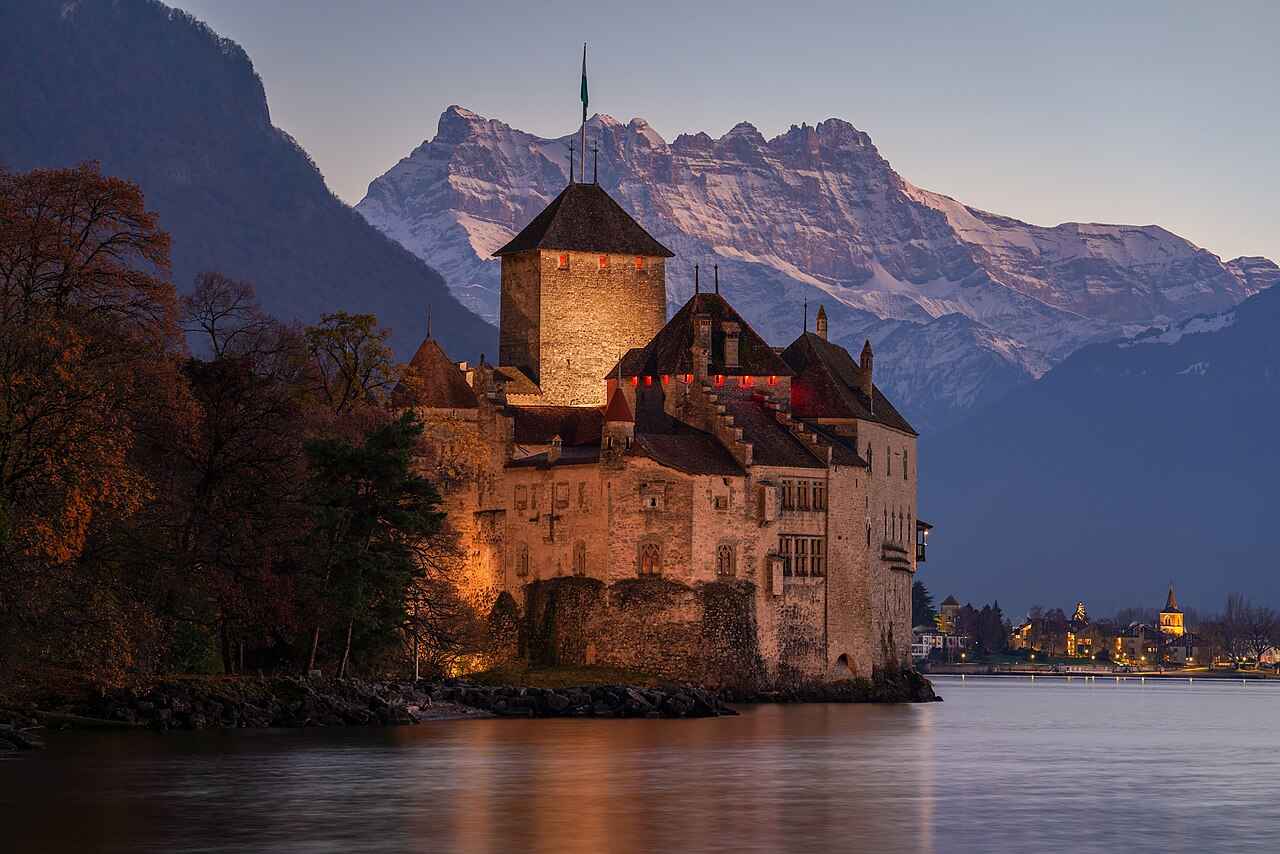
A medieval castle on a small rock island in Lake Geneva, once held by the Counts of Savoy. Lord Byron's poem 'The Prisoner of Chillon' (1816), about François Bonivard, a Geneva prior who was chained here, made it famous. It is one of the most visited historic monuments in Switzerland.
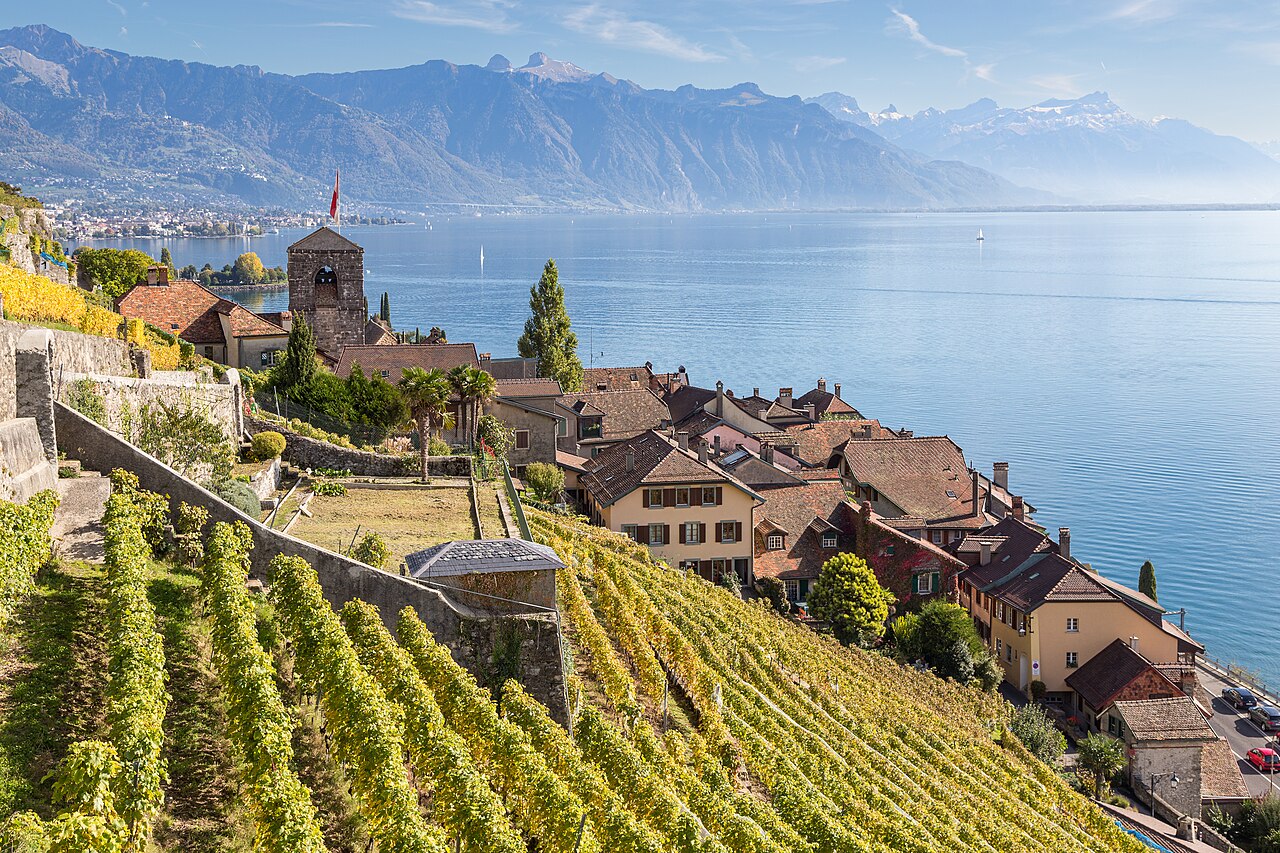
Steep stone-walled vineyard terraces stretching about 30 km along the north shore of Lake Geneva, first built by monks in the 11th century. Chasselas is the main grape. They became a UNESCO World Heritage Site in 2007.
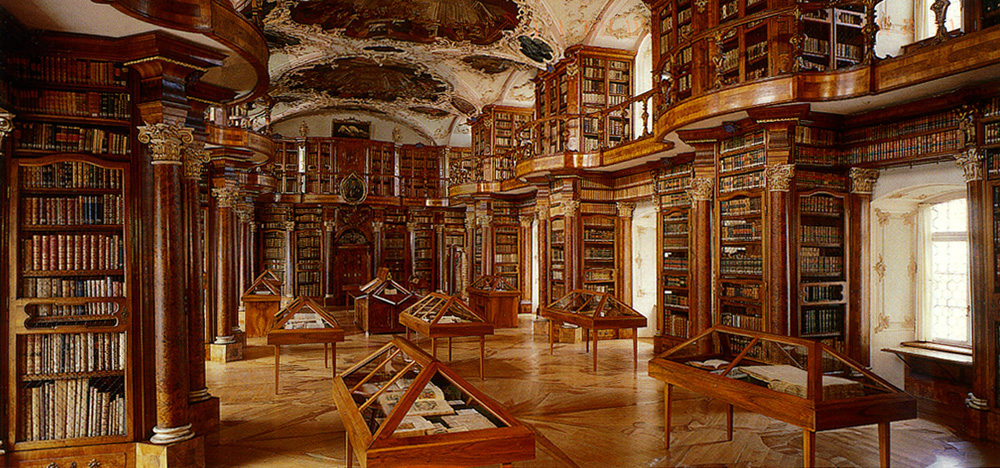
A great monastery founded in 719 on the site of Saint Gall's hermitage, now a UNESCO World Heritage Site (1983). Its baroque library holds about 160,000 volumes, including 2,100 manuscripts, some from the 9th century, and the famous Plan of Saint Gall.
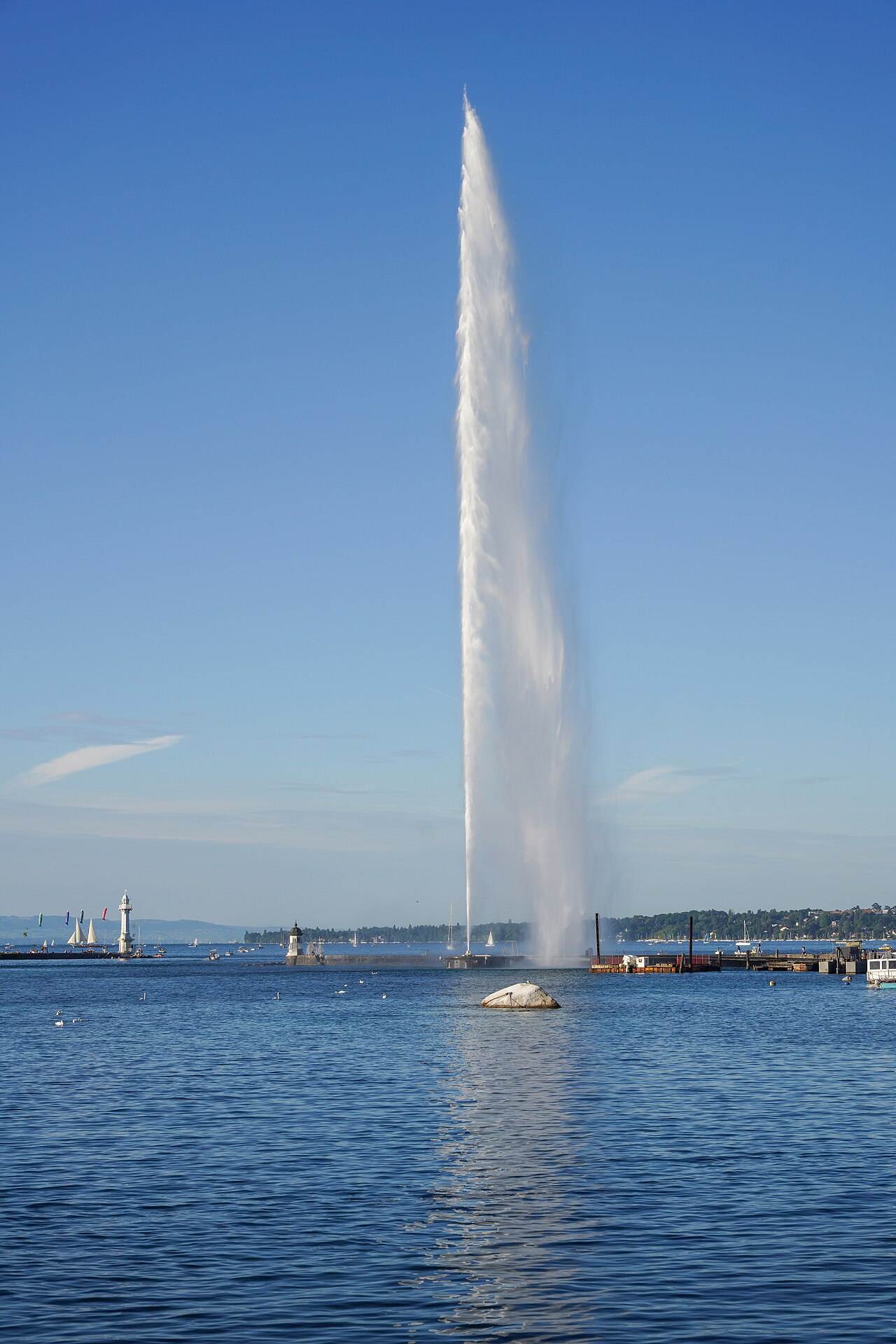
Geneva's giant fountain, which throws 500 litres of water a second around 140 to 150 m into the air over the lake. It began in 1886 as a safety valve for a water power station and was moved to its present place in 1891.
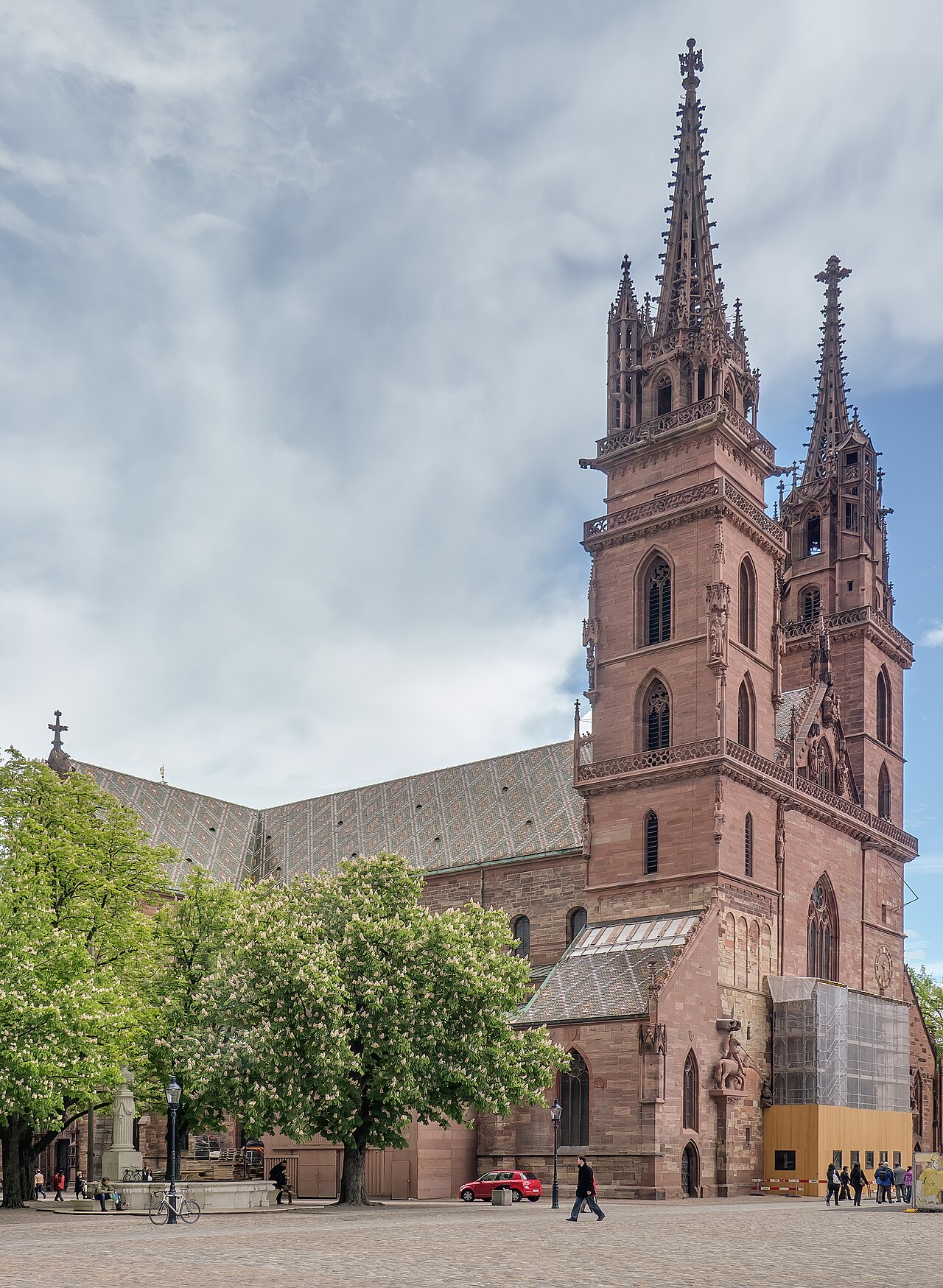
A red sandstone cathedral with two tall towers and a colourful tiled roof, built between 1019 and 1500 above the Rhine and rebuilt after an earthquake in 1356. The scholar Erasmus of Rotterdam is buried inside.
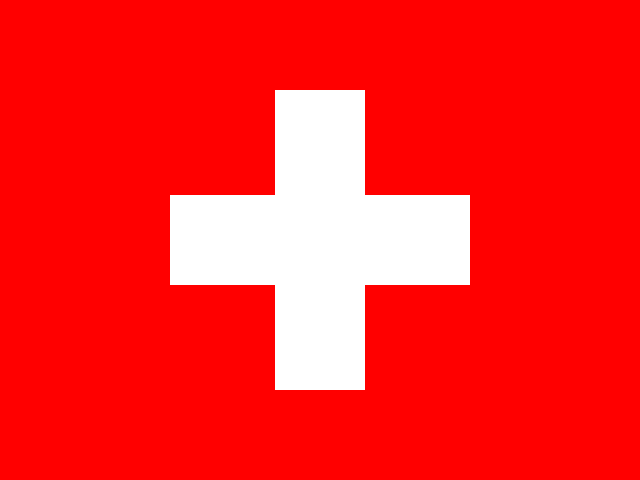
The Swiss national flag, a white cross on red, is square. The only other square national flag is that of Vatican City. The Red Cross emblem is the Swiss flag with its colours reversed, in honour of Switzerland.
02
The country code CH and the currency code CHF come from the Latin name of Switzerland, Confoederatio Helvetica, the Helvetic Confederation. The Latin name has appeared on Swiss coins since 1879.
03
Switzerland has no single head of state. The seven members of the Federal Council share the role, and one of them serves as President of the Confederation for just one year.
04
The Swiss vote on national questions up to four times a year. With 100,000 signatures collected within 18 months, citizens can force a national vote on changing the constitution.
05
As of 2026, the Gotthard Base Tunnel, 57 km long and opened in 2016, is the longest railway tunnel in the world. It runs up to 2,450 m below the mountains.
06
Velcro is a Swiss invention. In 1941, after a walk, the engineer George de Mestral looked at the burdock burrs stuck to his clothes and his dog's fur under a microscope and saw hundreds of tiny hooks. The name comes from the French 'velours' (velvet) and 'crochet' (hook).
07
The Swiss Army first issued a soldier's folding knife in 1891. Karl Elsener, whose company later took the name Victorinox from his mother Victoria and the French word for stainless steel, patented his famous improved design in 1897.
08
The World Wide Web was invented in 1989 by Tim Berners-Lee at CERN, the particle physics laboratory on the edge of Geneva, and the first website went online in 1991.
09
Albert Einstein lived in a flat on the Kramgasse in Bern from 1903 to 1905 while working at the Swiss patent office. The papers of his 'miracle year' 1905, including special relativity, were written there.
10
The Pope has been guarded by Swiss soldiers since 22 January 1506. Recruits to the Pontifical Swiss Guard must be unmarried Swiss Catholic men, and new guards are sworn in each year on 6 May.
11
Heidi, the story of an orphan girl living with her grandfather in the Swiss Alps, was written by Johanna Spyri and published in 1880 and 1881. It is one of the best-selling books ever written.
12
Switzerland shaped modern chocolate. François-Louis Cailler opened a chocolate factory near Vevey in 1819, Daniel Peter created milk chocolate in Vevey in 1875 with help from his neighbour Henri Nestlé, and Rodolphe Lindt invented conching, which makes chocolate smooth, in Bern in 1879.
13
Toblerone was created in Bern in 1908. Its name joins Tobler, the family name, and 'torrone', Italian for nougat, and it is still made mainly in Bern.
14
The Basel carnival, Switzerland's largest, begins at exactly 4 o'clock in the morning on the Monday after Ash Wednesday, when all the lights go out, and lasts exactly 72 hours. It is on UNESCO's list of intangible cultural heritage since 2017.
German-speaking Swiss speak Swiss German dialects every day and write Standard German, without the letter ß. Words marked 'Swiss' are typical of Switzerland. The pronunciation guides are simple approximations for English speakers. Pronunciation is written the way it sounds; the capital letters show where the stress goes. Audio is coming soon.
Greetings
GrüeziGRUE-uht-see ('ue' like the 'u' in French 'tu')hello (polite, Swiss German)
SaliSAH-leehi (friendly, Swiss German)
MerciMEHR-seethank you (used in German-speaking Switzerland too)
bitteBIT-tuhplease, and also 'you're welcome'
jaYAHyes
neinNINEno
ExgüsiEX-gue-seeexcuse me, sorry (Swiss German)
Food and drink
KäseKAY-zuhcheese
BrotBROHTbread
WasserVAHS-serwater
PouletPOO-laychicken (Swiss)
Schokoladeshoh-koh-LAH-duhchocolate
Travel
BahnhofBAHN-hohfrailway station
BillettBIL-yetticket (Swiss)
VeloVAY-lohbicycle (Swiss)
parkierenpar-KEE-rento park (Swiss)
Everyday life
Natelnah-TELLmobile phone (Swiss)
Places
StrasseSHTRAH-suhstreet (written with 'ss' in Switzerland)
Swiss trains, buses, boats and mountain railways connect almost everywhere, and in 2024 about 93 percent of SBB passengers arrived less than three minutes late. As of 2026, a Half Fare travelcard costs 190 francs for the first year and roughly halves most fares, so it quickly pays off if you travel a lot.
Motorway vignette
Switzerland drives on the right. To use the motorways you need a vignette, which costs 40 francs for the year and can be bought as a sticker or online as an e-vignette. The motorway speed limit is 120 km/h.
Tipping
Service has been included in restaurant prices since 1974, so a tip is never required. Many people round up the bill, or leave up to about 10 percent for good service.
Shops close on Sundays
Federal law generally does not allow shop staff to work on Sundays, so most shops are closed. Shops in large railway stations, airports and some tourist areas are exceptions, so plan your shopping for Saturday.
Four languages
Say 'Grüezi' in Zurich or Bern, 'Bonjour' in Geneva or Lausanne and 'Buongiorno' in Lugano. Many people also speak English, especially in cities and tourist areas.
Plugs
Switzerland uses its own plug, type J, with three round pins, and 230 volts. Thin two-pin European plugs (type C) fit Swiss sockets, but many other plugs do not, so bring a Swiss adapter.
Emergencies
Call 144 for an ambulance, 118 for the fire brigade and 117 for the police. The European emergency number 112 also works. For air rescue in the mountains, call 1414.
 Austria
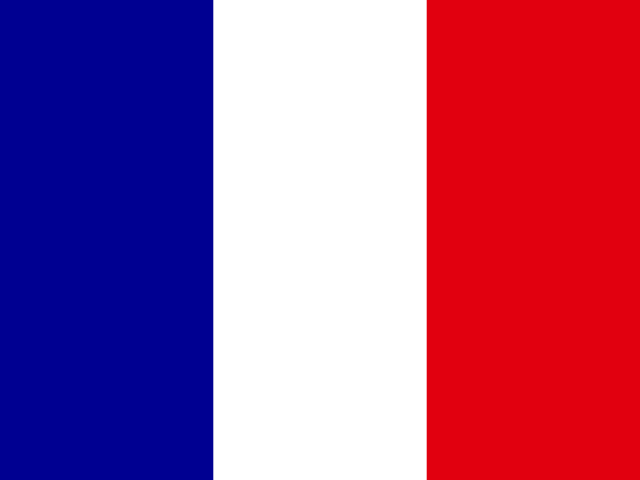 France
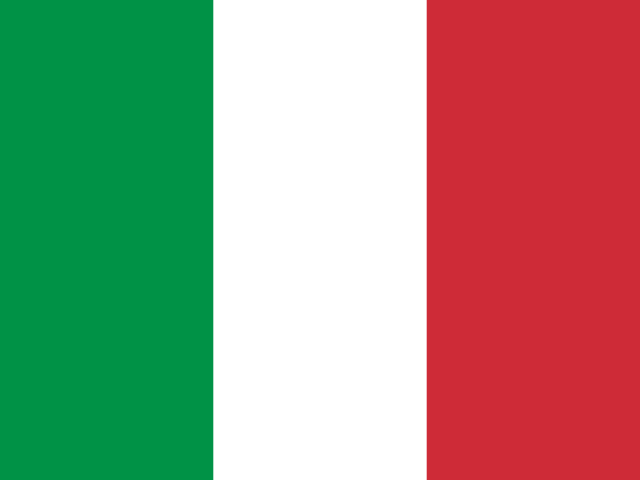 Italy
Italy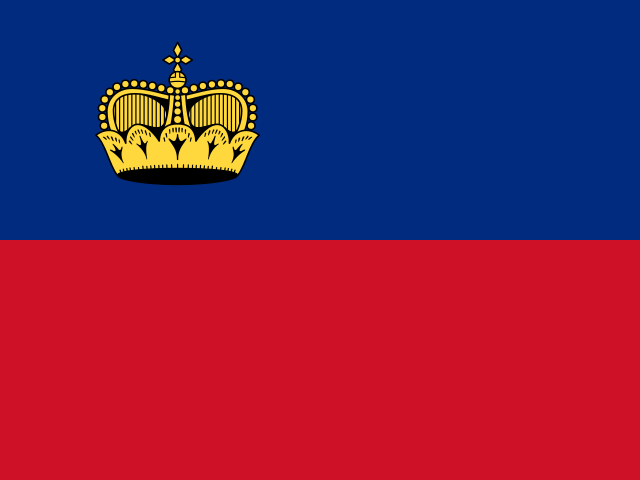 Liechtenstein
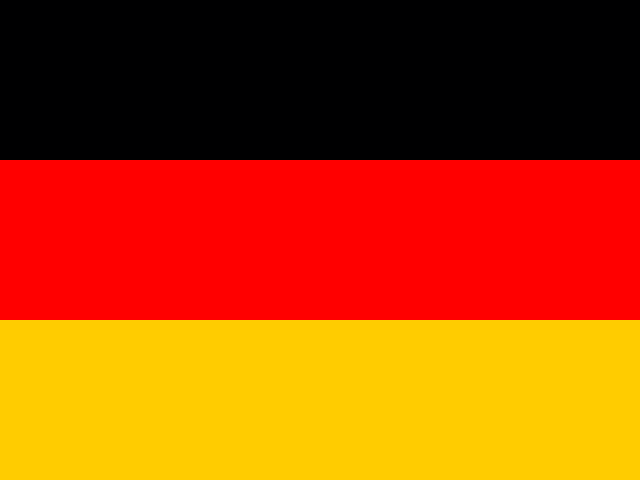 Germany