Swiss food is mountain food: cheese, potatoes, bread, dried meat and cream, with each language region adding its own flavour. German-speaking areas love rösti and veal in cream sauce, the French-speaking west is the home of fondue and raclette, and Italian-speaking Ticino eats polenta and risotto. Breakfast is bread, butter and jam or a bowl of muesli, lunch is often a warm meal, and cheese dishes are a winter treat to share.
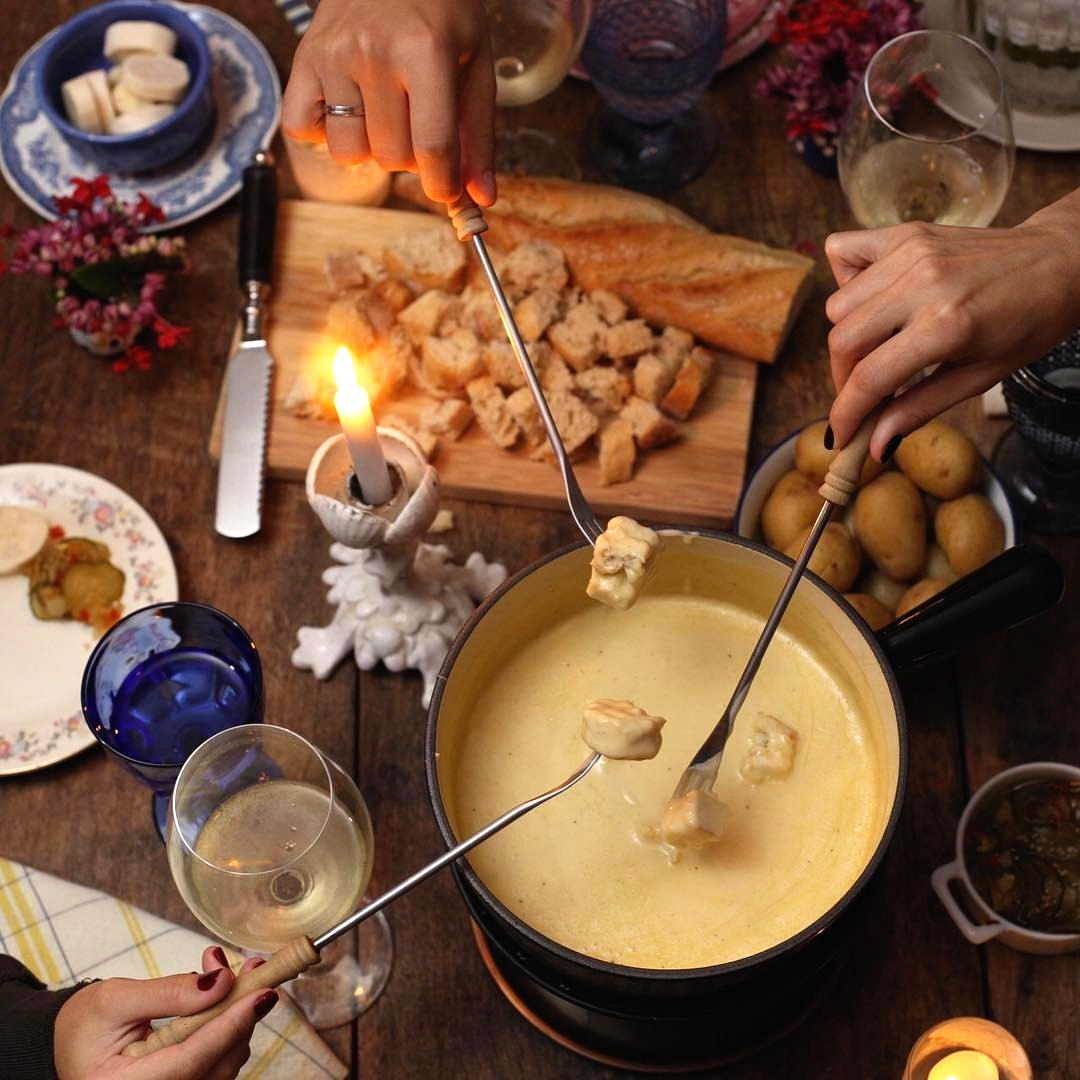
Cheese melted with white wine and a little cornflour in a heavy pot called a caquelon, kept warm at the table. Everyone dips cubes of bread on long forks. A classic mix is 'moitié-moitié', half Gruyère and half Vacherin Fribourgeois.
The oldest known recipe for cooking cheese with wine is in a Zurich cookbook of 1699. The crisp crust of cheese left at the bottom of the pot is called 'la religieuse', the nun, and is usually shared at the end.
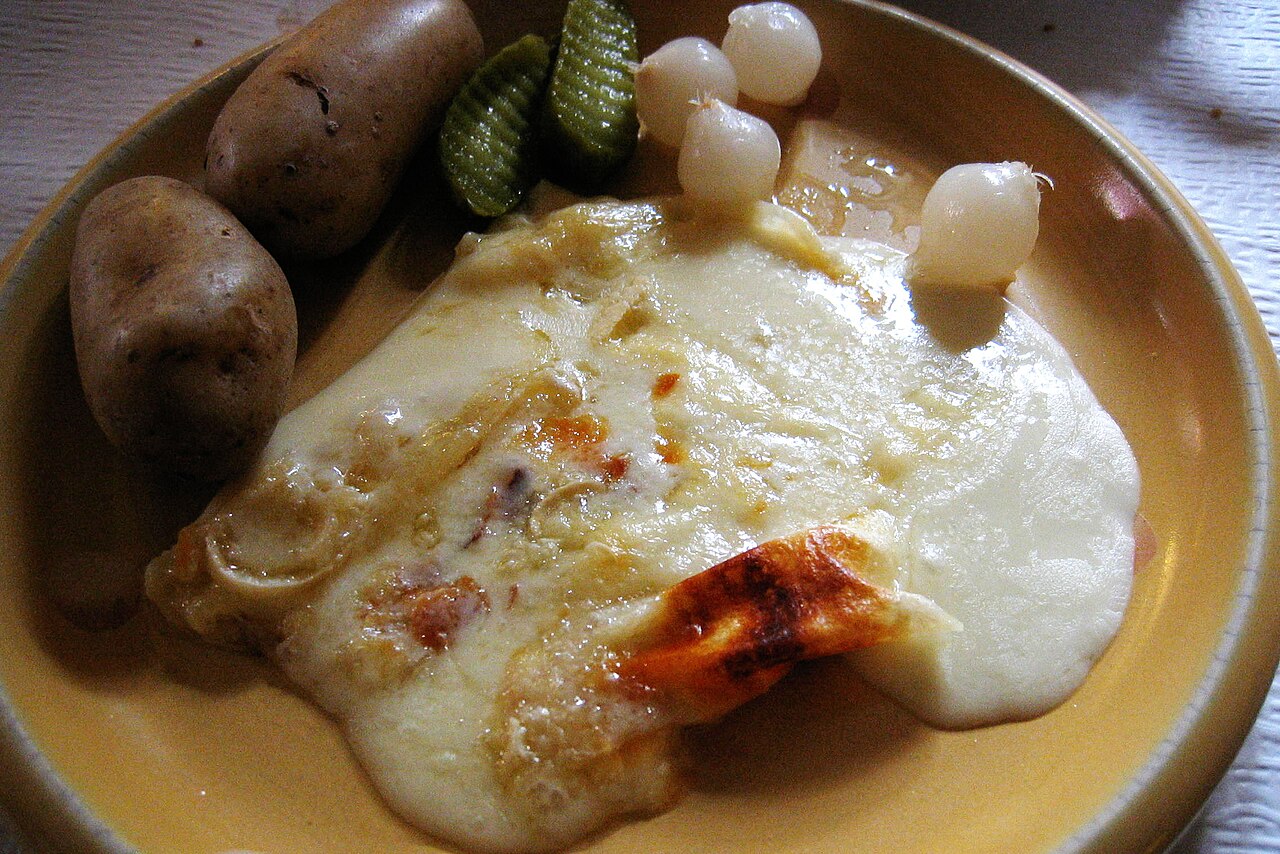
A half wheel of cheese is heated until the cut face melts, and the soft cheese is scraped onto plates. The name comes from the French 'racler', to scrape. It is eaten with boiled potatoes in their skins, small pickled gherkins and pickled onions.
Melting cheese by the fire is recorded in Valais as early as 1574. Raclette du Valais cheese has protected (AOP) status, and in Valais it is often served with black tea or a white Fendant wine.
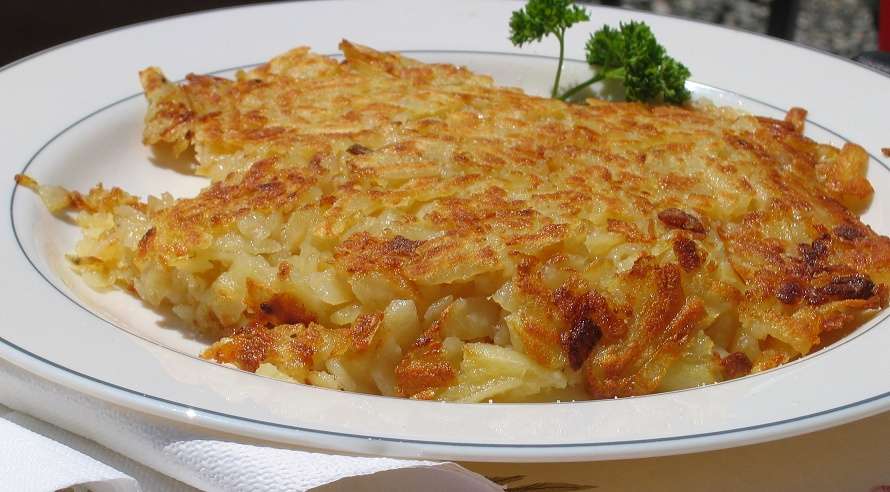
Coarsely grated potato, raw or boiled first, fried in butter into a flat golden cake. It began as a farmers' breakfast in the canton of Bern and is now served with many meals, often topped with a fried egg or cheese.
The invisible language border between German- and French-speaking Switzerland is jokingly called the 'Röstigraben', the rösti ditch.
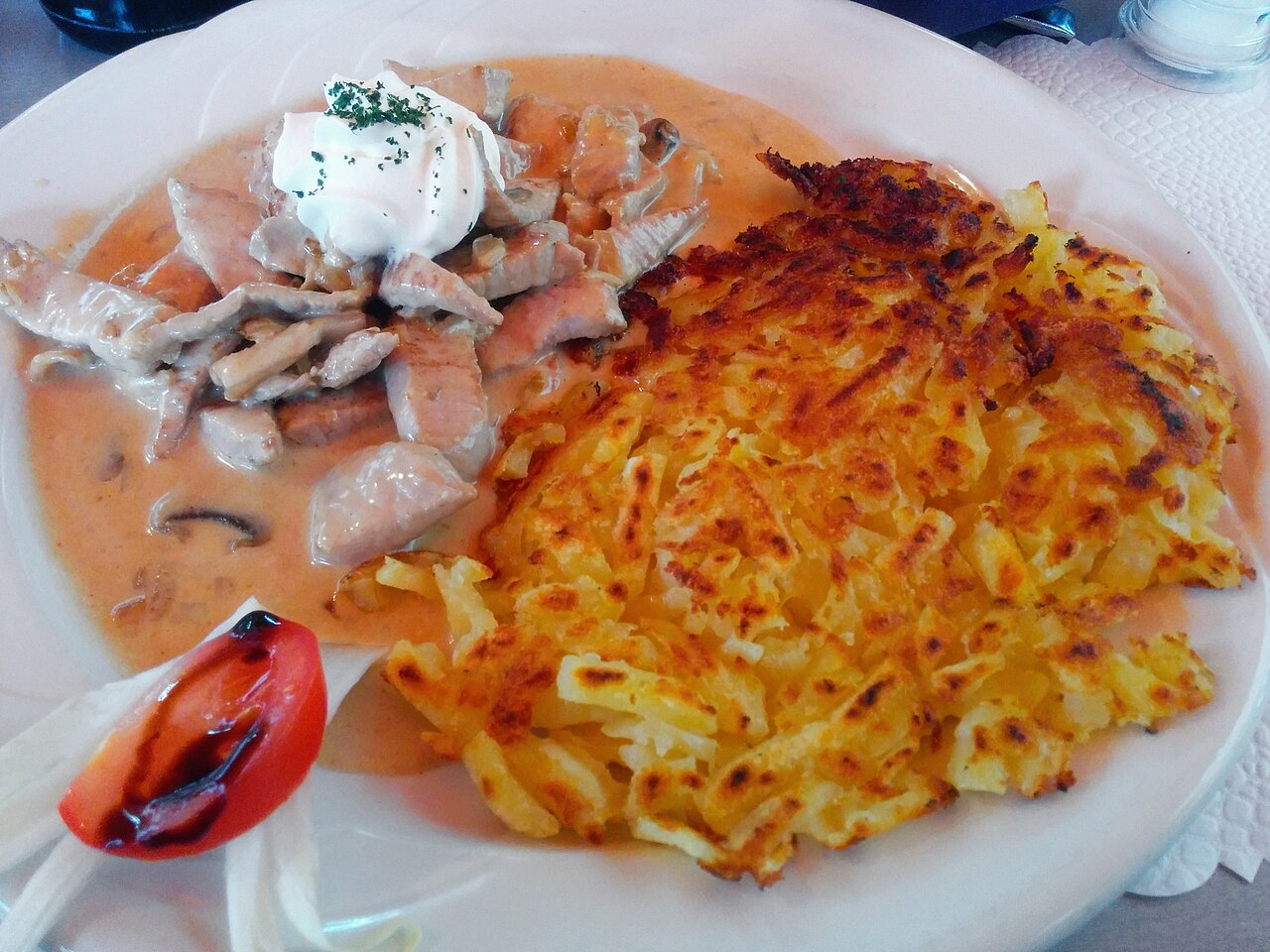
Thin strips of veal, quickly fried with onion, then simmered briefly in a sauce of white wine, cream and meat stock, often with mushrooms. It is traditionally served with rösti.
The first known written description of the dish is in a cookbook of 1947.
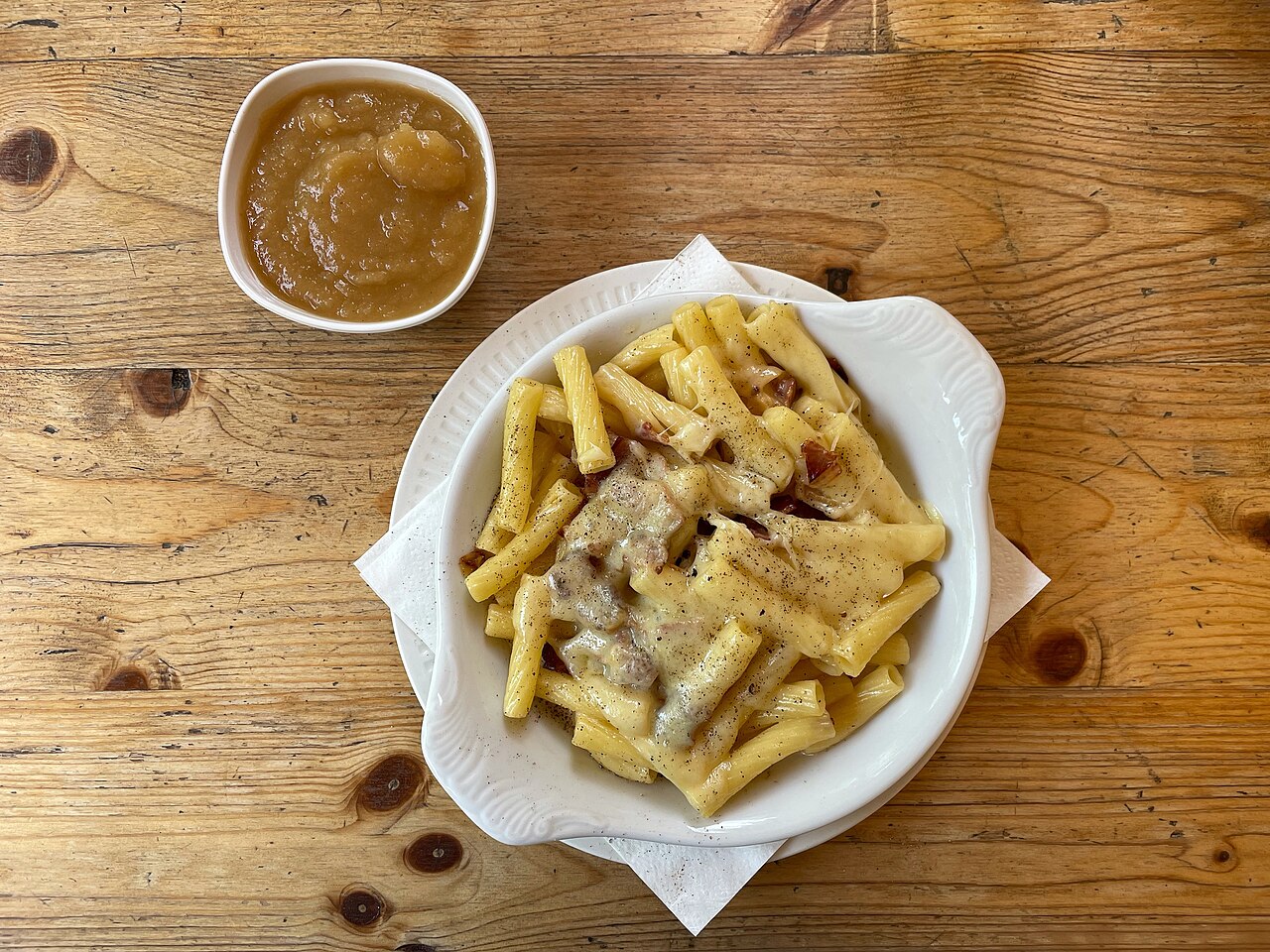
Pasta and diced potatoes cooked together, then mixed with cream and cheese and topped with fried onions. It is traditionally served with apple sauce on the side, a sweet contrast to the rich cheese.
The name joins 'Älpler', an Alpine herder, and 'Magronen', from the Italian 'maccheroni'. Dried pasta spread in northern Switzerland in the late 19th century, partly through Italian workers building the Gotthard tunnel.
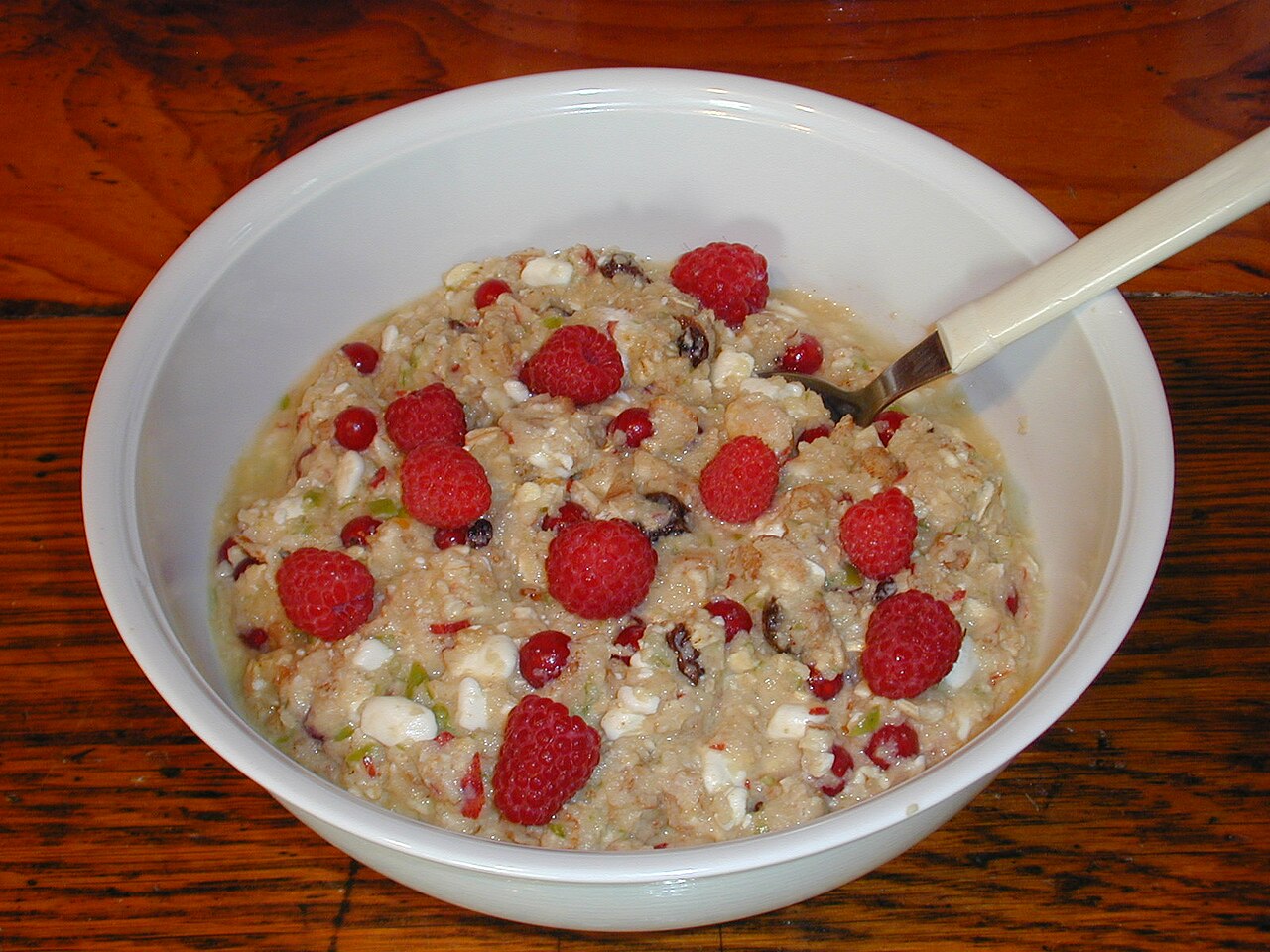
Rolled oats soaked overnight, mixed with lots of freshly grated apple, lemon juice, nuts and a little cream or yoghurt. Today it is a Swiss breakfast, but its creator served it to his patients as a light evening meal.
The Zurich doctor Maximilian Bircher-Benner created it around 1900 for patients at his clinic. 'Müesli' is a Swiss German word for a little mush.
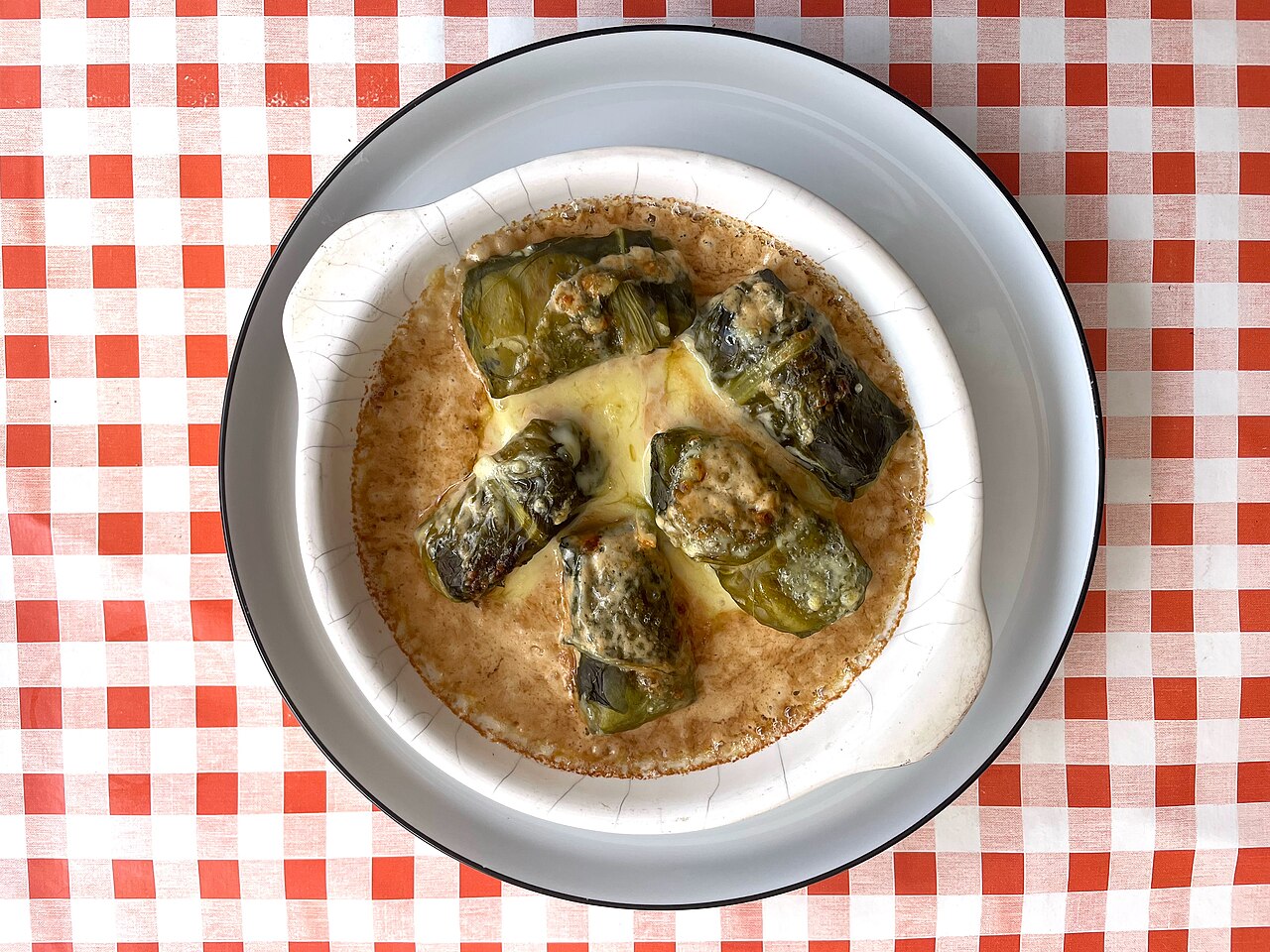
Little parcels of Swiss chard leaves filled with a spätzle-style dough and pieces of air-dried meat, simmered in a mix of stock and milk and served with grated cheese. It is a favourite dish of the canton of Graubünden.
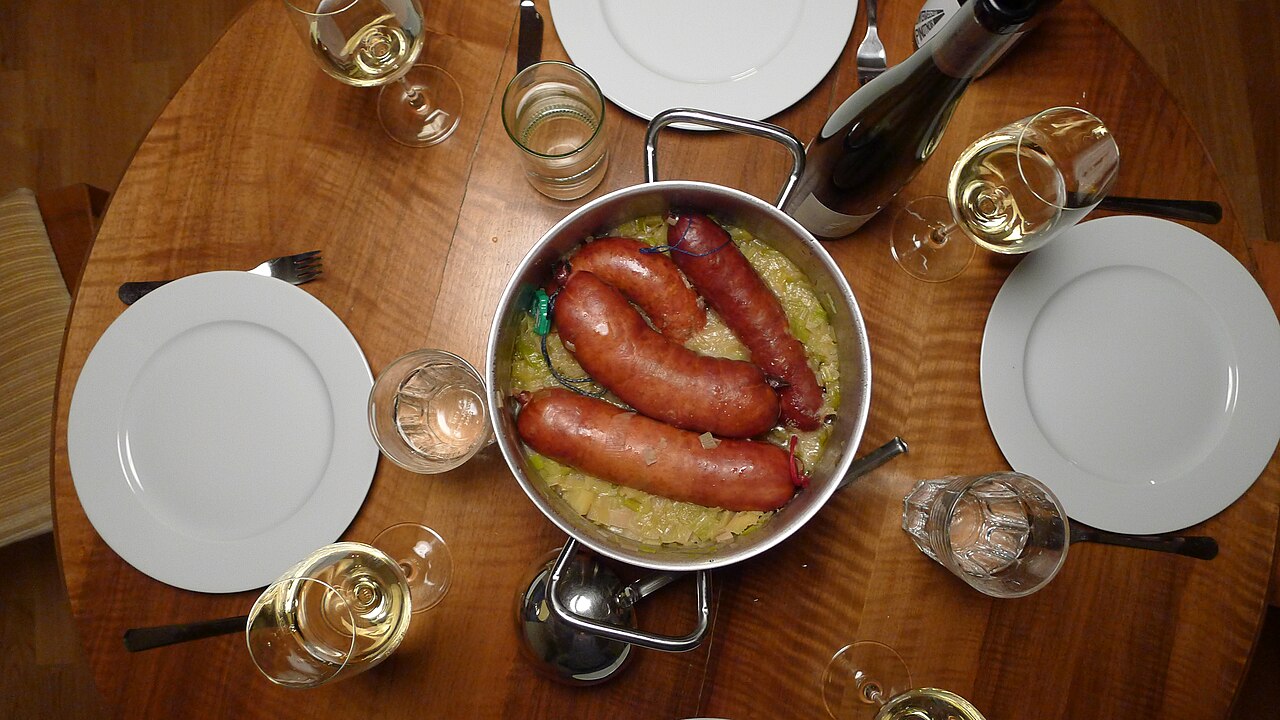
Leeks and potatoes gently stewed, often with a little cream and white wine, and served with a smoked cabbage sausage. The white and green of the dish are said to match the colours of the Vaud flag.
Since 2009, Vaud butchers have celebrated a 'Papet vaudois day' on the first Friday of October.
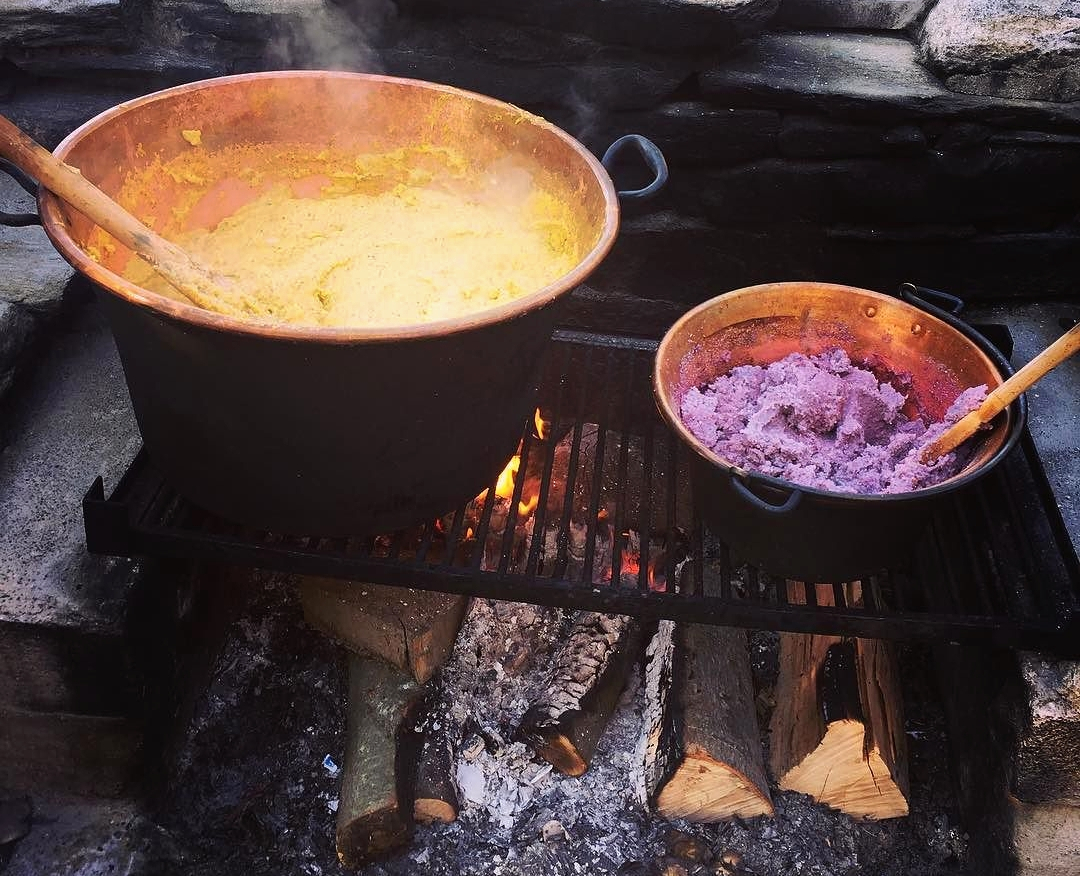
Cornmeal slowly cooked in water to a thick porridge, soft or left to set and then grilled or fried. In Italian-speaking Ticino it is a staple, often served with braised meat, sausages or cheese.
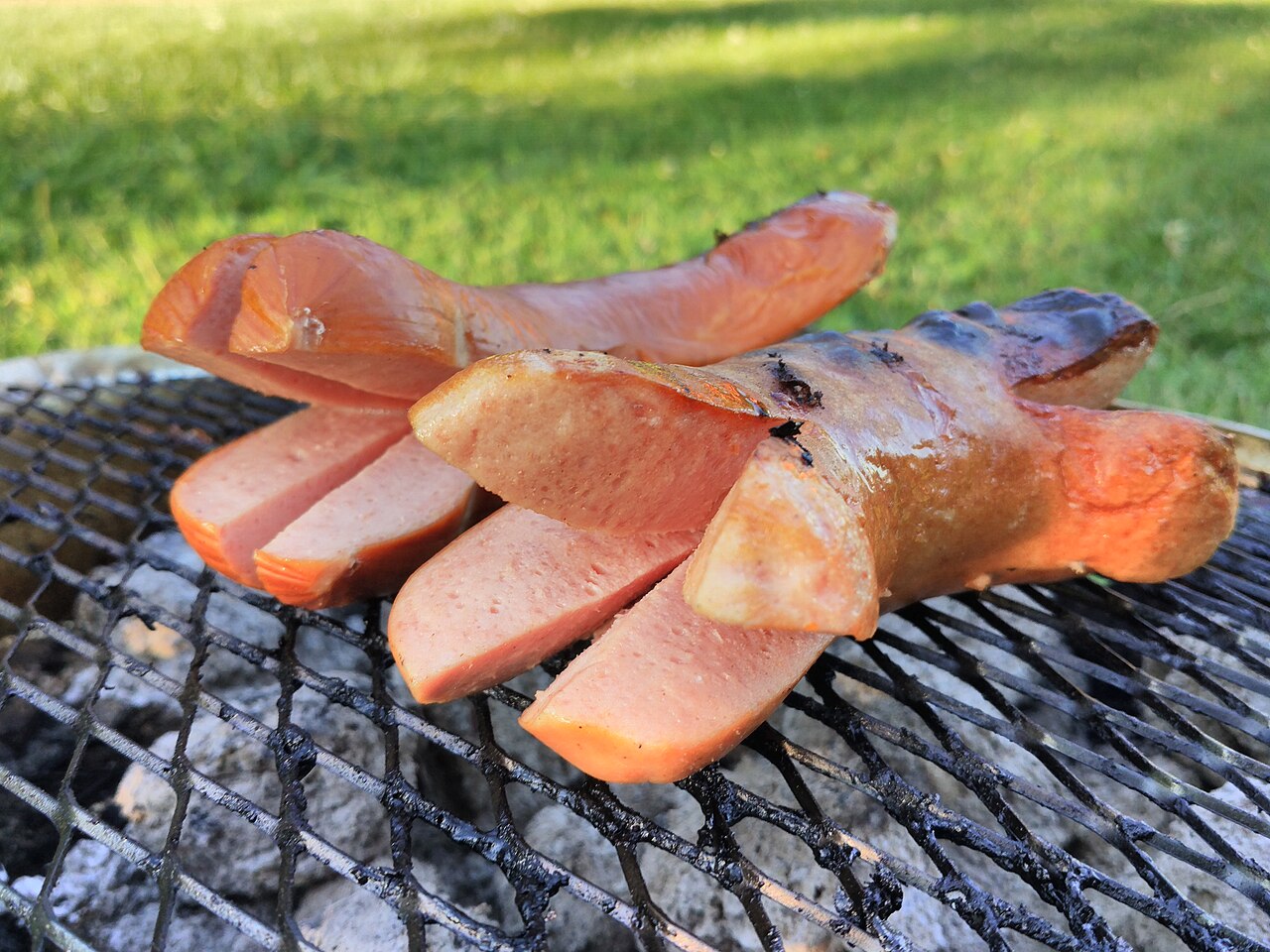
A short, plump sausage of beef, pork and bacon, often called the national sausage. It is grilled over a fire with the ends cut crosswise, so they open out as it cooks.
About 160 million cervelats are made in Switzerland each year, around 18 for every person.
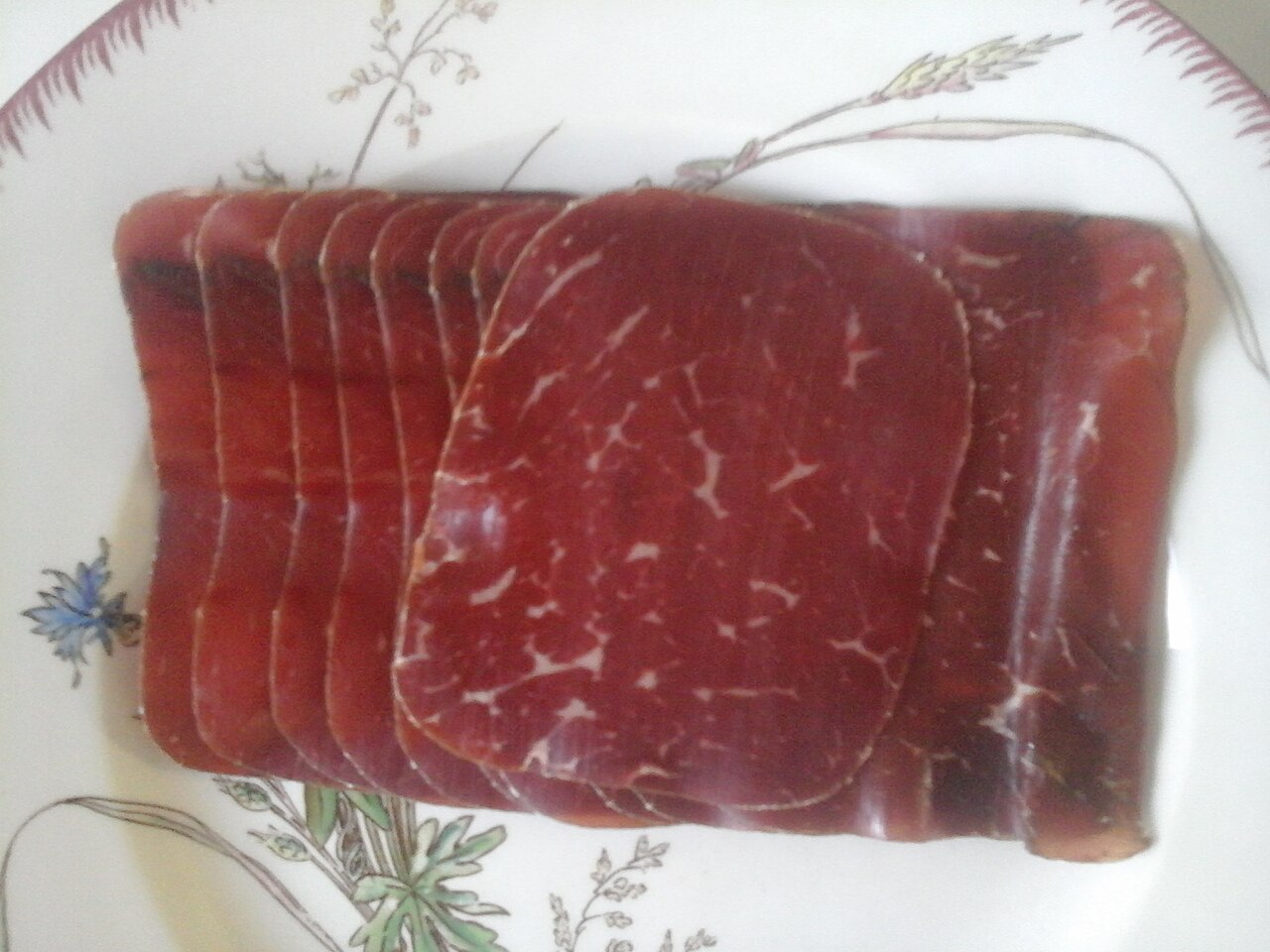
Lean beef that is salted, spiced and dried in the mountain air, then sliced paper thin. It is eaten as a starter with bread, and small pieces go into dishes such as capuns.
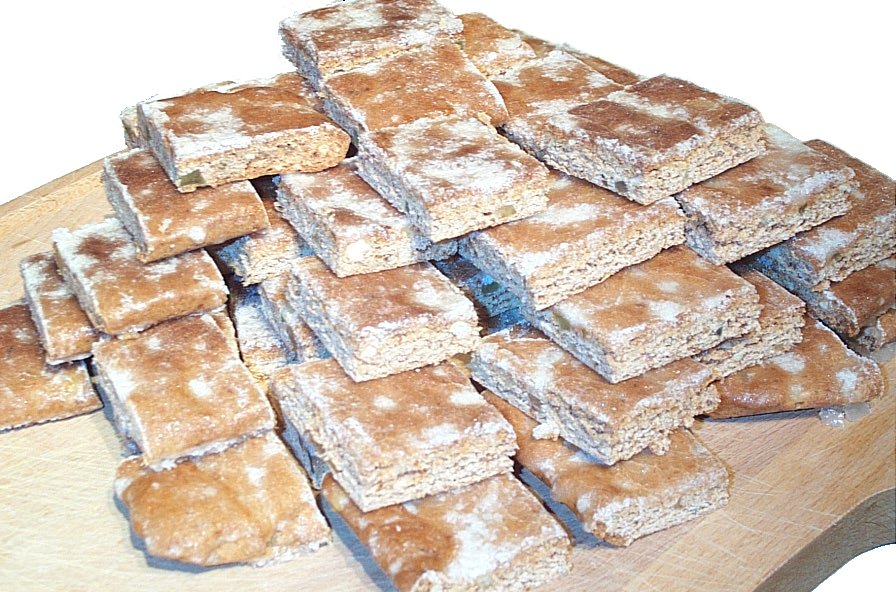
Hard spiced biscuits made with honey, almonds, hazelnuts, candied peel and kirsch, baked in a sheet, glazed with sugar and cut into small rectangles while still warm.
A popular story says they were made for the Council of Basel in 1431, but there is no evidence for it. Records linking Läckerli to Basel go back to the early 18th century.
Layers of nut meringue and sponge soaked in kirsch, the cherry brandy of the region, filled with butter cream, covered with toasted almonds and dusted with icing sugar.
The pastry chef Heinrich Höhn created it in Zug in 1921.
At the table in Switzerland
Before eating, people wish each other 'En Guete' in German-speaking areas, 'Bon appétit' in the French-speaking west and 'Buon appetito' in Ticino.
With fondue, use the long fork only to dip the bread and carry it to your plate, not to eat from. By tradition, whoever loses their bread in the pot buys a round of drinks or sings a song.
White wine or black tea is usually drunk with fondue and raclette.
Service is included in restaurant prices. Many people round up the bill or leave up to about 10 percent for good service, but it is not required.
At a fondue, stir the pot in a figure of eight each time you dip, and do not scrape the bottom: the toasted crust, la religieuse, is lifted out and shared at the end.