Austrian food mixes Alpine farm cooking with the kitchens of the old empire, from Hungary, Bohemia and northern Italy. The day starts with bread rolls, butter, jam, cheese and coffee. The midday meal was traditionally the main one, often a clear soup followed by meat and dumplings, and a mid-morning or afternoon snack is called a 'Jause'. Austria is famous above all for its cakes and pastries, best enjoyed slowly in a coffee house.
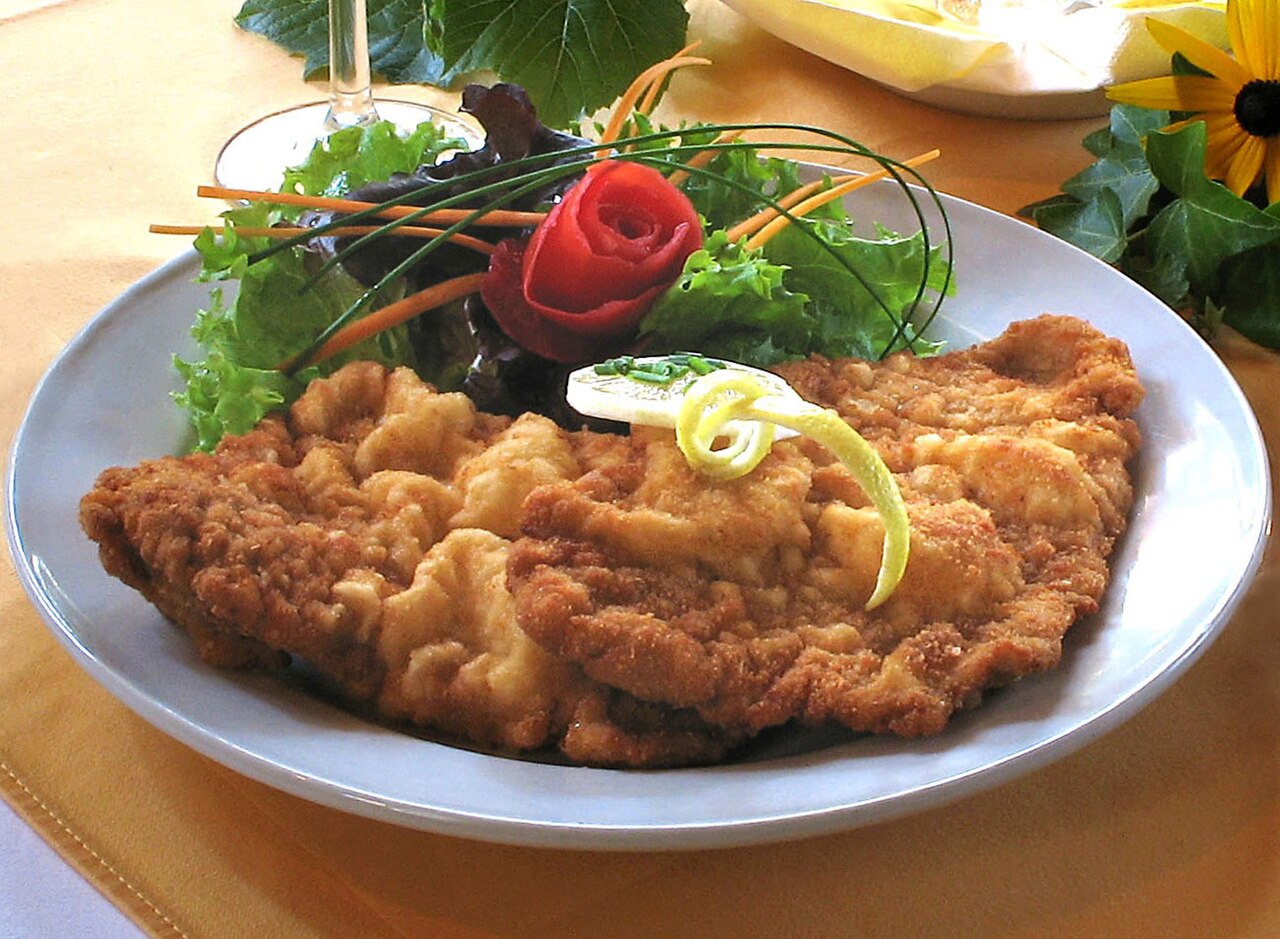
A thin escalope of veal, coated in flour, egg and breadcrumbs and fried in lard or clarified butter until the coating puffs up golden. It is served with a wedge of lemon and potato salad, parsley potatoes or a green salad.
By Austrian rules, a 'Wiener Schnitzel' must be made from veal. A pork version has to be called 'Wiener Schnitzel vom Schwein' or 'Schnitzel Wiener Art'.
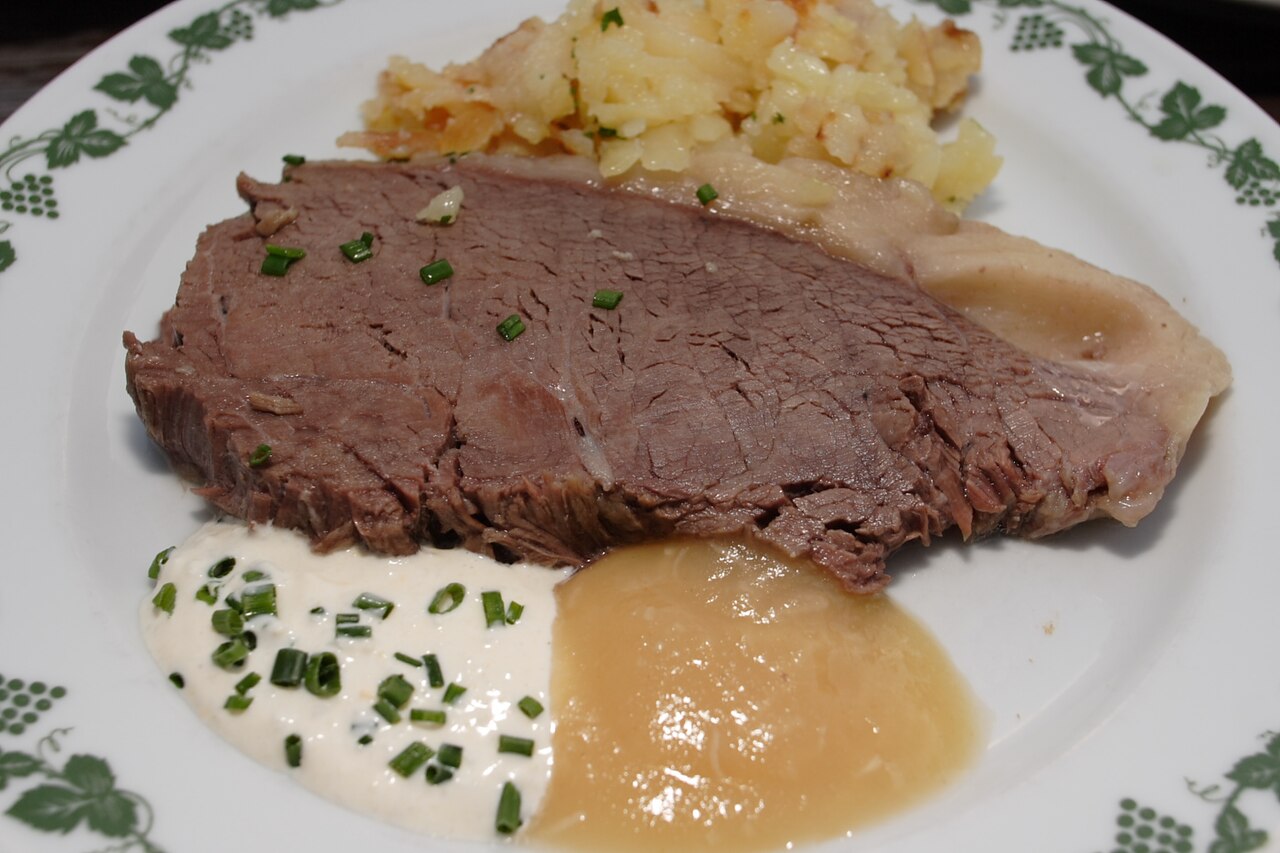
Beef simmered slowly with root vegetables and spices. The broth is often served first as a soup, then the sliced meat with roast potatoes, apple and horseradish sauce (Apfelkren) and a sour cream and chive sauce.
Emperor Franz Joseph is said to have eaten boiled beef at his private table very often, and Tafelspitz became a symbol of Viennese cooking.
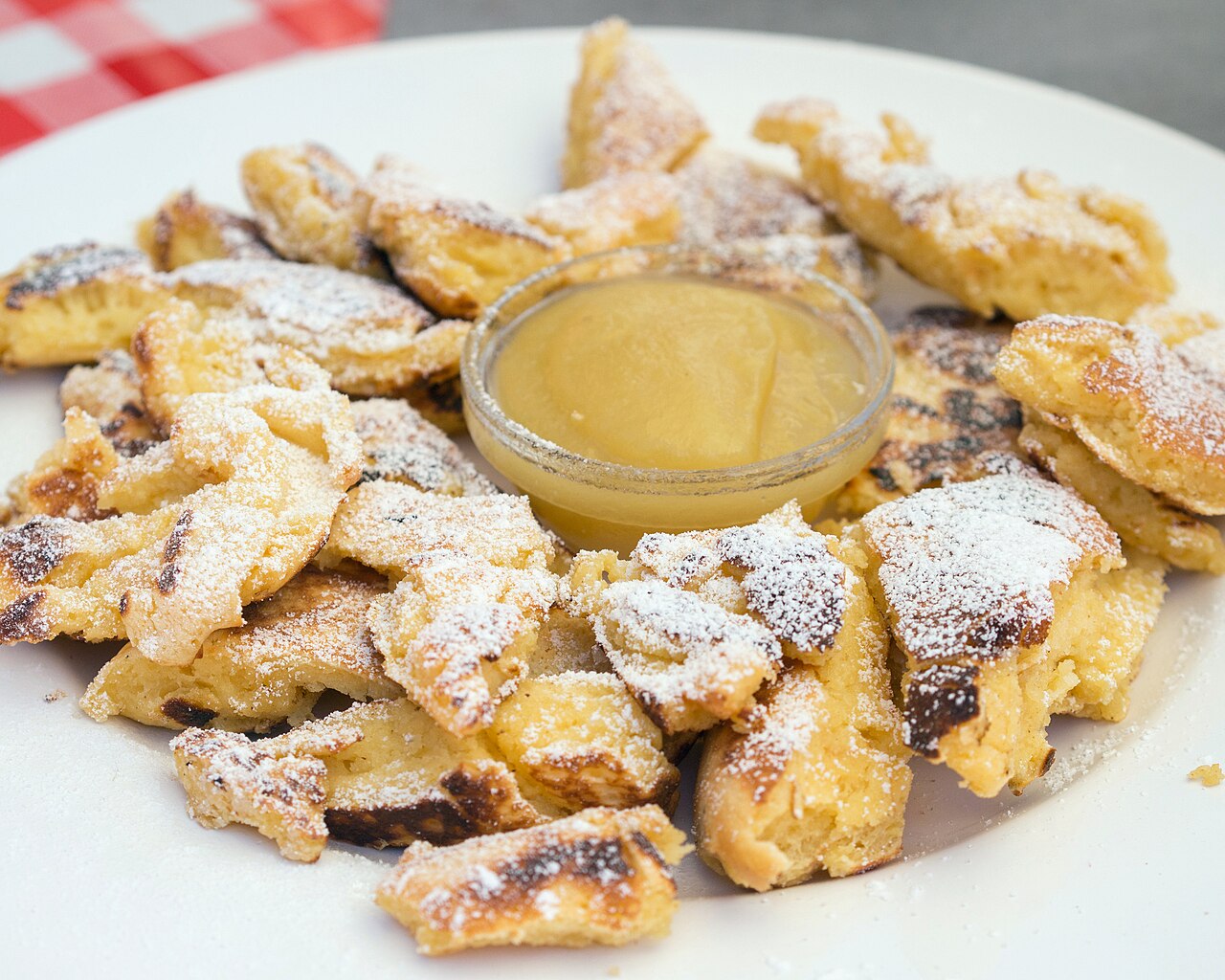
A thick, fluffy pancake made with whipped egg whites, torn into pieces in the pan, lightly caramelised and dusted with icing sugar. It is served with plum compote or apple sauce, as a dessert or a hearty lunch in mountain huts.
The name means 'the emperor's mess'. Legends link it to Emperor Franz Joseph, who is said to have happily eaten a dish his wife had refused.
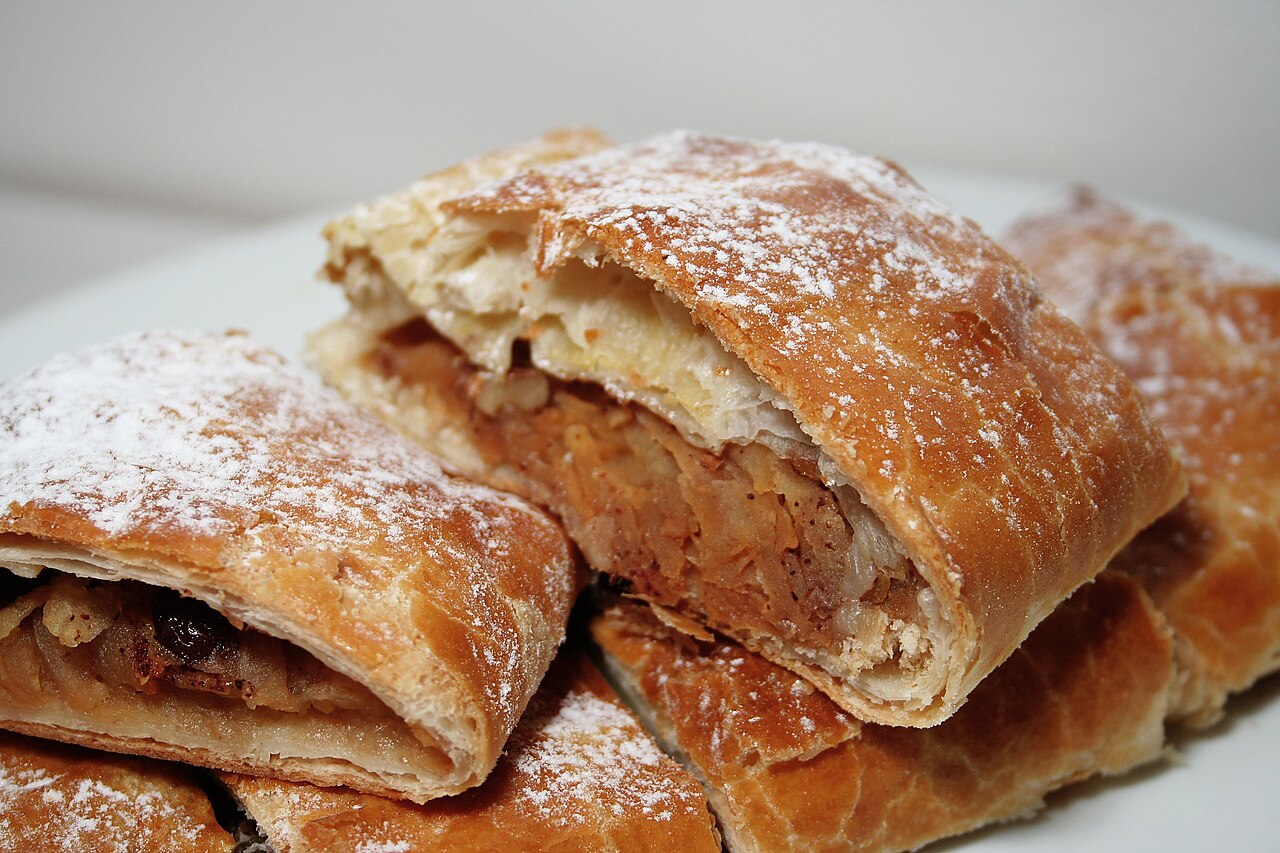
Thin layers of pastry rolled around sliced apples, sugar, cinnamon, raisins and buttered breadcrumbs, baked and served in slices dusted with icing sugar, often with whipped cream or vanilla sauce.
The oldest known strudel recipes, handwritten in the 1690s, are kept in the Vienna City Library. Bakers say the dough should be stretched so thin that you could read a newspaper through it.
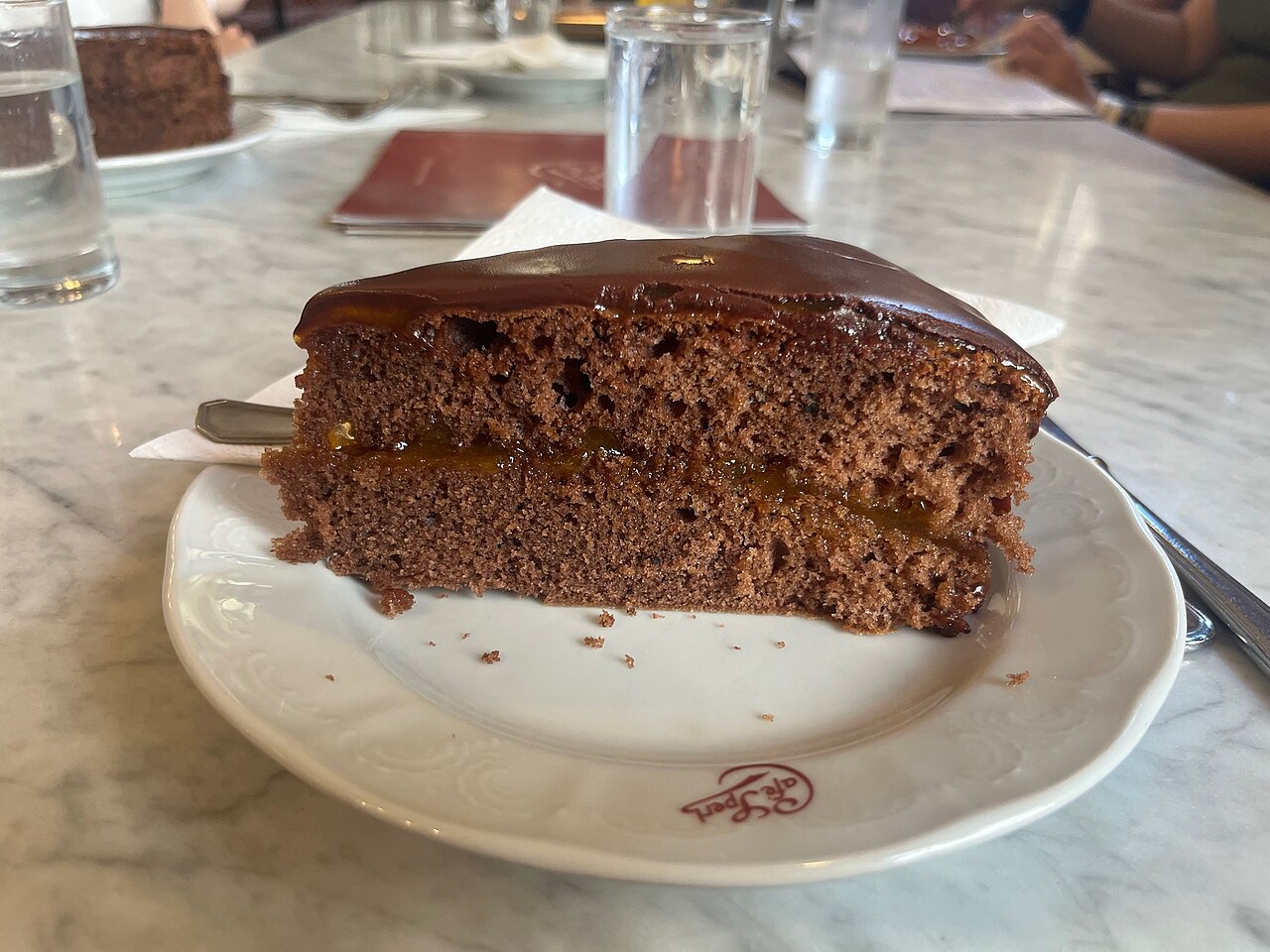
A dense chocolate sponge cake with a layer of apricot jam under a firm, shiny chocolate glaze. In Austria it is served with a spoonful of unsweetened whipped cream.
It is credited to Franz Sacher, who by the best-known story created it as a teenage apprentice in 1832 for Prince Metternich. The Hotel Sacher and the Demel patisserie argued in court for years over who could sell the 'original'. Since the case ended in 1963, the hotel has sold the 'Original Sacher-Torte' and Demel 'Demel's Sacher-Torte'.
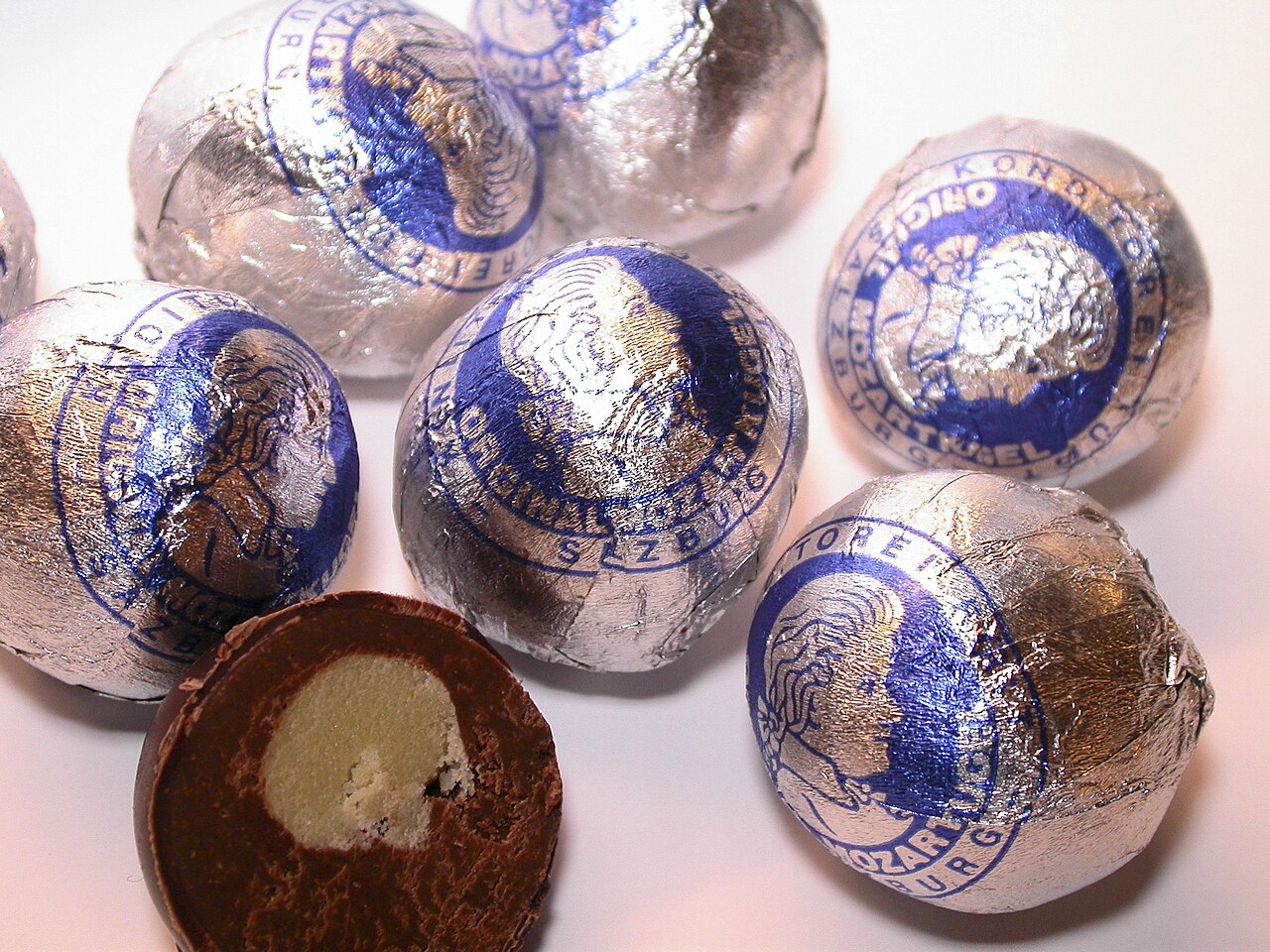
A round chocolate sweet with a centre of pistachio marzipan, wrapped in nougat and coated in dark chocolate, named after Mozart.
The Salzburg confectioner Paul Fürst created it in 1890. After a court ruling in 1996, only his family firm's hand-made sweets may be called 'Original Salzburger Mozartkugeln'.
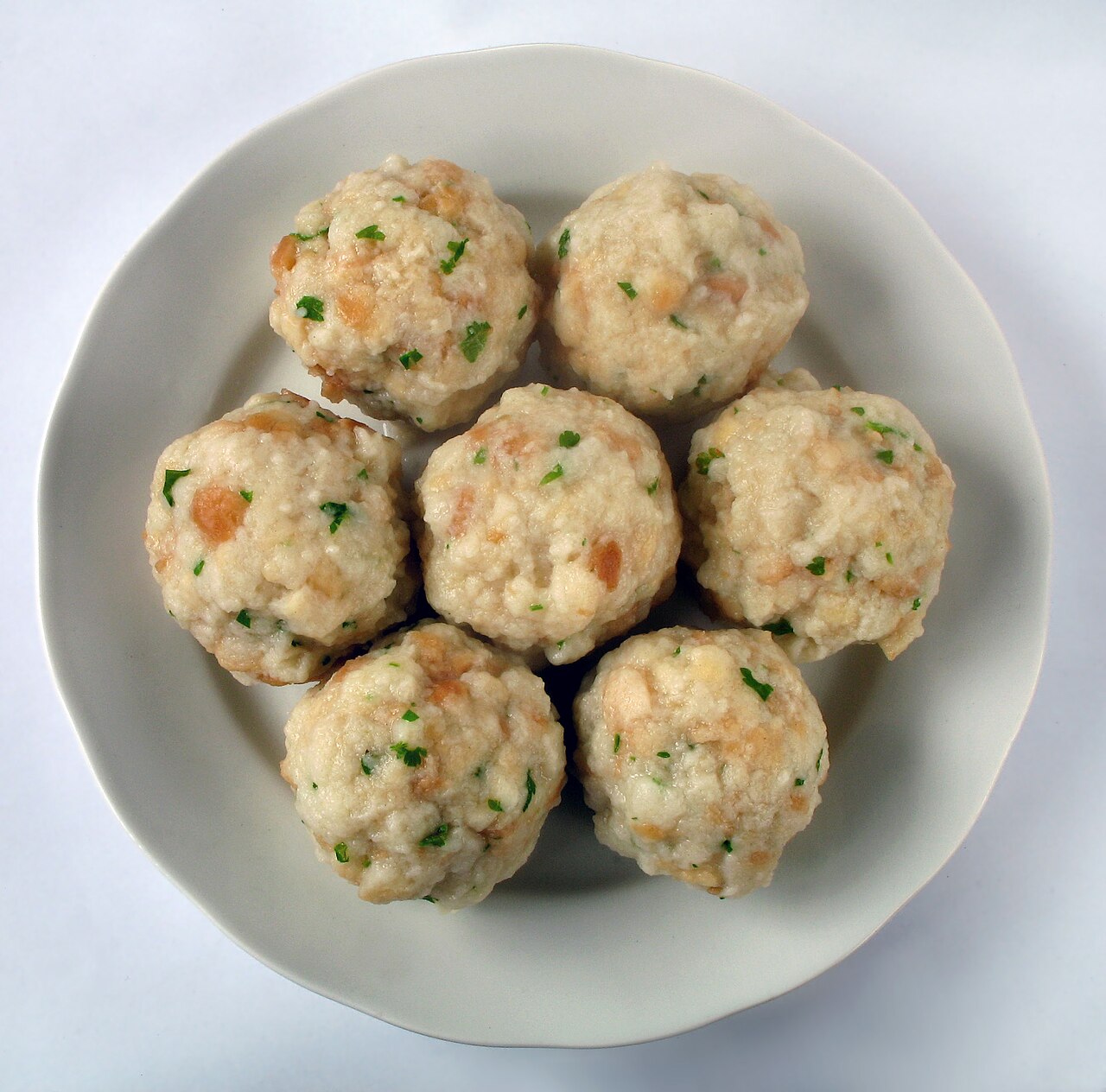
Round dumplings made from cubes of stale bread rolls soaked in milk, mixed with egg, onion and parsley and simmered in water. They soak up the gravy of goulash, roast pork or a creamy mushroom sauce.
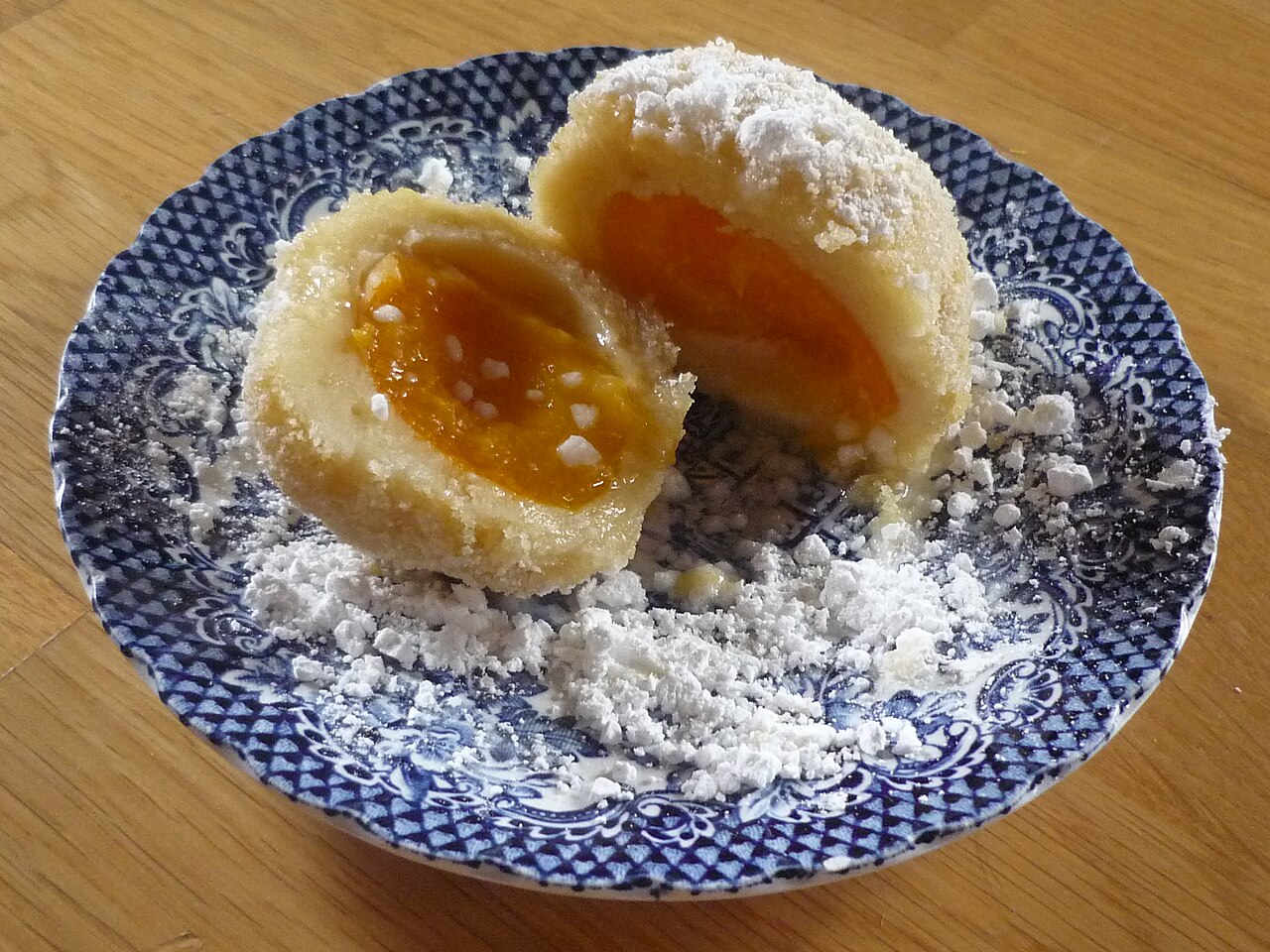
Sweet dumplings of potato or curd cheese (Topfen) dough, each with a whole apricot inside, simmered and then rolled in breadcrumbs toasted in butter and dusted with sugar.
'Marille' is the Austrian word for apricot. The Wachau valley on the Danube is famous for its apricots.
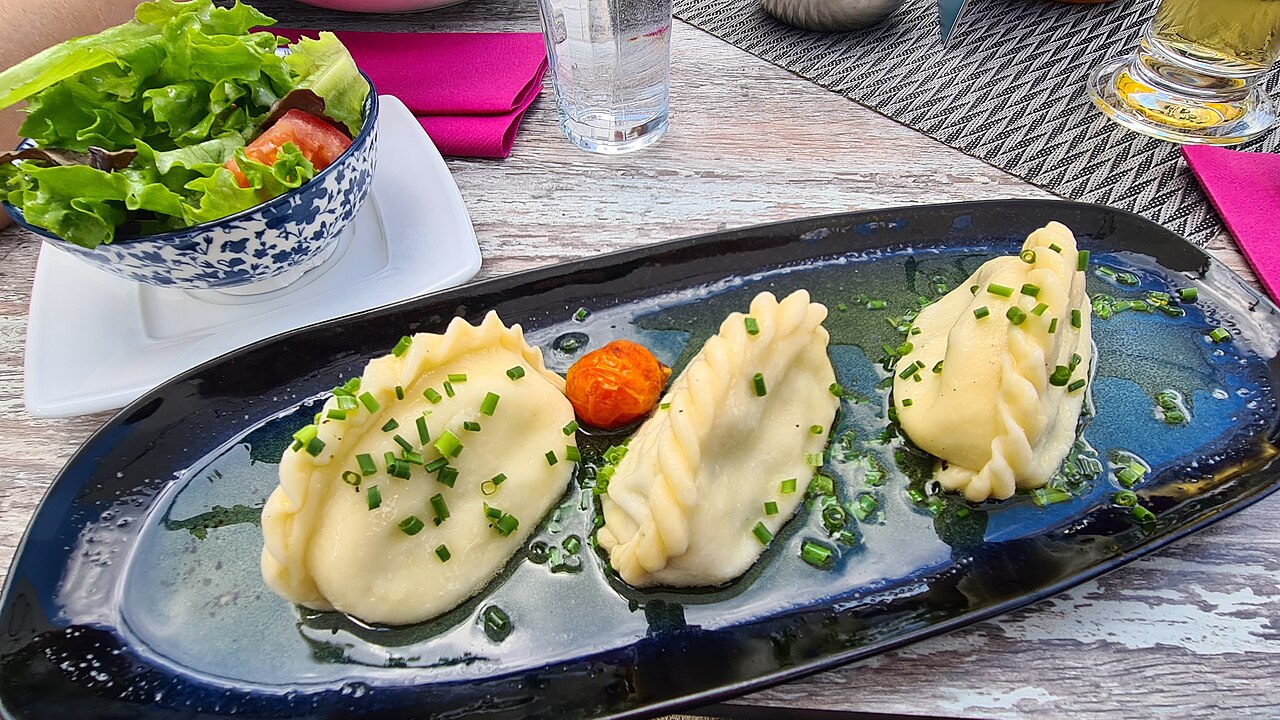
Large half-moon pasta pockets from Carinthia, filled with curd cheese (Topfen), potato and mint, sealed with a crimped edge and served with melted butter.
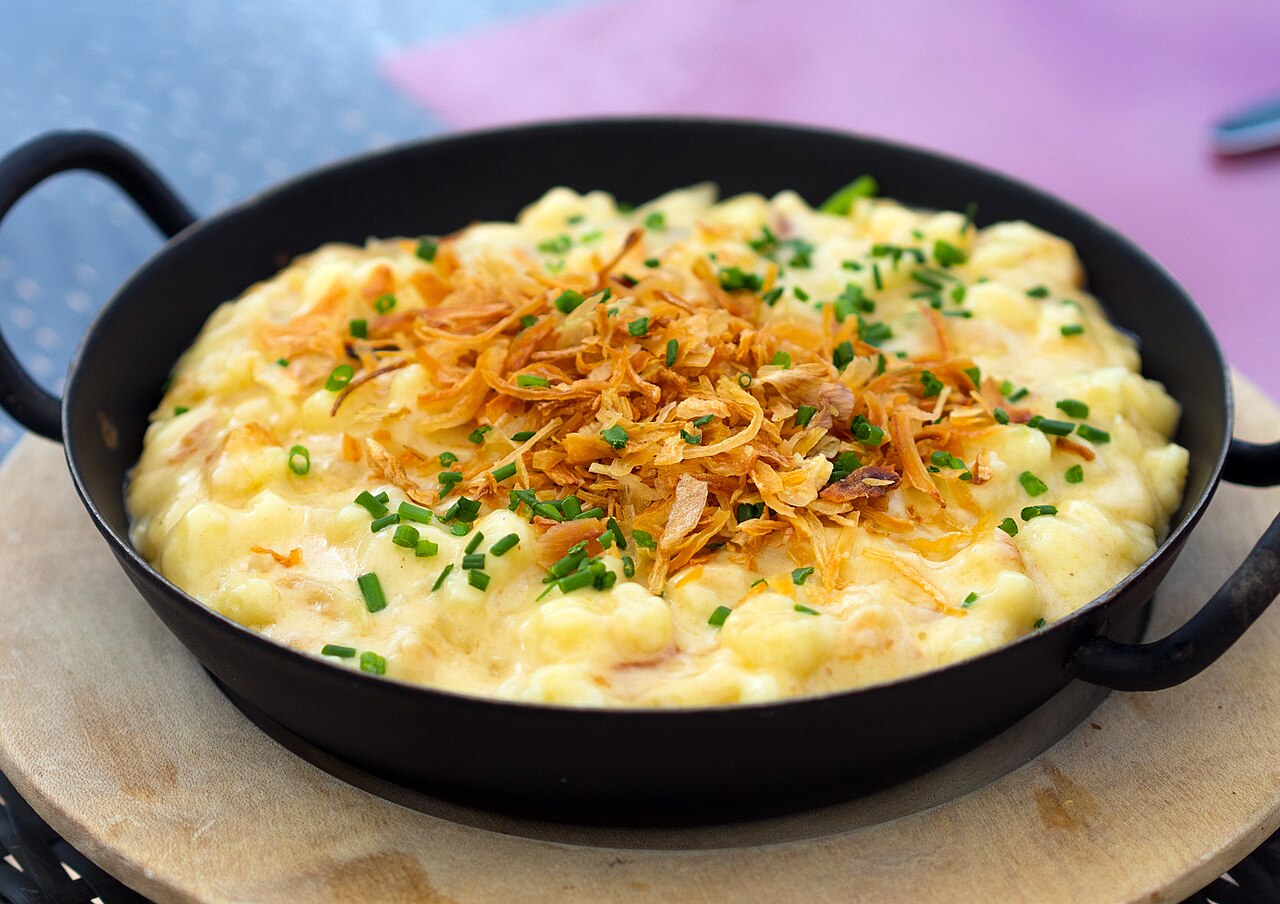
Small soft egg noodles layered with strong mountain cheese, such as Bergkäse, and topped with crispy fried onions. In parts of Vorarlberg it is eaten with apple sauce.
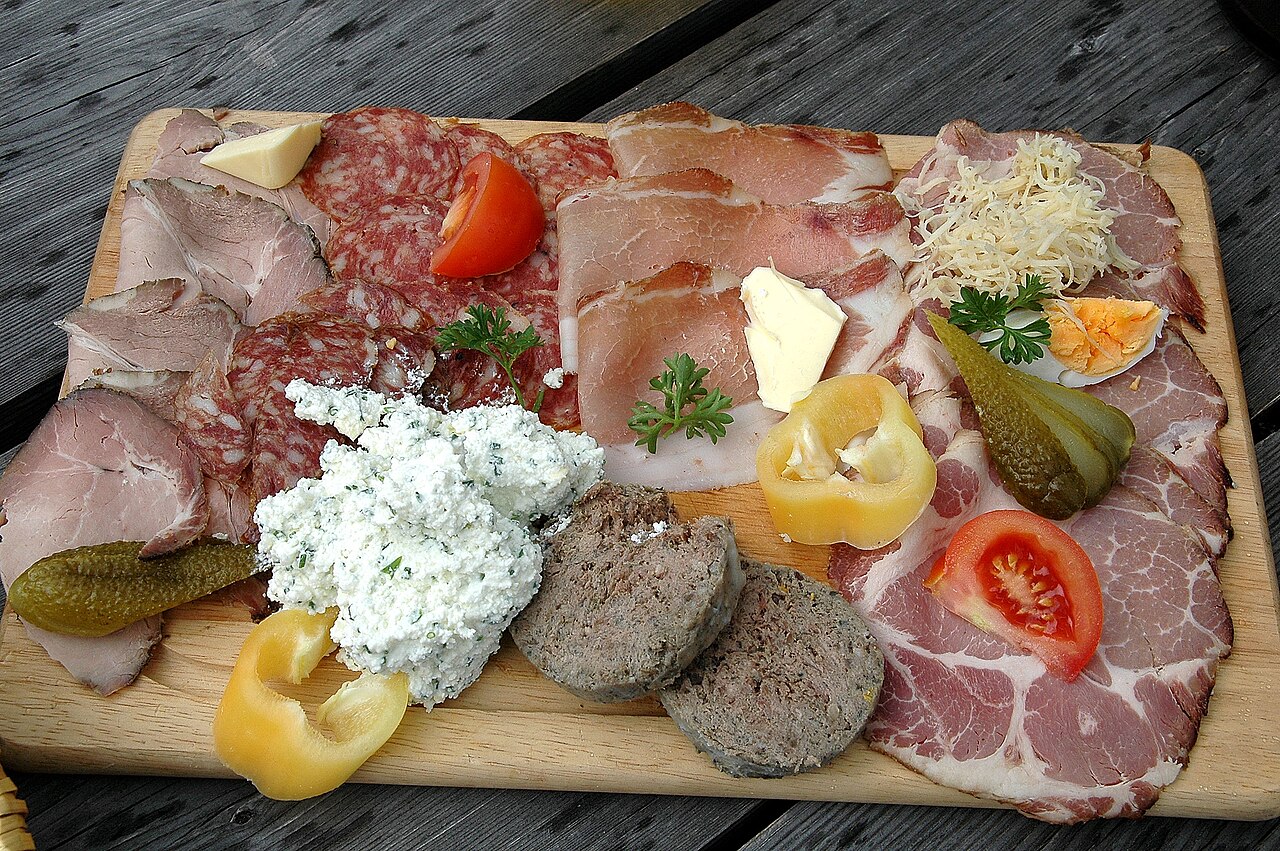
A cold platter served on a wooden board, called a 'Brettl': cured and smoked meats, bacon, cheese, spreads, horseradish, pickles and dark bread. In Styria it often comes with a salad dressed with dark green pumpkin seed oil.
Styrian pumpkin seed oil looks green in a thin layer and deep red in a thick one. It is used cold, on salads and even on vanilla ice cream.
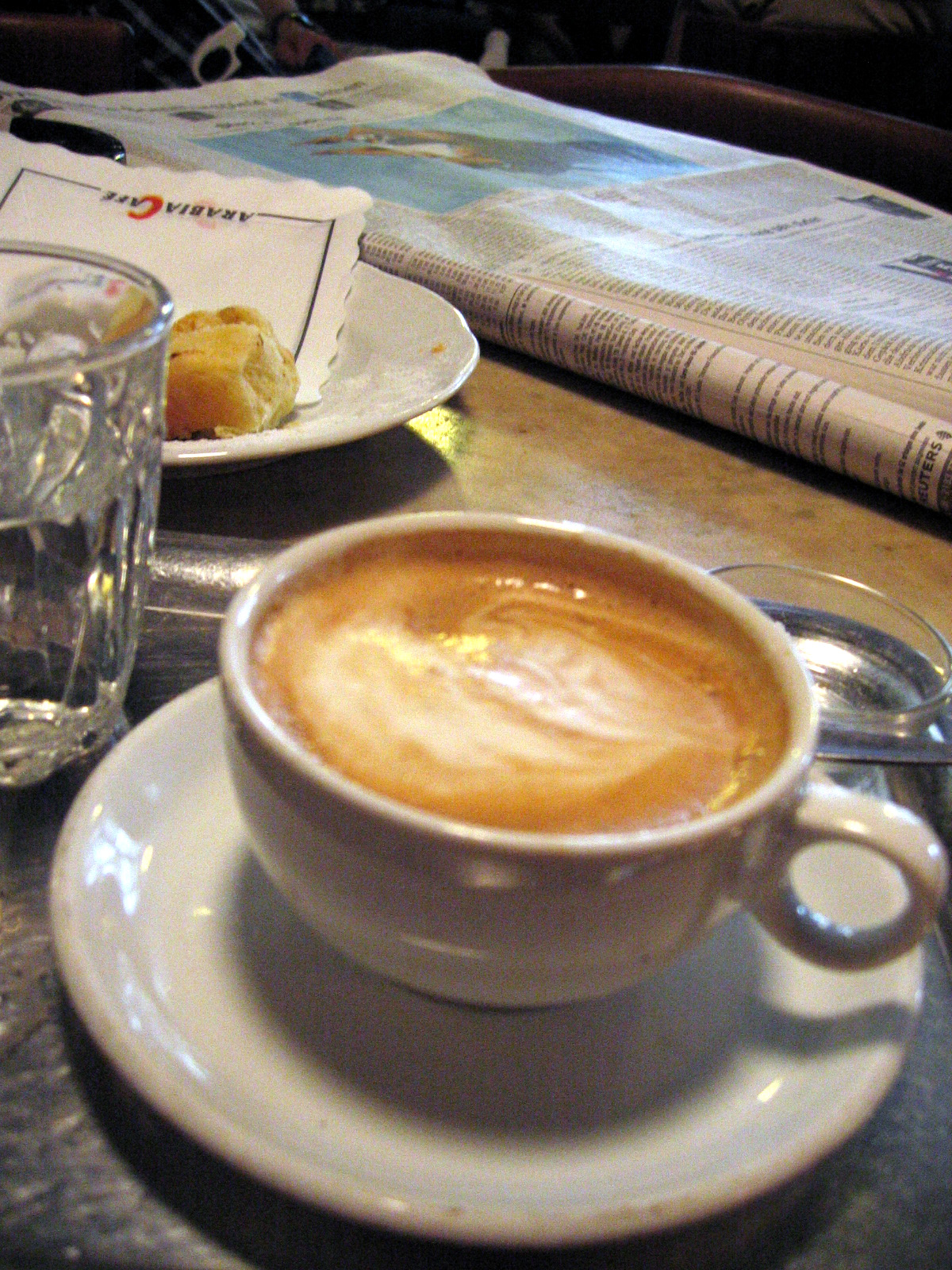
The classic coffee of the Viennese coffee house, similar to a cappuccino but milder: coffee with steamed milk and a cap of milk foam. Like every coffee in a traditional coffee house, it comes with a glass of water.