Traditional Bosnian, Herzegovinian food: 15 dishes to try
Bosnian food brings together the Ottoman kitchen, Central Europe and the Mediterranean. Dishes are often slow-cooked in plenty of water, with vegetables, beef and lamb, and spices used lightly. Many Bosniaks, being Muslim, do not eat pork, while Serbs and Croats may. A meal may start with a warm soup such as begova čorba, go on to a stew, stuffed vegetables or grilled meat with fresh bread, and end with a syrupy sweet and a small cup of strong coffee.
All of the country, with famous styles from Sarajevo and Banja Luka
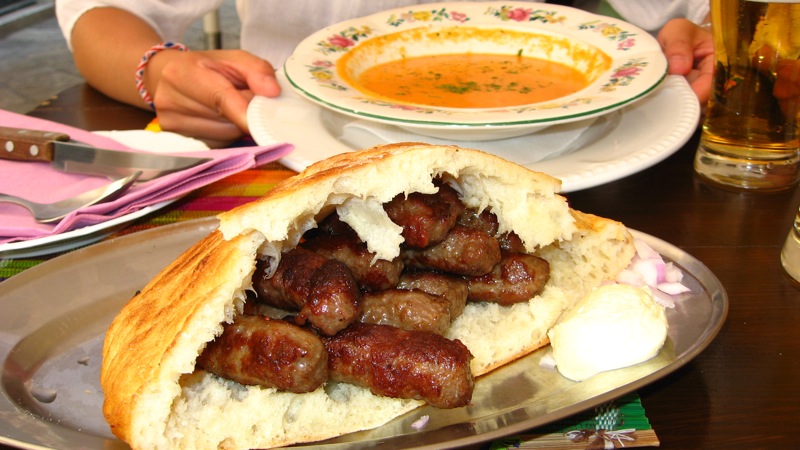
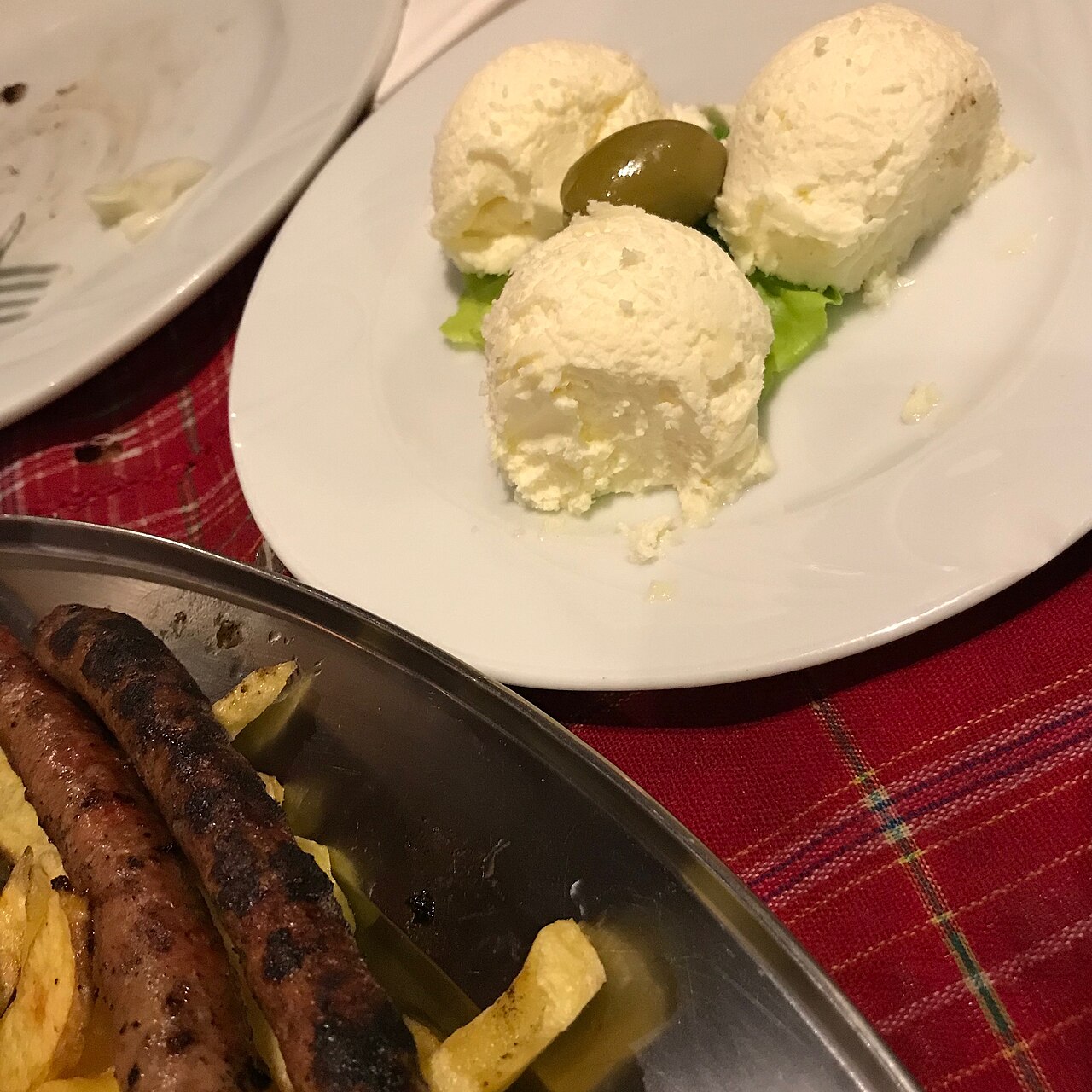
Small fingers of grilled minced beef, served five or ten at a time in a warm, soft flatbread called somun, with chopped raw onion and often kajmak, a rich clotted cream.
Sarajevo ćevapi are finger-shaped and served in dry somun, while in Banja Luka four rolls are joined into a flat square and the bread is dipped in meat juices. In 2024 'Sarajevski ćevapi' received a protected geographical indication in Bosnia and Herzegovina.
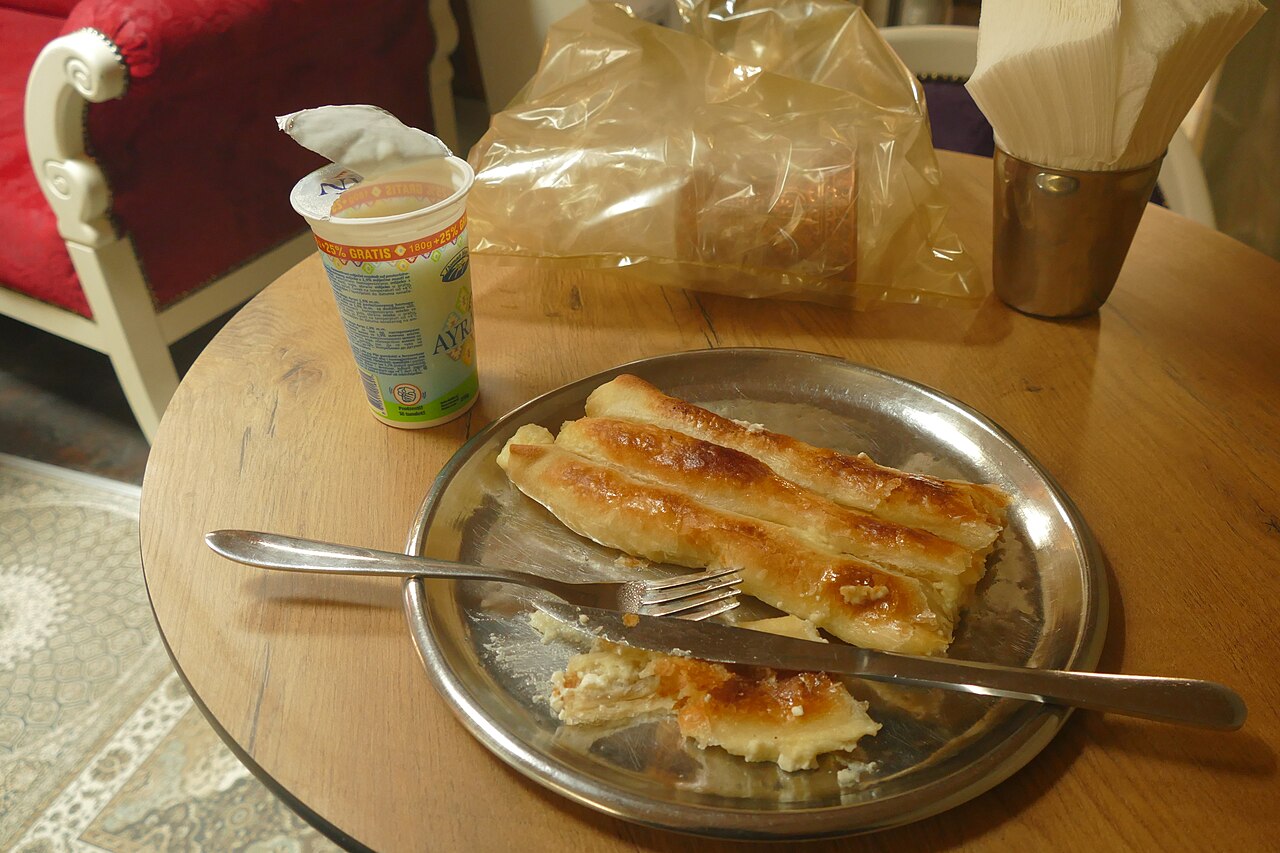
Paper-thin pastry rolled around a filling of minced meat, coiled into a big spiral and baked. In Bosnia only the meat version is called burek; with cheese it is sirnica, with potatoes krompiruša, and all of them together are called pita.
In 2012 Lonely Planet included the Bosnian burek in its book 'The World's Best Street Food'.
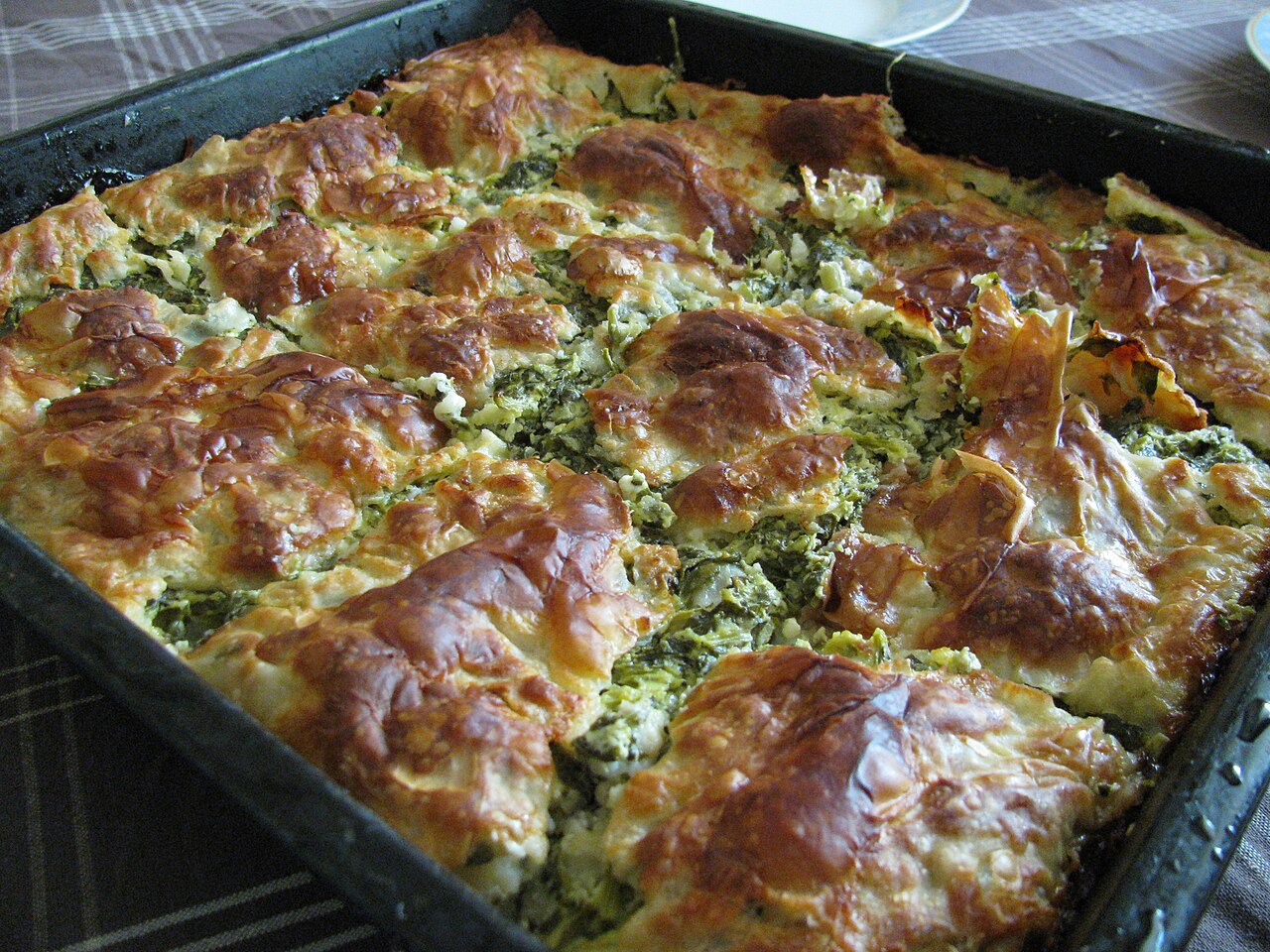
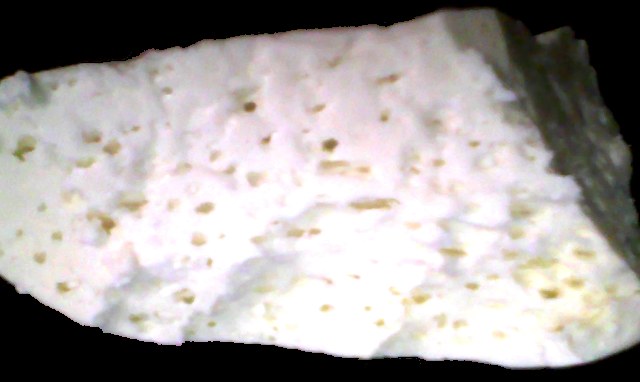
A savoury pie of thin pastry filled with spinach, or sometimes chard, and fresh white cheese bound with egg. It is eaten warm or cold, for breakfast, lunch or supper.
In a 2023 ranking of the world's best pastries, the food guide TasteAtlas placed zeljanica above burek, sirnica and krompiruša.
Sarajevo and all of the country, from the Ottoman period
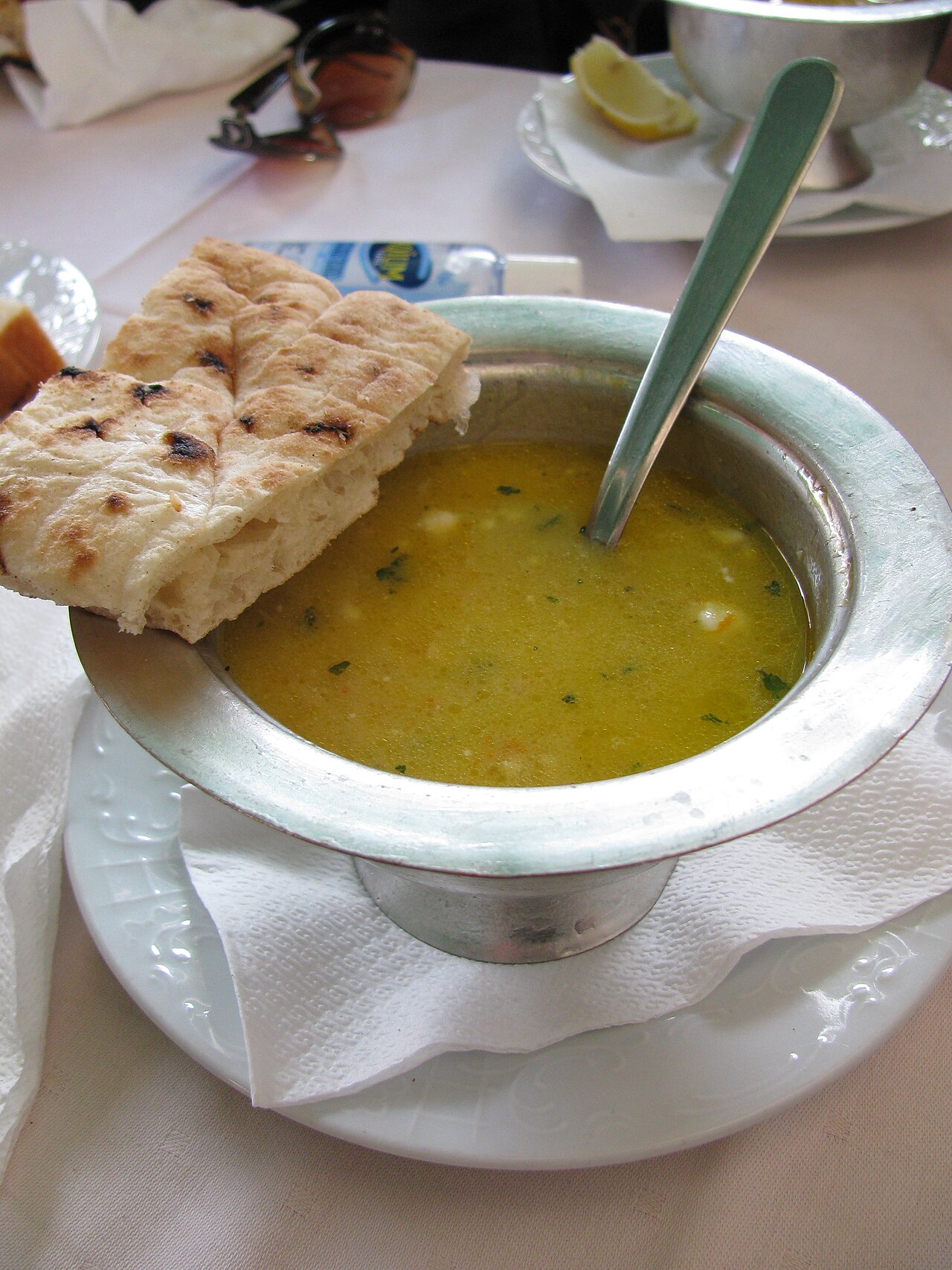
A creamy chicken and vegetable soup with rice and dried okra, finished off the heat with soured cream, egg yolks and a squeeze of lemon. It is a festive dish offered to guests at weddings and religious holidays.
The name means 'the bey's soup'. A bey was a gentleman of high rank in the Ottoman Empire, so it is sometimes called 'gentlemen's soup'.
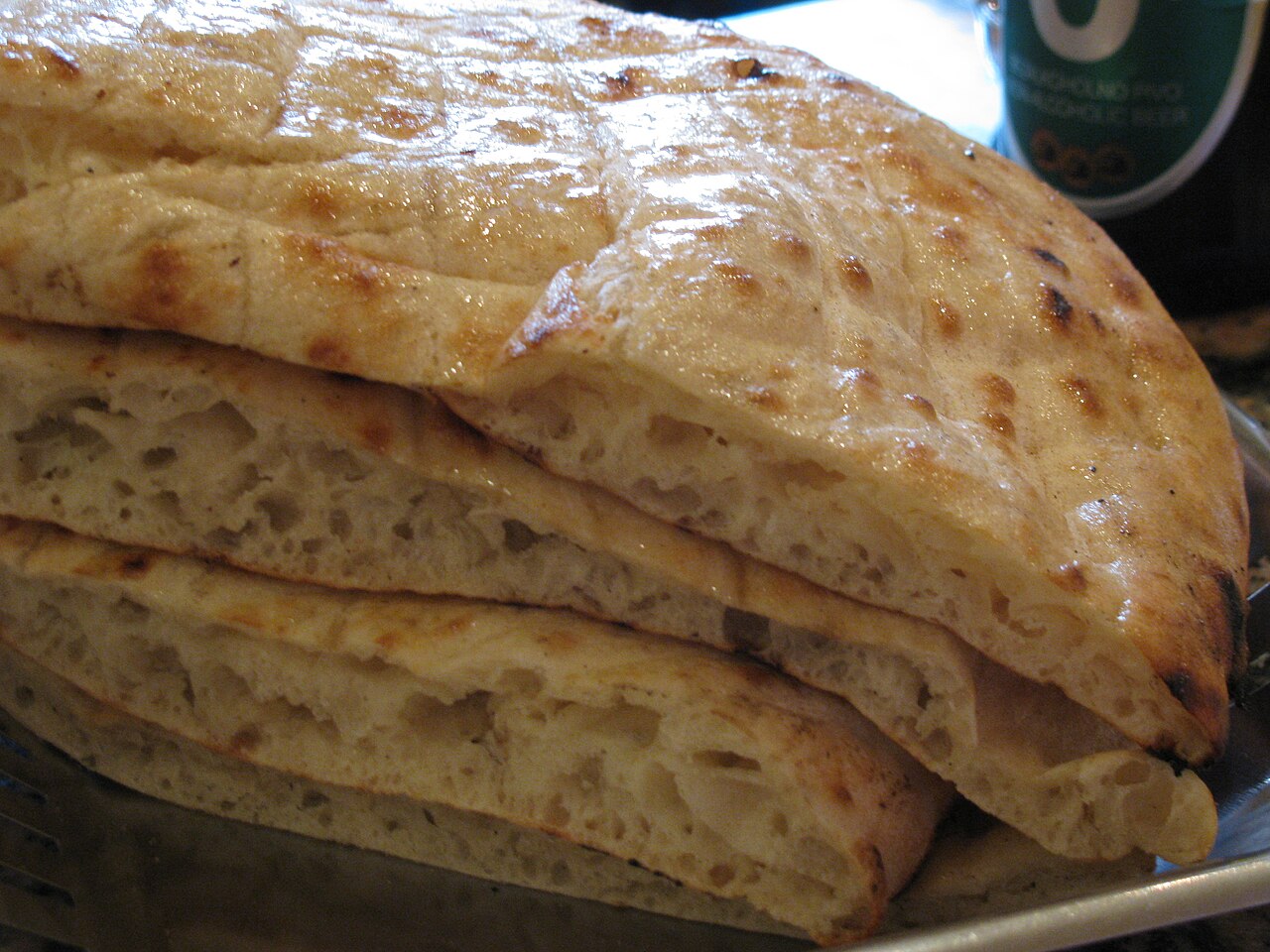
A round, soft, flat bread with a golden crust, the classic bread for ćevapi. During Ramadan, a special Ramadan somun sprinkled with nigella seeds is baked.
In the local languages the word 'pita' means pie, so the bread you might call pitta at home is called somun or lepinja here.
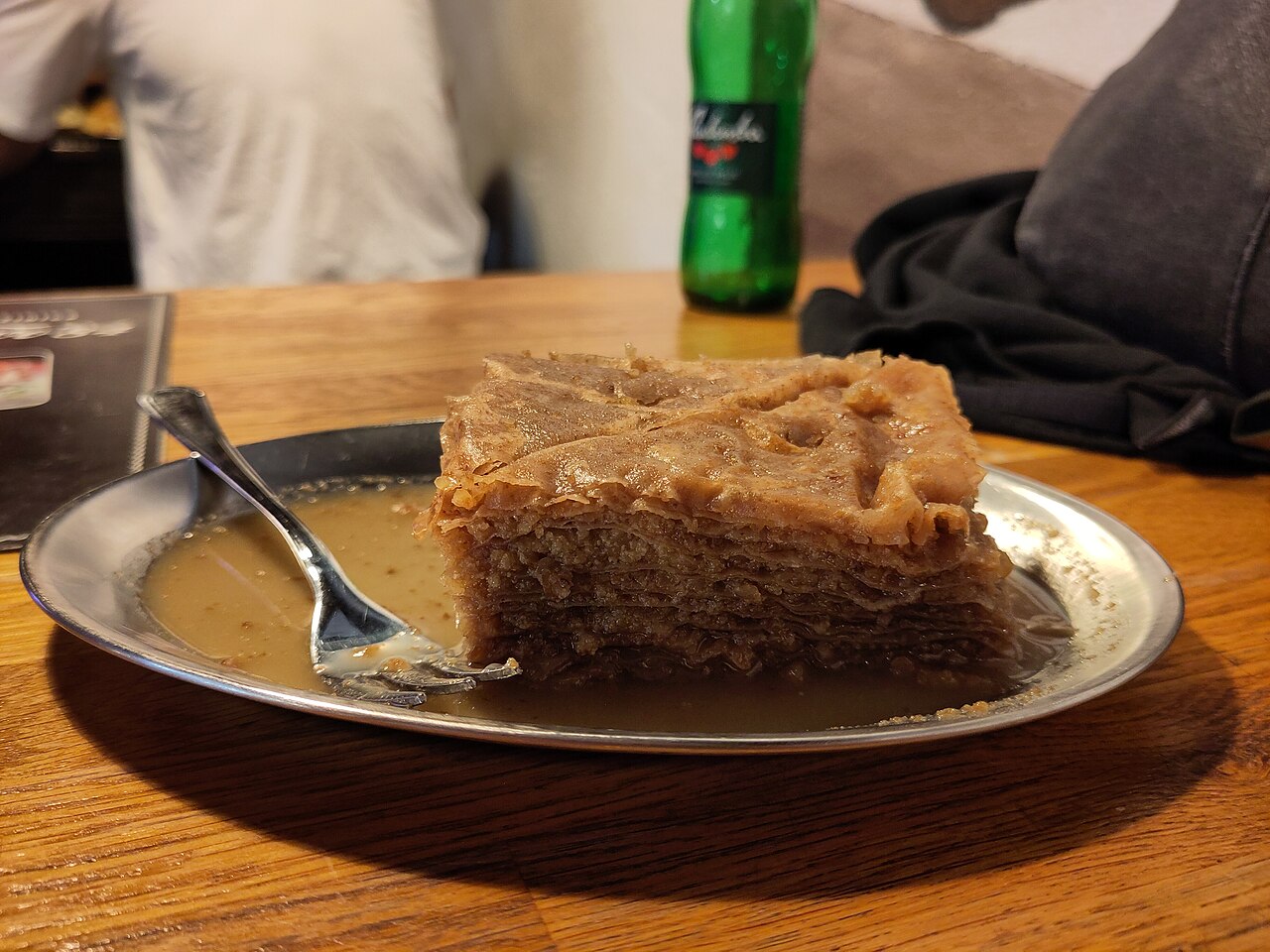
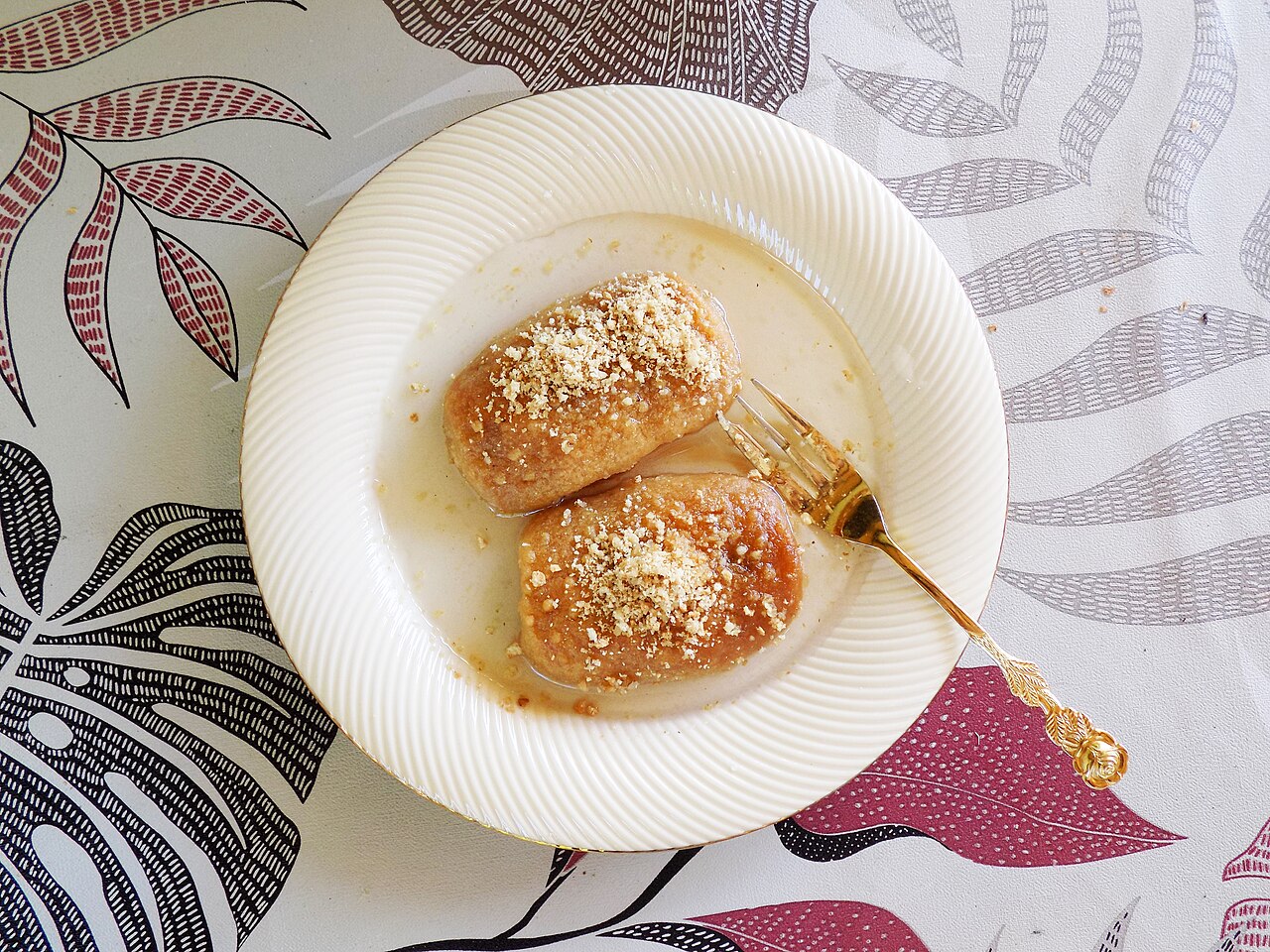
Many layers of thin pastry and chopped walnuts, baked until crisp and soaked in sweet syrup, in the Middle Eastern style that shaped many Bosnian sweets.
Ružice, meaning 'little roses', are a Bosnian variety of baklava baked in small rolls.
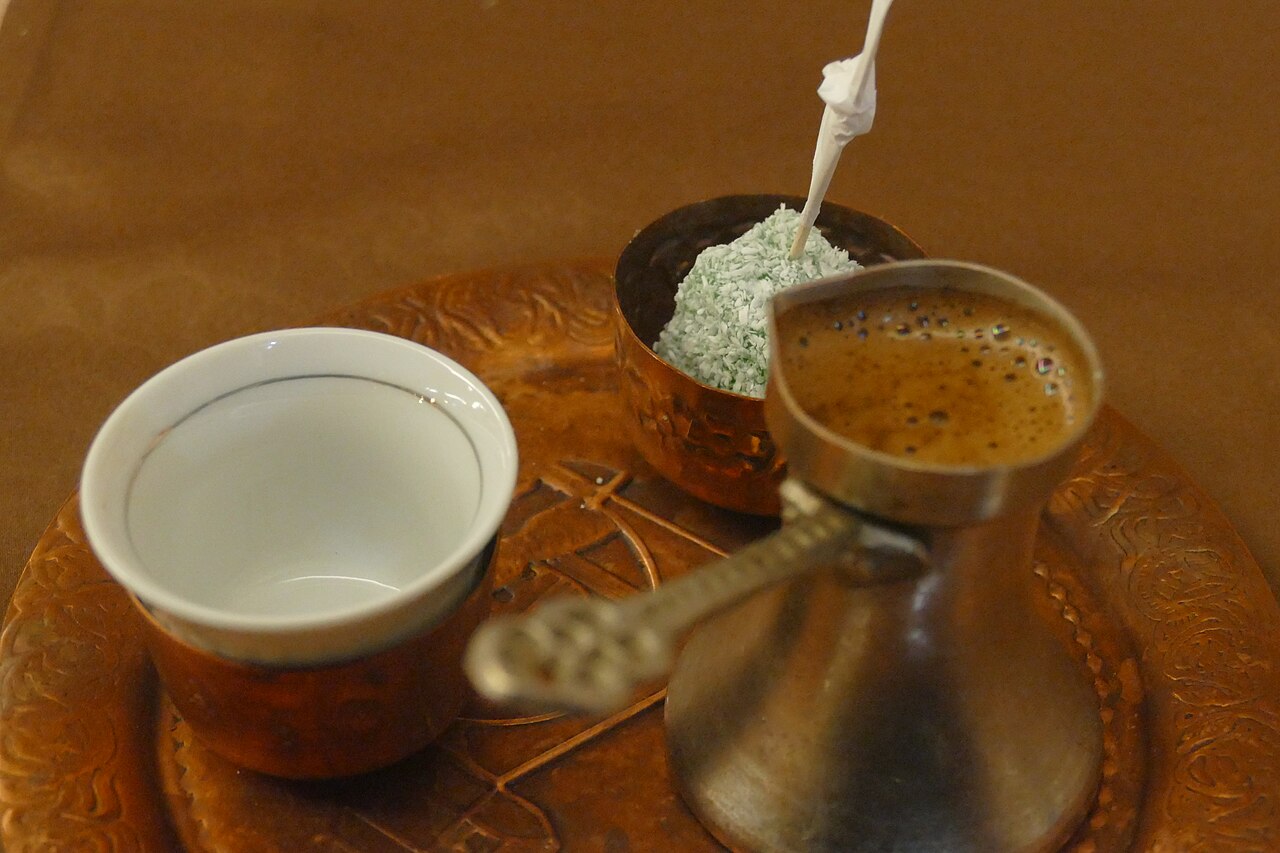
Strong, finely ground coffee boiled with water in a small pot and poured, grounds and all, into small cups. It is drunk slowly, and in cafés and homes all over the country.
Bosnian coffee is made a little differently from Turkish coffee: some of the boiling water is set aside, then added back with the coffee and brought to the boil again.