Albanian food is Mediterranean at heart, built on olive oil, fresh vegetables, herbs, yogurt, cheese and meat, with strong Ottoman and Italian touches. The north cooks with maize, beans and cabbage, the centre is known for baked dishes, and the south for olive oil, dairy and seafood. Bread is on every table, and lunch is traditionally the main meal of the day: often a slow-cooked meat and vegetable dish with a fresh salad of tomatoes, cucumbers, peppers, onions and olives, followed by fruit.
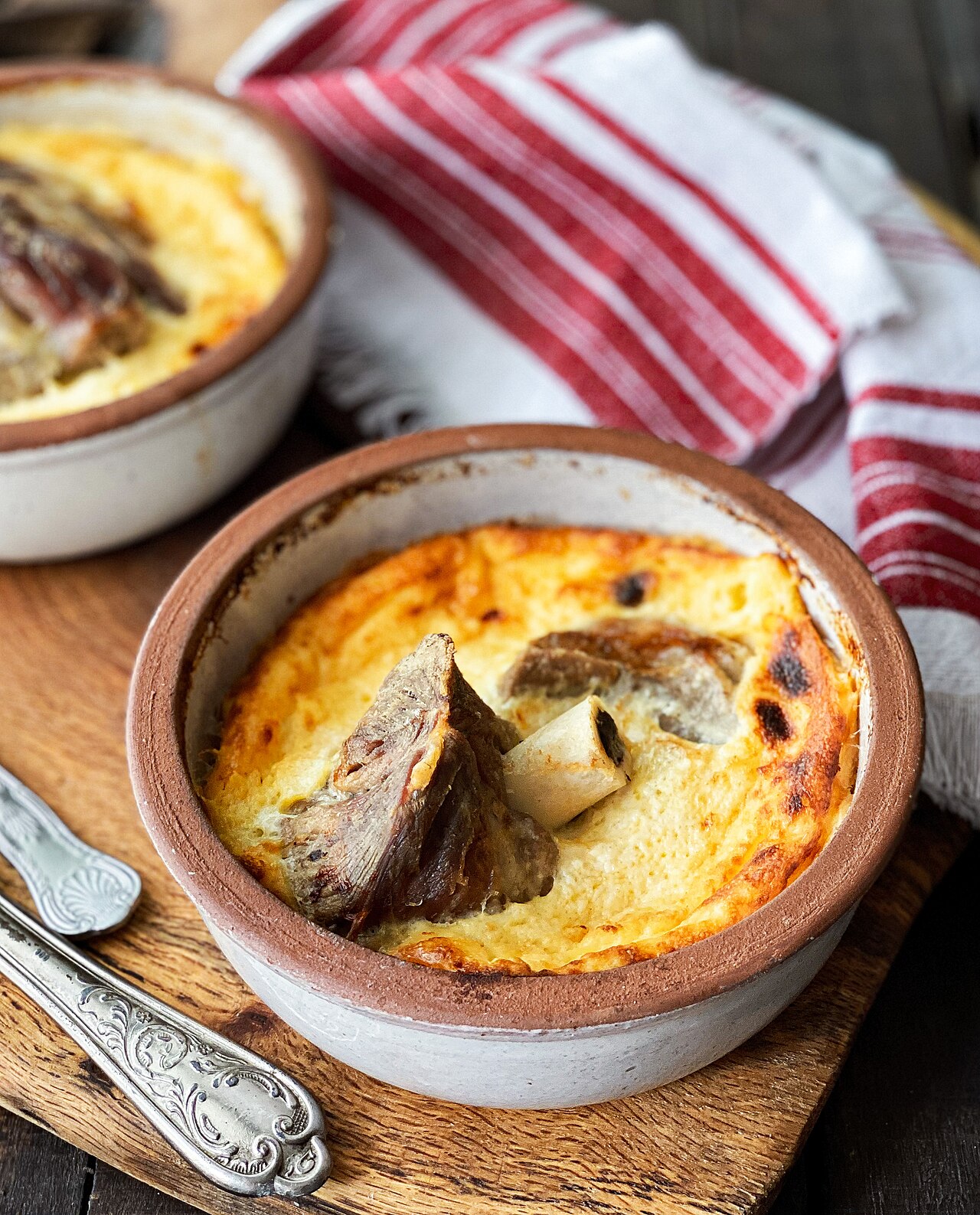
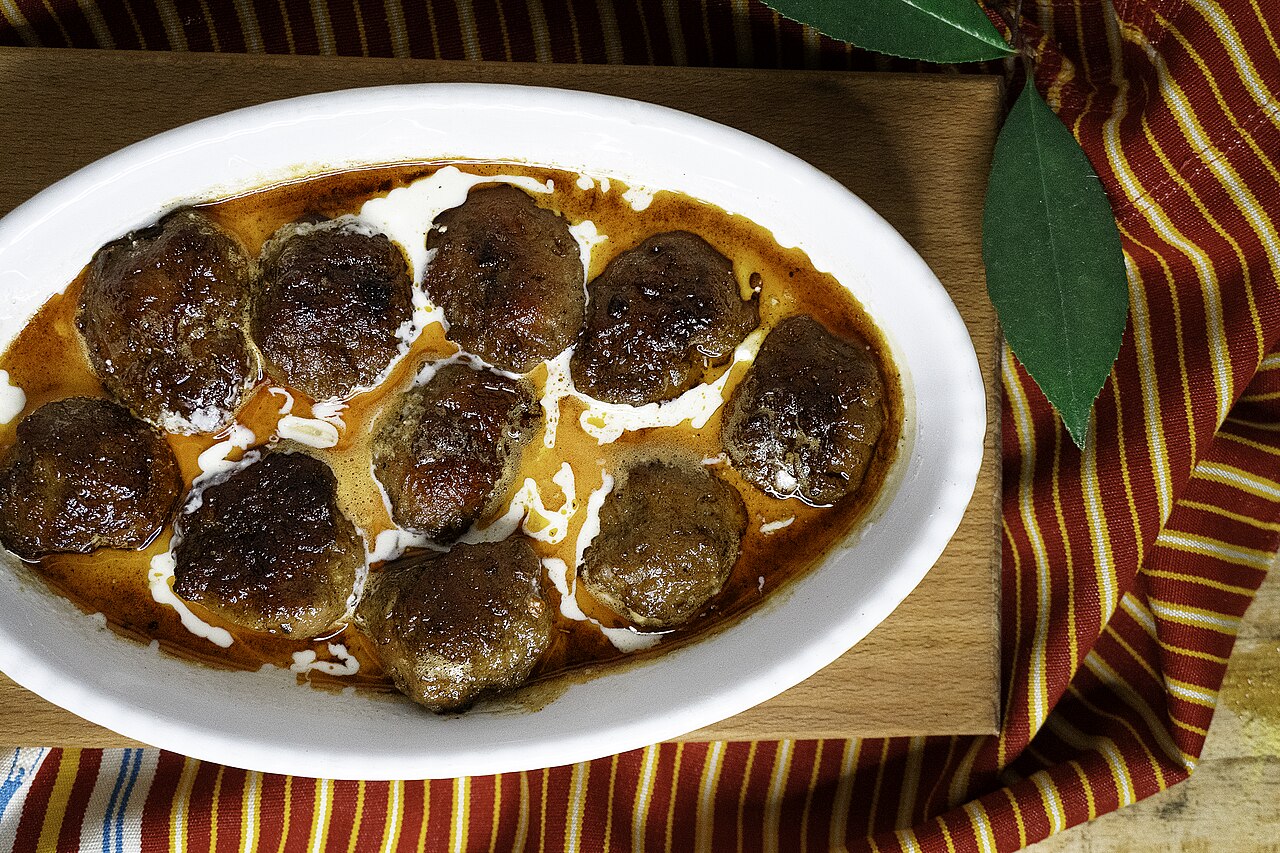
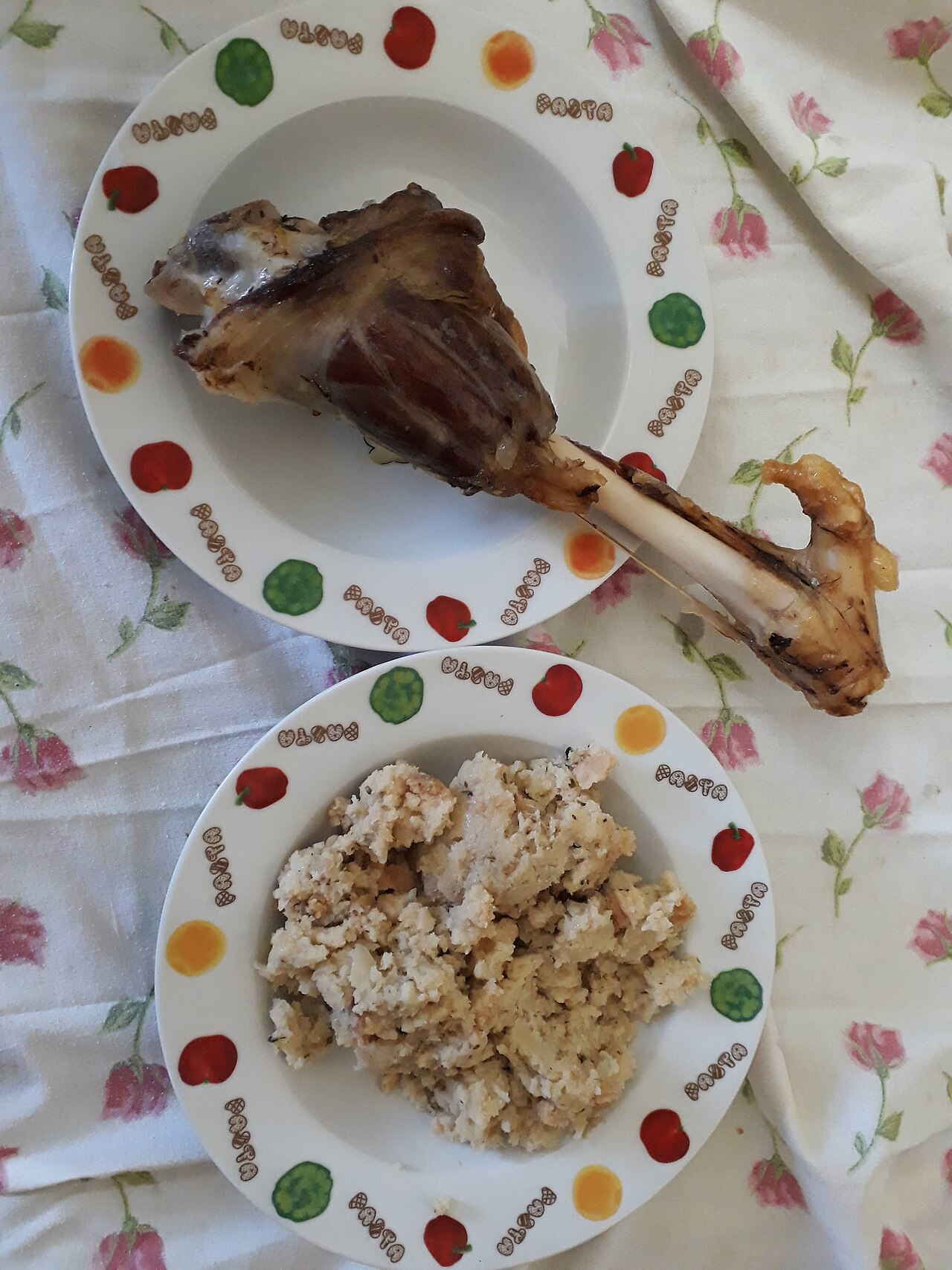
Pieces of lamb and a little rice baked under a thick layer of yogurt beaten with eggs, butter and flour, which sets into a golden, slightly tangy crust. It is seen as one of Albania's national dishes.
In Turkey, Greece and North Macedonia the dish is often called Elbasan tava, after the city it is thought to come from.
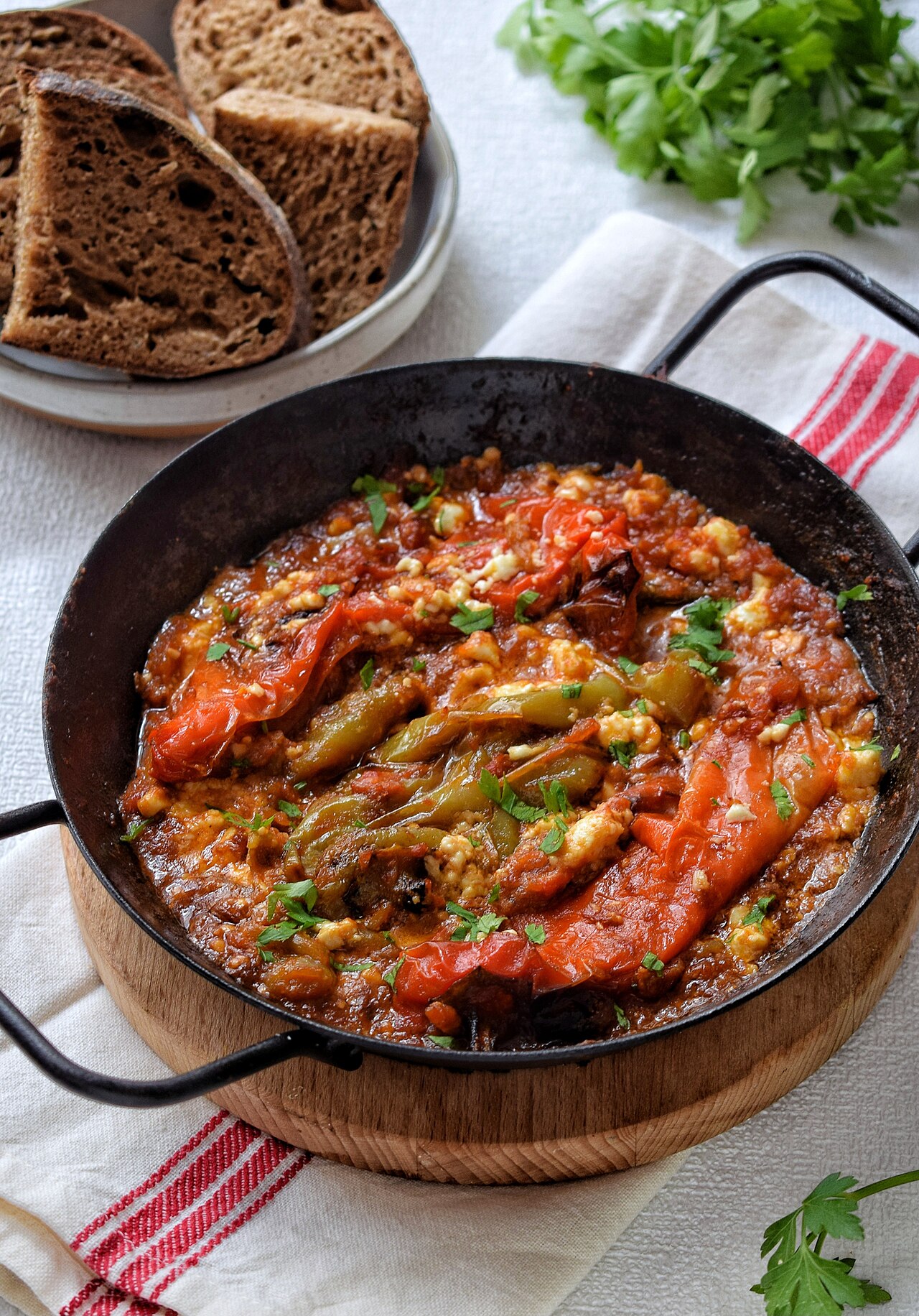
A thick, creamy bake of peppers, tomatoes, onions and garlic cooked in olive oil with gjizë, a salted Albanian curd cheese. It is eaten hot with bread, as a main dish or on the side of grilled meat.
A Tirana version is made with liver instead of cheese, and is known as fërgesë of Tirana.
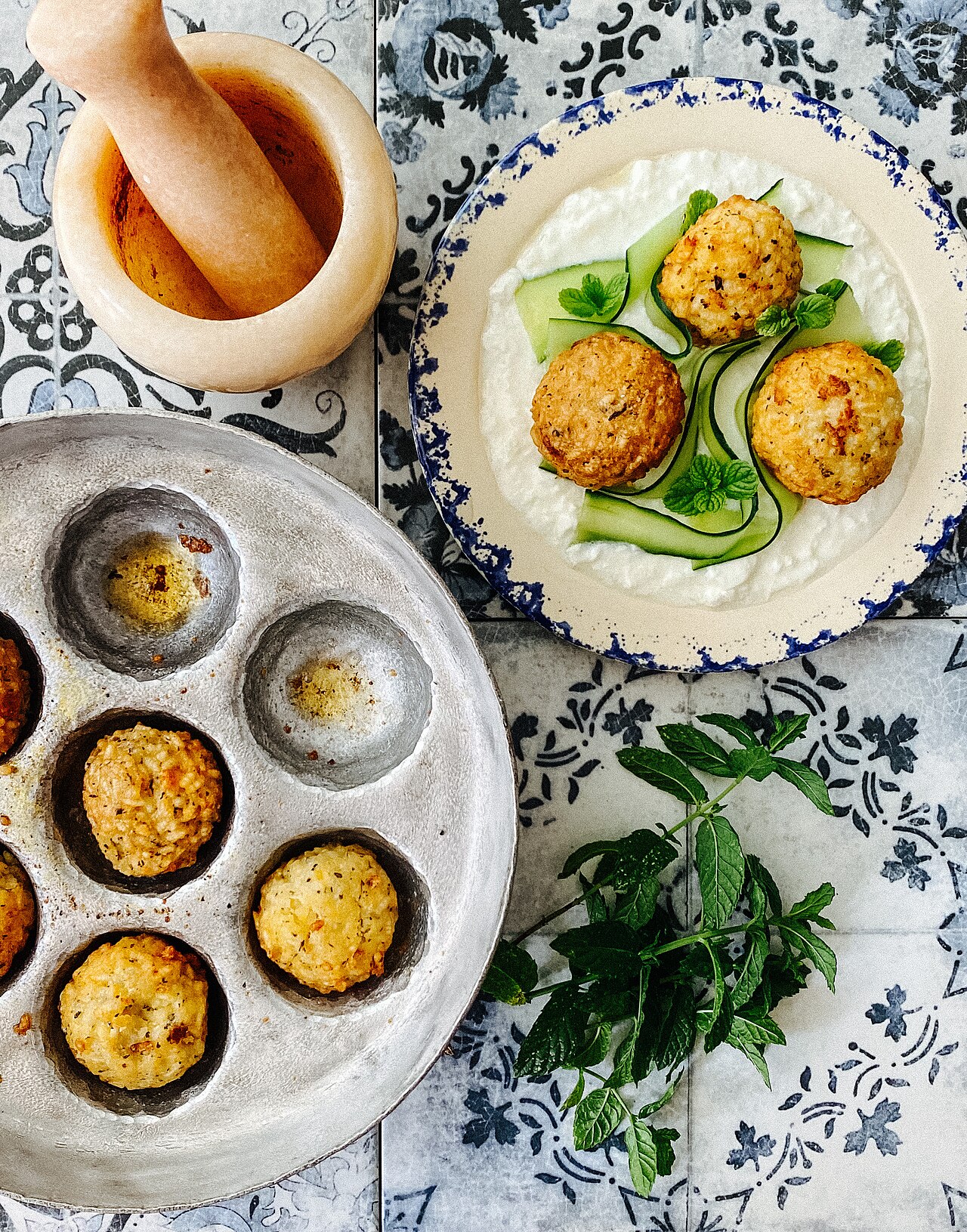
Small round patties of cooked rice, egg and dried mint, fried until golden and crisp. They are served warm with white cheese or yogurt, as a starter or light meal.
In Gjirokastër qifqi are fried in a special pan with four to seven round hollows. One story says they began as a way to use up leftover wedding pilaf.
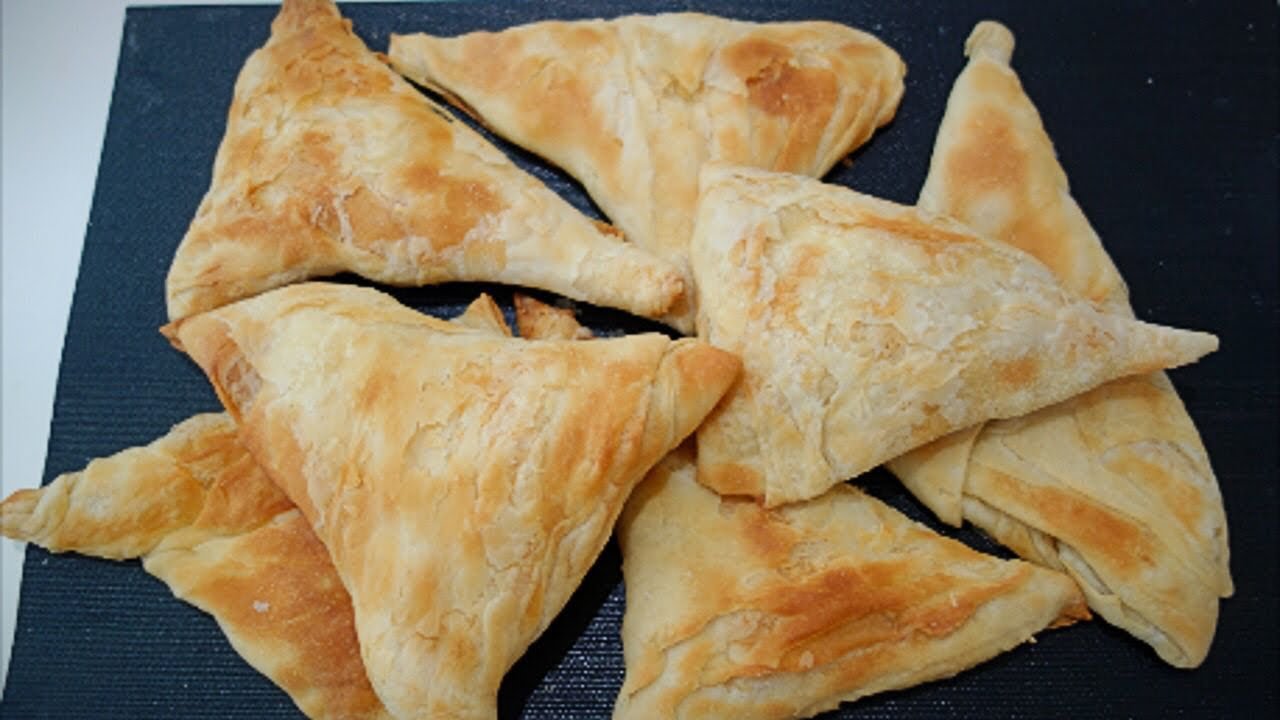
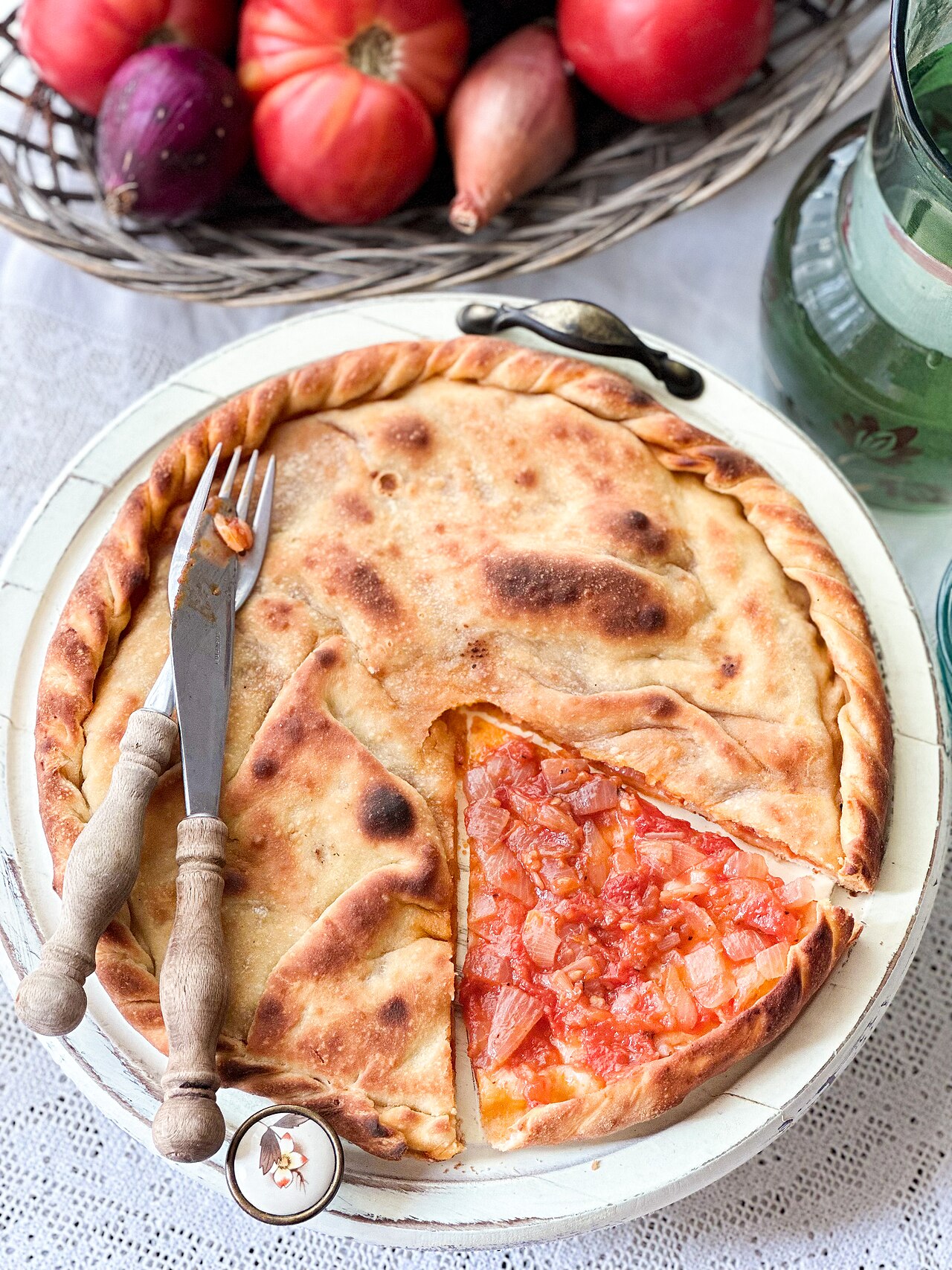
A pie of thin layers of pastry filled with spinach, cheese, meat, onion or tomato. There is the large home-made byrek baked in a round tray, and the triangle byrek sold as street food, often eaten with a glass of yogurt.
Byrek belongs to a family of pastries found from Turkey across the Balkans, known in many countries as börek or burek.
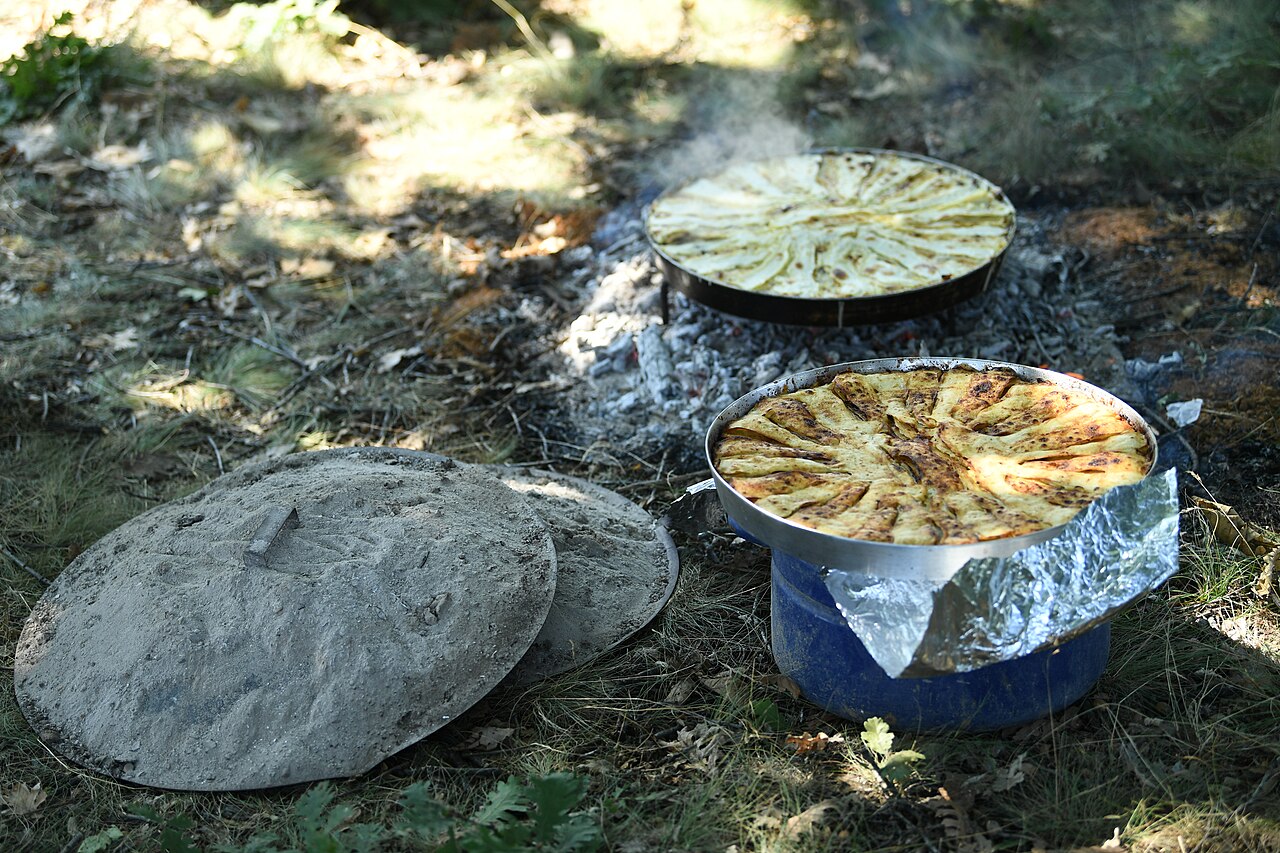
A savoury dish of many thin, crêpe-like layers of batter, each brushed with cream and baked one after another under a hot metal lid. It is served with sour cream, honey, cheese or pickles.
Making flija can take up to four hours, and the finished dish is shaped like the sun, with rays.
A thin-layered pie baked on embers under a metal lid, with fillings such as leek and curd cheese, tomato and onion, or greens. Korçë is especially proud of its lakror.
The name comes from the Albanian word lakër, meaning cabbage or leafy greens, probably the original filling.
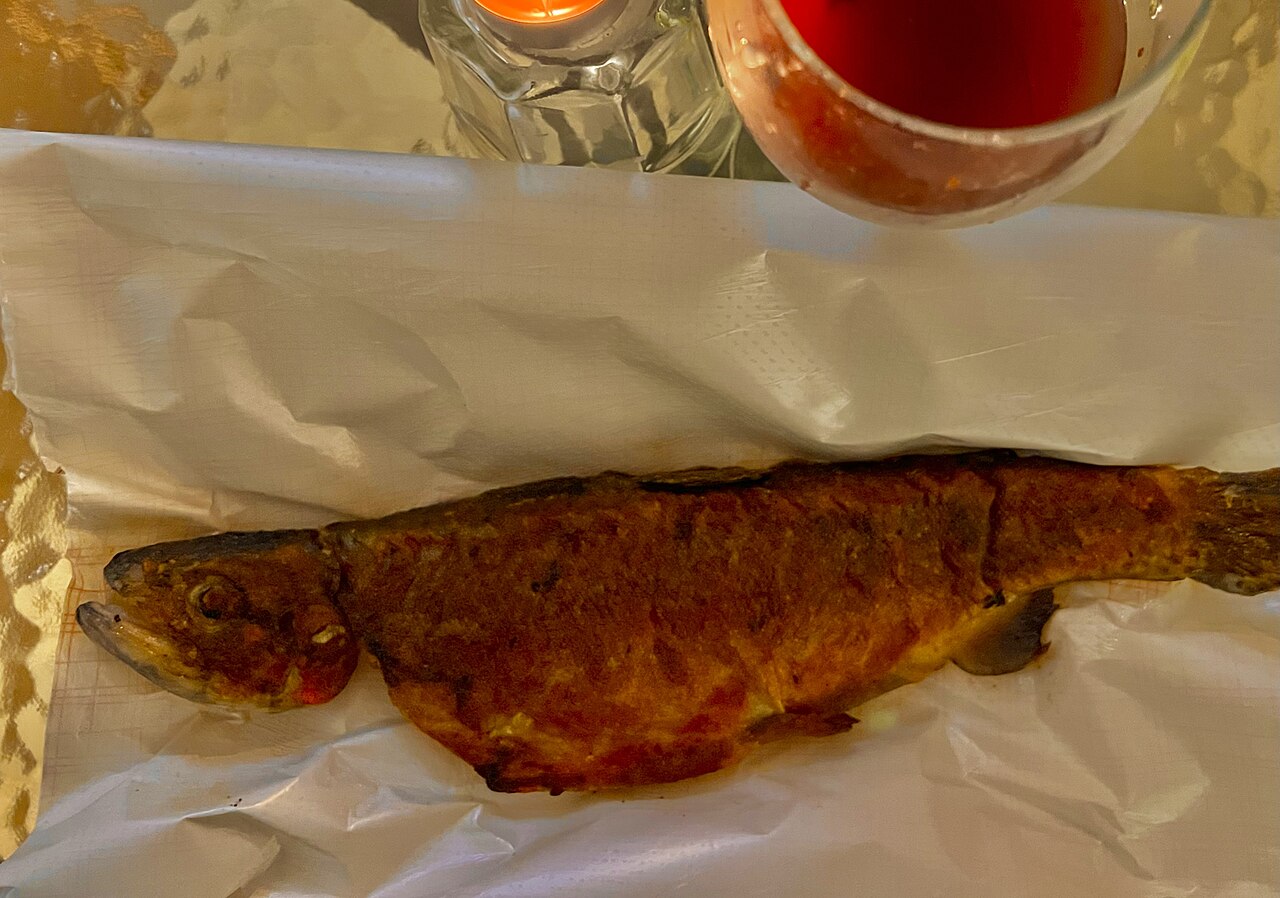
A trout native only to Lake Ohrid and the rivers that flow in and out of it. It has become rare from overfishing. Like other fresh fish in Albania, it is usually grilled or fried whole and served simply with a squeeze of lemon.
Lake Ohrid is one of the oldest lakes in the world and is home to more than 200 species found nowhere else.
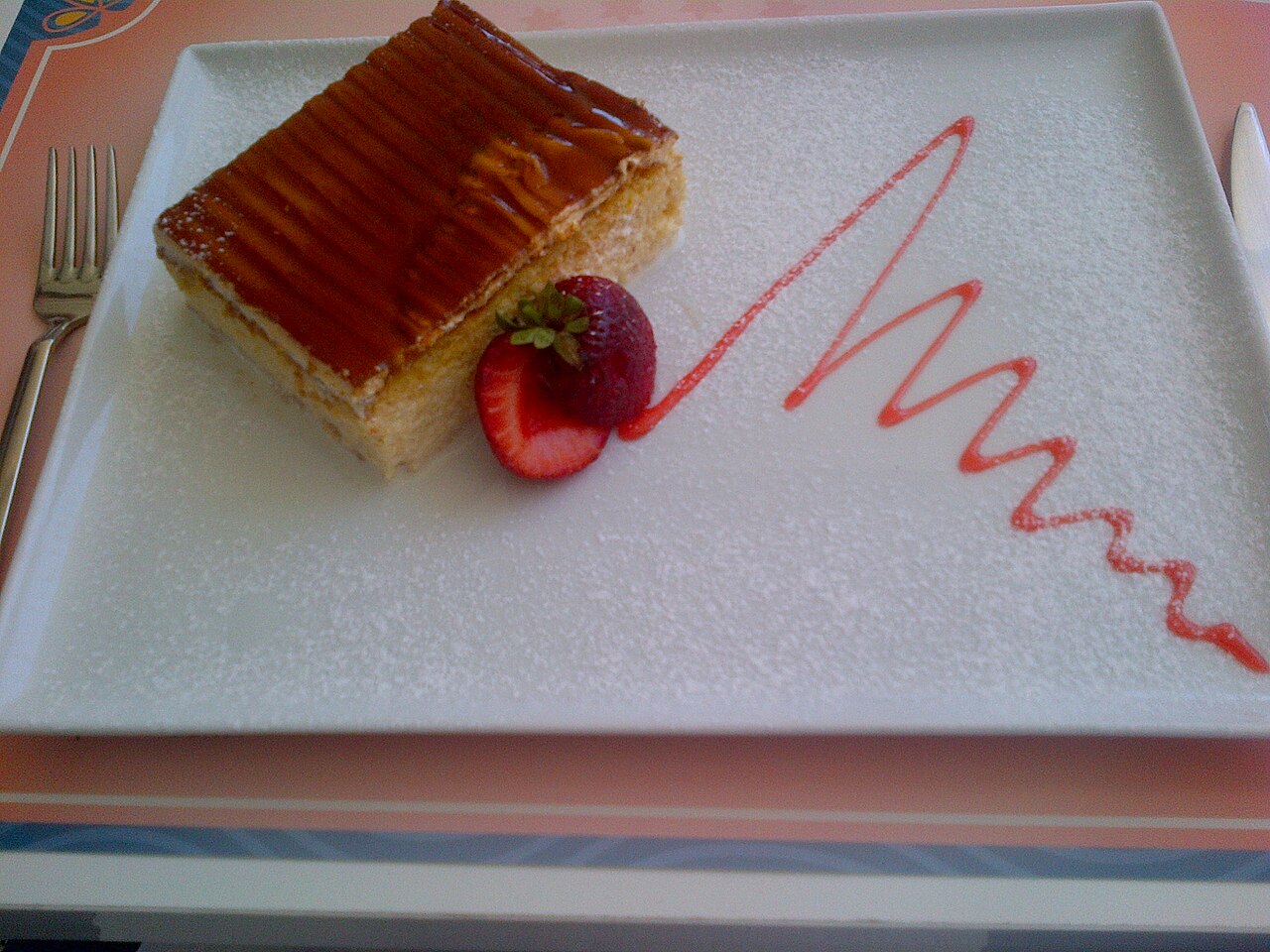
A light sponge cake soaked in a mixture of three kinds of milk and usually topped with caramel. It is soft and moist, almost like a pudding.
It is based on the Latin American tres leches cake. One popular story says Latin American soap operas, much watched in Albania, inspired local cooks to make it.
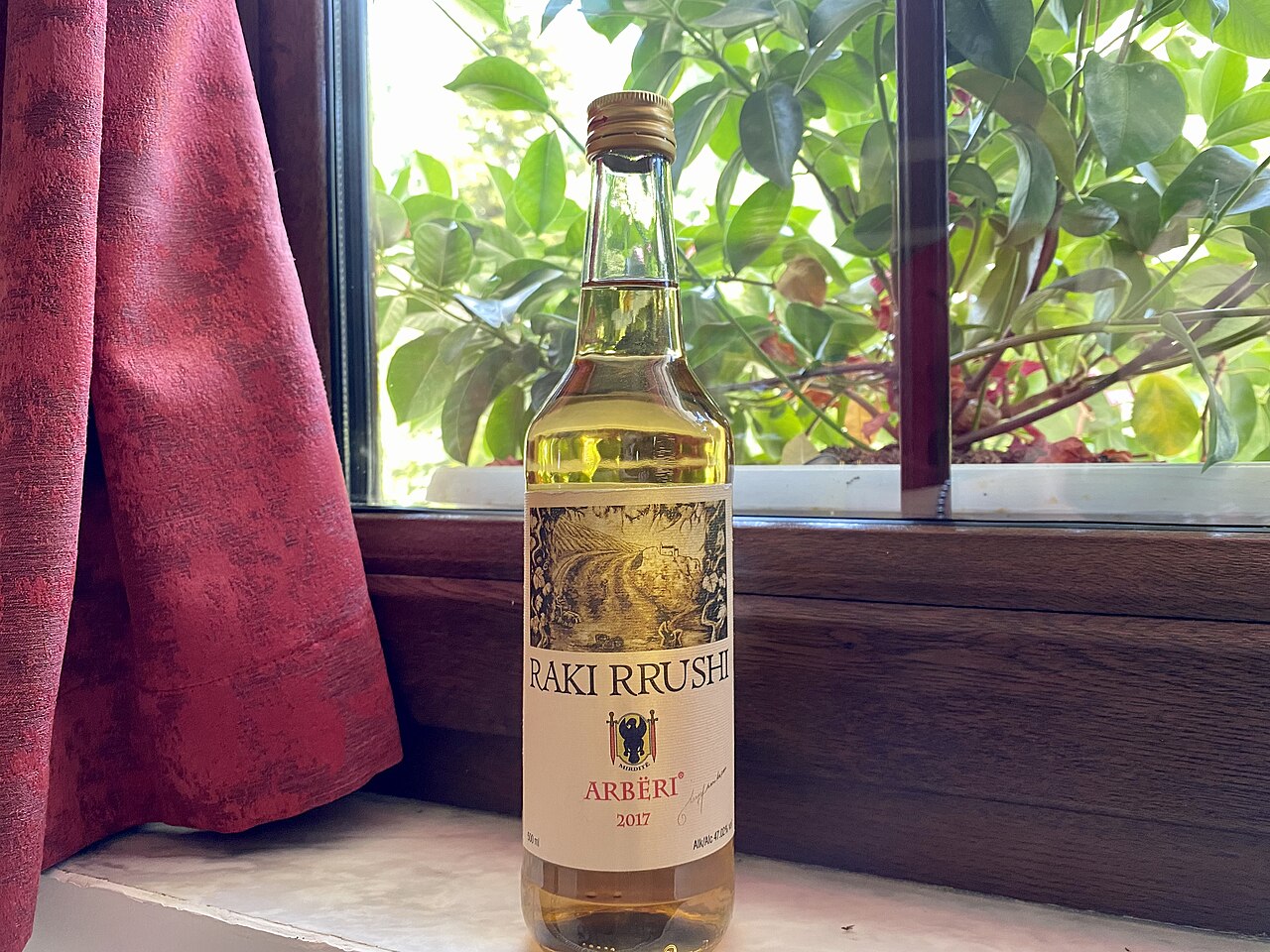
A strong clear fruit brandy, the national spirit. A common kind is raki rrushi, made from grapes, but raki is also made from plums, blackberries or mulberries, and in the south a version with oregano is popular.
Shop-bought rakia is usually about 40% alcohol, and homemade raki can be much stronger, so it is sipped slowly. Anyone who does not drink alcohol can politely say no.
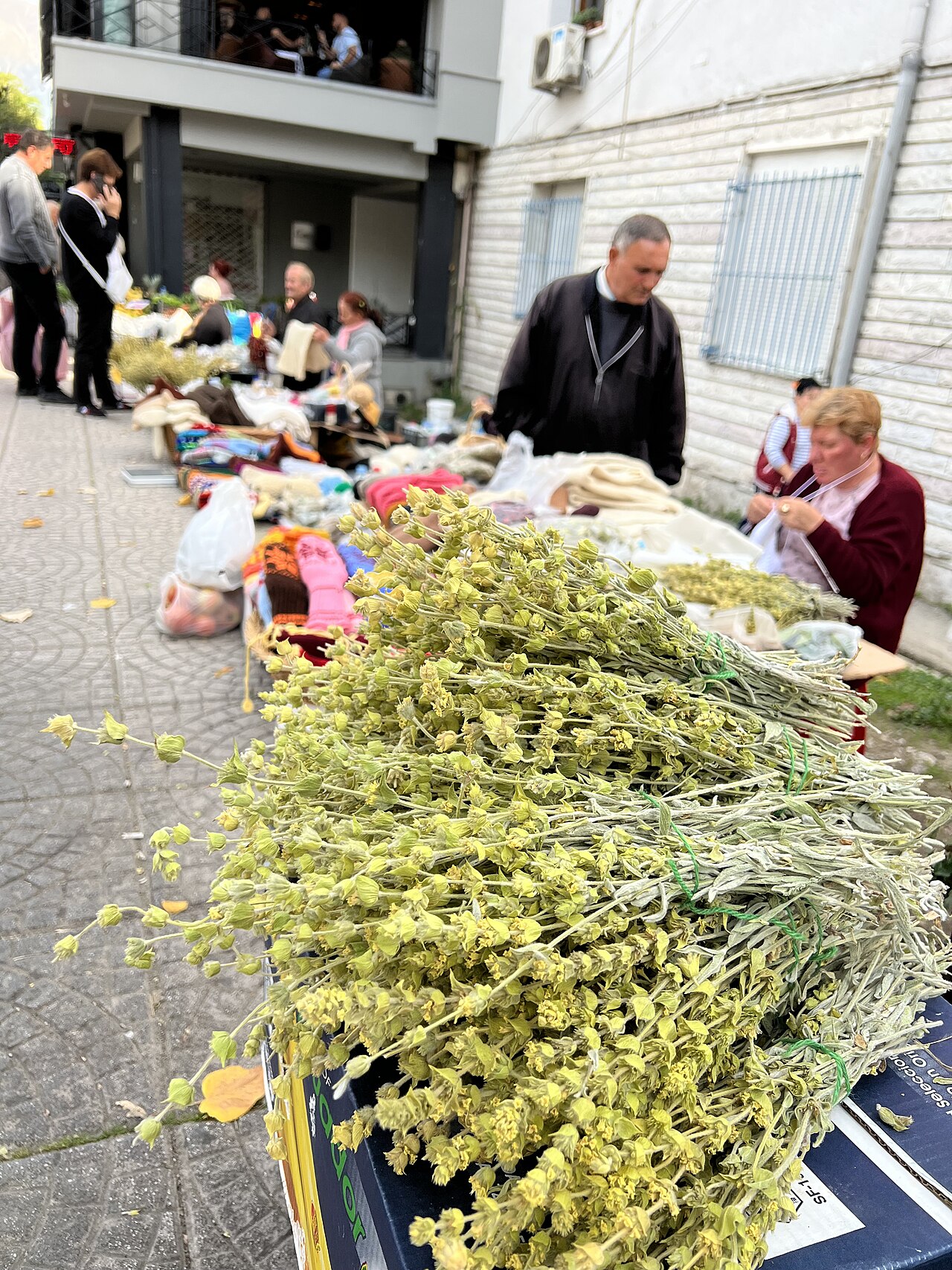
A herbal tea made from the dried flowers and stems of a mountain plant, Sideritis. It has no caffeine and is often drunk with honey and lemon.
Albania is one of the world's big producers of herbs such as sage, thyme and oregano, and bunches of mountain tea are sold in almost every market.
At the table in Albania
Guests are treated with great honour, and visitors are often invited to eat and drink with a family. The old saying offers guests 'bread, salt and heart' (bukë, kripë e zemër).
Bread is on the table at every meal. The Albanian way of saying 'to go and eat a meal' is literally 'to go and eat bread'.
When glasses are raised, people say 'Gëzuar!' (cheers).
Lunch is traditionally the biggest meal of the day. A fresh salad dressed with olive oil, salt and vinegar or lemon comes with almost every lunch and dinner.
Café life is a big part of the day: friends meet over coffee, and business is often done in cafés, especially in Tirana.