Croatian food is a cuisine of regions. On the coast and islands it is Mediterranean, with olive oil, fish, herbs and wine, and a clear Venetian and Italian touch. Inland, in Zagreb, Zagorje and Slavonia, it is heartier, with lard, paprika, sausages, fresh cheese and cream, shaped by Hungarian, Austrian and Turkish neighbours. A family Sunday lunch usually starts with a clear soup, followed by roast or stewed meat and ends with cake.
Dalmatia and the islands, also found across the Balkans
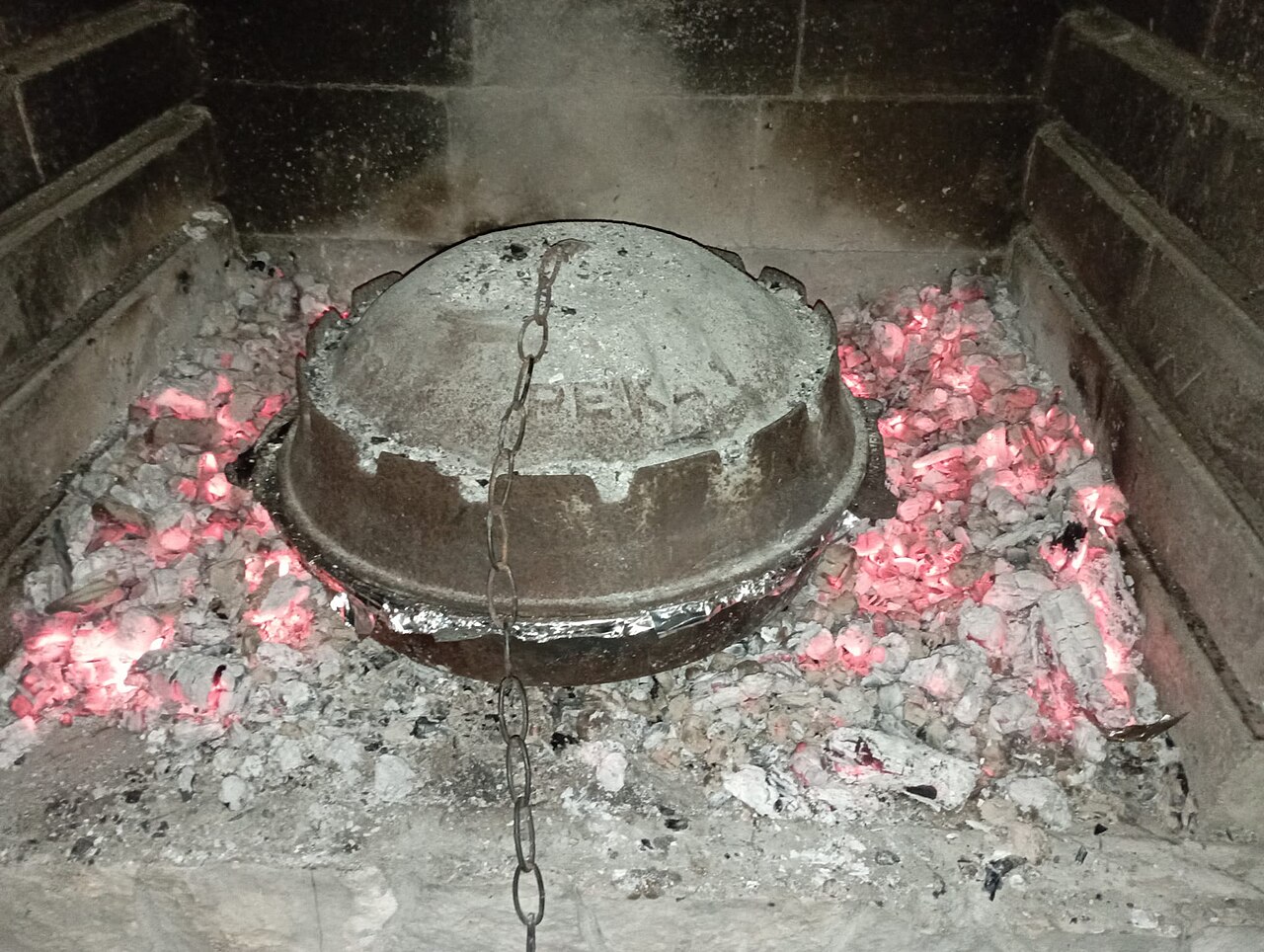
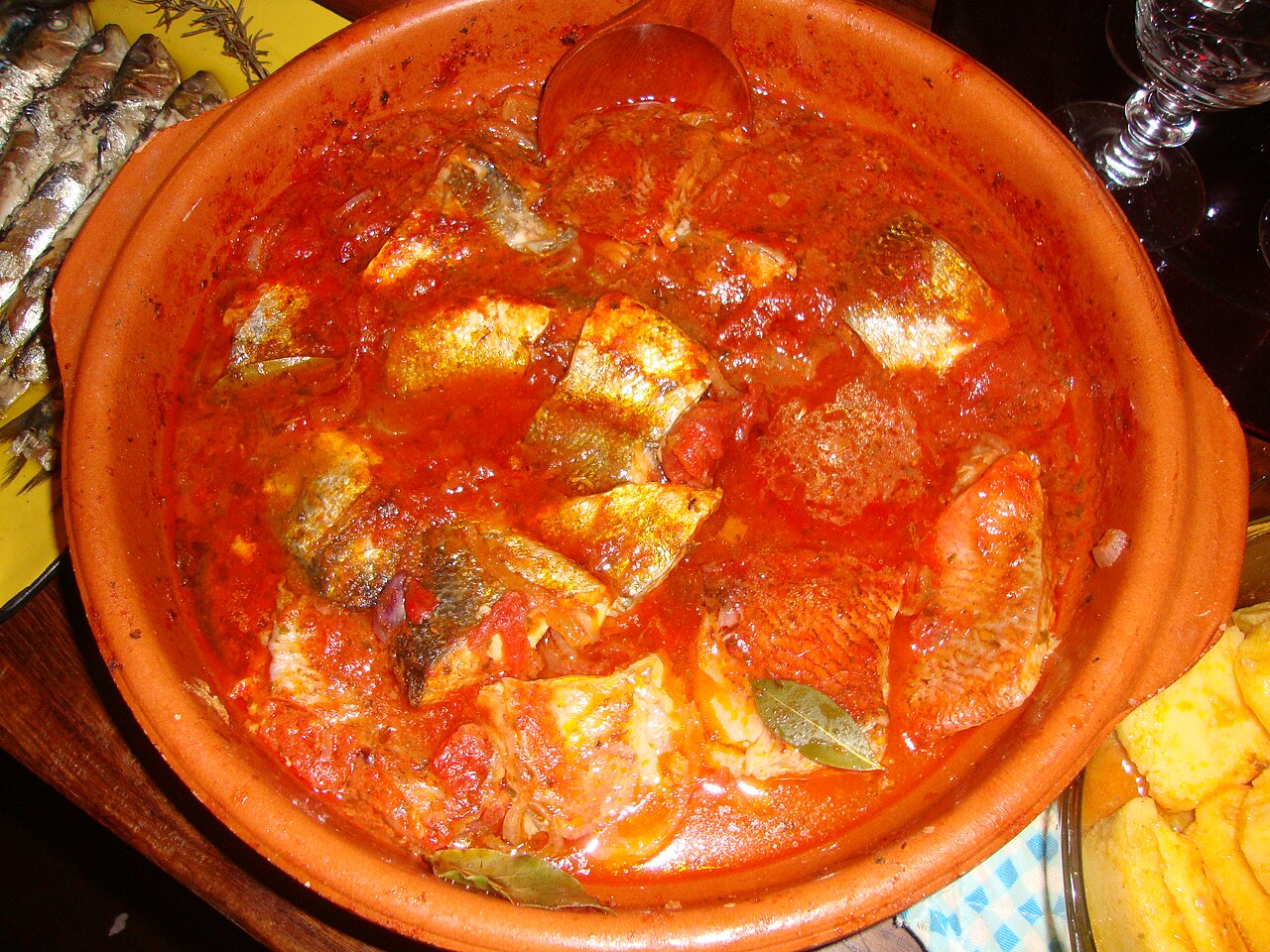
Lamb, veal or octopus with potatoes, slowly cooked in a shallow dish under a heavy metal or clay bell covered with hot embers. The meat cooks in its own juices and comes out very tender.
The bell is called a peka in Croatia and a sač in several neighbouring countries. The same way of cooking is found from Turkey across the Balkans.
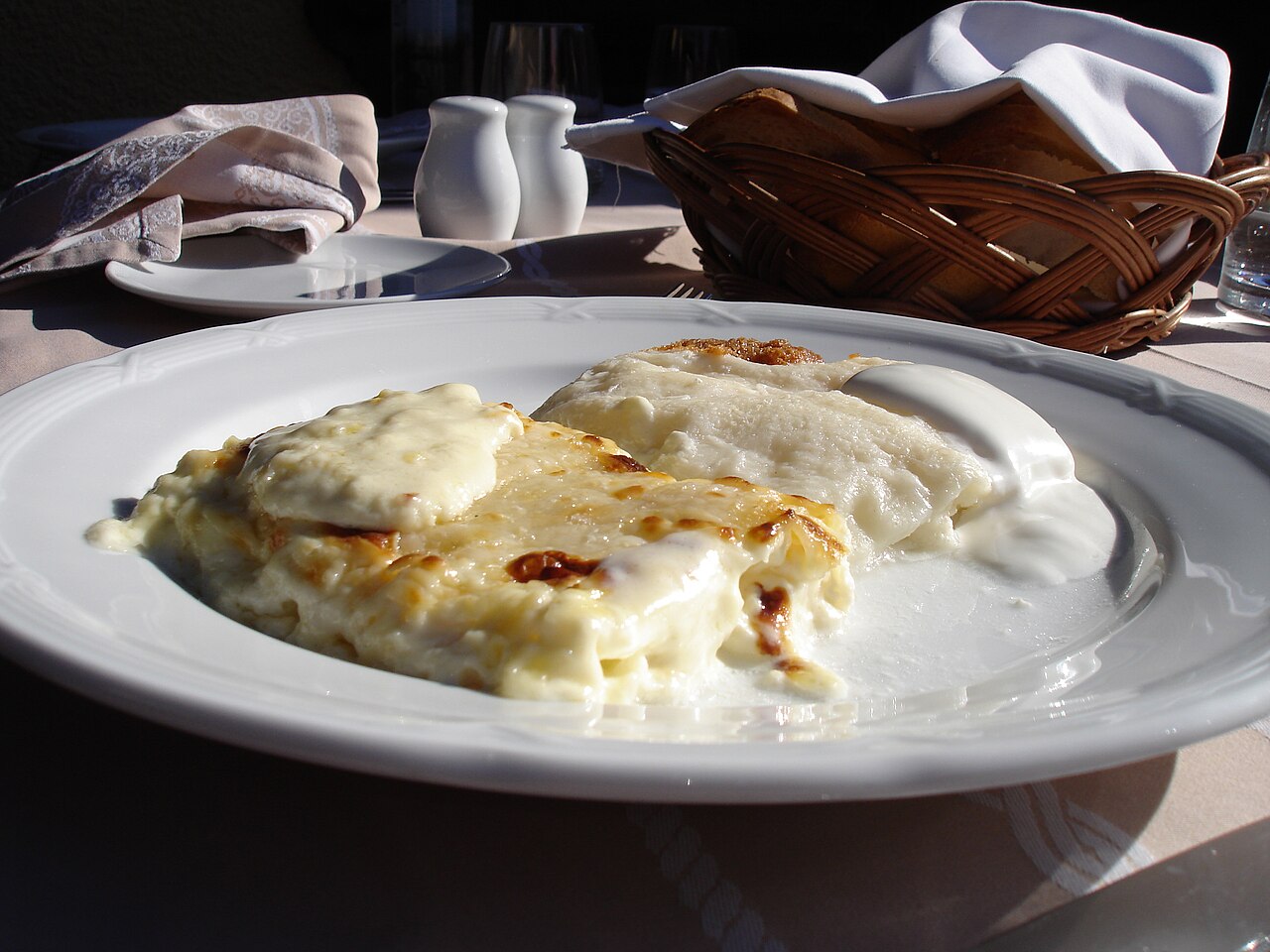
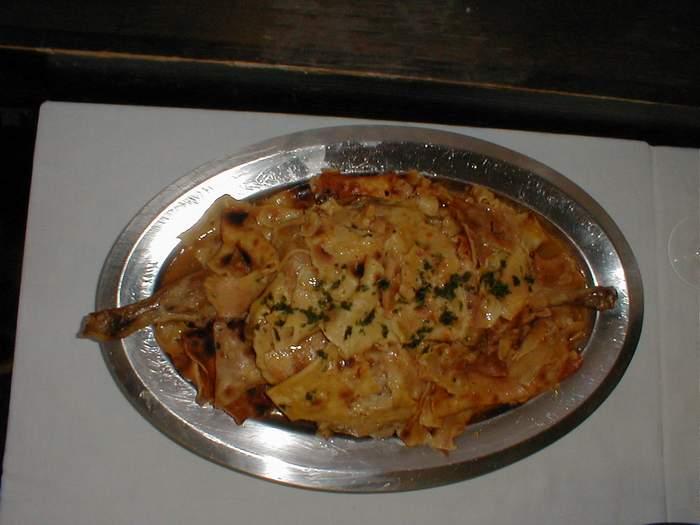
Very thin pastry rolled around a filling of fresh cottage cheese, eggs and sour cream, cut into pieces and either boiled or baked with cream until golden.
Zagorje štrukli were added to Croatia's list of intangible cultural heritage in 2007.
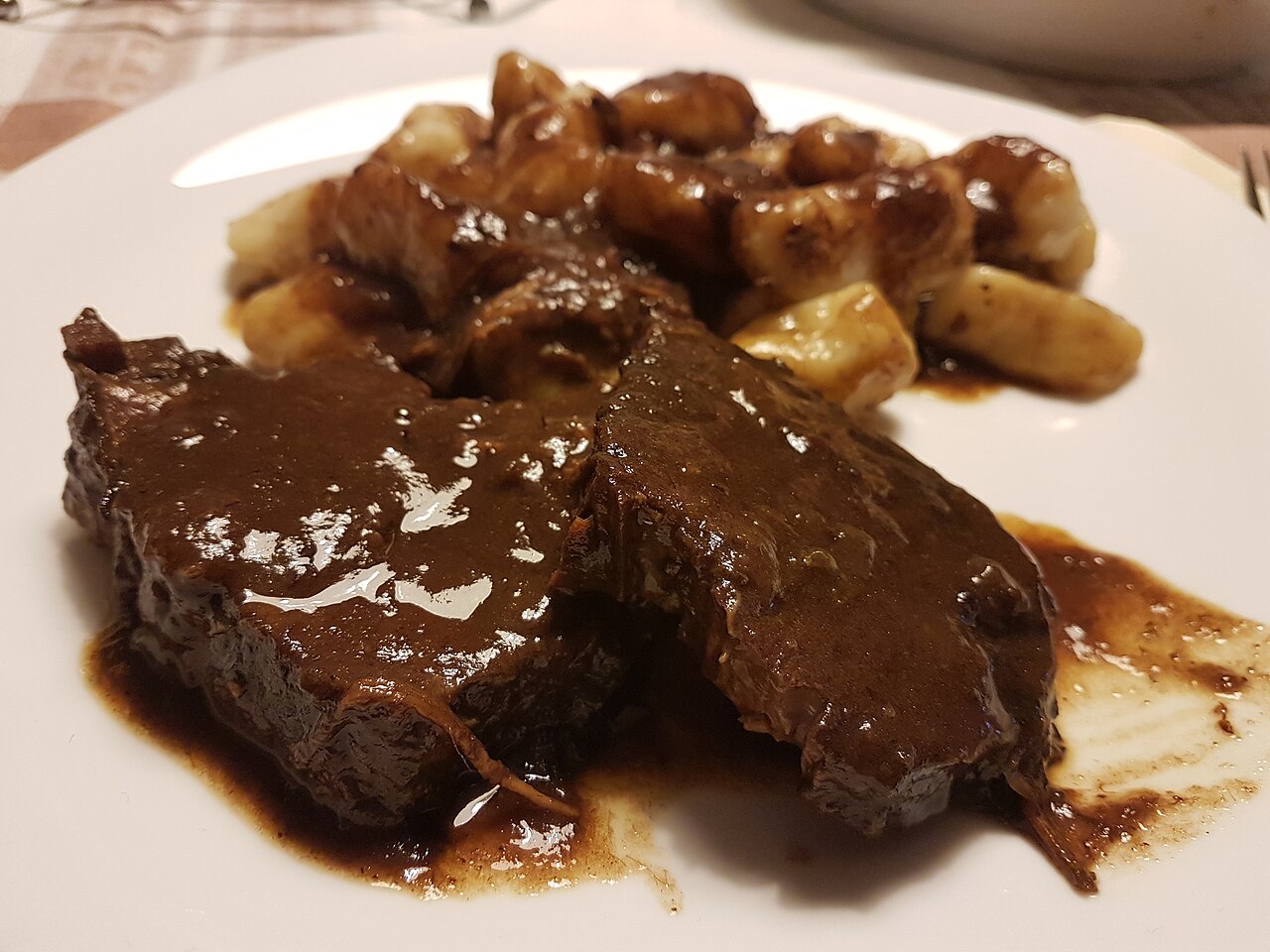
A festive dish of beef marinated overnight in wine vinegar, studded with garlic, cloves and bacon, then slowly braised for hours with prunes and sweet prošek wine. It is served in slices in its rich, sweet and sour sauce, usually with gnocchi.
The oldest known recipe for Dalmatian pašticada was written down in Dubrovnik in the 15th century.
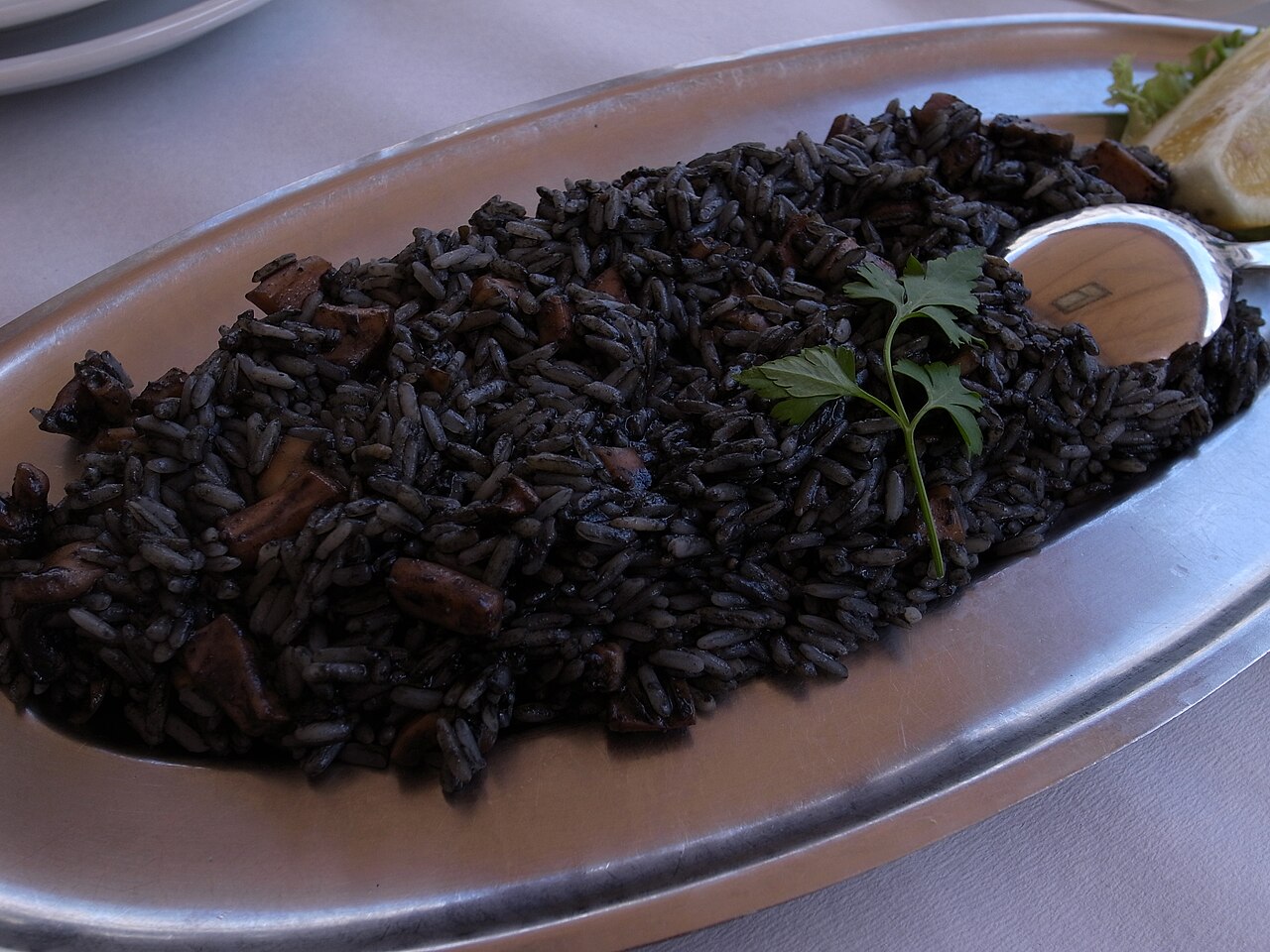
Rice cooked with cuttlefish, or sometimes squid, and its own ink, which turns the whole dish a deep, glossy black. It is flavoured with garlic, onion, parsley and wine, and usually served without cheese.
Cuttlefish is at its best from about April to June, and some restaurants serve black risotto only in those months.
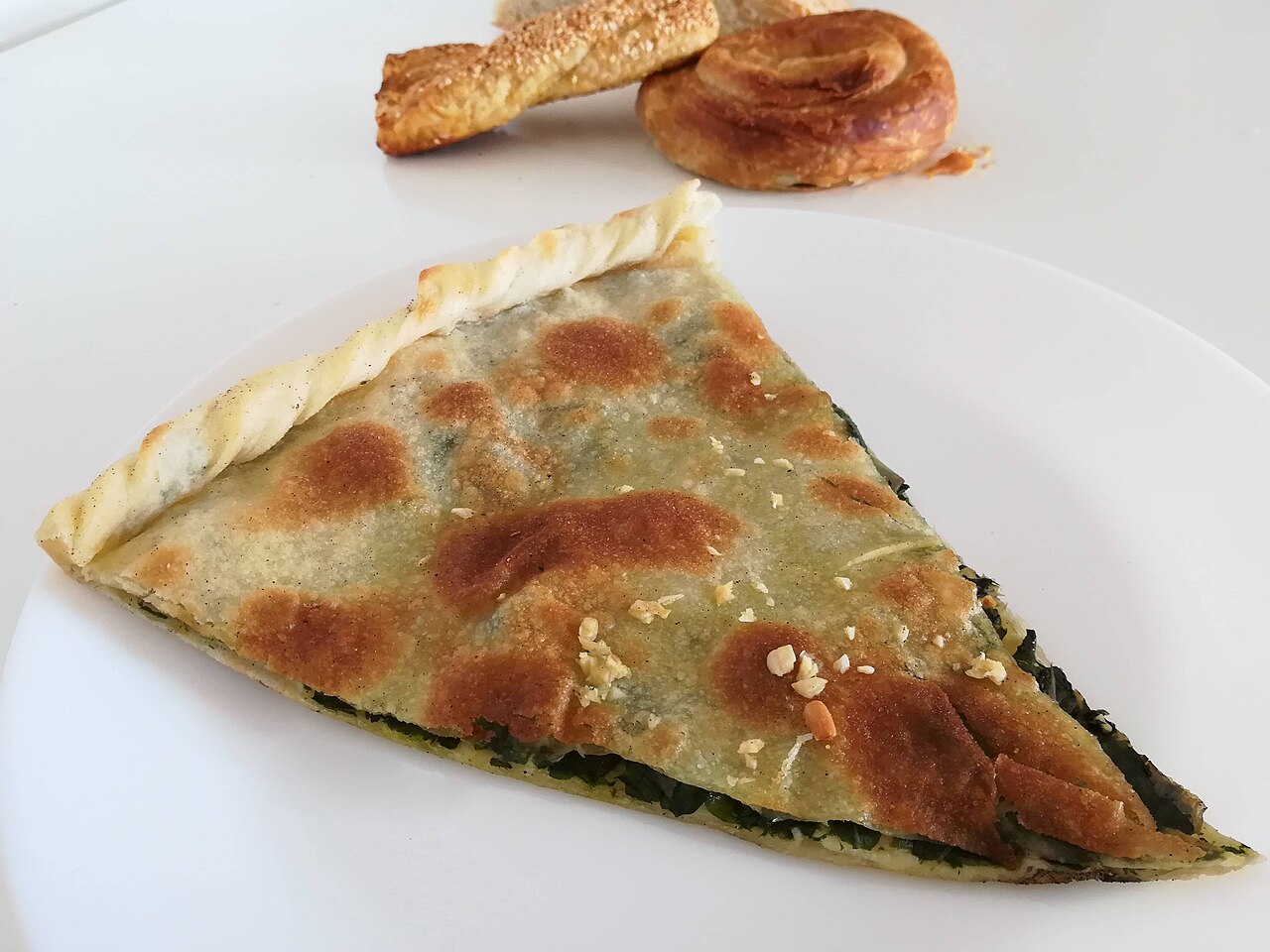
A thin, round pie of Swiss chard and onion between two sheets of unleavened dough, baked on an open hearth under hot embers and then brushed with olive oil and garlic.
Soparnik has been made since about the 13th century, and in 2016 it was given protected status by the European Commission.
Istria, especially the forests around Motovun and Buje
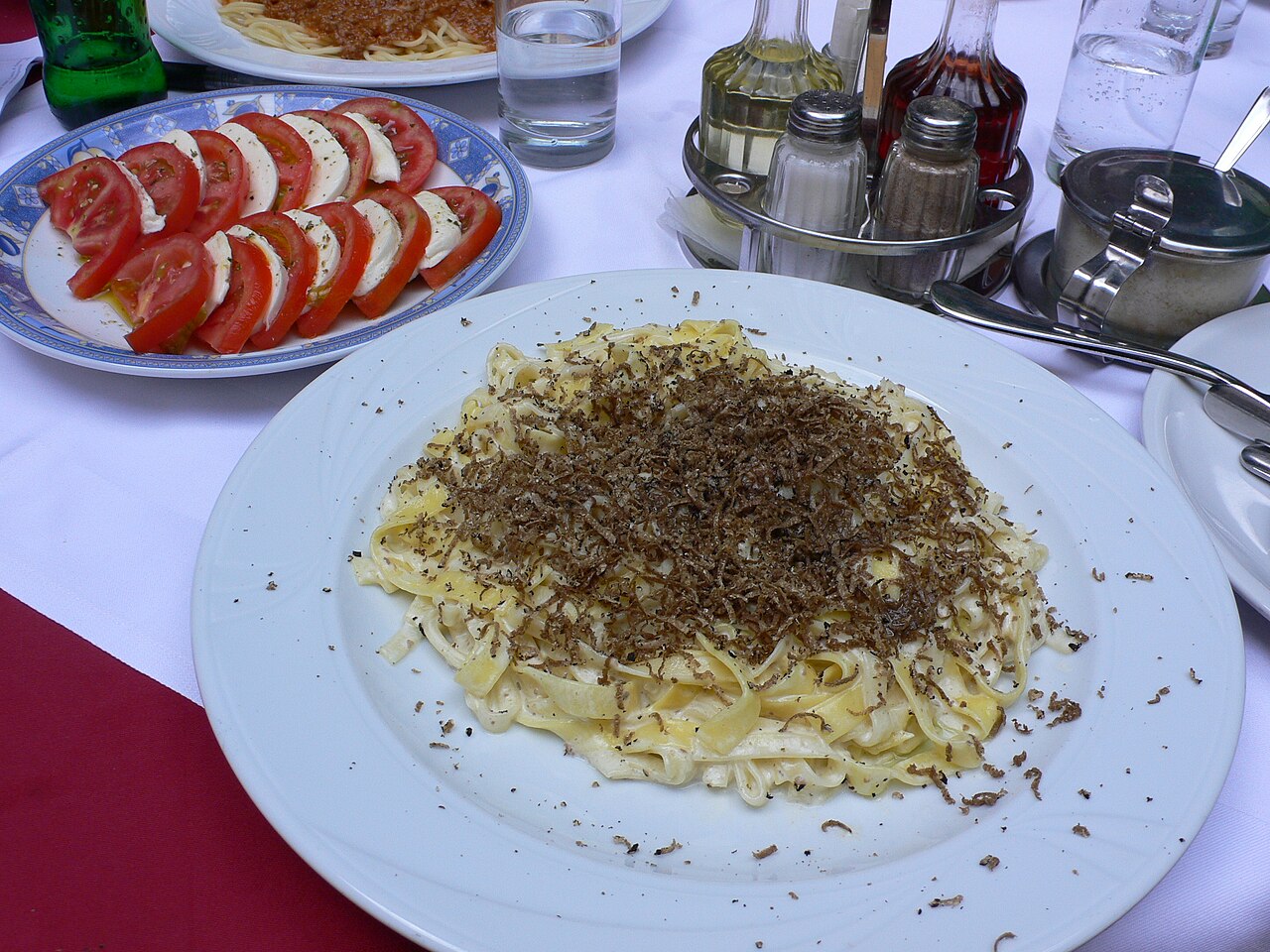
The damp forests around Motovun in Istria are known for black and prized white truffles. Istrian restaurants are famous for truffle dishes, above all fresh pasta topped with shaved truffle.
In 1999 a truffle hunter and his dog Diana found a white truffle weighing 1.31 kg near Buje, and it entered Guinness World Records.
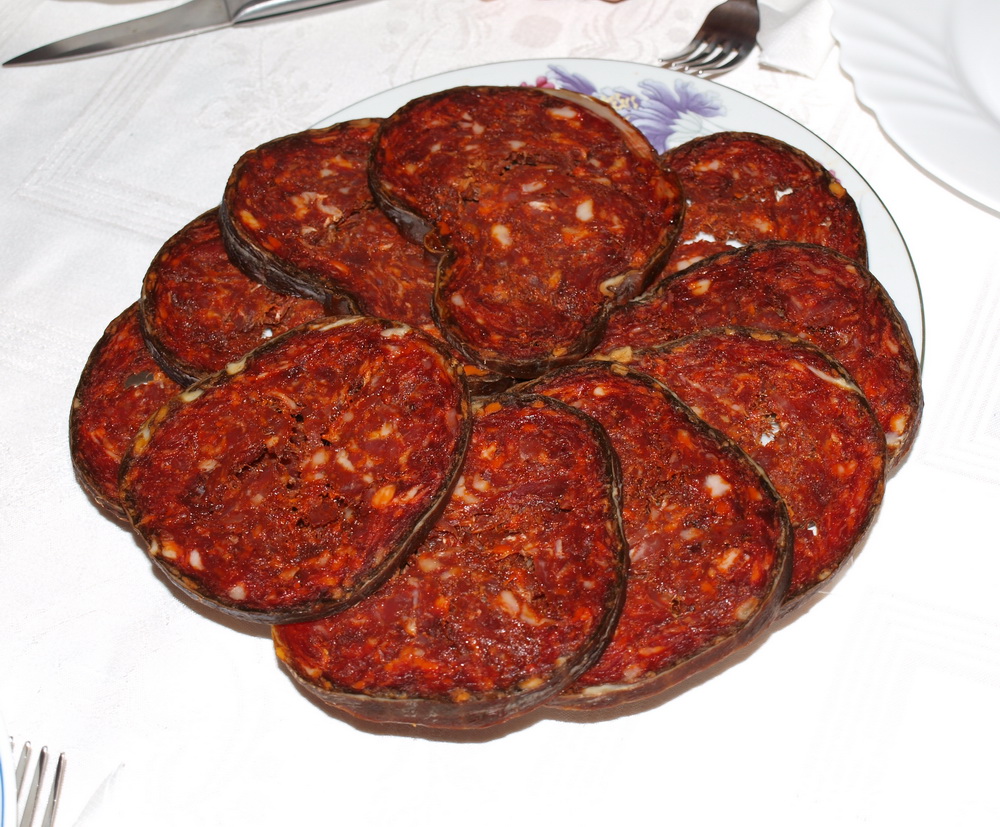
A thick, firm pork sausage, spiced with hot red paprika and garlic and slowly dried for months. It is sliced thin and eaten with bread, fresh cheese and peppers.
Kulen is traditionally made at the autumn pig slaughter and is at its best by the following summer.
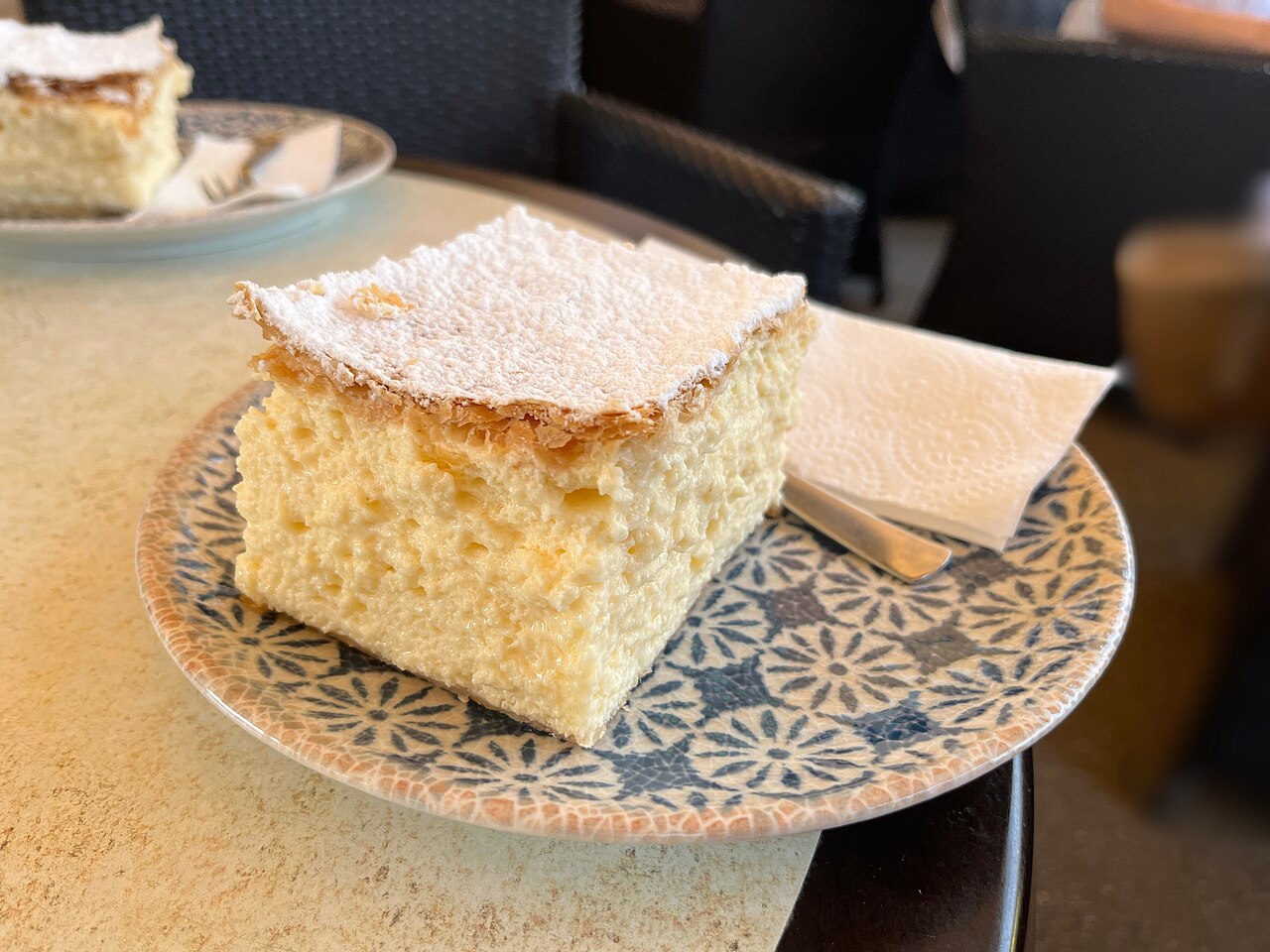
A tall square of light vanilla custard between layers of puff pastry, dusted with icing sugar. Zagreb has its own version with a chocolate glaze on top instead of pastry.
Cream slices like this are loved all over the lands of the old Austro-Hungarian Empire, from Vienna to Bled in Slovenia.
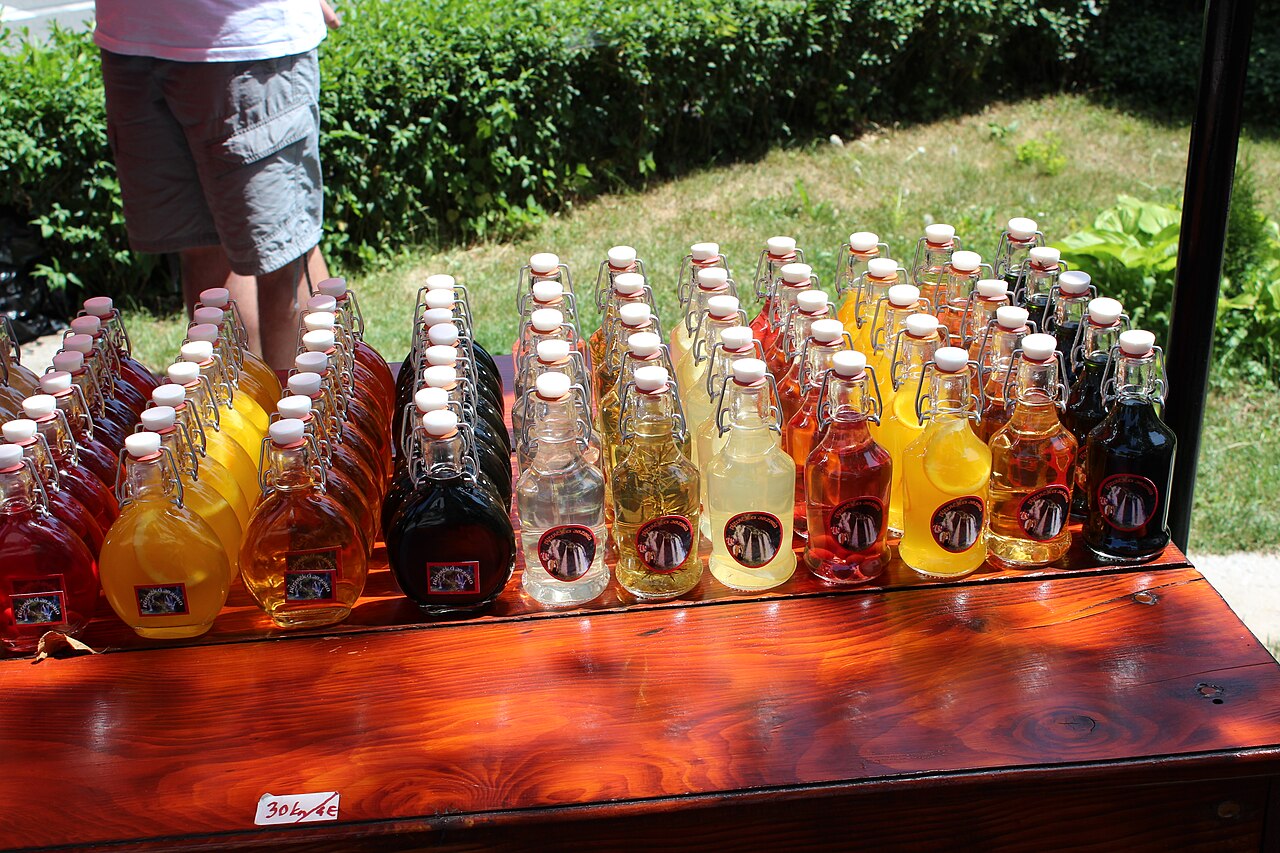
A strong fruit brandy made from grapes (loza), plums (šljivovica) or pears, or flavoured with herbs (travarica) or walnuts. It is offered to guests as a sign of welcome.
Shop-bought rakija is usually about 40% alcohol, but homemade rakija can be much stronger, so it is sipped slowly from a small glass. Anyone who does not drink alcohol can politely say no.
At the table in Croatia
Before eating, people wish each other 'Dobar tek' (enjoy your meal).
When glasses are raised, people say 'Živjeli' (cheers).
Wine is often mixed with water: red wine with still water is called bevanda on the Dalmatian coast, and white wine with sparkling water is gemišt in the north.
A family Sunday lunch almost always begins with a soup, usually a clear broth with thin noodles.
Croatians are keen coffee drinkers, and Viennese-style coffee houses can be found all over the country.