 Bosnia and Herzegovina
 Hungary
 Montenegro
 Serbia
 Slovenia
Greeks settle on Hvar
Greek colonists from the island of Paros founded Pharos, today's Stari Grad on Hvar. They divided the nearby plain into fields with stone walls that are still farmed today.
A free large-print PDF. Choose what goes in: facts, map, history, dishes and recipes, phrases, fun facts, a quiz with or without answers. Made for clubs, care homes, libraries and family afternoons.
Croatia curves like a boomerang around the eastern shore of the Adriatic Sea. In the north and east it reaches into the flat farmland of the Pannonian plain along the Sava, Drava and Danube rivers; in the south it runs as a narrow strip of rocky coast backed by the Dinaric mountains. Offshore lie more than a thousand islands, islets and rocks, 48 of them inhabited.
People have lived here since prehistoric times. Greek colonists planted vineyards on the islands, the Roman emperor Diocletian built his retirement palace in Split, and Tomislav was recognised as the first Croatian king by 925. Over the centuries the land was joined with Hungary and the Habsburgs, while Venice ruled much of the coast, and in the 20th century it was part of Yugoslavia. Croatia declared independence in 1991.
Today Croatia is a parliamentary republic of about 3.9 million people. It joined the European Union in 2013, and on 1 January 2023 it adopted the euro and joined the Schengen area on the same day. Tourism along the coast is one of the most important parts of its economy.
Croatia's story runs from Greek farmers on the islands and a Roman emperor's palace, through a medieval kingdom and the rich city republic of Dubrovnik, to centuries within larger states and independence in 1991.
Greek colonists from the island of Paros founded Pharos, today's Stari Grad on Hvar. They divided the nearby plain into fields with stone walls that are still farmed today.
The Roman emperor Diocletian gave up his throne and retired to the huge palace he had built by the sea near his home region. The city of Split later grew up inside its walls.
Tomislav, who had ruled as duke, is called king of the Croats in a letter from Pope John X in 925. He is remembered as the first king of Croatia.
After the native royal line died out, Croatia entered a personal union with Hungary under King Coloman. Croatia kept its own parliament, the Sabor, and a viceroy called the Ban.
Venice gave up its claims to Dalmatia, and Dubrovnik, then called Ragusa, began its long life as a self-governing republic. It grew rich from trade and skilled diplomacy.
After the Hungarian king died fighting the Ottomans, the Croatian parliament met at Cetin and elected Ferdinand of Habsburg as king, hoping for protection against the Ottoman advance.
Croatian and Habsburg troops defeated an Ottoman army at Sisak, south of Zagreb. The battle started a long war, after which the Ottoman advance into Croatia was largely stopped.
A powerful earthquake destroyed much of Dubrovnik and killed several thousand people. The city was rebuilt, largely in the Baroque style seen today.
Napoleon's forces had occupied Dubrovnik in 1806, and in 1808 the French marshal Marmont formally abolished the Republic of Ragusa after about 450 years.
On 29 October 1918, as Austria-Hungary collapsed, the Croatian parliament cut its ties with it and joined a new state of Slovenes, Croats and Serbs. In December this state united with Serbia in the kingdom later called Yugoslavia.
After the Second World War, in which Axis powers occupied Yugoslavia and partisans led by Josip Broz Tito fought them, Croatia became one of the six republics of socialist Yugoslavia.
On 25 June 1991 the Croatian parliament declared independence from Yugoslavia. Fighting soon broke out, and the war that followed is known in Croatia as the Homeland War.
On 15 January 1992 the countries of the European Community recognised Croatia as an independent state. It joined the United Nations later the same year.
Most of the fighting ended in August 1995. The last area in the east was returned peacefully under a United Nations mission that ended in January 1998. Around 20,000 people died in the war, and many more lost their homes.
On 1 July 2013 Croatia became the 28th member of the European Union, ten years after it applied. It had joined NATO in 2009.
On 1 January 2023 the euro replaced the kuna, and Croatia joined the Schengen area, so checks at its land and sea borders with other Schengen countries ended.
Croatian food is a cuisine of regions. On the coast and islands it is Mediterranean, with olive oil, fish, herbs and wine, and a clear Venetian and Italian touch. Inland, in Zagreb, Zagorje and Slavonia, it is heartier, with lard, paprika, sausages, fresh cheese and cream, shaped by Hungarian, Austrian and Turkish neighbours. A family Sunday lunch usually starts with a clear soup, followed by roast or stewed meat and ends with cake.
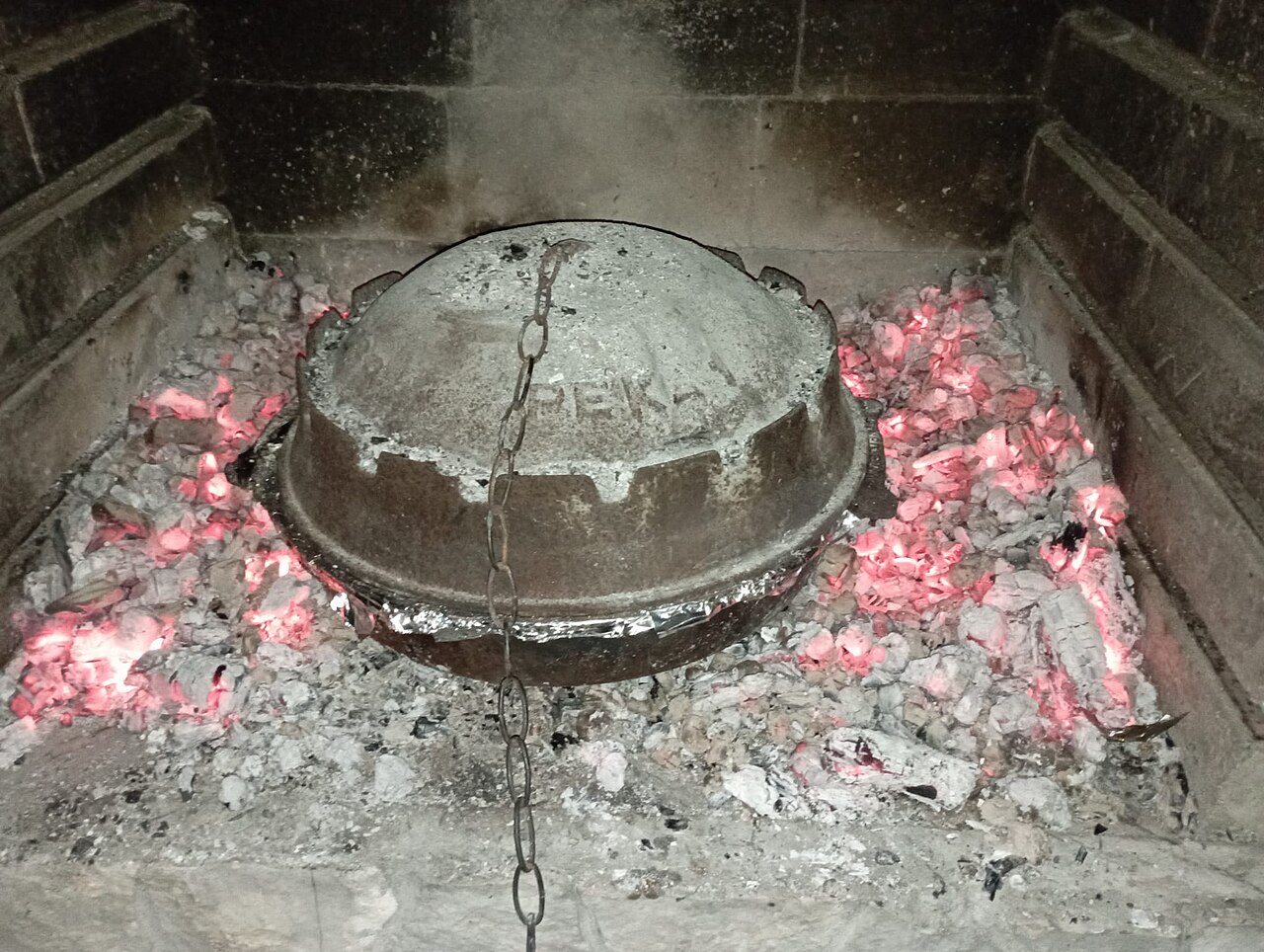
Lamb, veal or octopus with potatoes, slowly cooked in a shallow dish under a heavy metal or clay bell covered with hot embers. The meat cooks in its own juices and comes out very tender.
The bell is called a peka in Croatia and a sač in several neighbouring countries. The same way of cooking is found from Turkey across the Balkans.
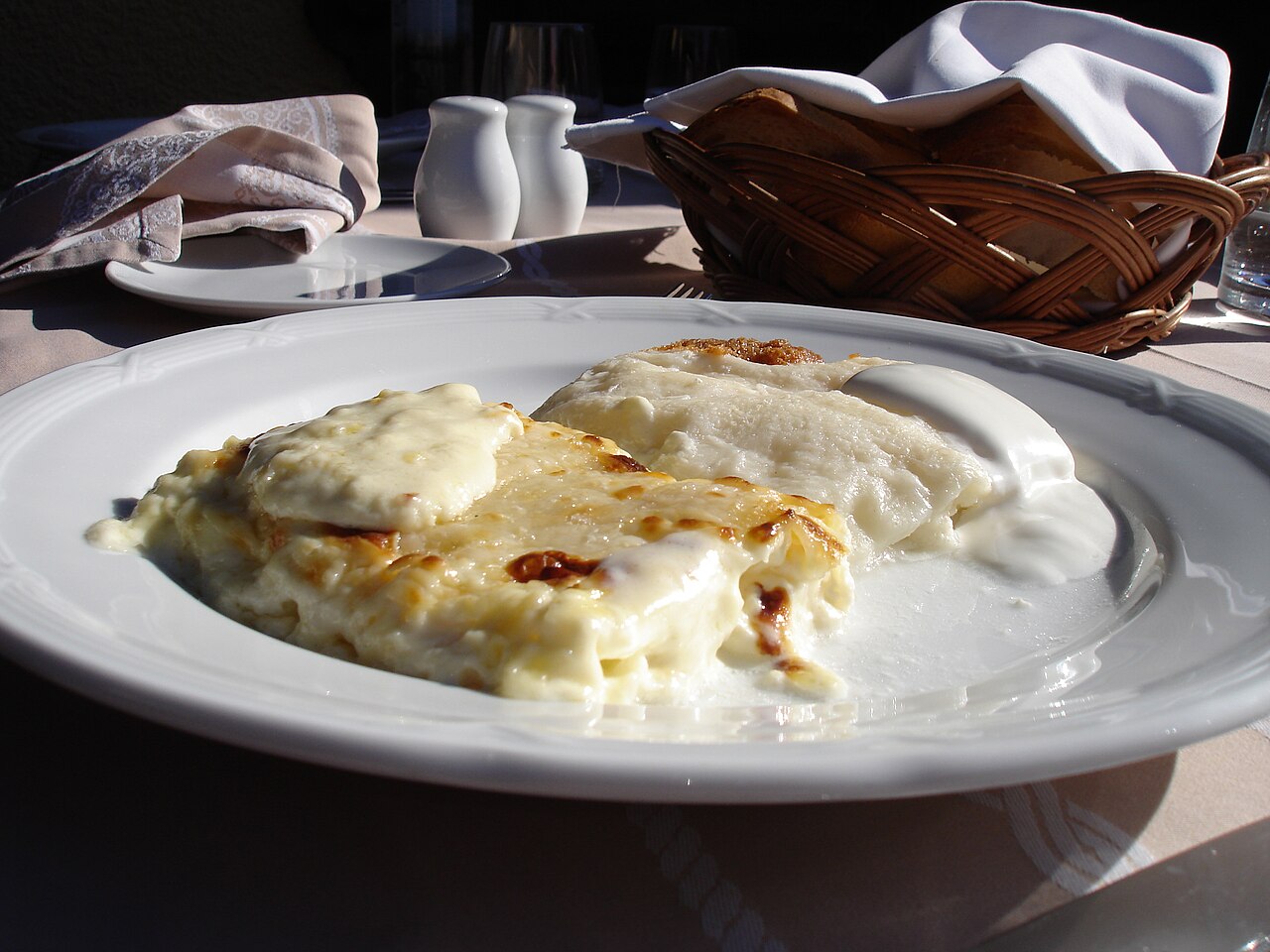
Very thin pastry rolled around a filling of fresh cottage cheese, eggs and sour cream, cut into pieces and either boiled or baked with cream until golden.
Zagorje štrukli were added to Croatia's list of intangible cultural heritage in 2007.
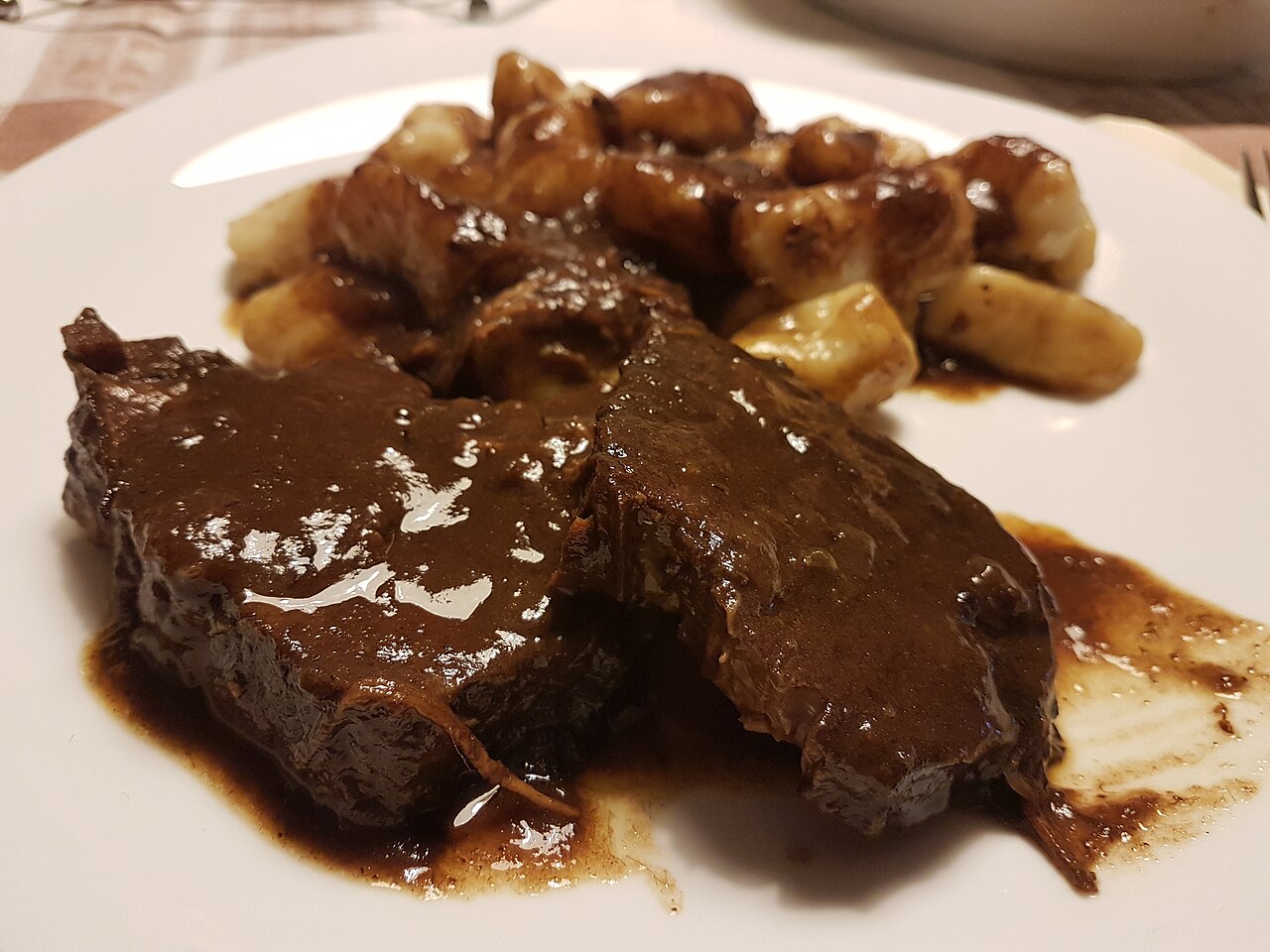
A festive dish of beef marinated overnight in wine vinegar, studded with garlic, cloves and bacon, then slowly braised for hours with prunes and sweet prošek wine. It is served in slices in its rich, sweet and sour sauce, usually with gnocchi.
The oldest known recipe for Dalmatian pašticada was written down in Dubrovnik in the 15th century.
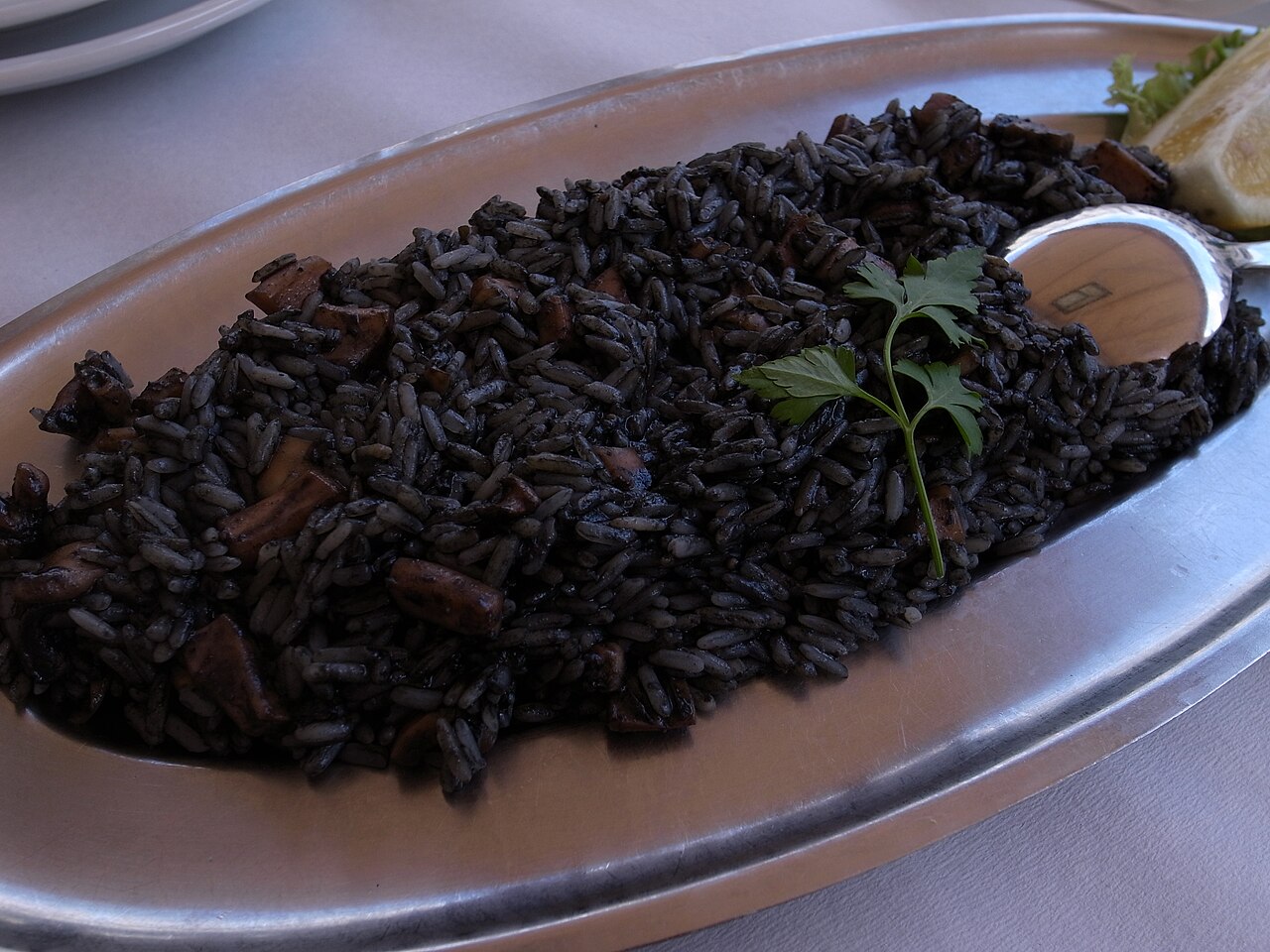
Rice cooked with cuttlefish, or sometimes squid, and its own ink, which turns the whole dish a deep, glossy black. It is flavoured with garlic, onion, parsley and wine, and usually served without cheese.
Cuttlefish is at its best from about April to June, and some restaurants serve black risotto only in those months.
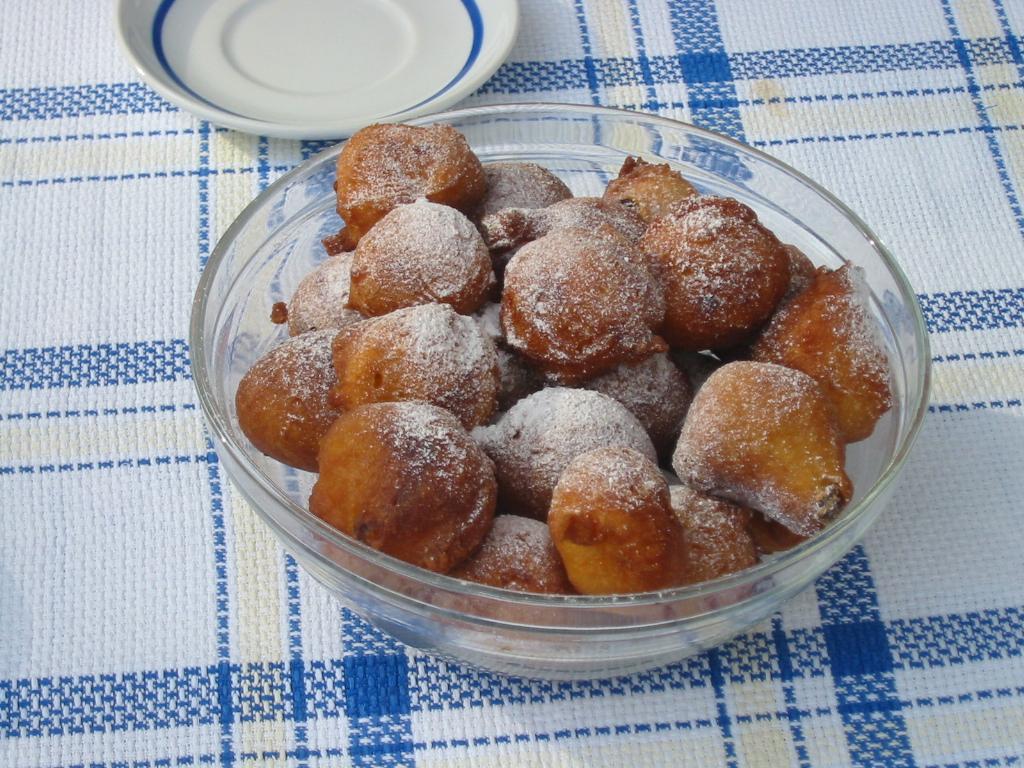
Small, round fried doughnuts flavoured with citrus zest and a splash of rum, often with raisins inside, and dusted with icing sugar.
Fritule are made above all for Christmas. A similar sweet, the frittella, is made in the Venice area across the Adriatic.
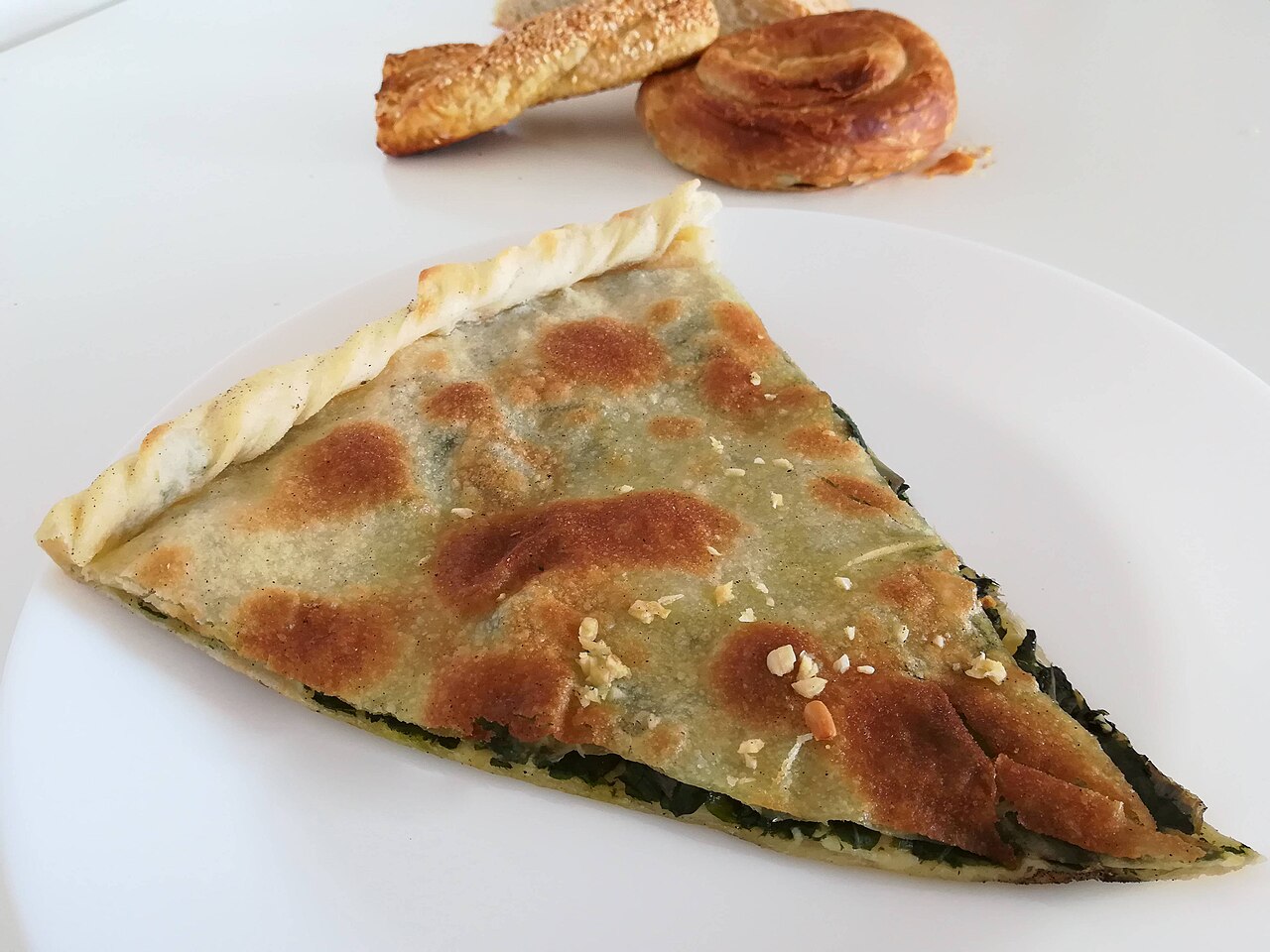
A thin, round pie of Swiss chard and onion between two sheets of unleavened dough, baked on an open hearth under hot embers and then brushed with olive oil and garlic.
Soparnik has been made since about the 13th century, and in 2016 it was given protected status by the European Commission.
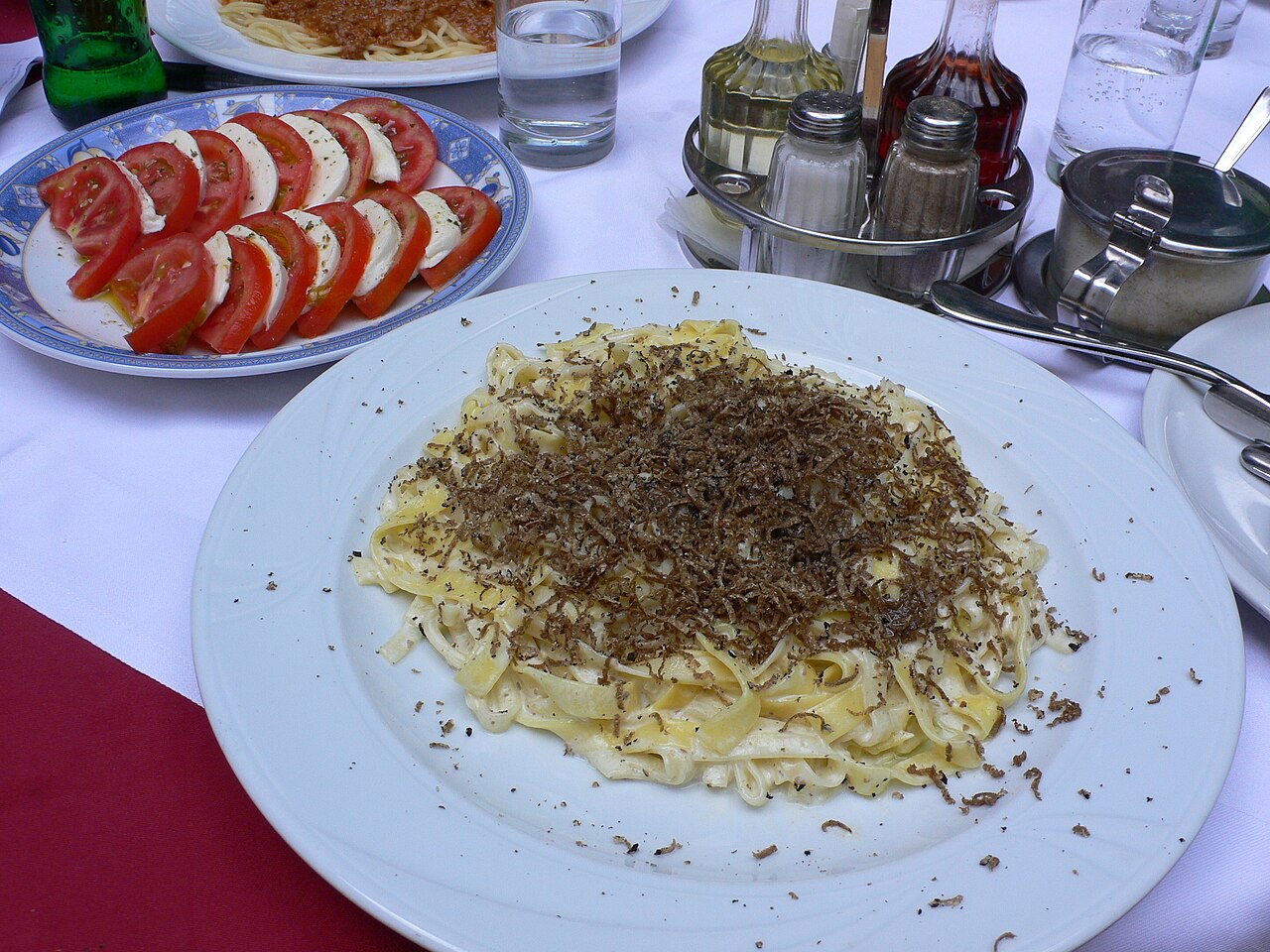
The damp forests around Motovun in Istria are known for black and prized white truffles. Istrian restaurants are famous for truffle dishes, above all fresh pasta topped with shaved truffle.
In 1999 a truffle hunter and his dog Diana found a white truffle weighing 1.31 kg near Buje, and it entered Guinness World Records.
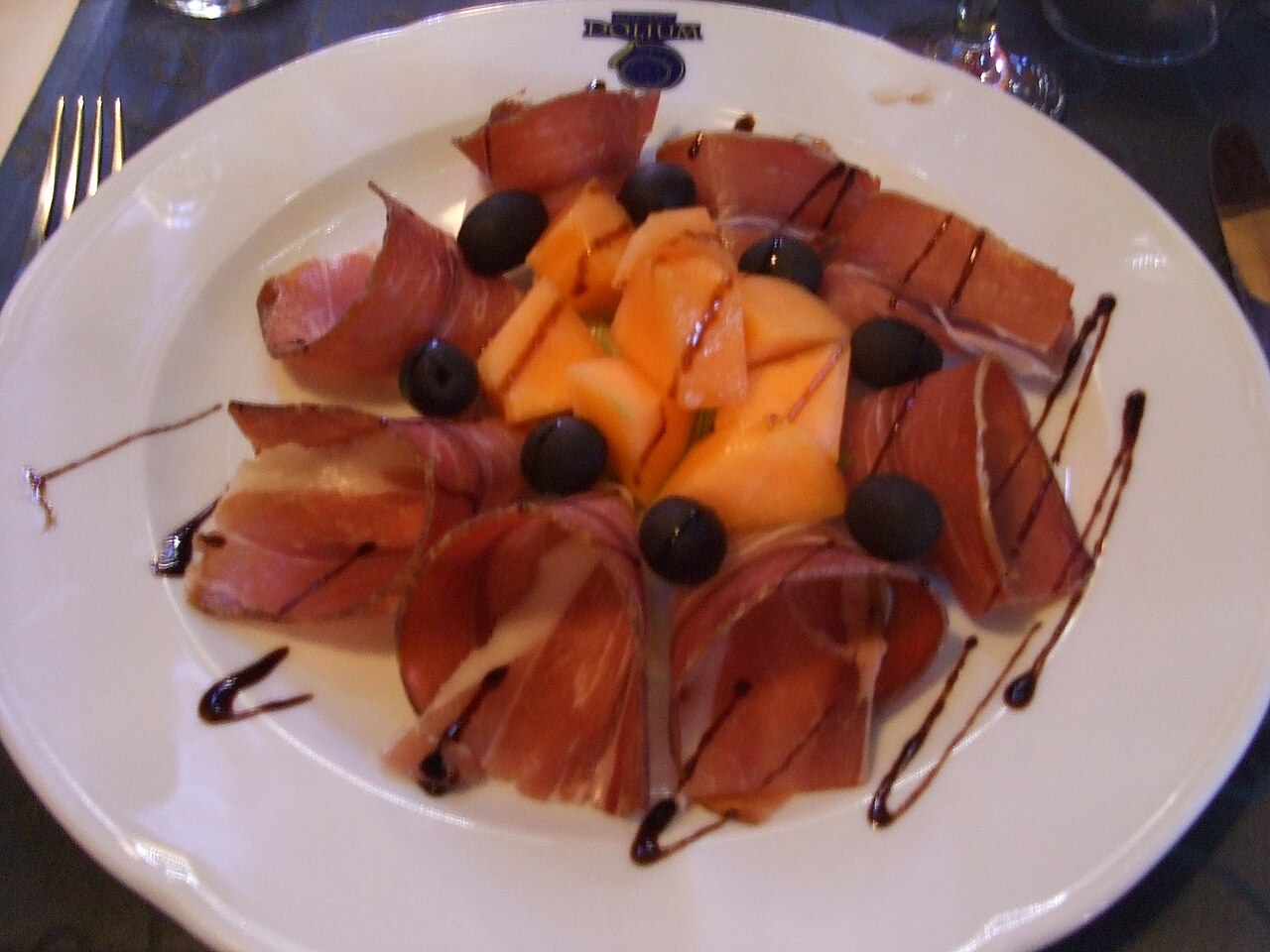
Dry-cured ham, sliced thin and served with cheese and olives as a starter. Dalmatian pršut is lightly smoked, while Istrian pršut is not smoked.
Similar dry-cured hams are made all around the Adriatic, from Italy and Slovenia to Montenegro.
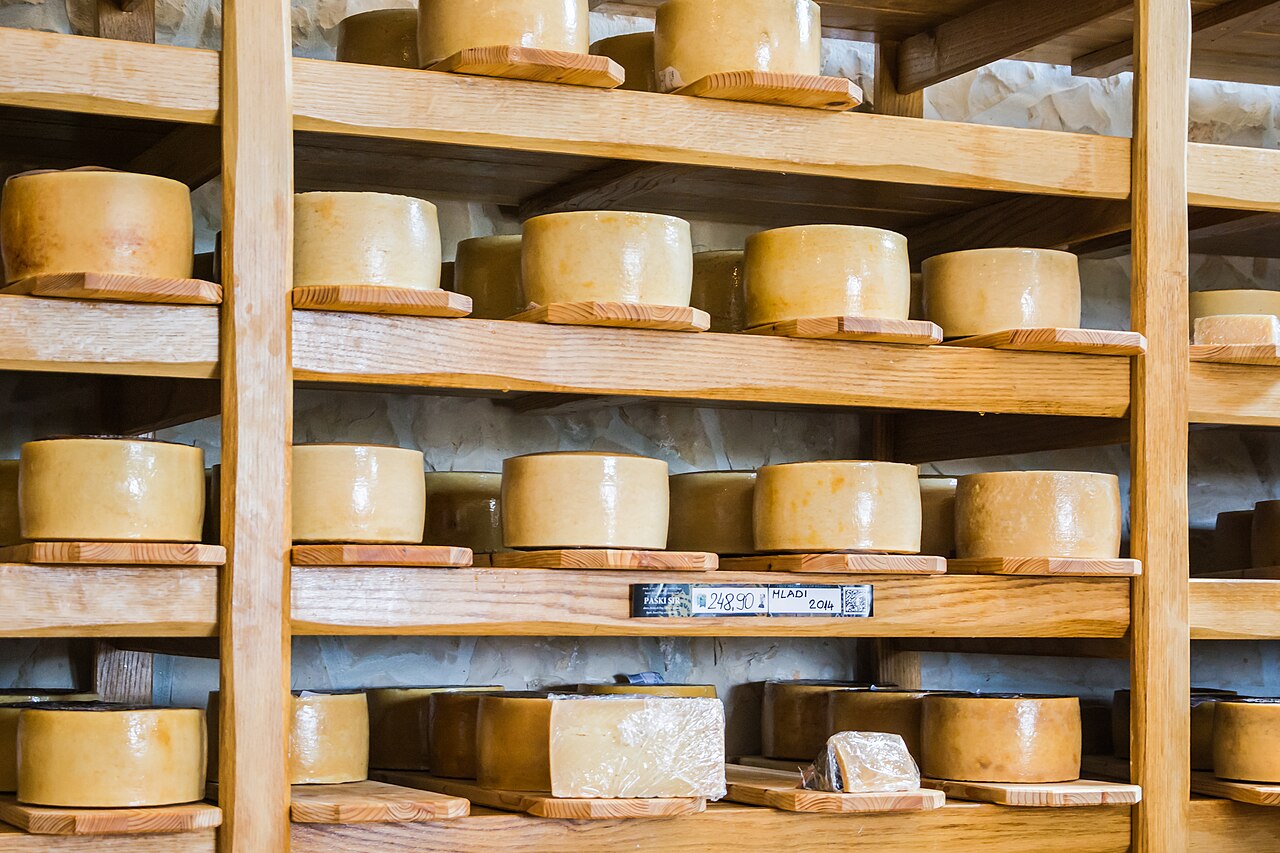
A hard, salty and aromatic sheep's milk cheese, aged for months, often served in thin slices with pršut and olives.
The strong bura wind scatters sea salt over Pag's pastures, and the salty herbs the sheep eat give the cheese its special taste.
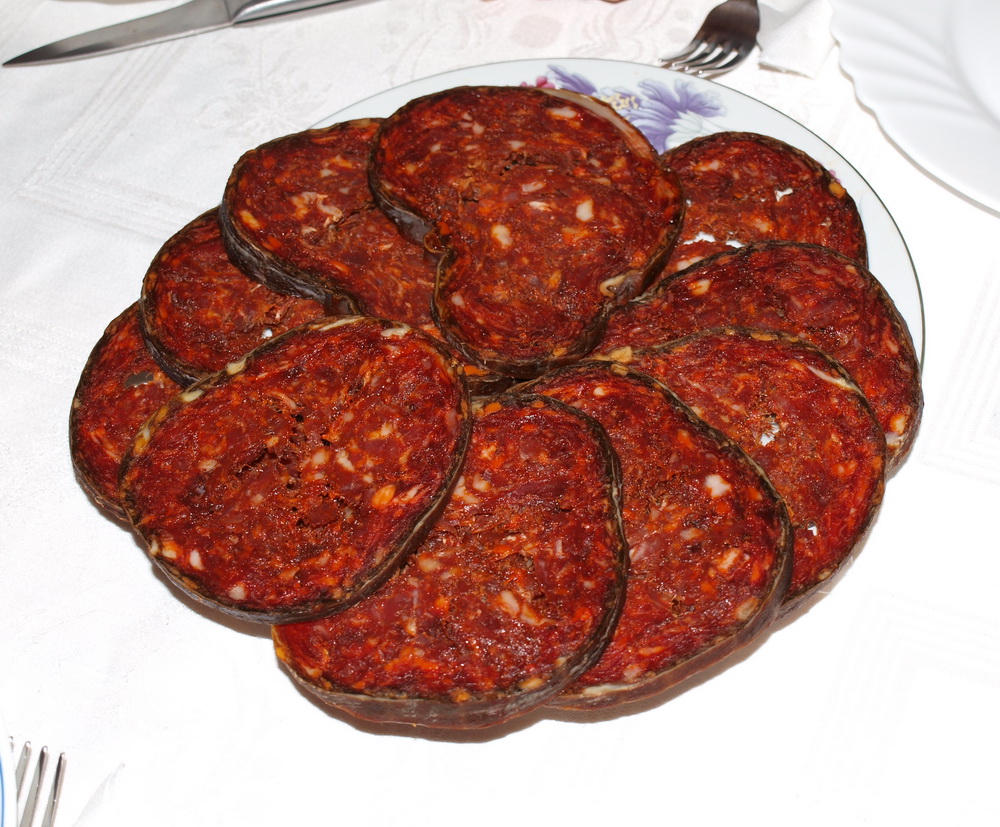
A thick, firm pork sausage, spiced with hot red paprika and garlic and slowly dried for months. It is sliced thin and eaten with bread, fresh cheese and peppers.
Kulen is traditionally made at the autumn pig slaughter and is at its best by the following summer.
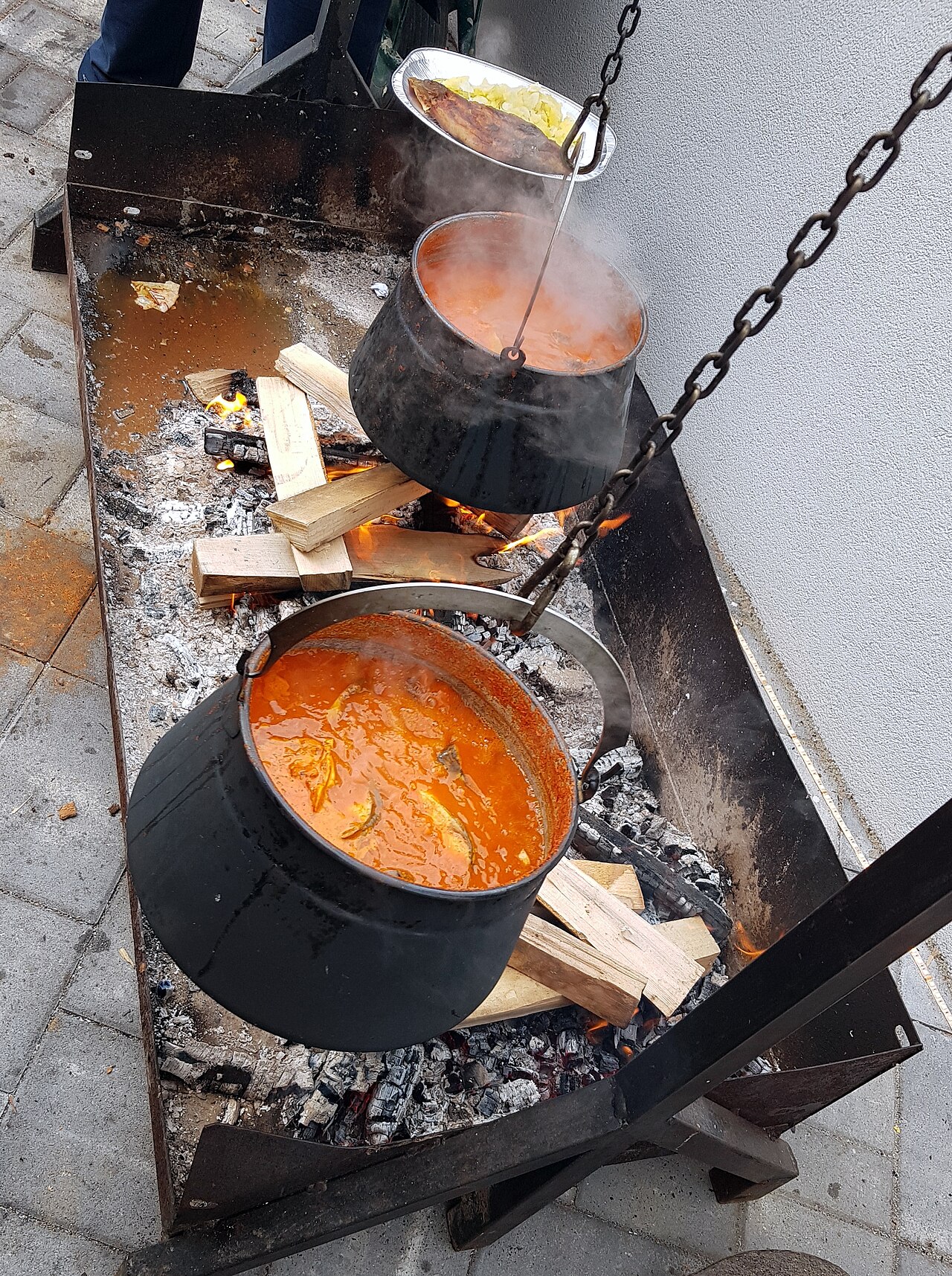
A red, hot river-fish stew made with carp, catfish or pike and plenty of paprika, often cooked outdoors in a kettle over an open fire.
It is a close cousin of Hungarian halászlé, a reminder of Slavonia's long shared history with Hungary.
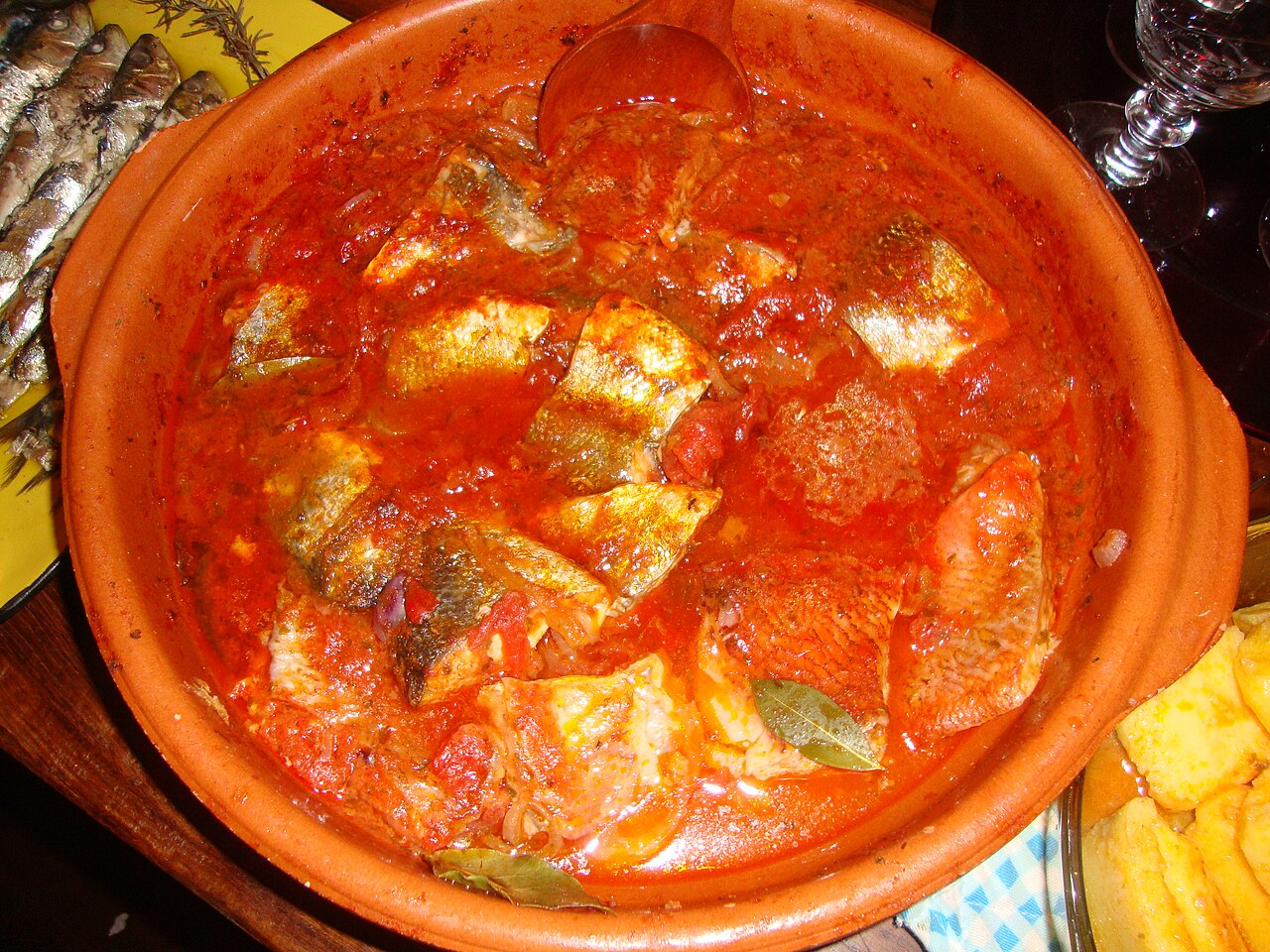
A fish stew made in one pot with several kinds of fish, tomato, onion, wine and a little vinegar, usually served with polenta to soak up the sauce.
Similar fish stews called brodetto are made along the Italian side of the Adriatic.
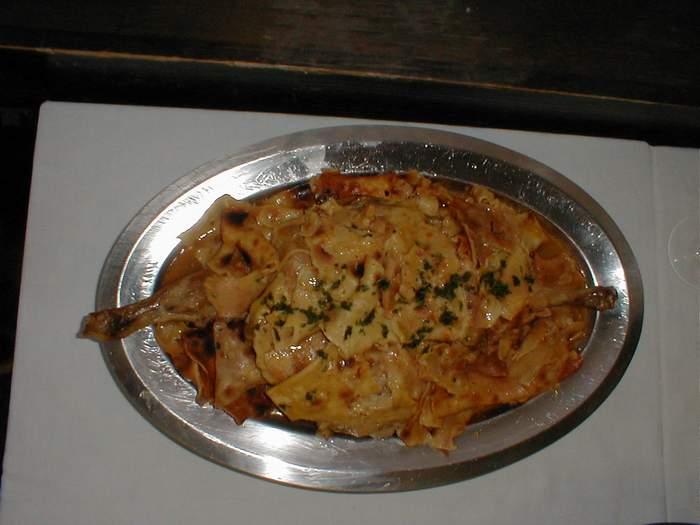
Roast turkey served with mlinci, thin dried flatbread broken into pieces, softened in hot water and then soaked in the roasting juices.
Mlinci are also eaten in Slovenia, where duck or goose with mlinci is a traditional dish for St. Martin's Day.
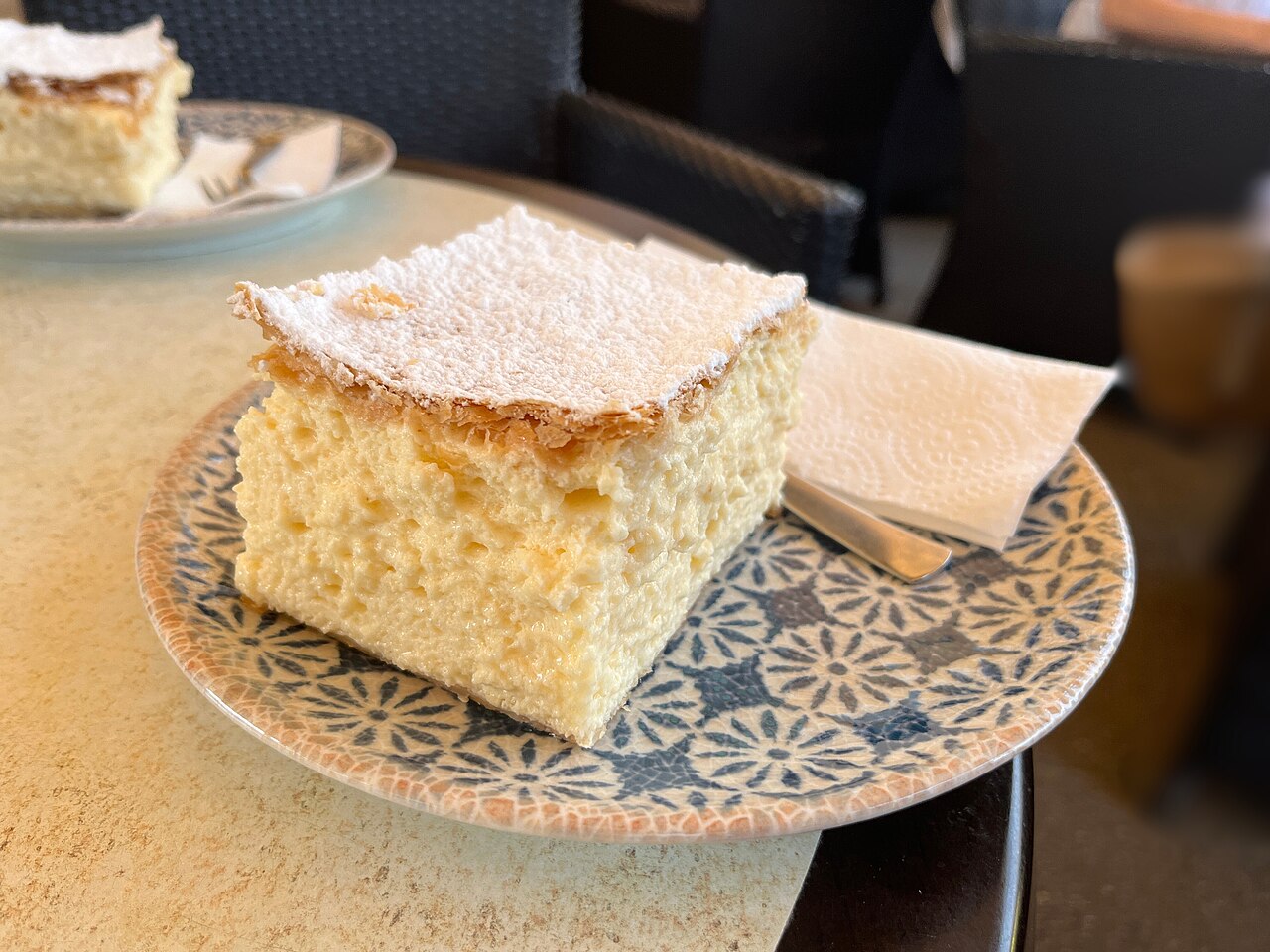
A tall square of light vanilla custard between layers of puff pastry, dusted with icing sugar. Zagreb has its own version with a chocolate glaze on top instead of pastry.
Cream slices like this are loved all over the lands of the old Austro-Hungarian Empire, from Vienna to Bled in Slovenia.
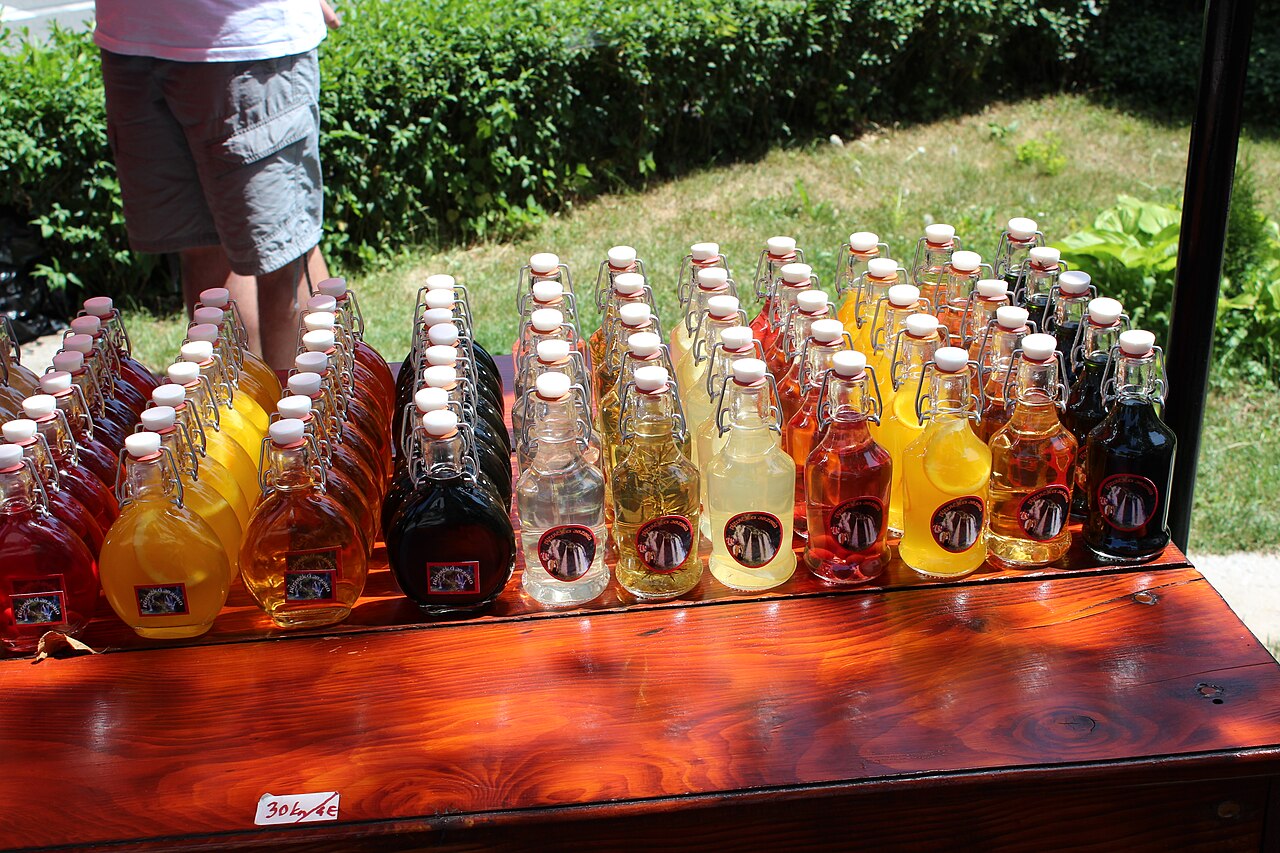
A strong fruit brandy made from grapes (loza), plums (šljivovica) or pears, or flavoured with herbs (travarica) or walnuts. It is offered to guests as a sign of welcome.
Shop-bought rakija is usually about 40% alcohol, but homemade rakija can be much stronger, so it is sipped slowly from a small glass. Anyone who does not drink alcohol can politely say no.
Croatia's cities are very different from each other: Central European Zagreb and baroque Varaždin in the north, Slavonian Osijek on the plain, and a chain of old stone ports along the coast, from Roman Pula to walled Dubrovnik.
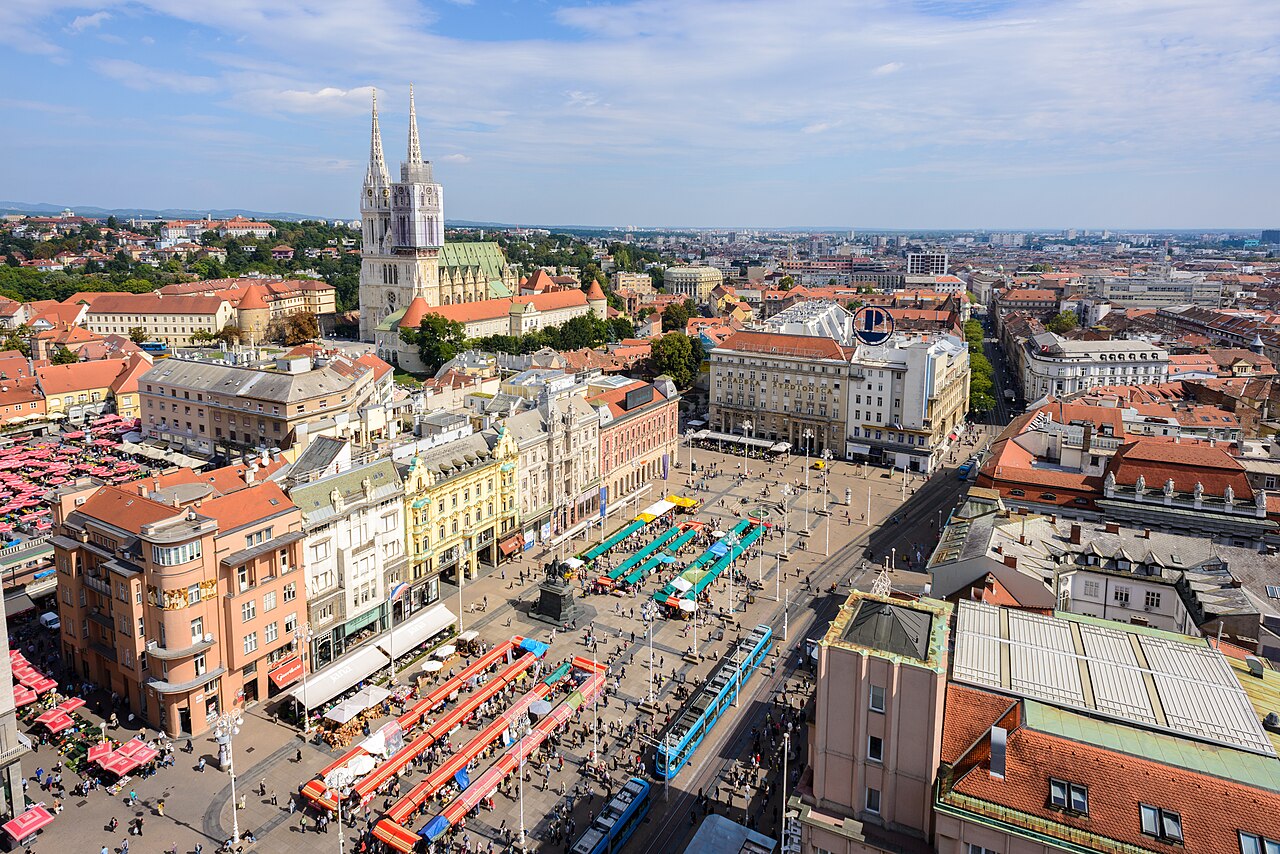
The capital and by far the largest city, home to about 770,000 people. It lies on the Sava river below Medvednica mountain, with a hilltop Upper Town of old churches and a grand 19th-century Lower Town.
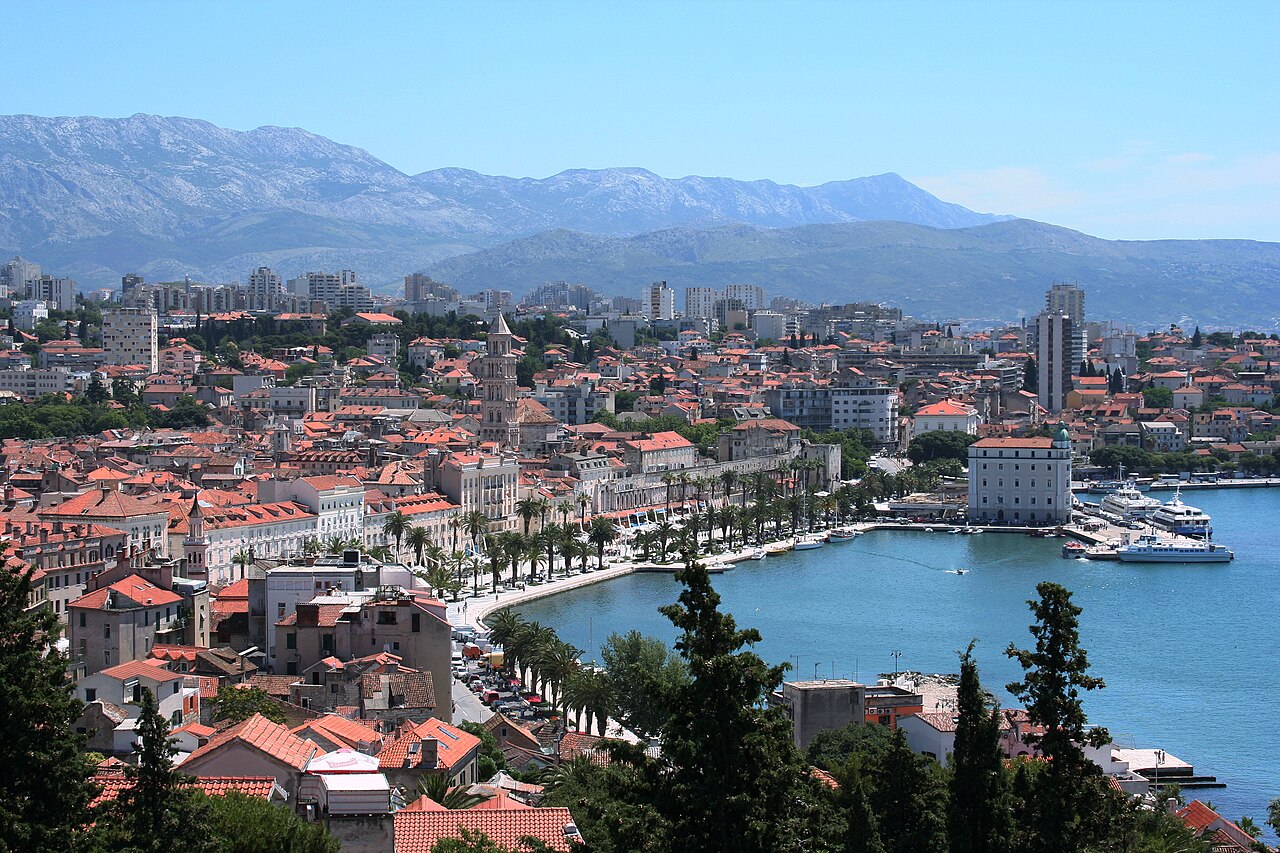
The second-largest city and the largest on the coast. Its old town grew up inside the walls of the palace the Roman emperor Diocletian built around 300 AD, and people still live and shop there today.
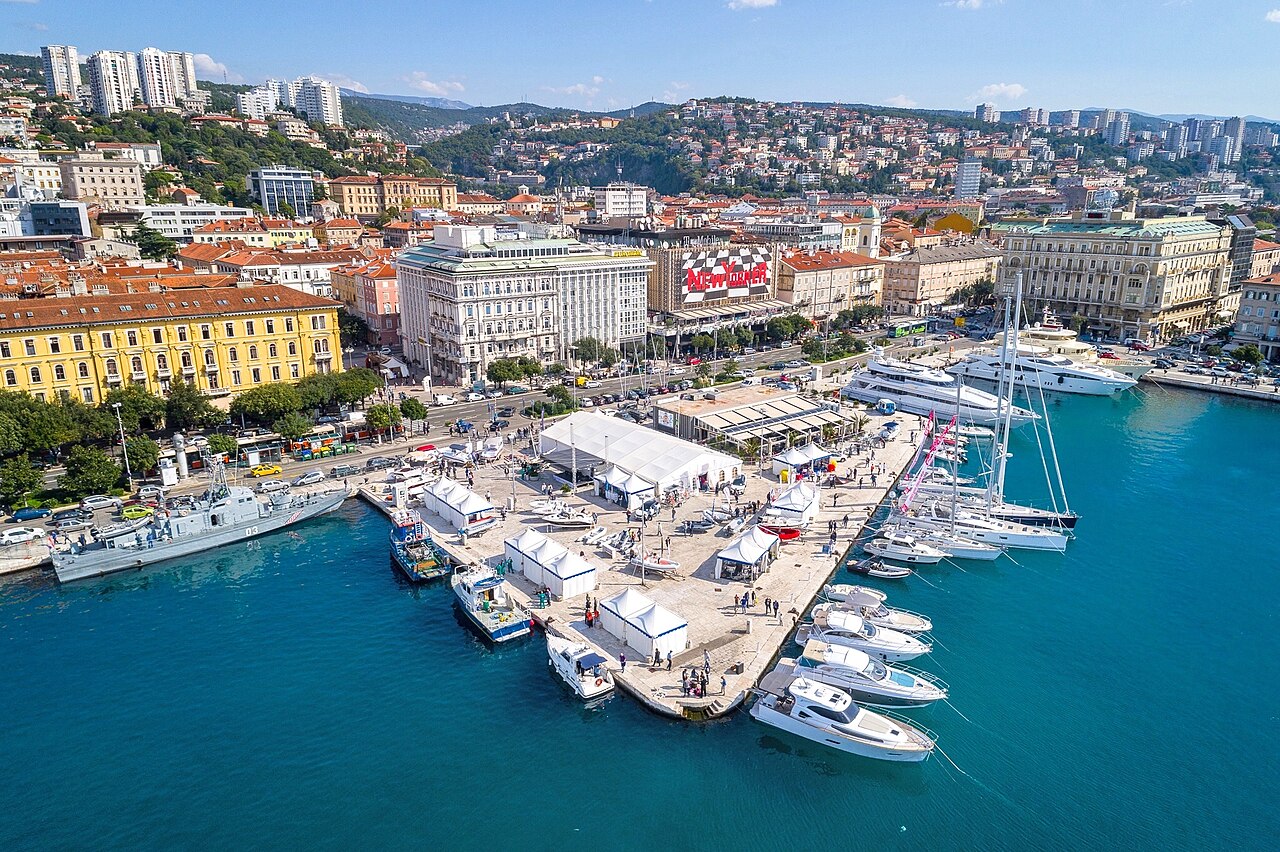
Croatia's main seaport and third-largest city, on Kvarner Bay. Its name simply means 'river', and it has been ruled by many different powers over the centuries.
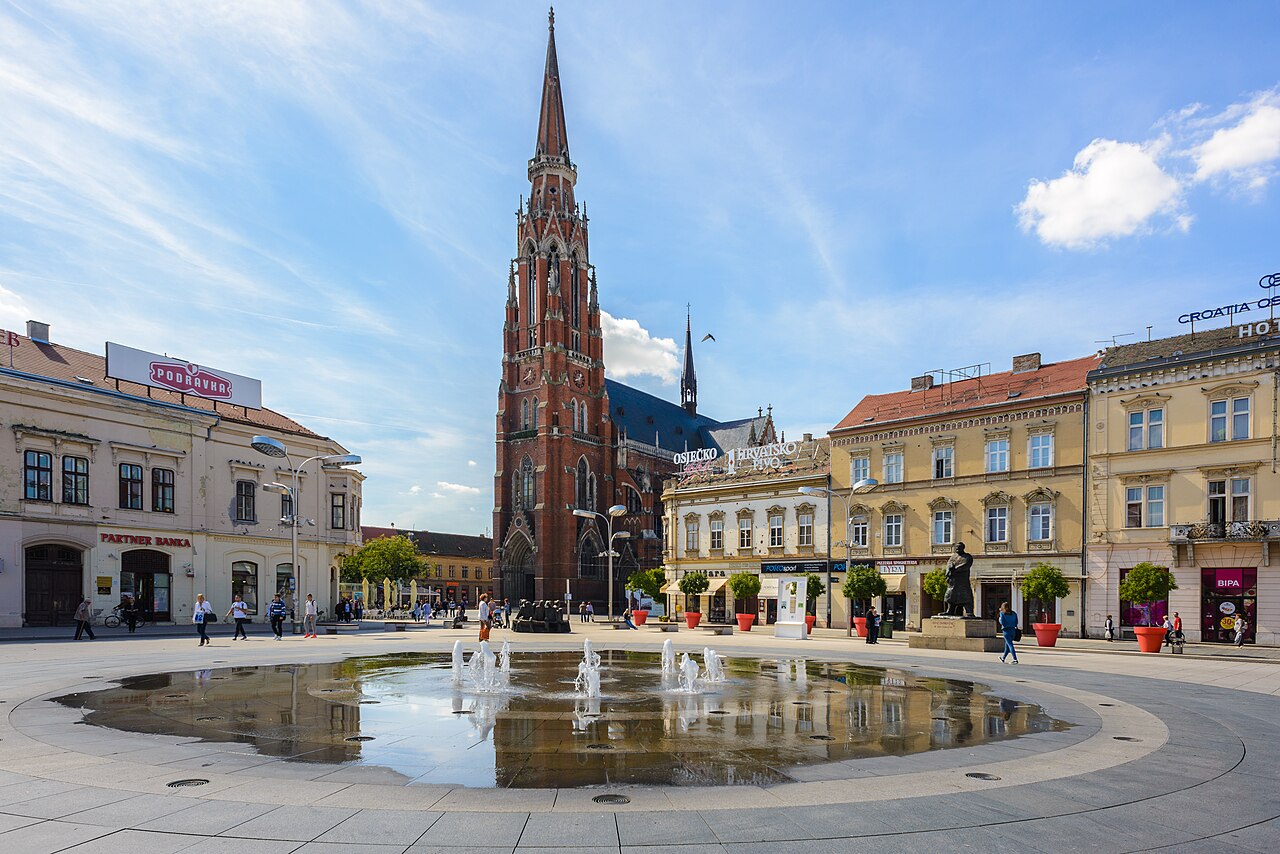
The largest city of Slavonia in the east, on the Drava river about 20 km from the Danube. Its centre is Tvrđa, an 18th-century Habsburg fortress town full of baroque buildings.
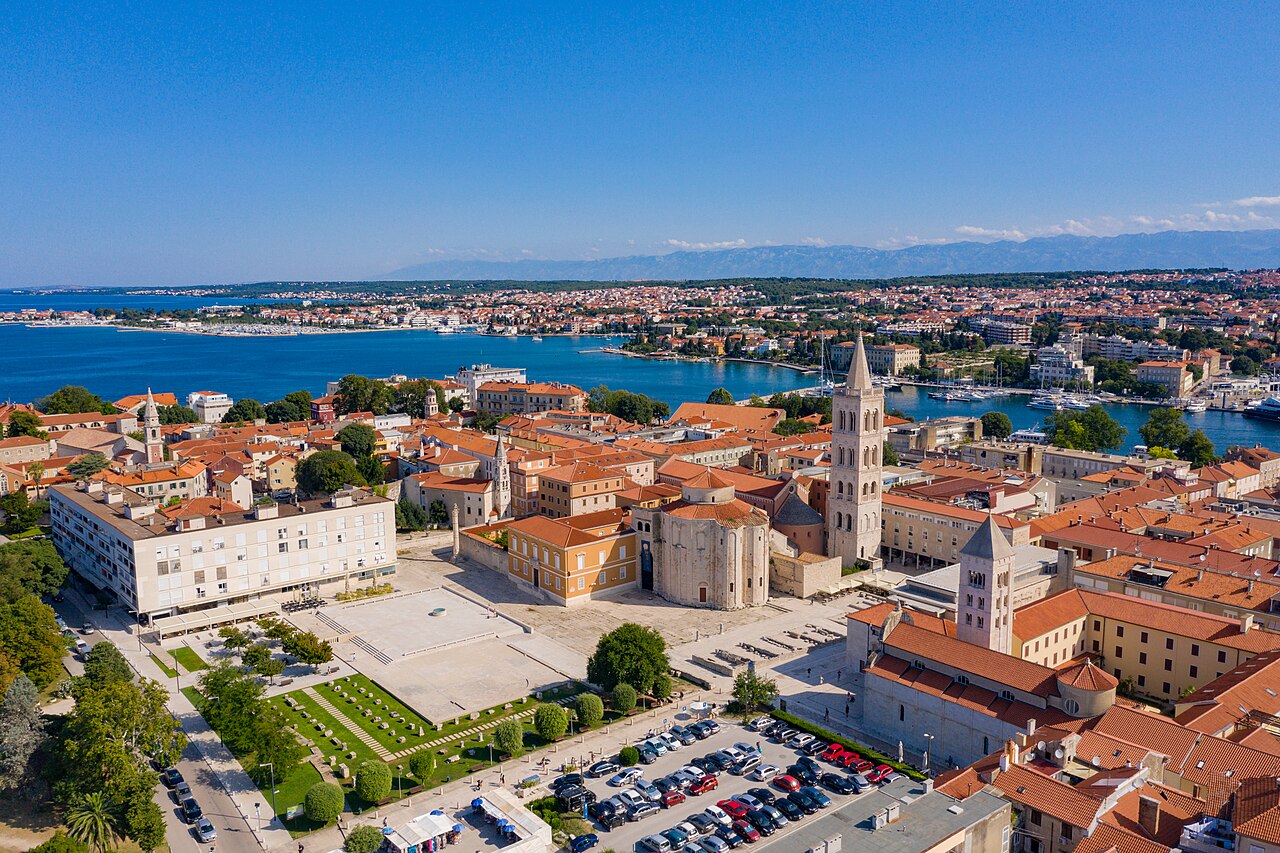
A historic city on a small peninsula in northern Dalmatia with about 3,000 years of history. The Romans laid out its street grid and forum, and today visitors come for its sunsets over the sea.
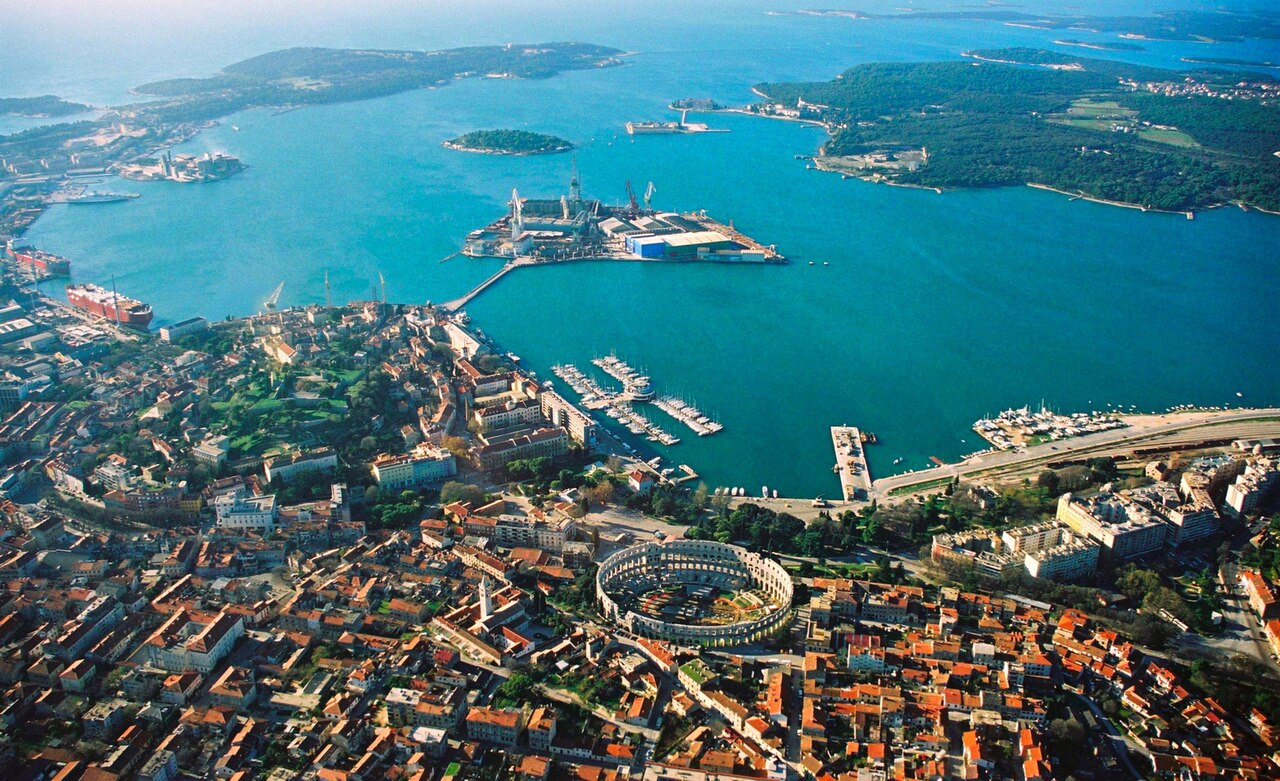
The largest city of Istria, at the southern tip of the peninsula. It has many Roman buildings, and its great amphitheatre is still used for concerts and films.
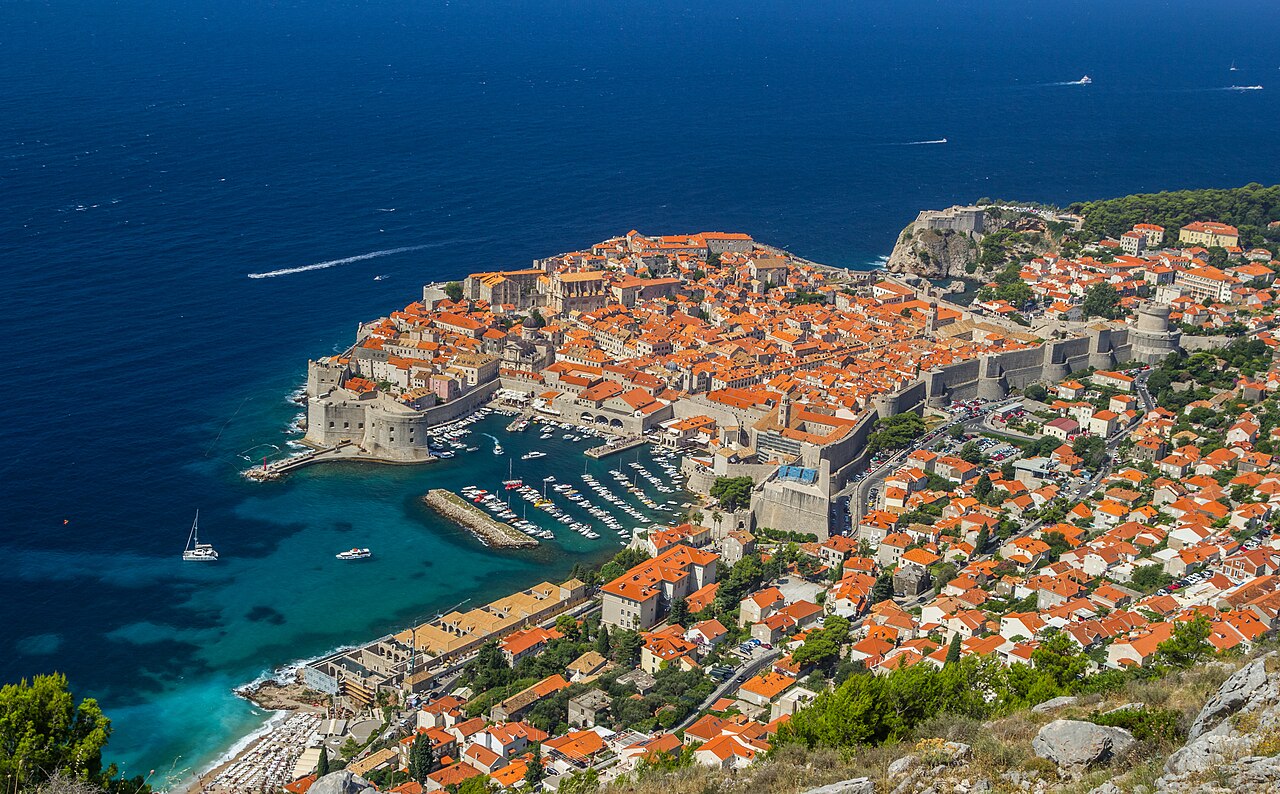
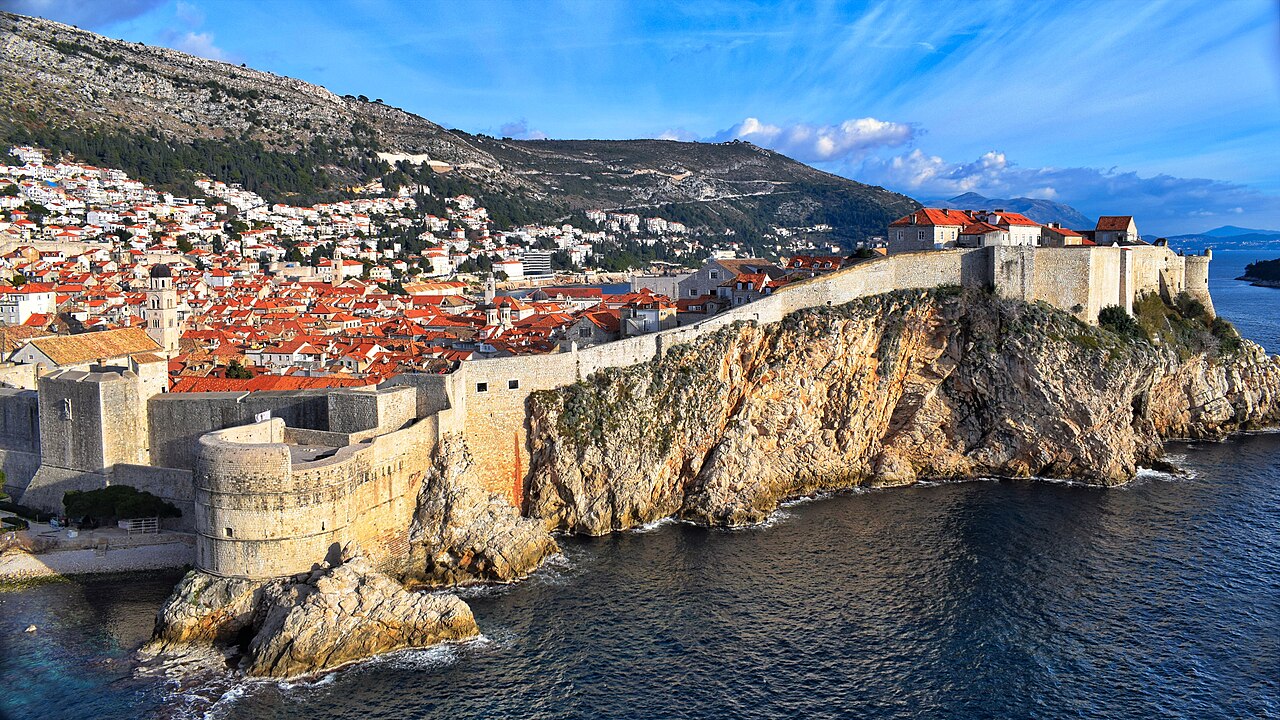
Once the capital of the Republic of Ragusa, this walled city of stone is now Croatia's most famous sight. It sits in the far south, cut off by land from the rest of Croatia by a short strip of Bosnian coast around Neum.
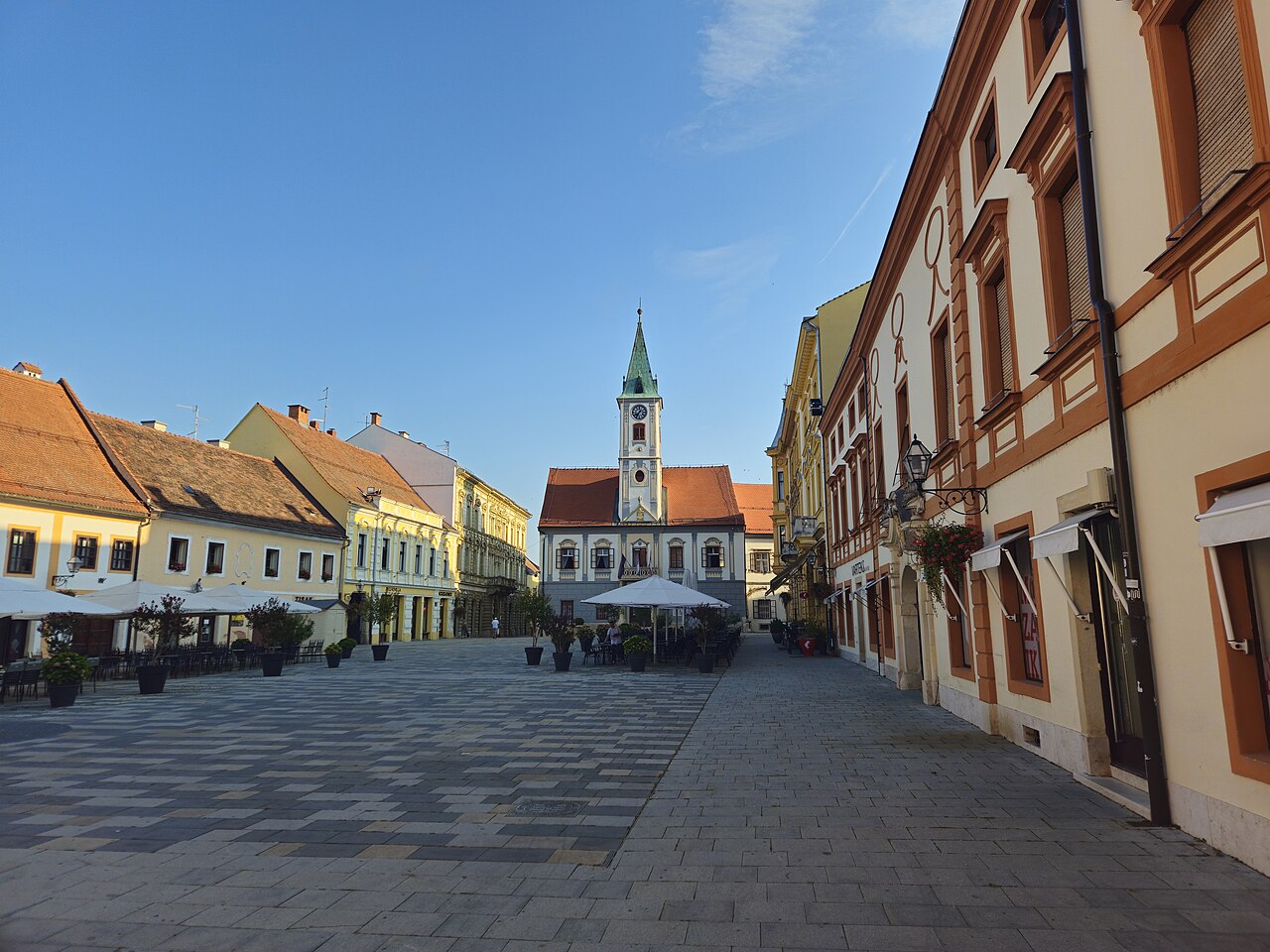
A graceful baroque town in the north. In the 18th century it was for some years the seat of Croatia's government, until a great fire in 1776 destroyed most of the town.
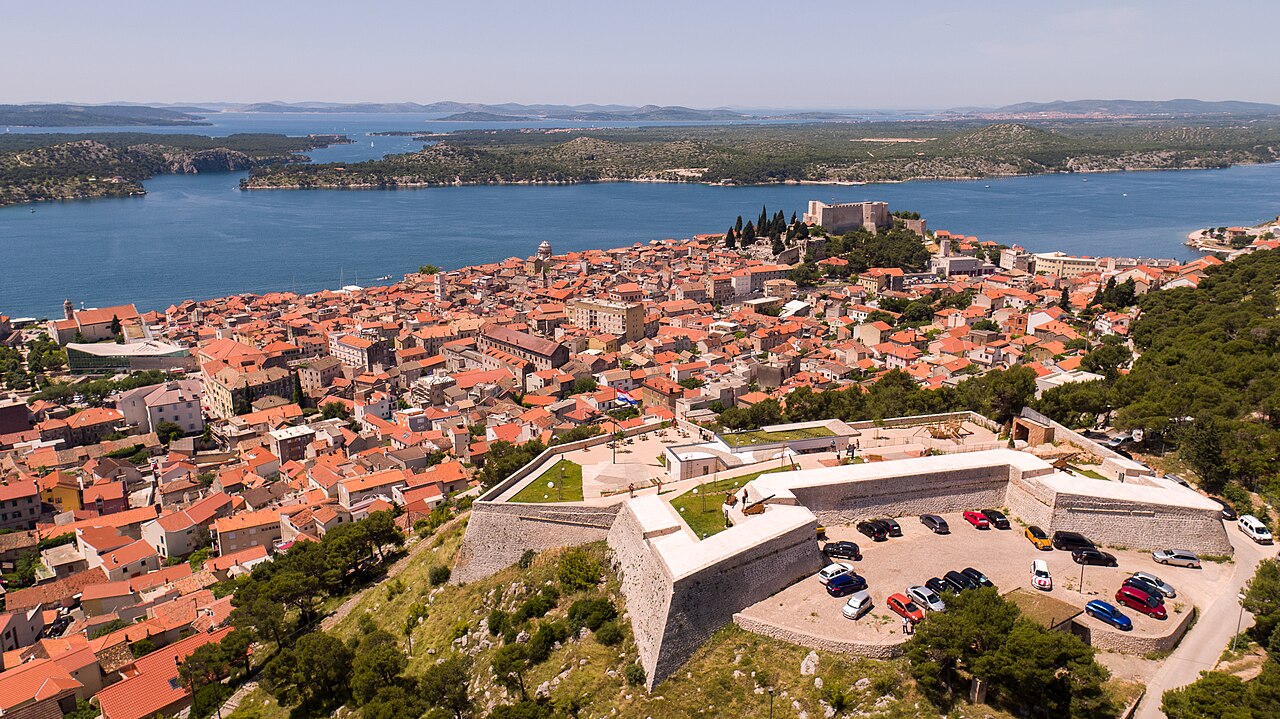
A stone town where the Krka river meets the sea, first mentioned in 1066 in a charter of King Petar Krešimir IV. Unlike most coastal towns, it was not founded by the Greeks or Romans.
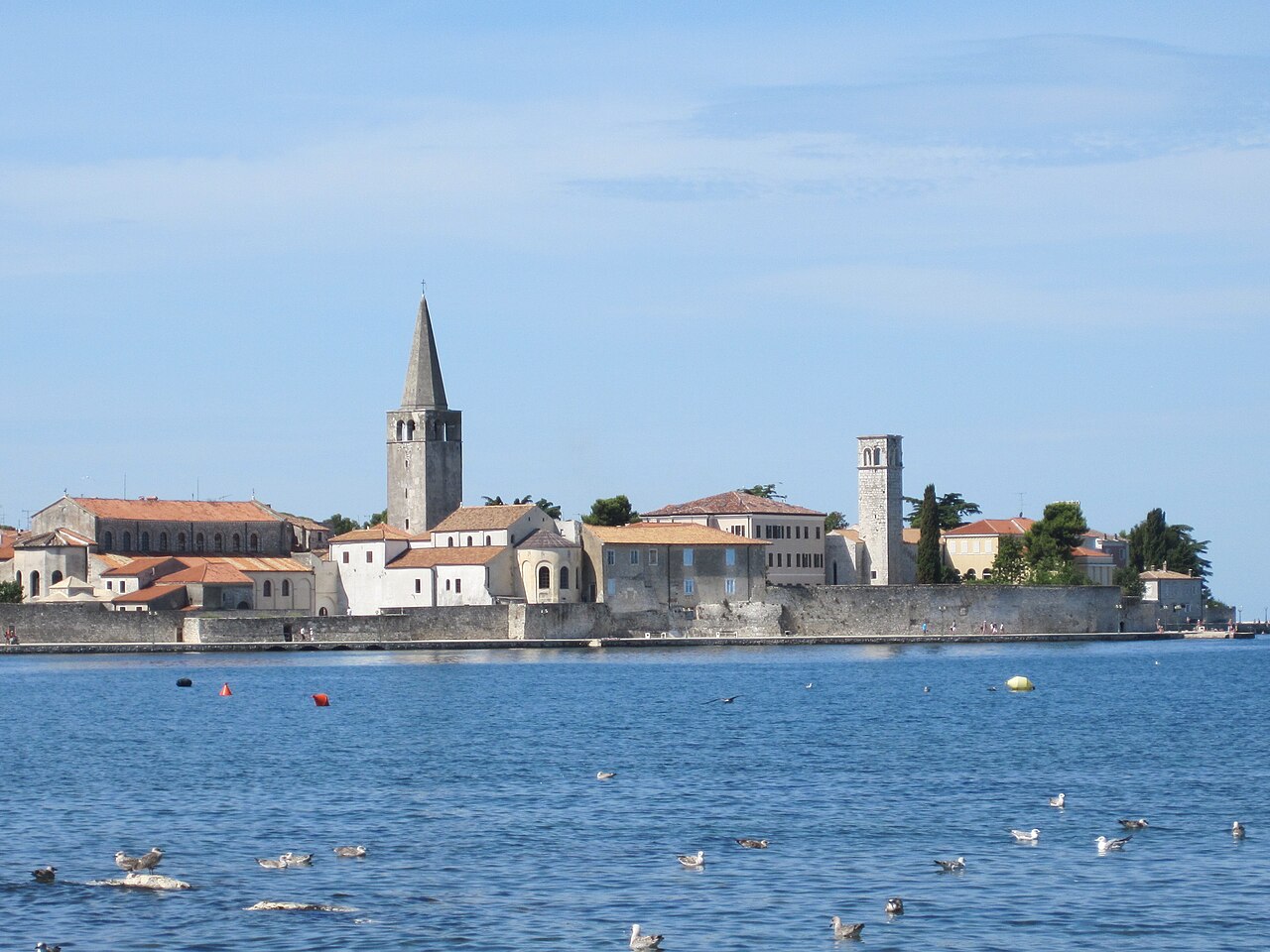
A small seaside town on the west coast of Istria whose old centre still follows the Roman street plan. It is one of the busiest holiday towns in Croatia.
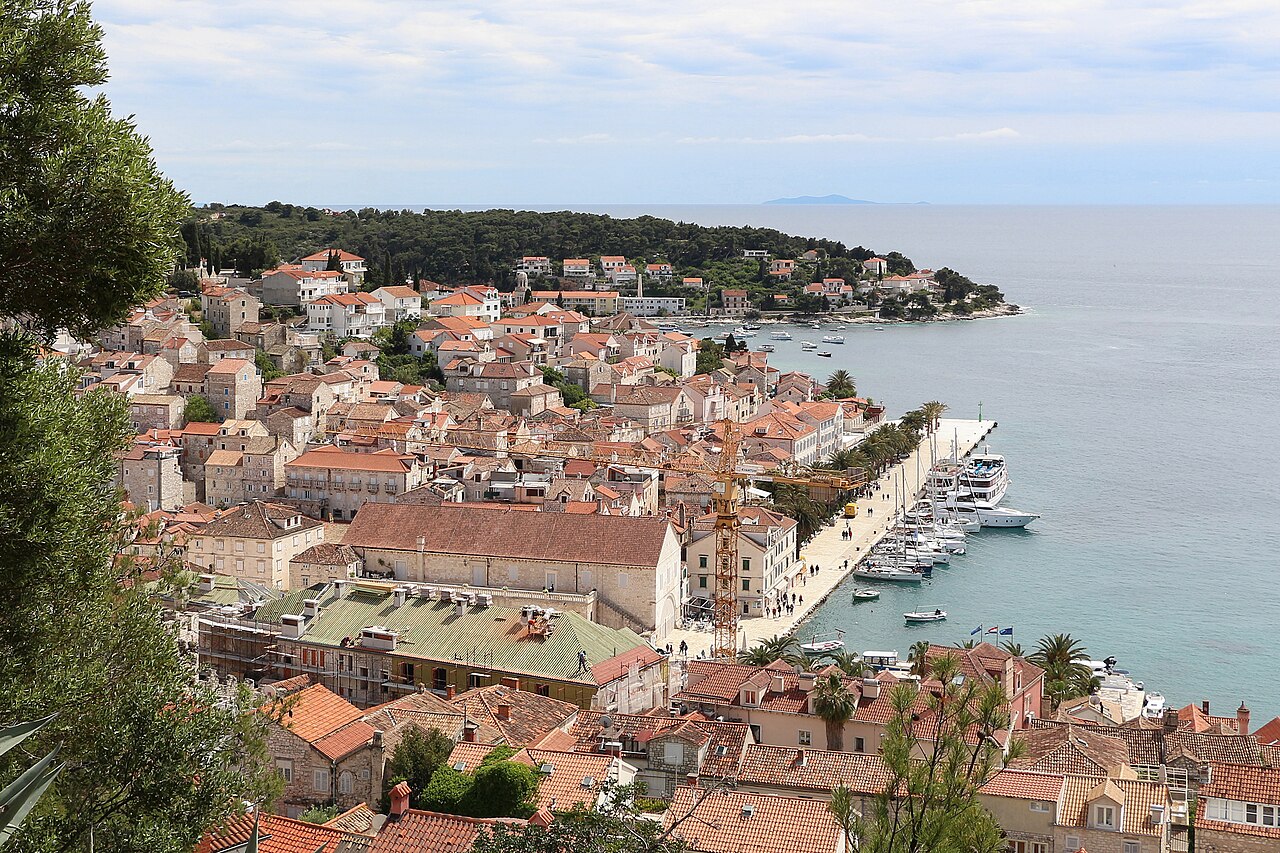
The main town of the island of Hvar, with a fortress above a harbour full of boats. Hvar calls itself one of the sunniest places in Europe, with more than 2,700 hours of sunshine a year.
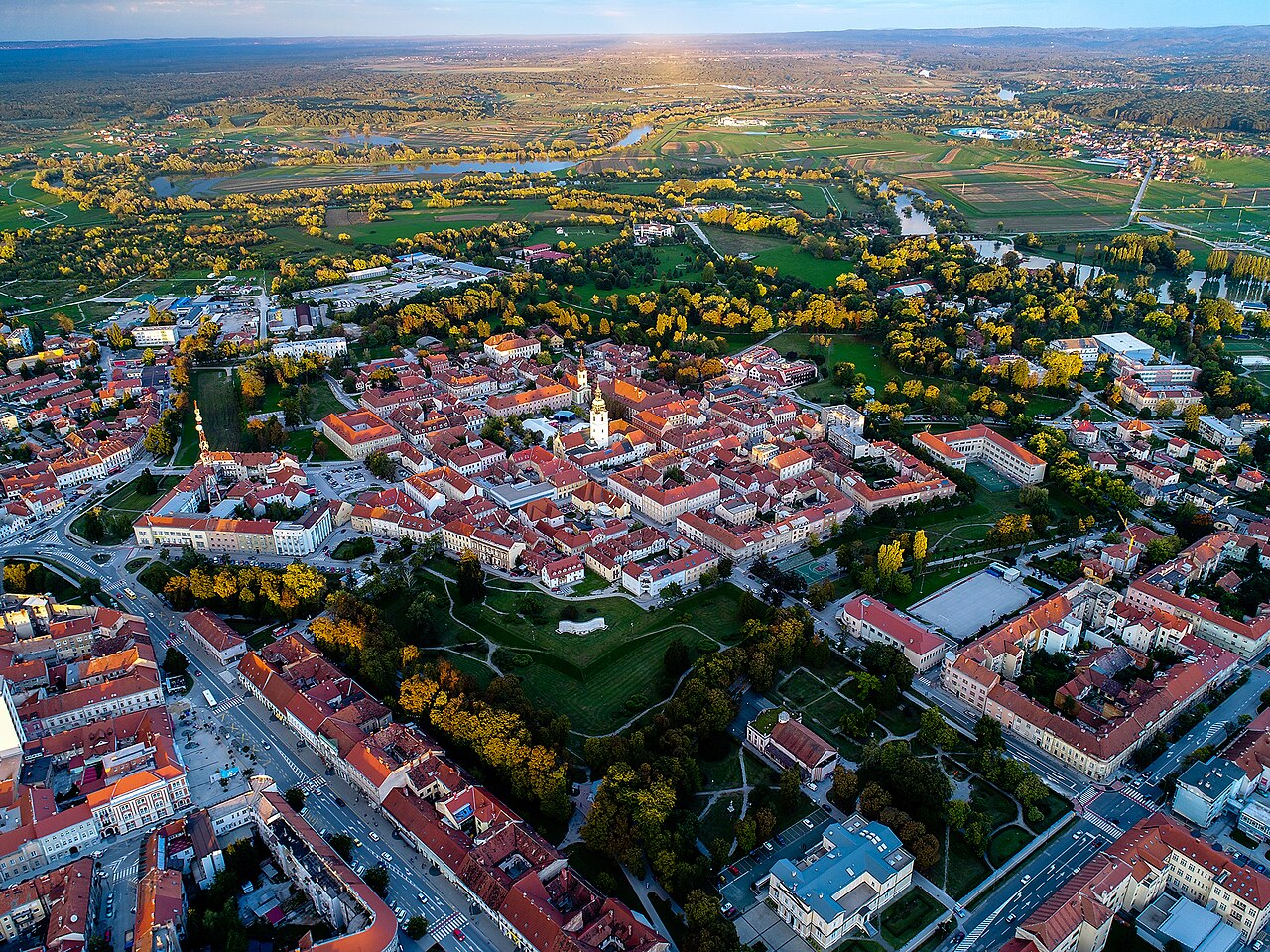
A green town between Zagreb and the coast, founded in 1579 as a six-pointed star fortress against the Ottomans. It is called the town on four rivers: the Kupa, Korana, Mrežnica and Dobra.
Stone walls about 1,940 metres long and up to 25 metres high wrap around Dubrovnik's Old City, with towers, bastions and forts built mainly between the 13th and 17th centuries. Visitors can walk the whole circuit on top of them.
UNESCO World Heritage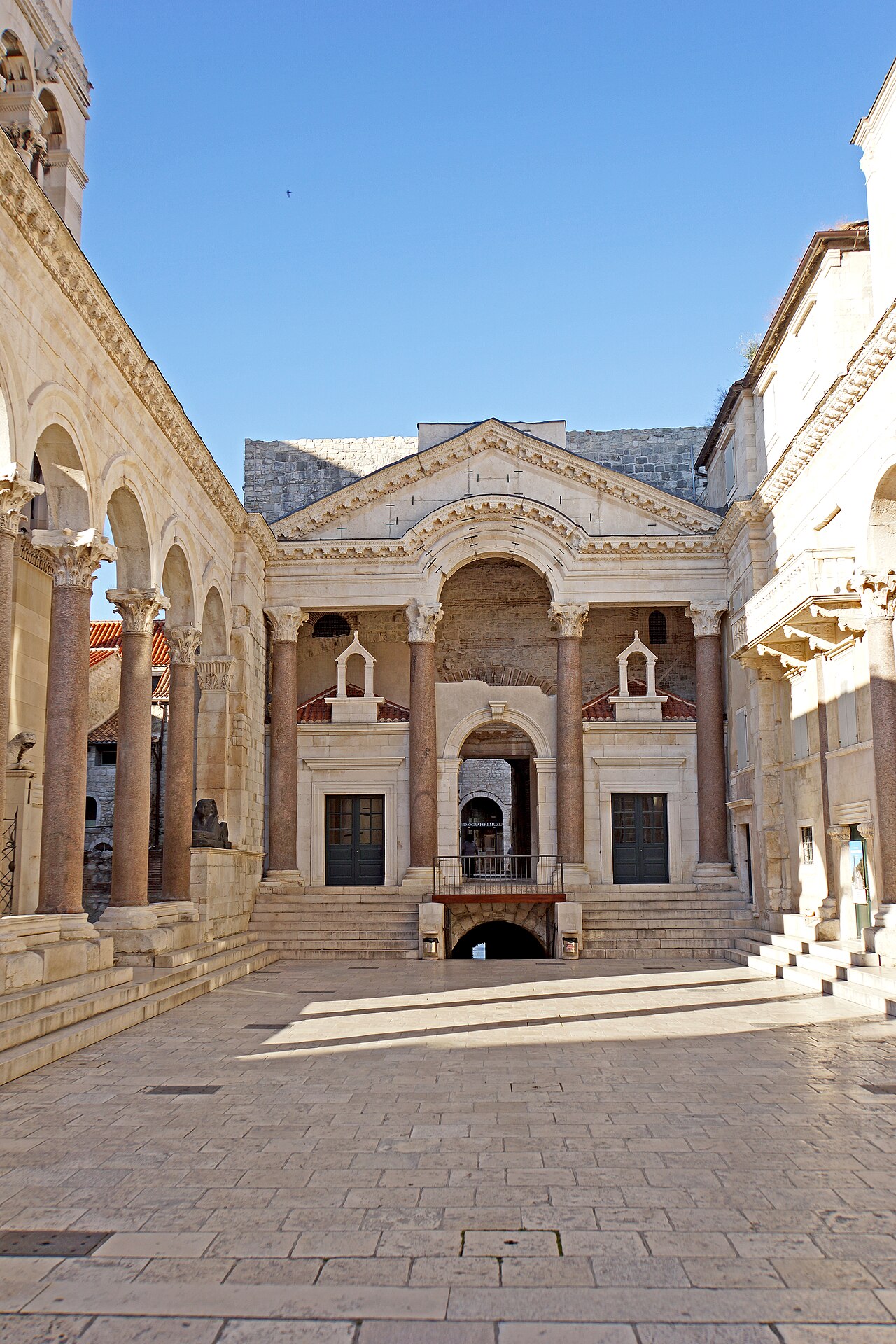
A Roman palace and fortress built around 300 AD as the retirement home of Emperor Diocletian. Today it forms about half of Split's old town, with about 3,000 people living among its walls, shops and cafés.
UNESCO World Heritage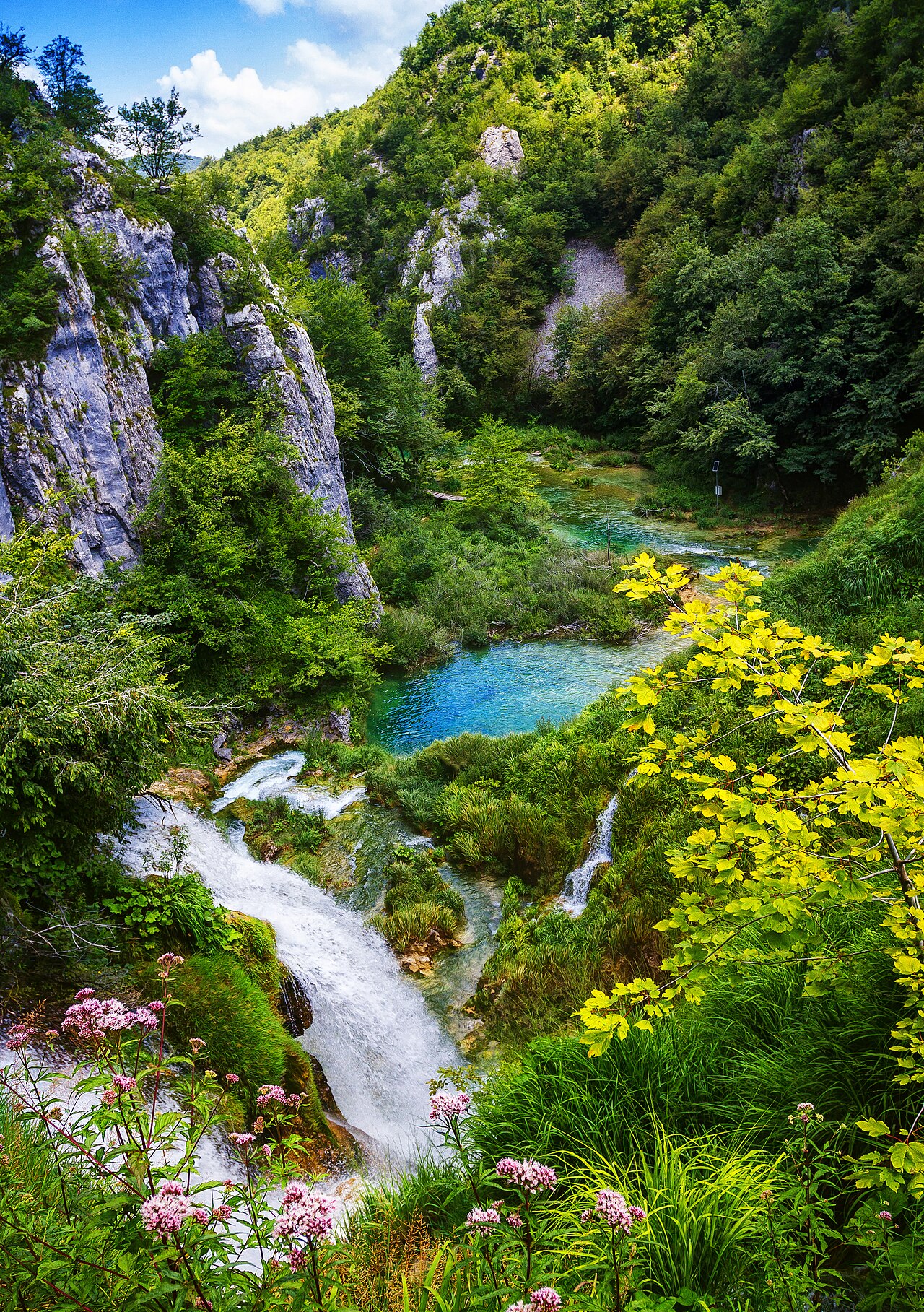
Sixteen lakes joined by waterfalls, ranging in colour from turquoise to green and grey, in the mountains of central Croatia near the border with Bosnia and Herzegovina. Wooden walkways lead over the water. The park was founded in 1949 and is about 130 km by road south of Zagreb.
UNESCO World Heritage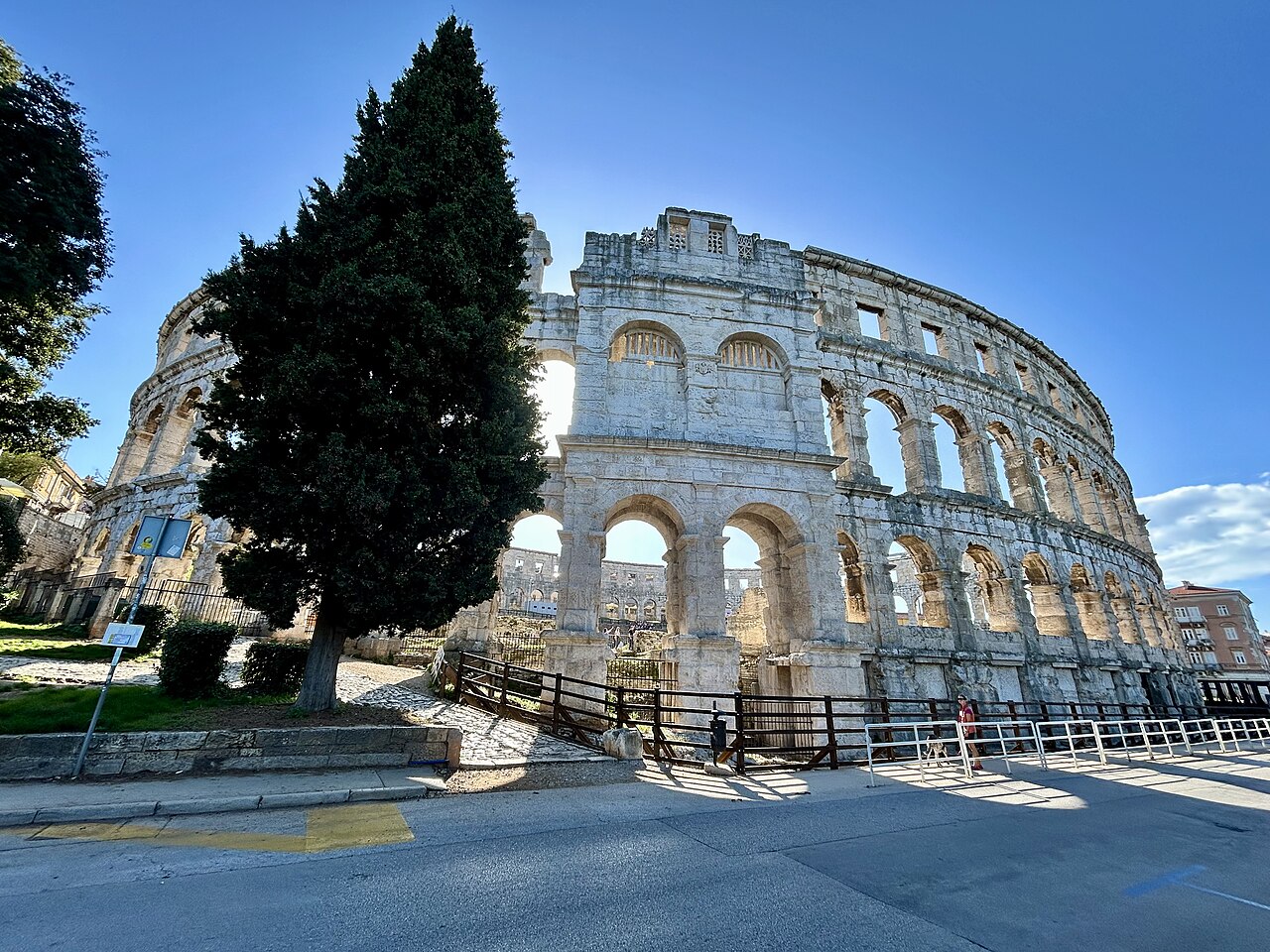
A Roman amphitheatre built in the time of Emperor Augustus and enlarged under Vespasian. It once held about 23,000 spectators and is one of the best-preserved Roman amphitheatres in the world. Concerts and a film festival are held there today.
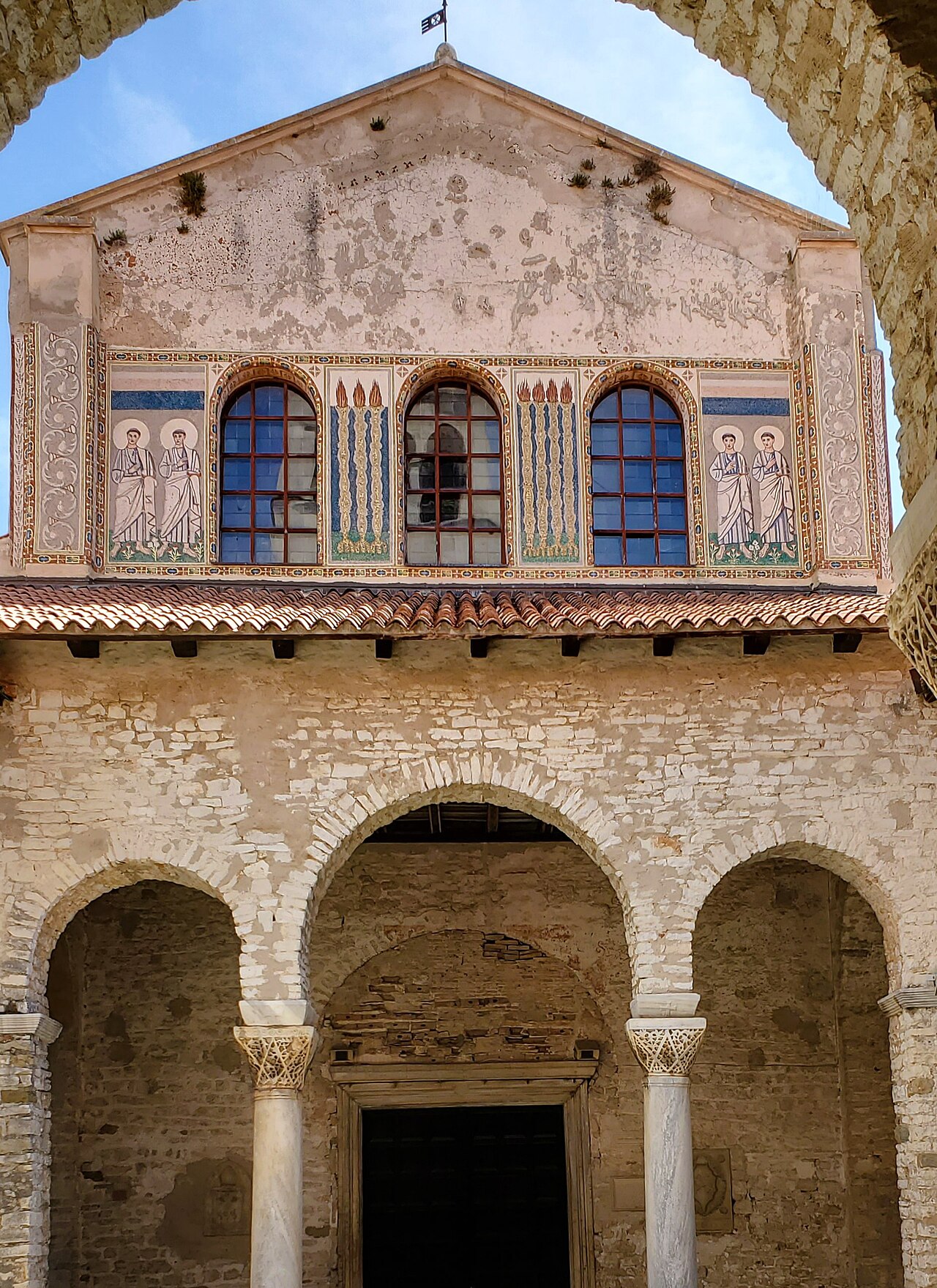
A 6th-century church complex in Poreč with shining gold mosaics in the early Byzantine style. Parts of even older churches and their floor mosaics survive on the same site.
UNESCO World Heritage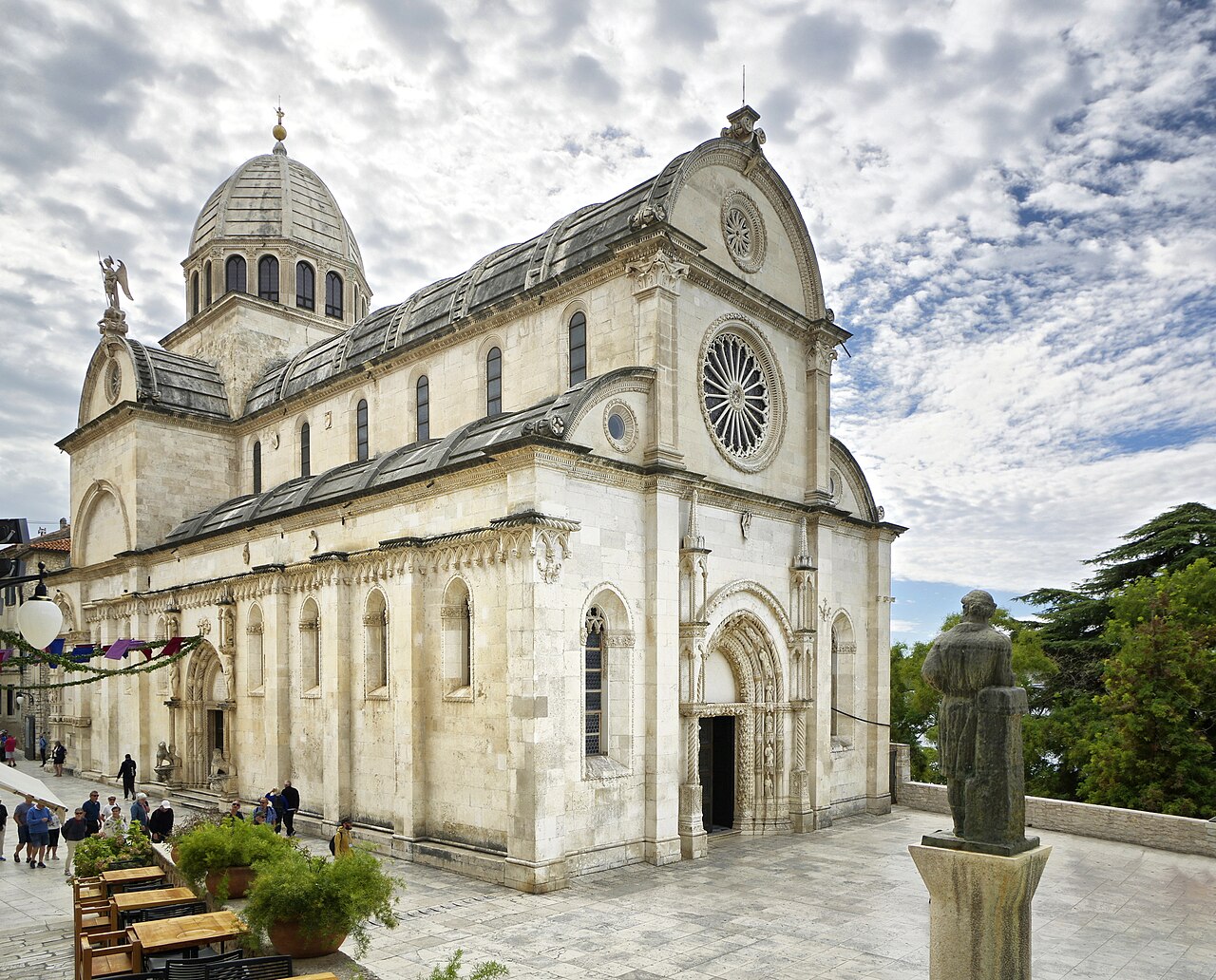
A cathedral built entirely of stone between 1431 and 1536. Around its outer walls runs a frieze of 74 carved human heads, thought to be portraits of ordinary people of the time.
UNESCO World Heritage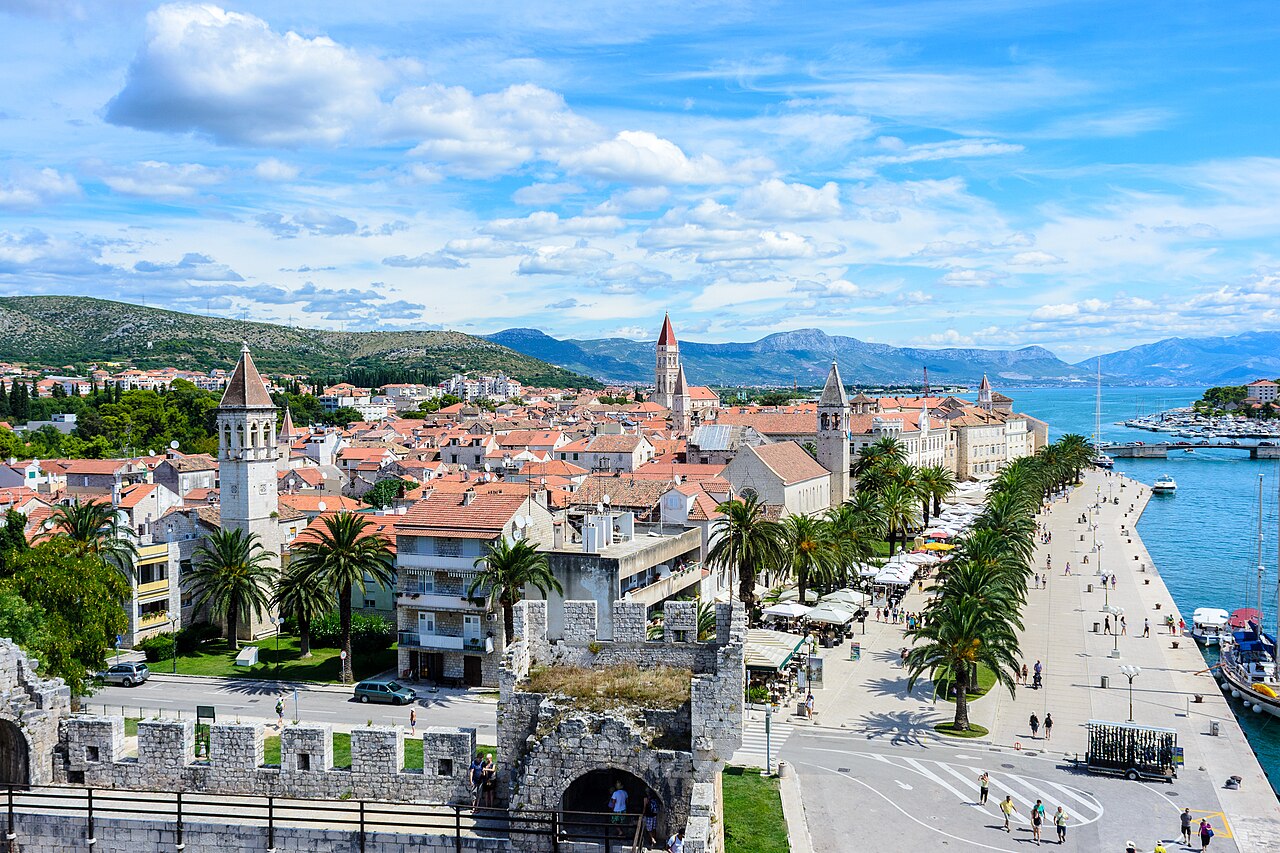
A tiny old town on an island between the mainland and the island of Čiovo, about 27 km west of Split. Founded by Greek colonists, it is packed with churches and palaces. UNESCO lists it for its ancient Greek street plan, filled with Romanesque, Renaissance and Baroque buildings.
UNESCO World Heritage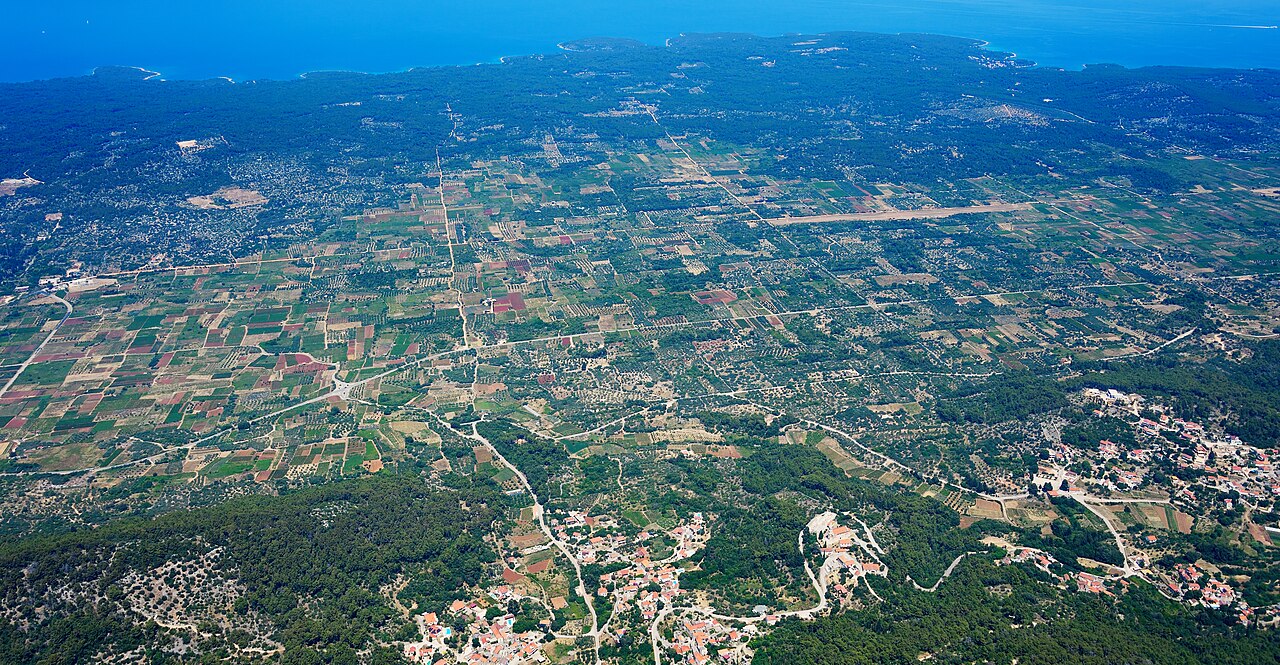
Fields on the island of Hvar laid out by Greek colonists in the 4th century BC and farmed with grapes and olives ever since. The ancient stone walls and small stone shelters are still kept up by local farmers.
UNESCO World Heritage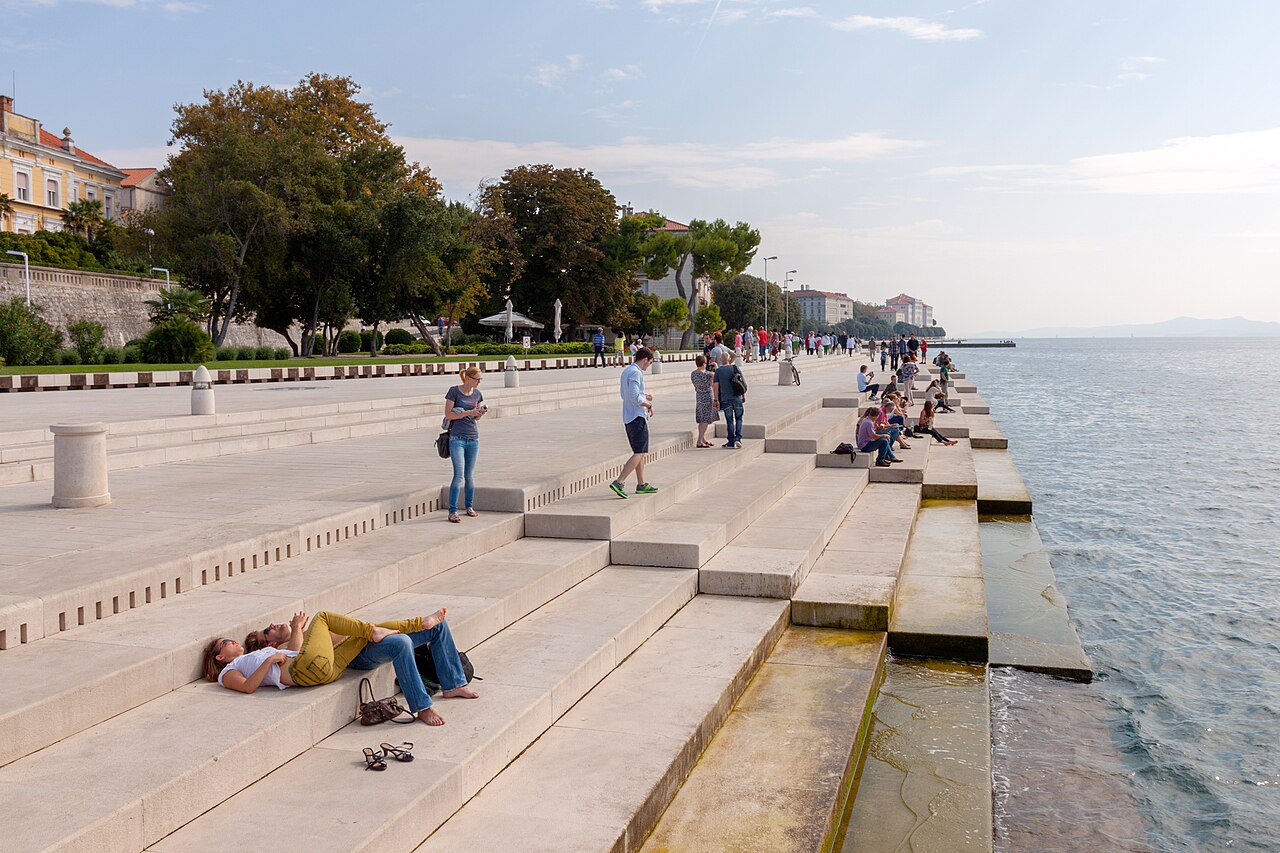
Wide marble steps on Zadar's waterfront with pipes hidden underneath. As waves push air through the pipes, the steps play soft, changing notes. It was designed by the architect Nikola Bašić and opened in 2005.
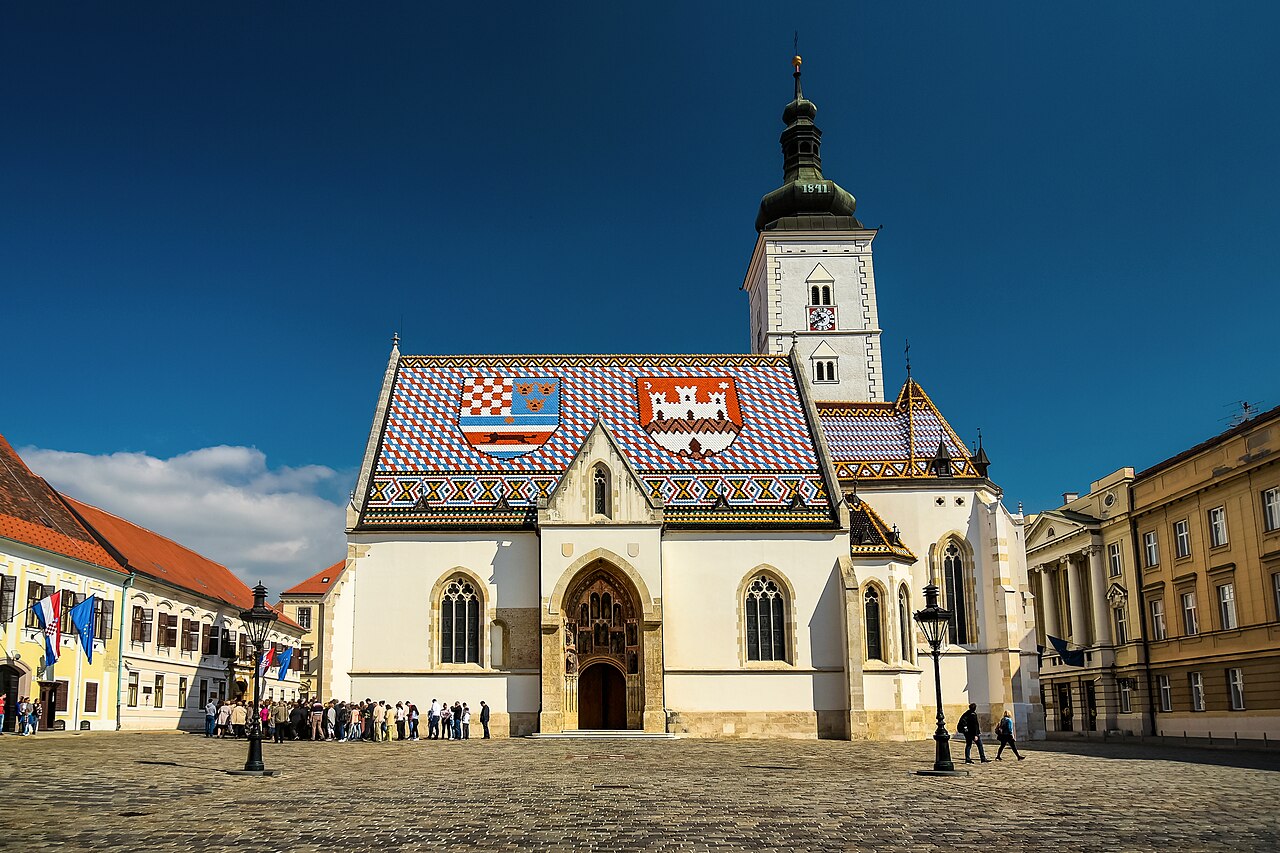
A church in Zagreb's Upper Town, first built in the 13th century. Its colourful tiled roof shows the coat of arms of Croatia, Dalmatia and Slavonia and the emblem of the city of Zagreb.
The word 'cravat' is traced to Croatian soldiers who served in France during the Thirty Years' War (1618 to 1648). Parisians admired their knotted neckerchiefs, and the French word for Croats, 'Croates', became 'cravate'. Croatia celebrates International Necktie Day every 18 October.
The spotted Dalmatian dog is named after Dalmatia, the coastal region of Croatia where the breed's origins can be traced.
Croatia has more than 1,000 islands, islets, rocks and reefs. One official count gives 1,185, of which 48 islands are inhabited.
A 20 km stretch of coast around the town of Neum belongs to Bosnia and Herzegovina and separates Dubrovnik by land from the rest of Croatia. Since 2022 the 2.4 km Pelješac Bridge lets drivers go around it without crossing a border.
Croatia's old currency, the kuna, was named after the marten, a small forest animal whose furs were once used in trade. It was replaced by the euro on 1 January 2023 at 7.5345 kuna to the euro.
In Zagreb, the engineer Slavoljub Eduard Penkala patented an improved mechanical pencil in 1906 and developed a solid-ink fountain pen in 1907.
Ivan Vučetić, born on the island of Hvar in 1858, emigrated to Argentina and, as Juan Vucetich, pioneered the use of fingerprints to identify criminals.
The inventor Faust Vrančić from Šibenik drew a parachute called 'Homo Volans', the Flying Man, in his book of machines published in the early 1600s.
Dubrovnik's walls and fortresses played King's Landing in the TV series Game of Thrones.
Zagreb has a Museum of Broken Relationships, filled with objects donated by people after a break-up, each with its story. In 2011 it won the Kenneth Hudson Award for Europe's most innovative museum.
Croatia's football team, famous for its red and white checked shirts, finished third at the World Cup in 1998 and 2022 and reached the final in 2018.
The Baška tablet, a stone slab from around 1100 found on the island of Krk, is written in the old Glagolitic alphabet. It names King Zvonimir, 'king of the Croats', the first time a Croatian king and the Croatian name appear in the Croatian language.
Zadar's Sea Organ has no keyboard and no player: the waves of the Adriatic play it day and night.
Pronunciation is written the way it sounds; the capital letters show where the stress goes. Audio is coming soon.
Croatia has used the euro since 1 January 2023, so old kuna prices in guidebooks are out of date. Cards are accepted almost everywhere, but carry some small notes and coins for markets, tips and small cafés.
Service is not added to the bill. Rounding up is normal for drinks, and 5 to 10% in a restaurant shows you were happy with the service. More than 10% is unusual.
In several coastal towns, walking around the town centre in swimwear or without a shirt can bring an on-the-spot fine. Save the swimsuit for the beach and put on a shirt and shorts or a dress in town.
Buy Plitvice Lakes tickets online in advance: you choose an entrance and a time, and must arrive at that entrance within your time slot. Swimming in the lakes is strictly forbidden, and not every path is suitable for wheelchairs.
The number for police, ambulance and fire in Croatia is 112. It works from any phone, free of charge.
The bura is a cold, dry wind that rushes down from the mountains to the sea, most often in the cooler months. It can be very strong, especially around the Velebit mountains, and can close roads and bridges and delay ferries, so check forecasts and warning signs.
Drive on the right. From 1 November to 31 March, dipped headlights or daytime running lights must be on even in daytime. The alcohol limit is 0.05%, and zero for drivers under 24.
As of 2026, Croatia has finished clearing the landmines left from the war of the 1990s and has declared itself free of mine danger. In remote countryside that was once on the front line, stay on marked trails and roads and never touch an old metal object you find.