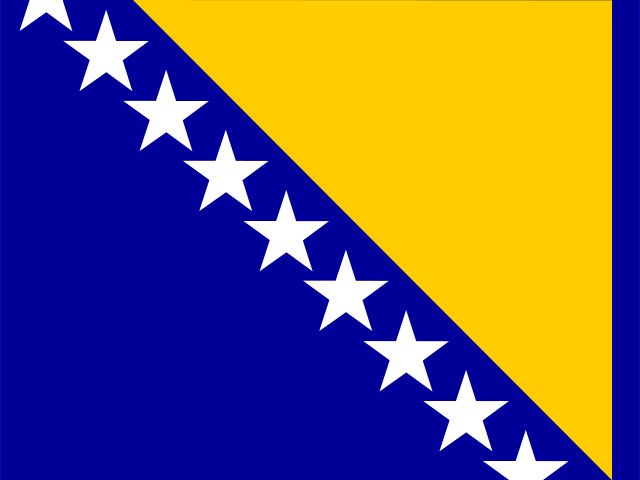
 Bosnia and Herzegovina
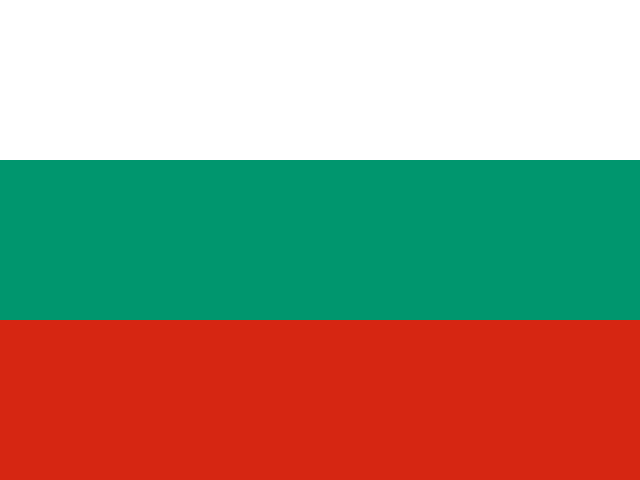 Bulgaria
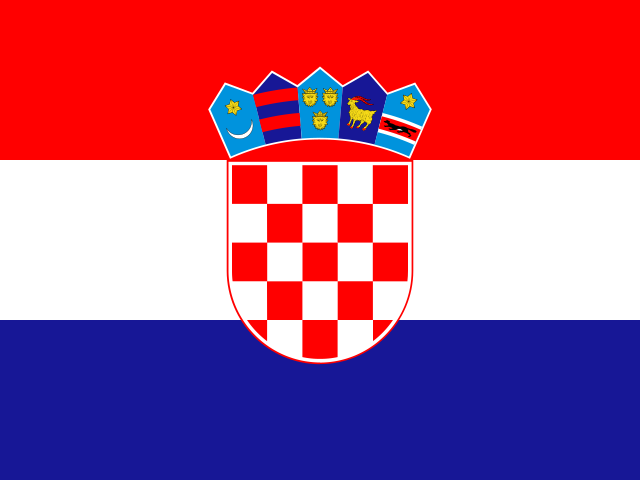 Croatia
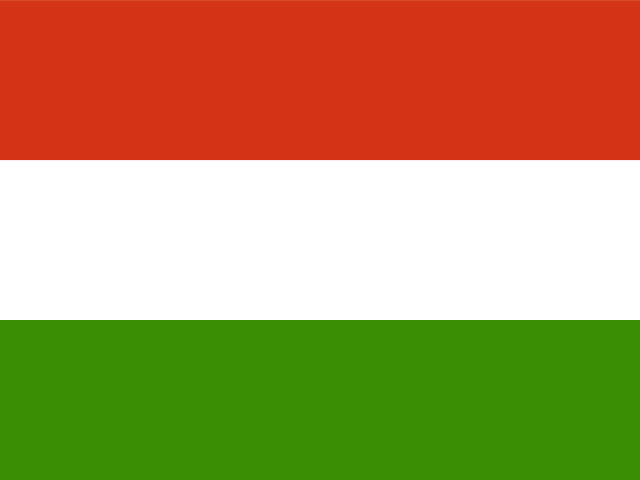 Hungary
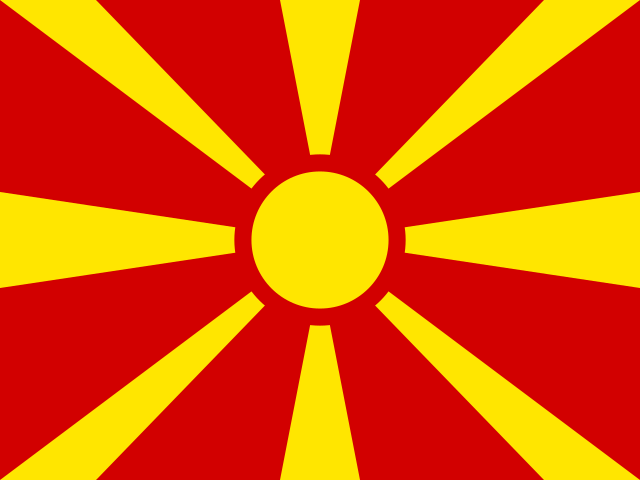 North Macedonia
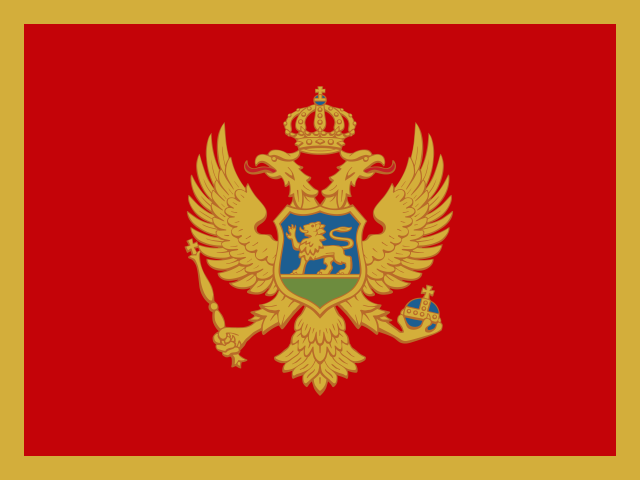 Montenegro
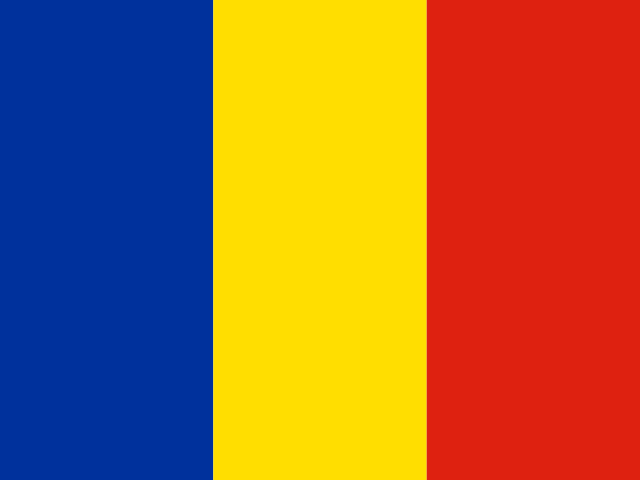 Romania
Vinča culture by the Danube
From about 5400 BC, Neolithic farmers of the Vinča culture built some of the largest settlements in prehistoric Europe. The culture is named after Vinča, a site on the Danube just outside today's Belgrade.
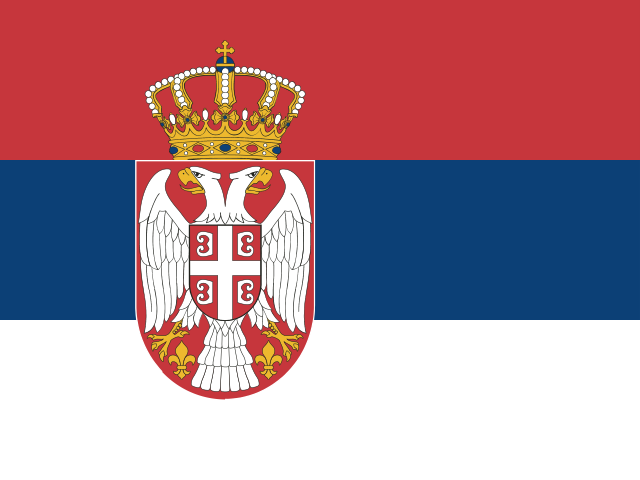
A free large-print PDF. Choose what goes in: facts, map, history, dishes and recipes, phrases, fun facts, a quiz with or without answers. Made for clubs, care homes, libraries and family afternoons.
Serbia lies in the heart of the Balkans, with no coast of its own. In the north, the province of Vojvodina is flat farmland on the Pannonian Plain, crossed by the Danube, the Sava and the Tisza. South of Belgrade the land rises into green hills, and the south and east are mountainous, with the Balkan Mountains along the border with Bulgaria. The Danube flows 588 km through the country and forces its way through the dramatic Iron Gates gorge on the Romanian border.
People have lived here for thousands of years. Roman emperors were born on this soil, Constantine the Great among them. A Serbian kingdom was founded in 1217 and became an empire in 1346, and its rulers left behind monasteries full of frescoes. After centuries of Ottoman rule, the Serbian Revolution began in 1804, and independence was recognised in 1878. In the 20th century Serbia was part of Yugoslavia, and it became an independent state again in 2006, when Montenegro left their union.
Today Serbia is a parliamentary republic of about 6.6 million people (2022 census, not counting Kosovo) and a candidate to join the European Union. Kosovo, in the south, declared independence in 2008. Serbia does not recognise this and regards Kosovo as part of its territory, while many other countries do recognise Kosovo. Where figures on this page differ, they are given for Serbia without Kosovo.
Serbia's story runs from Stone Age farmers on the Danube and Roman emperors' palaces, through a medieval kingdom and empire, centuries under the Ottomans and an uprising for freedom, to Yugoslavia and a return to independence in 2006.
From about 5400 BC, Neolithic farmers of the Vinča culture built some of the largest settlements in prehistoric Europe. The culture is named after Vinča, a site on the Danube just outside today's Belgrade.
The Roman emperor Galerius began a great palace and temple complex near his birthplace, today Gamzigrad near Zaječar. He named it Felix Romuliana after his mother, Romula.
Stefan Nemanja became Grand Prince (Grand Župan) of Serbia and founded the Nemanjić dynasty, which ruled Serbia until 1371. He founded Studenica Monastery around 1190, and after giving up the throne in 1196 he became a monk there.
Nemanja's son Stefan was crowned king, and he is remembered as Stefan the First-Crowned. The Serbian state was now a kingdom.
Stefan's brother, the monk Sava, was recognised as the first Archbishop of an independent Serbian Church. Saint Sava is the patron saint of Serbia.
Stefan Dušan was crowned Emperor of the Serbs. His empire stretched from the Danube to the Gulf of Corinth, and his law code, Dušan's Code, is a treasure of medieval Serbia.
On 15 June 1389 a Serbian-led army under Prince Lazar fought an Ottoman army under Sultan Murad I. Both leaders were killed. The battle holds a central place in Serbian memory, song and legend.
The fortress city of Smederevo, the last capital of the medieval Serbian state, fell to the Ottomans. For most of the next 350 years, Serbia was under Ottoman rule.
Serbs rose against Ottoman rule under Karađorđe Petrović. The uprisings of the Serbian Revolution lasted until 1815 and laid the foundations of modern Serbia.
Serbia's first constitution was adopted in Kragujevac on 15 February 1835, the same day of the year on which the First Serbian Uprising had begun in 1804. That date, Sretenje, is celebrated every year as Statehood Day.
The Congress of Berlin formally recognised Serbia as an independent state. Four years later, in 1882, the principality became the Kingdom of Serbia.
After the assassination of Archduke Franz Ferdinand in Sarajevo, Austria-Hungary declared war on Serbia on 28 July 1914, the start of the First World War. Serbia won its first battles but suffered enormous losses.
On 1 December 1918 the Kingdom of Serbs, Croats and Slovenes was proclaimed in Belgrade. It was renamed Yugoslavia in 1929.
After the Second World War, Serbia became one of the six republics of socialist Yugoslavia, with Belgrade as the federal capital.
After Montenegro voted for independence in May 2006, Serbia declared its own independence on 5 June 2006 as the successor of the union of Serbia and Montenegro.
On 17 February 2008 the Assembly of Kosovo declared independence. Serbia rejects the declaration and regards Kosovo as its province, while many other countries recognise Kosovo. Talks between the two sides are mediated by the European Union.
Serbian food is hearty and generous, a meeting of Central European, Turkish and Mediterranean cooking. Grilled meat is the star, bread comes with almost every meal, and cheese, kajmak and pies are everyday pleasures. Breakfast is often a savoury pastry from the bakery, and lunch, eaten in the early afternoon, is the main meal: it usually starts with a soup, goes on to meat with salad and ends with something sweet and a small cup of coffee.
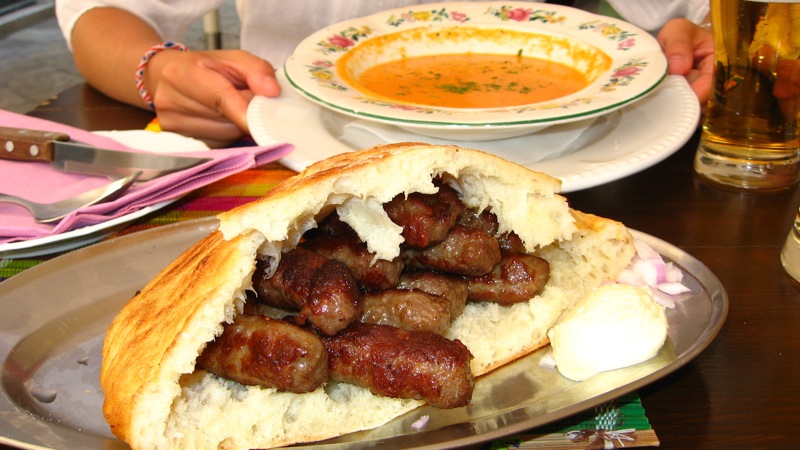
Small finger-shaped rolls of minced meat, grilled over charcoal and served five or ten at a time on a plate or in a soft flatbread, with chopped raw onion, kajmak and sometimes ajvar. In Serbia they are made of beef, lamb, pork or a mixture.
The word comes, through Ottoman Turkish kebap, from Arabic. The plural ćevapi is almost always used, because nobody eats just one.
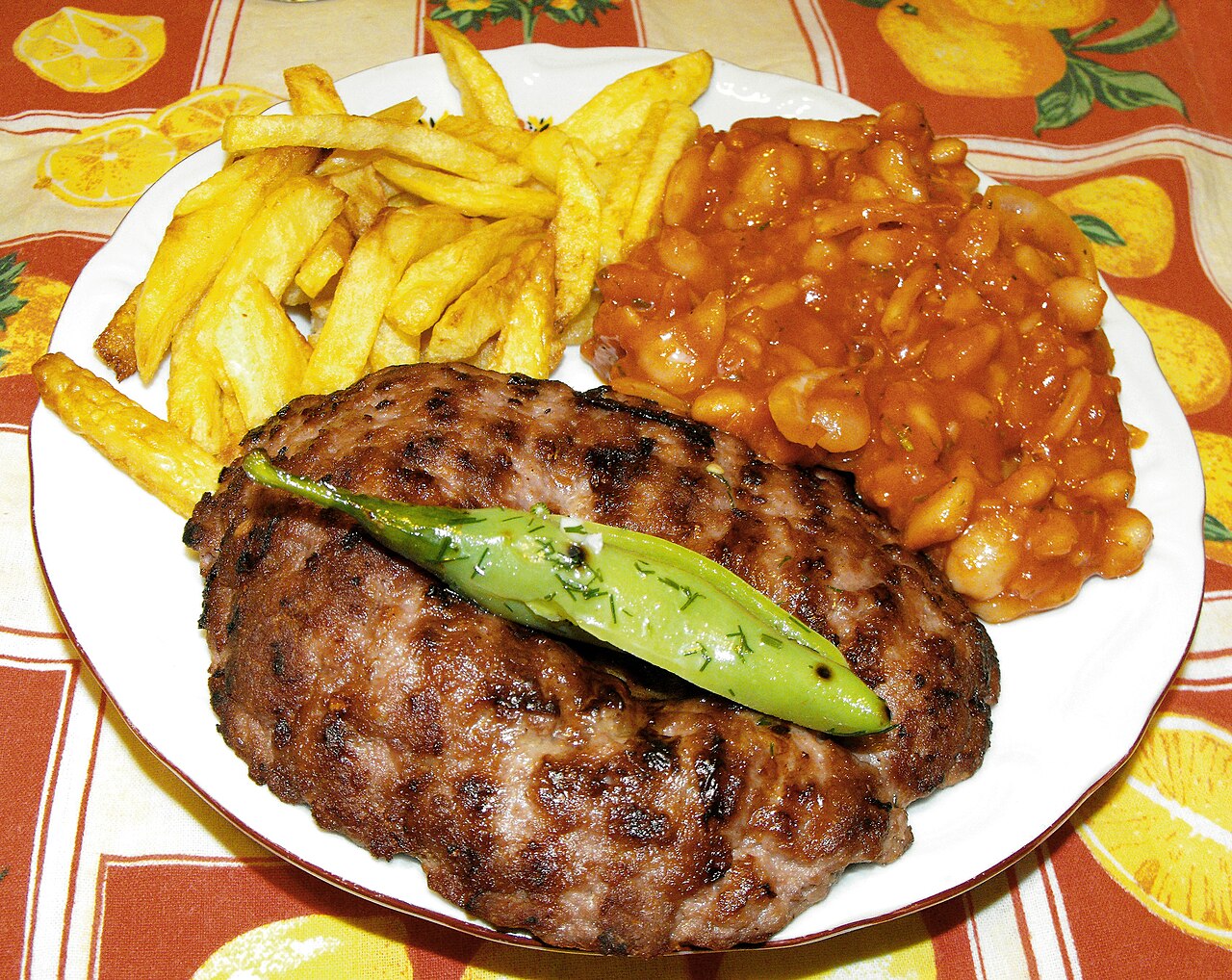
A large, thin patty of spiced minced pork, beef and lamb, grilled and served with onions, kajmak and urnebes, either on a plate or in a flatbread like a hamburger. It is one of Serbia's national dishes.
Since 2008 the name 'Leskovac pljeskavica' has been legally protected for pljeskavica made in the Jablanica District of southern Serbia.
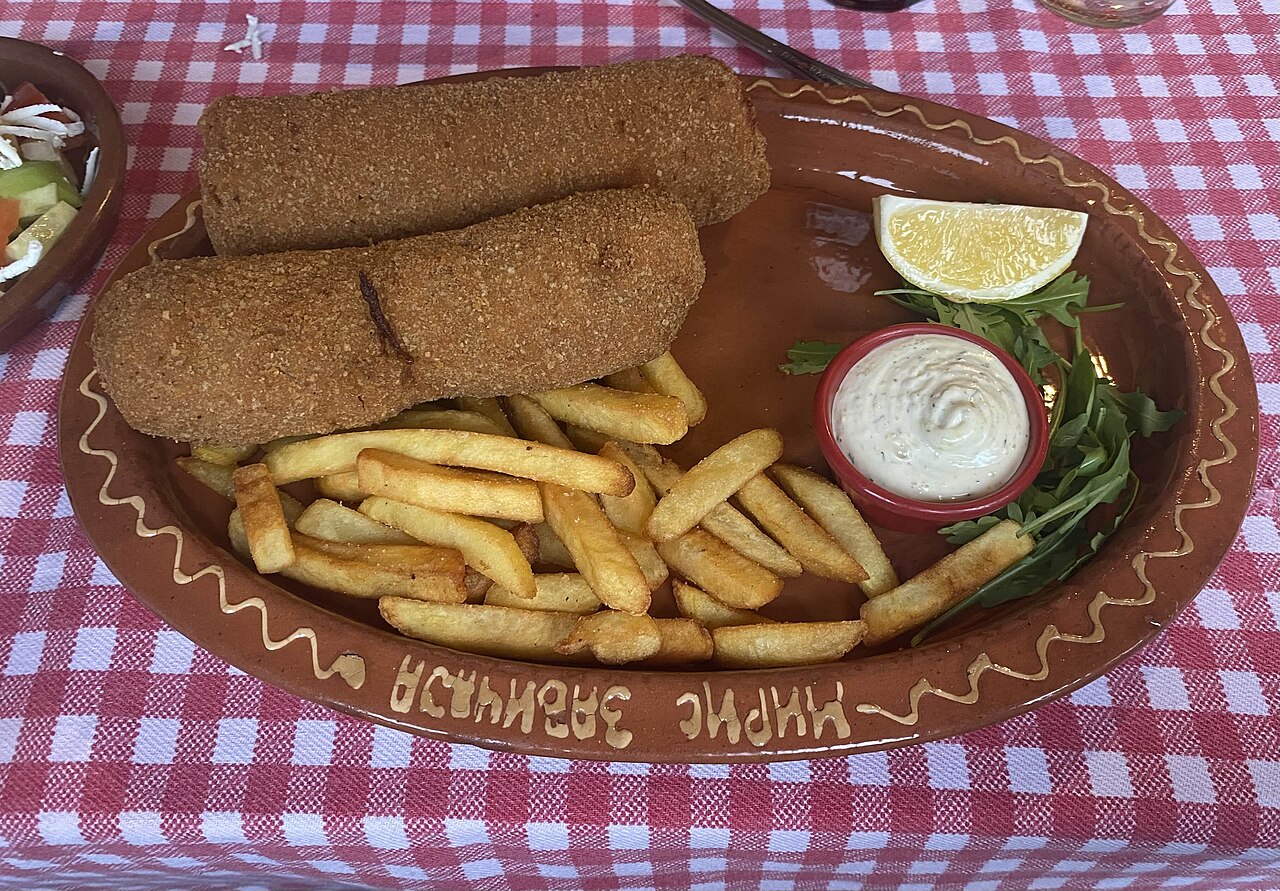
A veal or pork steak rolled around kajmak, then breaded and fried golden. It is served with tartar sauce and a slice of lemon, often with chips.
It was created in 1956 or 1957 by the chef Mića Stojanović, who later cooked for Tito. He named it after Karađorđe, leader of the First Serbian Uprising.
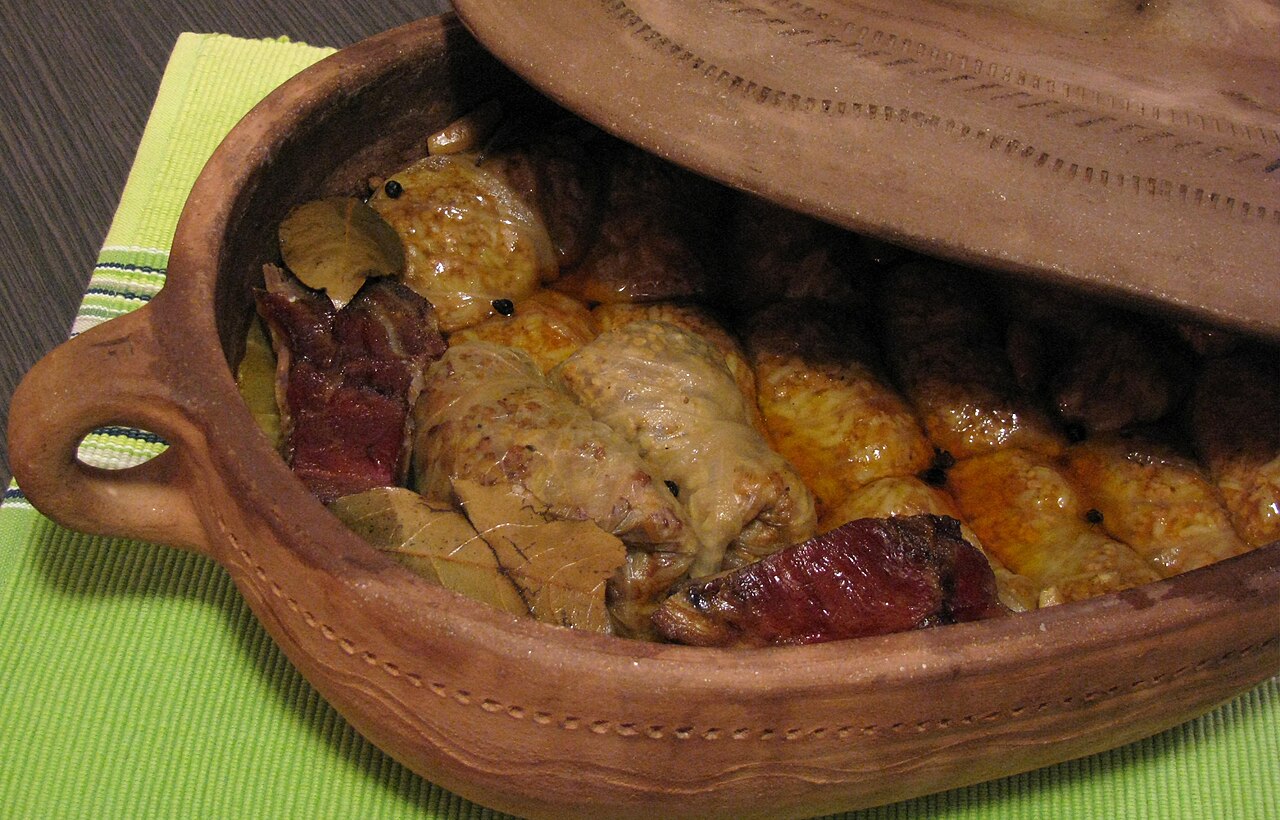
Leaves of soured cabbage rolled around minced meat and rice, then simmered slowly for hours, often with smoked meat. It is a classic of winter feasts and family celebrations.
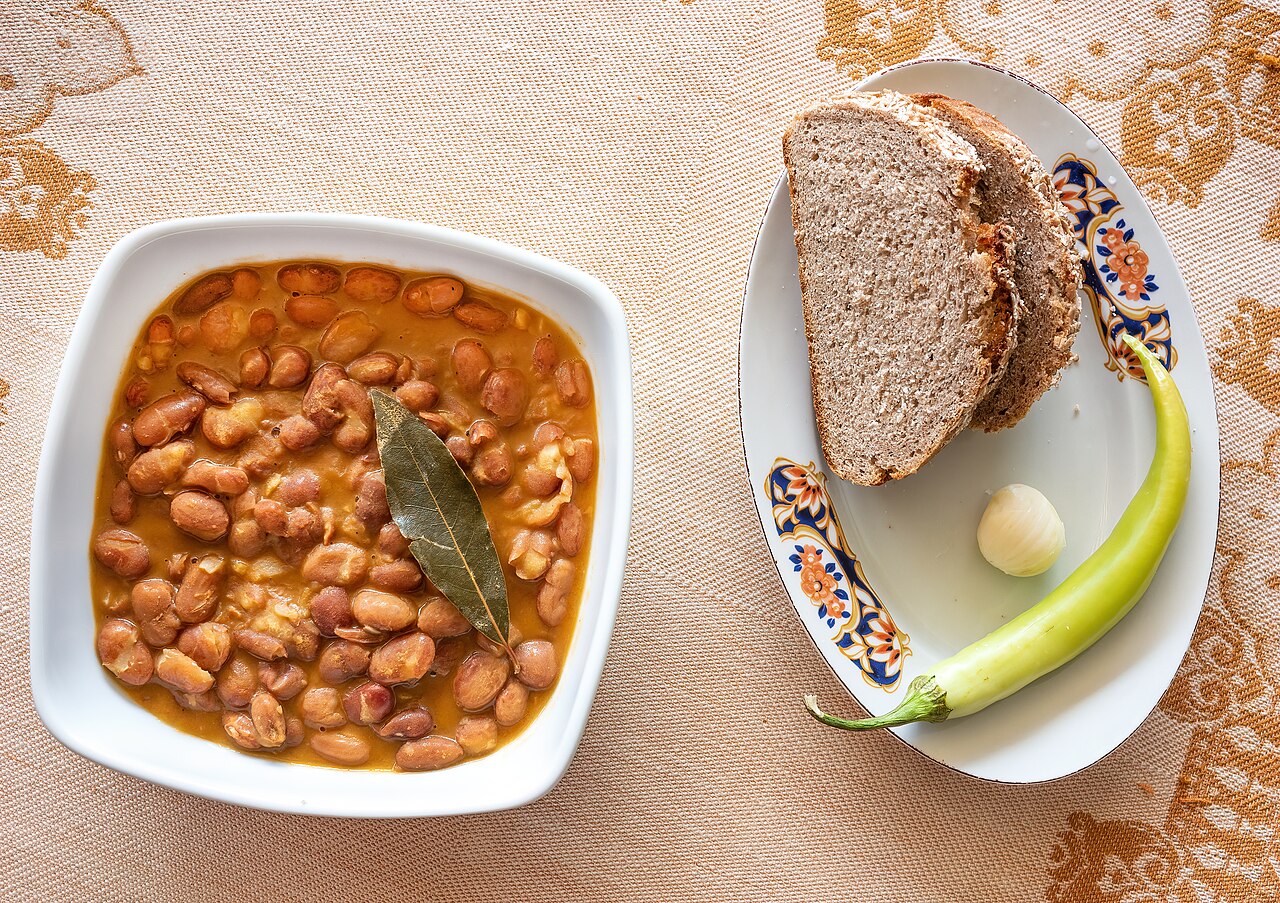
A thick stew of white beans cooked slowly with onion, paprika and smoked meat such as bacon or sausage. It is served with bread and sometimes sour cream. A baked version is called prebranac.
Serbs say 'prosto kao pasulj', 'simple as beans', where English speakers would say 'easy as pie'.
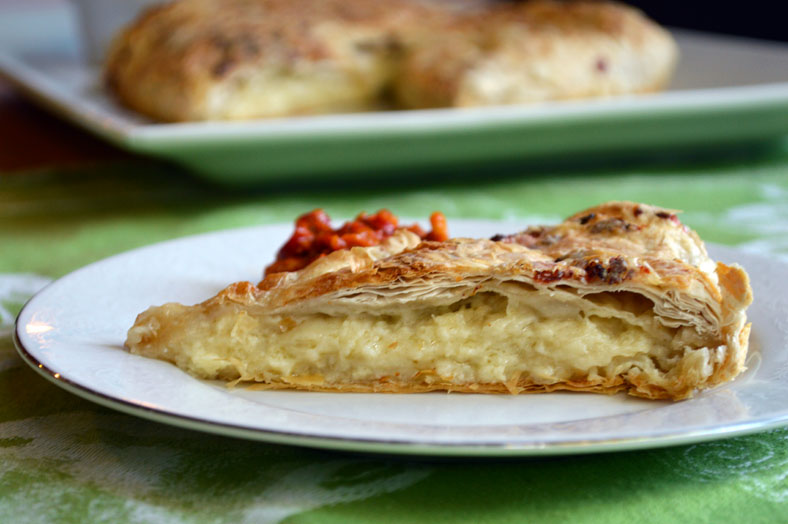
A golden pie of thin filo pastry, crumpled in layers with a filling of white cheese, eggs, milk and kajmak. It is eaten warm for breakfast, at celebrations and as a snack.
Gibanica was already listed in Vuk Karadžić's Serbian Dictionary of 1818.
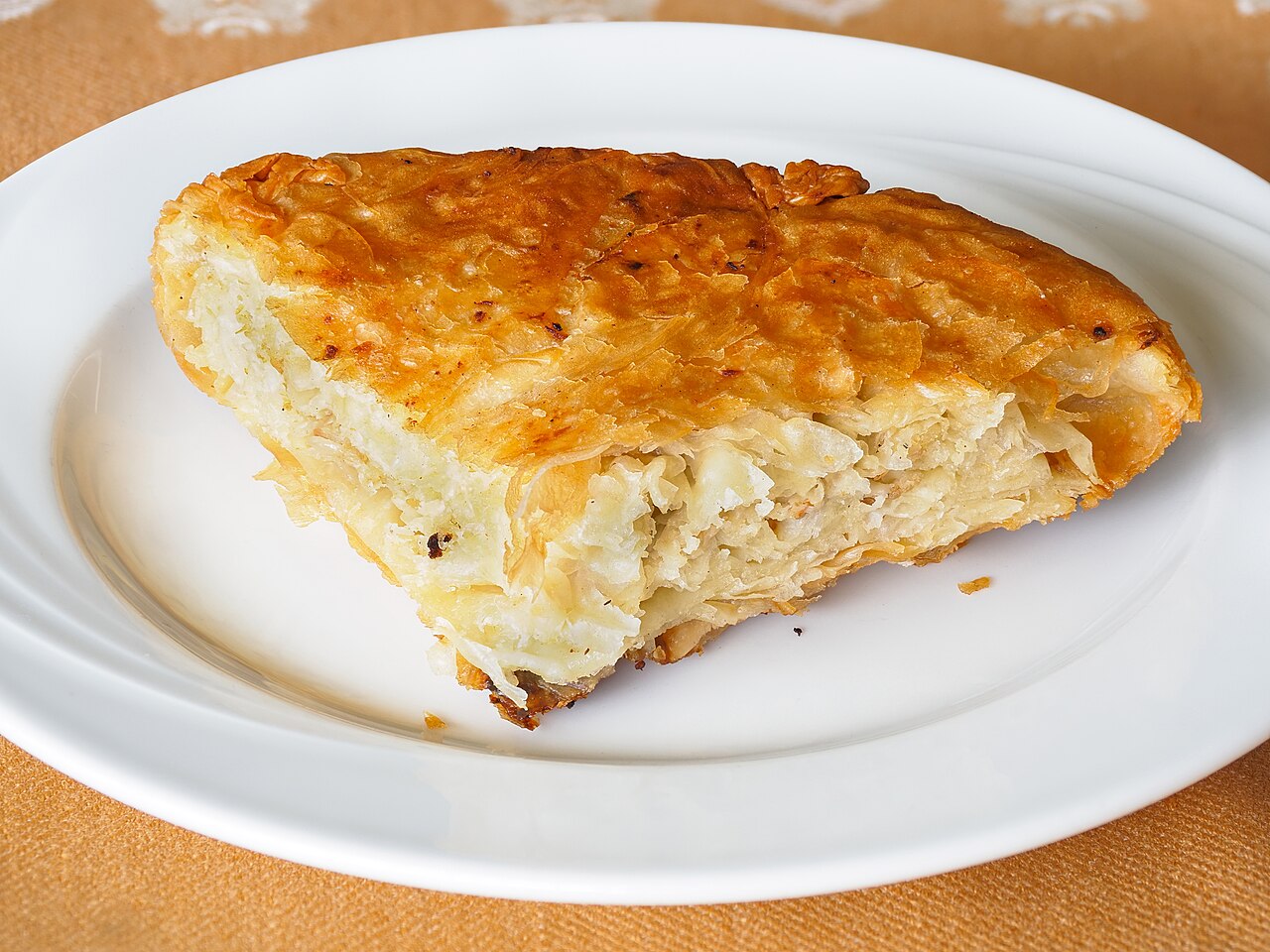
A large round pie of thin, flaky pastry filled with minced meat, cheese, spinach or potato, cut into wedges. In Serbia it is a classic breakfast, often with a glass of drinking yoghurt.
Burek is popular for breakfast and can be sold out by the evening.
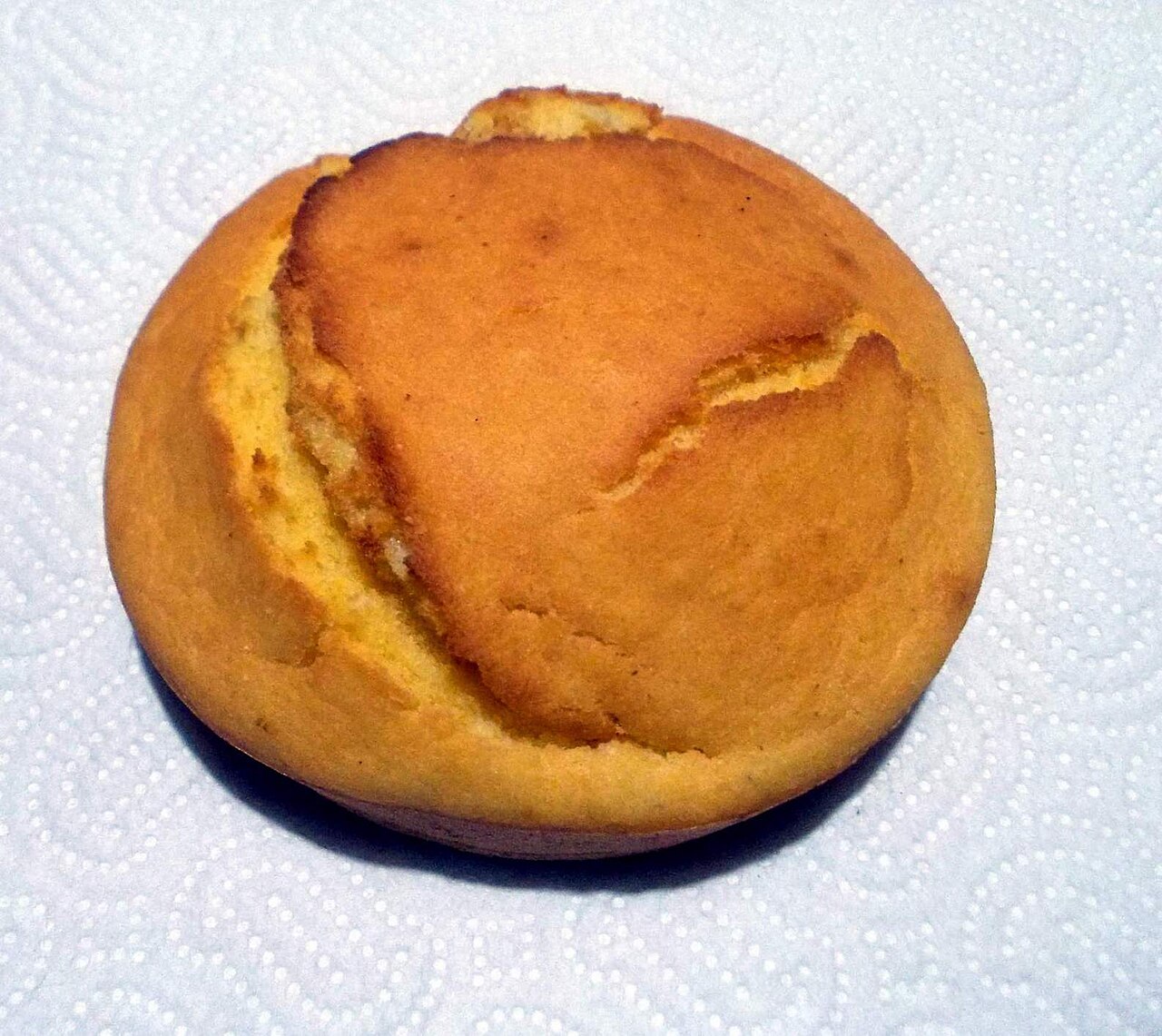
A simple, moist cornbread made from maize flour, oil and sparkling water, sometimes with white cheese. It is often eaten for breakfast with kajmak, ajvar or sour cream.
Proja kept many families fed in hard times, including Serbian soldiers in the First World War. In 2025 CNN Travel named it one of the world's 50 best breads.
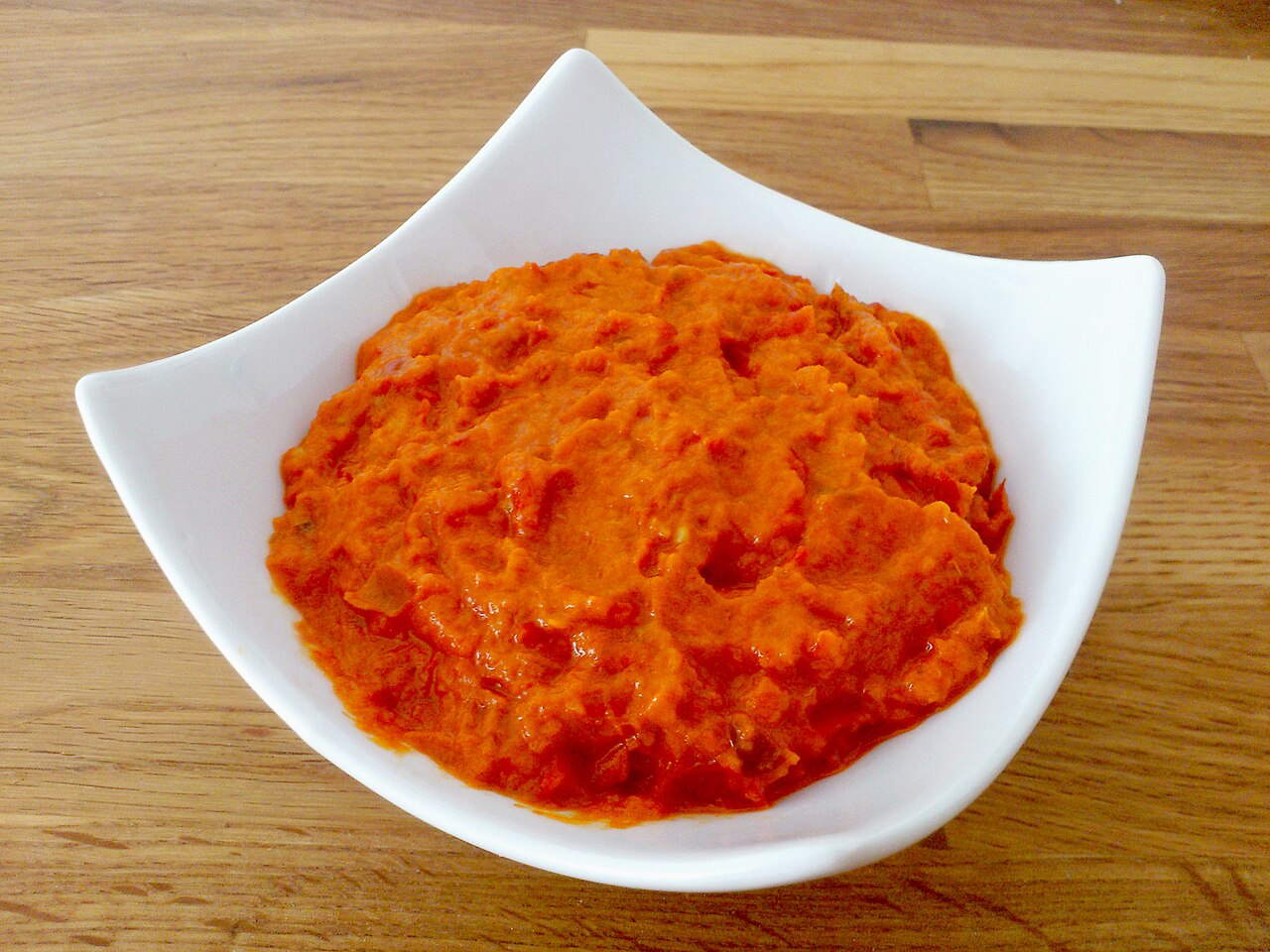
A thick relish of roasted, peeled and slowly cooked red peppers, from sweet to fiery. Families make it together in autumn, when peppers are plentiful, and keep it in jars for the winter.
The name comes from a Turkish word for caviar. When Danube caviar became scarce in the 1890s, Belgrade restaurants began serving a red pepper salad in its place.
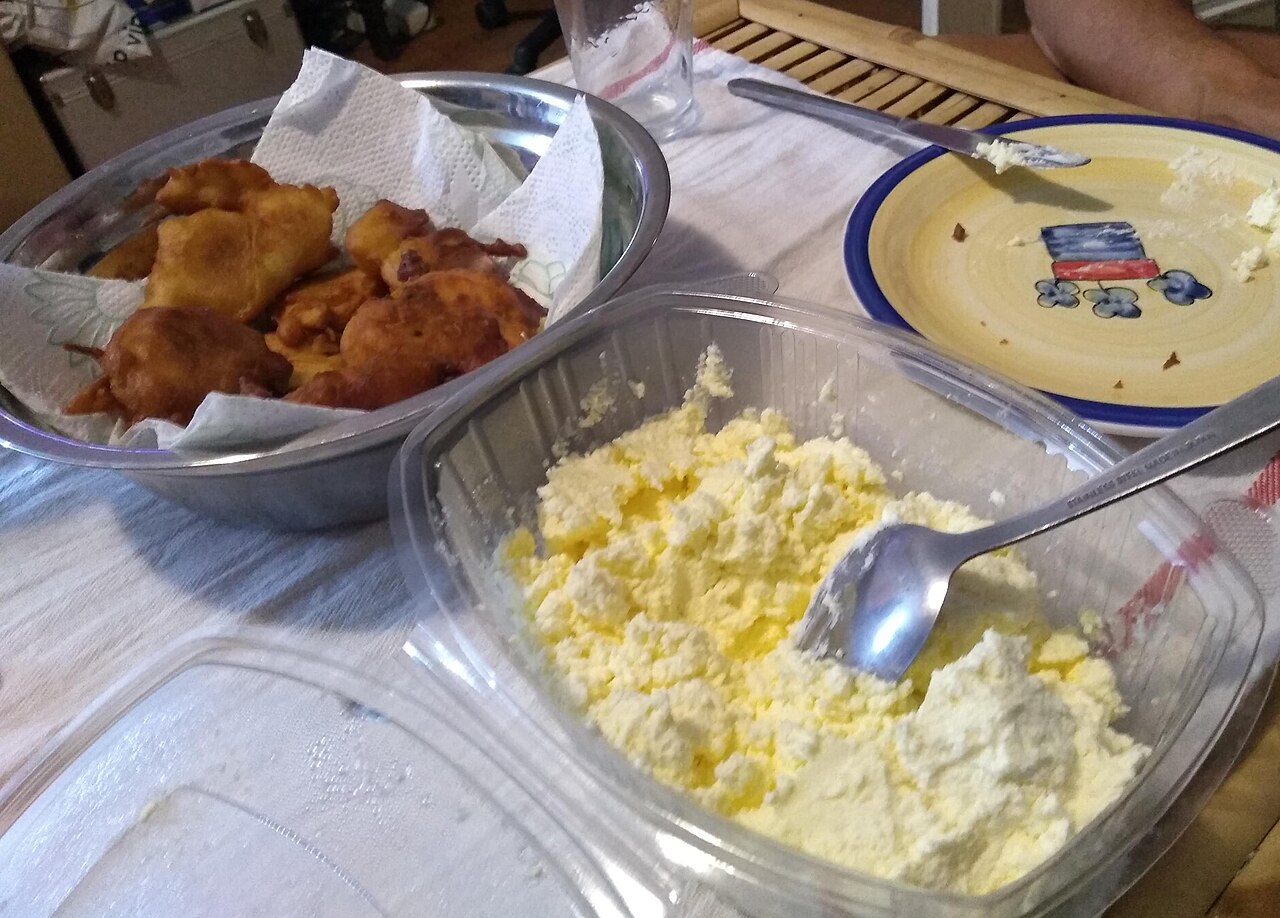
A rich, creamy dairy spread, something between clotted cream and soft cheese, skimmed from the top of slowly heated milk and left to ripen. It is eaten with bread, grilled meat and cornbread.
In Serbian the word kajmak can also mean 'the cream', the best part of something.
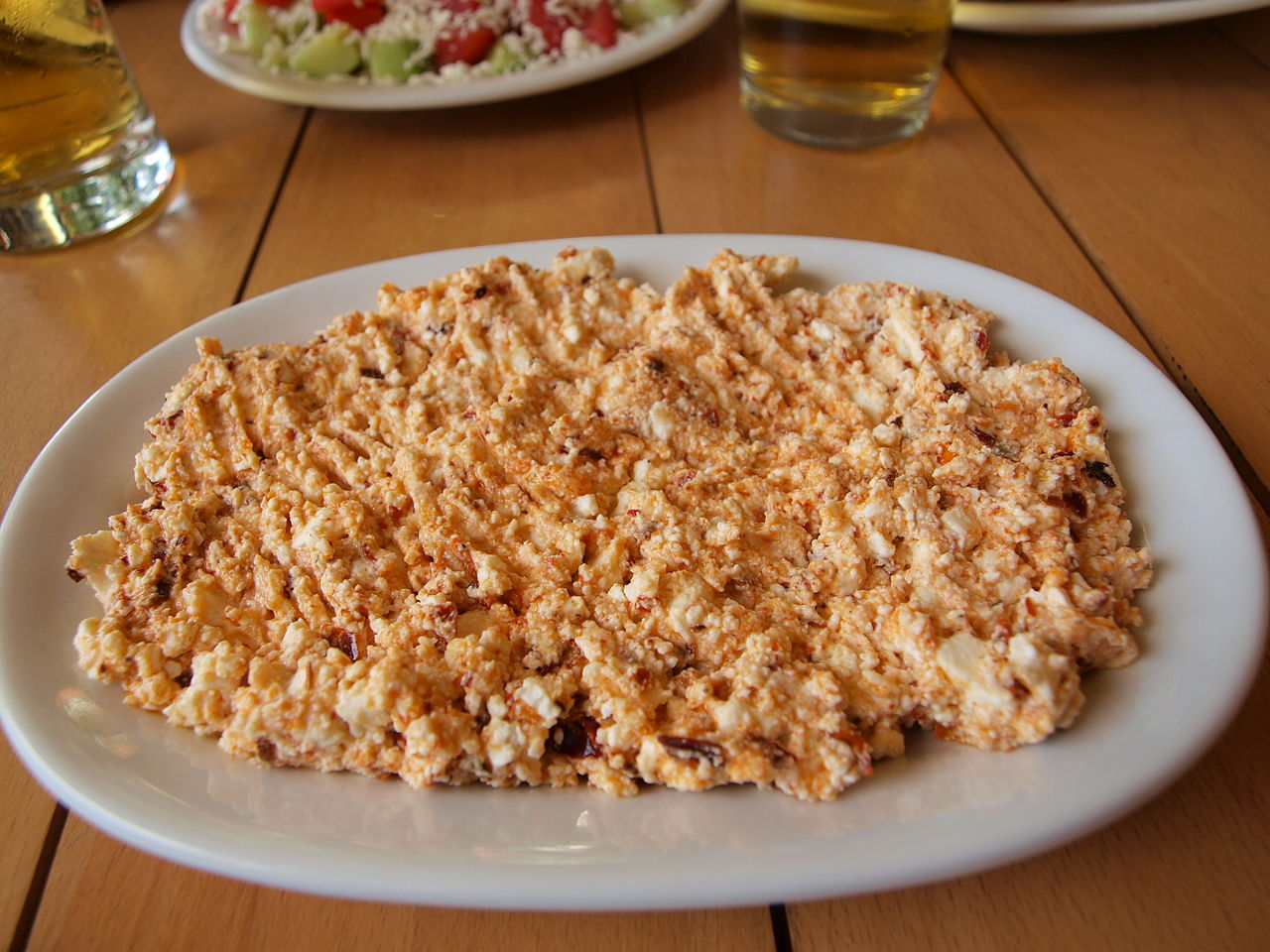
A spread of white cheese and kajmak mixed with hot peppers, sometimes with garlic. It can be mild or very hot and is served with grilled meat.
Urnebes means 'mess' or 'disorder' in Serbian.
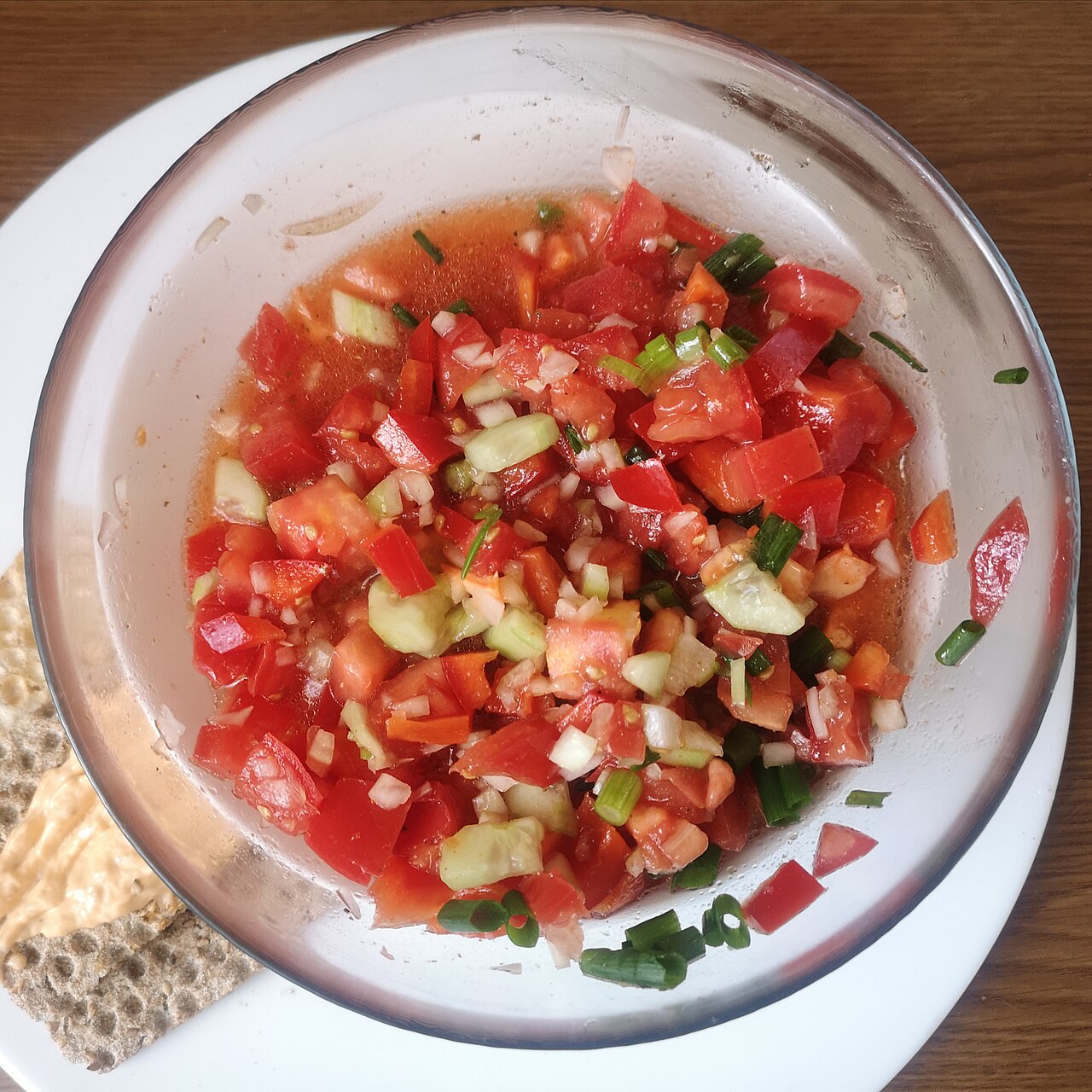
Diced tomatoes, cucumbers and onions with a simple dressing of oil and vinegar, often with a little hot pepper. It is served alongside grilled meat. With grated white cheese on top it becomes šopska salad.
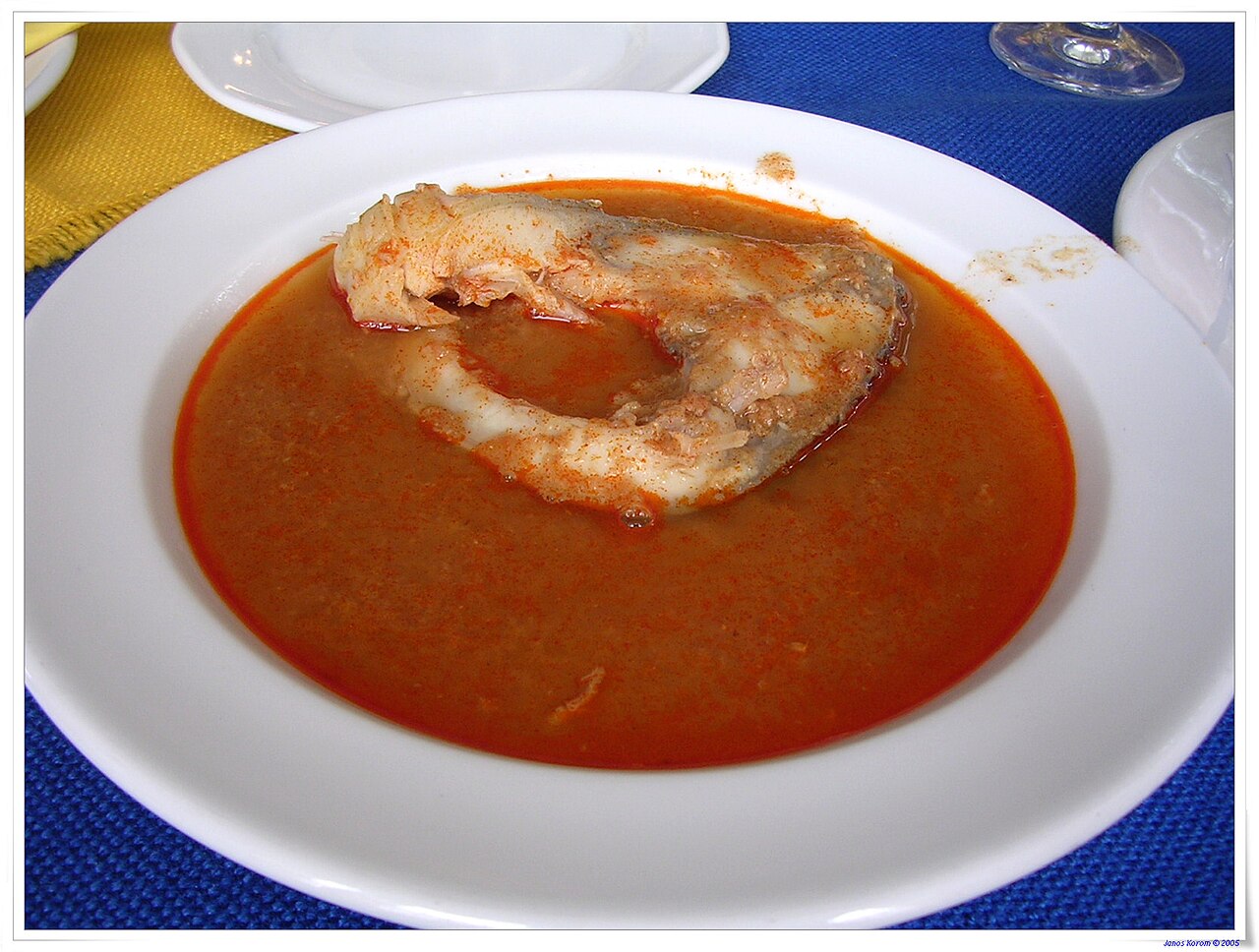
A red, paprika-spiced soup of freshwater river fish, common on the Pannonian Plain in the north. Soup starts almost every Serbian lunch, and fish soup is thought of as a delicacy.
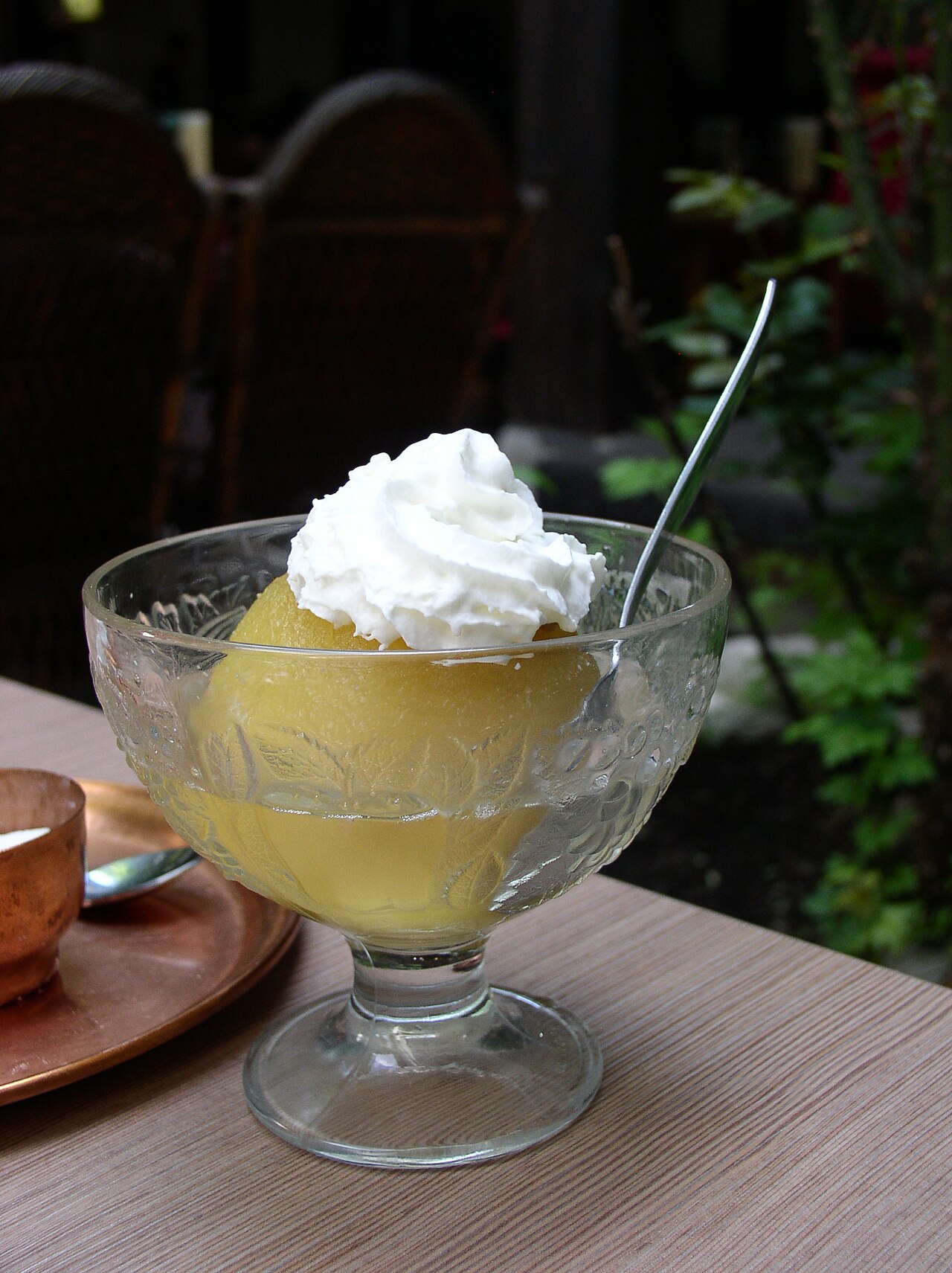
Whole apples filled with walnuts and poached in sugar syrup, served in a glass with their own syrup and a crown of whipped cream, usually with coffee.
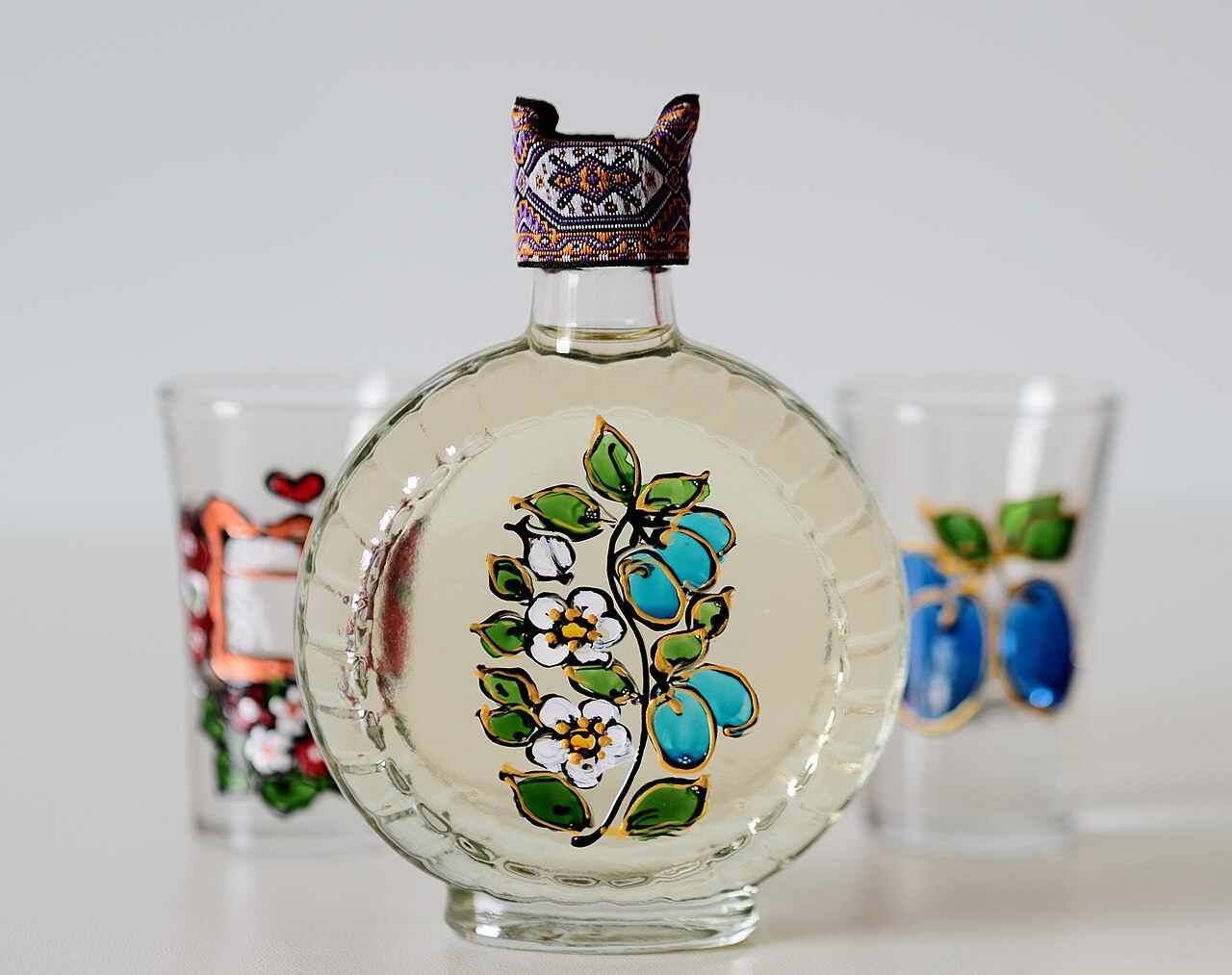
A strong brandy distilled from plums, Serbia's national drink and the most common kind of rakija. It is offered to guests, served before meals and poured at every big family occasion, from weddings to the slava.
In 2022 UNESCO added the Serbian traditions of making and using šljivovica to its list of the intangible cultural heritage of humanity.
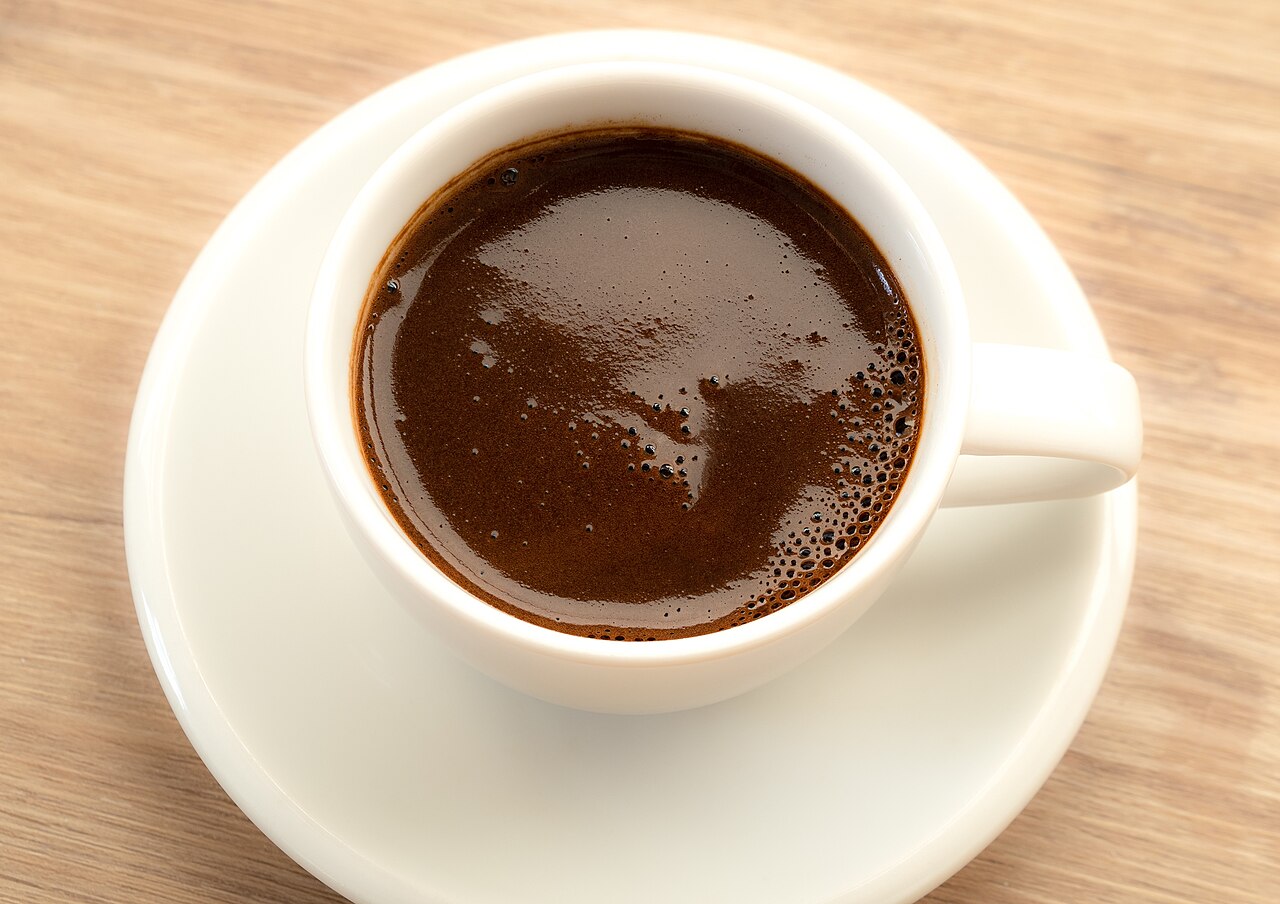
Very finely ground coffee boiled in a small long-handled pot and served in little cups, grounds and all. It is the most common hot drink in Serbia, usually made at home and shared with family or friends.
Belgrade's first coffee house is said to have opened in 1522.
Serbia's cities range from the Central European towns of the northern plain, with Art Nouveau and baroque streets, to the capital on its two rivers and the old Ottoman and Roman towns of the south, many of them close to monasteries and fortresses.
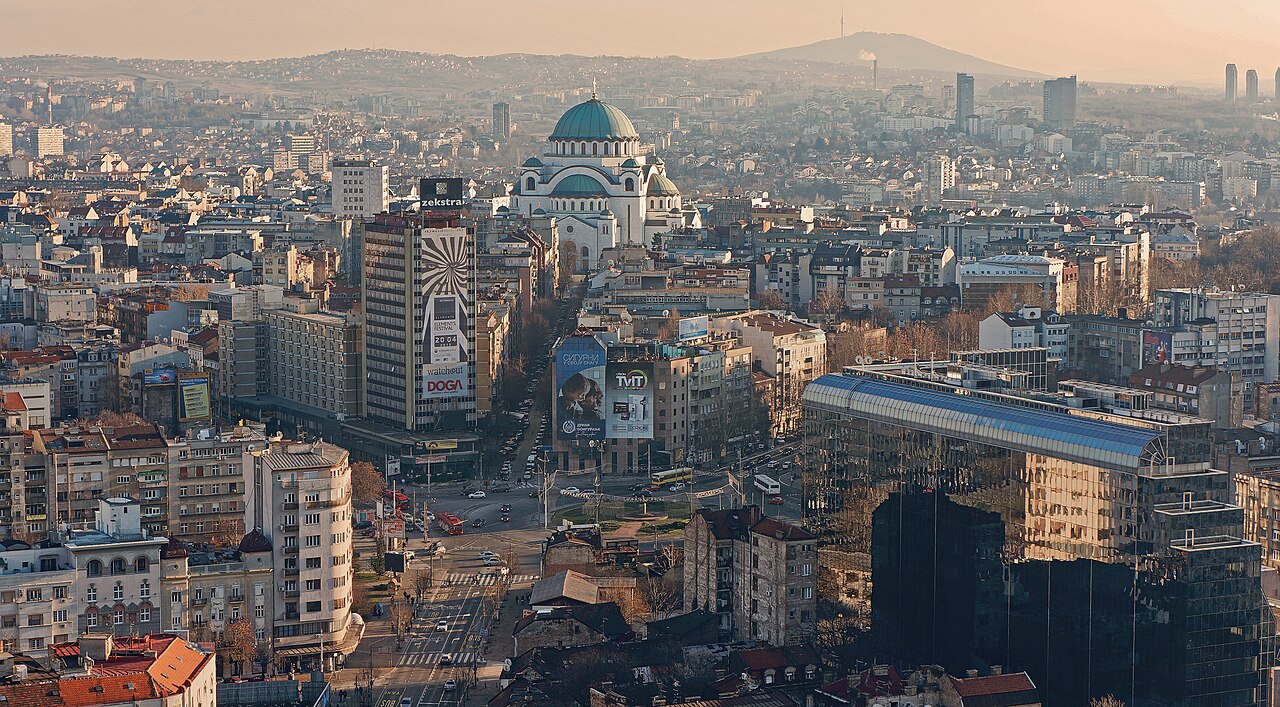
The capital and largest city, with about 1.2 million people in the city proper. It stands where the Sava flows into the Danube and is one of the oldest continuously inhabited cities in Europe. Its name means 'White City'.
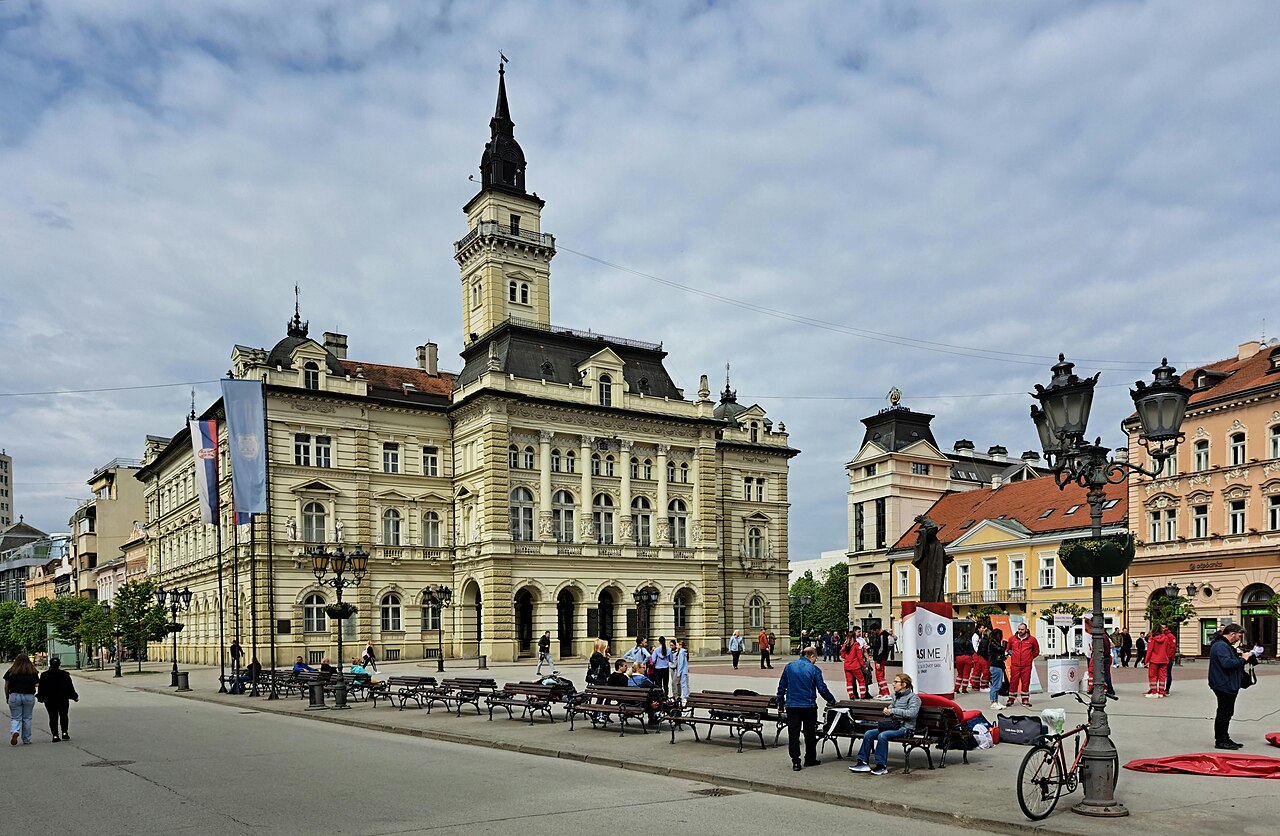
Serbia's second-largest city and the capital of the province of Vojvodina, on the Danube. Founded in 1694 by Serb merchants opposite Petrovaradin Fortress, it was long called the 'Serbian Athens' for its culture.
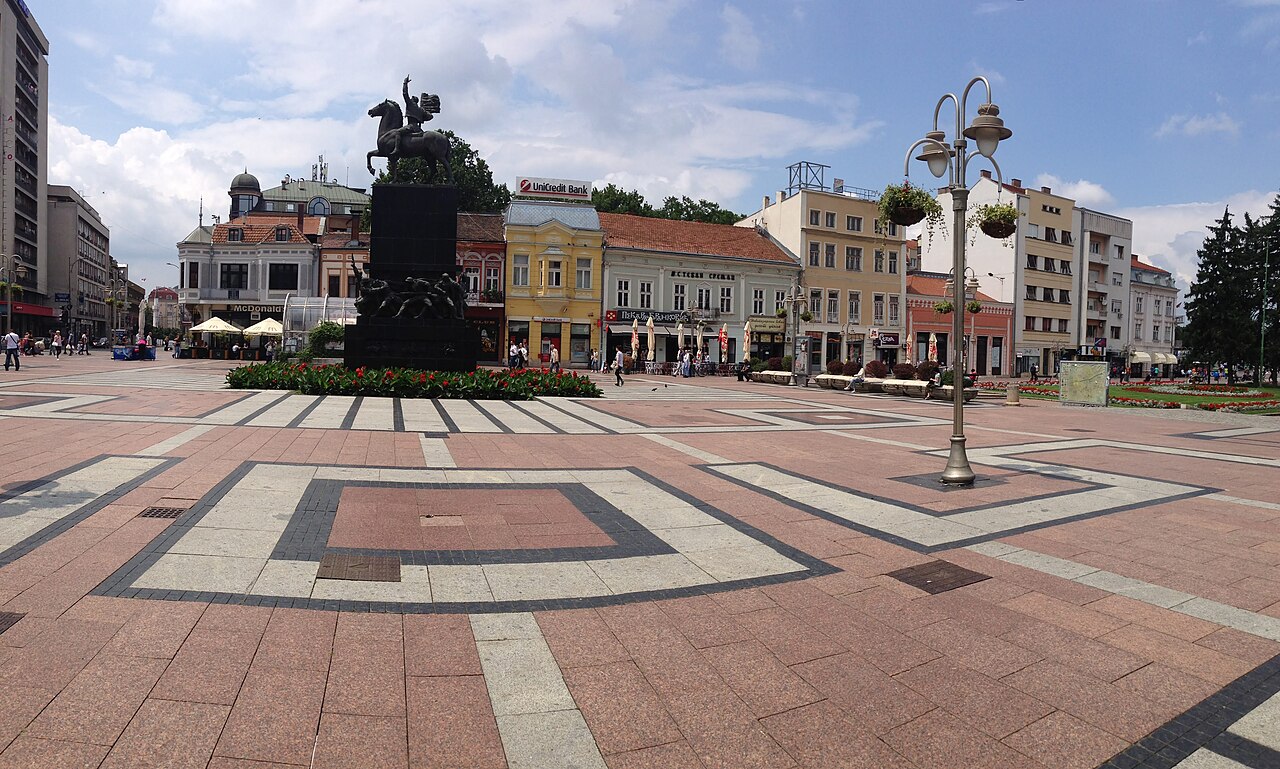
The third-largest city and the main city of the south. As Roman Naissus it was the birthplace of Constantine the Great, the first Christian emperor. It was freed from Ottoman rule in 1878.
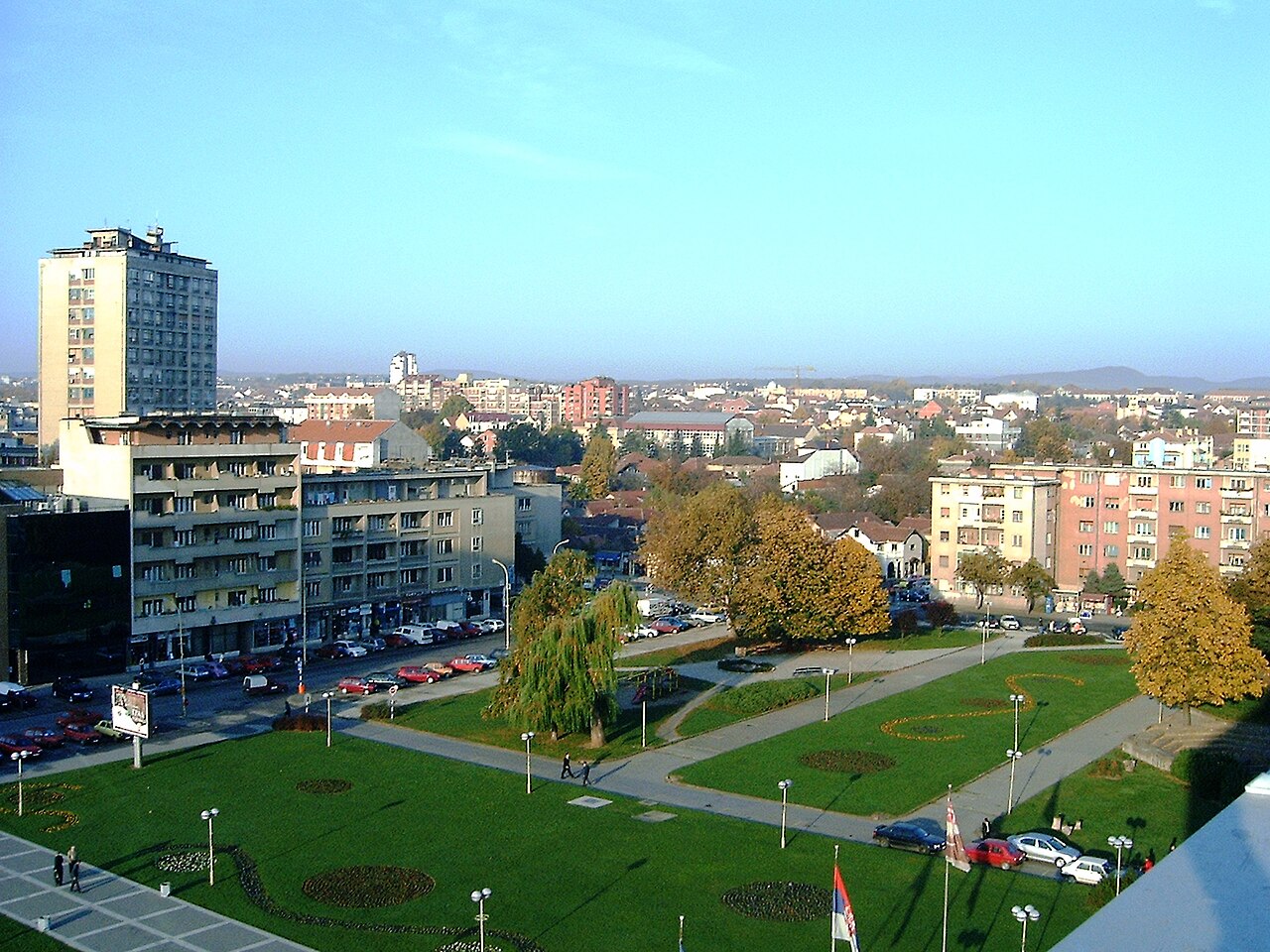
The fourth-largest city and the historic centre of the green, hilly Šumadija region. It was the capital of the Principality of Serbia from 1818 to 1841, and Serbia's first constitution was proclaimed here in 1835.
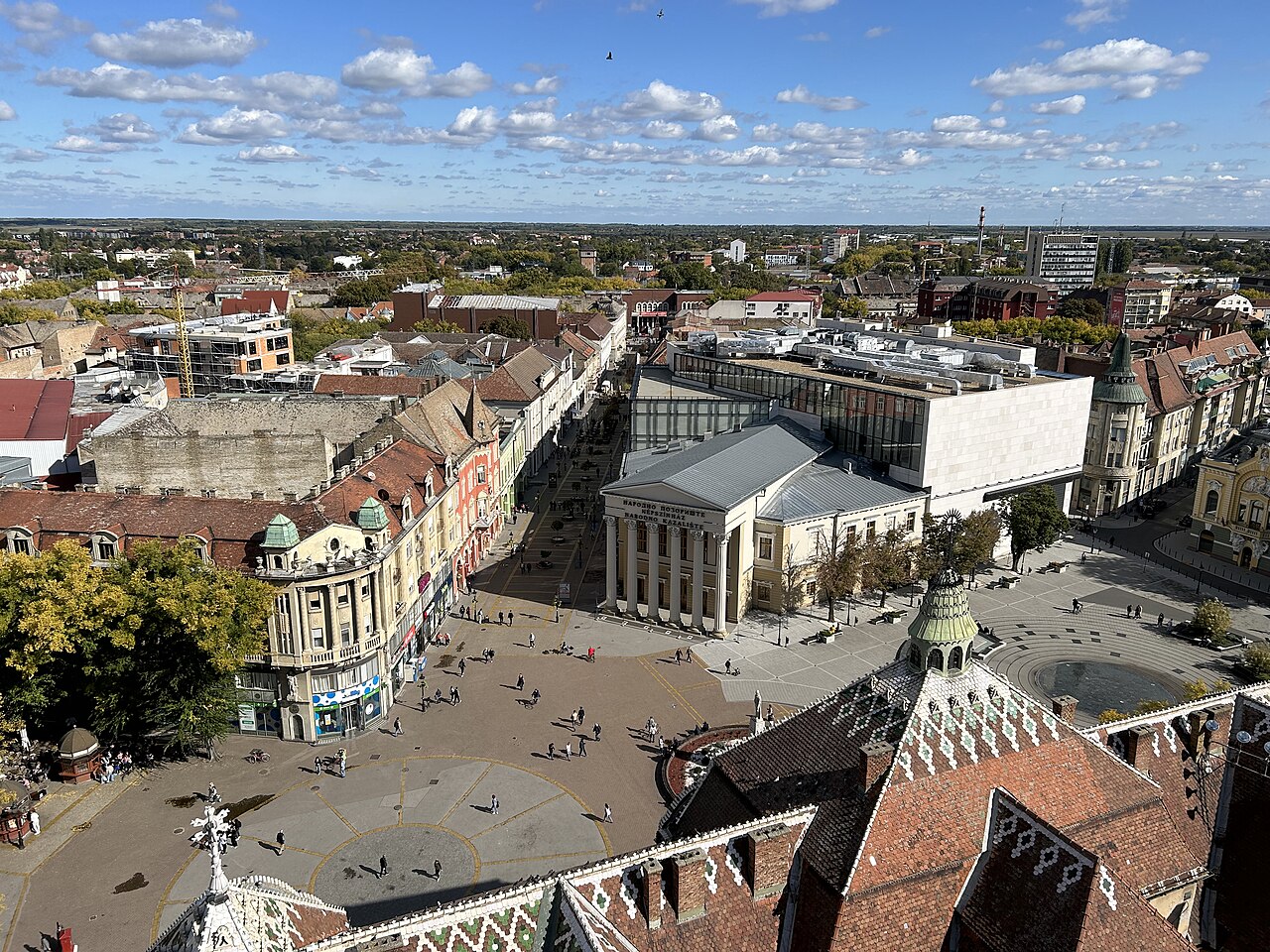
A city on the plain close to the Hungarian border and Serbia's fifth-largest. Serbian, Hungarian, Croatian and Bunjevac are all official languages in the city, and its centre is full of colourful Hungarian Art Nouveau buildings.
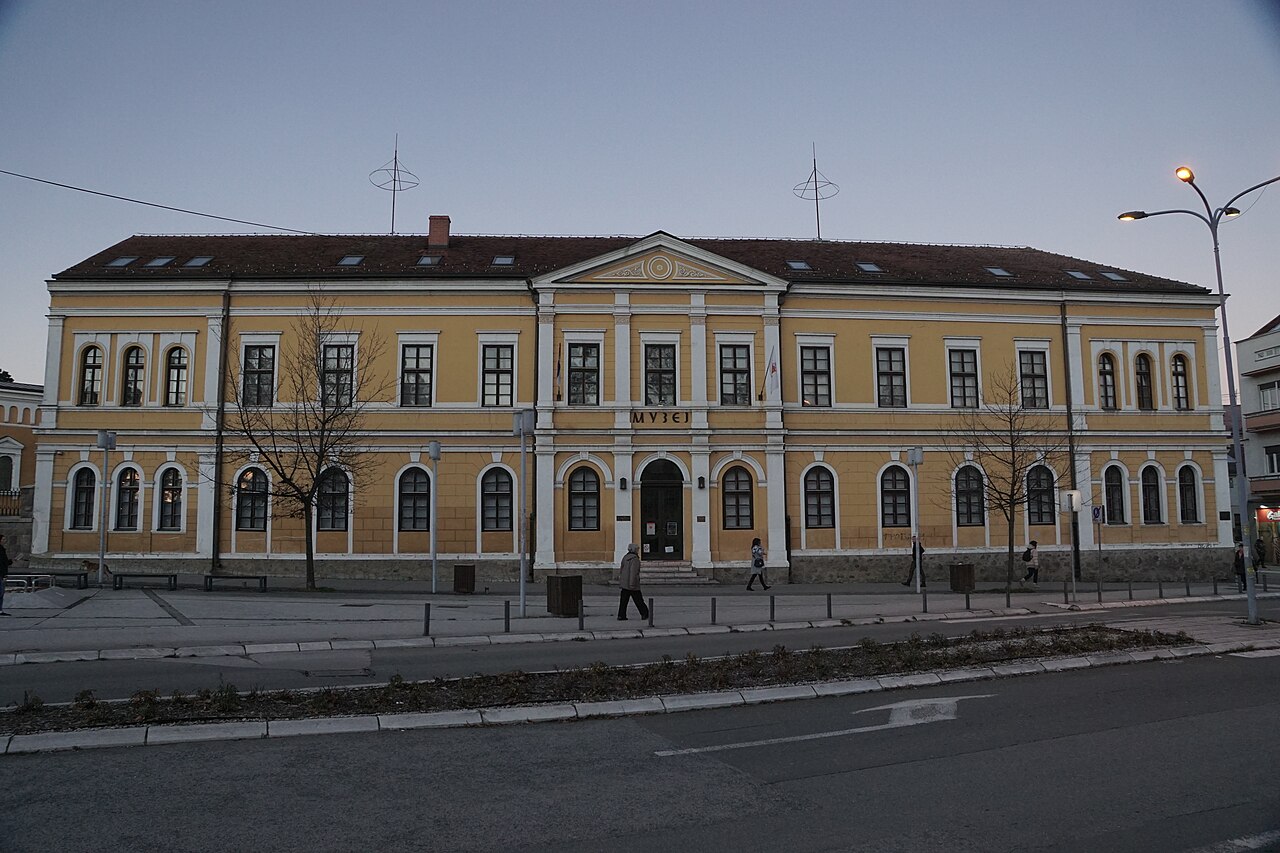
A city on the Ibar river in central Serbia. Its name means 'the King's Town', given by King Milan I in 1882 in honour of his coronation and of earlier kings crowned nearby. Its coat of arms shows seven crowns.
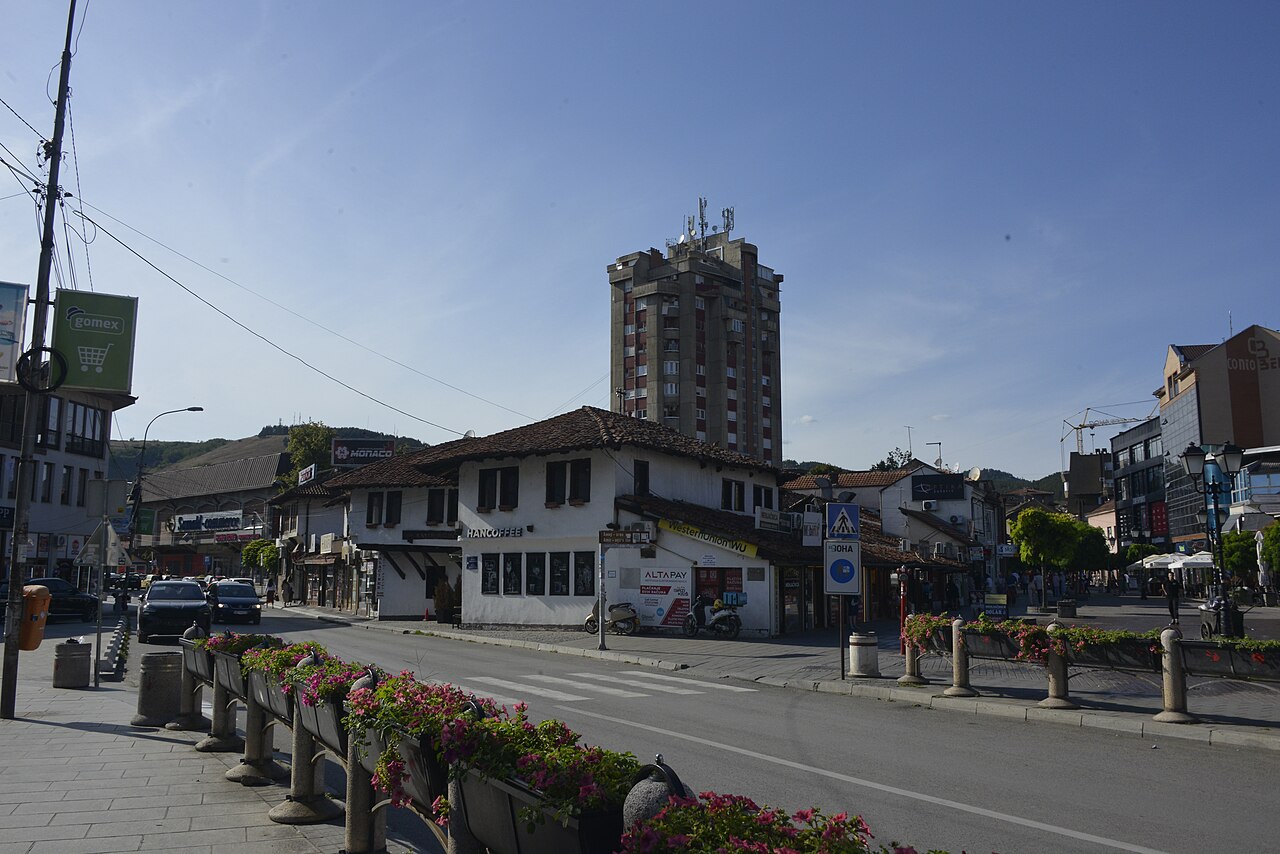
A lively town in the south-west and the cultural centre of Serbia's Bosniaks. Mosques and Orthodox churches stand side by side, and the ruins of Stari Ras, an early capital of medieval Serbia, lie just to the west.
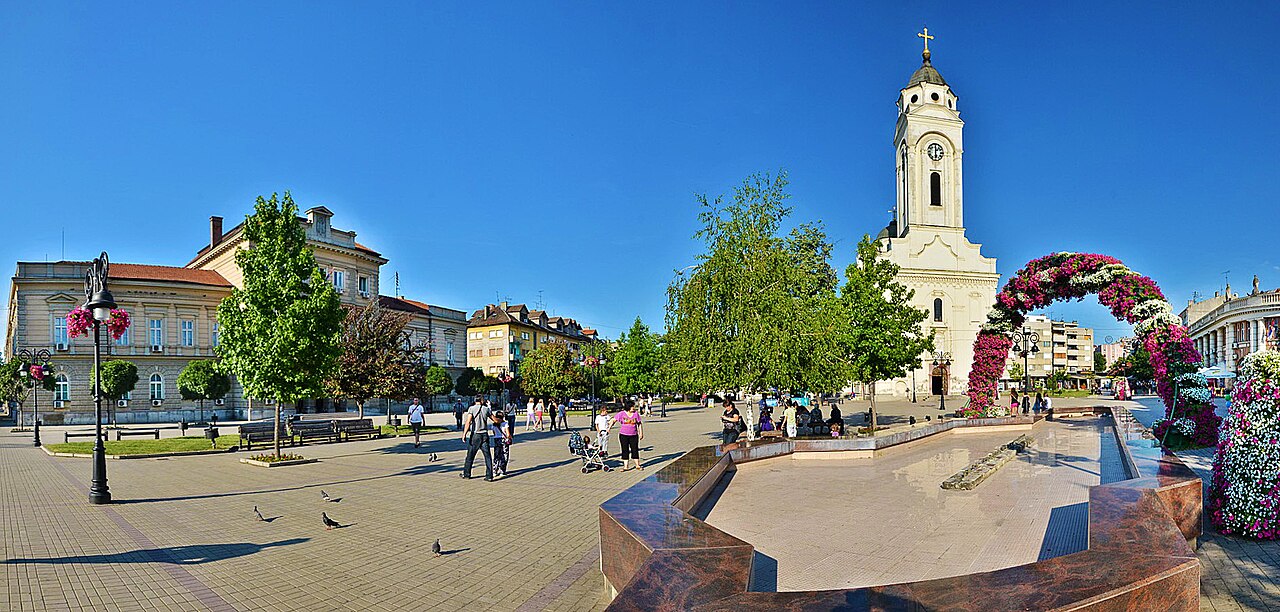
A Danube town about 45 km south-east of Belgrade. In the 15th century it was the last capital of the medieval Serbian state, and its huge fortress still stands by the river.
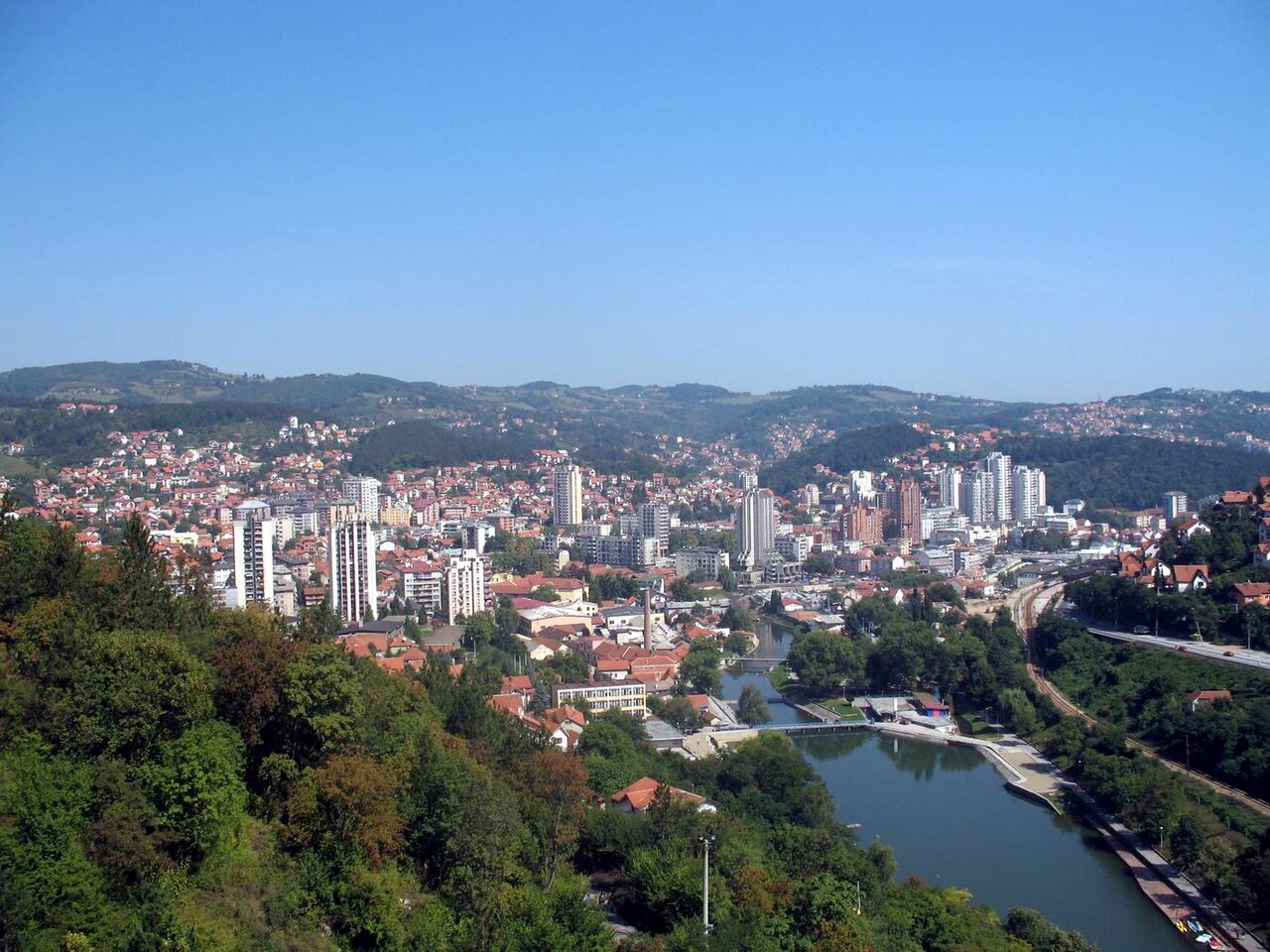
A town in the hills of western Serbia, on the Đetinja river. In the autumn of 1941 it was the capital of the short-lived Republic of Užice, a liberated area in occupied Europe. The Zlatibor mountains begin just outside town.
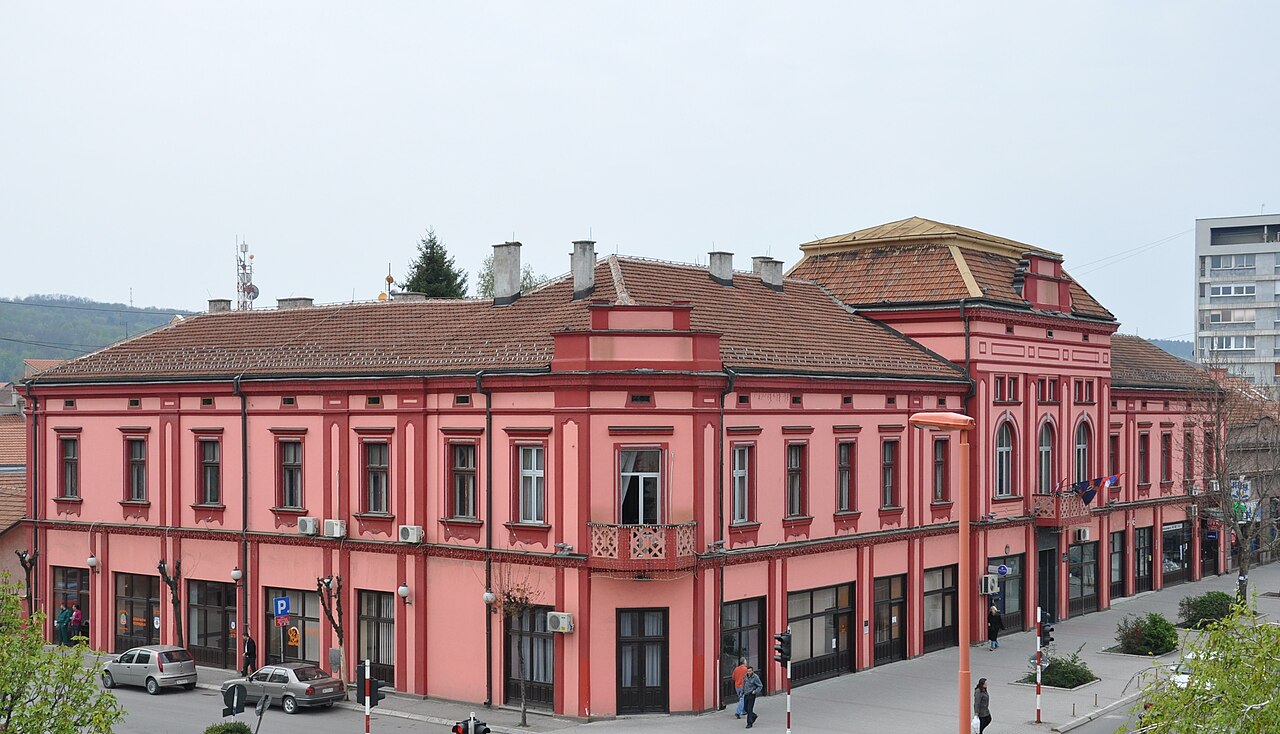
A town in eastern Serbia near the Bulgarian border. The Roman emperor Galerius was born at nearby Gamzigrad, where he built his palace, Felix Romuliana.
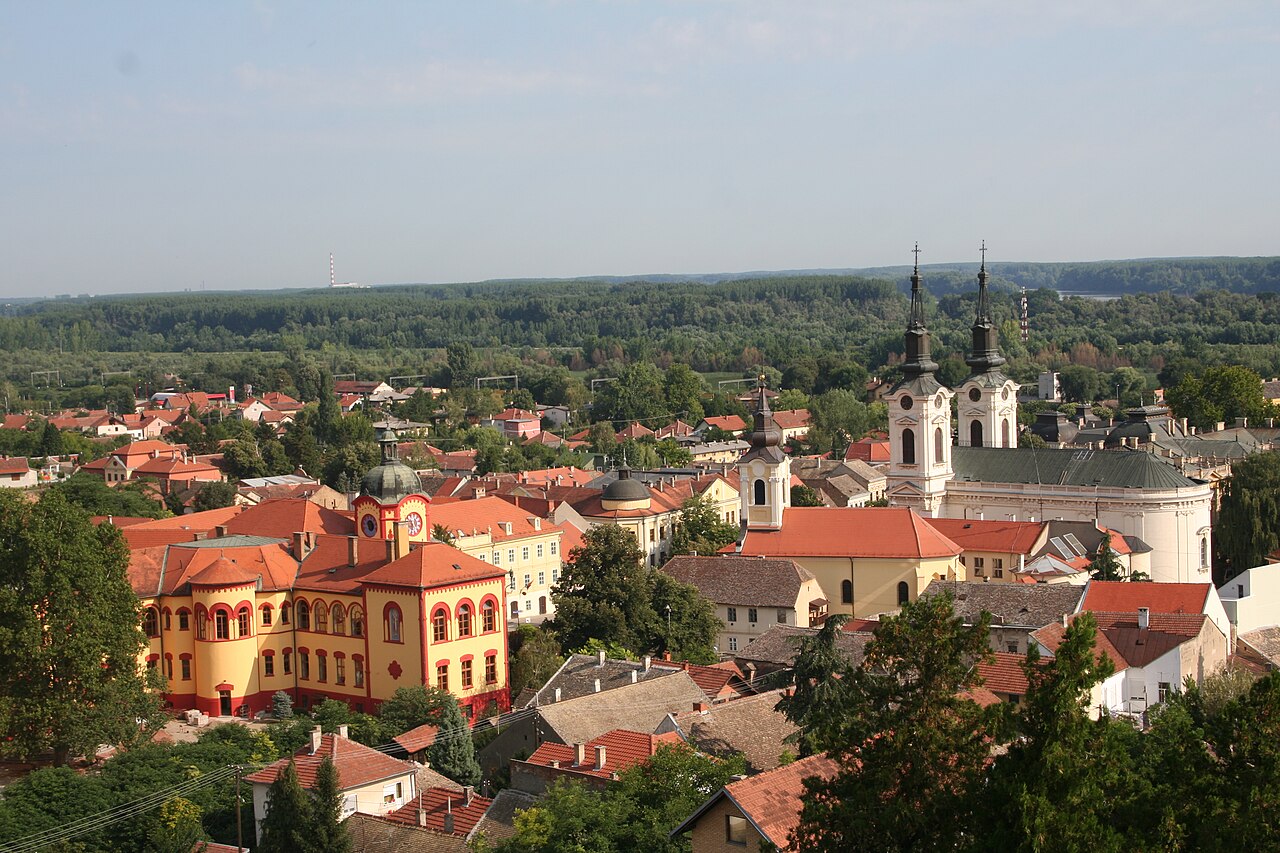
A small baroque town on the Danube below the vineyards of Fruška Gora, a short drive from Novi Sad. The Treaty of Karlowitz was signed here in 1699, and the town's gymnasium, founded in 1791, is the oldest secondary school in Serbia.
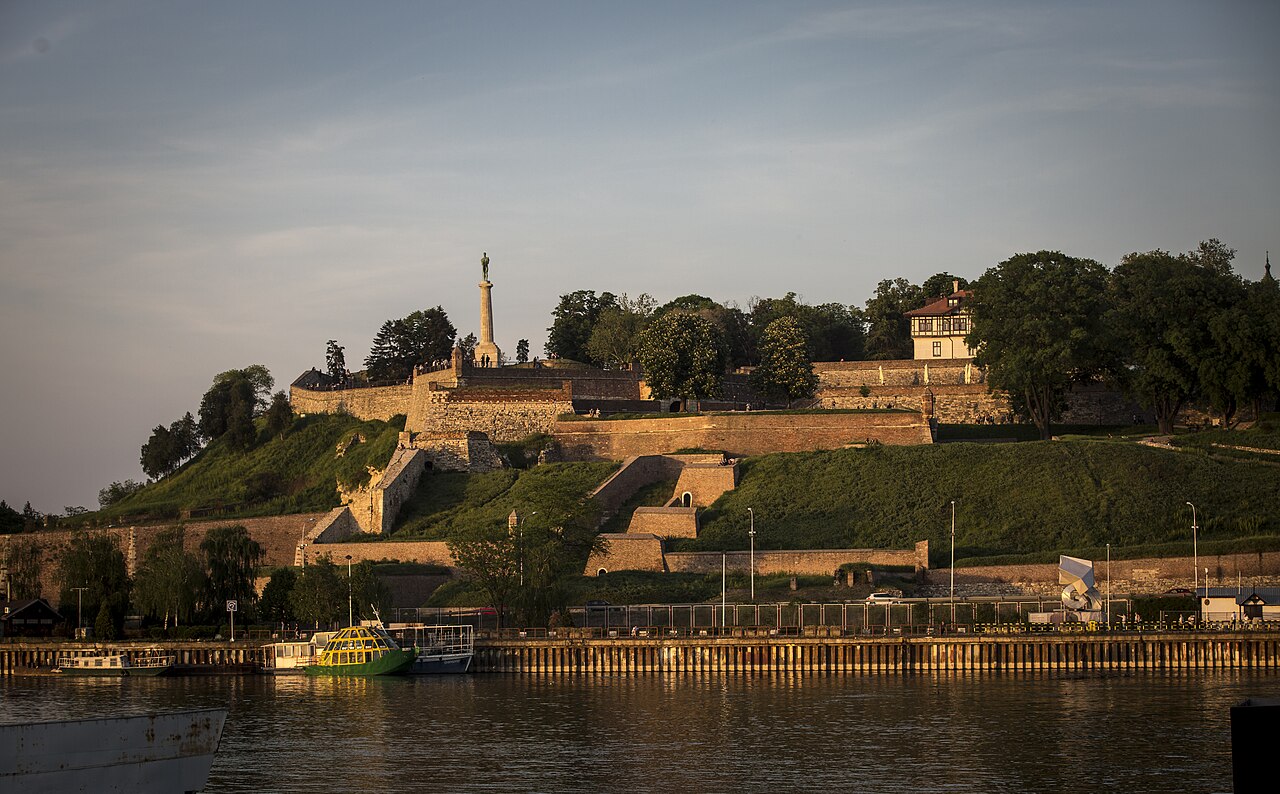
The historic core of Belgrade, on a ridge above the meeting of the Sava and the Danube. Its walls, gates and towers were built and rebuilt from the 2nd to the 18th century, and the park around them is Belgrade's favourite place for a walk and a sunset view. It is the city's most visited sight.
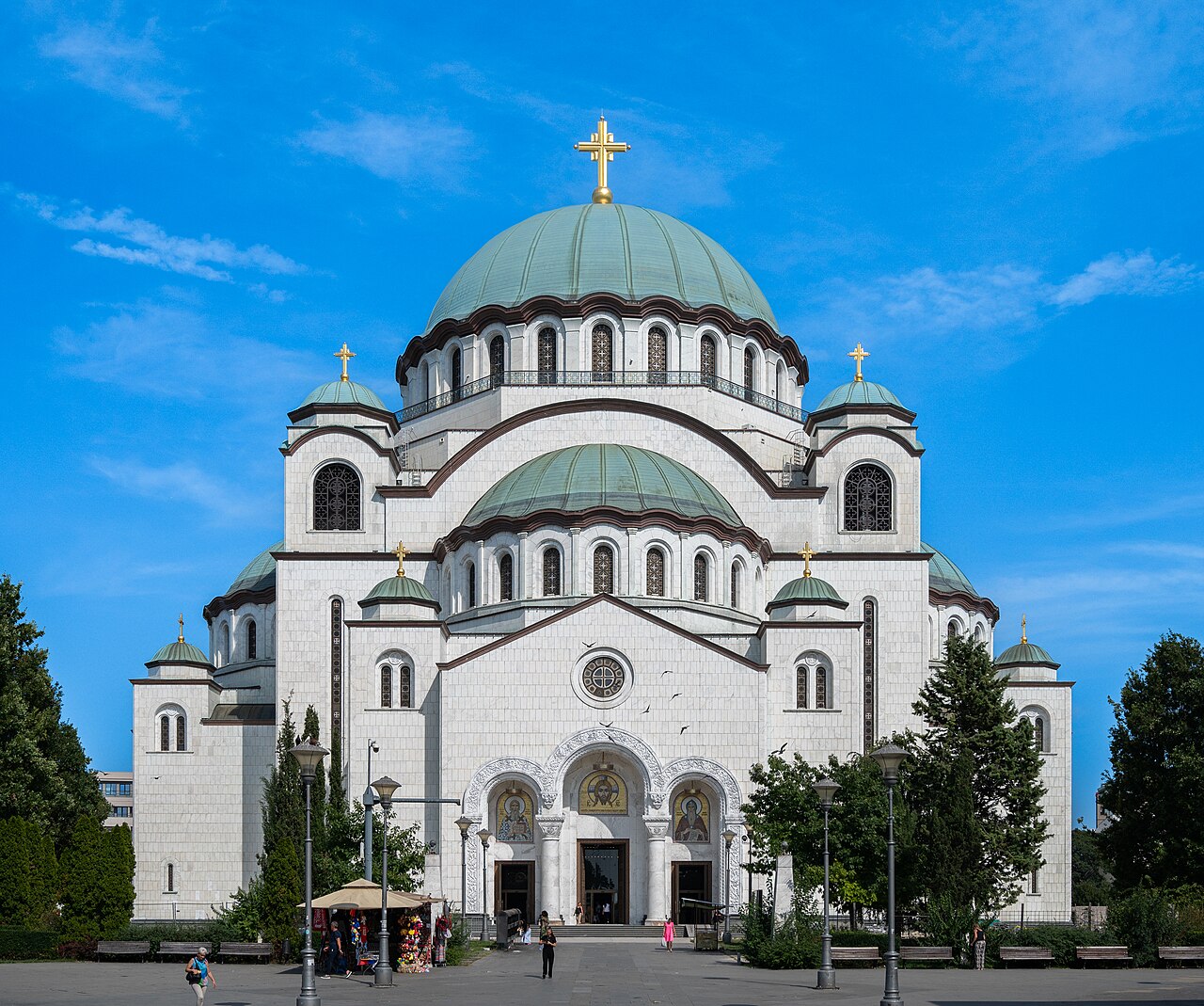
A huge white domed church on the Vračar plateau, one of the largest Orthodox churches in the world. It was built on the plateau where, by tradition, the Ottomans burned the relics of Saint Sava in 1595. Building began in 1935, the outside was finished in 2004 and the mosaic interior in 2020.
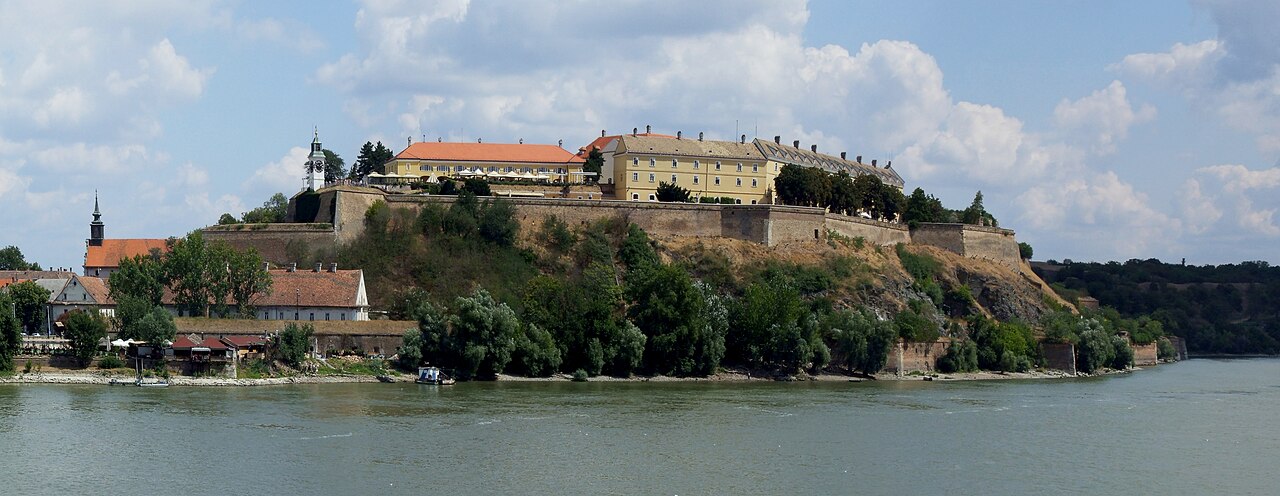
A great bastion fortress on the right bank of the Danube, facing Novi Sad, nicknamed the 'Gibraltar of the Danube'. The Habsburgs laid its cornerstone in 1692. Beneath it run more than 16 km of underground tunnels and corridors.
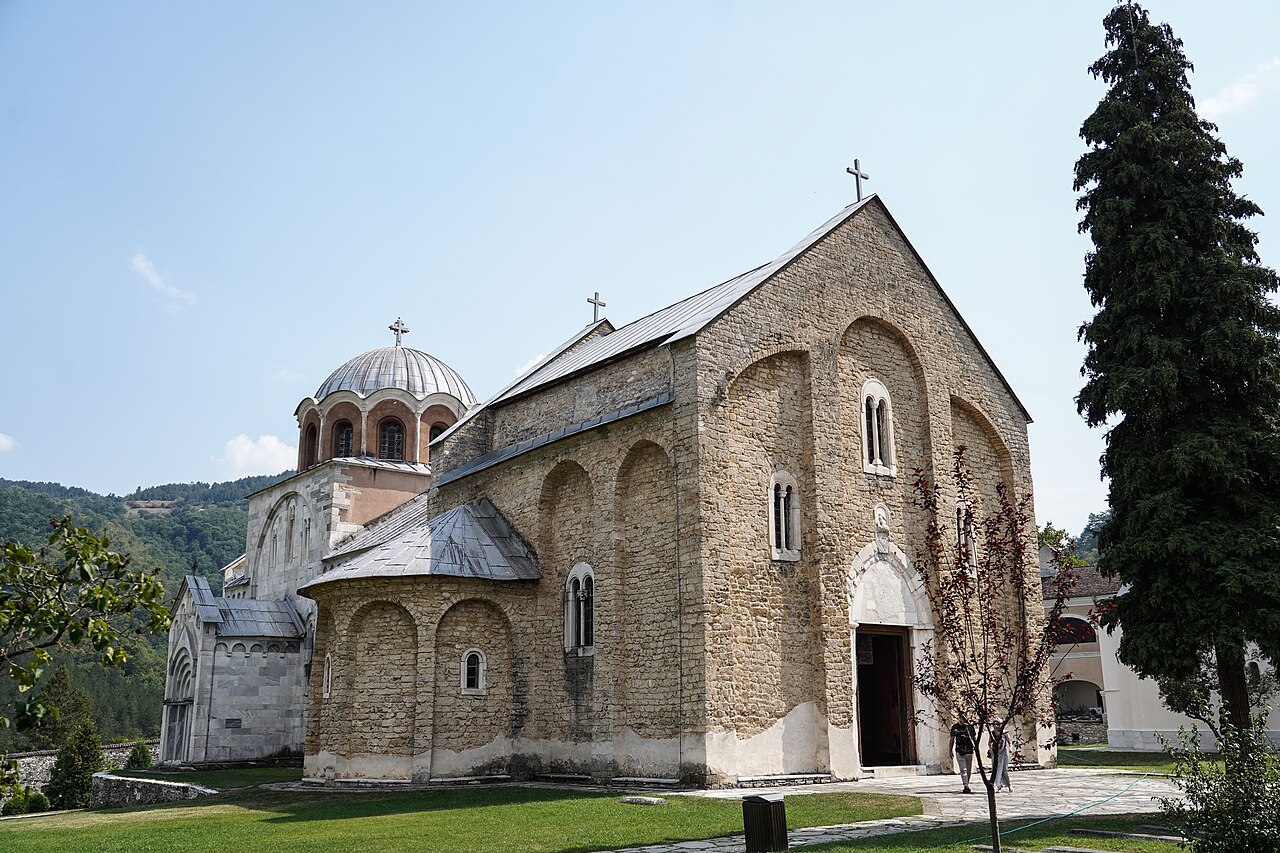
Founded in the late 12th century by Stefan Nemanja, Studenica is the largest and richest of Serbia's Orthodox monasteries. Its two main churches are built of white marble and hold precious 13th- and 14th-century frescoes. It lies about 39 km south-west of Kraljevo and has been a World Heritage Site since 1986.
UNESCO World Heritage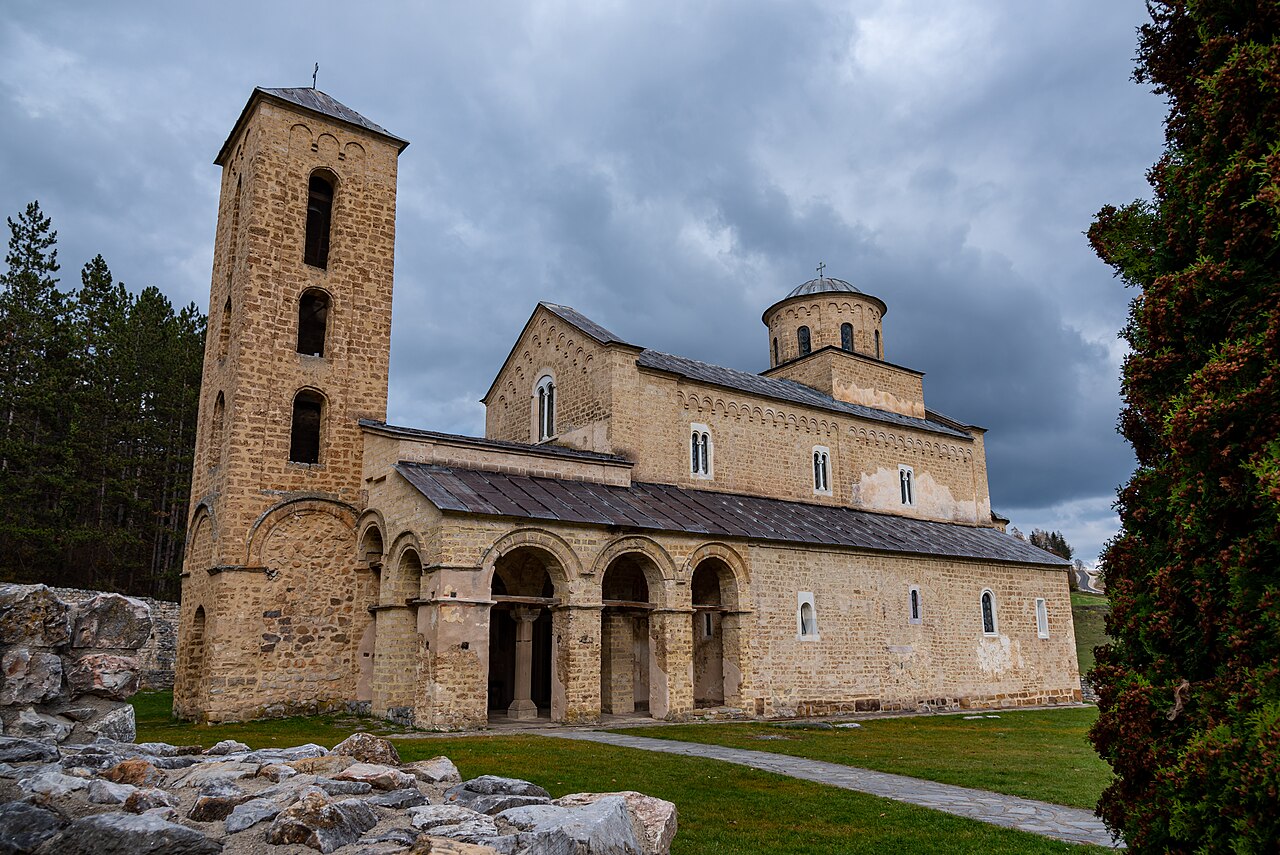
King Stefan Uroš I built Sopoćani near the source of the Raška river between about 1259 and 1270. Its frescoes, including the Dormition of the Virgin, are among the finest of their age. Together with the nearby ruins of Stari Ras, an early capital of medieval Serbia, it has been a World Heritage Site since 1979.
UNESCO World Heritage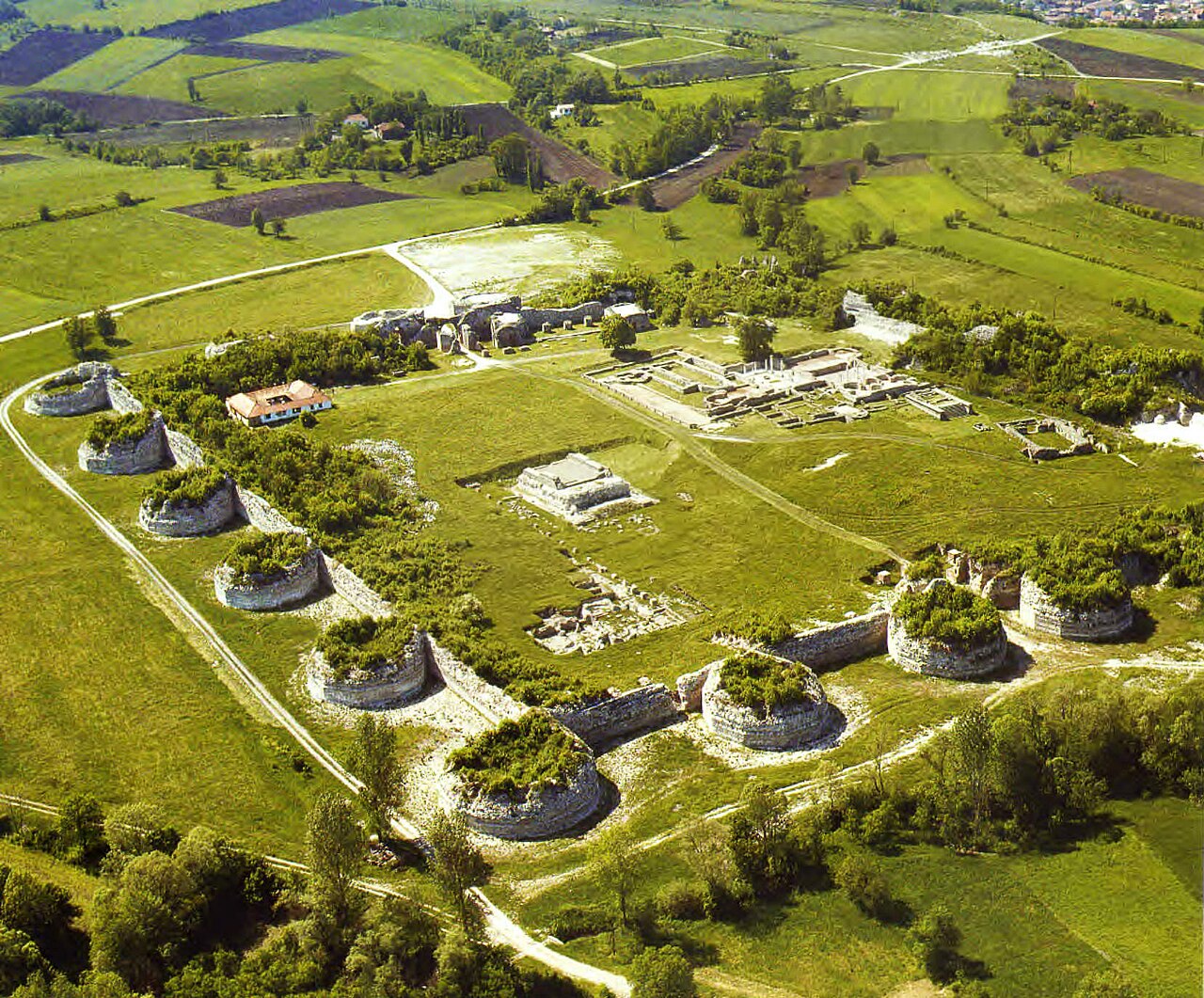
The ruins of a fortified Roman palace and temple complex begun in 298 by Emperor Galerius near his birthplace and named after his mother, Romula. Its walls, towers and floor mosaics were only recognised as an imperial palace after digs began in 1953. It became a World Heritage Site in 2007.
UNESCO World Heritage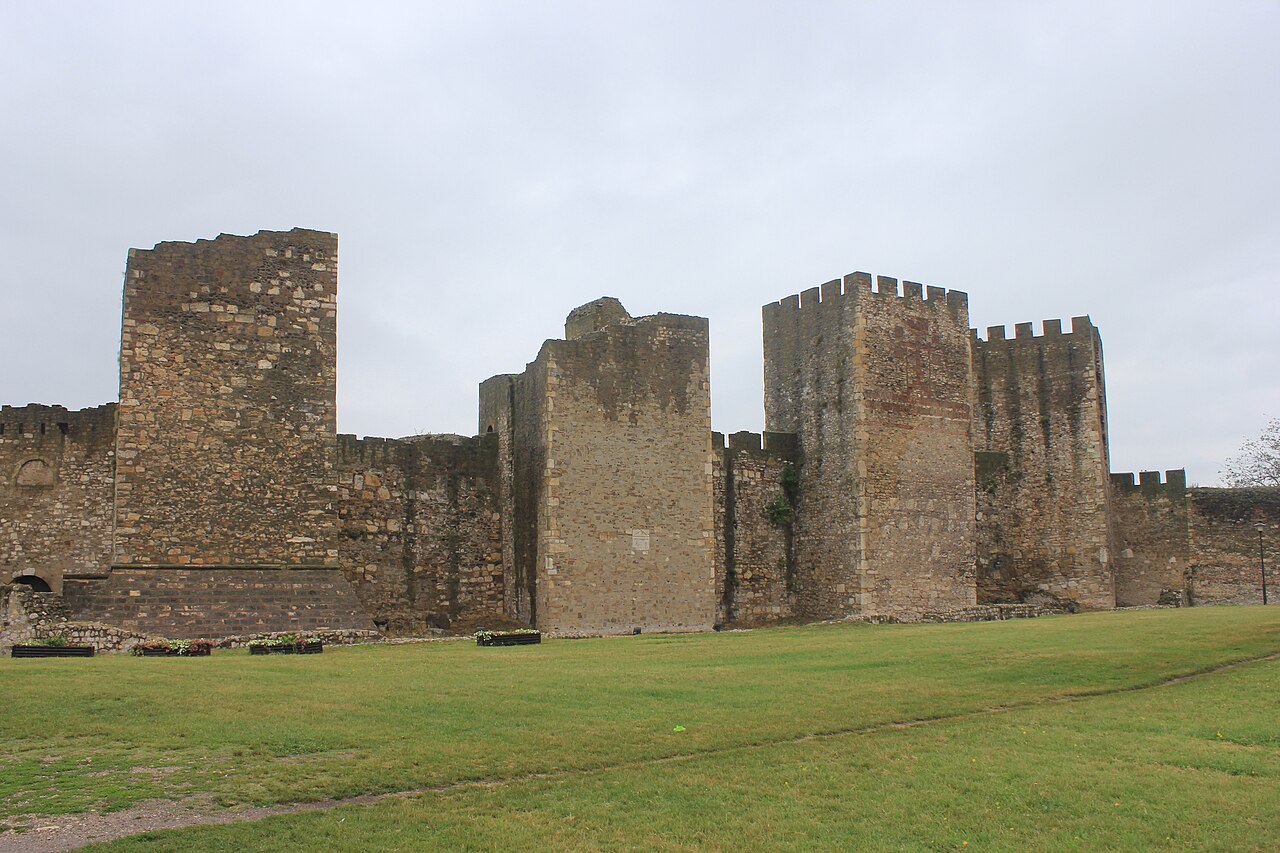
A vast triangular fortress on the Danube, built between 1427 and 1430 for Despot Đurađ Branković as the new capital of the Serbian state. Its walls and 25 towers enclose 11.3 hectares, and it is often called the largest lowland fortress in Europe.
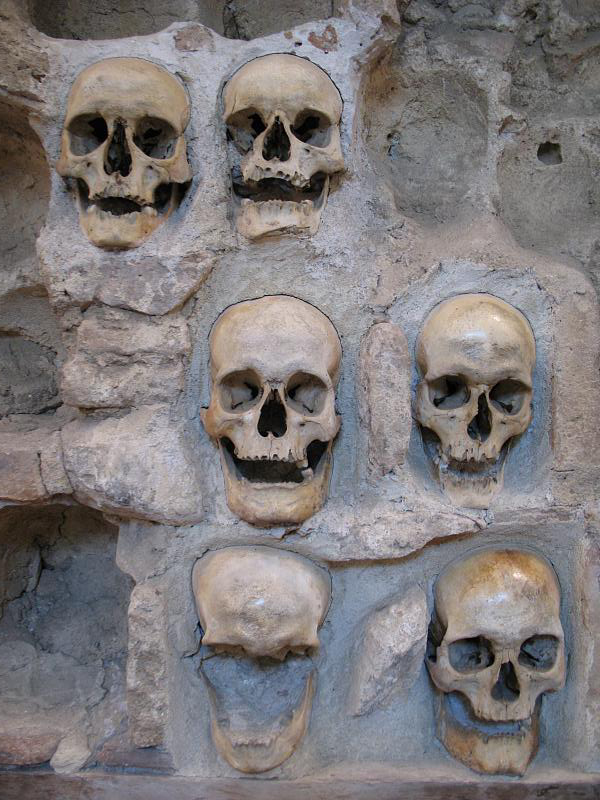
A stone tower that the Ottomans built from the skulls of Serbian rebels after the Battle of Čegar in 1809, in which the commander Stevan Sinđelić blew up his own powder store. It first held 952 skulls. As of 2026, 58 remain, protected inside a chapel built around the tower in the 1890s.
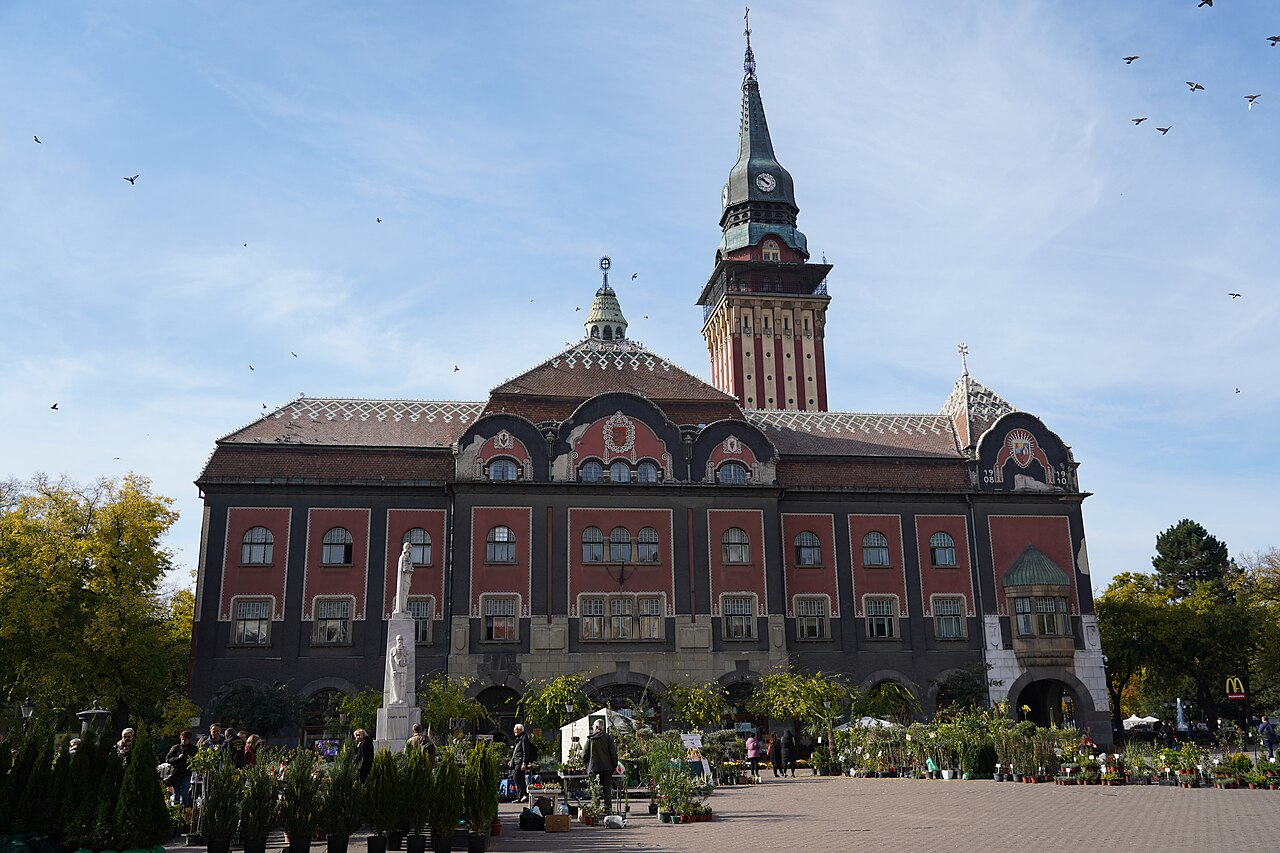
A fairy-tale town hall built between 1908 and 1912, when Subotica belonged to Austria-Hungary, in the Hungarian Art Nouveau style. Its tower, colourful tiles and stained glass make it the best-known building in northern Serbia, and it is still the seat of the city government.
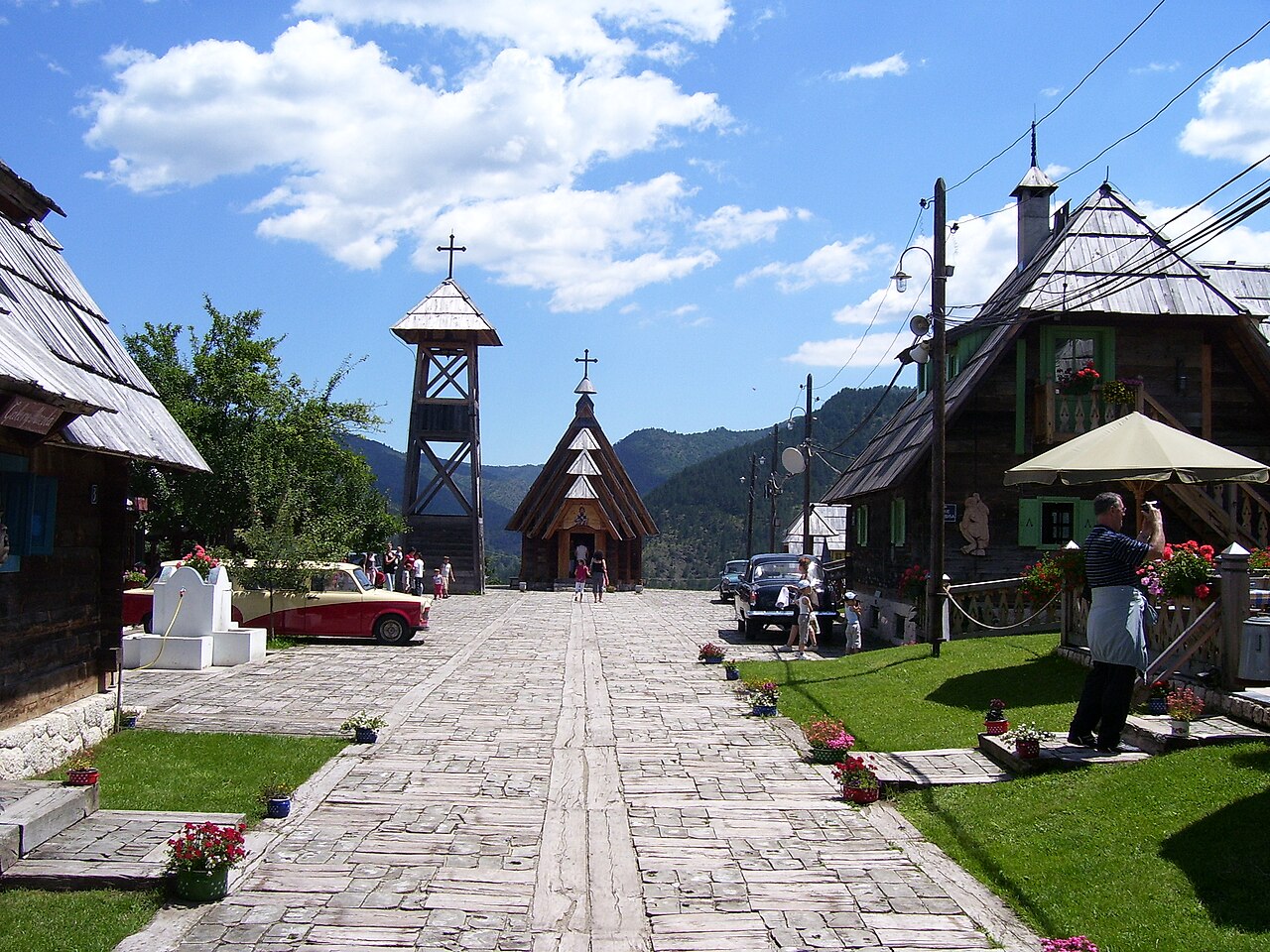
A traditional wooden village built from 2003 to 2004 by the film director Emir Kusturica for his film Life Is a Miracle, on a hill near Mokra Gora in the Užice area. It has a small church, a library named after Ivo Andrić and a cinema, and hosts a film festival.
Serbian is written in two alphabets. Cyrillic is the official script, used by the government, while the Latin alphabet is common in shops, advertising and daily life. The two match letter for letter, and road signs often show both.
In the 19th century the language reformer Vuk Karadžić rebuilt Serbian Cyrillic on the rule 'write as you speak and read as it is written'. Each sound has its own letter, so Serbian is spelled almost exactly as it sounds.
About 18 Roman emperors are believed to have been born in what is now Serbia, more than in any modern country except Italy. The most famous is Constantine the Great, born in Naissus, today's Niš.
Serbia grows a great deal of fruit. In 2023 it was the world's third-largest producer of raspberries, and the plum is its national fruit, the source of šljivovica brandy.
The inventor Nikola Tesla was born in 1856 to a Serbian family in Smiljan, a village now in Croatia. His ashes rest in an urn at the Nikola Tesla Museum in Belgrade, and Belgrade's airport is named after him.
The writer Ivo Andrić won the Nobel Prize in Literature in 1961. His best-known novel is The Bridge on the Drina.
Serbia won the Eurovision Song Contest in 2007 with the singer Marija Šerifović. Belgrade hosted the contest the following year.
As of September 2026, the Serbian tennis player Novak Djokovic holds the men's record of 24 Grand Slam singles titles.
Serbs celebrate Christmas on 7 January, because the Serbian Orthodox Church follows the old Julian calendar. On Christmas Eve families bring in a badnjak, an oak branch, and on Christmas Day they break a round bread called česnica with a coin hidden inside.
Serbian families celebrate the slava, the feast day of the family's own patron saint, which is passed down through the male line. UNESCO added it to its list of intangible cultural heritage in 2014.
The Guča Trumpet Festival, held every August in the small town of Guča since 1961, is billed as the world's largest celebration of brass band music. Hundreds of thousands of visitors come to hear the bands.
Serbia has driven on the right since 1926. Before that, Vojvodina, which had been part of Austria-Hungary, drove on the left.
The Uvac gorge in south-west Serbia, with its winding river meanders, is home to the largest colony of griffon vultures in the Balkans.
On the Romanian border the Danube squeezes through the Iron Gates gorge in Đerdap National Park. In 2020 the area became Serbia's first UNESCO Global Geopark.
Pronunciation is written the way it sounds; the capital letters show where the stress goes. Audio is coming soon.
Serbia uses the dinar, not the euro. Change money at banks or official exchange offices, called menjačnica, never with street dealers. Euros are sometimes accepted, but usually at a worse price. Cards work in most shops and restaurants, and change your leftover dinars before you leave, as they are hard to exchange abroad.
Taxis, market stalls and small cafés often have no change for large notes such as 5,000 dinars. Break big notes in supermarkets and keep smaller ones for everyday costs.
Tipping is not required, but rounding up or leaving 10 to 15% in a restaurant is common when you are happy with the service. In taxis and bars people simply round up the bill.
Visitors must be registered with the local police within 24 hours of arrival. Hotels do this for you at check-in. If you stay anywhere else, ask your host how you will be registered, as you can be fined if it is not done.
As of September 2026, the local emergency numbers are 192 for police, 193 for fire and 194 for an ambulance. From a mobile phone you can also call 112, the European emergency number, which puts you through to the police. Save them in your phone. For roadside help, call 1987.
Use only registered taxis, which show a municipal registration number next to the cab number, or call a radio taxi by phone. Most operators speak some English.
Official signs, some menus and timetables are written in Cyrillic. Learning to spot a few words, such as улаз (entrance) and излаз (exit), makes getting around much easier.
According to UK travel advice, to travel from Kosovo into Serbia you must already have a Serbian entry stamp, from a Serbian airport or from one of Serbia's other land borders. Many Serbian car hire firms also do not allow their cars to be driven into Kosovo. Check the rules before you plan such a trip.