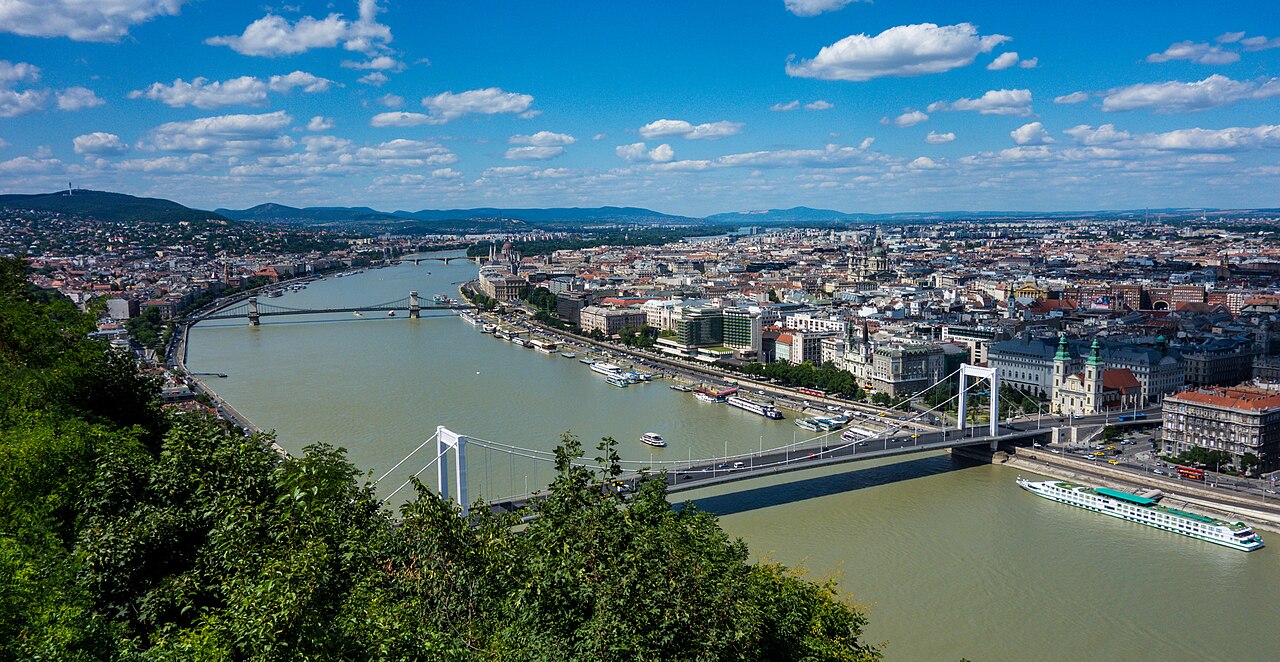
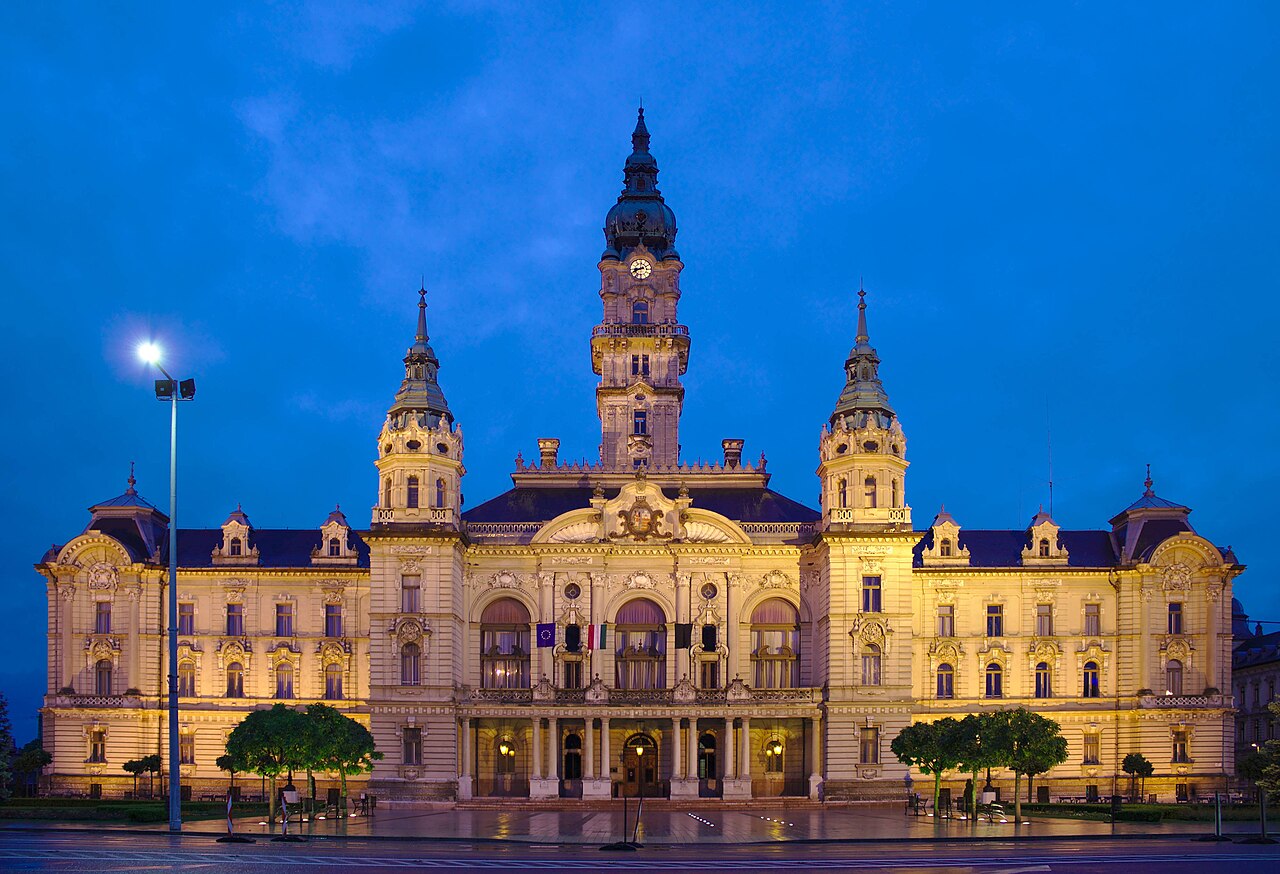
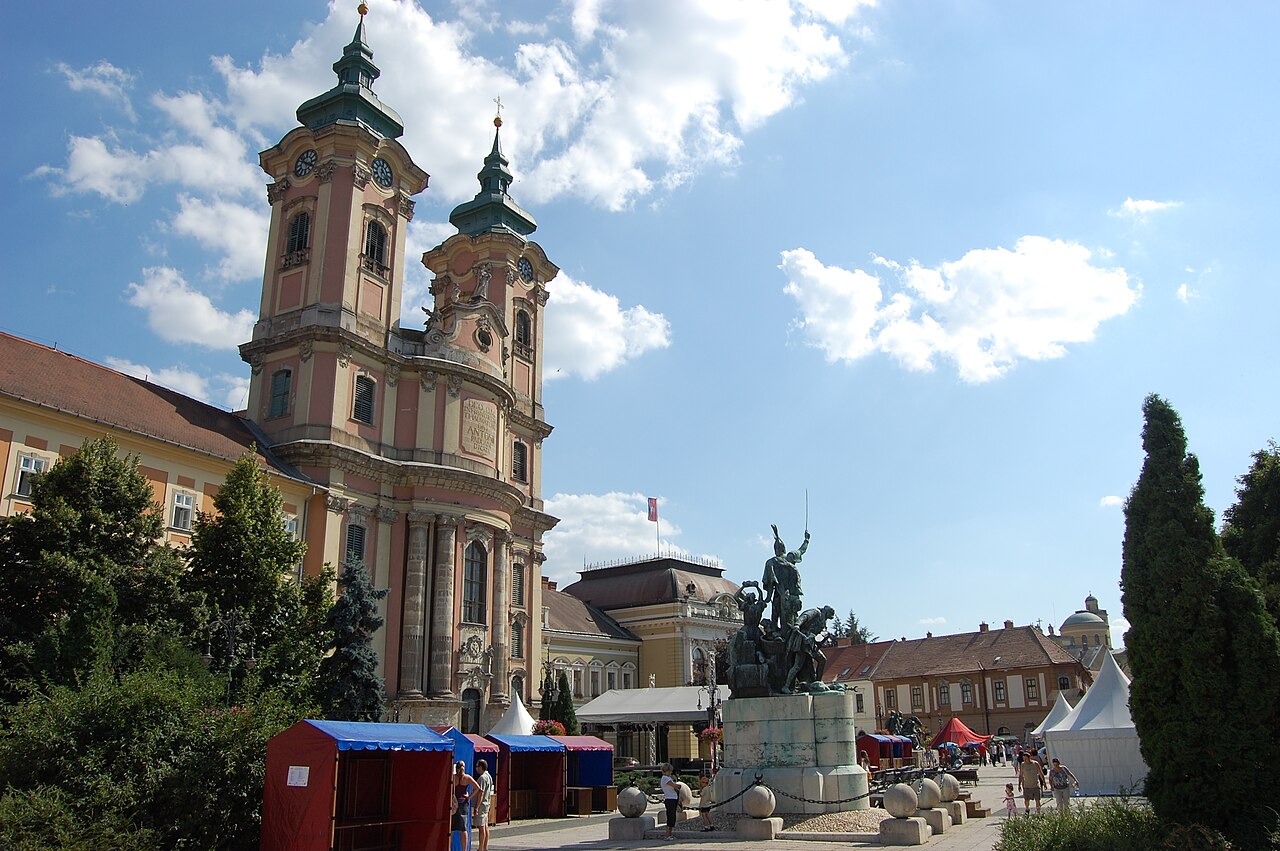
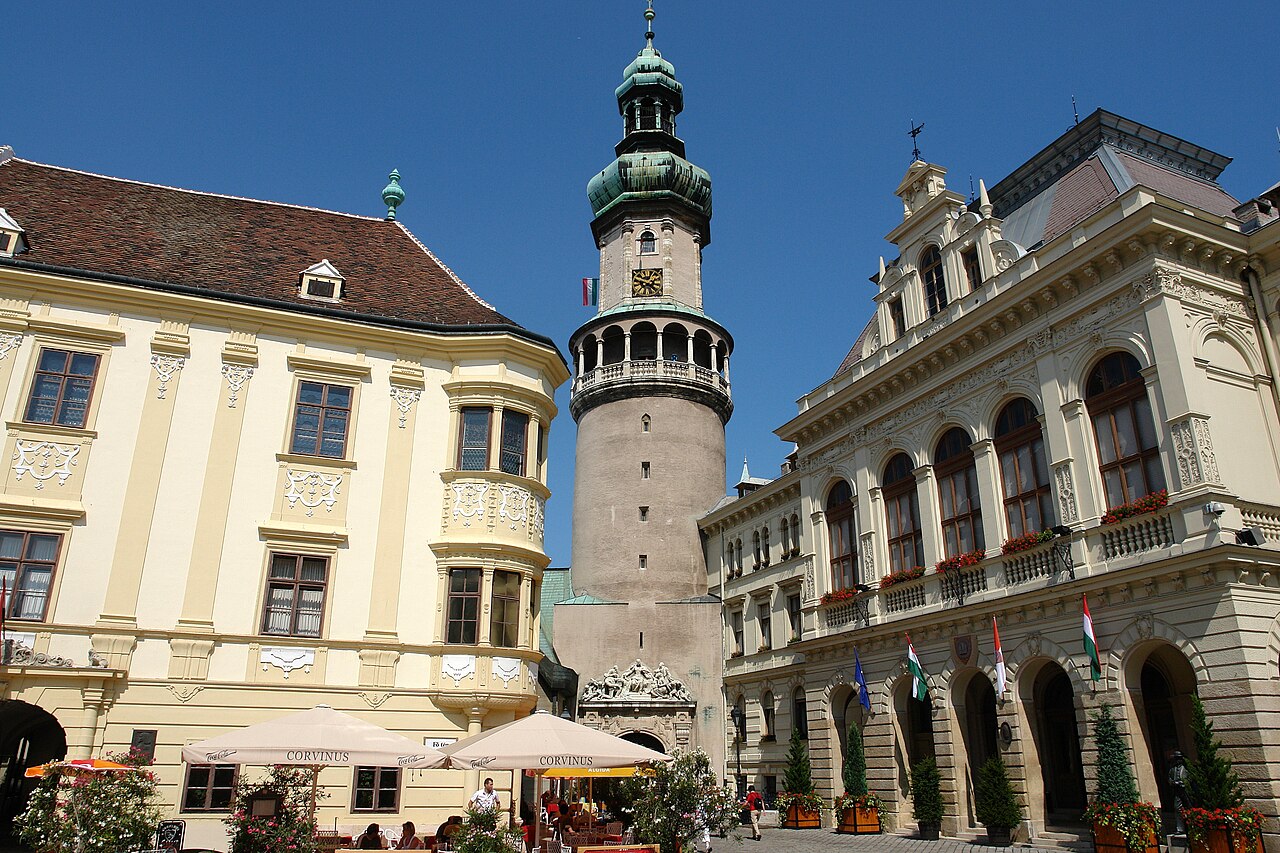
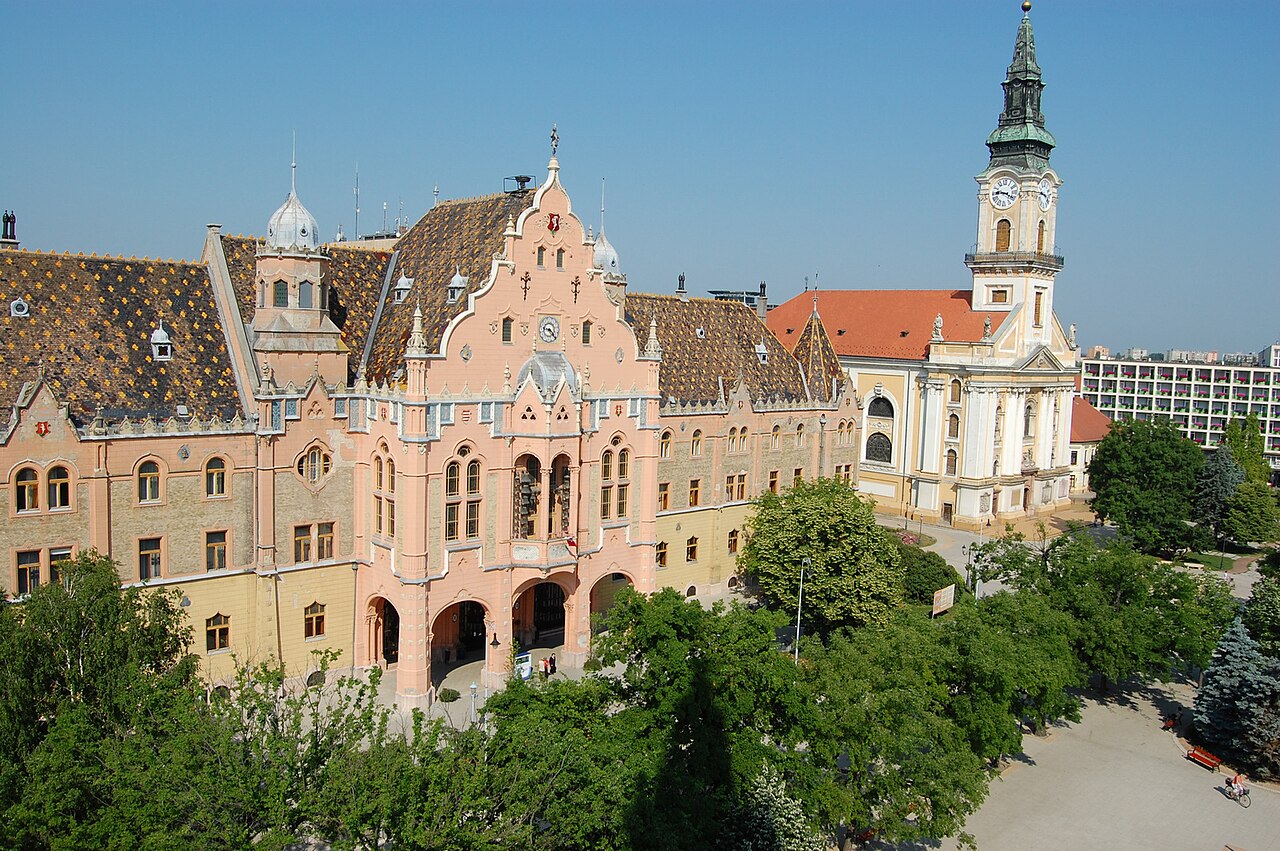
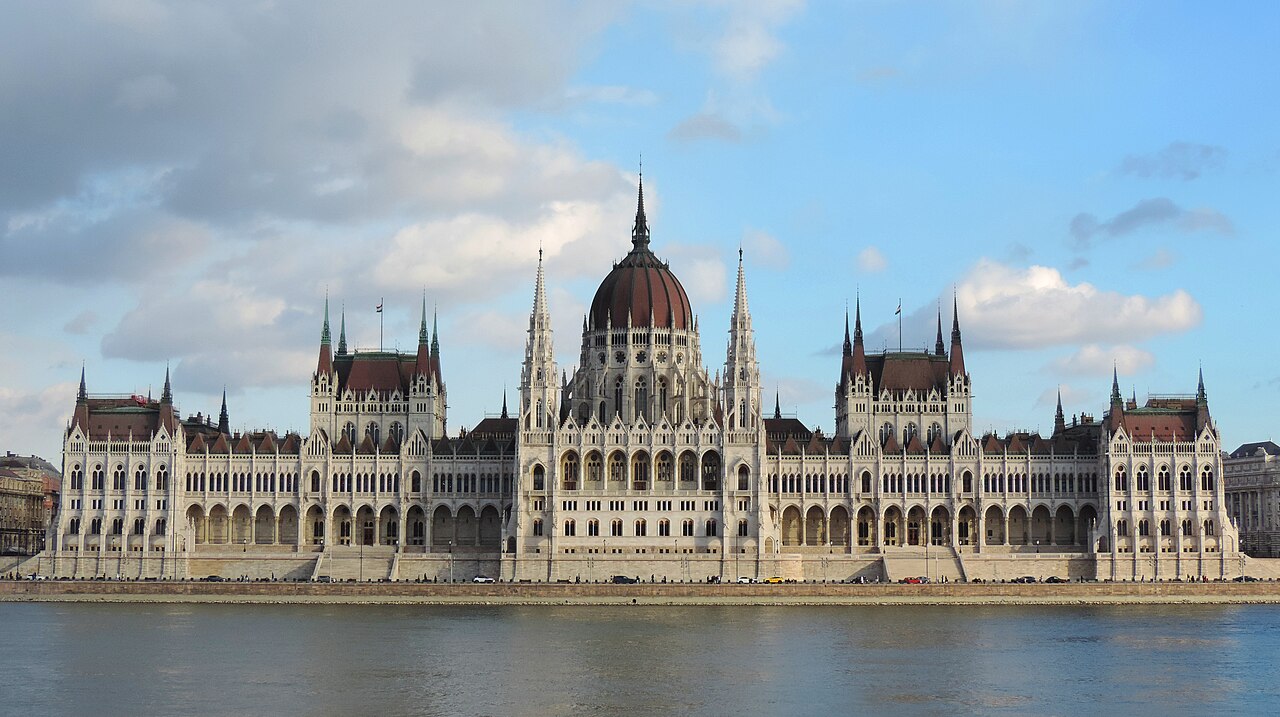
Hungary lies in the middle of the Carpathian Basin in Central Europe and has no coast. Much of the country is flat lowland, above all the Great Hungarian Plain in the east. Two great rivers cross it from north to south: the Danube, which runs through Budapest, and the Tisza. In the west lies Lake Balaton, the largest lake in Central Europe.
The Hungarians, or Magyars, arrived in the Carpathian Basin as a union of seven tribes at the end of the 9th century. Stephen I became the first king around the year 1000. After a crushing defeat by the Ottomans at Mohács in 1526 the kingdom was split in three for about 150 years, and later it became half of Austria-Hungary. After the First World War the Treaty of Trianon left Hungary with less than a third of its old territory.
After four decades of communist rule, including the revolution of 1956, Hungary changed peacefully to a democratic parliamentary republic in 1989 and 1990. Today about 9.5 million people live there. It joined NATO in 1999, the European Union in 2004 and the Schengen area in 2007, but it still uses its own currency, the forint.
CapitalBudapest
PopulationAbout 9.5 million
Official languageHungarian
CurrencyHungarian forint (Ft, HUF)
AreaAbout 93,000 km²
GovernmentParliamentary republic
Highest mountainKékes, 1,014 m, in the Mátra mountains
Longest river in HungaryThe Tisza, about 596 km within Hungary. The Danube runs about 417 km through the country
NeighboursAustria, Slovakia, Ukraine, Romania, Serbia, Croatia and Slovenia. Hungary is landlocked
Drives on theRight
Calling code+36
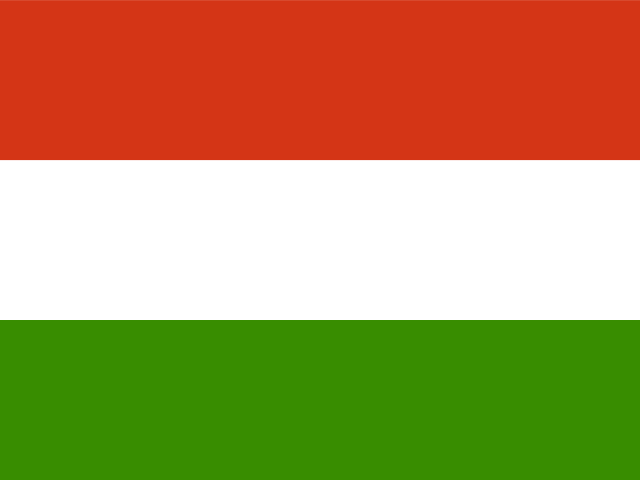
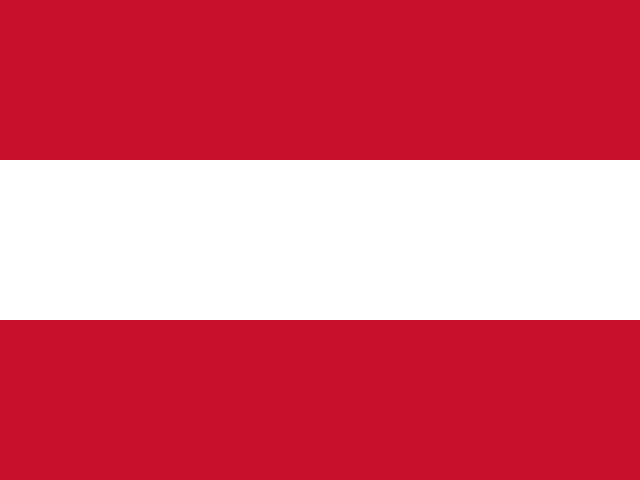 Austria
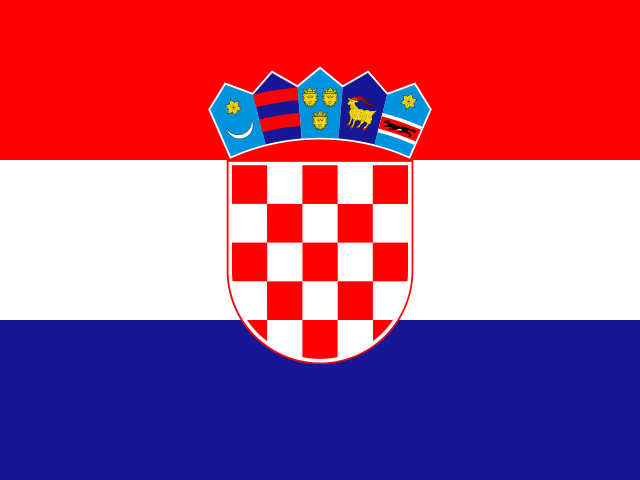 Croatia
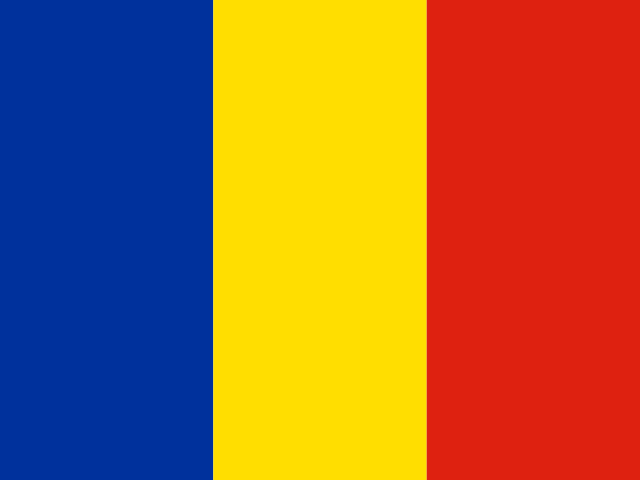 Romania
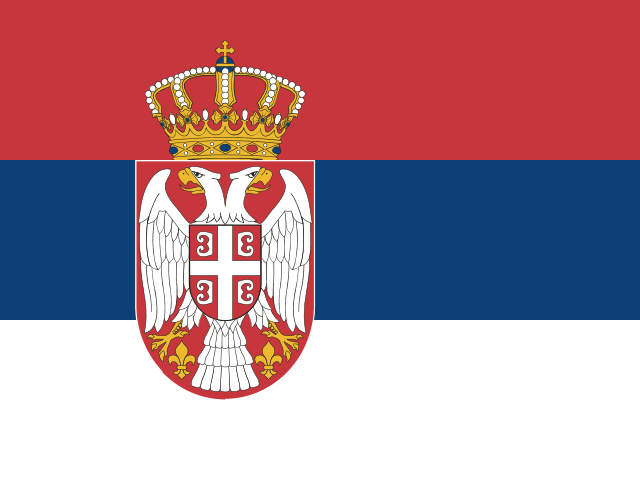 Serbia
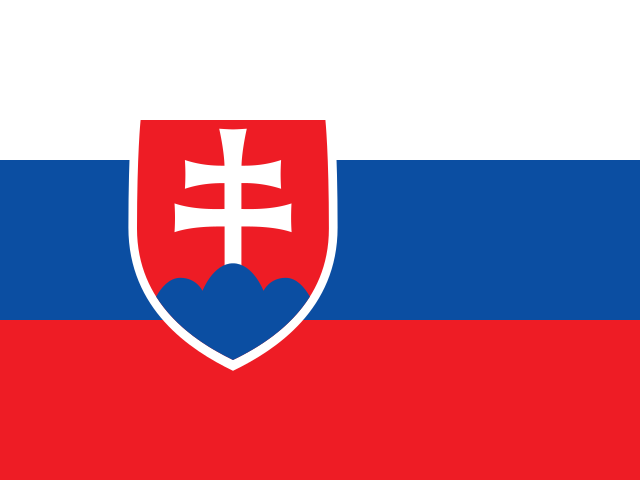 Slovakia
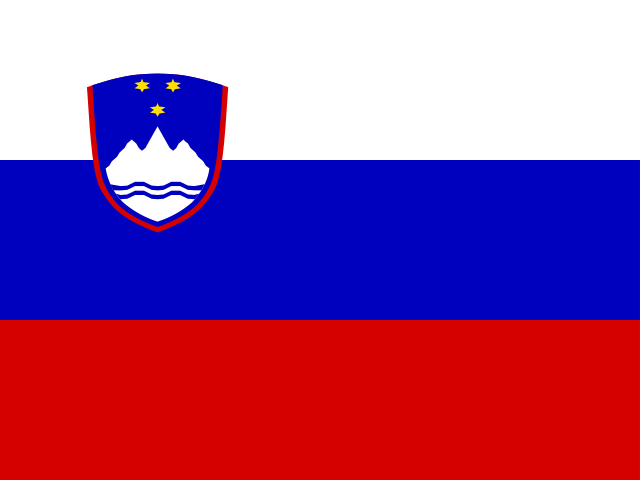 Slovenia
 Ukraine