Hungarian food is hearty and warming, built on meat, onions, sour cream and above all paprika, the ground red pepper that gives many dishes their colour. Lunch is traditionally the main meal of the day: it starts with a soup, followed by a main dish with a salad or pickles, and often ends with something sweet. Hungarians also love cakes and pastries, served in the cake shops called cukrászda.
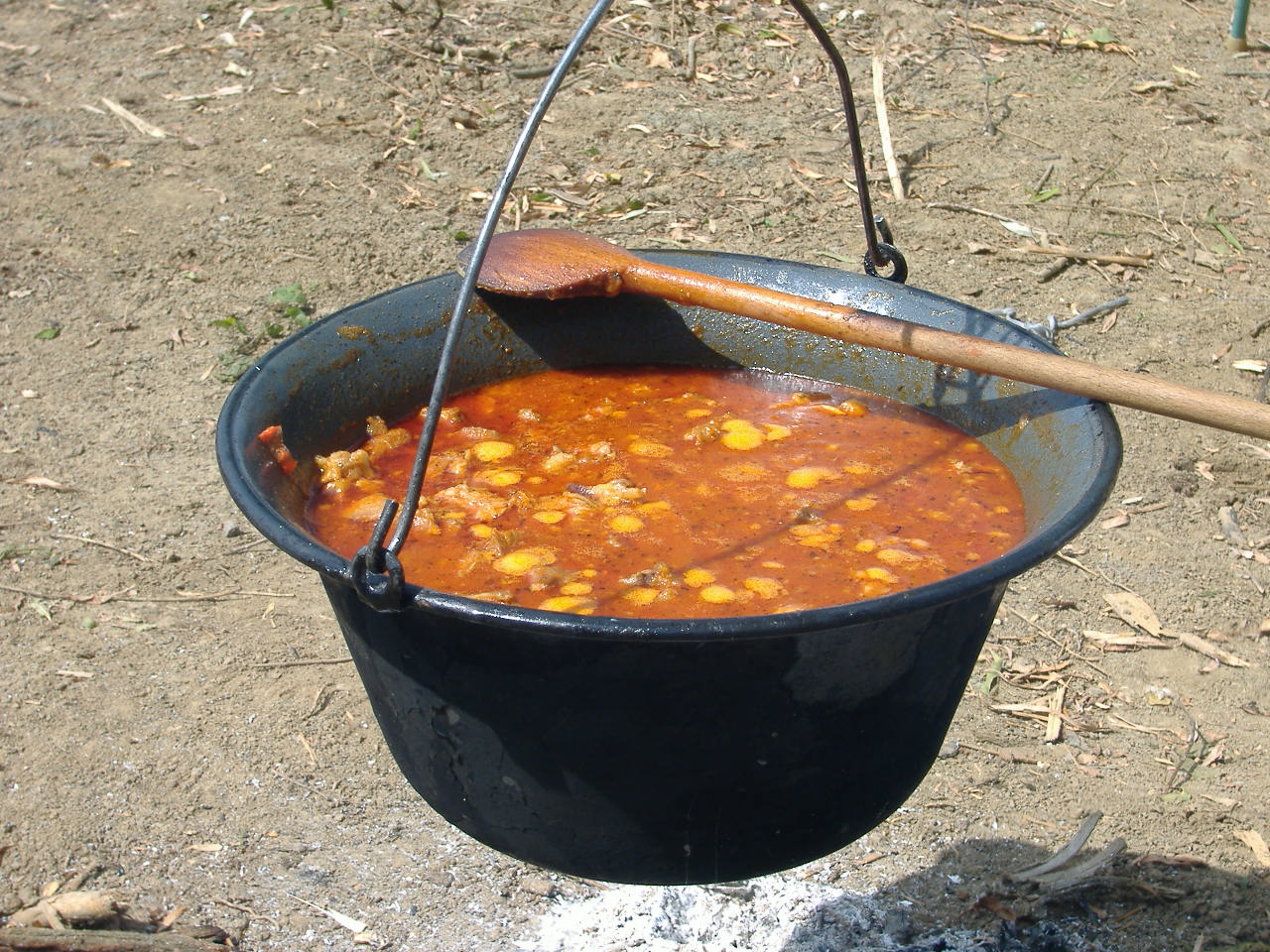
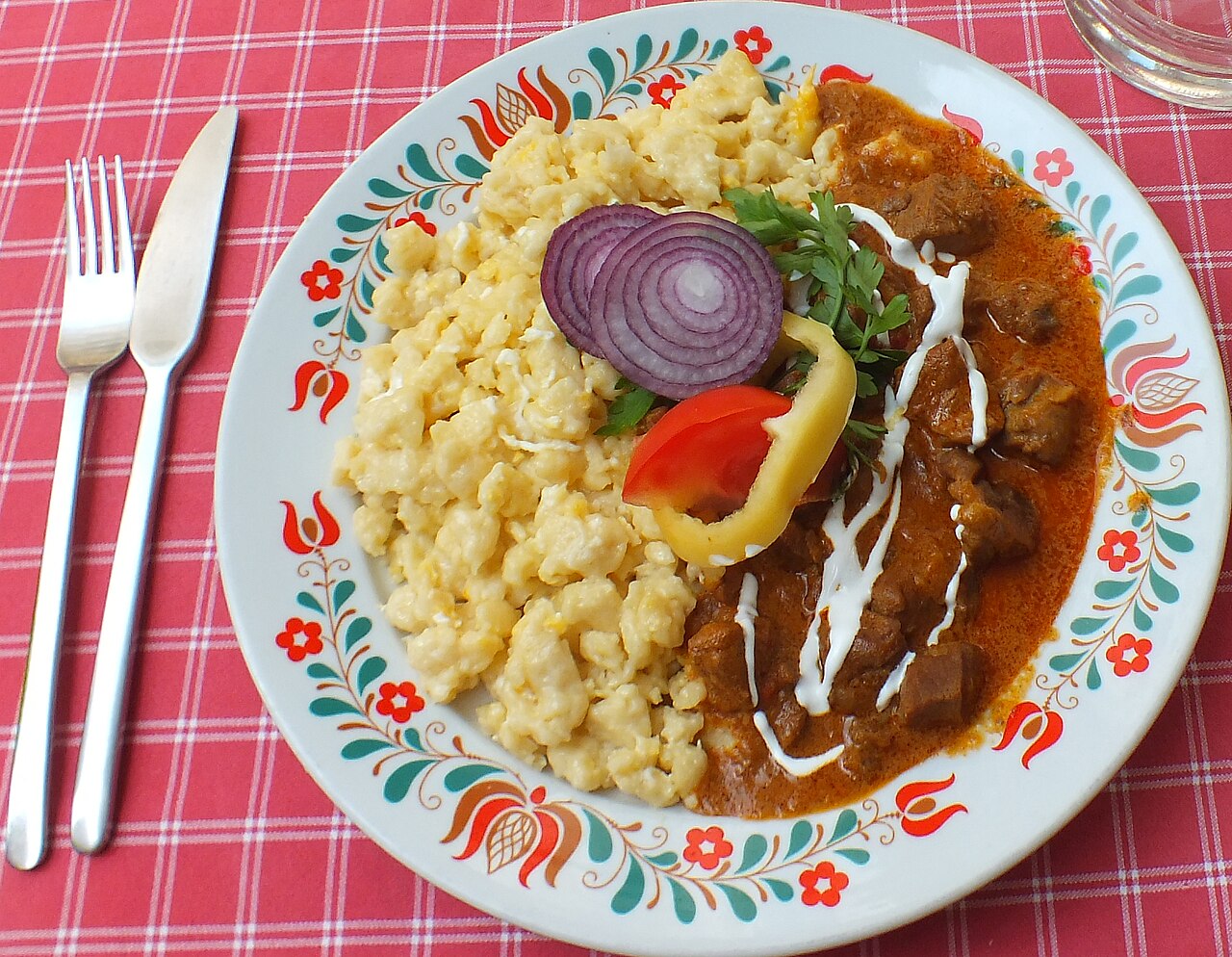
A rich, red soup of beef, onions, potatoes and vegetables, seasoned with plenty of paprika and caraway. In Hungary gulyás is usually a soup, while a thicker meat stew is called pörkölt.
The word gulya means a herd of cattle, and gulyás means a cattle herder. The dish began as the meal of herdsmen on the great plains.
The banks of the Danube and the Tisza, especially Szeged and Baja
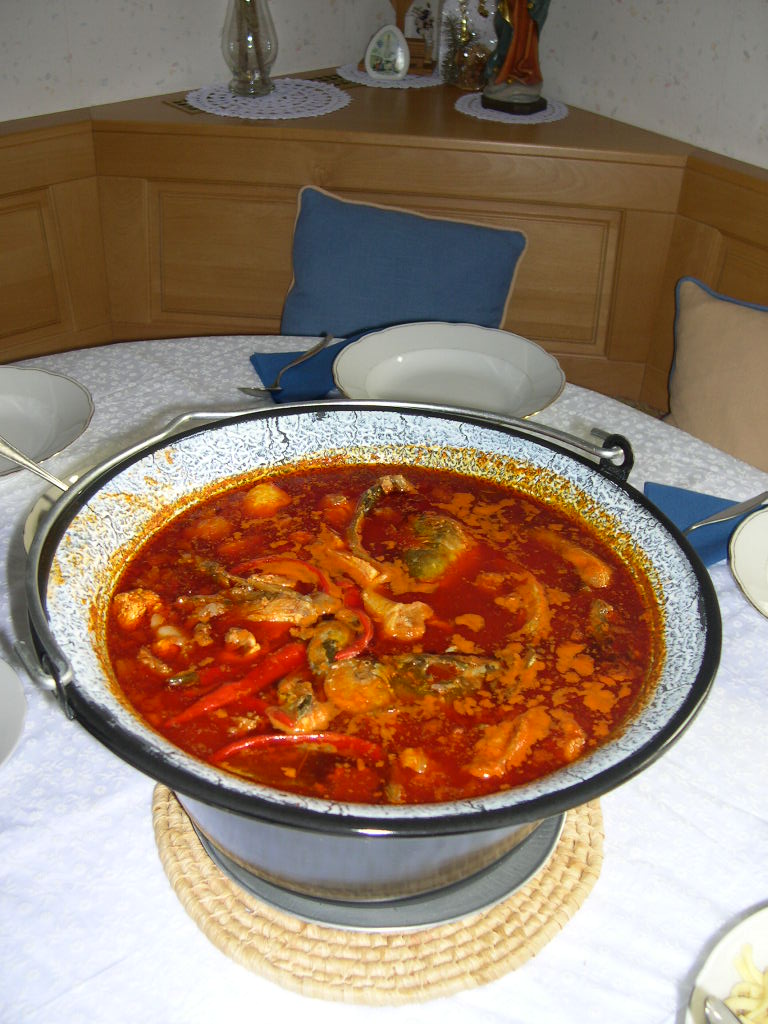
A bright red, hot and spicy soup of carp or mixed river fish, made with a strong fish broth and generous amounts of hot paprika.
Towns along the two big rivers have fierce rivalries over the right way to make it: the Paks version adds thin homemade pasta, while the Szeged version uses several kinds of fish.
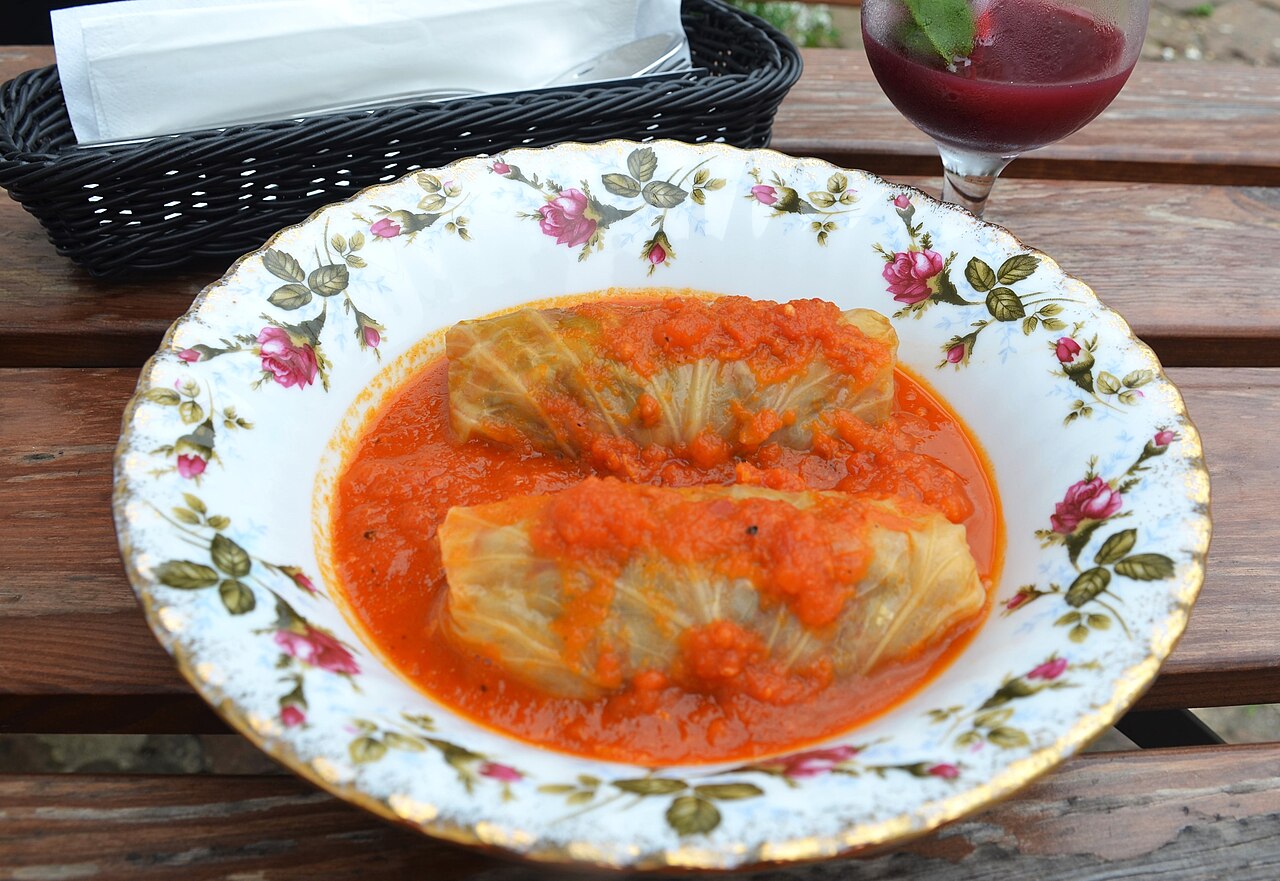
Cabbage or sauerkraut leaves rolled around minced pork, rice, onion and spices, slowly cooked in a pot with more sauerkraut and paprika, and served with sour cream on top.
Cabbage rolls are loved across Central and Eastern Europe, but the Hungarian version is known for its paprika and sour cream.
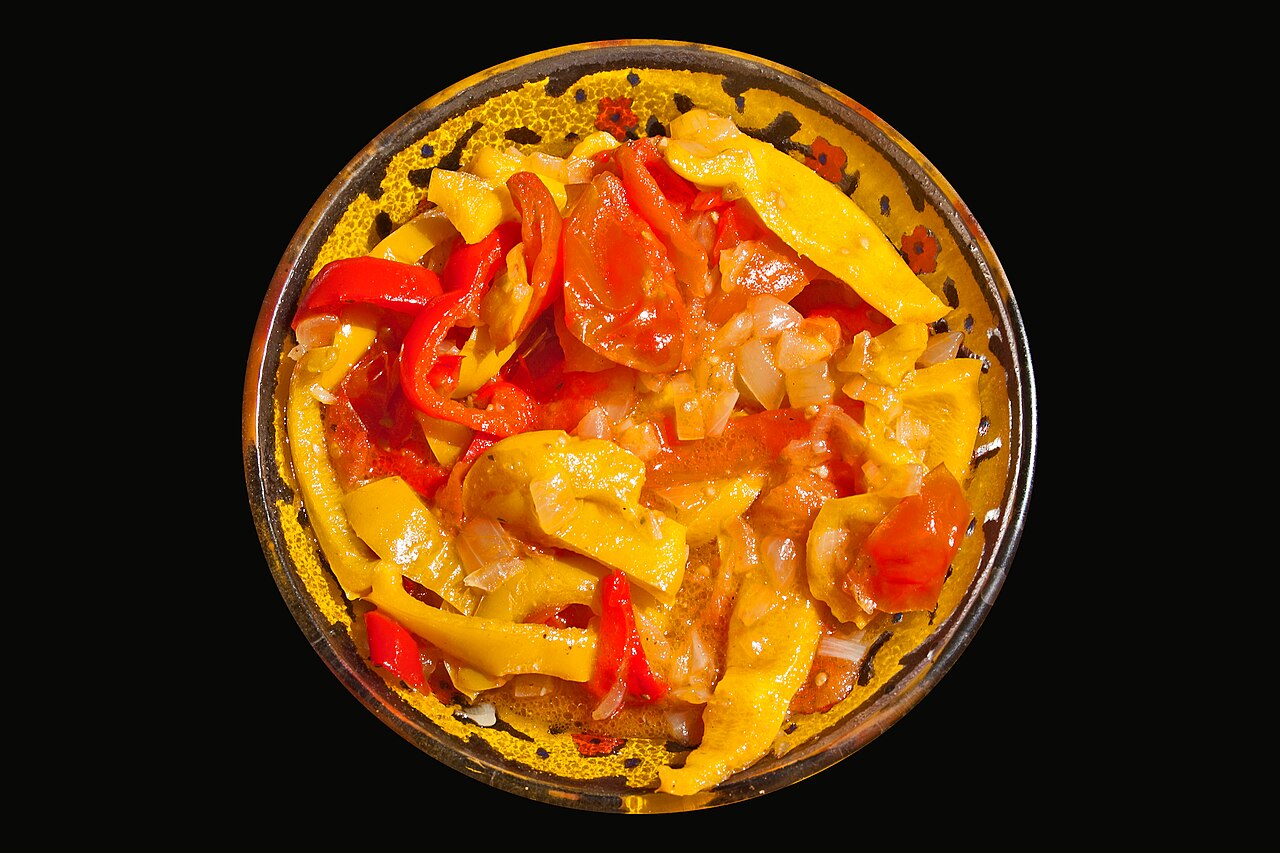
A thick stew of yellow peppers, tomatoes and onions cooked in lard or oil with paprika. It is eaten on its own with bread, with sausage, or as a side dish.
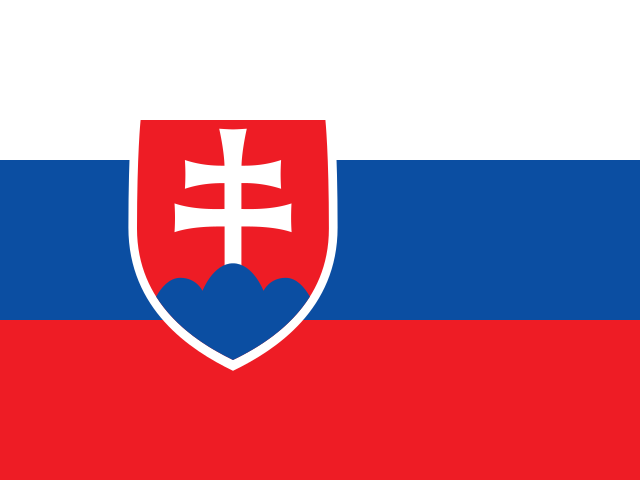
Lecsó is believed to have appeared in Hungary in the 19th century, and neighbours from Slovakia to Poland now make their own versions.
A thick vegetable dish, somewhere between a soup and a stew, made with peas, beans, lentils, potatoes, squash or cabbage and thickened with a roux or sour cream. It is often eaten as the main course at lunch or as a side dish with meat.
Főzelék was long thought of as simple home cooking that seldom appeared on menus, but today there are even places that serve only főzelék.
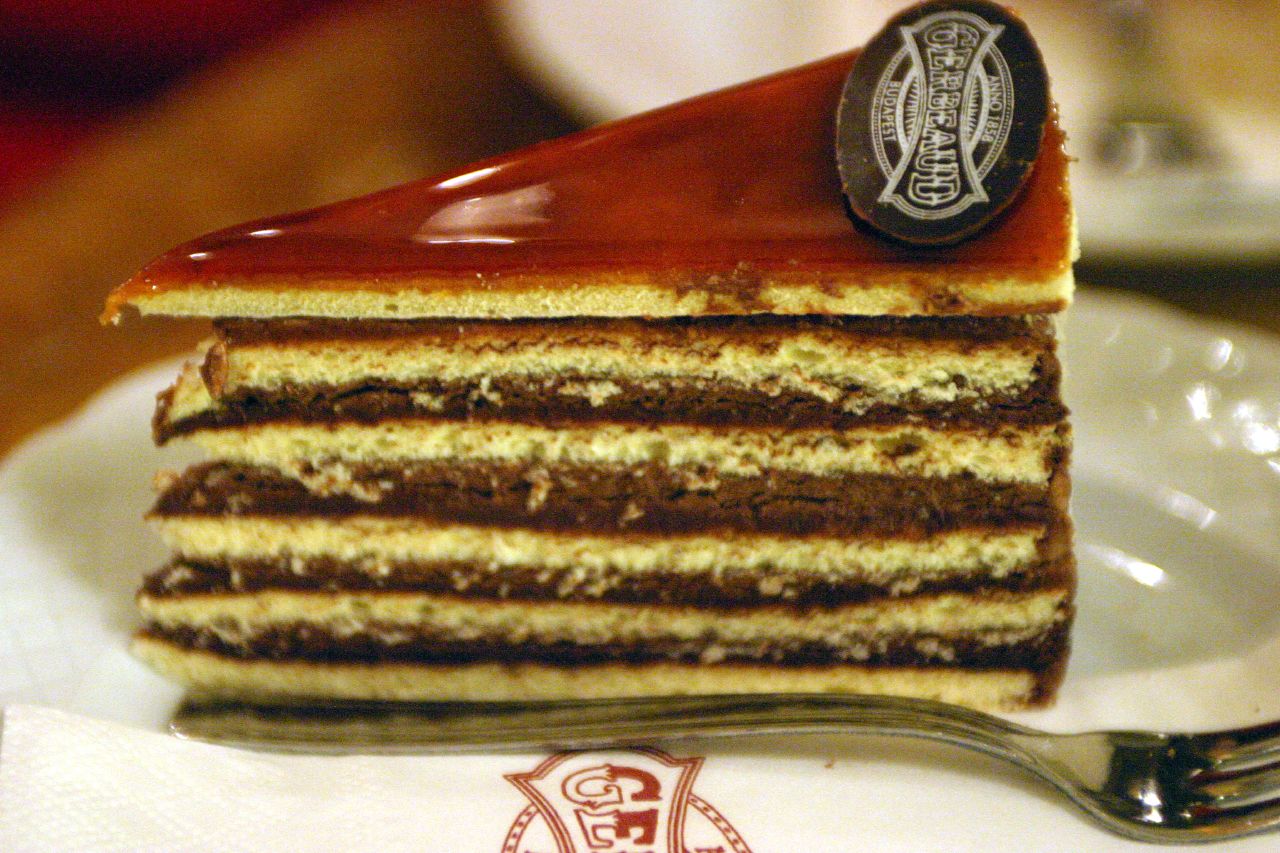
Thin layers of sponge cake filled with chocolate buttercream and crowned with a hard, shiny layer of caramel.
The confectioner József C. Dobos introduced the cake at the 1885 National Exhibition in Budapest. The caramel top kept it fresh for longer, so it could travel well.
The Székely Land in Transylvania, now loved all over Hungary
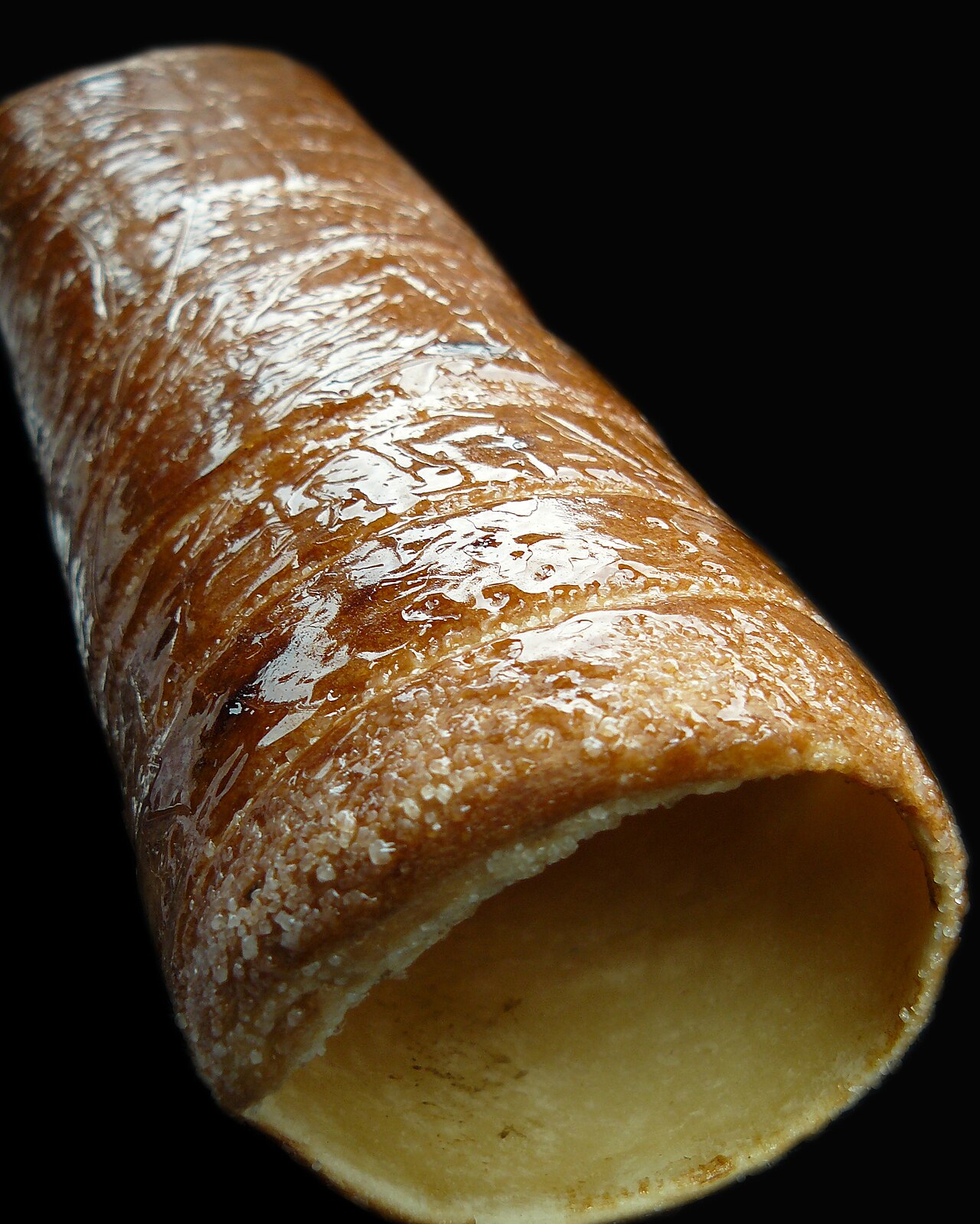
A strip of sweet yeast dough wound around a wooden cone, rolled in sugar and roasted over charcoal until the sugar turns to a crisp caramel crust. It is often dusted with cinnamon or ground walnuts.
Its name comes from kürtő, meaning stovepipe: the hollow, steaming cake looks like a little chimney.
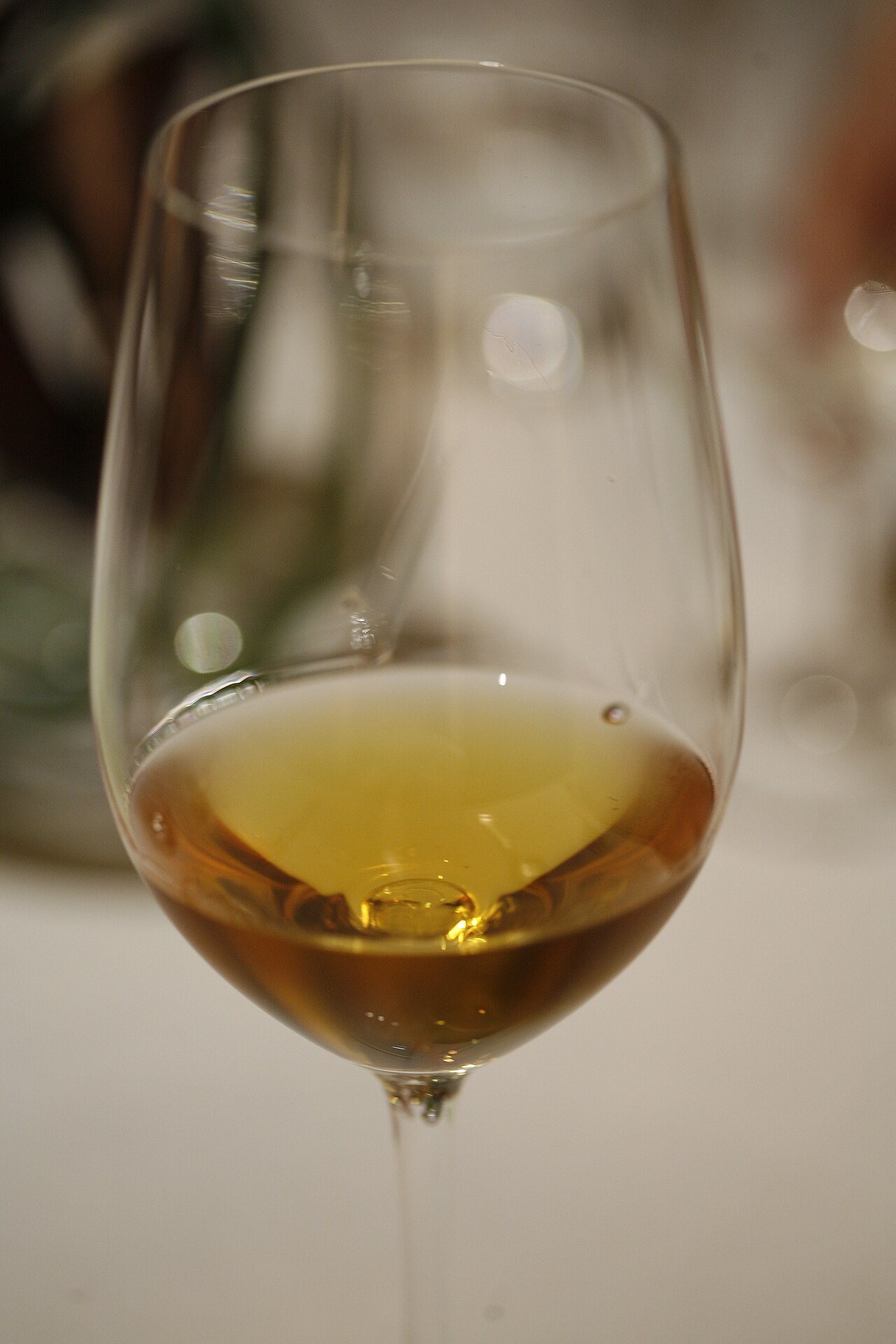
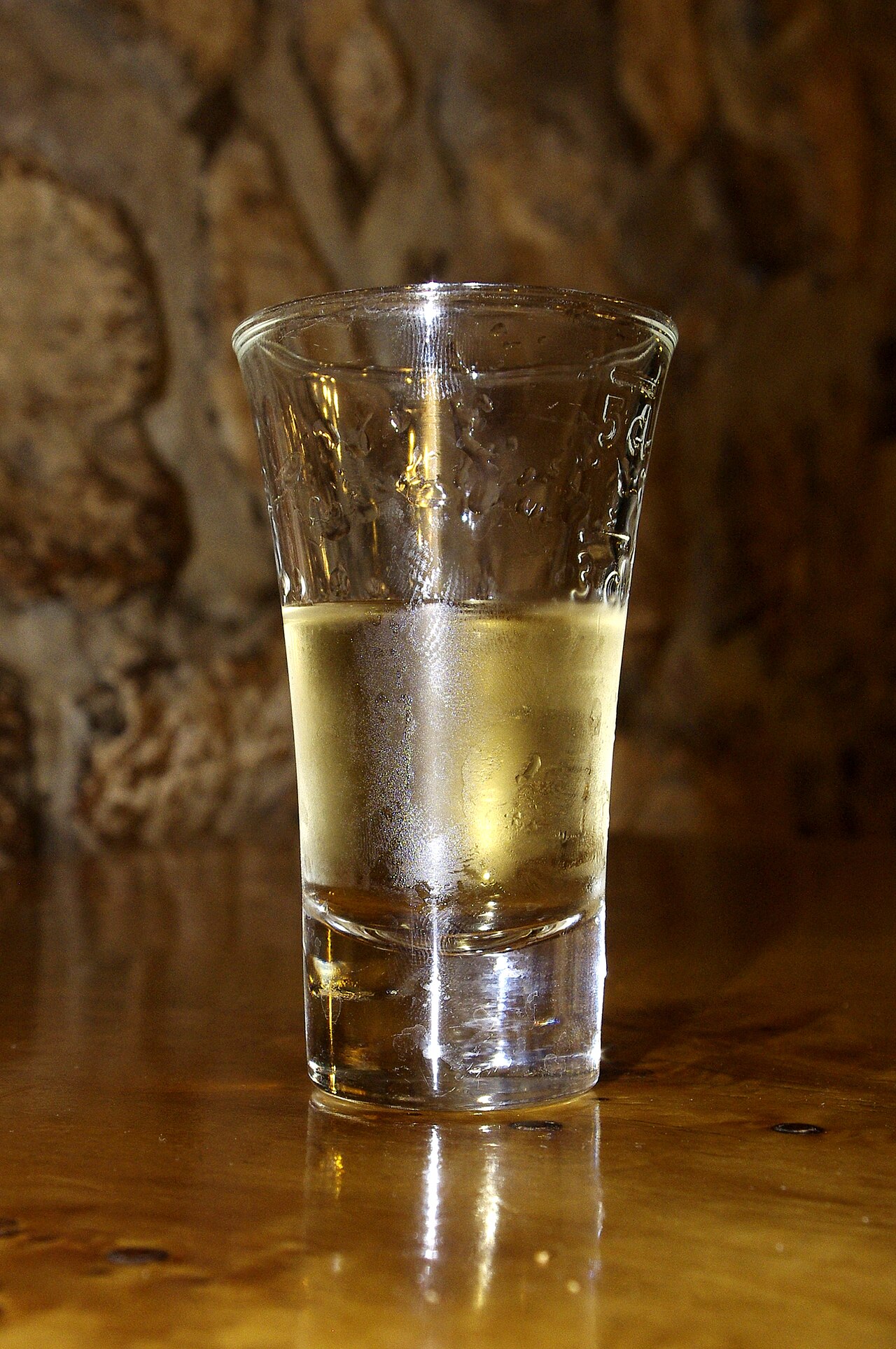
A strong fruit brandy, most often made from plums, apricots, pears, apples or cherries, and often offered to guests when they arrive.
By law only fruit spirits made from fruit grown, distilled and bottled in Hungary (plus some Austrian apricot spirits) may be called pálinka. It is at least 37.5% alcohol, so anyone who does not drink can politely say no.
At the table in Hungary
Before eating, people wish each other 'Jó étvágyat' (enjoy your meal).
When glasses are raised, people say 'Egészségedre' (to your health).
Many Hungarians still do not clink beer glasses. The story says Austrian officers clinked beer to celebrate the execution of 13 Hungarian generals in 1849.
Lunch is the main meal of the day and usually begins with soup.
Bread is served with almost every meal.
In the countryside a glass of pálinka is often offered to guests on arrival.