Slovak food grew out of village life in the mountains: potatoes, flour, cabbage, pork and above all sheep's milk cheese. The south adds Hungarian touches such as paprika and goulash, and the lowlands grow wine. Lunch is traditionally the main meal of the day and usually means a soup followed by a main course.
Mountain regions of central and northern Slovakia, now eaten all over the country
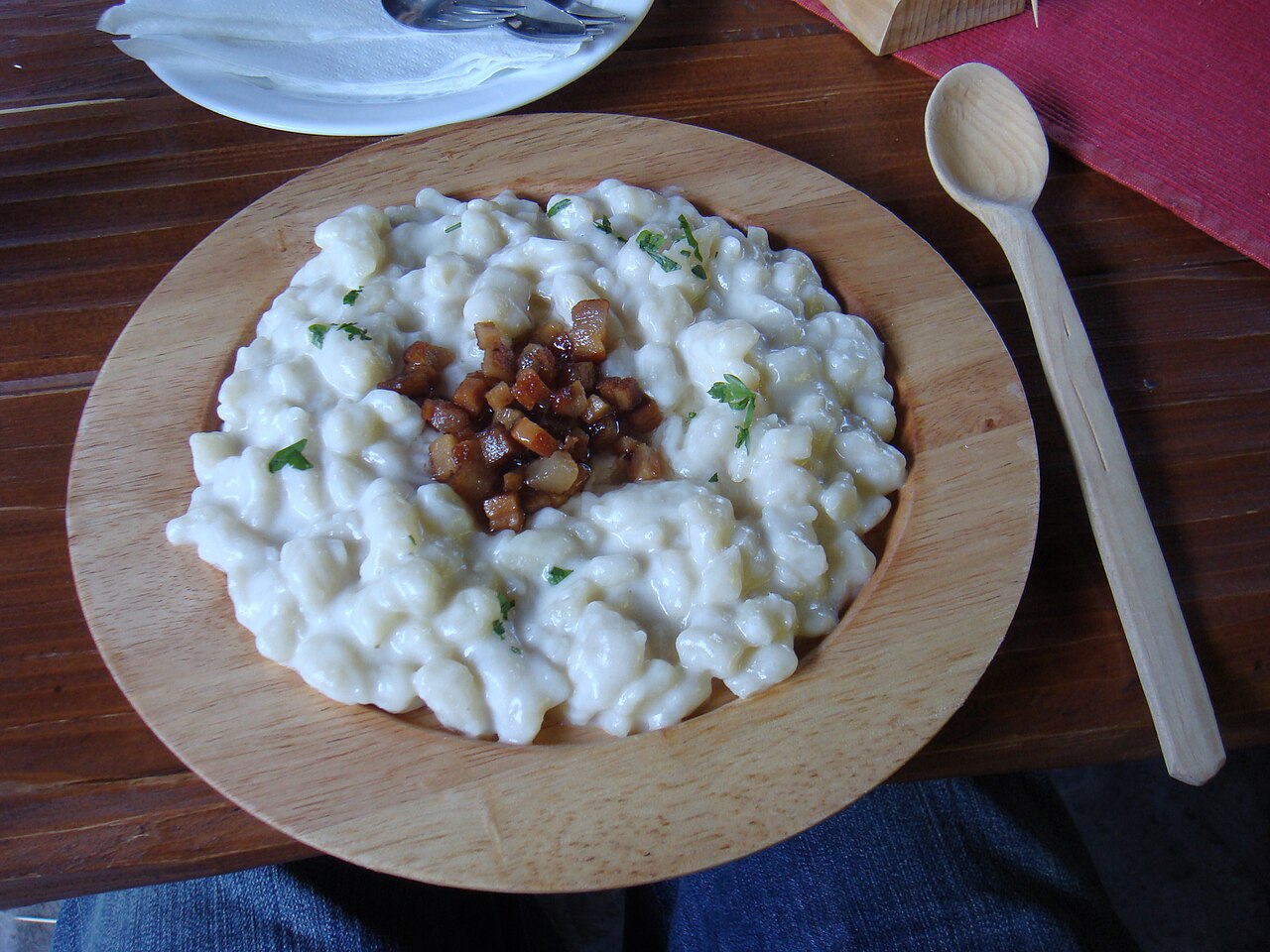
Small, soft boiled lumps of potato dough, tossed with bryndza, a soft and tangy sheep's cheese, and topped with crisp fried bacon. It is considered the national dish.
Slovak bryndza has been protected by the European Union as a geographical indication since 2008, and the village of Turecká holds a yearly halušky festival with an eating contest.
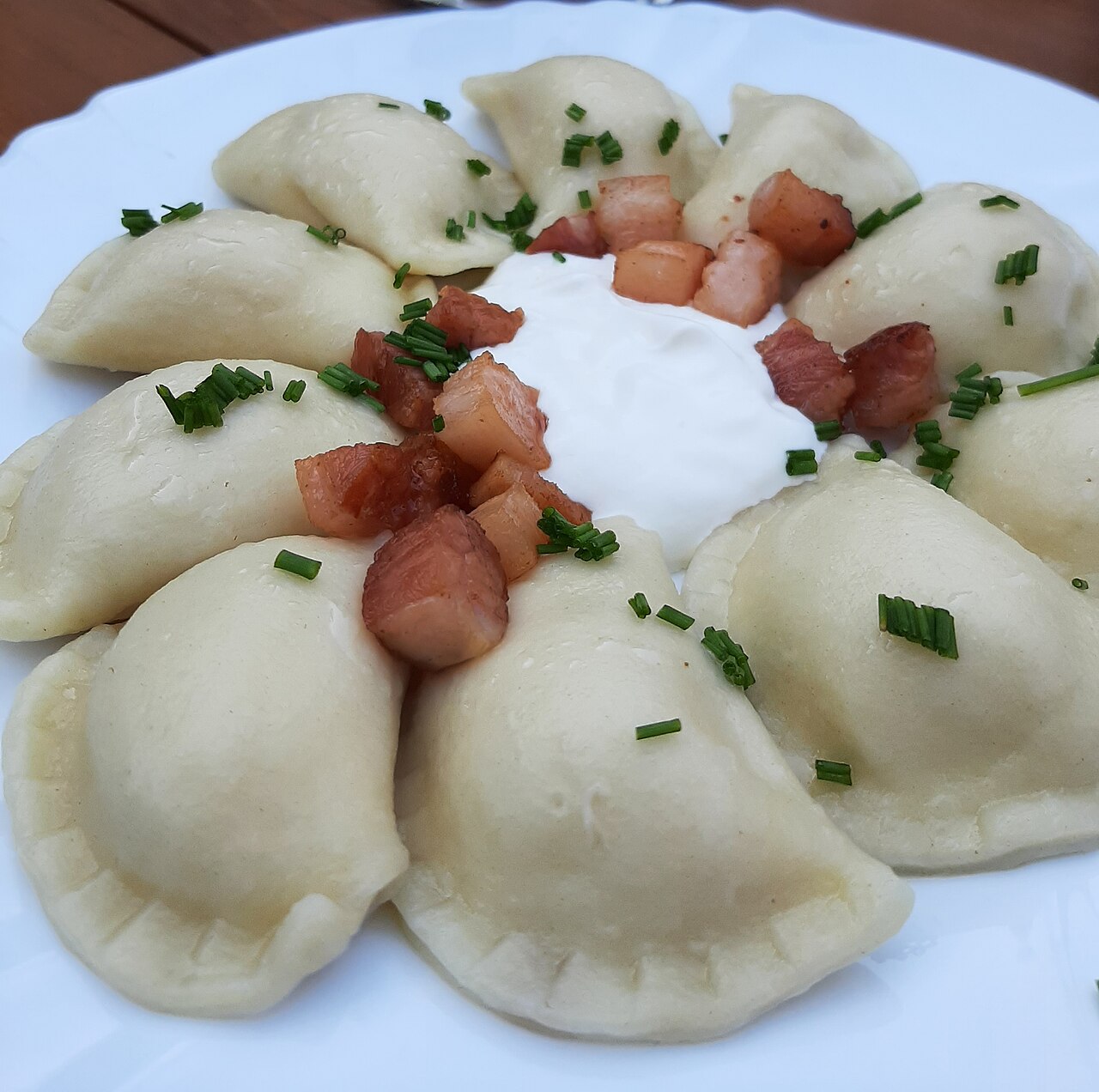
Half-moon dumplings filled with bryndza cheese mixed with mashed potato, served with more bryndza thinned with milk or sour cream, and topped with bacon or fried onion.
Together with bryndzové halušky, pirohy are counted among Slovakia's national dishes.
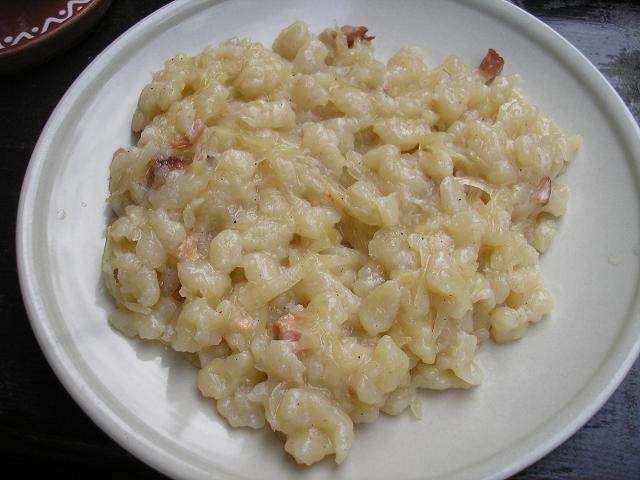
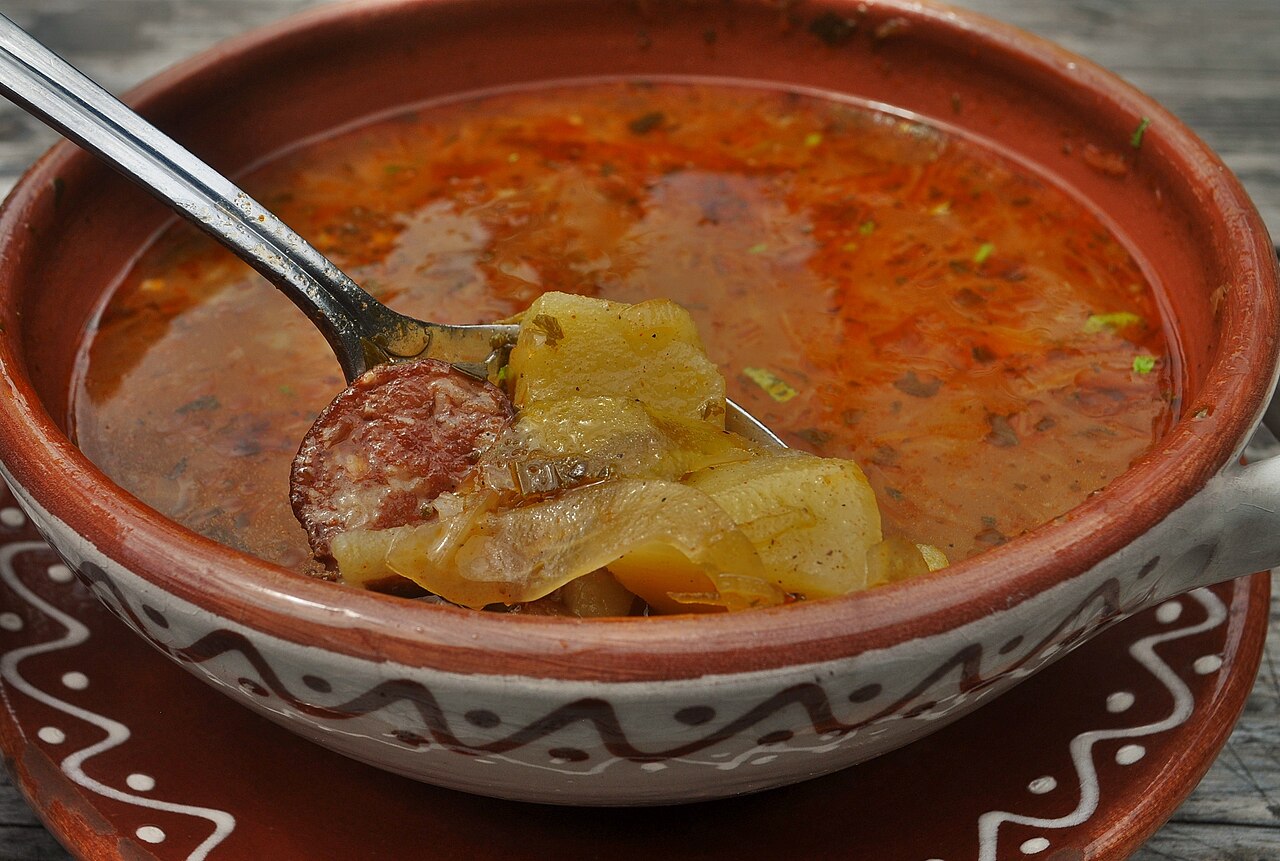
A thick, sour soup of fermented cabbage, usually with smoked meat, sausage and dried mushrooms. Every region, valley and village cooks it a little differently.
Catholic families traditionally make a meatless version for Christmas Eve, while the festive version is rich with smoked meat and sausage.
Hungarian in origin, a favourite in Slovak and Czech canteens
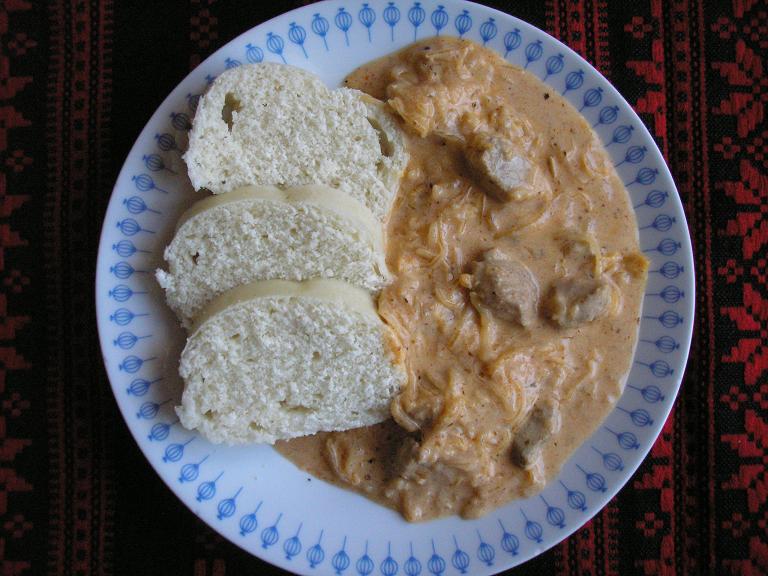
A stew of pork and sauerkraut finished with cream or sour cream, usually served with slices of steamed bread dumpling (knedľa).
Despite the name, it has nothing to do with the city of Szeged. It is also known as Székely goulash, which legend links to a 19th-century archivist named József Székely.
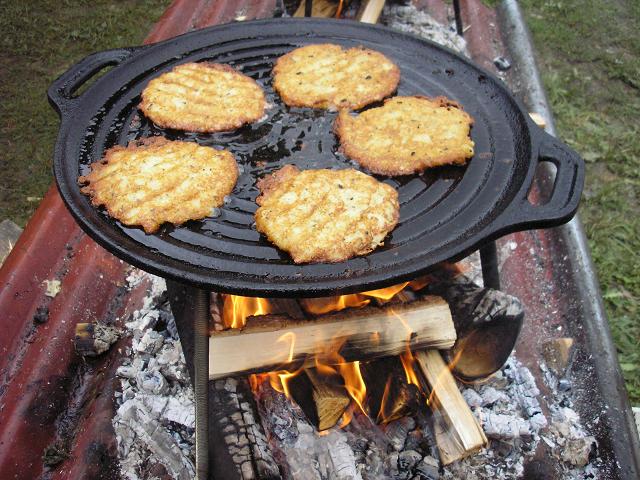
Thin flatbreads of cooked potato and flour baked dry on a hot plate. They are spread with goose fat, filled with sauerkraut or goose liver, or served with a goose feast.
The village of Slovenský Grob near Bratislava is famous for its goose feasts, served with lokše, stewed red cabbage and strudel.
The mountain regions of central and northern Slovakia
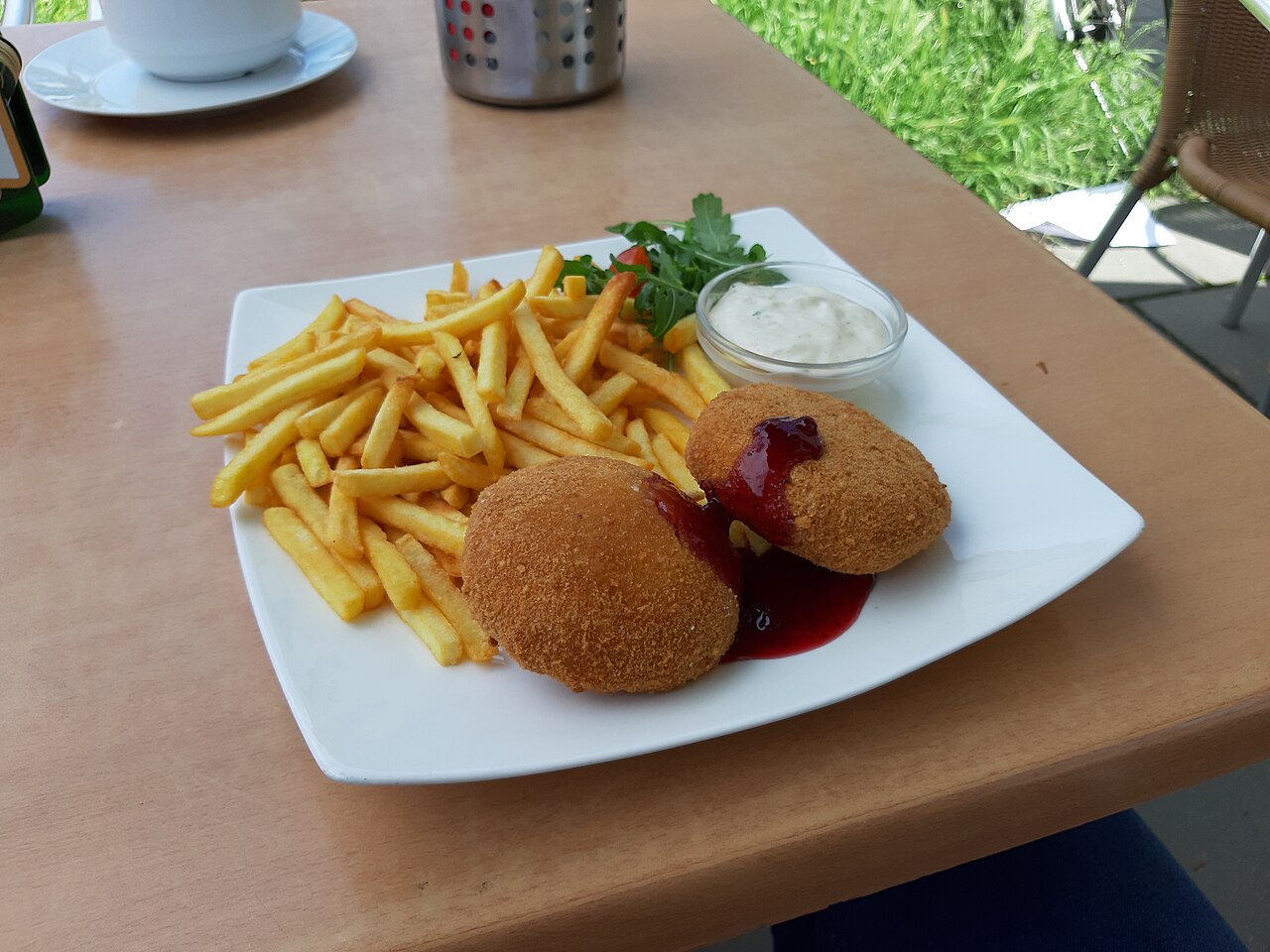
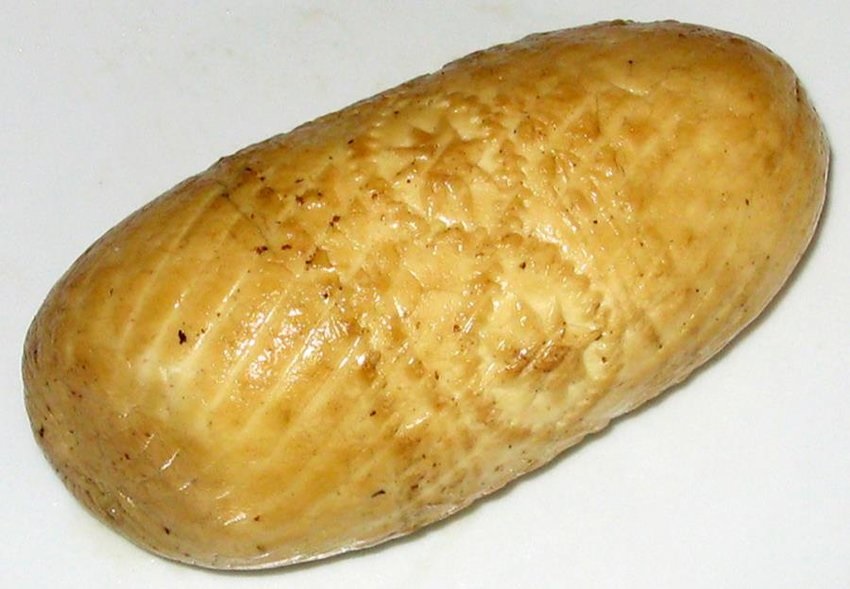
A traditional smoked cheese from Slovakia, firm and salty, with a golden smoked rind. It was first made from sheep's milk, and today cow's milk is often added.
Slovenský oštiepok is protected by the European Union. The Gorals of southern Poland make a similar cheese called oscypek.
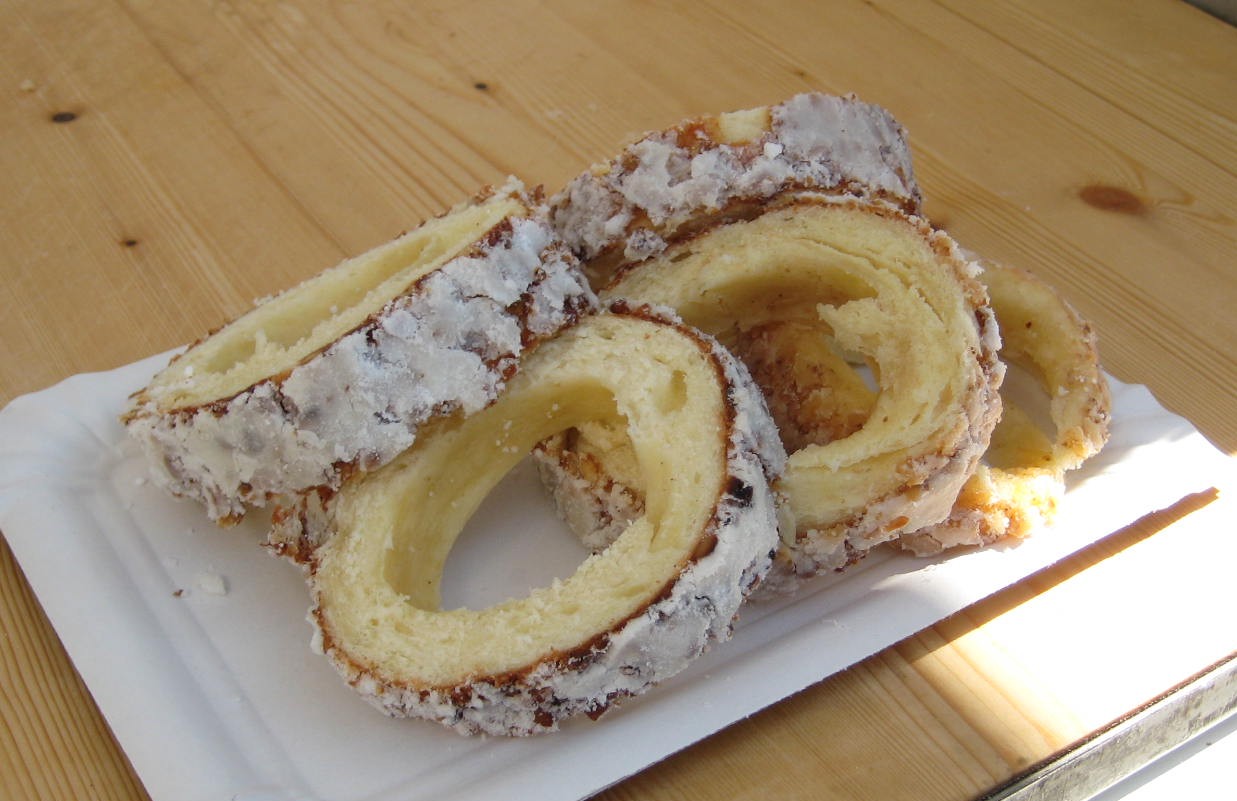
A hollow, tube-shaped cake of dough wrapped around a wooden roller, baked on a turning spit over an open fire and topped with sugar and walnuts.
Skalica's trdelník was registered as a protected geographical indication by the European Commission in December 2007. Local tradition says a retired general and poet, József Gvadányi, brought the recipe to the town in the late 18th century.
Seven villages in the far south-east, near the Hungarian border
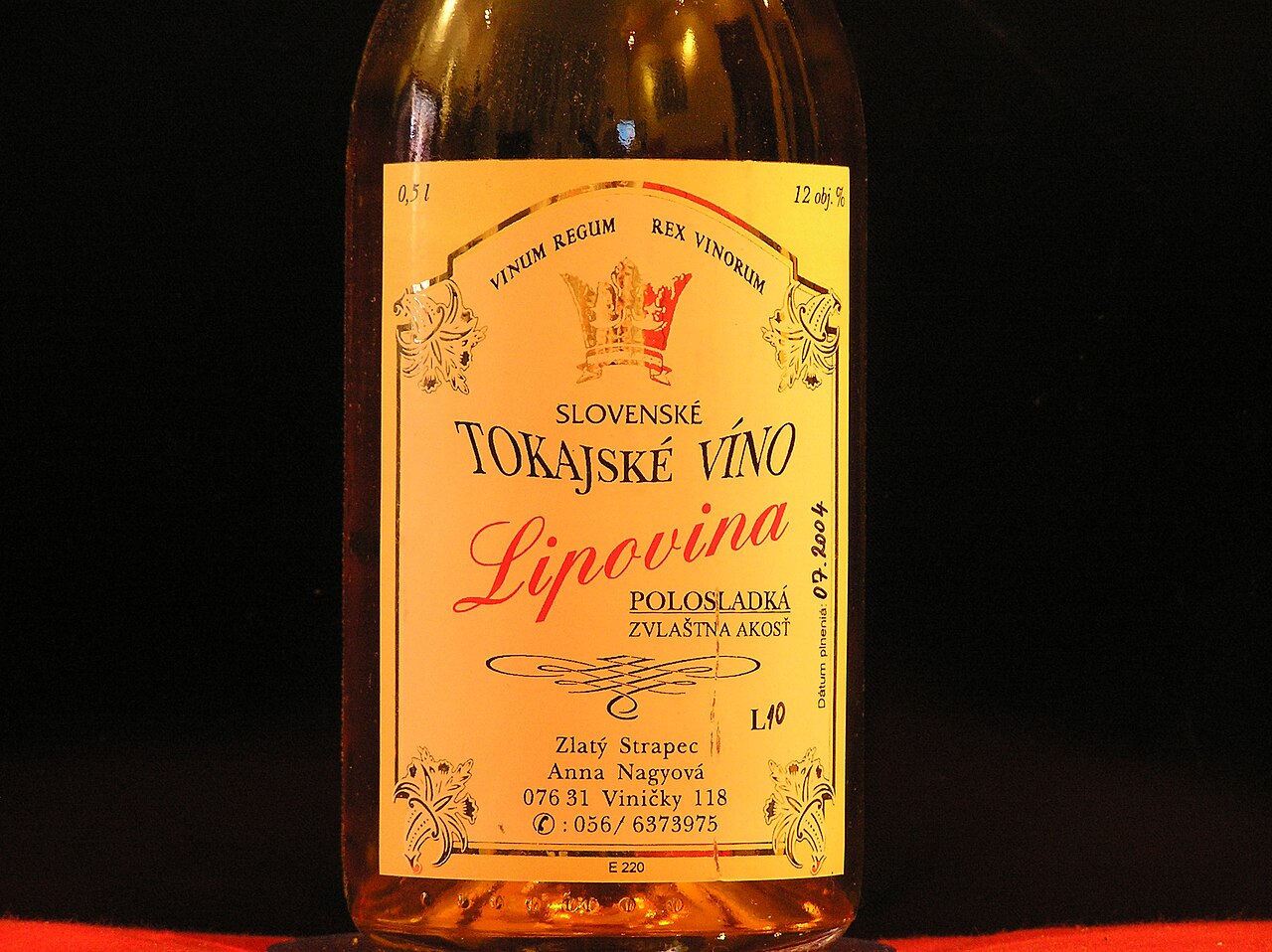
White wines, many of them naturally sweet, made from Furmint, Lipovina and Yellow Muscat grapes. The small Slovak part of the historic Tokaj region has about 908 hectares of vineyards.
Most of the Tokaj region lies in Hungary. After the borders changed in 1920 a smaller part ended up in Czechoslovakia, and under EU rules winemakers on both sides may use the Tokaj name.
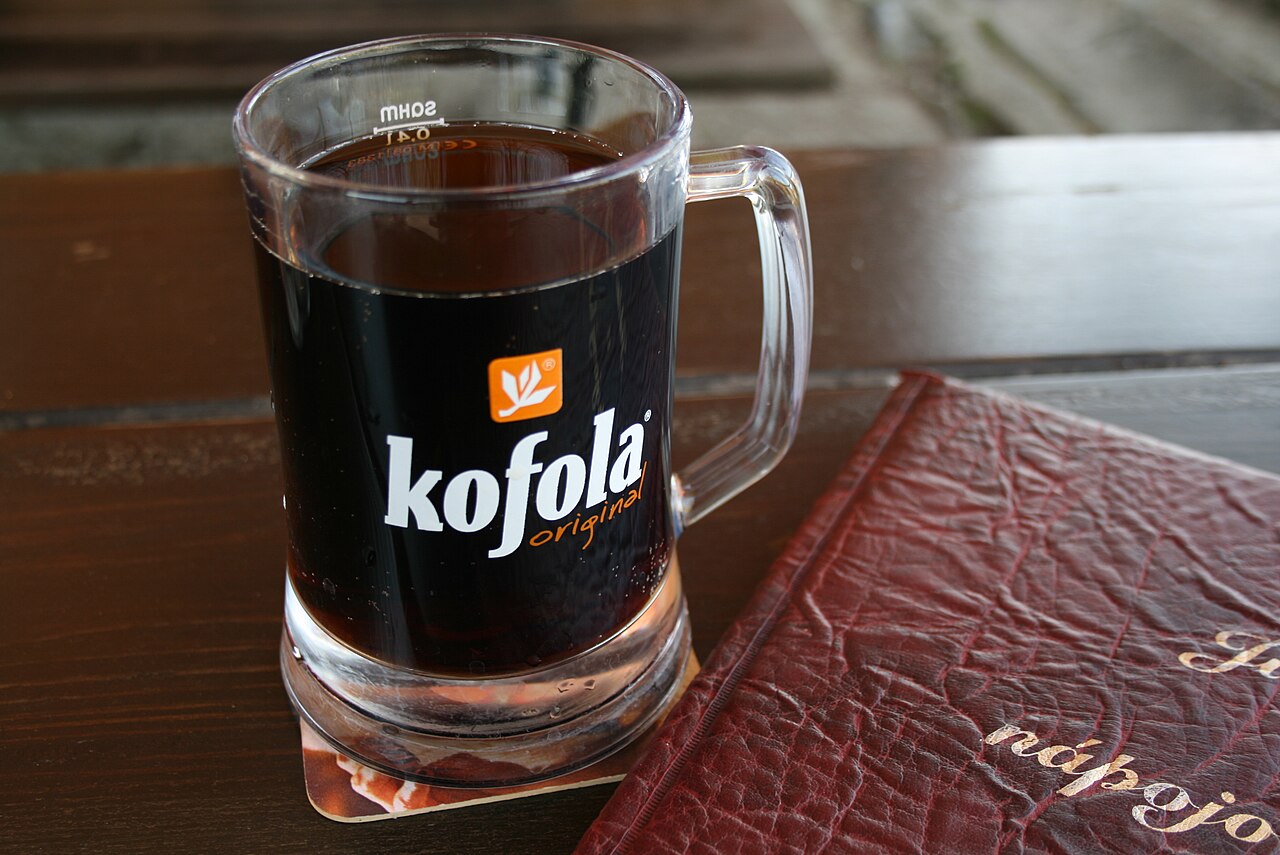
A dark, herbal cola made from a syrup of 14 herbal and fruit ingredients. It is often poured on draught in Slovak restaurants.
It was invented at a Czechoslovak research institute to use up surplus caffeine from coffee roasting, and it is still a major rival to Coca-Cola and Pepsi in Slovakia and the Czech Republic.
At the table in Slovakia
Before eating, people wish each other 'Dobrú chuť' (enjoy your meal).
When glasses are raised, everyone says 'Na zdravie' (to your health).
Lunch, usually eaten between about 11:30 and 13:30, is traditionally the main meal of the day: a soup followed by a main course.
If you are invited to someone's home, it is customary to bring a bottle of wine or other drink as a gift.
In restaurants and bars, people usually round up the bill or leave around 5 to 10%, but it is not compulsory.