Serbian food is hearty and generous, a meeting of Central European, Turkish and Mediterranean cooking. Grilled meat is the star, bread comes with almost every meal, and cheese, kajmak and pies are everyday pleasures. Breakfast is often a savoury pastry from the bakery, and lunch, eaten in the early afternoon, is the main meal: it usually starts with a soup, goes on to meat with salad and ends with something sweet and a small cup of coffee.
Across Serbia and the former Yugoslavia, famous in Leskovac in the south
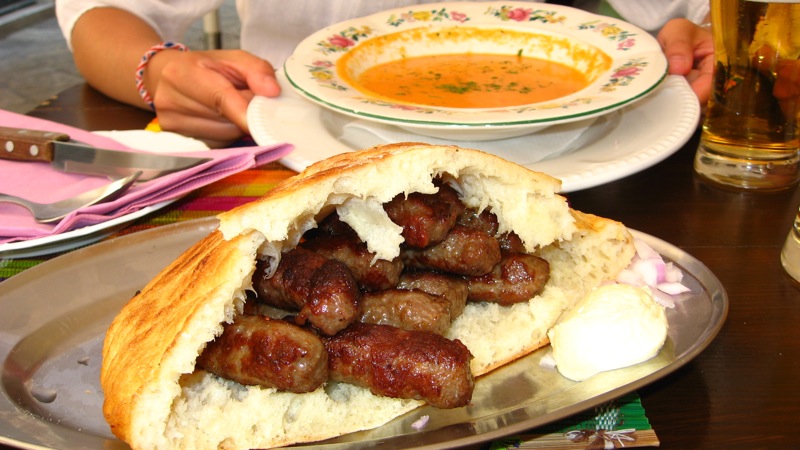
Small finger-shaped rolls of minced meat, grilled over charcoal and served five or ten at a time on a plate or in a soft flatbread, with chopped raw onion, kajmak and sometimes ajvar. In Serbia they are made of beef, lamb, pork or a mixture.
The word comes, through Ottoman Turkish kebap, from Arabic. The plural ćevapi is almost always used, because nobody eats just one.
All of Serbia, with a famous spicy version from Leskovac
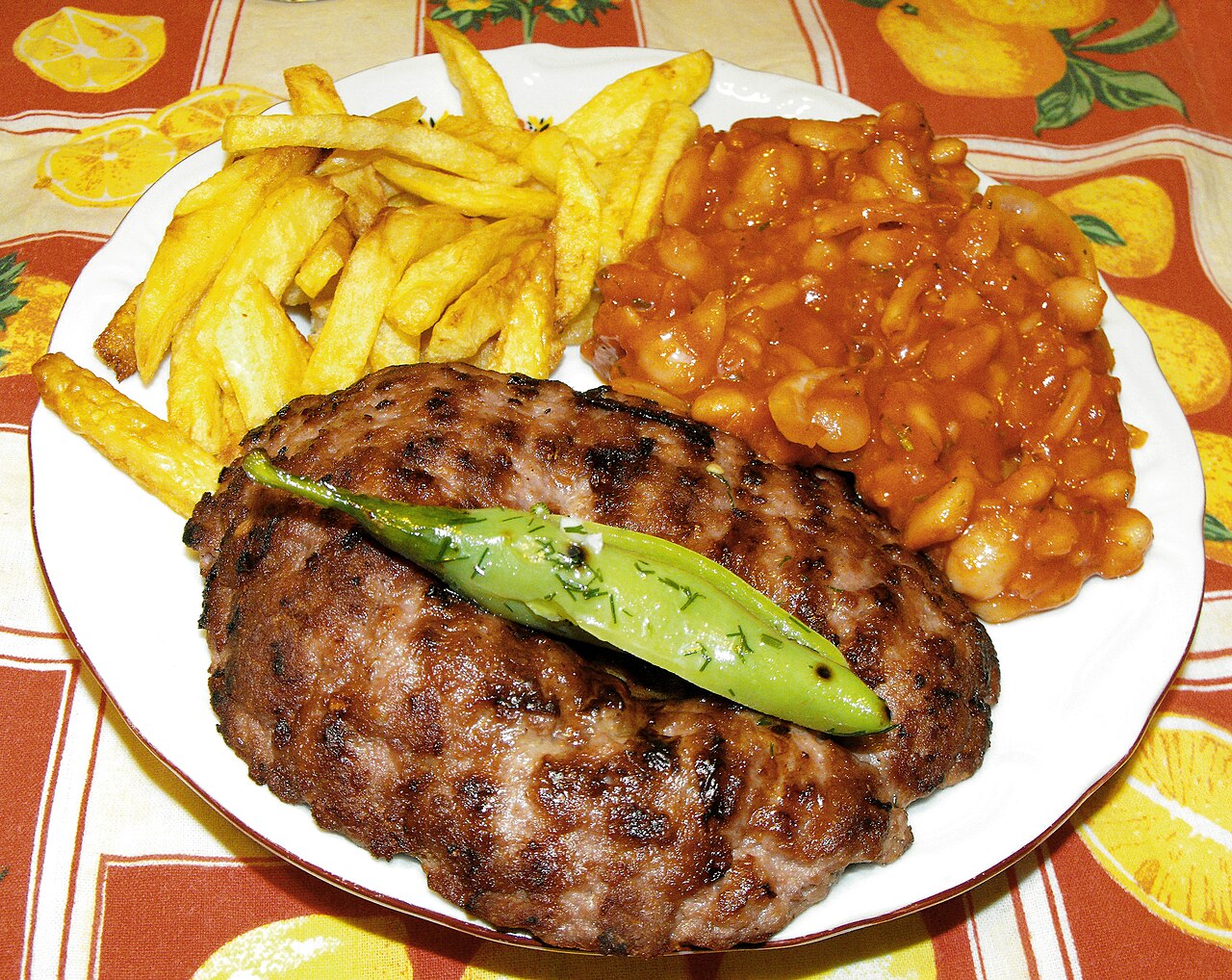
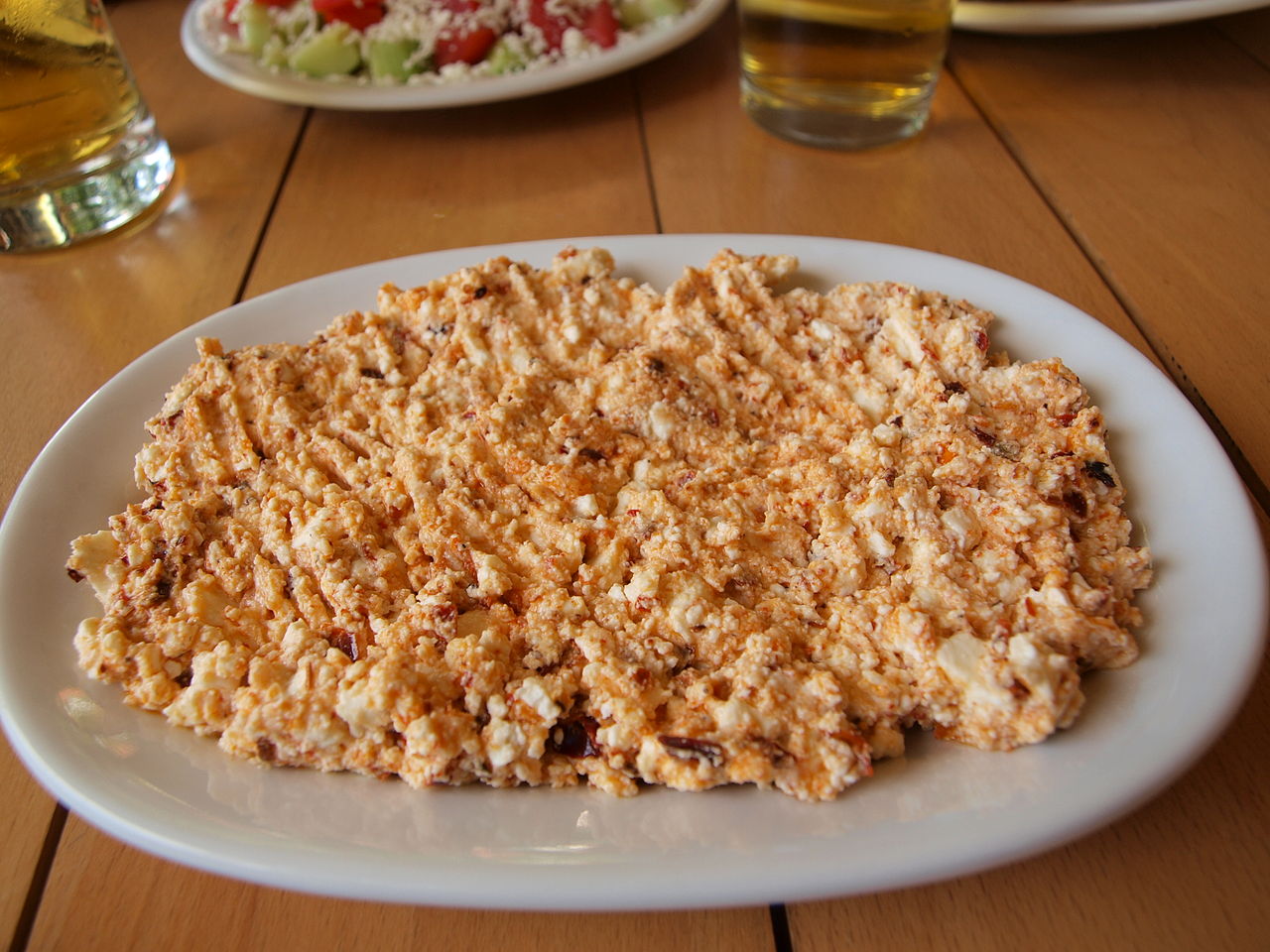
A large, thin patty of spiced minced pork, beef and lamb, grilled and served with onions, kajmak and urnebes, either on a plate or in a flatbread like a hamburger. It is one of Serbia's national dishes.
Since 2008 the name 'Leskovac pljeskavica' has been legally protected for pljeskavica made in the Jablanica District of southern Serbia.
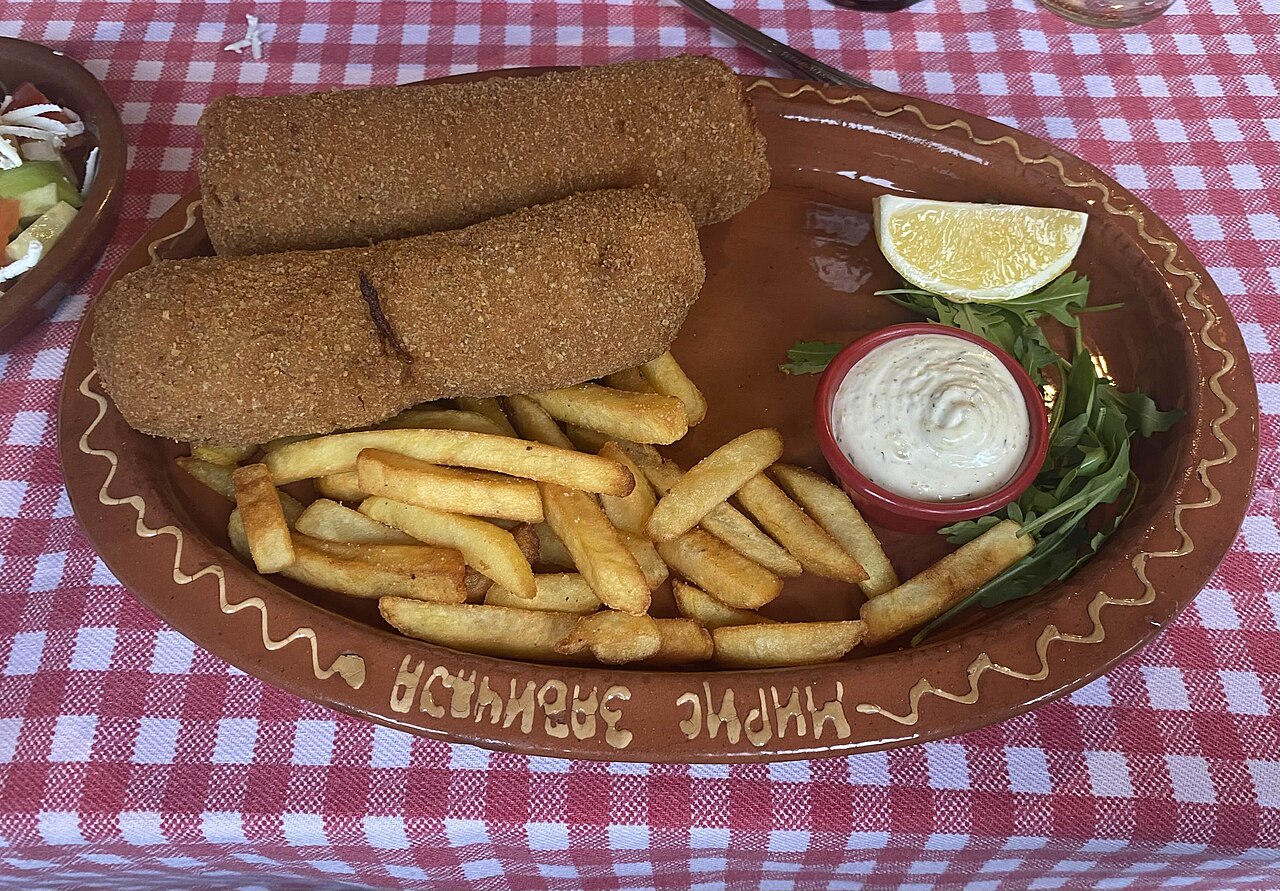
A veal or pork steak rolled around kajmak, then breaded and fried golden. It is served with tartar sauce and a slice of lemon, often with chips.
It was created in 1956 or 1957 by the chef Mića Stojanović, who later cooked for Tito. He named it after Karađorđe, leader of the First Serbian Uprising.
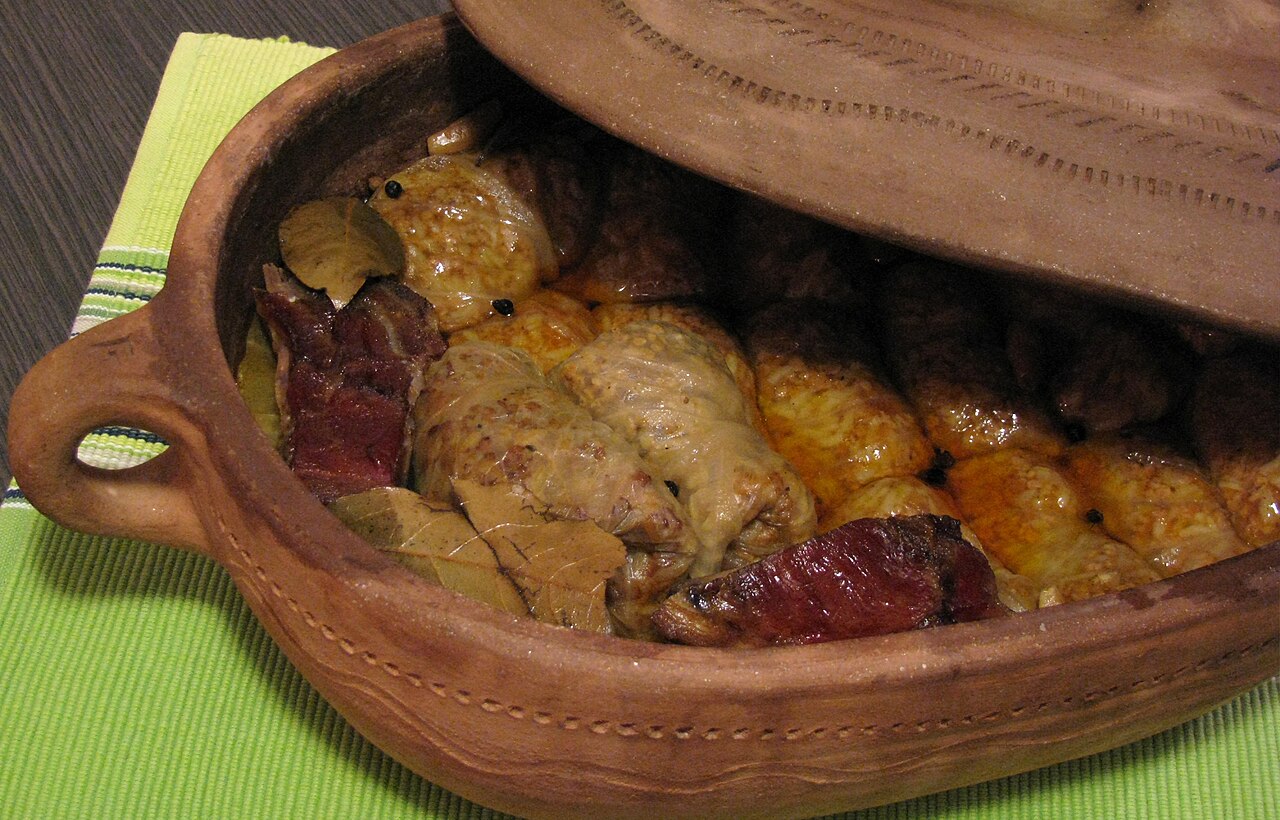
Leaves of soured cabbage rolled around minced meat and rice, then simmered slowly for hours, often with smoked meat. It is a classic of winter feasts and family celebrations.
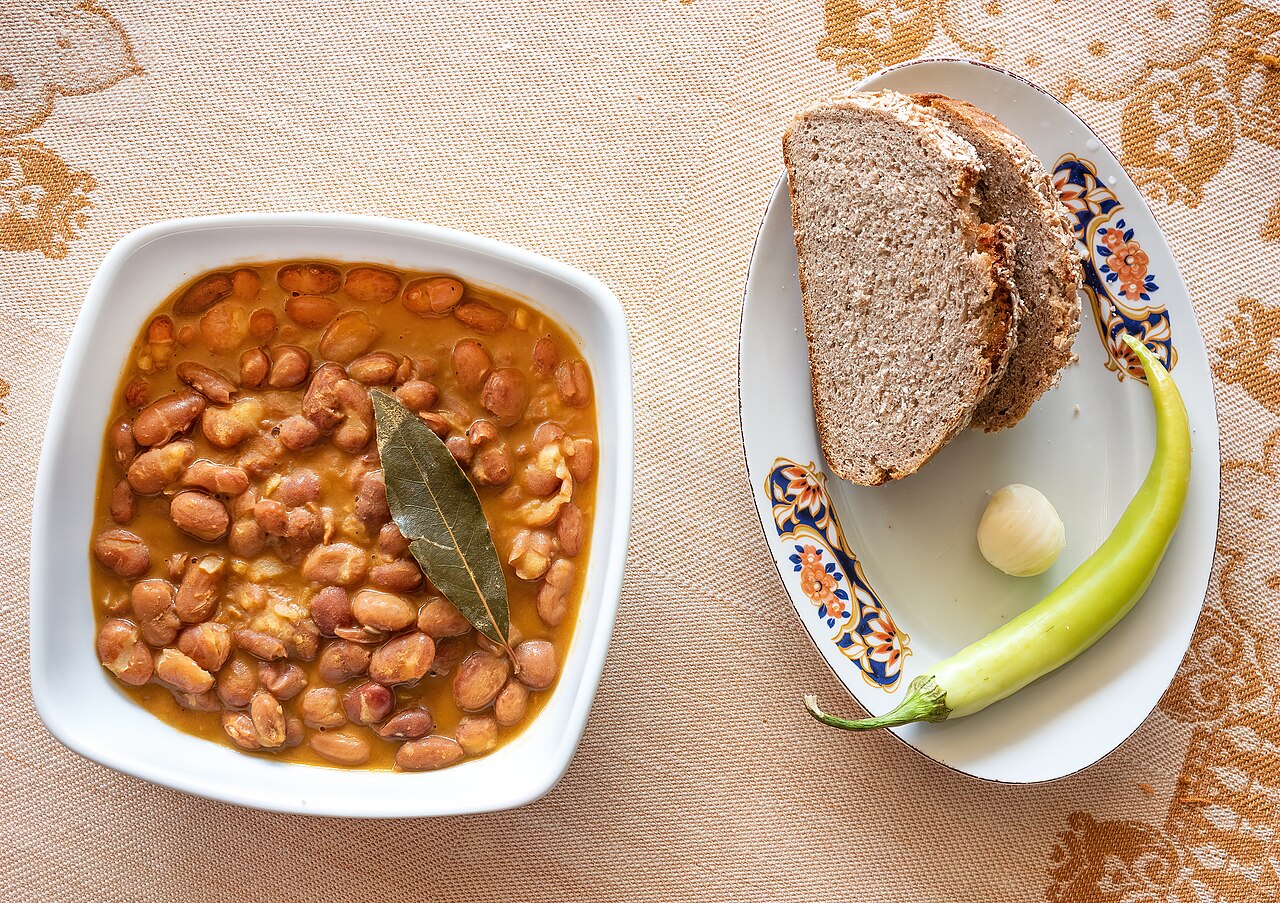
A thick stew of white beans cooked slowly with onion, paprika and smoked meat such as bacon or sausage. It is served with bread and sometimes sour cream. A baked version is called prebranac.
Serbs say 'prosto kao pasulj', 'simple as beans', where English speakers would say 'easy as pie'.
All of Serbia, a breakfast and celebration favourite
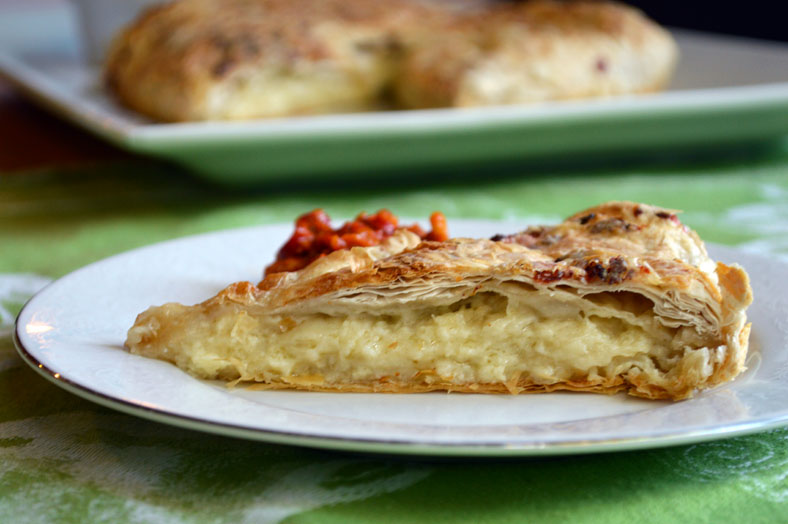
A golden pie of thin filo pastry, crumpled in layers with a filling of white cheese, eggs, milk and kajmak. It is eaten warm for breakfast, at celebrations and as a snack.
Gibanica was already listed in Vuk Karadžić's Serbian Dictionary of 1818.
Brought by the Ottomans, now sold in every Serbian bakery
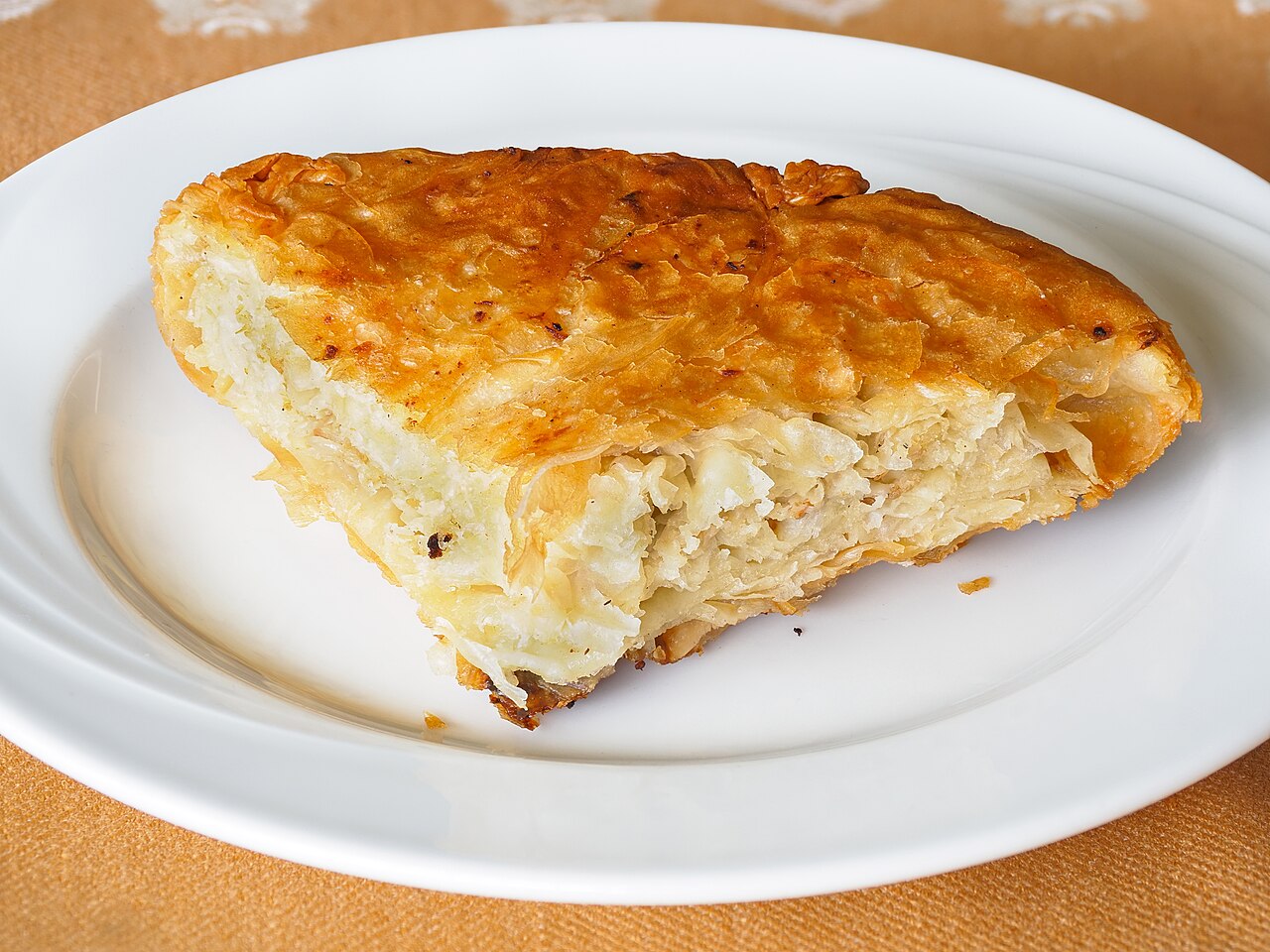
A large round pie of thin, flaky pastry filled with minced meat, cheese, spinach or potato, cut into wedges. In Serbia it is a classic breakfast, often with a glass of drinking yoghurt.
Burek is popular for breakfast and can be sold out by the evening.
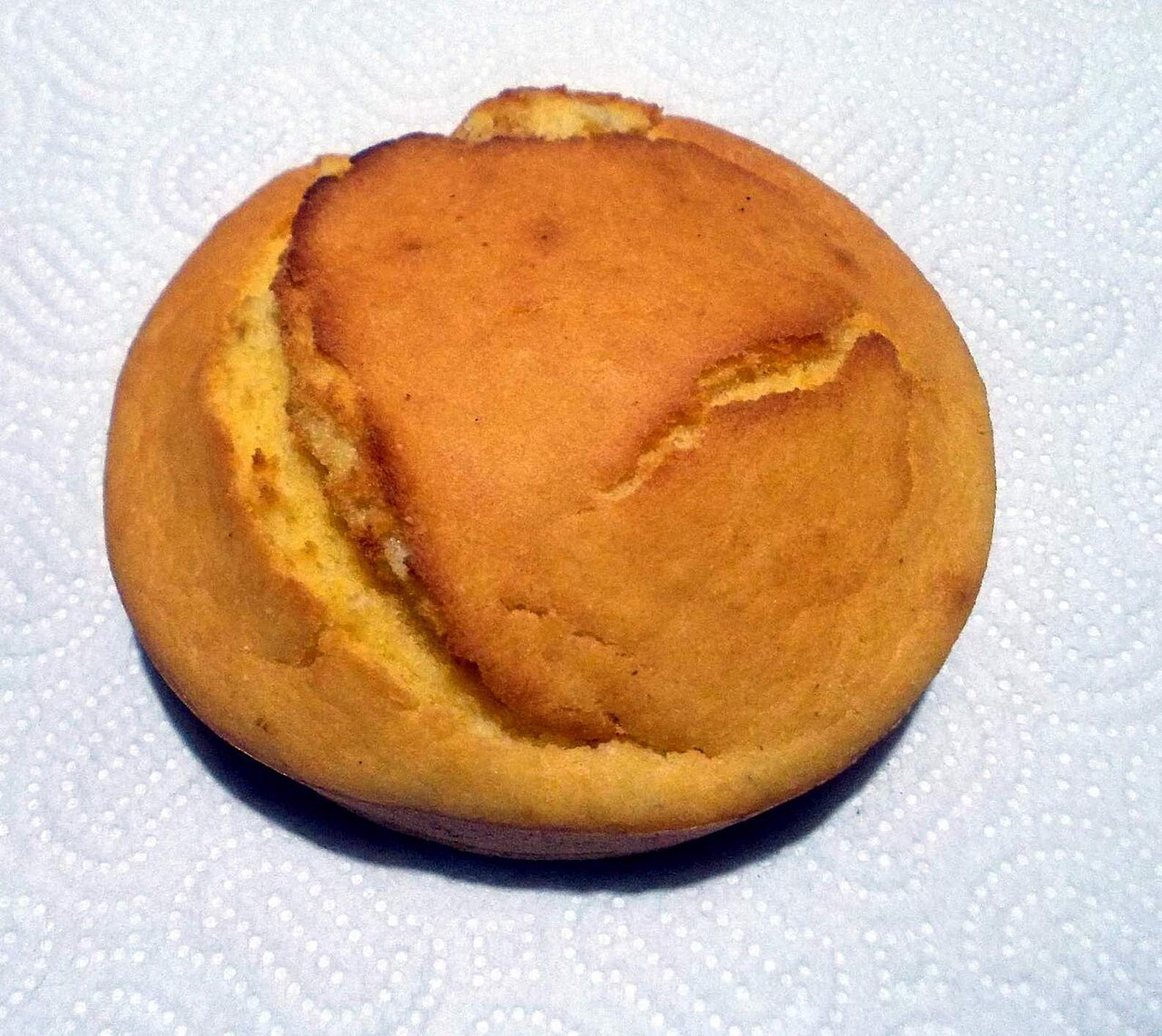
A simple, moist cornbread made from maize flour, oil and sparkling water, sometimes with white cheese. It is often eaten for breakfast with kajmak, ajvar or sour cream.
Proja kept many families fed in hard times, including Serbian soldiers in the First World War. In 2025 CNN Travel named it one of the world's 50 best breads.
All of Serbia, with a protected homemade version from Leskovac
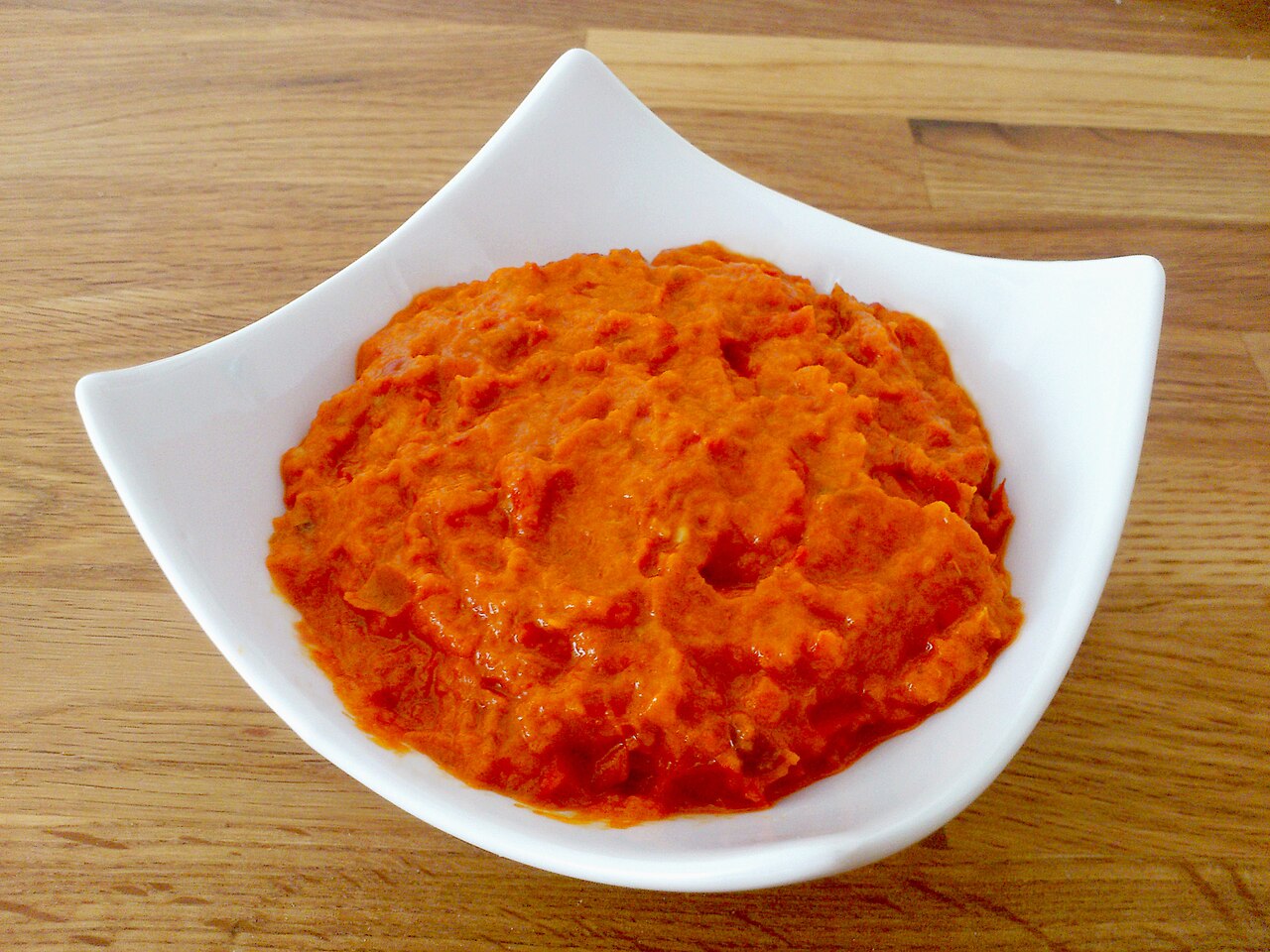
A thick relish of roasted, peeled and slowly cooked red peppers, from sweet to fiery. Families make it together in autumn, when peppers are plentiful, and keep it in jars for the winter.
The name comes from a Turkish word for caviar. When Danube caviar became scarce in the 1890s, Belgrade restaurants began serving a red pepper salad in its place.
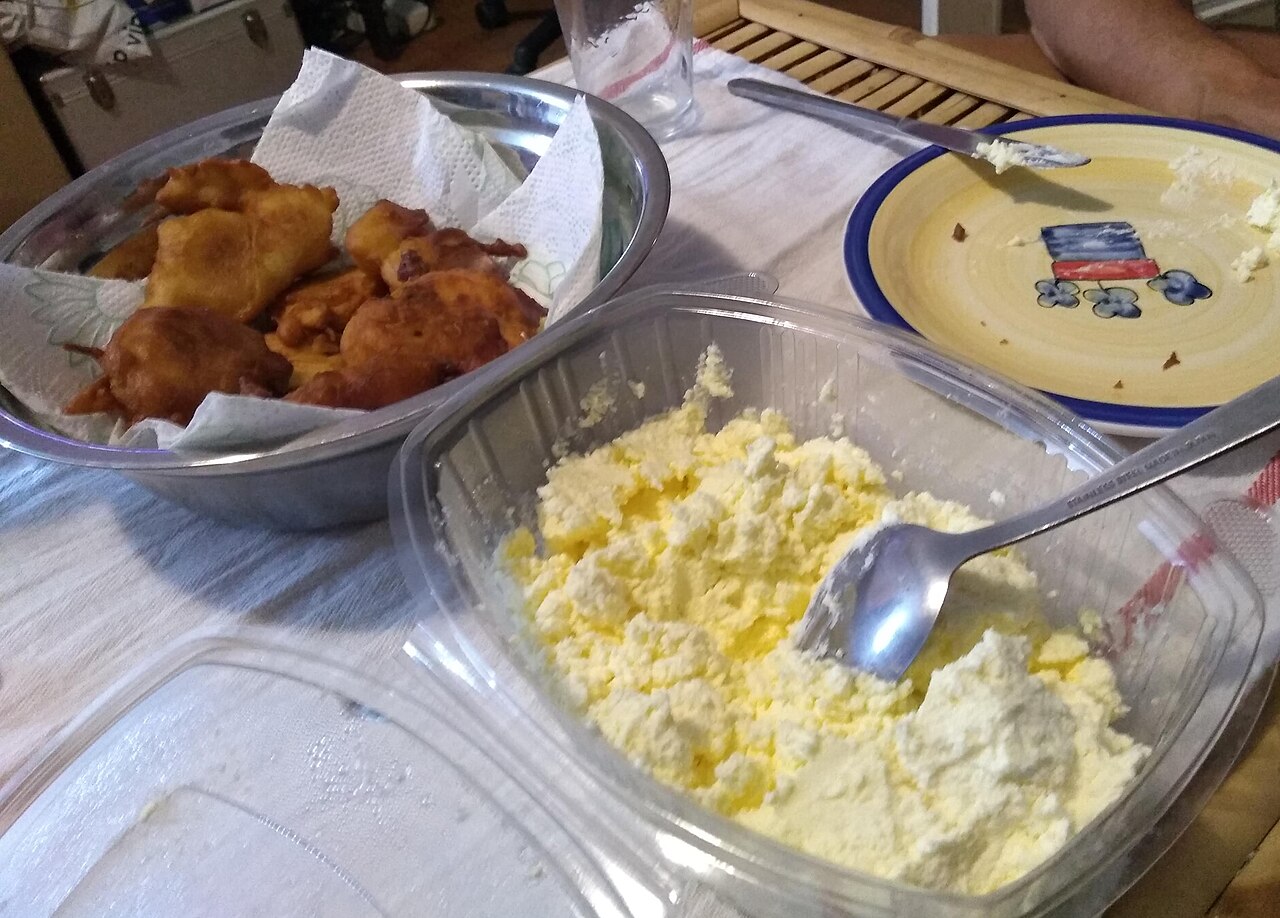
A rich, creamy dairy spread, something between clotted cream and soft cheese, skimmed from the top of slowly heated milk and left to ripen. It is eaten with bread, grilled meat and cornbread.
In Serbian the word kajmak can also mean 'the cream', the best part of something.
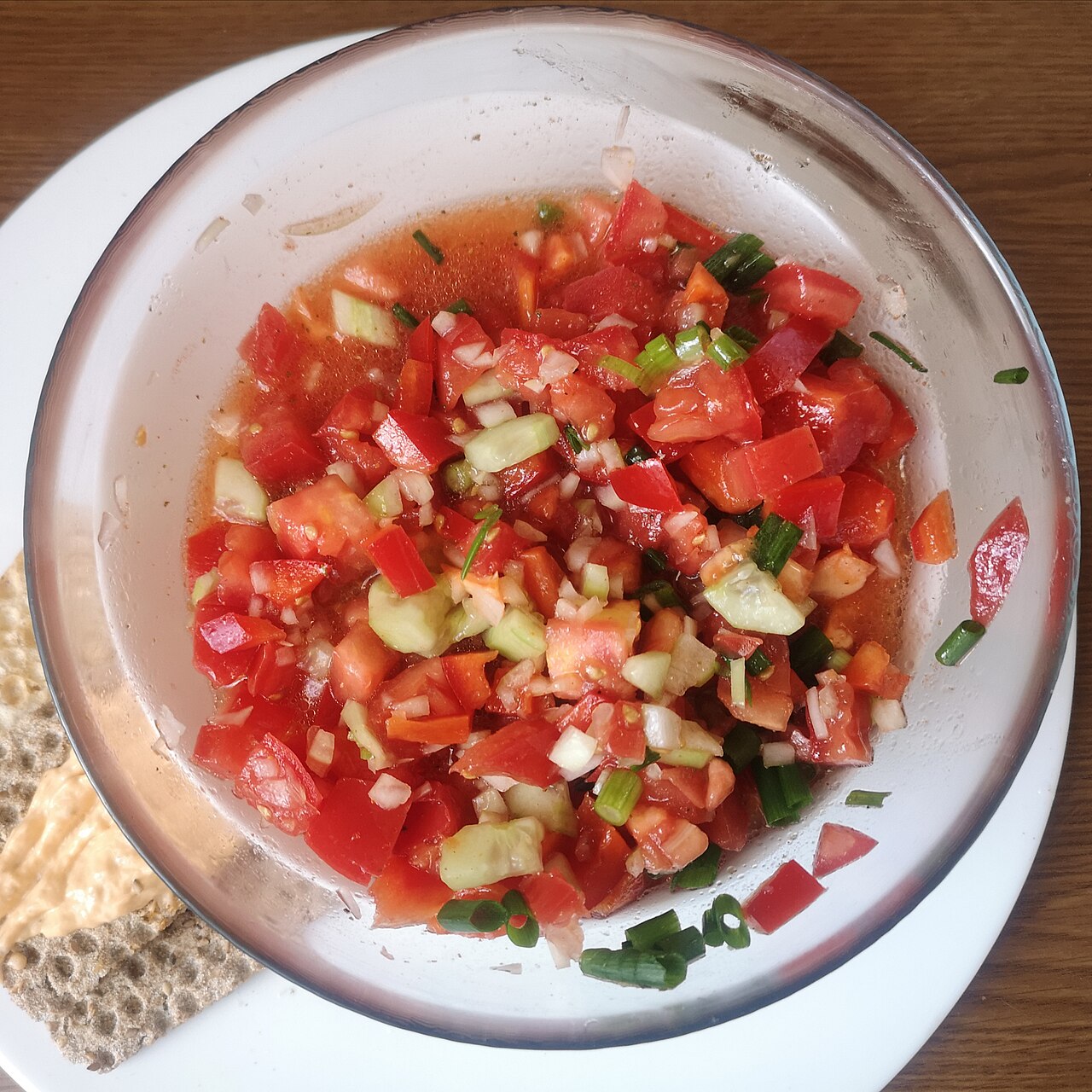
Diced tomatoes, cucumbers and onions with a simple dressing of oil and vinegar, often with a little hot pepper. It is served alongside grilled meat. With grated white cheese on top it becomes šopska salad.
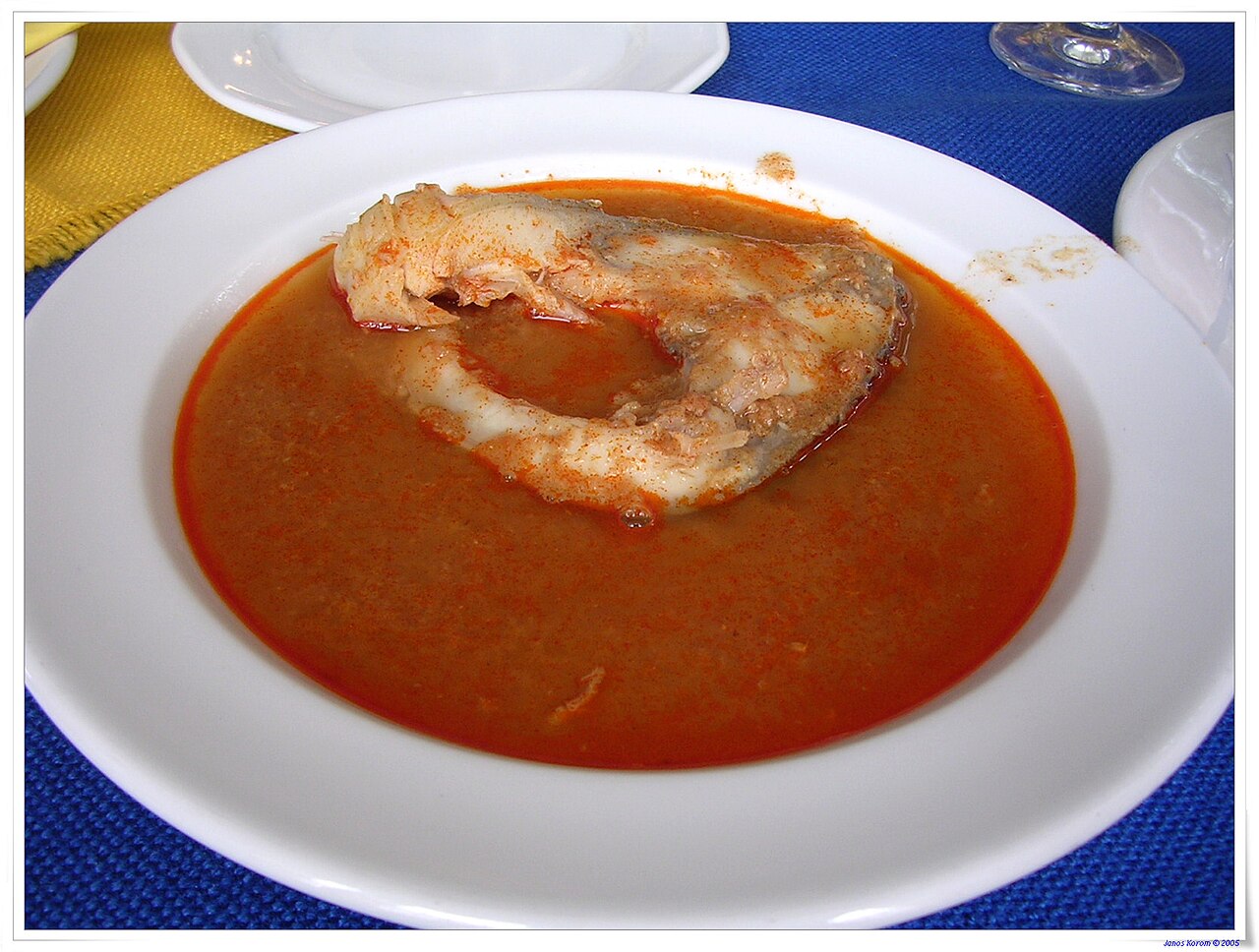
A red, paprika-spiced soup of freshwater river fish, common on the Pannonian Plain in the north. Soup starts almost every Serbian lunch, and fish soup is thought of as a delicacy.
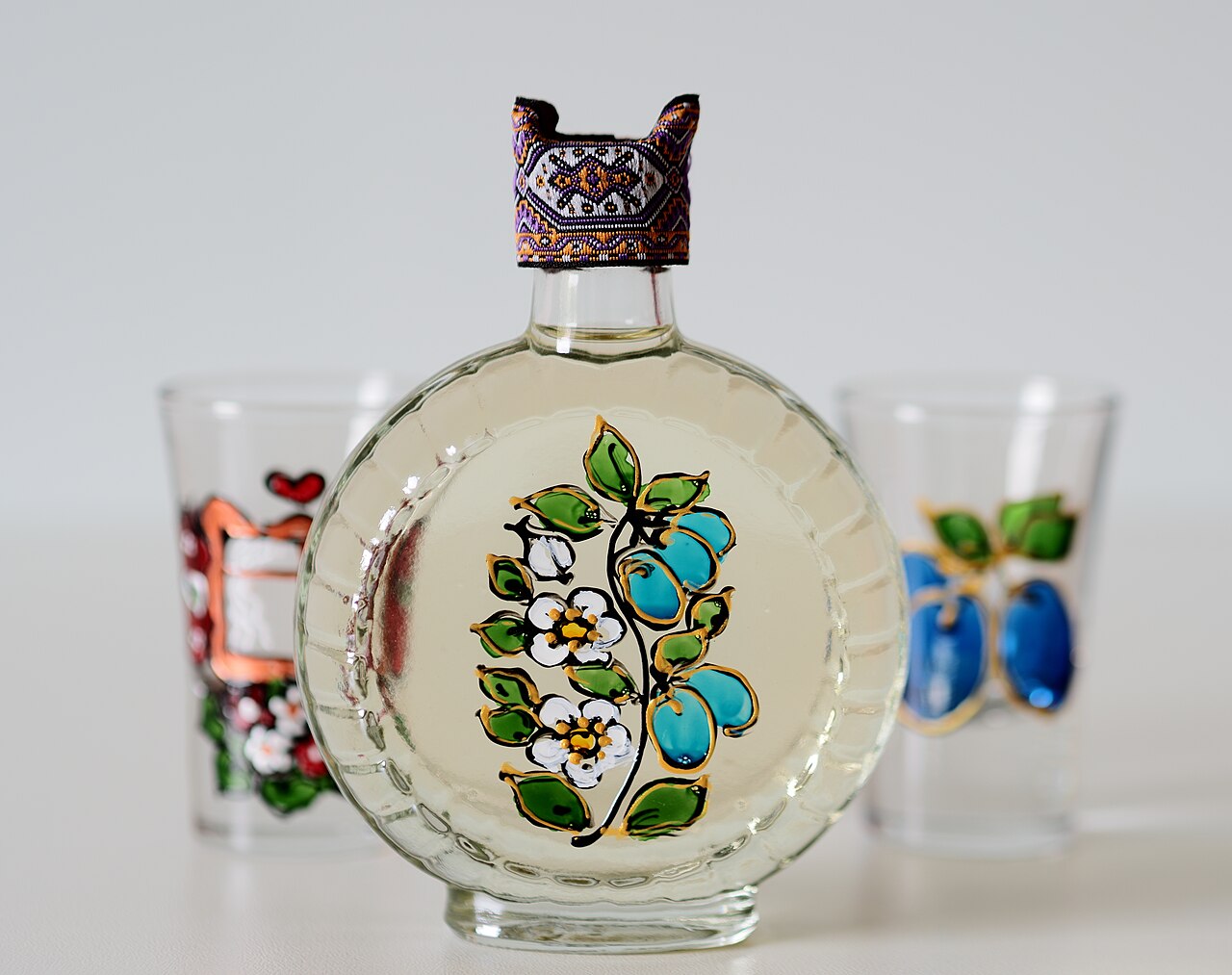
A strong brandy distilled from plums, Serbia's national drink and the most common kind of rakija. It is offered to guests, served before meals and poured at every big family occasion, from weddings to the slava.
In 2022 UNESCO added the Serbian traditions of making and using šljivovica to its list of the intangible cultural heritage of humanity.
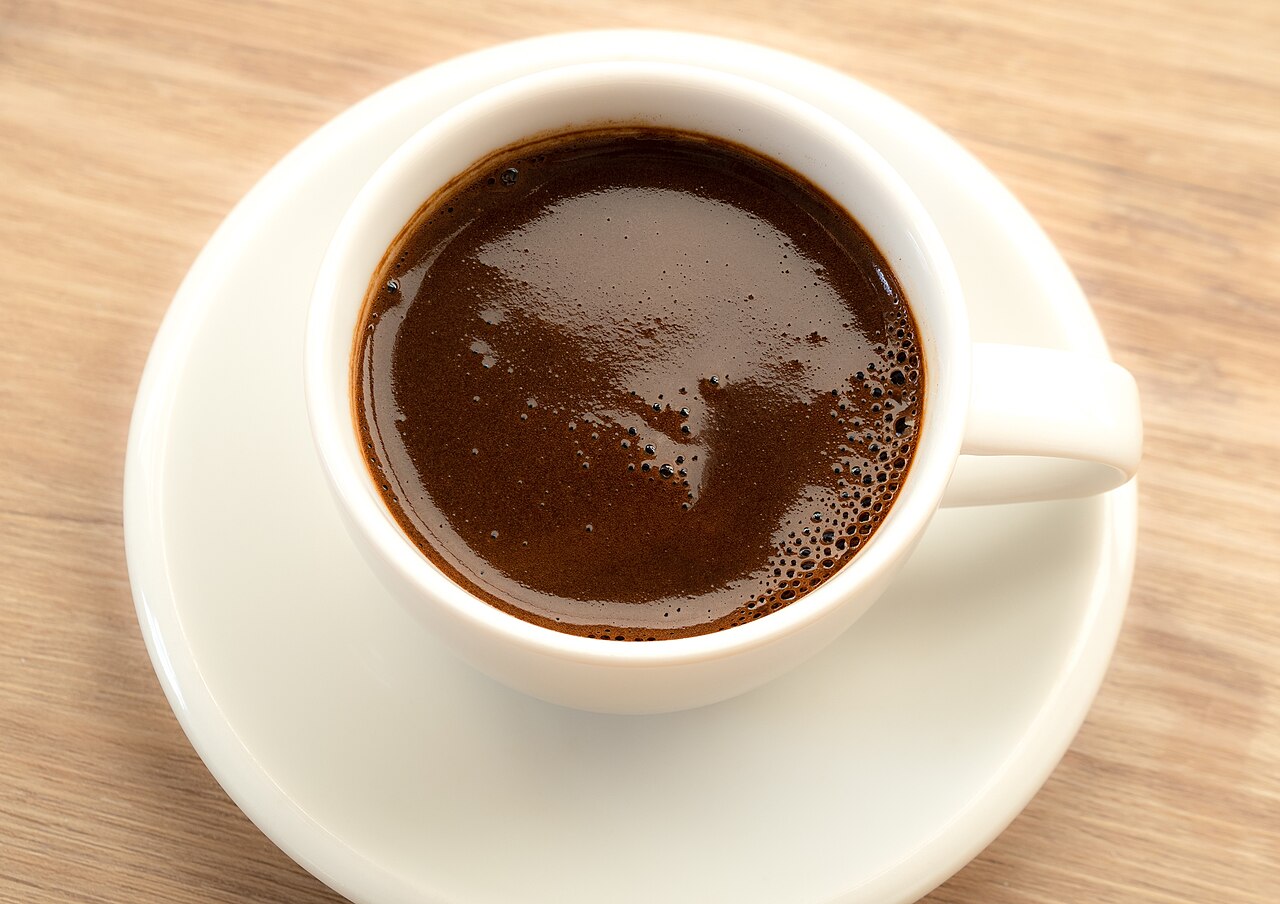
Very finely ground coffee boiled in a small long-handled pot and served in little cups, grounds and all. It is the most common hot drink in Serbia, usually made at home and shared with family or friends.
Belgrade's first coffee house is said to have opened in 1522.
At the table in Serbia
Before eating, people wish each other 'Prijatno!' (enjoy your meal). The same word is also a friendly way to say goodbye.
When glasses are raised, say 'Živeli!' (cheers) and look the other person in the eye.
Bread is treated with great respect. Guests may be welcomed with bread and salt, and many Serbs feel it is wrong to throw bread away.
Lunch in the early afternoon is the main meal of the day, and it usually begins with a soup.
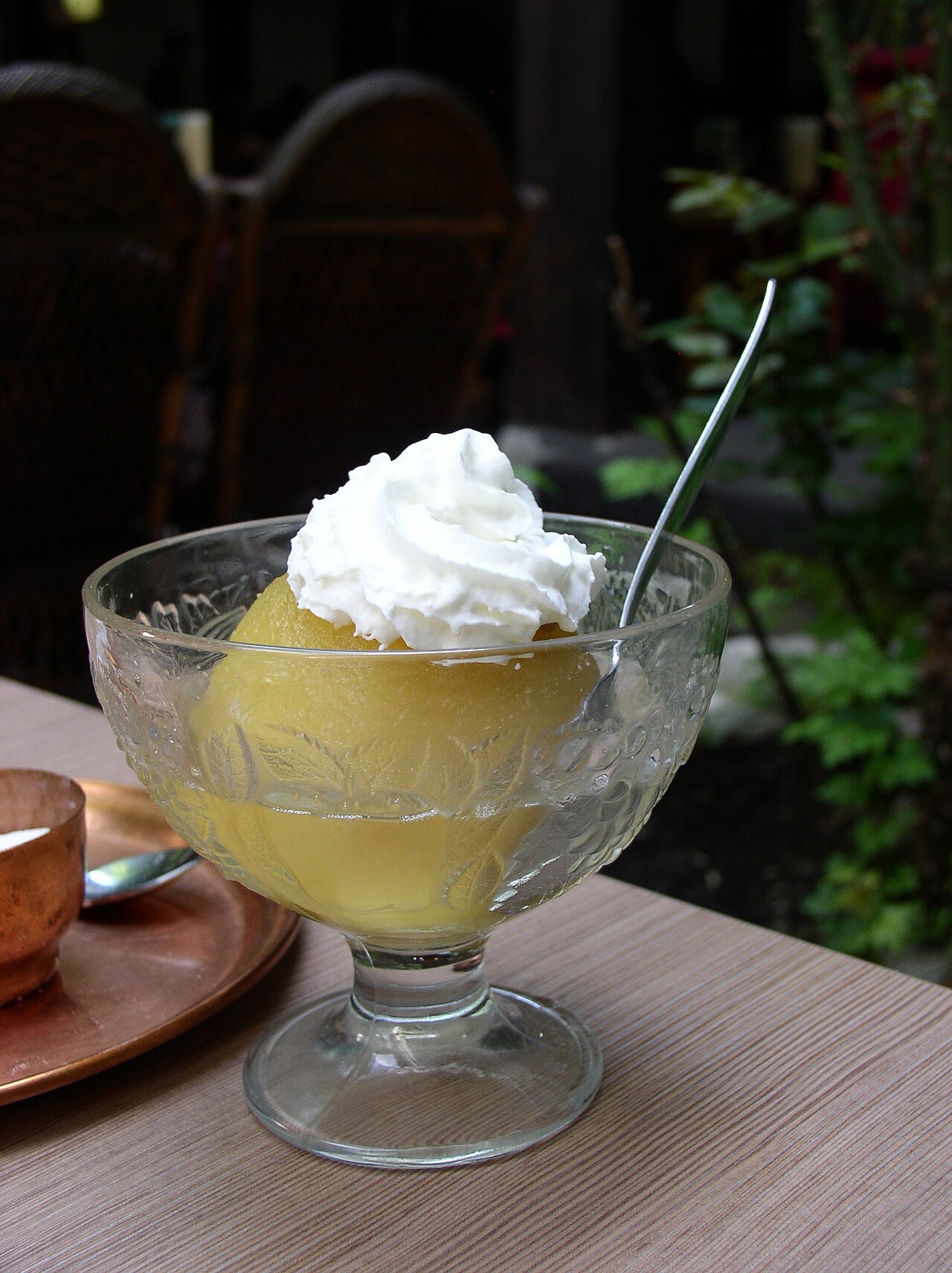
Guests are often welcomed with slatko, a spoonful of fruit preserve, and coffee, sometimes with a glass of rakija.
If you are invited to a home for the first time, bring a small gift such as flowers or chocolates.