World Stroll
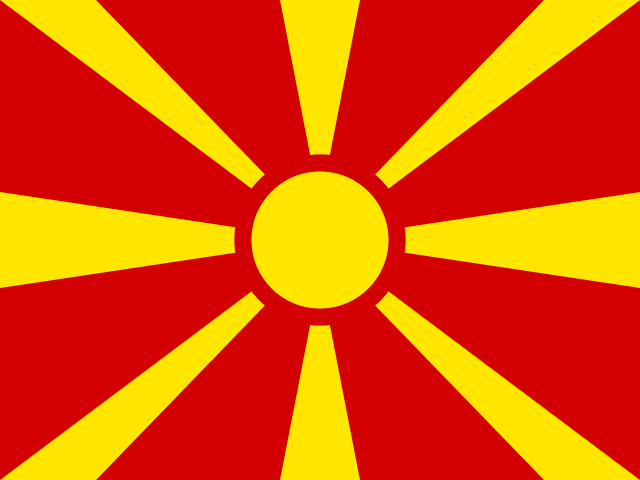
Flag of North Macedonia
Food and recipes

Traditional Macedonian food: 16 dishes to try

Macedonian food is Balkan food, shaped by Ottoman and Mediterranean cooking. The warm summers grow excellent peppers, tomatoes, beans, fruit and grapes, and white cheese, yogurt, wine and rakija are part of daily life. A meal often starts with a fresh salad and a small glass of rakija, then moves on to a slow-baked dish of beans, meat or vegetables in an earthenware pot, and ends with a syrupy sweet and coffee.
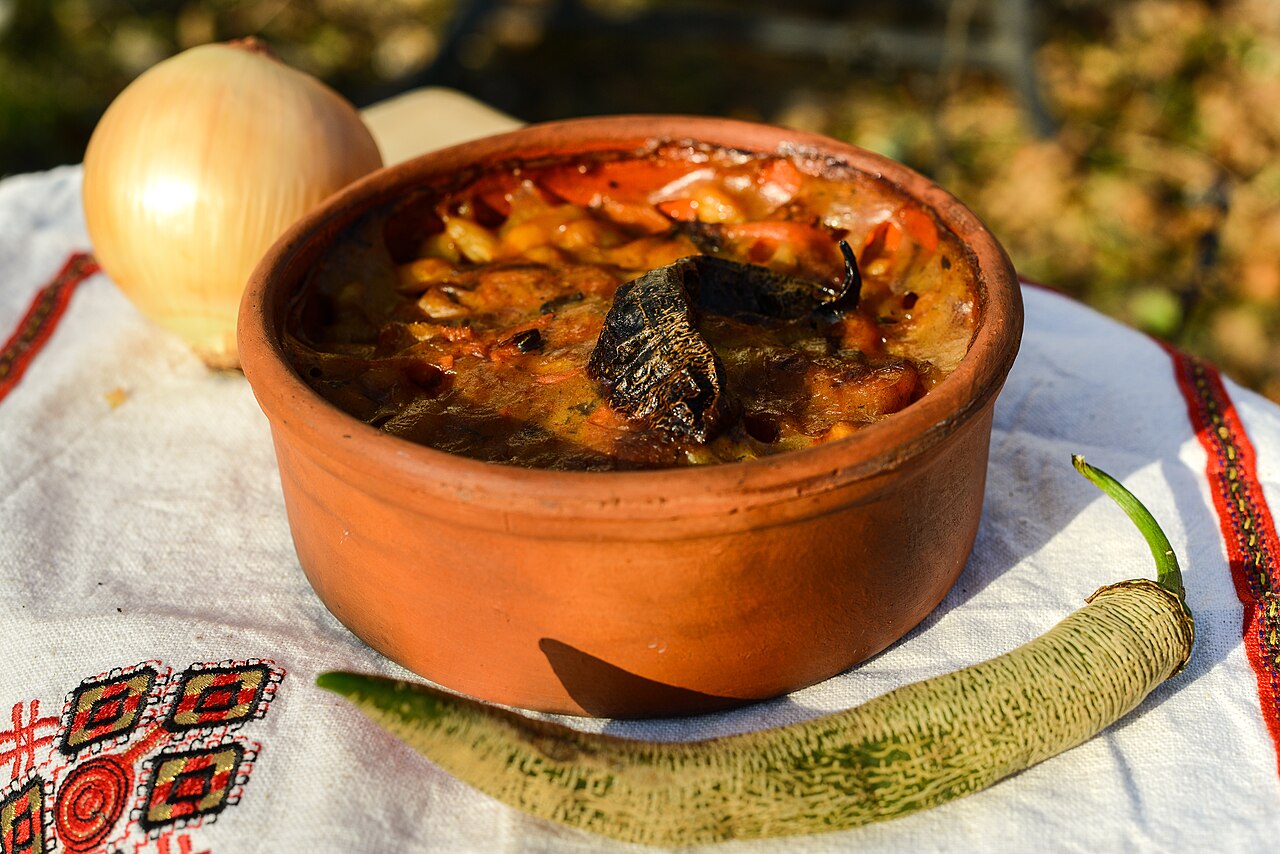
Tavče gravče
Photo: Oliver Manev, CC BY-SA 4.0
Main courseRecipe

Tavče gravče

тавче гравче
All of North Macedonia, with a well-known Tetovo-style version

White beans cooked with onion and dried red pepper, then baked in a shallow earthenware dish until thick and slightly crusty on top. Sausage or smoked meat is often added.

Tavče gravče is considered the national dish of North Macedonia. The name means roughly "beans in a tava", the clay dish it is baked in.

How to make Tavče gravče

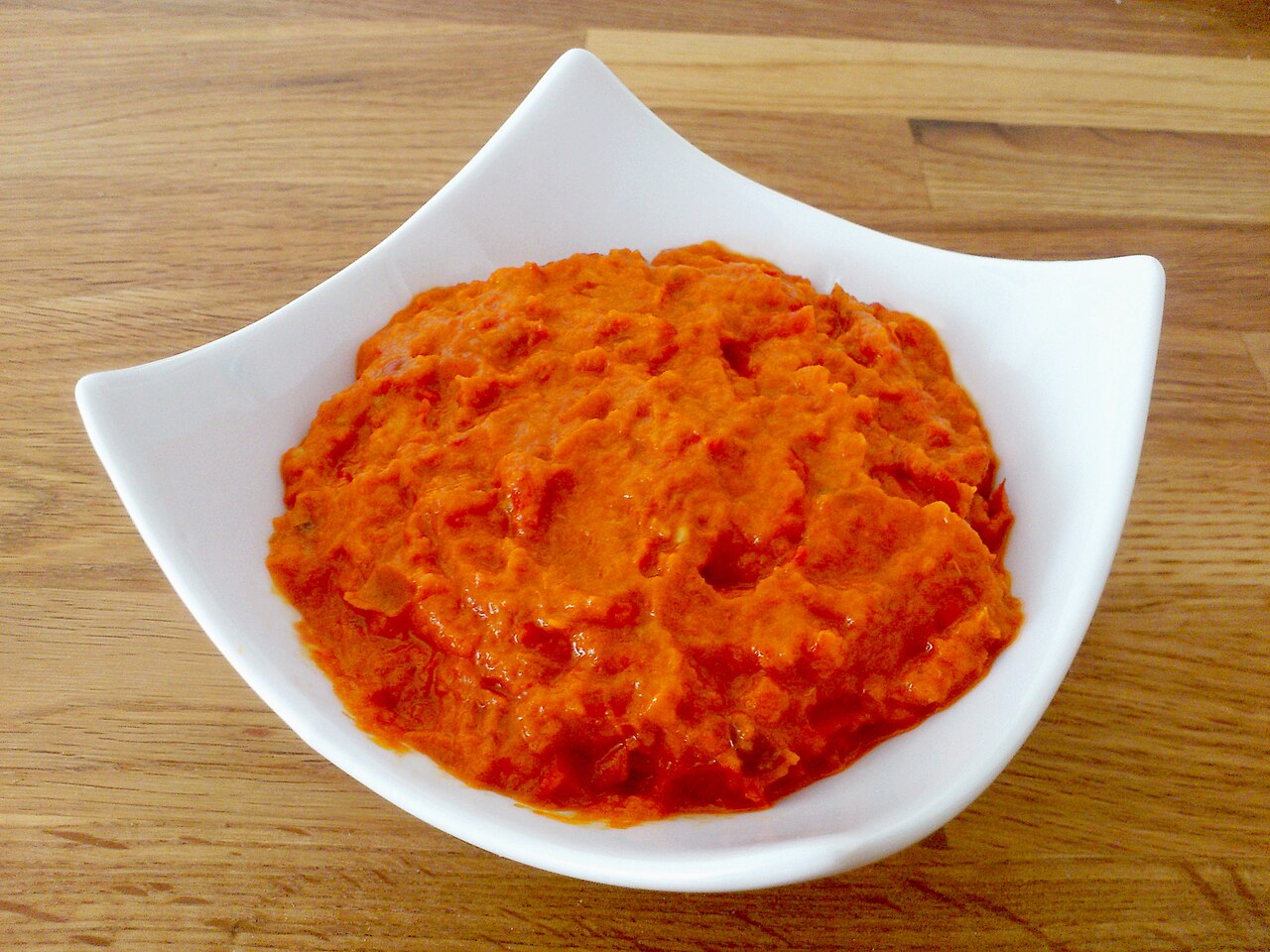
Ajvar
Photo: Off-shell, CC BY-SA 4.0
Side dish

Ajvar

ајвар
Across North Macedonia and its neighbours

A thick relish of red peppers, roasted whole, peeled and slowly cooked with oil, sometimes with aubergine. It can be sweet or hot and is eaten on bread or next to grilled meat.

Families and neighbours often gather in autumn to roast and peel peppers together, then store the ajvar in jars for the winter. "Macedonian Ajvar" is a name protected with the World Intellectual Property Organization.

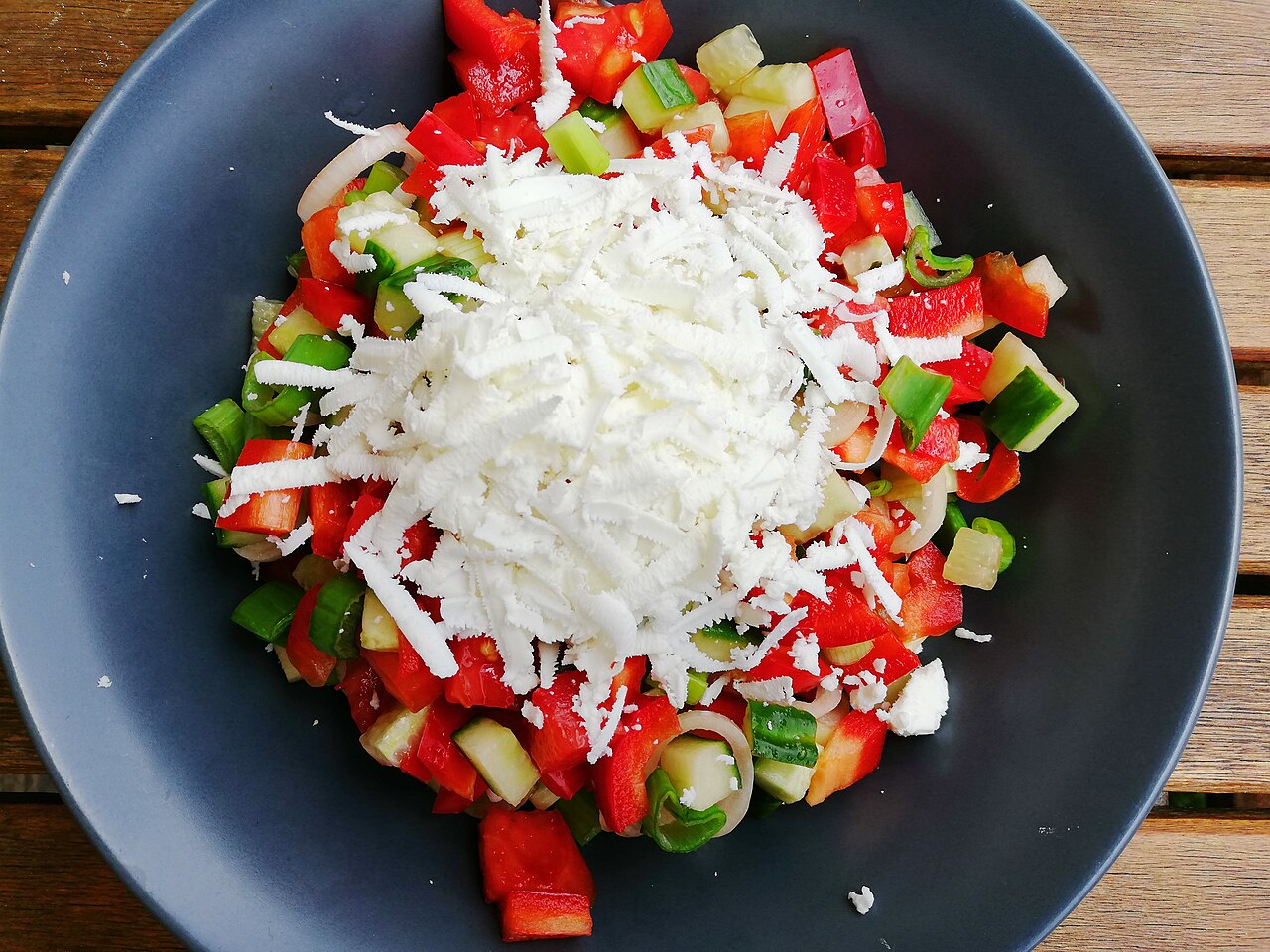
Shopska salad
Photo: Popo le Chien, CC0
StarterRecipe

Šopska salad

шопска салата
Popular across the Balkans, first named in Bulgaria

Diced tomatoes, cucumbers, peppers and onion, lightly dressed with oil and covered with a thick layer of grated white brined cheese.

It is often eaten as a starter together with a small glass of rakija.

How to make Šopska salad

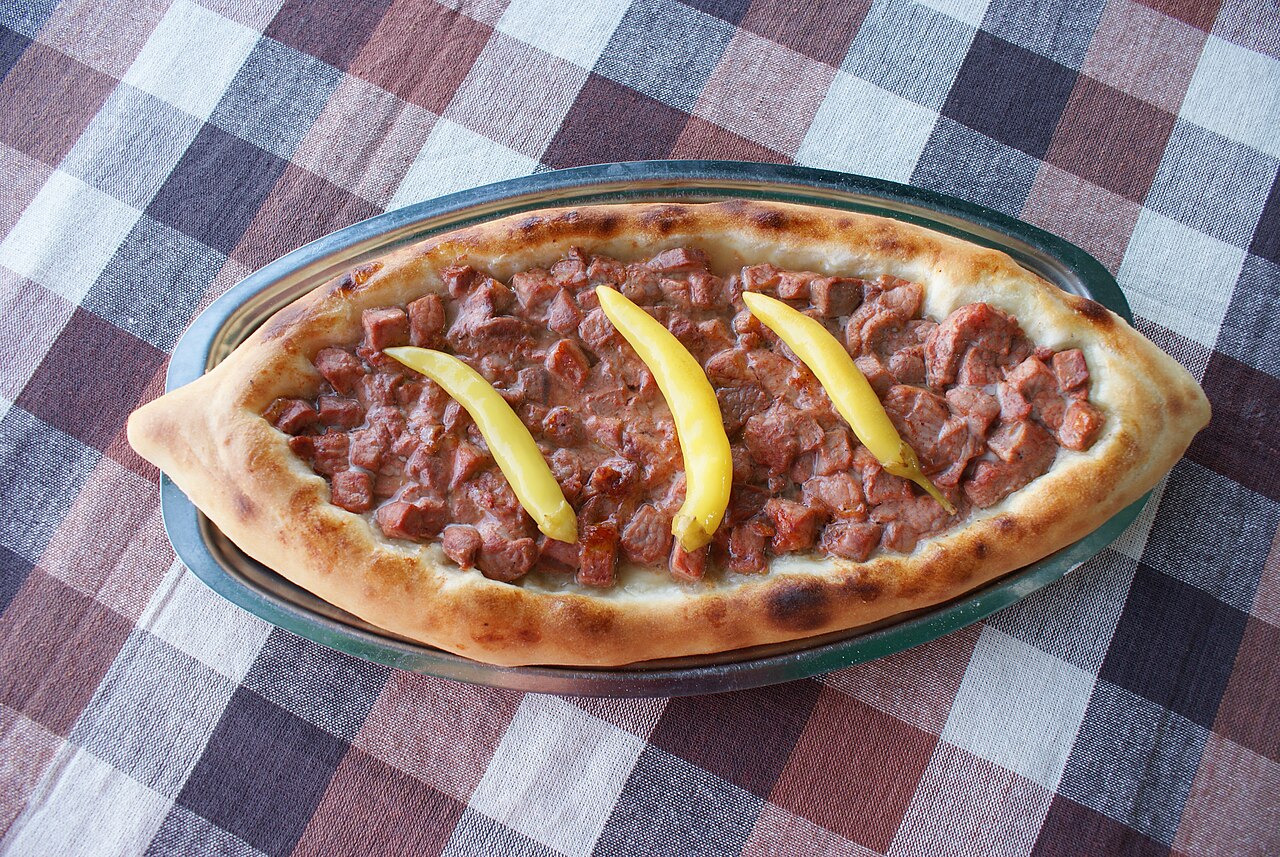
Pastrmajlija
Photo: Slavica Panova, CC BY-SA 3.0
Bread

Pastrmajlija

пастрмајлија
Štip, Veles and the east of the country

An oval, open bread pie topped with small cubes of salted, dried meat, sometimes with an egg baked on top.

Štip holds a yearly festival in its honour, called the Pastrmalijada.

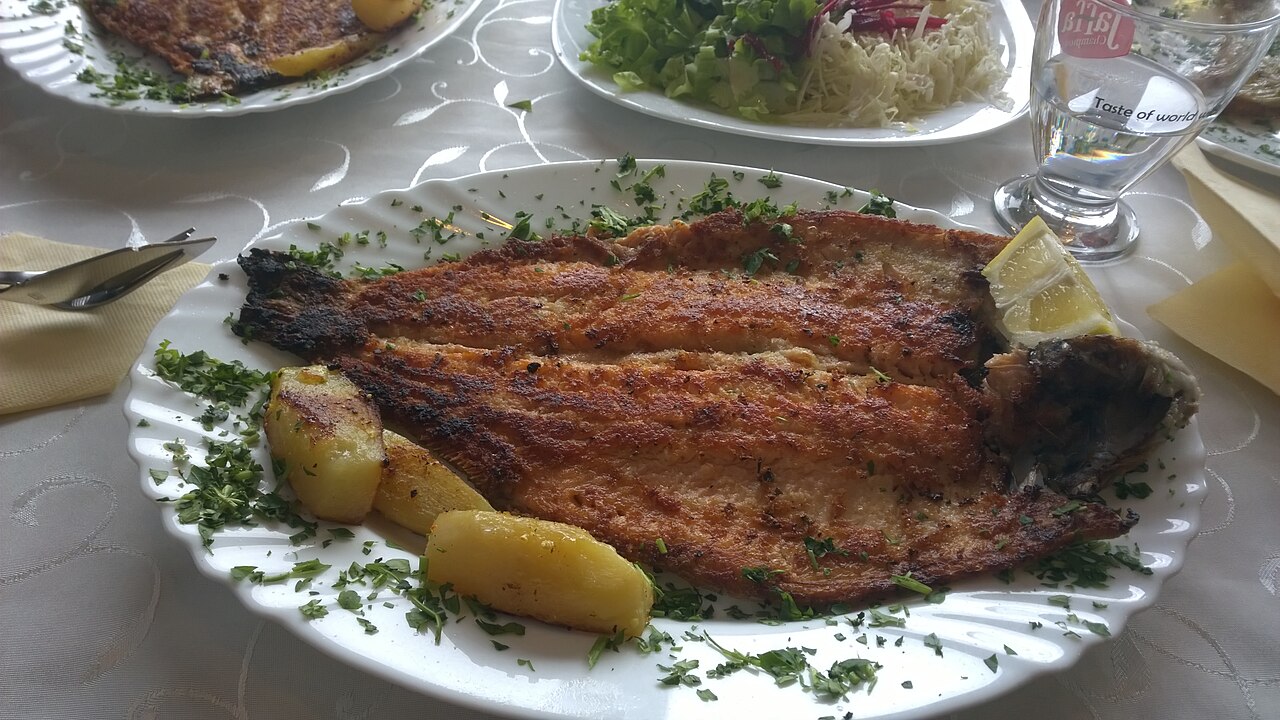
Ohrid trout
Photo: E.delova, CC BY-SA 4.0
Main course

Ohrid trout

охридска пастрмка
Lake Ohrid

A trout found only in Lake Ohrid and the rivers around it, long a speciality of the lakeside towns. Its taste is often compared to a cross between a brown trout and a salmon.

Overfishing has made the Ohrid trout rare, and a fishing ban was in place from 2004 to 2014. The fish appears on the 2-denar coin.

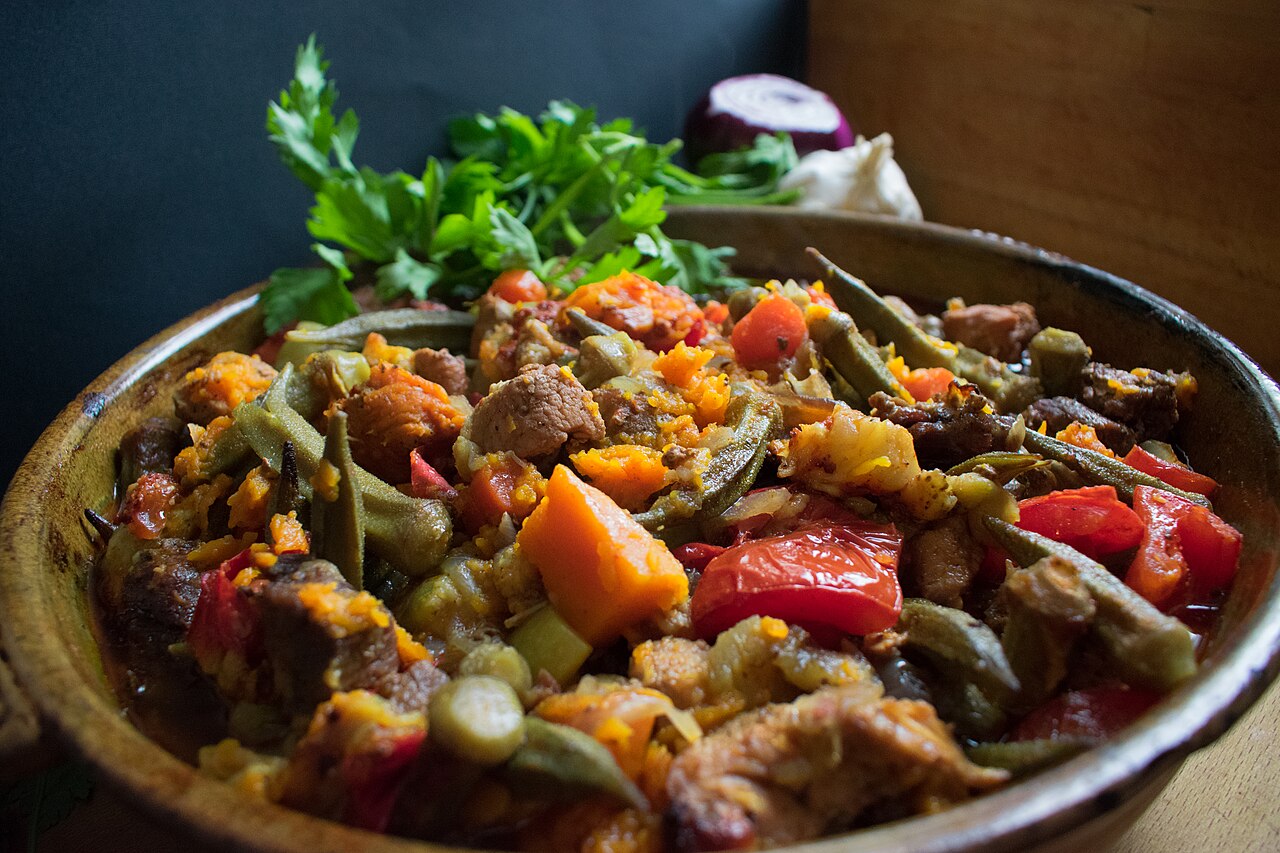
Türlü
Photo: Anagrkovska, CC BY-SA 4.0
Main courseRecipe

Turli tava

турли тава
All of North Macedonia

A mixed vegetable bake of potatoes, aubergine, okra, green beans, peppers and tomatoes, with or without meat, slowly cooked in a clay dish called a tava.

The name comes from the Turkish word for "variety", and similar dishes are cooked in Turkey, Greece and Albania.

How to make Turli tava

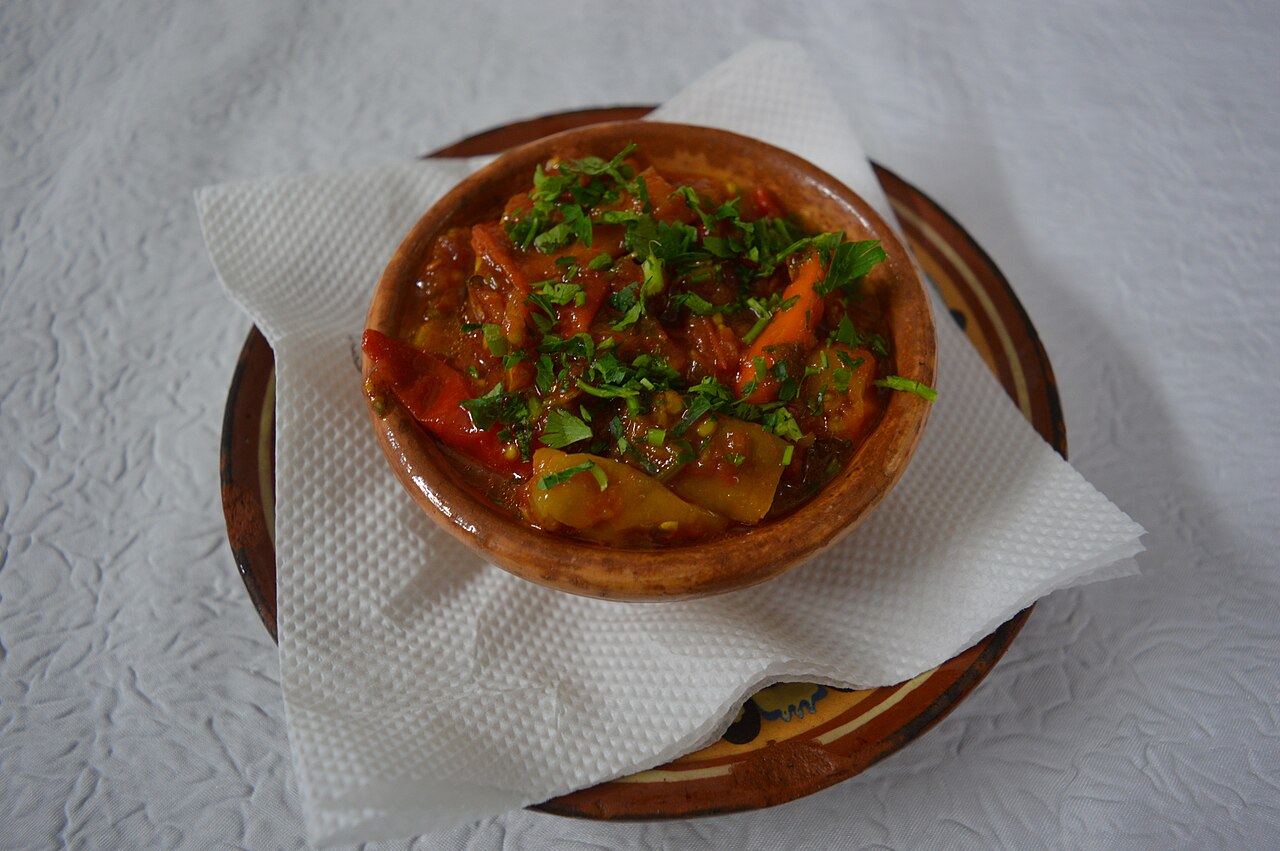
Pindžur
Photo: Kotle31, CC BY-SA 4.0
Side dish

Pindžur

пинџур
All of North Macedonia

A summer and autumn relish of roasted red peppers, tomatoes and garlic, often with aubergine. It is chunkier and fresher than ajvar.

Pindžur is also made in Serbia, Bulgaria, Bosnia and Herzegovina and Croatia, and in some places the names pindžur and ajvar are used for the same thing.

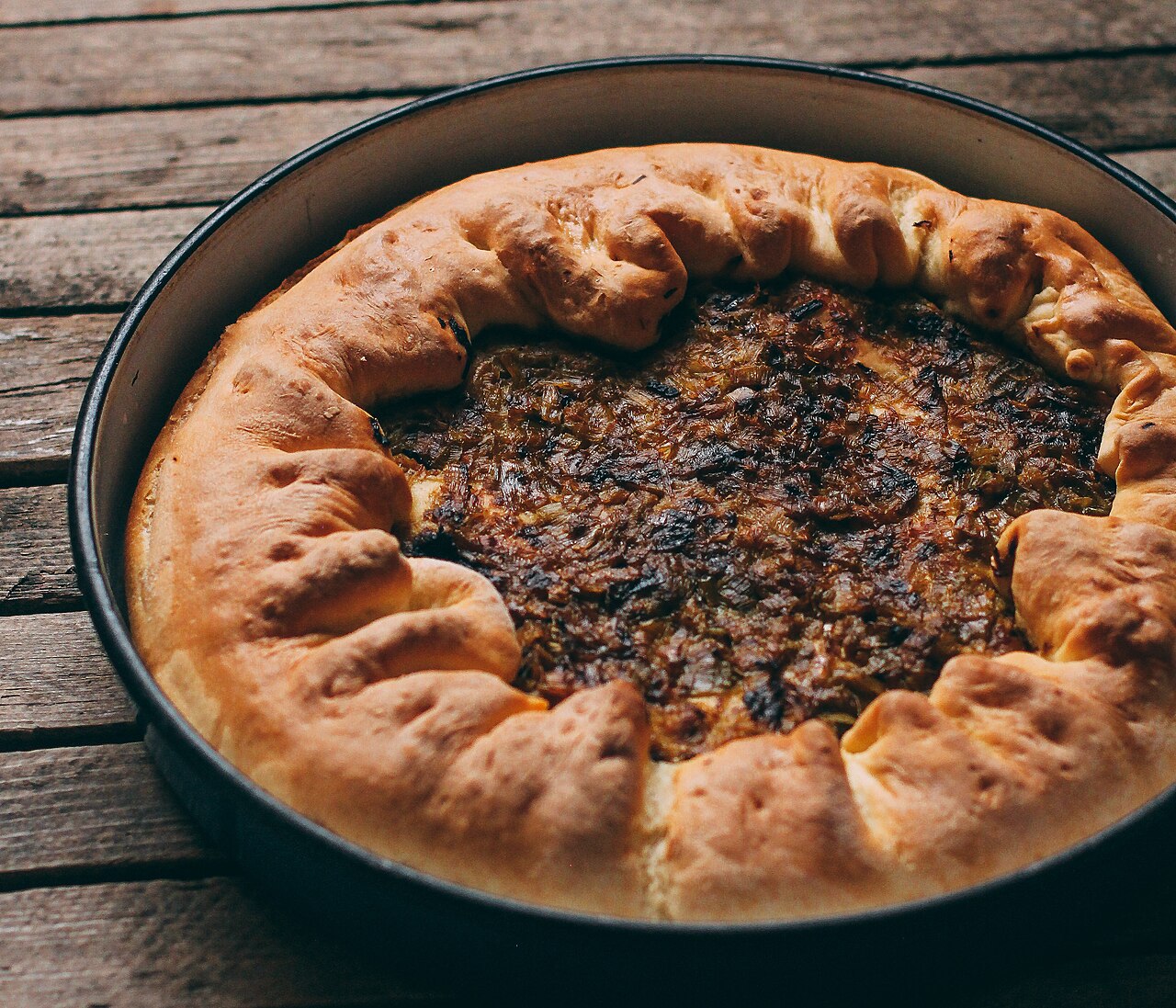
Zelnik
Photo: Cuklev, CC BY-SA 4.0
Bread

Zelnik

зелник
All of North Macedonia

A pie of very thin layers of pastry filled with white cheese, eggs, leeks or spinach, or in winter with pickled cabbage. It is best eaten warm, often with yogurt.

The name comes from zelka, the Macedonian word for cabbage, the traditional winter filling.

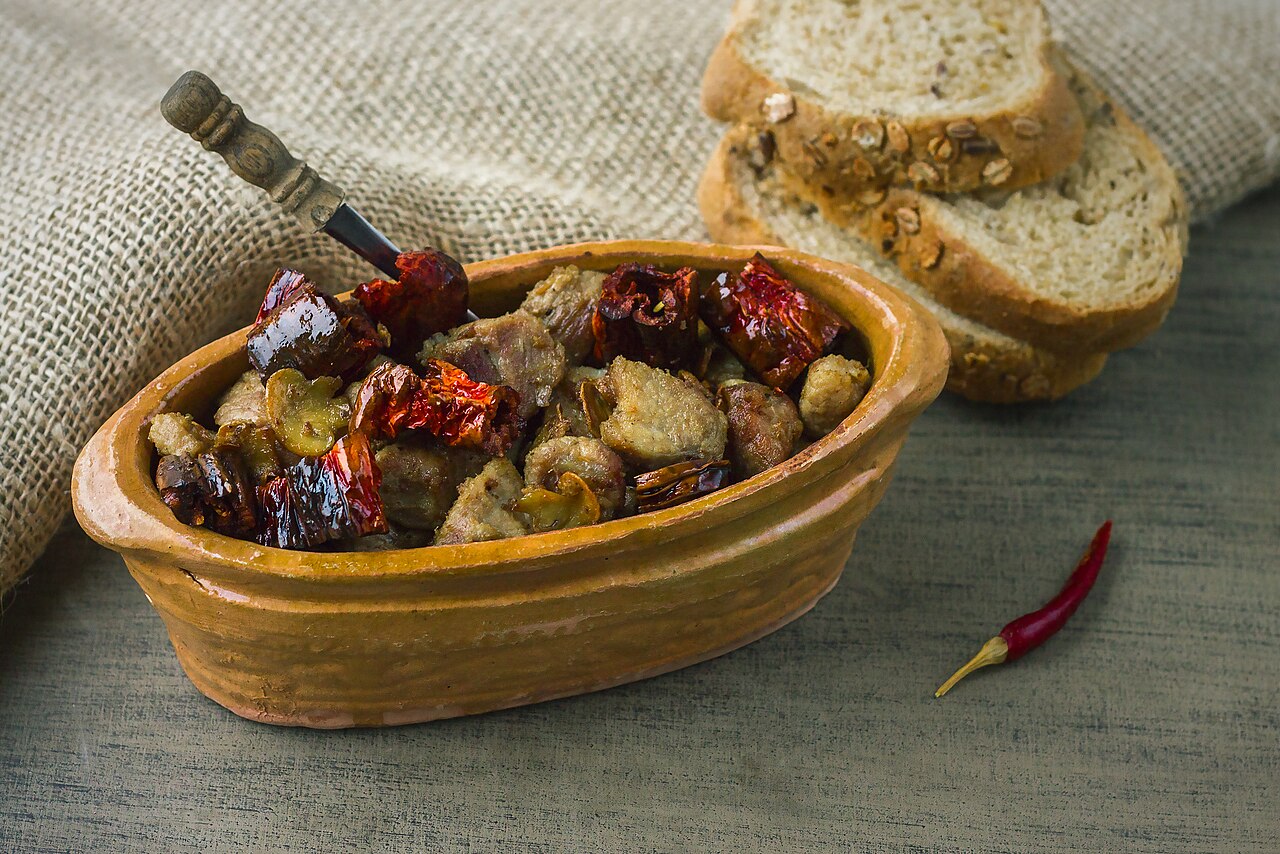
Village meat
Photo: MadMona, CC BY-SA 4.0
Main course

Village meat

селско месо
All of North Macedonia

A rich stew of pork with mushrooms, onions, peppers, smoked meat and wine, finished with cheese and traditionally cooked and served in a clay pot.

Selsko meso simply means "village meat".

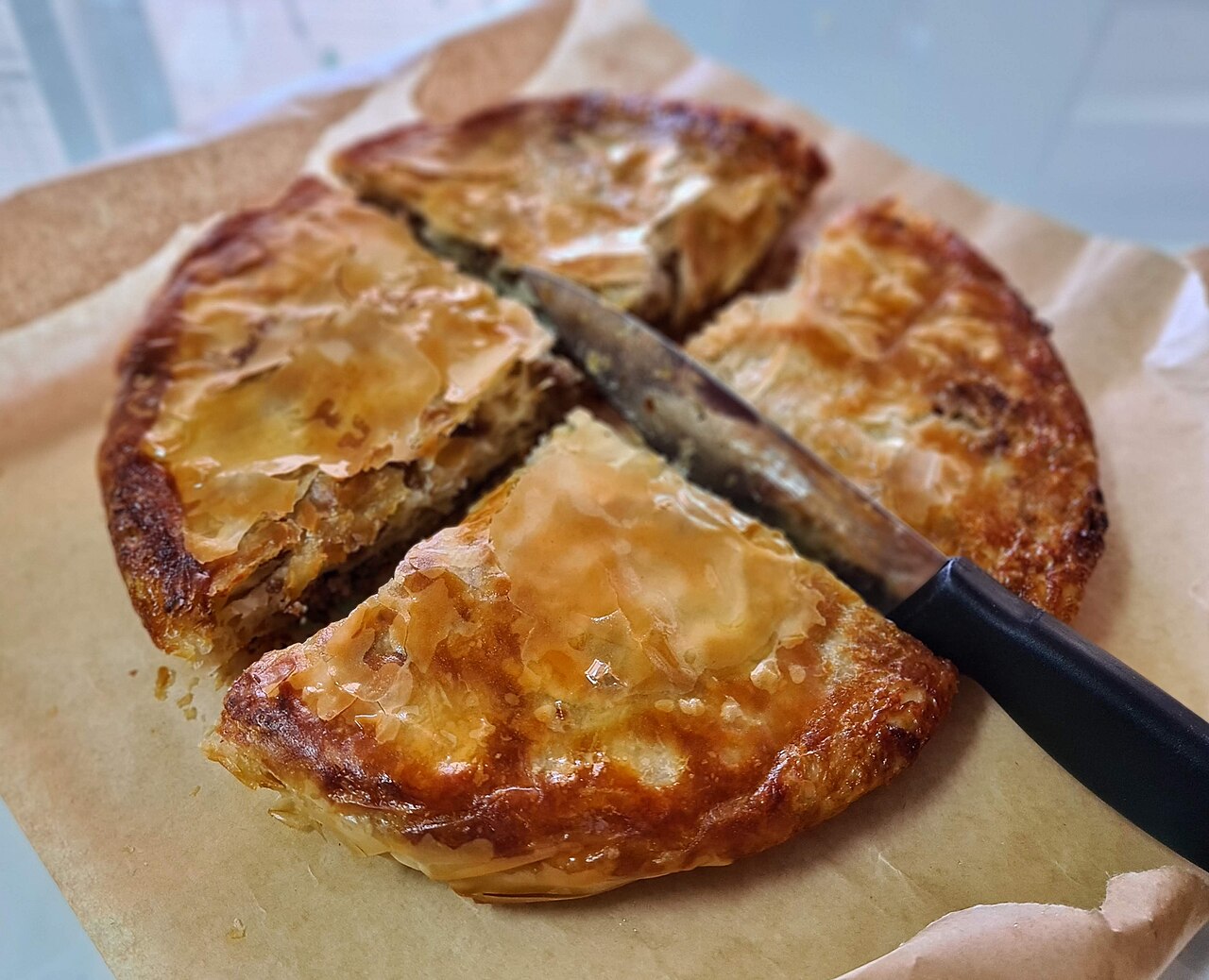
Burek
Photo: Gordana Adzieva, CC BY 4.0
Snack

Burek

бурек
All of North Macedonia

Layers of thin dough baked in a round pan with a filling of melted cheese, minced meat or other fillings, and sold by the slice.

Burek is the most popular street food in North Macedonia.

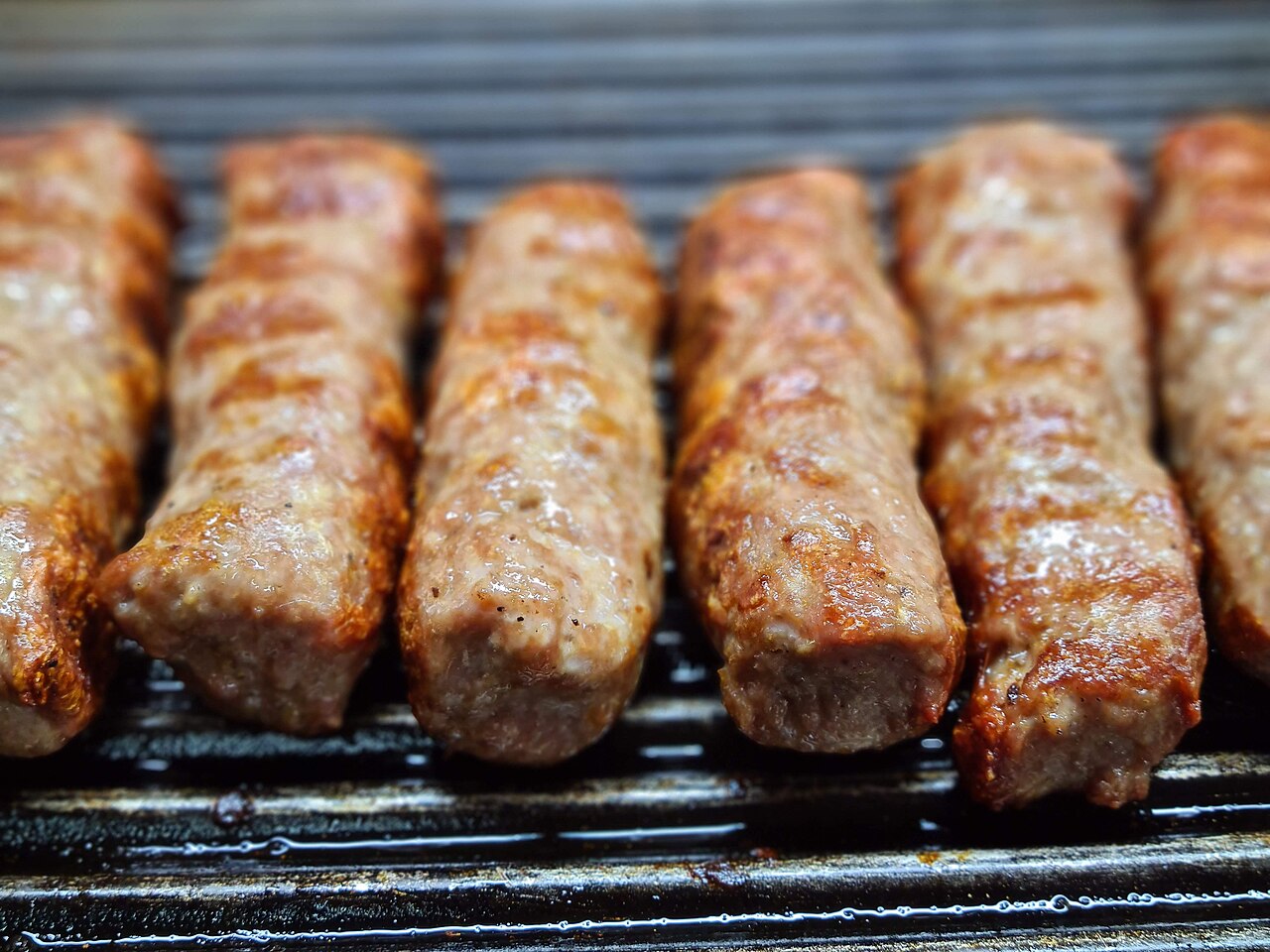
Kebapi
Photo: Gordana Adzieva, CC BY 4.0
Main course

Kebapi

ќебапи
All of North Macedonia

Small grilled fingers of spiced minced meat, a favourite at the grill houses called skara.

Grilled minced-meat dishes like these spread through the Balkans in Ottoman times, and Skopje and Bitola were among the towns where they were sold.

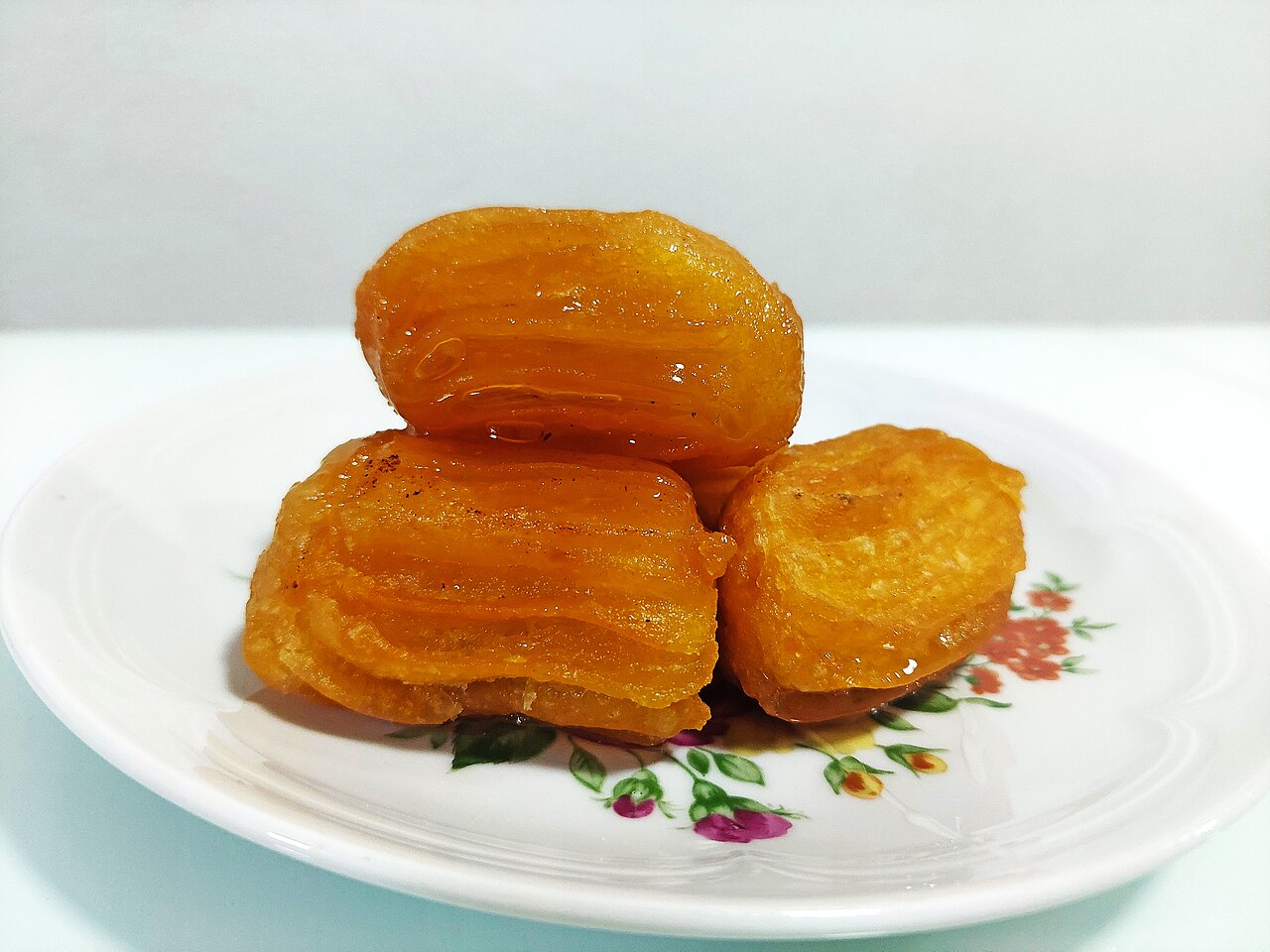
Tulumba
Photo: Тиверополник, CC BY-SA 4.0
Dessert

Tulumba

тулумба
All of North Macedonia, from Ottoman cooking

Ridged fingers of fried dough, soaked in sugar syrup while still hot, so they are crisp outside and sticky inside.

The name tulumba means "pump" in Ottoman Turkish.

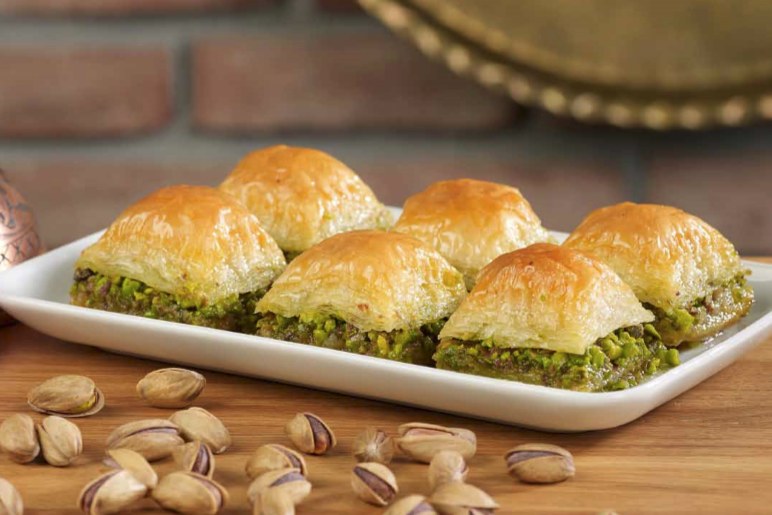
Baklava
Photo: Sakaman, CC BY-SA 4.0
Dessert

Baklava

баклава
All of North Macedonia, from Ottoman cooking

Many sheets of thin pastry layered with chopped nuts, baked until golden and soaked in syrup.

Baklava is one of several Ottoman sweets, along with kadaif, tulumba and lokum, that remain favourites in North Macedonia.

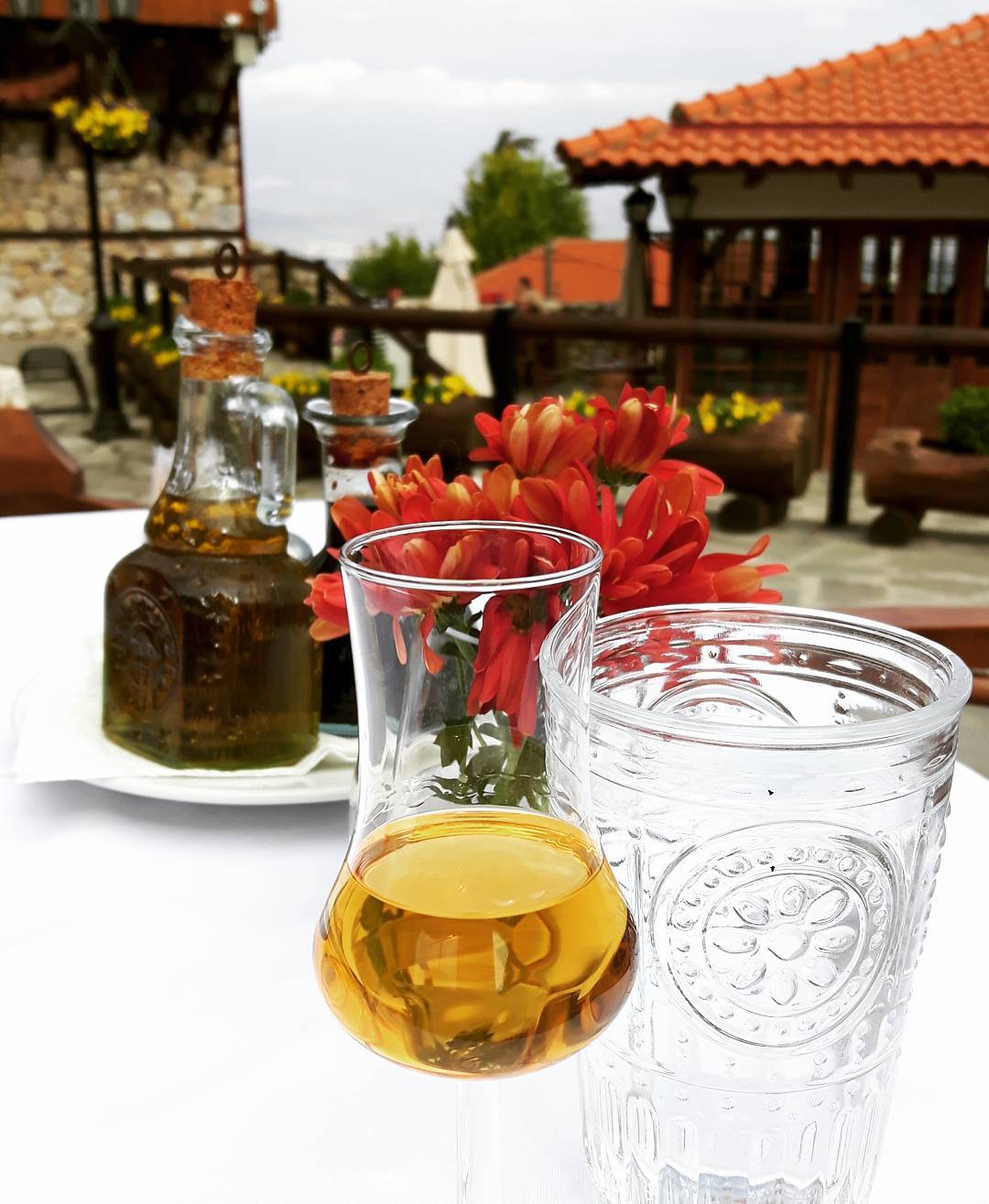
Rakija
Photo: Merima Sara Ebip, CC BY-SA 4.0
Drink

Rakija

ракија
All of North Macedonia

A strong brandy, most often made from grapes, sipped slowly with salad before a meal.

Rakija is the everyday spirit of the Macedonian table, and homemade rakija is sold at many markets. It is strong, so anyone who does not drink alcohol can politely say no.
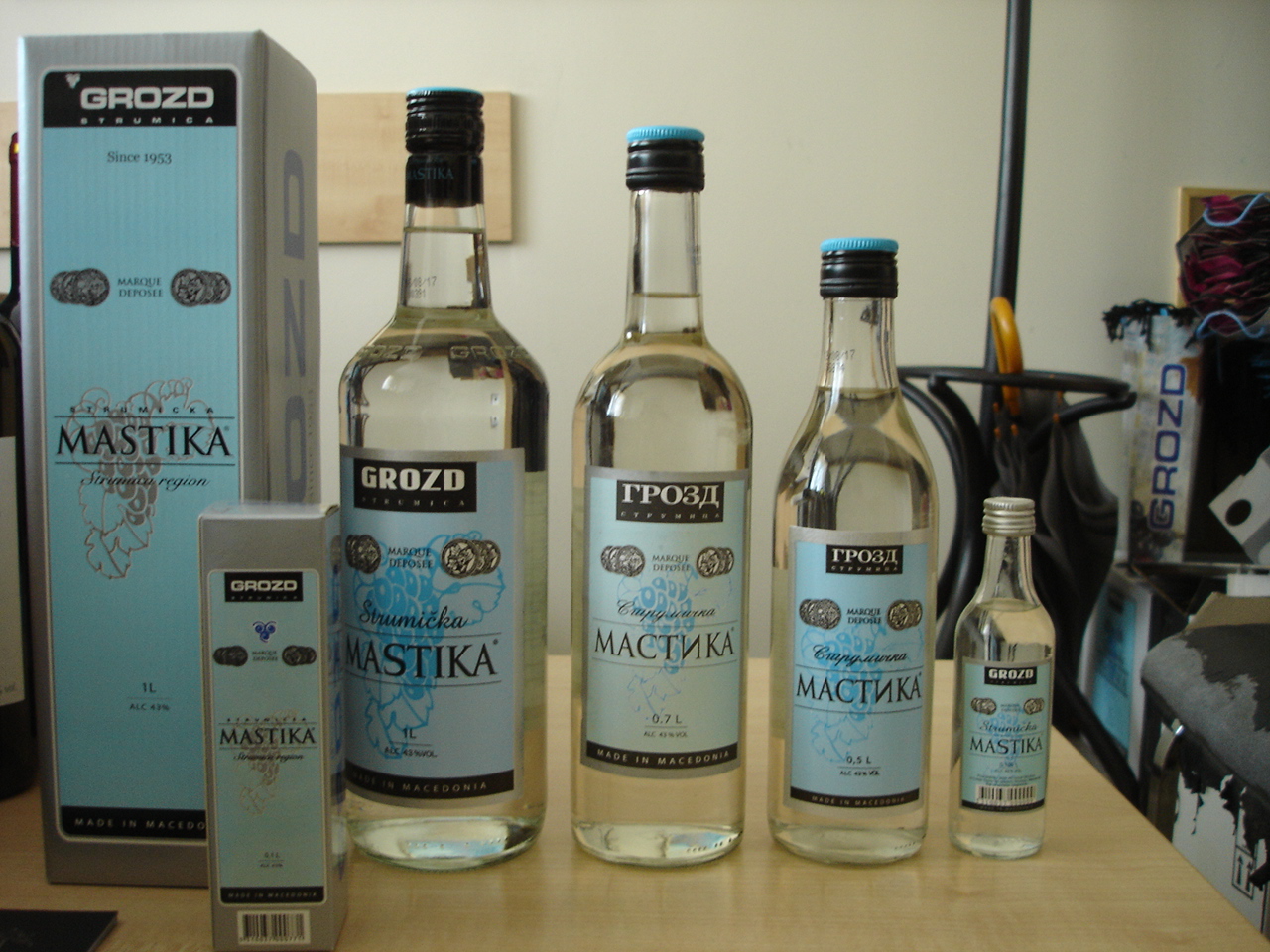
Mastika
Photo: Македонец, CC BY-SA 4.0
Drink

Mastika

мастика
North Macedonia and Greece

A spirit flavoured with mastic, the resin of a small evergreen Mediterranean tree, which gives it a light taste of pine and herbs.

Mastika is considered the national drink of North Macedonia, just as tavče gravče is the national dish.

At the table in North Macedonia

  • When glasses are raised, people say "Na zdravje!", which means "to your health".
  • A meal often begins with a salad such as šopska and a small glass of rakija.
  • At grill houses (skara), side dishes such as salad, bread and potatoes are usually ordered separately.
  • Coffee culture is strong: Turkish-style coffee is traditional, and the macchiato is the most common order in modern cafés.
  • Meals are unhurried, and service can be slow, so relax and enjoy the conversation.
  • The best-known local wines are reds from the Vranec grape, and the Tikveš region around Kavadarci and Negotino is the centre of wine making.
Sources (22)

Keep eating your way around the world

  1. Albanian foodNext stop · Next door to North Macedonia
  2. Montenegrin foodNext door to Albania
  3. Bosnian, Herzegovinian foodNext door to Montenegro

More about North Macedonia

Your next stop