Montenegrin food follows the landscape. On the coast it is Mediterranean, with olive oil, fish, seafood and a clear Italian touch. In the mountains it is hearty shepherd's food: lamb, cornmeal, potatoes, rich cheeses and kajmak, a salted cream. Turkish, Hungarian and Central European cooking have all left their mark. Bread comes with every meal, lunch usually starts with a clear soup, and a meal most often ends with a piece of seasonal fruit, while sweets are served on their own with coffee.
Njeguši, a village on the slopes of Mount Lovćen above Kotor
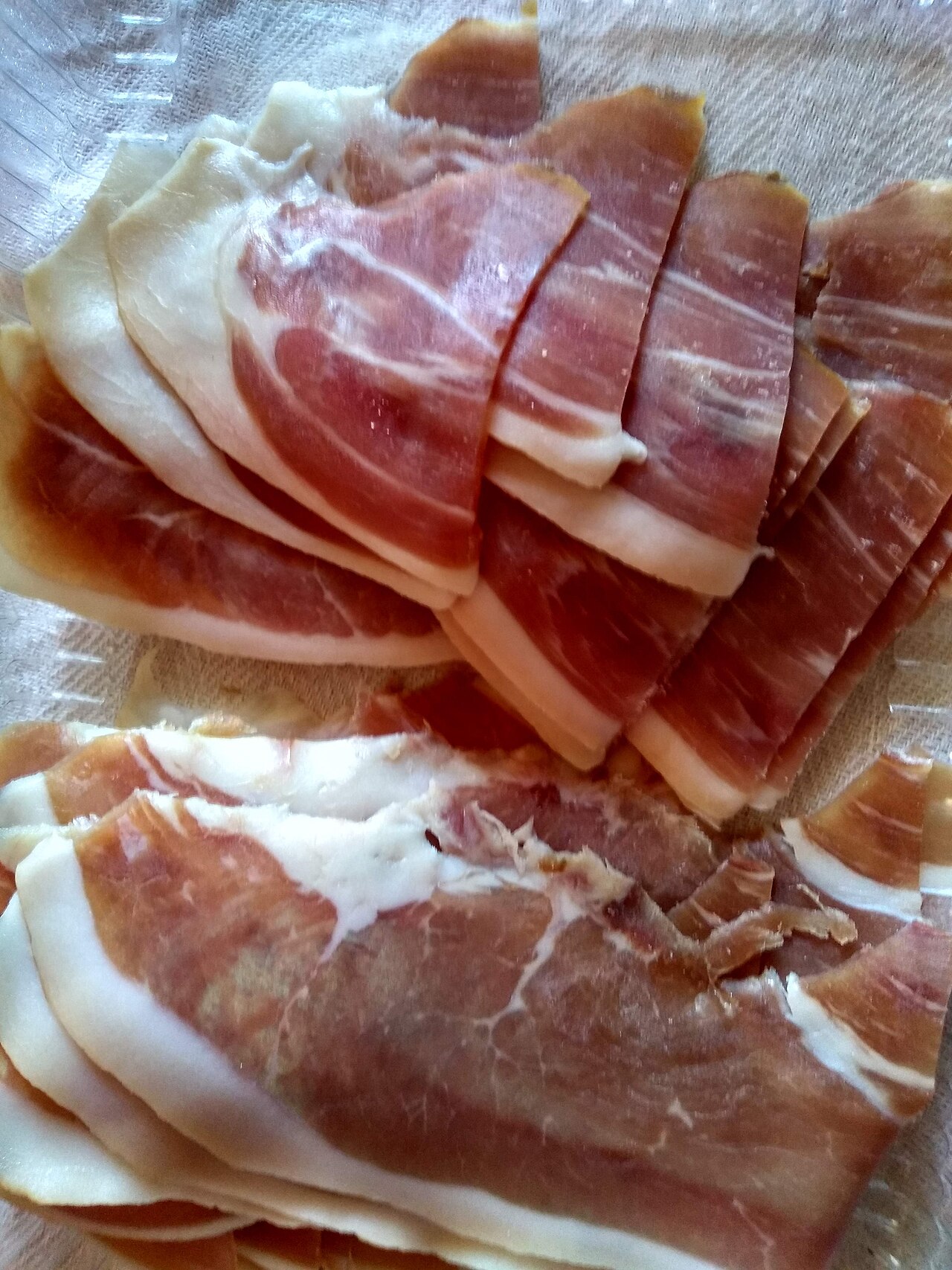
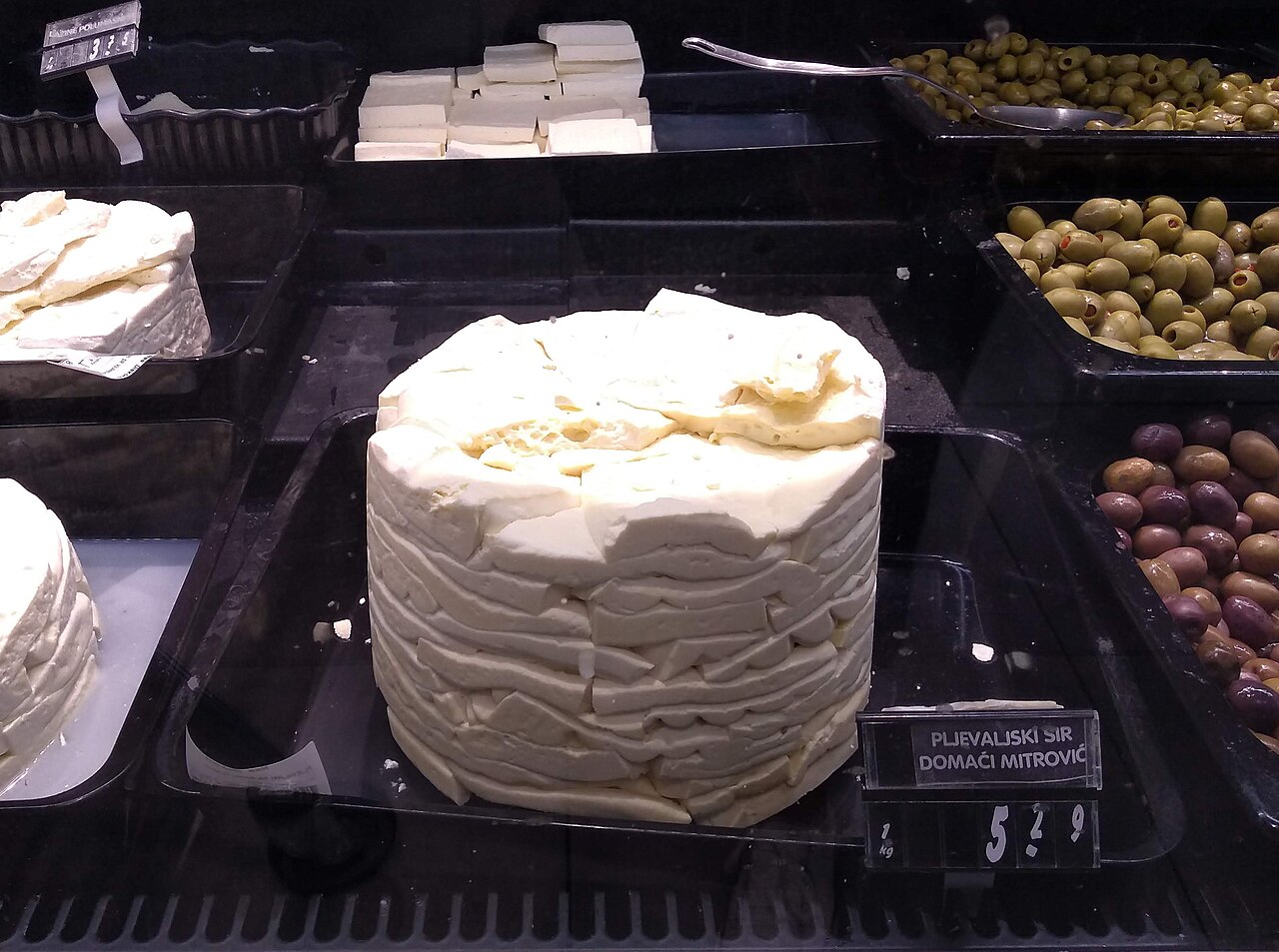
Dry-cured ham, lightly smoked over beech wood and dried in the cool mountain air. It is sliced very thin and served uncooked as a cold starter, often with Njeguši cheese.
Its makers say the flavour comes from the mix of sea air and mountain air. The whole process, from salting to maturing, takes about a year.
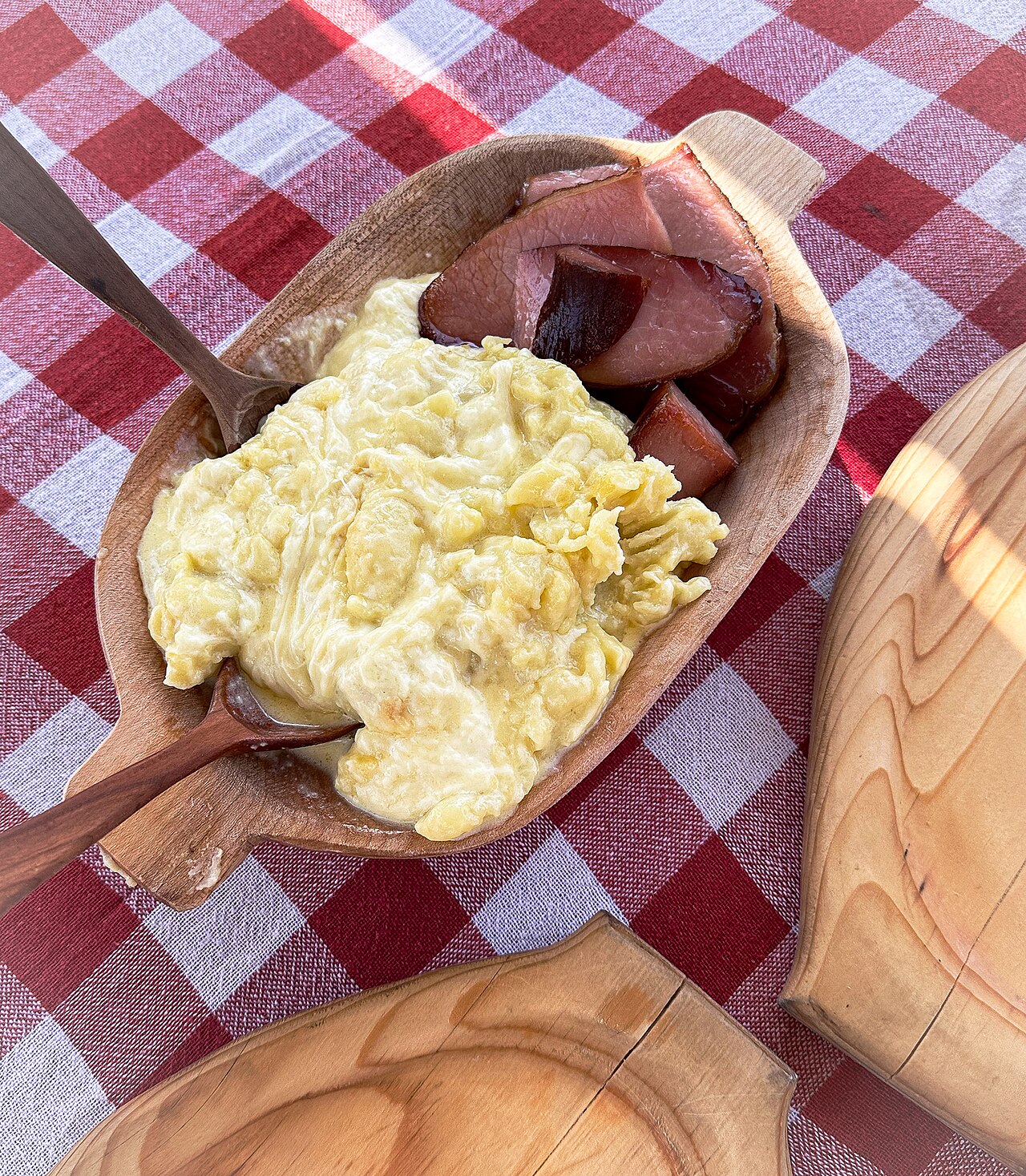
A thick, filling porridge of cornmeal and crushed potatoes, stirred with cheese and kajmak until smooth. It is traditionally eaten with a glass of cold milk, buttermilk or yoghurt.
Kačamak was once seen as poor people's food, but today it is served proudly in restaurants.
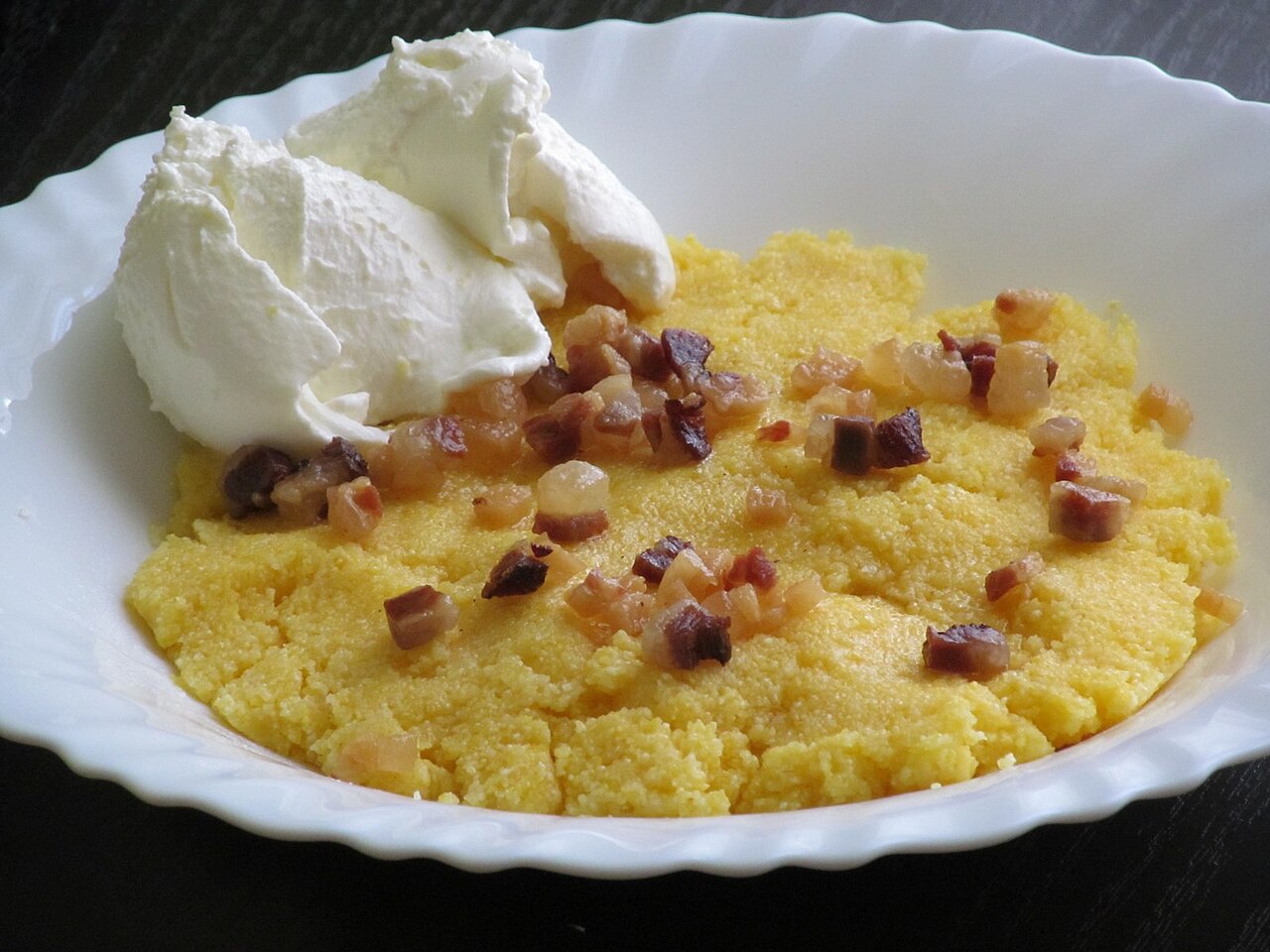
Cornmeal slowly cooked in kajmak or fresh cream until the fat rises to the top. It is very rich and is eaten for breakfast or as a hearty meal in the mountains.
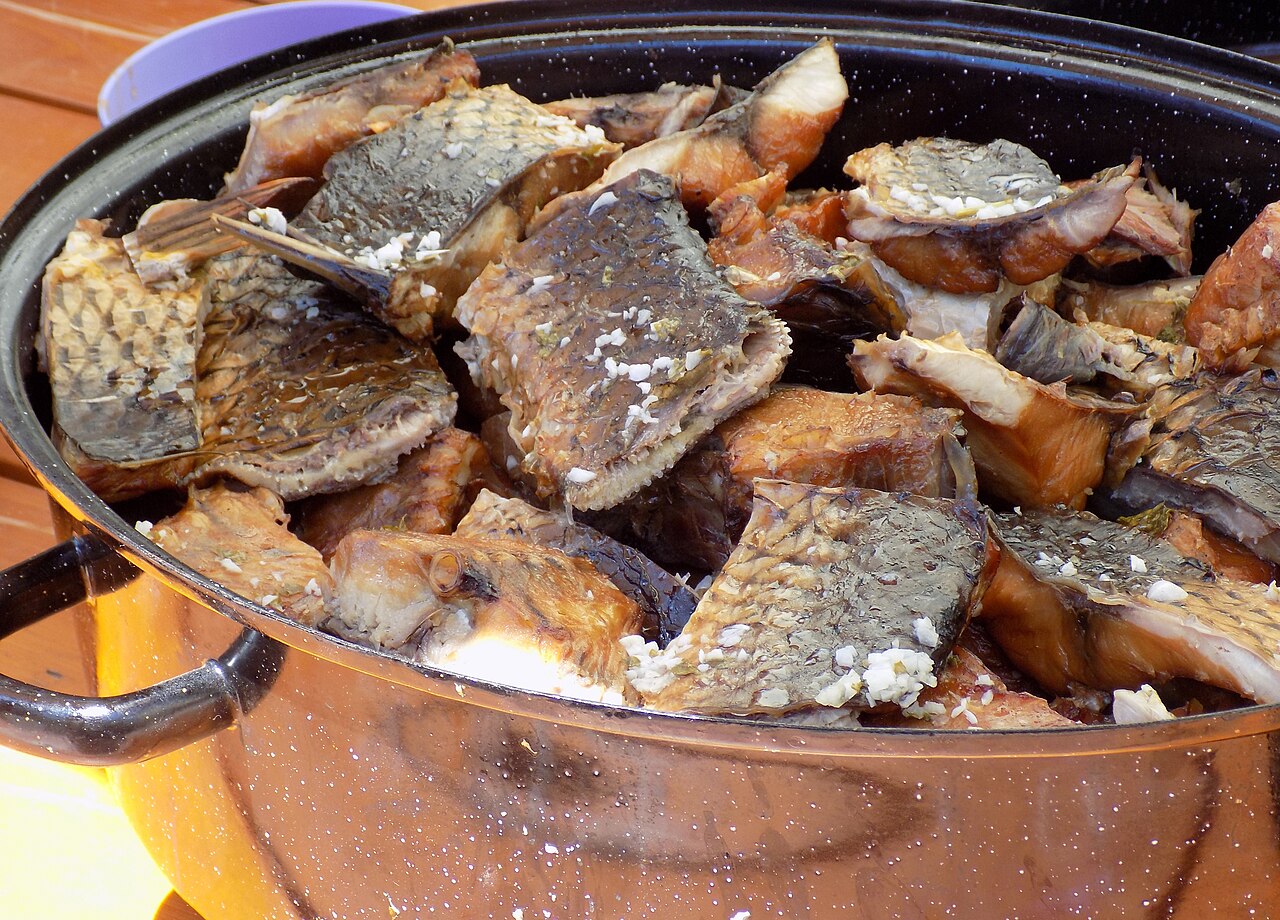
Fresh or smoked carp from Lake Skadar, a speciality of central Montenegro. Small smoked and dried fish called ukljeva (bleak) are also a lakeside speciality.
Each year the lakeside village of Virpazar holds a festival of wine and fish, and the air fills with smoke from fish frying.
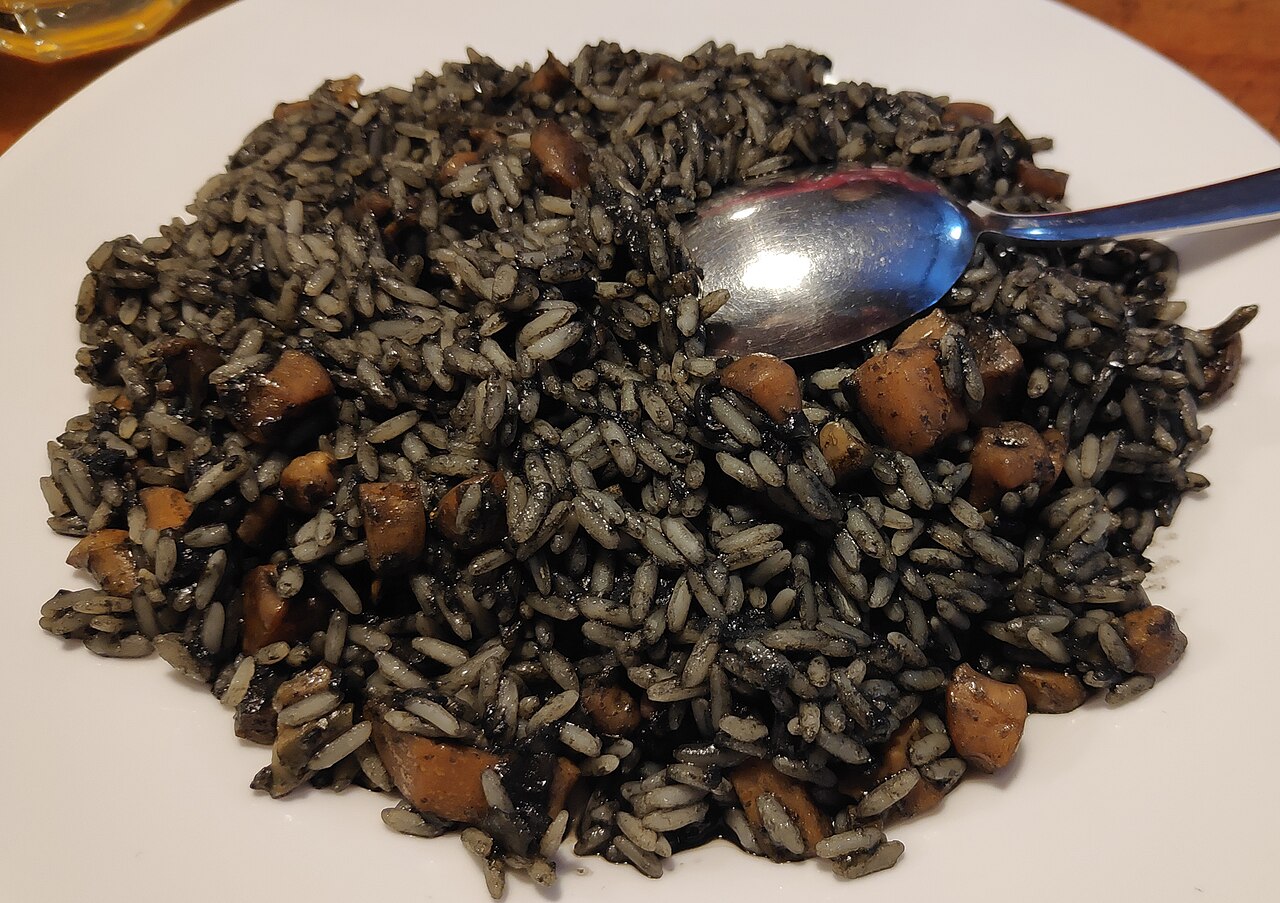
Rice cooked with cuttlefish and its ink, which turns the whole dish a glossy black. It is one of the classic seafood dishes of the coast, together with grilled squid and octopus salad.
All of Montenegro, as across the former Yugoslavia
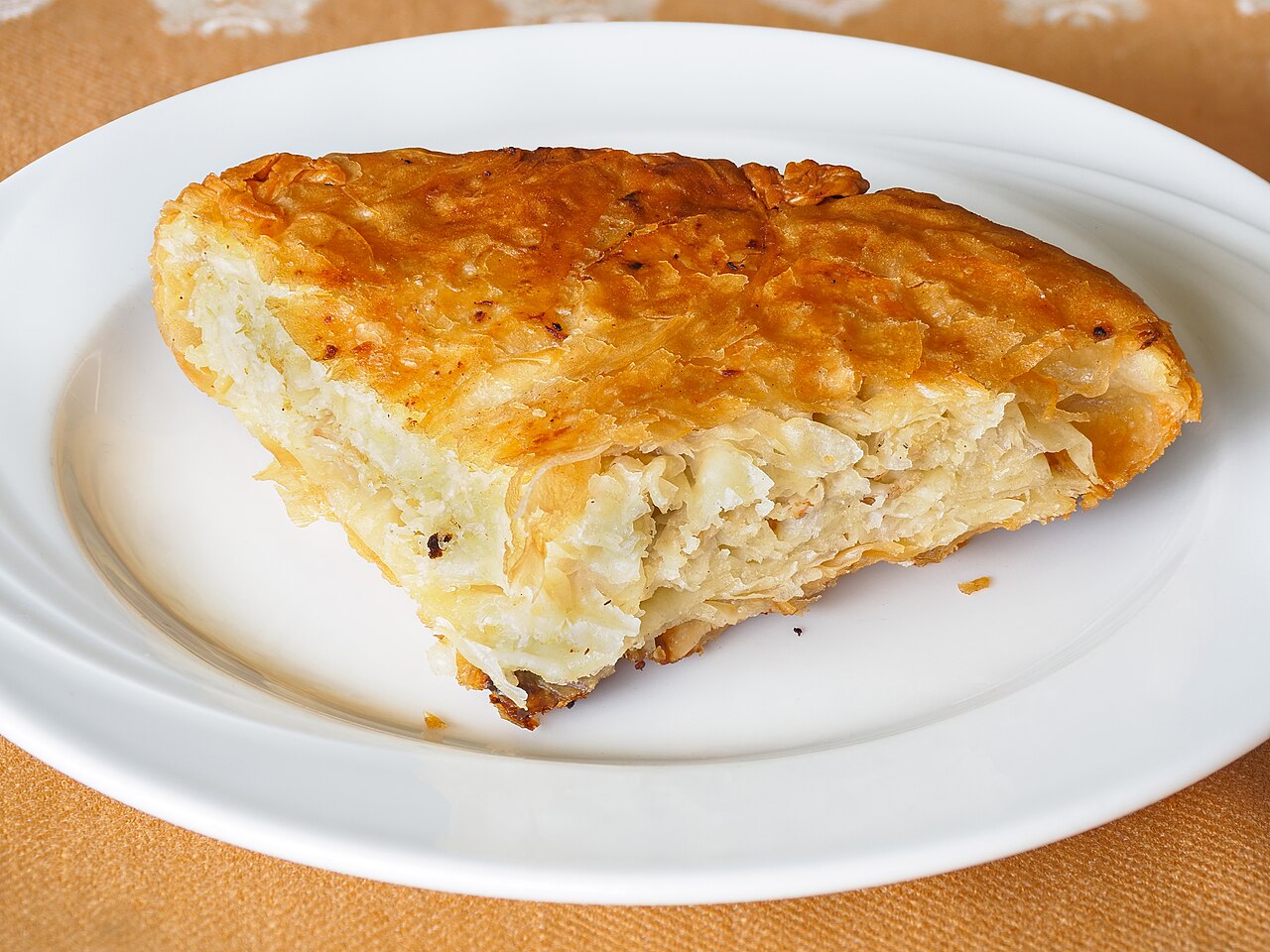
Layers of thin pastry filled with minced meat, cheese or spinach, baked in a large round pan and cut into wedges. It is the most popular fast food in the country and a favourite breakfast.
A burek baked with no filling at all is called 'prazan', which means empty.
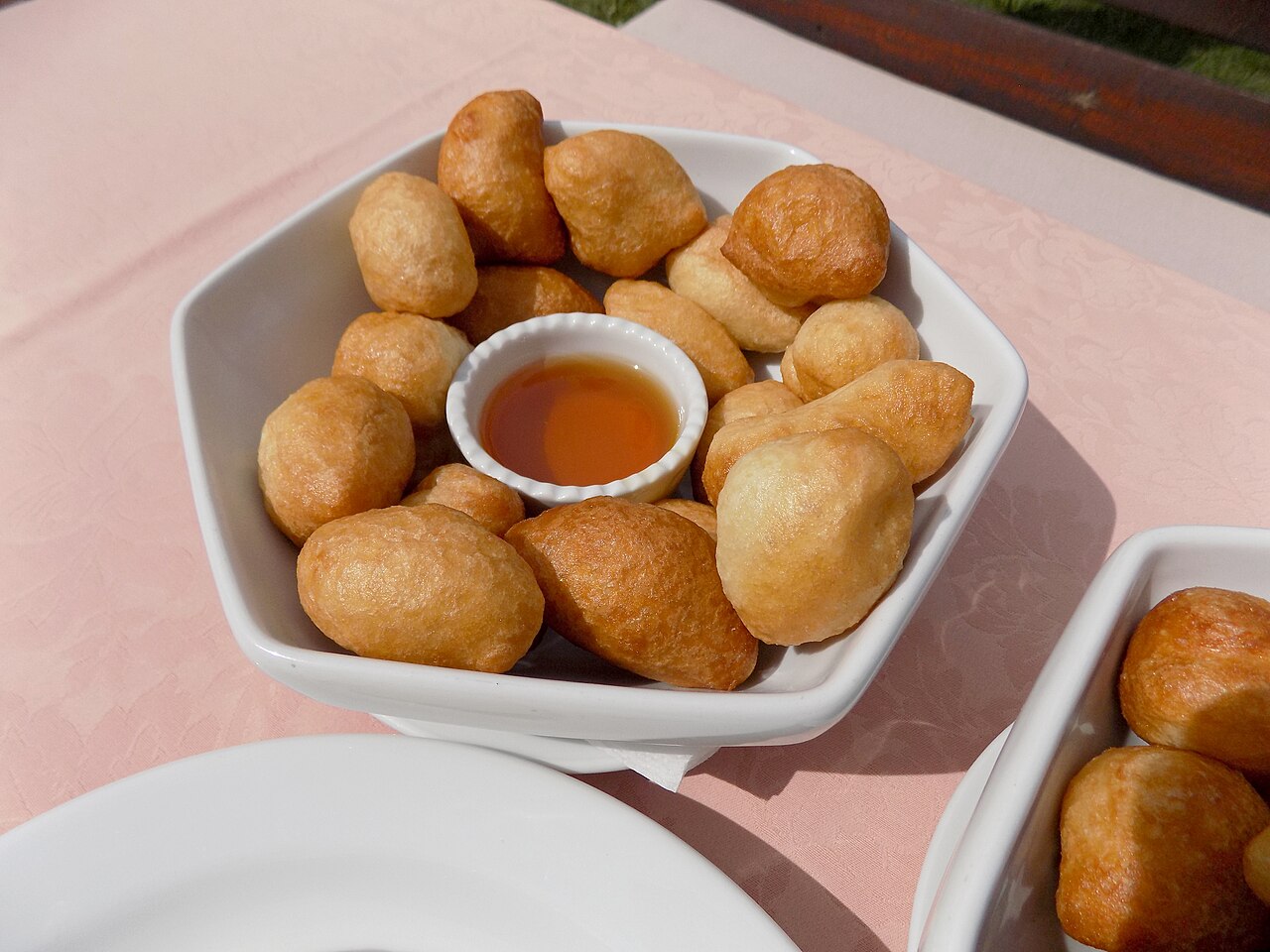
Small fritters of yeasted dough, fried until golden and puffed. They are served with honey, cheese or jam, for breakfast, with coffee, or as a treat for guests.
In Montenegro and parts of Bosnia and Herzegovina, these fritters made with yeasted dough are called priganice. Elsewhere in the region, similar fritters are called uštipci.
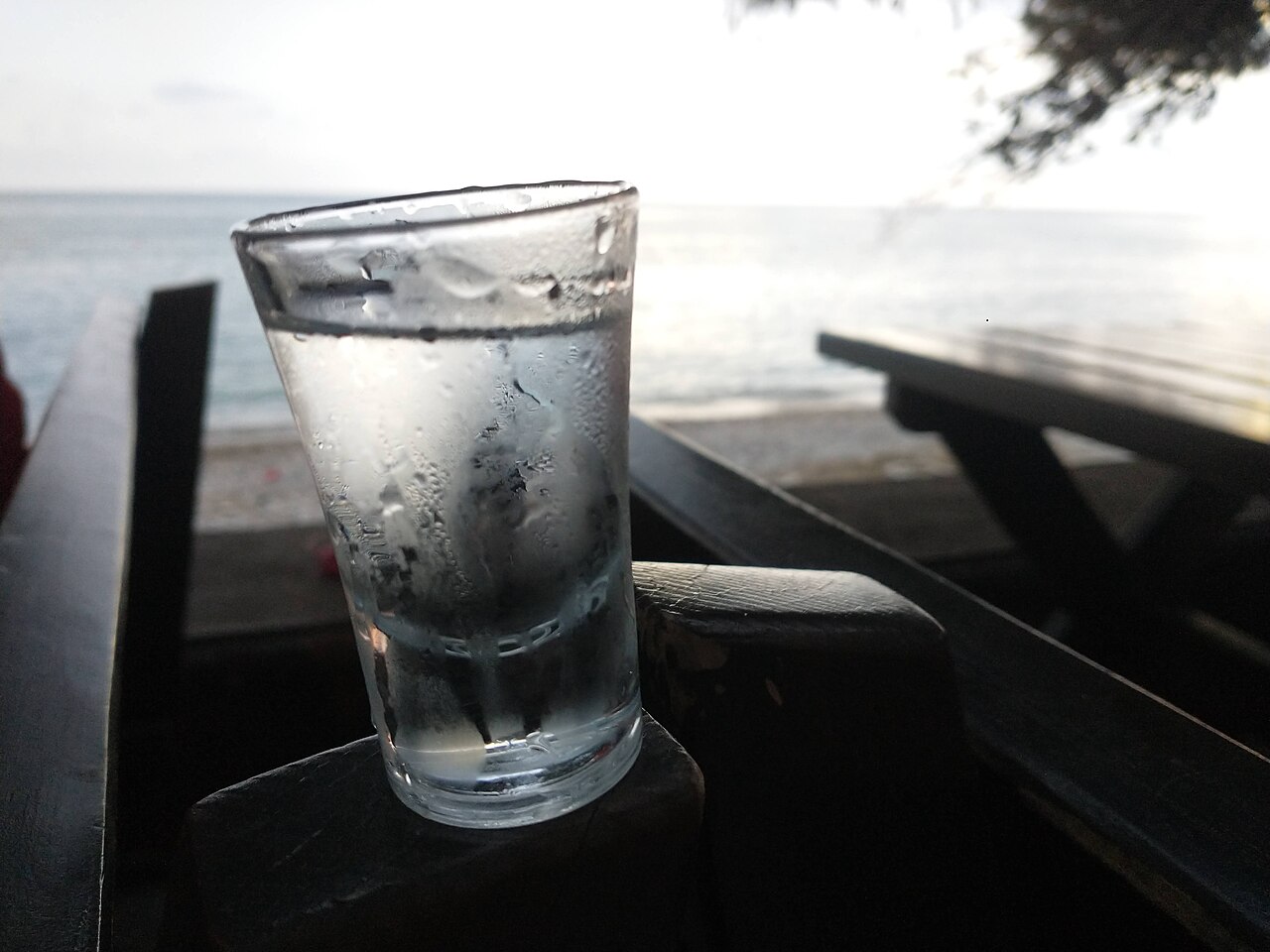
A strong clear brandy made from grapes, often homemade, and a local favourite to sip before an evening out. In the north, plum brandy (šljivovica) and apple brandy are more common.
Rakija is strong, so it is sipped slowly from a small glass. Anyone who does not drink alcohol can politely say no.