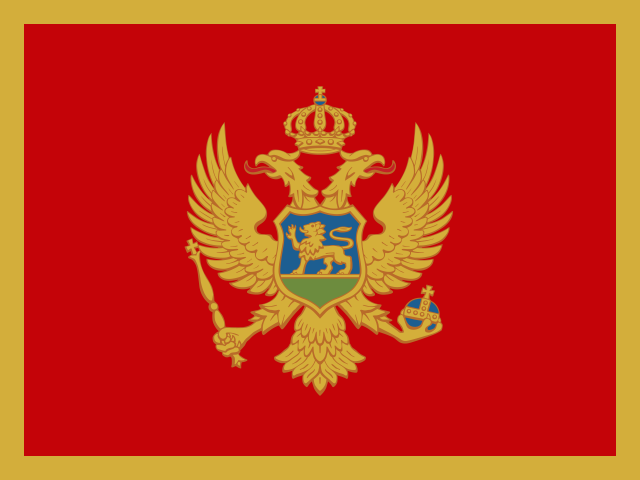
13 fun facts about Montenegro
- 01
Both names of the country, Montenegro and Crna Gora, mean 'Black Mountain'. They refer to Mount Lovćen, which looked black when it was covered in dense forest.
- 02
Montenegro uses the euro even though it is not a member of the European Union or the eurozone. It switched to the German mark in 1999 and simply adopted the euro in 2002.
- 03
King Nikola I married five of his daughters to princes and kings, which earned him the nickname 'the father-in-law of Europe'. His grandsons included King Alexander I of Yugoslavia and King Umberto II of Italy.
- 04
In 1494 monks in Cetinje finished printing the Oktoih, a book of church hymns printed in red and black Cyrillic letters. 108 copies of it survive.
- 05
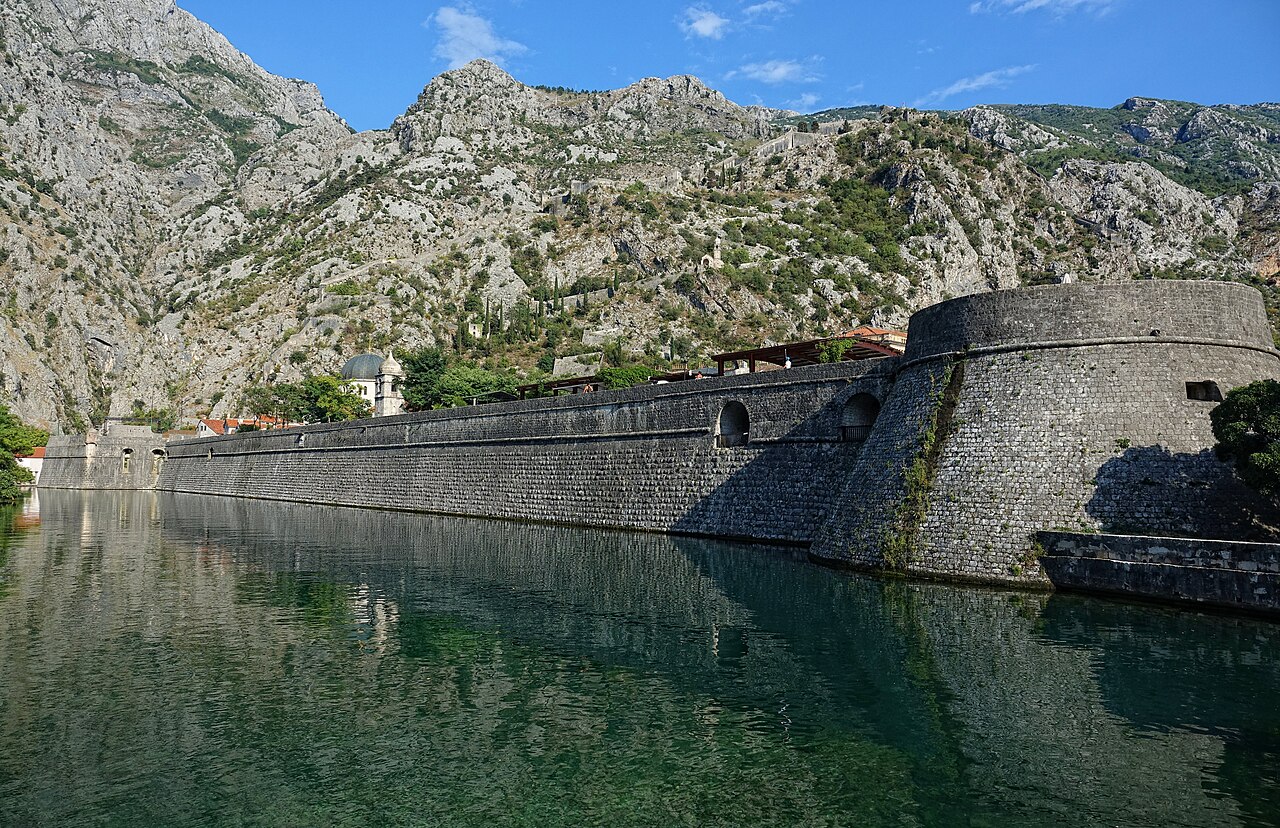
Kotor has so many cats that they have become a symbol of the town. It has a cat museum, cat shops and a Cats' Square, and locals leave food and water out for them.
- 06
Every year at sunset on 22 July, people from Perast row out and throw stones into the sea around Our Lady of the Rocks, slowly making the man-made island bigger. The custom is called fašinada.
- 07
The Tara River Canyon is up to about 1,300 metres deep, one of the deepest river canyons in Europe.
- 08
The independence referendum of 21 May 2006 needed 55% to pass. Independence won 55.5%, and according to the electoral commission the line was crossed by only about 2,300 votes.
- 09
Water polo is the national sport. Montenegro's first Olympic medal came in 2012, a silver won by the women's handball team.
- 10
The Montenegrin alphabet has two letters that Serbian and Croatian do not: Ś and Ź. You can see one in the word 'śutra', tomorrow.
- 11
Montenegro celebrates Statehood Day on 13 July, the day in 1878 when the Congress of Berlin recognised it as the 27th independent state in the world.
- 12
The Montenegrin folk dance oro takes its name from 'orao', the eagle. Dancers move like eagles in a circle, and a performance can end with a human pyramid of dancers standing on each other's shoulders.
- 13
Medieval carved tombstones called stećci stand in graveyards near Žabljak and Plužine. Together with sites in Bosnia and Herzegovina, Croatia and Serbia, they became a UNESCO World Heritage Site in 2016.
Sources (15)
- Montenegro (Wikipedia)
- Tara River (Wikipedia)
- Tara River Canyon (Wikipedia)
- Montenegro and the euro (Wikipedia)
- Montenegrin language (Wikipedia)
- Nicholas I of Montenegro (Wikipedia)
- Crnojević printing house (Wikipedia)
- Statehood Day, Montenegro (Wikipedia)
- Montenegrin Oro (Wikipedia)
- Kotor (Wikipedia)
- UNESCO World Heritage Centre: Montenegro
- Our Lady of the Rocks (Wikipedia)
- Lovćen (Wikipedia)
- Stećak (Wikipedia)
- Montenegrin phrasebook (Wikivoyage)
Fun facts from nearby countries
More about Montenegro
- The trip to MontenegroMap, story, food, phrases and a friendly quiz.
- Montenegrin foodThe dishes to try, with photos and recipes.
- Montenegro triviaQuestions and answers to read aloud or print.
- Montenegro word searchCities and dishes in large print.
- Montenegrin words crosswordLearn a few words while you solve it.
- Colour the flag of MontenegroPrint it or colour it in on the screen.
- Montenegrin rootsA family guide: history, recipes and words for the grandchildren.
- Before you goPhrases, customs and tips for travellers.
- Printable packLarge print, with a quiz and answers.