Duklja breaks free
Stefan Vojislav, a local ruler, led a revolt and won a great victory over a Byzantine army near Bar. His state, Duklja, covered much of the south of today's Montenegro.
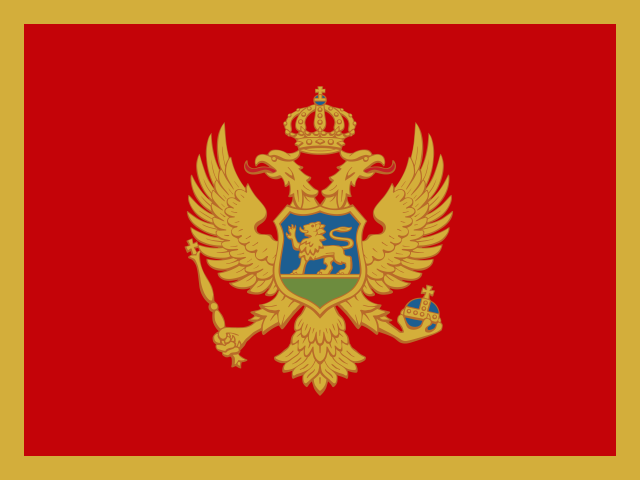
Montenegro lies on the Balkan Peninsula in Southeast Europe, between the Adriatic Sea and the high Dinaric mountains. Its name, and the local name Crna Gora, both mean 'Black Mountain', after the dark forests of Mount Lovćen. In a short drive you can go from palm-lined beaches and the fjord-like Bay of Kotor to limestone plateaus, glacial lakes and one of the deepest river canyons in Europe.
The land was part of the Roman world, then home to the medieval states of Duklja and Zeta. Venice ruled much of the coast for centuries, while the mountain clans kept a hard-won freedom from the Ottomans under prince-bishops from Cetinje. Montenegro's independence was recognised at the Congress of Berlin in 1878, it became a kingdom in 1910, and after the First World War it was part of Yugoslavia.
Memories fade faster than photos. Ask these over a meal or a phone call, and write the answers down.
Montenegro's story is one of a small mountain people holding on to their freedom: from the medieval kingdom of Duklja and the Crnojević rulers of Cetinje, through centuries of prince-bishops, to a 19th-century principality, a short-lived kingdom, Yugoslavia and independence in 2006.
Stefan Vojislav, a local ruler, led a revolt and won a great victory over a Byzantine army near Bar. His state, Duklja, covered much of the south of today's Montenegro.
Ivan Crnojević, ruler of Zeta, moved his court up into the hills to a field below Mount Lovćen that was easier to defend. There he built a court and, in 1484, a monastery. The town of Cetinje grew around them.
The Ottomans conquered Zeta and ended the rule of the Crnojević family. The mountain clans, however, kept much of their freedom, while Venice held the Bay of Kotor and much of the coast.
The office of prince-bishop became hereditary in the Petrović-Njegoš family from the village of Njeguši. Because bishops could not marry, it usually passed from uncle to nephew.
On 13 July 1878 the Congress of Berlin recognised Montenegro as an independent state. The country roughly doubled in size and gained the port of Bar. Montenegro still celebrates 13 July as Statehood Day.
After the First World War, with King Nikola in exile, an assembly in Podgorica voted to unite Montenegro with Serbia. Days later it became part of the new Kingdom of Serbs, Croats and Slovenes, later called Yugoslavia.
On 15 April 1979 a powerful earthquake struck the coast. It badly damaged the old towns of Budva, Kotor, Bar and Ulcinj, and in Budva's Old Town only 8 of about 400 buildings were left unharmed.
On 5 June 2017 Montenegro became a member of NATO. It had begun talks to join the European Union in 2012.
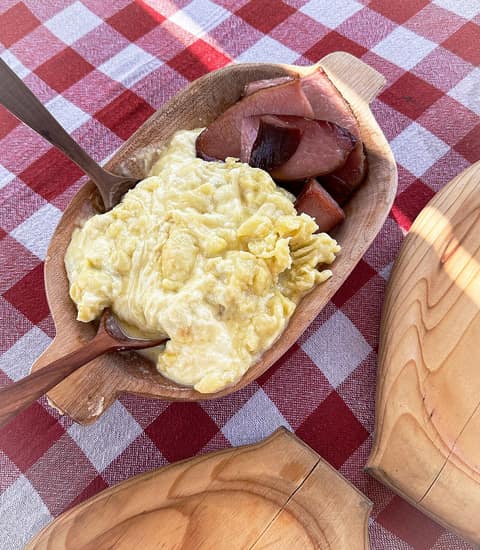
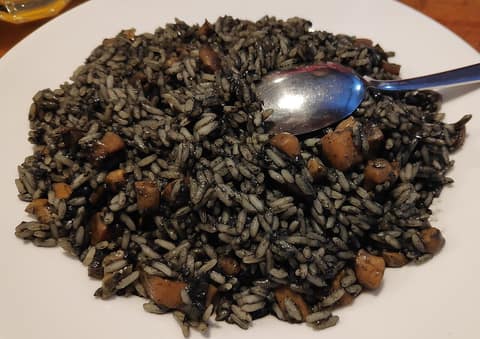
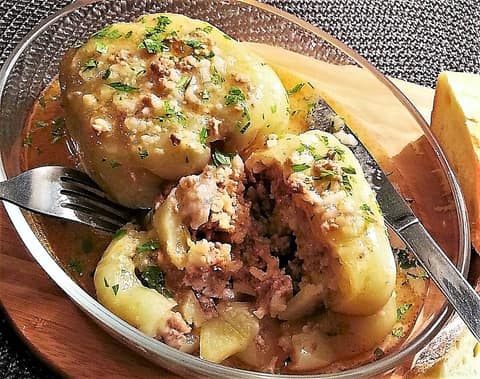
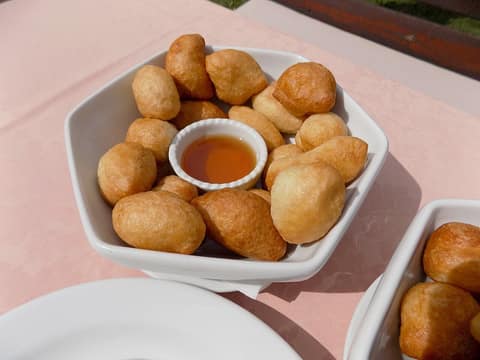
Cook one of the recipes, print the large-print pack about Montenegro, and finish with the big-screen quiz or the words crossword. Grandchildren can colour the flag.