 Bulgaria
 Hungary
 Moldova
 Serbia
 Ukraine
Ovid exiled to Tomis
The Roman emperor Augustus banished the poet Ovid to Tomis, a Greek colony on the Black Sea founded in the 6th century BC. Ovid spent the rest of his life there. Tomis is today's Constanța.
A free large-print PDF. Choose what goes in: facts, map, history, dishes and recipes, phrases, fun facts, a quiz with or without answers. Made for clubs, care homes, libraries and family afternoons.
Romania is the largest country in south-eastern Europe. The arc of the Carpathian Mountains runs through its centre, wrapping around the high plateau of Transylvania. Outside the arc lie the plains of Wallachia in the south, the hills of Moldavia in the east and the Banat and Crișana lowlands in the west. The Danube forms much of the southern border and ends in a vast delta on the Black Sea coast.
In Roman times the land was the province of Dacia, and Romanian is still a Romance language, a cousin of Italian, French and Spanish. In the Middle Ages the principalities of Wallachia and Moldavia fought to stay independent of the Ottomans, while Transylvania belonged to Hungary and later the Habsburgs. Wallachia and Moldavia united in 1859, and in 1918 Transylvania, Bessarabia and Bukovina joined them in what Romanians call the Great Union.
After more than four decades of communist rule, which ended in the revolution of December 1989, Romania became a semi-presidential republic. As of September 2026 it has about 19 million people. It joined NATO in 2004 and the European Union in 2007, and became a full member of the Schengen area in 2025. It still uses its own currency, the leu, whose name means lion.
Romania's story runs from Greek ports on the Black Sea and the Roman province of Dacia, through the medieval princes who held off the Ottomans, to the union of the Romanian lands, a monarchy, communism and a return to democracy in 1989.
The Roman emperor Augustus banished the poet Ovid to Tomis, a Greek colony on the Black Sea founded in the 6th century BC. Ovid spent the rest of his life there. Tomis is today's Constanța.
After two wars, Emperor Trajan defeated the Dacian king Decebalus and made much of the land a Roman province. Roman Dacia lasted until the 270s, and its Latin speech is the root of the Romanian language.
Basarab I of Wallachia ambushed and defeated the army of King Charles I of Hungary in a mountain pass. The victory secured the independence of Wallachia.
Stephen became prince of Moldavia and ruled until his death in 1504. He fought to keep Moldavia free of the Ottomans, Poland and Hungary and built churches such as Voroneț.
Michael the Brave, prince of Wallachia, briefly ruled Wallachia, Transylvania and Moldavia together. It lasted only months, but it was the first time all three were under one ruler.
Both principalities elected the same prince, Alexandru Ioan Cuza. The union, known as the Little Union, was the start of the modern Romanian state.
After Cuza was forced to step down, the German prince Karl of Hohenzollern-Sigmaringen was invited to rule as Carol I. A new constitution gave the country the name Romania.
On 10 May 1877 Romania proclaimed its independence from the Ottoman Empire, then fought alongside Russia in the Russo-Turkish War to win it on the battlefield.
Romania became a kingdom, and Carol I was crowned its first king. The monarchy lasted until 1947.
On 1 December 1918 an assembly of Romanians at Alba Iulia declared the union of Transylvania with Romania. Bessarabia and Bukovina had joined earlier that year. 1 December is now the national day.
King Michael I was forced to abdicate on 30 December 1947, and a communist People's Republic was proclaimed.
Protests that began in Timișoara in December spread across the country. The communist leader Nicolae Ceaușescu and his wife Elena were executed on 25 December, ending 42 years of communist rule.
Romania became a member of the NATO alliance on 29 March 2004.
Romania joined the European Union on 1 January 2007, together with Bulgaria.
Romania became a full member of the Schengen area on 1 January 2025, together with Bulgaria. Flights and sea crossings to other Schengen countries no longer have routine passport checks.
Romanian cooking is hearty country food built on pork, maize, cabbage, sour cream and fresh cheese, with Balkan, Turkish, Hungarian and Austrian touches. A family meal usually starts with a ciorbă, a soup soured with borș, vinegar or lemon, then moves on to meat with mămăligă or bread and ends with something sweet. Many Romanians follow Orthodox fasting days, so meat-free and dairy-free dishes are easy to find.
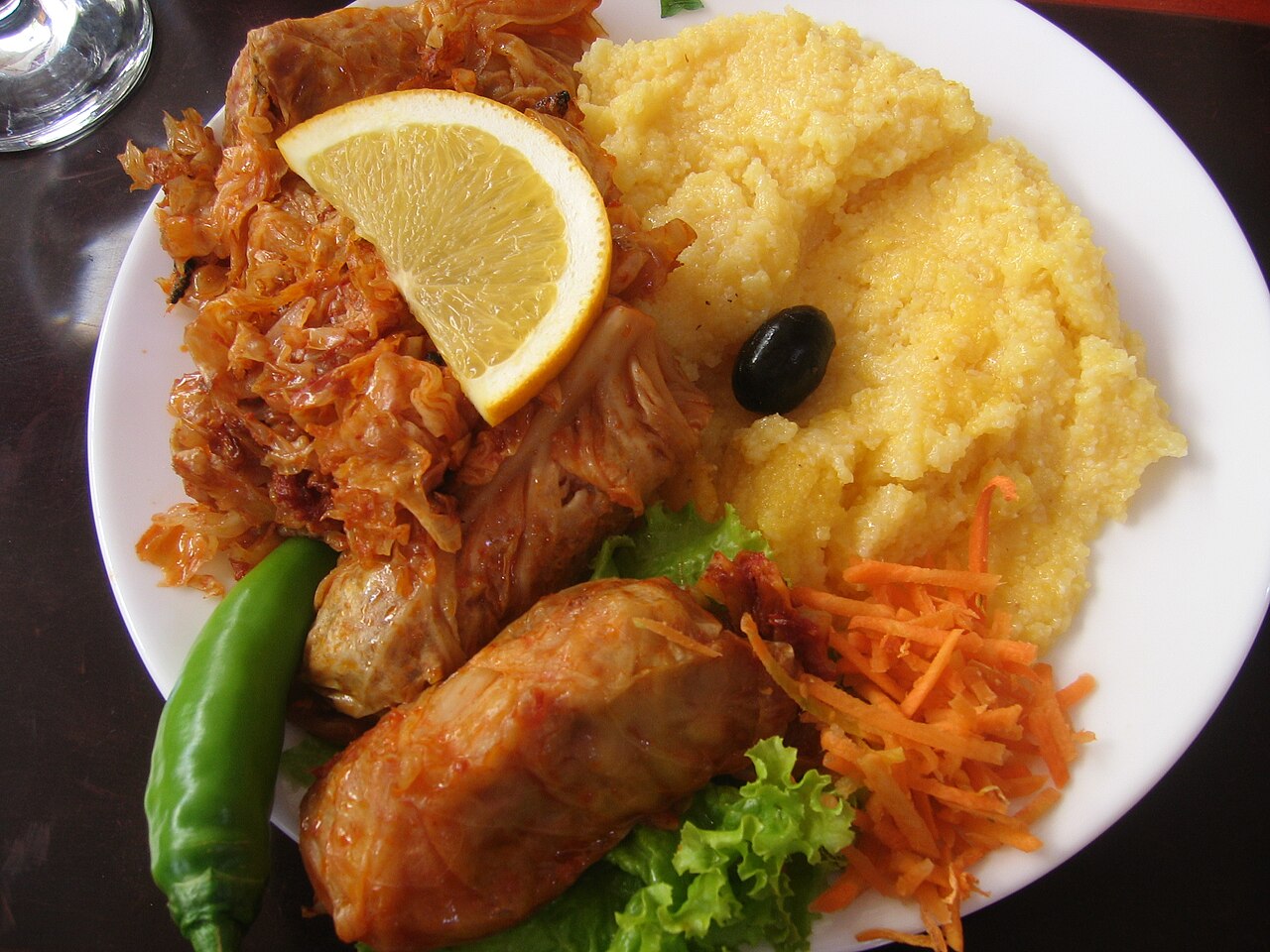
Sour pickled cabbage leaves (or vine leaves) rolled around minced pork, rice and onion and simmered for hours, often with smoked meat. They are served with mămăligă and sour cream and are often called the national dish.
In Transylvania, smoked pig feet or pork skin are tucked into the pot between the rolls for extra flavour.
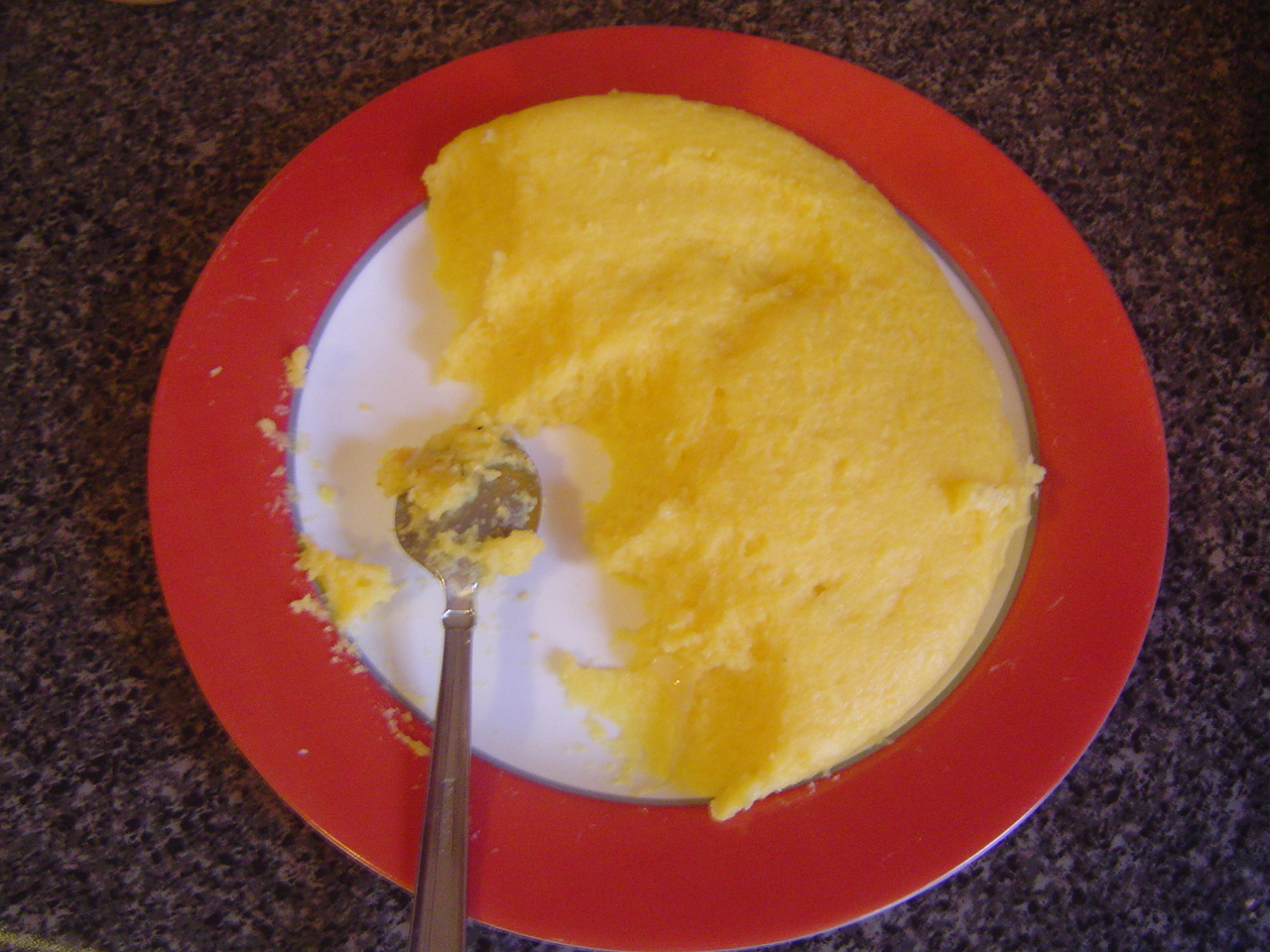
A thick porridge of yellow maize flour, much like Italian polenta. It is eaten as a side dish instead of bread, or as a meal of its own with salty sheep cheese and sour cream.
Maize reached Europe from the Americas in the 16th century, and Romanian farmers were growing it by the 17th century. Before that, mămăligă was made from millet.
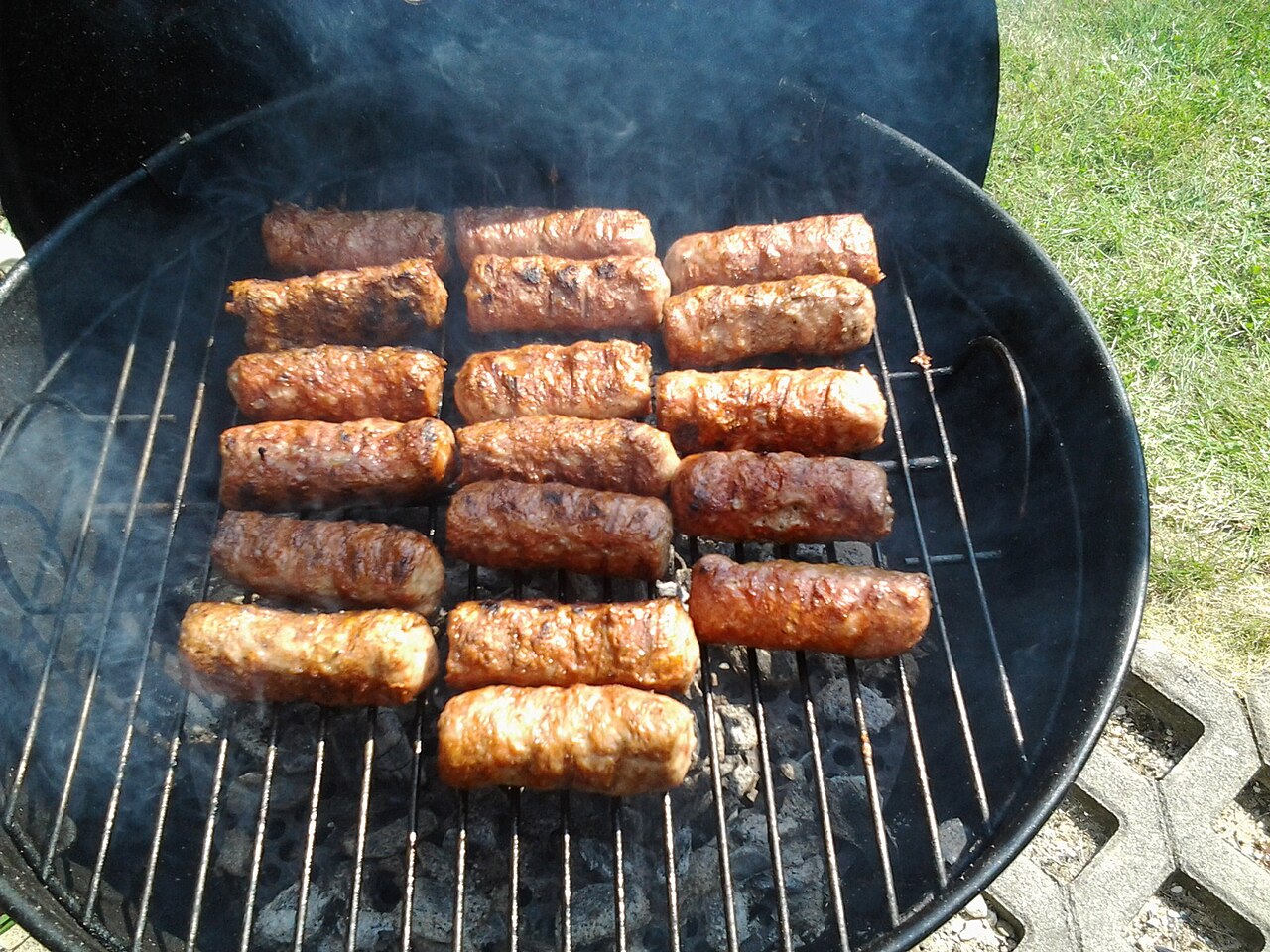
Small skinless rolls of minced beef, lamb and pork seasoned with garlic, thyme and pepper, grilled over charcoal and eaten with mustard, bread and pickles. Mici and mititei both mean "little ones".
Mici are the classic food of 1 May, when many Romanians go to barbecues. About 30 million were eaten in Romania on 1 May 2019.
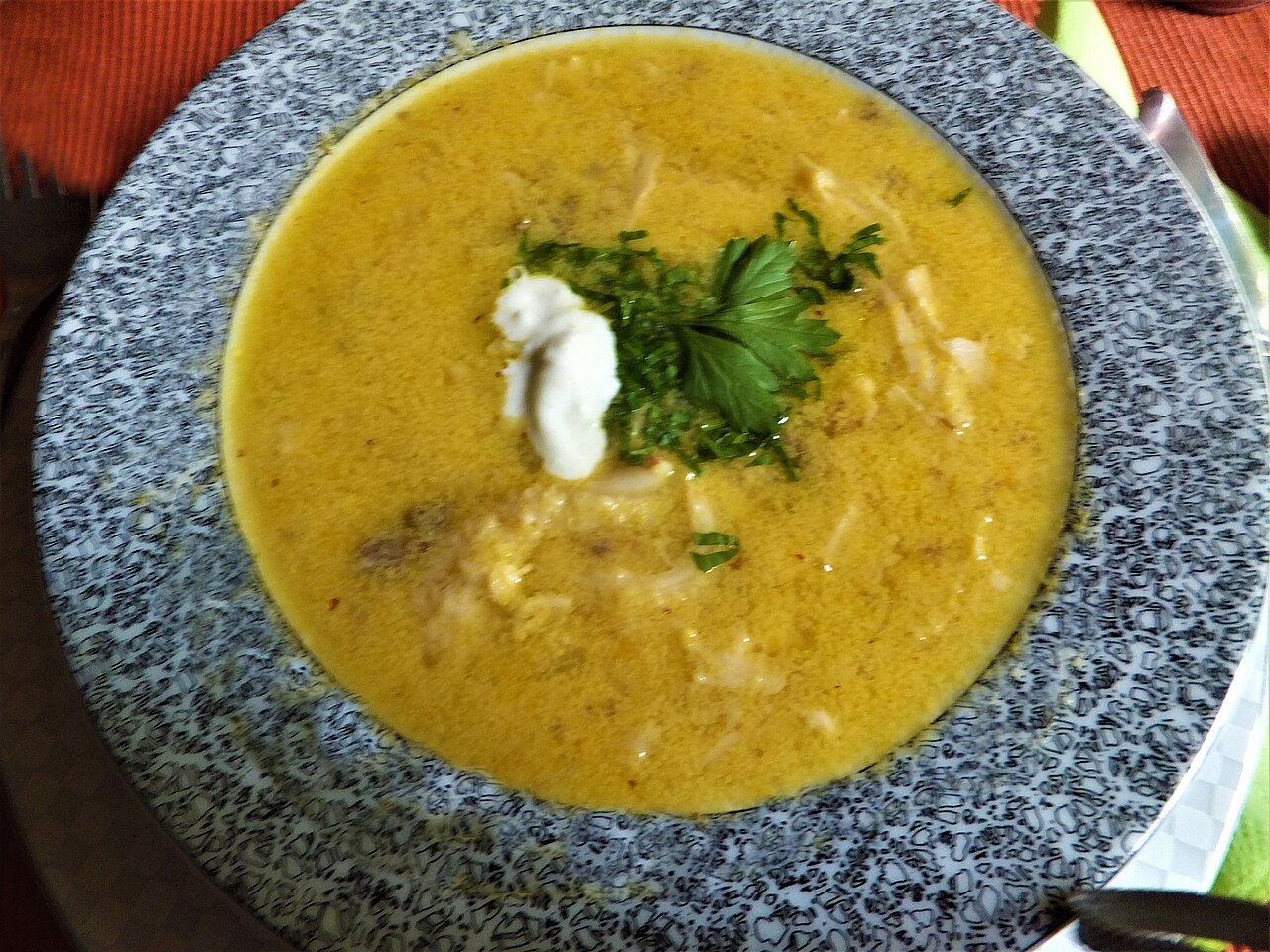
A creamy, sour soup of beef tripe thickened with sour cream and egg yolks, sharpened with vinegar and served with garlic sauce and hot peppers. It is said to be a good cure for a hangover.
Journalist Radu Anton Roman wrote that it looks like food for drunk coachmen but has the most sophisticated way of preparing in all Romanian cooking.
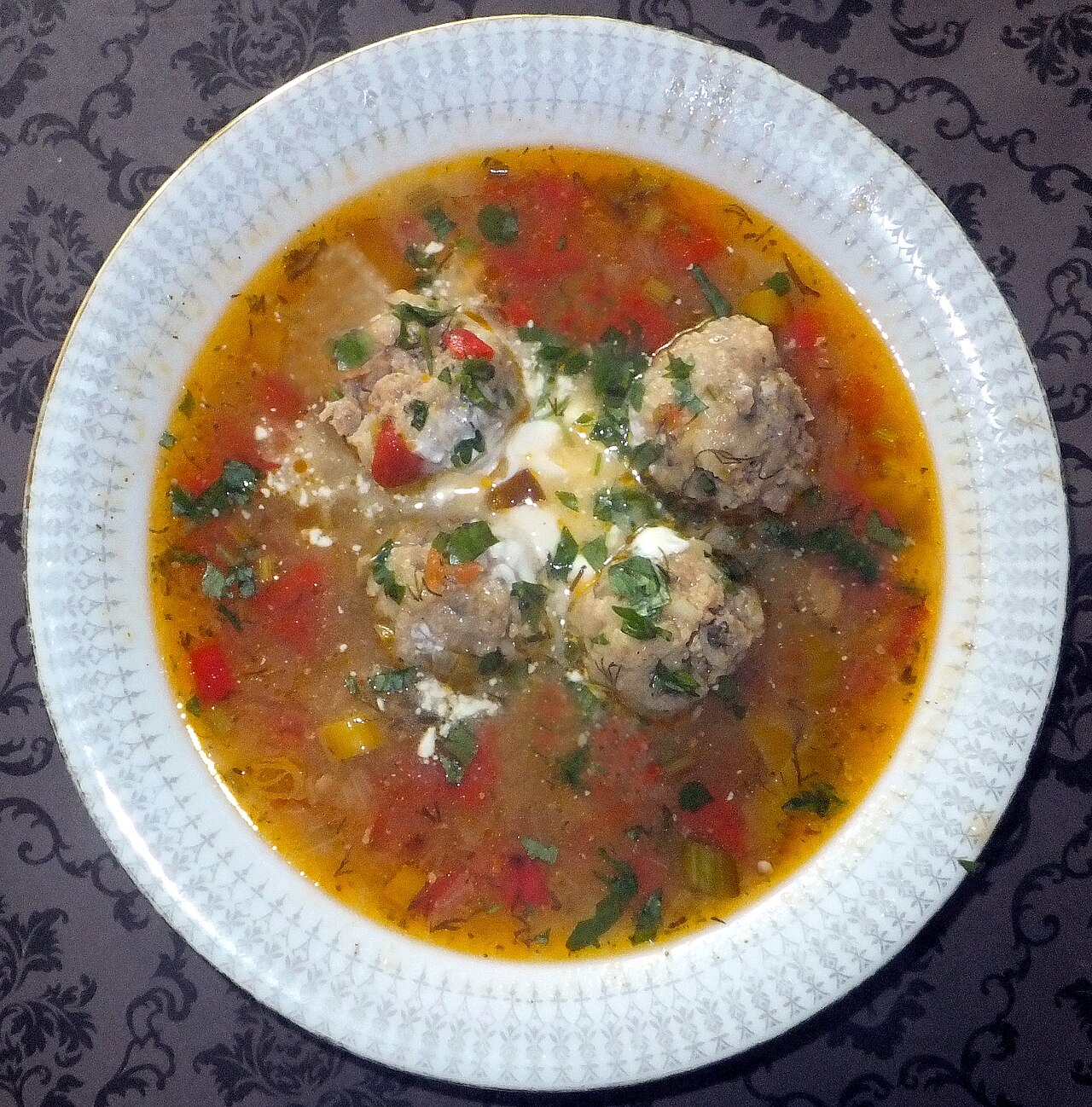
A vegetable soup with small meatballs of minced meat and rice, soured with borș and usually flavoured with lovage leaves.
Borș is a sour liquid made by fermenting wheat or barley bran in water. It gives many Romanian soups their tang.
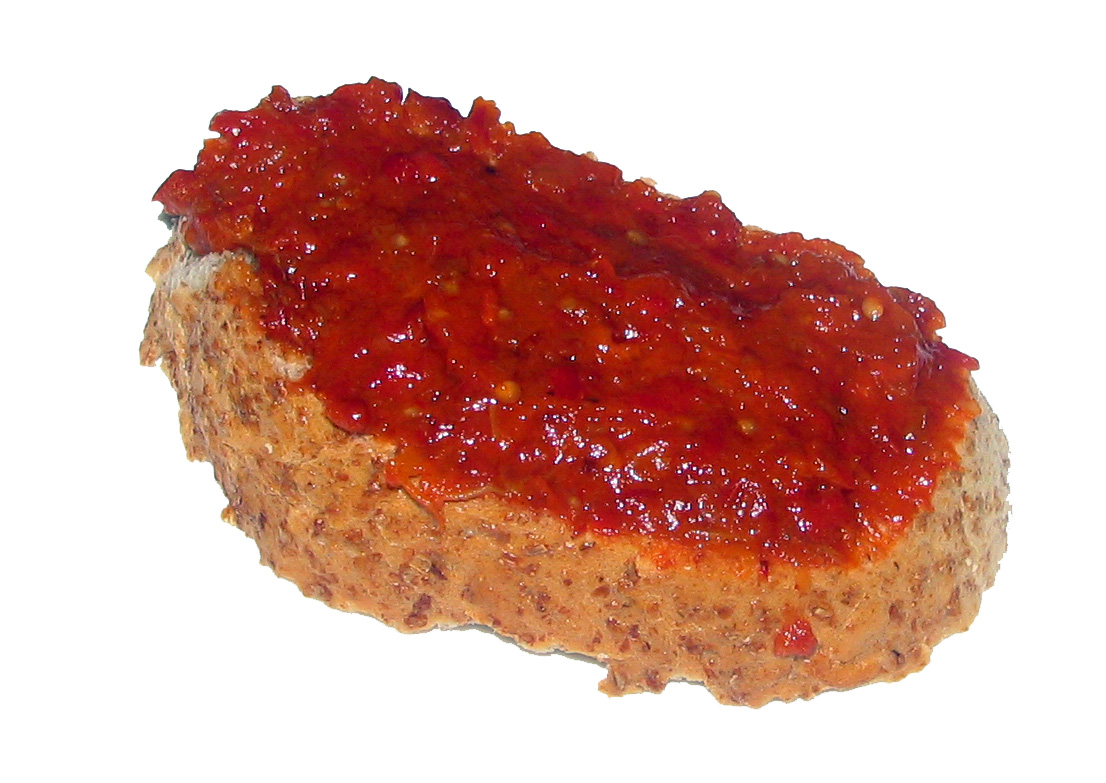
A thick spread of roasted aubergine and red peppers slowly cooked with onion and tomato. Families make big batches after the autumn harvest and keep it in jars for the winter, to eat on bread.
The word comes from a Slavic word meaning appetiser or snack. It has no meat, eggs or dairy, so it is popular on fasting days.
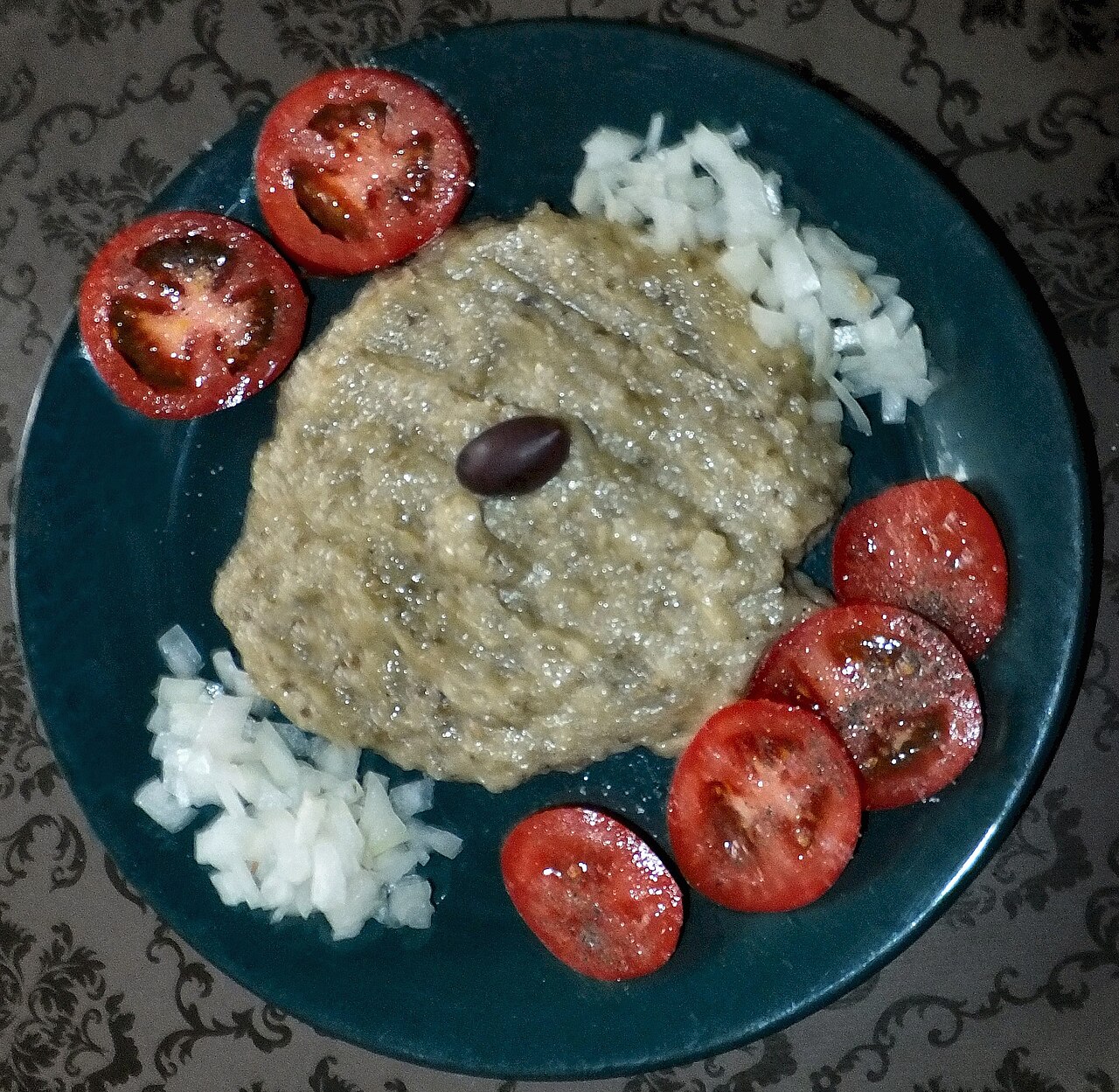
Aubergines grilled over an open flame until the skin is black, then peeled, chopped very finely and mixed with oil and chopped onion. It is spread on bread, often with tomato slices.
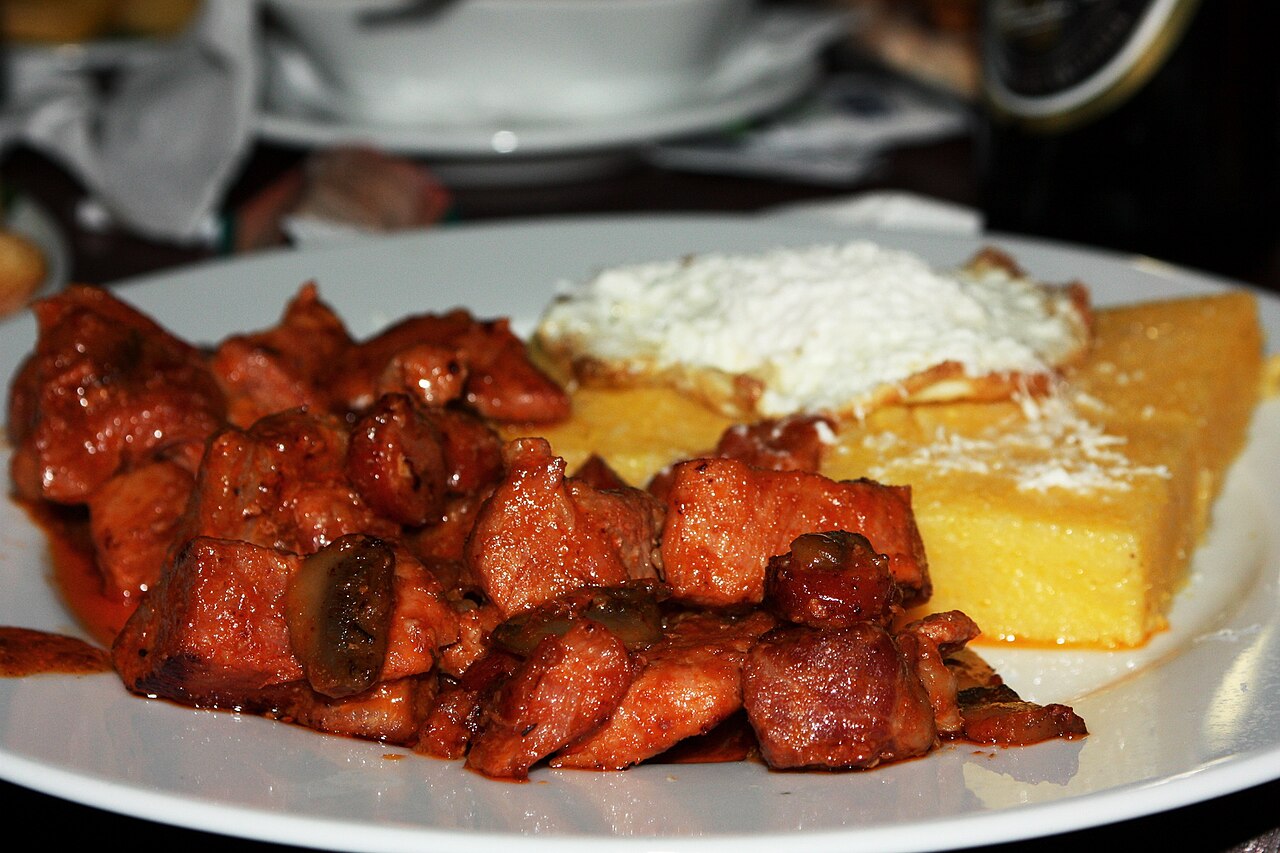
Small cubes of pork and sausage slowly cooked in their own fat and juices, sometimes with a little tomato, and served with mămăligă, salty cheese and a fried egg on top.
The name comes from the verb "a topi", meaning to melt, because the meat is cooked slowly in its own fat.
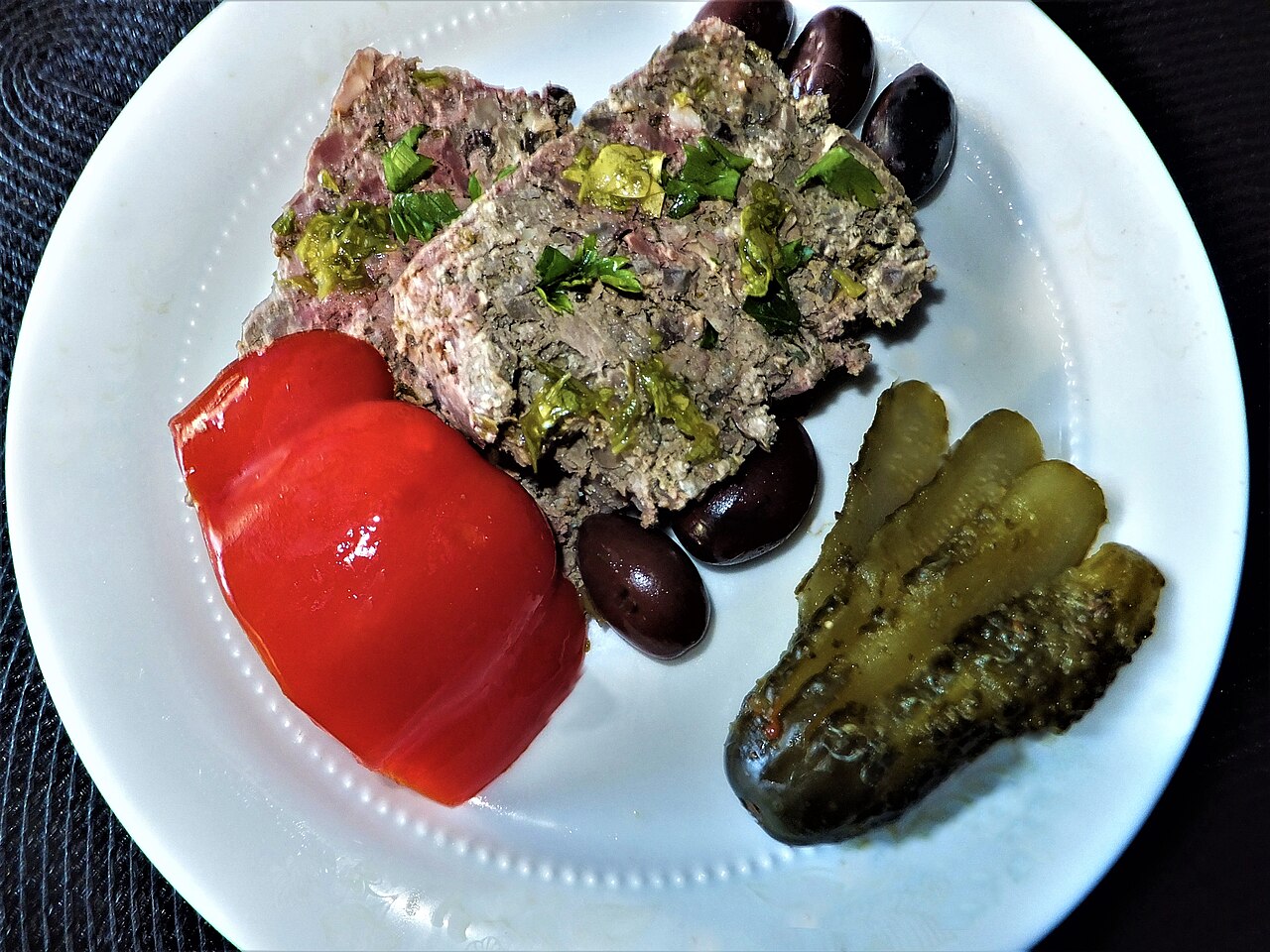
Lamb offal chopped with lots of spring onions, dill and parsley, bound with eggs and soaked bread and baked like a meat loaf, often with whole boiled eggs in the middle. It is a classic of the Easter table.
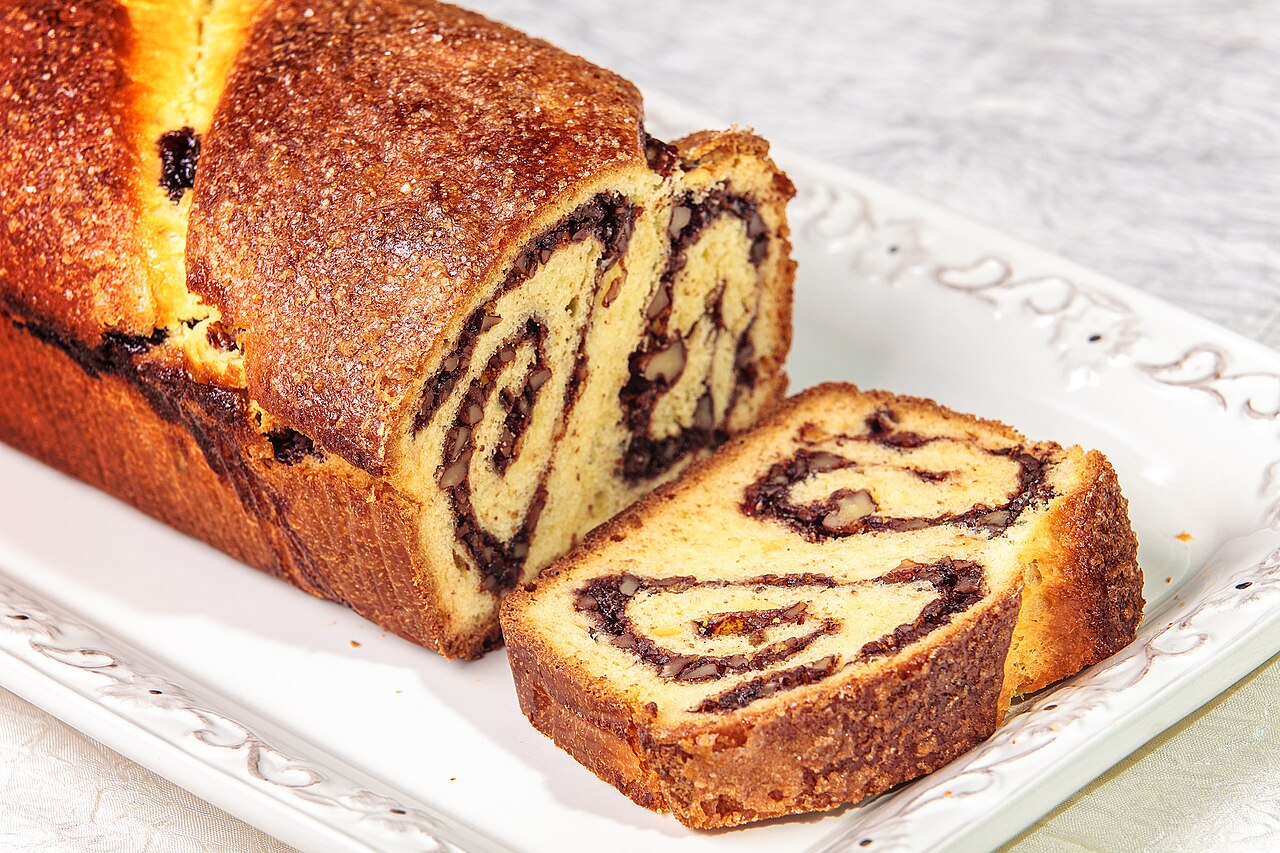
A rich, soft yeast bread made with milk, eggs, butter and sugar and rolled around a filling of walnuts and cocoa, poppy seeds or Turkish delight. Every family has its own version.
The oldest known written recipe for cozonac is in a cookbook printed in Iași in 1841.
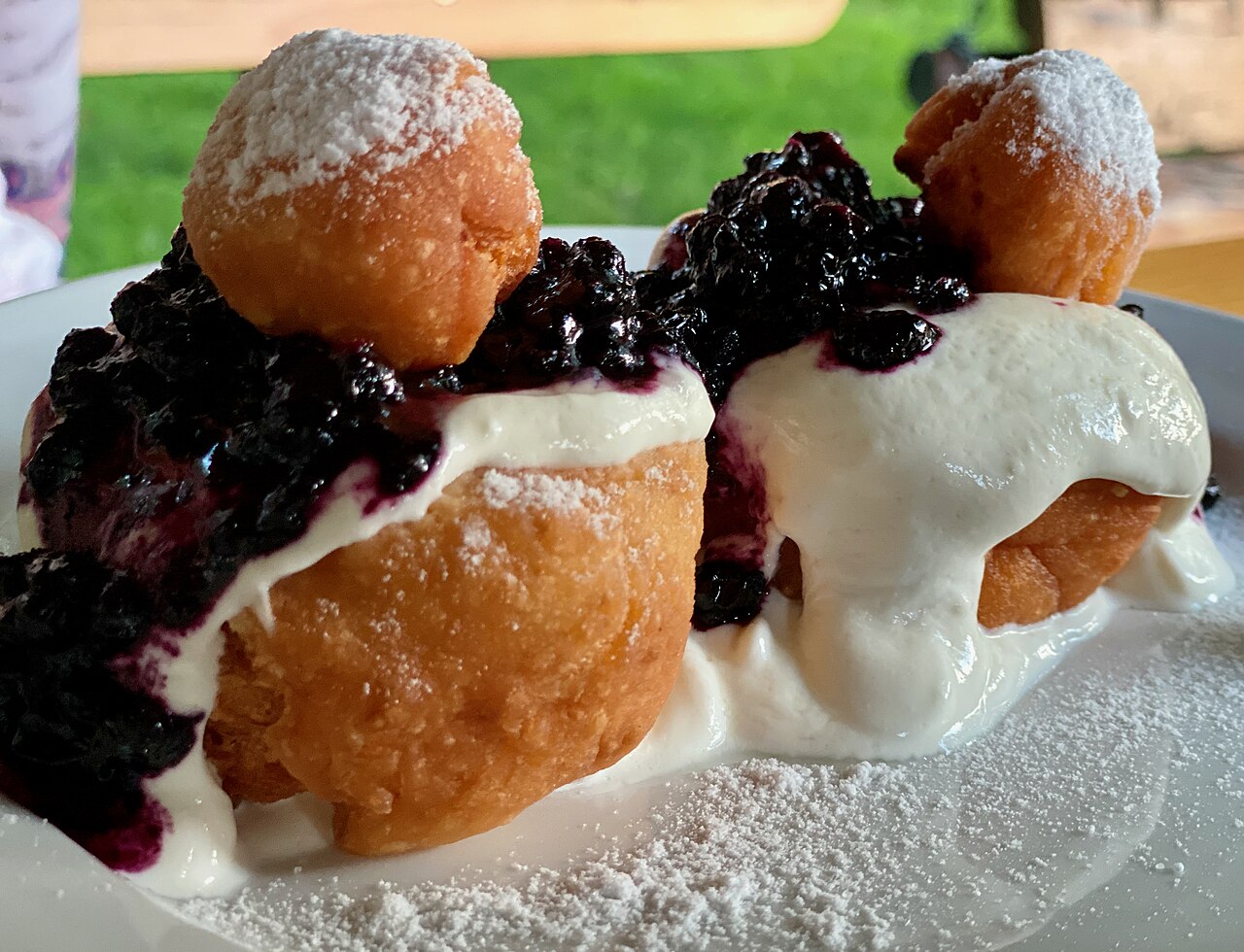
Doughnuts made from fresh cheese, eggs and flour, fried or boiled and served hot with sour cream and sour cherry jam. Each one comes with a little ball of dough on top, like a hat.
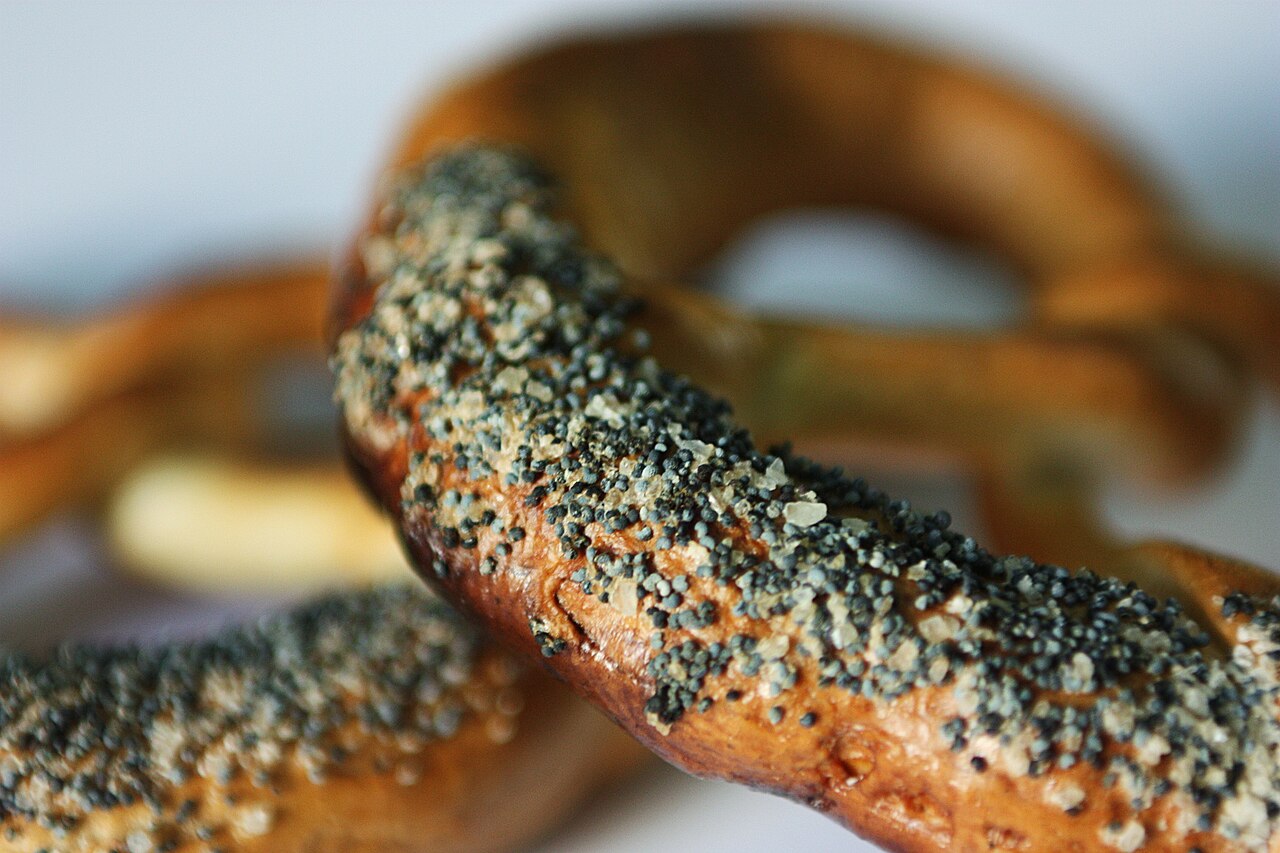
Chewy rings and twists of salted bread, like pretzels, topped with poppy seeds, sesame or coarse salt. They are sold warm from small bakeries and are one of the most popular street snacks.
The town of Buzău is known across Romania for its covrigi.
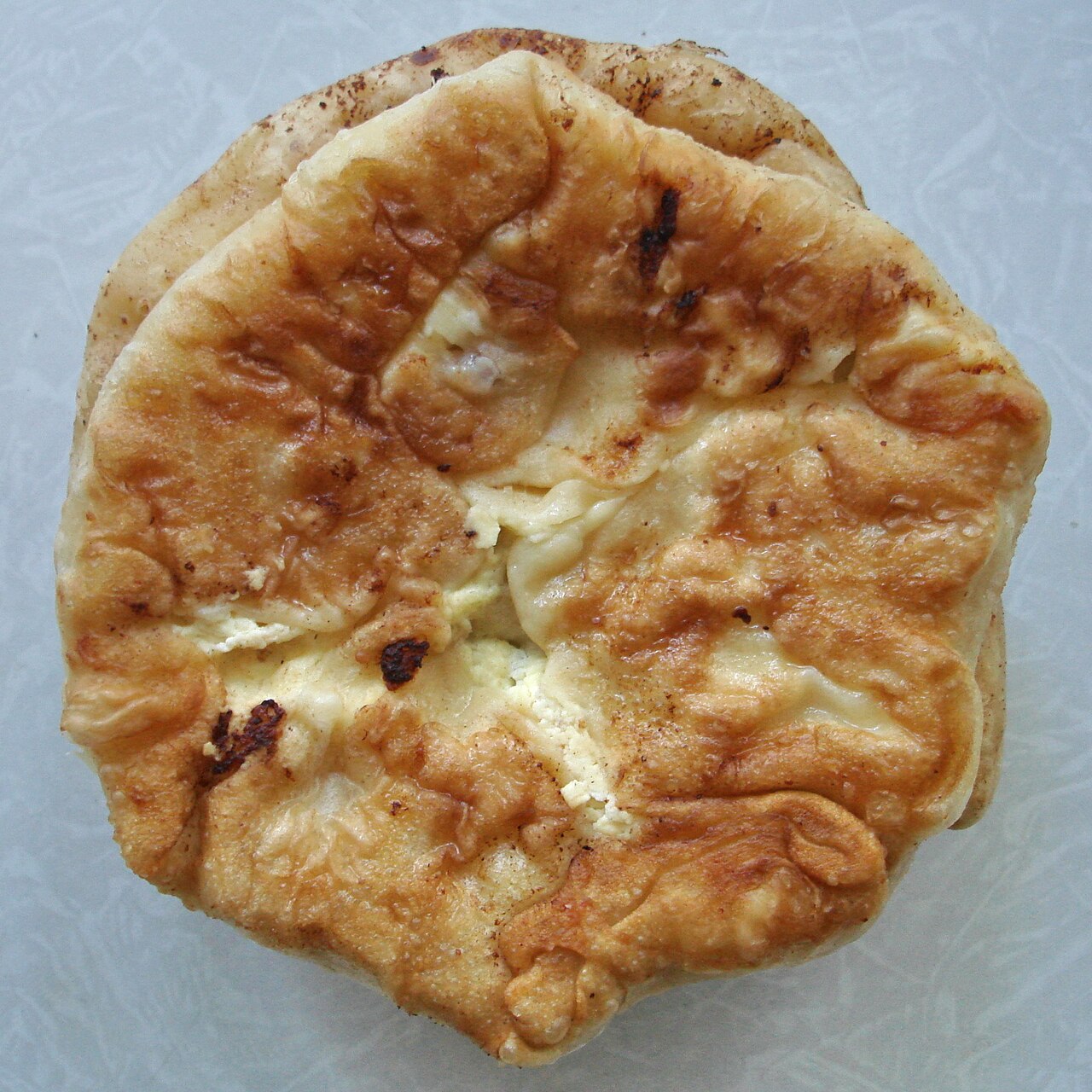
A thin, flat pastry, round or square, filled with apples, fresh cheese, potatoes or cabbage and baked or fried.
The word comes from the Latin "placenta", the name of a flat cake in ancient Rome.
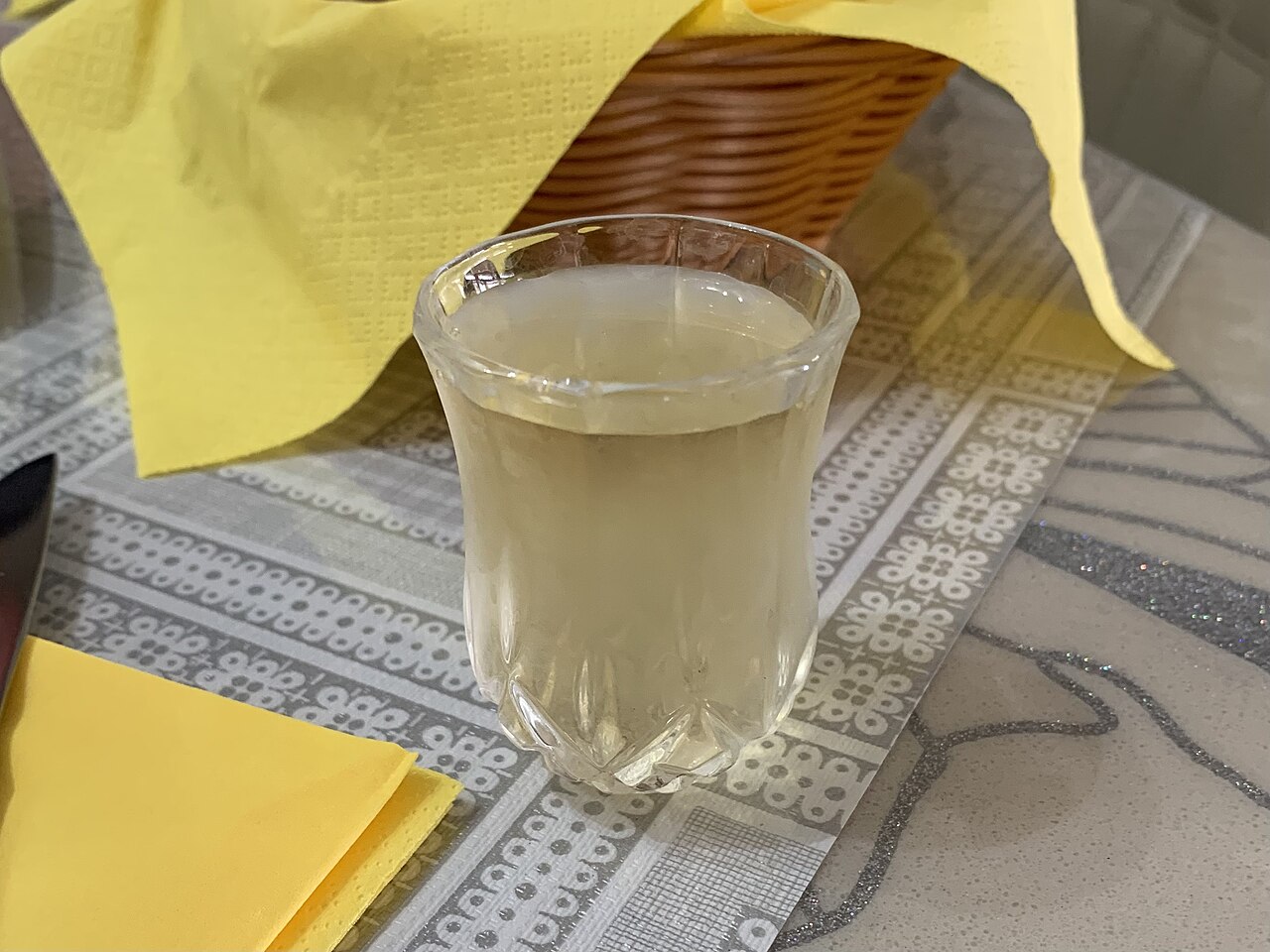
A strong clear spirit distilled only from plums, usually 40 to 55% alcohol. It is often offered to guests before a meal and is thought of as the national drink.
Romania is one of the world's biggest plum growers, and a large share of the crop goes into țuică.
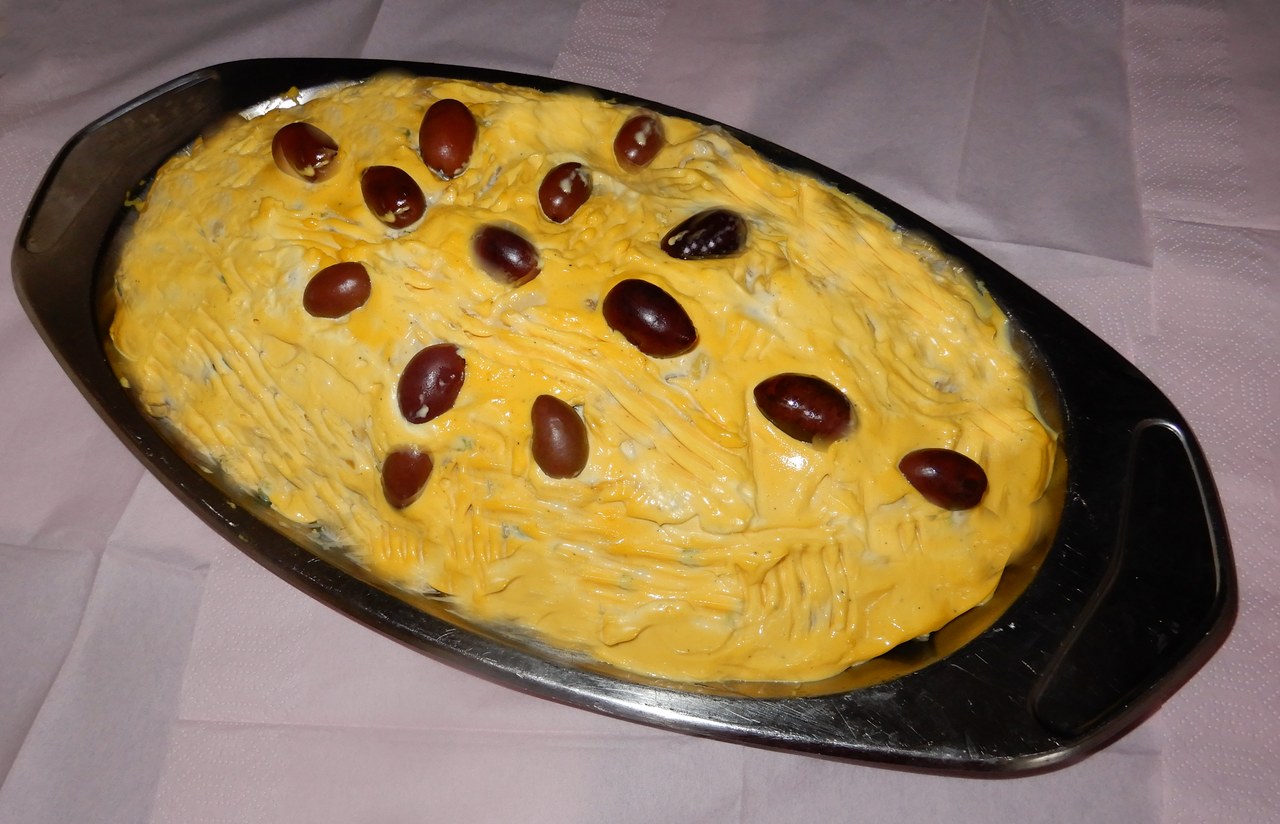
Finely diced boiled beef or chicken and root vegetables mixed with pickles and mayonnaise and decorated on top. It is made in large bowls for Christmas Eve, New Year and other celebrations.
Romania's cities reflect its three historic lands: grand Bucharest and Craiova in Wallachia, Iași and Suceava in Moldavia, and the old Saxon and Hungarian towns of Transylvania, from Brașov and Sibiu to Cluj-Napoca. In the west lies Timișoara, and on the coast the ancient port of Constanța.
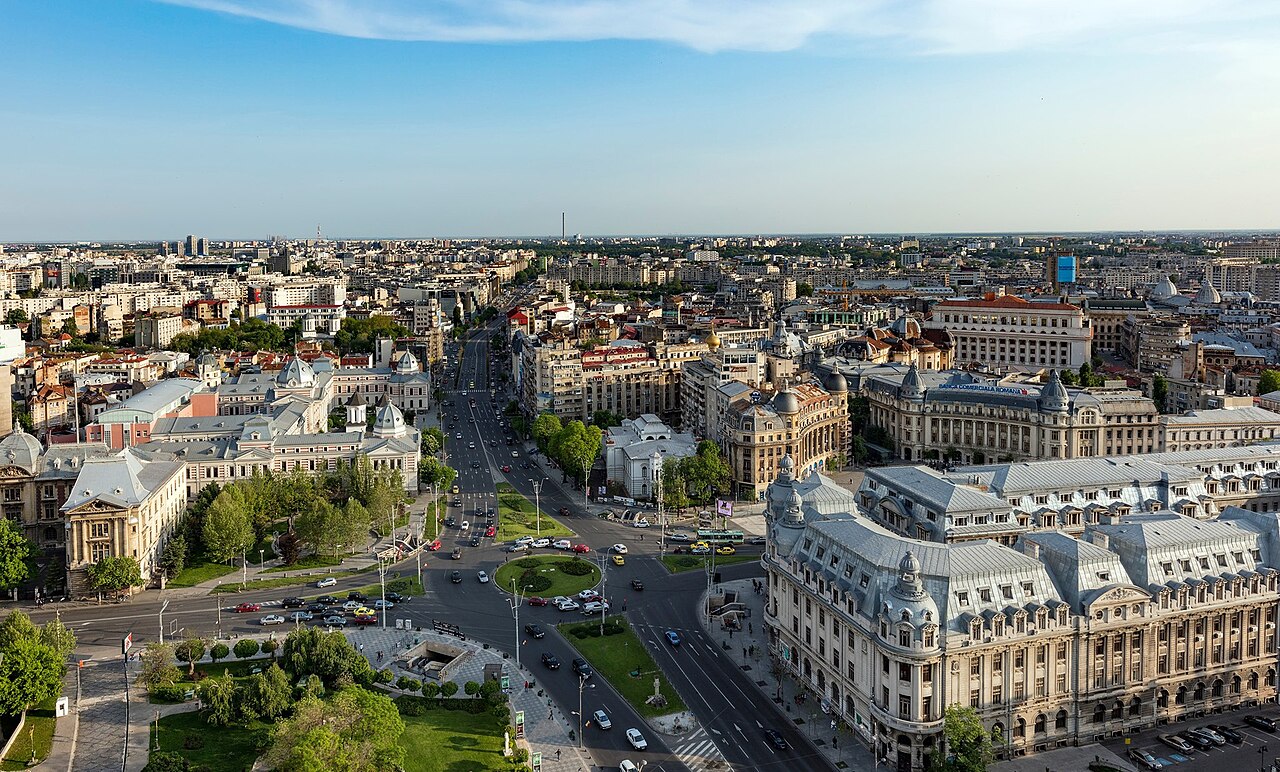
The capital and by far the largest city, with about 1.7 million people in the city itself. It lies on the Dâmbovița river in the south-east, and its elegant boulevards once earned it the nickname Little Paris.
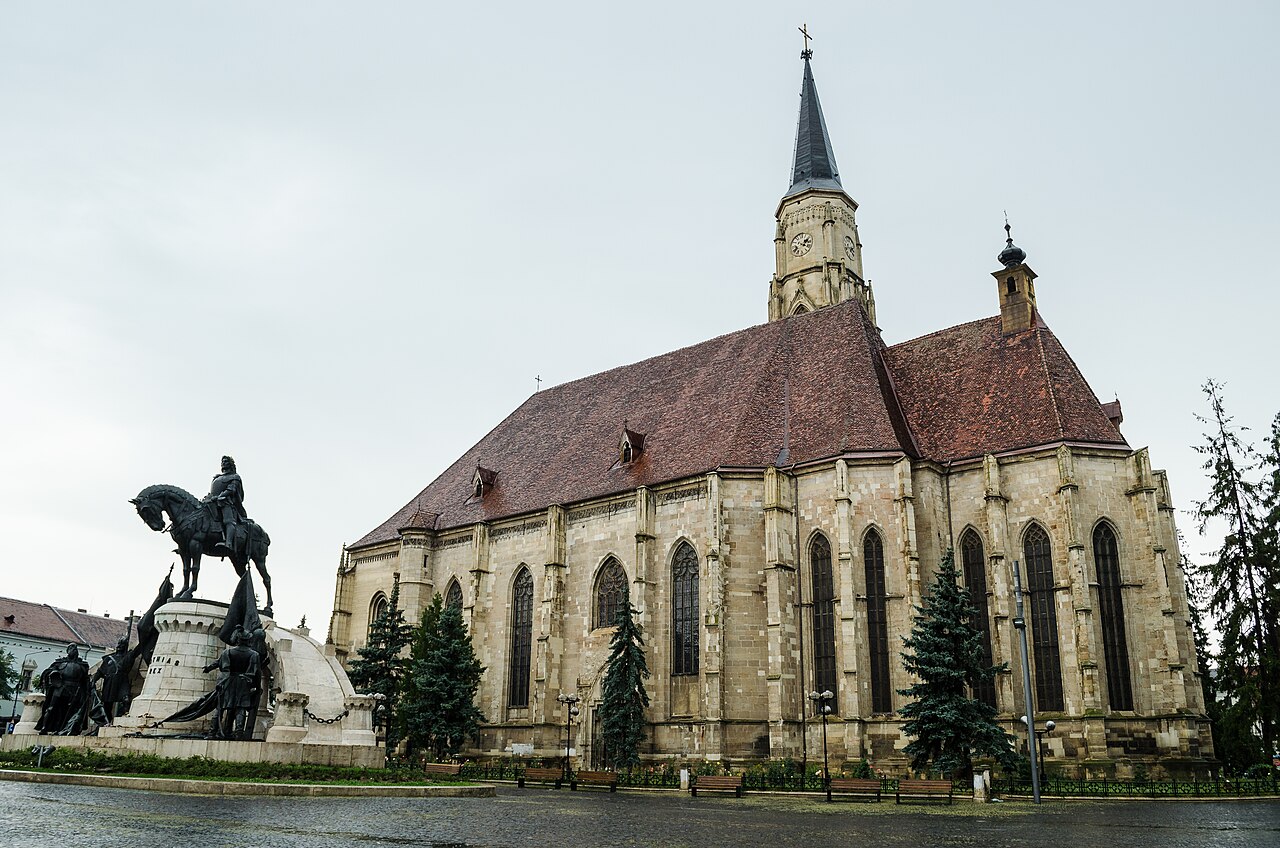
The second-largest city at the 2021 census and the unofficial capital of Transylvania, in the valley of the Someșul Mic river. It is a lively university town and a centre of business and culture.
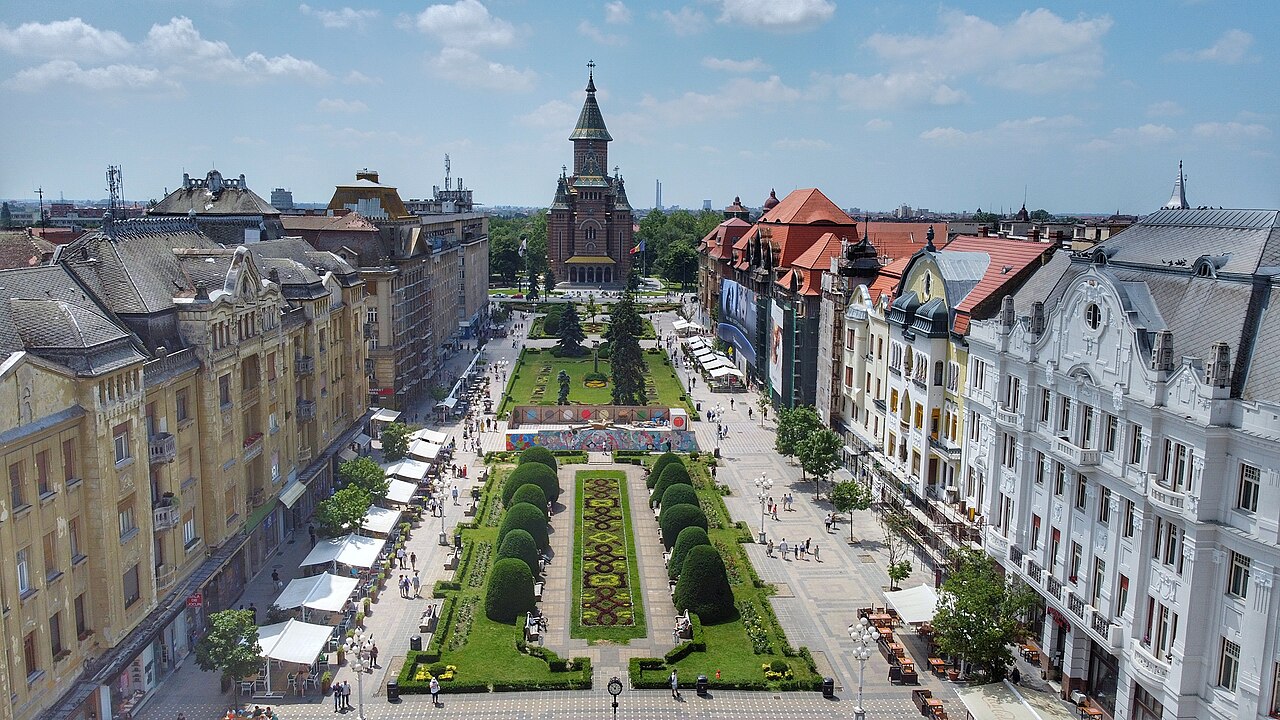
The main city of the west, on the Bega river, long home to Romanians, Germans, Hungarians and Jews. Its many parks earned it the nickname City of Roses.
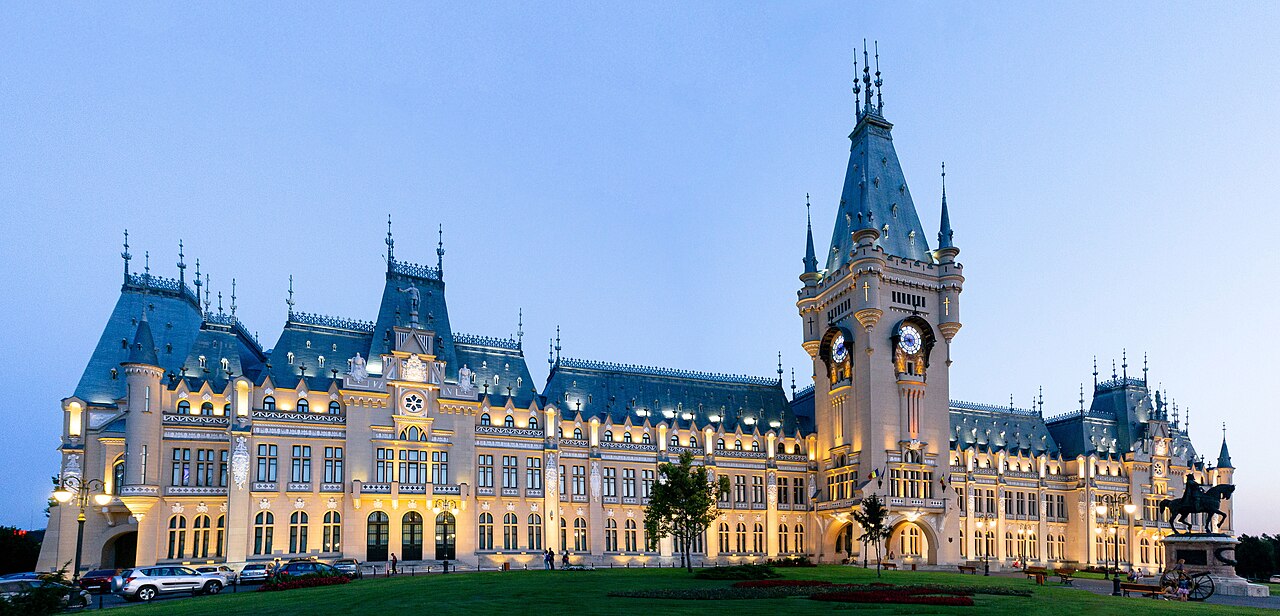
The capital of the Principality of Moldavia from 1564 to 1859 and of Romania during part of the First World War. It is still the leading city of the north-east and a centre of learning and the arts.
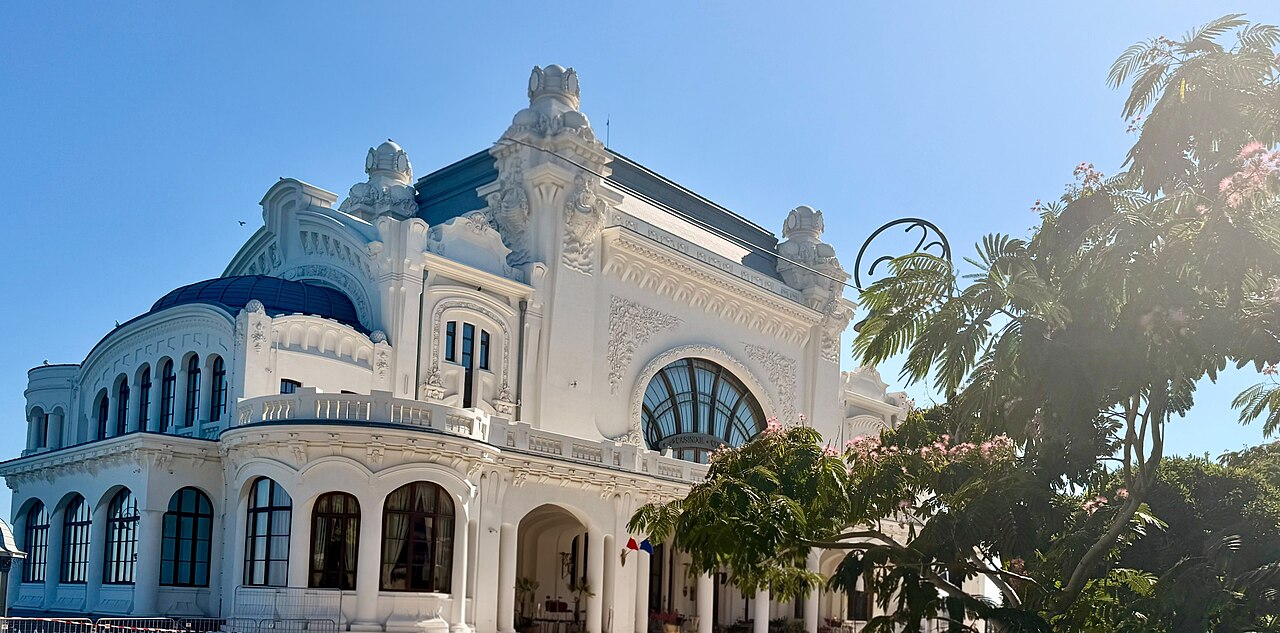
Romania's main port, on the Black Sea. It grew from Tomis, a Greek colony founded in the 6th century BC, and its port is the largest on the Black Sea.
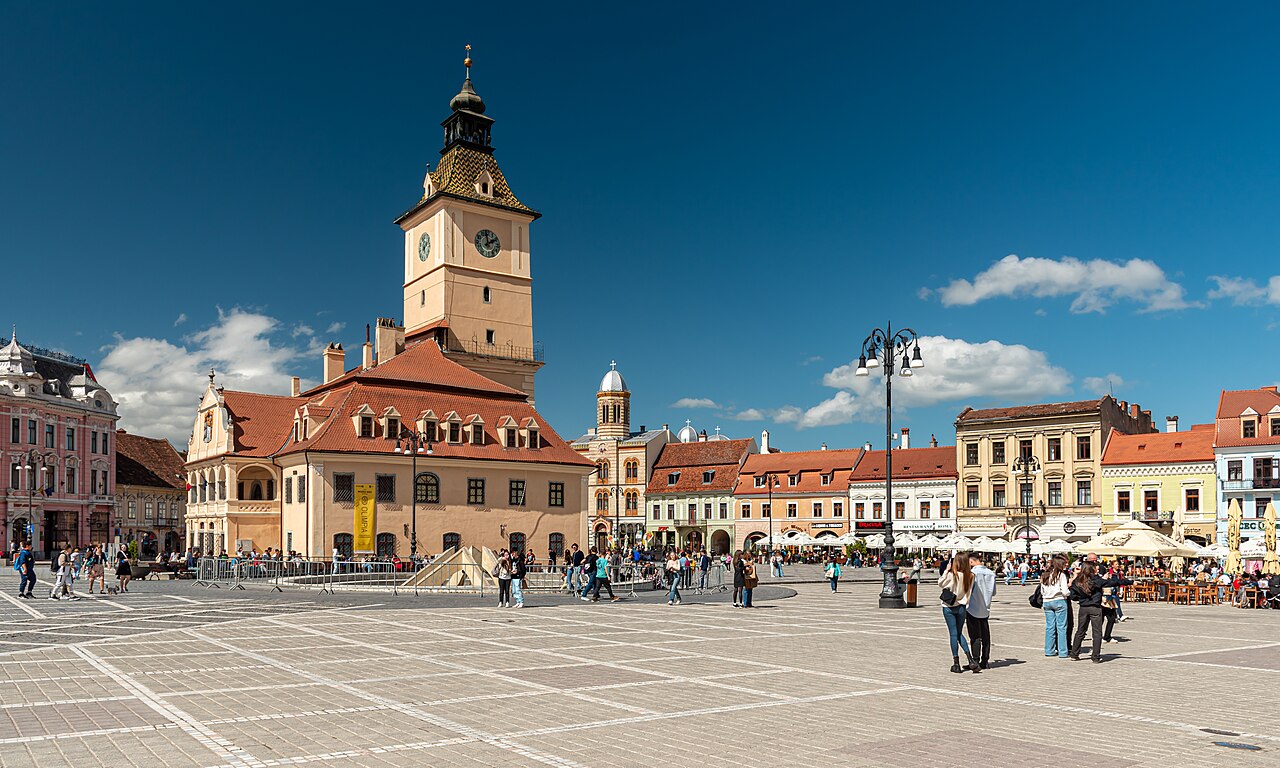
A medieval Saxon trading town in a ring of Carpathian mountains, about 166 km north of Bucharest. Its German name is Kronstadt, and its old centre lies below Tâmpa hill.
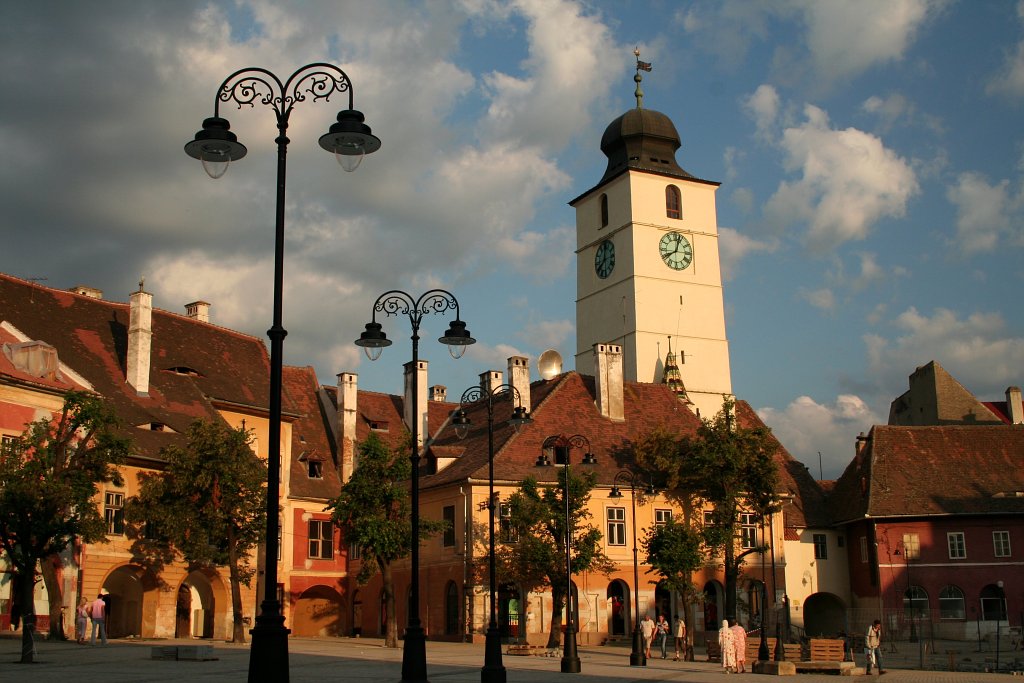
A Saxon town near the geographical centre of Romania, known in German as Hermannstadt. It lies about 20 km from the Făgăraș Mountains and was European Capital of Culture in 2007.
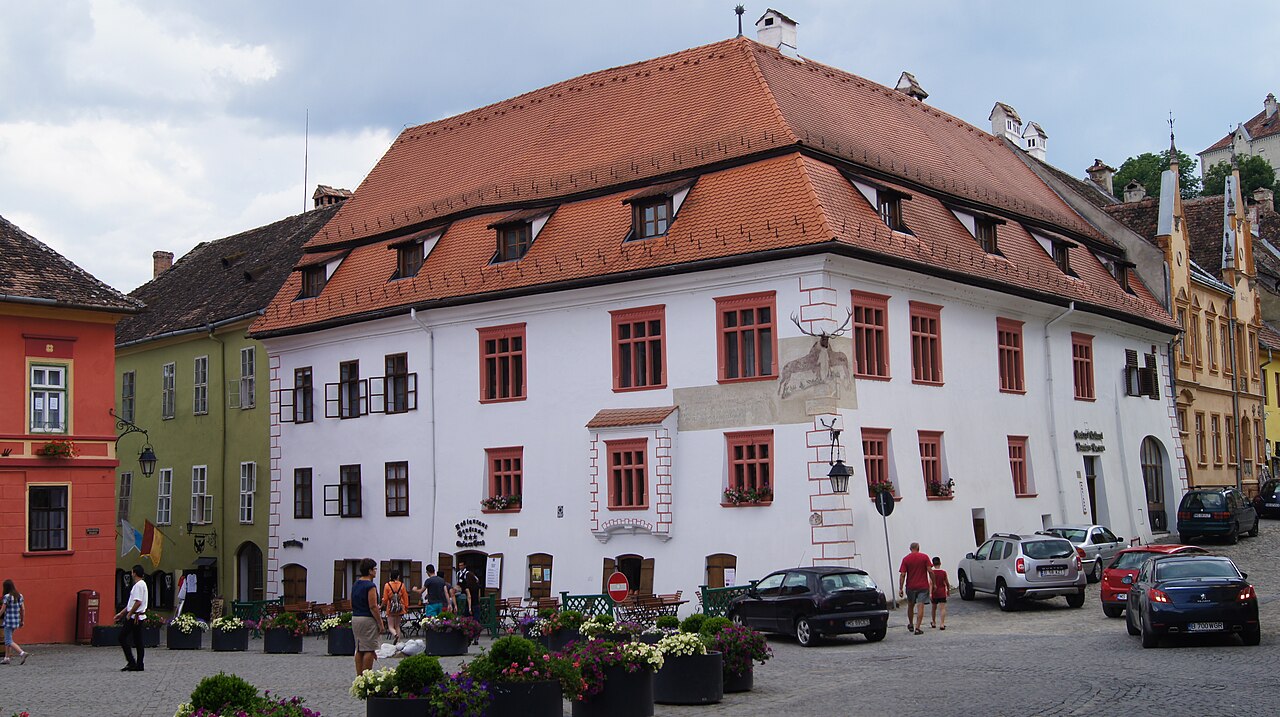
A small town of about 24,000 people on the Târnava Mare river, whose well-preserved medieval citadel has been a UNESCO World Heritage Site since 1999.
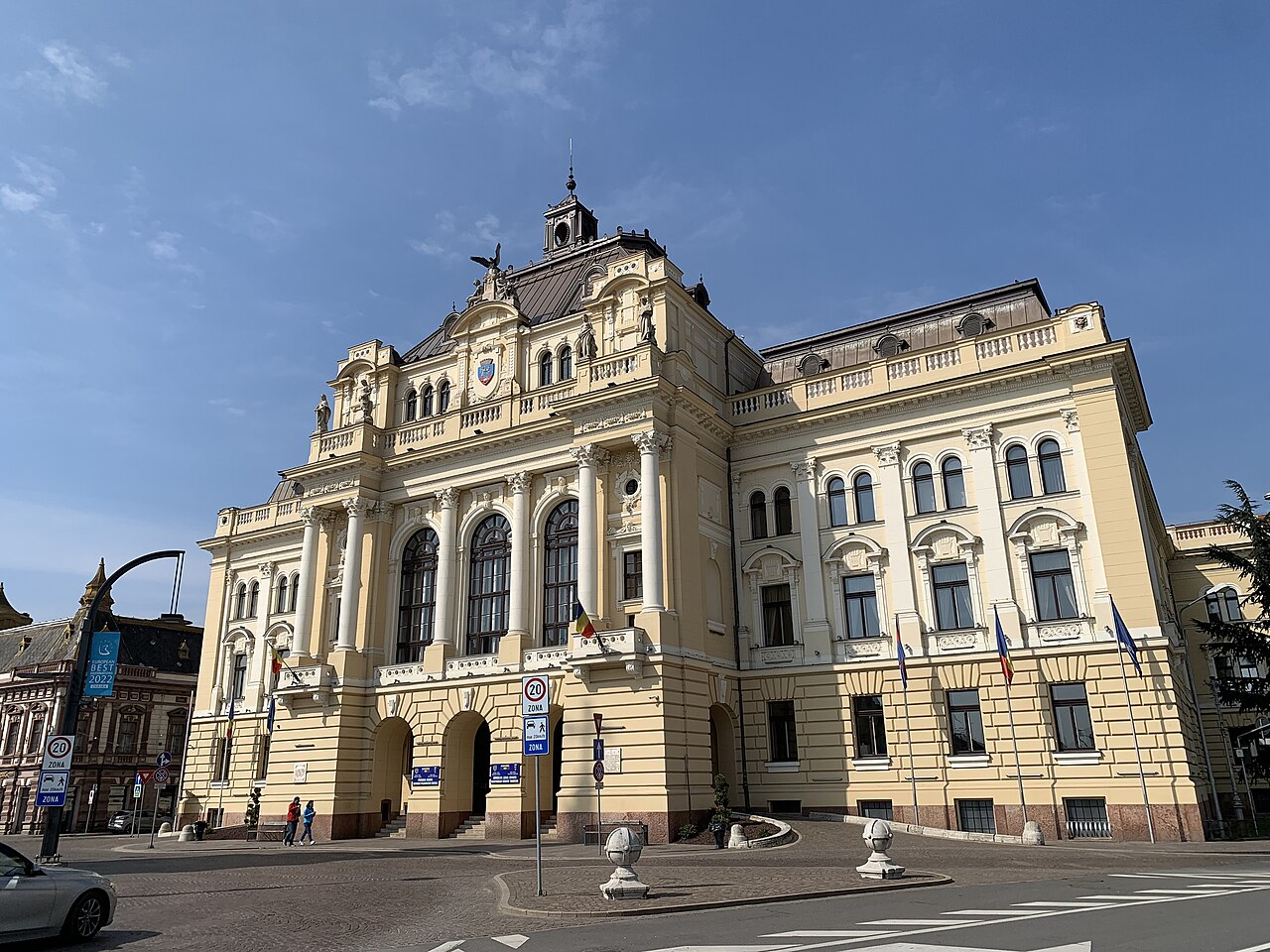
A city on both banks of the Crișul Repede river, about 10 km from the Hungarian border, between the Apuseni Mountains and the western plain.
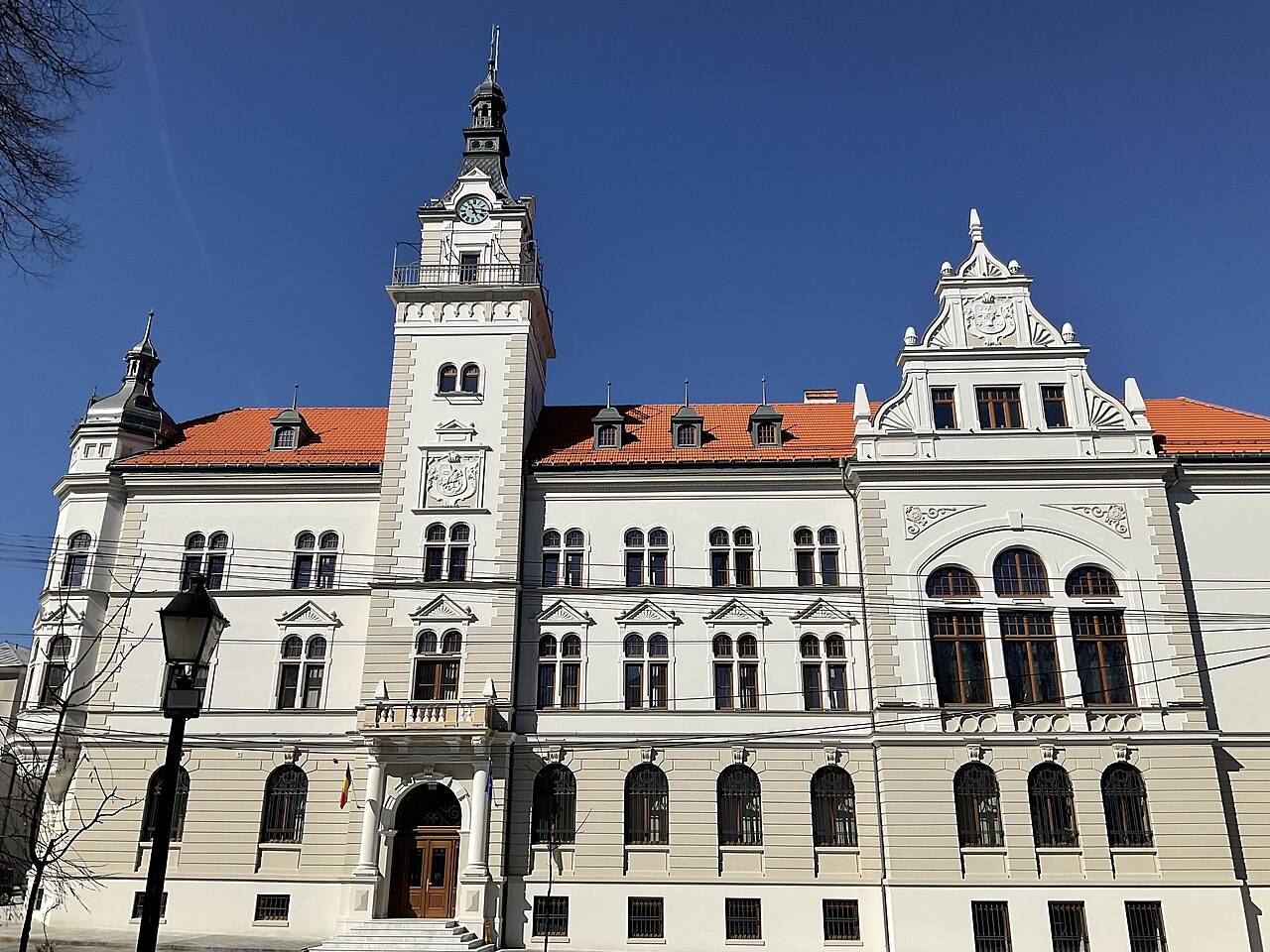
The capital of the Principality of Moldavia from 1388 to 1564, in the far north-east. Today it is the gateway to the painted monasteries of Bukovina.
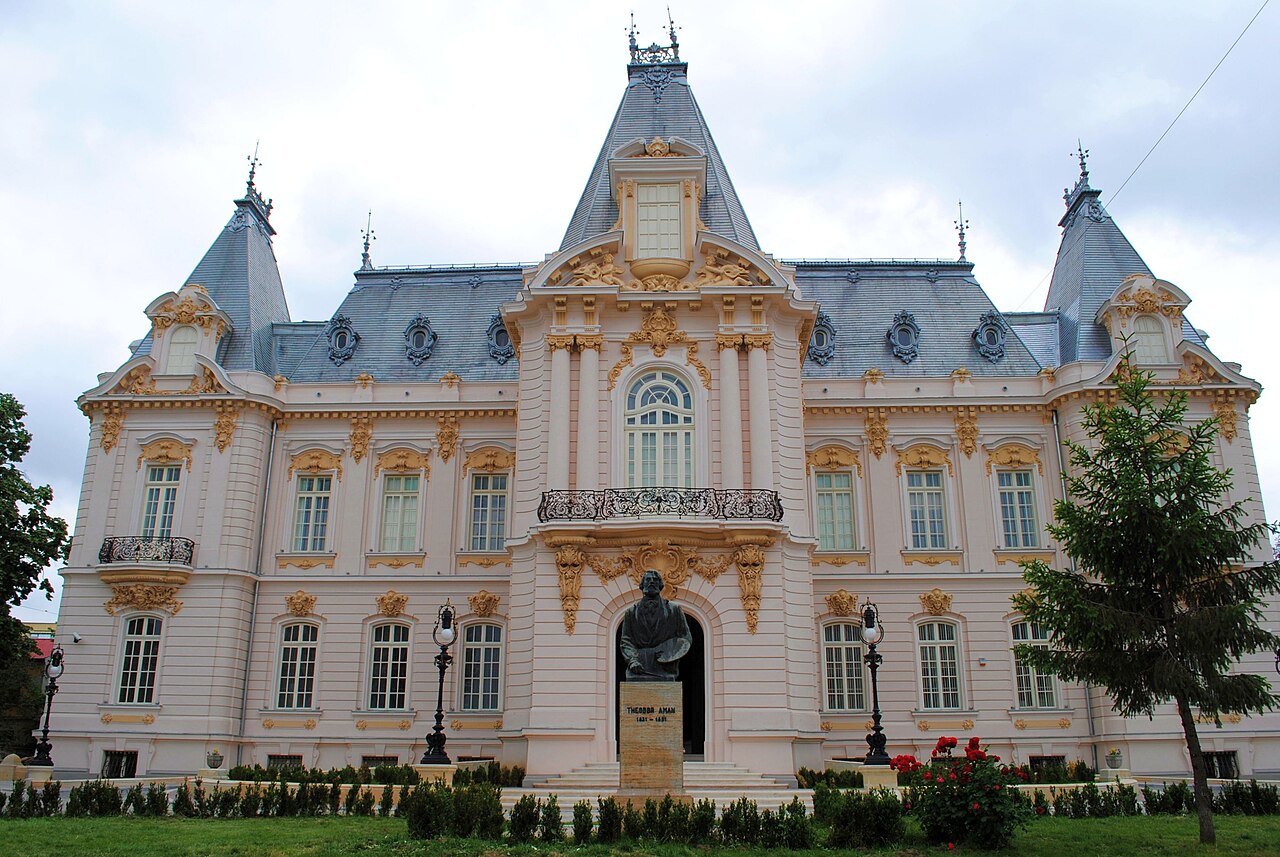
The largest city of south-western Romania and the main city of Oltenia, near the Jiu river, halfway between the Carpathians and the Danube.
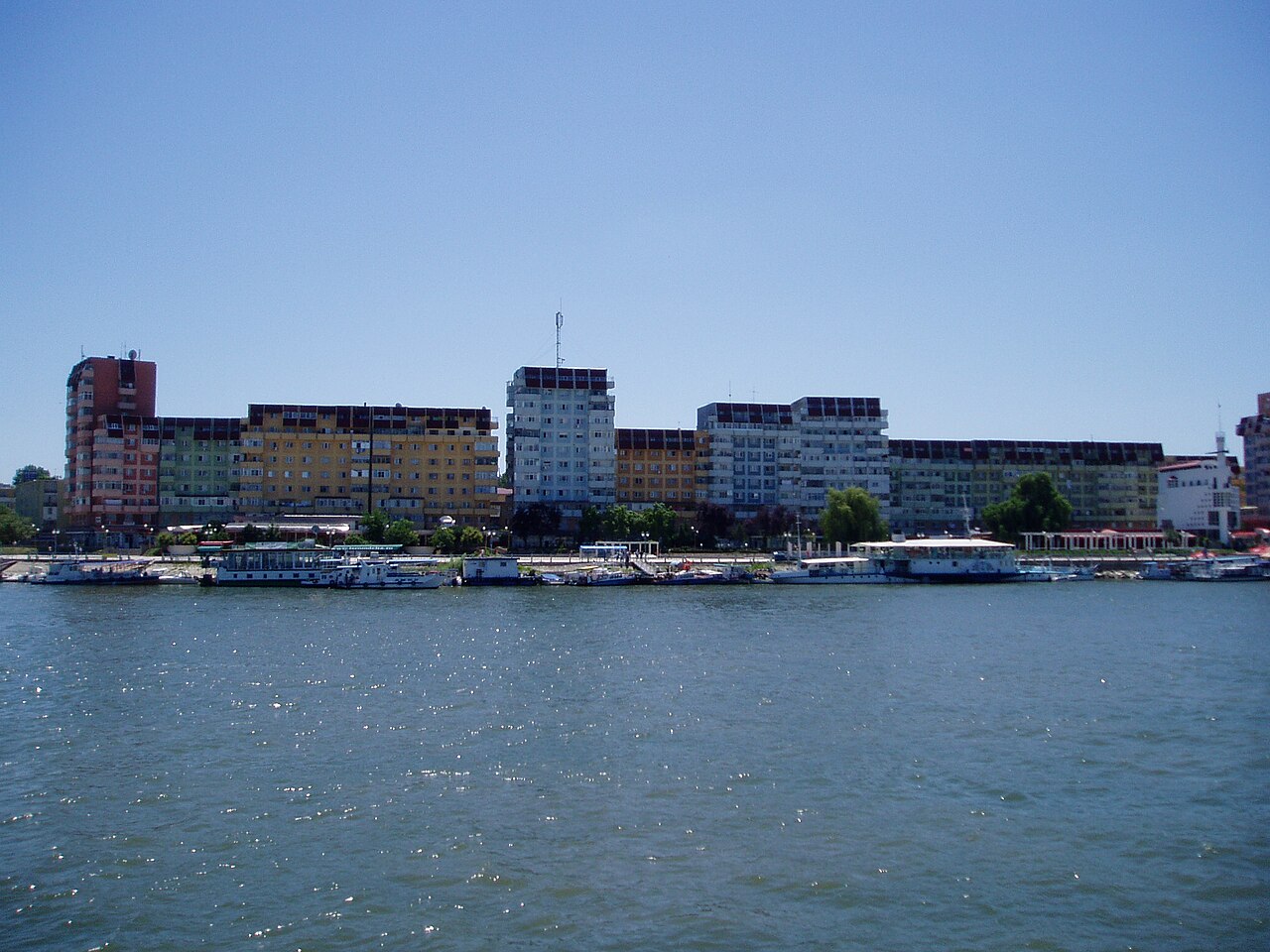
A port town of about 66,000 people on the Danube, the seat of Tulcea County, where most of the Danube Delta lies.
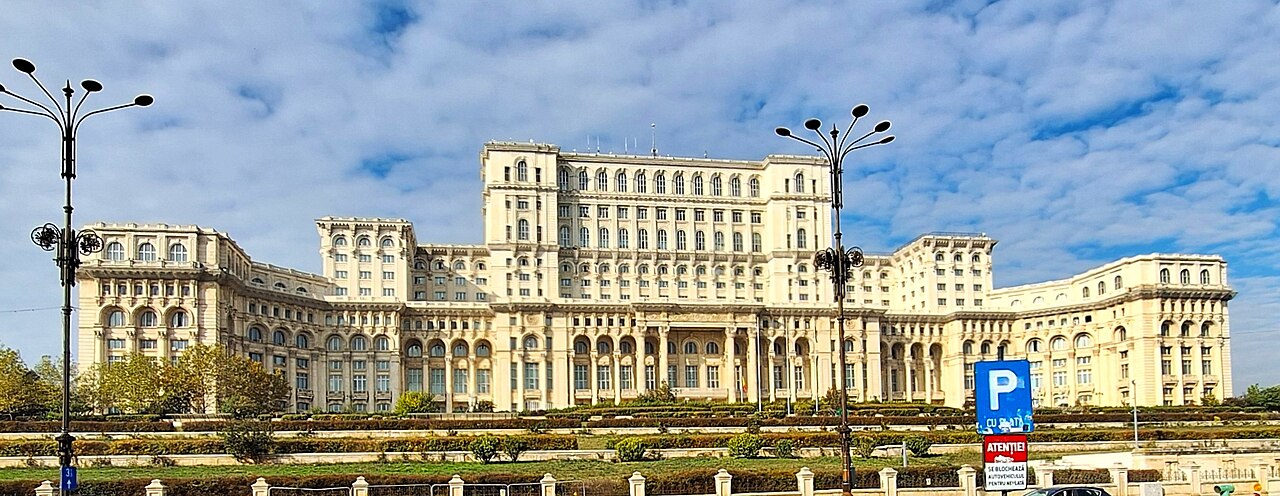
A colossal building ordered by the communist leader Nicolae Ceaușescu and built from 1984 to 1997. It houses both chambers of Romania's parliament, yet about 70% of it stands empty. It is often described as the heaviest building in the world.
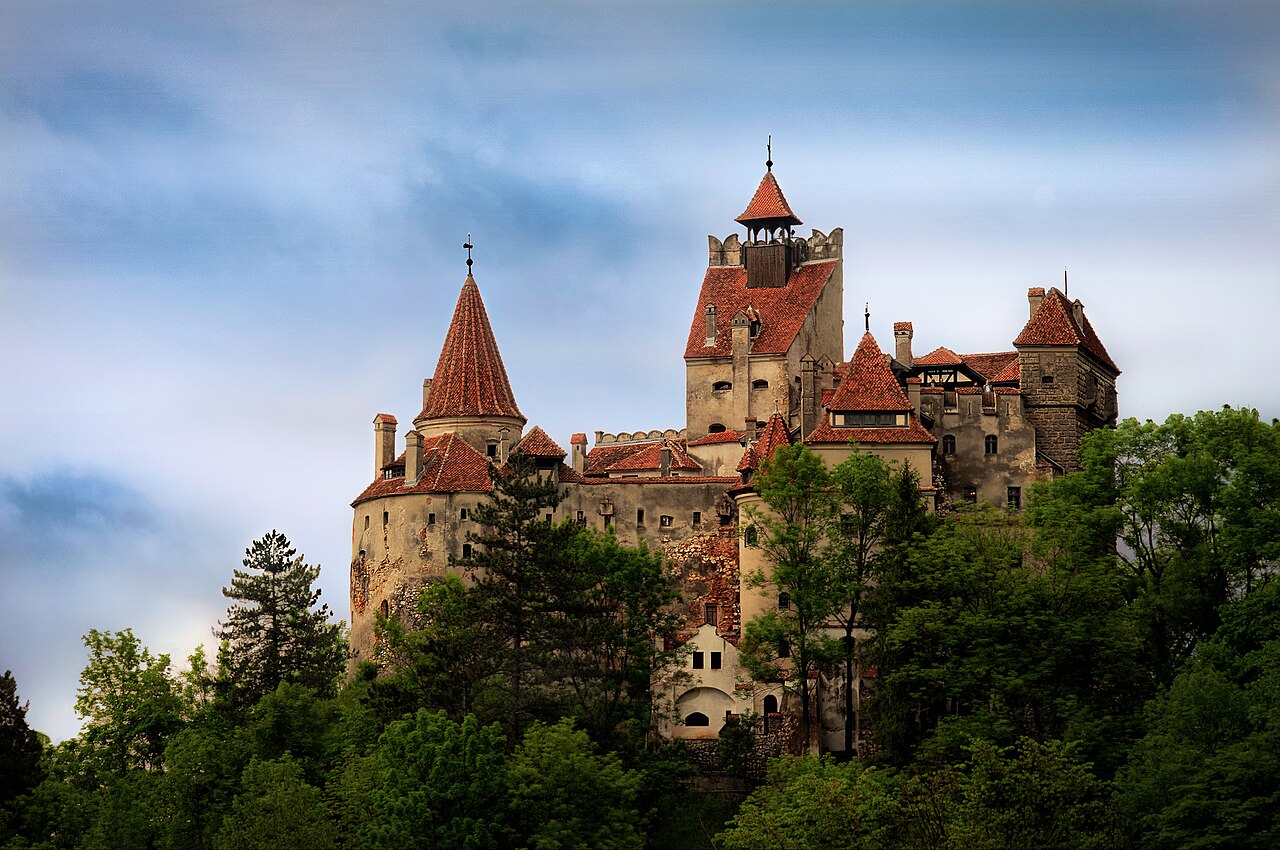
A castle on a rock above the old road between Transylvania and Wallachia, 25 km south-west of Brașov, built by Saxons in 1377. It is marketed as Dracula's Castle, although there is no evidence that Bram Stoker knew about it. Inside is Queen Marie's collection of art and furniture.
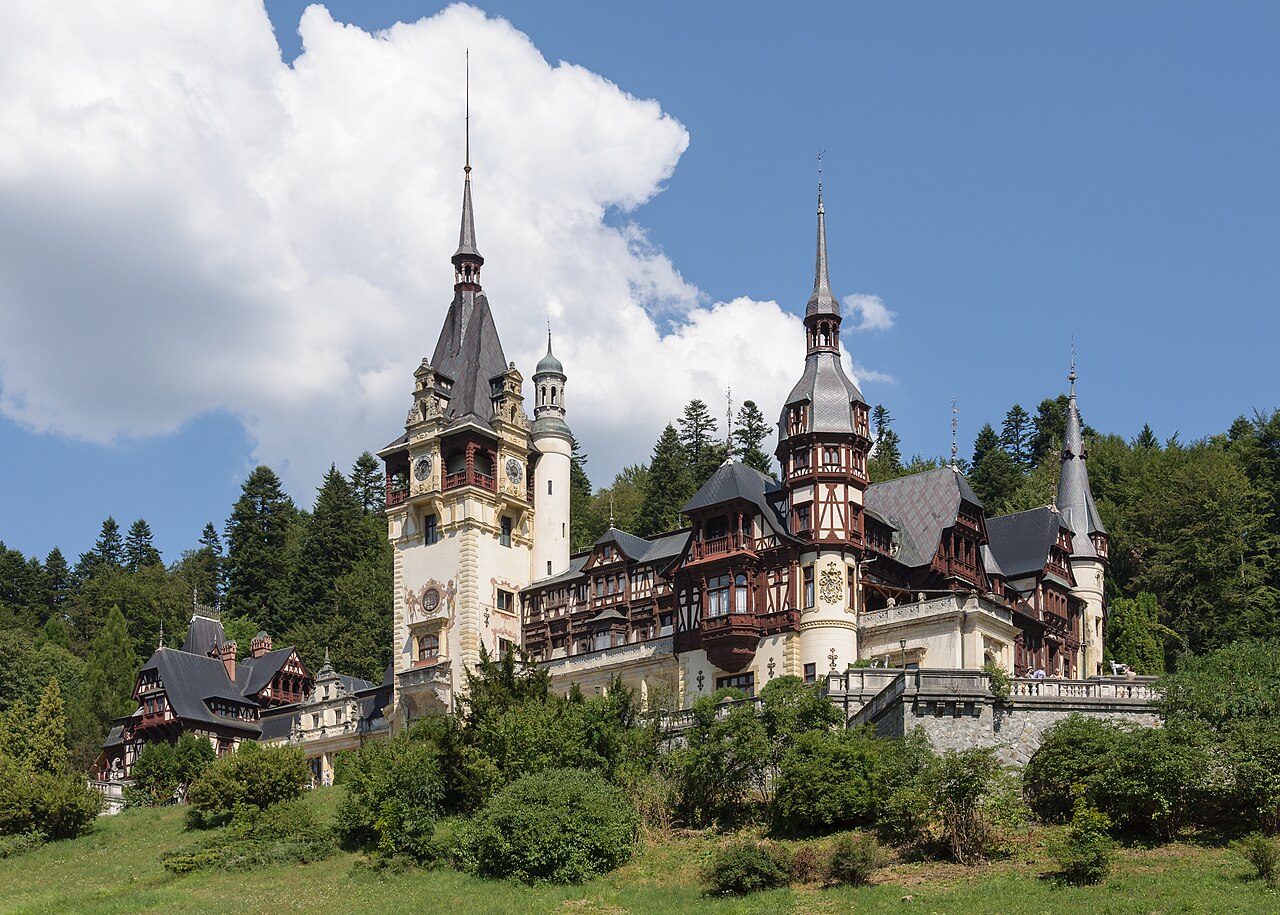
A fairy-tale Neo-Renaissance palace in the forest above Sinaia, about 48 km from Brașov, built between 1873 and 1914 for King Carol I. It was inaugurated in 1883 and is now a museum.
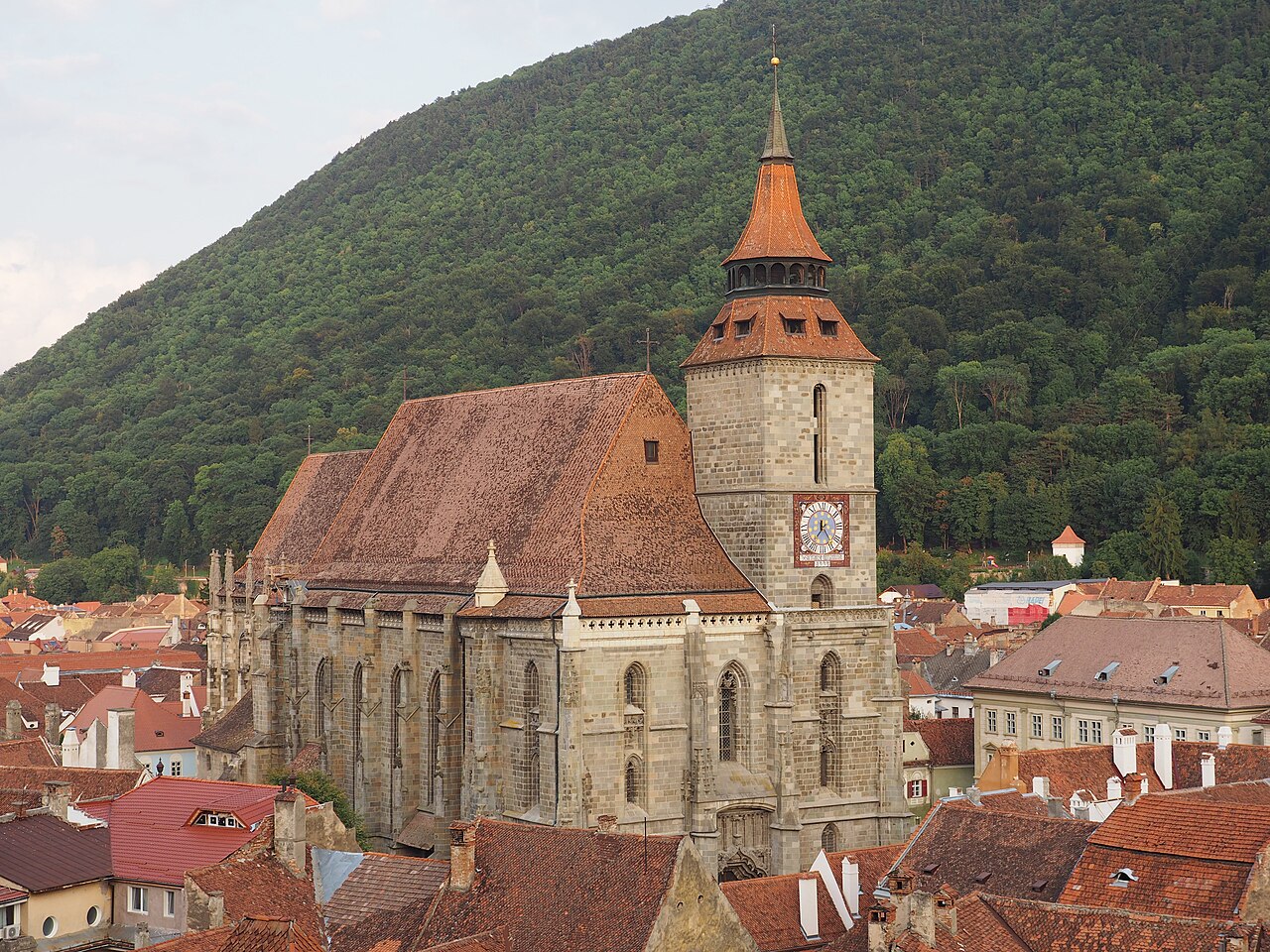
The most important Gothic monument in Romania, built by Brașov's Saxon community in the Middle Ages and still a working Lutheran church. The name 'Black Church' is thought to date only from the 19th century.
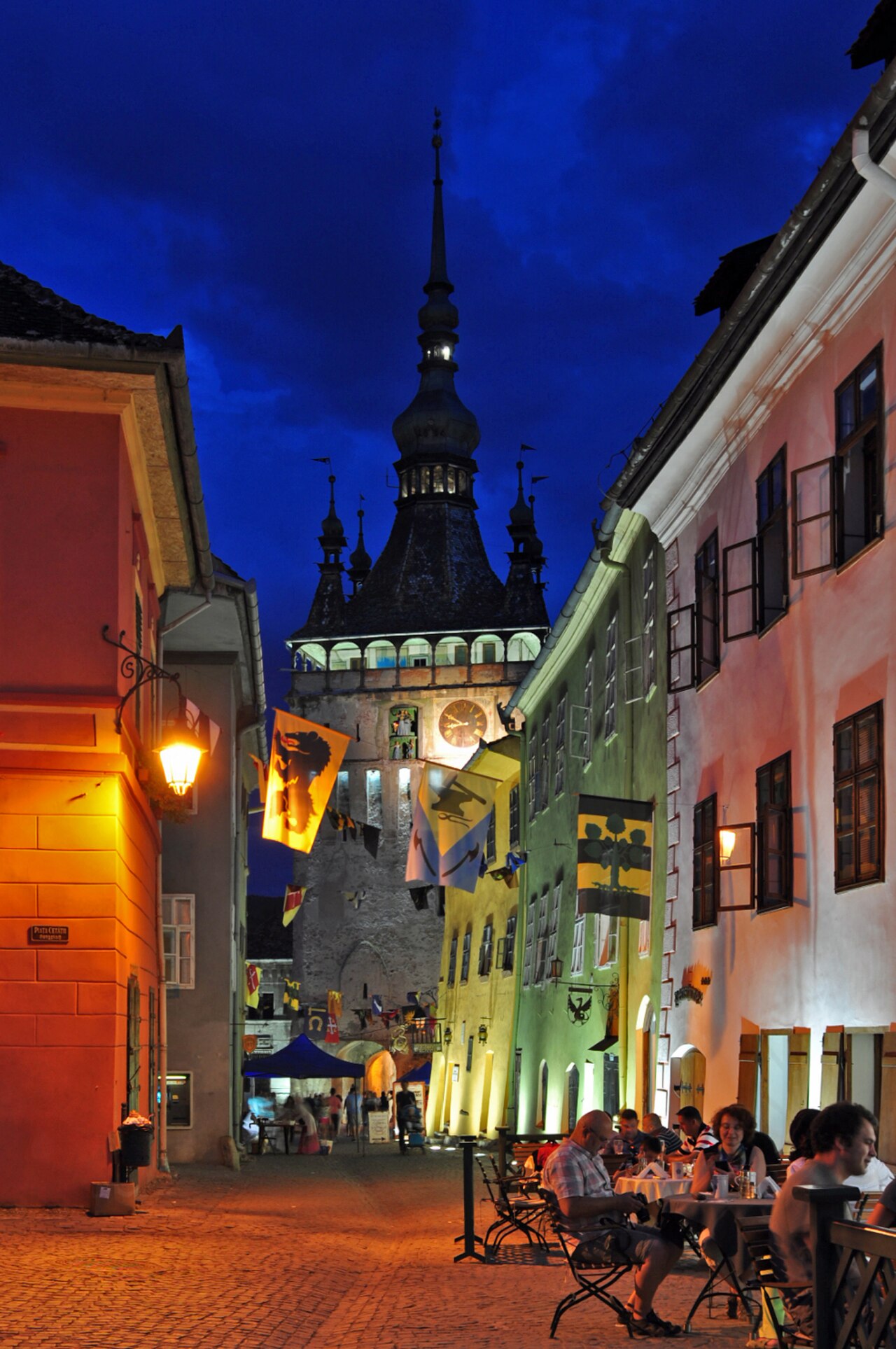
A lived-in medieval citadel founded by Saxon settlers, with walls built from the 14th to 17th centuries. Nine of its fourteen towers survive, each once looked after by a craft guild, and the 64-metre Clock Tower guards the main gate.
UNESCO World Heritage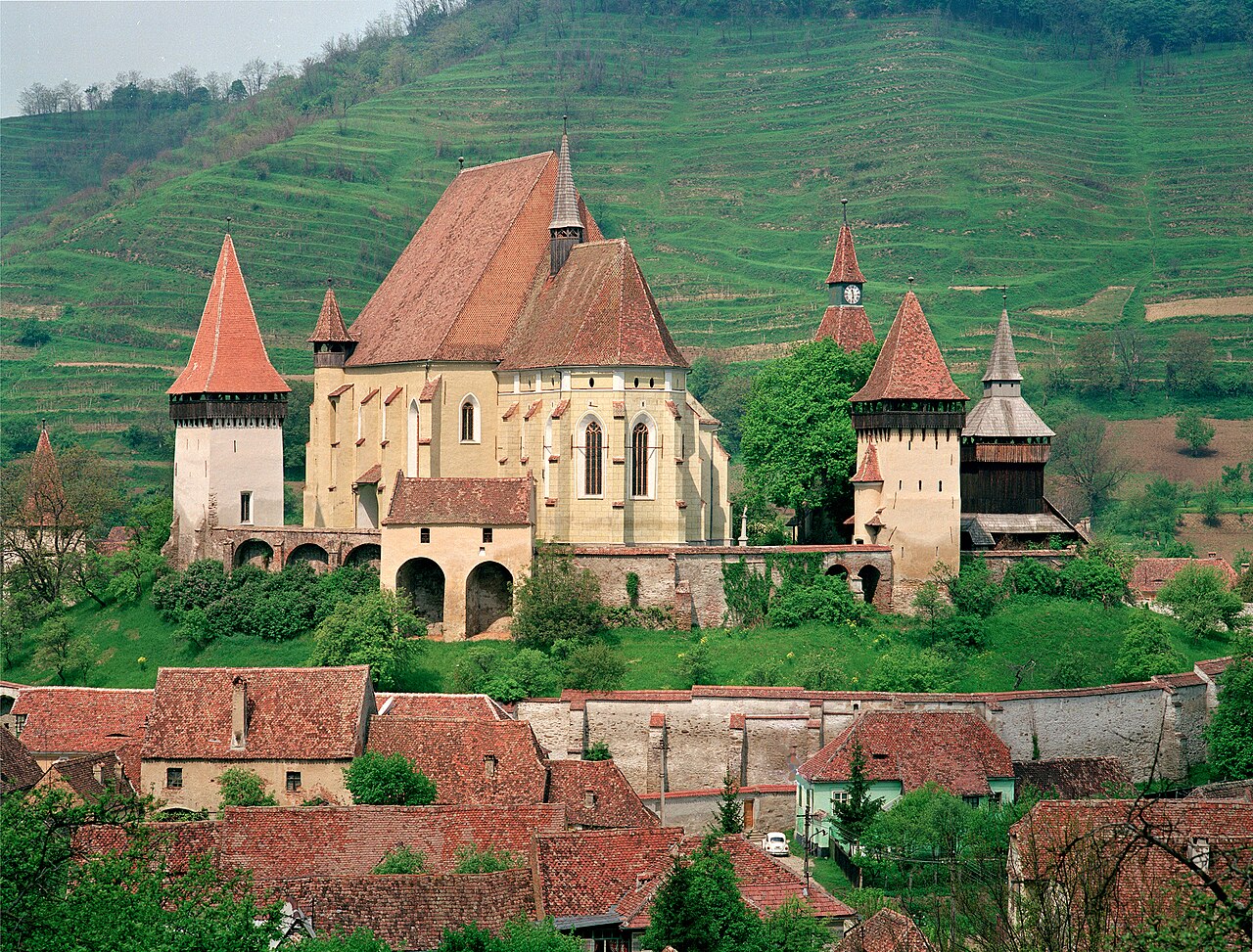
A church ringed by defensive walls and towers in a Saxon village, part of the UNESCO site Villages with Fortified Churches in Transylvania. It was the seat of the Lutheran bishop of Transylvania from 1572 to 1867.
UNESCO World Heritage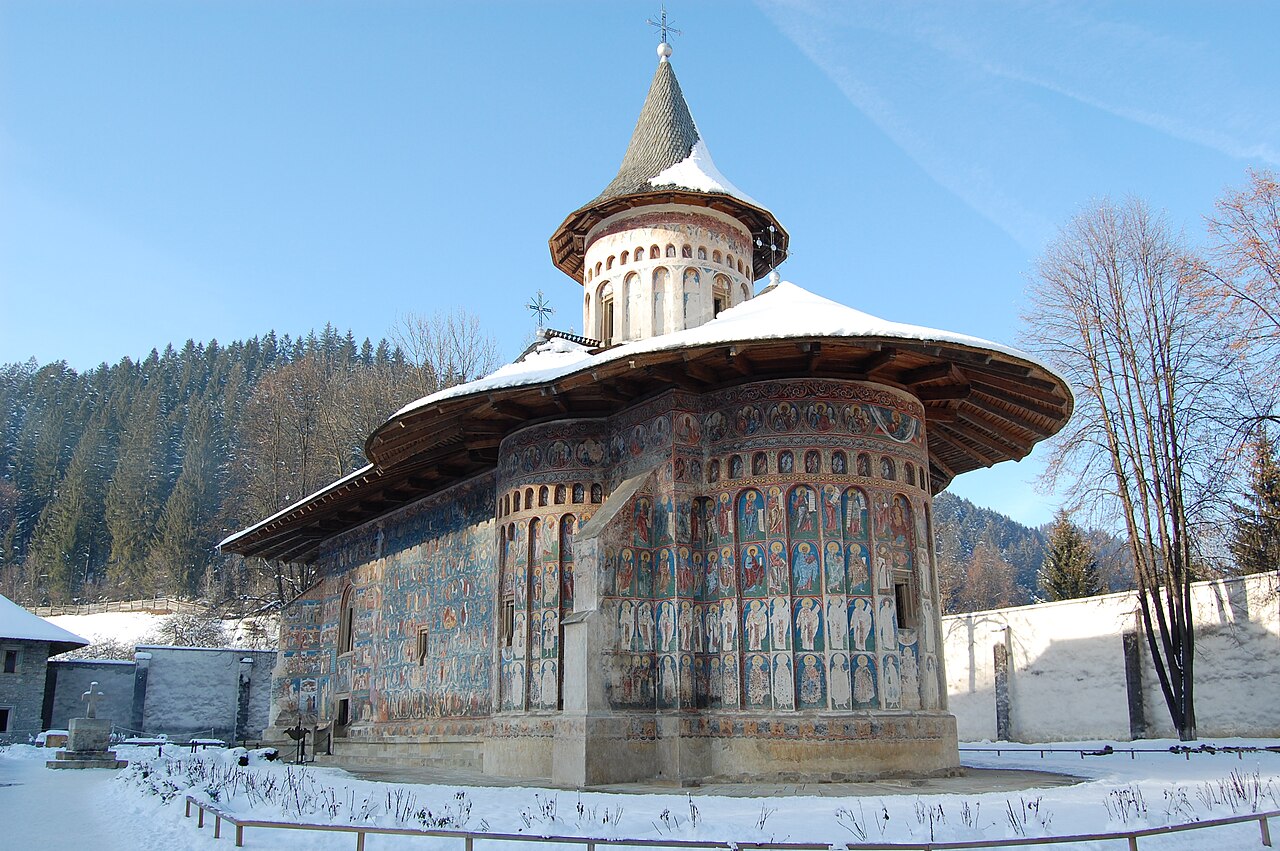
A church built by Stephen the Great in 1488 whose outside walls are covered in frescoes. Its intense background colour, 'Voroneț blue', has earned it the nickname Sistine Chapel of the East. It is one of the UNESCO-listed Churches of Moldavia.
UNESCO World Heritage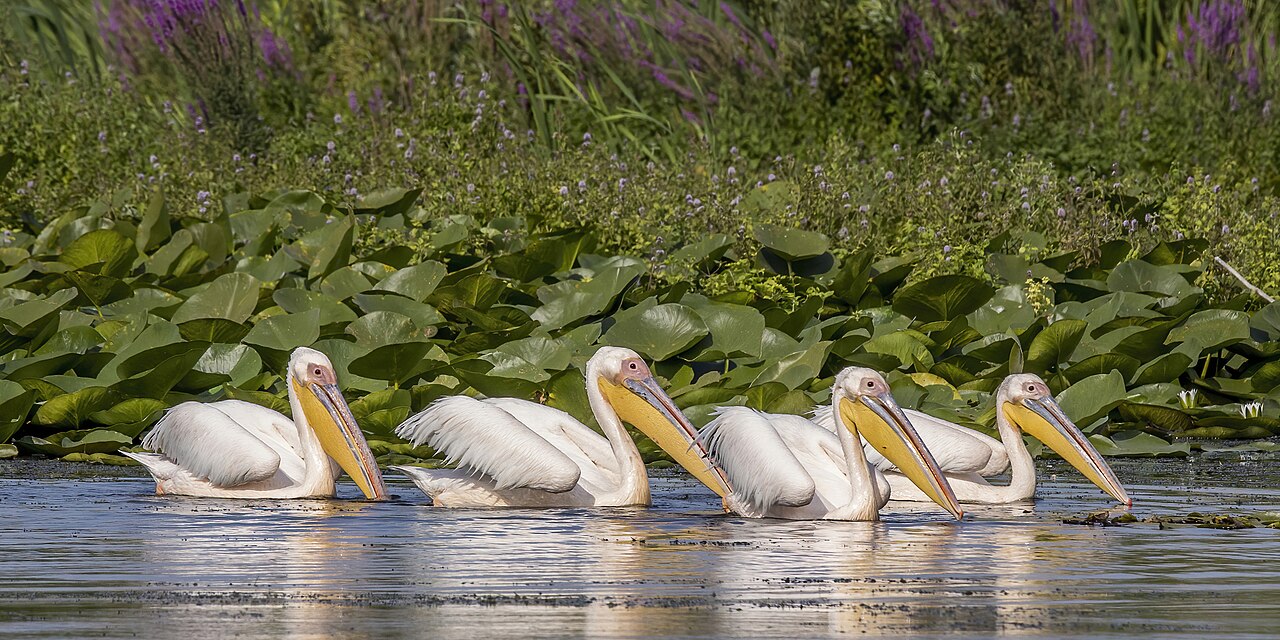
Where the Danube meets the Black Sea it splits into a maze of channels, reed beds and lakes. It is Europe's second-largest river delta after the Volga's, and most of it lies in Romania. The pin marks the delta east of Tulcea.
UNESCO World Heritage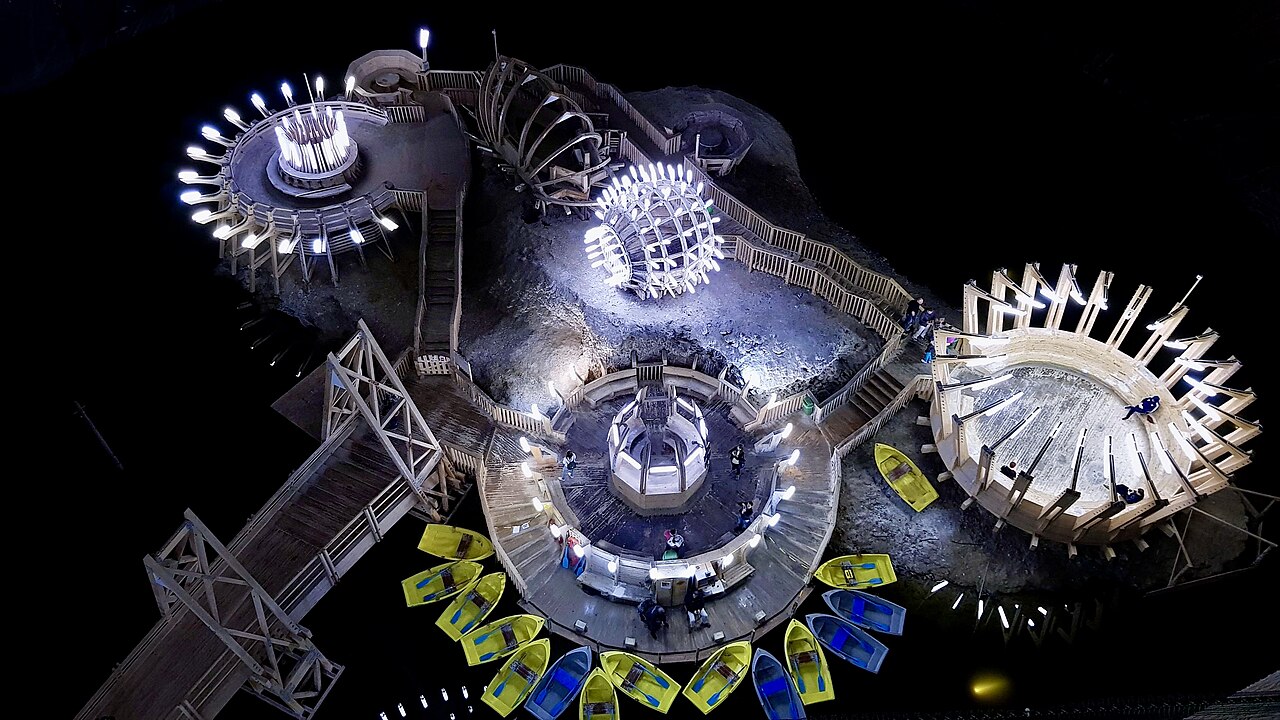
An old salt mine in the town of Turda, first recorded in 1271 and worked until 1932. It opened to visitors in 1992, and its vast underground halls were modernised and reopened in 2010.
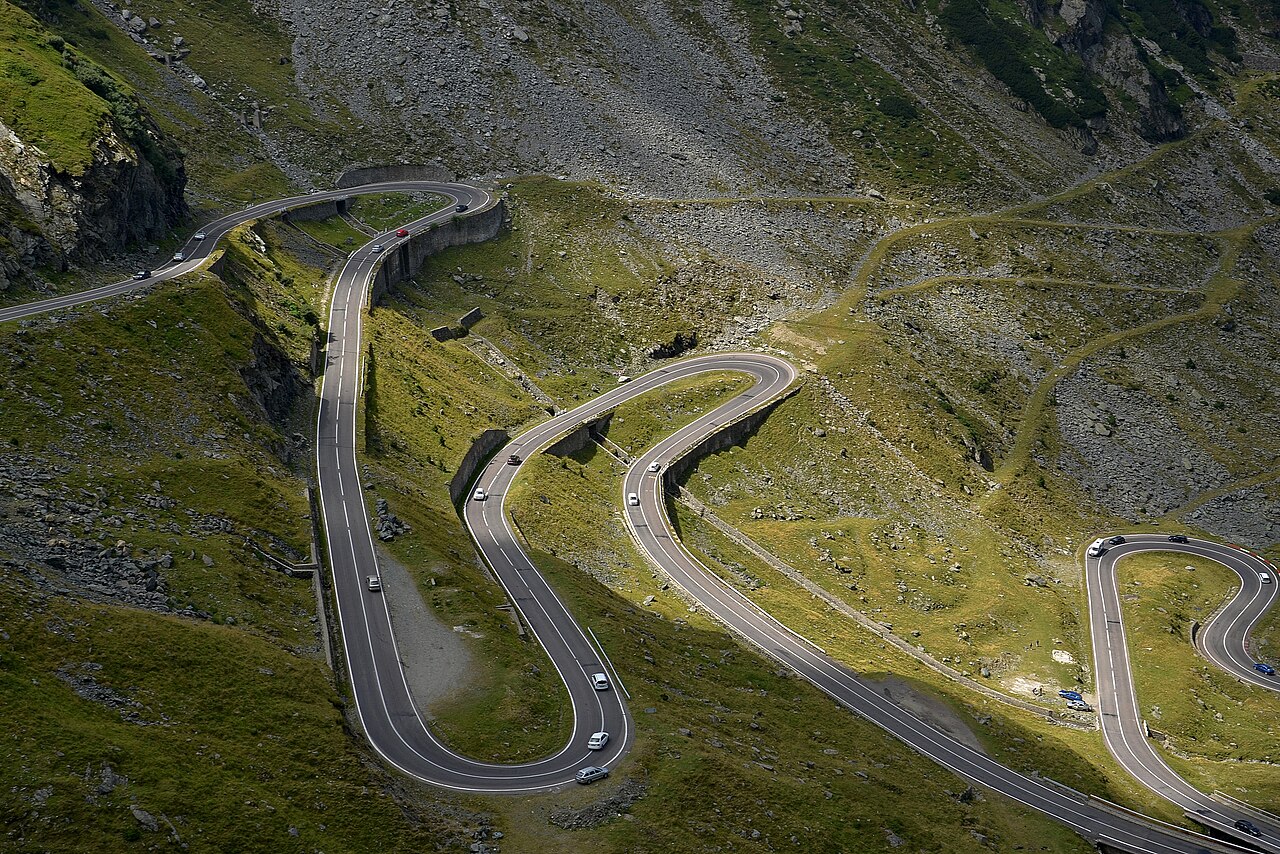
A mountain road built from 1970 to 1974 as a military route. Its 90 km mountain stretch climbs over the Făgăraș Mountains. It is usually closed by snow from late October to late June. The pin marks the road's high mountain section.
Bram Stoker, who wrote the novel Dracula (1897), never visited Eastern Europe. Bran Castle is marketed as Dracula's Castle, but there is no evidence that Stoker knew anything about it.
The real Vlad III of Wallachia, known as Vlad the Impaler or Vlad Dracula, ruled in the 15th century and fought the Ottomans. Many Romanians see him as a national hero, and Sighișoara is said to be his birthplace.
At the 1976 Olympic Games in Montreal, 14-year-old Nadia Comăneci became the first gymnast to be awarded a perfect score of 10.0 at the Olympics.
Romanian grew out of the Latin spoken in Roman Dacia, which makes it a Romance language, related to Italian, French, Spanish and Portuguese. It is the official language of both Romania and Moldova.
The name of the currency, leu, means lion. Romanian banknotes are made of polymer plastic rather than paper.
The sculptor Constantin Brâncuși, a pioneer of modern sculpture, was born in the village of Hobița in 1876. His Endless Column in Târgu Jiu is part of a UNESCO World Heritage Site.
On 1 March, Romanians give each other a mărțișor, a small token on a red and white string, to welcome spring. The custom is on the UNESCO list of Intangible Cultural Heritage.
In 1884 Timișoara became one of the first cities in Europe to light its streets with electric lamps.
As of September 2026, Romania has 11 UNESCO World Heritage Sites, among them the painted Churches of Moldavia, the wooden churches of Maramureș and the Danube Delta.
The Palace of the Parliament in Bucharest is often called the heaviest building in the world, at about 4 million tonnes, and it is one of the largest administrative buildings anywhere.
In 2009 the British TV show Top Gear drove the Transfăgărășan, and presenter Jeremy Clarkson called it 'the best road in the world'.
In the village of Săpânța, the Merry Cemetery has brightly painted wooden crosses with pictures and funny, poetic verses about the people buried there.
Bones found in Peștera cu Oase, the Cave with Bones in south-western Romania, belong to some of the oldest early modern humans found in Europe, between about 42,000 and 37,000 years old.
Romania has one of the largest populations of wild brown bears in Europe. In towns near the mountains, such as Brașov, bears sometimes wander into neighbourhoods looking for food.
Pronunciation is written the way it sounds; the capital letters show where the stress goes. Audio is coming soon.
As of September 2026 Romania still uses its own currency, the leu (plural lei), not the euro. Paying in euros usually means a poor rate or a refusal. Cards work in cities, hotels and big shops, but carry some cash for markets, villages and small cafés.
A tip of about 5 to 10% is usual in restaurants and cafés, and people often round up for taxis and hairdressers.
Licensed taxis show their price per kilometre on the door. Some drivers overcharge visitors, especially at airports and stations, so check the posted price or use a taxi app.
To drive on national roads you need a road toll sticker, the 'rovinietă', sold online, at borders and at most petrol stations. Romania has zero tolerance for drink-driving, and winter tyres are needed when there is snow or ice on the road.
Romania has one of the largest brown bear populations in Europe. In the mountains and even on the edge of towns like Brașov, never approach or feed a bear. Back away slowly and follow local warnings.
The high Transfăgărășan road is usually closed by snow from late October until late June. Check before you plan a drive over the mountains.
Romania is in the Schengen area. Travellers from countries such as the UK can stay without a visa for up to 90 days in any 180-day period. Keep your passport with you: it is checked at land borders with Bulgaria and Hungary.
Call 112 for police, ambulance or fire anywhere in Romania.