 Austria
 France
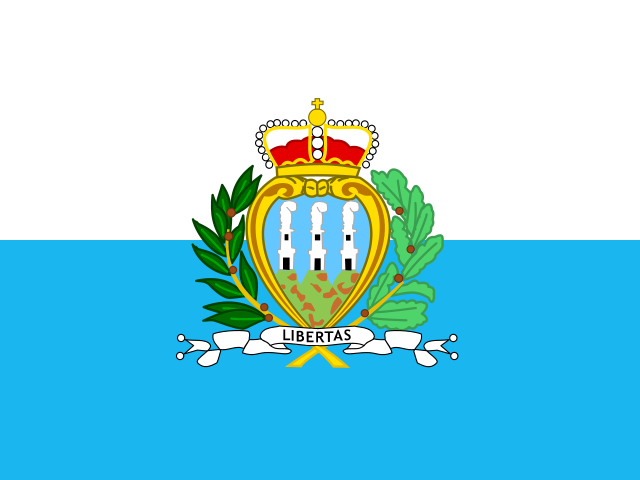 San Marino
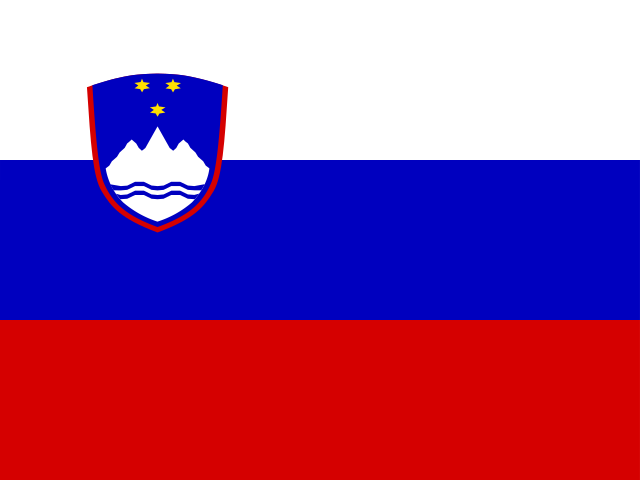 Slovenia
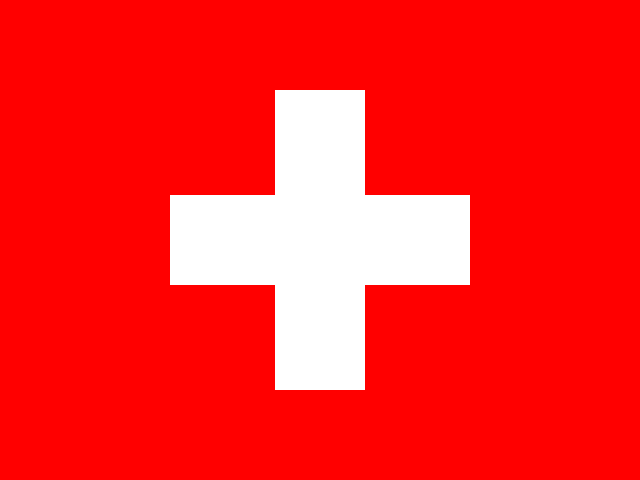 Switzerland
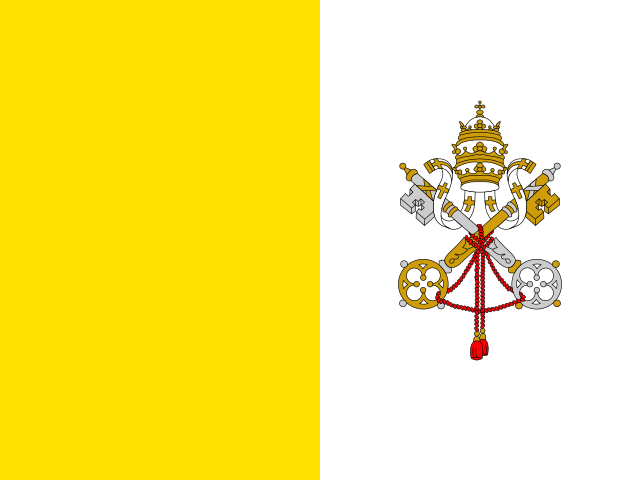 Vatican City
Legendary founding of Rome
According to legend, the twins Romulus and Remus founded Rome on 21 April 753 BC. Romans later counted their years from this date.
A free large-print PDF. Choose what goes in: facts, map, history, dishes and recipes, phrases, fun facts, a quiz with or without answers. Made for clubs, care homes, libraries and family afternoons.
Italy stretches from the snowy Alps in the north deep into the Mediterranean Sea, with the large islands of Sicily and Sardinia off its coast. On a map, the mainland looks like a tall boot kicking a ball, and that ball is Sicily.
For centuries Rome ruled an empire around the Mediterranean, and much later Florence, Venice and other Italian cities gave the world the Renaissance: the art of Leonardo da Vinci, Michelangelo and Raphael, and a new way of looking at science and beauty.
Today Italy is a republic of about 59 million people, famous for its food, fashion, cars, opera and a way of life that takes meals, family and conversation very seriously.
Italy is one of the oldest centres of European civilisation, but one of its youngest nations: the country we know today was only united in the 1800s.
According to legend, the twins Romulus and Remus founded Rome on 21 April 753 BC. Romans later counted their years from this date.
Romans drove out their last king and set up a republic, ruled by elected officials and the Senate.
After years of civil war, Octavian took the name Augustus and became the first Roman emperor. The empire would last in the west for about 500 years.
The volcano Vesuvius erupted and buried the Roman towns of Pompeii and Herculaneum under ash, preserving them almost frozen in time.
The last emperor in the west, Romulus Augustulus, was removed from power. Over the following centuries Italy broke up into many kingdoms, duchies and city-states.
In Florence, Filippo Brunelleschi finished the huge dome of the cathedral, an engineering wonder and a symbol of the Renaissance.
Christopher Columbus, a sailor from Genoa, reached the Caribbean while sailing for the Spanish crown.
After four years of work, Michelangelo completed his famous ceiling frescoes in the Sistine Chapel in the Vatican.
After the wars of the Risorgimento, led by figures such as Garibaldi and Cavour, most of the peninsula was united under King Victor Emmanuel II. Turin was the first capital.
After Florence served as capital for a few years, the capital moved to Rome, which had joined the kingdom in 1870.
Benito Mussolini and his Fascist party took power after the March on Rome. His dictatorship led Italy into the Second World War.
In a referendum on 2 June 1946, Italians voted to end the monarchy. 2 June is still a national holiday, Republic Day.
Italy and five other countries signed the Treaty of Rome, creating the European Economic Community, which grew into today's European Union.
The Summer Olympics came to Rome, with some events held among ancient ruins.
Euro notes and coins replaced the Italian lira, which had been used since the country was united.
Italian food is really many regional kitchens. The north cooks more with butter, rice and polenta, the south with olive oil, tomatoes and dried pasta. A traditional meal goes antipasto (starter), primo (pasta, rice or soup), secondo (meat or fish) with a contorno (side dish), and finally dolce (dessert).
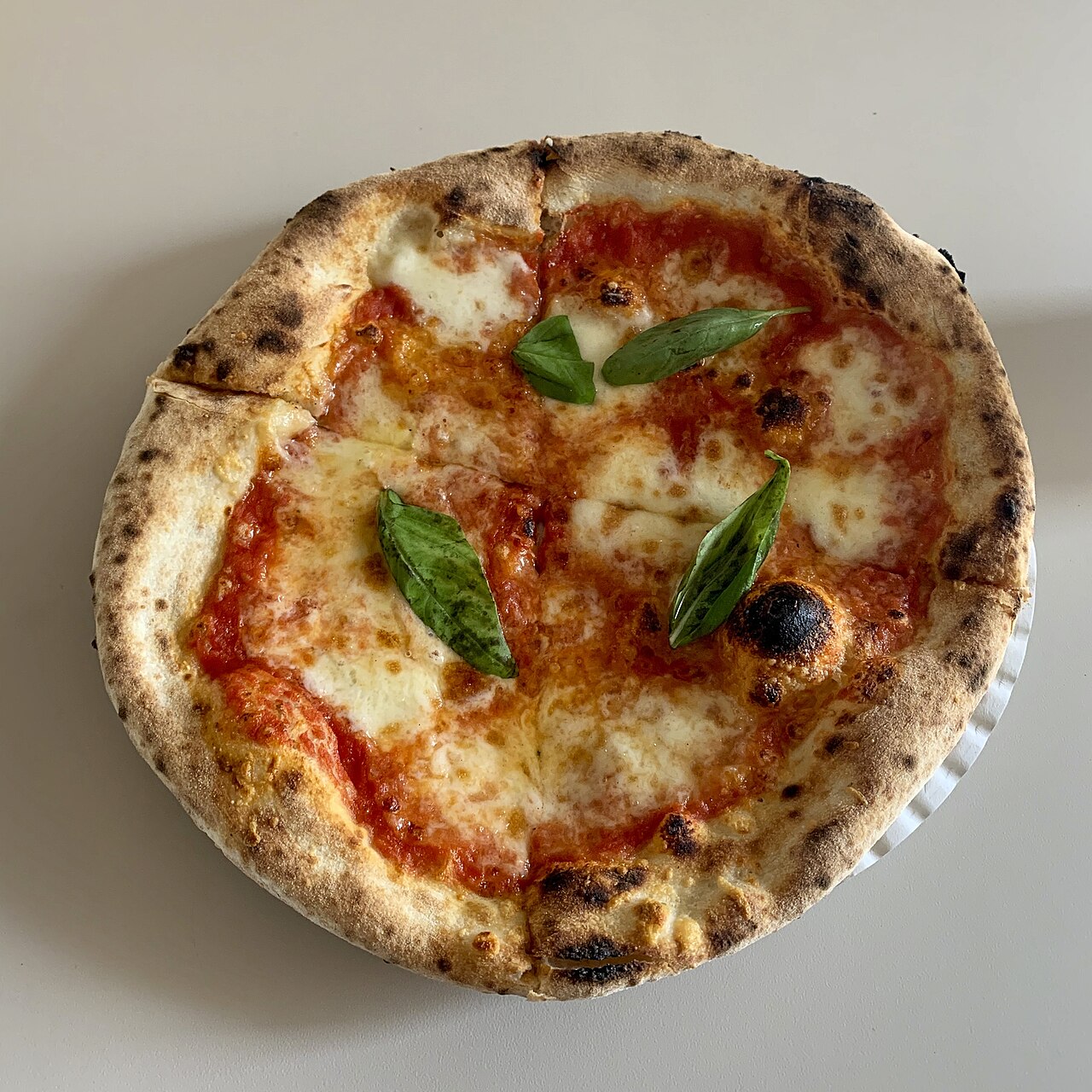
A soft, thin Neapolitan pizza with tomato, mozzarella and fresh basil, baked for about a minute in a very hot wood-fired oven.
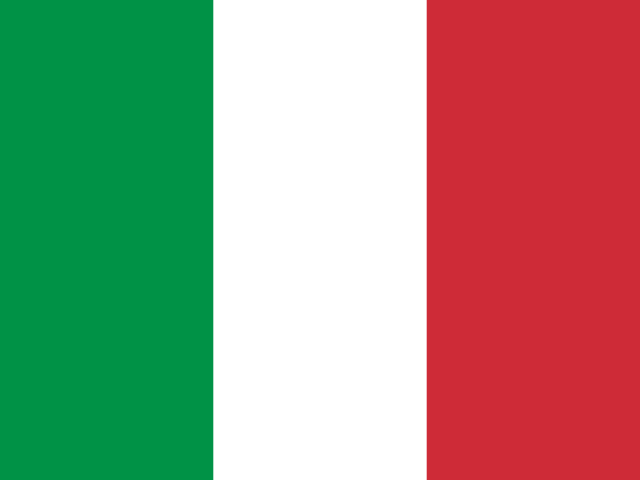
According to a popular story, it was named after Queen Margherita in 1889, and its colours match the Italian flag. The art of the Neapolitan pizza maker is on UNESCO's list of intangible cultural heritage.
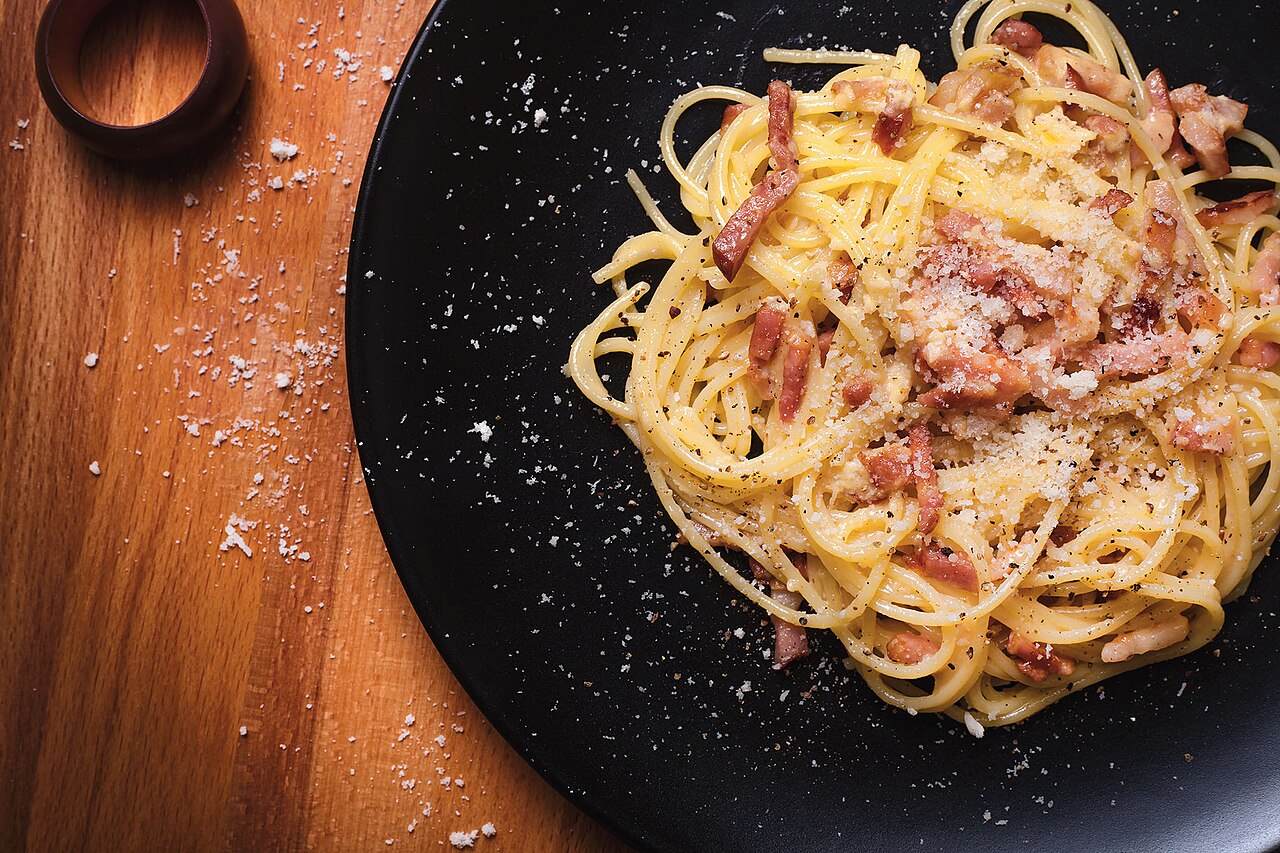
Spaghetti tossed with crispy guanciale (cured pork cheek), eggs, Pecorino Romano cheese and plenty of black pepper. The creamy sauce comes from the eggs and cheese, not from cream.
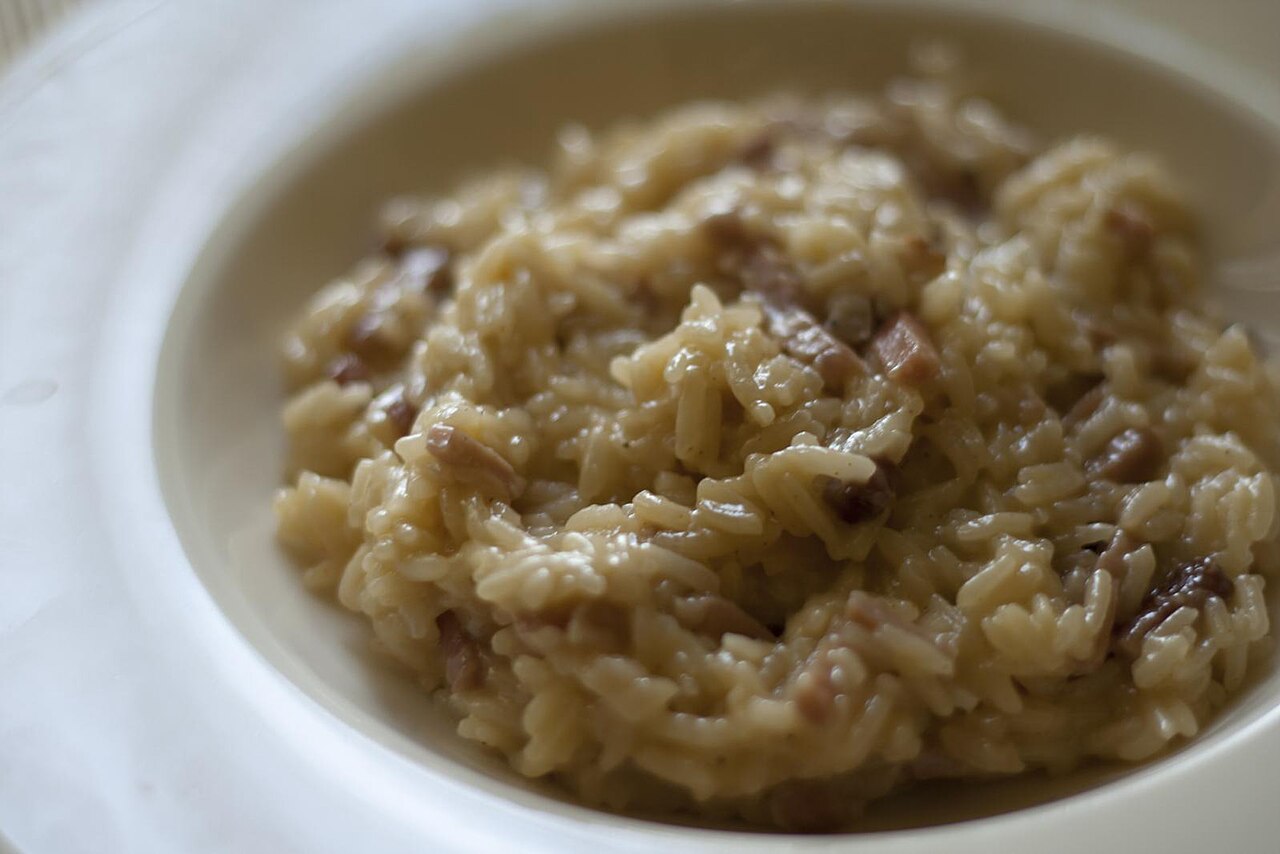
Creamy rice cooked slowly in broth with butter, onion, Parmigiano and saffron, which gives it a bright golden colour.
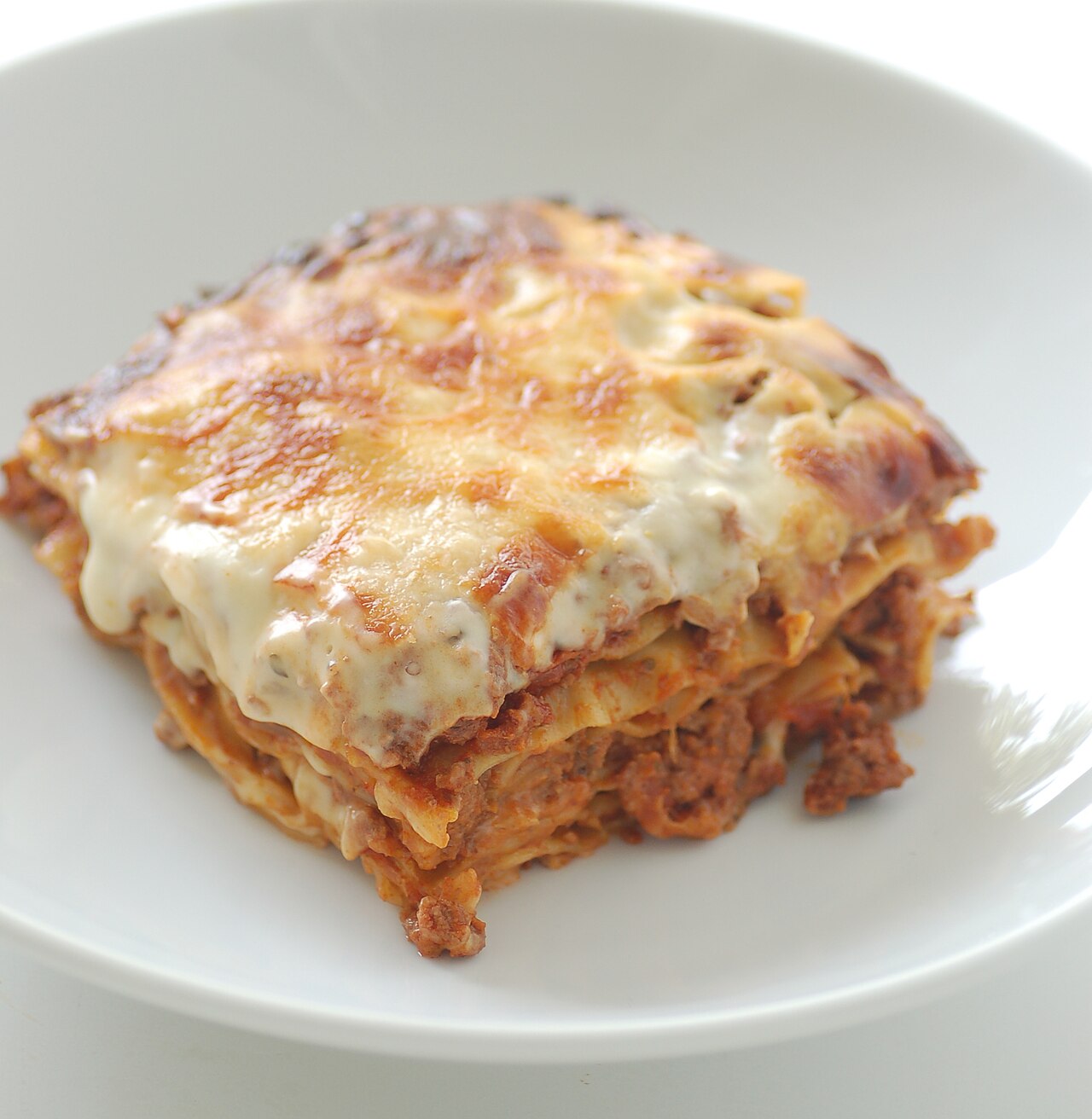
Layers of fresh egg pasta (often green, made with spinach), slow-cooked meat ragù, béchamel sauce and Parmigiano Reggiano, baked until bubbling.
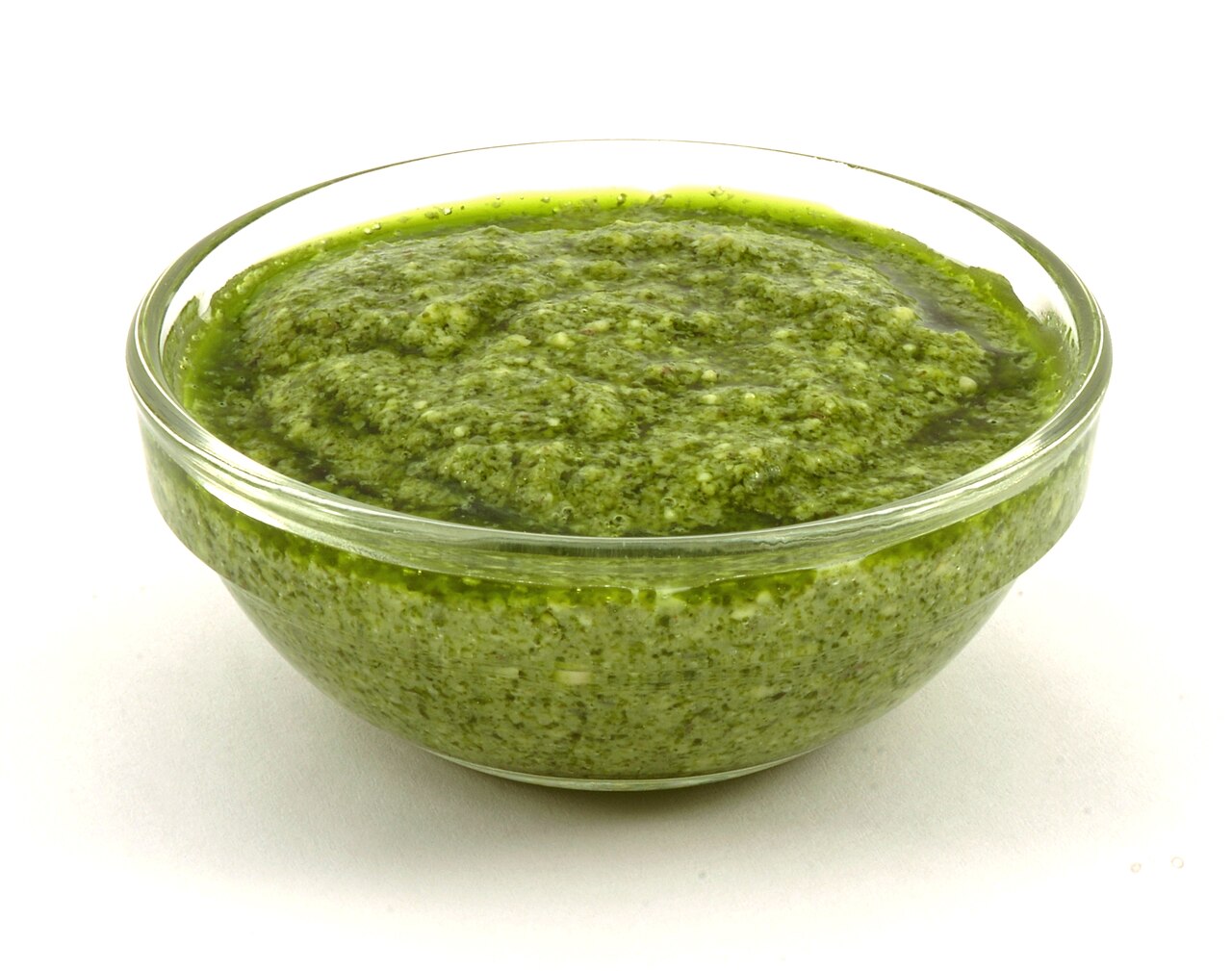
Short twisted pasta with pesto alla genovese, a raw sauce of basil, pine nuts, garlic, cheese and olive oil, traditionally made in a marble mortar.
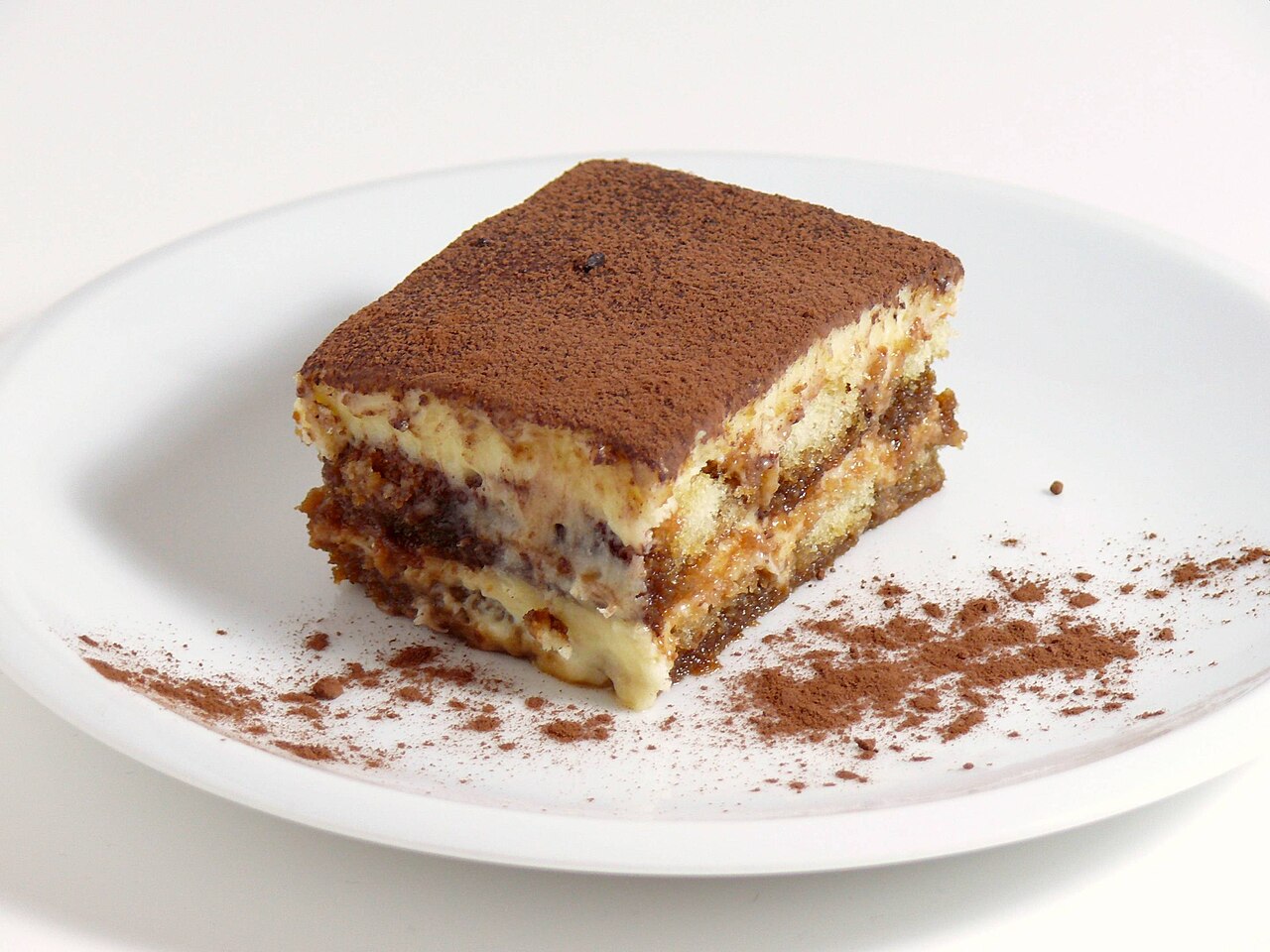
Ladyfinger biscuits soaked in espresso, layered with a light cream of mascarpone, eggs and sugar, and dusted with cocoa.
The name means 'pick me up', probably because of the coffee and sugar.
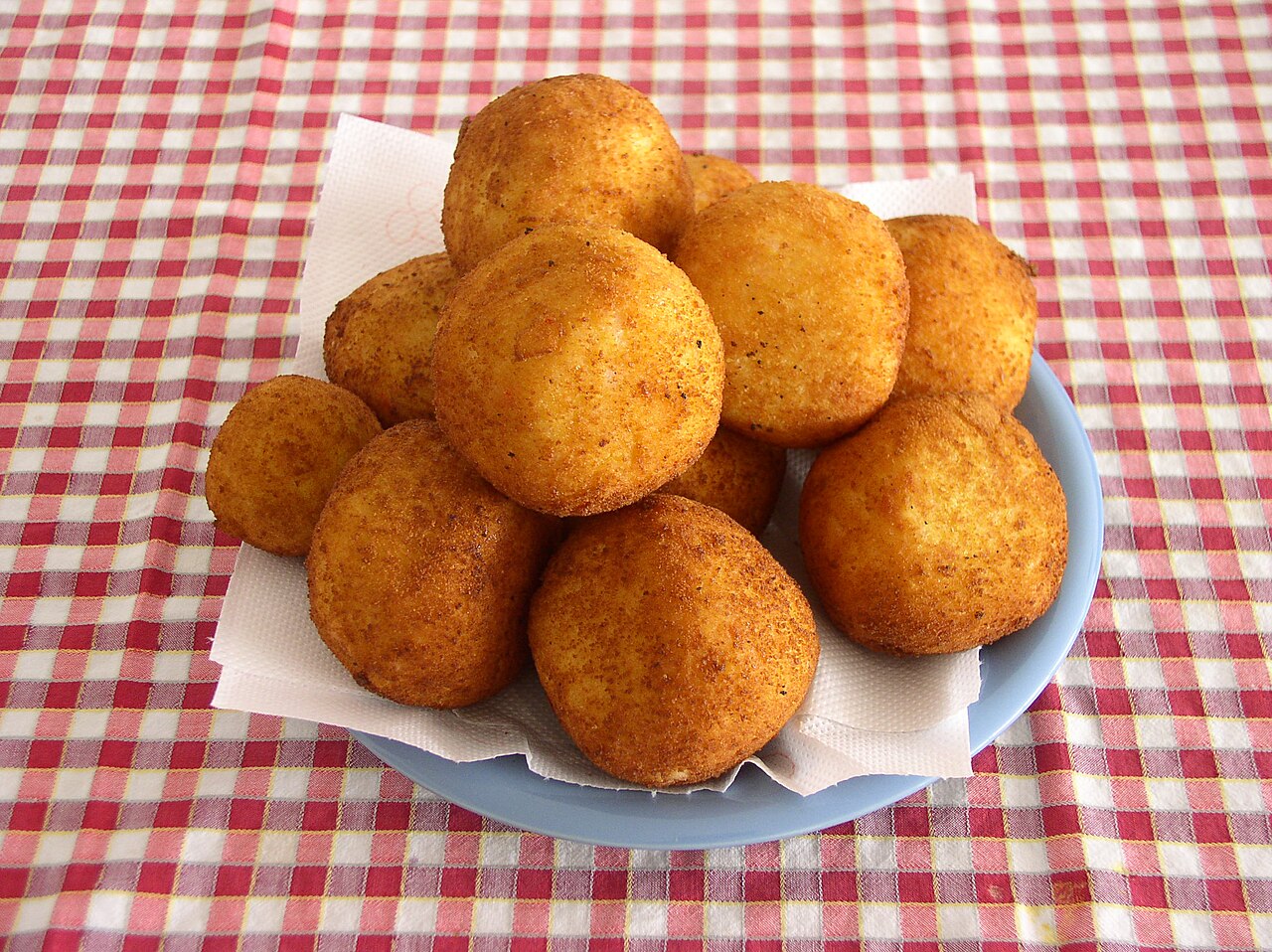
Golden fried balls of rice, usually filled with meat ragù and peas or with ham and mozzarella.
The name means 'little oranges'. In Palermo they say arancina, in Catania arancino, and Sicilians love to argue about which is right.
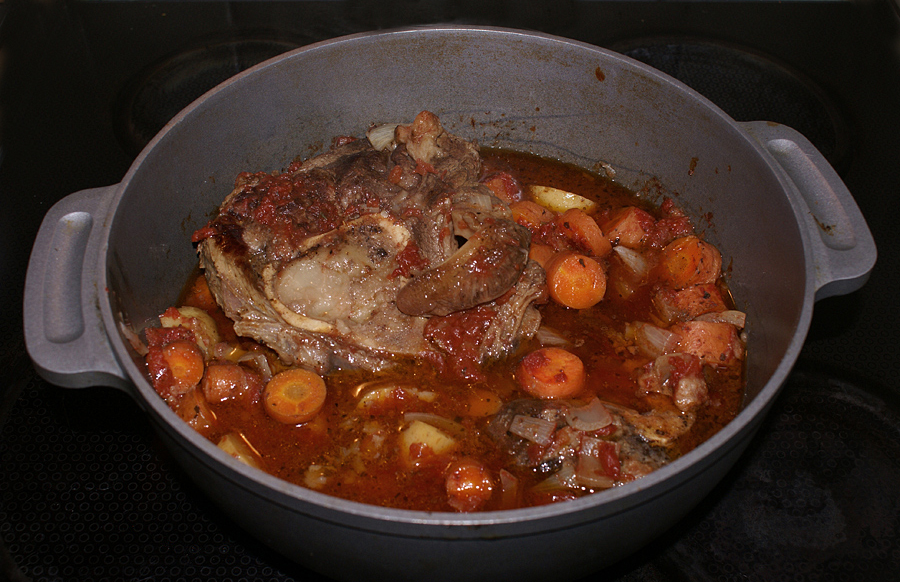
Cross-cut veal shanks braised slowly with wine and broth, often topped with gremolata (lemon zest, garlic and parsley) and served with risotto alla milanese.
Ossobuco means 'bone with a hole', after the marrow bone in the middle.
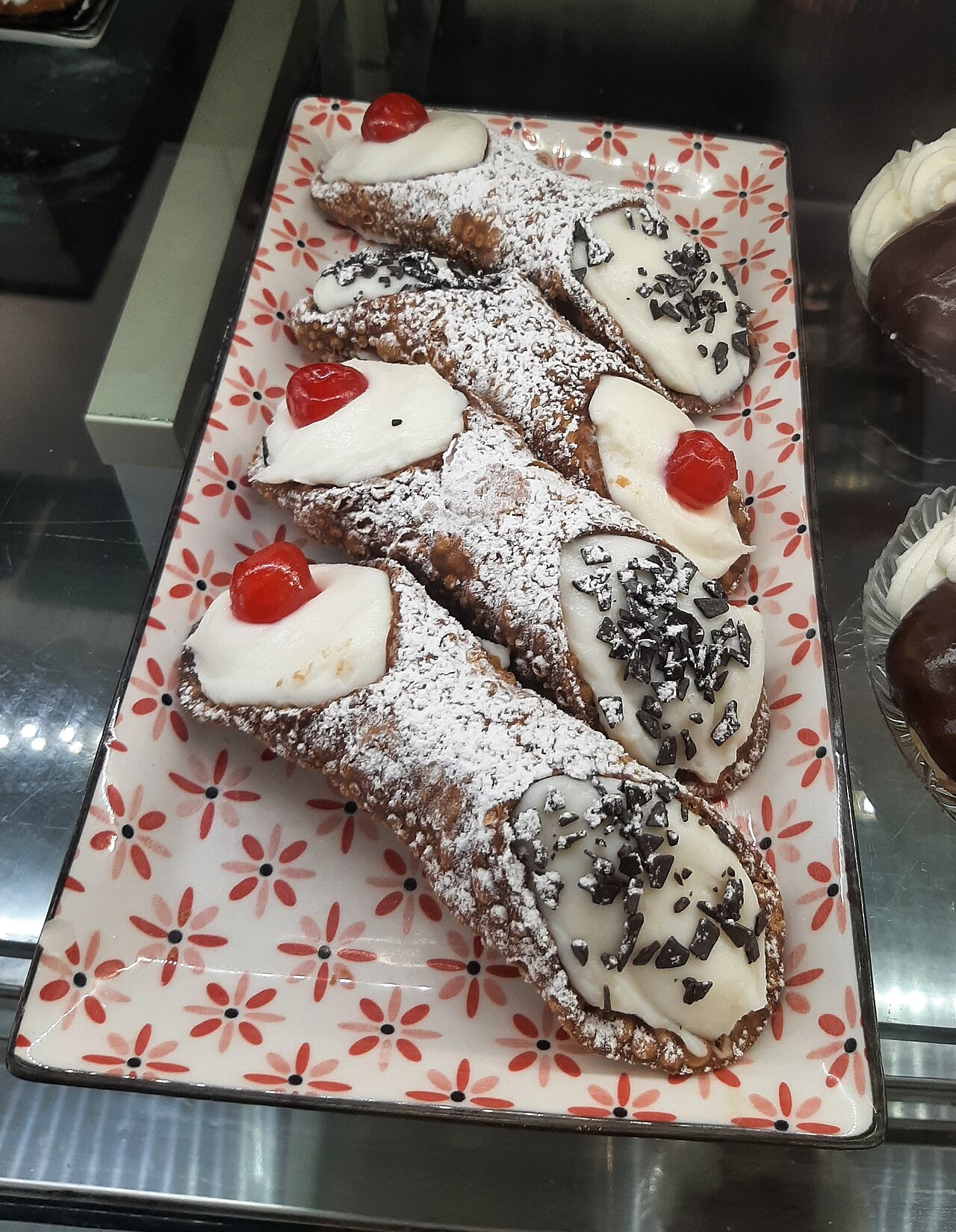
Crisp fried pastry tubes filled with sweet sheep's milk ricotta, sometimes with chocolate chips or candied orange.
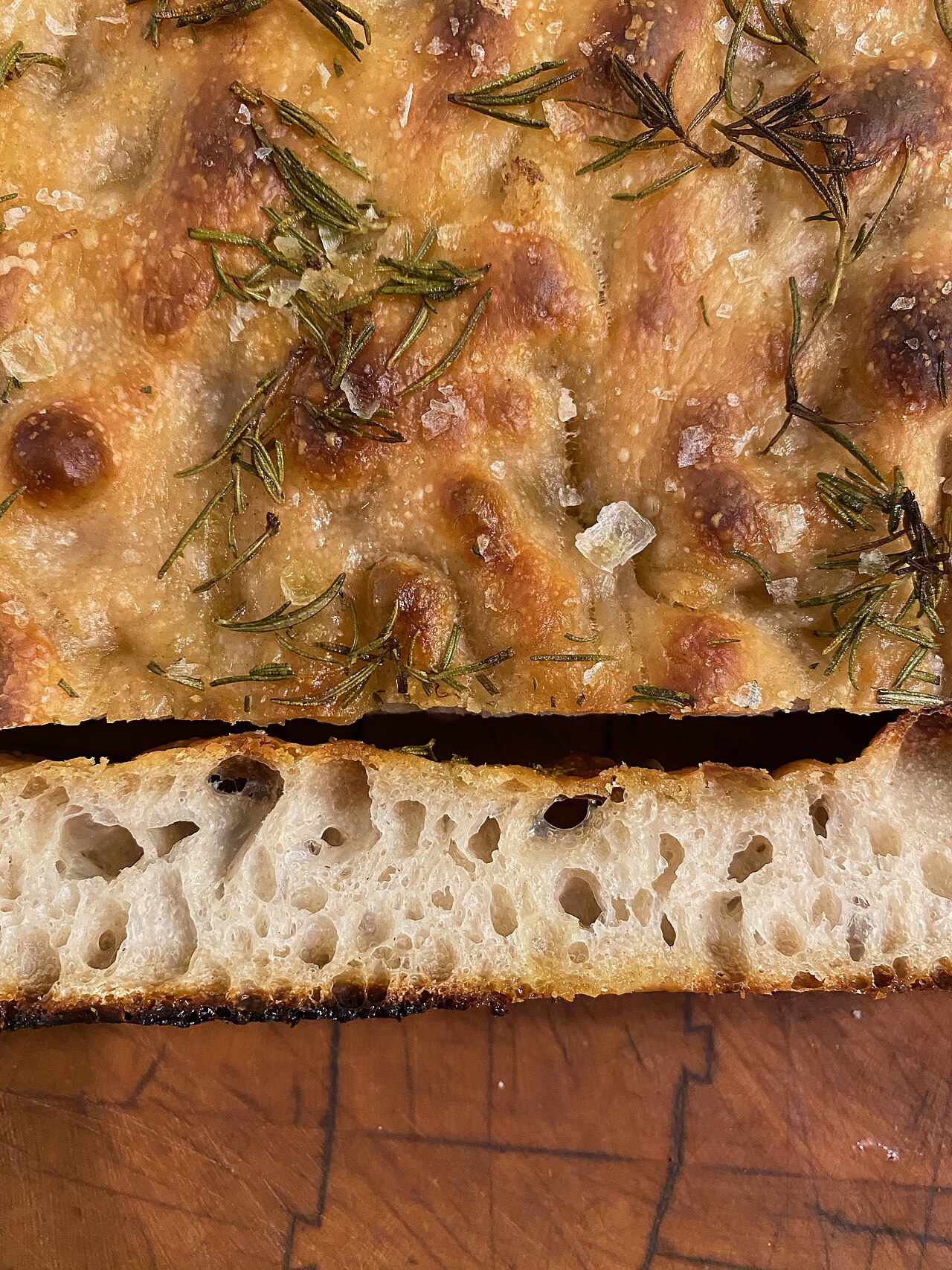
A flat, soft bread baked in trays with lots of olive oil and salt, with little dimples pressed in by the baker's fingers. In Genoa people even eat it for breakfast.
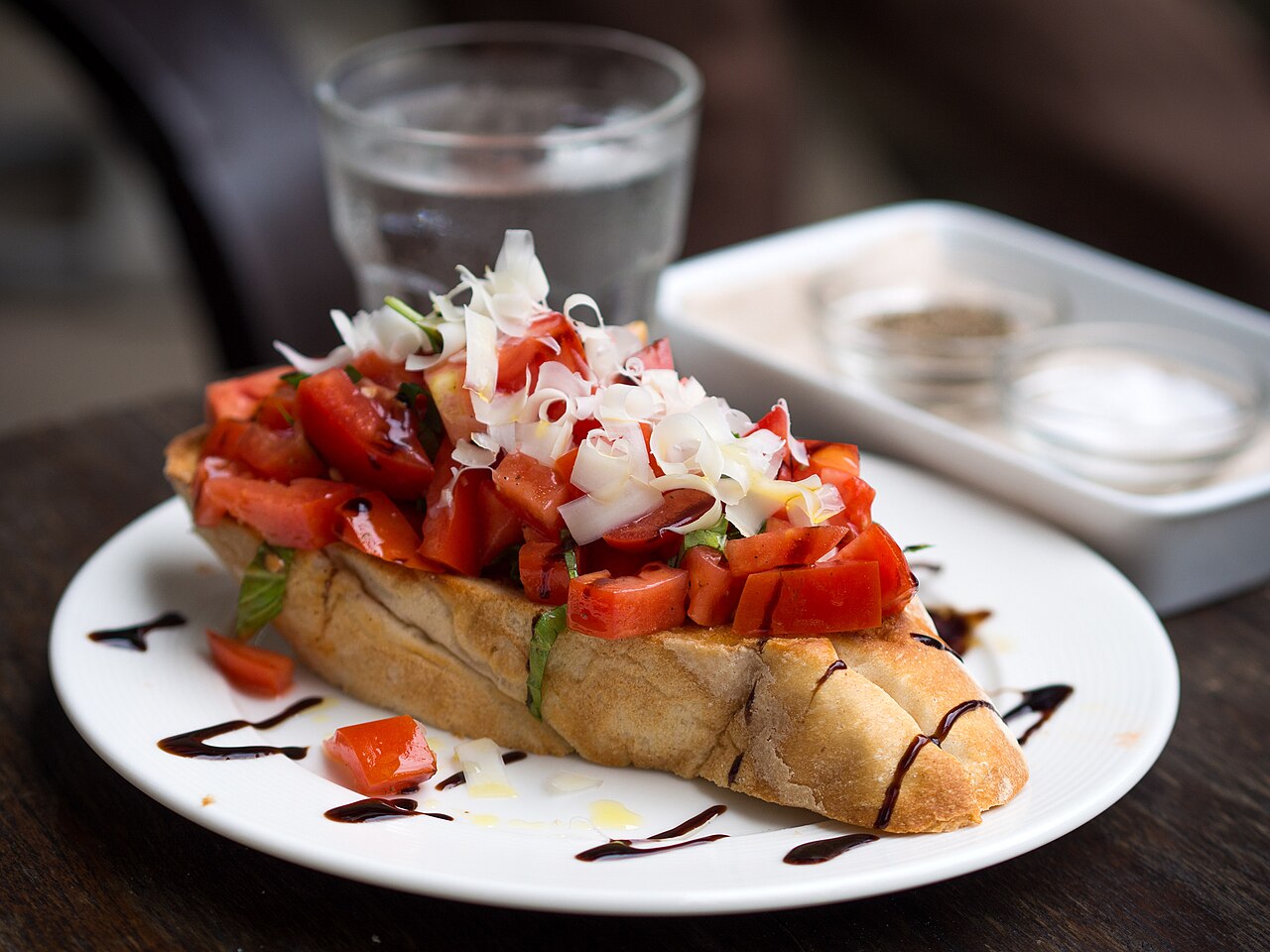
Toasted slices of rustic bread rubbed with garlic and topped with chopped tomato, basil, salt and olive oil.
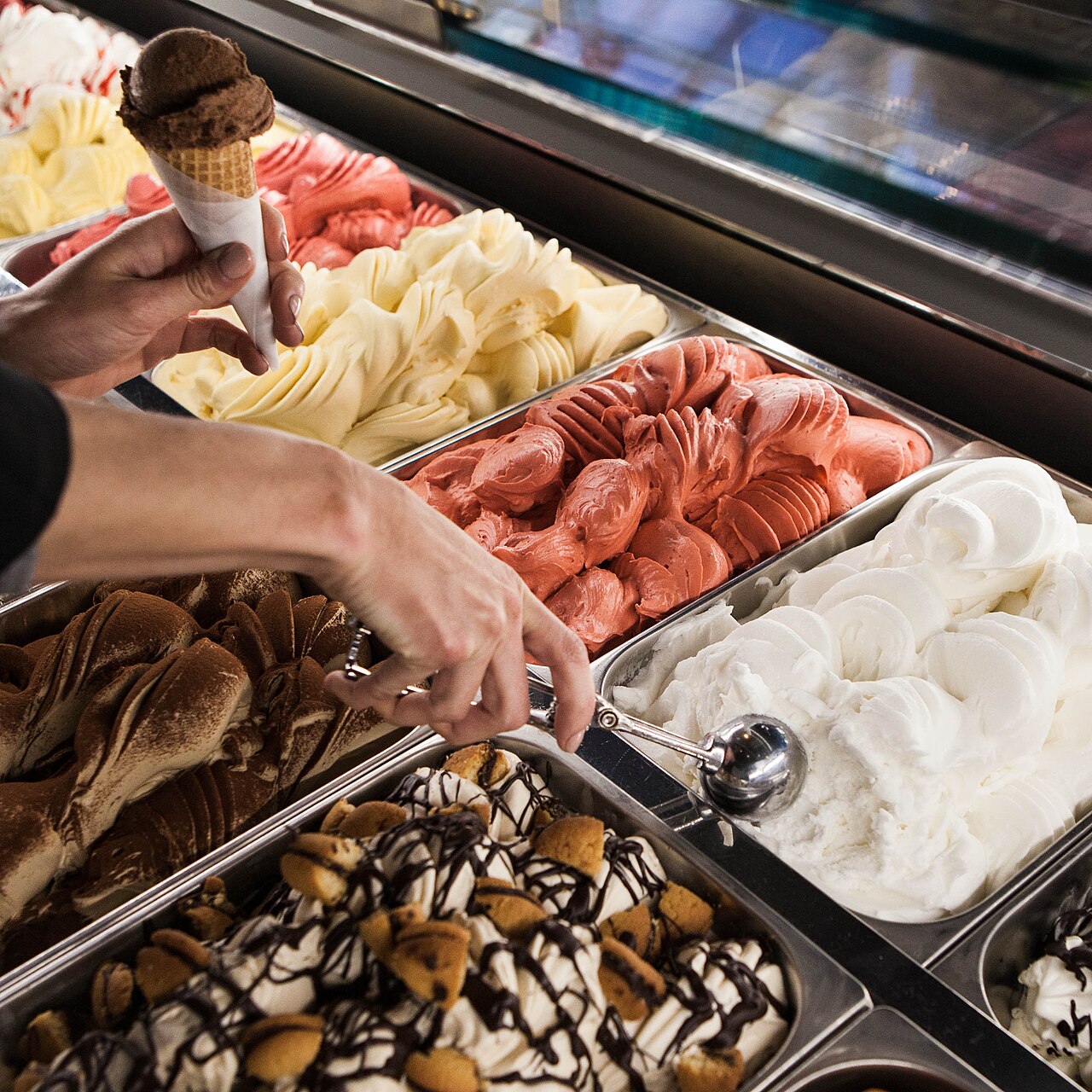
Italian ice cream. It usually has less fat than many ice creams and is churned more slowly, so it is dense and full of flavour. Pistachio, hazelnut and stracciatella are classics.
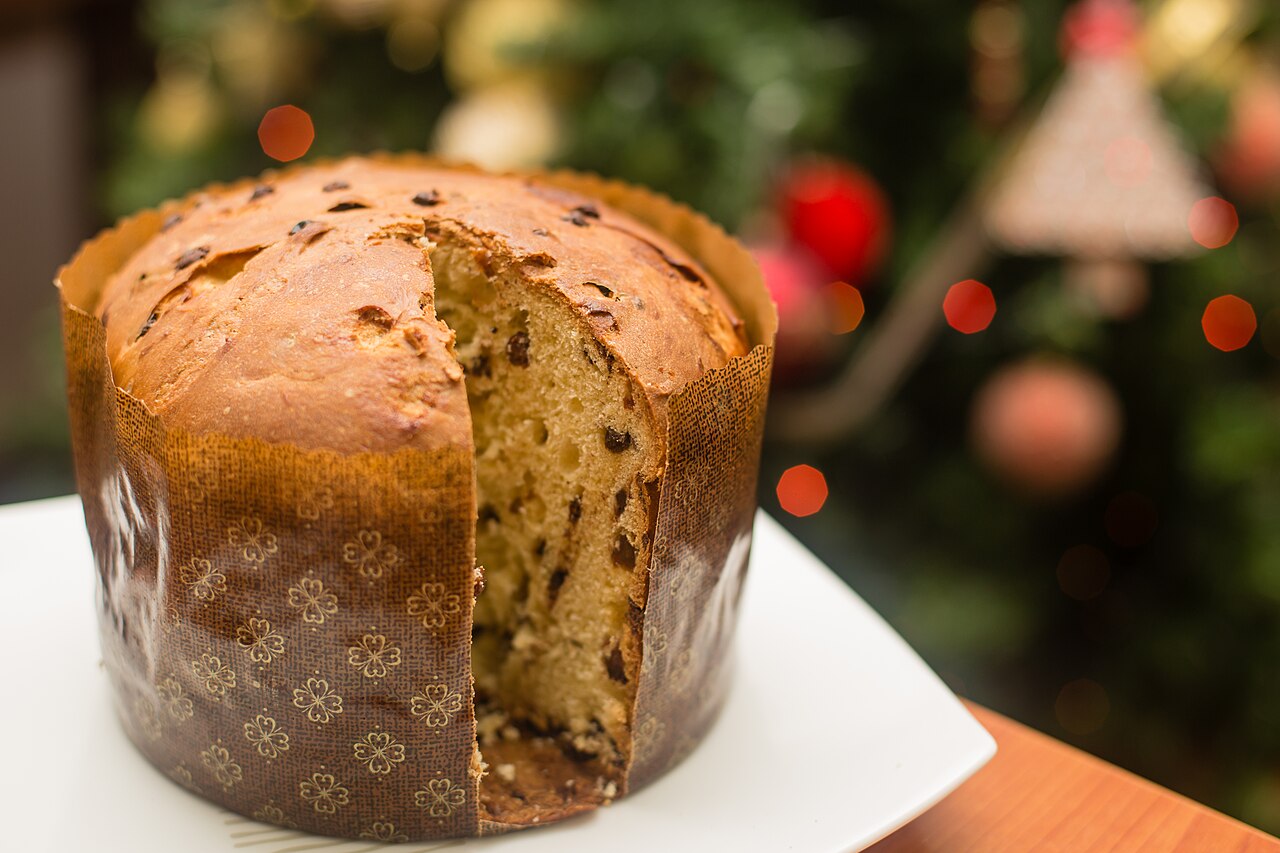
A tall, domed sweet bread with raisins and candied citrus peel, eaten all over Italy at Christmas.
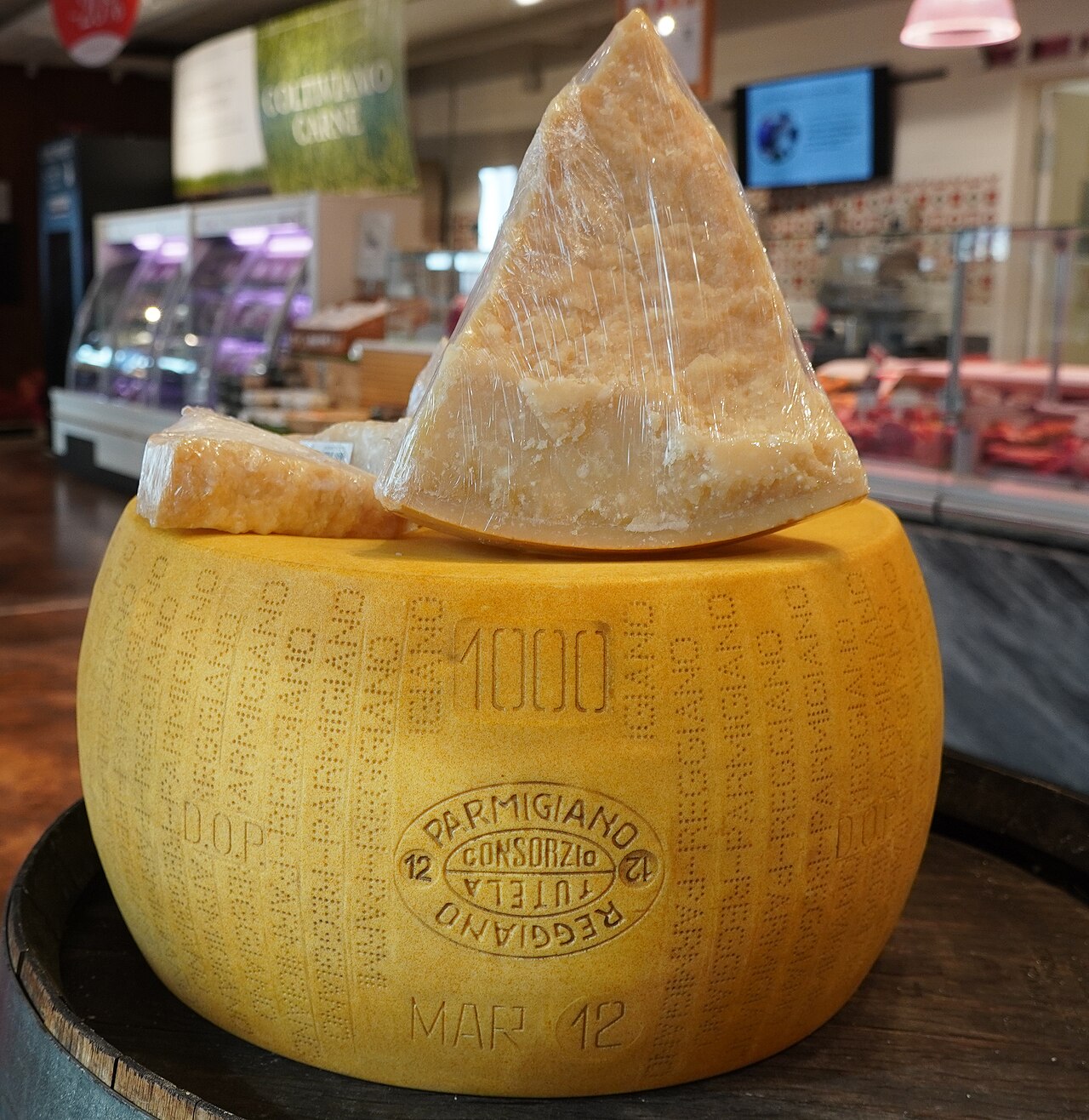
A hard cheese made from cow's milk and aged for at least 12 months. Only cheese from its protected area of origin may use the name.
A whole wheel weighs around 40 kg.
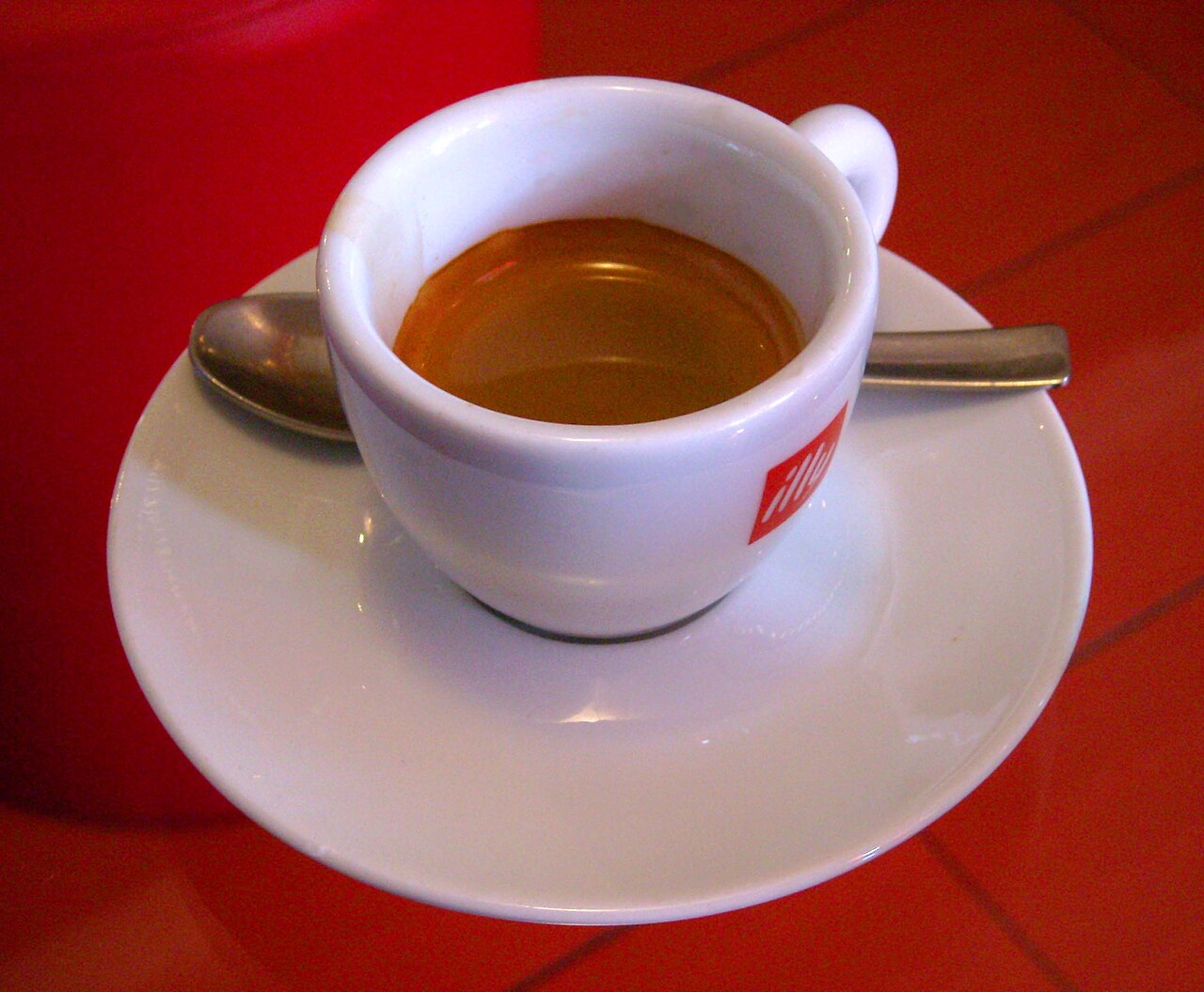
A small, strong coffee. In Italy, asking for 'un caffè' gets you an espresso, often drunk standing at the bar in a minute or two.
Italy was a land of independent city-states for centuries, so every city has its own proud history, dialect and food.
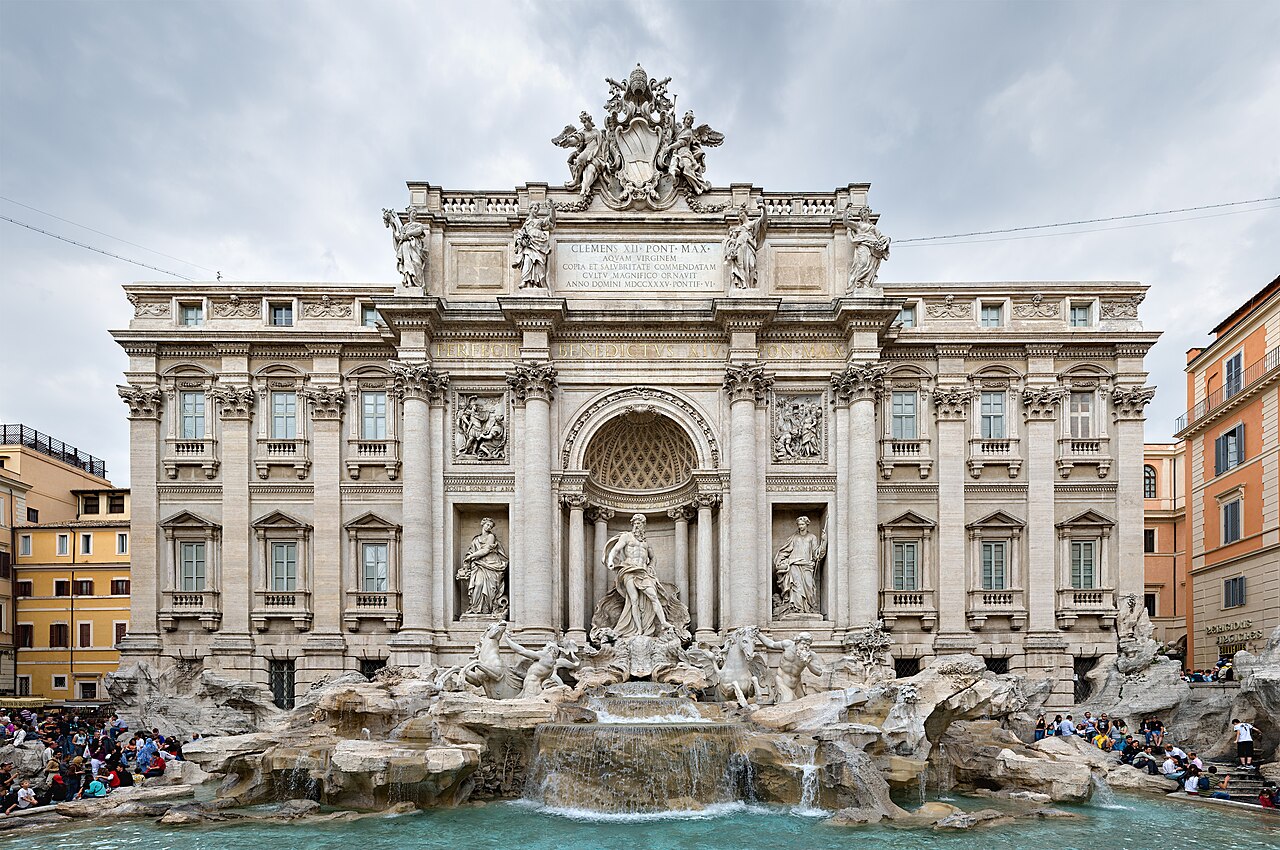
The capital and largest city, called the Eternal City. Ancient ruins, Baroque fountains and busy squares sit side by side.
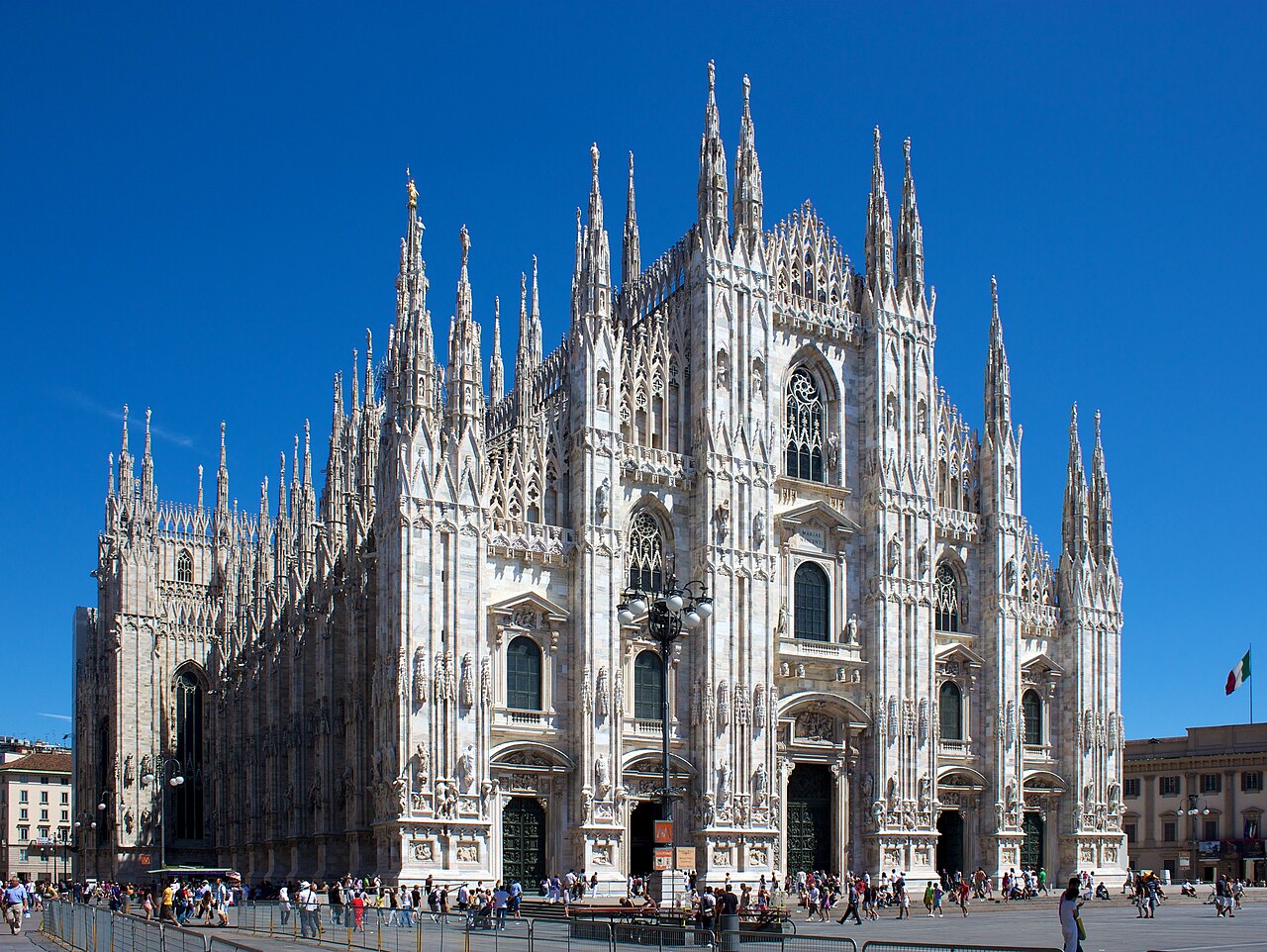
Italy's business and fashion capital, with a huge Gothic cathedral and one of the world's most famous opera houses, La Scala.
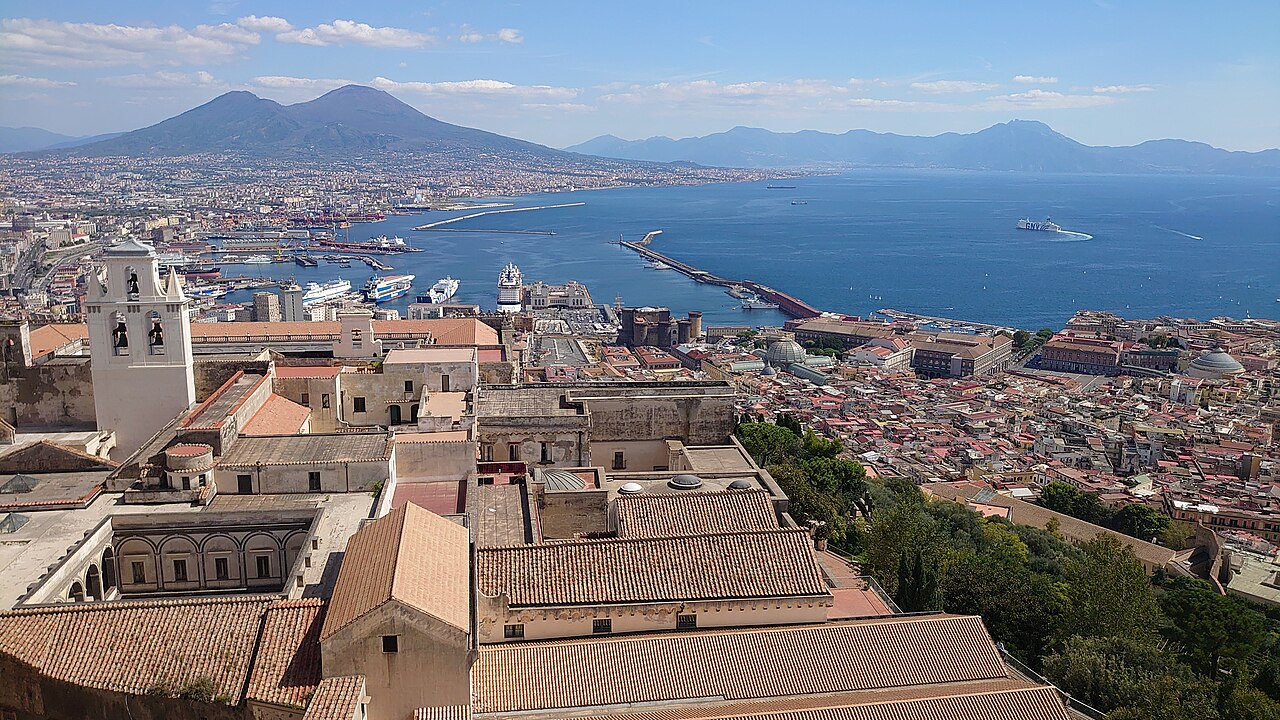
A lively port city on a bay beneath Mount Vesuvius, and the birthplace of pizza.
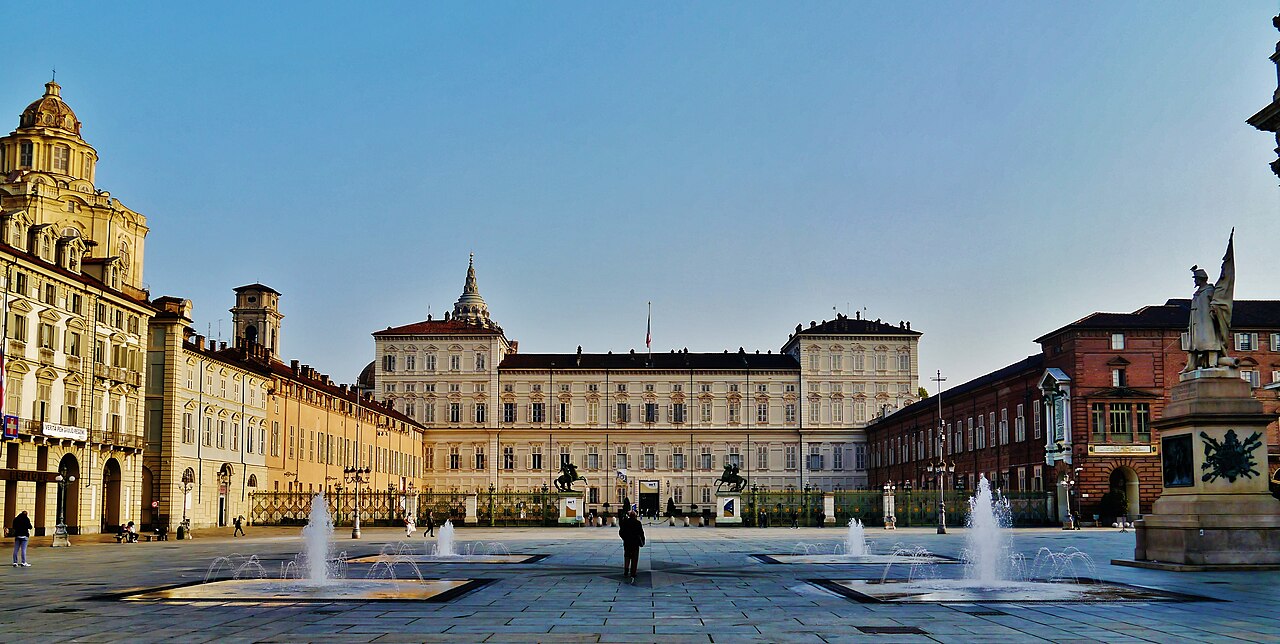
An elegant city at the foot of the Alps, the first capital of united Italy and the home of Fiat.
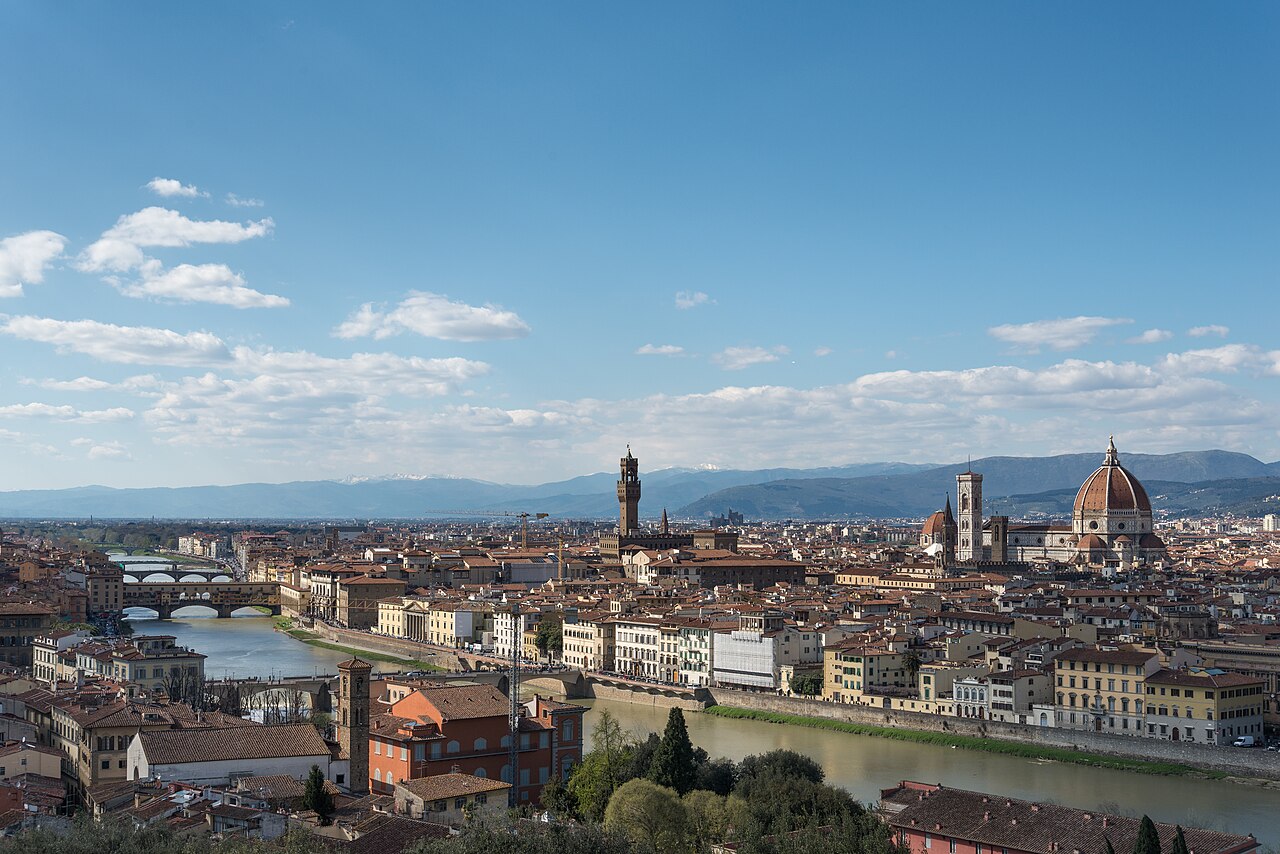
The cradle of the Renaissance, packed with masterpieces by Michelangelo, Botticelli and Leonardo.
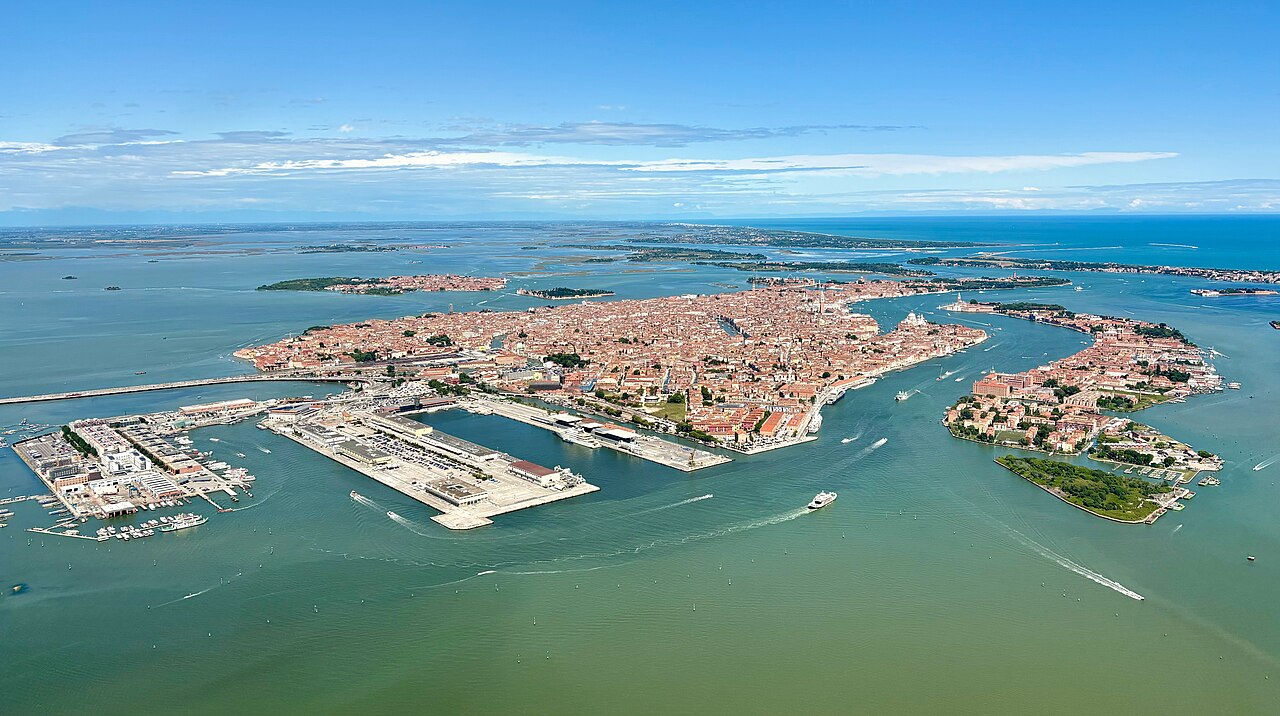
A city of canals built on more than a hundred small islands in a lagoon, where boats replace cars.
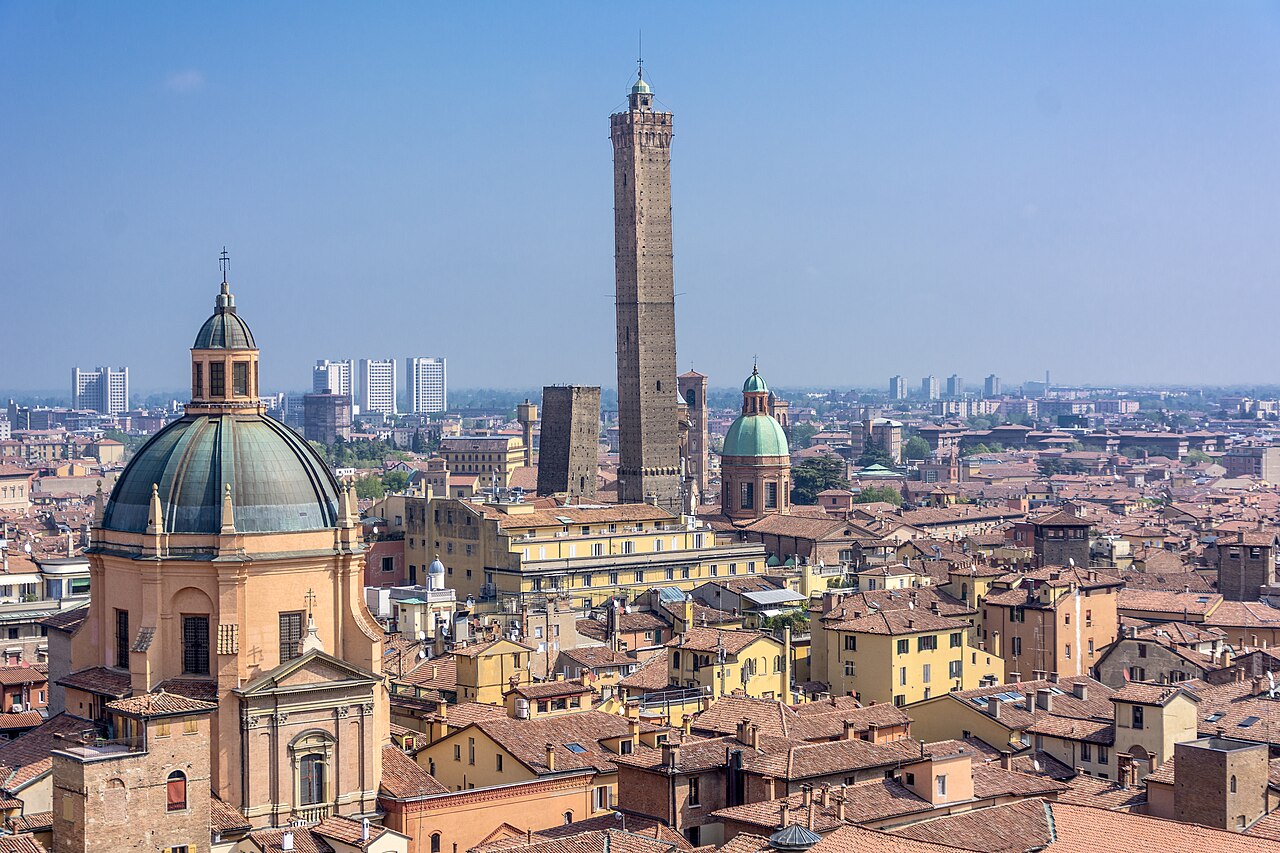
A red-brick university city with kilometres of covered porticoes and a reputation as Italy's food capital.
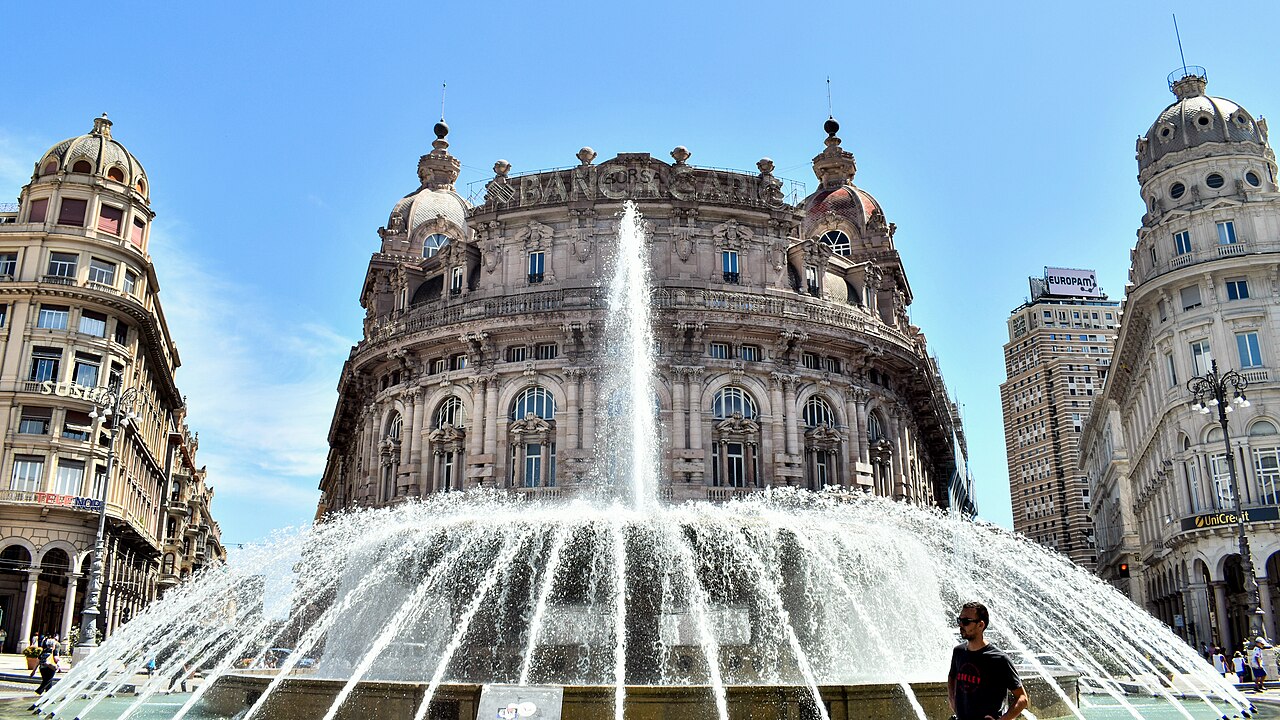
A historic sea port with narrow alleys, grand palaces and the home of pesto.
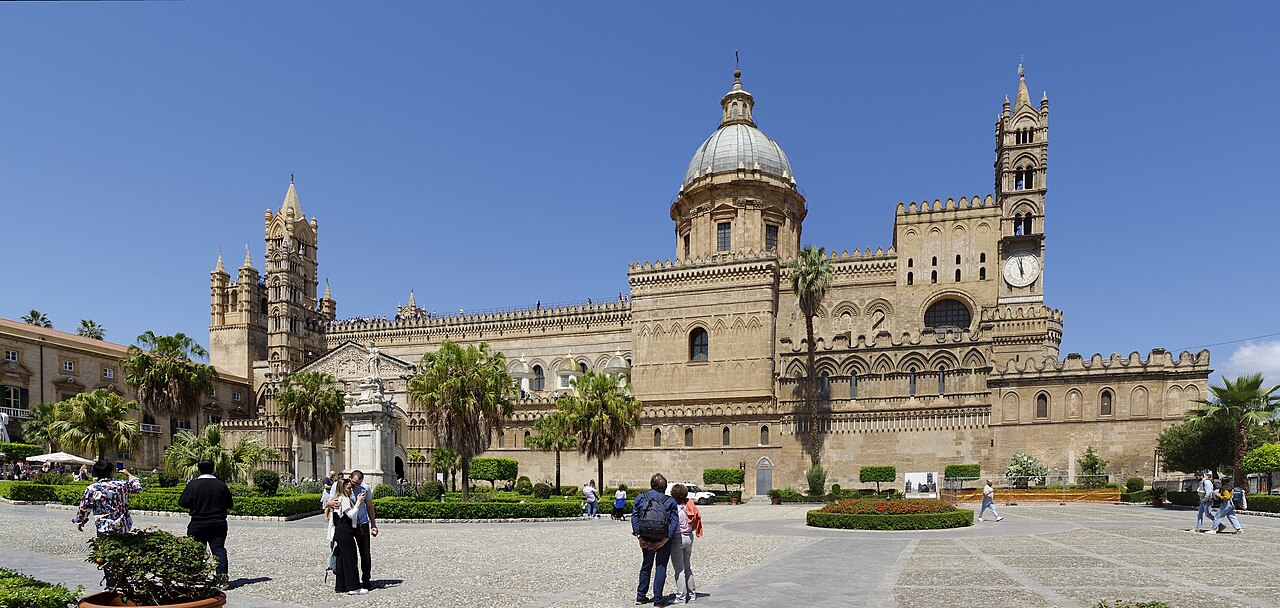
Sicily's capital, a mix of Arab, Norman and Baroque buildings, with famous street markets and street food.
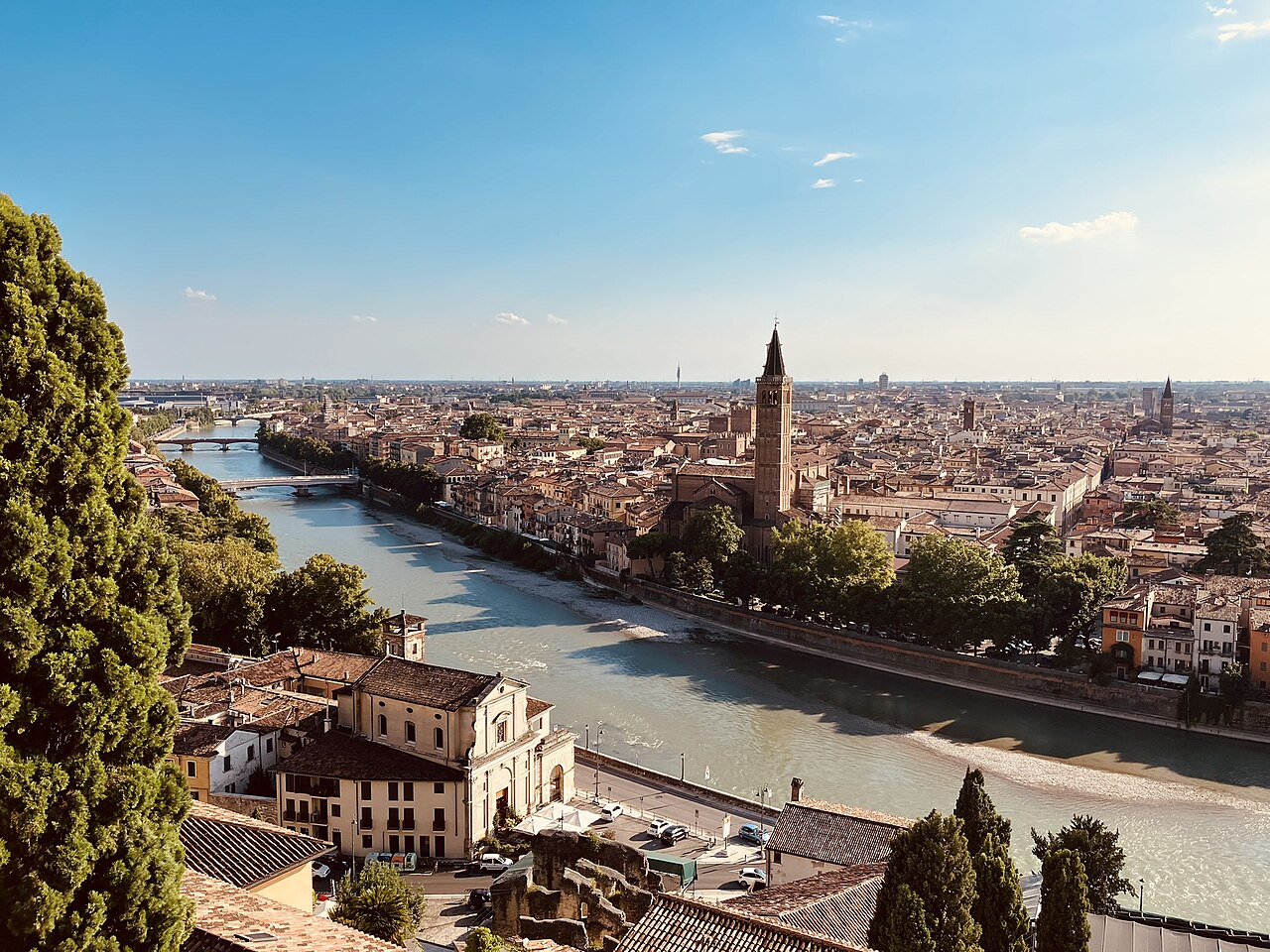
A romantic city with a Roman amphitheatre where operas are staged in summer, and the setting of Shakespeare's Romeo and Juliet.
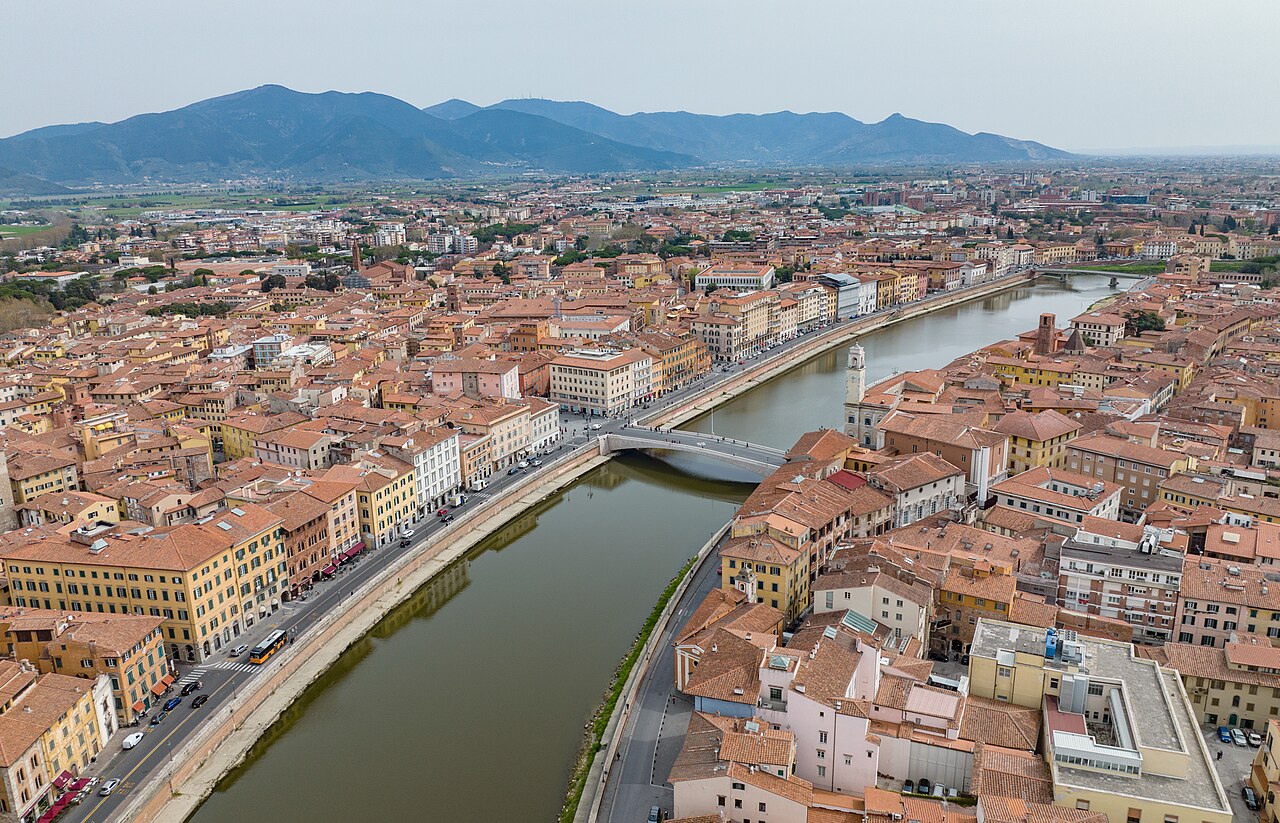
Once a powerful sea republic, now famous for the leaning bell tower in its cathedral square.
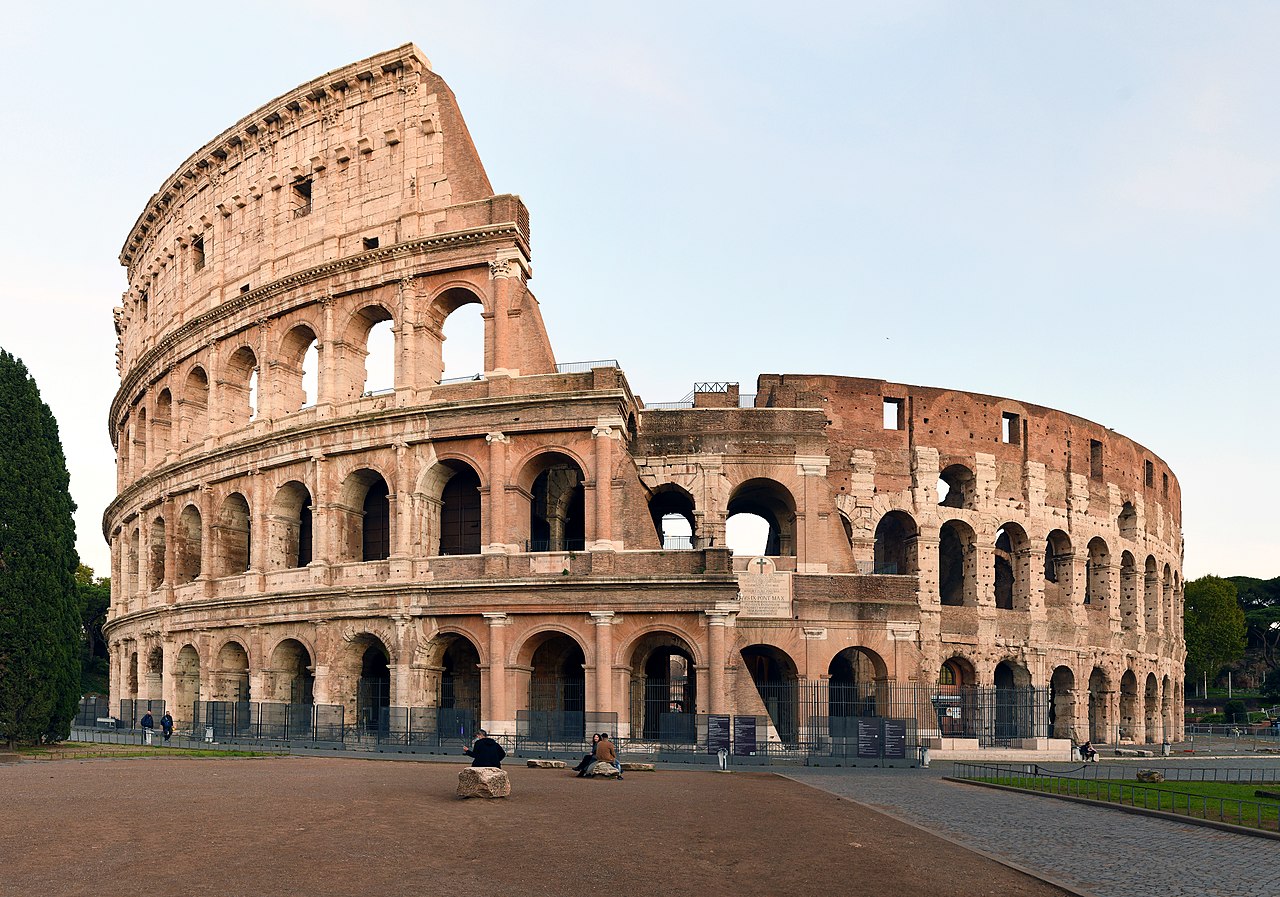
The largest amphitheatre ever built by the Romans, finished in AD 80. At least 50,000 spectators watched games and shows here.
UNESCO World Heritage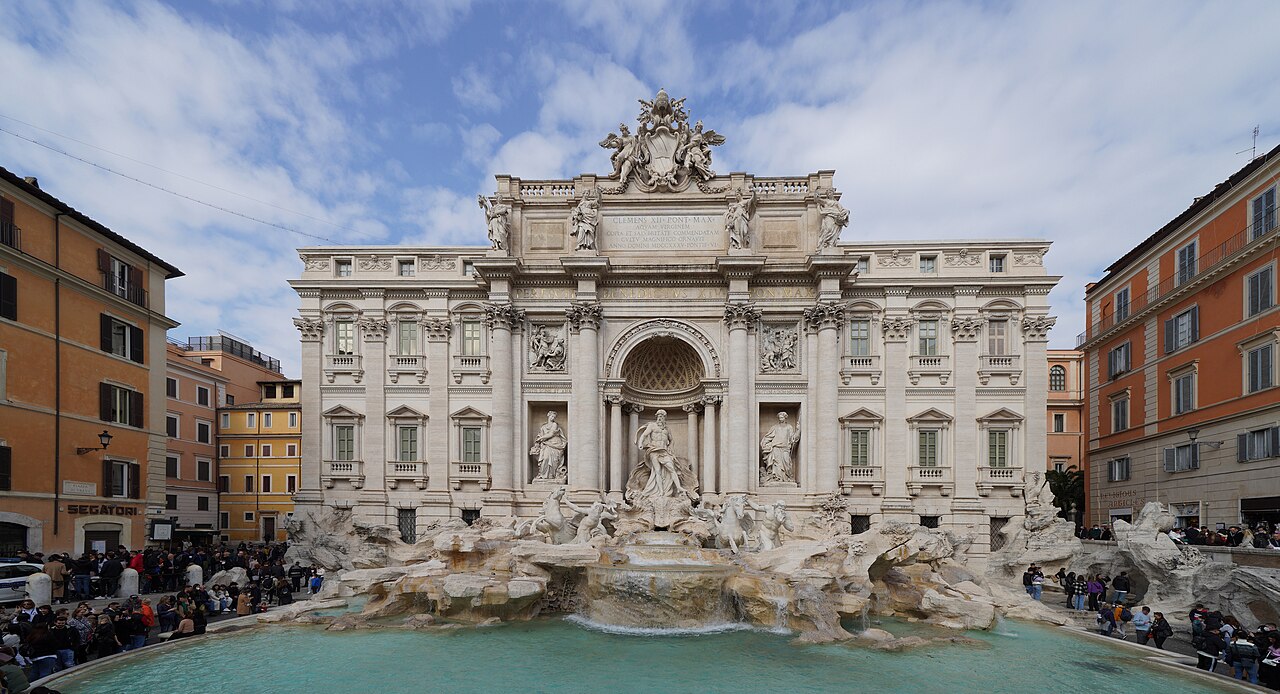
Rome's grandest Baroque fountain. Tradition says that if you throw a coin over your shoulder into it, you will return to Rome.
UNESCO World Heritage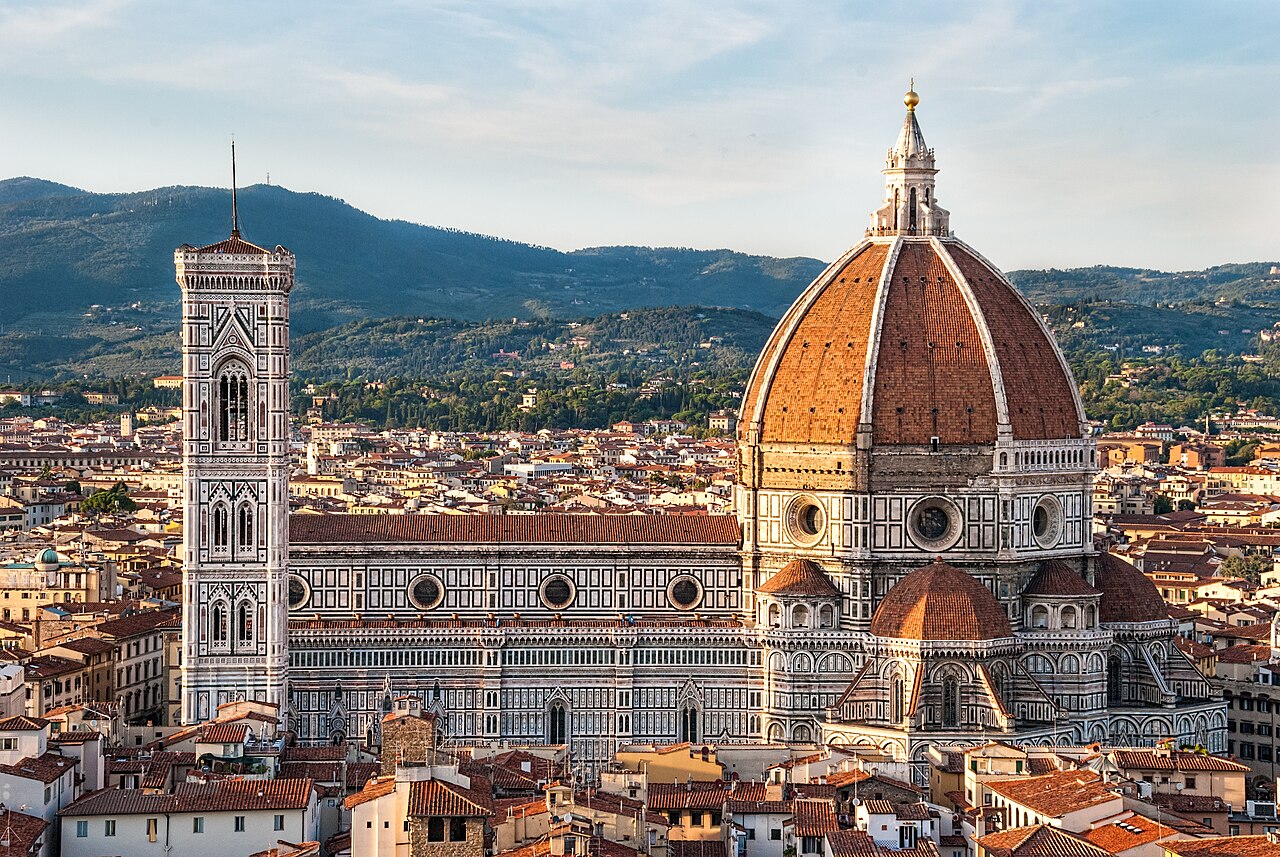
The red-brick dome still dominates the skyline of Florence. Visitors can climb more than 400 steps to the top.
UNESCO World Heritage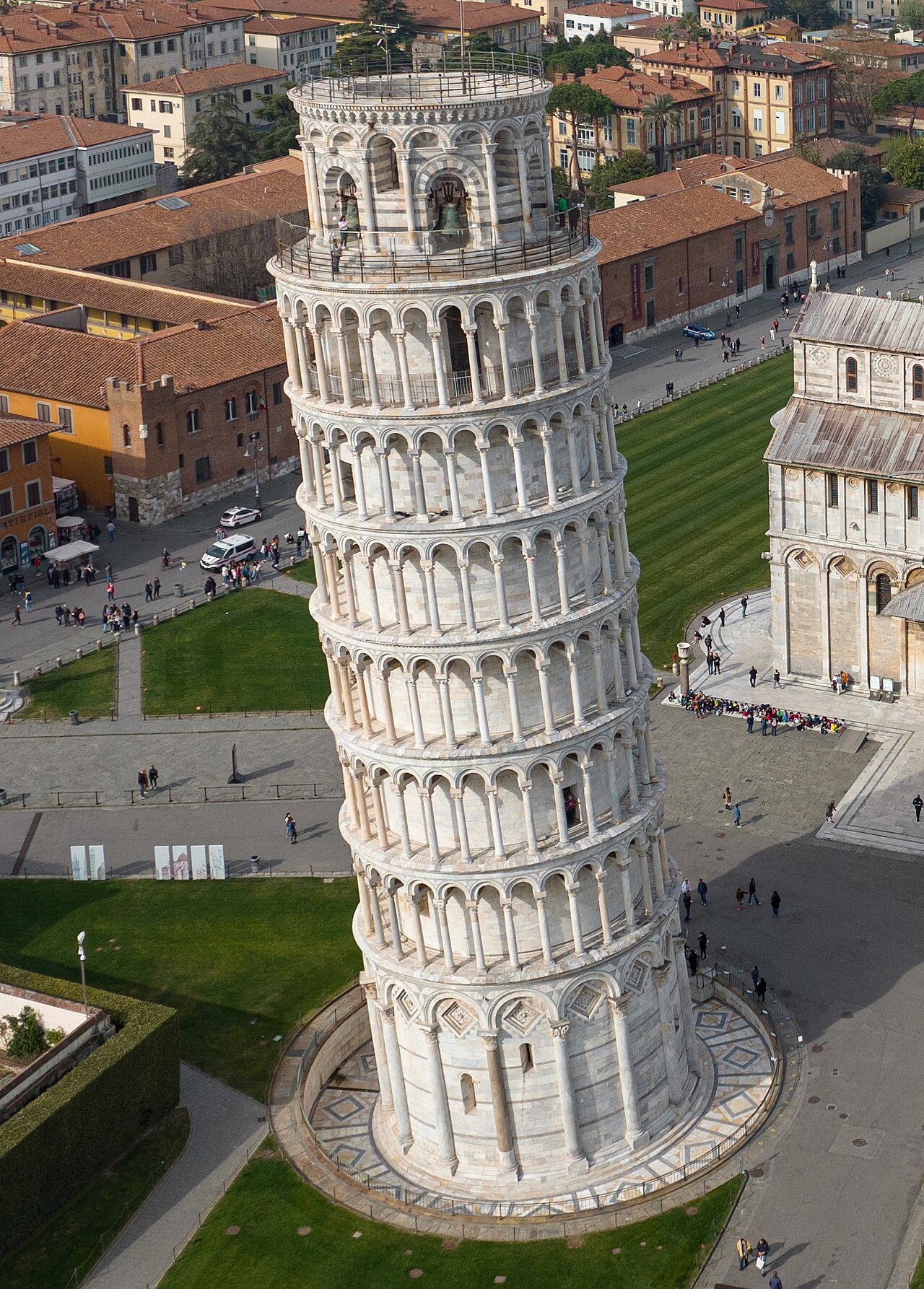
The bell tower started to lean during construction in the 1100s because of soft ground. Engineers stabilised it in the 1990s and 2000s.
UNESCO World Heritage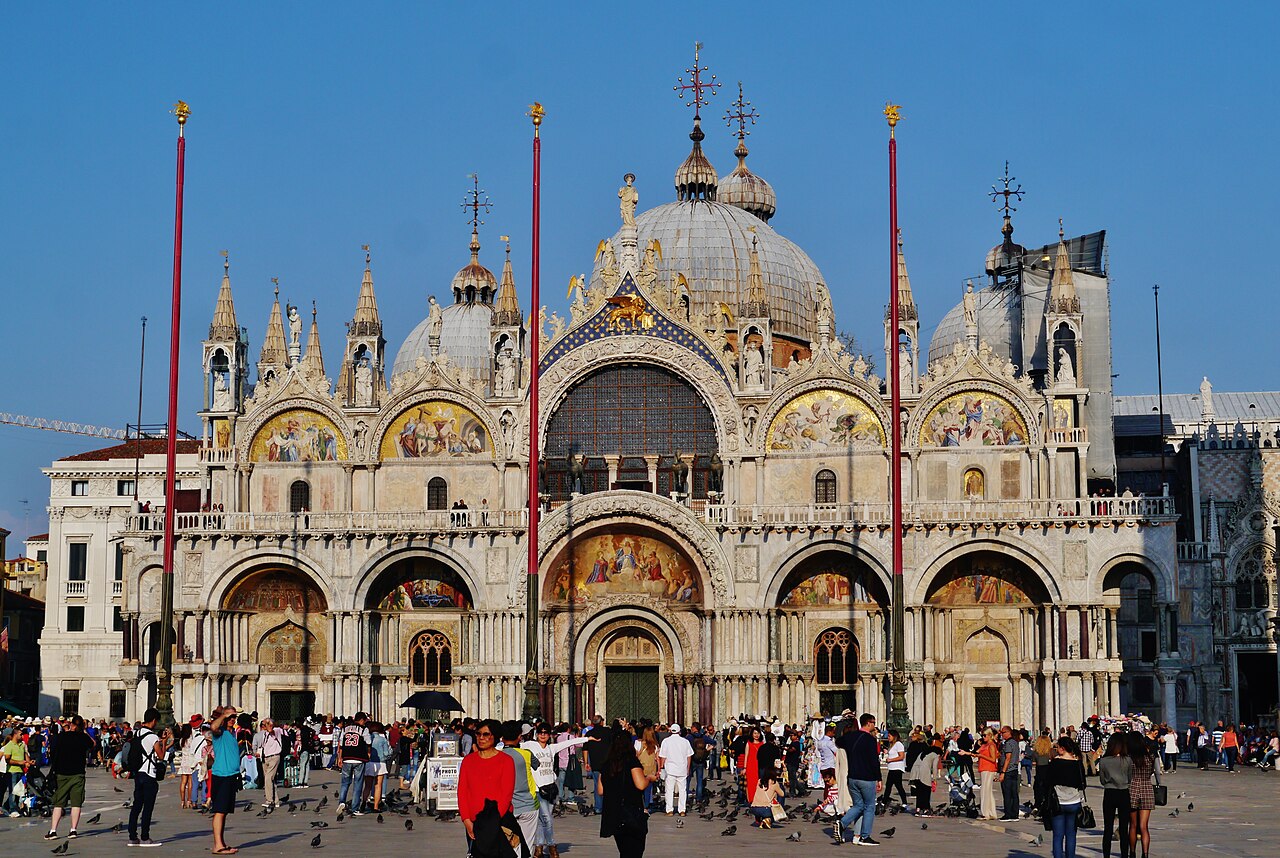
Venice's golden church, covered inside with shimmering mosaics, on the city's famous square.
UNESCO World Heritage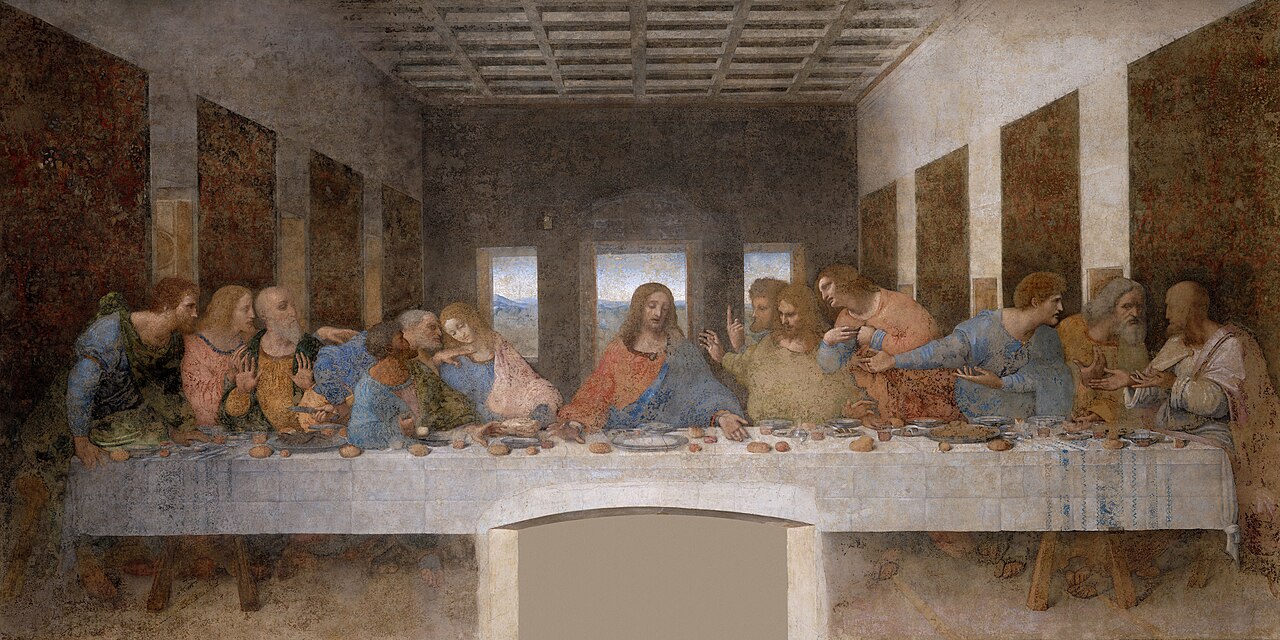
Leonardo da Vinci painted this famous scene on the wall of the dining hall of the convent of Santa Maria delle Grazie. Visits are limited to small groups.
UNESCO World Heritage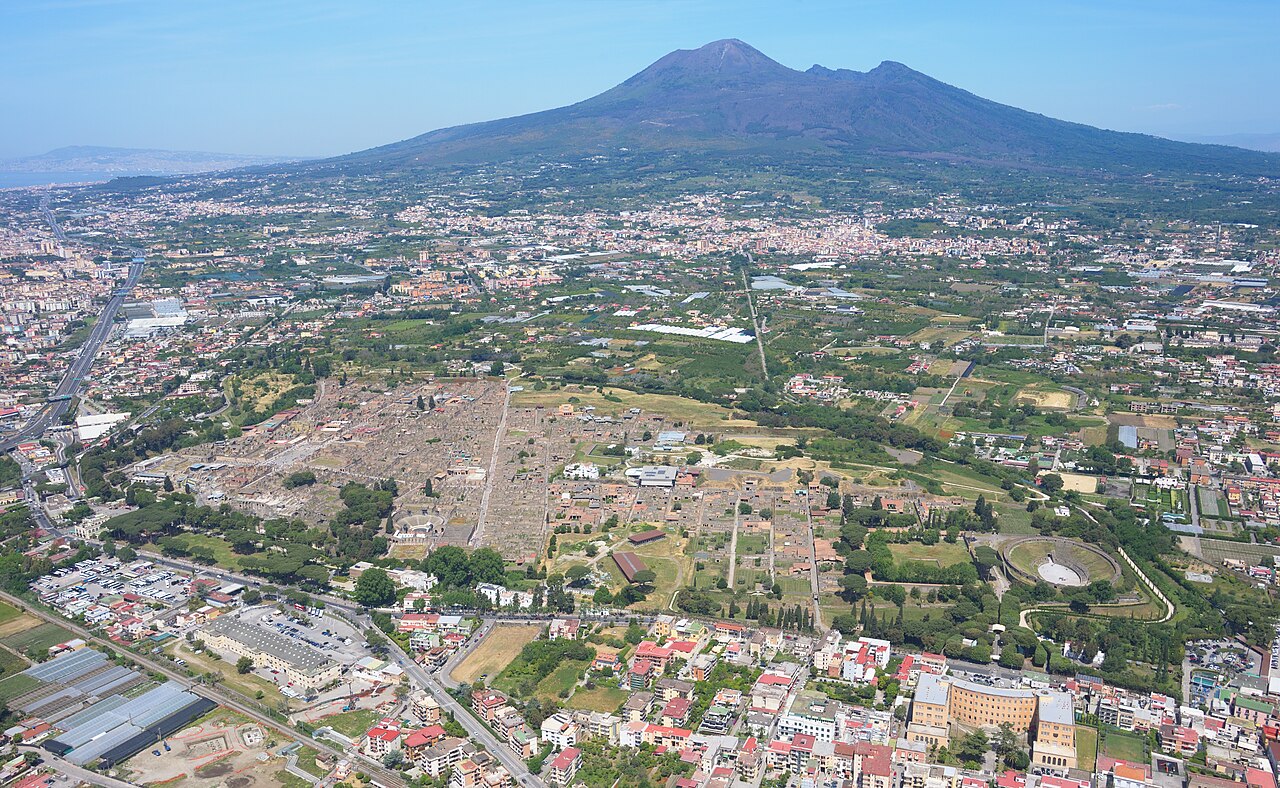
The Roman town buried by Vesuvius in AD 79, about 25 km from Naples. You can walk its streets, houses and bakeries.
UNESCO World Heritage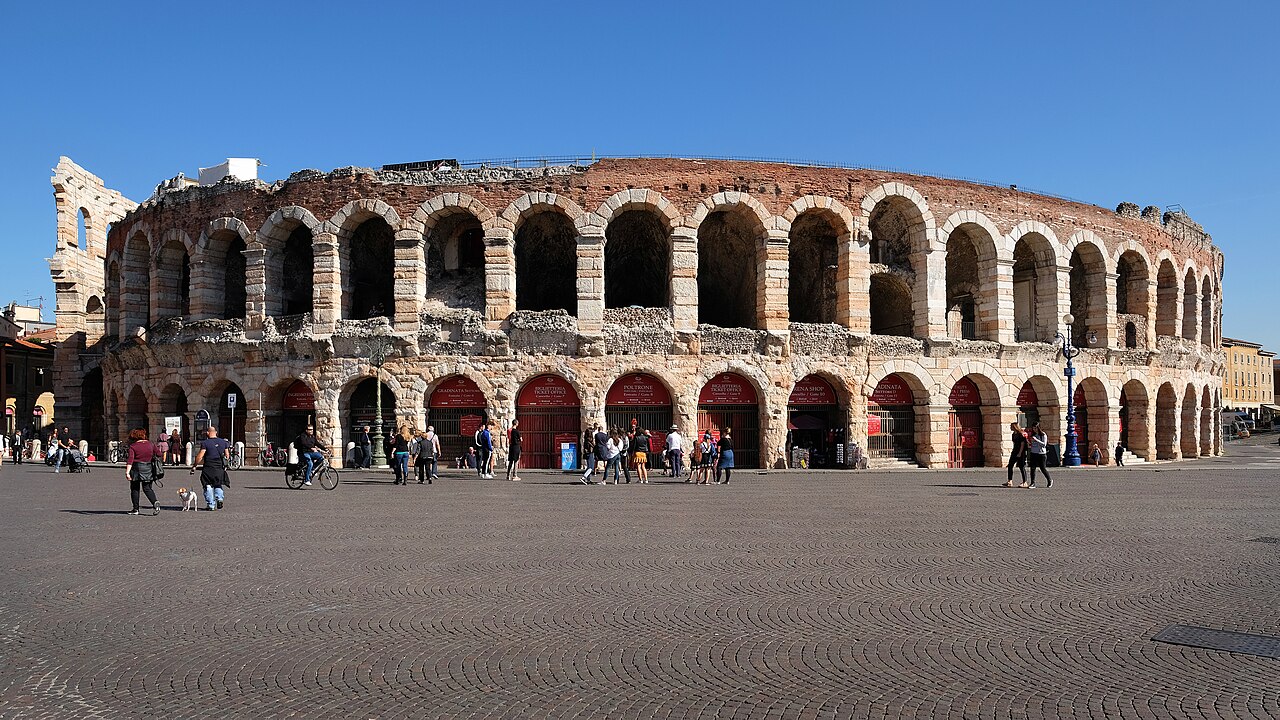
A Roman amphitheatre from the first century AD that is still used today, for a famous summer opera festival.
UNESCO World Heritage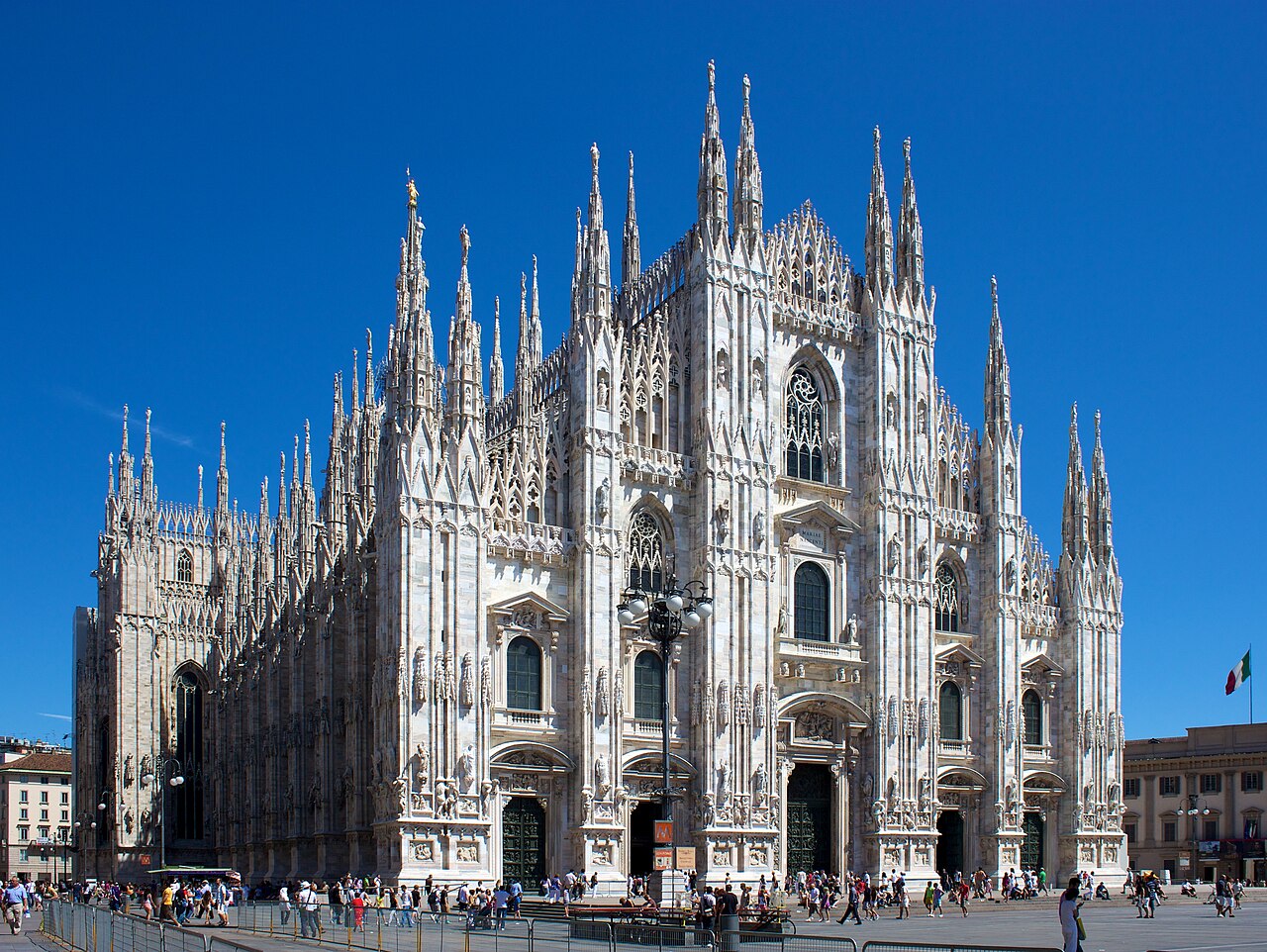
A huge Gothic cathedral with a forest of spires and statues. It took almost six centuries to finish, and you can walk on its roof.
As of 2026, Italy has more UNESCO World Heritage Sites than any other country.
Two independent countries lie completely inside Italy: San Marino and Vatican City.
Italy's 1 euro coin shows Leonardo da Vinci's drawing of the Vitruvian Man.
The University of Bologna, founded in 1088, is considered the oldest university in continuous operation in the world.
The piano was invented in Italy by Bartolomeo Cristofori, around the year 1700.
The greeting 'ciao' comes from the Venetian 's-ciào vostro', meaning 'I am your servant'.
Venice is built on more than 100 small islands, connected by more than 400 bridges.
Mount Etna in Sicily is one of the most active volcanoes in the world.
Angelo Moriondo of Turin patented an early steam coffee machine in 1884, an ancestor of today's espresso machines.
Leonardo da Vinci was born in 1452 near the small Tuscan town of Vinci, which gave him his name.
Italy has had three official capitals since unification: Turin, then Florence, then Rome.
The toppings of pizza margherita, tomato, mozzarella and basil, have the colours of the Italian flag.
Pronunciation is written the way it sounds; the capital letters show where the stress goes. Audio is coming soon.
Paper tickets for regional trains must be validated in a machine at the station before you board, or you can be fined. Digital tickets do not need it.
Many churches, including St Peter's in the Vatican, ask visitors to cover their shoulders and knees. A light scarf in your bag solves it.
In most cafés, a coffee at the bar costs less than the same coffee served at a table.
Italians usually have dinner around 8 pm or later. Many restaurants do not open for dinner before 7 pm.
Tipping is not expected as in some countries. Rounding up or leaving a couple of euros for good service is appreciated.
In smaller towns, many shops close for a few hours in the early afternoon and open again in the evening.
Friends and family often greet each other with a light kiss on both cheeks. With strangers, a handshake is normal.
Many cities add a small tourist tax per night to your hotel bill, often paid on arrival or departure.