Spain covers most of the Iberian Peninsula in the southwest of Europe, between the Atlantic Ocean and the Mediterranean Sea. Much of the interior is a high, dry plateau called the Meseta, with Madrid right in the middle. The country also includes the Balearic Islands in the Mediterranean, the Canary Islands off the coast of Africa, and two small cities in North Africa, Ceuta and Melilla.
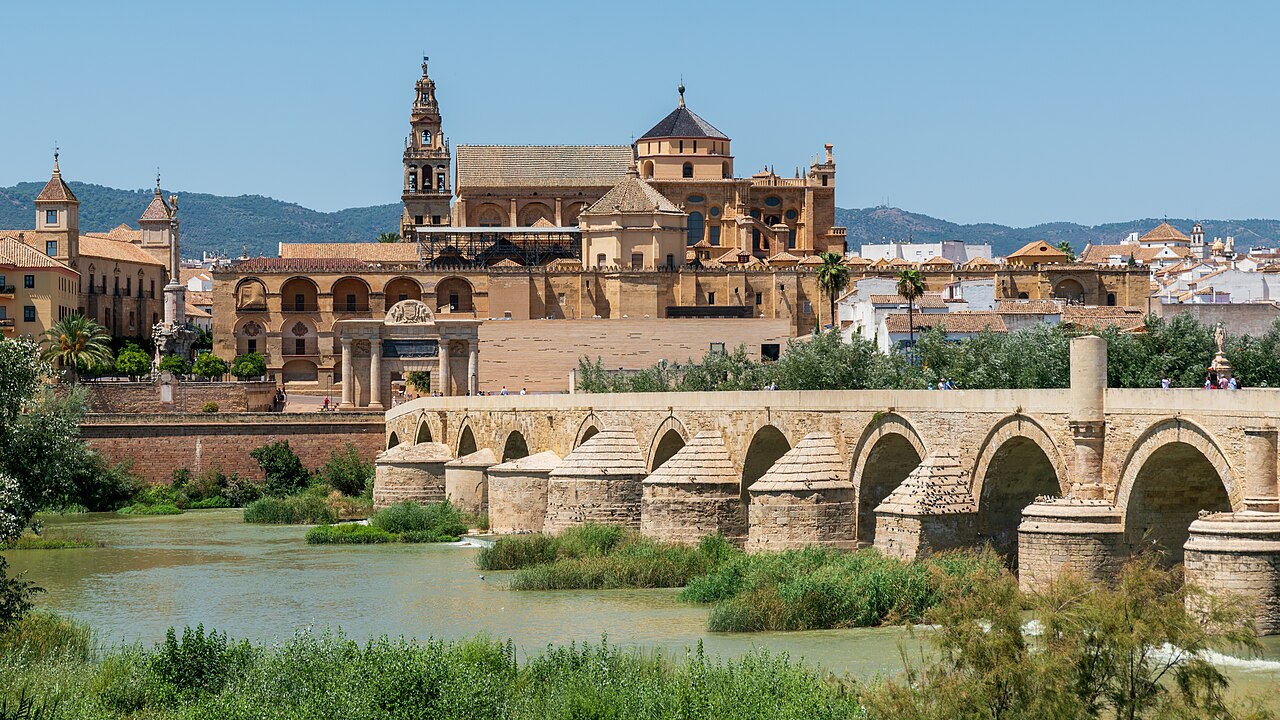
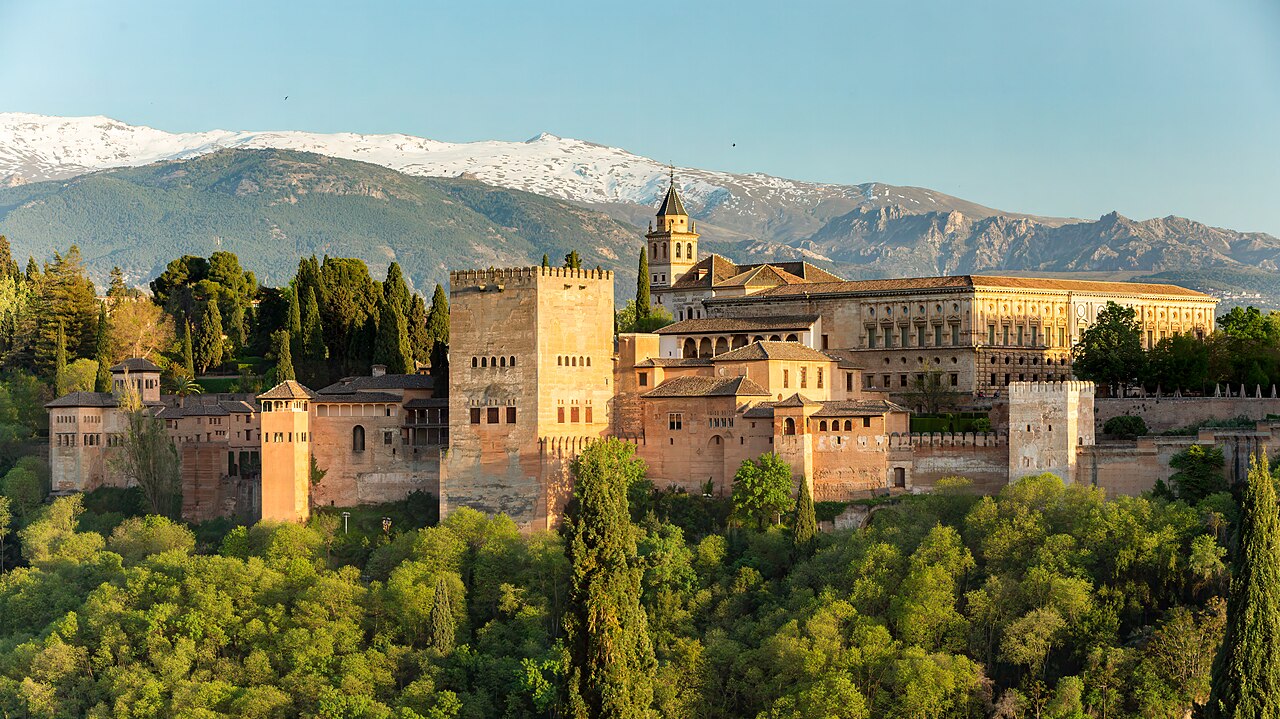
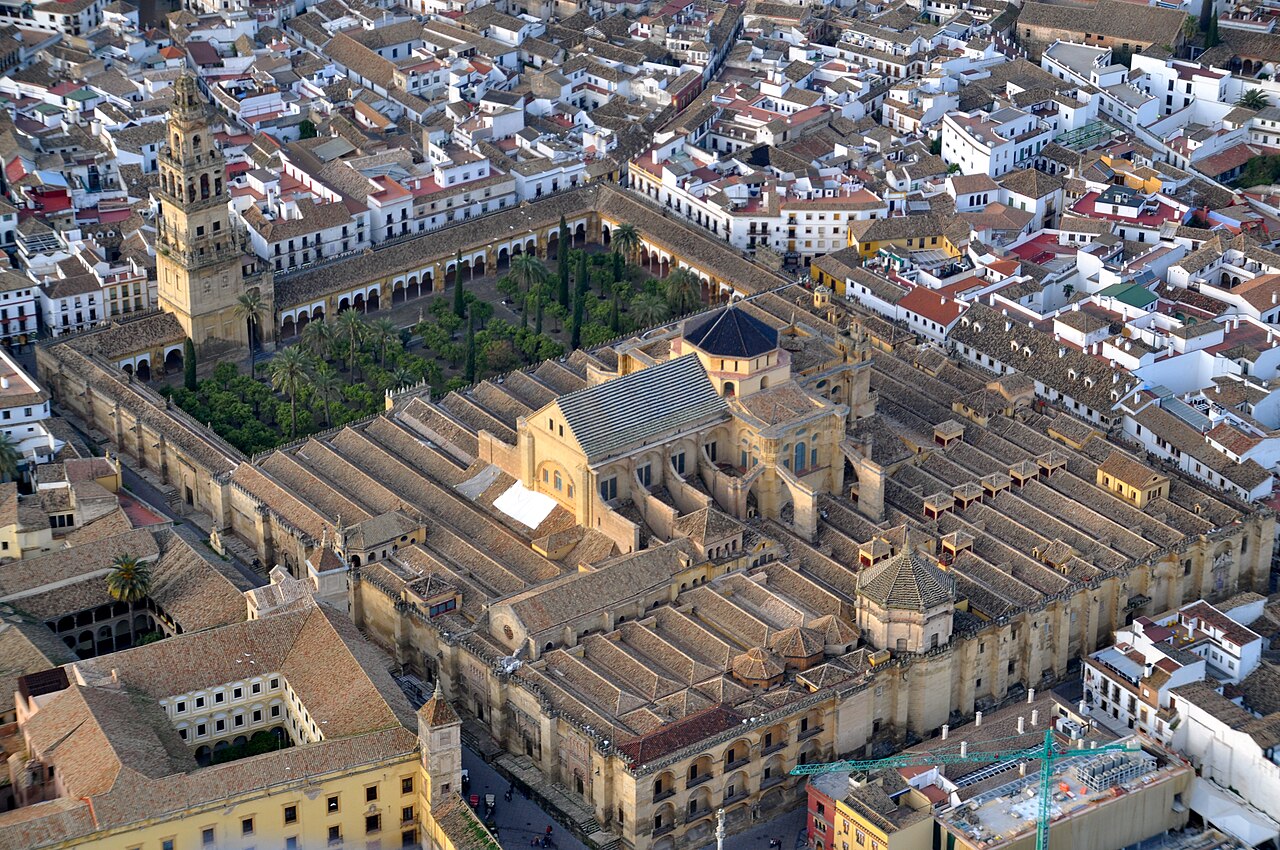
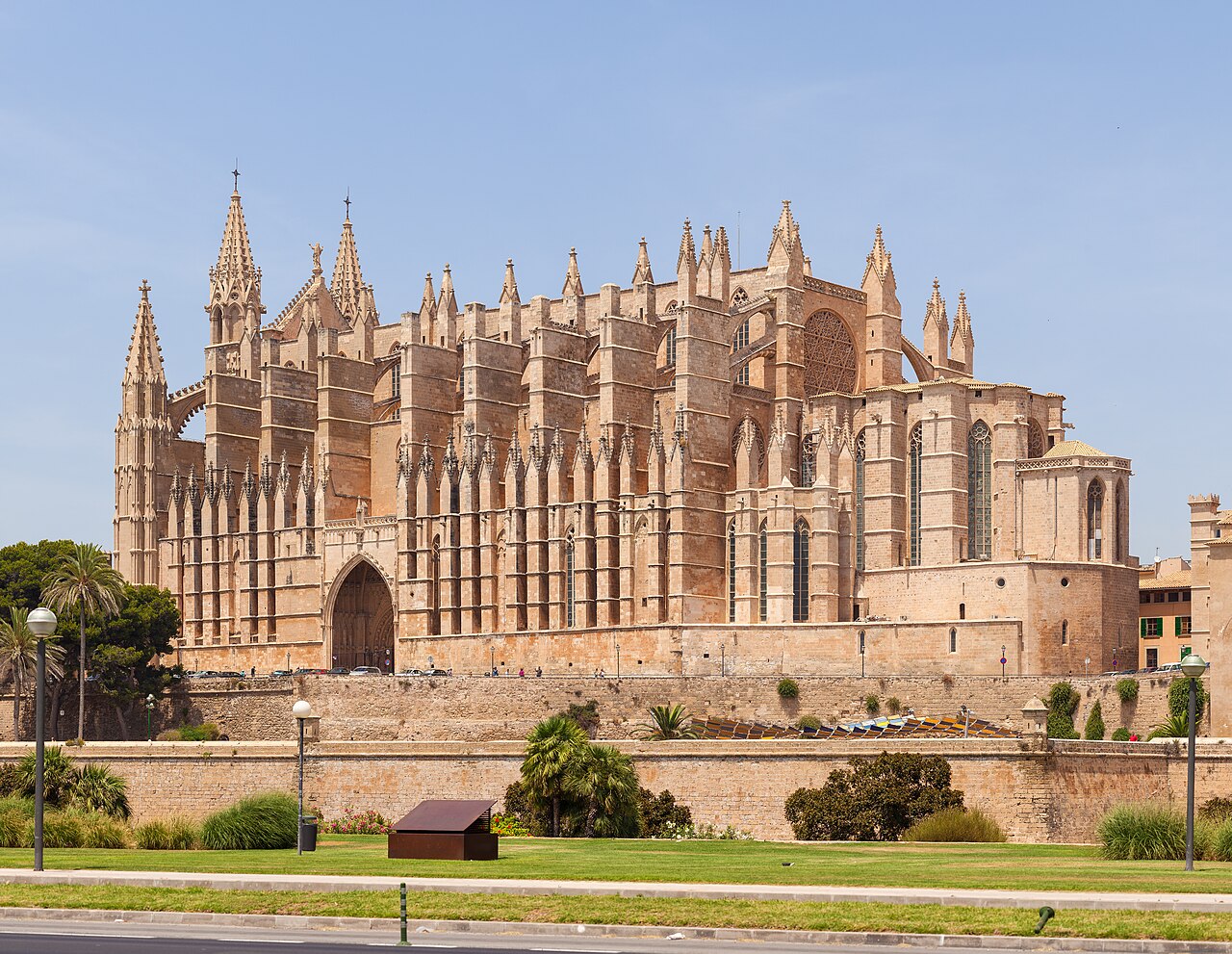
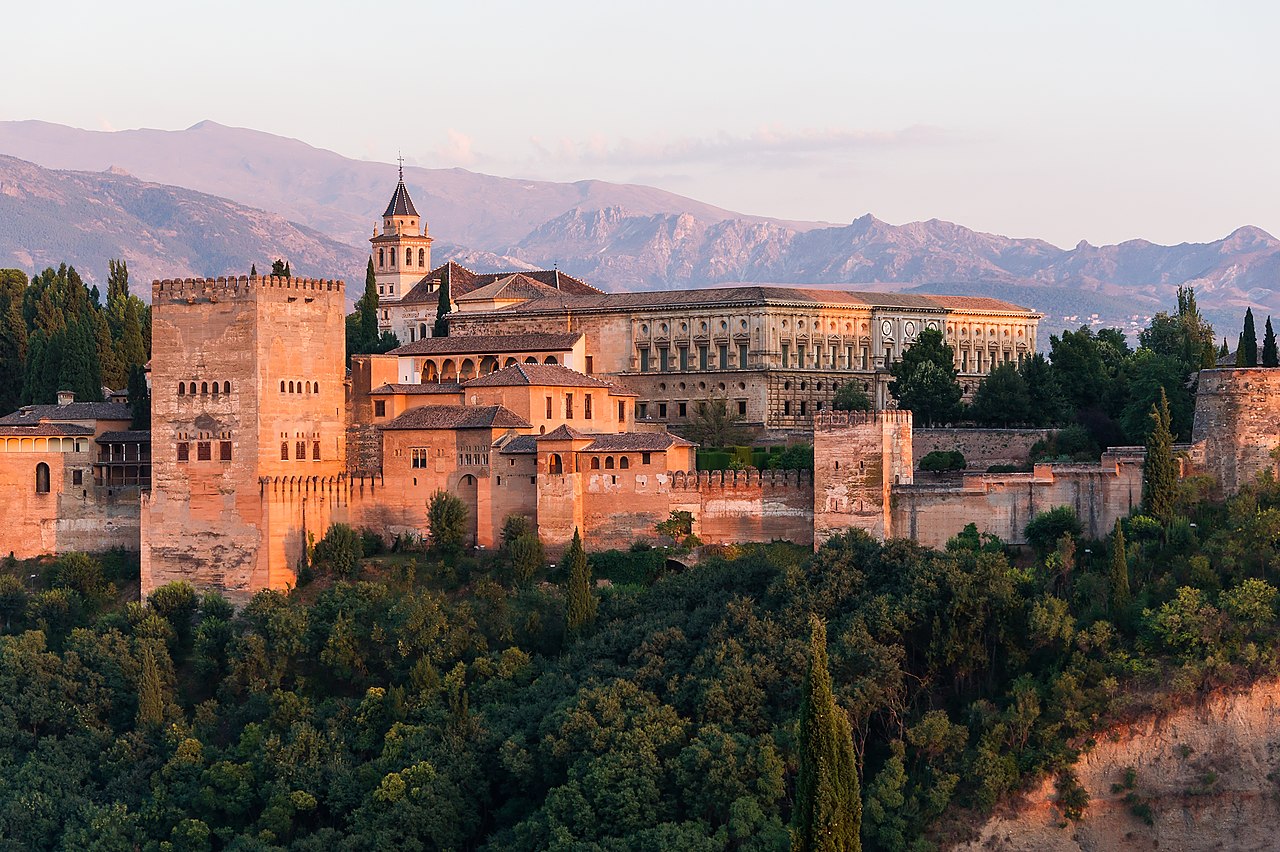
For almost 800 years, from 711 to 1492, Muslim rulers held part of Spain: at first nearly all of it, and in the end only the kingdom of Granada. They left behind masterpieces such as the Alhambra in Granada and the great mosque of Córdoba. In 1492 Spain became the base for Columbus's voyages, and within a century it ruled an empire that stretched across the Americas and into Asia.
Today Spain is a constitutional monarchy of about 50 million people. It is one of the world's favourite holiday destinations, loved for its beaches, its art, its festivals and a relaxed way of life built around food, family and time spent outdoors.
CapitalMadrid
PopulationAbout 50 million (49.8 million in mid 2026)
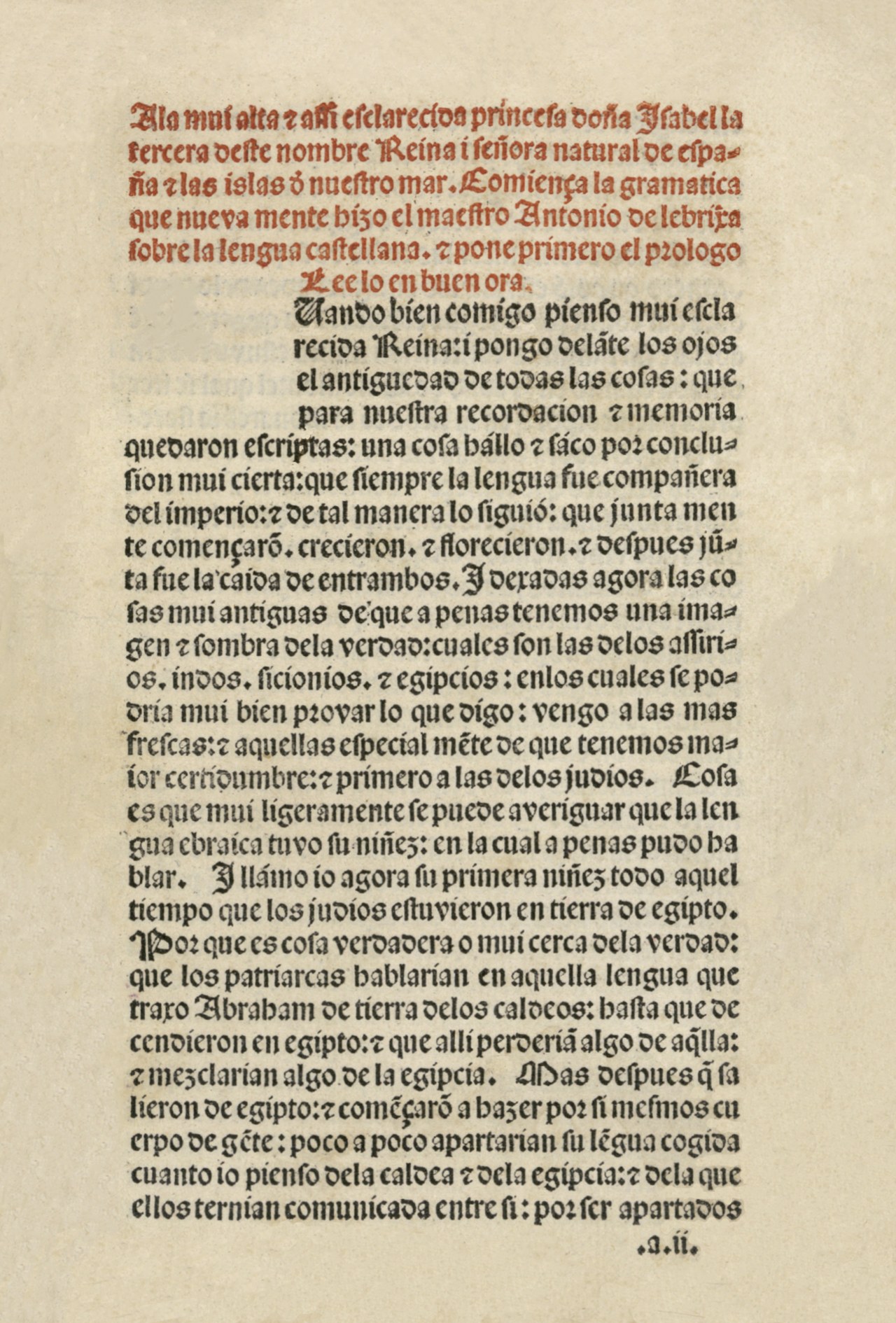
Official languageSpanish (Castilian), with Catalan, Galician, Basque and others co-official in their regions
CurrencyEuro (€)
AreaAbout 506,000 km²
GovernmentParliamentary constitutional monarchy (constitution of 1978)
Highest mountainTeide, 3,715 m, on Tenerife in the Canary Islands (Mulhacén, 3,479 m, is the highest on the mainland)
Longest riverThe Tagus (Tajo), about 1,007 km, which it shares with Portugal
NeighboursPortugal, France, Andorra, Morocco (at Ceuta and Melilla) and Gibraltar (British)
Drives on theRight
Calling code+34
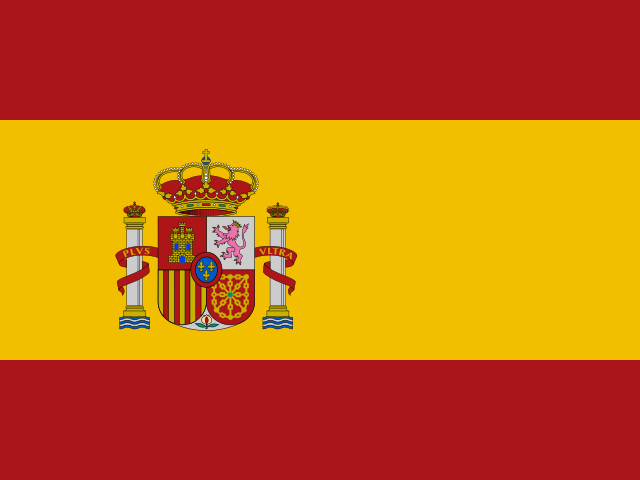
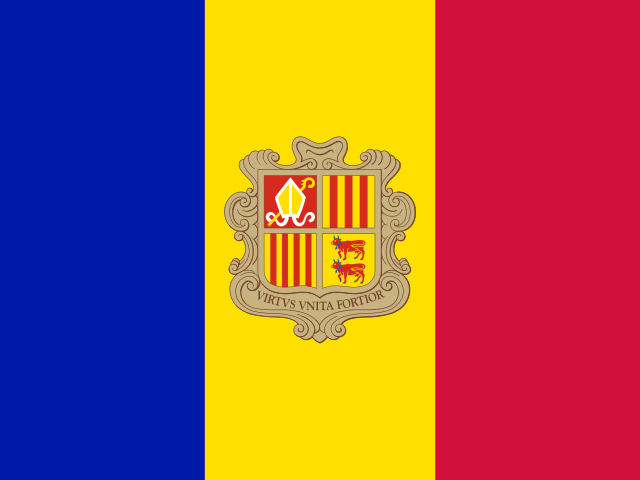 Andorra
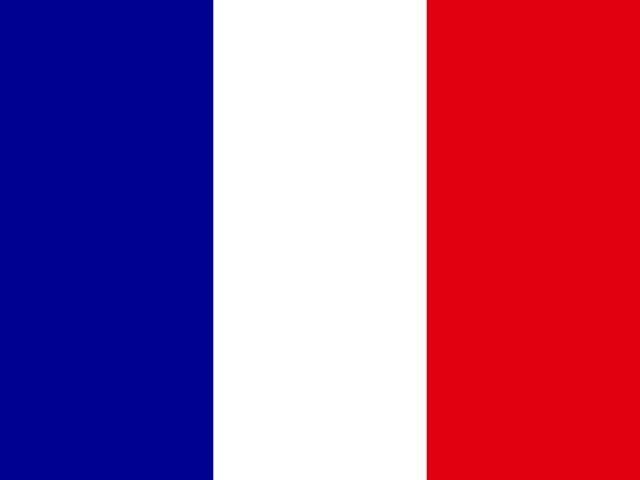 France
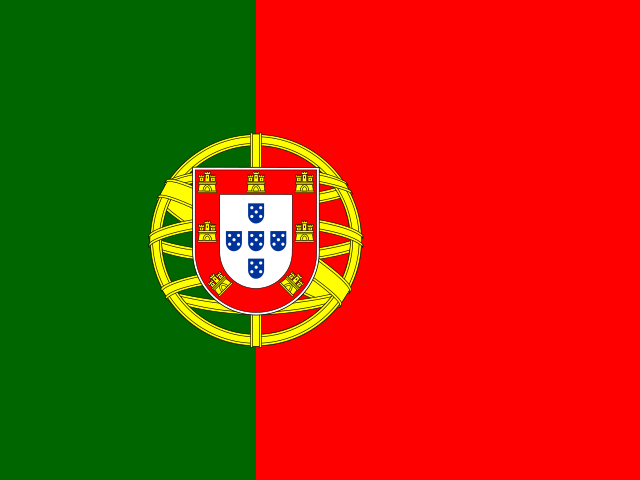 Portugal
 Morocco