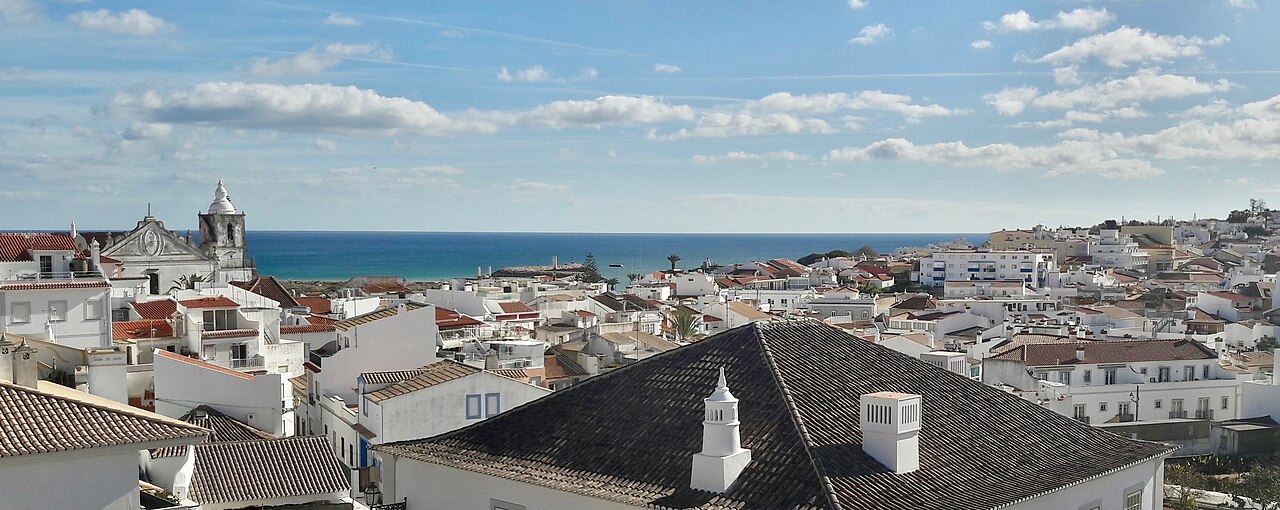
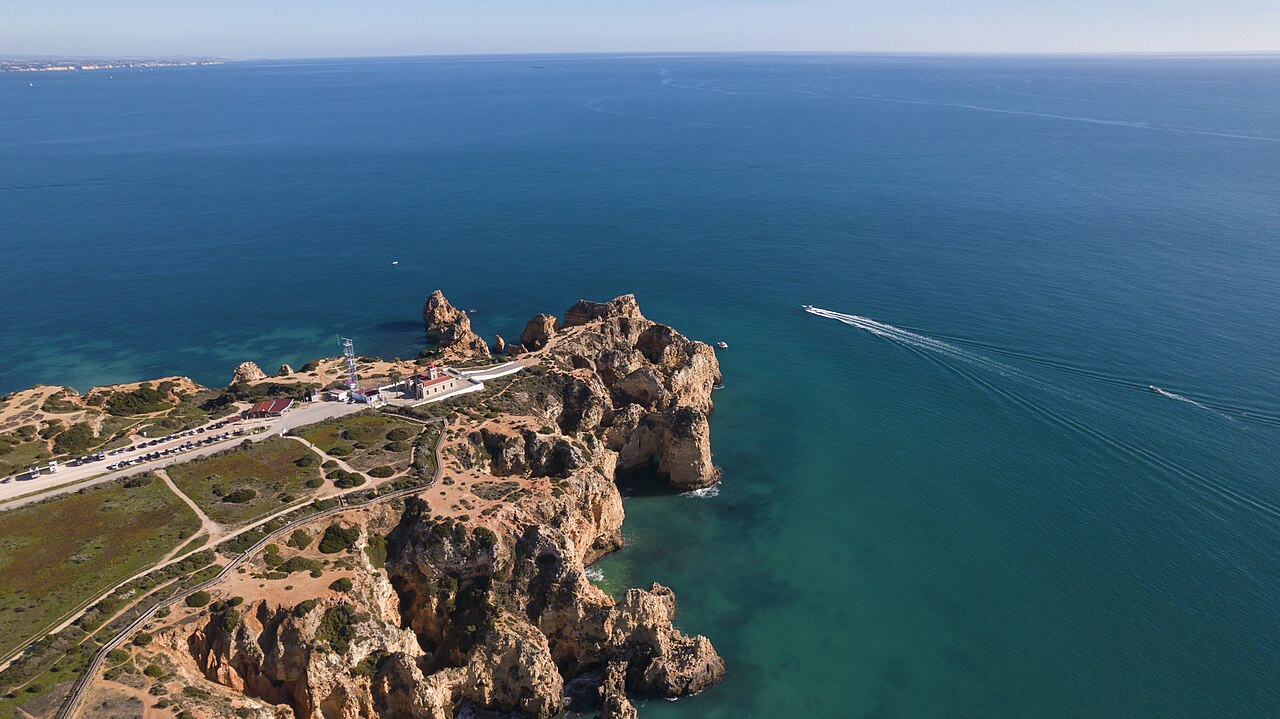
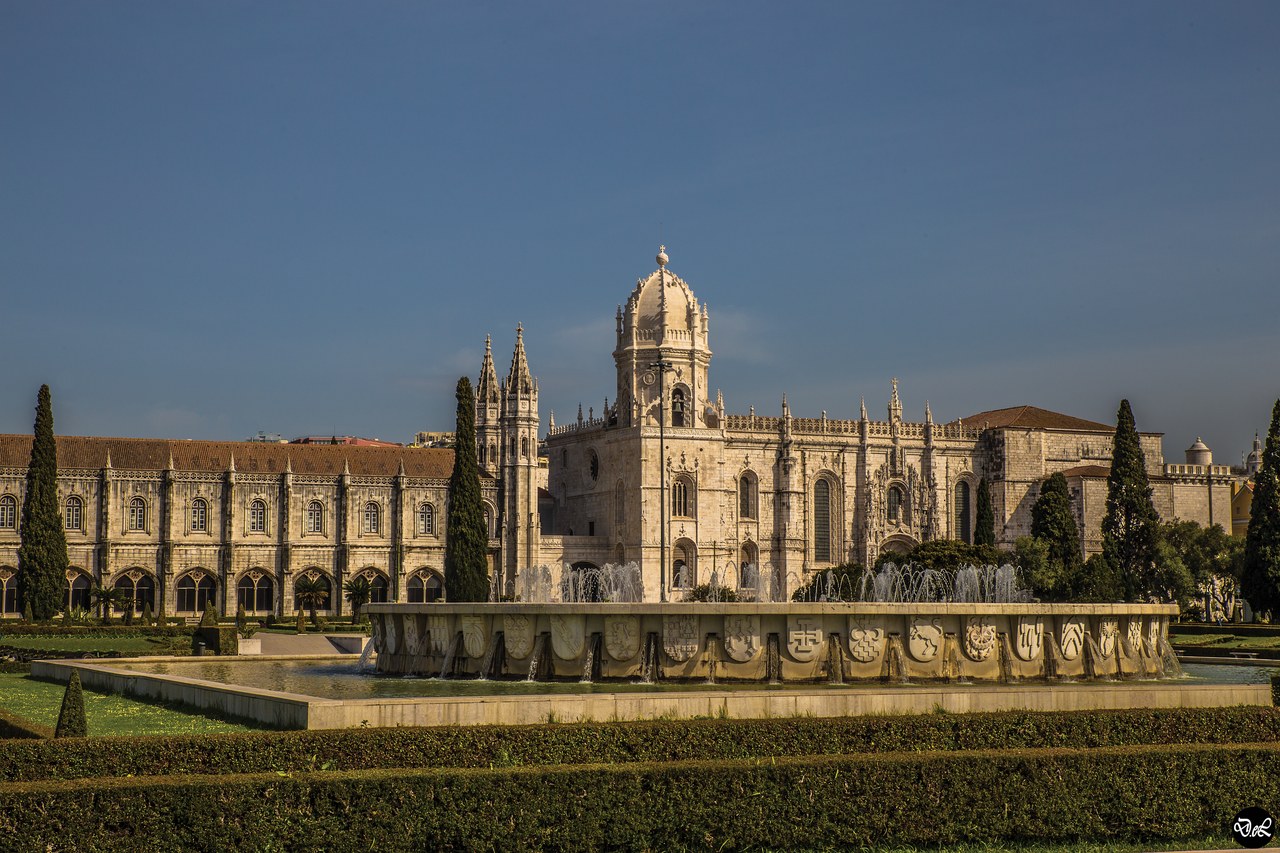
Portugal lies on the western side of the Iberian Peninsula, facing the Atlantic Ocean, with Spain as its only land neighbour. Far out in the ocean it also includes two groups of islands, Madeira and the Azores. The north is green and hilly, while the south, the Alentejo and the Algarve, is a land of rolling plains, cork oaks and golden beaches.
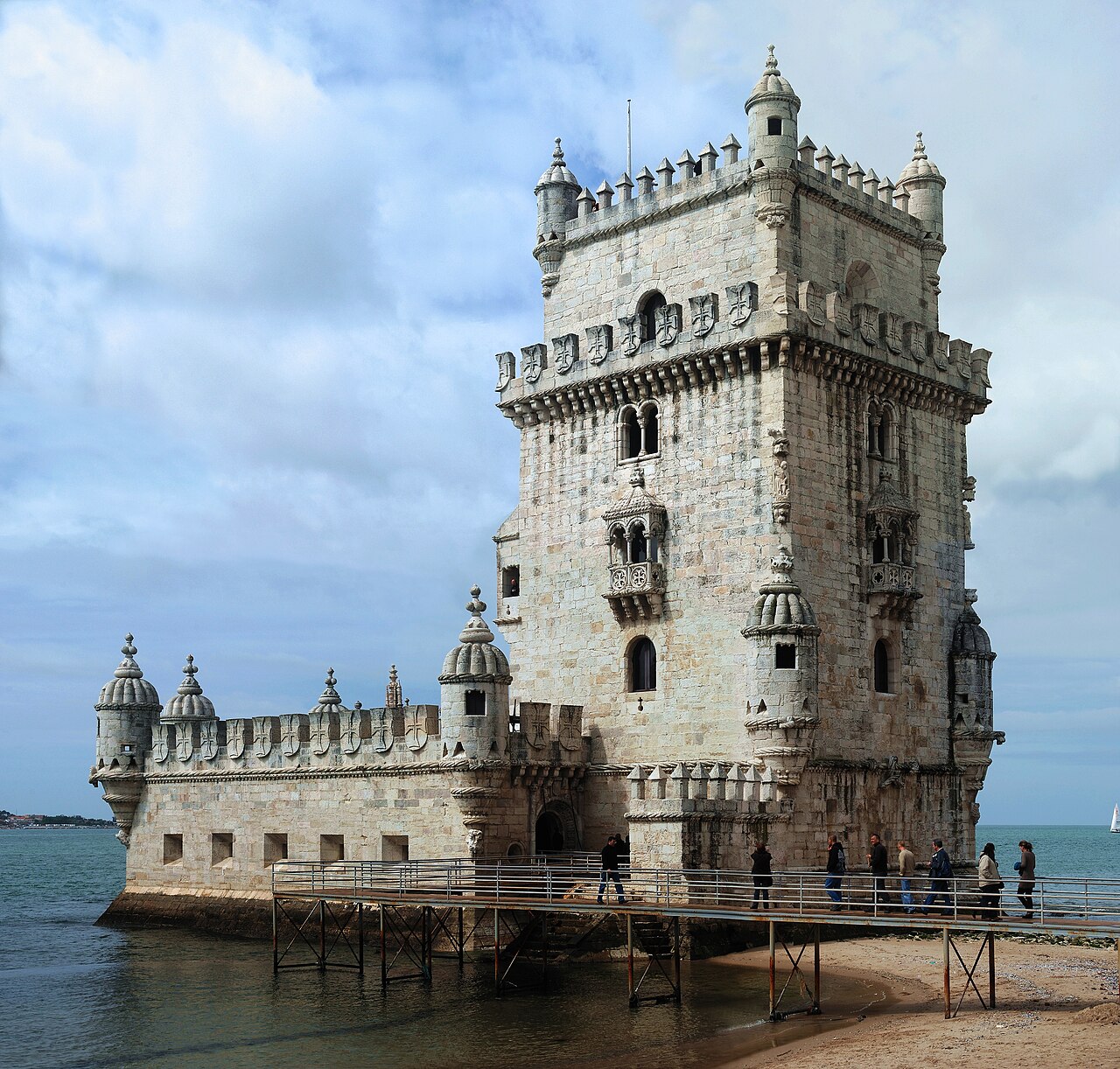
Portugal became a kingdom in the 1100s, and its borders on the mainland have barely changed since 1297. In the 1400s and 1500s its sailors led the Age of Discovery: they sailed around Africa to India, reached Brazil and built trading posts as far away as China and Japan.
Today Portugal is a democratic republic of about 11.4 million people. The monarchy ended in 1910, a long dictatorship ended with the peaceful Carnation Revolution of 1974, and the country joined the European Community in 1986. Portuguese, the language its explorers carried around the world, now has more than 250 million native speakers, most of them in Brazil.
CapitalLisbon
PopulationAbout 11.4 million (INE estimate for the end of 2025)
Official languagePortuguese (Mirandese is also recognised in the far northeast)
CurrencyEuro (€), since 2002 (before that, the escudo)
AreaAbout 92,000 km², including Madeira and the Azores
GovernmentSemi-presidential republic (constitution of 1976)
Highest mountainMount Pico, 2,351 m, in the Azores (Torre in the Serra da Estrela, 1,993 m, is the highest on the mainland)
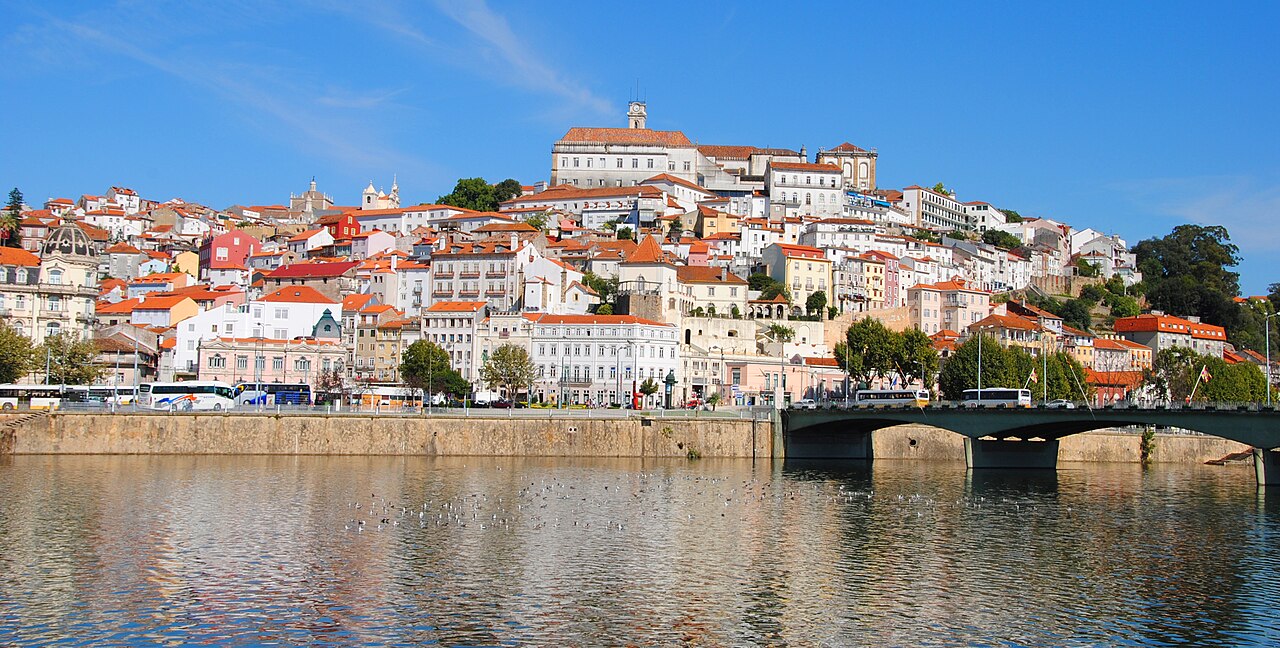
Longest riverThe Tagus (Tejo), about 1,000 km, most of it in Spain; the Mondego, 234 km, is the longest river entirely in Portugal
NeighboursSpain, its only land neighbour
Drives on theRight
Calling code+351
 Spain