Portuguese cooking is simple and generous: good olive oil, garlic, fresh fish and seafood, pork, bread and a great love of sweets. Lunch and dinner usually begin with a soup, such as caldo verde, followed by a main course of fish or meat, then dessert, and end with a small, strong coffee.
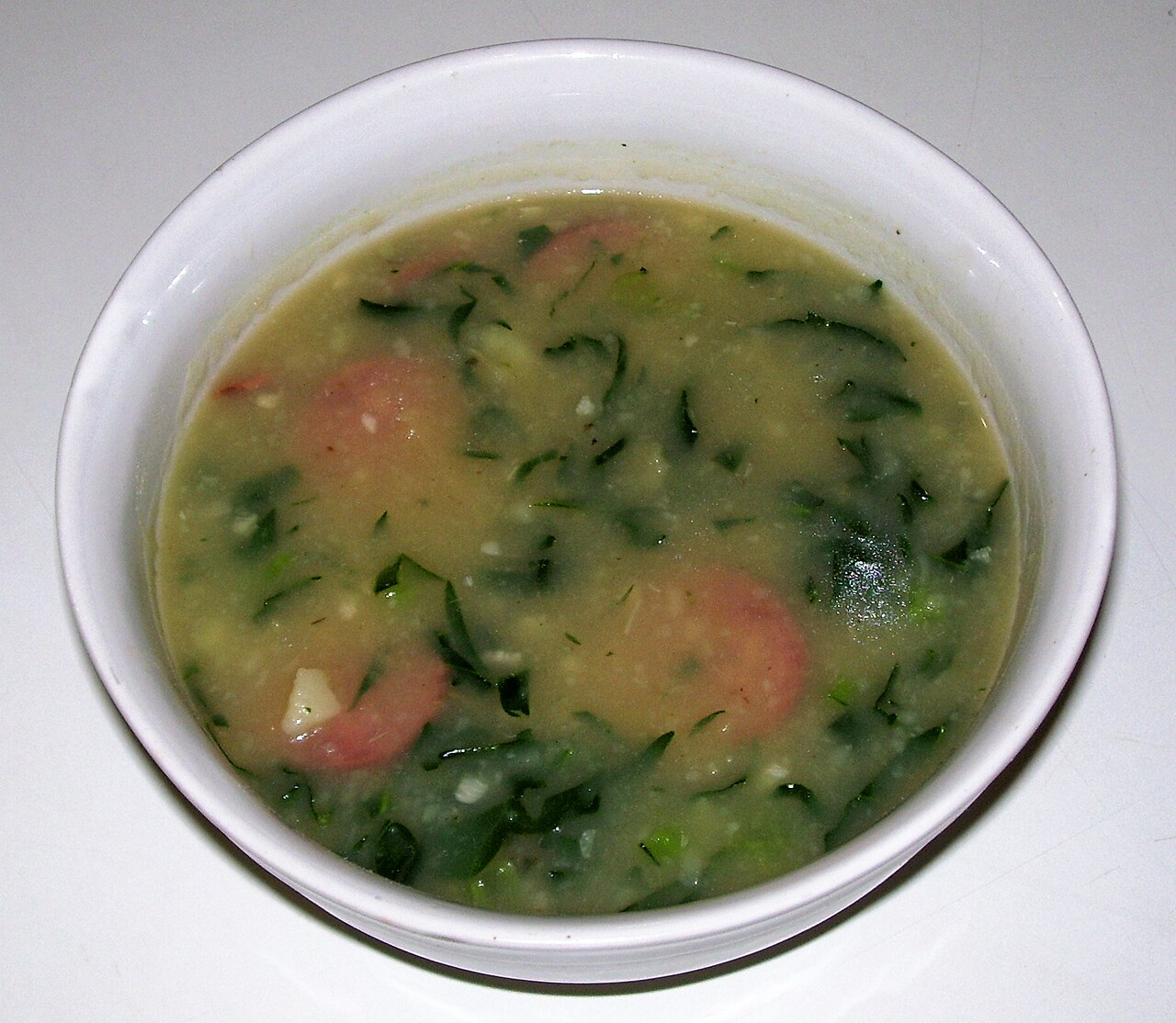
'Green broth': a potato soup filled with very finely shredded Portuguese cabbage or kale, served with a slice of chouriço sausage and a drizzle of olive oil.
In 2011 caldo verde was voted one of the Seven Wonders of Portuguese Gastronomy.
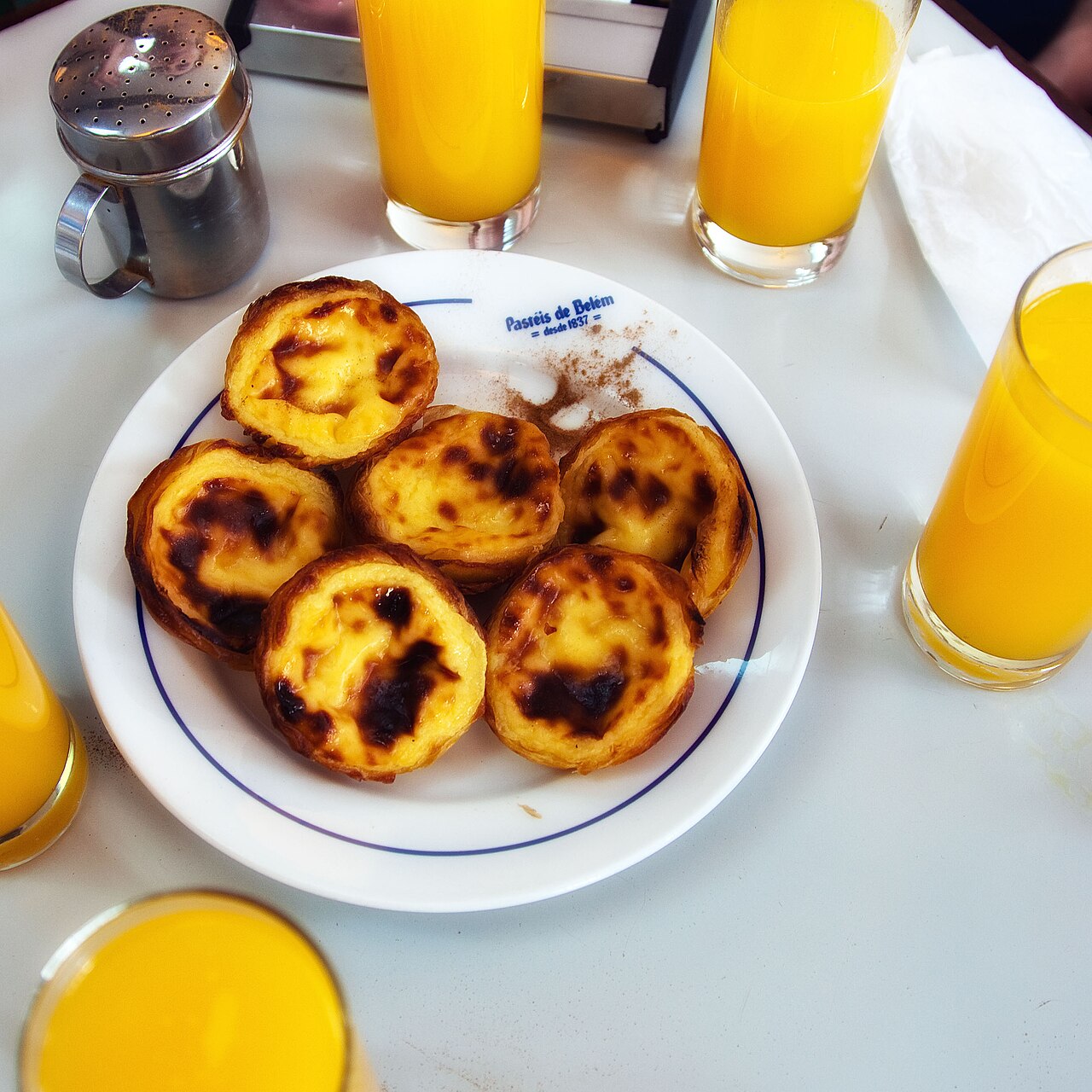
A small tart of crisp, flaky pastry filled with egg custard, baked in a very hot oven until the top is blistered and dark in spots. Often dusted with cinnamon and eaten with a coffee.
Monks of the Jerónimos Monastery made the original tarts. After the monastery closed in 1834 the recipe was sold, and the bakery Pastéis de Belém, open since 1837, still keeps it secret.
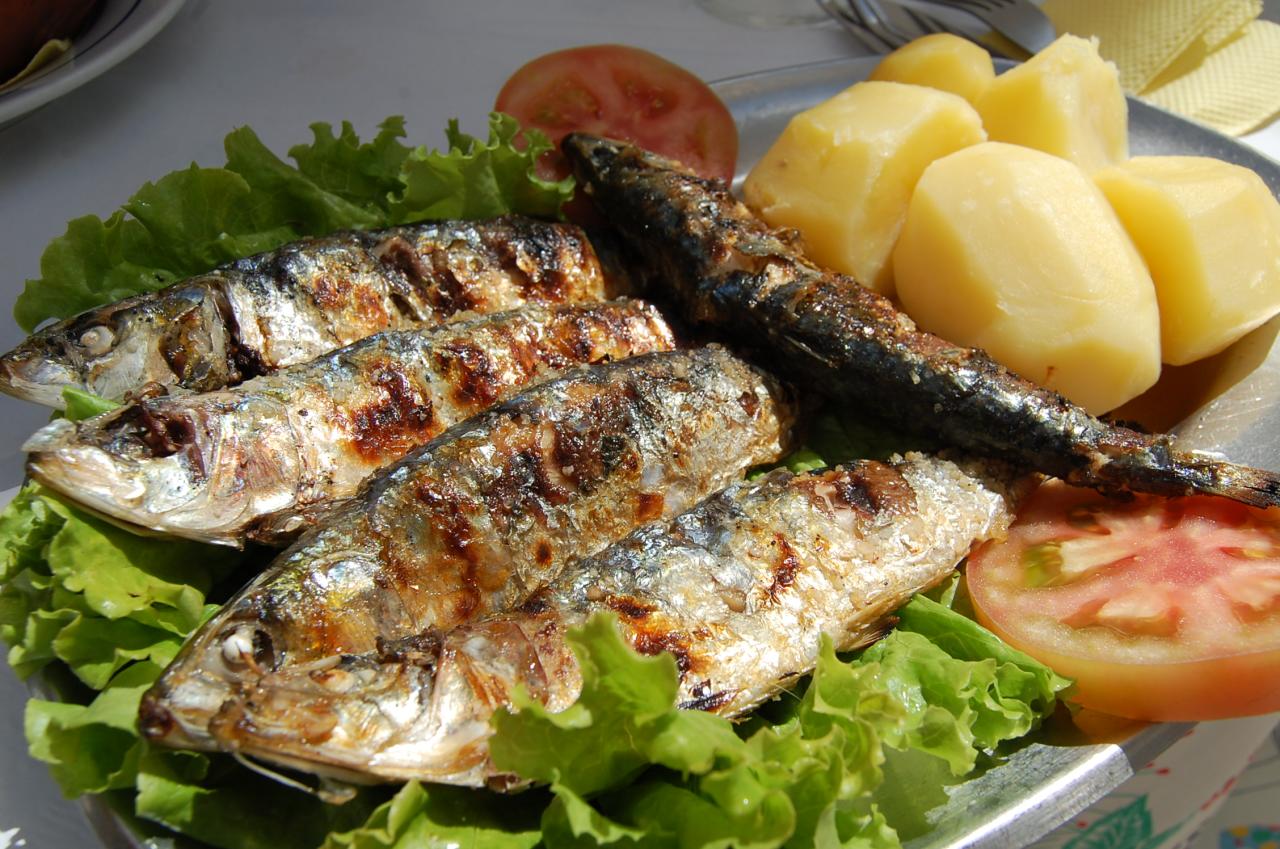
Whole fresh sardines sprinkled with coarse salt and grilled over charcoal, eaten with boiled potatoes, a salad of peppers, or simply on a slice of bread.
Grilled sardines are the smell of June in Lisbon, when the city celebrates Saint Anthony on the nights of 12 and 13 June with street parties in the old quarters.
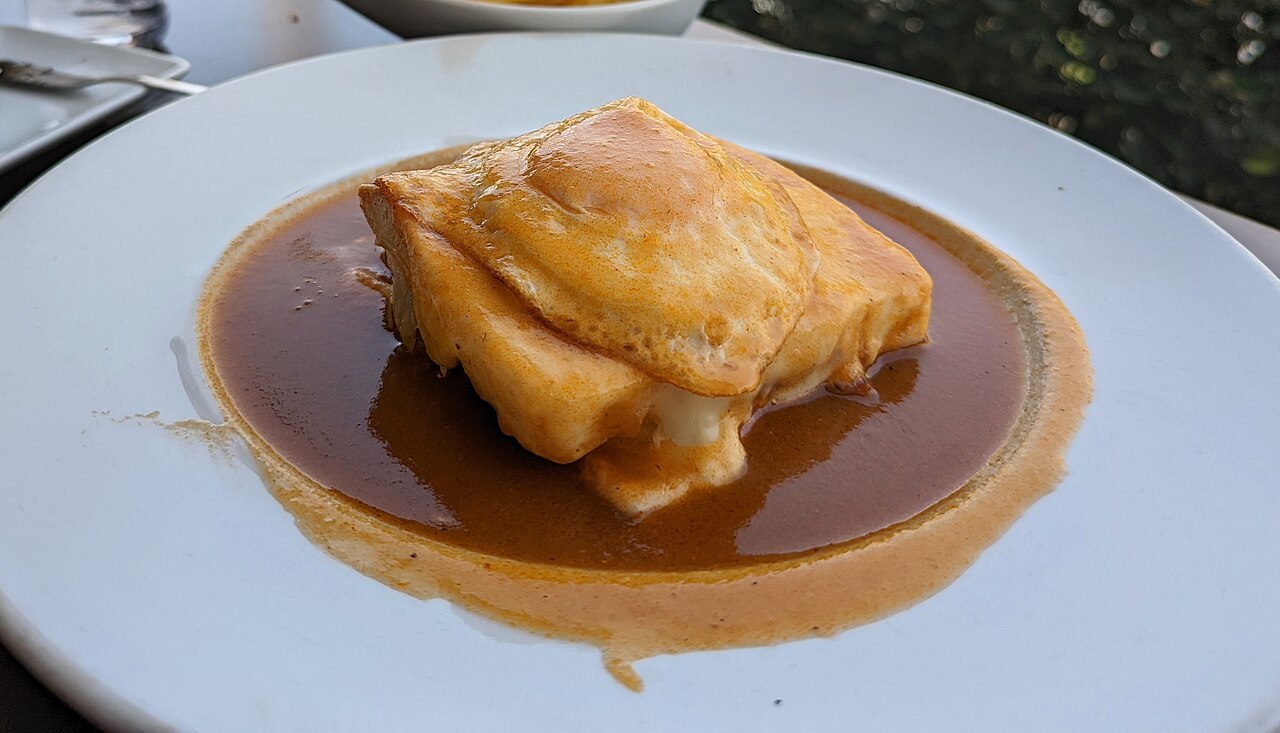
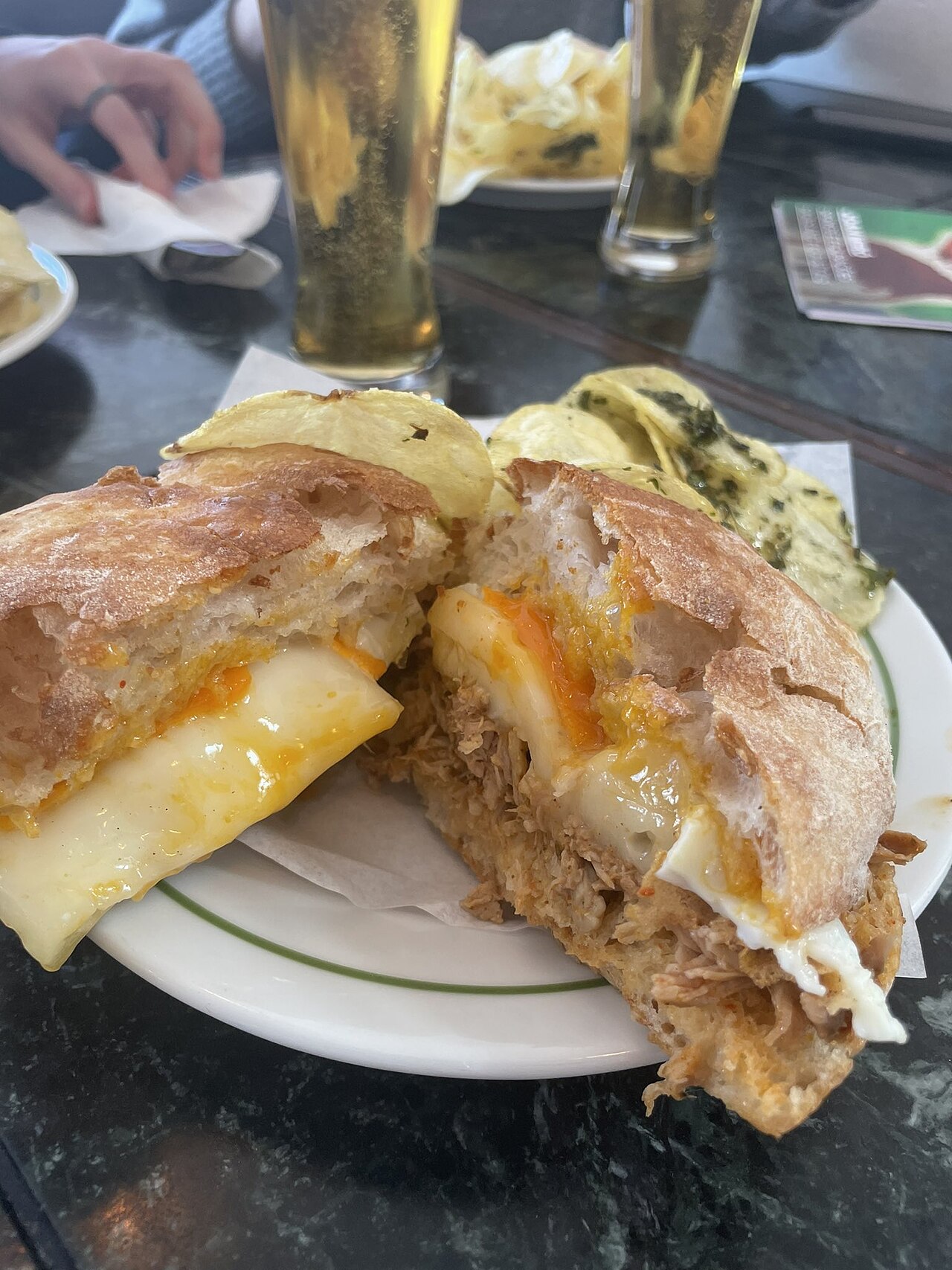
A towering sandwich of bread, steak, ham and sausage, covered in melted cheese and a hot tomato and beer sauce, usually with chips on the side.
The name means 'little French girl'. It is said to have been created in 1953 by Daniel David de Silva, who came home from France and adapted the croque monsieur to Portuguese tastes.
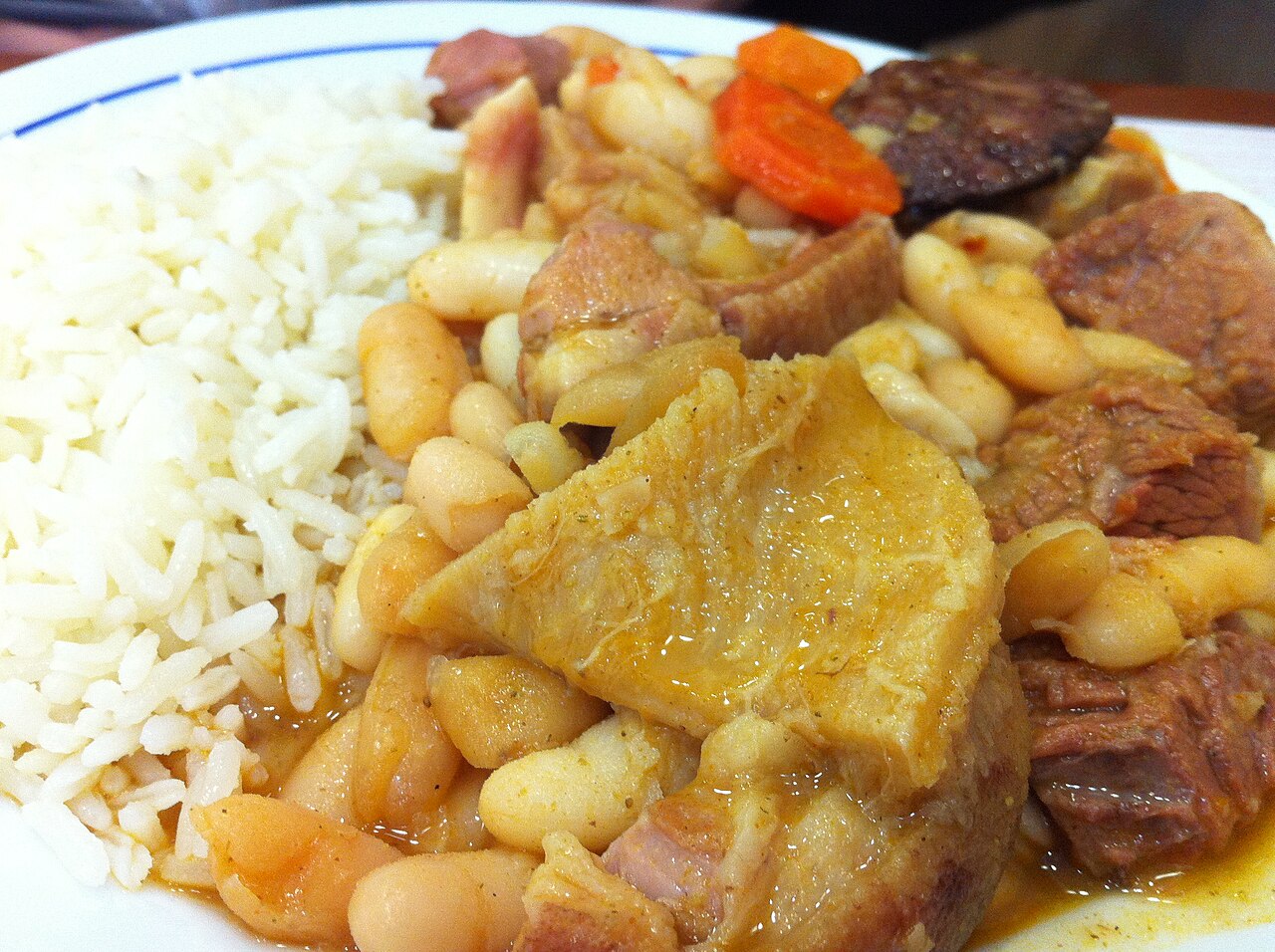
A hearty stew of tripe with white beans, sausage and carrots, served with rice.
Legend says that in 1415 Porto gave all its good meat to the fleet sailing to conquer Ceuta and kept only the tripe. People from Porto are still nicknamed 'tripeiros', tripe eaters.
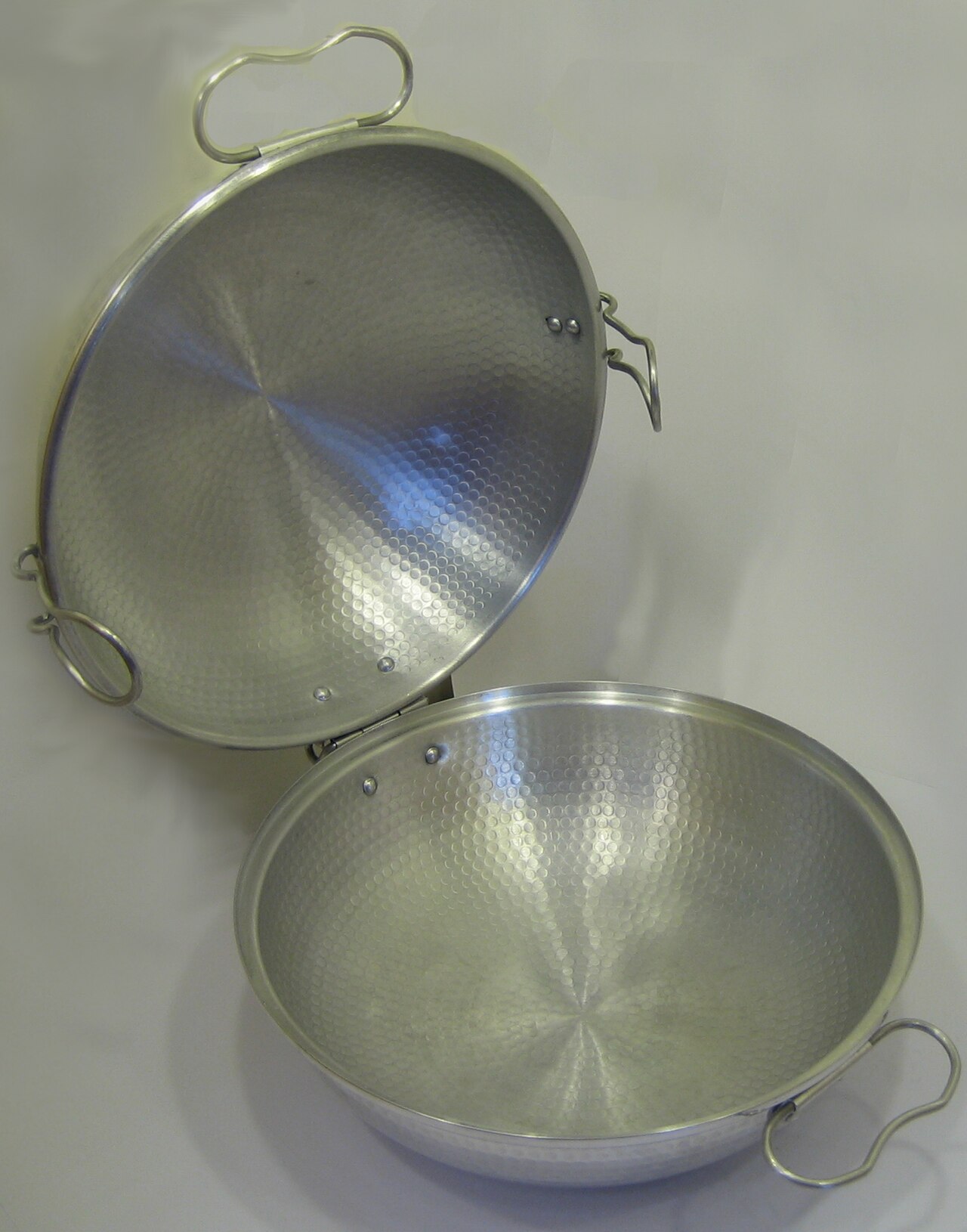
Clams, prawns, fish or pork cooked with onion, peppers, tomato, garlic and white wine in a cataplana, a hinged copper pan shaped like two clam shells that closes tightly and steams the food.
The dish takes its name from the pan. The best known version is clams in cataplana.
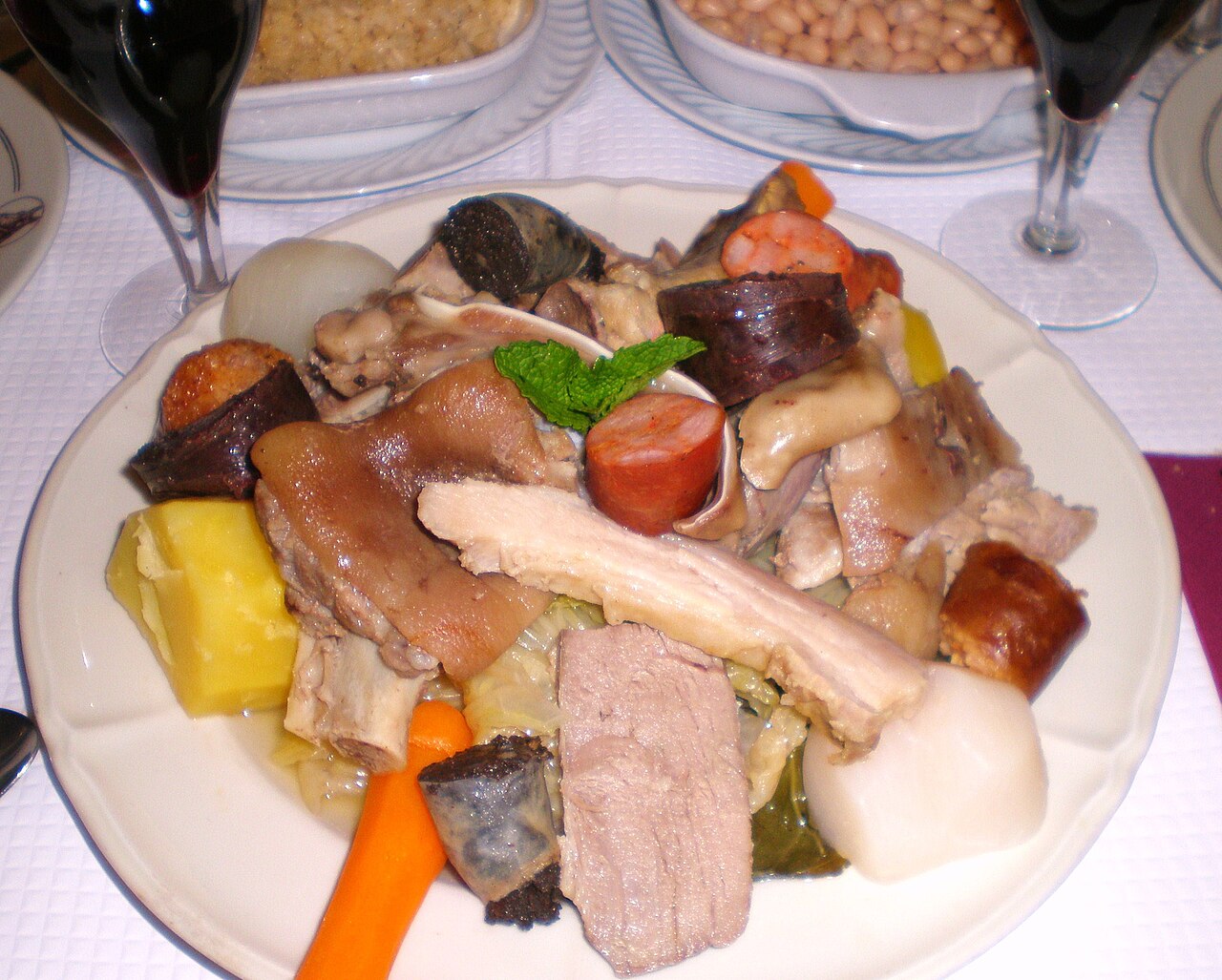
A big boiled dinner of several meats and smoked sausages with cabbage, potatoes, carrots and turnips, a winter favourite and one of the national dishes.
On São Miguel island in the Azores, a local version is cooked in pots buried in the hot volcanic ground.
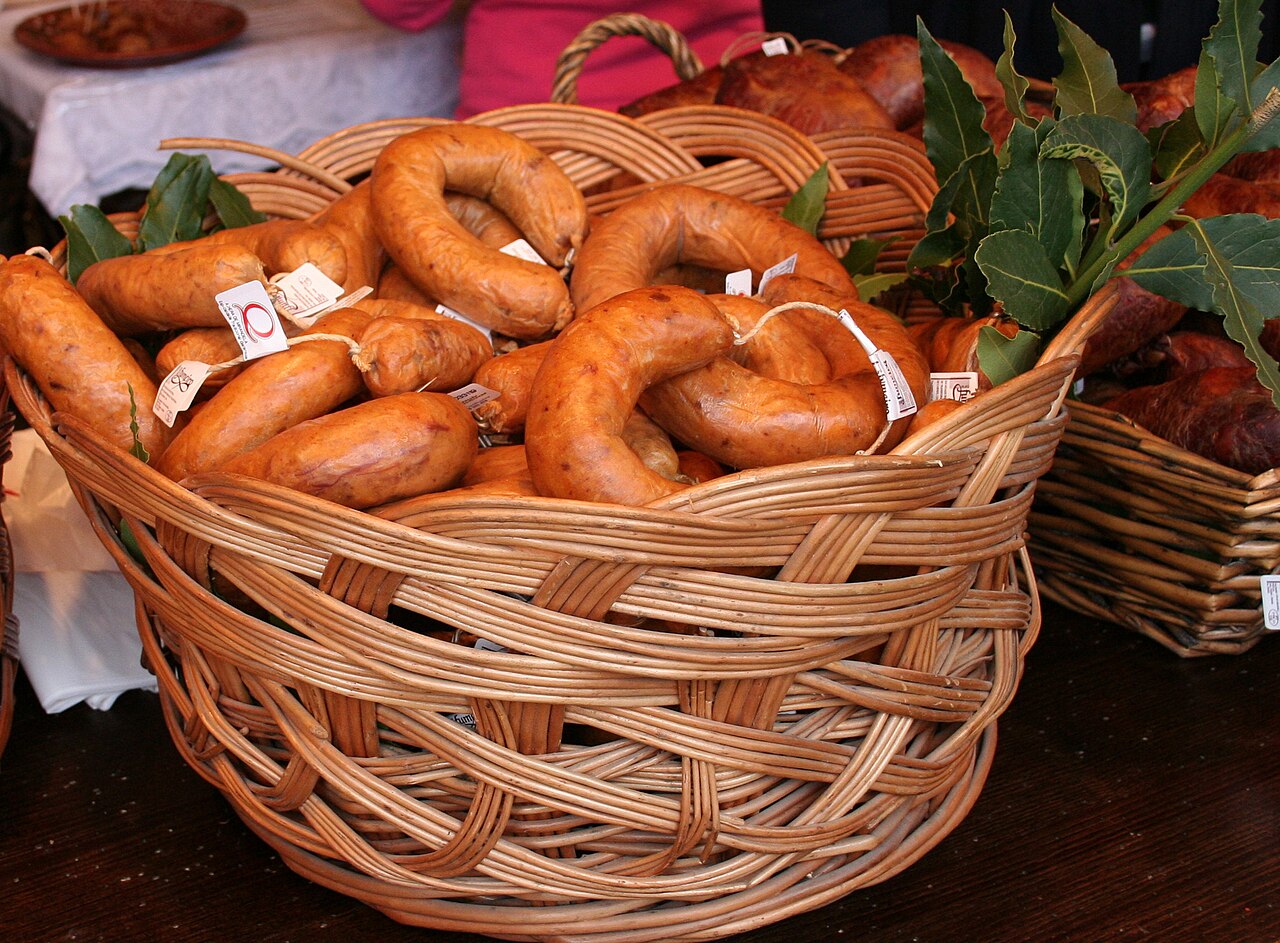
A soft smoked sausage of bread and garlic mixed with meat, traditionally poultry or game. Most alheiras today, including the protected Alheira de Mirandela, also contain pork. It is usually fried and served with chips and a fried egg.
According to a well-known story, it was invented by Jews forced to convert in the 1490s, who hung pork-free sausages in their smokehouses so that they would not be noticed.
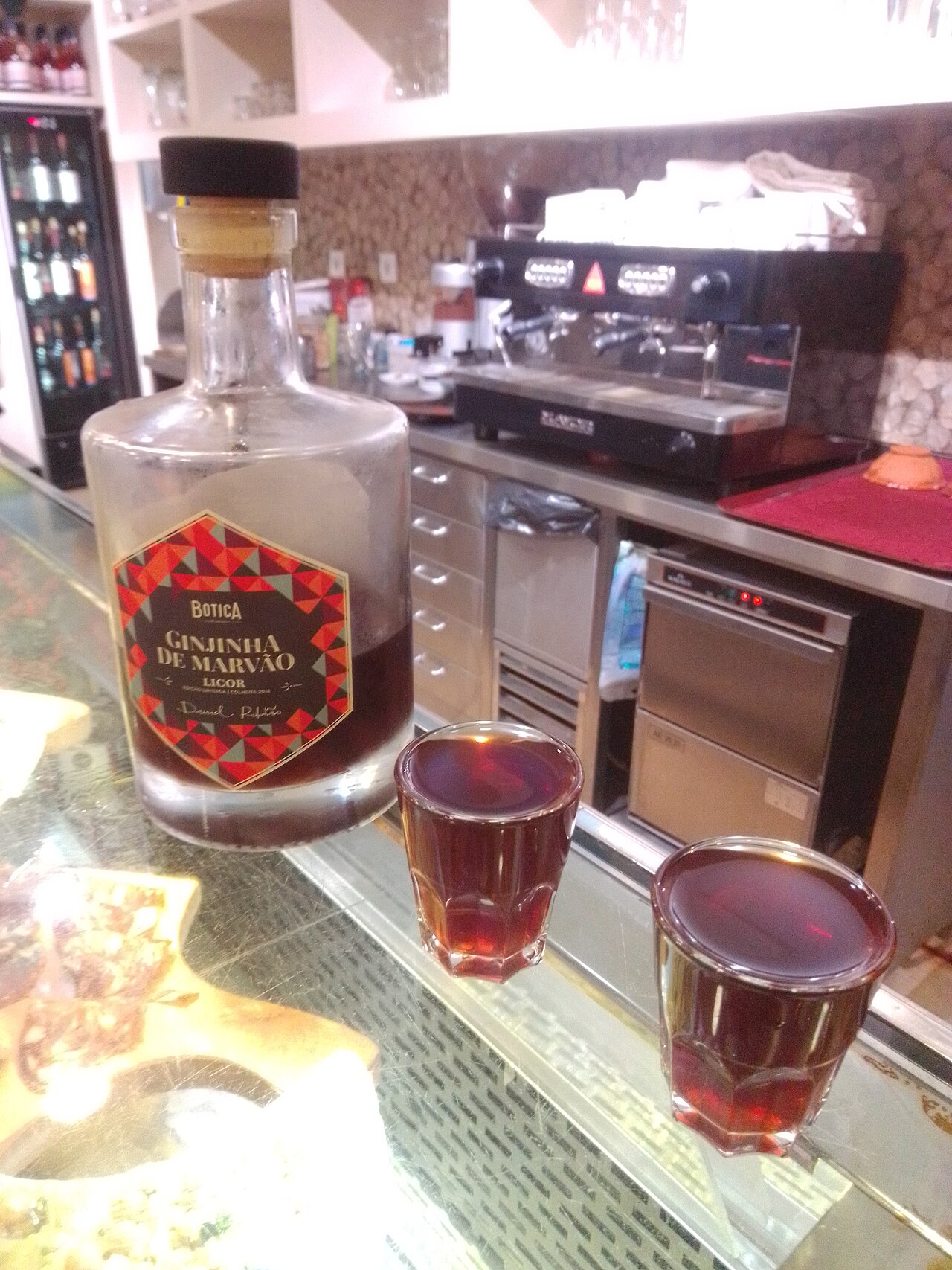
A sweet sour-cherry liqueur served in a small shot glass, often with a cherry at the bottom.
In Óbidos it is often served in a little cup made of chocolate that you eat afterwards.
At the table in Portugal
Lunch is usually between noon and about 2:30 pm, and dinner between about 7:30 and 10:30 pm.
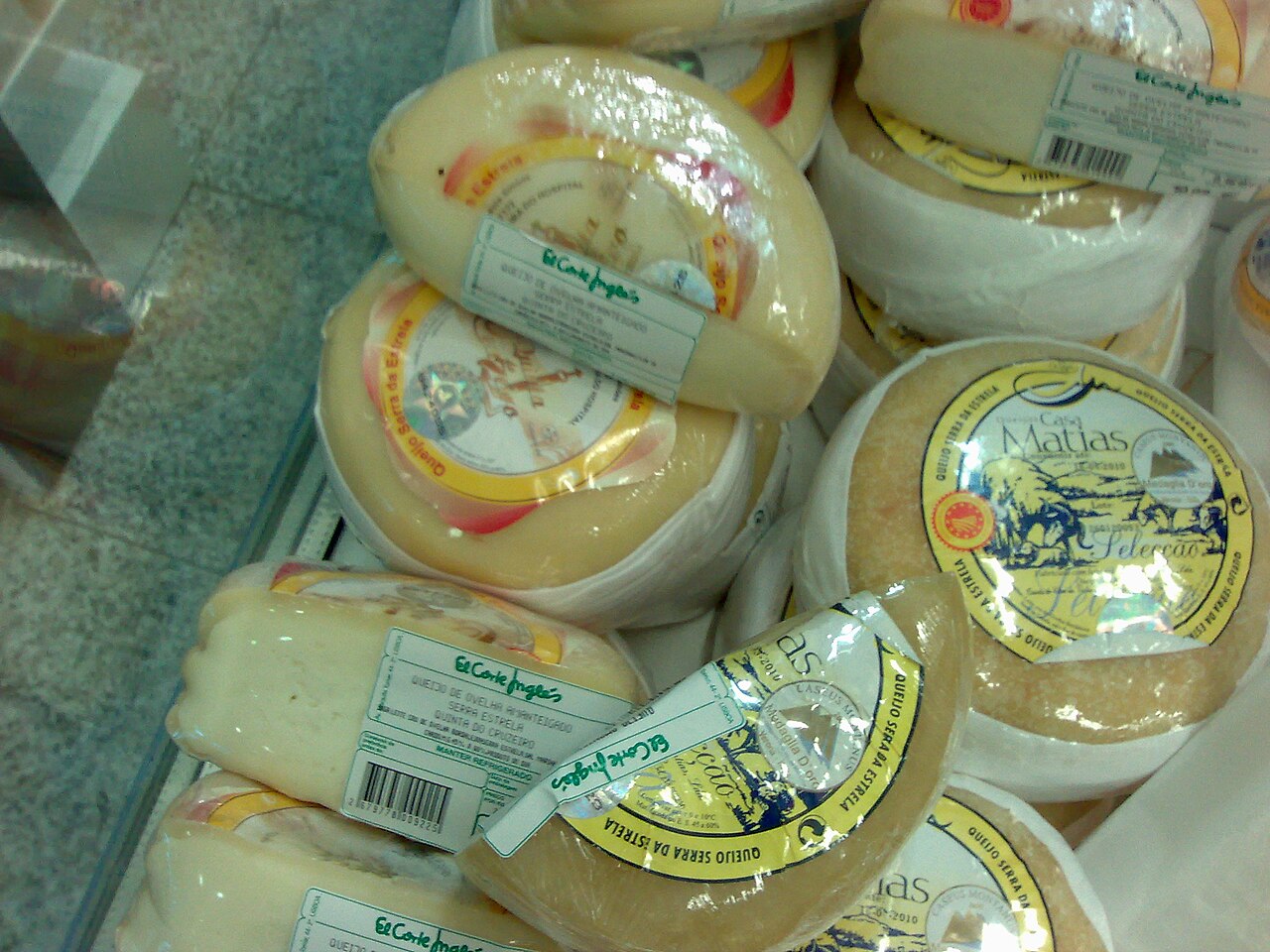
Bread, olives, cheese or other starters (the 'couvert') are often put on the table without being ordered. You pay for them only if you eat them, so send them back if you do not want them.
Restaurants must offer free tap water to their customers.
Say 'Bom apetite' to wish people a good meal before eating.
A meal usually ends with a small, strong coffee. Ask for 'um café' and you get an espresso.