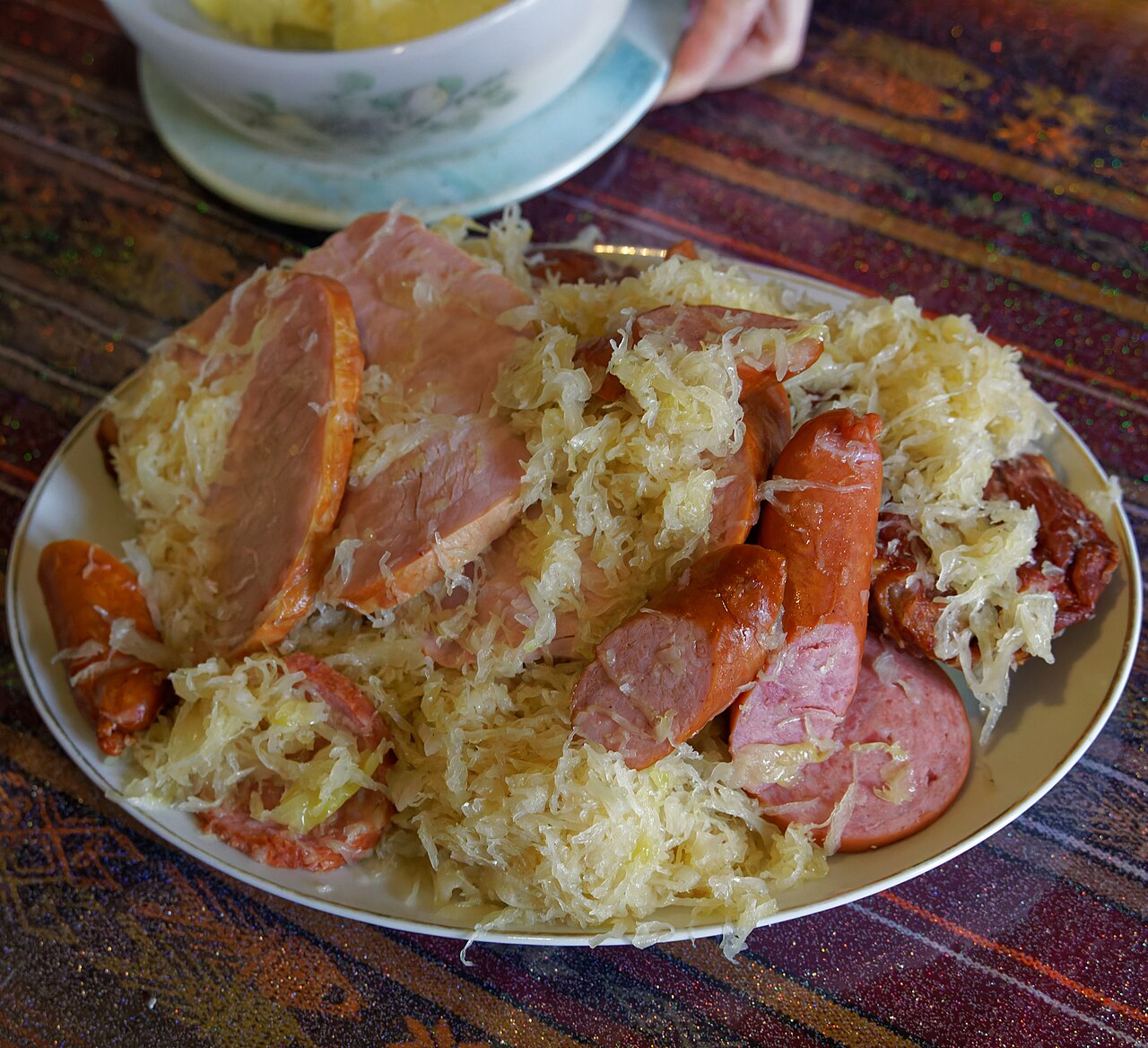
Every French region has its own dishes, from butter and cream in Normandy to olive oil and herbs in Provence. A festive French meal, listed by UNESCO in 2010, follows a set order: an apéritif (a drink before the meal), then a starter (in France called the 'entrée'), a main course of meat or fish with vegetables, cheese, and finally dessert, often followed by coffee.
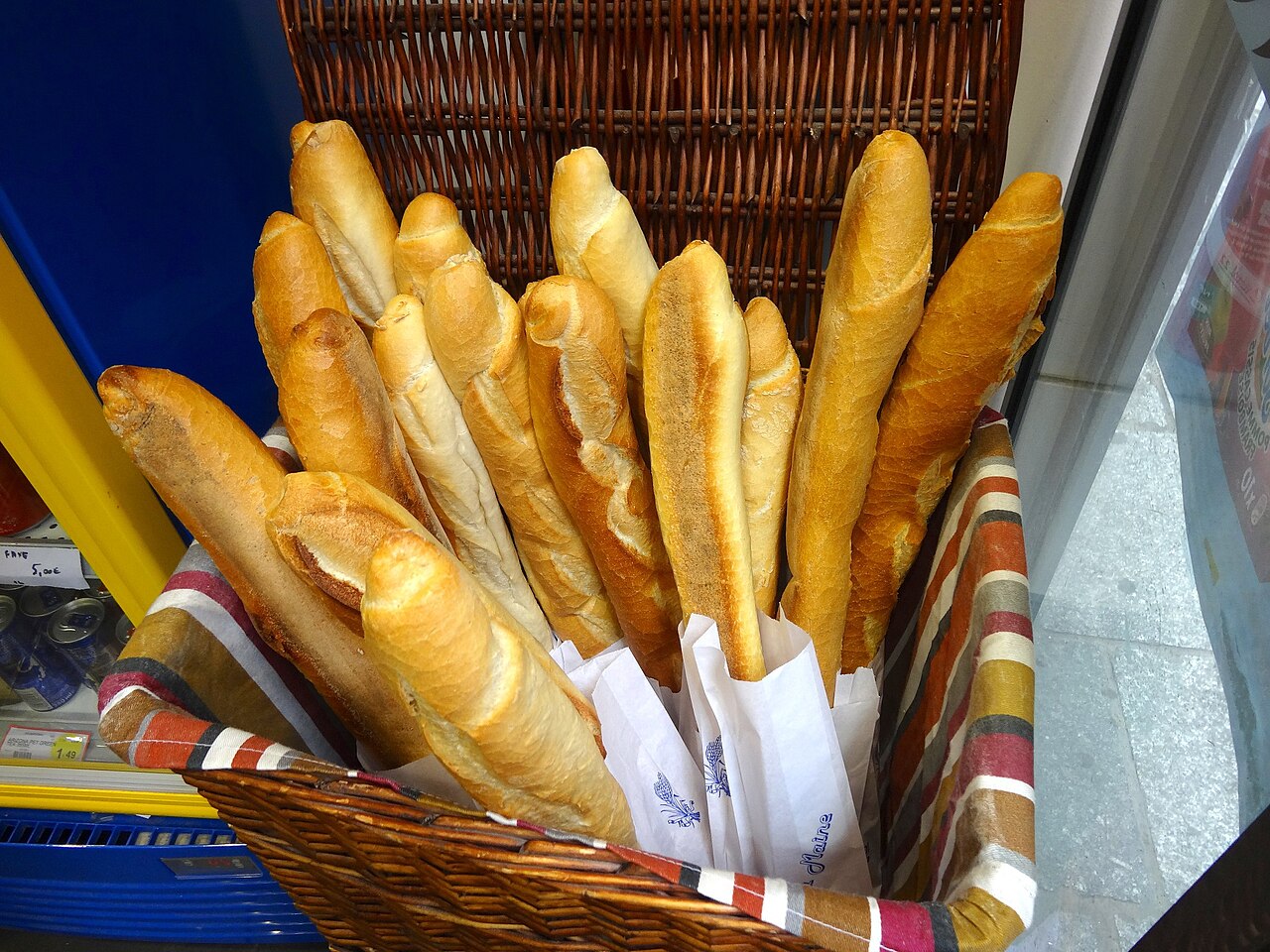
The long, crusty stick of bread bought fresh every day from the local boulangerie. A traditional baguette is made only from flour, water, salt and yeast or leaven.
In 2022 UNESCO added the craft and culture of the baguette to its list of intangible cultural heritage.
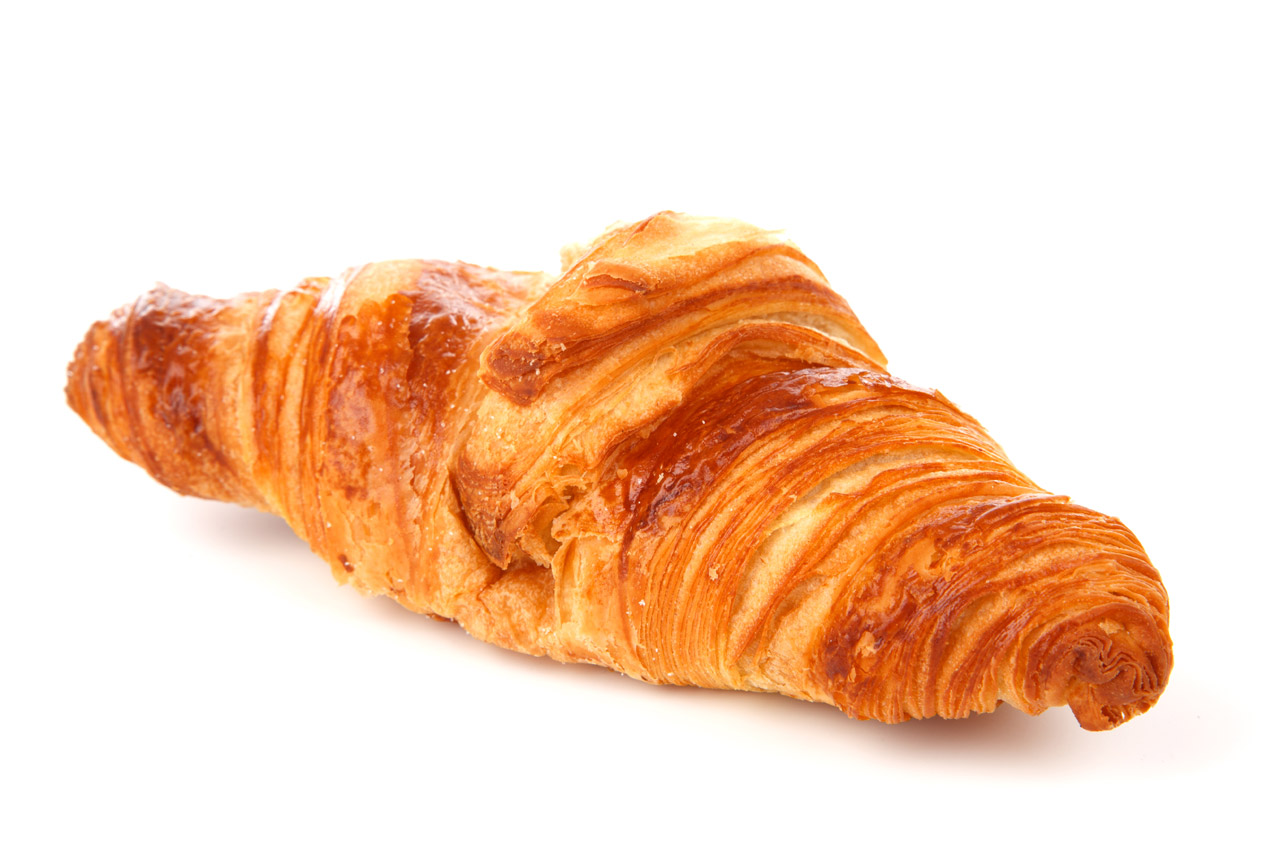
A flaky, buttery crescent of layered dough, eaten at breakfast with coffee.
Its ancestor is the Austrian kipferl. An Austrian officer opened a Viennese bakery in Paris around 1838, and French bakers later created the flaky version we know.
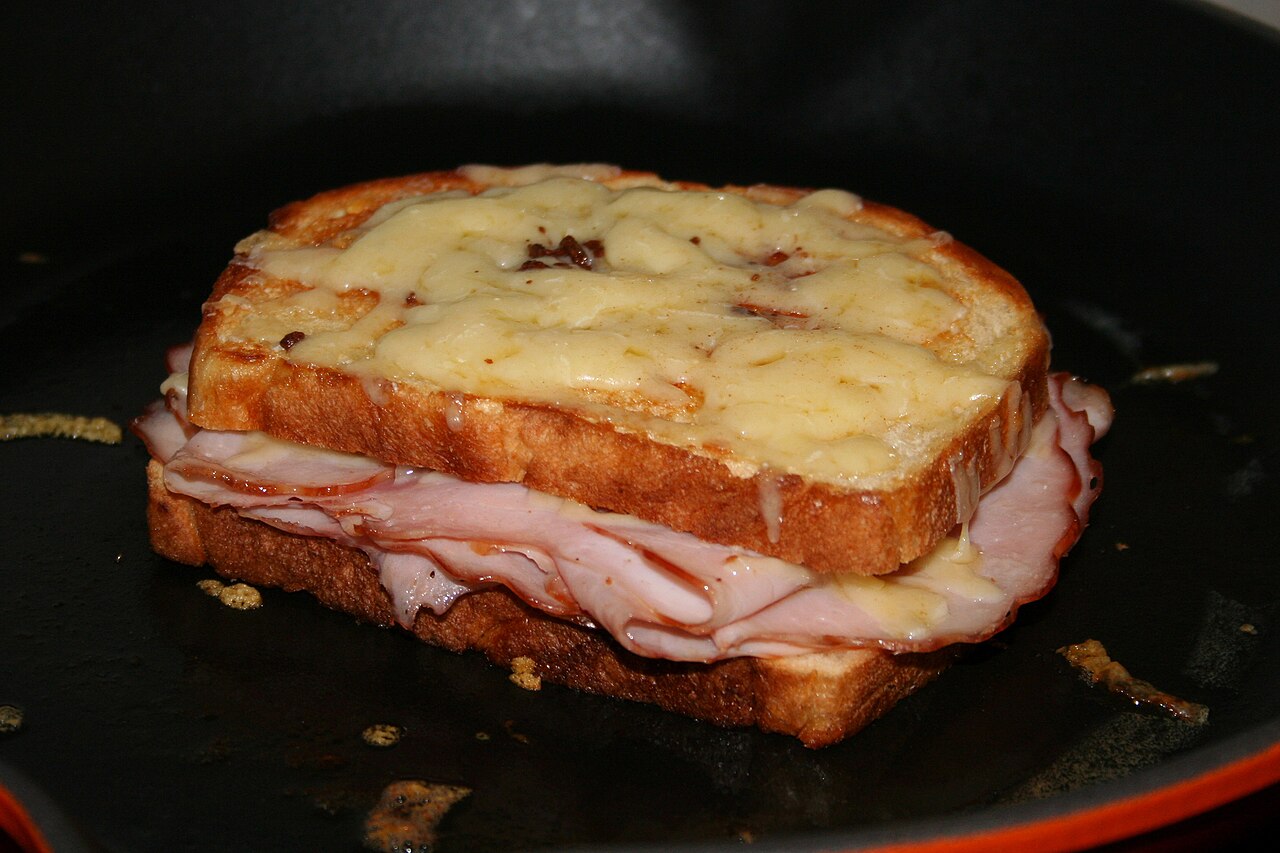
A hot toasted sandwich of ham and melted cheese, usually Gruyère, sometimes covered with béchamel sauce. With a fried or poached egg on top it becomes a croque madame.
'Croque' comes from the French word for 'crunch', and 'monsieur' means 'mister'.
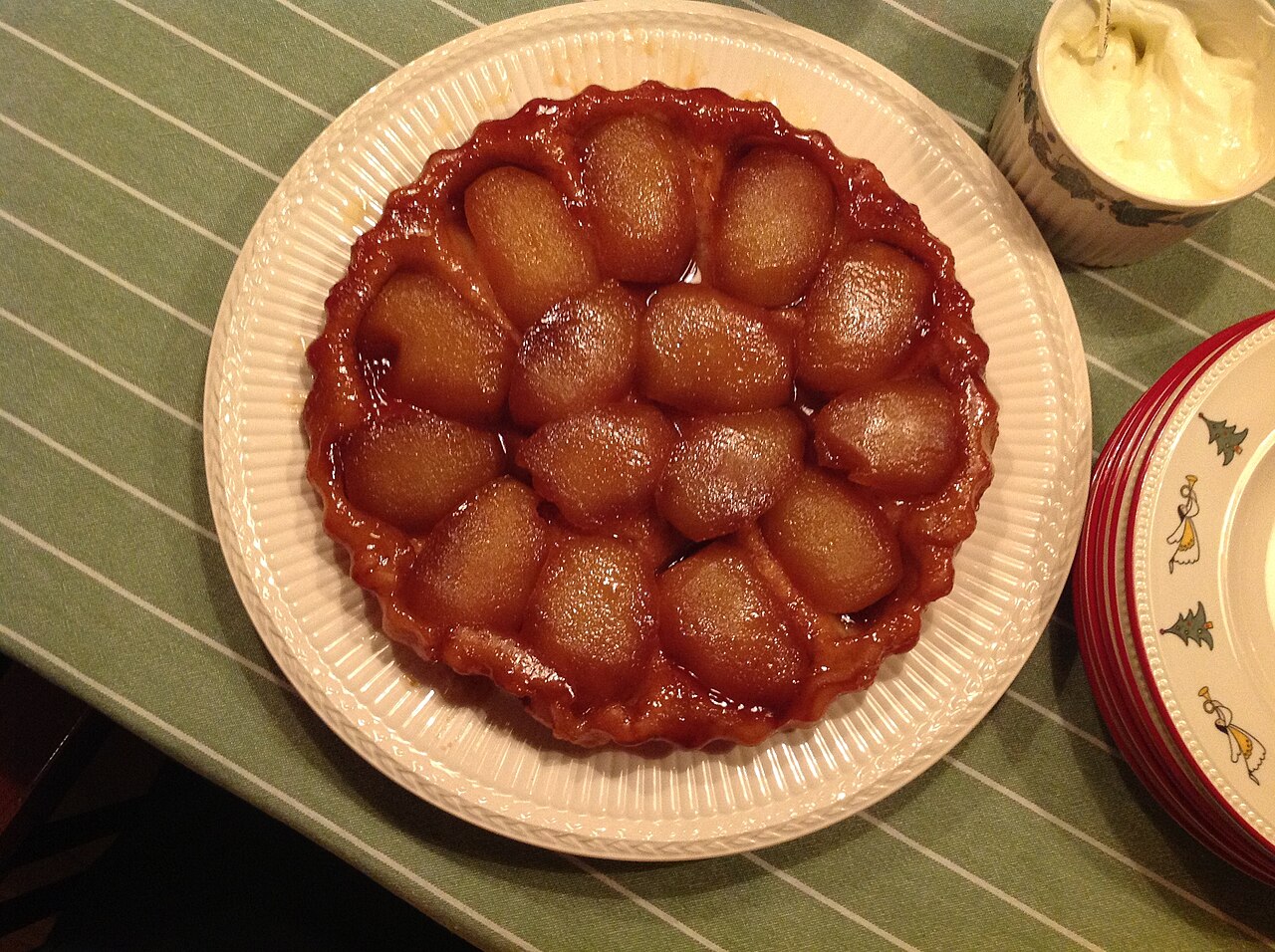
An upside-down apple tart: the apples are caramelised in butter and sugar, covered with pastry and baked, then the tart is turned out so the apples are on top.
It is named after the Tatin sisters, who served it at their hotel in the 1880s.
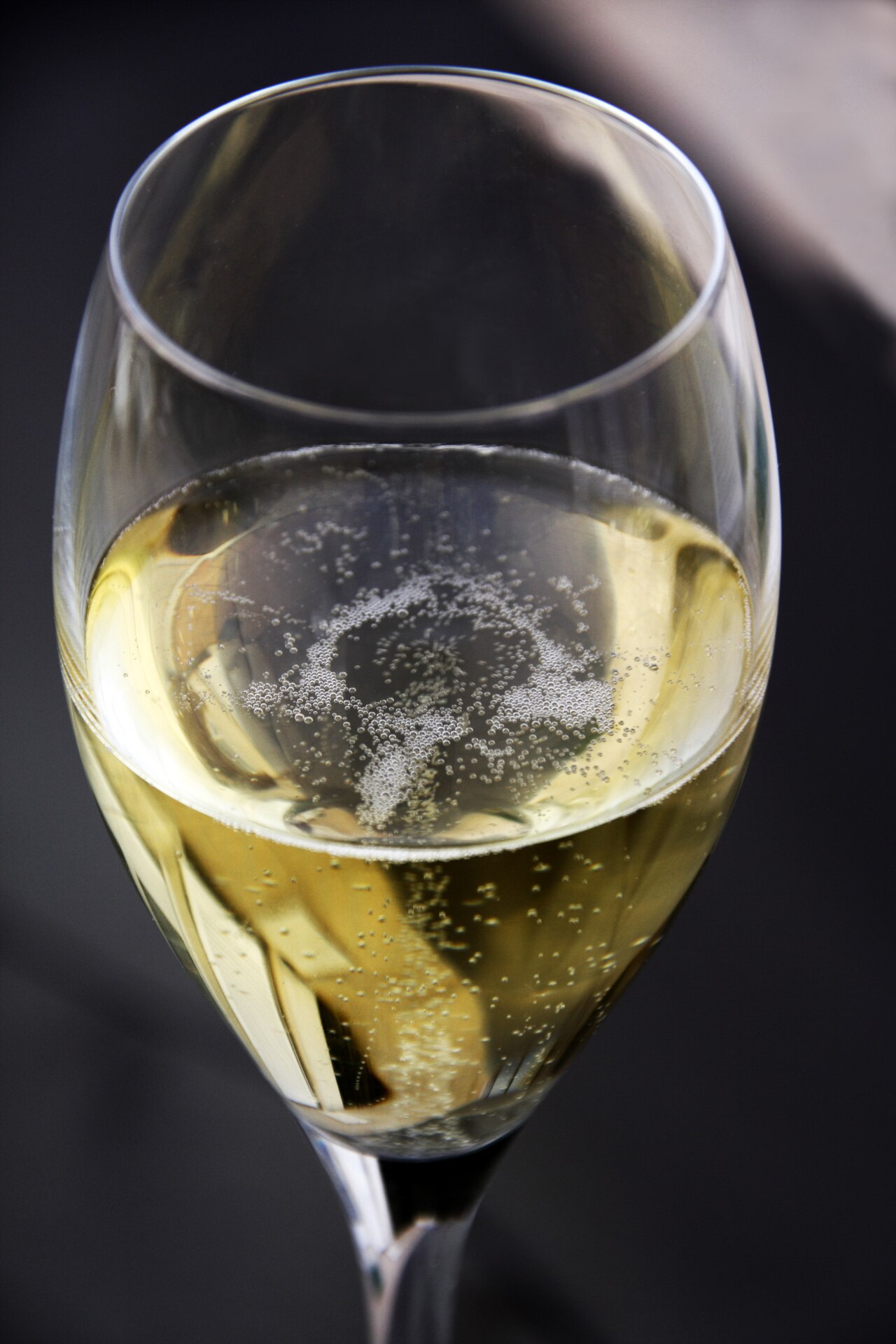
The famous sparkling wine, made in the Champagne region of northeast France. Many of the great champagne houses have cellars in Reims that are open for tours.
At the table in France
In France the 'entrée' is the starter, not the main course. The main course is the 'plat principal'.
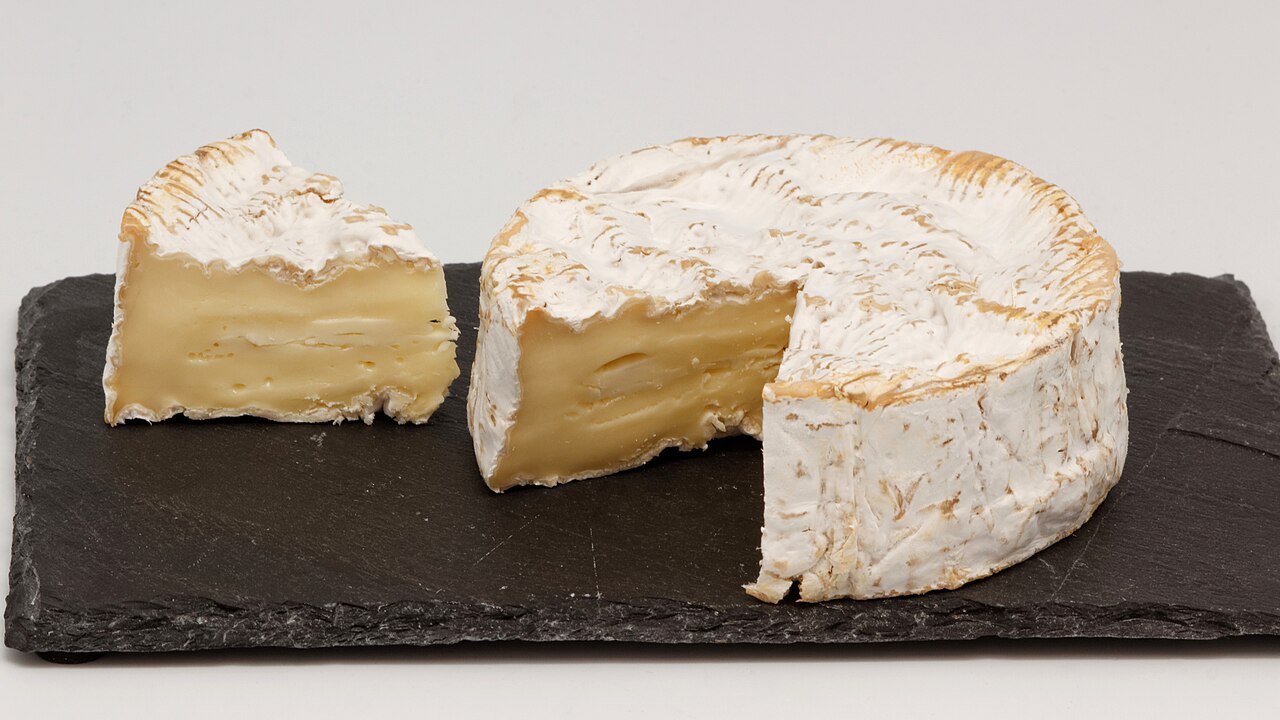
Cheese is served after the main course and before dessert.
Keep both hands on the table during the meal, not in your lap.
At someone's home, wait for the host to start eating, and never make a toast with water.
Meals are not rushed. Relax, enjoy the conversation and ask for the bill when you are ready.