Slovenian food mixes the hearty cooking of the Alps, Austria and Hungary with the olive oil, ham and wine of the Mediterranean coast, and experts count more than 20 food regions in this small country. A typical meal starts with a soup, often a clear beef broth with noodles, then meat with potatoes and a sharp green salad, with fresh bread on the side. Buckwheat, cottage cheese, walnuts, honey and pumpkin seed oil turn up again and again.
All of Slovenia, especially at Easter and Christmas
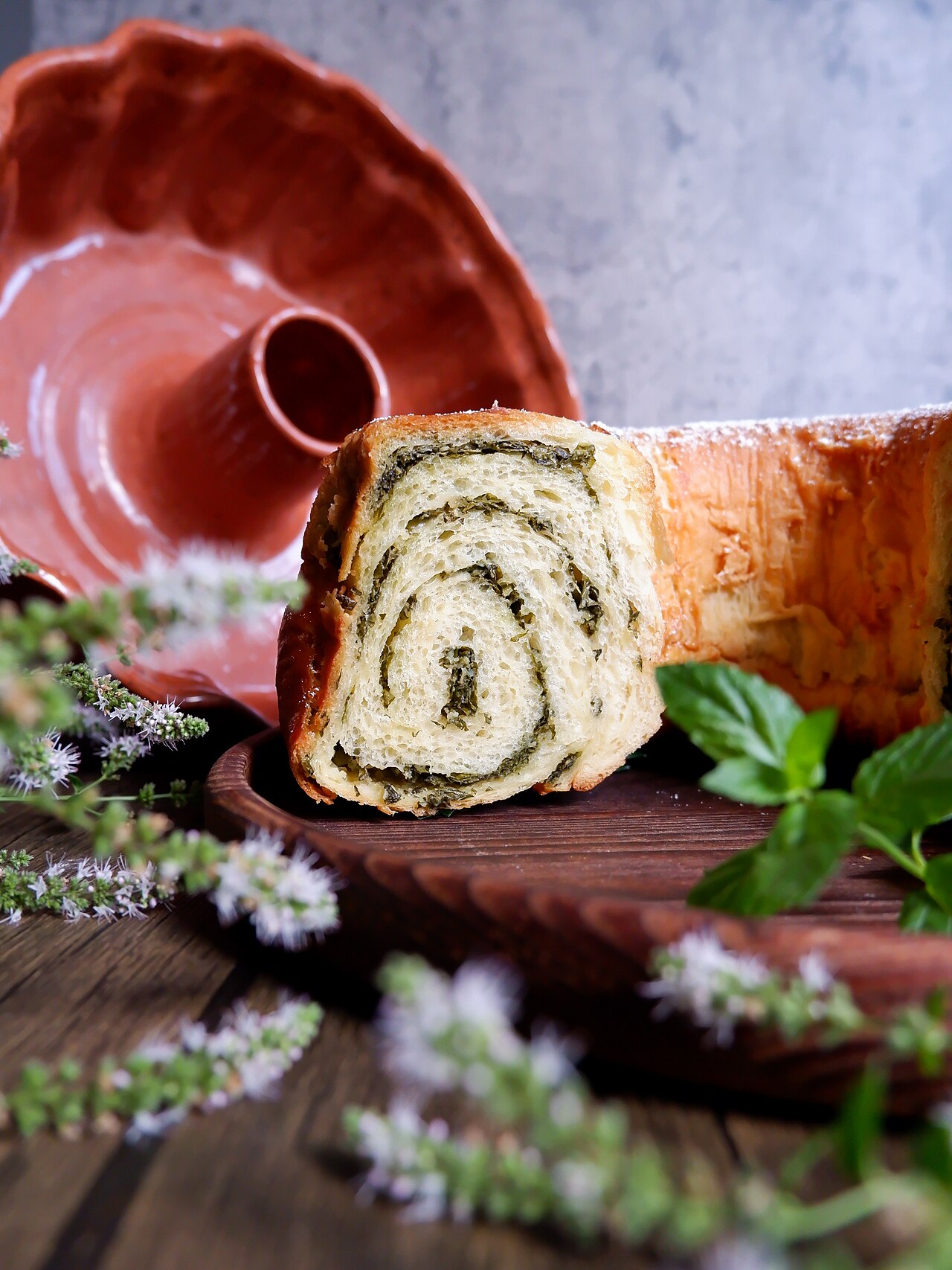
A festive rolled cake made from thin, yeasted dough spread with a filling, rolled up and baked in a round mould with a hole in the middle. The best-known filling is ground walnut, but tarragon, poppy seed, raisins and cottage cheese are also popular.
Primož Trubar mentioned it in writings from 1575 and 1577, and in 2021 making potica was added to Slovenia's national register of intangible cultural heritage.
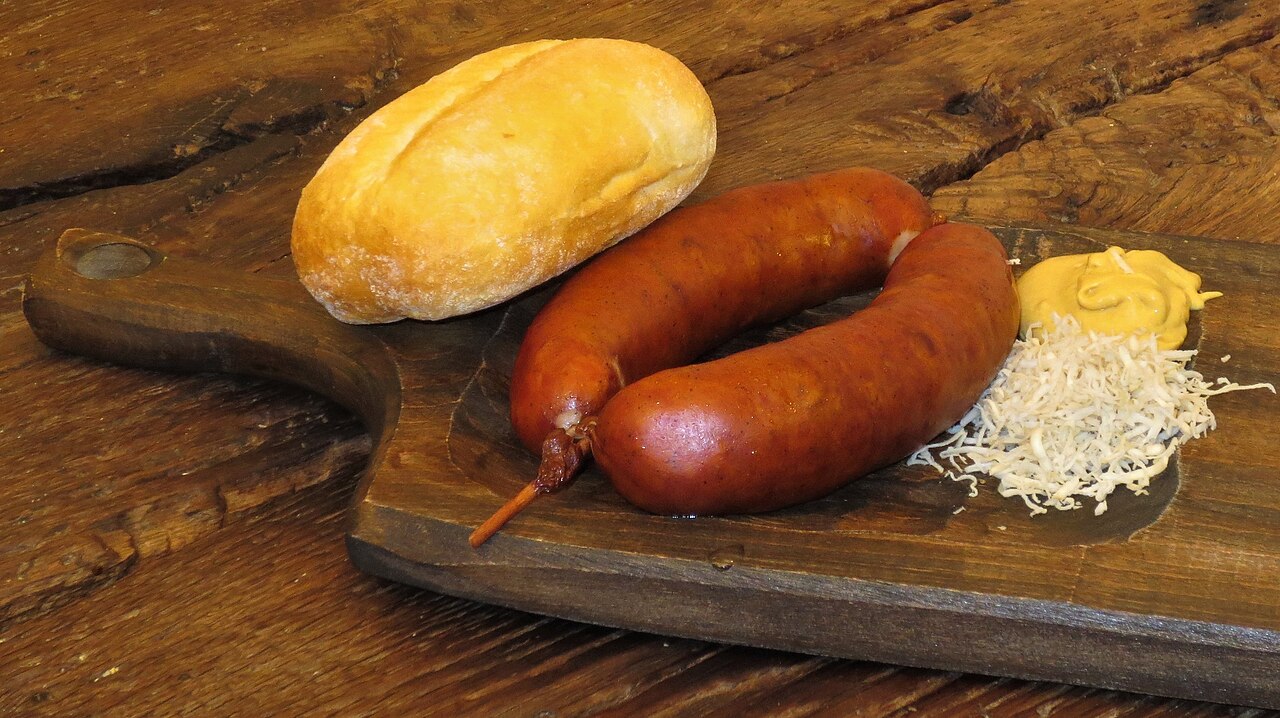
A lightly smoked sausage of pork with a little bacon, seasoned only with garlic, black pepper and sea salt, and made in pairs joined by a wooden skewer. It is usually served hot with mustard and a piece of bread.
Its recipe is protected in the European Union. The rules even say the salt should come from the Sečovlje saltworks on the Slovenian coast.
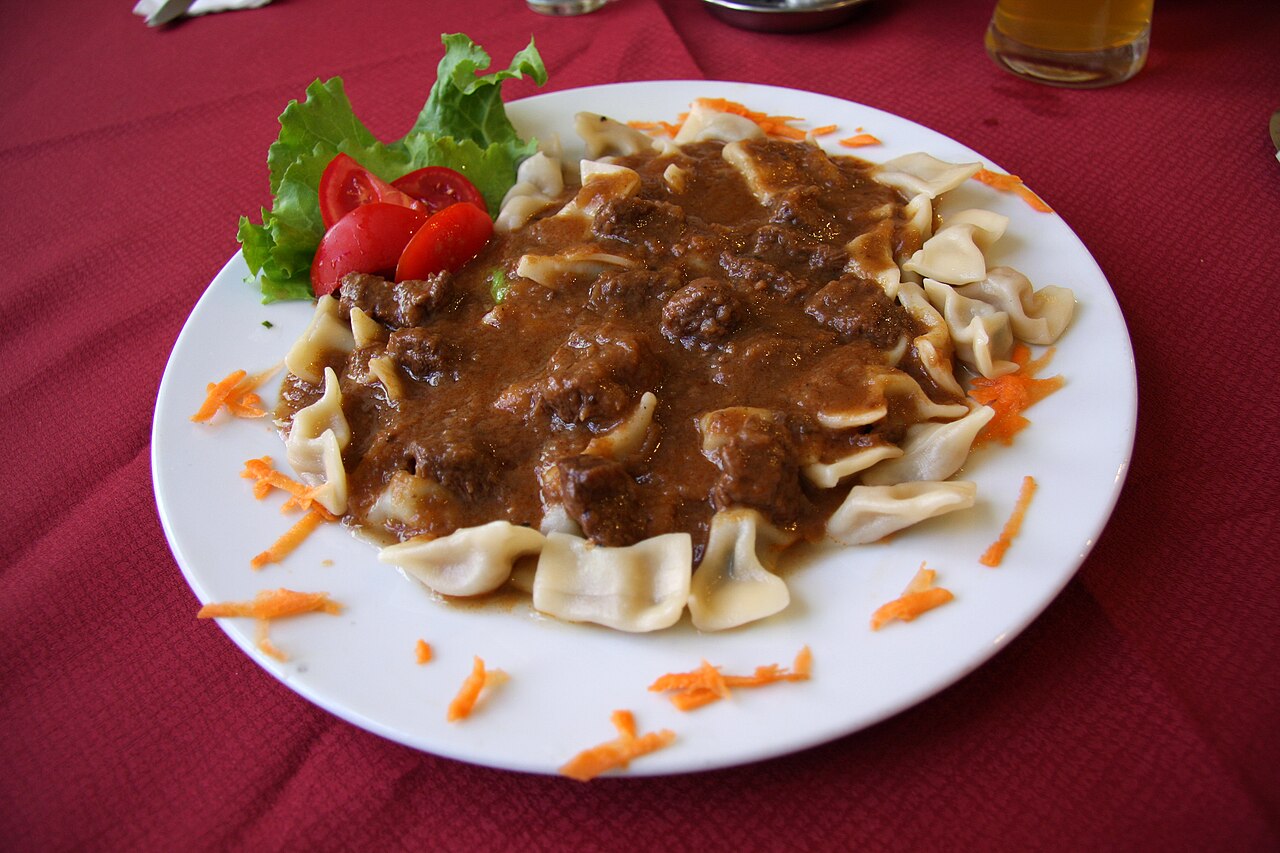
Small dumplings of thin dough with a potato filling, made to a recipe from the mid-19th century. They are served as a side dish to meat, or on their own topped with breadcrumbs.
In 2010 žlikrofi became the first Slovenian dish to be protected in the EU as a Traditional Speciality Guaranteed.
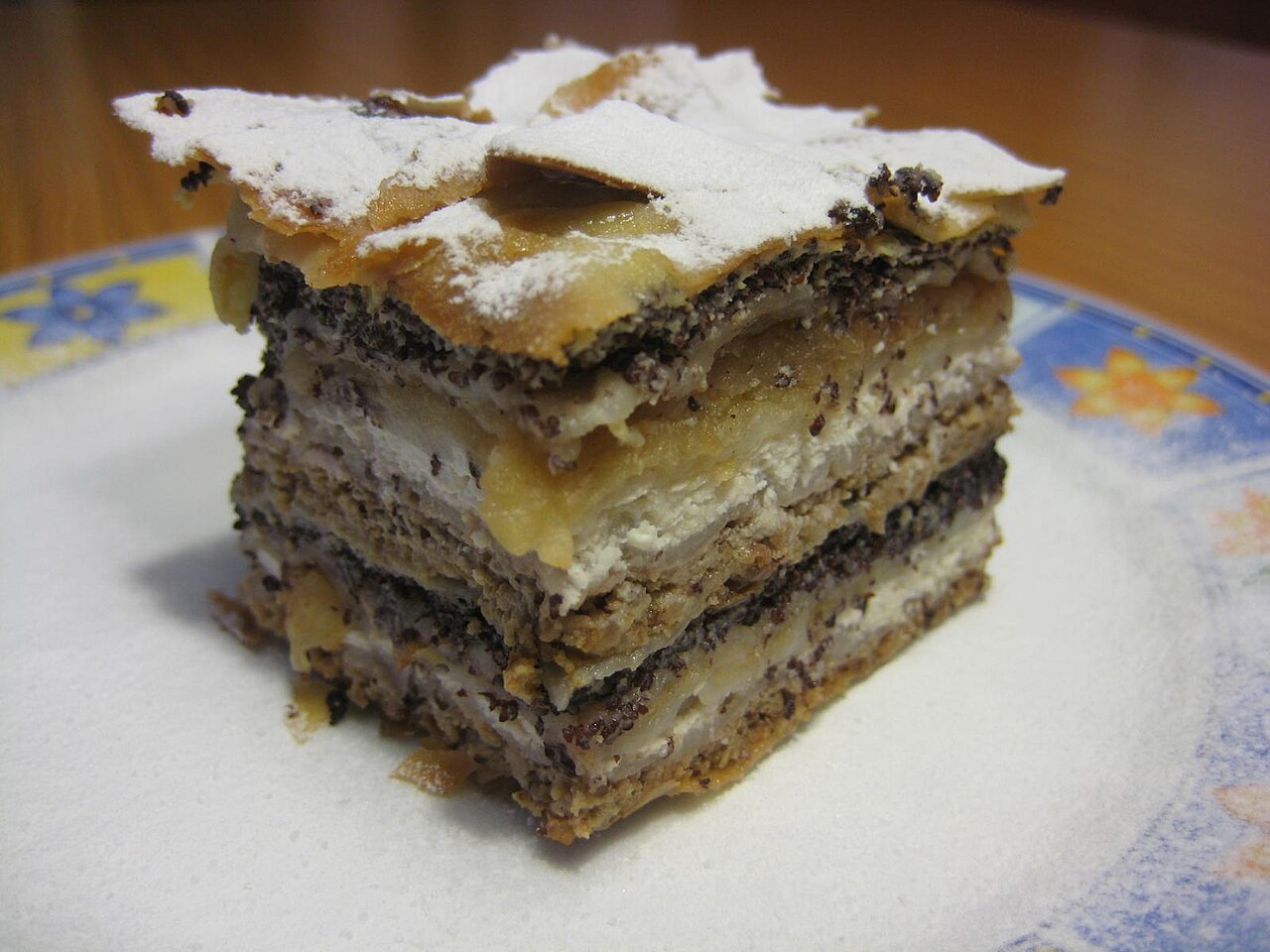
A tall, rich layered pastry from the north-east, with fillings of poppy seeds, cottage cheese, walnuts, and apples with raisins, one layer above another.
A description from 1828 says no Prekmurje wedding was held without gibanica. In 2006 it represented Slovenia on Europe Day, and since 2010 it has been protected in the EU.
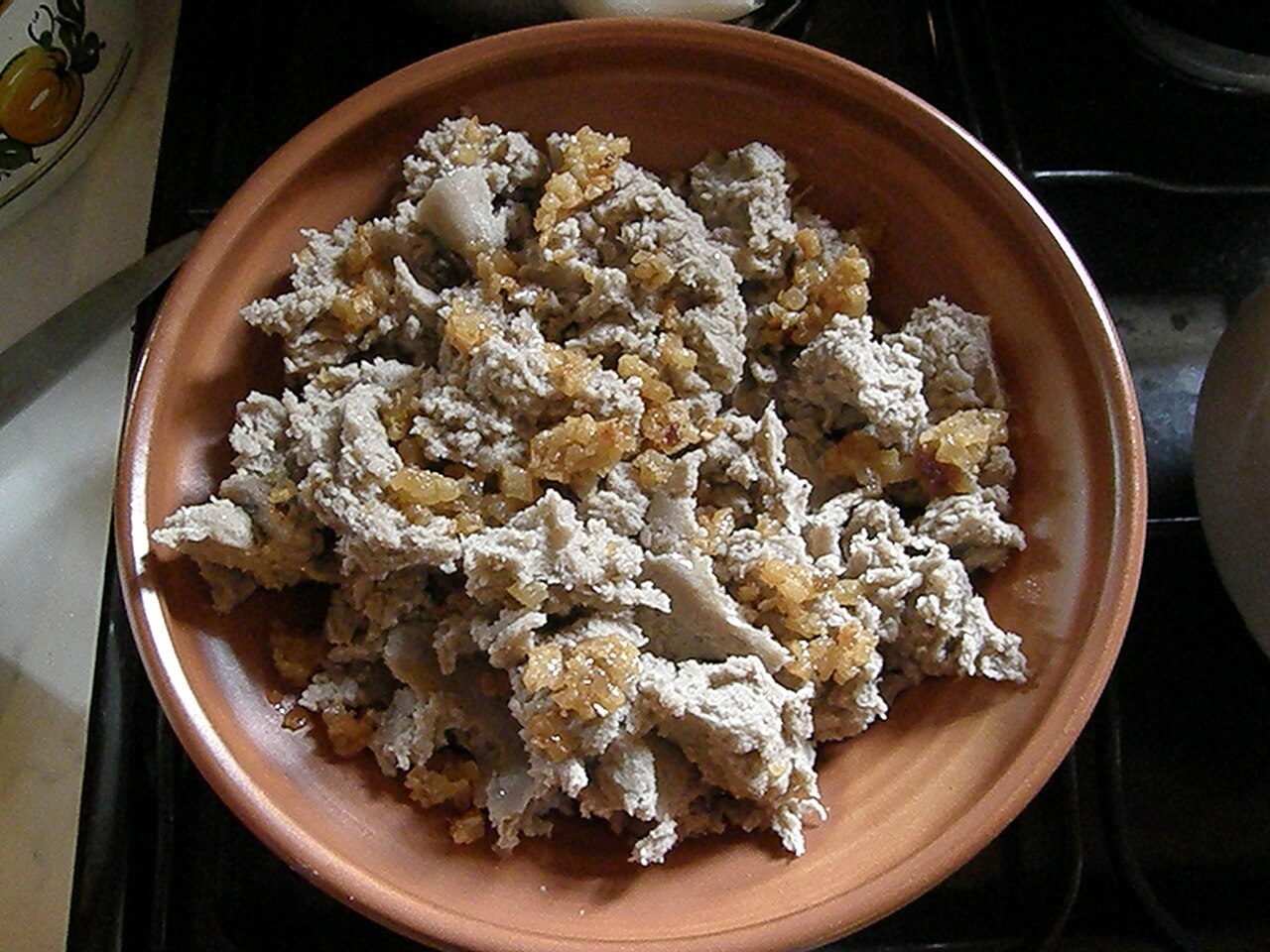
Buckwheat flour cooked in salted water and broken up with a fork into small, crumbly lumps. It was once an everyday farmhouse meal, eaten with milk for breakfast, or with lard and crispy pork cracklings, or beside sauerkraut and meat.
A 19th-century saying called žganci 'the pedestal of Carniola', because so many people lived on it.
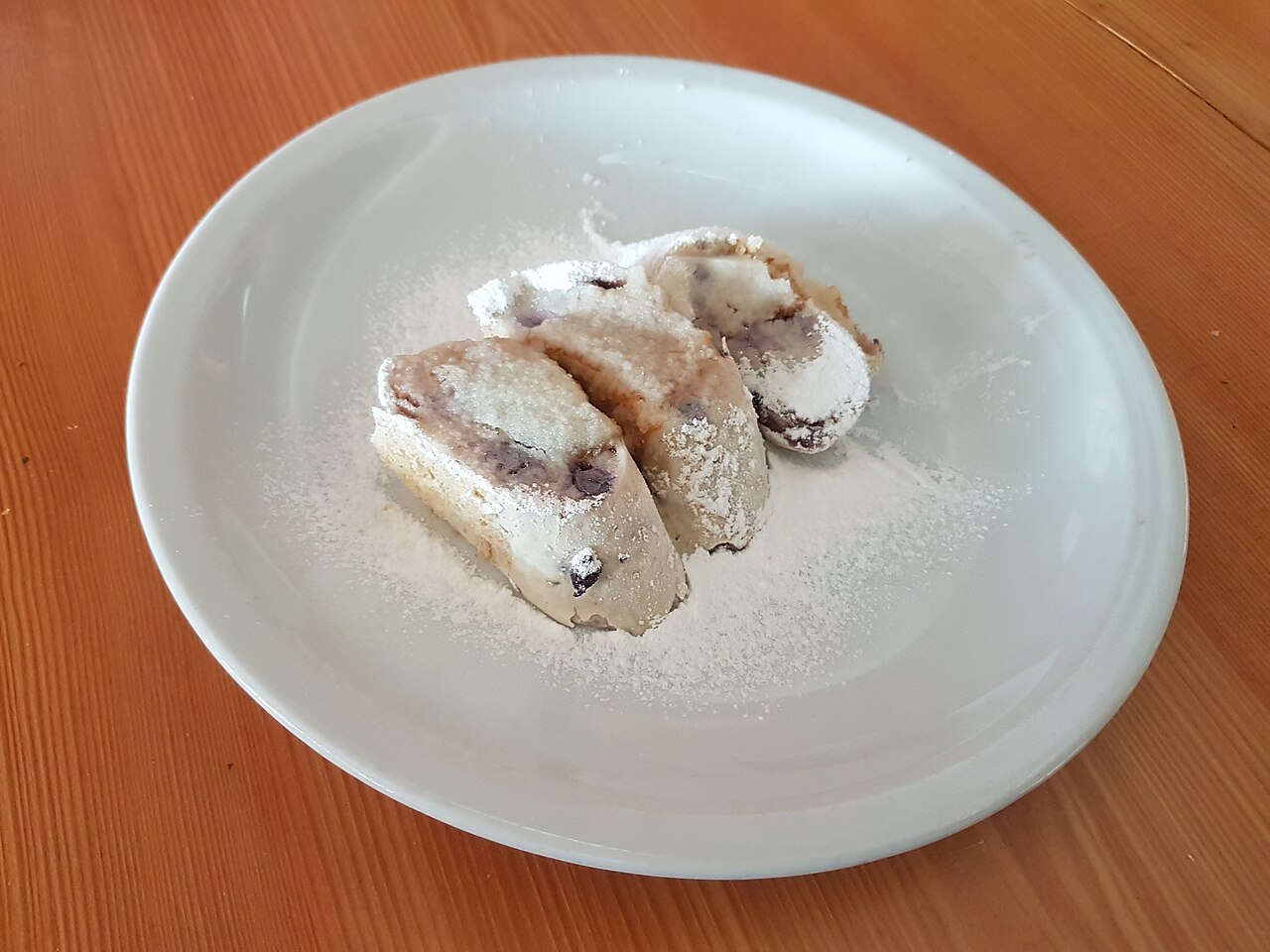
Rolled dumplings of thin dough with a sweet or savoury filling, then boiled, steamed or baked. Cottage cheese, tarragon, walnut, apple and poppy seed are favourite fillings, and they are eaten as a main dish, a side dish or a dessert.
The first known recipe, with a tarragon filling, was written down in 1589 by a manor cook in Graz.
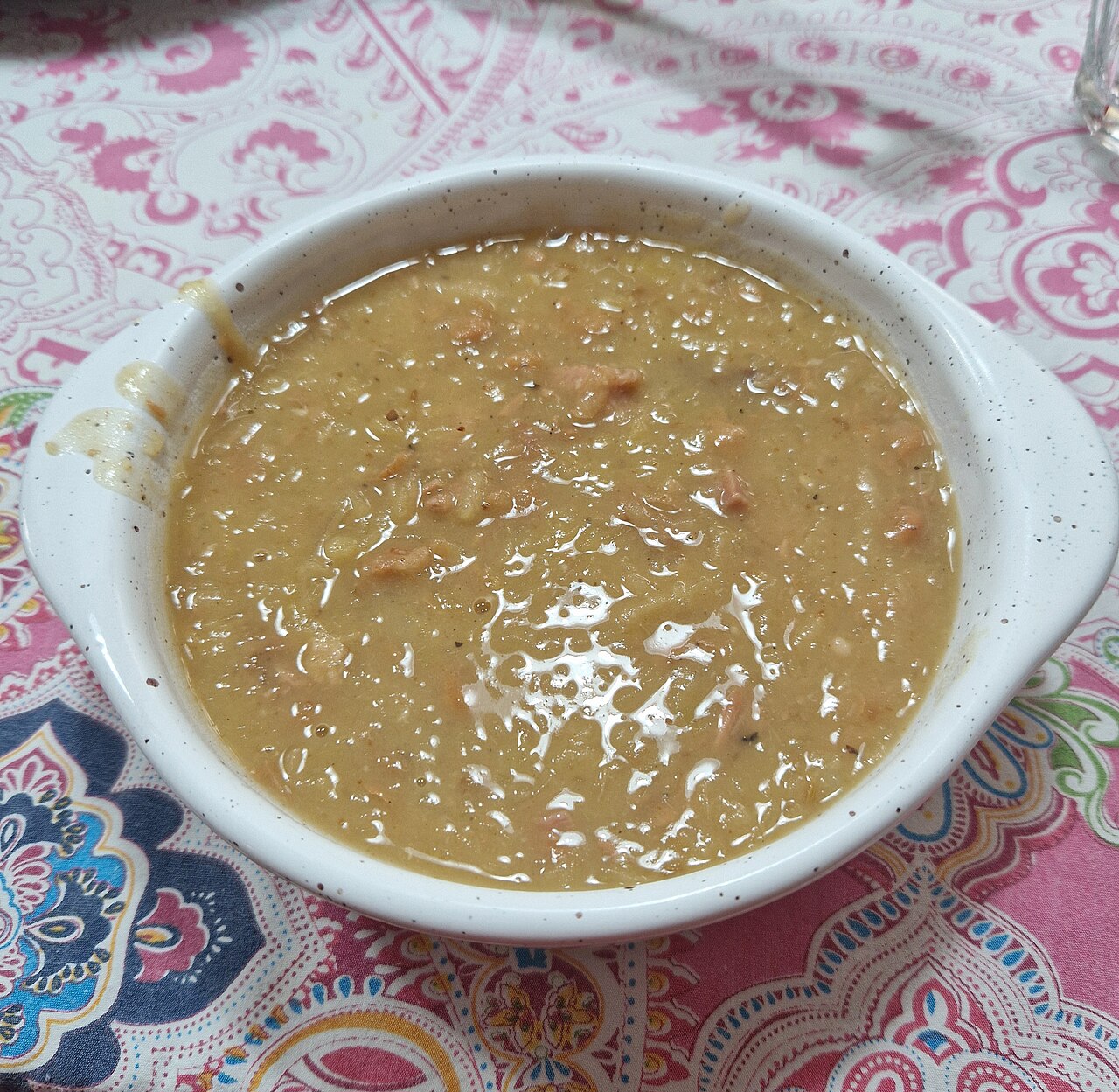
A thick, warming soup of beans and sauerkraut or sour turnip, with potatoes, garlic and smoked pork or spare ribs. It is especially popular along the border with Italy, around Trieste and Gorizia.
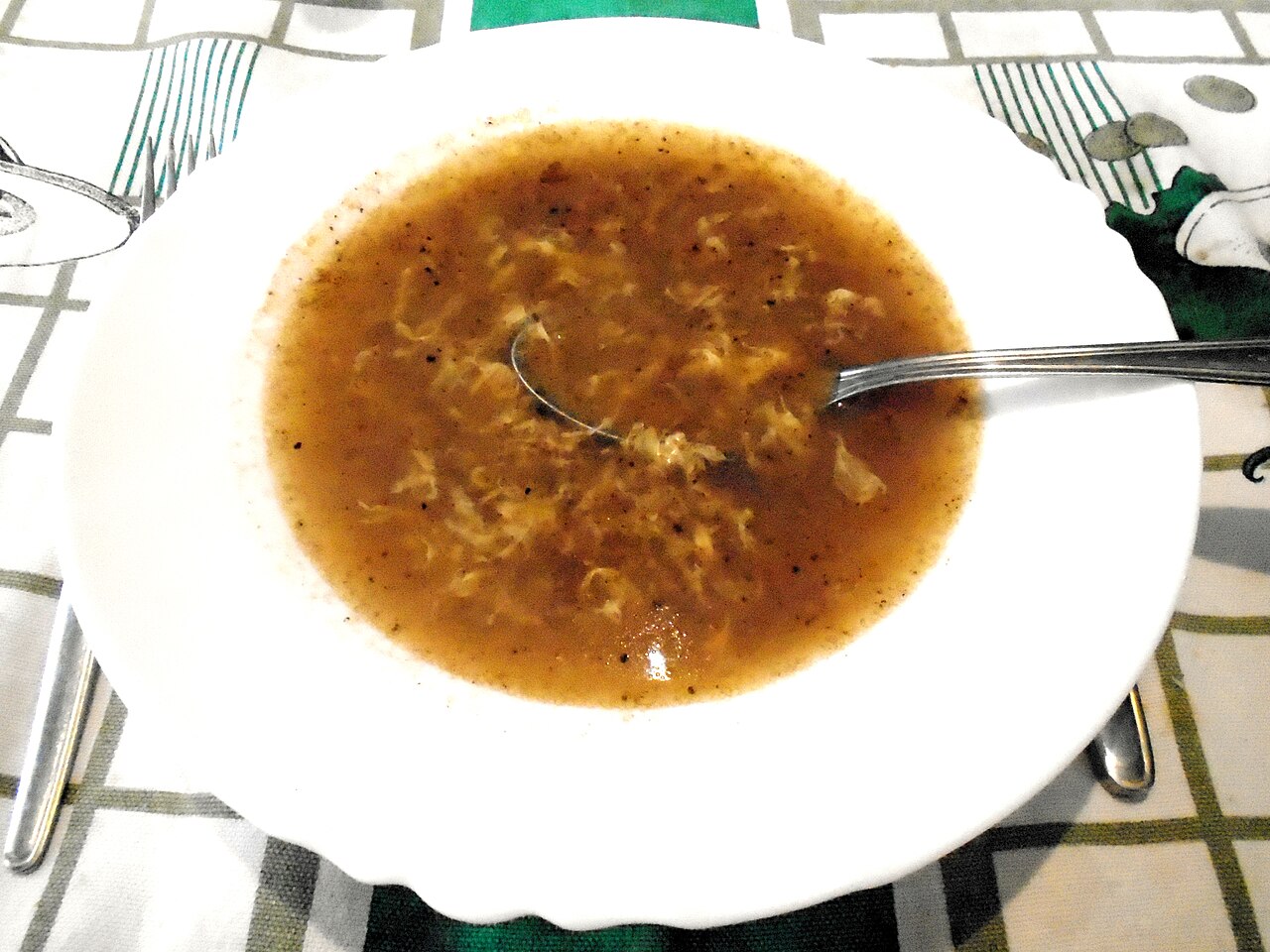
A simple, old-fashioned soup made by browning flour in butter or oil, then adding water, caraway seeds and beaten eggs. It is often called Slovenia's national soup.
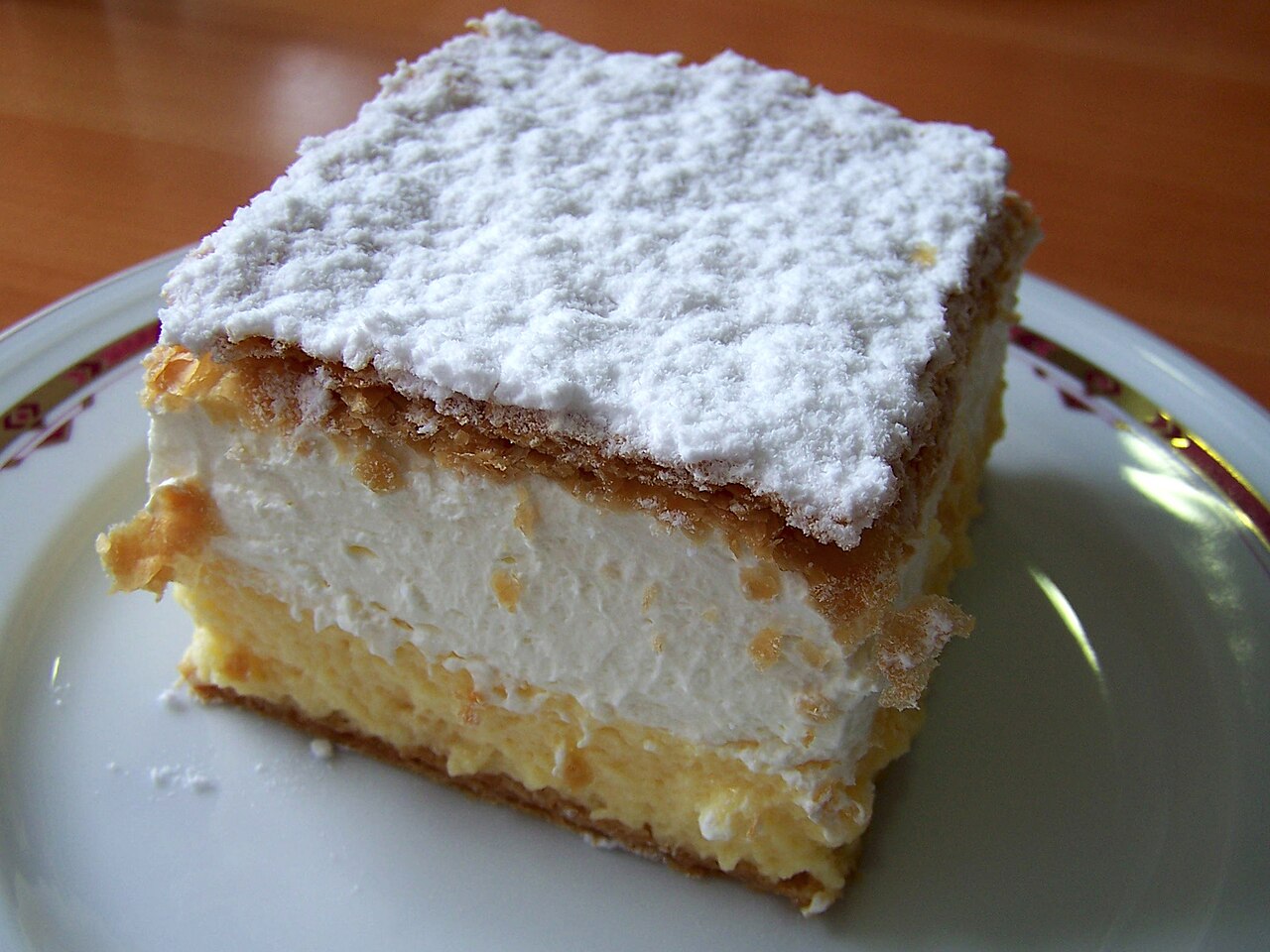
A square slice of vanilla custard topped with whipped cream between thin layers of crisp puff pastry, dusted with icing sugar. It is the classic treat to eat with a view of Lake Bled.
The Bled version was brought to the Hotel Park in 1953 by its pastry chef, Ištvan Lukačević. By October 2009 the hotel had baked 10 million slices.
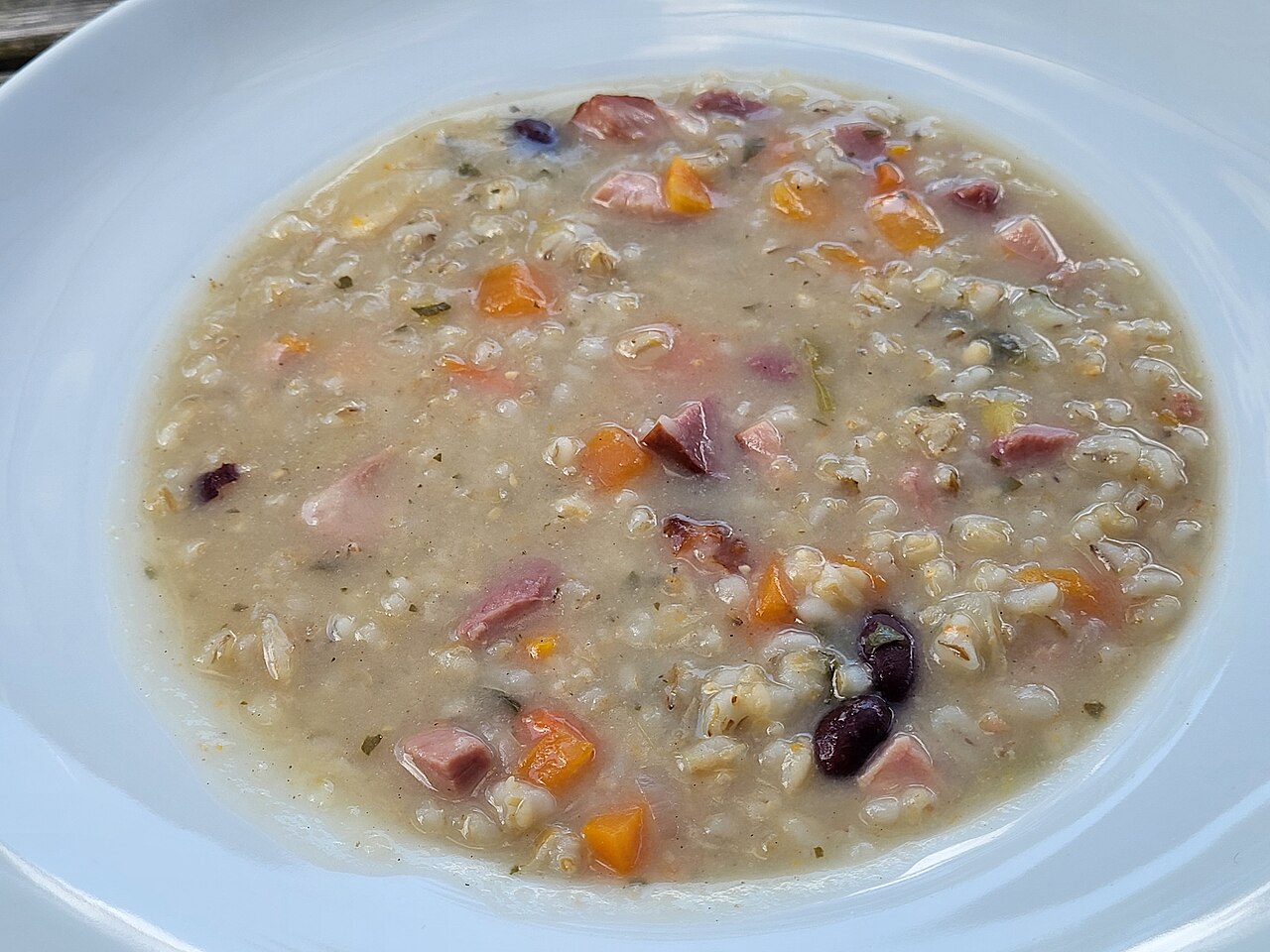
A thick, filling stew of pot barley and beans with potatoes, carrots, celery, leeks and usually cured or smoked pork. With more water it is a soup, with less it is almost like a risotto.
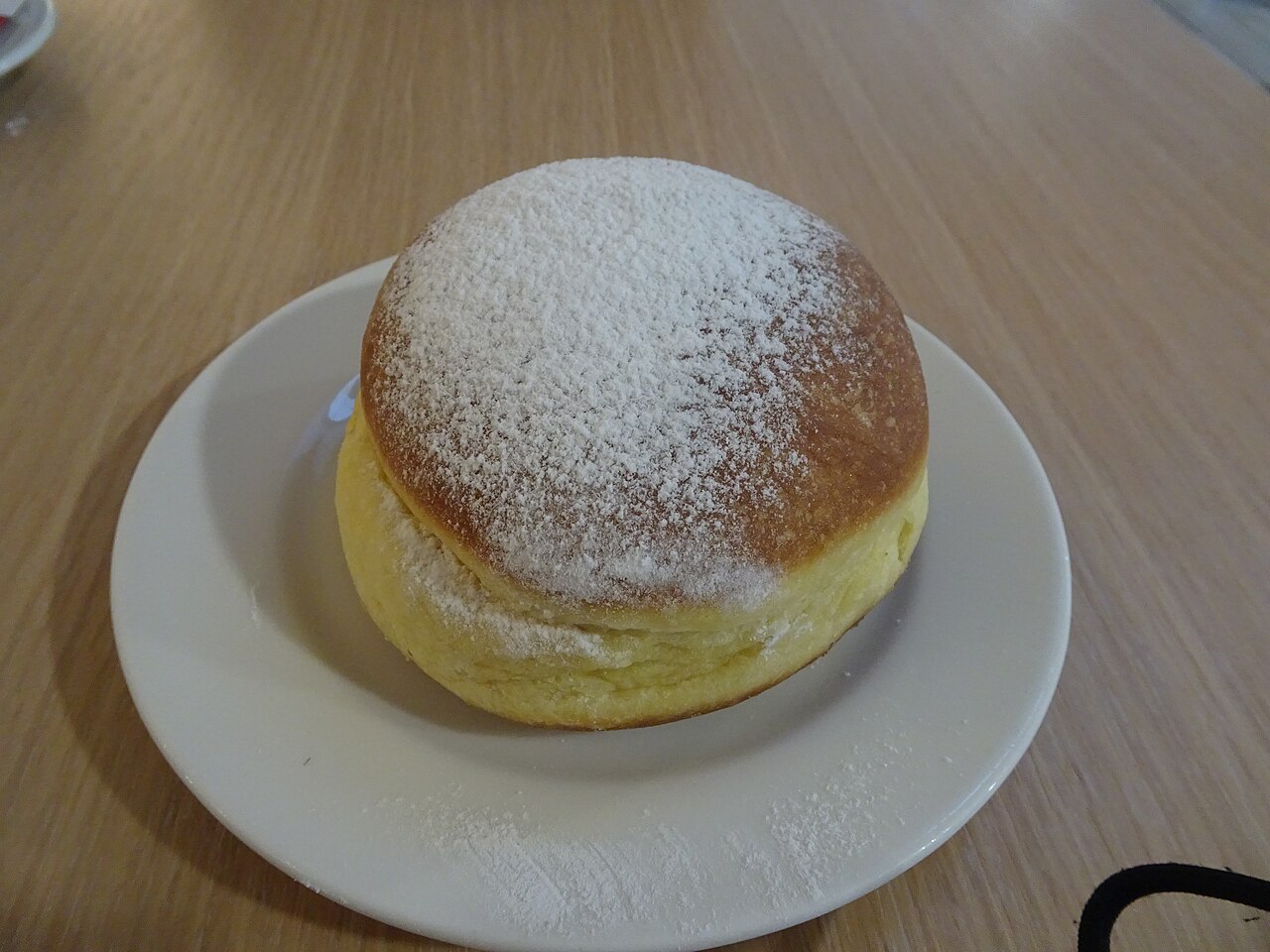
Light, round yeast doughnuts filled with jam, marmalade or custard and dusted with icing sugar. Slovenians eat many more of them during Carnival, before Lent.
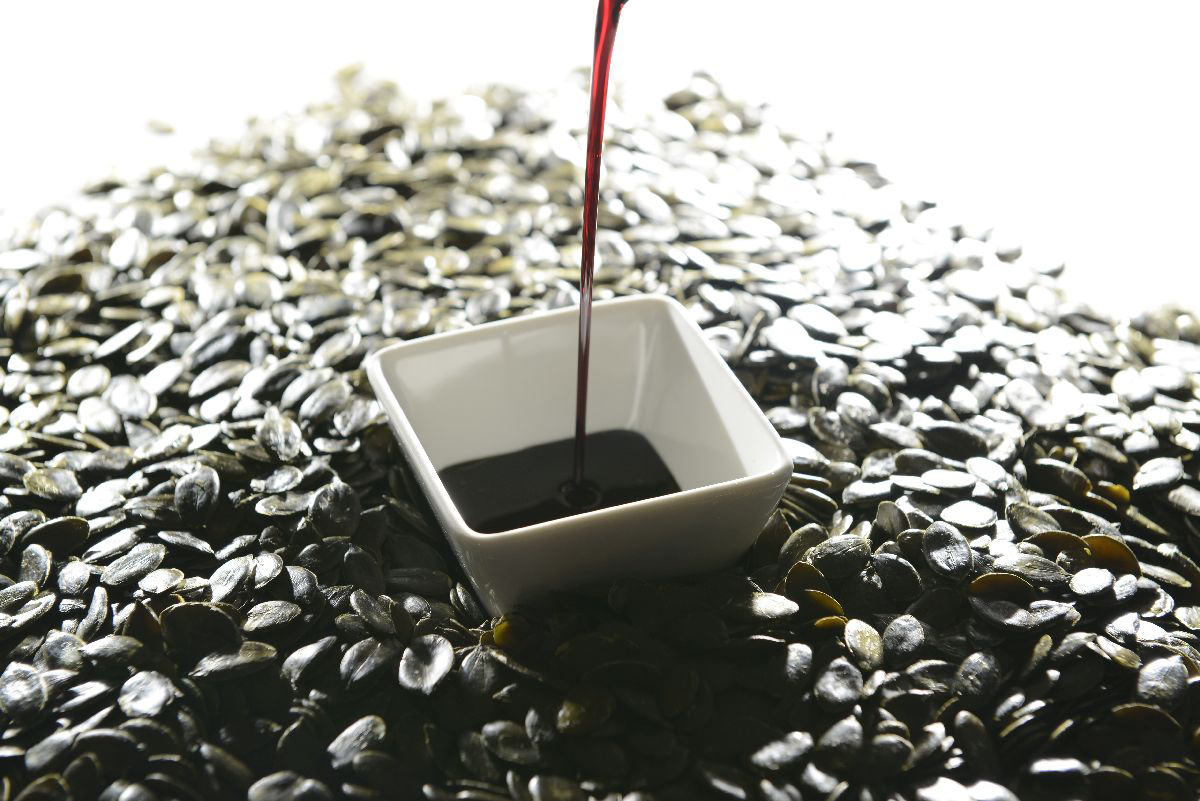
A thick, dark green oil pressed from roasted pumpkin seeds, with a nutty taste. A few drops are added to salads with cider vinegar, to pumpkin soup and even to vanilla ice cream.
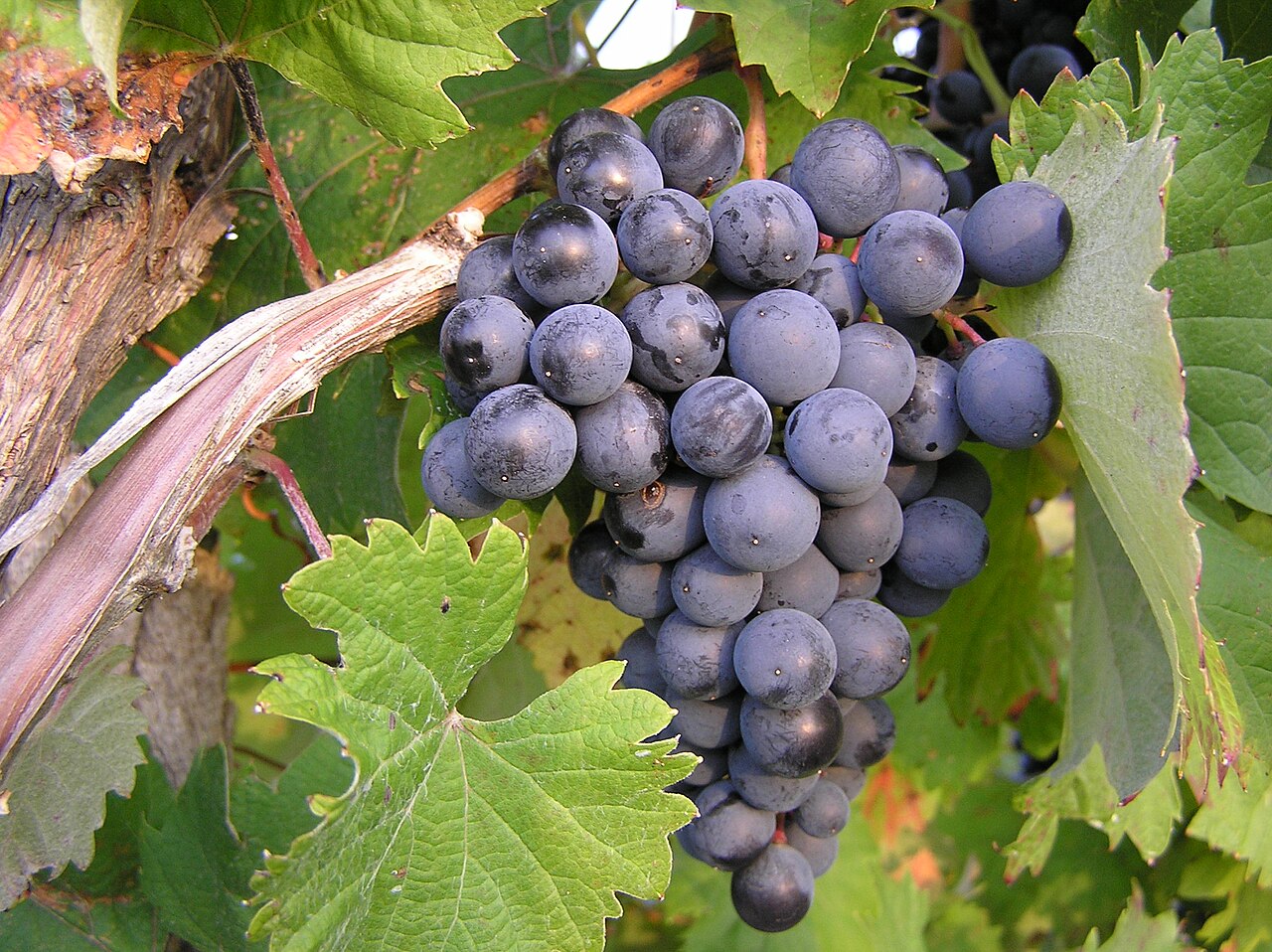
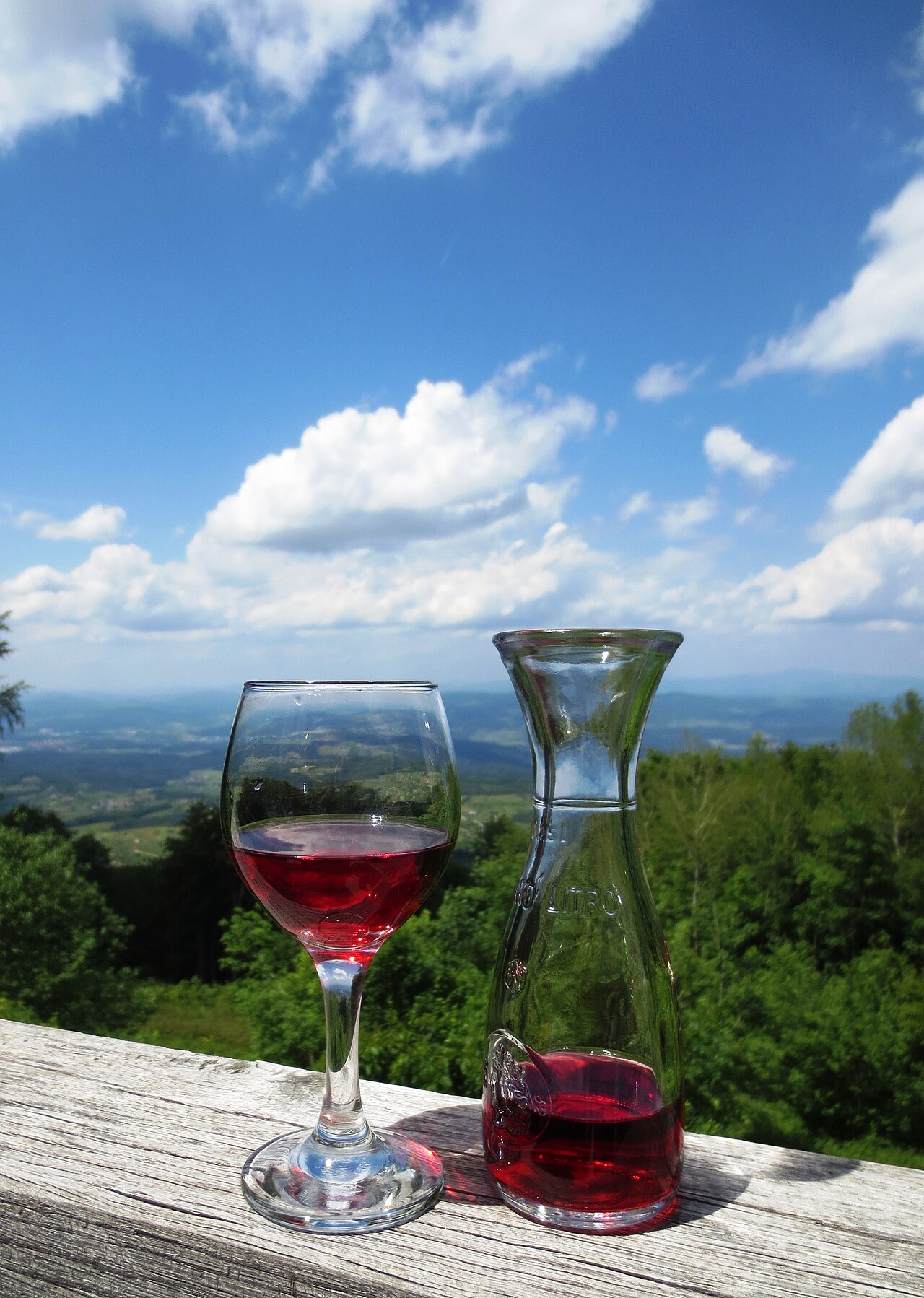
A light, pale red wine made from a blend of red and white grapes, with only about 8.5 to 10% alcohol. Its name comes from an old Slovene word for a very sour wine, but today it is much loved in its region.
At the table in Slovenia
Before eating, people wish each other 'Dober tek' (enjoy your meal).
When glasses are raised, people say 'Na zdravje' (to your health).
If you are invited to someone's home, bring a bottle of good wine, and compliment the cook before you are asked whether you liked the meal.
Slovenians usually take off their shoes at home and wear slippers. Your hosts may offer you slippers.
A Slovenian host may keep offering food even after you say no, because it is polite to refuse at first and polite to insist.
Coffee usually means an espresso, and friends happily sit in a café over one cup for a long time.