World Stroll
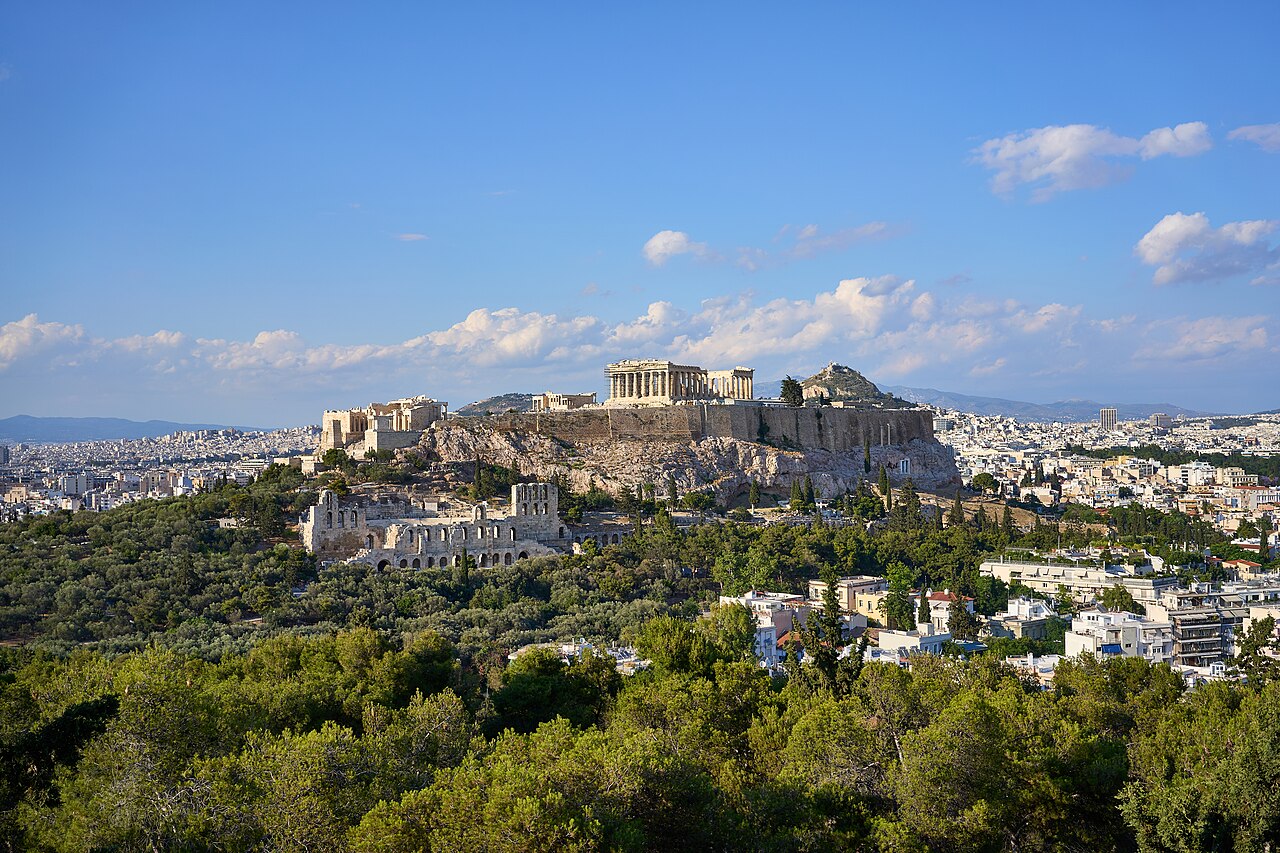
Acropolis
Photo: George E. Koronaios, CC BY-SA 4.0
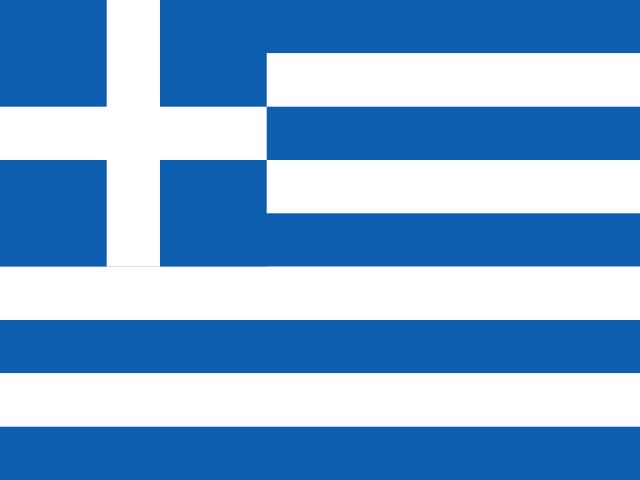
Flag of Greece
Southern Europe

Greece

Ancient temples, whitewashed islands and a sea that is never far away, in the country that gave the world democracy and the Olympic Games.
Your trip to Greece

Ready for the trip?

10 questionsAbout 3 minutesNo timer
Explore Greece
You have explored 0 of 9 parts. Scroll on to discover the rest.
AlbaniaAlgeriaAndorraArmeniaAustriaAzerbaijanBelgiumBosnia and HerzegovinaBulgariaCroatiaCyprusCzechiaEgyptFranceGeorgiaGermanyGreeceGuernseyHungaryIranIraqIsraelItalyJerseyJordanKazakhstanKuwaitLebanonLibyaLiechtensteinLuxembourgMaltaMoldovaMonacoMontenegroMoroccoNetherlandsNorth MacedoniaPalestinePolandPortugalRomaniaRussiaSan MarinoSaudi ArabiaSerbiaSlovakiaSloveniaSpainSwitzerlandSyriaTunisiaTürkiyeTurkmenistanUkraineUnited KingdomVatican City

Neighbours

Going to Greece?Phrases, table manners and local tips on one printable page. Send a postcard from GreeceA free digital postcard for family and friends.
Overview

Greece at a glance

Greece sits at the southern tip of the Balkan peninsula, with the Ionian Sea to the west and the Aegean Sea to the east. It has thousands of islands and the longest coastline on the Mediterranean, yet about 80% of the country is mountains or hills.

Ancient Greece is often called the cradle of Western civilisation. Athens gave the world an early form of democracy, and Greek thinkers, playwrights and athletes gave us philosophy, theatre and the Olympic Games. Later the land was ruled by Rome, by the Greek-speaking Byzantine Empire and by the Ottomans, before modern Greece won its independence in 1830.

Today Greece is a parliamentary republic of about 10.4 million people. It joined what is now the European Union in 1981, uses the euro, and lives largely from shipping and tourism.

CapitalAthens
PopulationAbout 10.4 million
Official languageGreek
CurrencyEuro (€)
AreaAbout 132,000 km²
GovernmentParliamentary republic (current constitution from 1975)
Highest mountainMount Olympus (Mytikas peak), about 2,918 m
Longest riverThe Aliakmonas (Haliacmon), 297 km, the longest flowing entirely within Greece
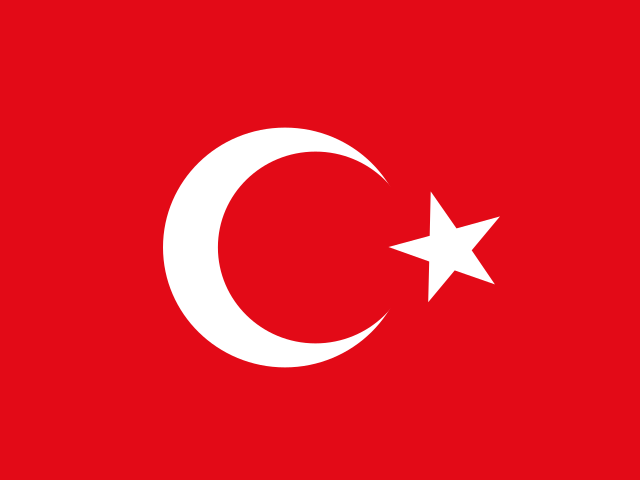
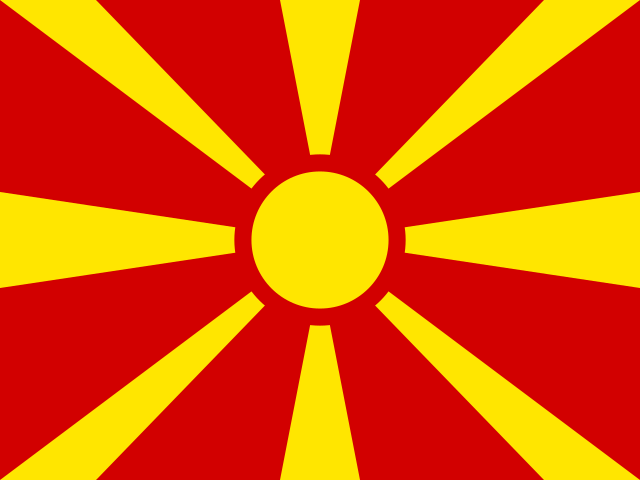
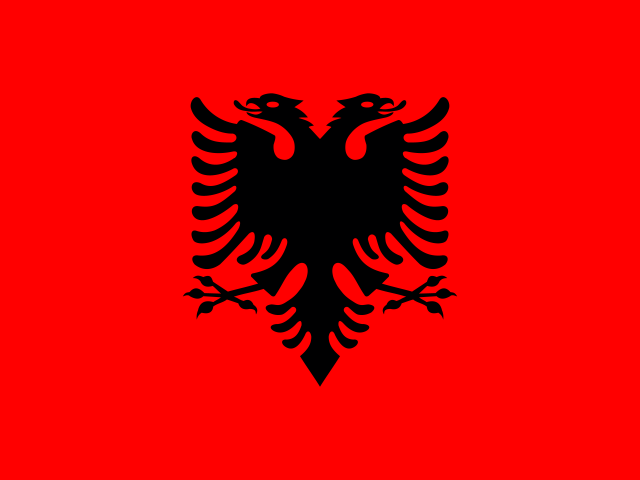
NeighboursAlbania, North Macedonia, Bulgaria and Turkey by land. Across the sea it also faces Italy, Libya, Egypt and Cyprus
Drives on theRight
Calling code+30

Next: Story

The story

A short history of Greece

Greece has one of the longest recorded histories in Europe, from Bronze Age palaces on Crete to classical Athens, yet the modern Greek state only became independent in 1830.

  1. 1900 BC

    The first palace at Knossos

    Around 1900 BC the Minoans built the first palace at Knossos on Crete, the centre of Europe's first great Bronze Age civilisation.
  2. 776 BC

    The first Olympic Games

    By tradition, the first Olympic Games were held at Olympia in 776 BC, in honour of Zeus. Greeks later counted time in four-year 'Olympiads'.

  3. 508 BC

    Democracy begins in Athens

    The statesman Cleisthenes set up a system in which the citizens of Athens voted on their own laws, the first democracy known in history.

  4. 490 BC

    The Battle of Marathon

    The Athenians defeated a much larger Persian army at Marathon. The legend of a runner carrying the news to Athens later inspired the marathon race.

  5. 480 BC

    Thermopylae and Salamis

    King Leonidas of Sparta and his men died holding the pass of Thermopylae. Soon after, the Greek fleet crushed the Persian navy at Salamis.

  6. 447 BC

    Work begins on the Parthenon

    In Athens' golden age under Pericles, work began on the Parthenon, the great marble temple of Athena on the Acropolis.

  7. 336 BC

    Alexander the Great becomes king

    Alexander became king of Macedon at the age of 20. Before his death in 323 BC he had conquered the Persian Empire and reached India, spreading Greek language and culture.

  8. 146 BC

    Rome destroys Corinth

    Roman troops defeated the Achaean League and destroyed the city of Corinth. Greece came under Roman rule, but Greek culture deeply shaped Rome.

  9. 1453

    Constantinople falls to the Ottomans

    The Ottoman Turks captured Constantinople, capital of the Greek-speaking Byzantine Empire. Most Greek lands would stay under Ottoman rule for almost four centuries.

  10. 1821

    The War of Independence begins

    Greeks rose up against Ottoman rule. The revolution is remembered every 25 March, now Greece's Independence Day.

  11. 1830

    Greece becomes independent

    With the help of Britain, France and Russia, Greece was recognised as an independent state, at first much smaller than today.

  12. 1896

    The first modern Olympics

    Athens hosted the first modern Olympic Games in the marble Panathenaic Stadium. A Greek water carrier, Spyridon Louis, won the marathon.

  13. 1940

    Greece says No to Mussolini

    On 28 October 1940 Greece rejected an Italian ultimatum and then pushed the invading army back. 'Ochi Day' ('No' Day) is a national holiday.

  14. 1974

    Democracy returns

    The military dictatorship of the colonels, in power since 1967, collapsed. In a referendum that December, Greeks voted to abolish the monarchy.

  15. 1981

    Greece joins the European Community

    Greece became the tenth member of the European Community, today's European Union. The euro replaced the drachma in 2002.

  16. 2004

    Athens hosts the Olympics again

    The Summer Olympics returned to Athens in August 2004, more than a century after the first modern Games.

Next: At the table

At the table

What to eat in Greece

Greek food rests on an ancient trio: wheat, olive oil and wine. Olive oil goes into almost everything, together with herbs like oregano, mint and dill, lemon, yogurt and cheese. Meals often begin with meze, small dishes put in the middle of the table and shared, followed by grilled meat or fish, a baked dish or a vegetable stew in olive oil.
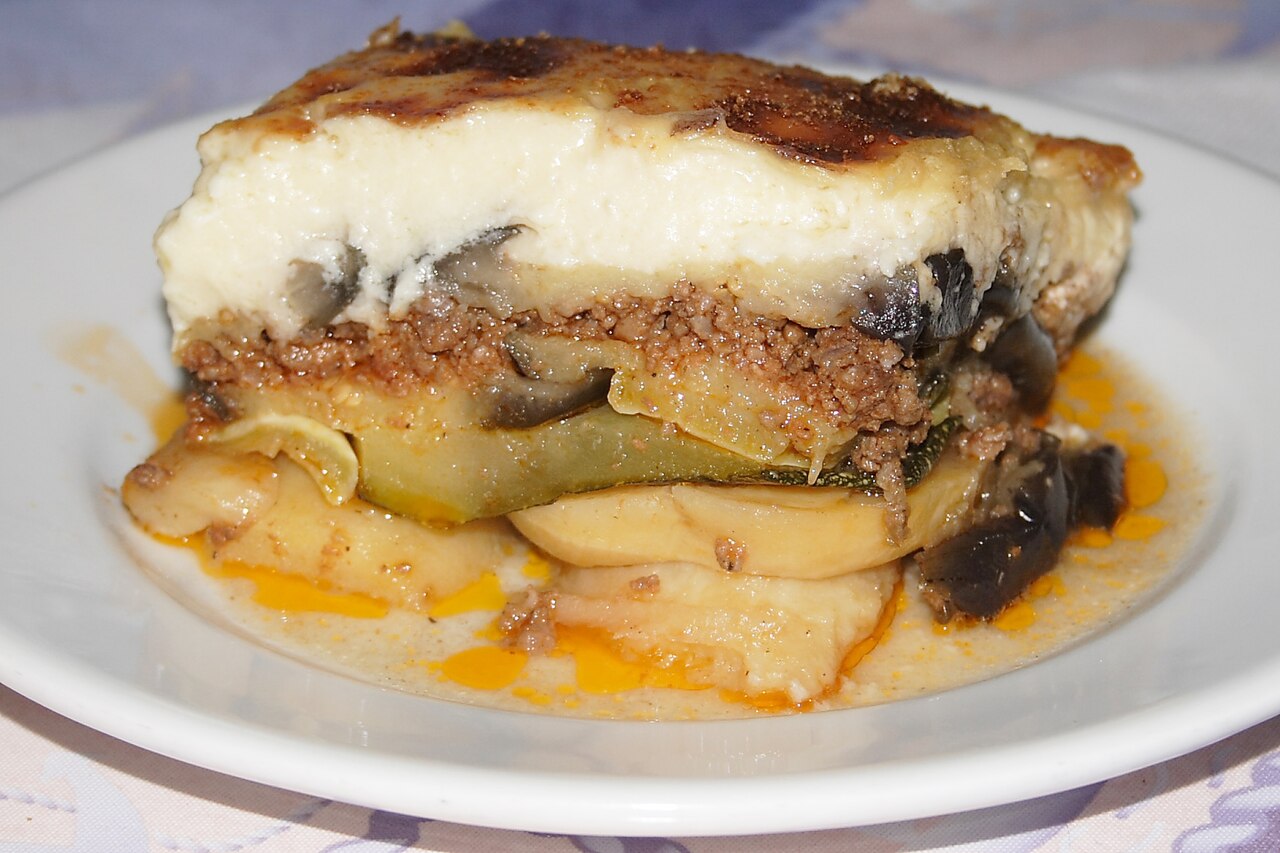
Moussaka
Photo: Robert Kindermann aka RobertK, CC BY-SA 2.5
Main courseRecipe

Moussaka

Mousakás (μουσακάς)
All of Greece (the modern Greek version dates from the 1920s)

Layers of fried or baked aubergine and a tomato and minced meat sauce, topped with a thick béchamel sauce and baked until golden.

Similar dishes are eaten across the Balkans and the Middle East. The Greek version with its creamy topping was created in the 1920s by the chef Nikolaos Tselementes.
See the recipe
Serves 6 2 h 30 min

Ingredients

  • 3 large aubergines (about 1 kg), sliced 1 cm thick
  • Olive oil for brushing and frying
  • 500 g minced lamb or beef
  • 1 onion, finely chopped, and 2 garlic cloves, crushed
  • 400 g chopped tomatoes and 1 tablespoon tomato paste
  • Half a teaspoon of ground cinnamon
  • For the béchamel: 60 g butter, 60 g flour, 600 ml milk, 2 egg yolks, 50 g grated hard cheese (kefalotyri or Parmesan), a pinch of nutmeg
  • Salt and black pepper

Method

  1. Brush the aubergine slices with olive oil, season with salt and bake at 200°C for about 25 minutes, turning once, until soft and golden.
  2. Fry the onion in a little oil until soft, add the garlic and the meat and cook until browned all over.
  3. Add the tomatoes, tomato paste, cinnamon, salt and pepper. Simmer for 20 to 25 minutes until thick.
  4. For the béchamel, melt the butter, stir in the flour for a minute, then whisk in the milk a little at a time and cook until thick. Take it off the heat and beat in the egg yolks, half the cheese and the nutmeg.
  5. In a baking dish, layer half the aubergine, all the meat sauce and the rest of the aubergine. Pour over the béchamel and sprinkle with the remaining cheese.
  6. Bake at 180°C for about 45 minutes until golden, then leave to rest for 20 minutes before cutting.
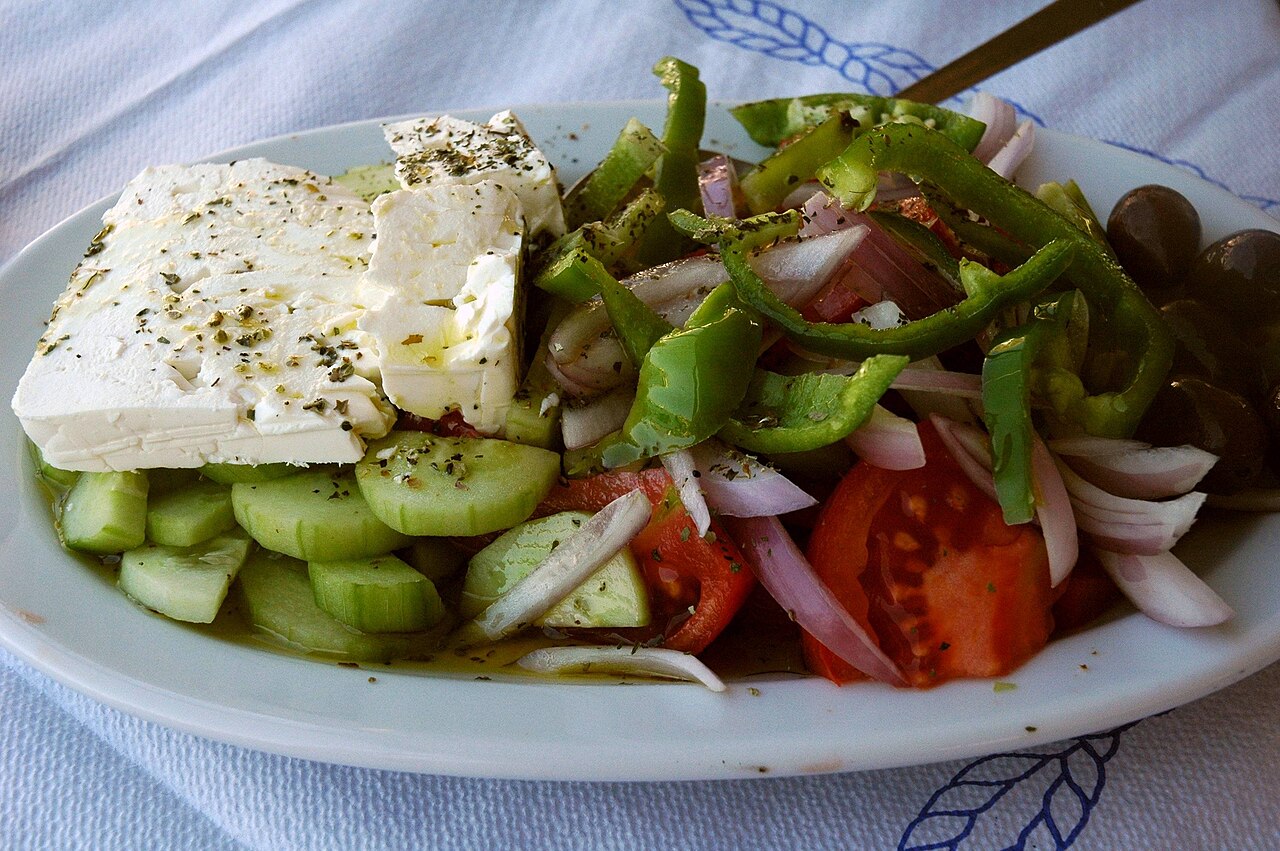
Greek salad
Photo: Jpatokal, CC BY-SA 4.0
StarterRecipe

Greek village salad

Choriátiki saláta (χωριάτικη σαλάτα)
All of Greece

Chunks of tomato, cucumber and onion with olives and a slab of feta, dressed with olive oil and dried oregano. A true Greek salad has no lettuce.
See the recipe
Serves 4 15 min

Ingredients

  • 4 ripe tomatoes
  • 1 cucumber
  • 1 red onion
  • 1 green pepper
  • A handful of Kalamata olives
  • 200 g feta, in one piece
  • 1 teaspoon dried oregano
  • 4 tablespoons extra virgin olive oil
  • Salt, and capers if you like

Method

  1. Cut the tomatoes into wedges and the cucumber into thick half-moons.
  2. Slice the onion and the pepper into thin rings.
  3. Put the vegetables and olives in a wide bowl and season with a little salt.
  4. Lay the feta on top in one piece, sprinkle with oregano and pour over the olive oil. Serve with bread to soak up the juices.
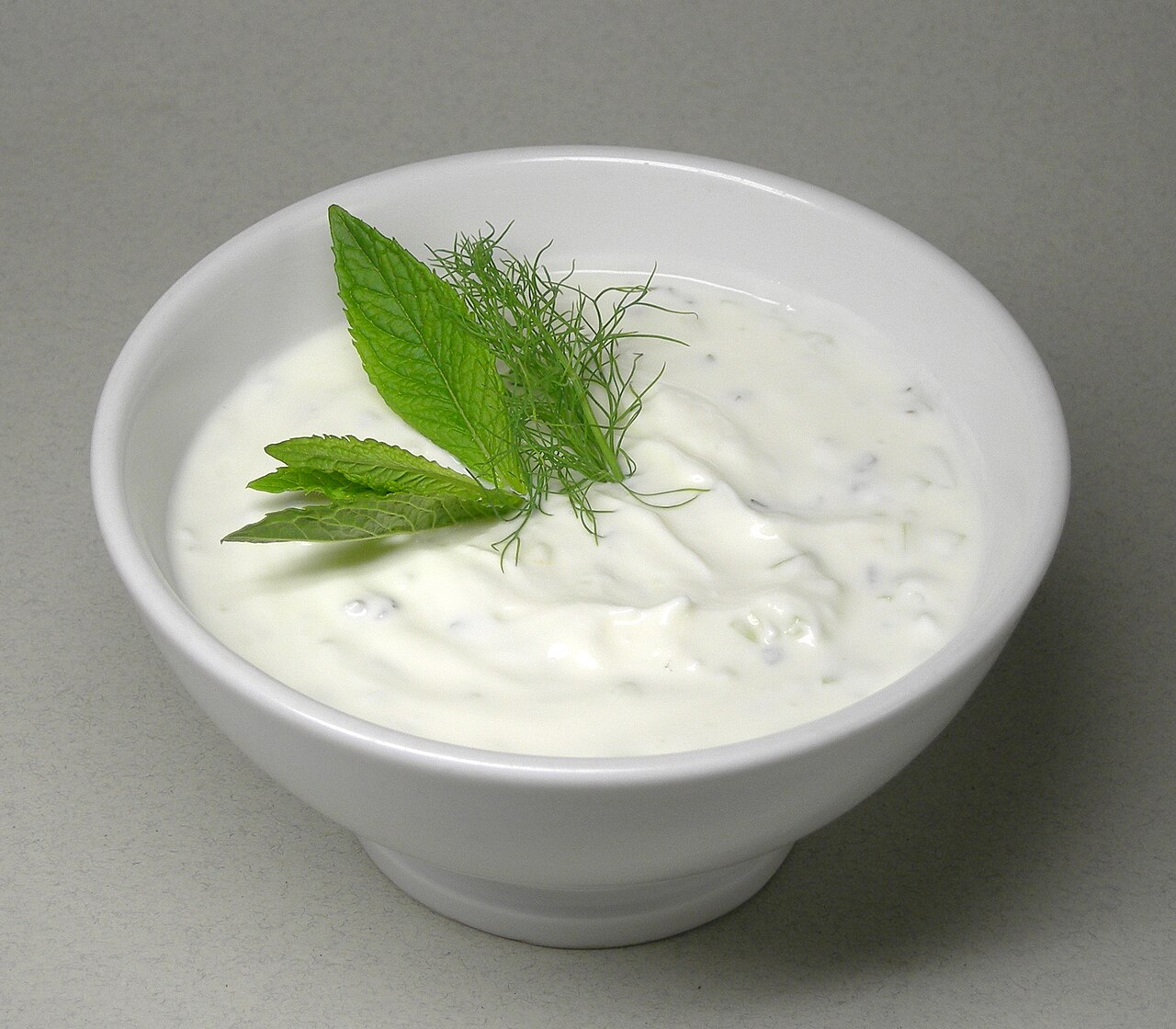
Tzatziki
Photo: Rainer Zenz, CC BY-SA 3.0
StarterRecipe

Tzatziki

Tzatzíki (τζατζίκι)
All of Greece

A cool dip of strained yogurt, grated cucumber, garlic, olive oil and a little vinegar or lemon, often with dill or mint. It is served as a meze and as a sauce for souvlaki and gyros.
See the recipe
Serves 6 1 h 15 min

Ingredients

  • 500 g thick strained Greek yogurt
  • 1 cucumber
  • 2 garlic cloves, crushed
  • 2 tablespoons olive oil
  • 1 tablespoon red wine vinegar
  • 1 tablespoon chopped dill or mint
  • Salt

Method

  1. Grate the cucumber, sprinkle it with a pinch of salt and leave it for 10 minutes.
  2. Squeeze the cucumber hard in your hands or in a clean cloth to remove as much water as possible.
  3. Mix the yogurt with the cucumber, garlic, olive oil, vinegar and herbs. Season with salt.
  4. Chill for at least an hour so the garlic flavour spreads, then drizzle with a little more olive oil to serve.
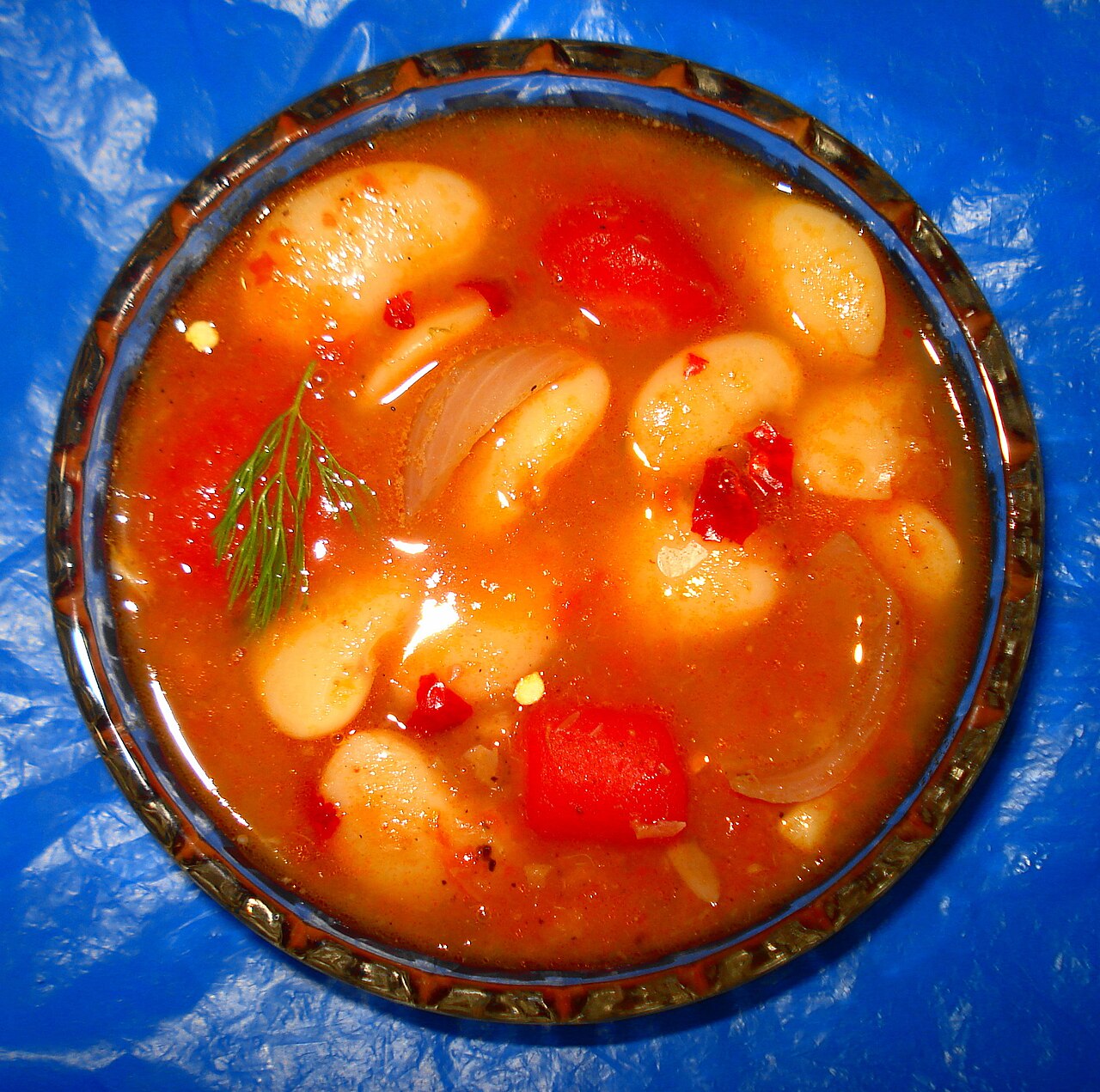
Fasolada
Photo: Miansari66, CC0
Main courseRecipe

Fasolada

Fasoláda (φασολάδα)
All of Greece

A thick soup of dried white beans simmered with tomato, carrot, celery, onion and plenty of olive oil. It is sometimes called the national food of the Greeks.
See the recipe
Serves 6 2 h 30 min

Ingredients

  • 500 g dried white beans, soaked in cold water overnight
  • 1 onion, chopped
  • 2 carrots, sliced
  • 2 celery sticks, sliced
  • 400 g chopped tomatoes
  • 1 tablespoon tomato paste
  • 120 ml olive oil
  • 1 bay leaf
  • Salt and black pepper

Method

  1. Drain the soaked beans, cover them with fresh water and boil hard for 10 minutes. Drain again.
  2. Put the beans back in the pot with about 2 litres of fresh water and the bay leaf. Simmer for about an hour until almost tender.
  3. Add the onion, carrots, celery, tomatoes, tomato paste and olive oil.
  4. Simmer for another 45 to 60 minutes until the beans are soft and the soup is thick. Season with salt and pepper only at the end.
  5. Serve with bread, olives and a little feta.
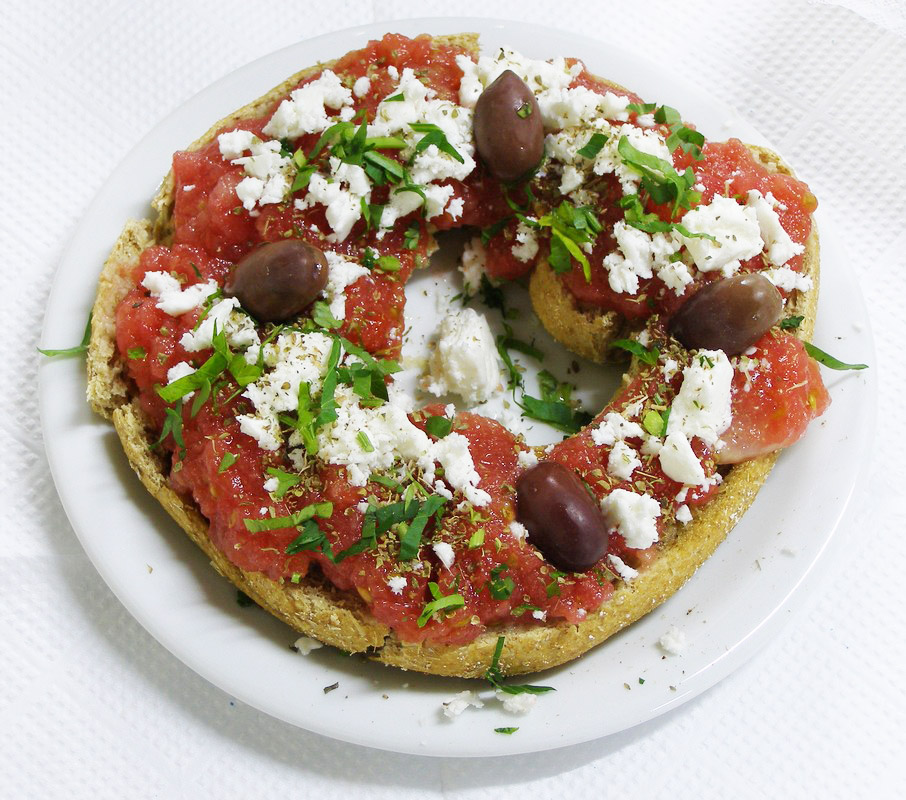
Dakos
Photo: Frente, CC BY-SA 3.0
StarterRecipe

Dakos

Ntákos (ντάκος)
Crete

A hard barley rusk softened with water or olive oil and topped with grated tomato, crumbled feta or mizithra cheese, oregano and olive oil.

It is also called koukouvagia, which means 'owl'.
See the recipe
Serves 4 15 min

Ingredients

  • 4 round barley rusks (paximadia)
  • 3 ripe tomatoes
  • 150 g feta or mizithra cheese
  • 4 tablespoons extra virgin olive oil
  • Dried oregano
  • A few olives and capers (optional)
  • Salt

Method

  1. Sprinkle the rusks with a little water and a spoonful of olive oil so they soften slightly.
  2. Cut the tomatoes in half and grate them on a box grater, throwing away the skins. Season with salt.
  3. Spoon the tomato over the rusks and crumble the cheese on top.
  4. Finish with olive oil, oregano, and olives or capers. Leave for a few minutes before eating.
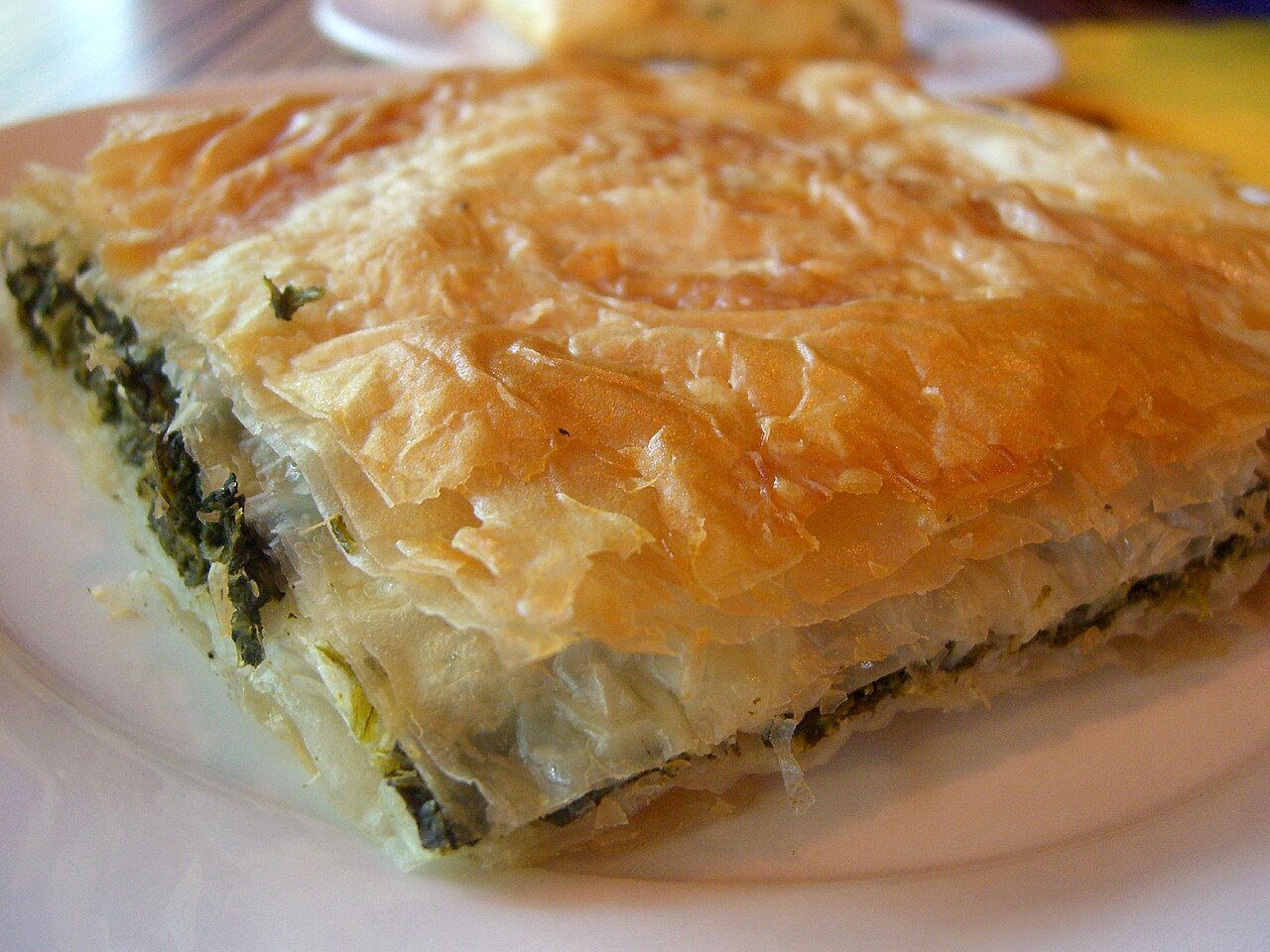
Savory spinach pie
Photo: Alpha, CC BY-SA 2.0
Snack

Spanakopita

Spanakópita (σπανακόπιτα)
All of Greece

A pie of crisp filo pastry filled with spinach, usually with feta and egg. A version without cheese and eggs is eaten during religious fasts.

The name simply means 'spinach pie', from spanáki (spinach) and píta (pie).
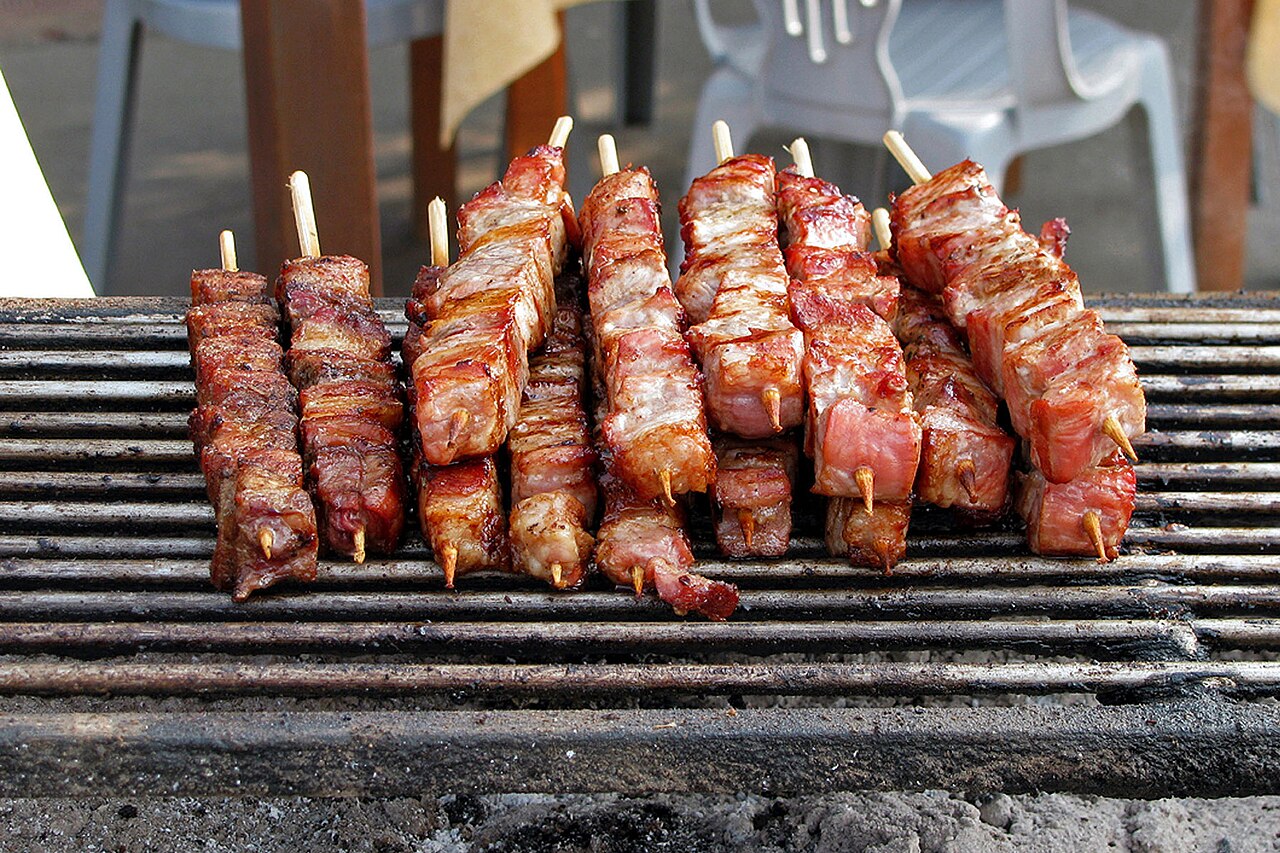
Souvlaki
Photo: EntaXoyas, CC BY-SA 3.0
Main course

Souvlaki

Souvláki (σουβλάκι)
All of Greece

Small pieces of meat, usually pork in Greece, grilled on a skewer and eaten straight off the stick or wrapped in pita with tomato, onion and tzatziki.

Around Athens it is often called kalamaki, 'little reed', after the skewer.
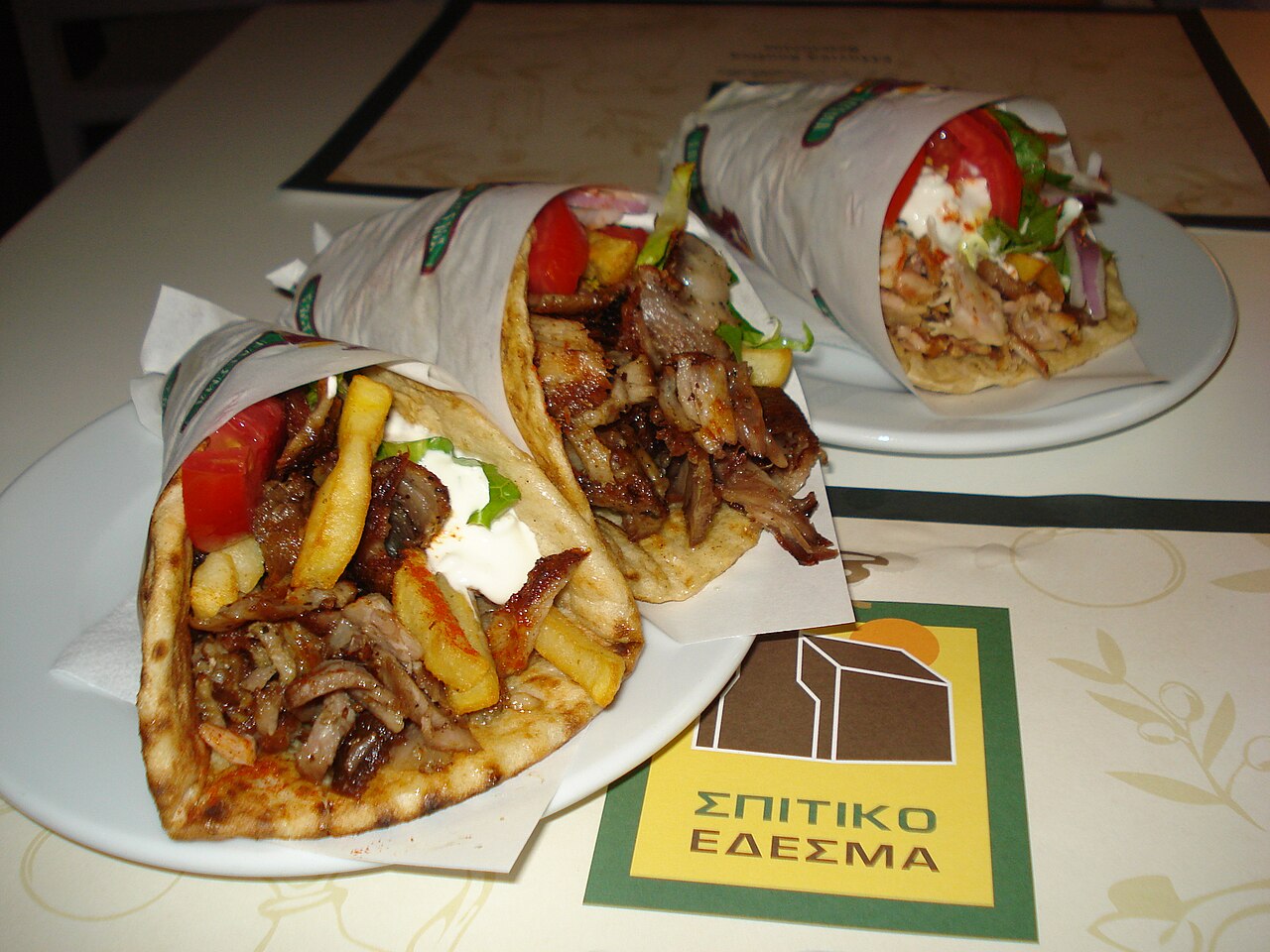
Gyros
Photo: Antonio Fajardo i López, CC BY-SA 3.0
Snack

Gyros

Gýros (γύρος)
All of Greece

Meat, traditionally pork in Greece, roasted on a turning vertical spit, sliced thin and wrapped in pita with tomato, onion, chips and tzatziki.

Gýros means 'turn', after the rotating spit.
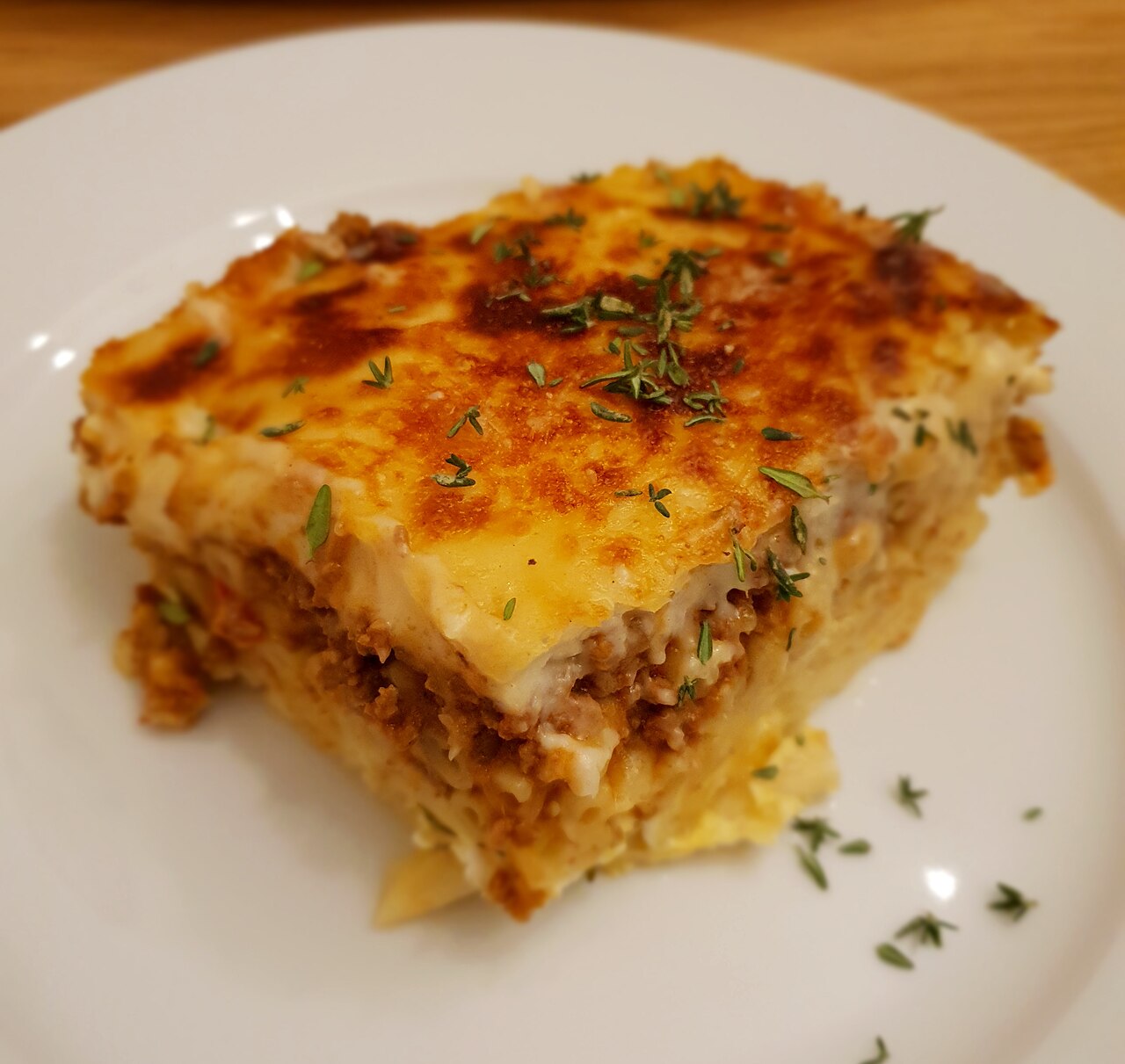
Pastitsio
Photo: Sam Bailey, CC BY-SA 4.0
Pasta

Pastitsio

Pastítsio (παστίτσιο)
Ionian Islands

A baked dish of tubular pasta, a minced meat and tomato sauce spiced with cinnamon, and a thick layer of béchamel on top.

Its name comes from the Venetian 'pasticcio', a baked pie, a reminder of Venice's long rule over the Ionian Islands.
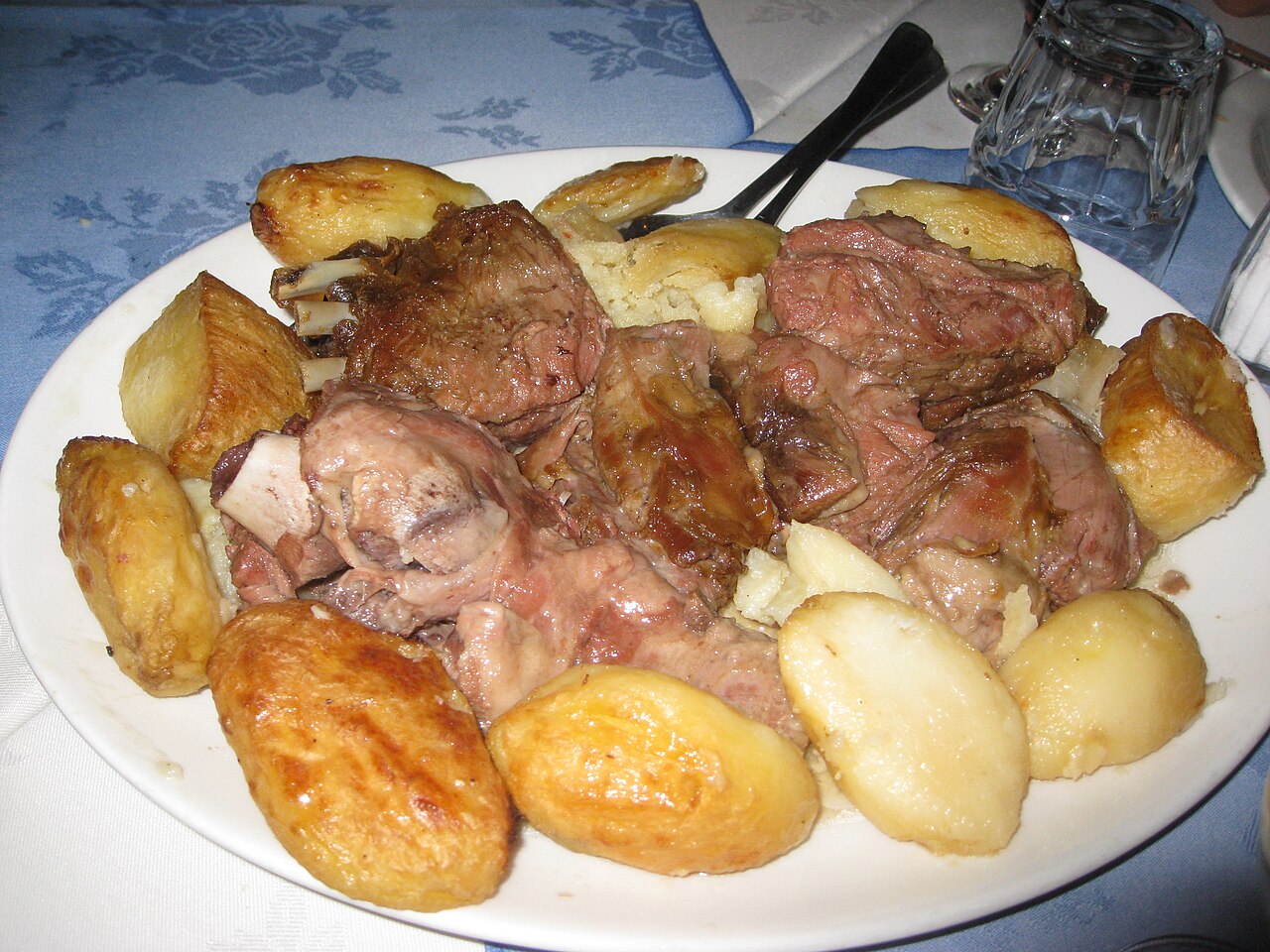
Kleftiko
Photo: Lord Mountbatten, CC BY-SA 3.0
Main course

Kleftiko

Kléftiko (κλέφτικο)
Mainland Greece and Cyprus

Lamb or goat marinated with garlic and lemon and slow-roasted in a parcel of paper with potatoes until it falls off the bone.

It is named after the klephts, outlaws of the Ottoman period, who are said to have cooked meat in covered pits so that no one would find them.
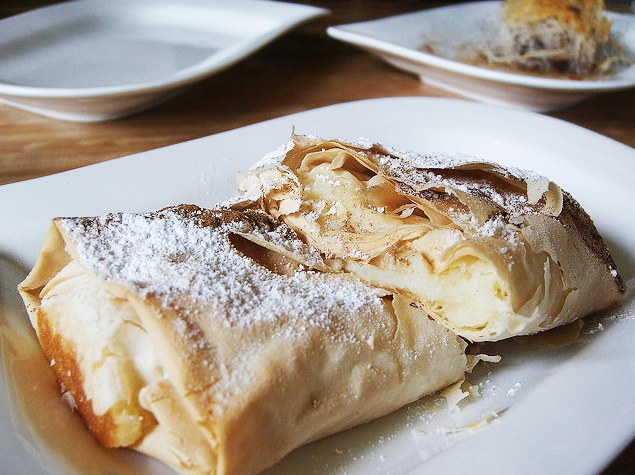
Bougatsa
Photo: avlxyz, CC BY-SA 2.0
Dessert

Bougatsa

Bougátsa (μπουγάτσα)
Northern Greece, especially Thessaloniki and Serres

Flaky filo pastry filled with semolina custard, dusted with icing sugar and cinnamon. In Thessaloniki it is a favourite breakfast. There are also savoury versions with cheese or meat.
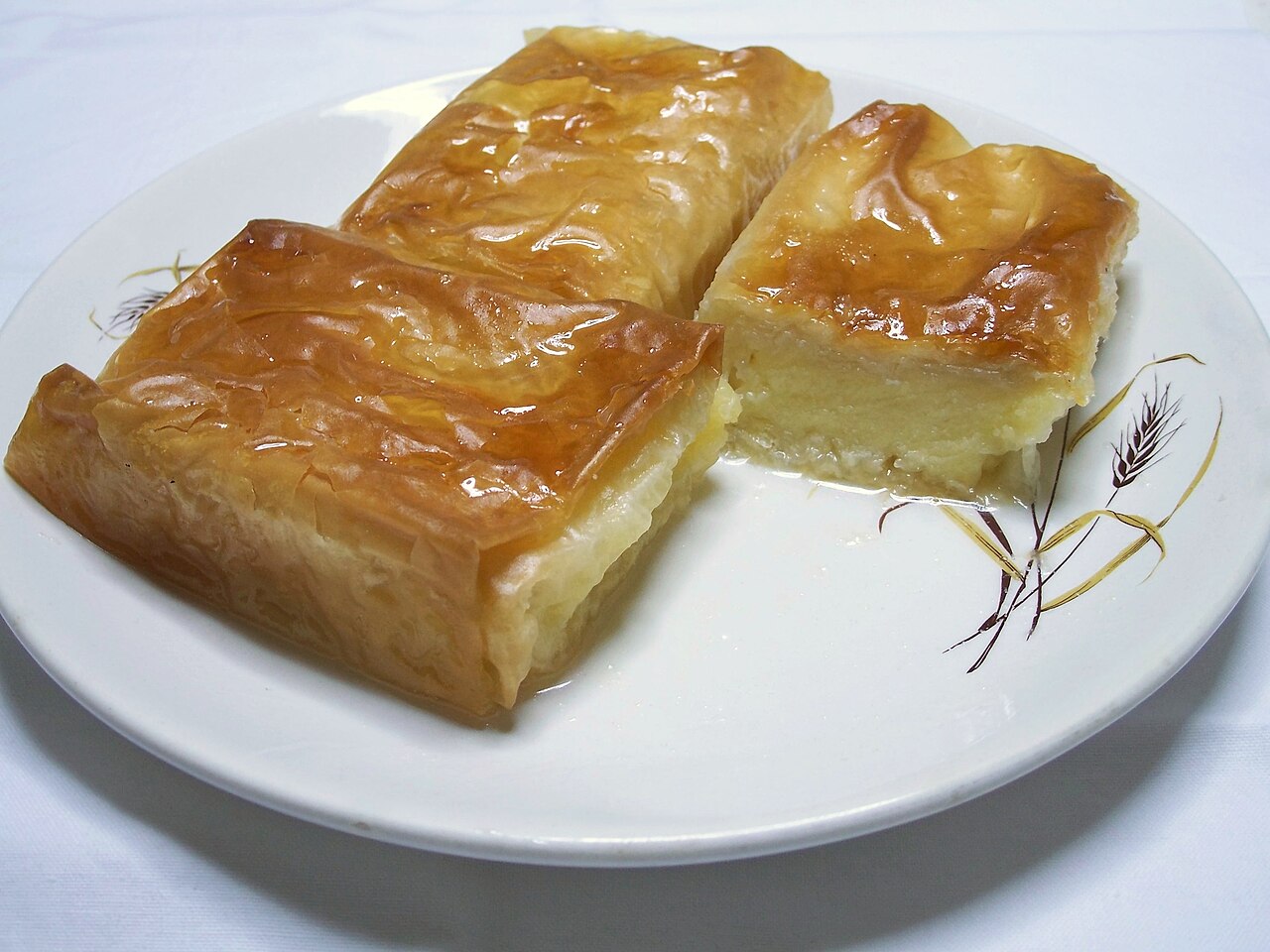
Galaktoboureko
Photo: Badseed, CC BY 3.0
Dessert

Galaktoboureko

Galaktoboúreko (γαλακτομπούρεκο)
All of Greece

Semolina custard baked between layers of filo pastry, then soaked in a sweet syrup, often flavoured with lemon or orange.
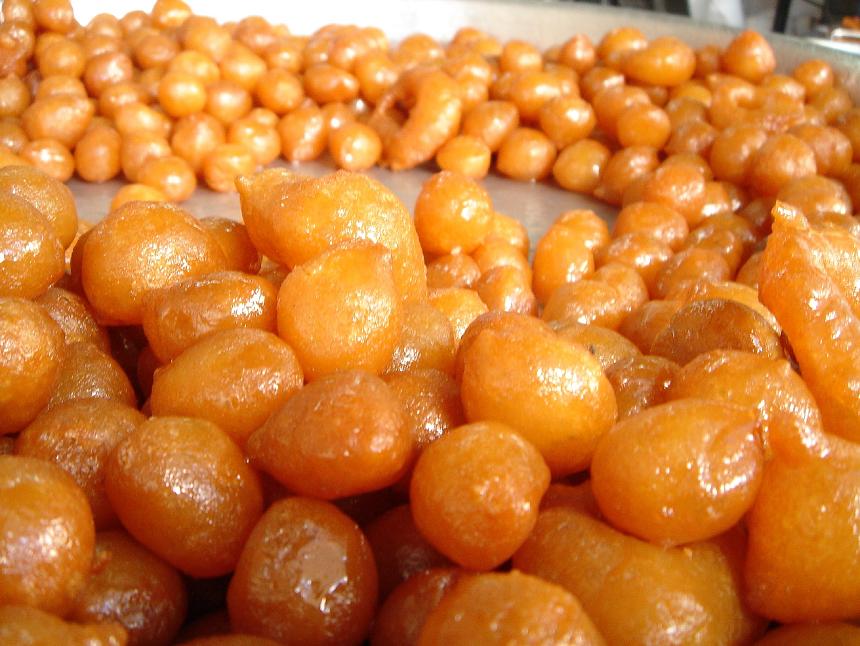
Lokma
Photo: elif ayse, CC BY 2.0
Dessert

Loukoumades

Loukoumádes (λουκουμάδες)
All of Greece

Small balls of yeast dough fried until golden, then drenched in honey or syrup and sprinkled with cinnamon.
Taramasalata
Photo: Robert Kindermann, CC BY-SA 2.5
Starter

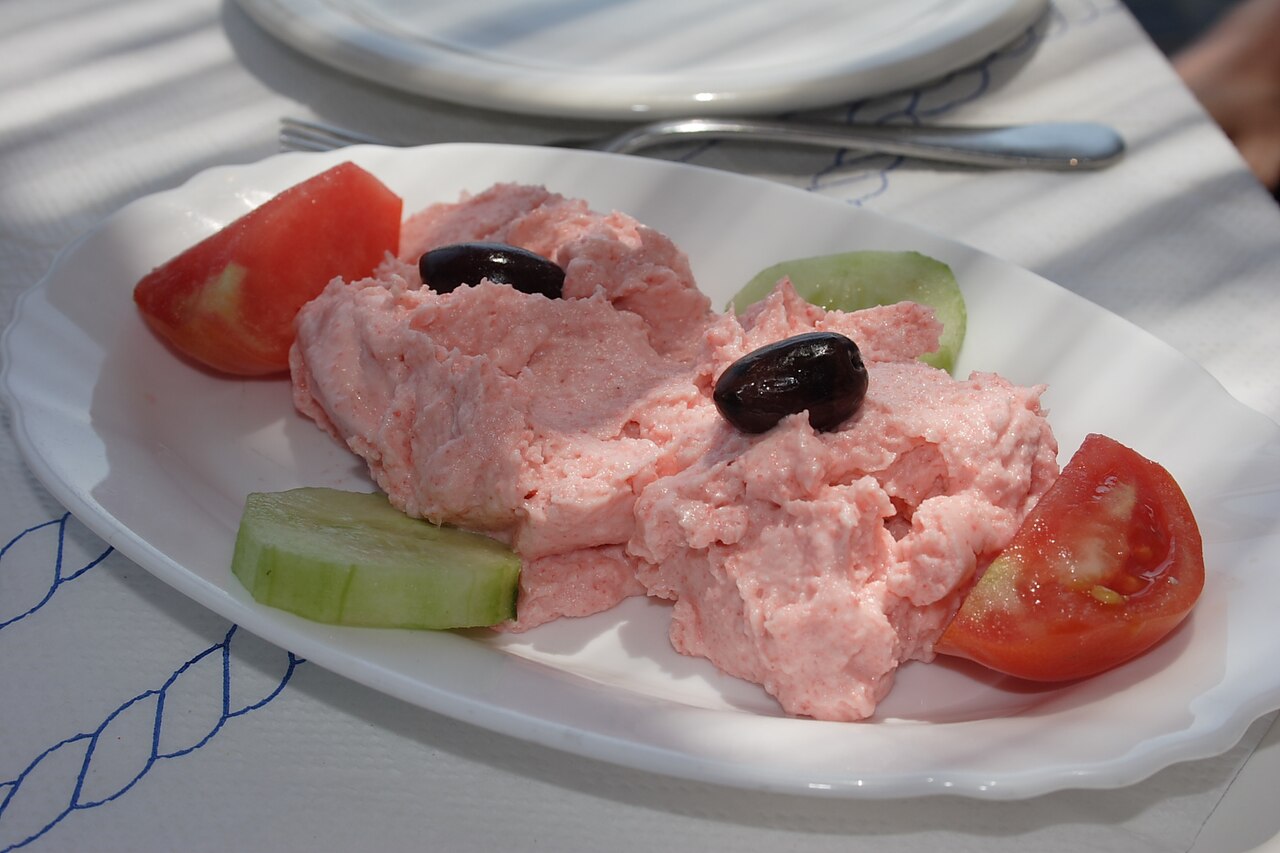
Taramosalata

Taramosaláta (ταραμοσαλάτα)
All of Greece

A creamy dip of salted, cured fish roe mixed with olive oil, lemon juice and bread or potato. Good versions are beige, not bright pink.

It is a traditional food for Clean Monday, the first day of Lent.
Feta
Photo: JJ Harrison, CC BY-SA 2.5
Snack

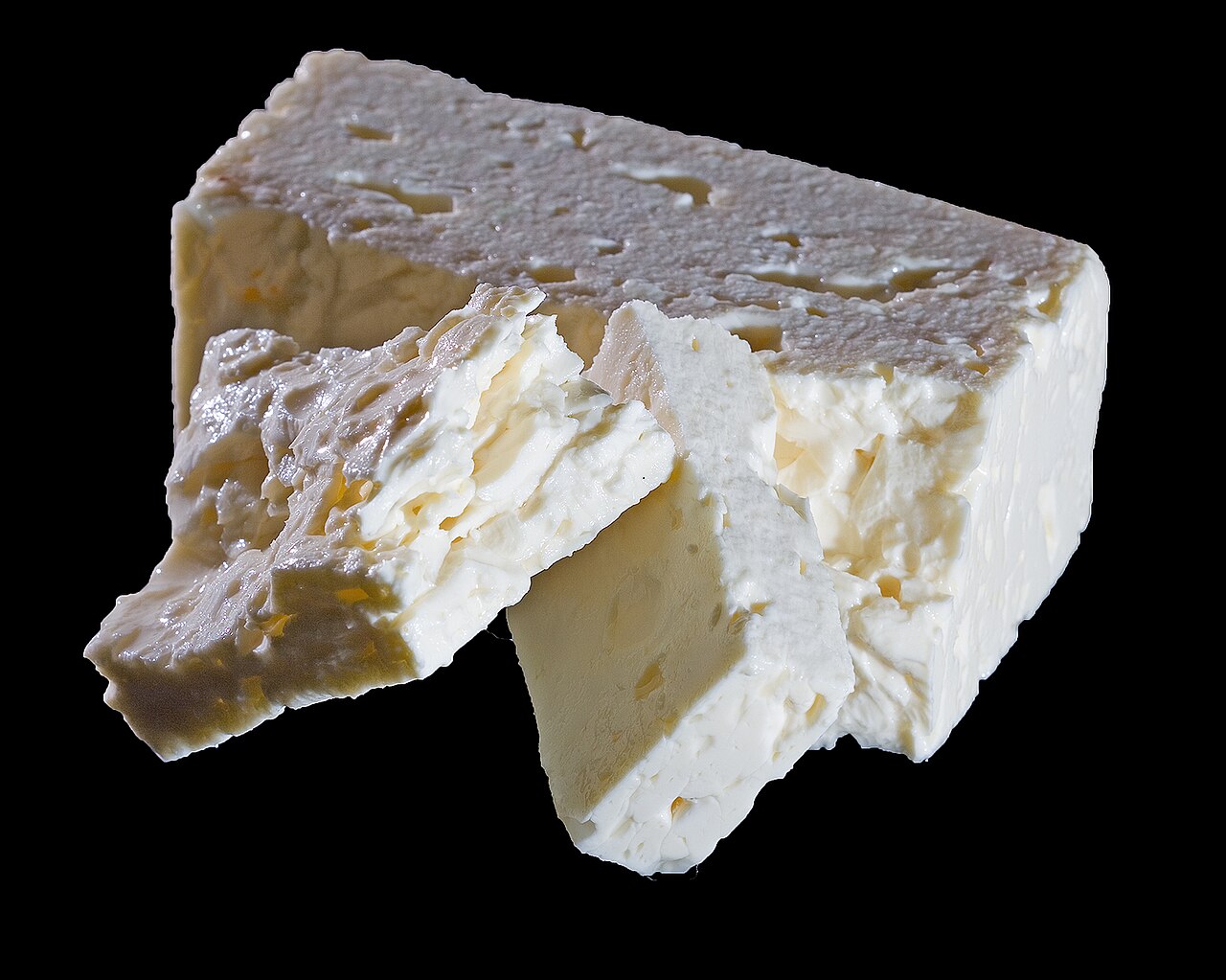
Feta

Féta (φέτα)
Mainland Greece and the island of Lesbos

A white, crumbly, salty cheese aged in brine, made from sheep's milk or sheep's milk with up to 30% goat's milk.

Since 2002 feta has had protected status in the European Union: only cheese made in the traditional way in the protected areas of Greece may use the name.
Commons: ouzo water
Photo: de:Benutzer:Udm,, CC BY-SA 3.0
Drink

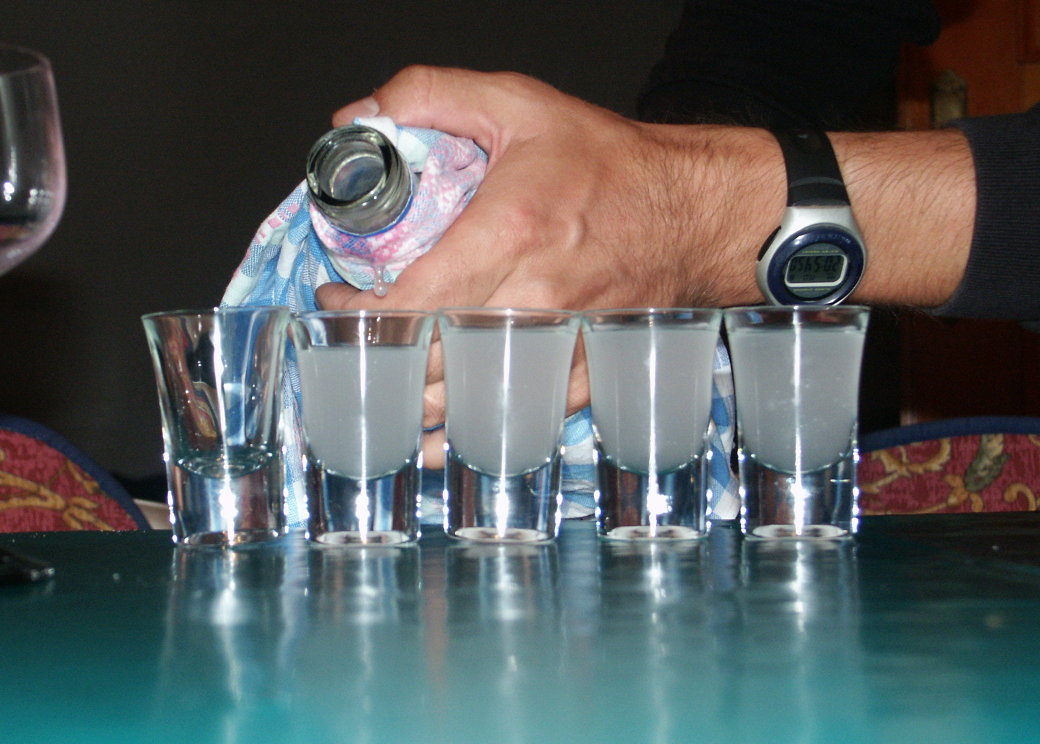
Ouzo

Oúzo (ούζο)
All of Greece (Lesbos is famous for it)

A dry spirit flavoured with anise. Mixed with water it turns cloudy white, and it is usually sipped slowly with a plate of meze.
Frappé coffee
Photo: philleb, CC0
Drink

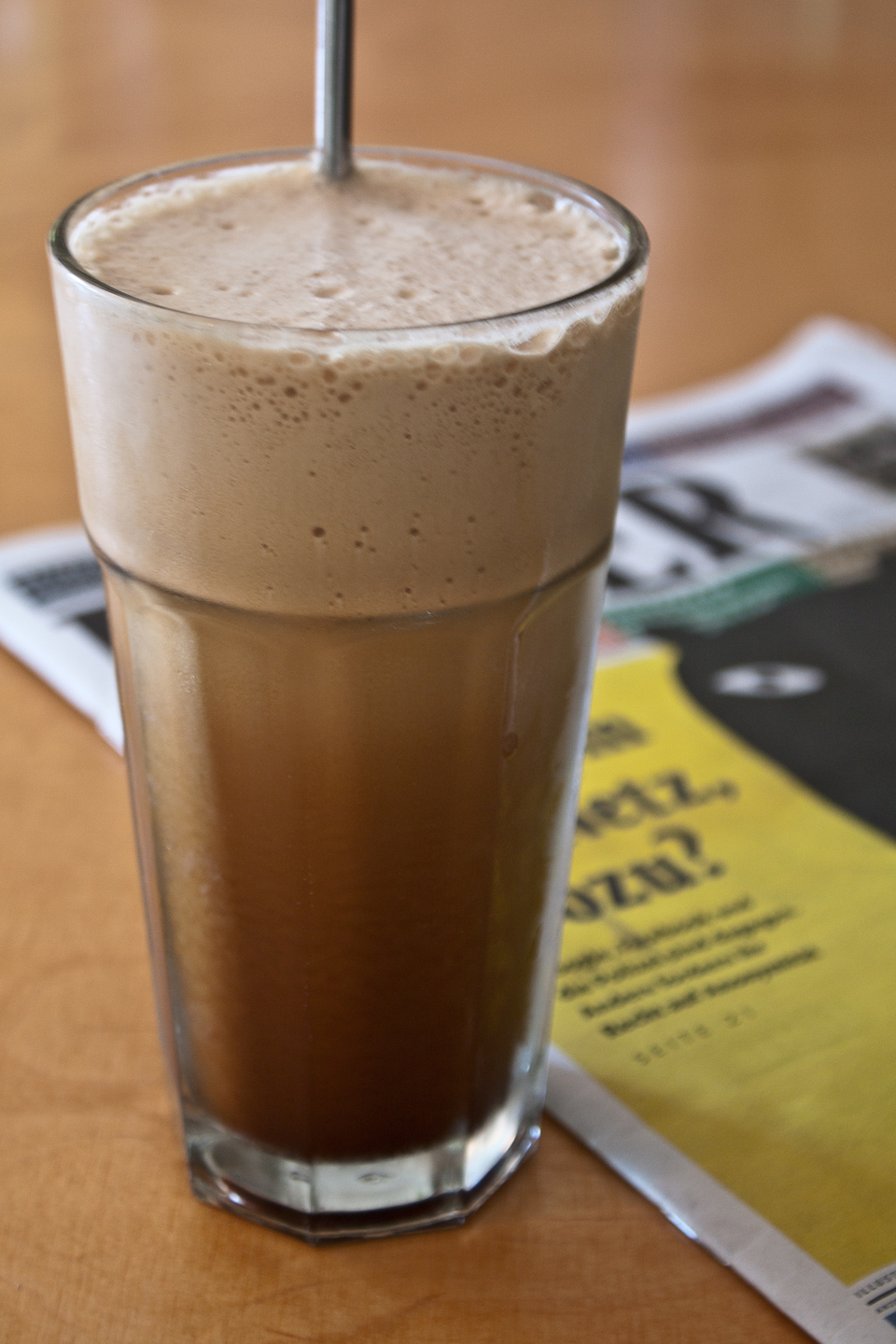
Frappé

Frapé (φραπέ)
Thessaloniki

Instant coffee shaken with water, sugar and ice into a thick foam, with milk if you like. It is one of the most popular coffees in Greece in summer.

The popular story says it was first made at the Thessaloniki International Fair in 1957, when a Nestlé employee shook instant coffee with cold water and ice.

Table manners

  • Many dishes, especially meze, are put in the middle of the table and everyone shares.
  • Before eating, people wish each other 'Kalí órexi' (good appetite), and they say 'Stin ygeiá mas' (to our health) when they raise their glasses.
  • Ouzo is usually drunk slowly with water or ice and a little food, not on its own.
  • Many Greeks follow Orthodox fasts, so tavernas often offer 'fasting' versions of dishes without meat, eggs or cheese, especially during Lent.
  • On Clean Monday, the first day of Lent, families eat taramosalata, bread and other fasting foods, often outdoors.

Next: Cities

Cities

12 cities to know

Most Greeks live in Athens and Thessaloniki, but the soul of the country is also in its island towns, mountain towns and old harbours, each shaped by a different chapter of history.
AthensThessalonikiPatrasHeraklionChaniaIoanninaNafplioKalambakaDelphiRhodesCorfuFira
Athens
Photo: Andrew Parlette, CC BY 4.0

Athens Capital

Attica

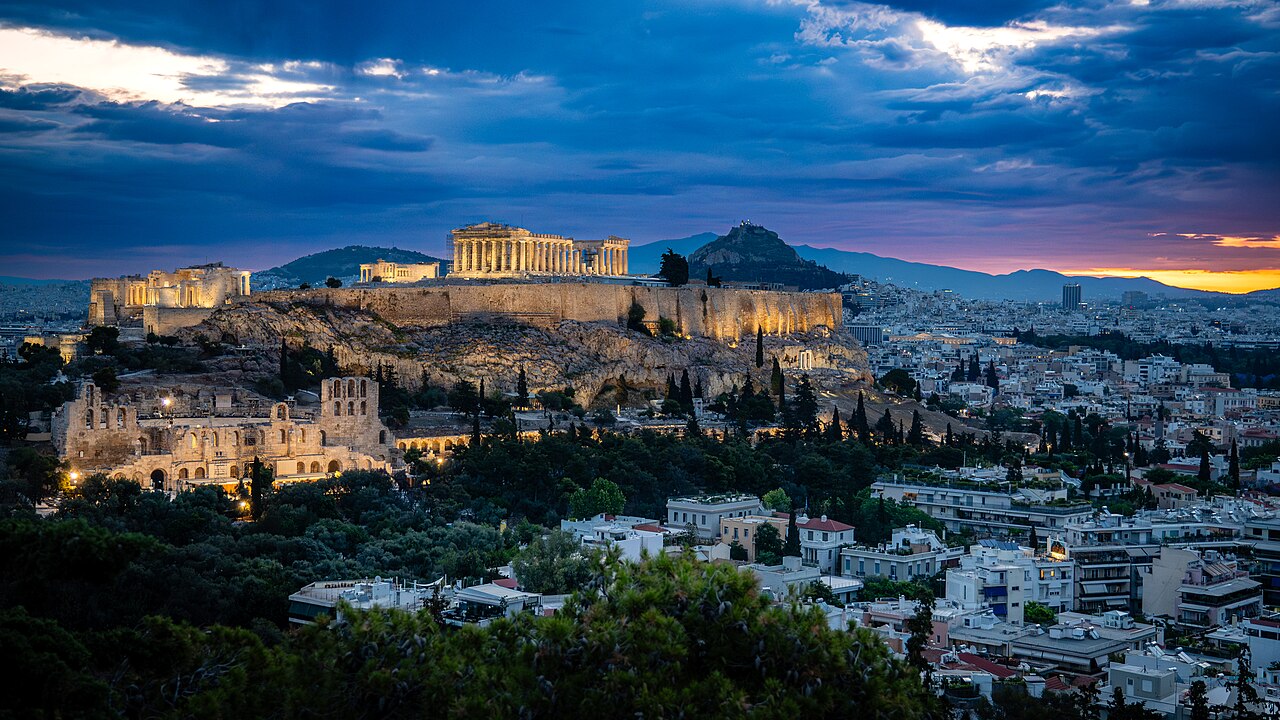
The capital and largest city, with a recorded history of more than 3,400 years. The Acropolis rises above a modern city that became the capital of Greece in 1834.
  • The Acropolis and the Parthenon
  • The National Archaeological Museum
  • The Panathenaic Stadium of the 1896 Olympics
Thessaloniki
Photo: Berthold Werner, CC BY-SA 3.0

Thessaloniki

Central Macedonia

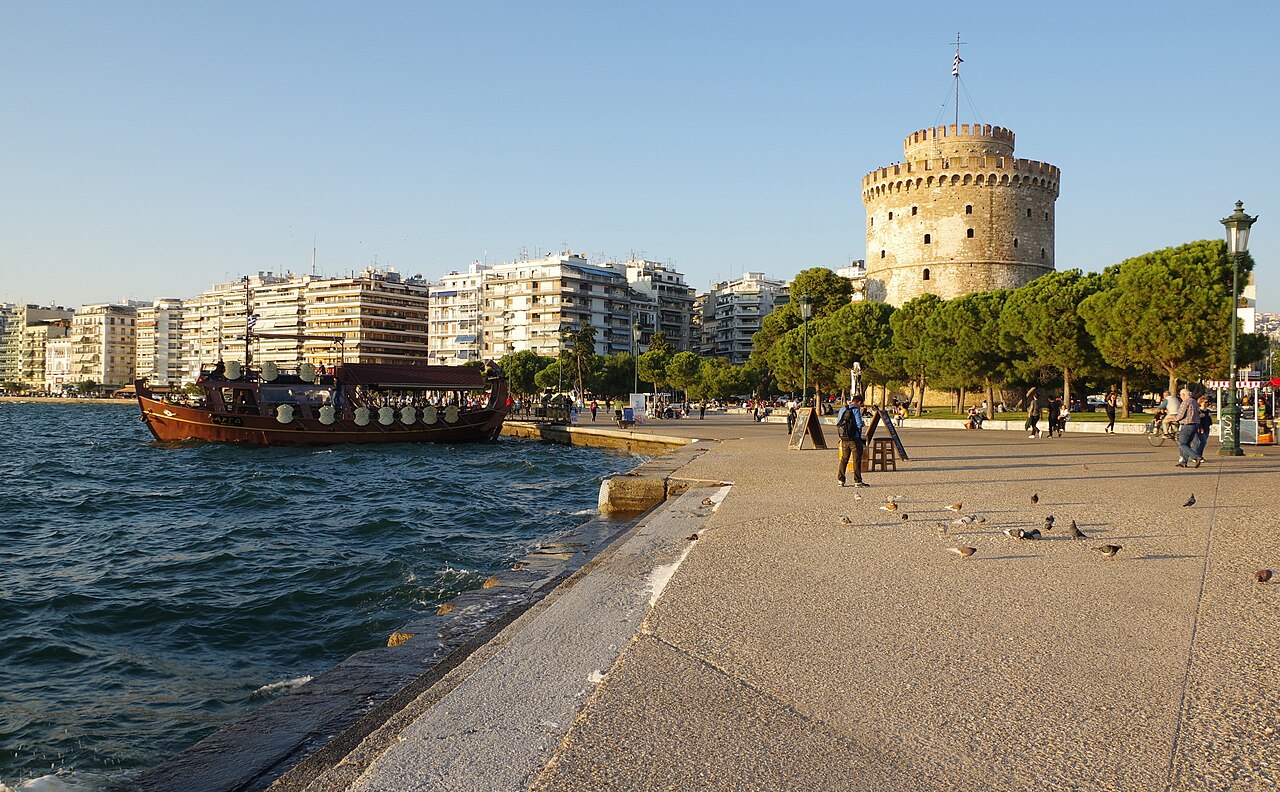
Greece's second city, a lively port founded in 315 BC and named after Thessalonike, a daughter of Philip II of Macedon. It joined Greece in 1912.
  • The White Tower
  • Byzantine churches
  • Bougatsa for breakfast
Commons: Patras city
Photo: Eusebius, CC BY 3.0

Patras

Western Greece

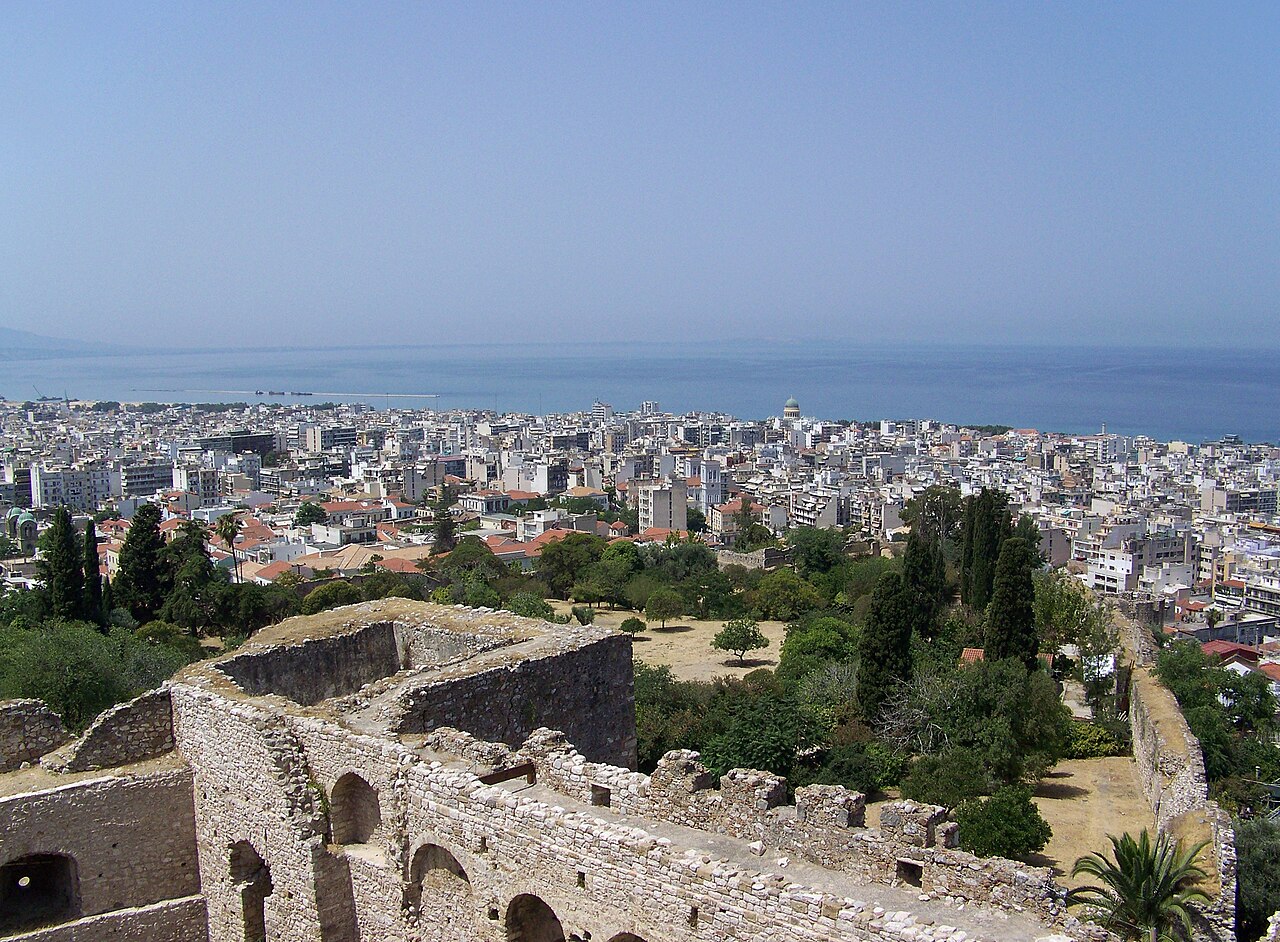
Greece's third-largest city and its 'Gate to the West', a busy port with ferries to Italy.
  • One of Europe's largest carnivals
  • The Rio-Antirrio bridge
  • Saint Andrew, the city's patron saint
Commons: Heraklion harbour
Photo: Moonik, CC BY-SA 3.0

Heraklion

Crete

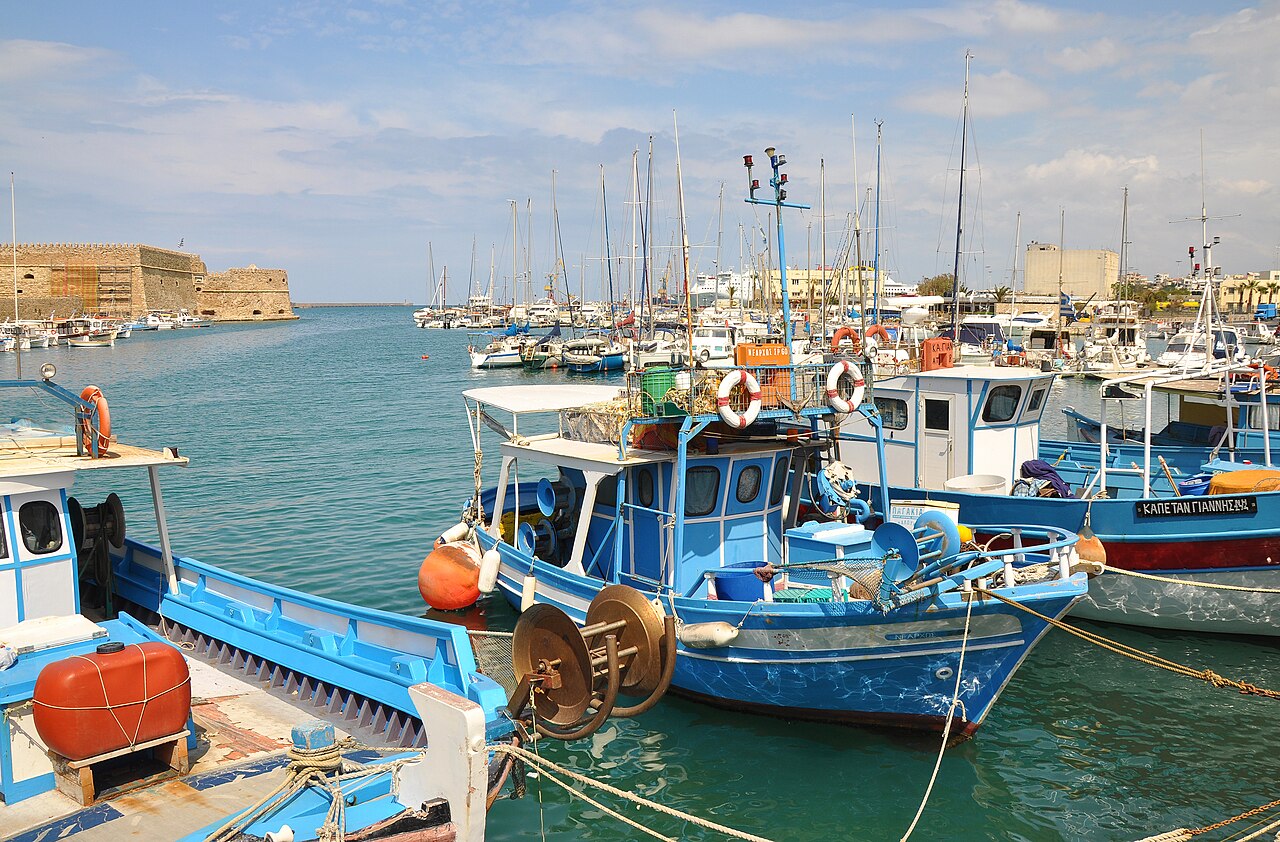
The capital and largest city of Crete, still ringed by massive Venetian walls, with the Minoan palace of Knossos just outside the city.
  • Knossos
  • Venetian walls and harbour fortress
  • Its archaeological museum
Chania
Photo: dronepicr, CC BY 2.0

Chania

Crete

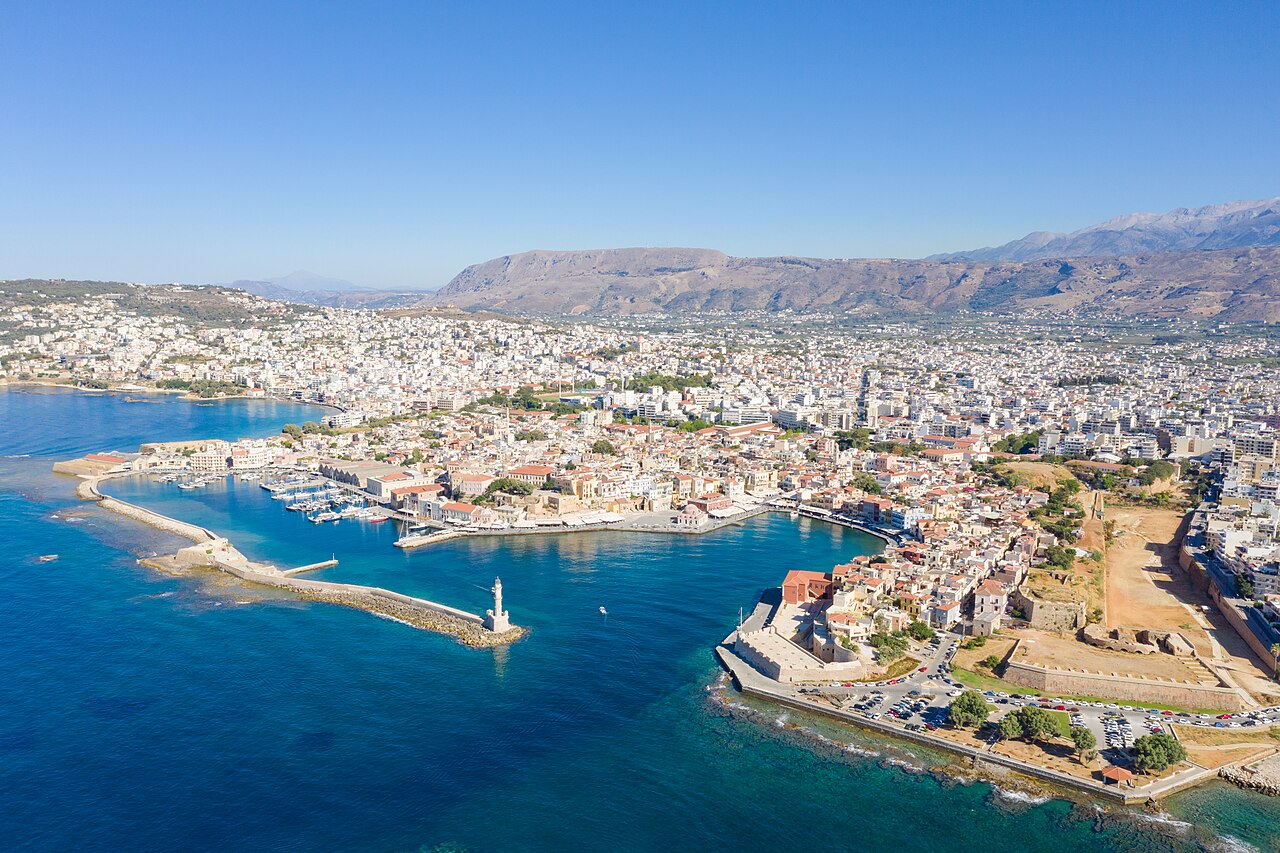
A graceful town in western Crete whose old quarter wraps around a Venetian harbour, with Venetian houses and an Ottoman-era mosque on the waterfront.
  • The Venetian harbour
  • The old town
  • The Samaria Gorge nearby
Commons: Ioannina lake
Photo: Cosal, CC BY-SA 4.0

Ioannina

Epirus

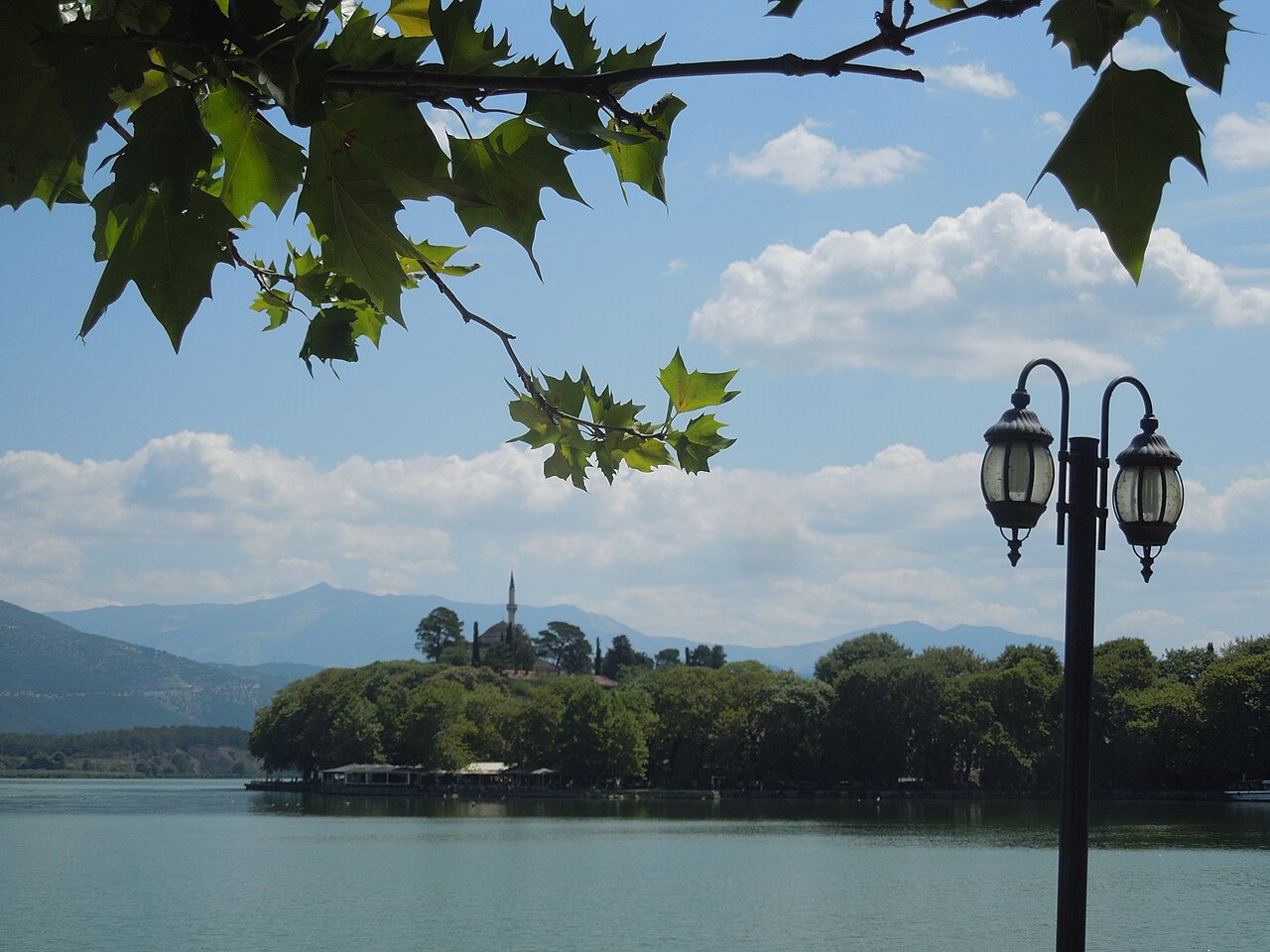
A mountain city at about 500 m above sea level on the shore of Lake Pamvotis, once the power base of the Ottoman ruler Ali Pasha.
  • Lake Pamvotis
  • Its castle and Ali Pasha
  • The stone villages of Zagori nearby
Commons: Nafplio old town
Photo: George E. Koronaios, CC0

Nafplio

Peloponnese

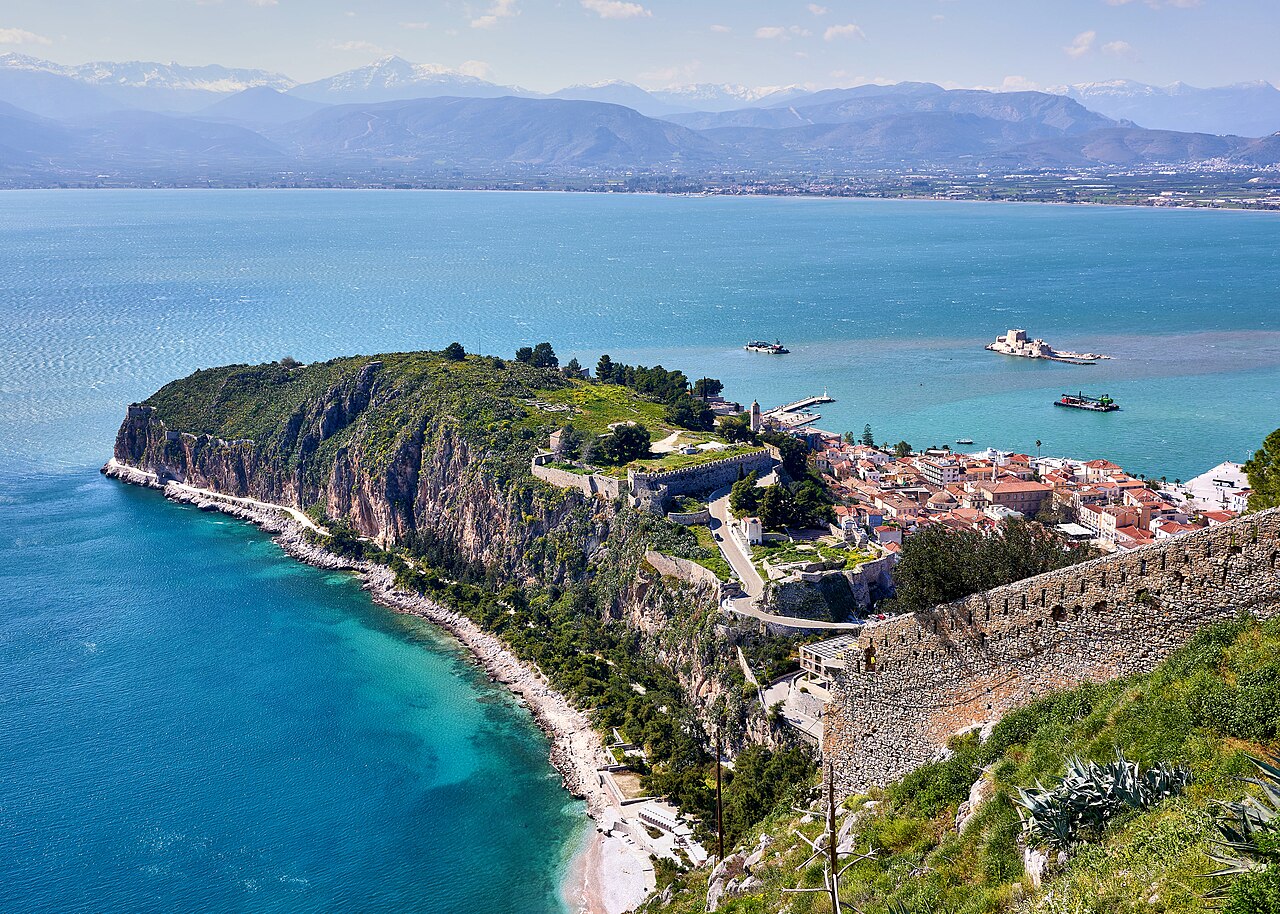
A pretty seaside town that was the capital of the new Greek state until Athens took over in 1834.
  • The Palamidi fortress
  • Its neoclassical old town
  • Day trips to Epidaurus and Mycenae
Kalabaka
Photo: Stanislav Amelchyts, CC BY-SA 3.0

Kalambaka

Thessaly

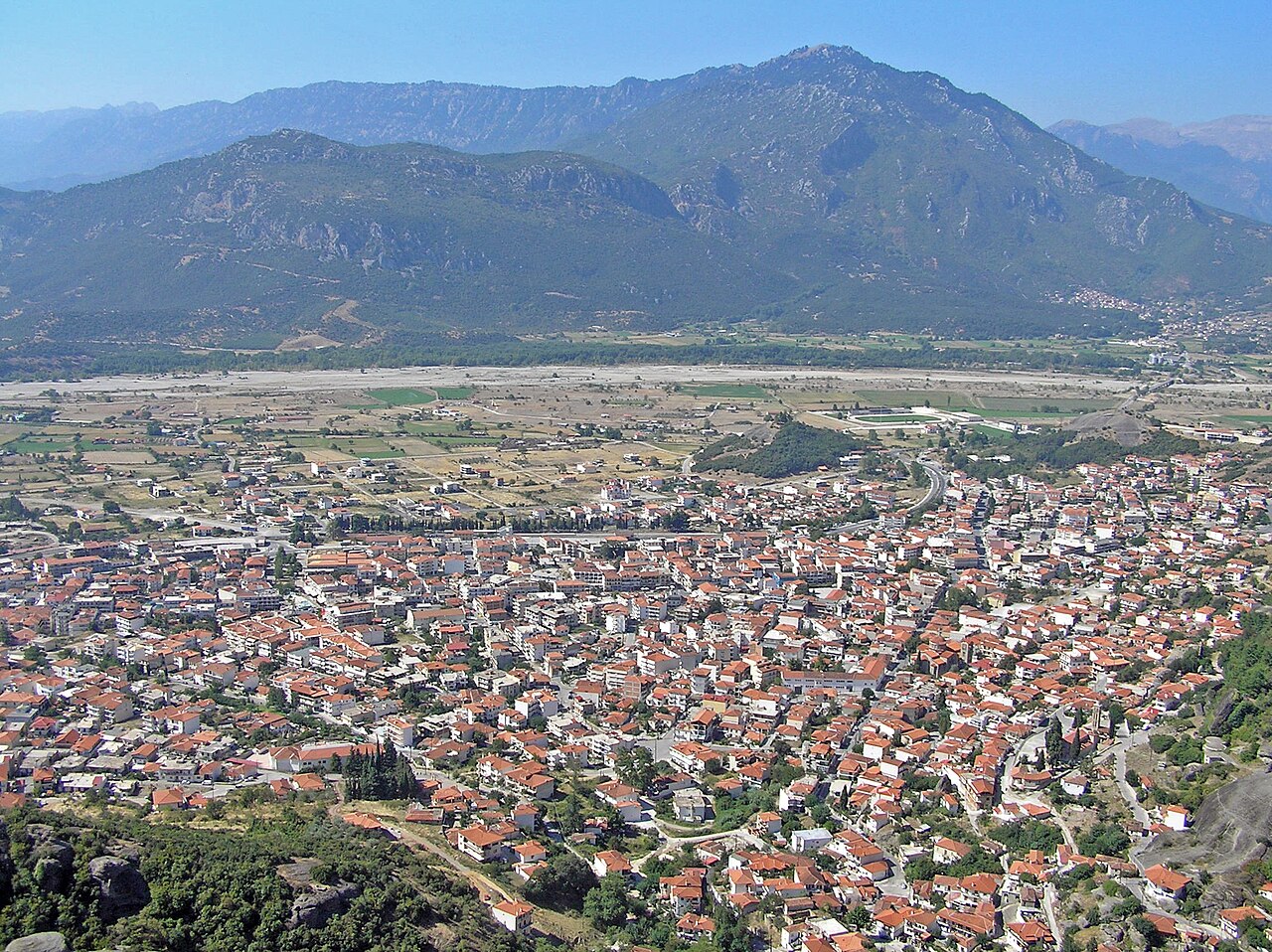
A small town at the foot of the giant rock pillars of Meteora, and the usual base for visiting the monasteries.
  • The Meteora monasteries
  • Walks among the rocks
  • The village of Kastraki next door
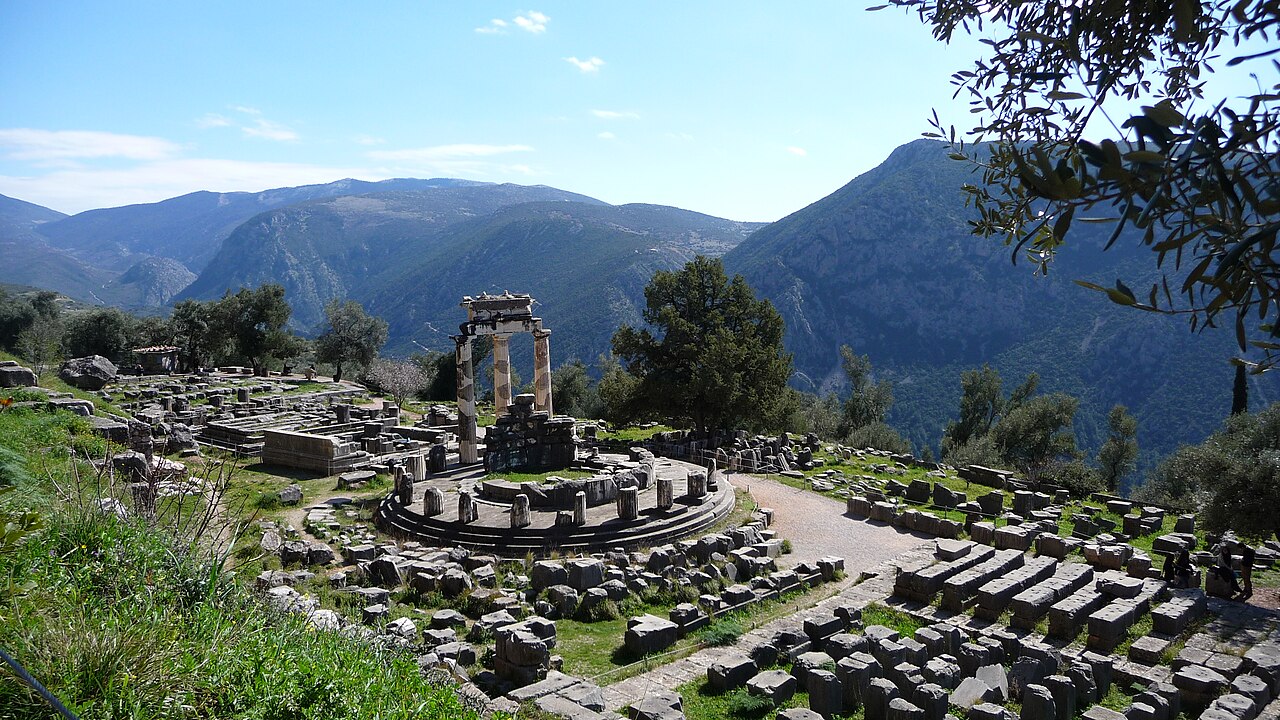
Delphi
Photo: tamara semina, CC BY-SA 3.0

Delphi

Central Greece

A small modern town on the slopes of Mount Parnassus, right next to the ancient sanctuary of Apollo.
  • The ancient oracle of Delphi
  • Mount Parnassus
  • The Delphi Archaeological Museum
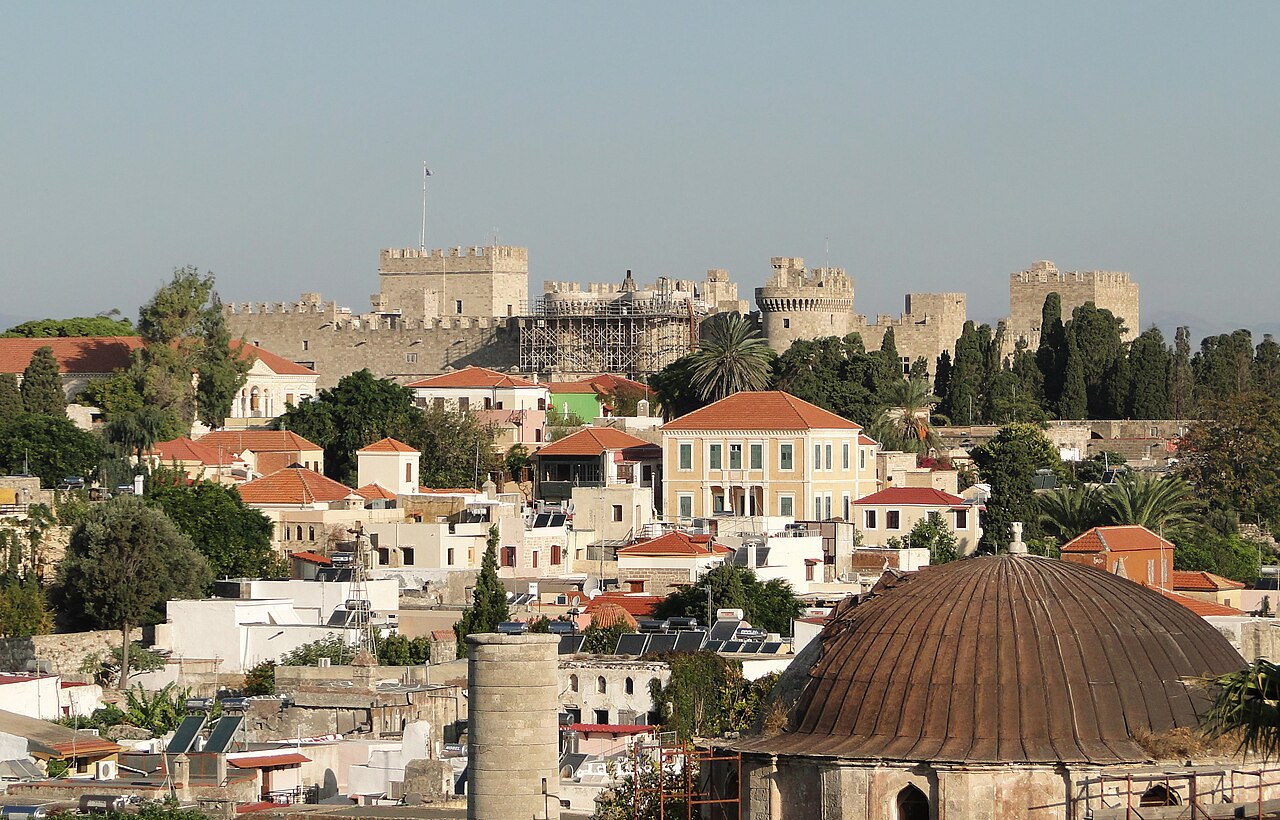
Rhodes (city)
Photo: Bernard Gagnon, CC BY-SA 4.0

Rhodes

South Aegean (Dodecanese)

The capital of the island of Rhodes. Its walled old town, built by the Knights of Saint John, is one of the best-preserved medieval towns in Europe.
  • The medieval old town
  • The Palace of the Grand Master
  • The Colossus of Rhodes, a lost wonder of the ancient world
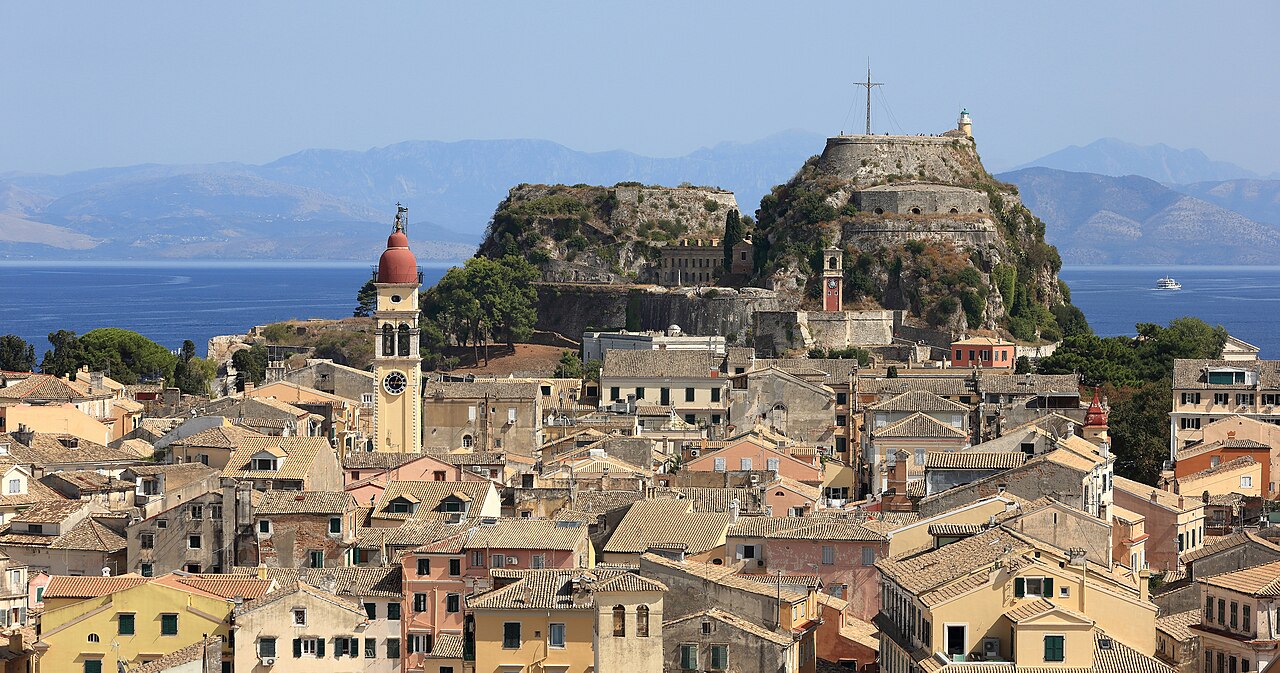
Commons: Corfu old town
Photo: Martin Falbisoner, CC BY-SA 4.0

Corfu

Ionian Islands

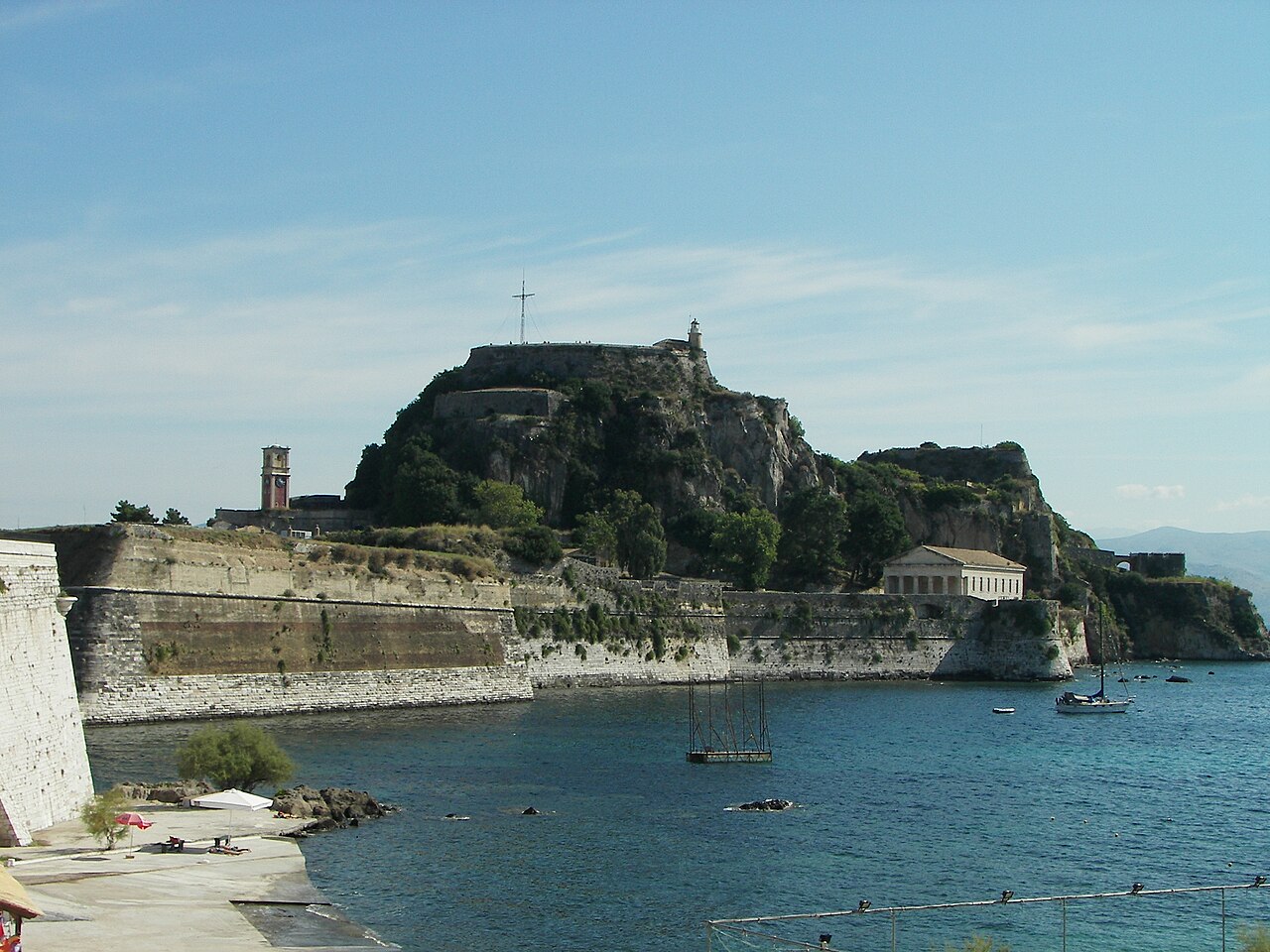
The main town of the island of Corfu, ruled by Venice for about 400 years and later by Britain, which gives it an unusual, almost Italian look.
  • The Venetian fortresses
  • The Liston promenade
  • Its UNESCO-listed old town
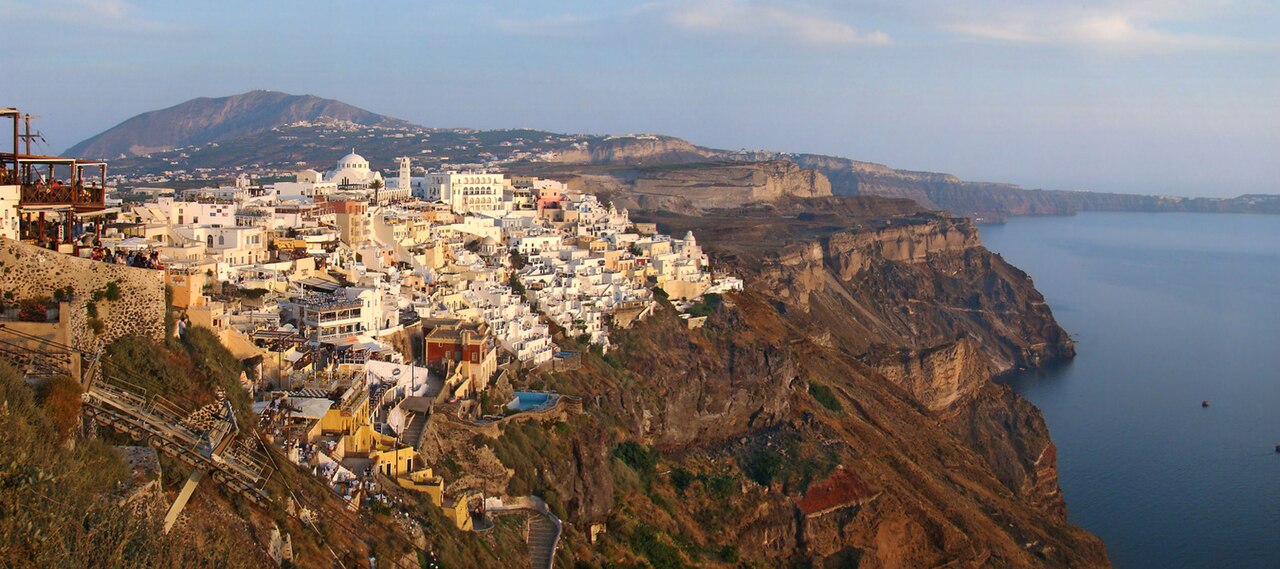
Fira
Photo: Tango7174, CC BY-SA 4.0

Fira

South Aegean (Cyclades)

The main town of Santorini, a cluster of whitewashed houses on the edge of cliffs about 400 m high above the flooded volcanic crater.

  • Views over the caldera
  • The cable car and steps down to the old port
  • The Museum of Prehistoric Thera

Next: Landmarks

Landmarks

Places everyone should see once

Acropolis
Photo: George E. Koronaios, CC BY-SA 4.0
Athens

The Acropolis and the Parthenon

A rocky hill above Athens crowned by marble temples from the 400s BC. The largest, the Parthenon, was dedicated to the goddess Athena. It was badly damaged in 1687, when a Venetian shell hit gunpowder stored inside.

UNESCO World Heritage
Temple of Poseidon, Sounion
Photo: Berthold Werner, CC BY-SA 3.0
Near Athens

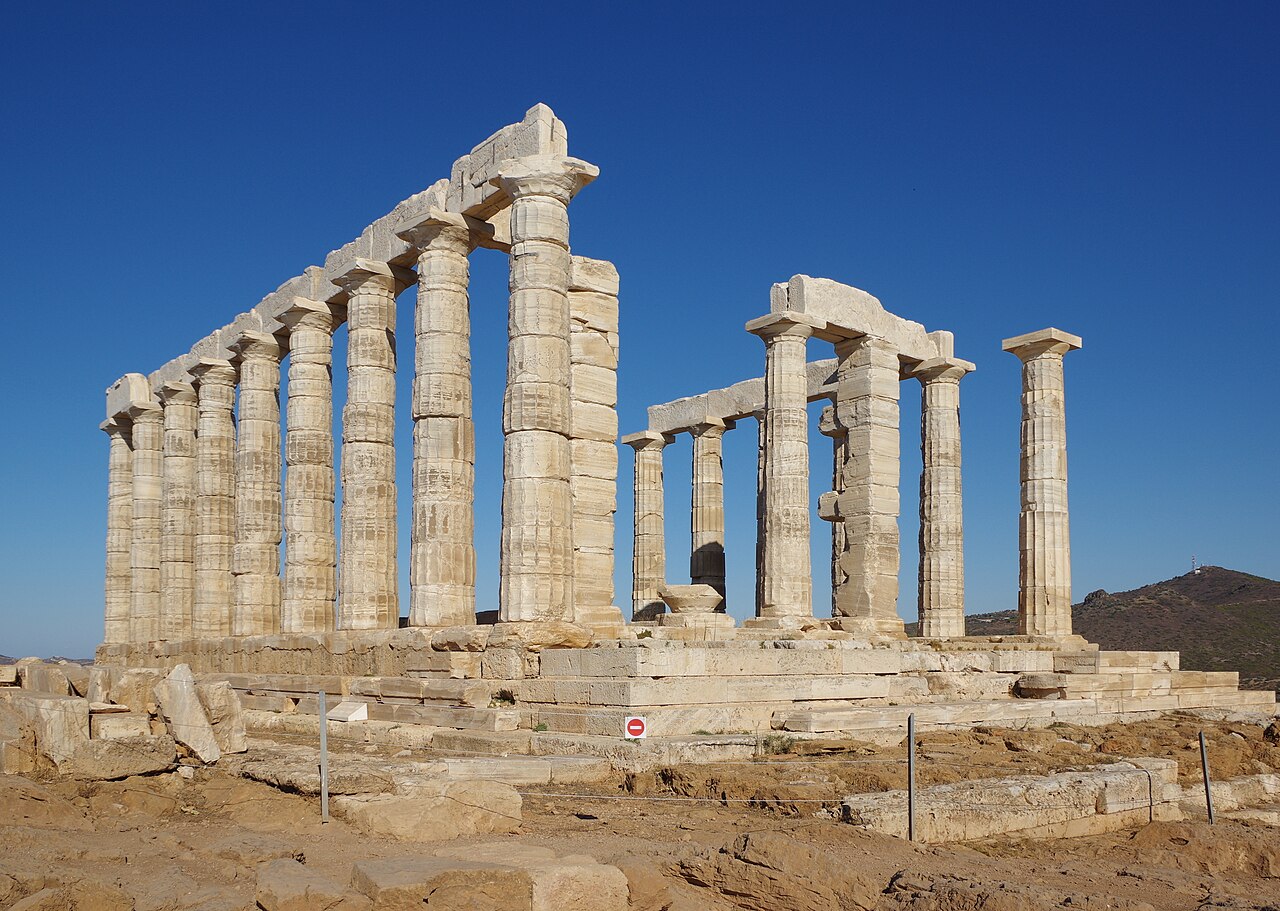
The Temple of Poseidon at Sounion

A temple to the sea god Poseidon, built around 440 BC on a cliff at the southern tip of Attica, about 70 km from Athens. It is a favourite spot for watching the sunset, and the poet Lord Byron carved his name on it.
Temple of Apollo (Delphi)
Photo: Skyring, CC BY-SA 4.0
Delphi

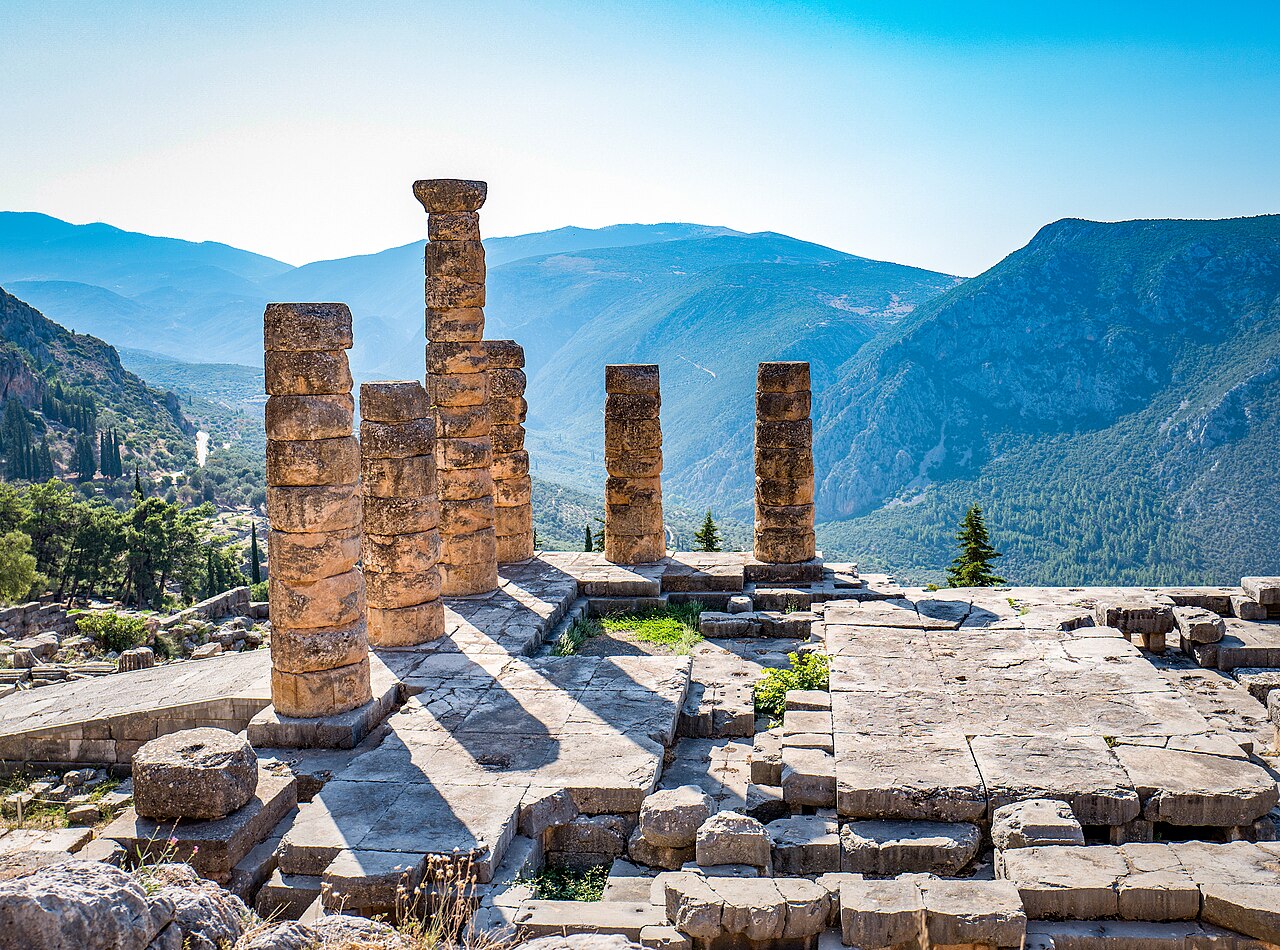
The Sanctuary of Apollo at Delphi

Home of the famous oracle, where a priestess called the Pythia gave Apollo's answers to visitors from all over the Greek world. The Greeks believed Delphi was the centre, or 'navel', of the world.

UNESCO World Heritage
Meteora
Photo: Stathis floros, CC BY-SA 4.0
Near Kalambaka

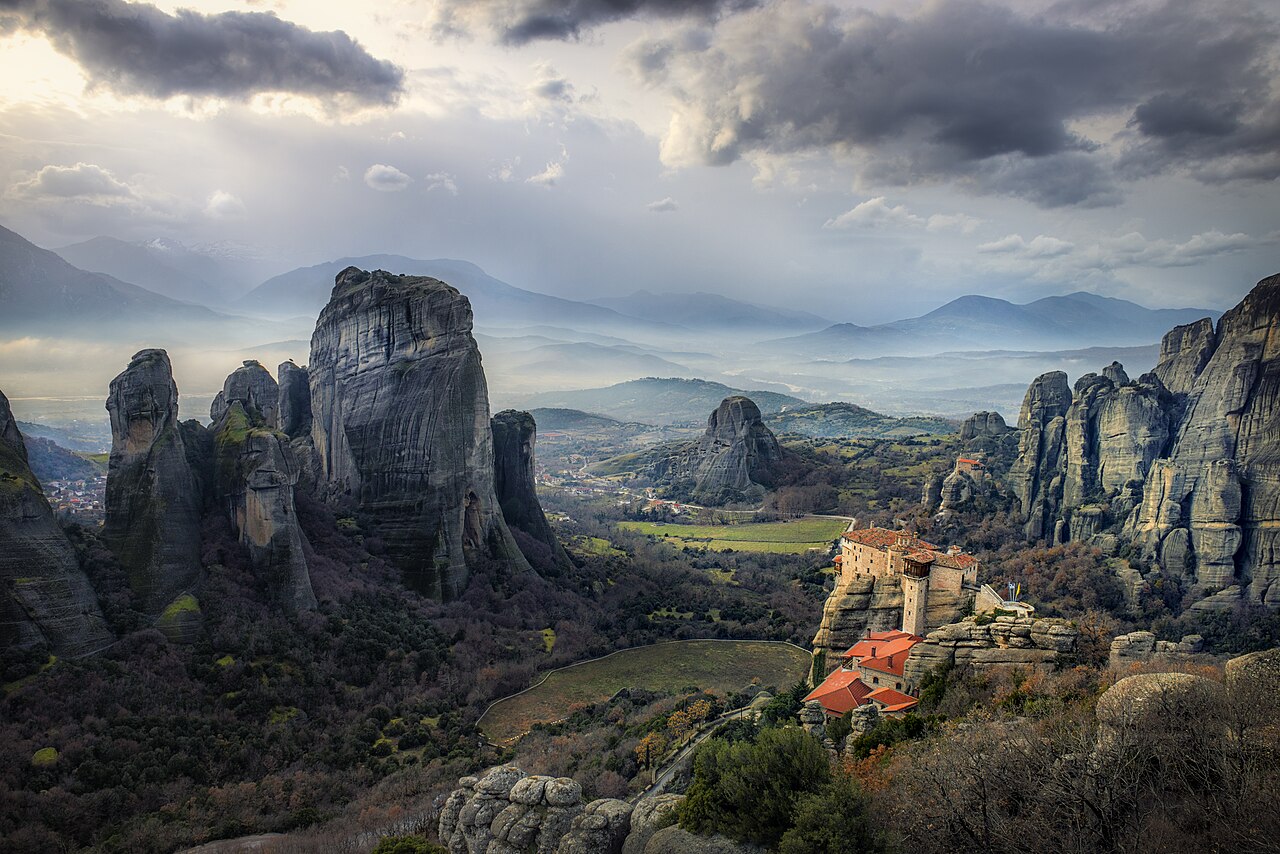
Meteora

Orthodox monasteries perched on top of huge pillars of sandstone and conglomerate. Twenty-four monasteries were built here, mostly from the 1300s on, and six of them are still active today.

UNESCO World Heritage
Throne Room, Knossos
Photo: Olaf Tausch, CC BY 3.0
Near Heraklion

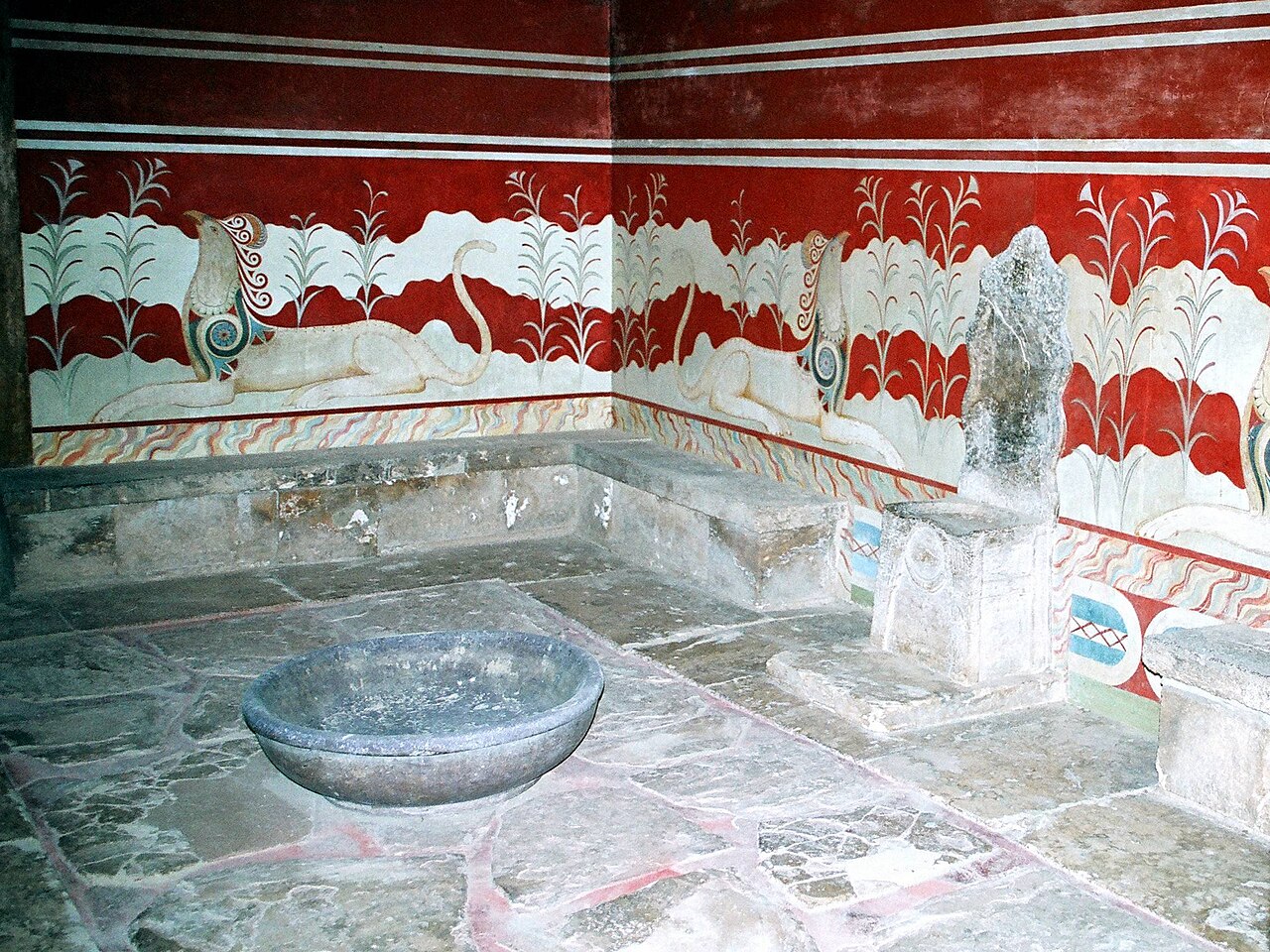
The Palace of Knossos

The largest centre of the Minoan civilisation, about 5 km from the centre of Heraklion, with colourful frescoes and a maze of rooms linked to the myth of the Minotaur and the Labyrinth. It is part of the World Heritage Site 'Minoan Palatial Centres', listed in 2025.

UNESCO World Heritage
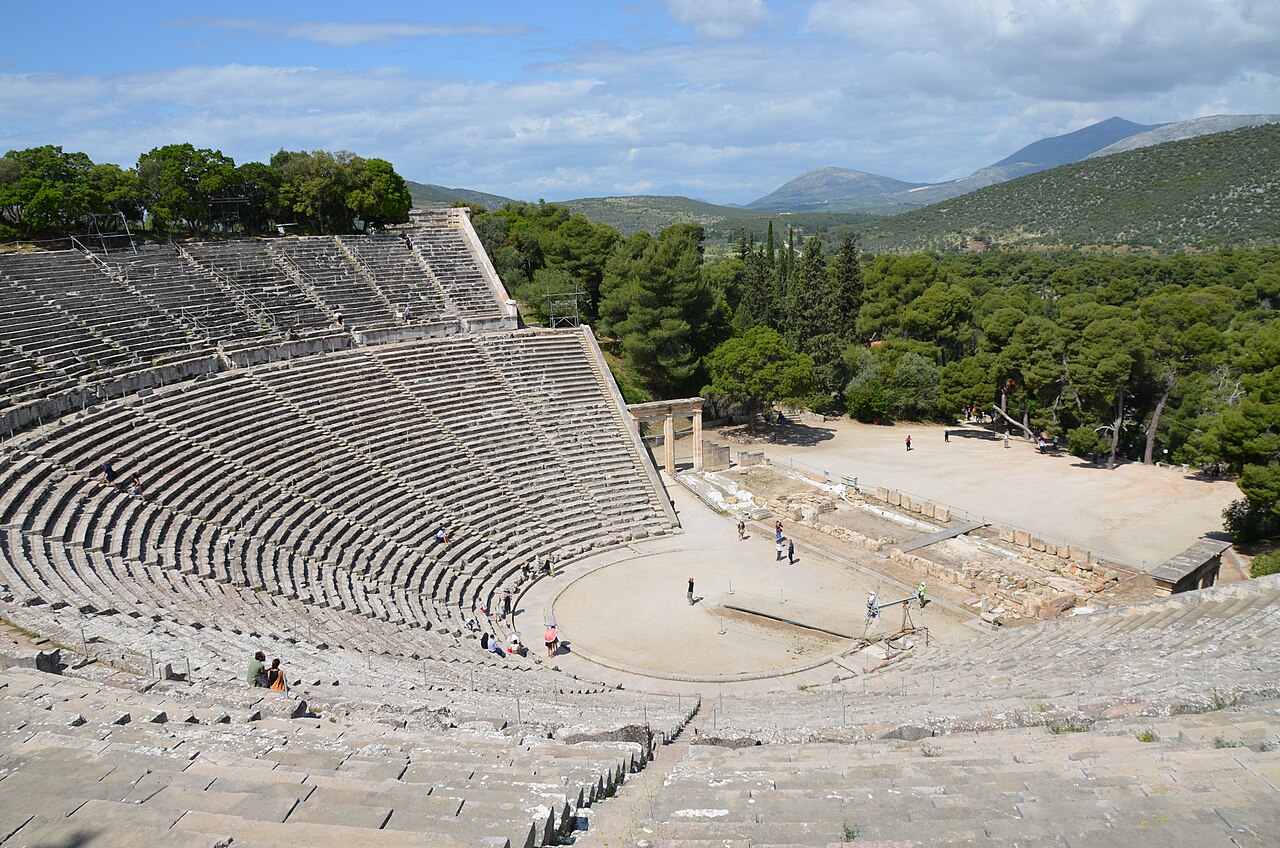
Ancient Theatre of Epidaurus
Photo: Carole Raddato from FRANKFURT, Germany, CC BY-SA 2.0
Near Nafplio

The Ancient Theatre of Epidaurus

A theatre from the 300s BC with seats for about 14,000 people, famous for its acoustics. It is part of the healing sanctuary of Asklepios, and plays are still performed here in summer.

UNESCO World Heritage
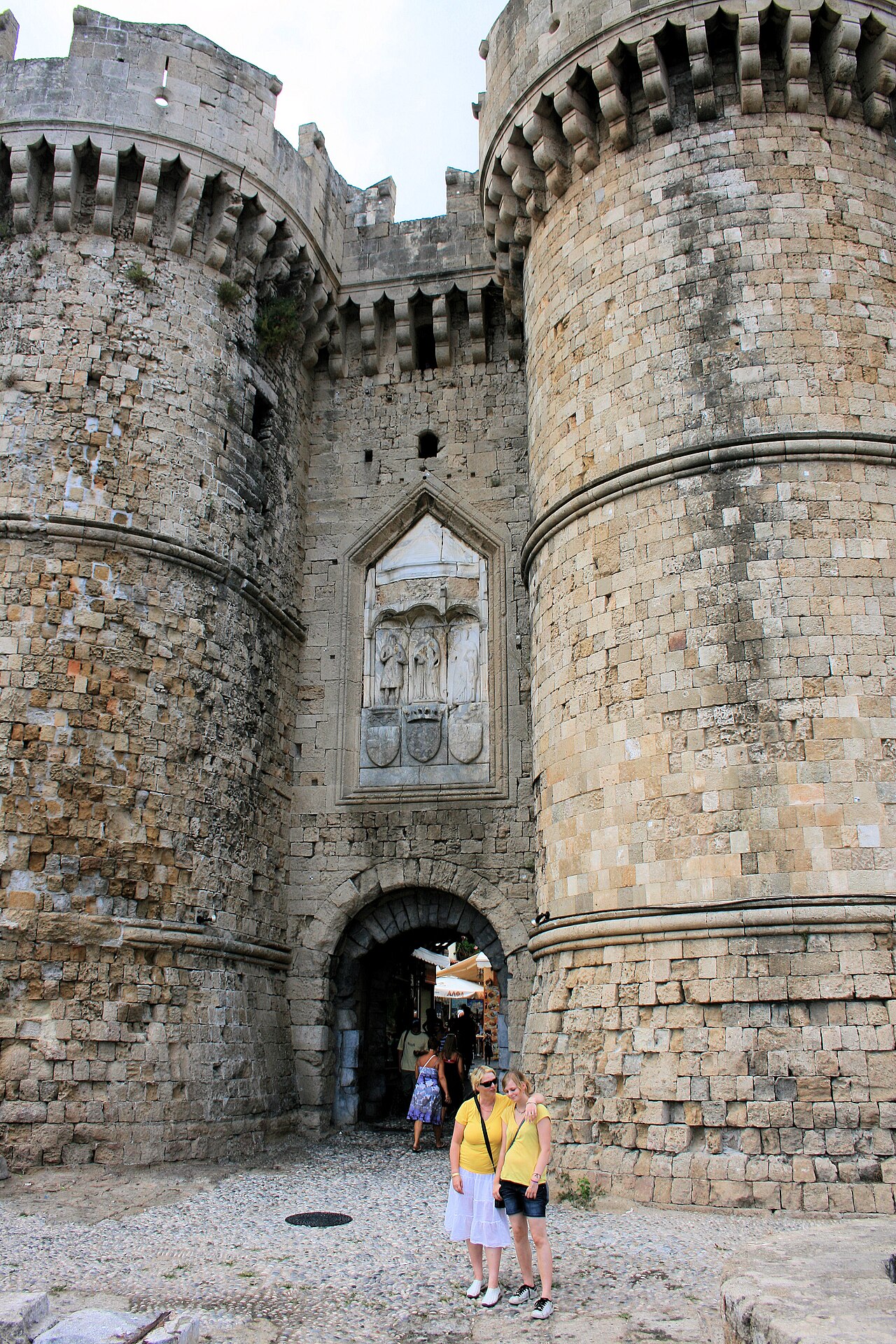
Medieval City of Rhodes
Photo: Olbertz 20:06, 20. Dez. 2010 (CET), CC BY-SA 3.0
Rhodes

The Medieval City of Rhodes

The Knights of Saint John ruled Rhodes from 1309 to 1523 and surrounded the town with about 4 km of walls. Inside are the Palace of the Grand Master and the Street of the Knights.

UNESCO World Heritage
White Tower of Thessaloniki
Photo: CeeGee, CC BY-SA 4.0
Thessaloniki

The White Tower

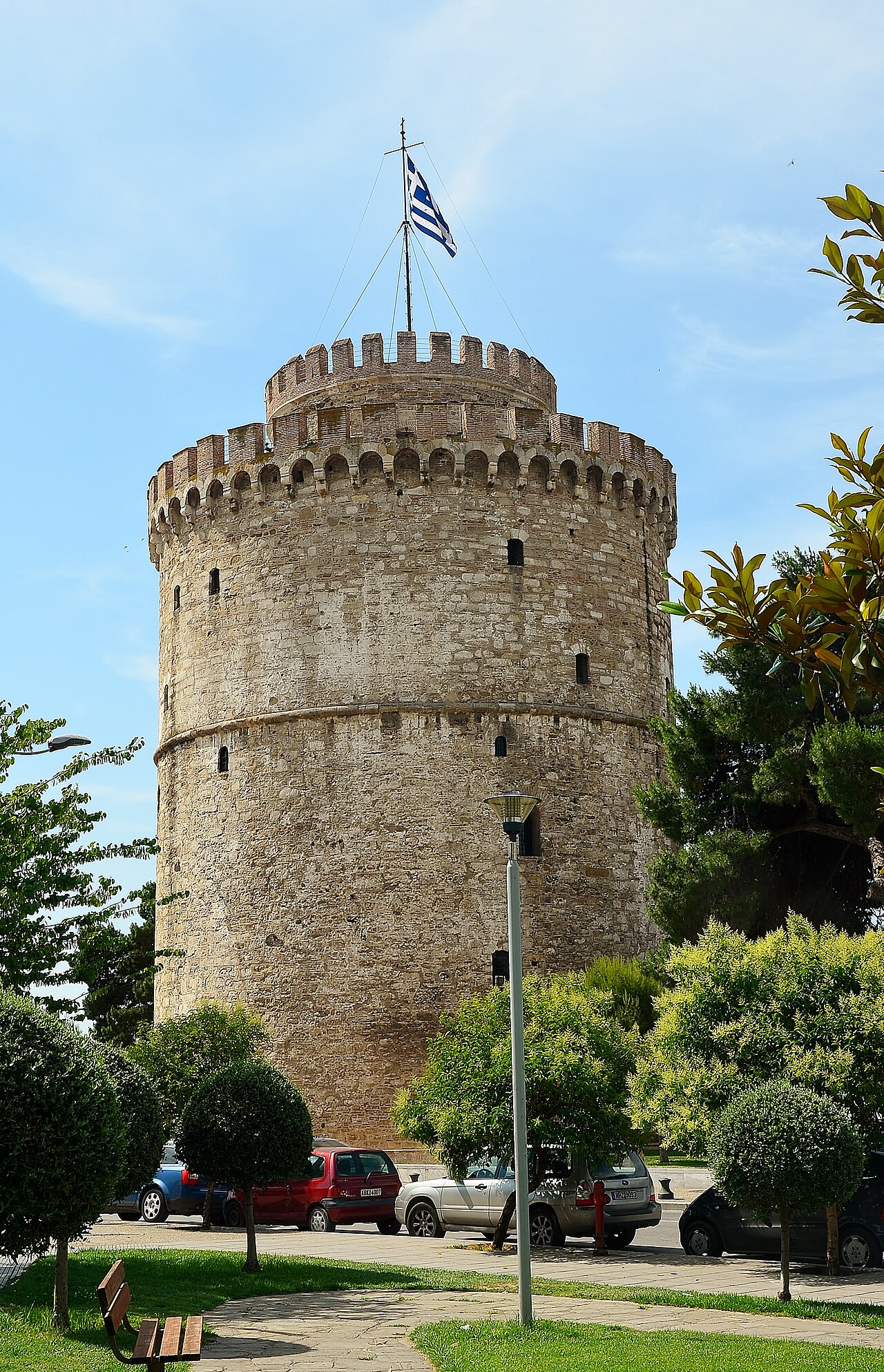
A round Ottoman tower on the waterfront, 34 m tall, and the symbol of Thessaloniki. It was once a notorious prison, and today it is a museum about the city's history.
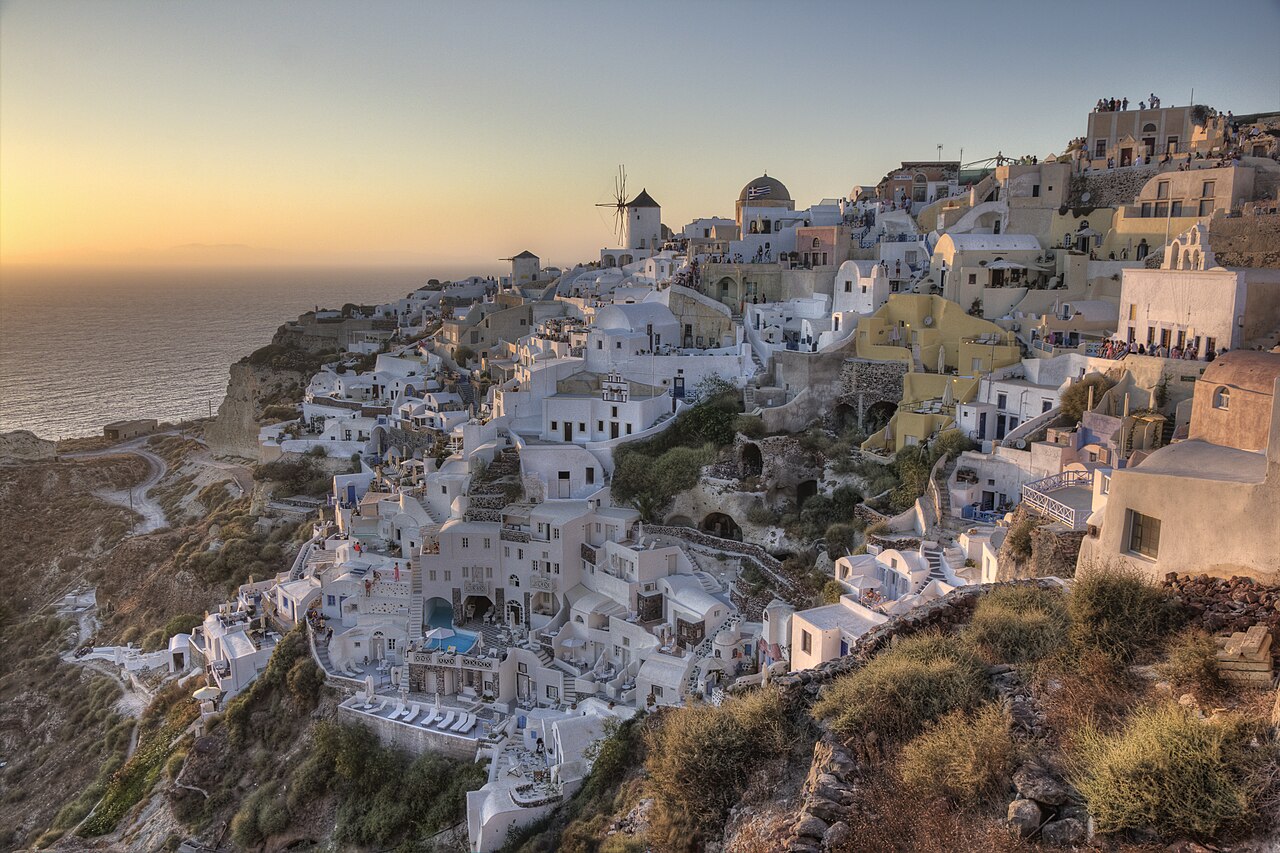
Oia, Greece
Photo: TomasEE, CC BY 3.0
Near Fira

Oia and the Santorini caldera

About 3,600 years ago one of the largest volcanic eruptions in human history left a huge flooded crater. Villages like Oia cling to its cliffs, and their sunsets are world famous.

Next: Fun facts

Fun facts

Things you might not know

  1. 01

    The nine blue and white stripes of the Greek flag have no official meaning, but they are popularly said to stand for the nine syllables of the motto 'Eleftheria i Thanatos', 'Freedom or Death'.

  2. 02

    The poem behind the Greek national anthem, the 'Hymn to Liberty', has 158 stanzas. Only the first two became the anthem, and Cyprus uses the same anthem.

  3. 03

    Greece has between 1,200 and 6,000 islands, depending on what you count as an island, but only about 170 to 230 of them are inhabited.

  4. 04

    Thanks to its many islands and bays, Greece has the longest coastline on the Mediterranean, about 13,700 km.

  5. 05

    About 80% of Greece is mountains or hills, making it one of the most mountainous countries in Europe.

  6. 06

    Women are not allowed to enter the monastic community of Mount Athos, by Greek law and by religious tradition.

  7. 07

    The Antikythera mechanism, found in a shipwreck in 1901, is an ancient Greek device of bronze gears from the 2nd century BC. It could predict eclipses and is the oldest known analogue computer.

  8. 08

    In Greek writing, the question mark looks like an English semicolon (;).

  9. 09

    Many Greeks celebrate their name day, the feast of the saint they are named after, much like a birthday.

  10. 10

    The first modern Olympic marathon, in 1896, was won by Spyridon Louis, a Greek water carrier.

  11. 11

    Feta has been protected in the European Union since 2002: cheese sold there under that name must come from Greece.

  12. 12

    The frappé, the foamy iced coffee Greeks drink all summer, is usually said to have been invented at the Thessaloniki International Fair in 1957.

  13. 13

    As of 2026, Greece has 21 UNESCO World Heritage Sites. The newest is the wider area of Mount Olympus, home of the gods in Greek myth, listed in July 2026.

Next: Words

Greek words

20 words to start with

Pronunciation is written the way it sounds; the capital letters show where the stress goes. Audio is coming soon.

Basics

  • nai (ναι)NEHyes
  • óchi (όχι)OH-heeno
  • efcharistó (ευχαριστώ)ef-hah-ree-STOHthank you
  • parakaló (παρακαλώ)pah-rah-kah-LOHplease; also 'you're welcome'
  • signómi (συγγνώμη)see-GNOH-meesorry

Food and drink

  • neró (νερό)neh-ROHwater
  • psomí (ψωμί)psoh-MEEbread
  • krasí (κρασί)krah-SEEwine
  • kafés (καφές)kah-FESScoffee
  • logariasmós (λογαριασμός)loh-gahr-yahz-MOHSthe bill (in a restaurant)

Travel

  • leoforeío (λεωφορείο)leh-oh-foh-REE-ohbus
  • eisitírio (εισιτήριο)ee-see-TEE-ree-ohticket
  • ploío (πλοίο)PLEE-ohship, ferry

Around town

  • thálassa (θάλασσα)THAH-lah-sahsea
  • paralía (παραλία)pah-rah-LEE-ahbeach
  • nisí (νησί)nee-SEEisland
  • farmakeío (φαρμακείο)fahr-mah-KEE-ohpharmacy
  • agorá (αγορά)ah-goh-RAHmarket

Time

  • símera (σήμερα)SEE-meh-rahtoday
  • ávrio (αύριο)AHV-ree-ohtomorrow

Next: Phrases

Say it like a local

Useful phrases

Kaliméra (Καλημέρα)
kah-lee-MEH-rah
Good morning
Greeting someone in the morning
Kalispéra (Καλησπέρα)
kah-lee-SPEH-rah
Good evening
Greeting someone from late afternoon on
Kalinýchta (Καληνύχτα)
kah-lee-NEEKH-tah
Good night
Saying goodbye late in the evening or going to bed
Geia sas (Γεια σας)
YAH-sahs
Hello, or goodbye (polite)
Greeting or leaving a stranger, an older person or a group
Geia sou (Γεια σου)
YAH-soo
Hi, or bye (informal)
Greeting or leaving a friend or a child
Chaíro polý (Χαίρω πολύ)
HEH-roh poh-LEE
Nice to meet you
Meeting someone for the first time
Ti kánete? (Τι κάνετε;)
tee KAH-neh-teh
How are you? (polite)
Asking a stranger or an older person how they are
Kalá, efcharistó (Καλά, ευχαριστώ)
kah-LAH ef-hah-ree-STOH
Fine, thank you
Answering 'How are you?'
Me synchoreíte (Με συγχωρείτε)
meh seen-hoh-REE-teh
Excuse me
Getting someone's attention politely or passing through a crowd
Miláte angliká? (Μιλάτε αγγλικά;)
mee-LAH-teh ahn-glee-KAH
Do you speak English?
Before asking for help
Den katalavaíno (Δεν καταλαβαίνω)
dhen kah-tah-lah-VEH-noh
I don't understand
When you are lost in the conversation
Póso kánei? (Πόσο κάνει;)
POH-soh KAH-nee
How much is it?
Shopping at a market or a kiosk
Poú eínai i toualéta? (Πού είναι η τουαλέτα;)
POO EE-neh ee too-ah-LEH-tah
Where is the toilet?
In a café or taverna
Éna trapézi gia dýo (Ένα τραπέζι για δύο)
EH-nah trah-PEH-zee yah DHEE-oh
A table for two
Arriving at a taverna
Tha íthela énan kafé (Θα ήθελα έναν καφέ)
thah EE-theh-lah EH-nahn kah-FEH
I would like a coffee
Ordering at a café
Ton logariasmó, parakaló (Τον λογαριασμό, παρακαλώ)
tohn loh-gahr-yahz-MOH pah-rah-kah-LOH
The bill, please
At the end of a meal
Kalí órexi (Καλή όρεξη)
kah-LEE OH-rek-see
Enjoy your meal
Just before eating
Stin ygeiá mas! (Στην υγειά μας!)
steen ee-YAH mahs
Cheers! (literally 'to our health')
Raising a glass
Voítheia! (Βοήθεια!)
voh-EE-thee-ah
Help!
In an emergency

Next: Local tips

Local tips

Before you go

'Nai' means yes

The Greek word for yes, 'nai', sounds like 'nay'. For no, many Greeks give a small upward nod with raised eyebrows, sometimes with a 'tsk' click of the tongue.

Keep your palm to yourself

Pushing an open palm with spread fingers towards someone's face, the 'moutza', is an old and strong insult in Greece. Even when showing the number five, Greeks take care not to push their palm towards someone.

Validate your ticket in Athens

On buses, trolleybuses and trams, validate your ticket or card once when you board. On the metro, tap it at the gates when you enter and when you leave. The fine for travelling without a valid ticket is 100 euros.

Dress for monasteries

At Meteora and other monasteries, visitors are expected to dress modestly: shoulders covered, long trousers for men and a skirt below the knee for women. Wrap-around skirts are sometimes lent at the entrance, but do not count on it.

Beat the summer heat

Summers are very hot. During heatwaves the Acropolis has closed in the afternoon, so visit ancient sites early in the morning, wear a hat and carry water.

Be careful with fire

Wildfires are a serious risk from spring to autumn. Never light fires outdoors or throw away cigarettes: causing a fire is a criminal offence in Greece, even by accident.

Carry your passport

Carry your passport with you, as the police may ask for identification and may not accept a copy.

Ask for an itemised bill

By law, restaurants must give you an itemised bill. Check it before paying, especially at busy tourist spots.
You have seen it all: take the quiz

Sources (72)