Romanian cooking is hearty country food built on pork, maize, cabbage, sour cream and fresh cheese, with Balkan, Turkish, Hungarian and Austrian touches. A family meal usually starts with a ciorbă, a soup soured with borș, vinegar or lemon, then moves on to meat with mămăligă or bread and ends with something sweet. Many Romanians follow Orthodox fasting days, so meat-free and dairy-free dishes are easy to find.
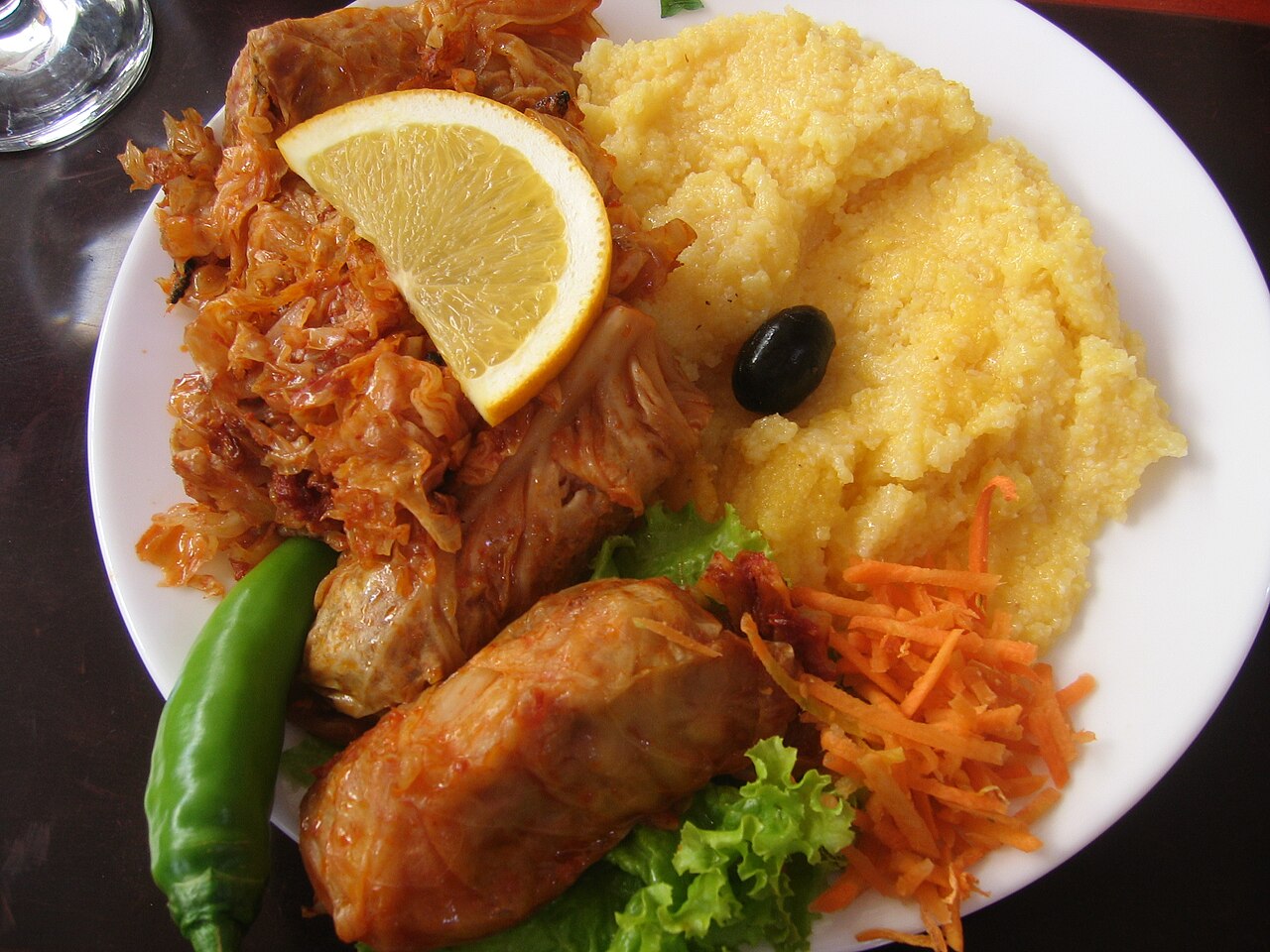
Sour pickled cabbage leaves (or vine leaves) rolled around minced pork, rice and onion and simmered for hours, often with smoked meat. They are served with mămăligă and sour cream and are often called the national dish.
In Transylvania, smoked pig feet or pork skin are tucked into the pot between the rolls for extra flavour.
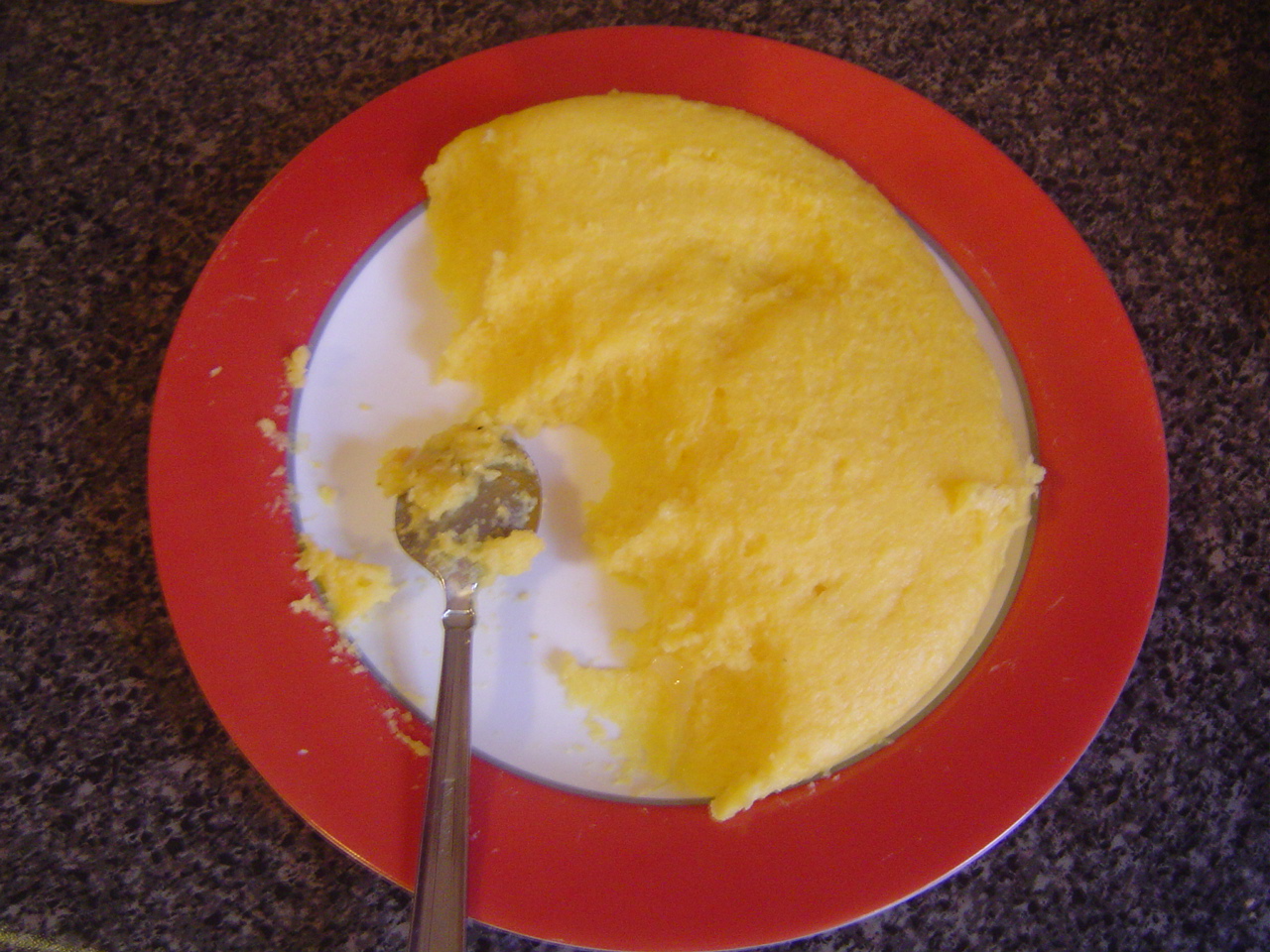
A thick porridge of yellow maize flour, much like Italian polenta. It is eaten as a side dish instead of bread, or as a meal of its own with salty sheep cheese and sour cream.
Maize reached Europe from the Americas in the 16th century, and Romanian farmers were growing it by the 17th century. Before that, mămăligă was made from millet.
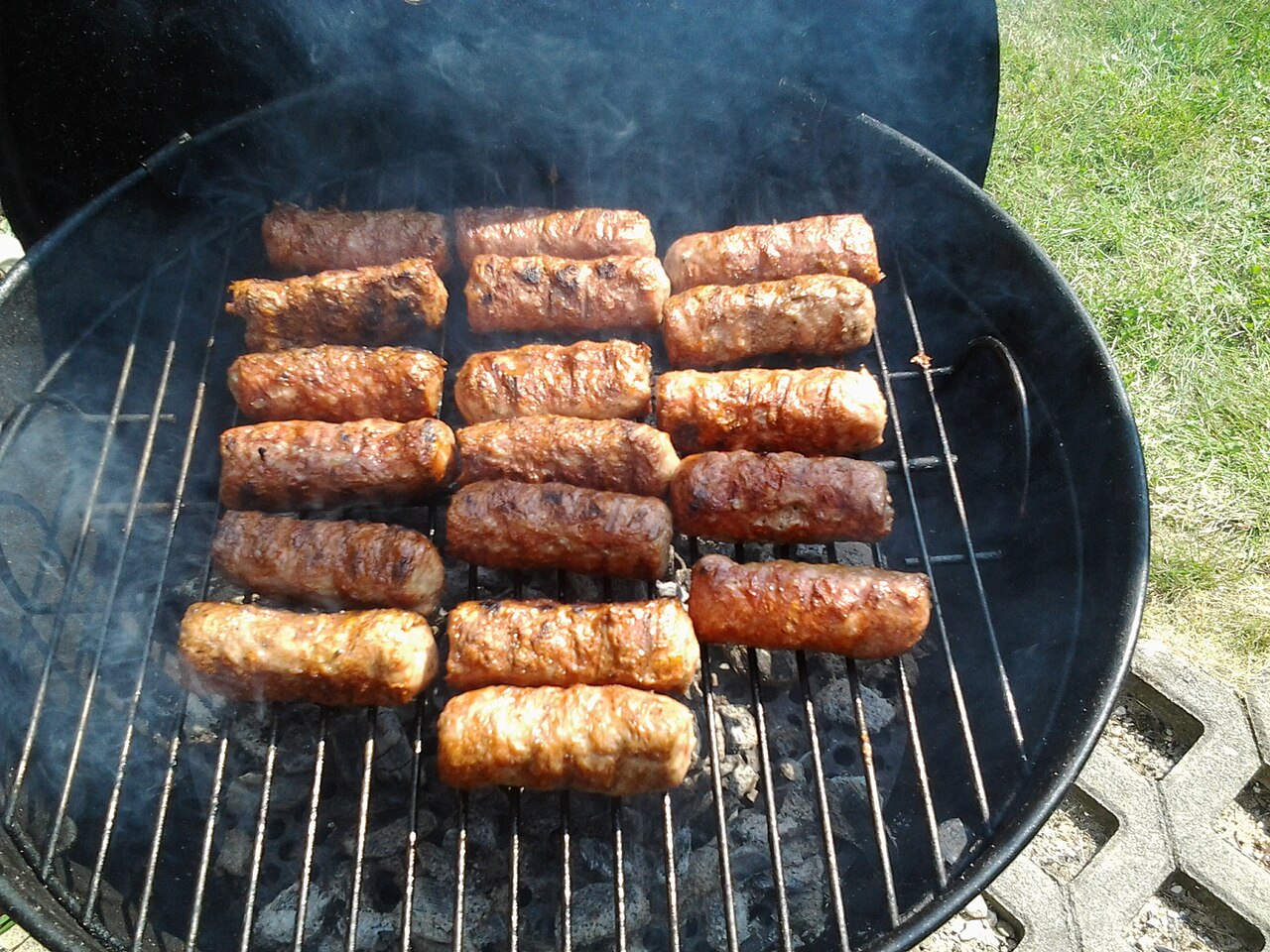
Small skinless rolls of minced beef, lamb and pork seasoned with garlic, thyme and pepper, grilled over charcoal and eaten with mustard, bread and pickles. Mici and mititei both mean "little ones".
Mici are the classic food of 1 May, when many Romanians go to barbecues. About 30 million were eaten in Romania on 1 May 2019.
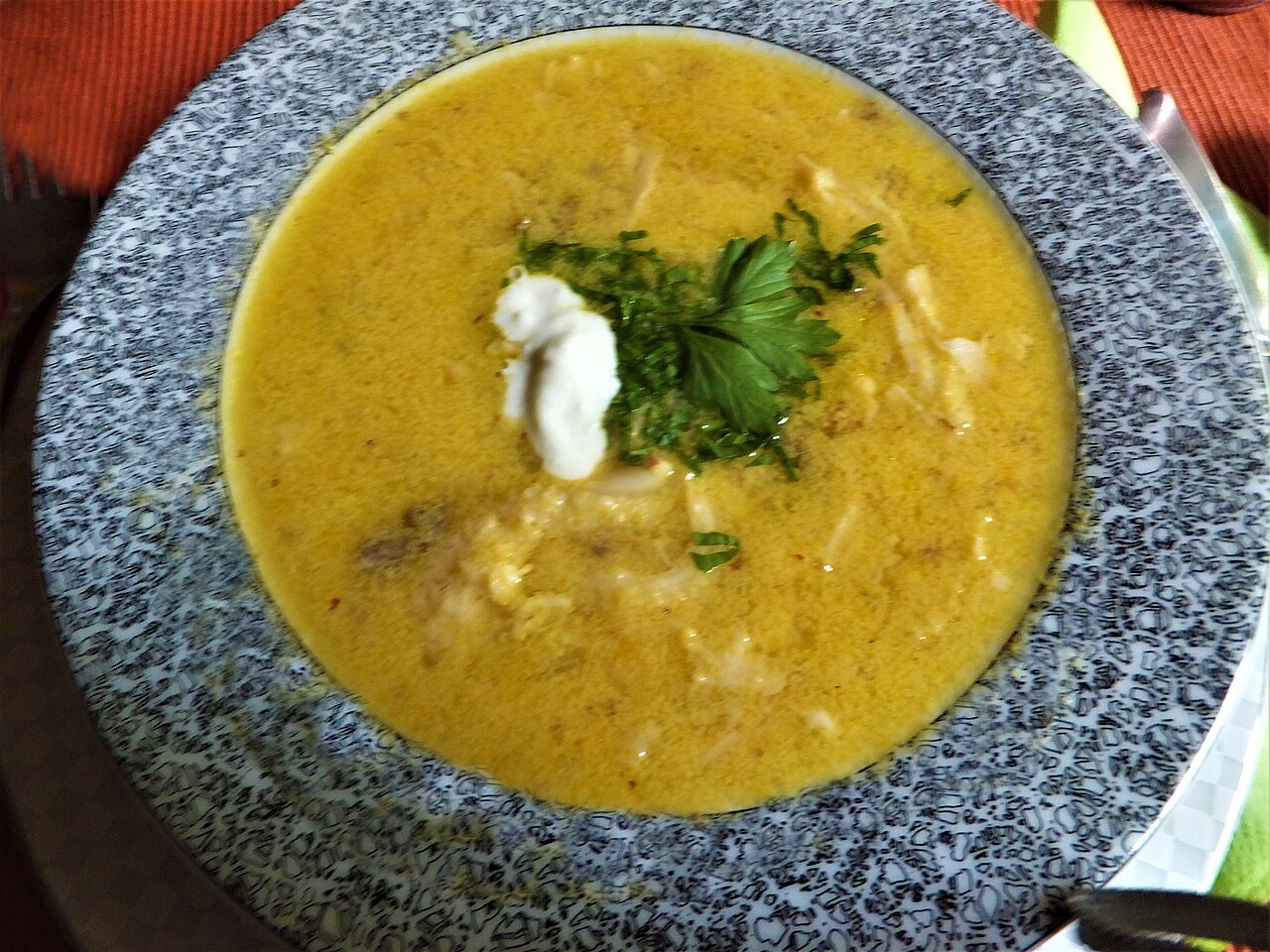
A creamy, sour soup of beef tripe thickened with sour cream and egg yolks, sharpened with vinegar and served with garlic sauce and hot peppers. It is said to be a good cure for a hangover.
Journalist Radu Anton Roman wrote that it looks like food for drunk coachmen but has the most sophisticated way of preparing in all Romanian cooking.
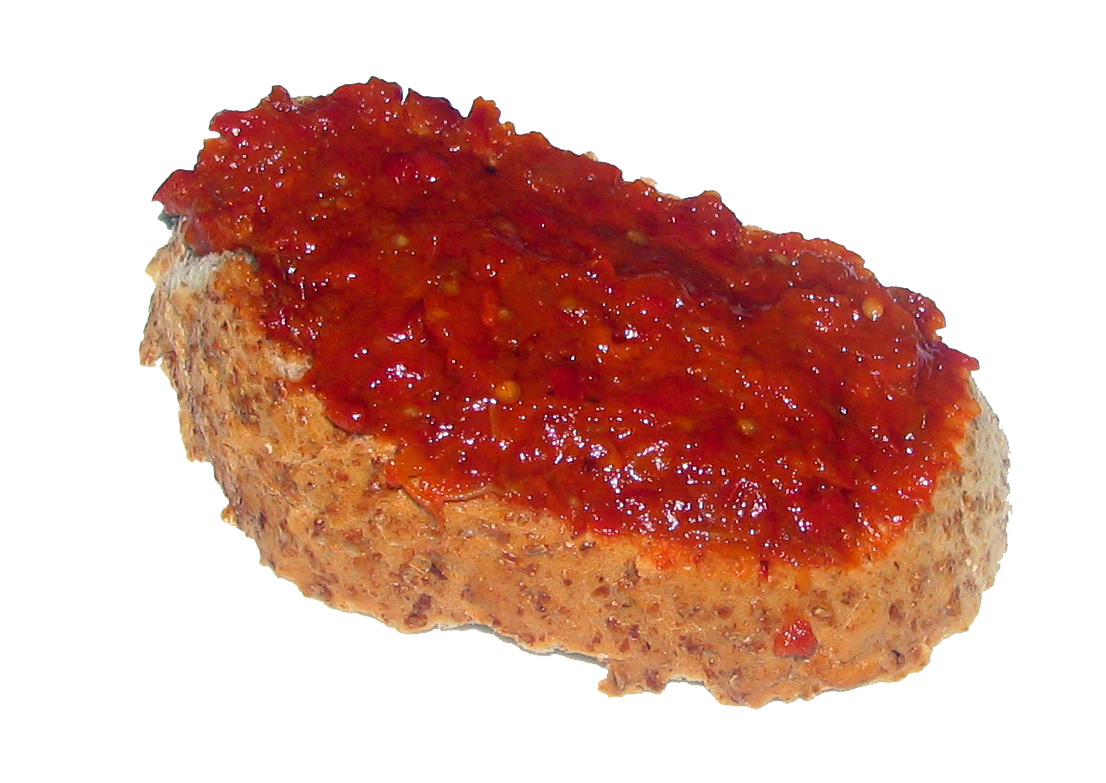
A thick spread of roasted aubergine and red peppers slowly cooked with onion and tomato. Families make big batches after the autumn harvest and keep it in jars for the winter, to eat on bread.
The word comes from a Slavic word meaning appetiser or snack. It has no meat, eggs or dairy, so it is popular on fasting days.
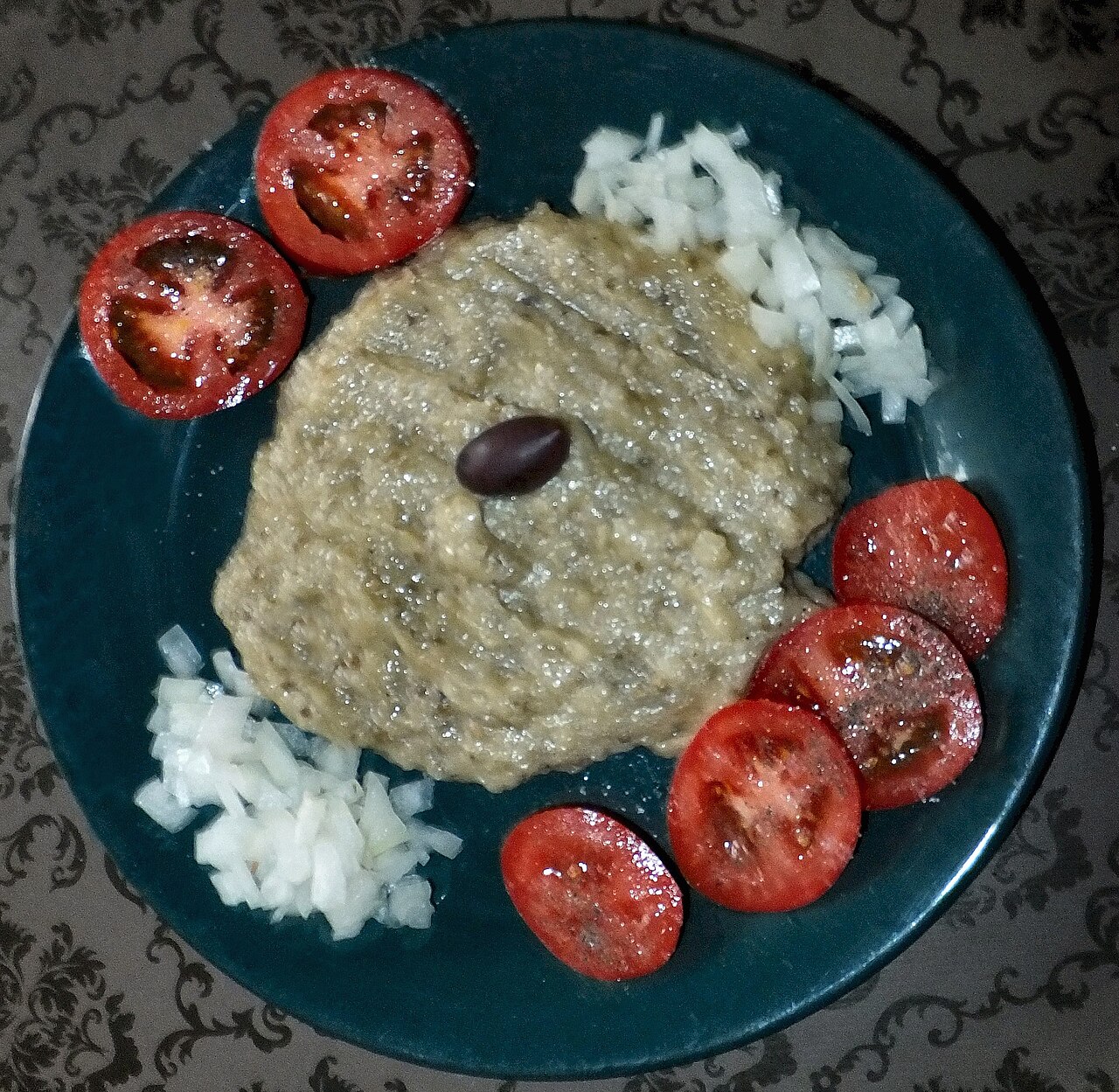
Aubergines grilled over an open flame until the skin is black, then peeled, chopped very finely and mixed with oil and chopped onion. It is spread on bread, often with tomato slices.
Moldavia and Transylvania, with many regional versions
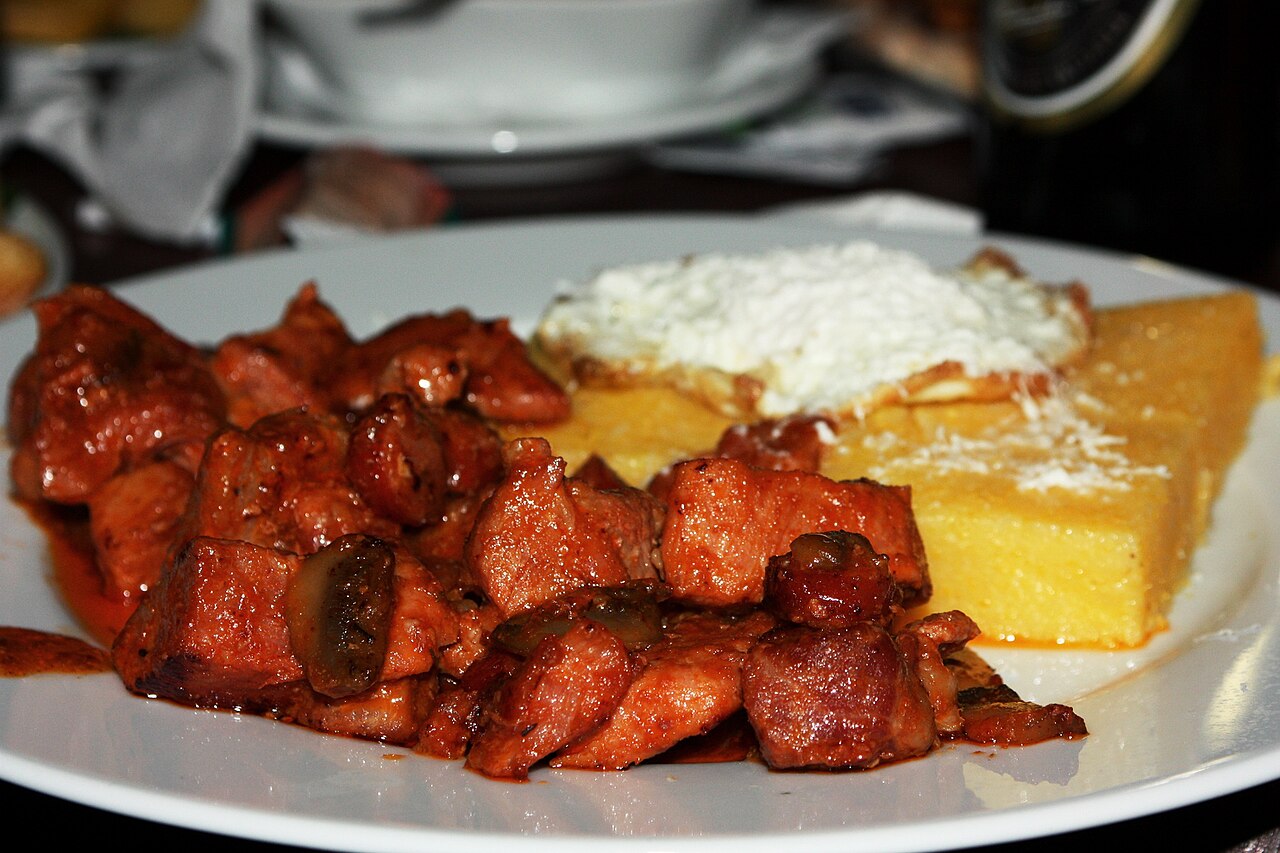
Small cubes of pork and sausage slowly cooked in their own fat and juices, sometimes with a little tomato, and served with mămăligă, salty cheese and a fried egg on top.
The name comes from the verb "a topi", meaning to melt, because the meat is cooked slowly in its own fat.
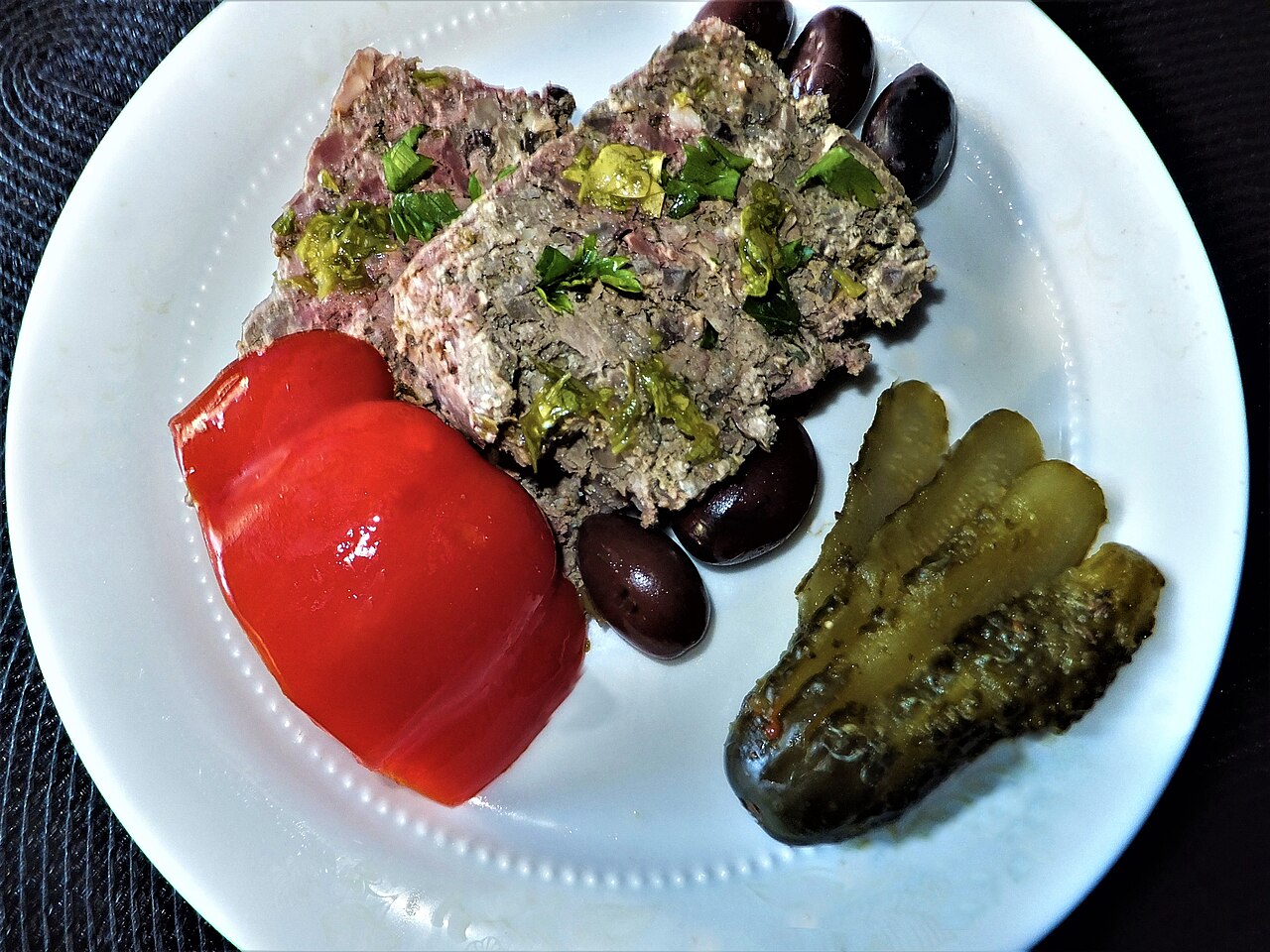
Lamb offal chopped with lots of spring onions, dill and parsley, bound with eggs and soaked bread and baked like a meat loaf, often with whole boiled eggs in the middle. It is a classic of the Easter table.
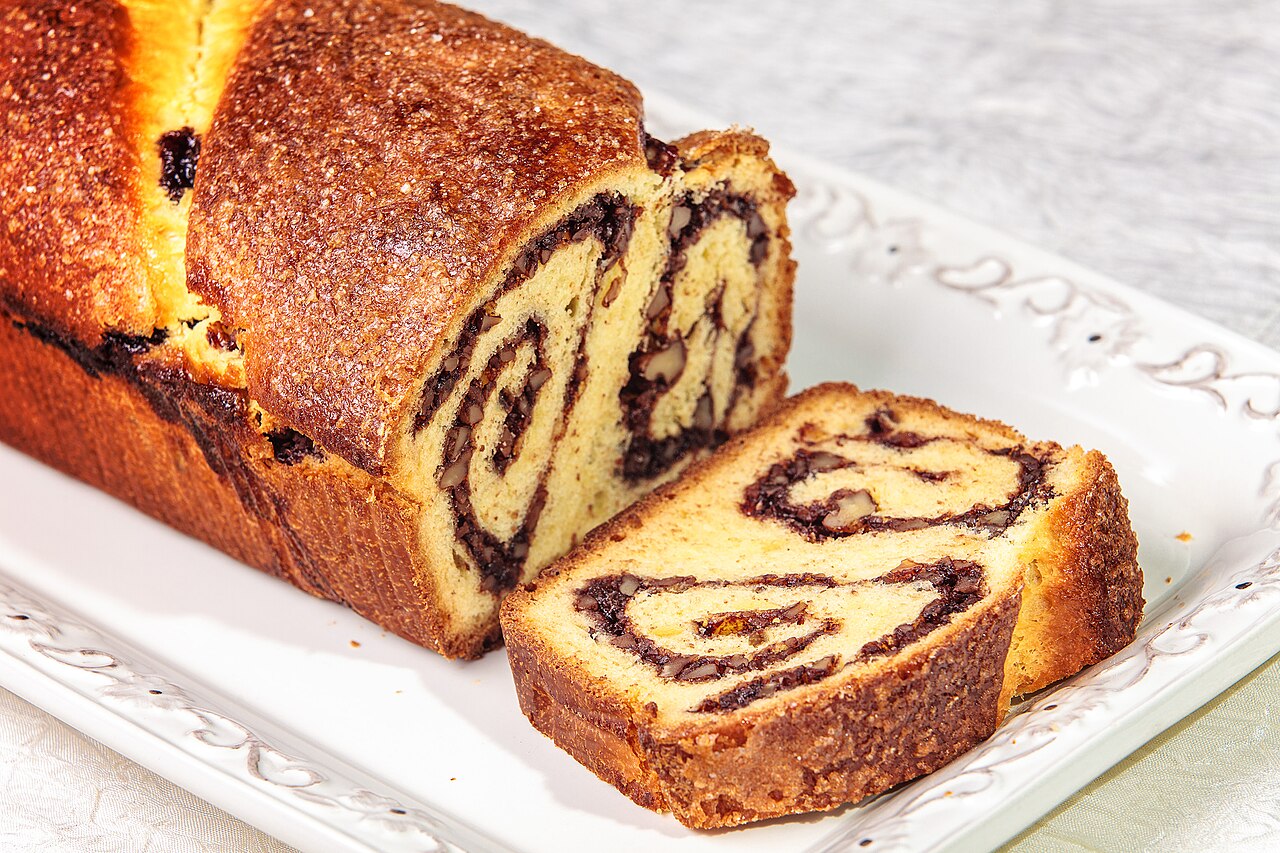
A rich, soft yeast bread made with milk, eggs, butter and sugar and rolled around a filling of walnuts and cocoa, poppy seeds or Turkish delight. Every family has its own version.
The oldest known written recipe for cozonac is in a cookbook printed in Iași in 1841.
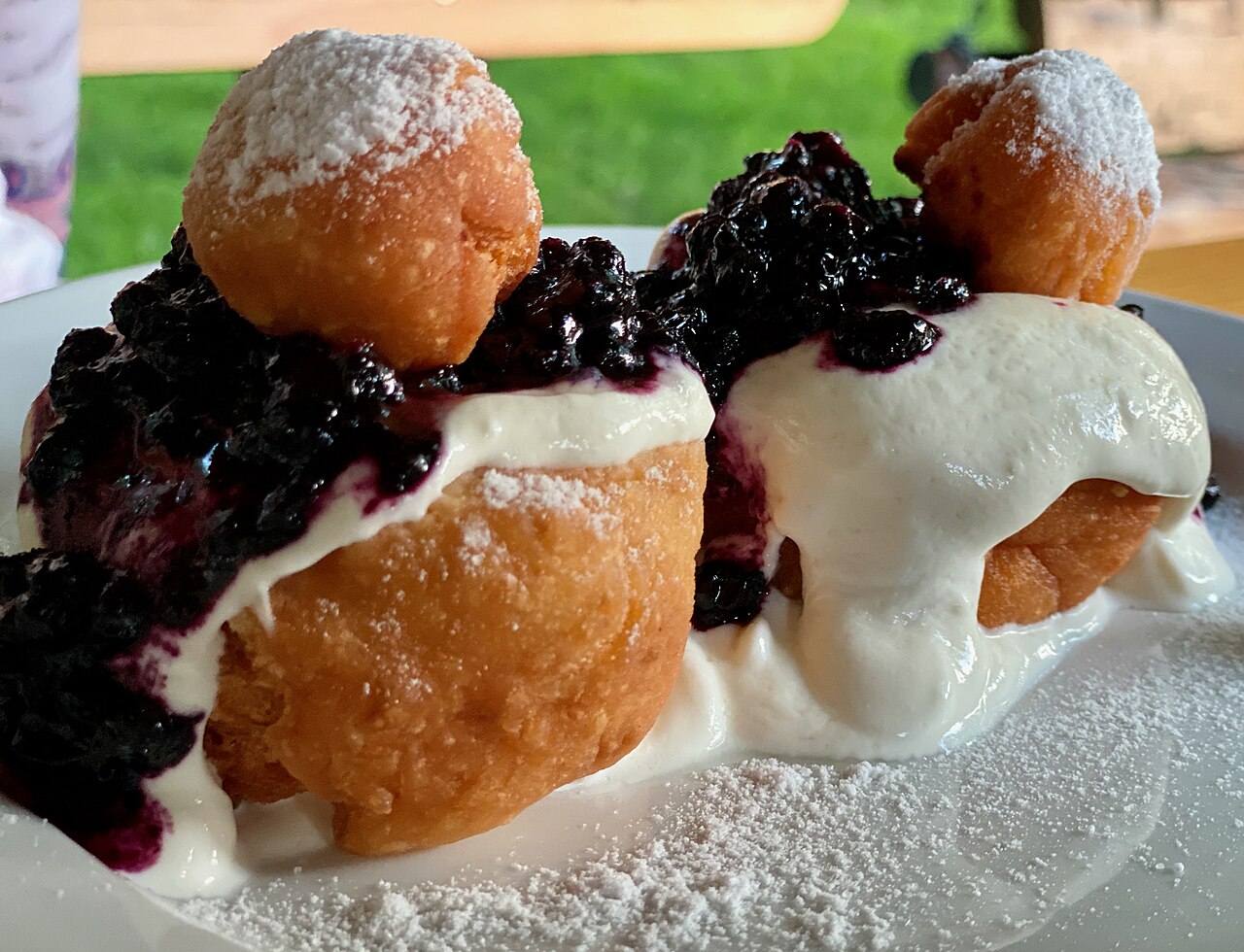
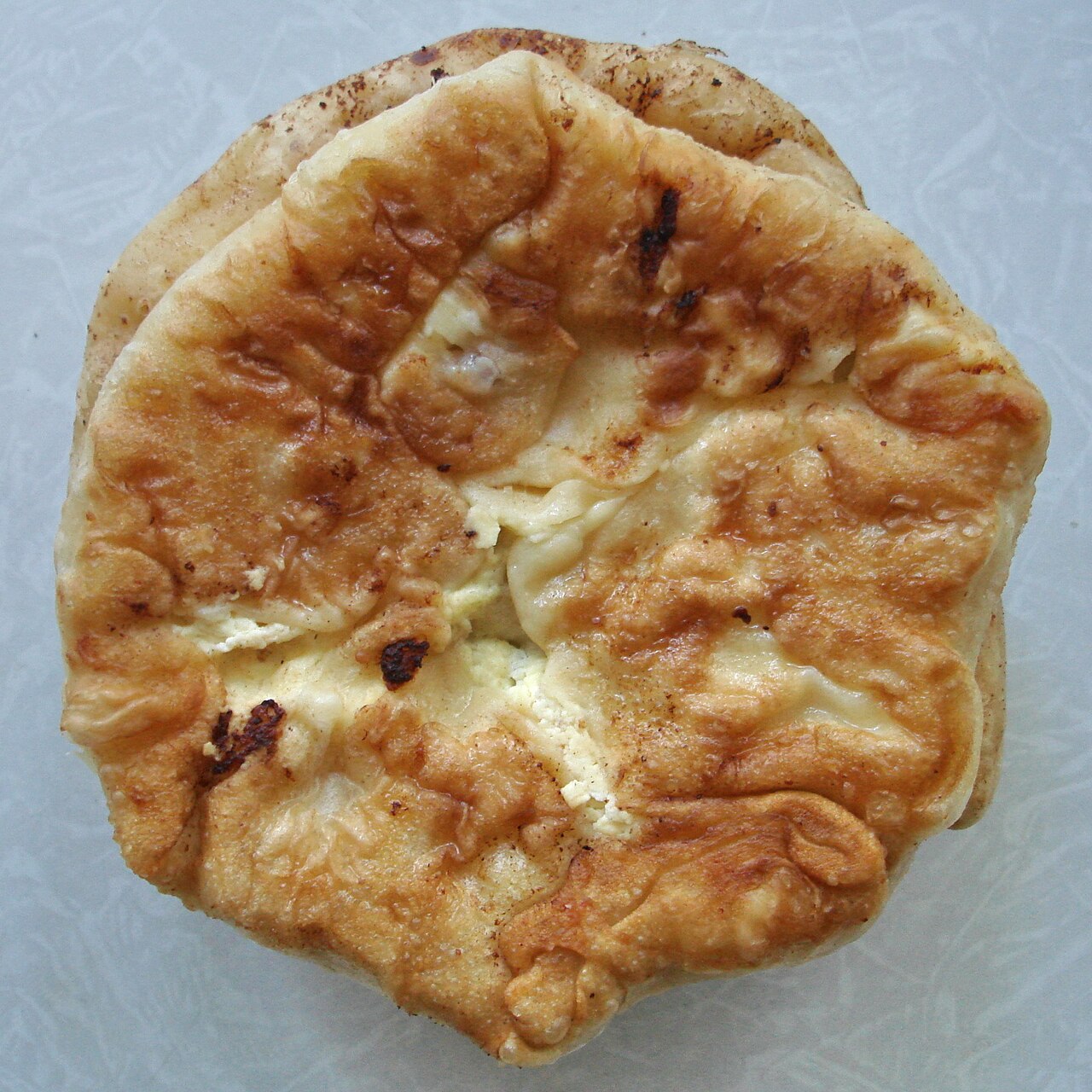
Doughnuts made from fresh cheese, eggs and flour, fried or boiled and served hot with sour cream and sour cherry jam. Each one comes with a little ball of dough on top, like a hat.
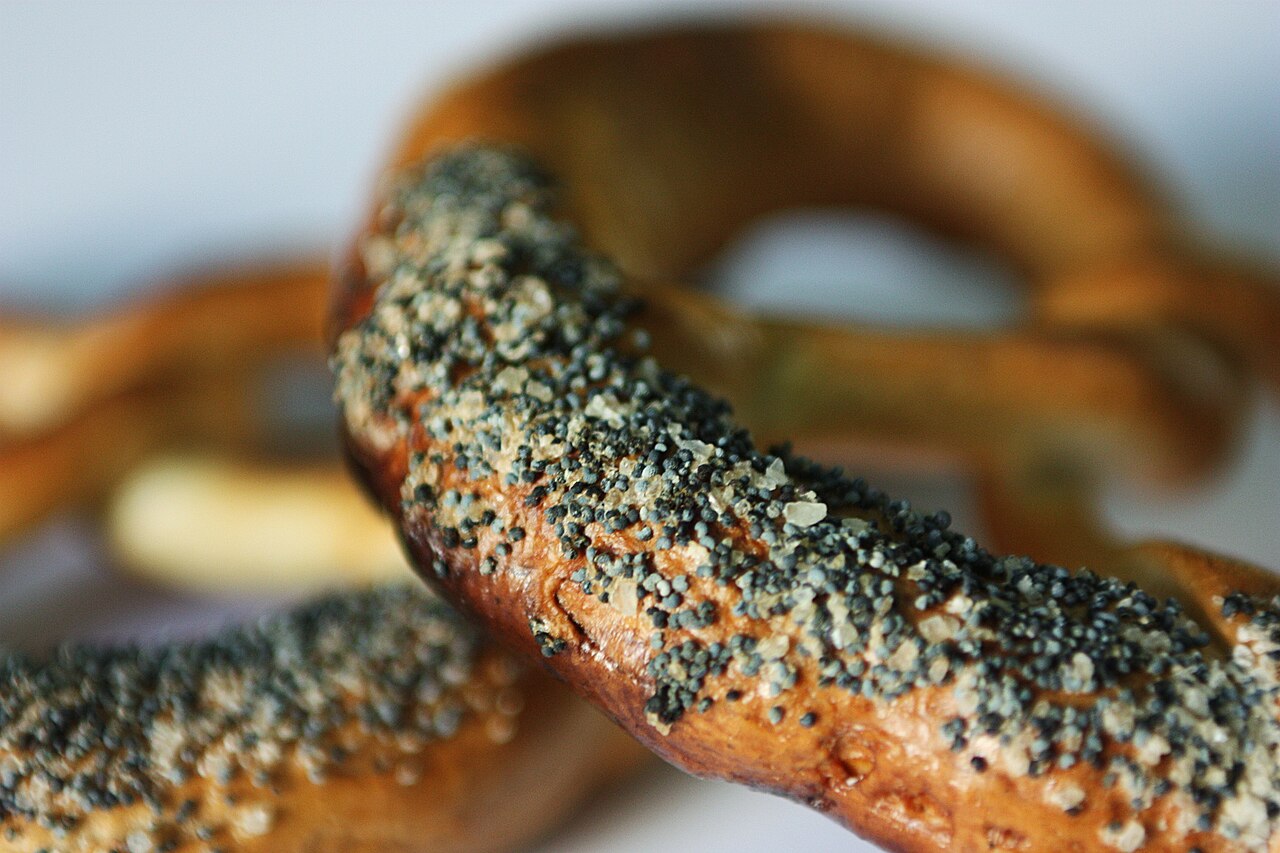
Chewy rings and twists of salted bread, like pretzels, topped with poppy seeds, sesame or coarse salt. They are sold warm from small bakeries and are one of the most popular street snacks.
The town of Buzău is known across Romania for its covrigi.
All over Romania, the Pitești area is especially famous for it
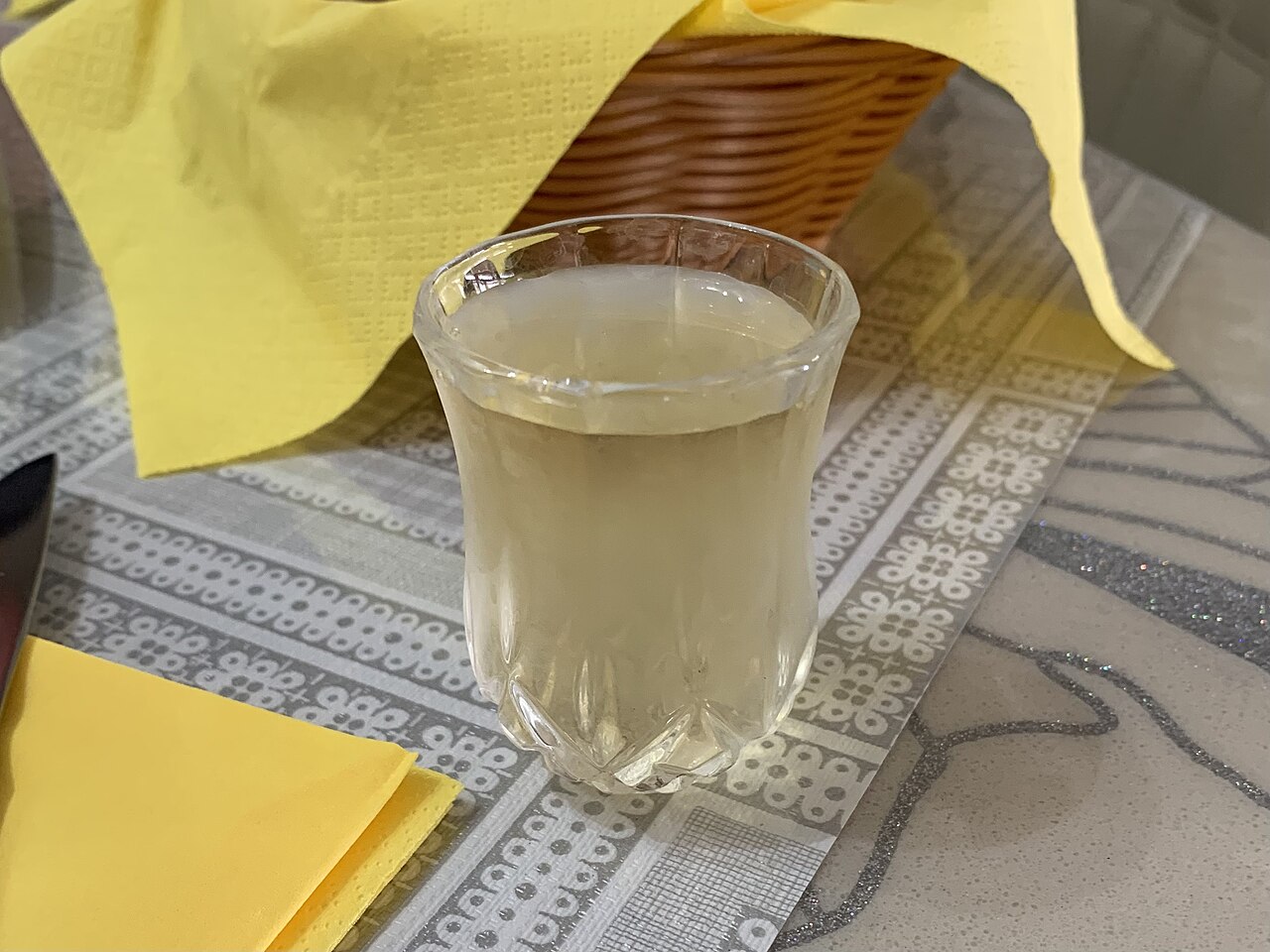
A strong clear spirit distilled only from plums, usually 40 to 55% alcohol. It is often offered to guests before a meal and is thought of as the national drink.
Romania is one of the world's biggest plum growers, and a large share of the crop goes into țuică.
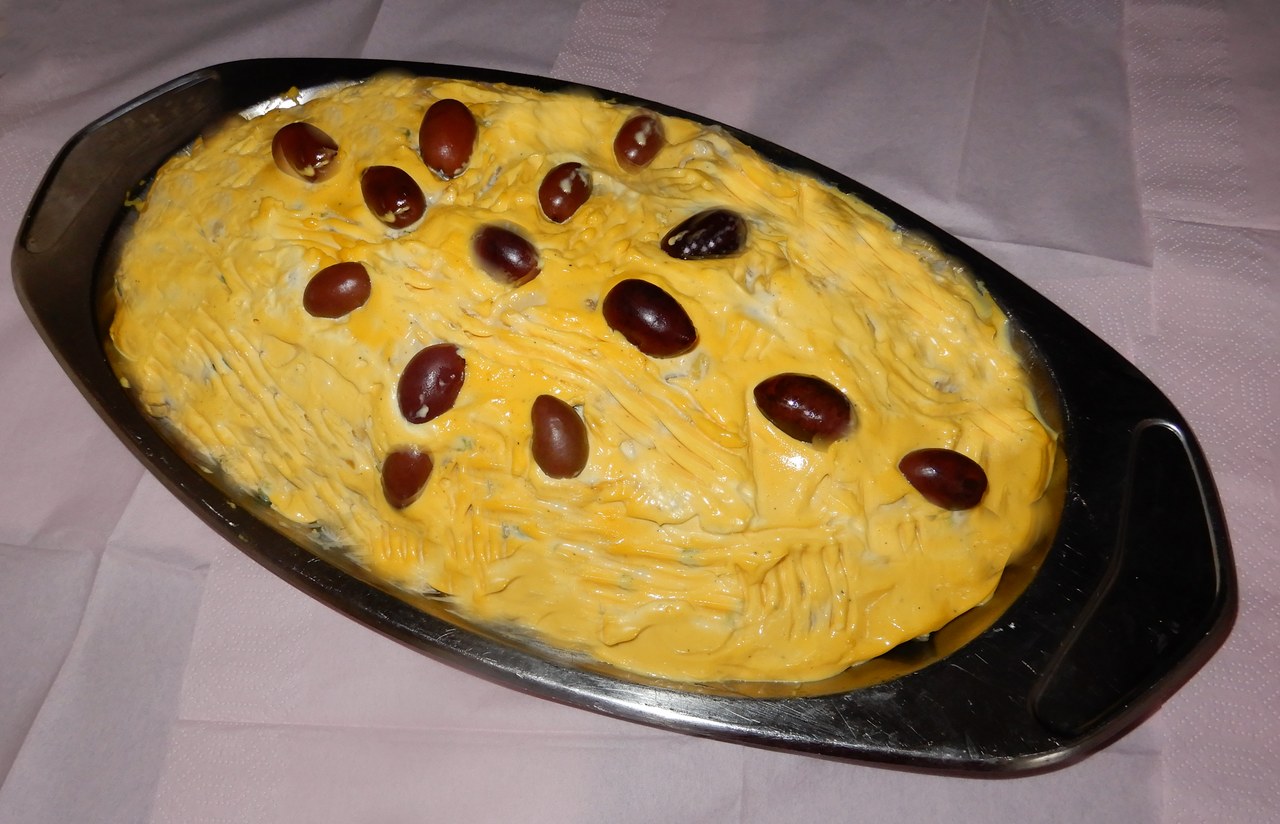
Finely diced boiled beef or chicken and root vegetables mixed with pickles and mayonnaise and decorated on top. It is made in large bowls for Christmas Eve, New Year and other celebrations.
At the table in Romania
Before eating, people wish each other 'Poftă bună' (enjoy your meal).
When glasses are raised, people say 'Noroc!', which means both cheers and good luck.
Bread comes with almost every meal, and garlic is everywhere, raw or as the garlic sauce called mujdei.
Hosts will insist when they offer more food. A first polite 'no' is often not taken as a real no.
When you are invited into a Romanian home, expect to take your shoes off at the door.
Many Orthodox Romanians fast on certain days and seasons. Ask for 'mâncare de post' if you want a dish without meat, eggs or dairy.