Bulgarian food shares much with its Balkan neighbours, Turkey and Greece, and is rich in vegetables, yogurt and white cheese. A meal usually starts with a salad and a small glass of rakia, followed by a soup or a stew, grilled meat or a vegetable dish, and ends with something sweet. Breakfast is often a warm pastry with yogurt or boza.
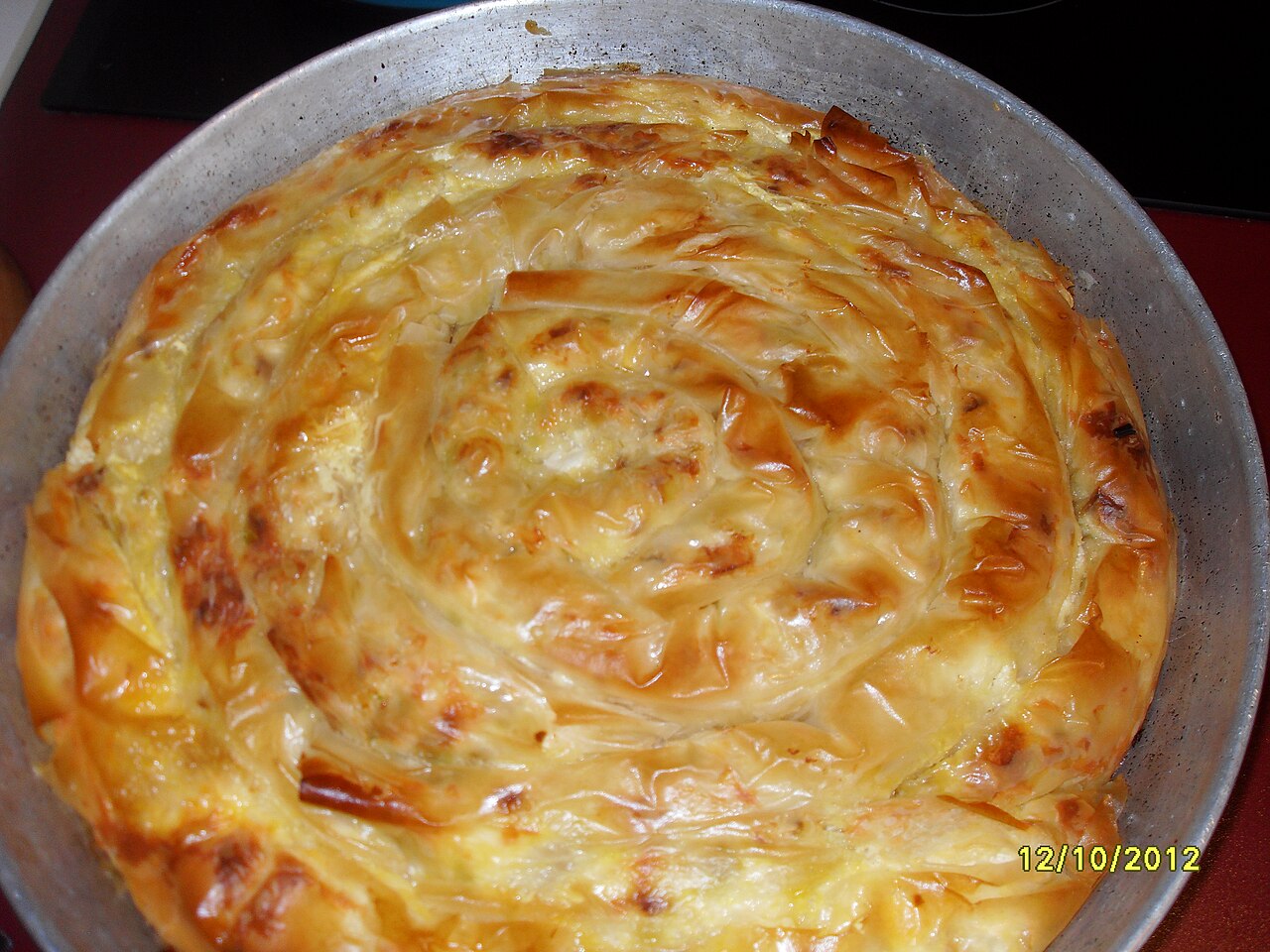
A pie of thin filo pastry layered with a filling of whisked eggs, yogurt and crumbled white cheese, baked until golden. It is eaten for breakfast, hot or cold, with yogurt, ayran or boza.
On New Year's Eve, lucky charms such as coins, small dogwood twigs or wishes written on paper are baked into the banitsa.
All of Bulgaria, named after the Shopi people around Sofia
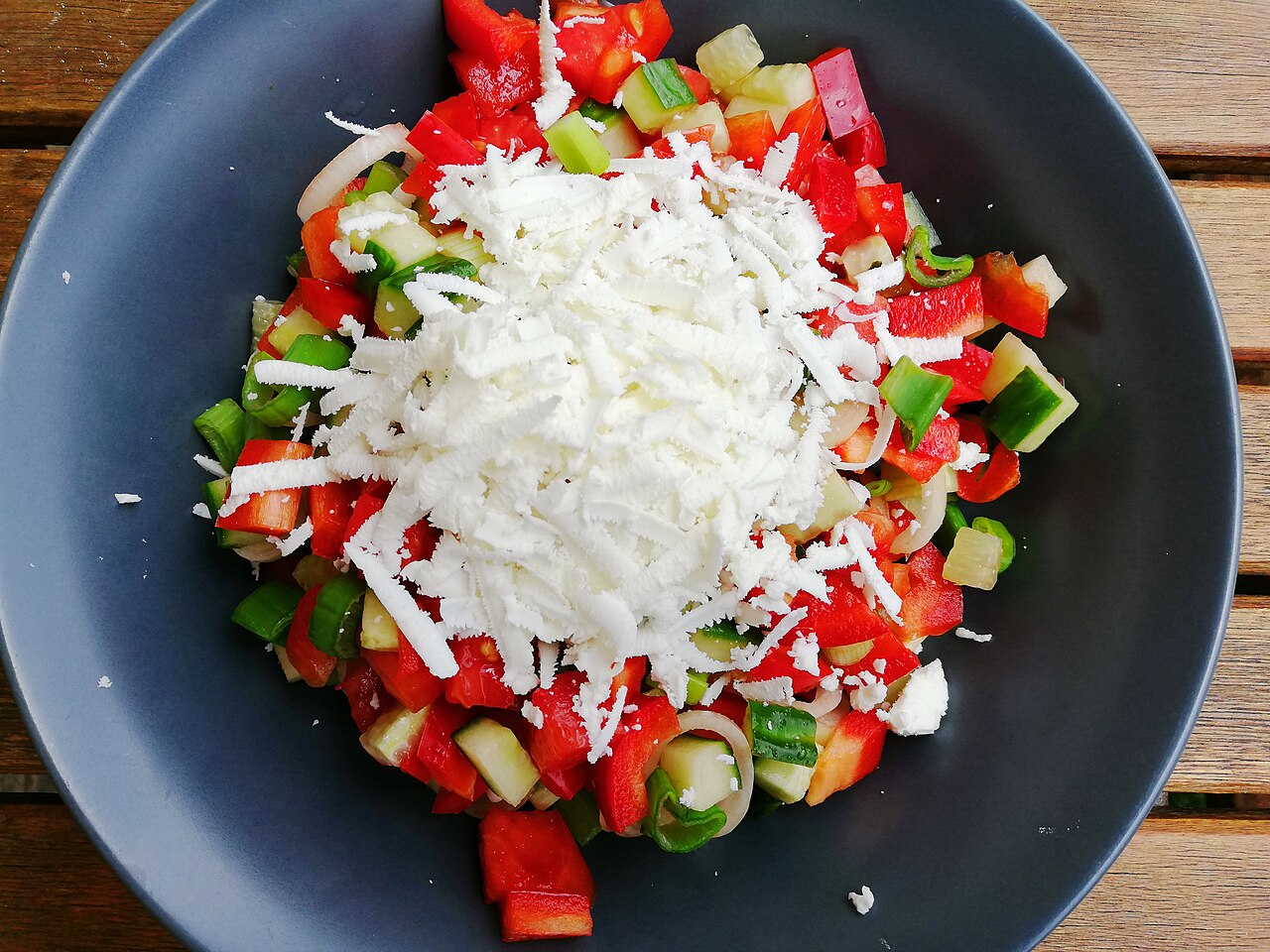
Bulgaria's best-known salad: chopped tomatoes, cucumbers, onion and peppers under a thick snowy layer of grated sirene, a white brined cheese. It is often eaten as a starter with a glass of rakia.
Although it tastes of the village, the salad is fairly young: it is thought to have been created in the mid-1950s for the state tourism company Balkantourist.
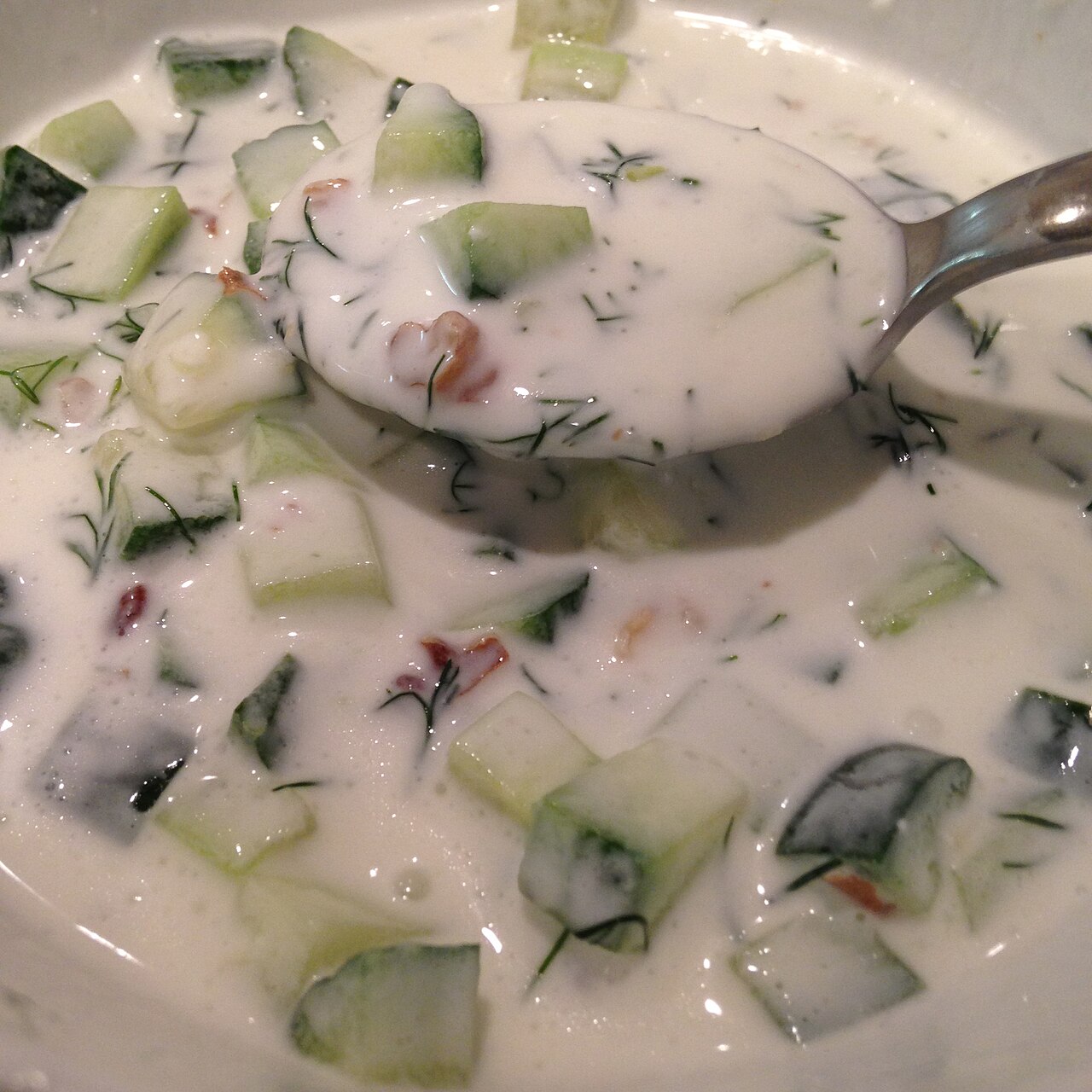
A cold summer soup of yogurt thinned with water, with chopped cucumber, garlic, dill and a little sunflower or olive oil. It is served chilled on hot days.
Similar yogurt and cucumber dishes are eaten from Greece to Turkey and the Middle East, but in Bulgaria tarator is eaten as a soup.
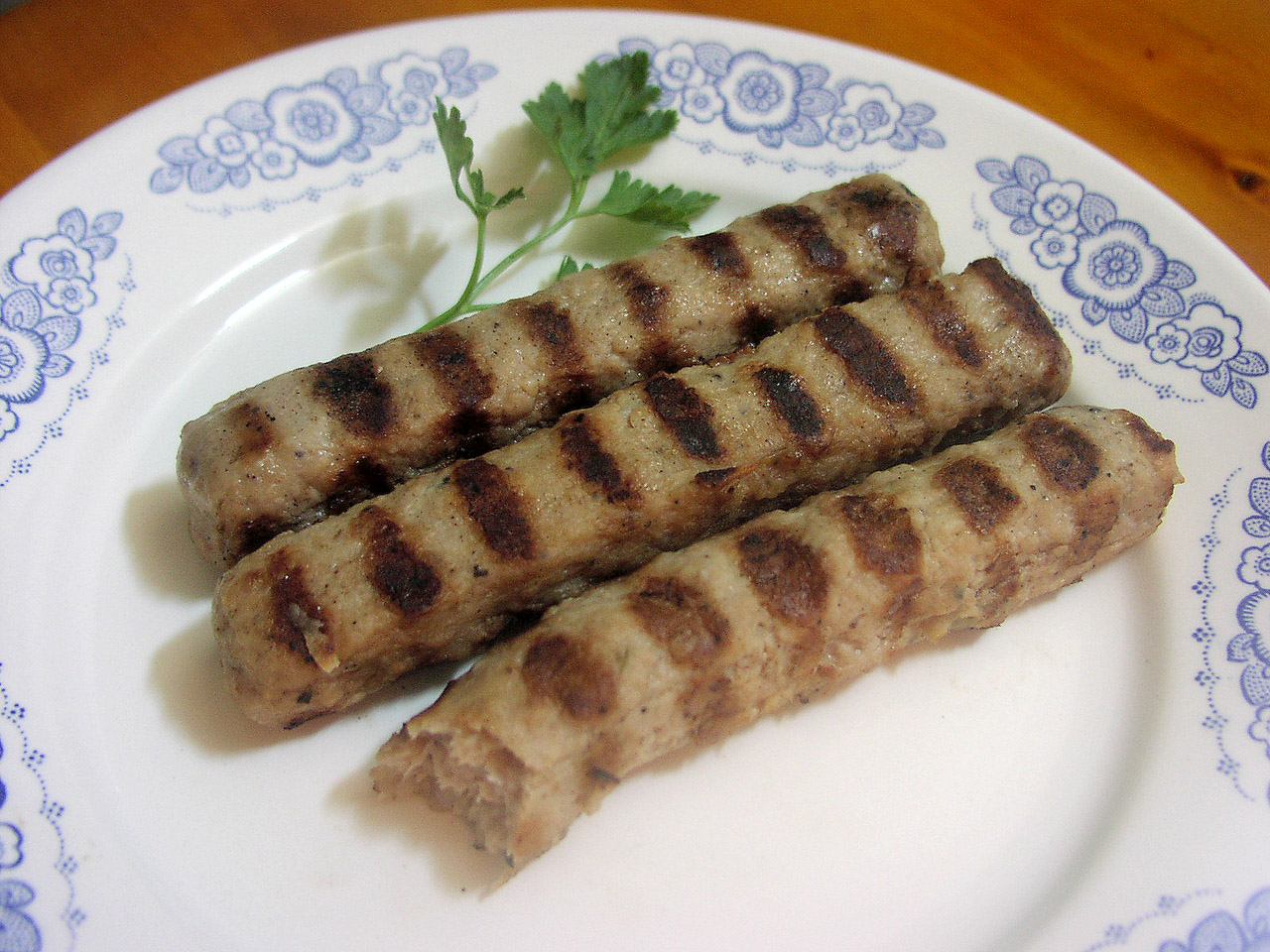
A long, sausage-shaped stick of minced pork and beef seasoned with cumin, black pepper and salt, cooked on the grill. It is often served with chips covered in grated white cheese, lyutenitsa and a cold beer.
A classic order is 'troyka kebapcheta s garnitura': three kebapcheta with a side of chips or salad.
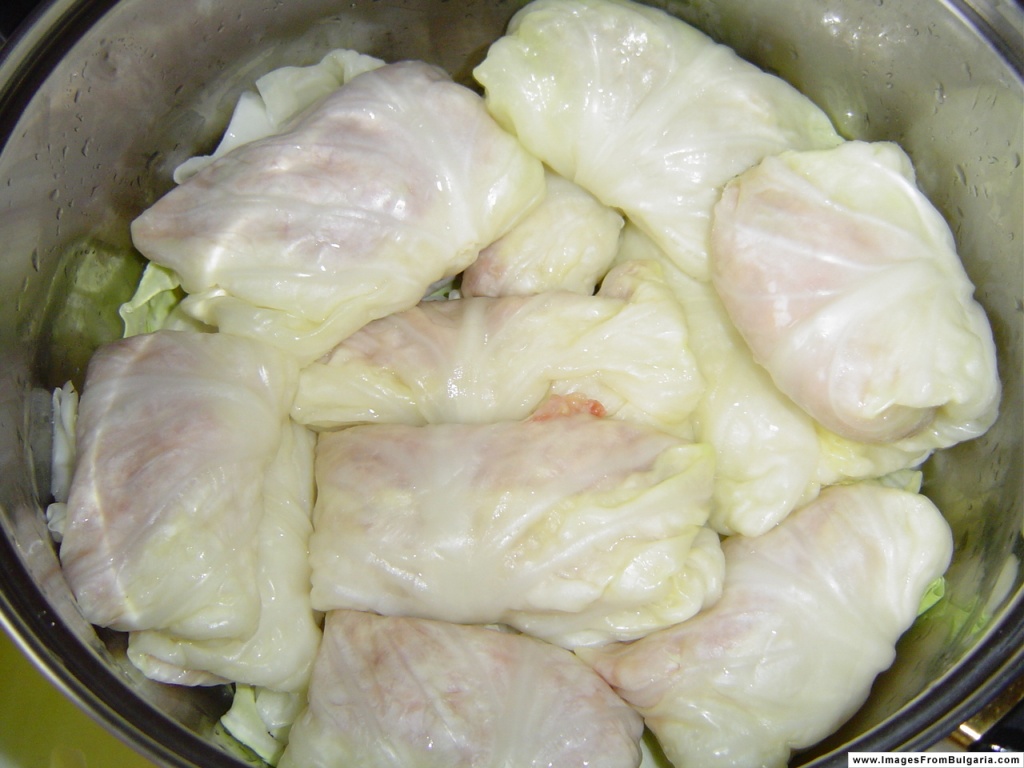
Cabbage leaves or vine leaves rolled around a filling of rice and minced meat and simmered slowly. Cabbage sarmi are usually a winter dish and vine leaf sarmi a spring and summer one.
On Christmas Eve, when the meal is meatless, Bulgarians make vegetarian sarmi and stuffed peppers.
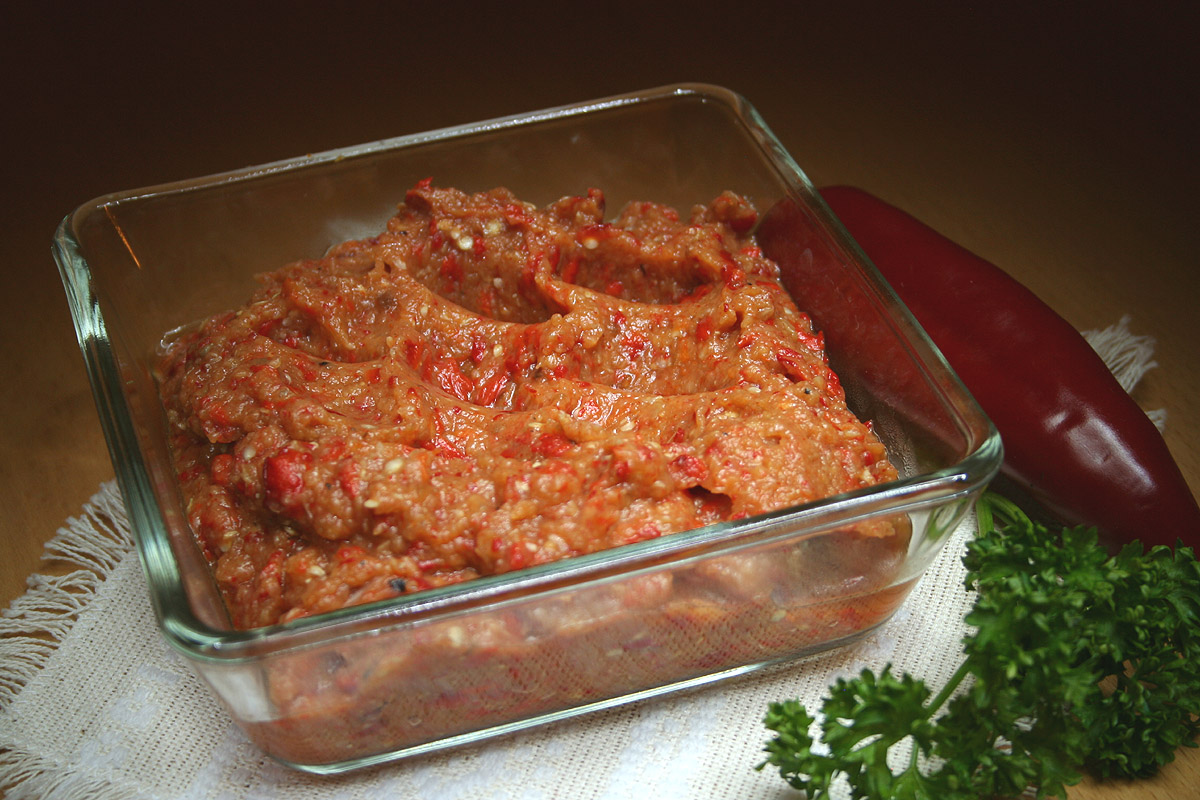
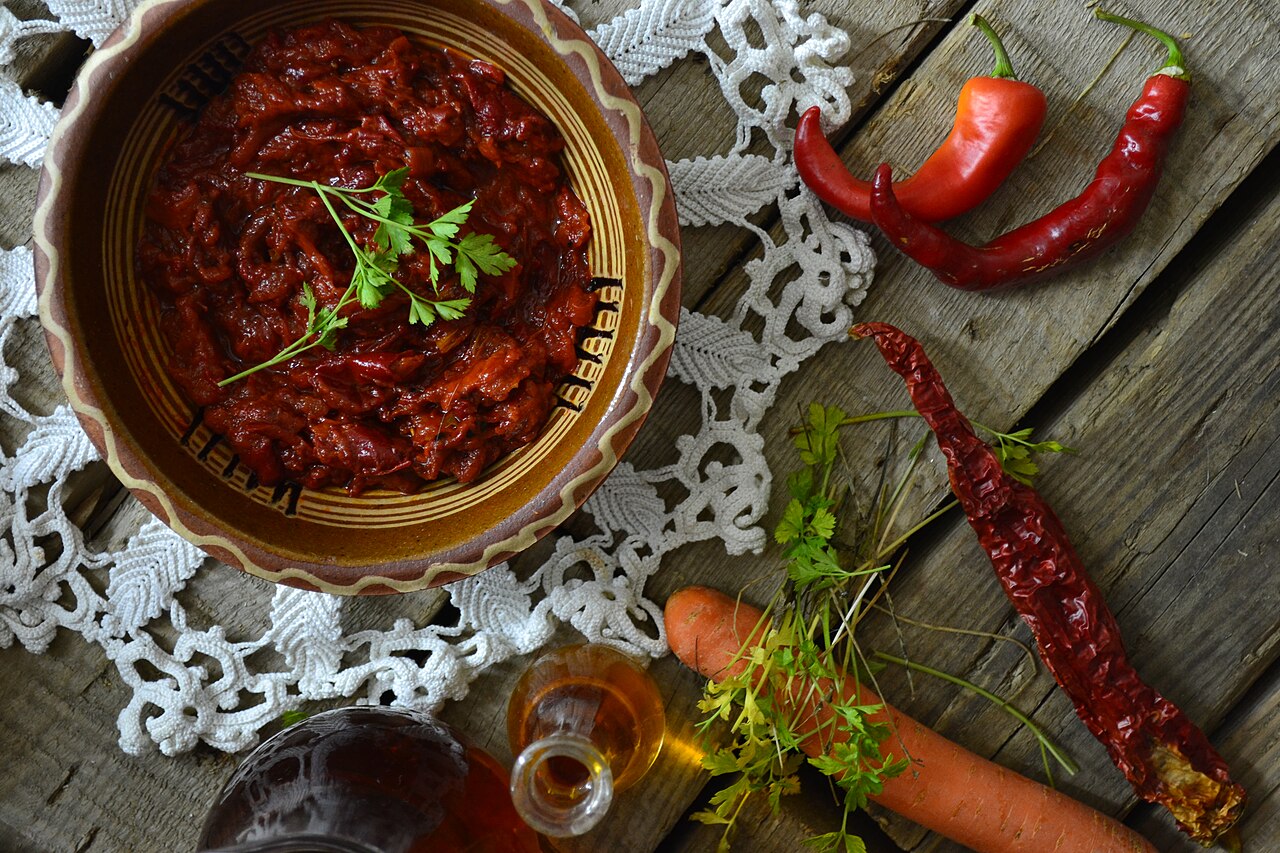
A thick red relish of roasted peppers and tomatoes, often with carrots and garlic. It is spread on bread, sometimes topped with white cheese, and served with grilled meat.
The name comes from the word for 'spicy', but there are mild versions as well as hot ones.
Central Bulgaria, especially Panagyurishte, Karlovo and Smyadovo
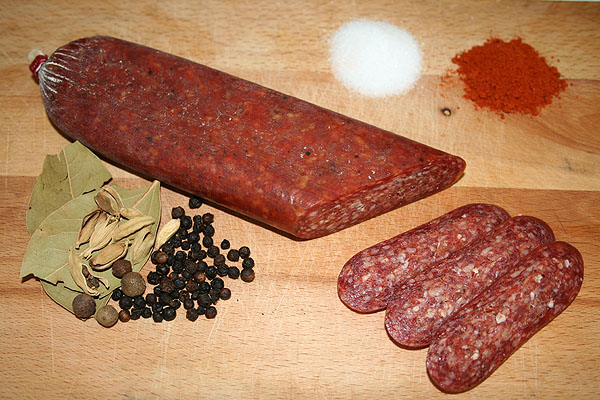
A semi-dried salami of pork, veal, black pepper and cumin, dried for 40 to 50 days and pressed flat as it dries. It is sliced thin and served cold as a starter.
In 2014 the European Union registered Panagyurska lukanka, from the town of Panagyurishte, as a traditional speciality.
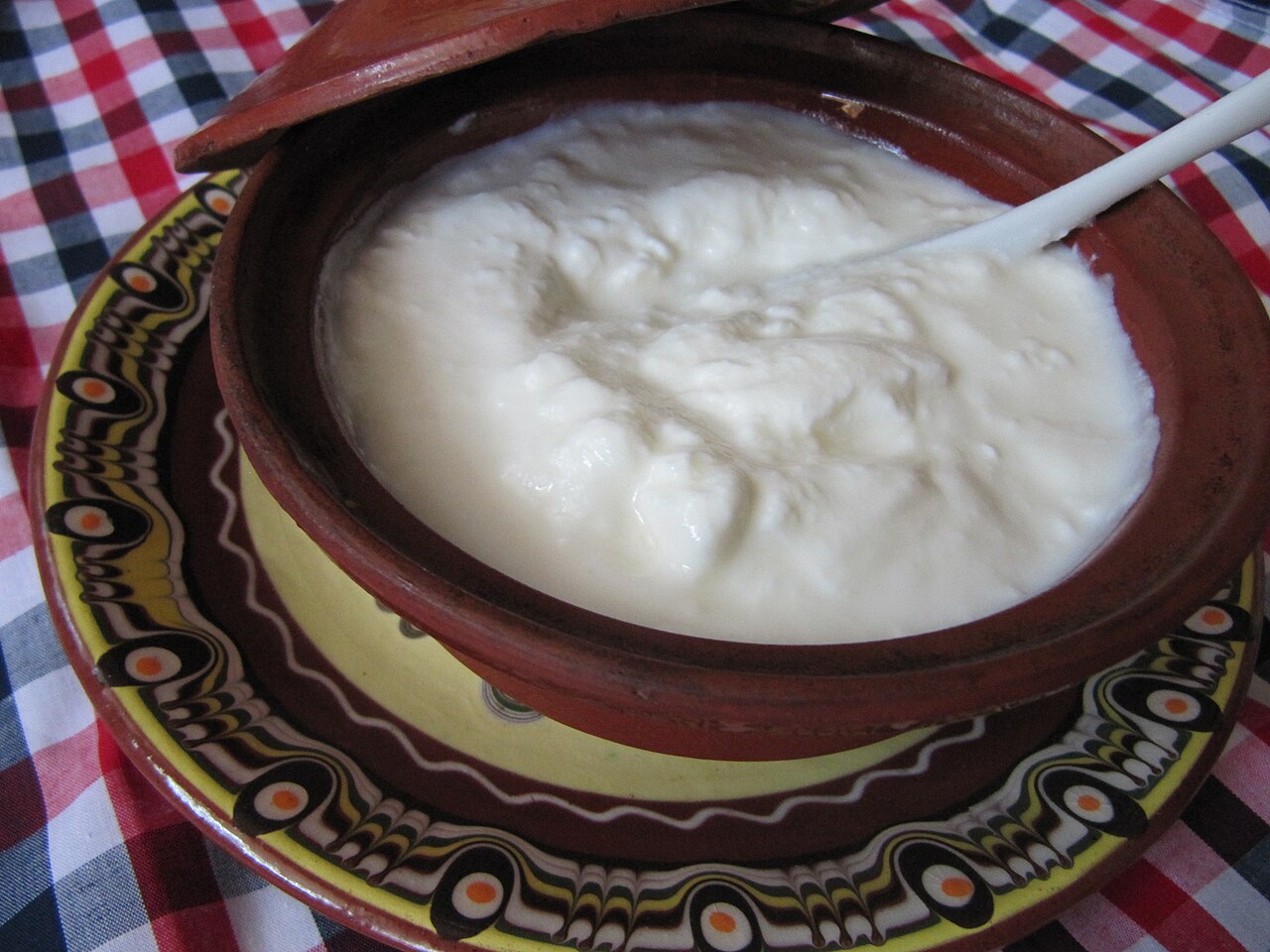
Thick, tangy yogurt, whose Bulgarian name means 'sour milk'. It is eaten on its own, poured over pastries, stirred into soups and sauces, and made into the cold drink ayran.
One of the two bacteria that turn milk into yogurt is called Lactobacillus bulgaricus, after Bulgaria.
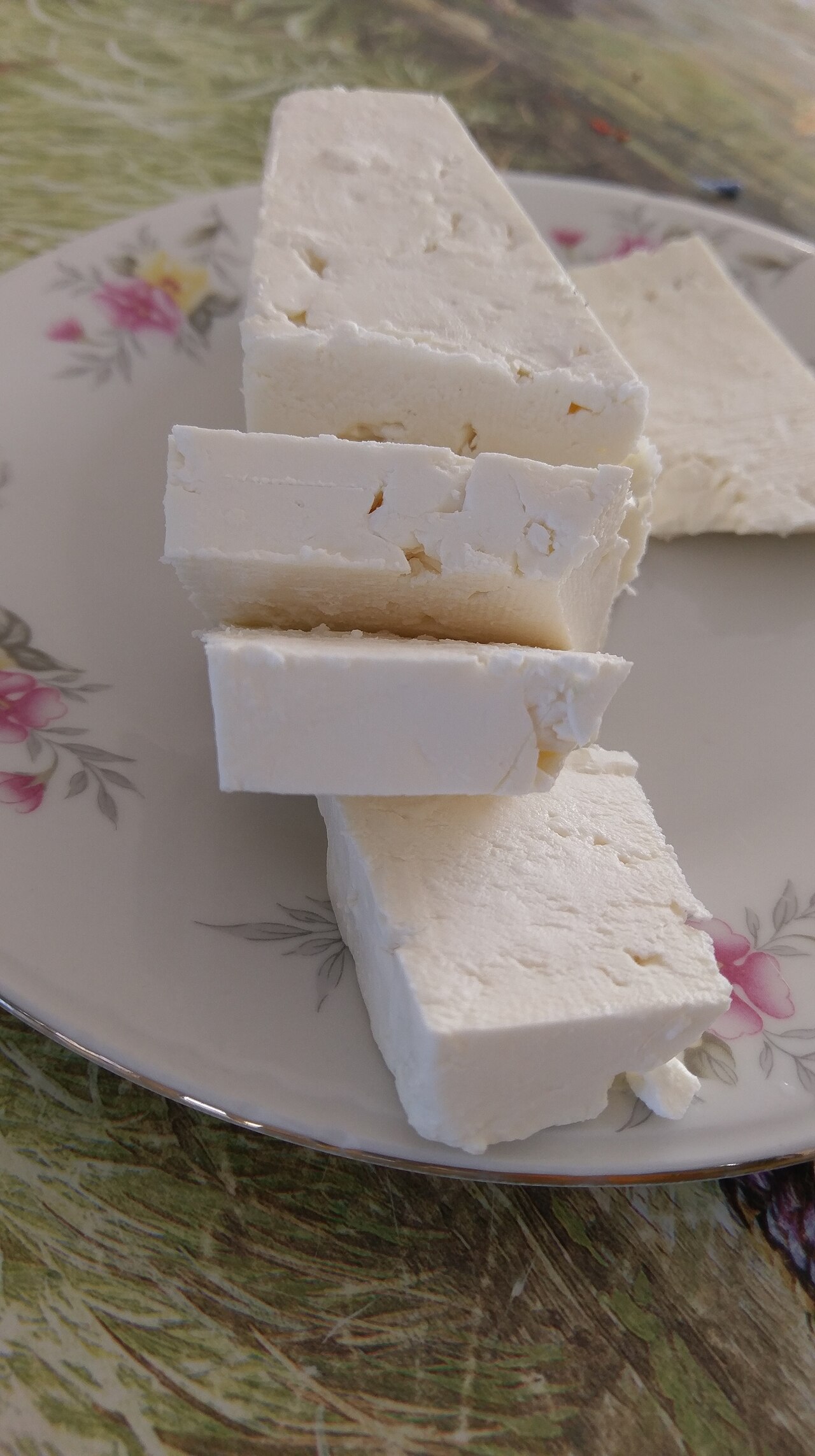
A white brined cheese, similar to feta, made from cow's, sheep's, goat's or buffalo milk. It is crumbled into salads and pastries or served in slices with tomatoes.
In 2023 Bulgarian white brined cheese was registered as a protected designation of origin in the European Union.
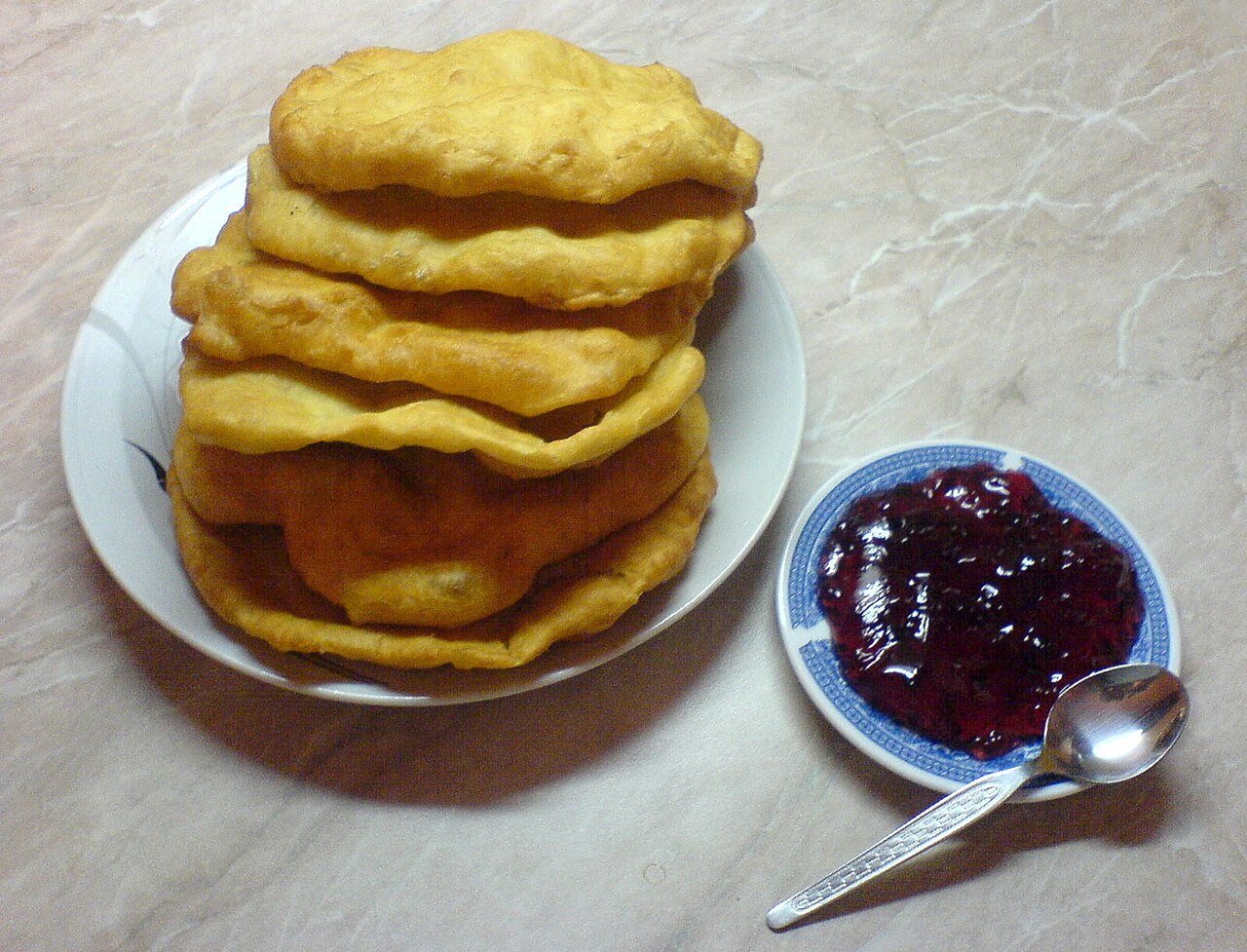
Flat rounds of soft dough made with yogurt, fried until puffed and golden. They are a breakfast treat, served with jam, honey, white cheese or icing sugar.
Nearly every region has its own recipe: some use yeast, others yogurt and baking soda, and one of the oldest uses only flour, yeast, salt, sugar and water.
All of Bulgaria, and across the Balkans and Turkey
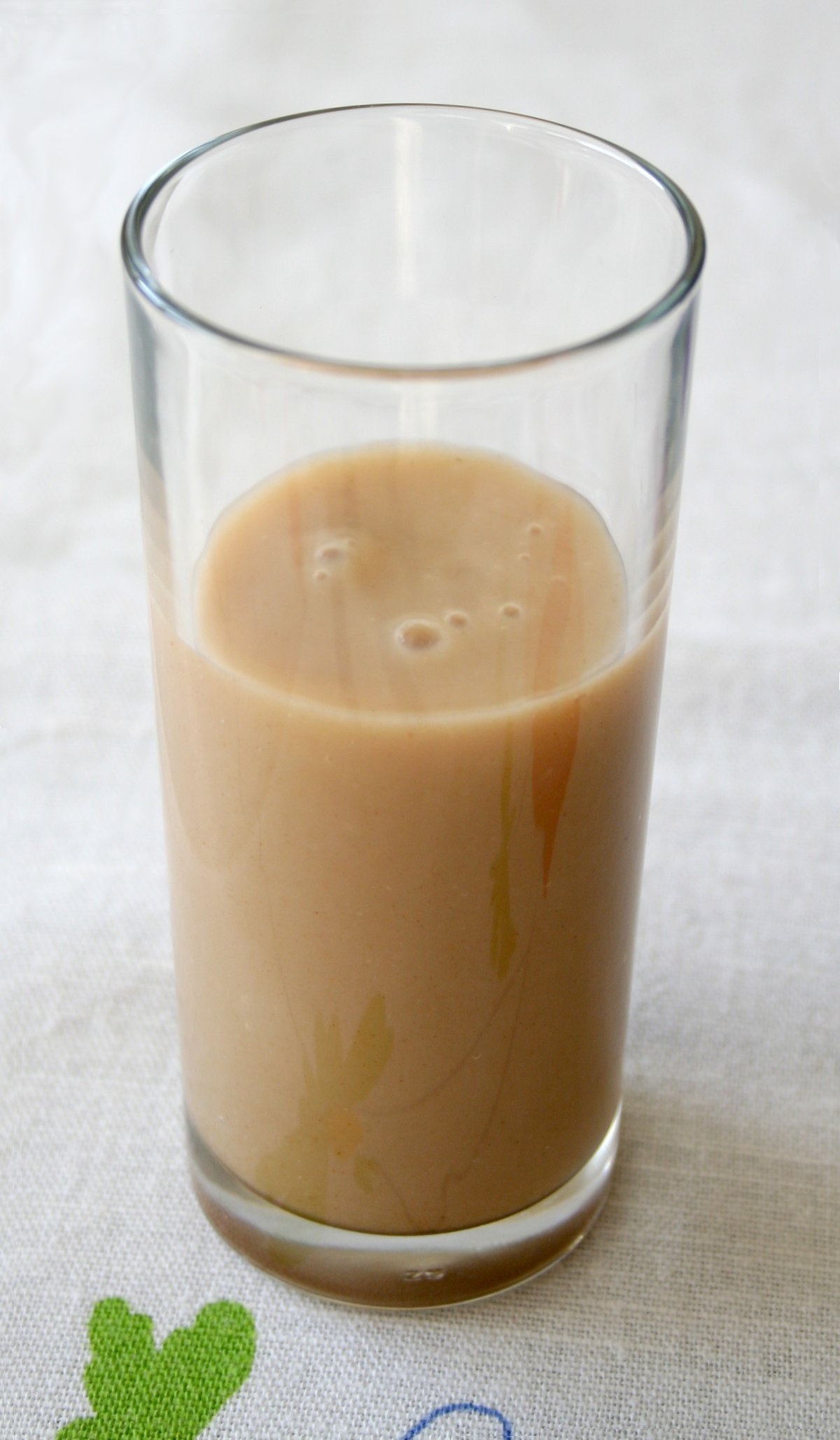
A thick, slightly sweet and sour drink made by fermenting grains. It has very little alcohol, about 1%, and is a classic partner for banitsa at breakfast.
Boza is one of the oldest drinks of the Turkic peoples, and today it is made from Turkey and the Balkans to North Africa.
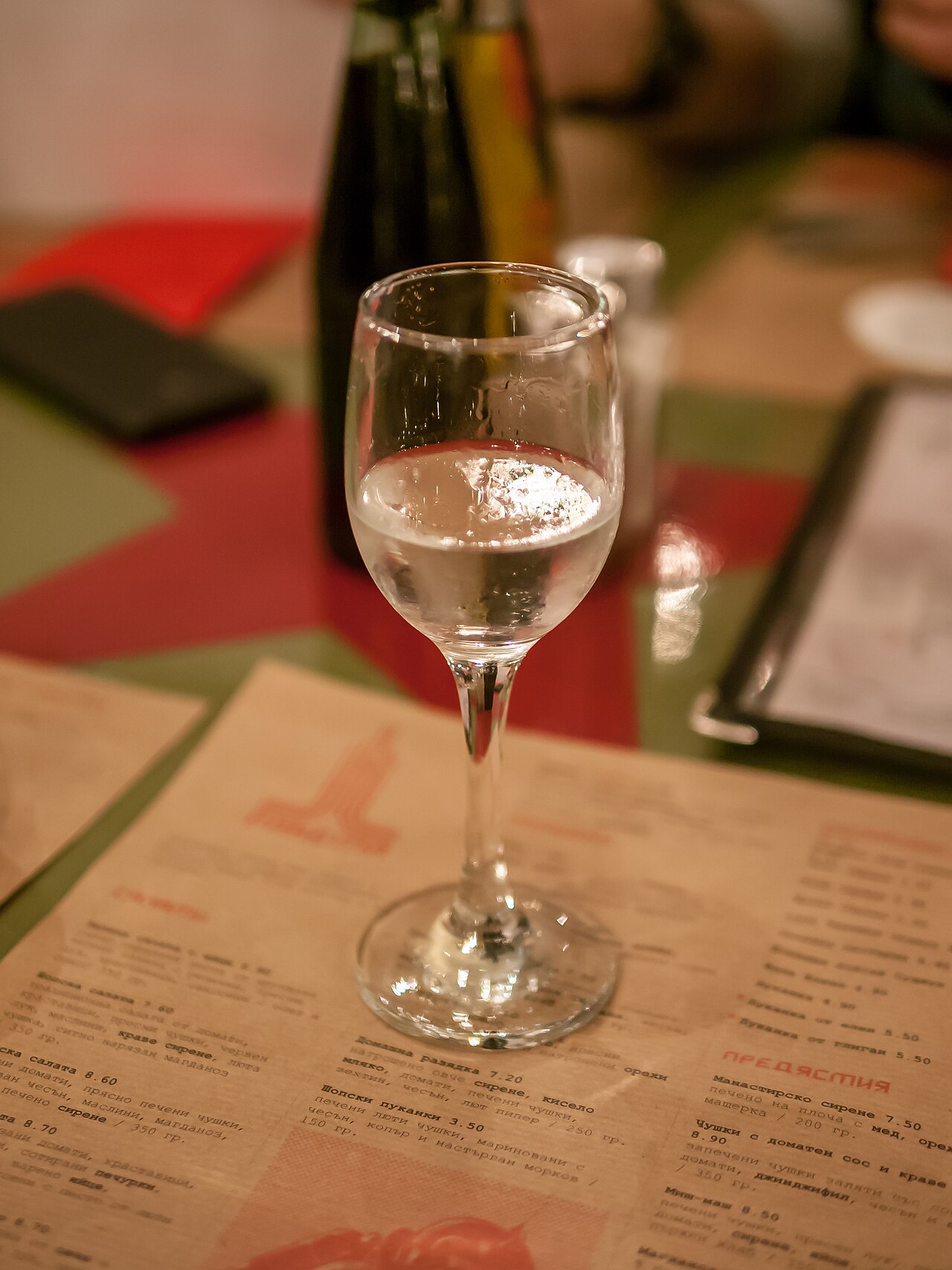
A strong fruit brandy, most often made from grapes (grozdova) or plums, and also from apricots. It is sipped slowly from a small glass with the salad at the start of a meal. Anyone who does not drink alcohol can politely say no.
Inscriptions from the 14th century already mention rakia in Bulgaria, and as of 2026 twelve Bulgarian rakias have protected names in the European Union.
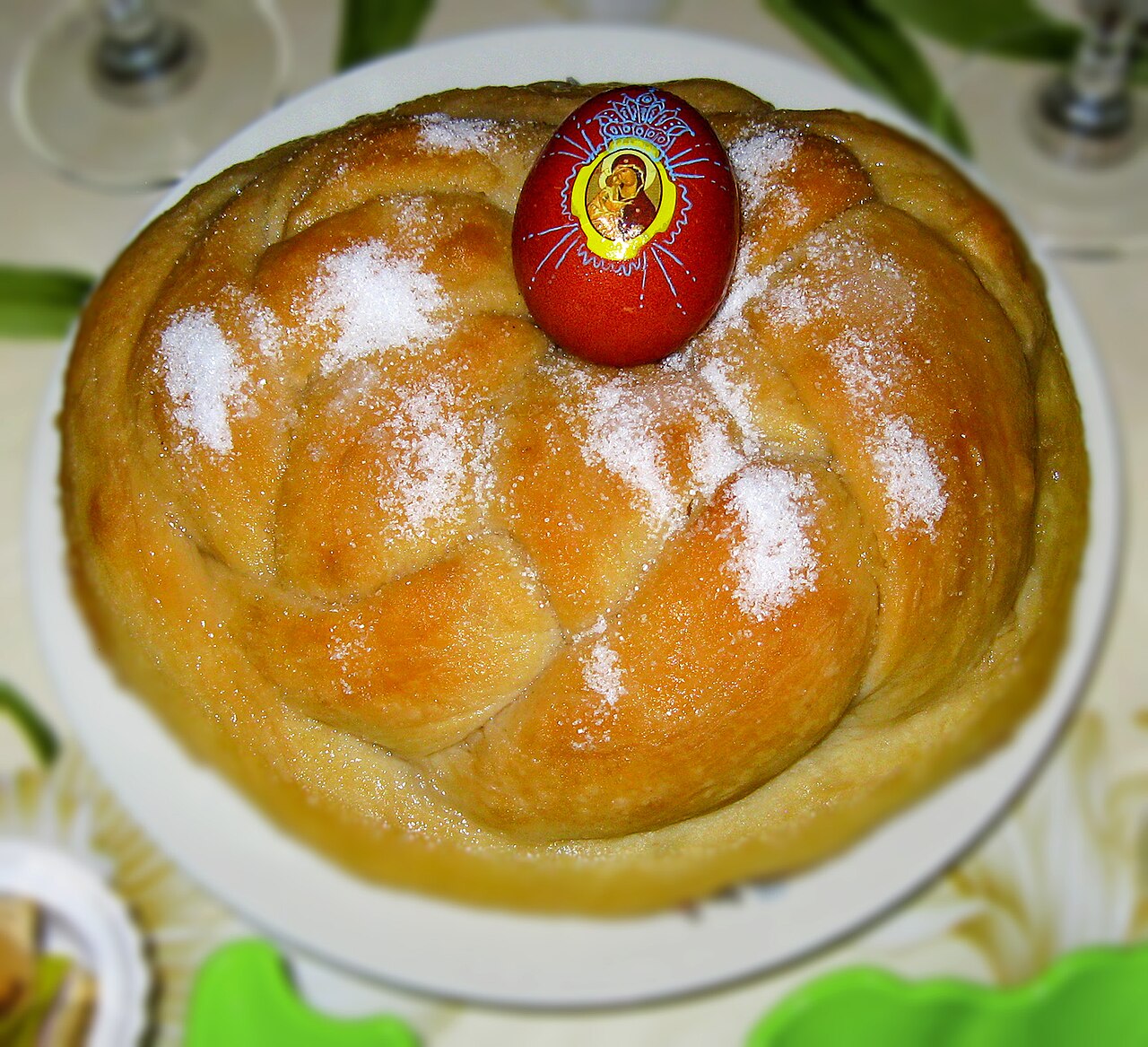
A sweet, soft yeast bread enriched with butter, milk and eggs, often with raisins and citrus peel. It is baked above all for Orthodox Easter.
Similar sweet Easter breads are baked in Romania, Greece, Serbia and North Macedonia.
At the table in Bulgaria
When glasses are raised, people say 'Nazdrave!' (to your health).
Salad and a small glass of rakia come first, and the main course follows later, so do not expect everything at once.
Holidays have their own foods: vegetarian sarmi and stuffed peppers on Christmas Eve, fish on St. Nicholas' Day (6 December) and roast lamb on St. George's Day (6 May).
At New Year, look out for a lucky charm hidden in your piece of banitsa, and bite carefully.
Service is not added to the bill in restaurants. A tip of 5 to 10% is welcome if you were happy.