The gold of Varna
People of the Varna culture buried their leaders with rich gold ornaments. The graves, dated to between about 4600 and 4200 BC, were found by chance in 1972 and hold what is often called the oldest gold treasure in the world.
Bulgaria lies in the east of the Balkan Peninsula, with the Danube river along most of its northern border and the Black Sea to the east. The Balkan Mountains cross the middle of the country from west to east. To the north lies the flat Danubian Plain, and to the south the warm Upper Thracian Plain and the high Rila, Pirin and Rhodope mountains. Musala in the Rila mountains is the highest peak in the whole Balkan Peninsula.
People have lived here for a very long time: the gold found in a cemetery at Varna is more than 6,000 years old. Thracians, Greeks and Romans followed, and in 681 the First Bulgarian Empire was founded. In the 890s scholars at its capital Preslav developed the Cyrillic alphabet, which today is also used for Russian, Serbian and many other languages. After almost five centuries of Ottoman rule, Bulgaria was reborn as a state in 1878 and declared full independence in 1908.
Memories fade faster than photos. Ask these over a meal or a phone call, and write the answers down.
Bulgaria's story runs from what is often called the oldest worked gold in the world and the Thracians, through two medieval empires and almost five hundred years of Ottoman rule, to rebirth in 1878, communism, and today's place in the European Union.
People of the Varna culture buried their leaders with rich gold ornaments. The graves, dated to between about 4600 and 4200 BC, were found by chance in 1972 and hold what is often called the oldest gold treasure in the world.
Khan Boris I was baptised and made Orthodox Christianity the religion of his state. A shared faith and, soon after, a written language helped join Bulgars and Slavs into one people.
After more than 150 years under Byzantine rule, the brothers Asen and Peter from Tarnovo led a revolt and restored the Bulgarian state, with Tarnovo as its capital.
At the Zograf Monastery on Mount Athos, the monk Paisius of Hilendar finished his Slavonic-Bulgarian History. Copied by hand and passed around, it helped wake a new national pride.
The Ottoman province of Eastern Rumelia, around Plovdiv, joined the Principality of Bulgaria. Bulgaria then defended the union in a short war with Serbia.
Bulgaria was allied with Nazi Germany. In March 1943 it deported 11,343 Jews from the lands it occupied in Macedonia, Thrace and Pirot, and almost all of them were murdered. Protests by the deputy speaker of parliament Dimitar Peshev, other politicians and the Orthodox Church stopped the plans to deport the Jews of Bulgaria itself, who survived the war.
On 10 November 1989 the long-time leader Todor Zhivkov was forced to resign. In February 1990 the Communist Party gave up its monopoly on power, free elections followed that June and a democratic constitution was adopted in 1991.
On 1 January 2026 the euro replaced the Bulgarian lev after 146 years, making Bulgaria the 21st member of the euro area. A year earlier, on 1 January 2025, it had become a full member of the Schengen area.
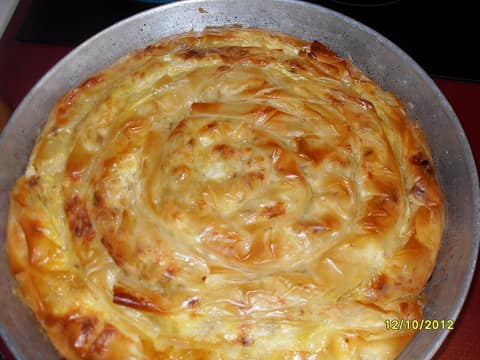
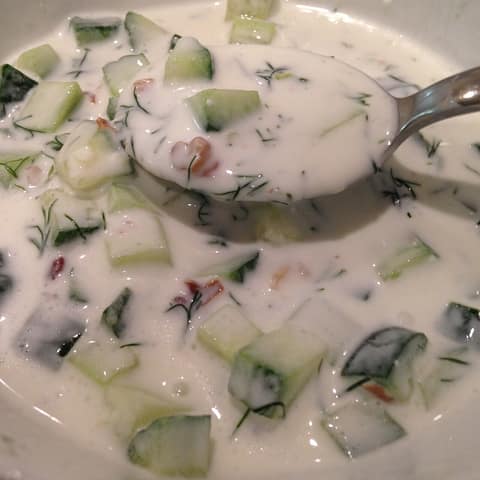
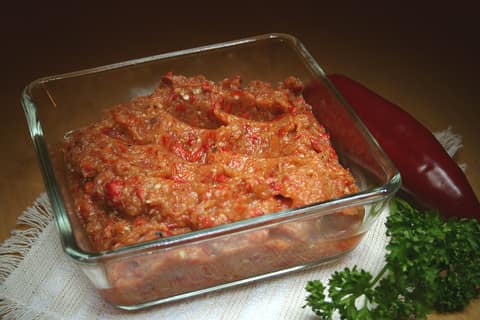
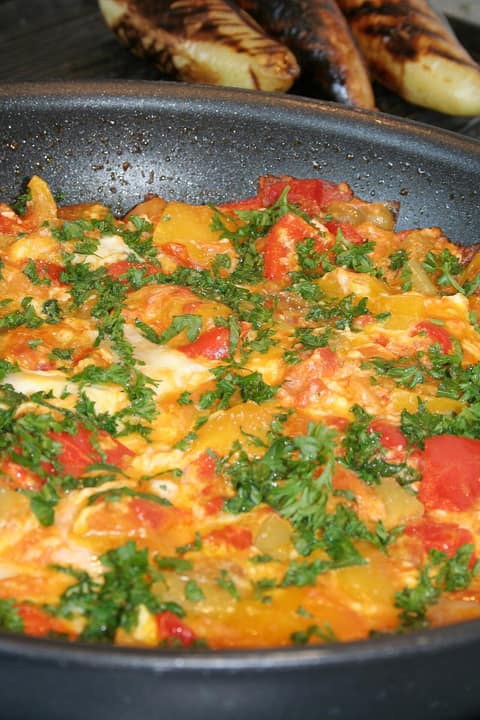
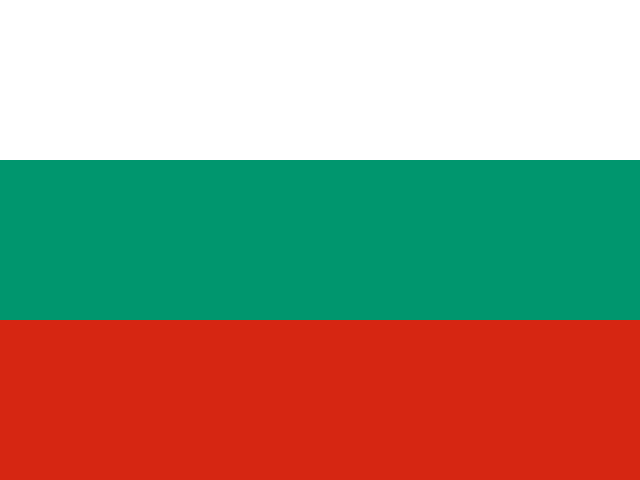
Cook one of the recipes, print the large-print pack about Bulgaria, and finish with the big-screen quiz or the words crossword. Grandchildren can colour the flag.