 France
 Germany
 Luxembourg
 Netherlands
Caesar conquers the Belgae
Julius Caesar began his conquest of the Belgae, a group of tribes he described as the bravest of the Gauls. The land became part of the Roman province of Gallia Belgica.
A free large-print PDF. Choose what goes in: facts, map, history, dishes and recipes, phrases, fun facts, a quiz with or without answers. Made for clubs, care homes, libraries and family afternoons.
Belgium sits in the Low Countries of north-western Europe, between the Netherlands, Germany, Luxembourg and France, with a short sandy coast on the North Sea. The north is flat and low, with dunes, polders and old trading cities, while the south rises into the wooded hills, caves and river gorges of the Ardennes.
The land was home to the Belgae, a people Julius Caesar fought in the first century BC. In the Middle Ages the cloth towns of Flanders were among the richest in Europe. Spain, Austria, France and the Netherlands ruled here in turn, and so many wars were fought on its soil that Belgium was called the battlefield of Europe. It became an independent kingdom in 1830.
Today Belgium is a federal parliamentary monarchy of about 11.9 million people. Dutch is spoken in Flanders in the north, French in Wallonia in the south, German in a small area in the east, and the capital Brussels is officially bilingual. Brussels is also home to the main institutions of the European Union and the headquarters of NATO.
Belgium's story runs from Caesar's wars with the Belgae, through the rich cloth towns of Flanders and centuries of foreign rulers, to independence in 1830, two world wars and a new role at the heart of the European Union.
Julius Caesar began his conquest of the Belgae, a group of tribes he described as the bravest of the Gauls. The land became part of the Roman province of Gallia Belgica.
The grandsons of Charlemagne divided his empire into three kingdoms. Flanders, west of the Scheldt river, went to the western kingdom that became France, while most of today's Belgium fell to the middle kingdom.
Flemish town militias won a surprise victory over an army of mounted French knights. Flanders, rich from its cloth trade, was then one of the wealthiest areas in Europe.
The future Emperor Charles V was born in Ghent on 24 February 1500. He came to rule Spain, the Holy Roman Empire and the Low Countries, and in 1549 he made the Seventeen Provinces of the Low Countries a single unit.
After a siege of more than a year, Antwerp surrendered to Spanish forces on 17 August 1585. The south stayed under Spanish rule, while the north went on to become the independent Dutch Republic.
On 18 June 1815 Napoleon was finally defeated at Waterloo, about 15 km south of Brussels. The Congress of Vienna then joined Belgium to the Netherlands in the United Kingdom of the Netherlands.
In August 1830 an opera audience in Brussels spilled into the streets singing patriotic songs, and a revolt against Dutch rule followed. A provisional government declared independence on 4 October 1830.
On 21 July 1831 Leopold of Saxe-Coburg was sworn in as the first King of the Belgians. The date is now Belgium's National Day.
The Netherlands and the great powers of Europe recognised Belgium's independence and promised to guard its neutrality. Germany's breach of this promise in 1914 was Britain's stated reason for entering the First World War.
King Leopold II had ruled the Congo Free State as his private possession, and many Congolese were killed by his agents for failing to deliver enough rubber and ivory. After an international outcry, the Belgian state took it over in 1908 as the Belgian Congo.
In August 1914 German armies crossed neutral Belgium to attack France. Belgian forces held them up at Liège and on the Yser, and much of the Western Front ran through western Belgium for four years.
On 10 May 1940 Germany invaded again. After 18 days of fighting the army and King Leopold III surrendered, and Belgium was occupied until the Allies liberated it in 1944 and 1945.
Belgium was one of the six founding members of the European Economic Community, set up in 1957, which grew into today's European Union. Brussels later became home to its main institutions.
From April to October 1958 Brussels hosted a World's Fair on the Heysel plateau. Its centrepiece, the Atomium, still stands as a symbol of the city.
The Belgian Congo became independent in 1960. Rwanda and Burundi, which Belgium had governed since the First World War, followed two years later.
After decades of tension between Dutch and French speakers, a series of reforms ended with the 1993 reform that made Belgium a federal state of communities and regions.
Belgian food combines the refinement of French cooking with the hearty dishes of Flanders. Belgians love seasonal produce: grey shrimp from the North Sea, white asparagus, endive and mussels. Fries, waffles, chocolate and beer are famous far beyond the country, and beer is matched to a meal almost like wine: wheat beer with fish, blond or tripel beer with chicken, dark beer with red meat and fruit beer with dessert.
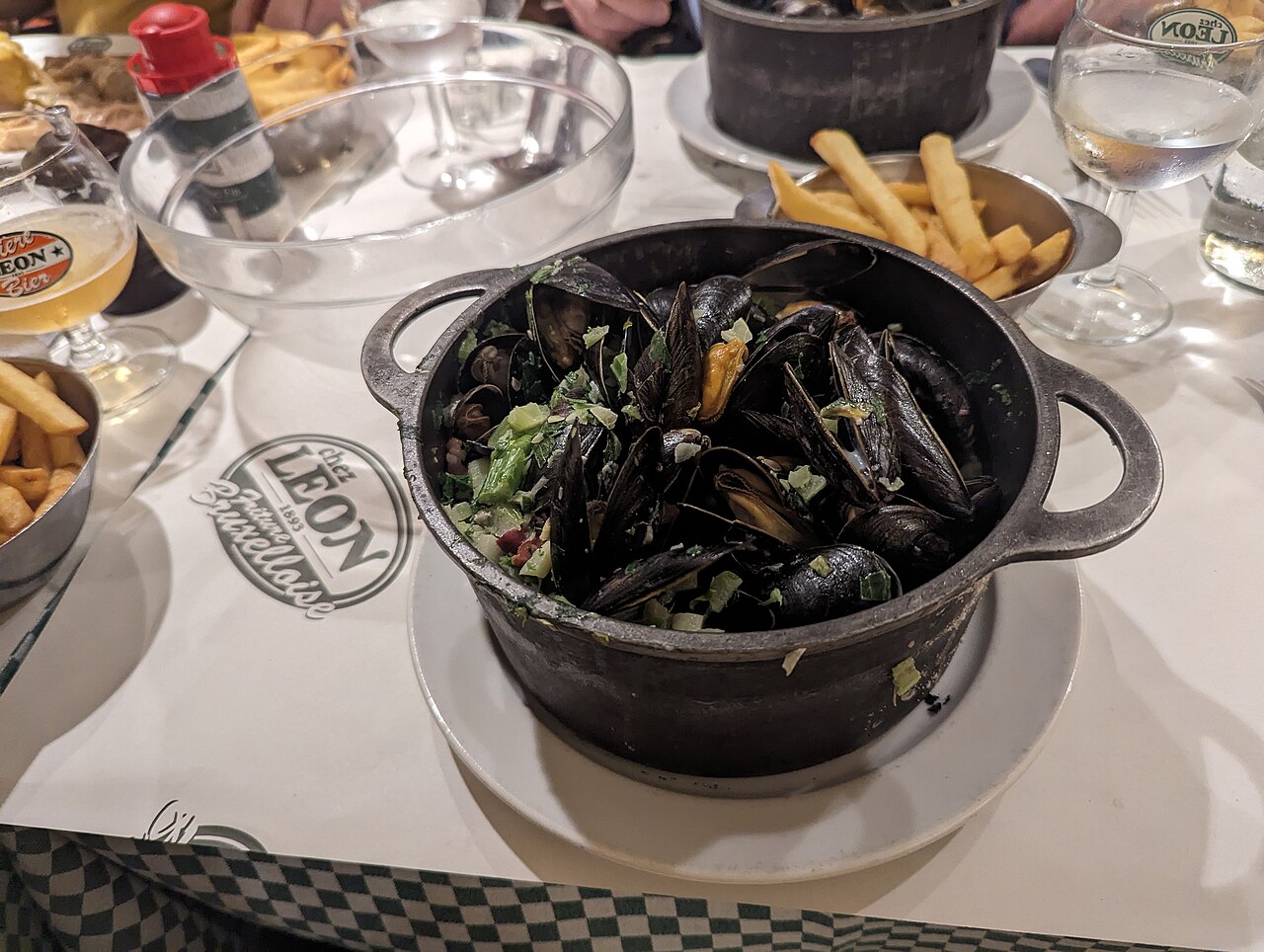
A big pot of mussels steamed with onions or shallots and celery, often with white wine or beer, served with a separate bowl of crisp fries so that they do not go soggy. It is often called Belgium's national dish.
Moules-frites is a seasonal dish, eaten above all when mussels are in season. The mussels usually arrive at the table in the pot they were cooked in.
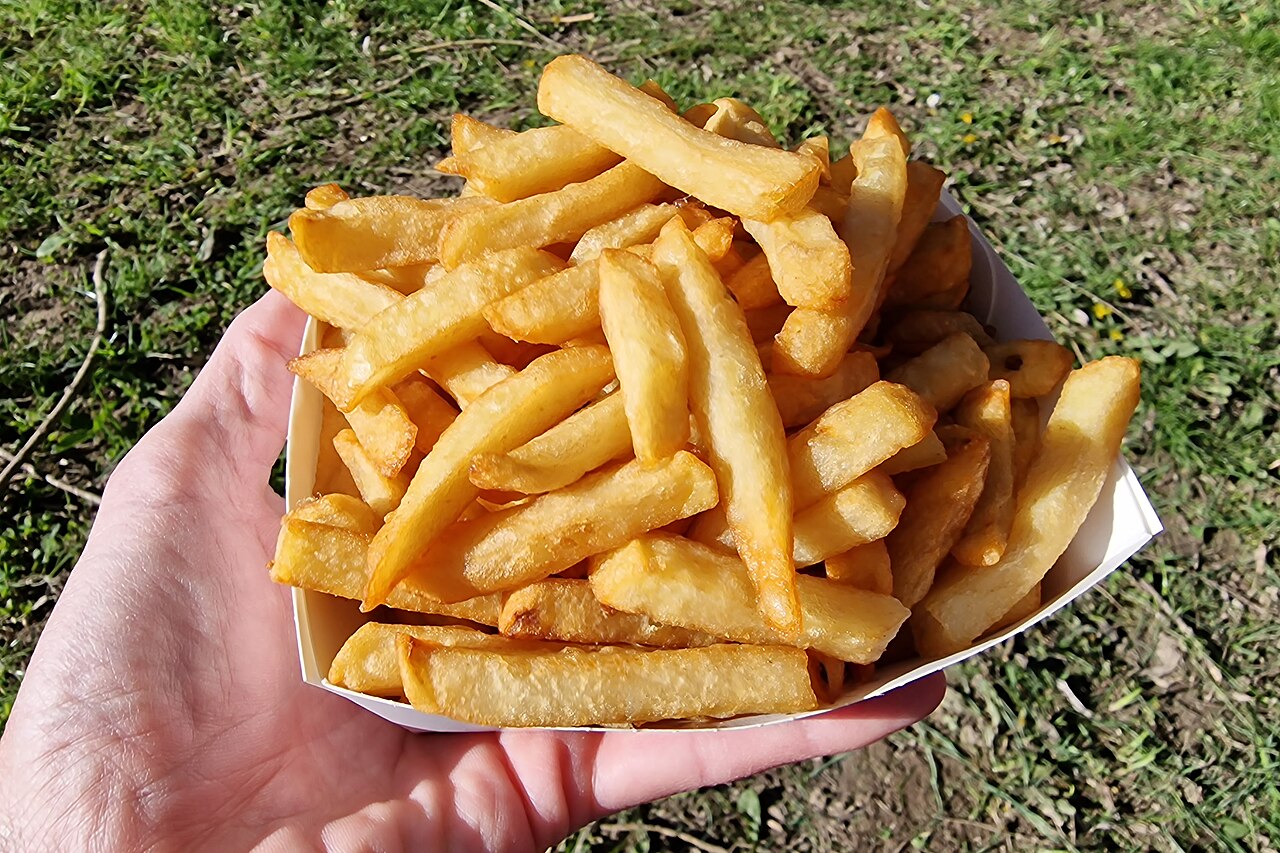
Thick potato fries fried twice, first at a lower heat to cook them through and then hotter to make them crisp. They are sold at fry shacks called friteries or frietkoten, in a paper cone with a spoonful of mayonnaise or one of more than a dozen other sauces on top.
Belgians often say fries were first made in the Meuse valley before 1680, when frozen rivers meant no fish to fry. Historians doubt the story: the manuscript behind it has never been produced, and potatoes probably reached the area only around 1735.
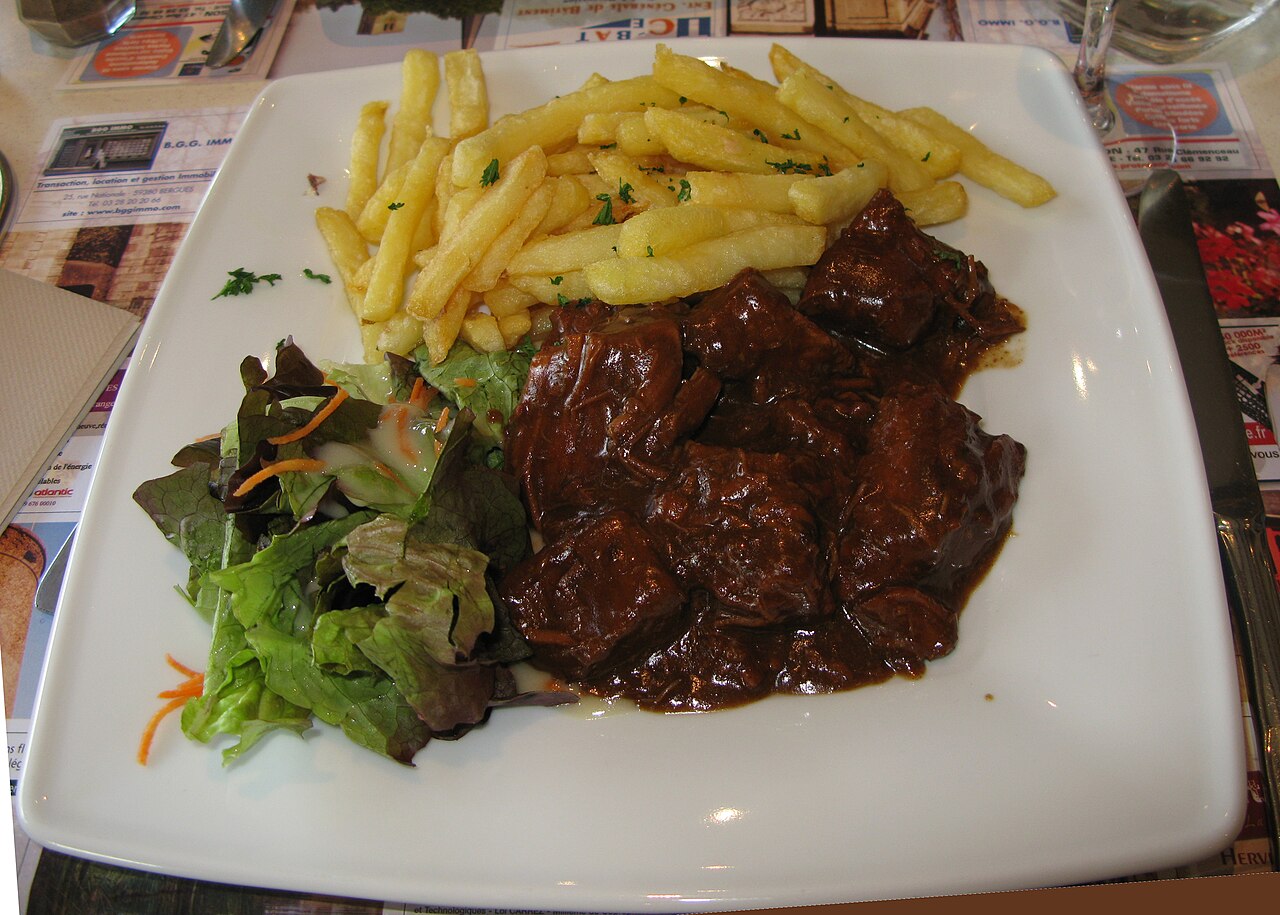
Beef slowly stewed with onions in a dark Flemish beer, thickened with a slice of bread spread with mustard. A little brown sugar and vinegar give the sauce a gentle sweet and sour taste. It is served with fries, boiled potatoes or stoemp.
Every region and family has its own version. Some cooks add prunes, gingerbread or speculoos biscuits to the pot.
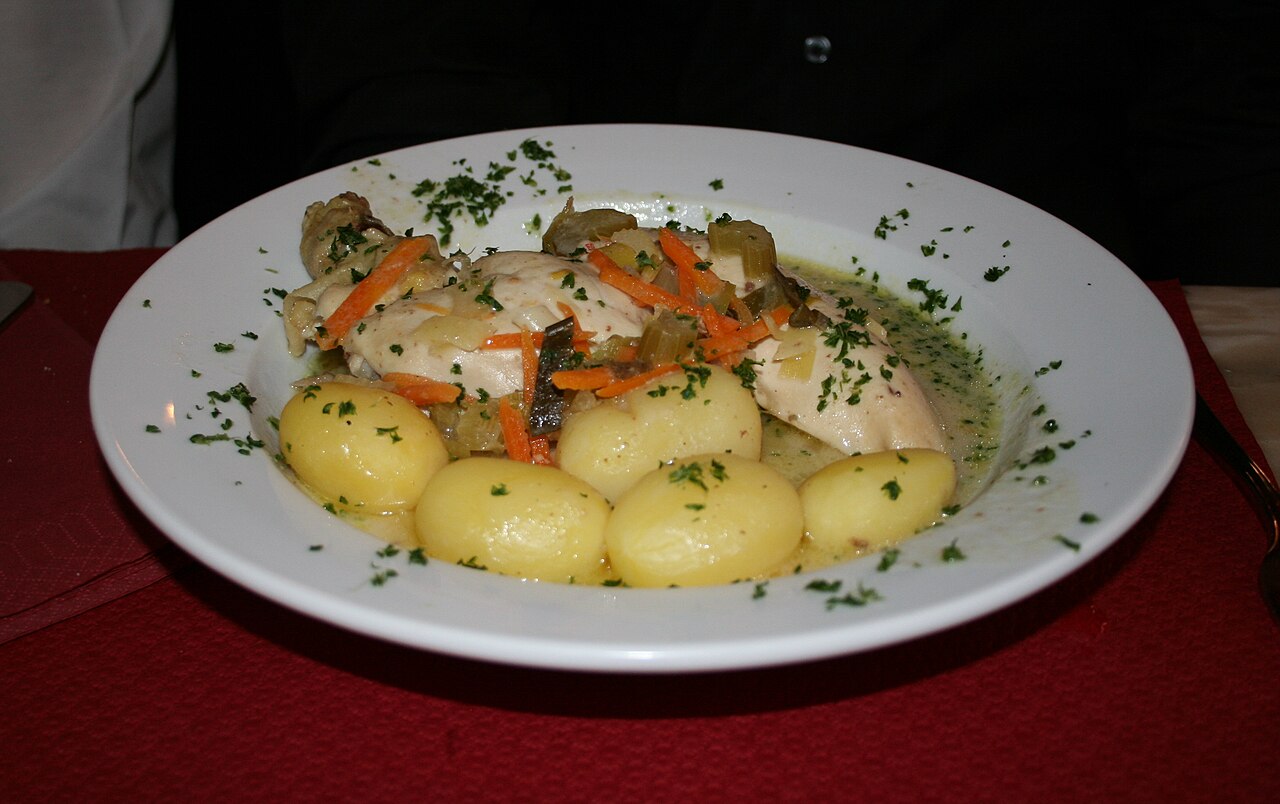
A creamy soup-stew of chicken or fish with carrots, leeks, celery and potatoes, enriched at the end with cream and egg yolk.
Waterzooi was first made with river fish. The usual explanation for the switch to chicken is that the rivers around Ghent became too polluted for fish.
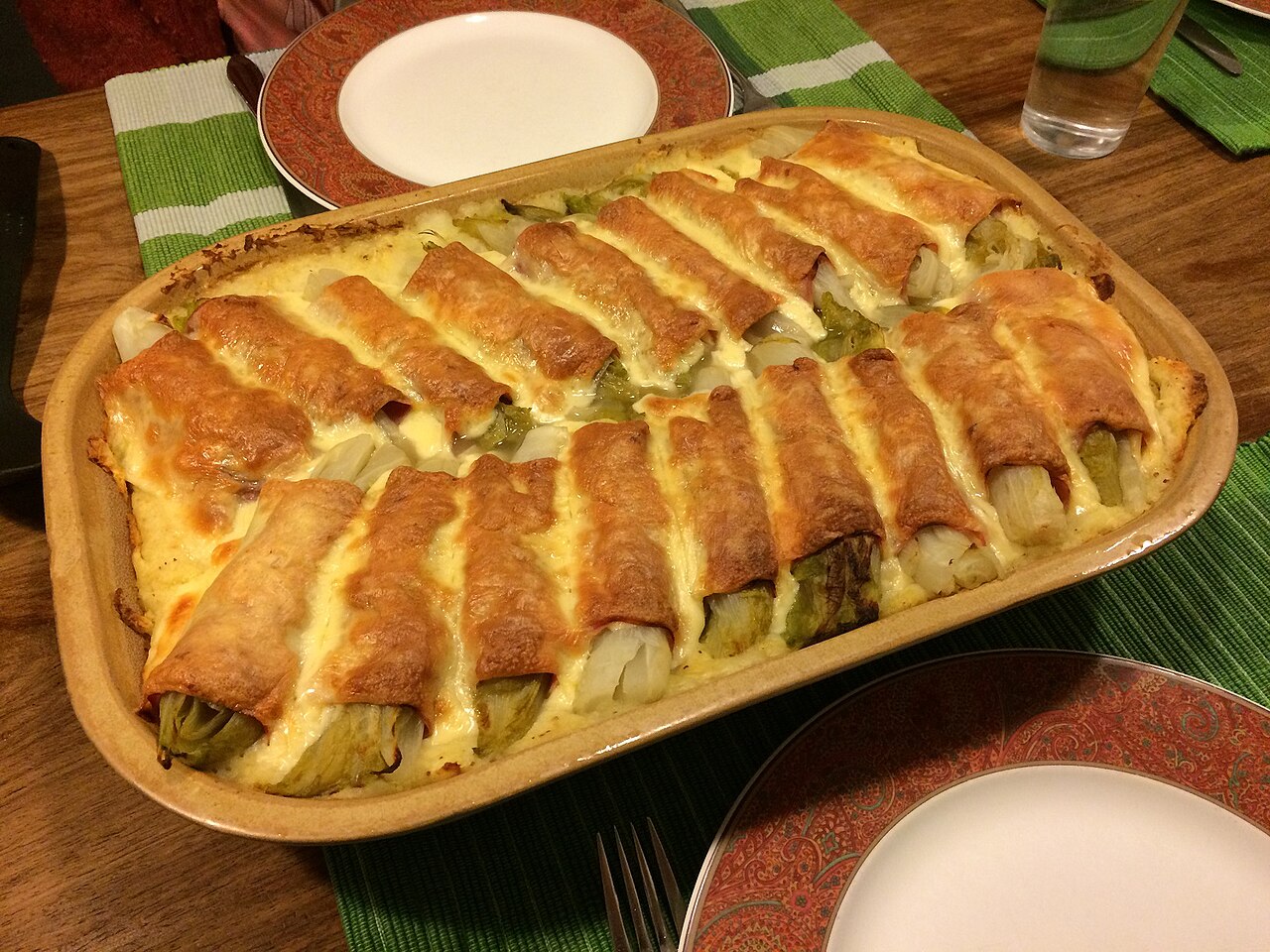
Heads of Belgian endive, each wrapped in a slice of ham, baked under a cheese sauce until golden. The slightly bitter endive and the rich sauce make a classic winter dish.
Belgian endive is grown in the dark from a stored chicory root, which keeps its leaves pale and closed. The method was developed in Belgium in the 1850s, and one story credits a gardener at the Brussels Botanical Garden.
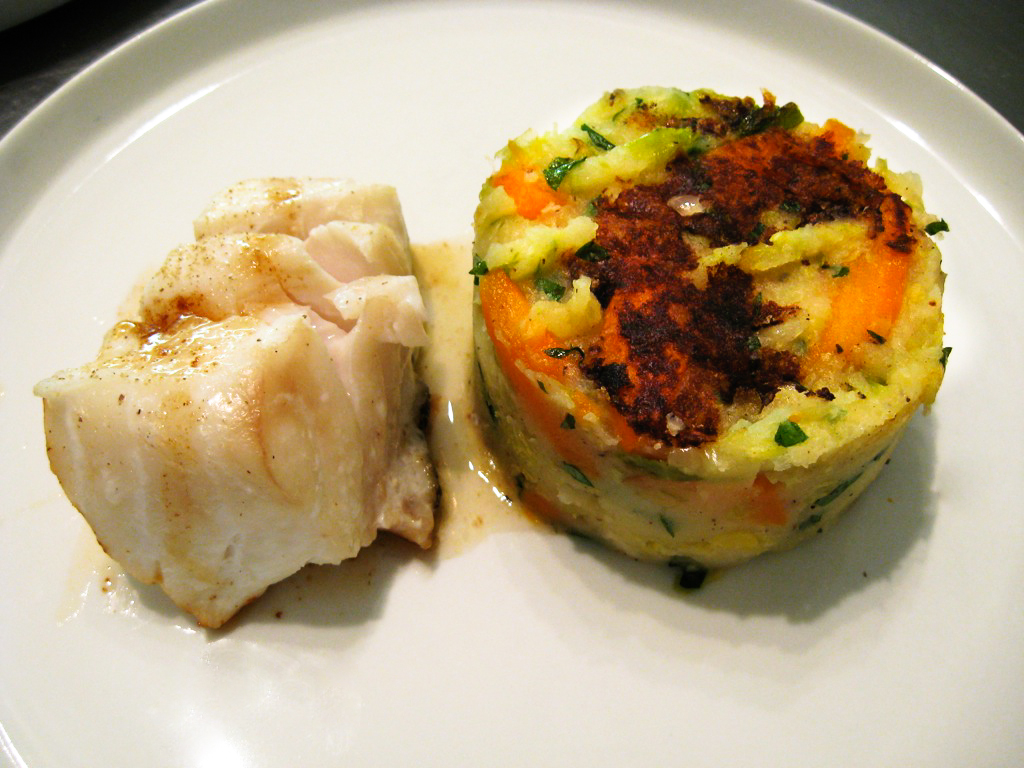
Potatoes mashed together with one or more vegetables such as carrots, leeks, spinach or cabbage, often with a little cream or bacon. It is served with sausages, bacon or a fried egg.
The name comes from the Brabant dialect and is pronounced roughly 'stoomp'. Stoemp with carrots is called wortelstoemp.
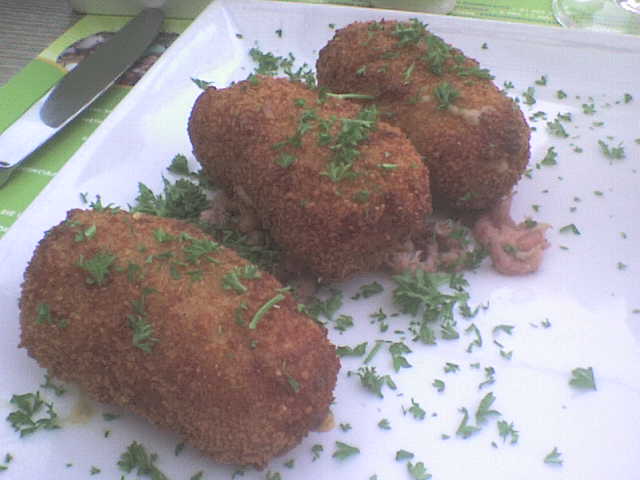
Crisp breaded croquettes with a thick, creamy béchamel filling full of small North Sea grey shrimp, served with a slice of lemon and fried parsley.
In Oostduinkerke on the Belgian coast, a few fishermen still catch shrimp on horseback, riding through the shallow sea with nets. It is the only place in the world where this is still done.
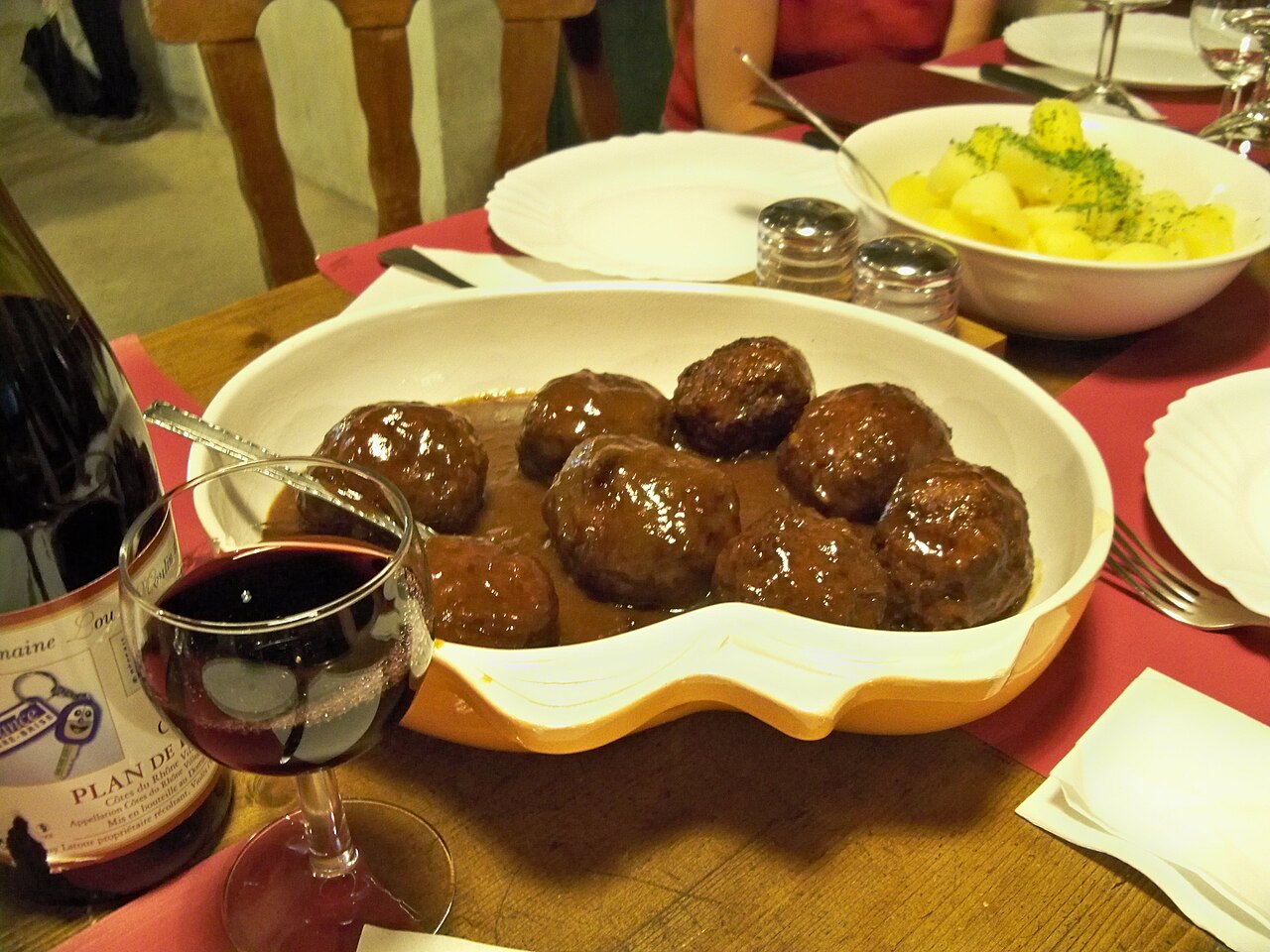
One or two large meatballs in a sweet and sour brown sauce called sauce lapin, made with sirop de Liège, a thick fruit syrup, onions, vinegar and raisins. They are served with fries.
Sirop de Liège, made by boiling down fruit juices until thick, is also eaten as a spread, like jam.
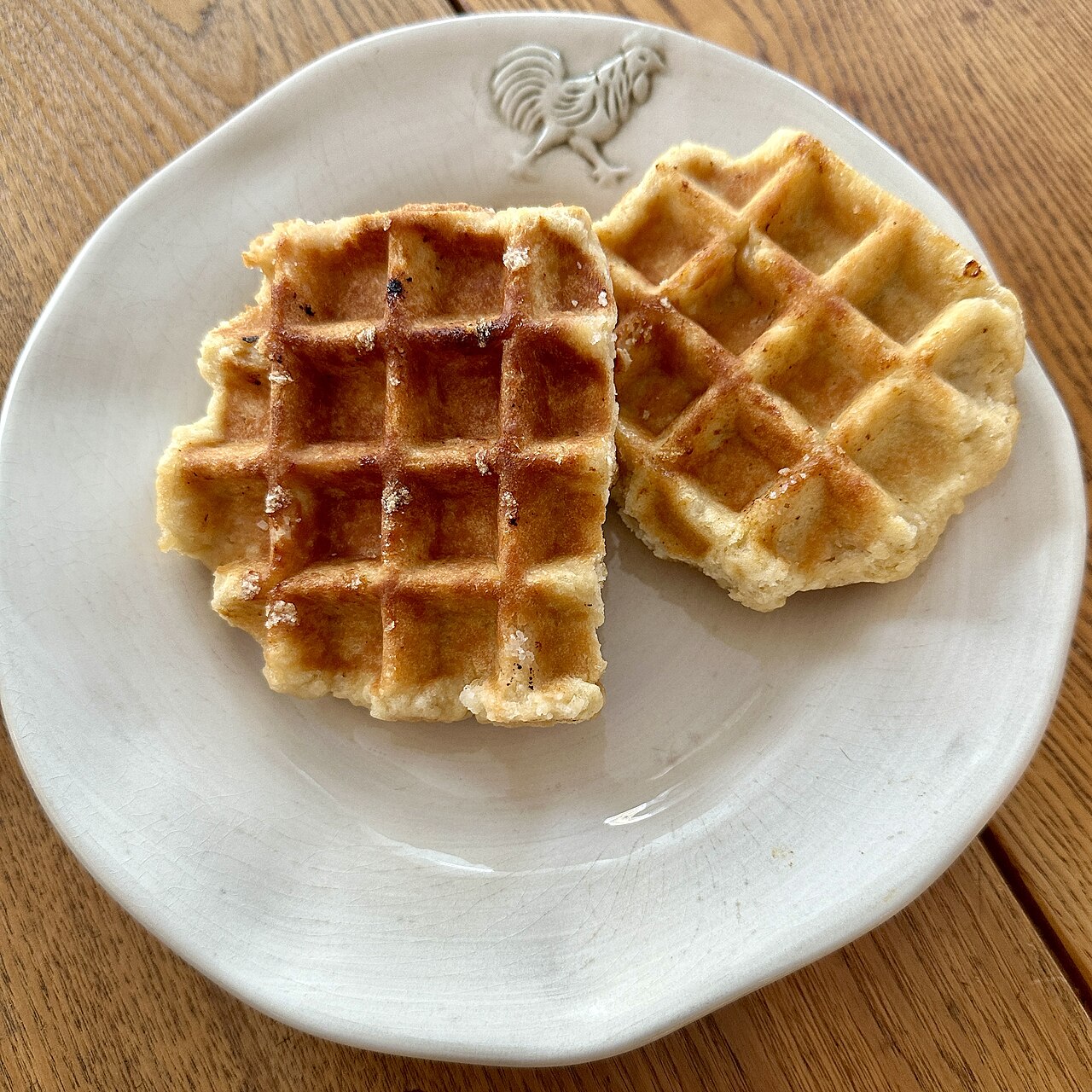
A small, rounded, chewy waffle made from a rich yeast dough like brioche, with nuggets of pearl sugar that caramelise in the iron. It is eaten plain, often warm from a street stall.
Visit Belgium says it was invented in the 18th century by the cook of the Prince-Bishop of Liège.
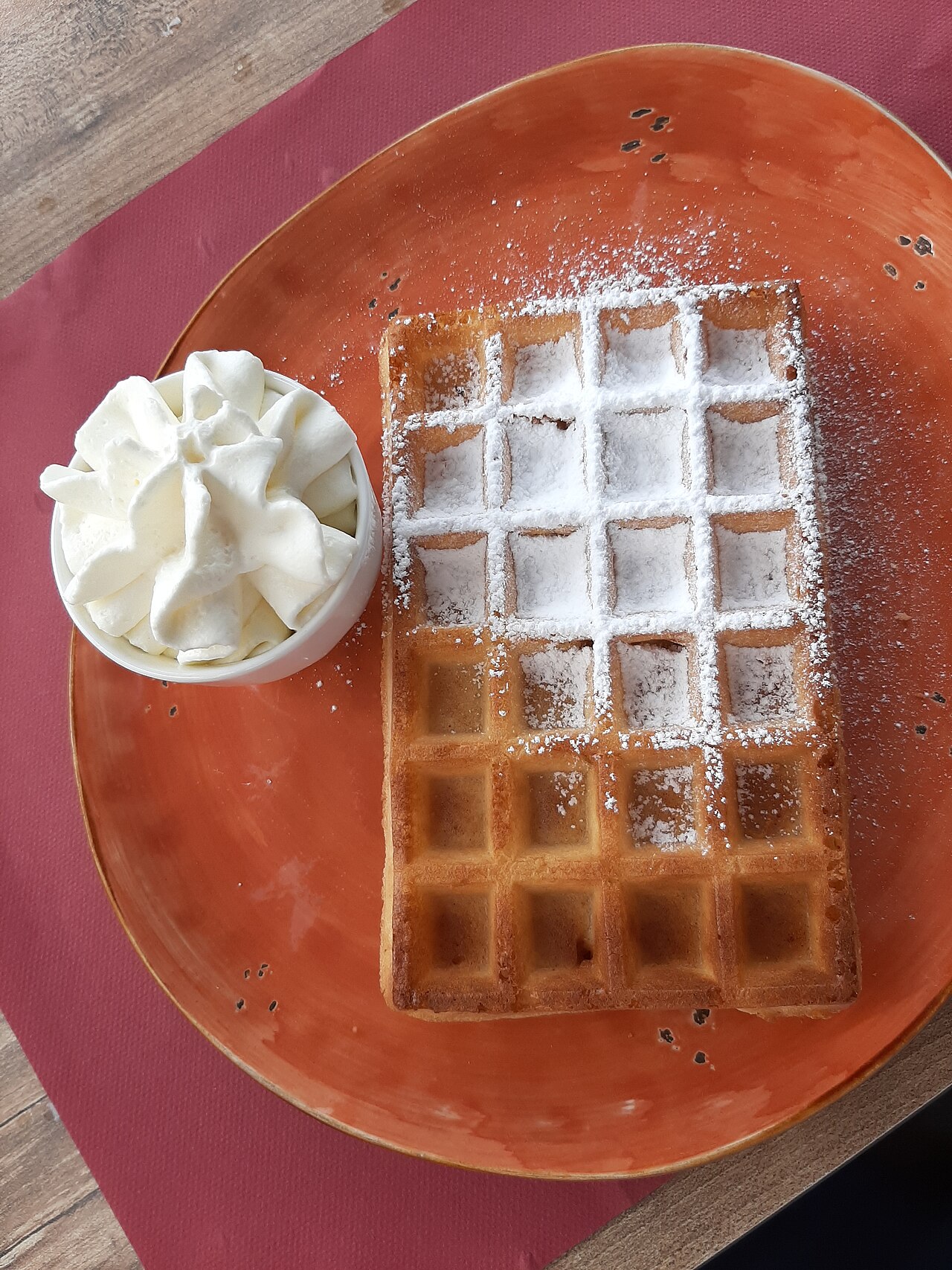
A large, light and crisp rectangular waffle with deep pockets, made from a yeast batter. In Belgium it is dusted with icing sugar; in tourist areas it may come with cream, fruit or chocolate.
Belgian-style waffles were shown at Expo 58 in Brussels and became a hit in America after the 1964 New York World's Fair.
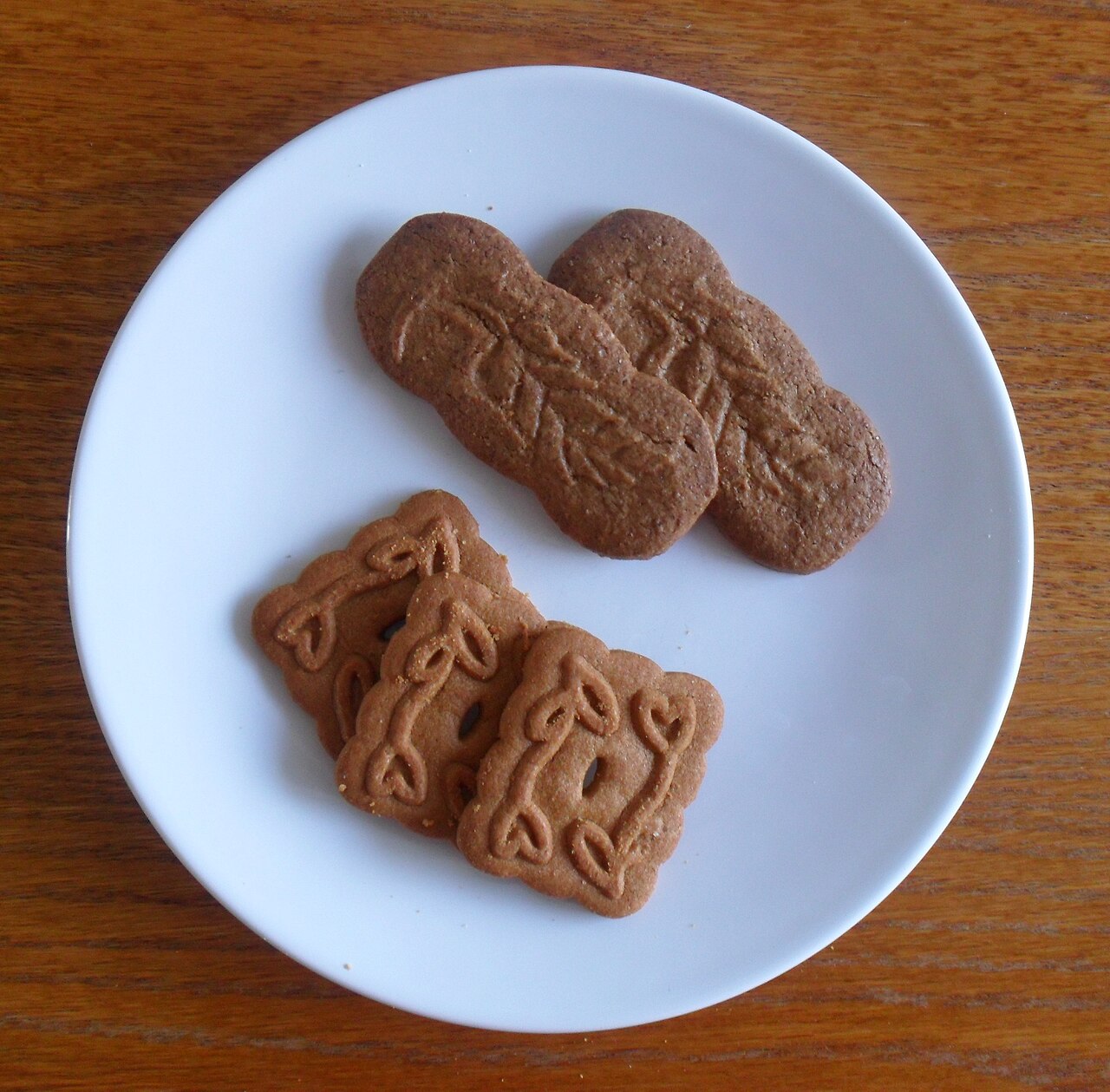
Thin, crunchy spiced biscuits flavoured with caramelised sugar and cinnamon, often pressed in wooden moulds with pictures such as Saint Nicholas. Belgians traditionally bake them for Saint Nicholas Day on 6 December.
Around 2007, Belgian companies started selling a spread made from crushed speculoos biscuits, which is now sold around the world.
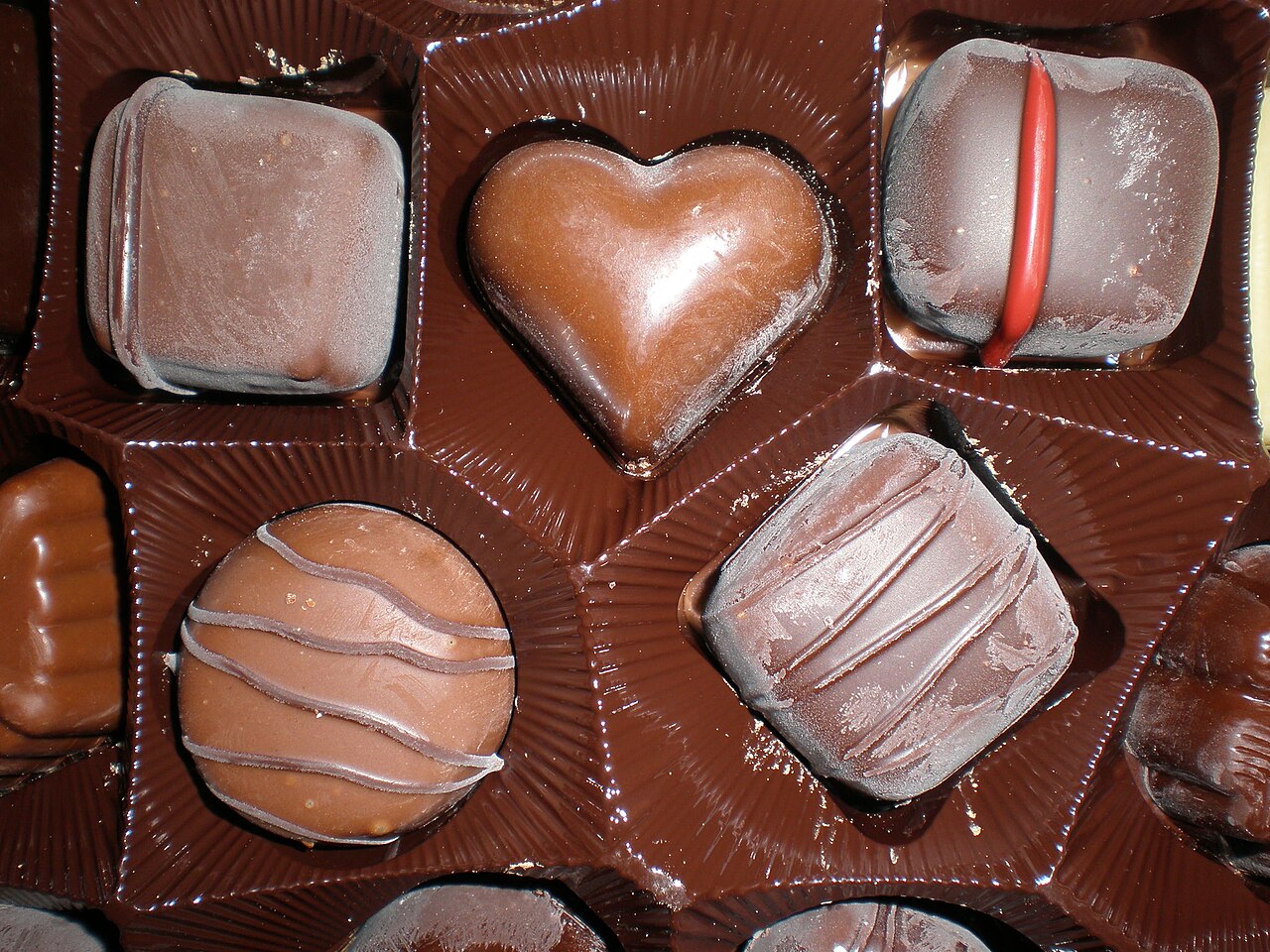
Bite-sized chocolates with a soft filling, sold in boxes by famous houses such as Neuhaus, Leonidas, Godiva and Côte d'Or and by many small chocolatiers.
Jean Neuhaus II, grandson of the shop's founder, made the first filled chocolate pralines in the family shop in the Galeries Royales Saint-Hubert in Brussels in 1912. In 1915 he and his wife Louise Agostini created the ballotin, the folded box that stops the chocolates being crushed.
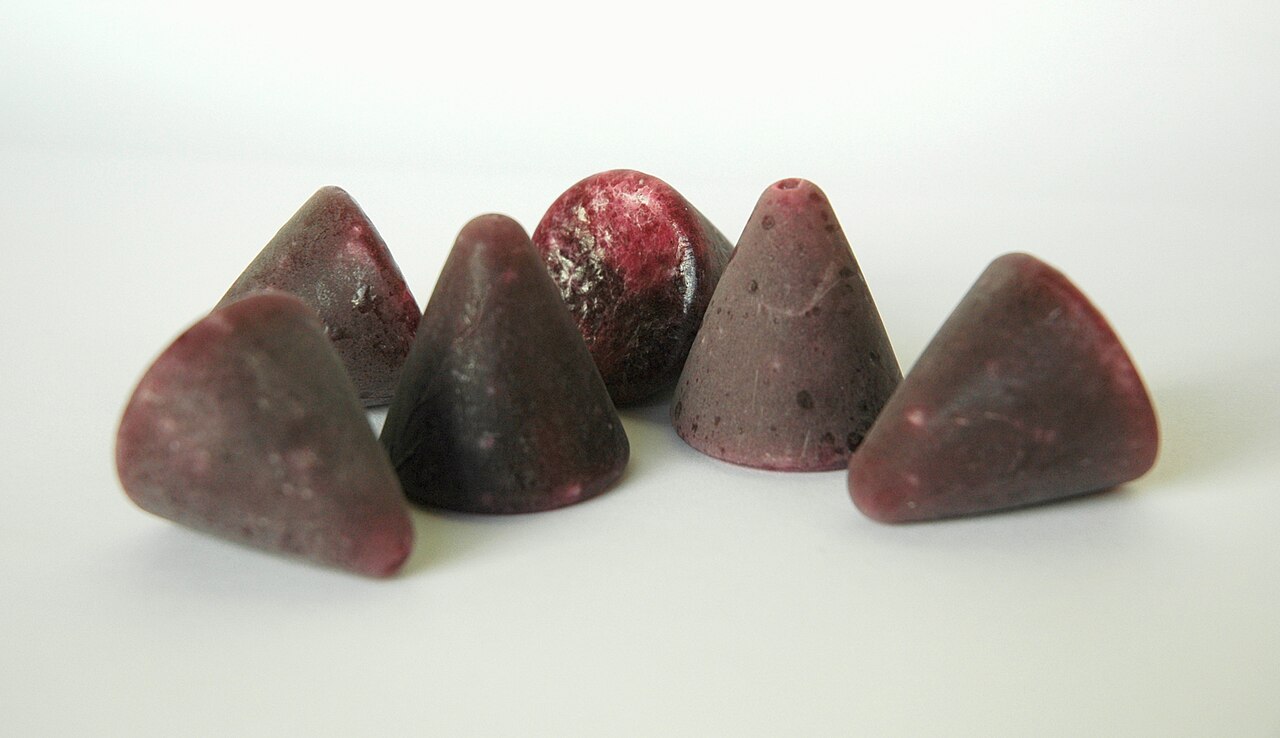
A purple, cone-shaped sweet with a thin crust made with gum arabic and a soft raspberry-flavoured centre.
In Dutch it is nicknamed 'neuzeke', little nose, because of its shape. It keeps for only about three weeks before the inside starts to crystallise.
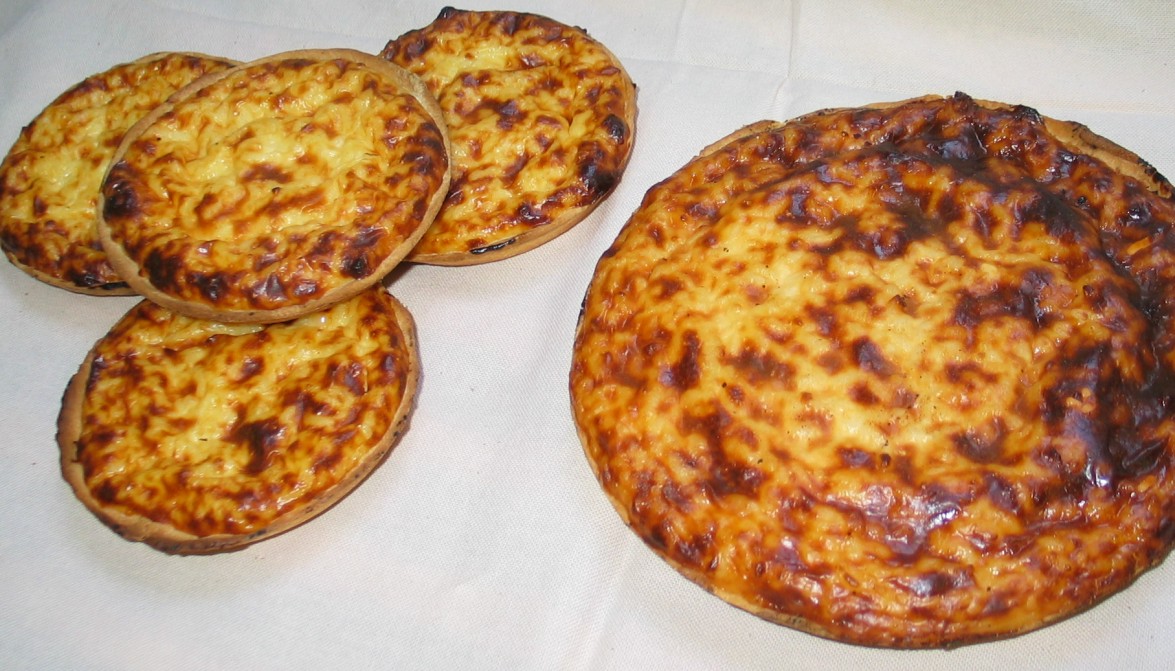
An open tart filled with thick, creamy rice pudding, loved across eastern Belgium and the neighbouring parts of the Netherlands and Germany. Flemish versions add custard to the filling, Walloon versions only eggs.
Recipes for rice tart go back to at least 1604.
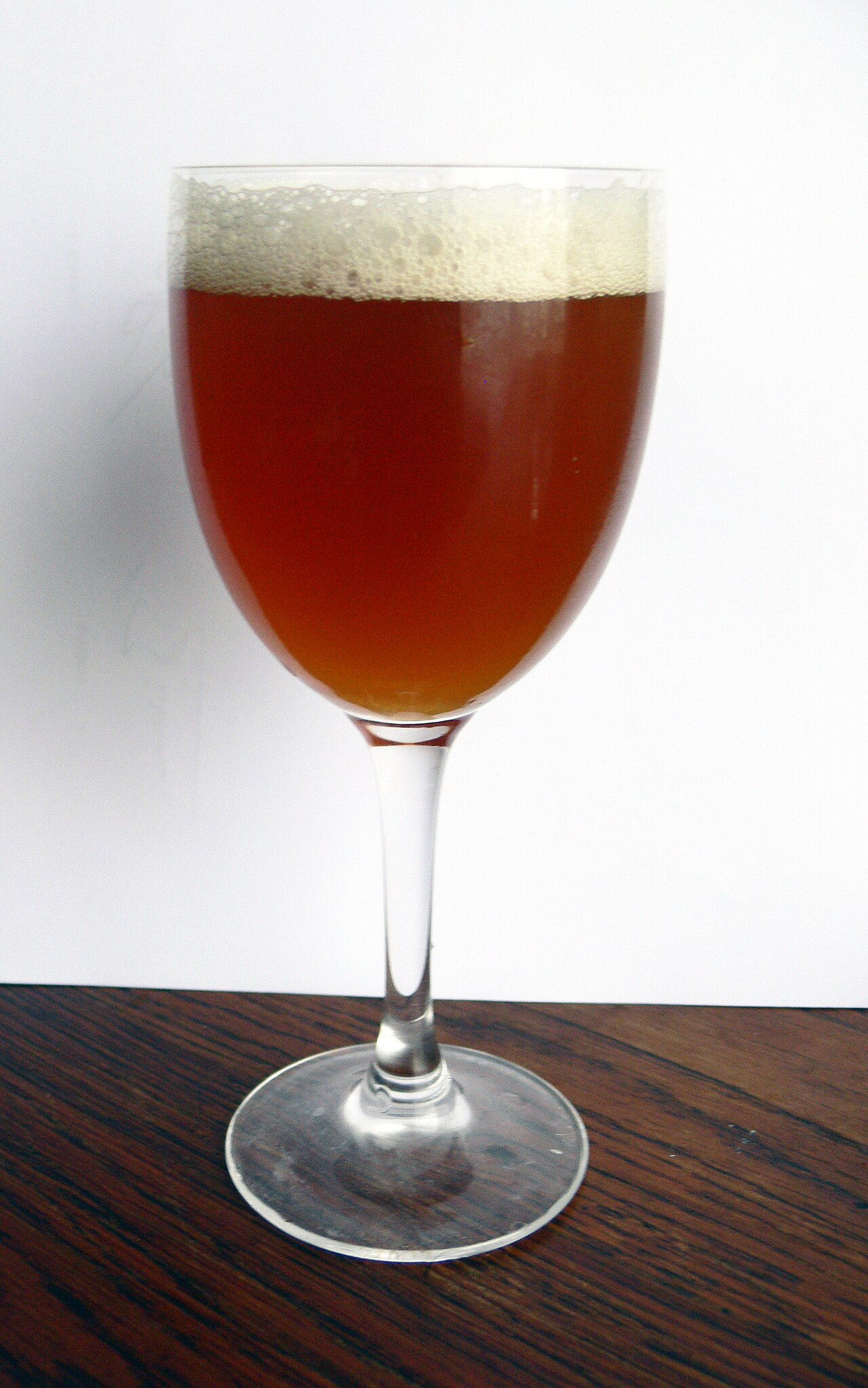
Strong, rich ales brewed within the walls of Trappist monasteries under the monks' supervision, with the profits going to the community and to charity. As of 2026 five Belgian breweries carry the official label: Westmalle, Westvleteren, Chimay, Orval and Rochefort.
Belgium makes more than a thousand different beers, and almost every style is served in its own shaped glass, which Belgians say brings out the flavour.
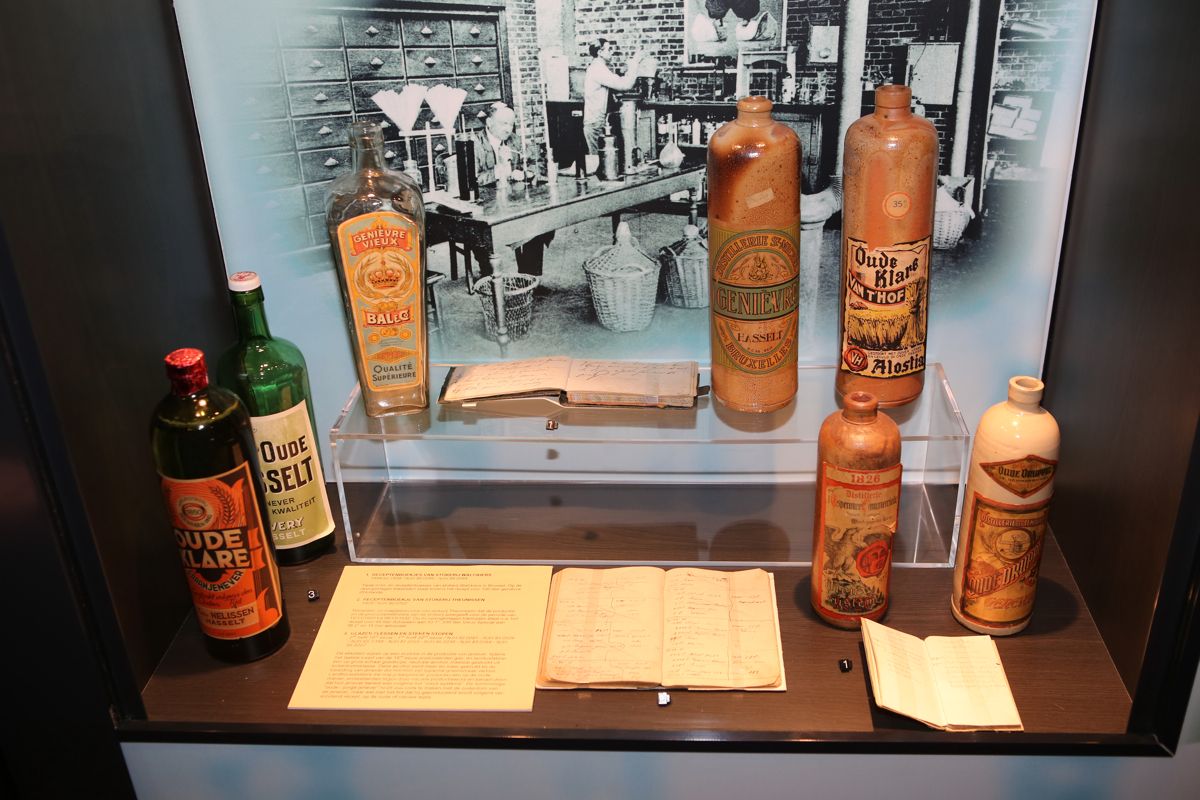
A juniper-flavoured spirit, the forerunner of gin, traditionally sold in stoneware jugs and served ice cold in a small glass filled to the brim.
Tradition says the first sip is taken without lifting the full glass: you bend down to the table and sip. Anyone who does not drink alcohol can politely say no.
Belgium is small, so its cities are close together and linked by train: the Flemish art cities of Bruges, Ghent and Antwerp in the north, bilingual Brussels in the middle, and the river towns of Wallonia, from Liège and Namur to Dinant, in the south.
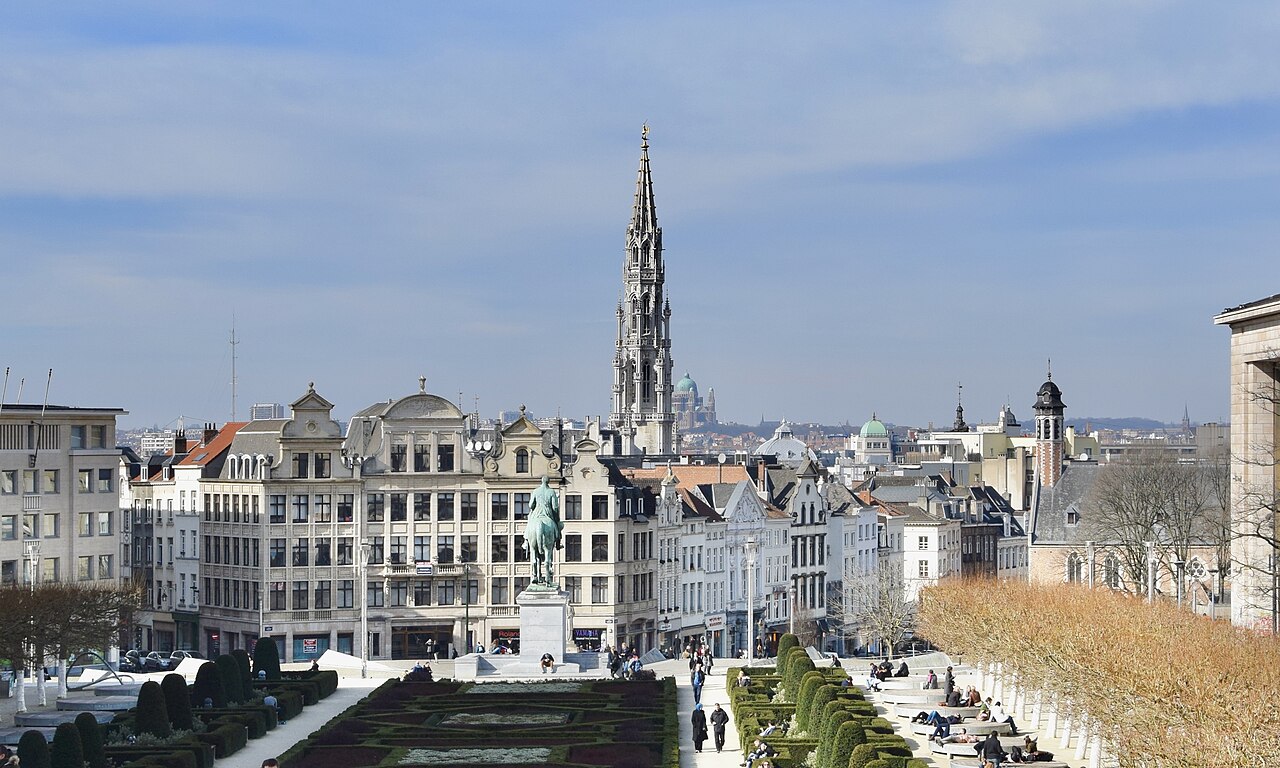
The capital, where French and Dutch are both official. About 1.25 million people live in the Brussels-Capital Region, made up of 19 municipalities. It is home to the European Commission, the Council of the EU and NATO.
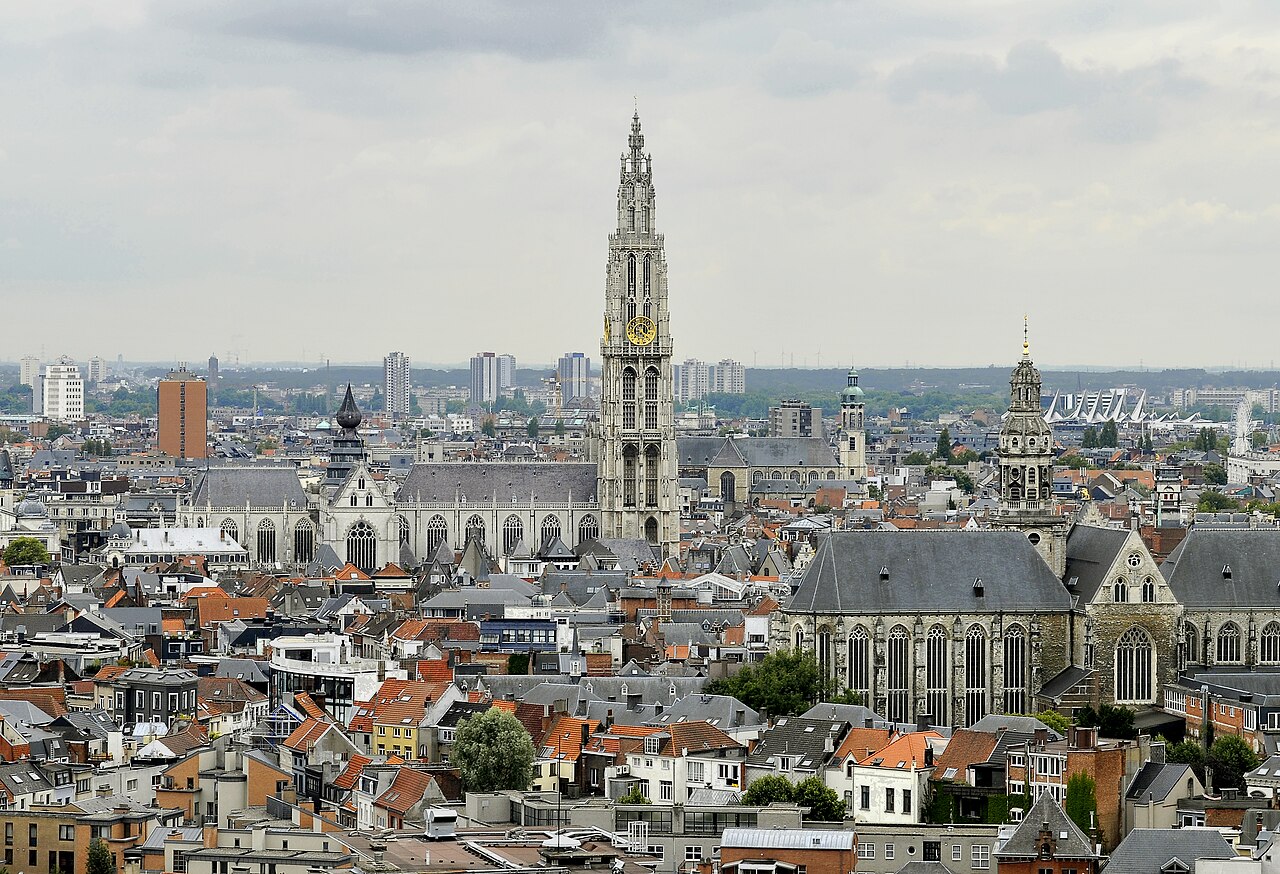
A port city on the Scheldt river with about 565,000 people, the most populous single municipality in Belgium. Its port is the second largest in Europe after Rotterdam, and the city is a world centre of the diamond trade.
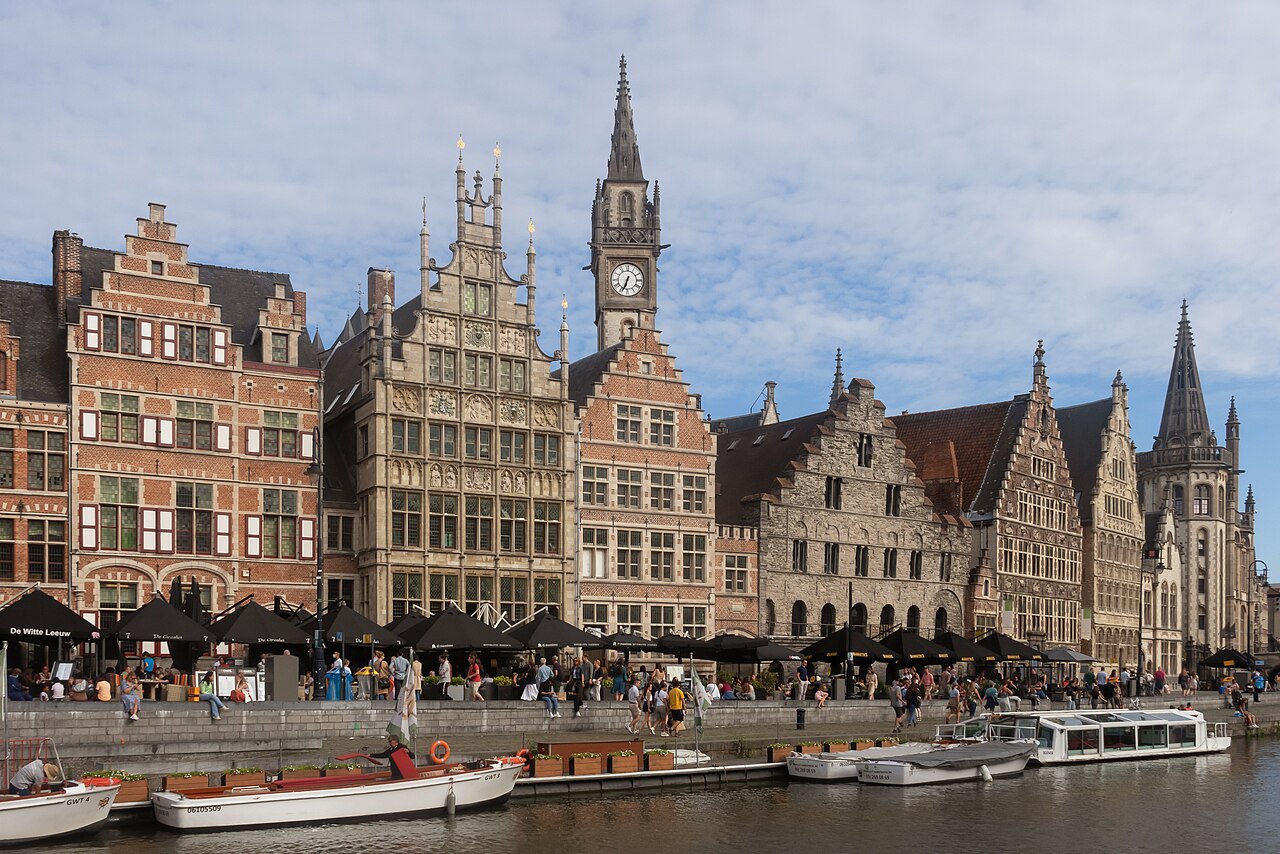
A lively university city where the Leie and Scheldt rivers meet. In the 13th century it was one of the biggest cities in Europe north of the Alps, and Emperor Charles V was born here in 1500.
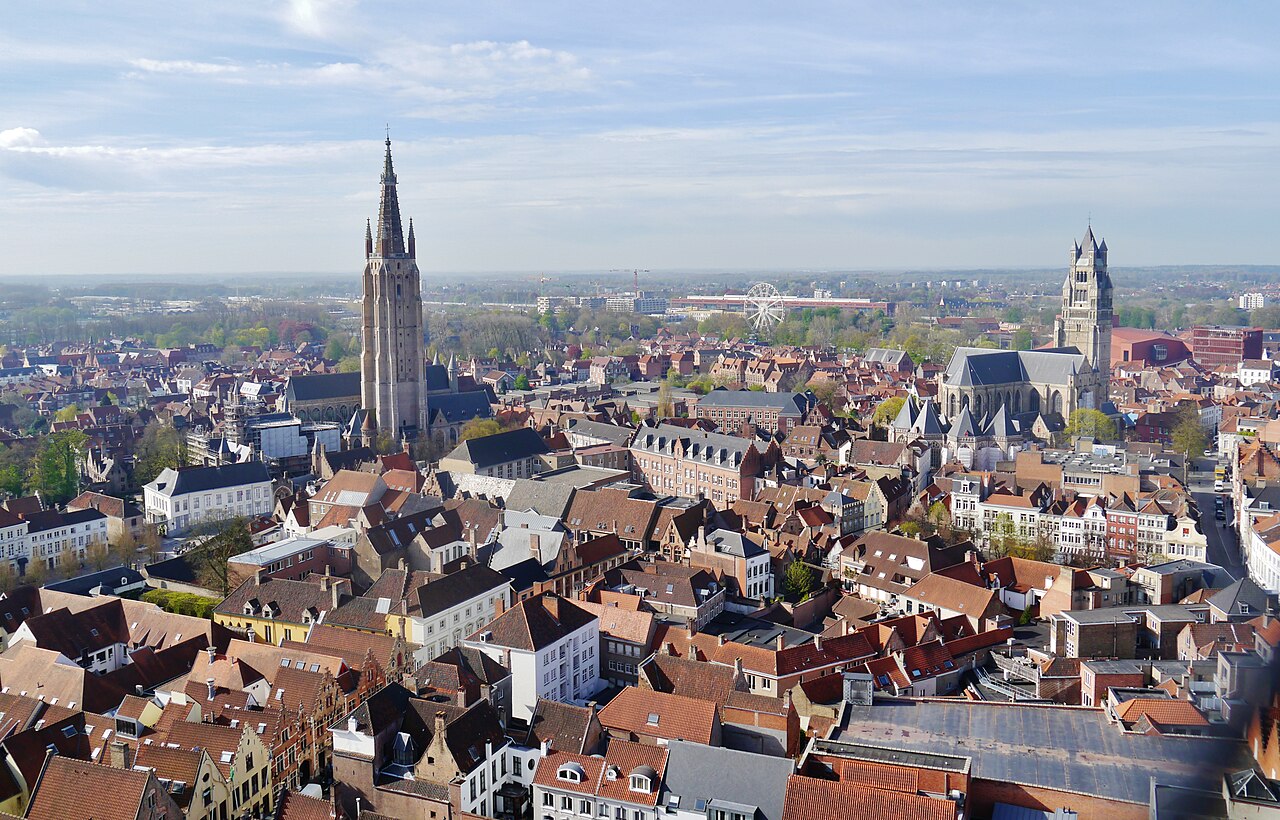
One of the best-preserved medieval towns in Europe, with canals, cobbled streets and step-gabled houses. Its historic centre has been a UNESCO World Heritage Site since 2000, and it is often called the Venice of the North.
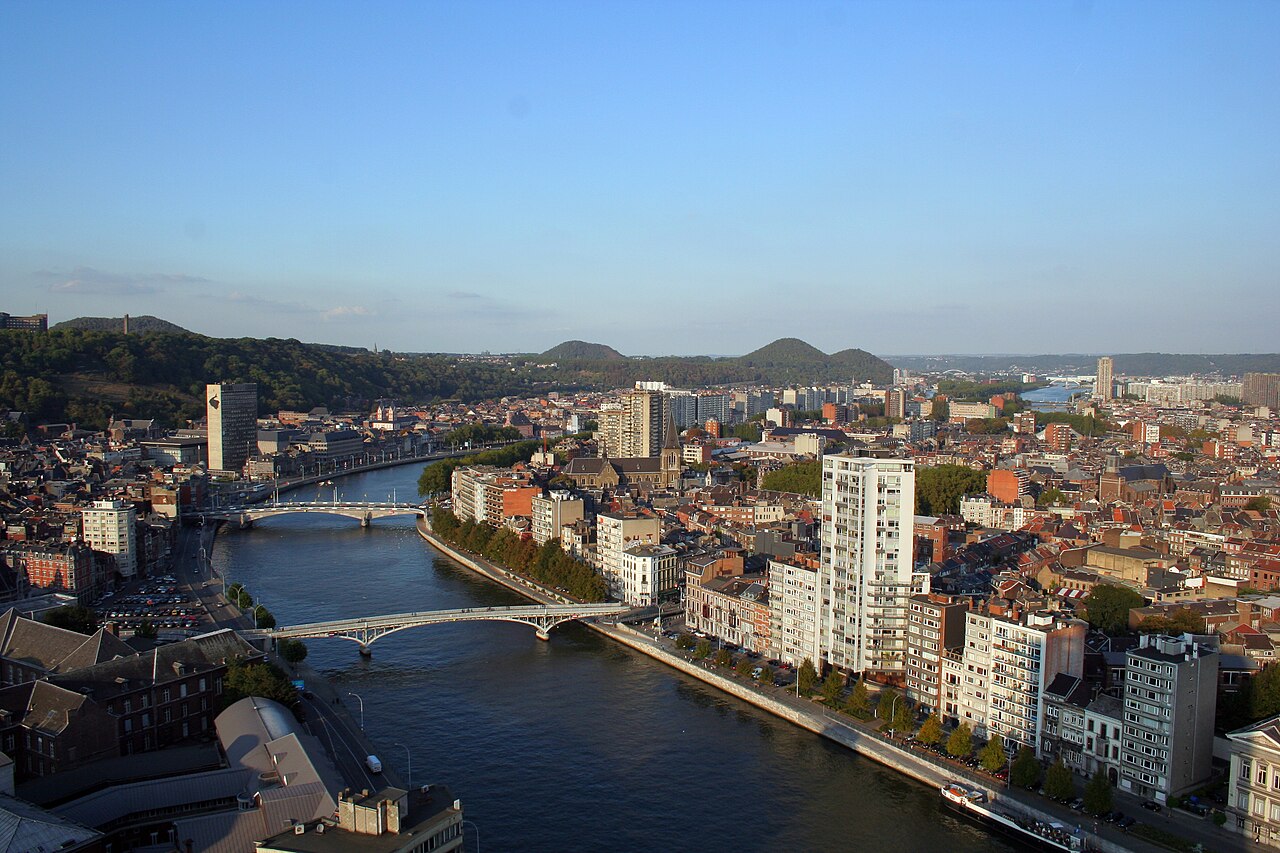
A big, lively city on the Meuse, for centuries the seat of the powerful Prince-Bishops of Liège, and later a centre of steel and coal. Its modern railway station was designed by Santiago Calatrava.
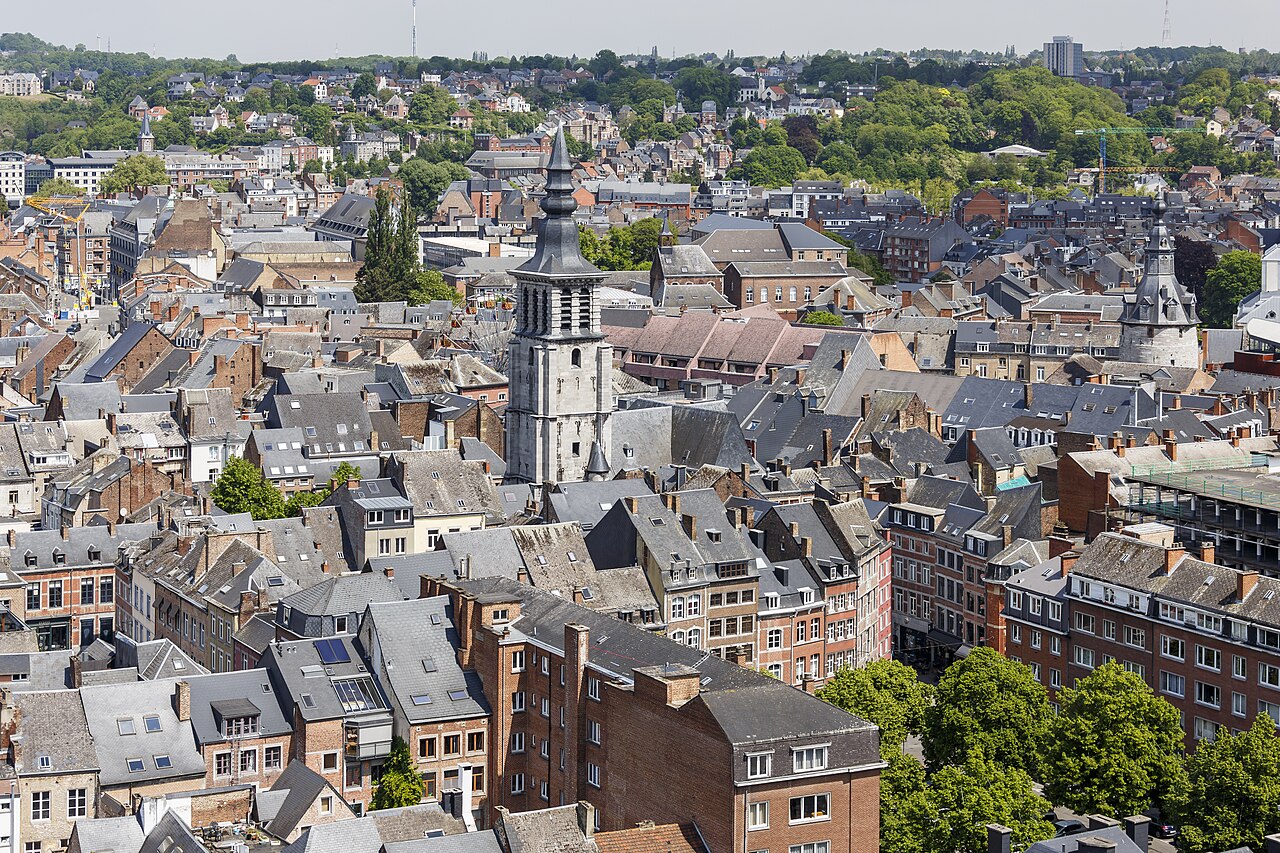
The capital of Wallonia, where the Sambre river flows into the Meuse. A huge citadel watches over the town from a rocky spur between the two rivers.
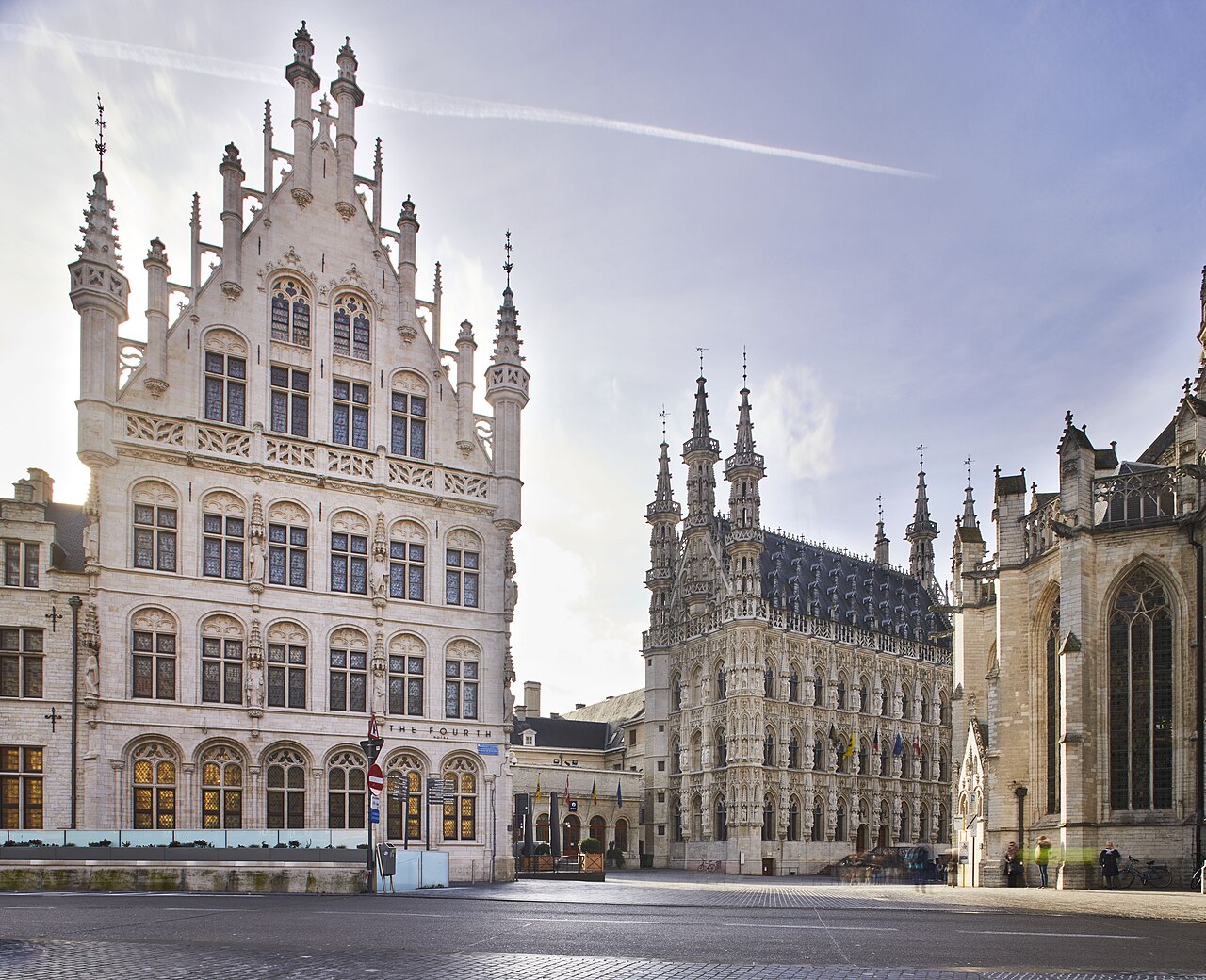
A university town about 25 km east of Brussels. Its university was founded in 1425, making Leuven the oldest university city in the Low Countries, and the world's biggest brewer has its headquarters here.
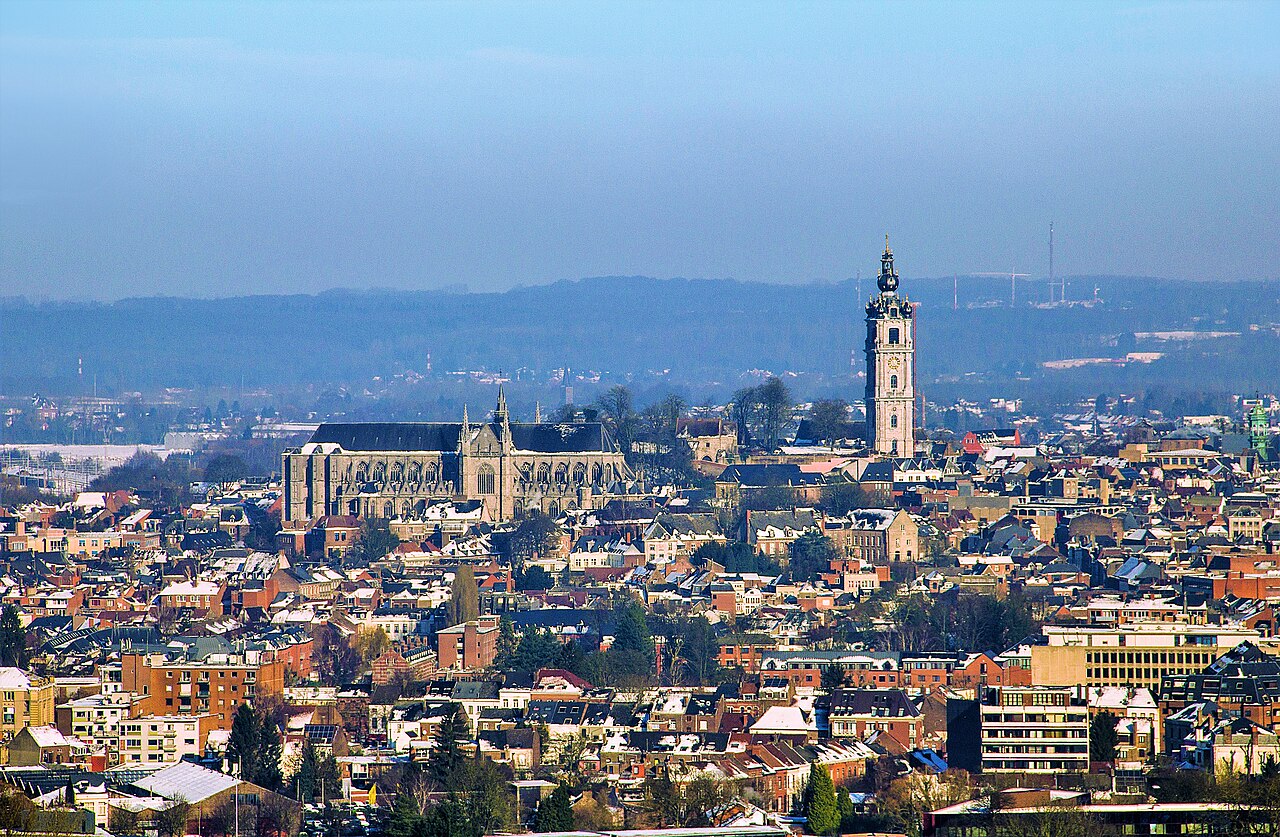
The capital of the province of Hainaut, near the French border. It was European Capital of Culture in 2015, and NATO's military headquarters for Europe, SHAPE, is just outside the town.
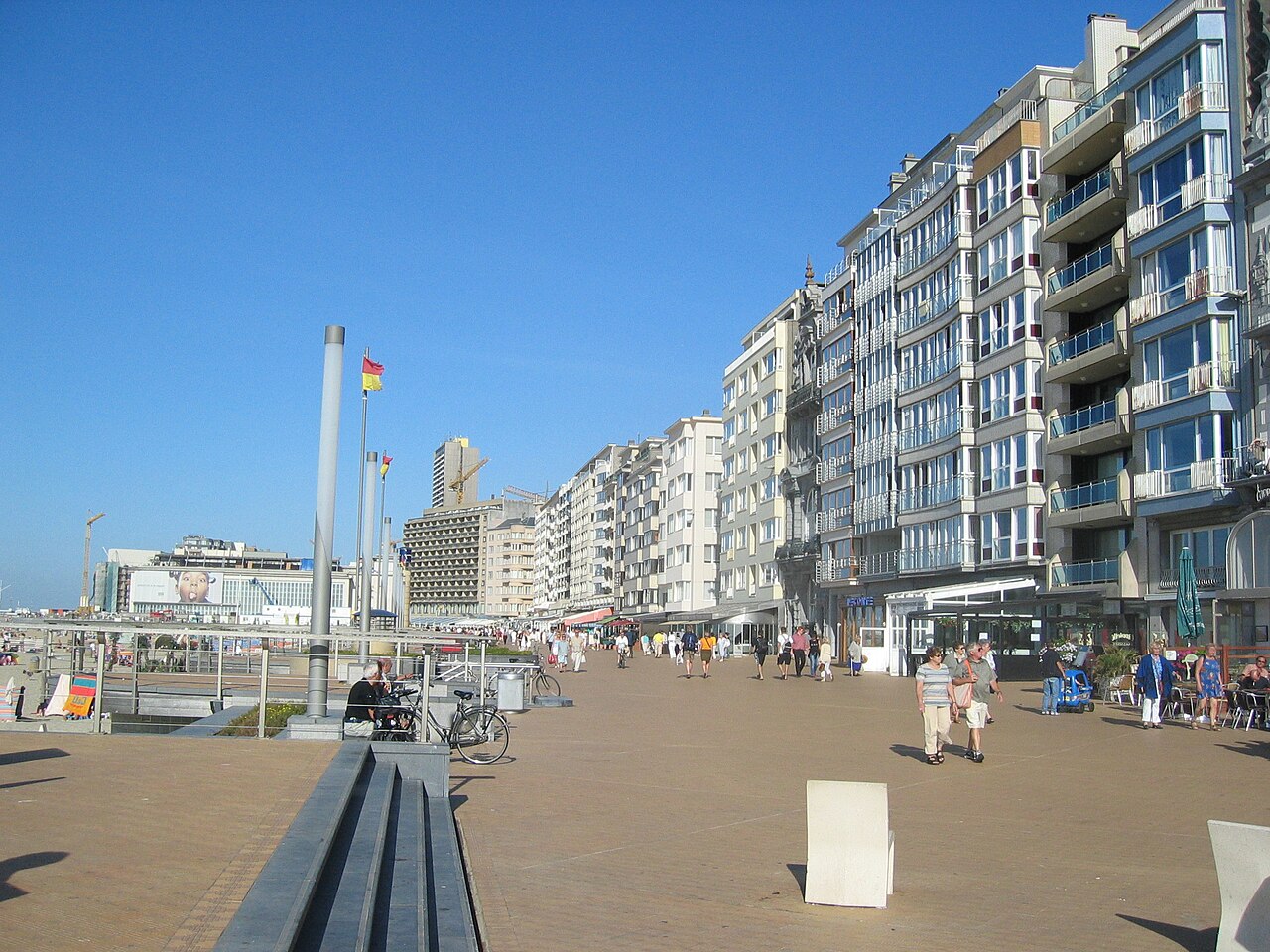
The best-known seaside resort on the Belgian coast, once called the queen of Belgian seaside towns. Ferries sailed from here to Dover from 1846, and a coastal tram runs along the whole coast.
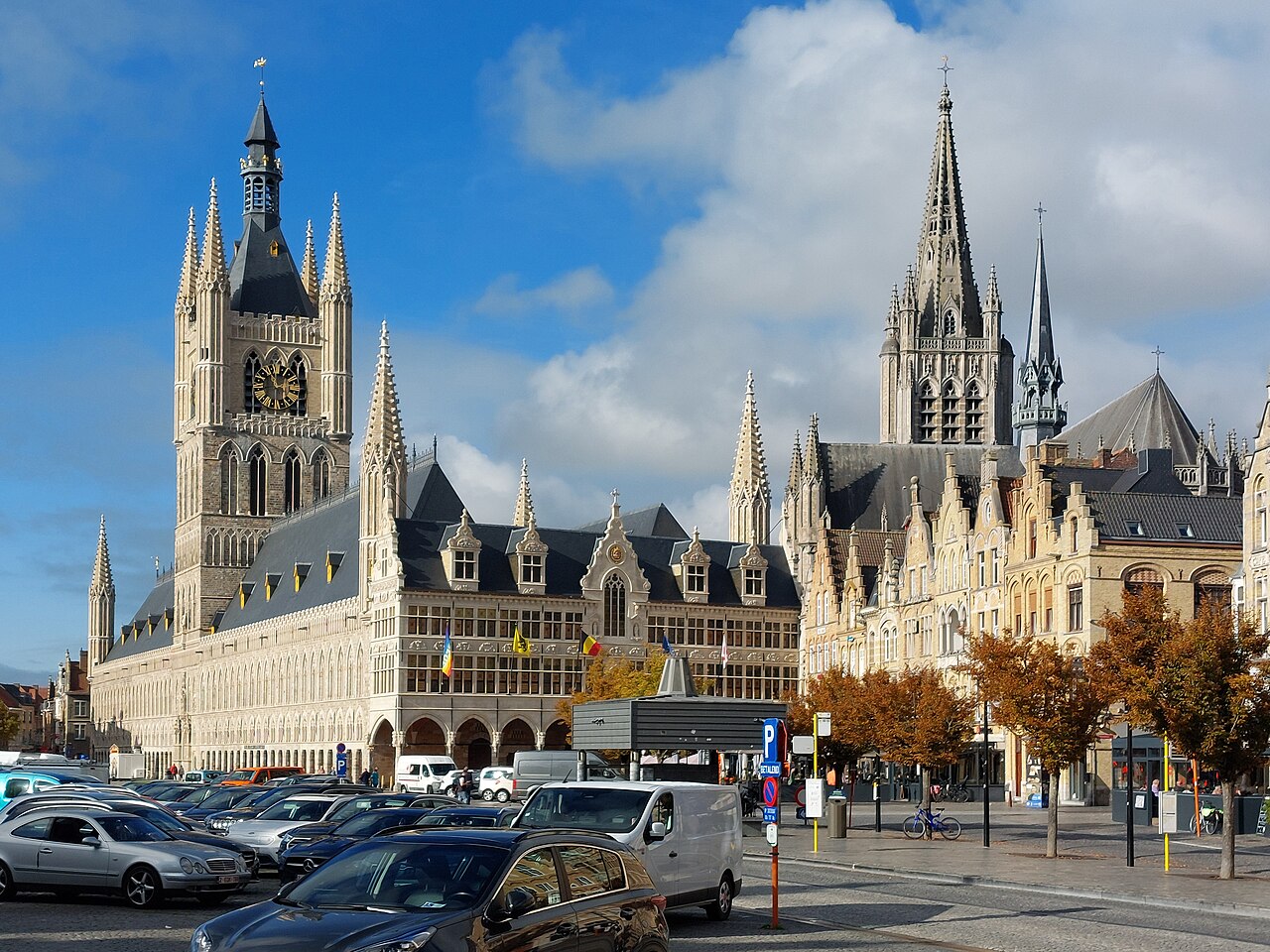
A small town, called Ieper in Dutch, that was almost completely destroyed in three great battles of the First World War and then rebuilt. In 1915 the German army first used poison gas in the Second Battle of Ypres.
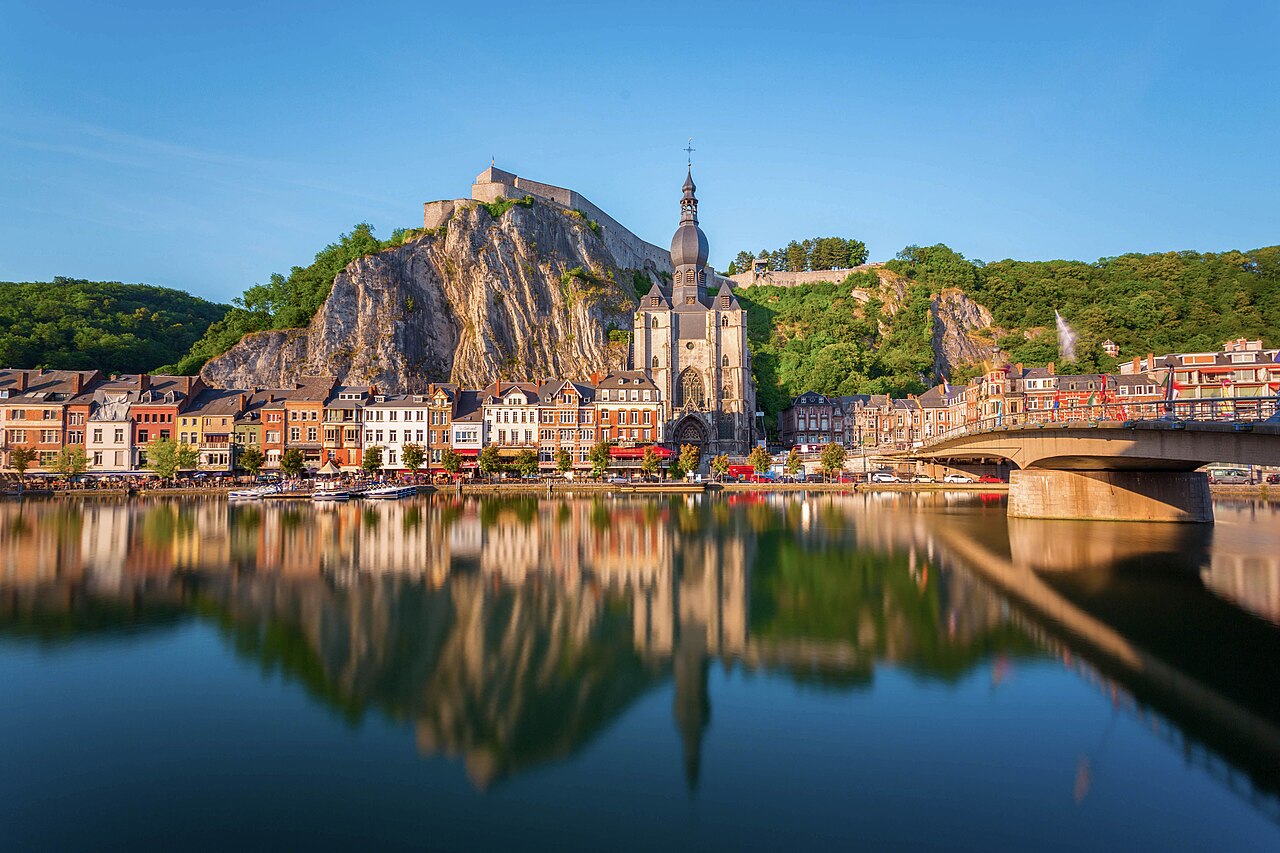
A small town squeezed between the Meuse and tall limestone cliffs, with a citadel on top reached by 408 steps. Adolphe Sax, inventor of the saxophone, was born here.
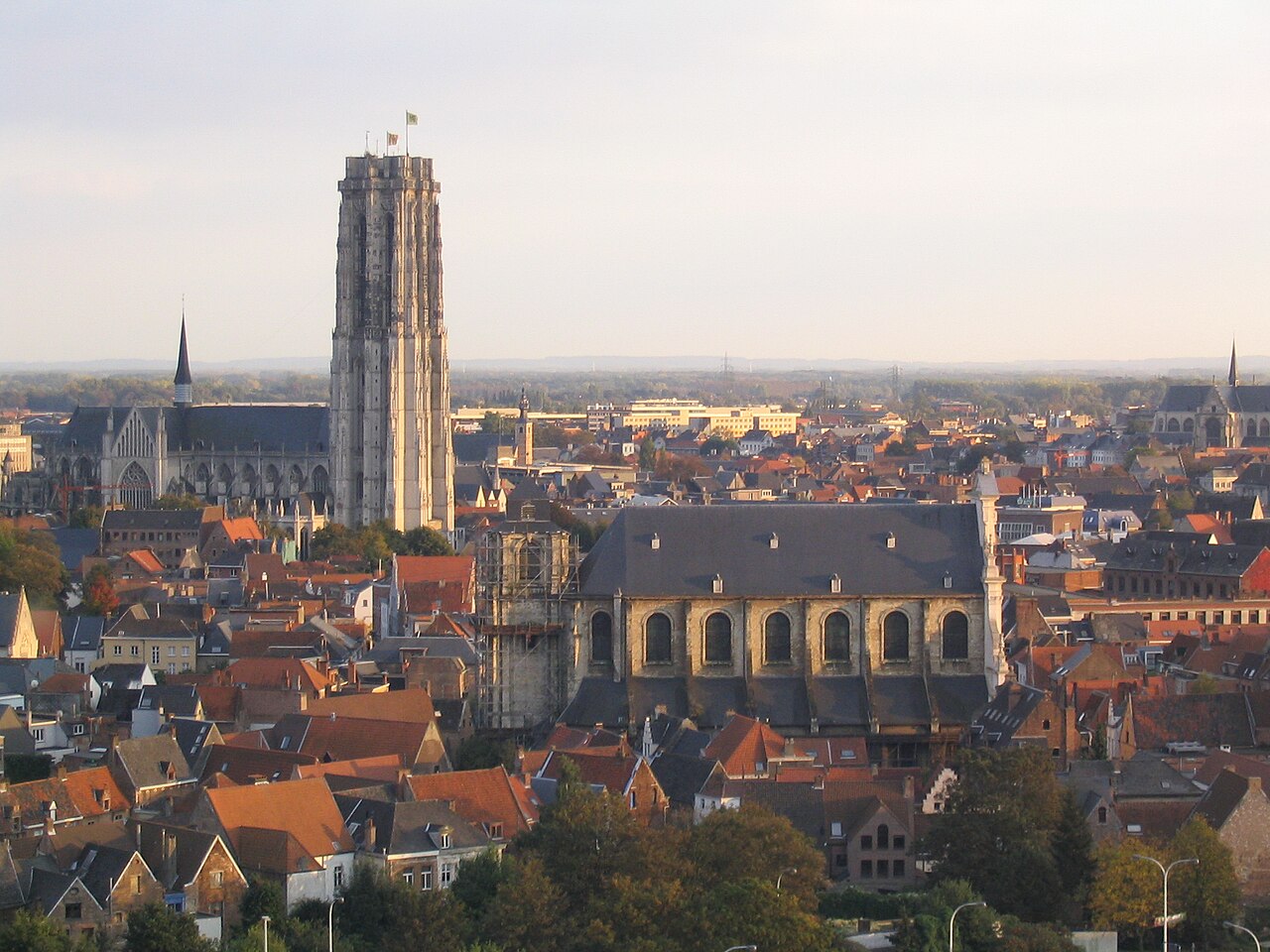
A historic city between Brussels and Antwerp. In the early 16th century it was the capital of the Low Countries under Margaret of Austria, and in 1559 it became the seat of an archbishop.
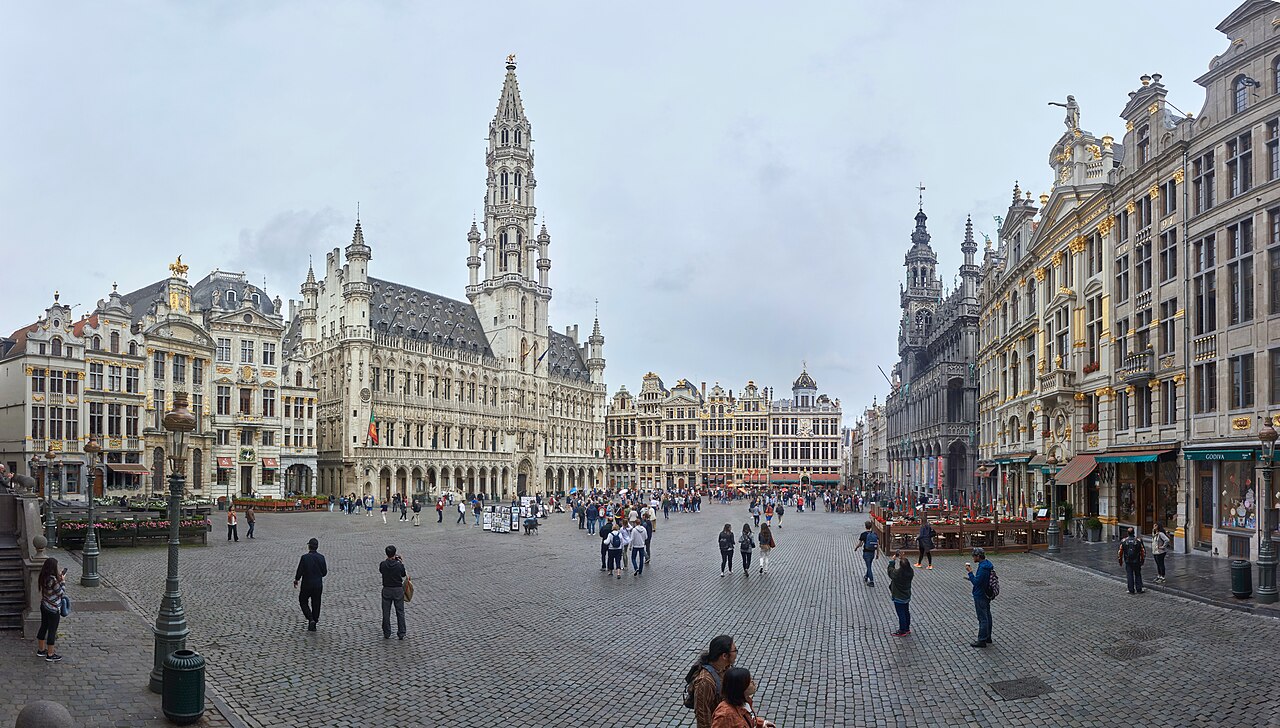
The central square of Brussels, surrounded by the Gothic Town Hall with its 96-metre tower and richly decorated guildhalls. Most of the square was destroyed by French bombardment in 1695 and rebuilt within a few years. Every two years in August it is covered by a carpet of flowers.
UNESCO World Heritage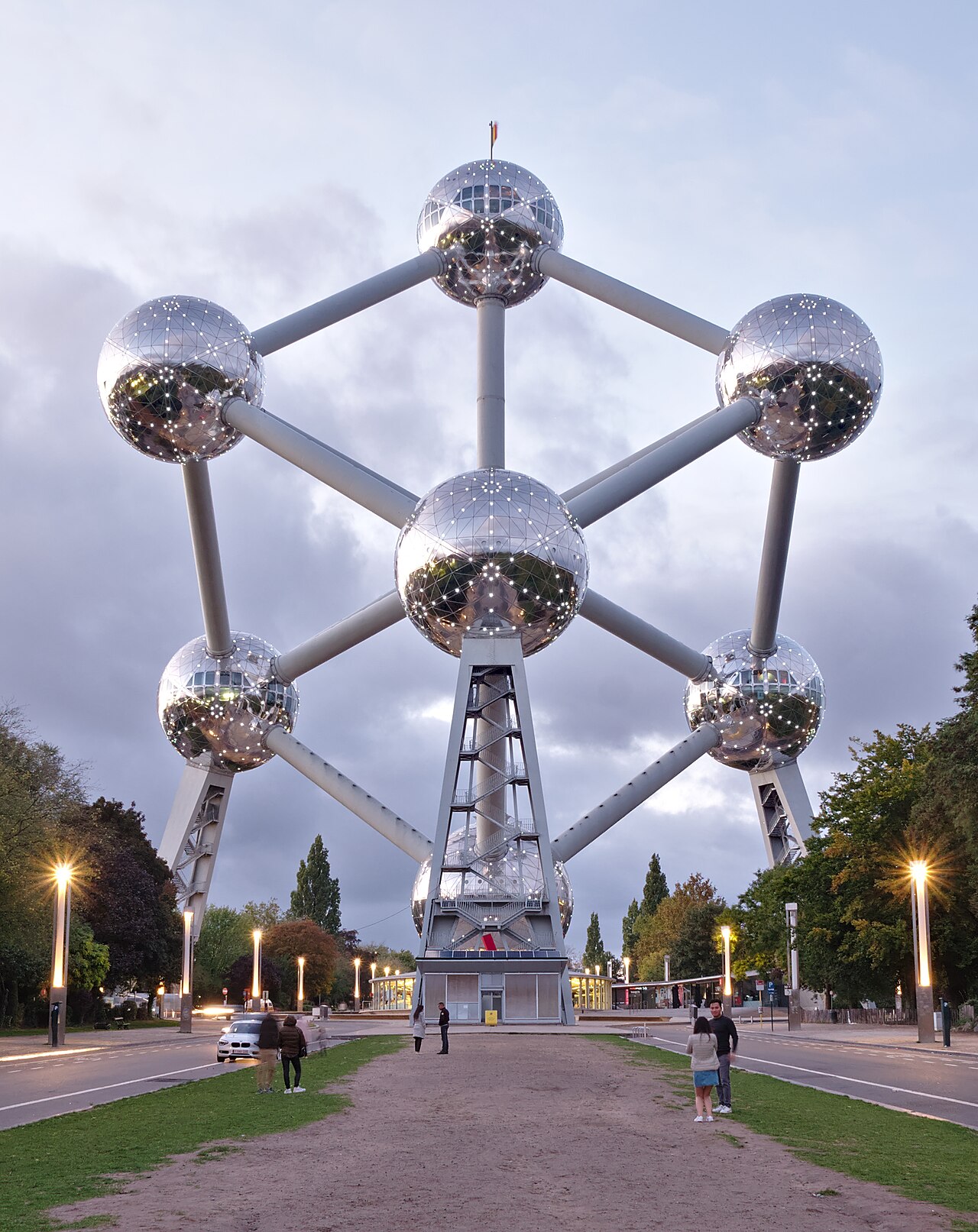
A 102-metre steel structure built for the 1958 World's Fair. Its nine spheres, each 18 metres across, form the shape of an iron crystal magnified 165 billion times. Escalators and a lift lead to exhibitions and a restaurant with a view over Brussels.
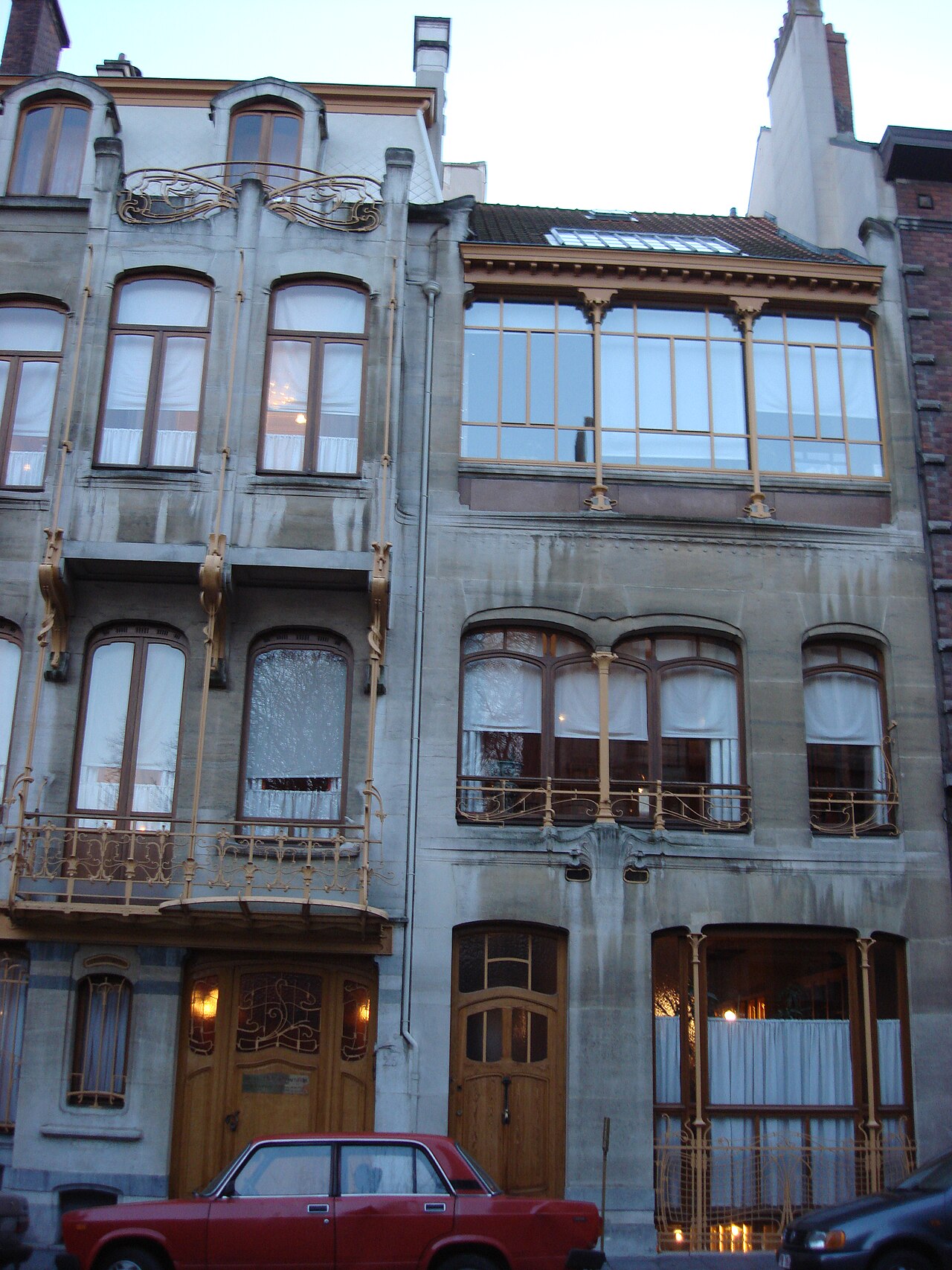
The house and studio that the architect Victor Horta built for himself in Saint-Gilles between 1898 and 1901, full of flowing Art Nouveau curves, iron and light. It is one of four Horta town houses on the UNESCO list.
UNESCO World Heritage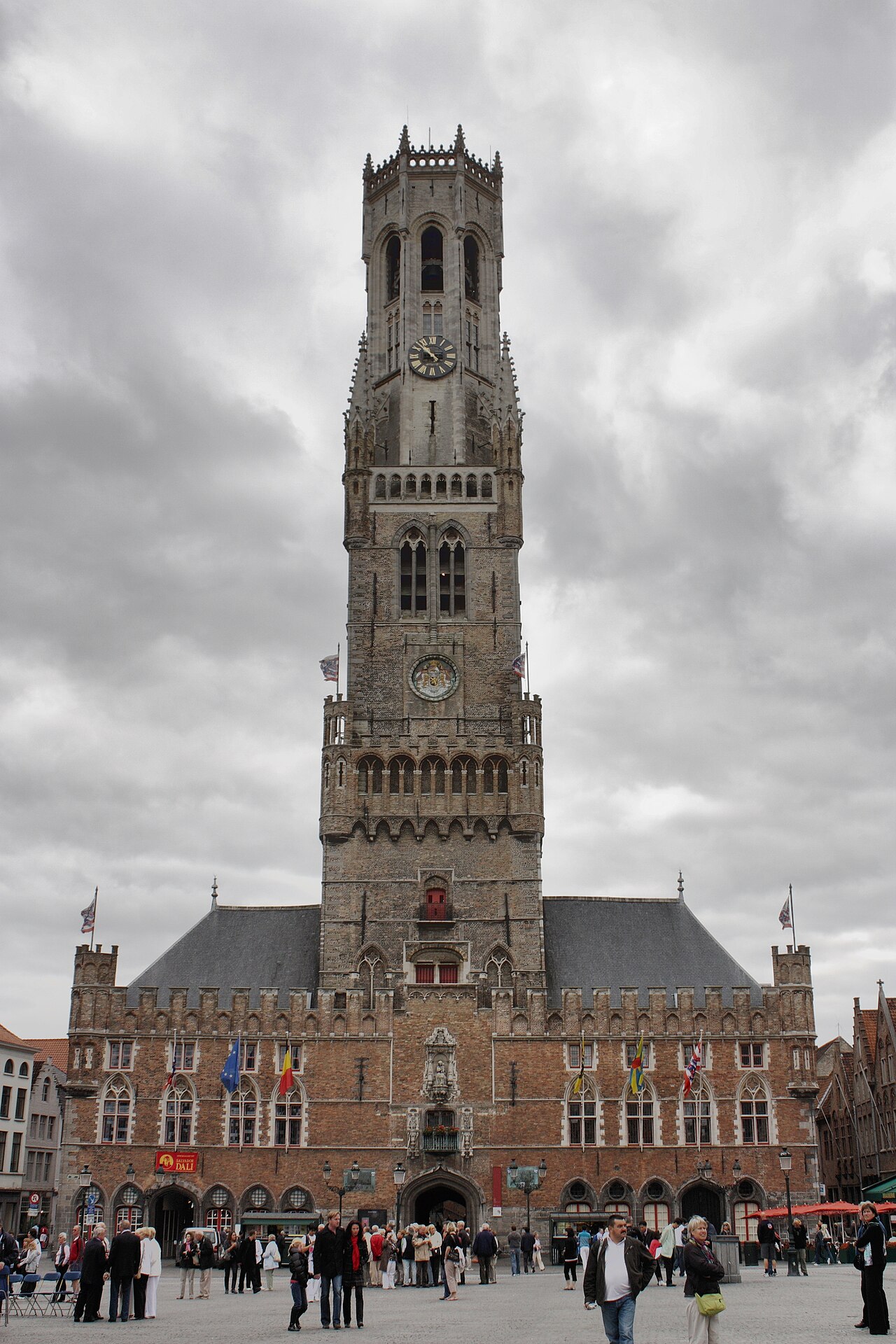
An 83-metre medieval bell tower on the Markt, first built around 1240. Visitors can climb its 366 steps, and its carillon of 47 bells gives concerts on several mornings a week. The tower leans 87 cm to the east.
UNESCO World Heritage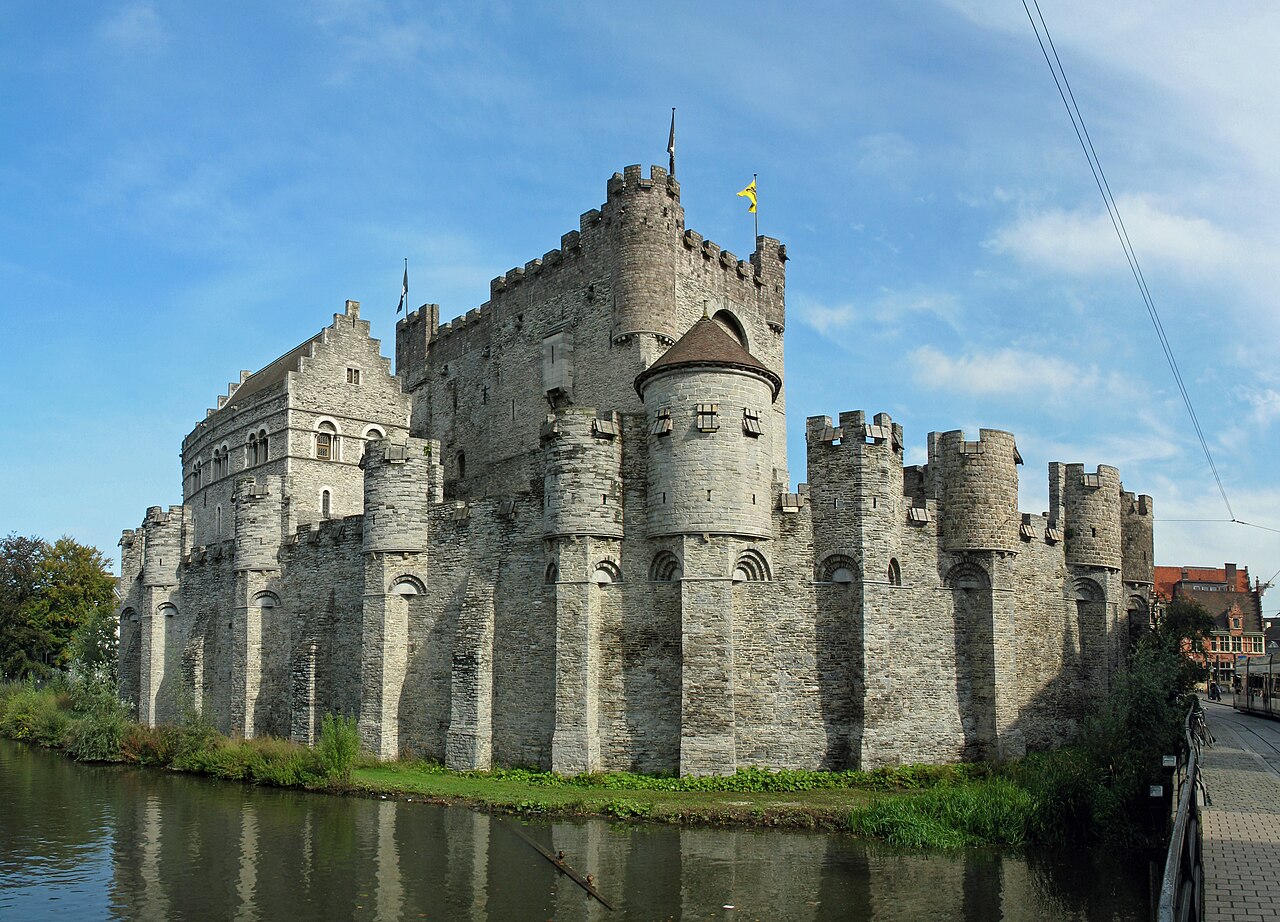
A stone castle with a moat, built in 1180 by Count Philip of Alsace. Later it served as a mint, a court, a prison and even a cotton mill, before it was restored around 1900. Today it is a museum.
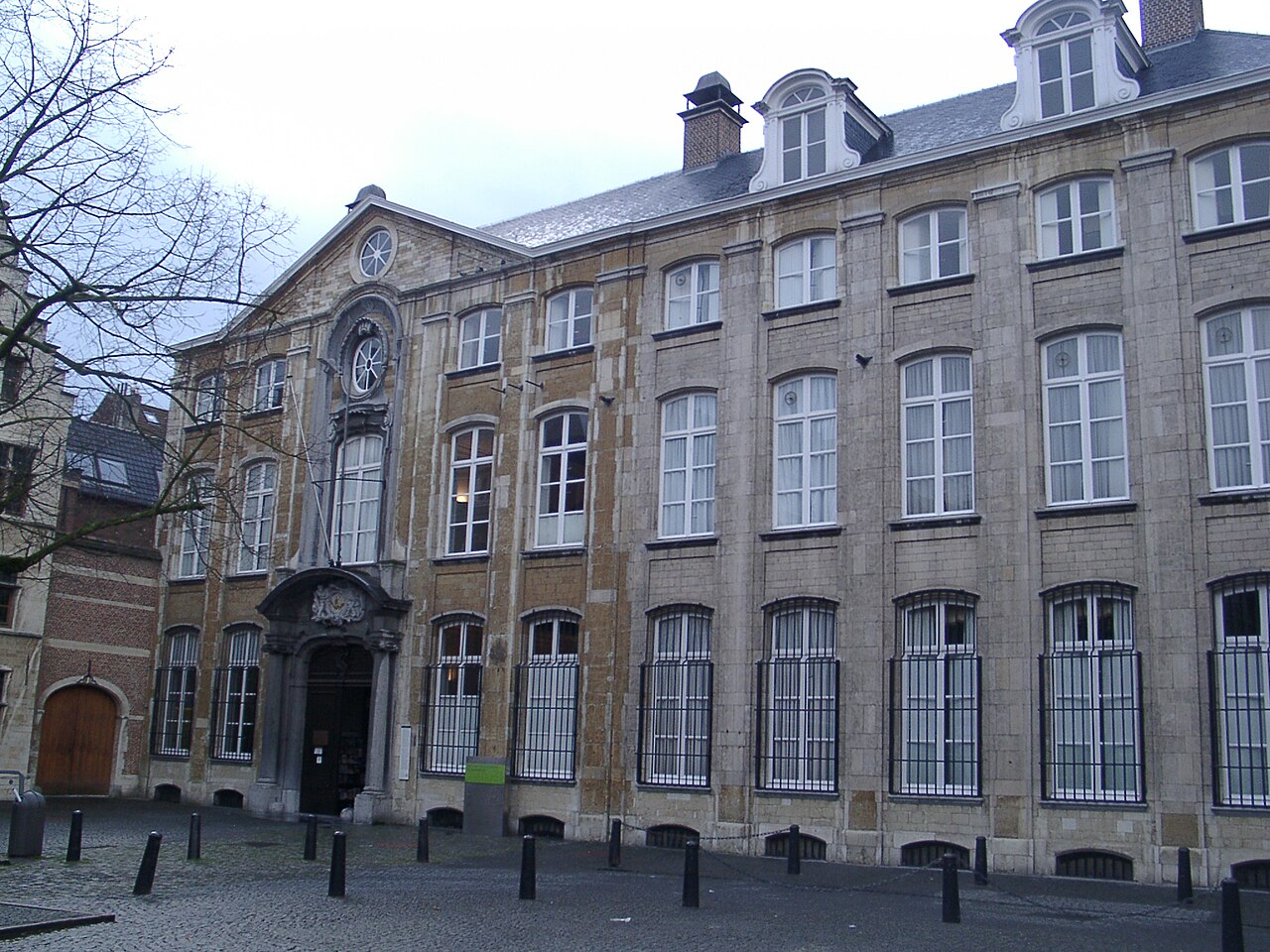
The home and printing works of Christophe Plantin and his family, one of the great printing houses of the 16th century. It holds the two oldest surviving printing presses in the world and became a museum in 1877.
UNESCO World Heritage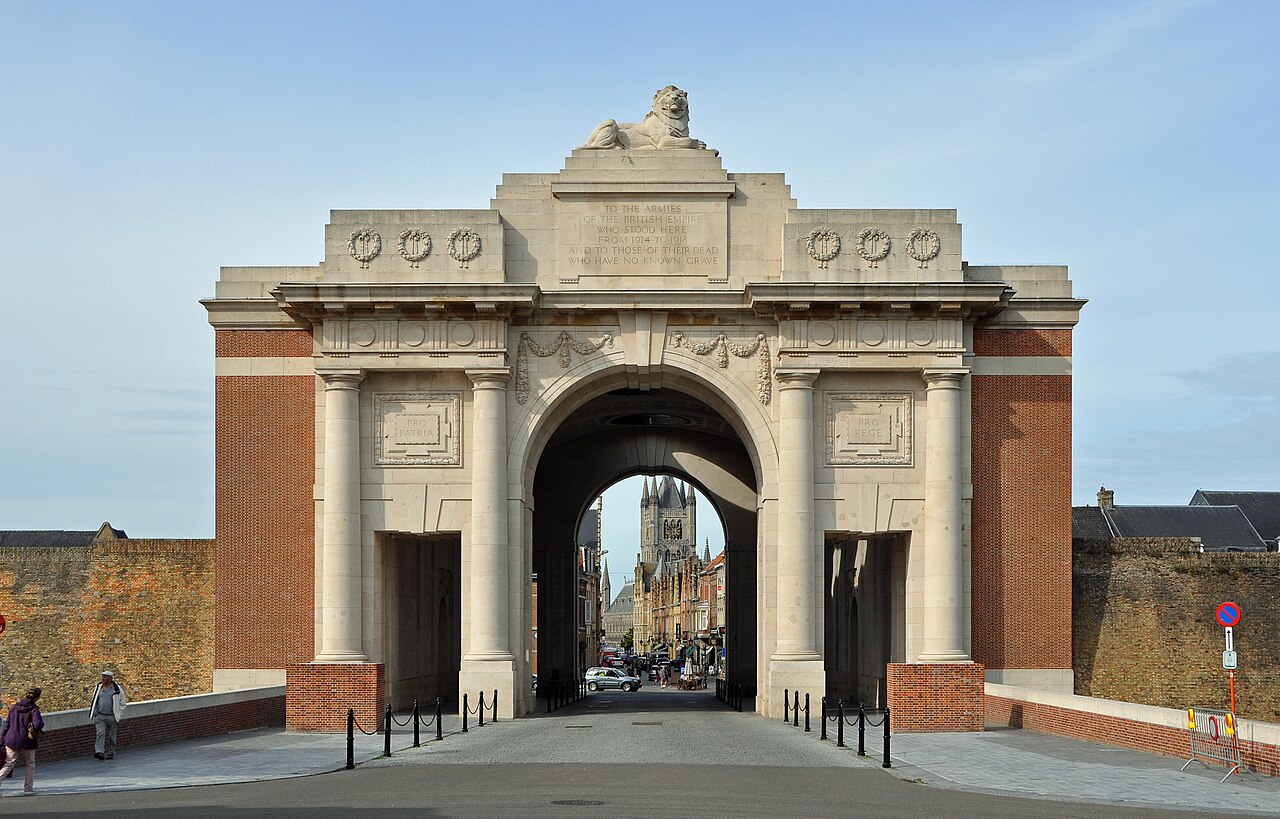
A memorial arch in Ypres bearing the names of more than 54,000 Commonwealth soldiers who died nearby in the First World War and have no known grave. Every evening at 8 pm the traffic stops and buglers play the Last Post, a ceremony first held in 1928 and played every evening since 1929, except during the German occupation in the Second World War.
UNESCO World Heritage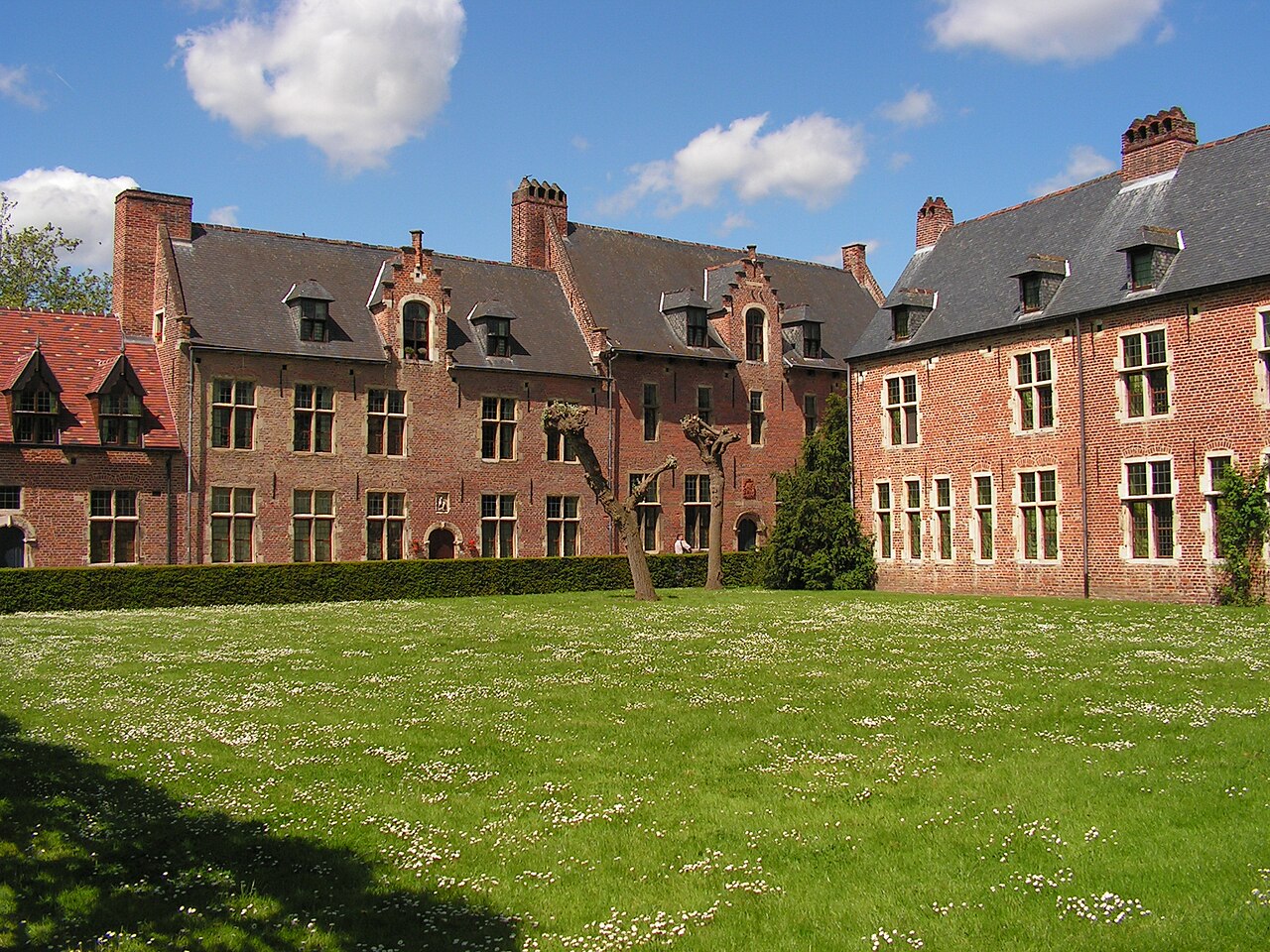
A quiet neighbourhood of almost 100 houses and about 300 apartments, founded in the 13th century for the beguines, a community of religious women. It is one of the largest beguinages left in the Low Countries and now belongs to the university, which uses it mainly to house academics.
UNESCO World Heritage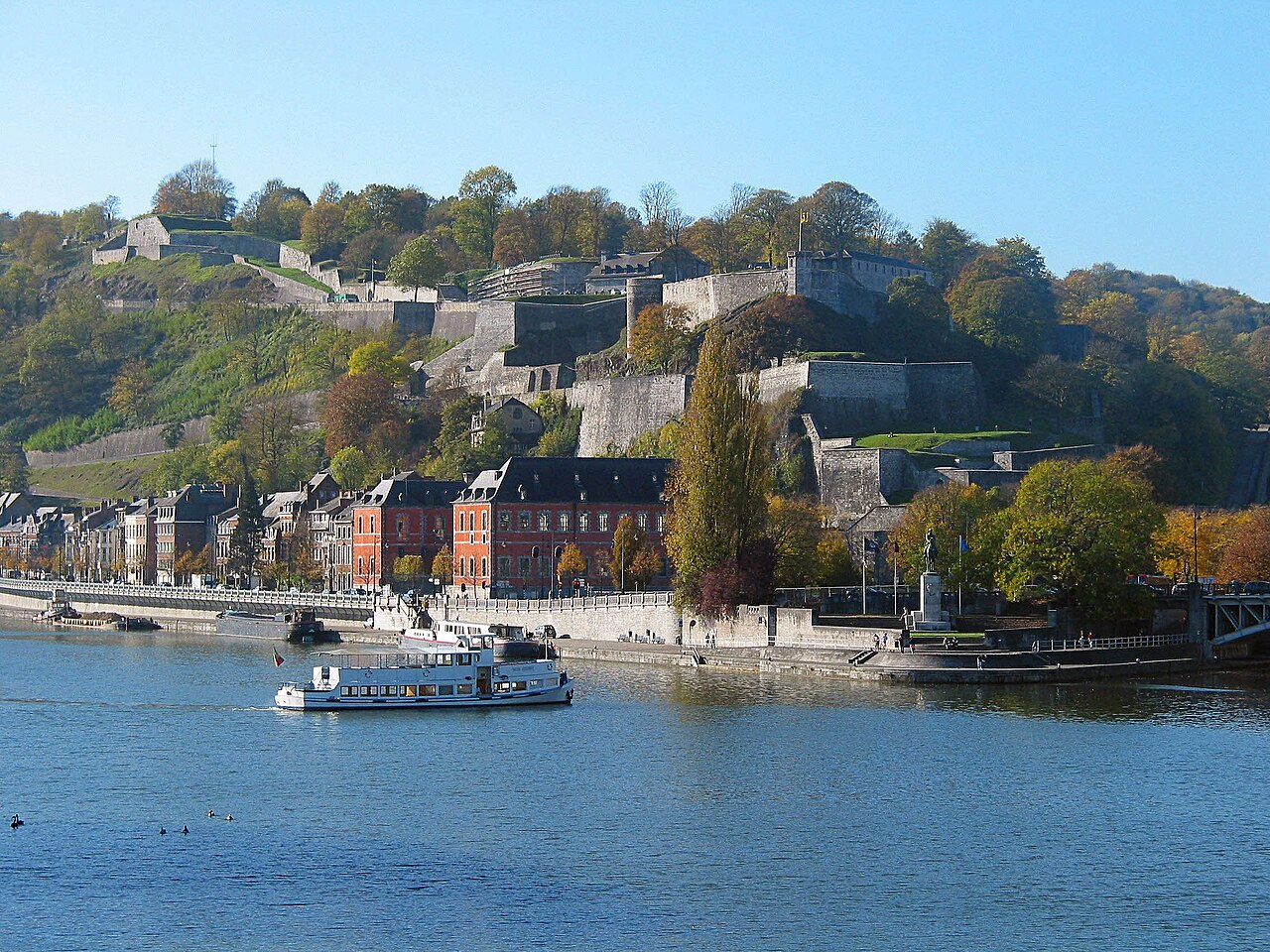
A vast fortress on a rocky spur above the meeting of the Sambre and the Meuse. It was rebuilt many times, strengthened by the Dutch engineer Coehoorn and the French engineer Vauban, and is now open to visitors.
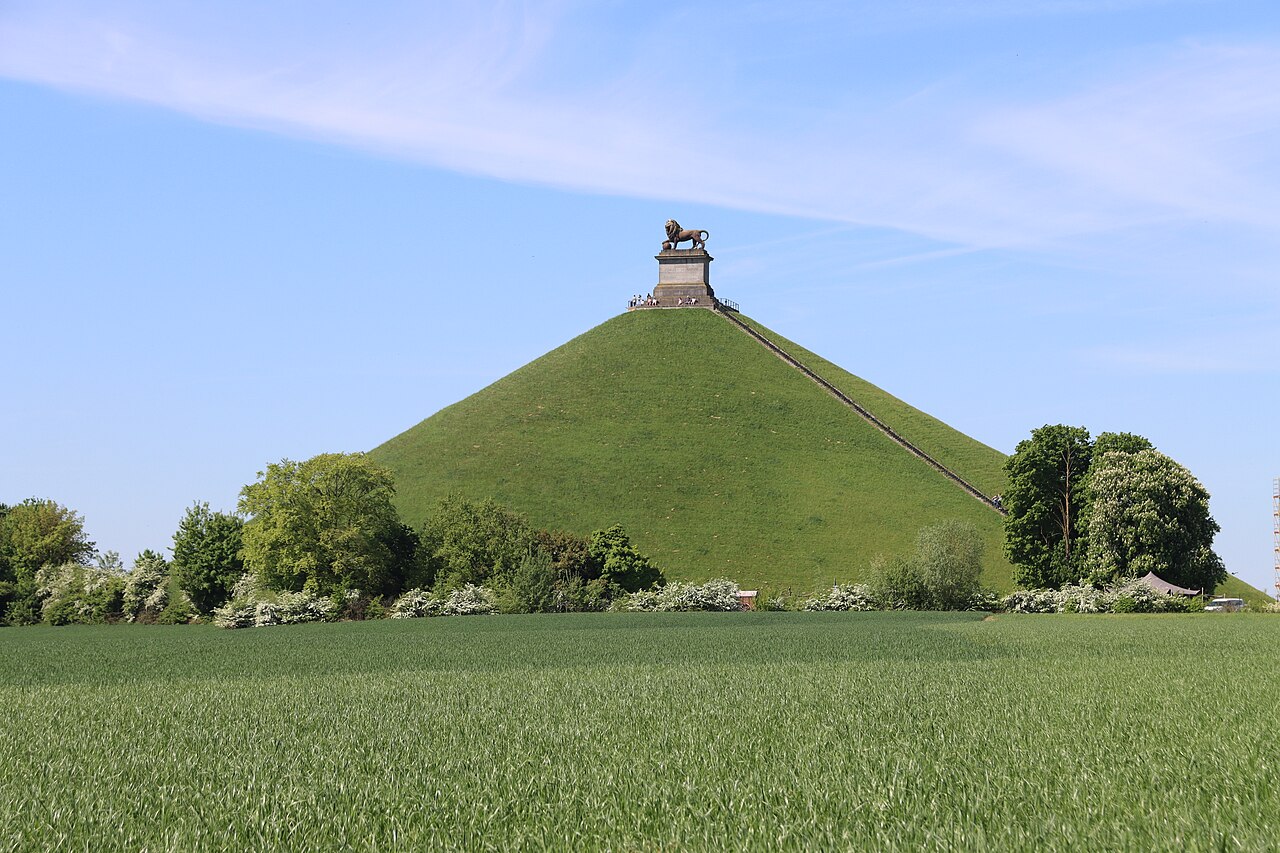
A 43-metre man-made hill topped by a lion statue, completed in 1826 on the battlefield of Waterloo south of Brussels, where the Prince of Orange was wounded in 1815. A climb of 226 steps gives a view over the whole battlefield.
The saxophone was invented by a Belgian. Adolphe Sax, born in Dinant in 1814, patented it in 1846.
Tintin, the young reporter who travels the world with his dog, was created by the Belgian artist Hergé, whose real name was Georges Remi. He first appeared on 10 January 1929 in a supplement of a Belgian newspaper, and his adventures fill 24 albums.
The idea that the universe is expanding and began from a single 'primeval atom' was put forward by Georges Lemaître, a Belgian priest and professor at Leuven, in 1927 and 1931. It later became known as the Big Bang theory.
The Flemish mapmaker Gerardus Mercator, born in 1512 in Rupelmonde, south-west of Antwerp, published his famous world map for sailors in 1569 and was the first to call a book of maps an 'atlas'.
Manneken Pis, the little bronze statue of a boy in Brussels, has a wardrobe of about 1,000 costumes. The statue on the street is a copy; the original from 1619 is kept safe in the Brussels City Museum.
Filled chocolate pralines were first made in Brussels by Jean Neuhaus in 1912.
After the election of June 2010, Belgian parties took 541 days to form a new federal government. In the meantime the outgoing government kept the country running.
Voting is compulsory in Belgian national elections, so turnout is among the highest in the world.
In Oostduinkerke, on the Belgian coast, shrimp are still caught by fishermen on horseback. As of 2021, 17 of them were still active.
Belgian French has its own words for some numbers: 'septante' for 70 and 'nonante' for 90, where people in France say 'soixante-dix' and 'quatre-vingt-dix'.
In 2011 Belgium brewed 1,132 different beers, and Belgium has more than 2,000 chocolatiers, large and small.
Brussels hosts the European Commission, the Council of the European Union and the European Council, as well as the headquarters of NATO.
The first Olympic Games after the First World War were held in Antwerp in 1920.
Dutch as spoken in Flanders, the north of Belgium (often called Flemish). The pronunciation guides are simple approximations for English speakers; capital letters show the stressed part. Pronunciation is written the way it sounds; the capital letters show where the stress goes. Audio is coming soon.
French as spoken in Brussels and Wallonia, the south of Belgium. The pronunciation guides are simple approximations for English speakers; capital letters show the stressed part.
Language is a sensitive subject in Belgium. Dutch is the language of Flanders in the north and French of Wallonia in the south, while Brussels is officially bilingual but mostly French-speaking. English is widely spoken in Flanders and in tourist areas of Brussels, but less so in Wallonia, where a few words of French help.
Dial 112 for police, fire or ambulance. It is free and works across the European Union, and operators can help in English.
Belgians drive on the right. At crossroads with no signs or markings, traffic coming from the right has priority, even from a small side street, so drive carefully in towns. Speed cameras are common, and using a phone while driving is illegal unless it is hands-free.
Brussels, Ghent and Antwerp have low emission zones. If you bring your own car, register it on each city's website before you drive in.
Service is normally included in the bill in Belgium, so a tip is not expected. Rounding up or leaving a little extra is a friendly way to say you were happy.
UK travel advice says visitors must carry their passport at all times. Pickpockets work in crowded places, including Brussels-Midi station and international trains to Paris and Amsterdam.
The train is the easiest way to see Belgium's cities. Travellers aged 65 and over get 40% off the standard fare on Belgian trains, at any time of day. Buy your ticket before you board, at the station, from a machine or in the SNCB app, because tickets bought on the train cost more.