Caesar conquers the Belgae
Julius Caesar began his conquest of the Belgae, a group of tribes he described as the bravest of the Gauls. The land became part of the Roman province of Gallia Belgica.
Belgium sits in the Low Countries of north-western Europe, between the Netherlands, Germany, Luxembourg and France, with a short sandy coast on the North Sea. The north is flat and low, with dunes, polders and old trading cities, while the south rises into the wooded hills, caves and river gorges of the Ardennes.
The land was home to the Belgae, a people Julius Caesar fought in the first century BC. In the Middle Ages the cloth towns of Flanders were among the richest in Europe. Spain, Austria, France and the Netherlands ruled here in turn, and so many wars were fought on its soil that Belgium was called the battlefield of Europe. It became an independent kingdom in 1830.
Memories fade faster than photos. Ask these over a meal or a phone call, and write the answers down.
Belgium's story runs from Caesar's wars with the Belgae, through the rich cloth towns of Flanders and centuries of foreign rulers, to independence in 1830, two world wars and a new role at the heart of the European Union.
Julius Caesar began his conquest of the Belgae, a group of tribes he described as the bravest of the Gauls. The land became part of the Roman province of Gallia Belgica.
Flemish town militias won a surprise victory over an army of mounted French knights. Flanders, rich from its cloth trade, was then one of the wealthiest areas in Europe.
After a siege of more than a year, Antwerp surrendered to Spanish forces on 17 August 1585. The south stayed under Spanish rule, while the north went on to become the independent Dutch Republic.
In August 1830 an opera audience in Brussels spilled into the streets singing patriotic songs, and a revolt against Dutch rule followed. A provisional government declared independence on 4 October 1830.
King Leopold II had ruled the Congo Free State as his private possession, and many Congolese were killed by his agents for failing to deliver enough rubber and ivory. After an international outcry, the Belgian state took it over in 1908 as the Belgian Congo.
On 10 May 1940 Germany invaded again. After 18 days of fighting the army and King Leopold III surrendered, and Belgium was occupied until the Allies liberated it in 1944 and 1945.
From April to October 1958 Brussels hosted a World's Fair on the Heysel plateau. Its centrepiece, the Atomium, still stands as a symbol of the city.
After decades of tension between Dutch and French speakers, a series of reforms ended with the 1993 reform that made Belgium a federal state of communities and regions.
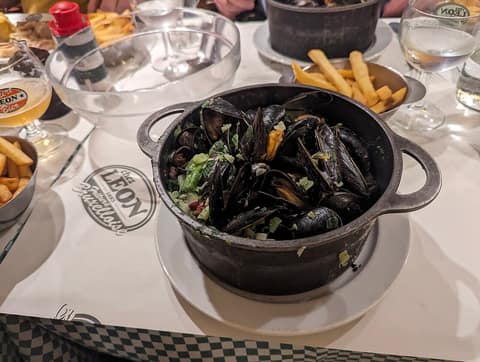
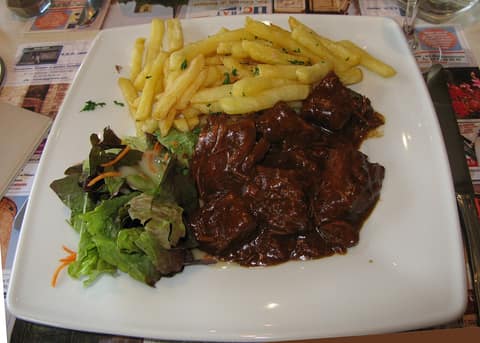
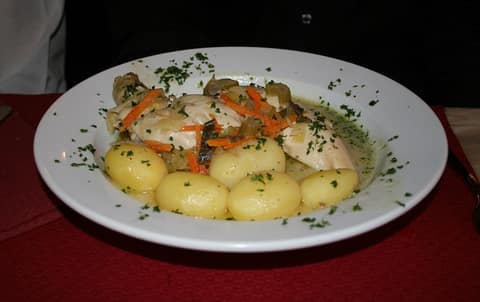
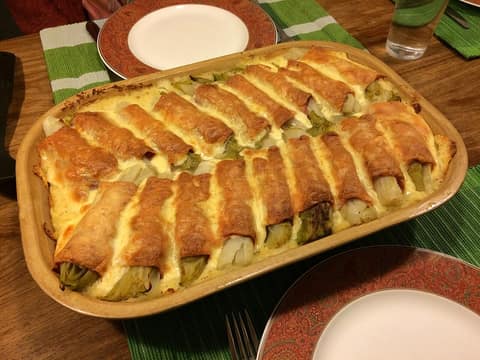
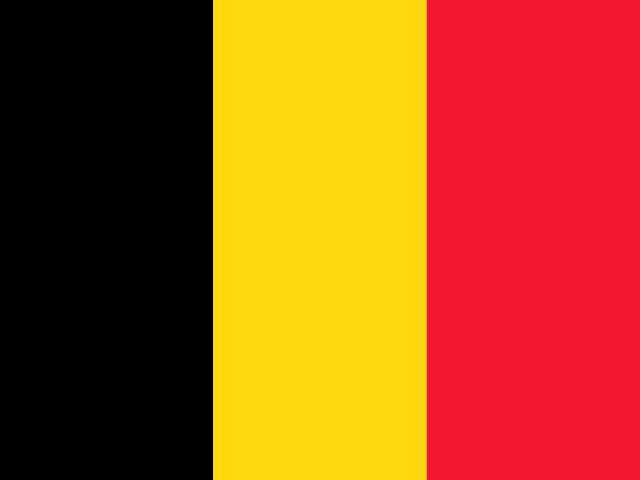
Cook one of the recipes, print the large-print pack about Belgium, and finish with the big-screen quiz or the words crossword. Grandchildren can colour the flag.