Belgian food combines the refinement of French cooking with the hearty dishes of Flanders. Belgians love seasonal produce: grey shrimp from the North Sea, white asparagus, endive and mussels. Fries, waffles, chocolate and beer are famous far beyond the country, and beer is matched to a meal almost like wine: wheat beer with fish, blond or tripel beer with chicken, dark beer with red meat and fruit beer with dessert.
All of Belgium, especially the coast; also popular in northern France
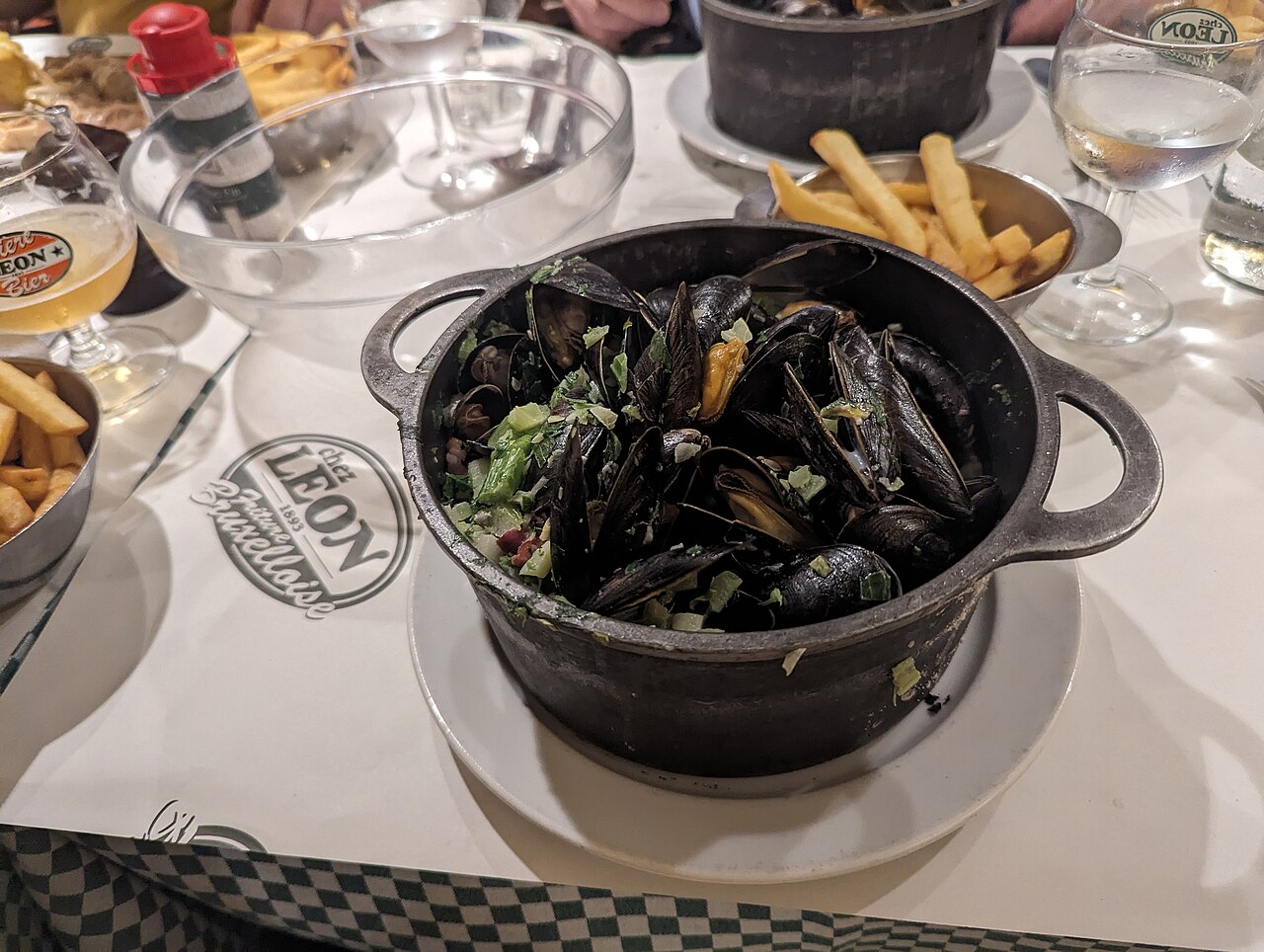
A big pot of mussels steamed with onions or shallots and celery, often with white wine or beer, served with a separate bowl of crisp fries so that they do not go soggy. It is often called Belgium's national dish.
Moules-frites is a seasonal dish, eaten above all when mussels are in season. The mussels usually arrive at the table in the pot they were cooked in.
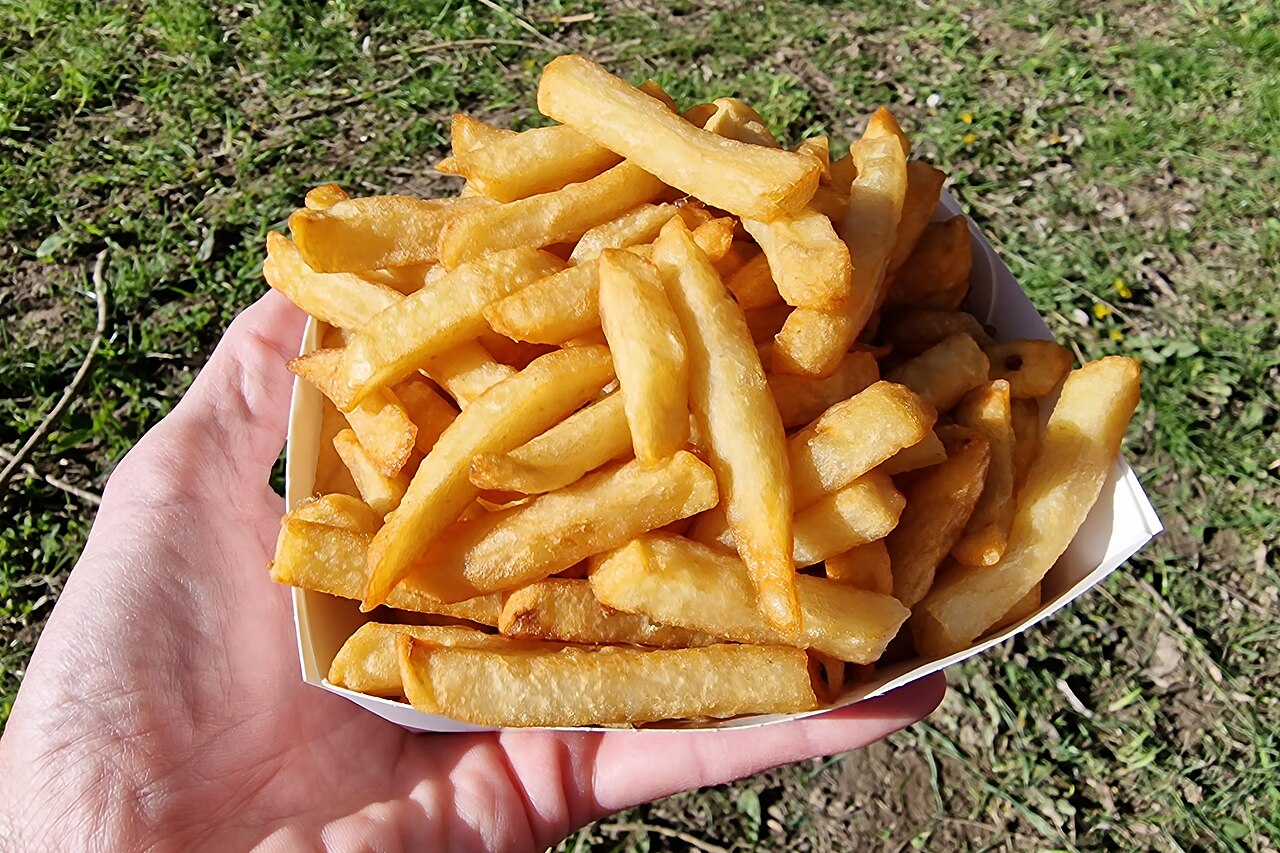
Thick potato fries fried twice, first at a lower heat to cook them through and then hotter to make them crisp. They are sold at fry shacks called friteries or frietkoten, in a paper cone with a spoonful of mayonnaise or one of more than a dozen other sauces on top.
Belgians often say fries were first made in the Meuse valley before 1680, when frozen rivers meant no fish to fry. Historians doubt the story: the manuscript behind it has never been produced, and potatoes probably reached the area only around 1735.
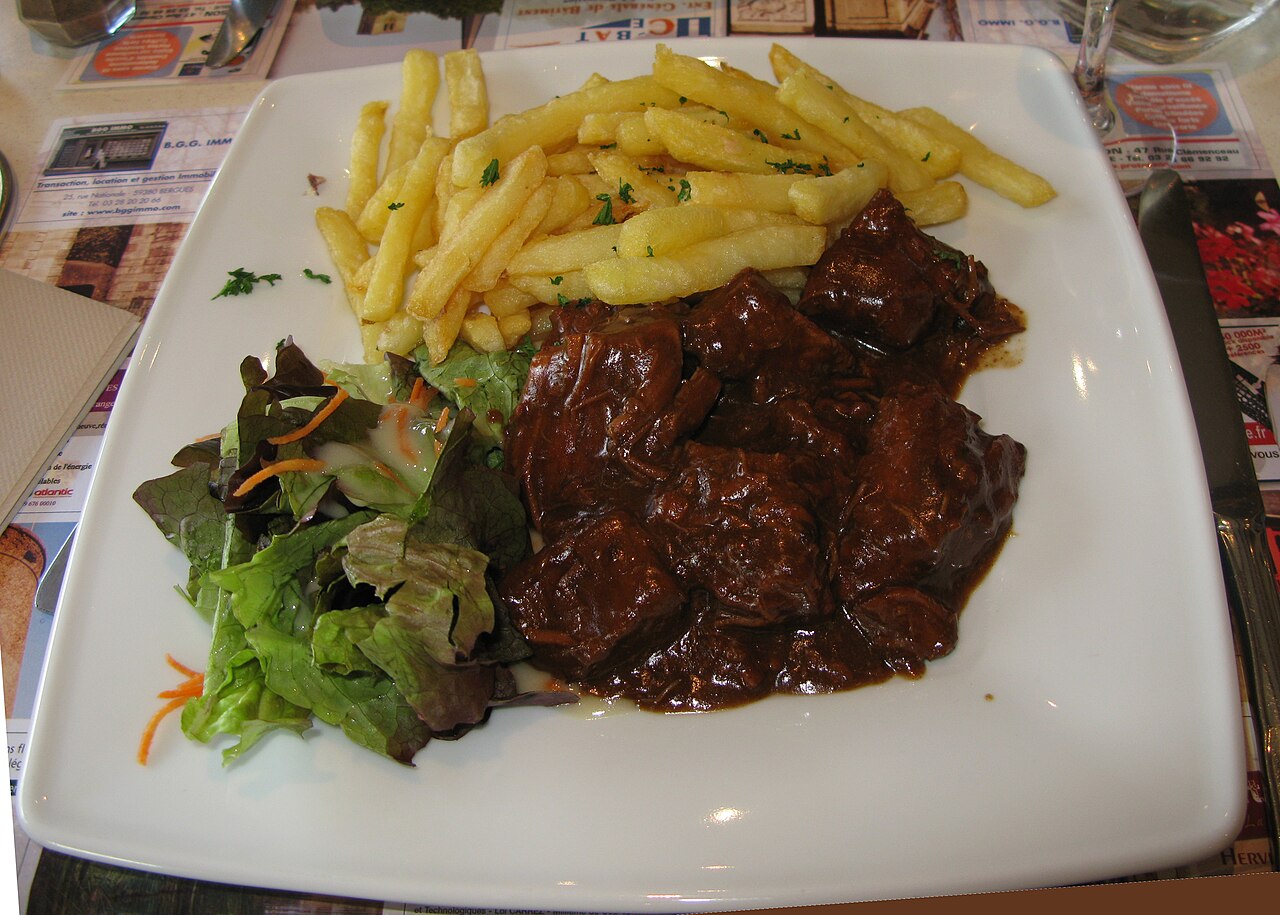
Beef slowly stewed with onions in a dark Flemish beer, thickened with a slice of bread spread with mustard. A little brown sugar and vinegar give the sauce a gentle sweet and sour taste. It is served with fries, boiled potatoes or stoemp.
Every region and family has its own version. Some cooks add prunes, gingerbread or speculoos biscuits to the pot.
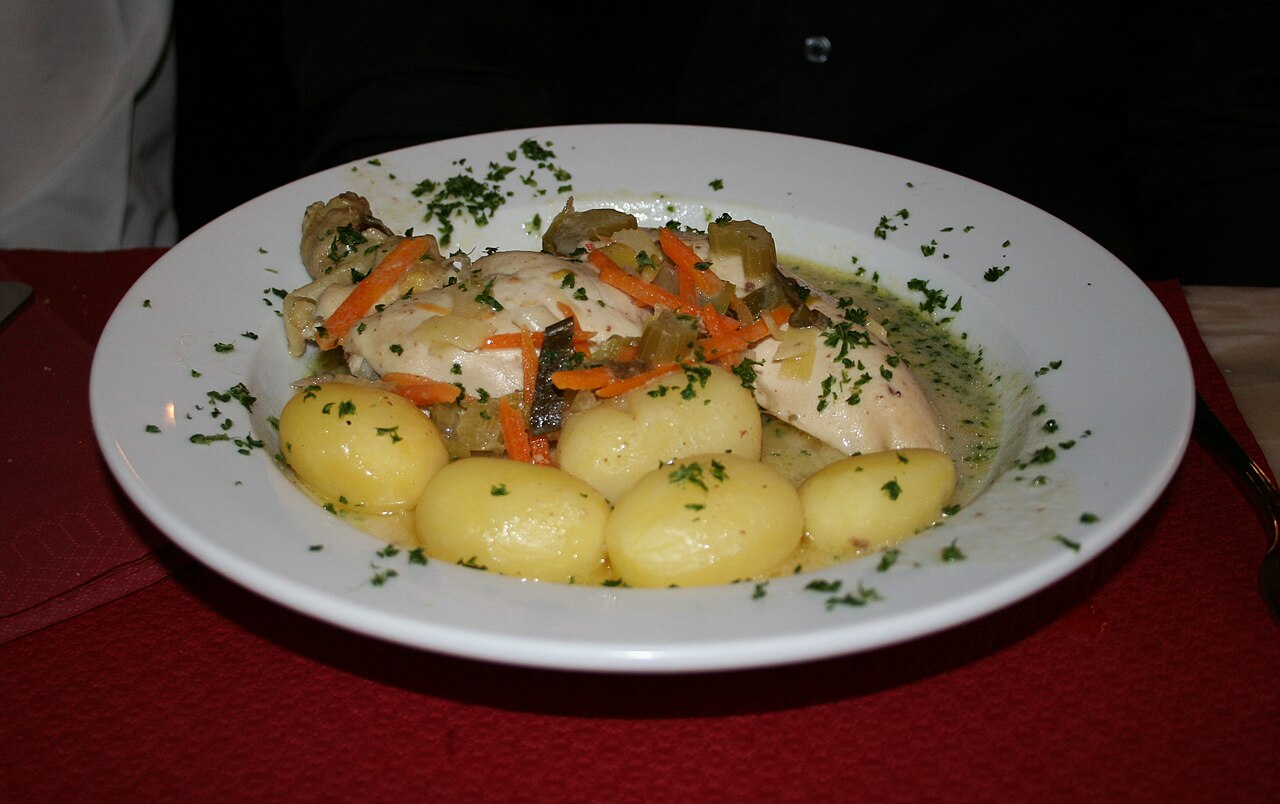
A creamy soup-stew of chicken or fish with carrots, leeks, celery and potatoes, enriched at the end with cream and egg yolk.
Waterzooi was first made with river fish. The usual explanation for the switch to chicken is that the rivers around Ghent became too polluted for fish.
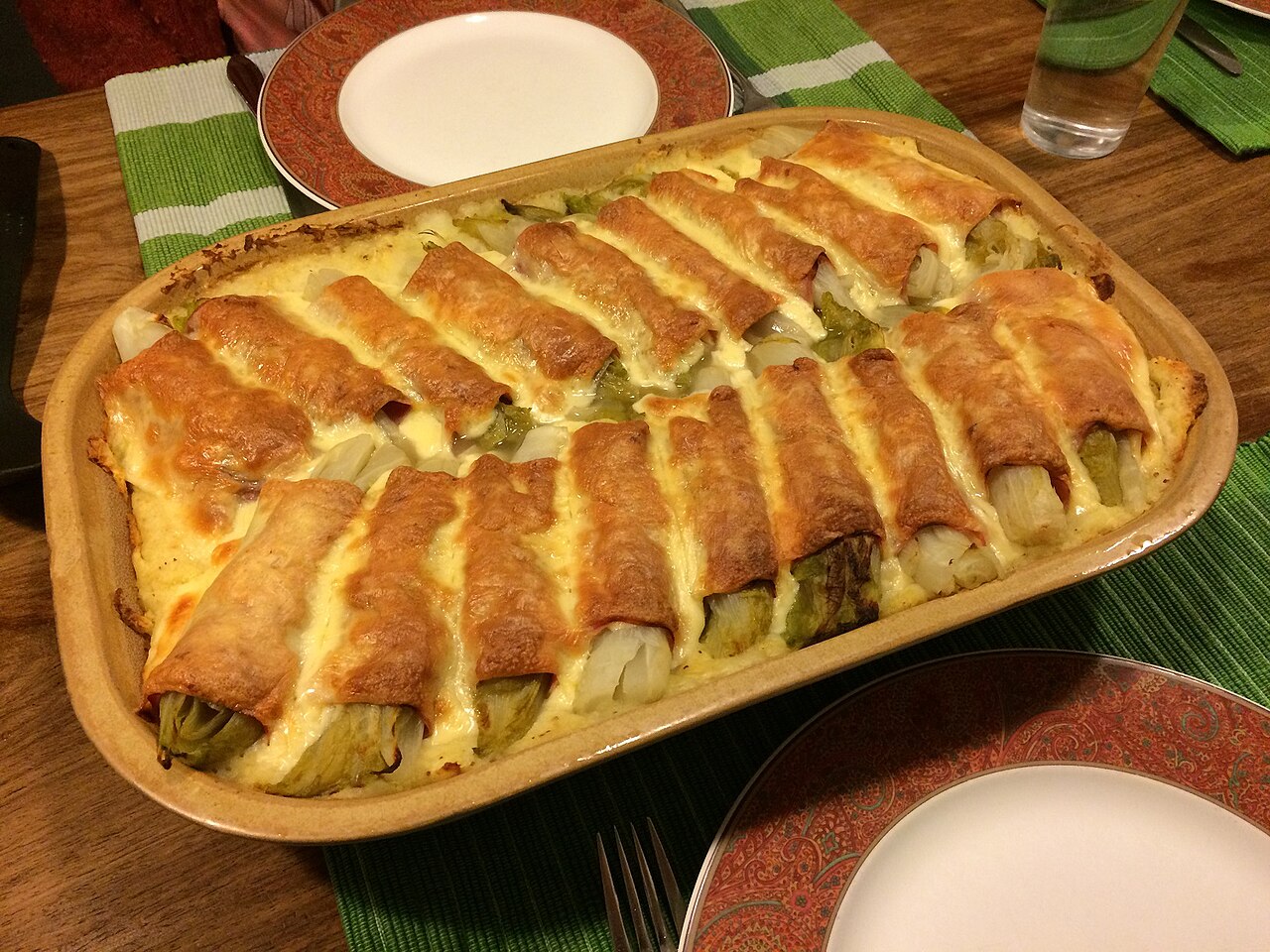
Heads of Belgian endive, each wrapped in a slice of ham, baked under a cheese sauce until golden. The slightly bitter endive and the rich sauce make a classic winter dish.
Belgian endive is grown in the dark from a stored chicory root, which keeps its leaves pale and closed. The method was developed in Belgium in the 1850s, and one story credits a gardener at the Brussels Botanical Garden.
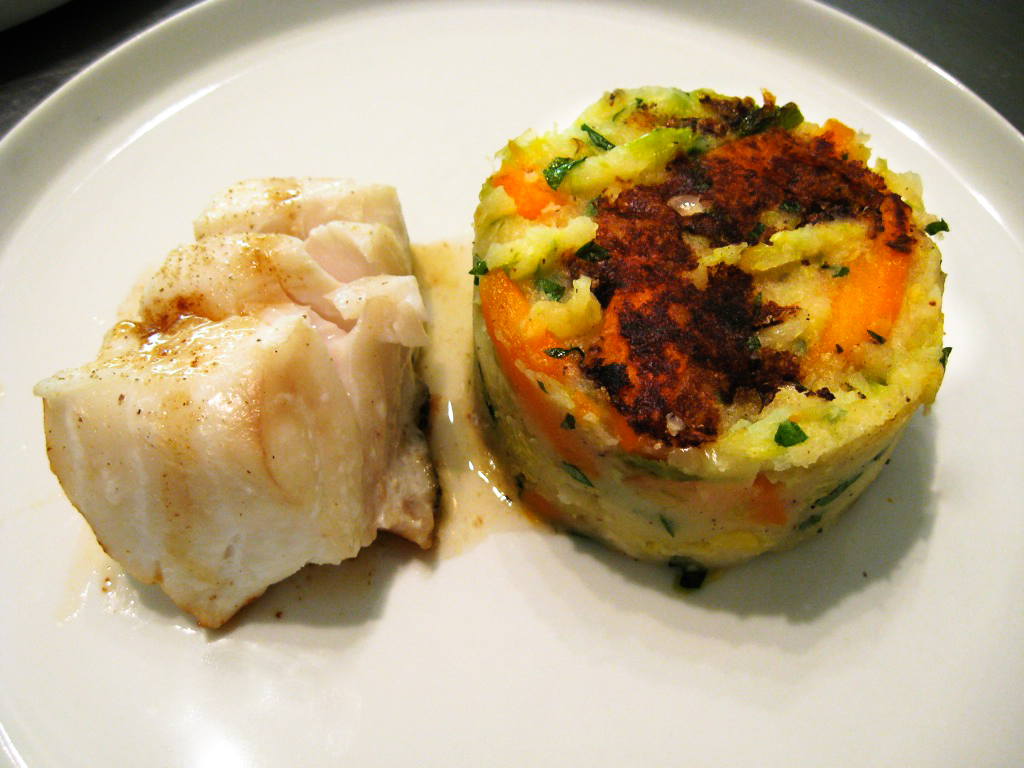
Potatoes mashed together with one or more vegetables such as carrots, leeks, spinach or cabbage, often with a little cream or bacon. It is served with sausages, bacon or a fried egg.
The name comes from the Brabant dialect and is pronounced roughly 'stoomp'. Stoemp with carrots is called wortelstoemp.
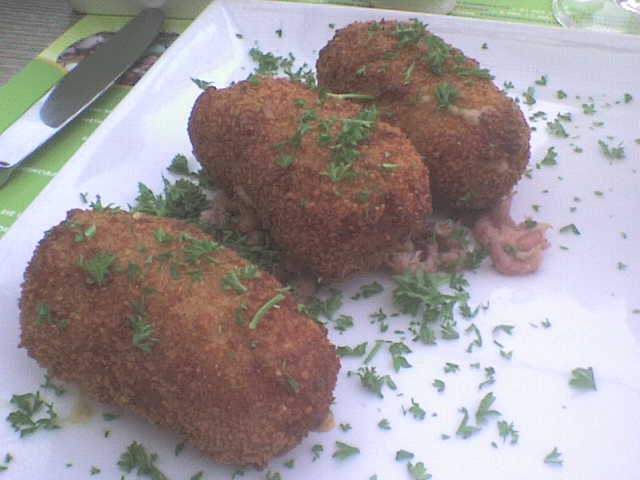
Crisp breaded croquettes with a thick, creamy béchamel filling full of small North Sea grey shrimp, served with a slice of lemon and fried parsley.
In Oostduinkerke on the Belgian coast, a few fishermen still catch shrimp on horseback, riding through the shallow sea with nets. It is the only place in the world where this is still done.
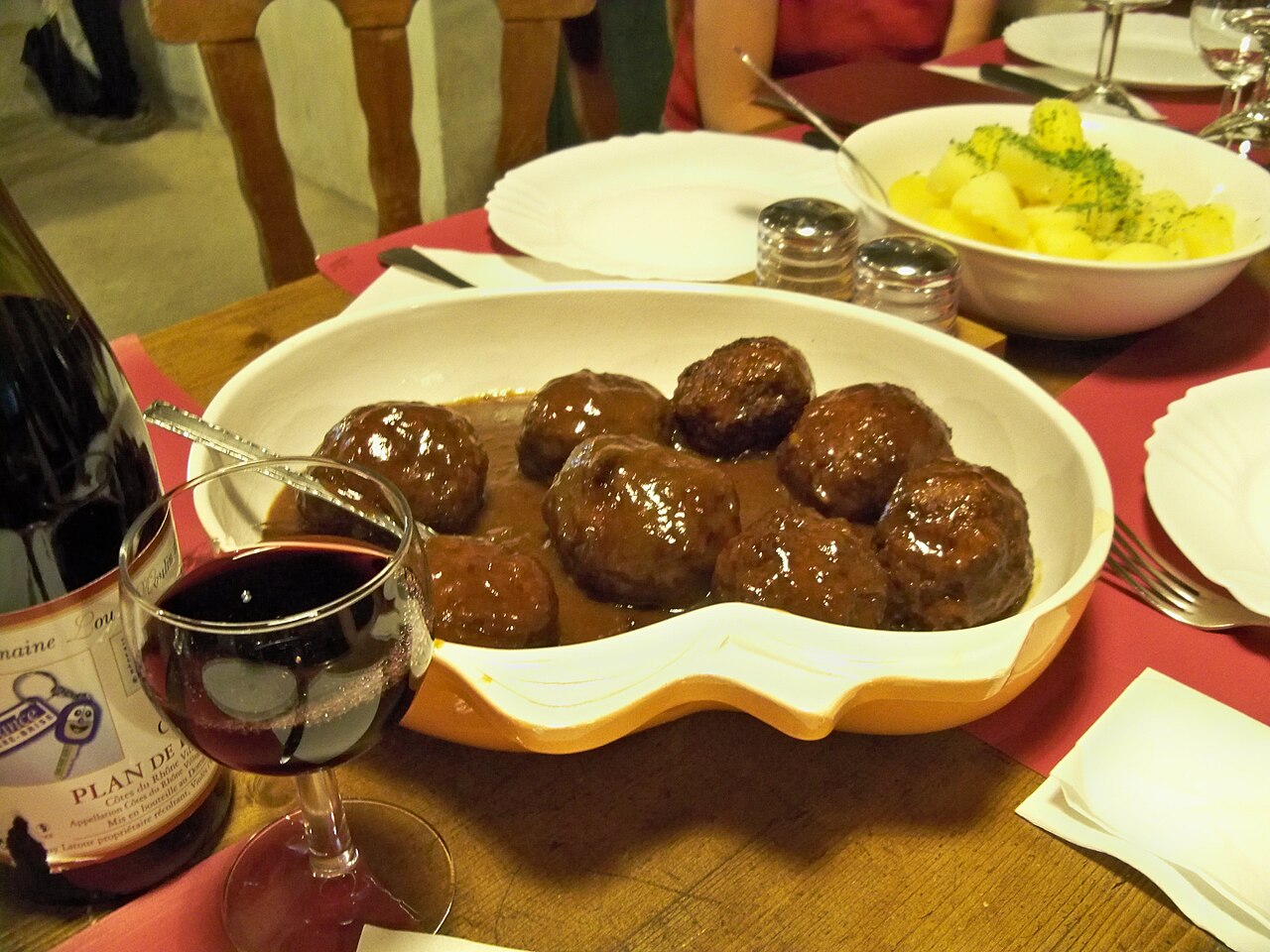
One or two large meatballs in a sweet and sour brown sauce called sauce lapin, made with sirop de Liège, a thick fruit syrup, onions, vinegar and raisins. They are served with fries.
Sirop de Liège, made by boiling down fruit juices until thick, is also eaten as a spread, like jam.
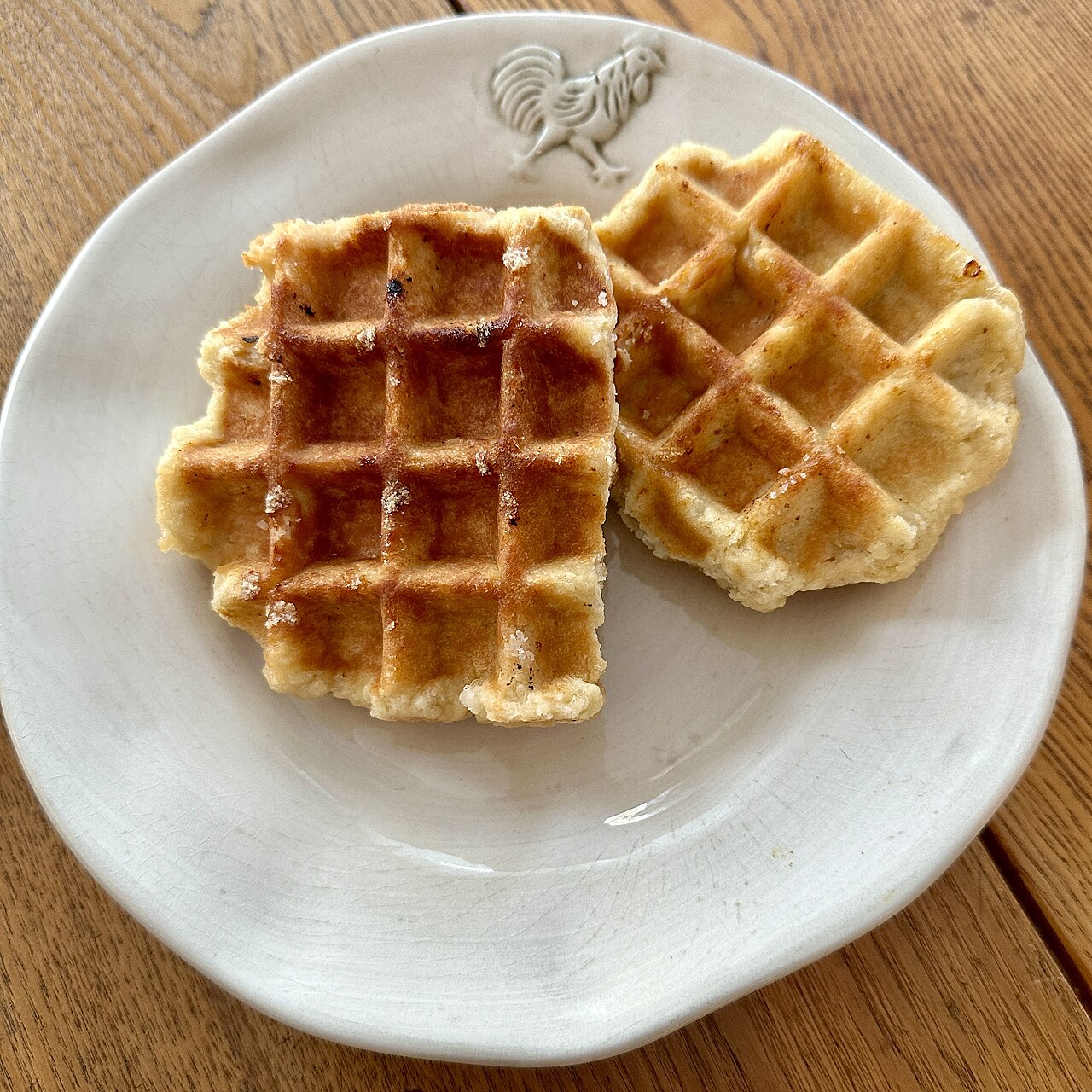
A small, rounded, chewy waffle made from a rich yeast dough like brioche, with nuggets of pearl sugar that caramelise in the iron. It is eaten plain, often warm from a street stall.
Visit Belgium says it was invented in the 18th century by the cook of the Prince-Bishop of Liège.
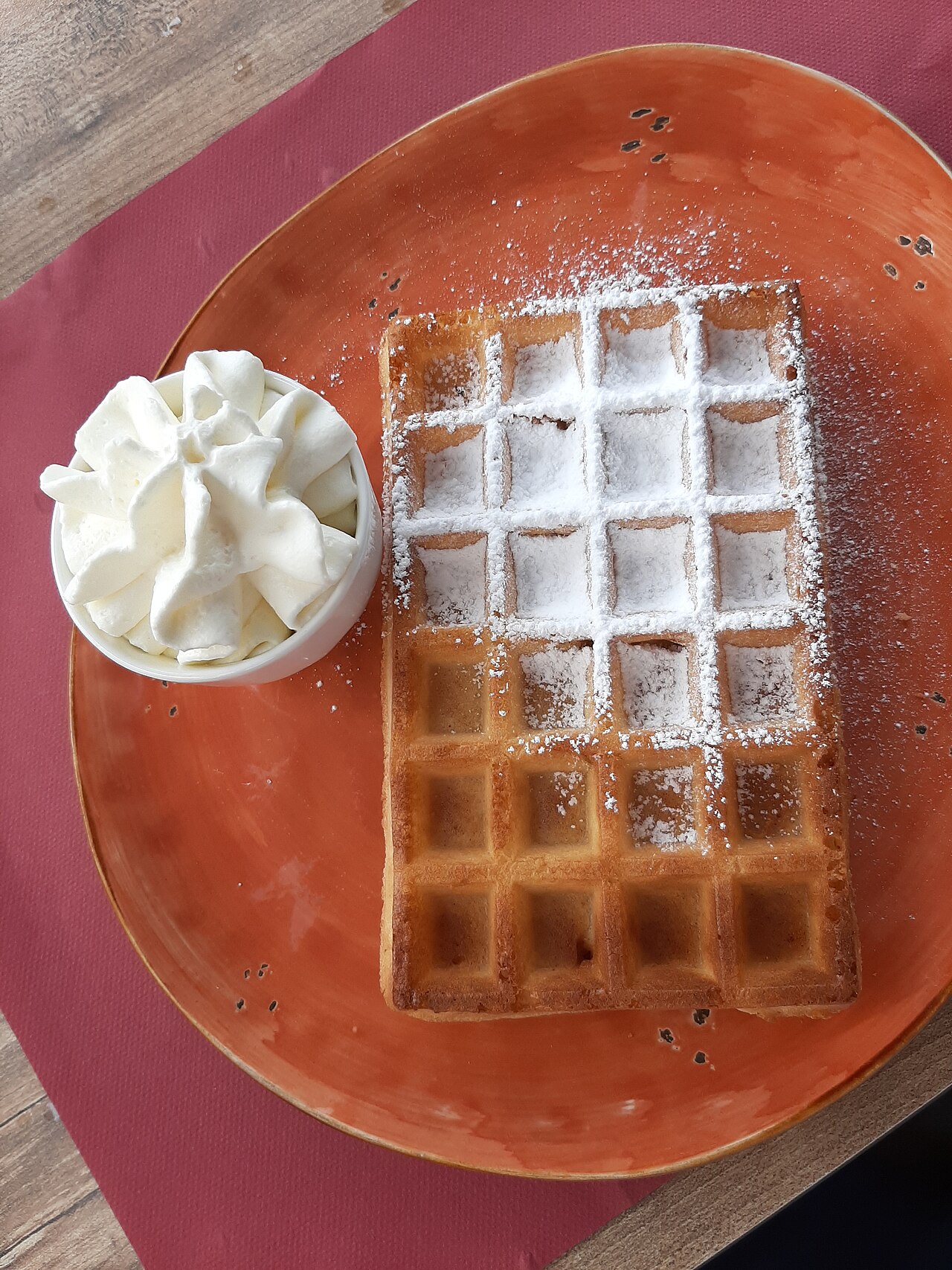
A large, light and crisp rectangular waffle with deep pockets, made from a yeast batter. In Belgium it is dusted with icing sugar; in tourist areas it may come with cream, fruit or chocolate.
Belgian-style waffles were shown at Expo 58 in Brussels and became a hit in America after the 1964 New York World's Fair.
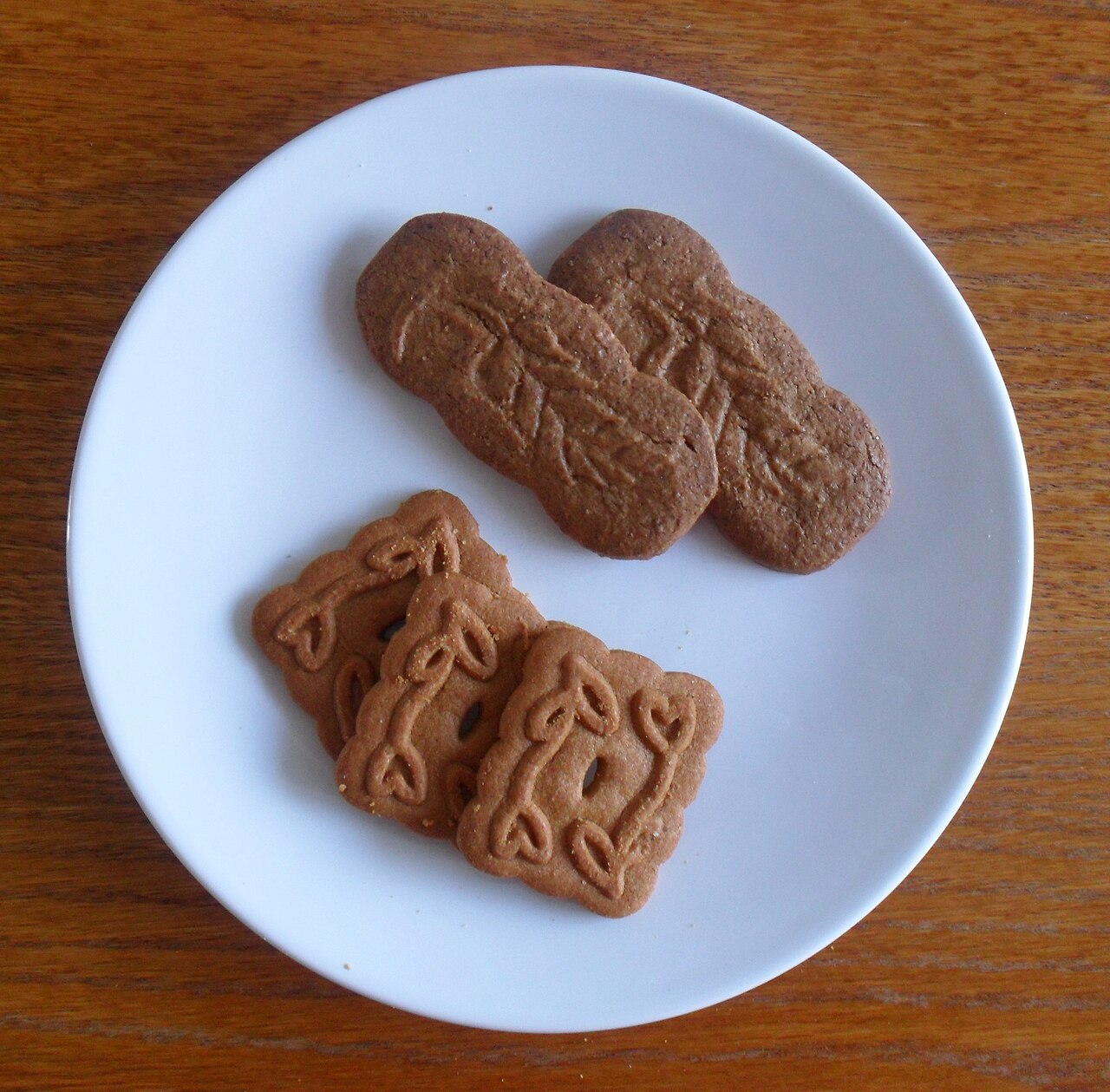
Thin, crunchy spiced biscuits flavoured with caramelised sugar and cinnamon, often pressed in wooden moulds with pictures such as Saint Nicholas. Belgians traditionally bake them for Saint Nicholas Day on 6 December.
Around 2007, Belgian companies started selling a spread made from crushed speculoos biscuits, which is now sold around the world.
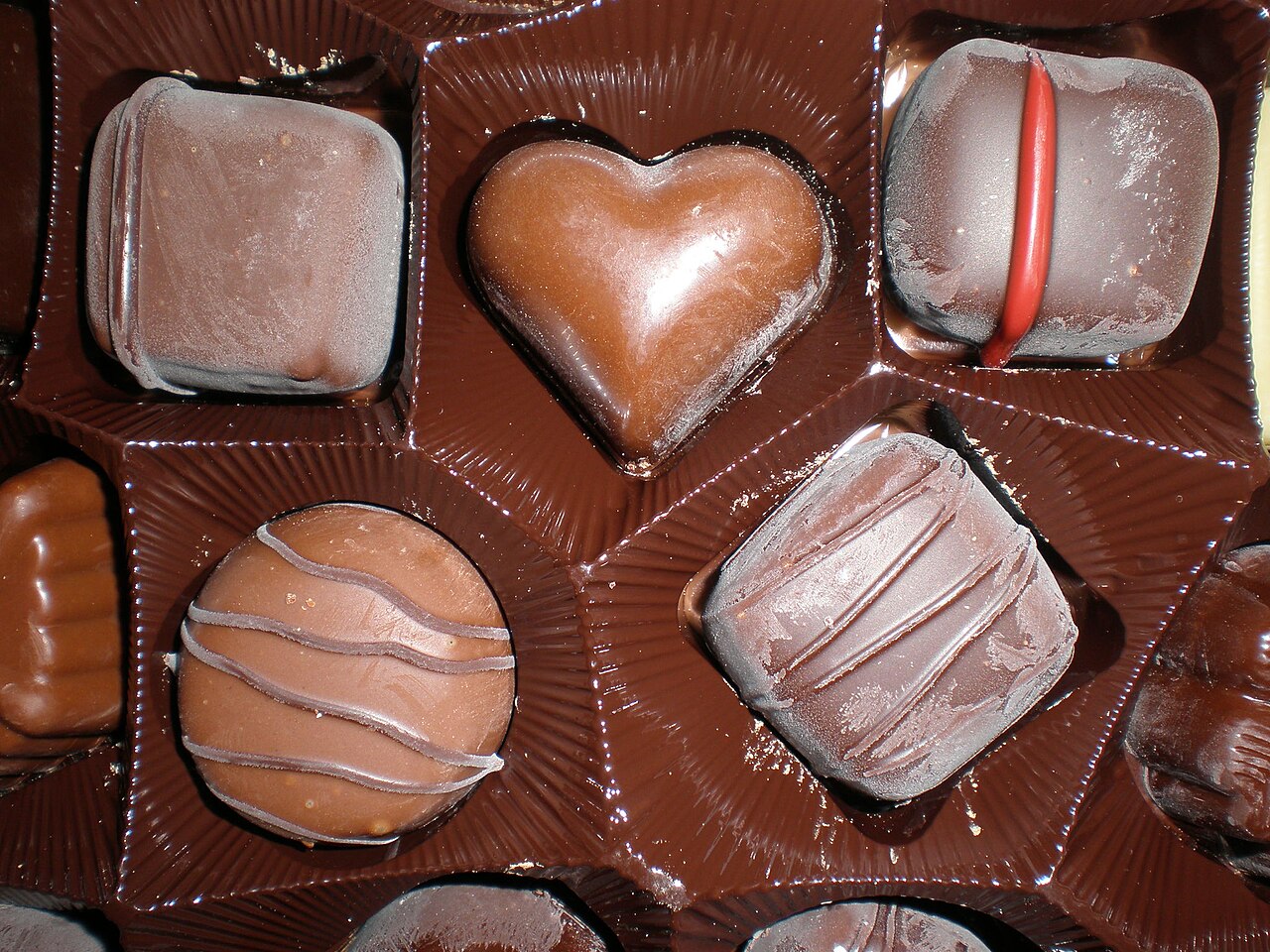
Bite-sized chocolates with a soft filling, sold in boxes by famous houses such as Neuhaus, Leonidas, Godiva and Côte d'Or and by many small chocolatiers.
Jean Neuhaus II, grandson of the shop's founder, made the first filled chocolate pralines in the family shop in the Galeries Royales Saint-Hubert in Brussels in 1912. In 1915 he and his wife Louise Agostini created the ballotin, the folded box that stops the chocolates being crushed.
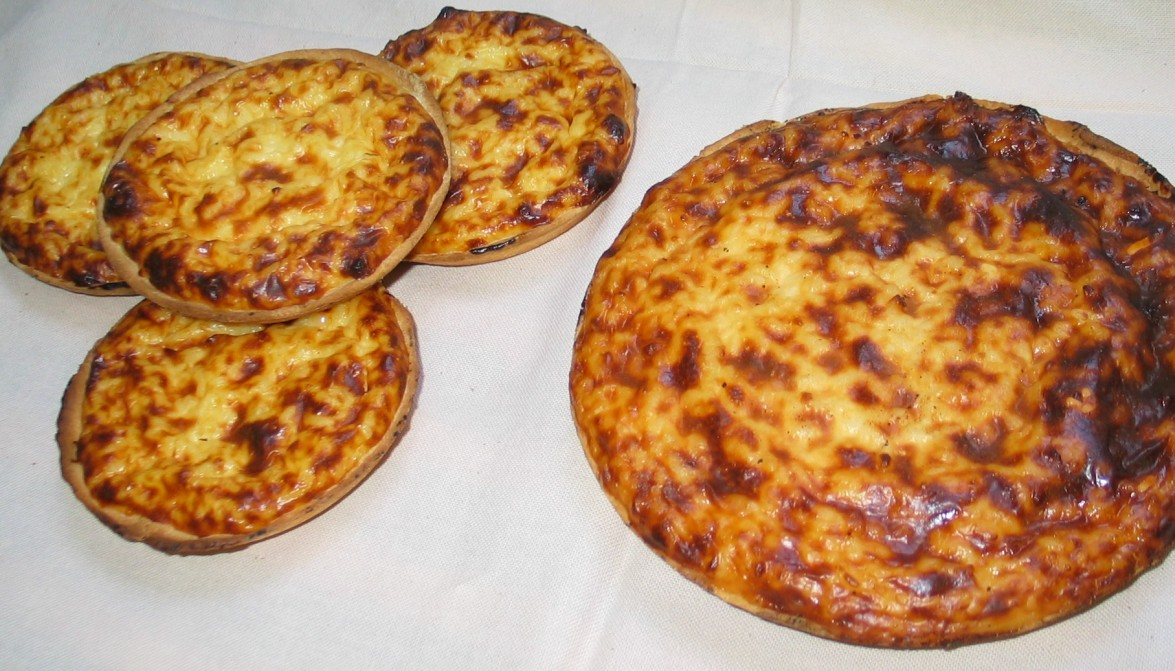
An open tart filled with thick, creamy rice pudding, loved across eastern Belgium and the neighbouring parts of the Netherlands and Germany. Flemish versions add custard to the filling, Walloon versions only eggs.
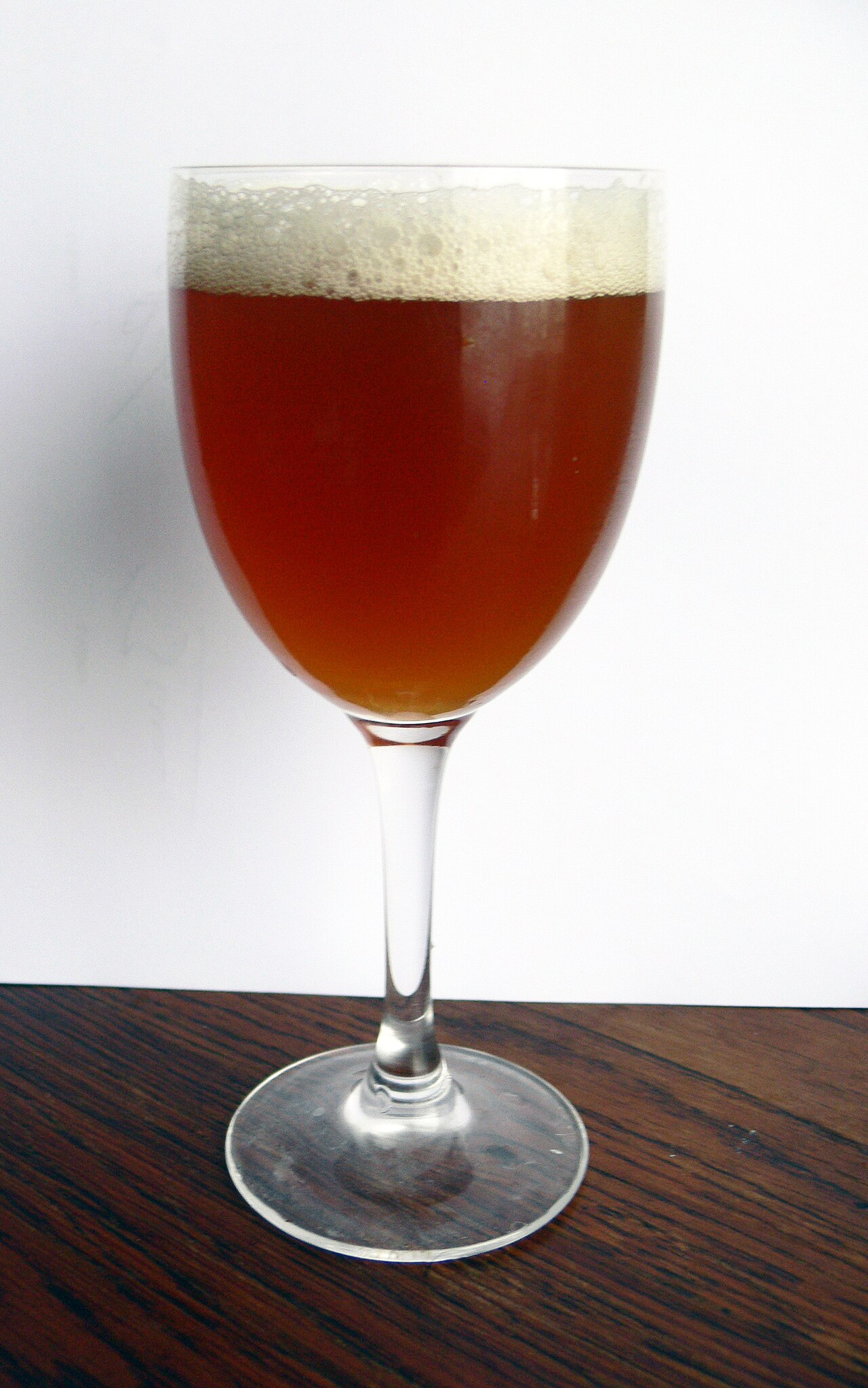
Strong, rich ales brewed within the walls of Trappist monasteries under the monks' supervision, with the profits going to the community and to charity. As of 2026 five Belgian breweries carry the official label: Westmalle, Westvleteren, Chimay, Orval and Rochefort.
Belgium makes more than a thousand different beers, and almost every style is served in its own shaped glass, which Belgians say brings out the flavour.
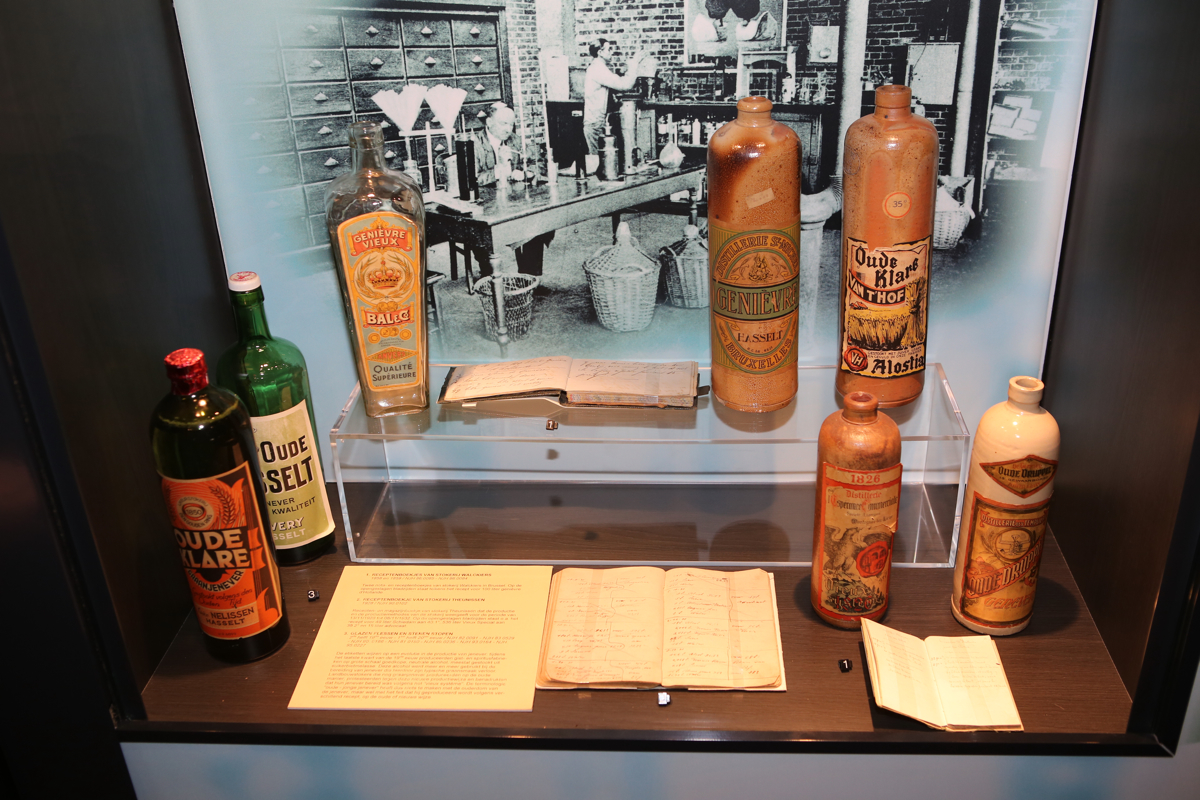
A juniper-flavoured spirit, the forerunner of gin, traditionally sold in stoneware jugs and served ice cold in a small glass filled to the brim.
Tradition says the first sip is taken without lifting the full glass: you bend down to the table and sip. Anyone who does not drink alcohol can politely say no.
At the table in Belgium
Before a meal, Dutch speakers say 'Smakelijk' and French speakers 'Bon appétit' (enjoy your meal).
When glasses are raised, French speakers say 'Santé!' (cheers).
Each Belgian beer is served in its own glass, and bars take care to use the right one.
Fries are traditionally eaten with mayonnaise, not ketchup, often from a paper cone with the sauce on top.
With mussels, the fries come in a separate bowl so that they stay crisp.