Dutch cooking is simple, filling and built on dairy, potatoes, vegetables and fish from the North Sea. Breakfast and lunch are usually bread, often with cheese or sweet toppings, and the warm meal comes in the evening: traditionally potatoes, vegetables and a little meat with gravy. Coffee time with a cake or a biscuit is a daily ritual, and centuries of trade, especially with Indonesia and Suriname, brought spices and dishes that the Dutch now think of as their own.
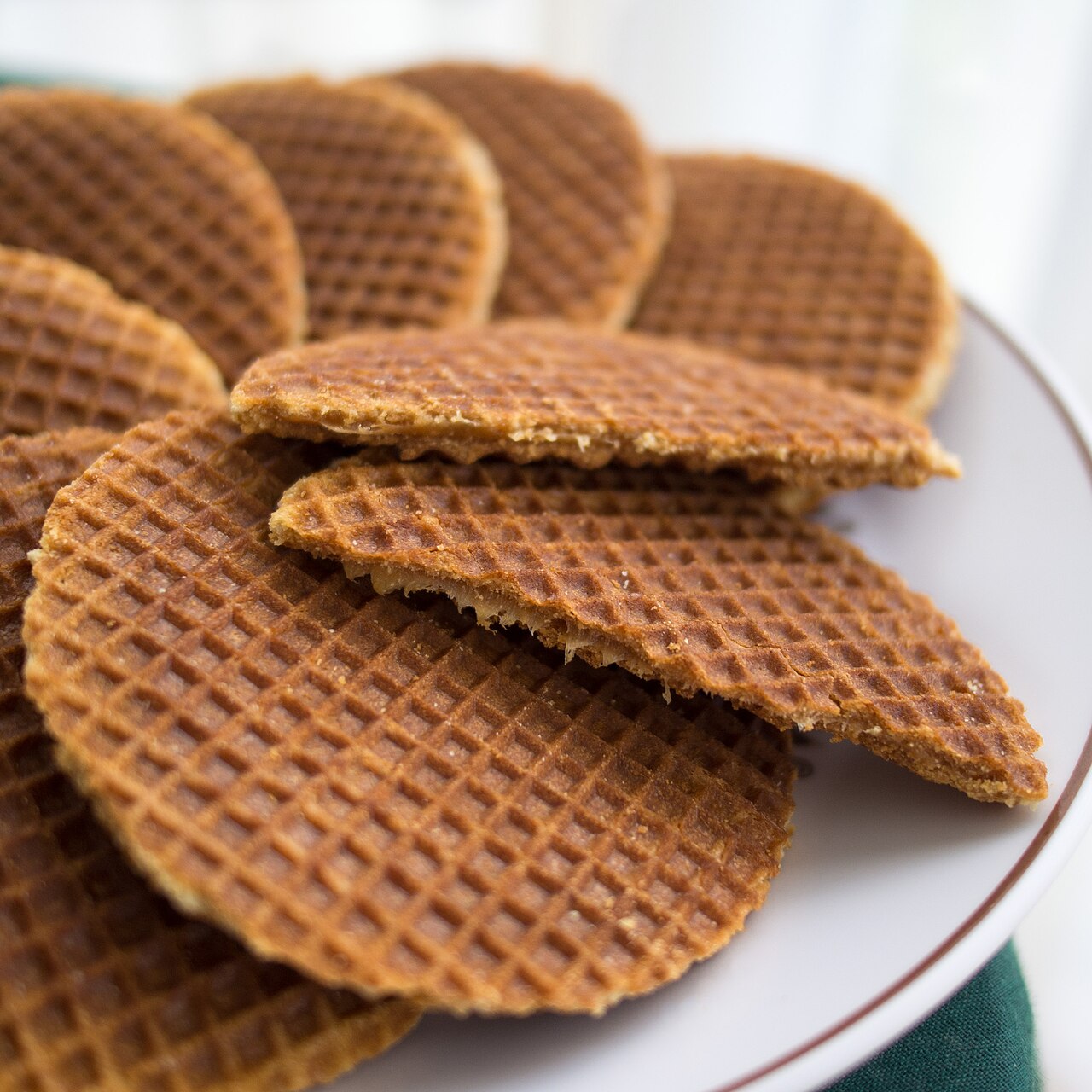
Two thin, crisp waffles pressed together with a warm, sticky filling of syrup, brown sugar, butter and cinnamon. They are sold hot and fresh at markets and in packets in every supermarket.
According to Dutch food tradition, stroopwafels were first made in Gouda in the late 1700s or early 1800s by bakers who sweetened leftover crumbs with syrup. Many people rest one on top of a hot cup of coffee or tea so the filling softens.
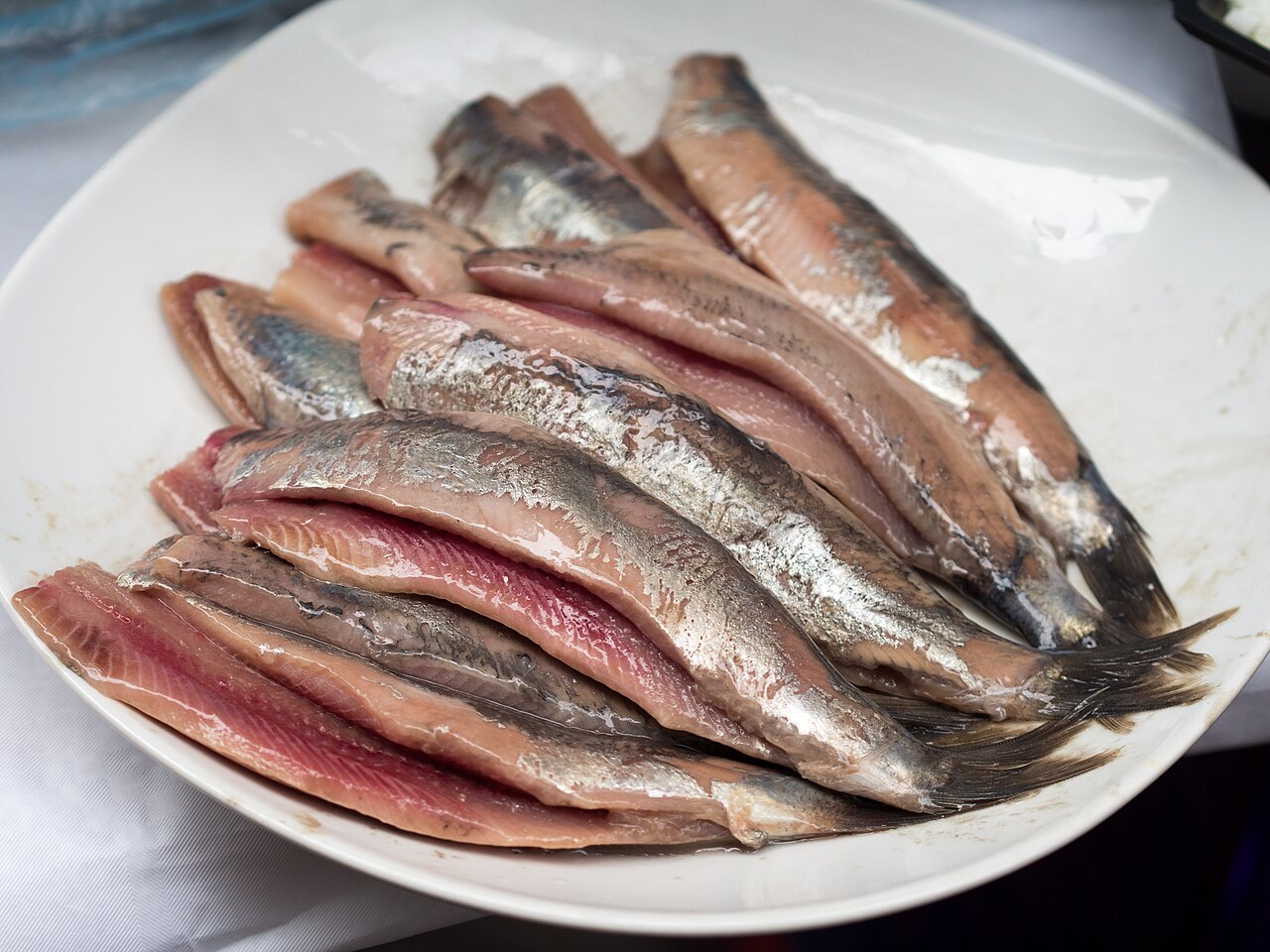
Young herring, lightly salted and ripened, eaten raw from a fish stall, often with chopped raw onion and pickles or in a soft bread roll. The new season's herring, 'Hollandse Nieuwe', arrives in early summer. By law, herring for eating raw is frozen first to kill parasites. Like other raw fish, it is best avoided by pregnant women, and older people or anyone with a weakened immune system may prefer to skip it too.
The traditional way to eat a whole herring is to hold it by the tail, tip your head back and lower it into your mouth. Leiden gives out free herring and white bread every 3 October, remembering the food brought to the starving city in 1574.
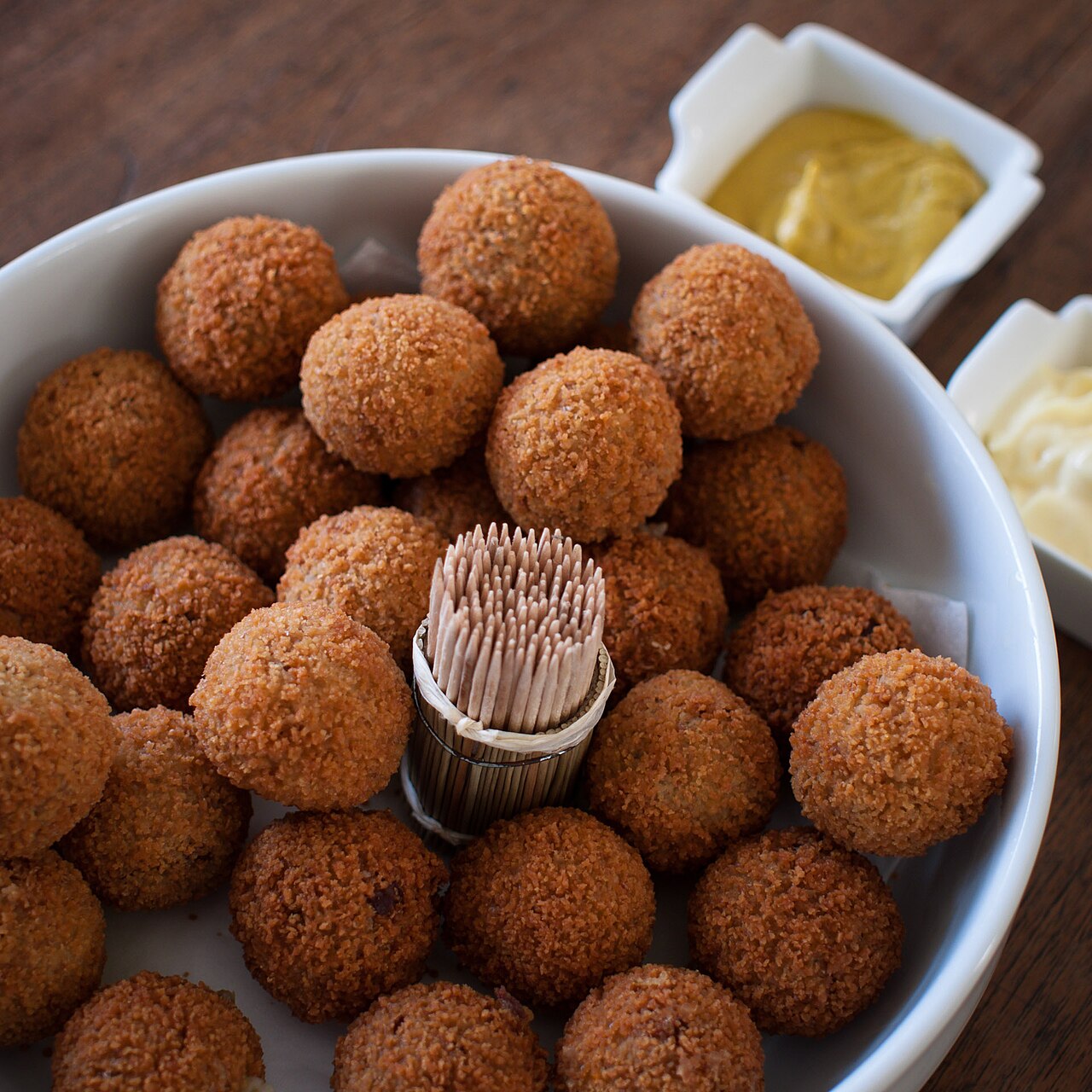
Small crunchy balls of thick beef ragout, rolled in breadcrumbs and deep-fried, served piping hot with mustard for dipping. They are part of the classic plate of snacks served with drinks in a Dutch café.
The name comes from 'bitters', the herb-flavoured spirits they were traditionally served with. Let them cool for a moment: the inside stays very hot.
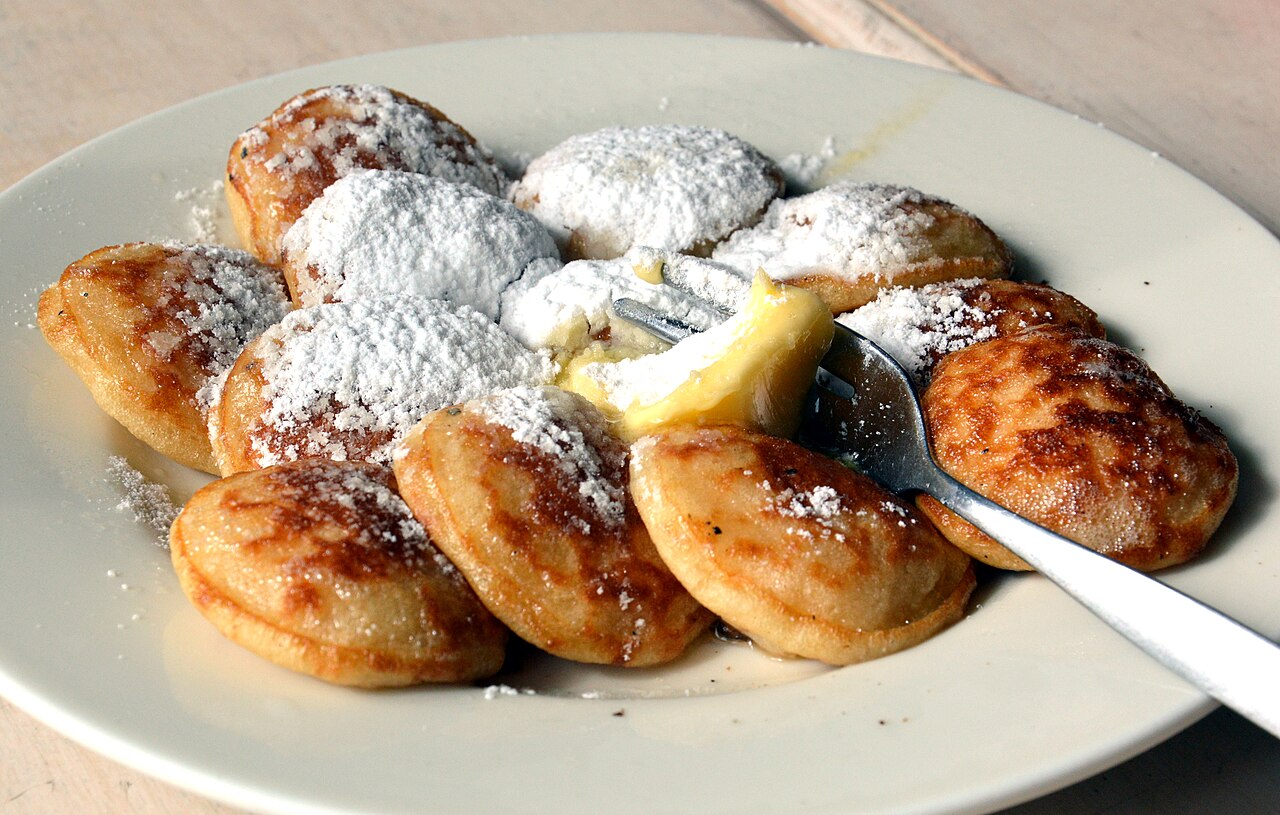
Tiny, fluffy pancakes made with yeast and cooked in a special pan with many shallow hollows, then served with a knob of butter and a snowfall of powdered sugar.
Poffertjes stands appear at fairs, summer festivals and Christmas markets, where they are served by the dozen on a little plate with a tiny fork. They first appear in a Dutch cookbook in 1746.
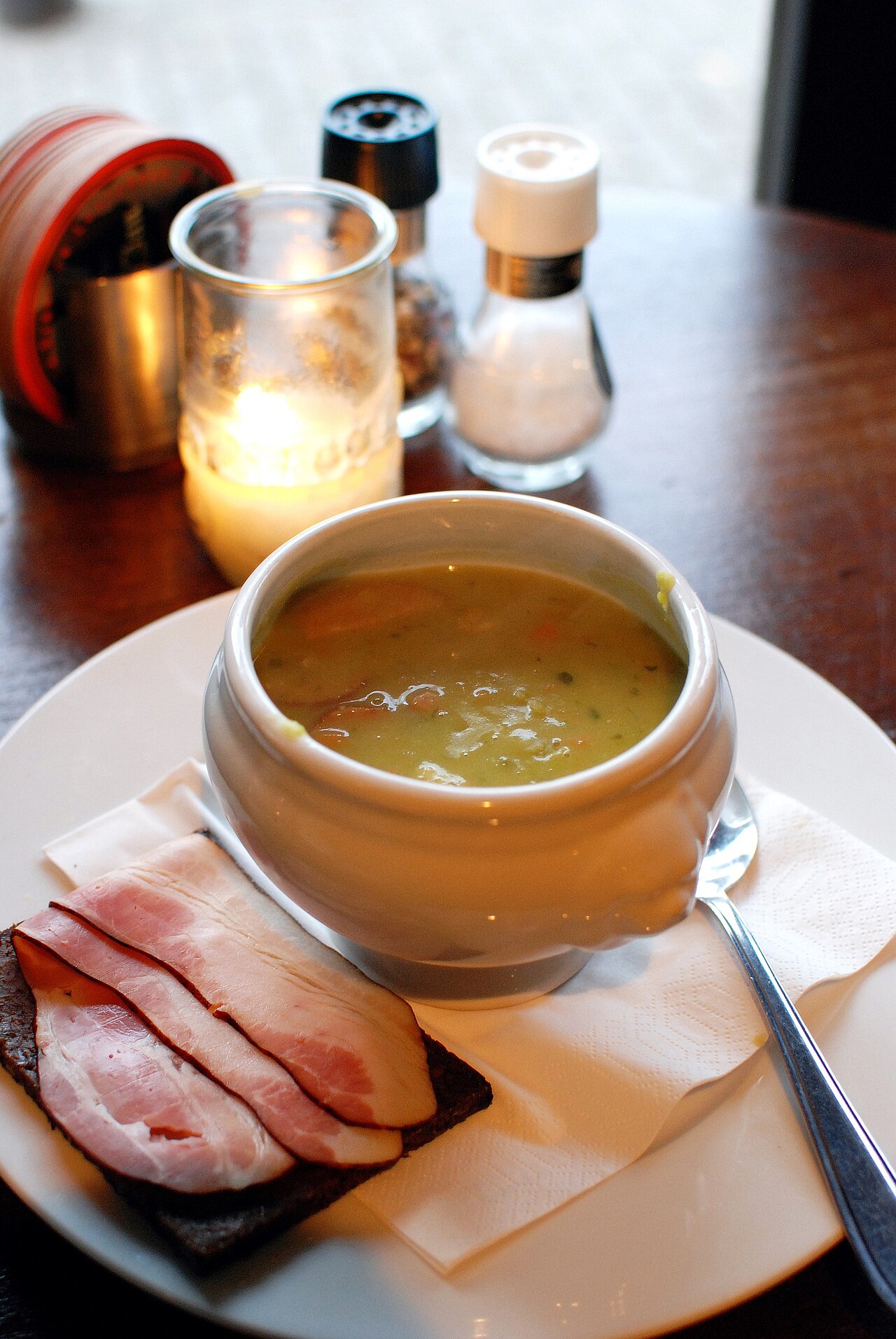
A very thick winter soup of green split peas with pork, celeriac, leeks, carrots, onions and often potato, finished with slices of smoked sausage. It is almost a stew, served with dark rye bread and bacon.
When canals and lakes freeze, little stalls on the ice sell steaming cups of snert to skaters.
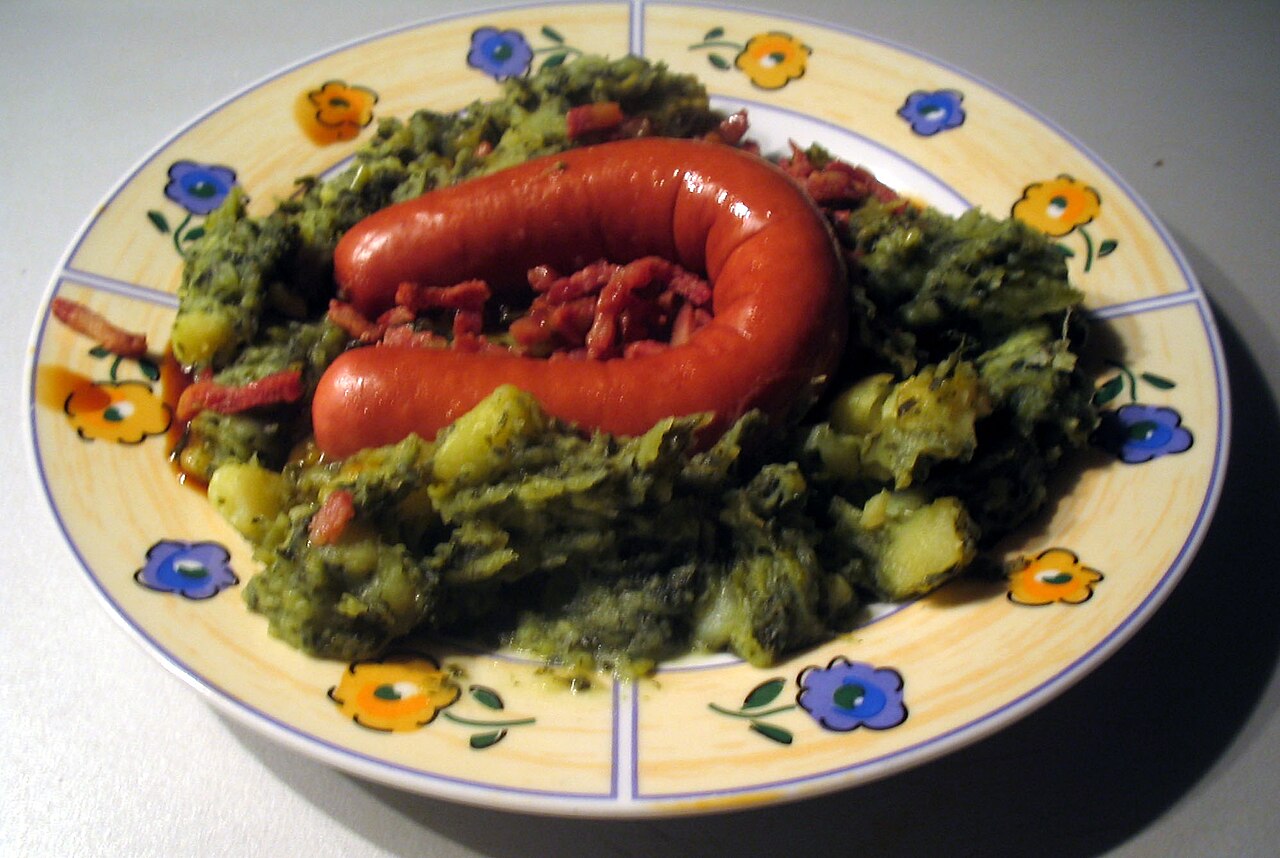
Potatoes mashed together with curly kale, butter and warm milk, served with a smoked sausage and gravy or mustard. Stamppot, 'mash pot', is the classic cold-weather dinner, also made with sauerkraut, endive or carrots and onions.
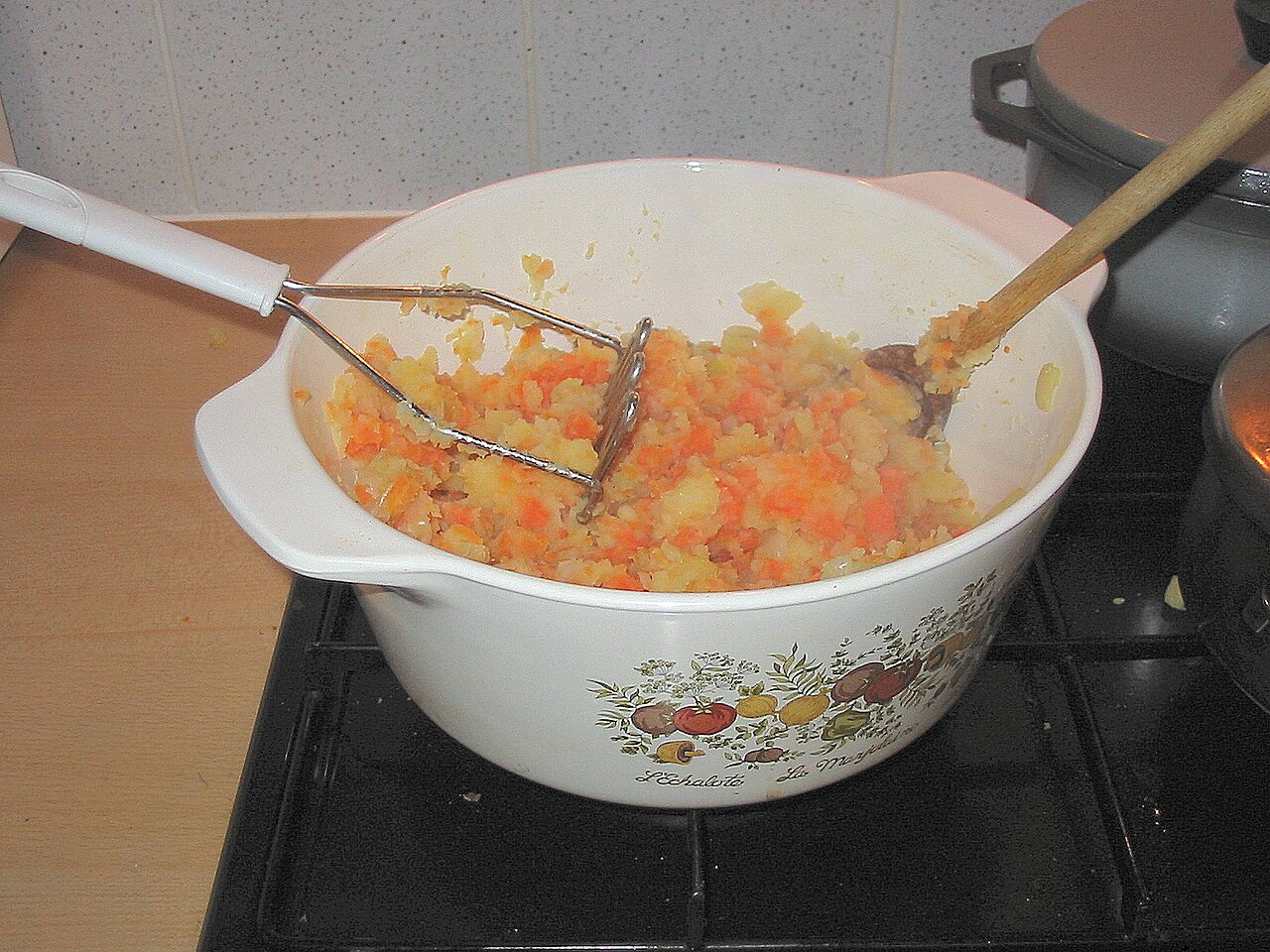
Potatoes, carrots and onions boiled and mashed together, traditionally with slow-cooked beef. It is sweet, orange and comforting.
Legend says the starving people of Leiden found a pot of hutspot left behind by Spanish soldiers when the siege of the city ended in 1574. Leiden still eats hutspot every 3 October to celebrate.
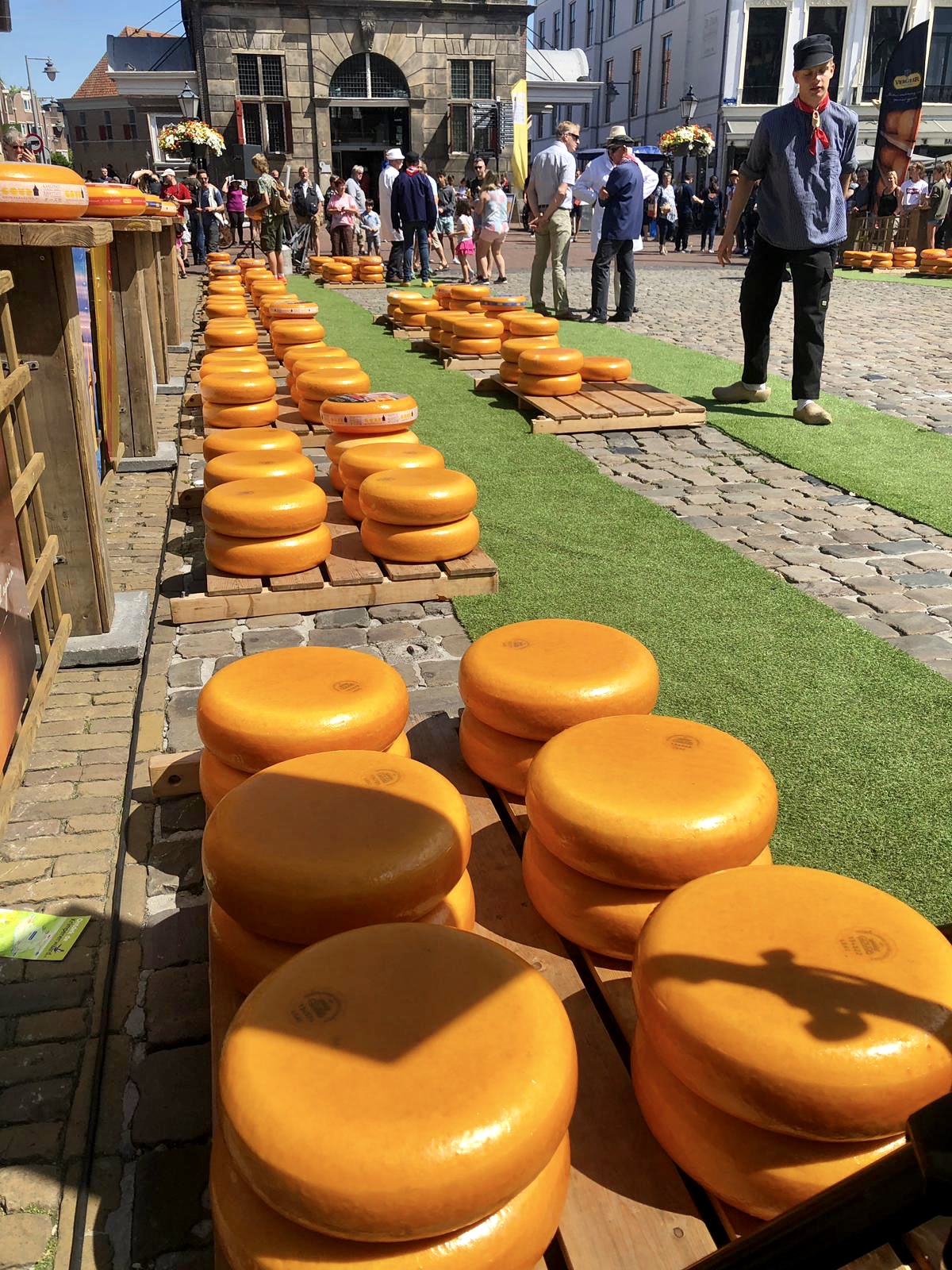
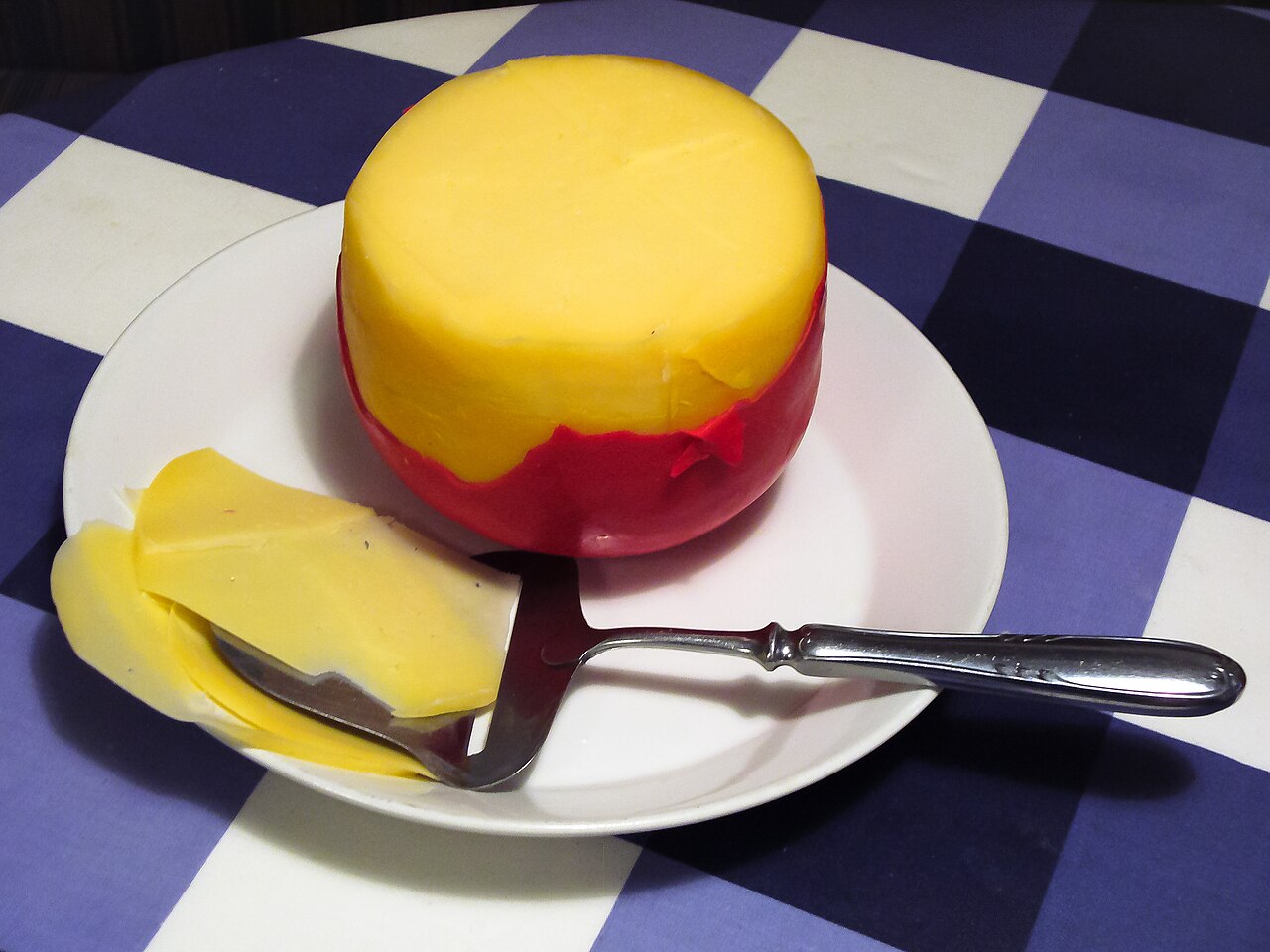
A yellow cow's milk cheese, from young, soft and mild to old, hard and full of flavour. It is eaten on bread at breakfast and lunch, and in cubes with a drink.
The cheese is named after the town of Gouda, where farmers brought their cheeses to the market square and buyers and sellers agreed a price by clapping hands, a custom called 'handjeklap'.
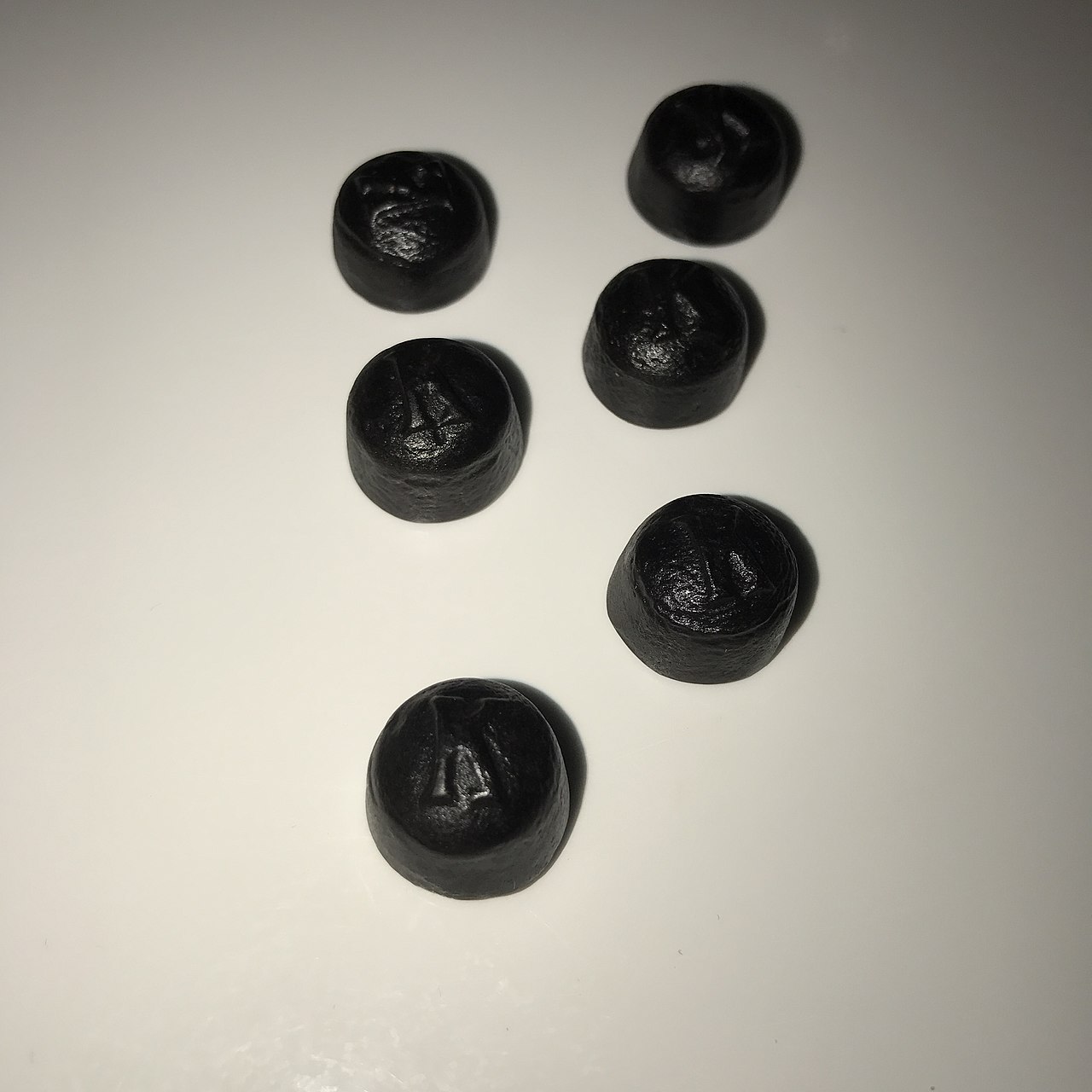
Black liquorice sweets in every shape, from soft and sweet to hard and very salty (zoute drop). Dutch liquorice is often flavoured with ammonium chloride, which gives it its salty taste.
The Dutch are said to eat more liquorice than any other people. Real liquorice can raise blood pressure, and large amounts eaten every day can upset the heart's rhythm, especially in people over 40. Enjoy it in small amounts, and skip it if you have high blood pressure or heart problems.
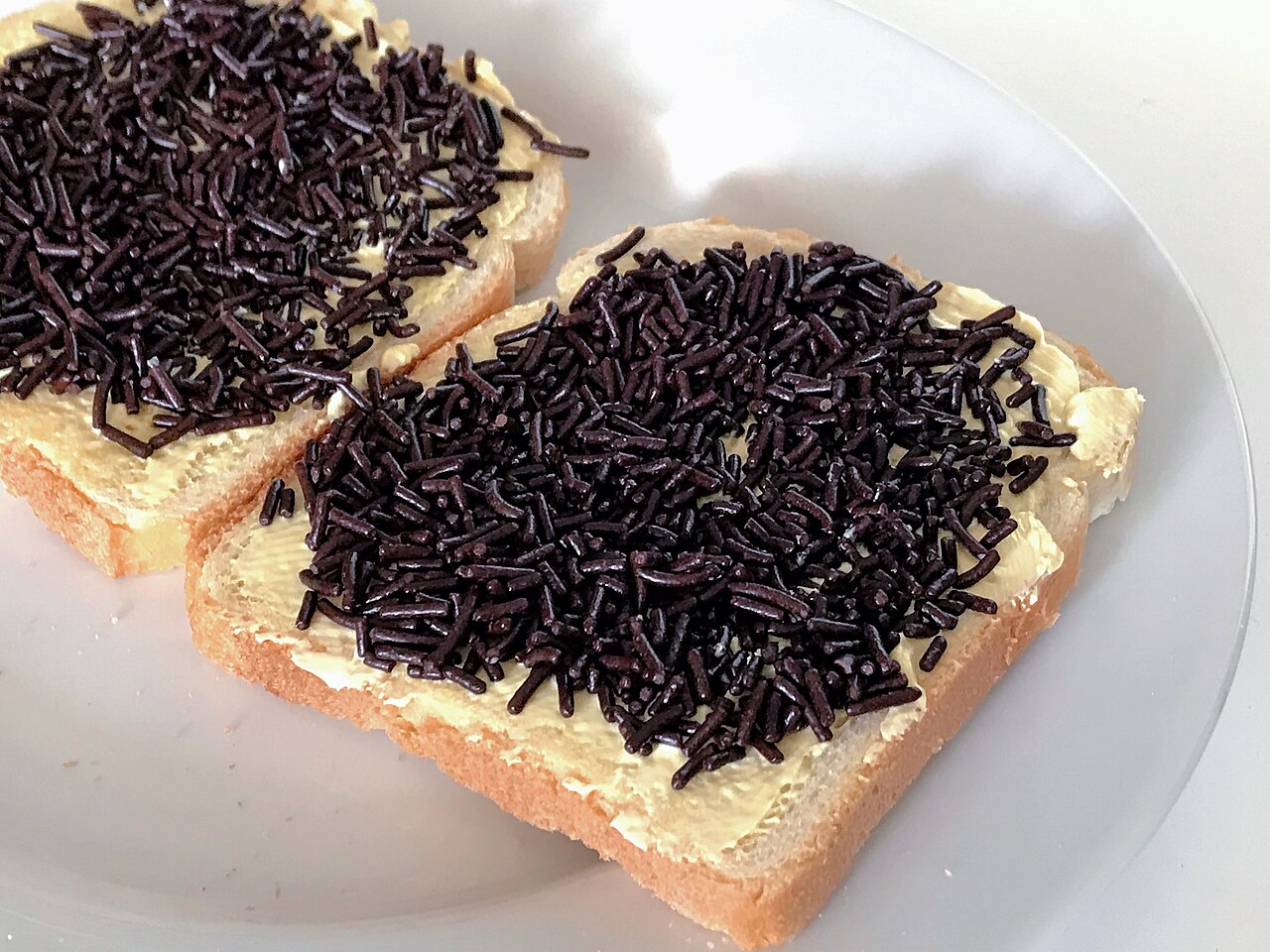
Little chocolate sprinkles scattered thickly on a slice of buttered bread, eaten at breakfast or lunch by children and adults alike. There are also fruit-flavoured and aniseed versions.
The name means 'hailstorm'. An estimated 750,000 hagelslag sandwiches are eaten in the Netherlands every day.
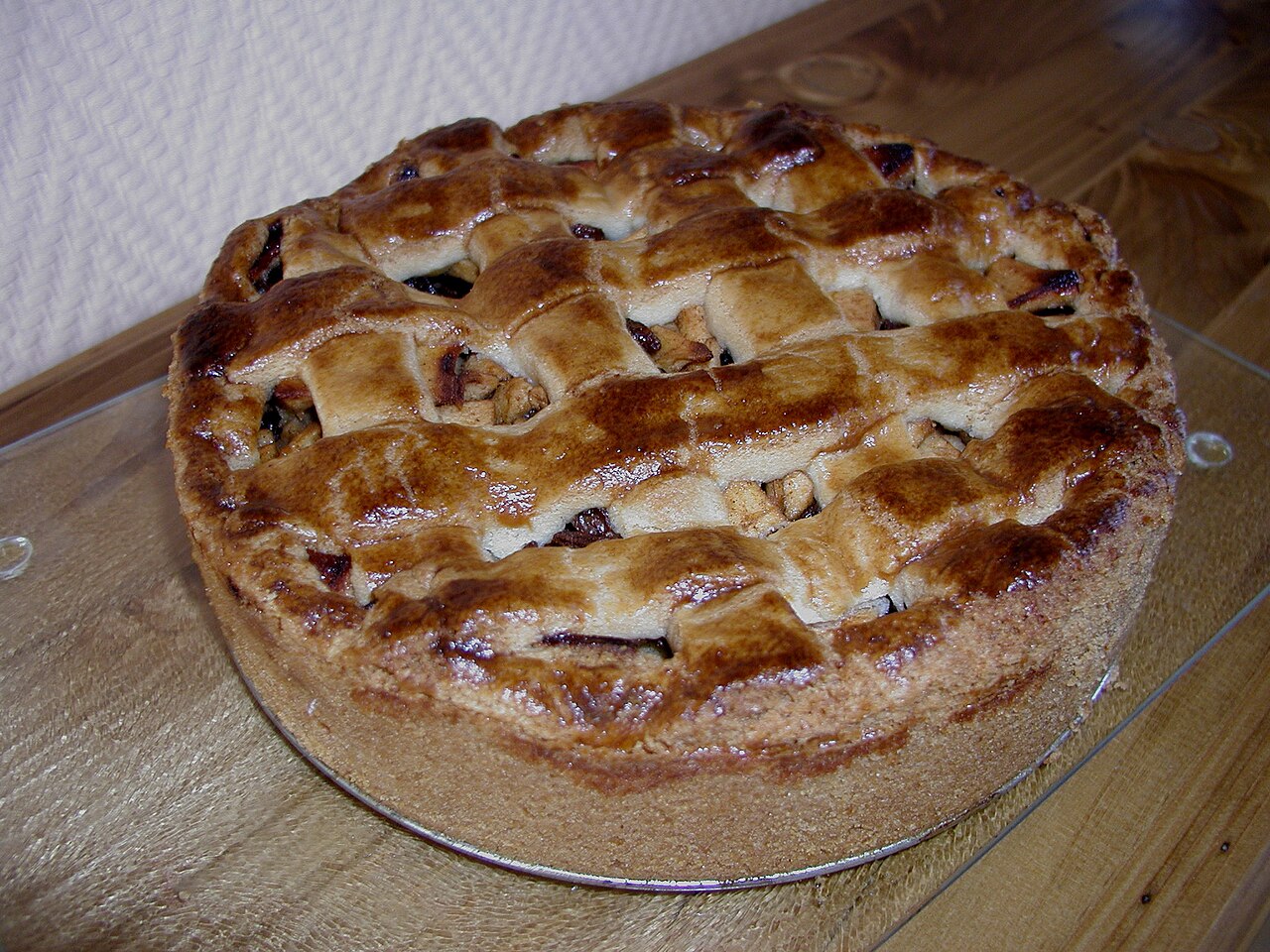
A deep apple pie in a buttery, crumbly crust, filled with apple pieces, cinnamon and lemon, often with raisins, and topped with a lattice or crumble. It is served with a spoonful of whipped cream, 'met slagroom'.
A Dutch-language cookbook printed in 1514 already has a recipe for 'appeltaerten', apple pies.
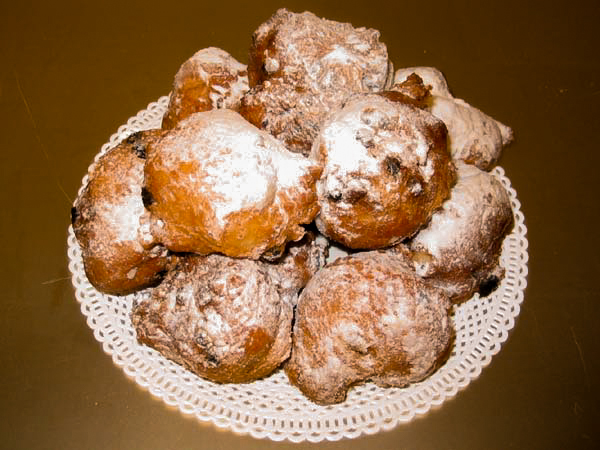
Round balls of yeast dough, often with raisins or apple, deep-fried and dusted with powdered sugar. They are the traditional treat for New Year's Eve, sold from stalls all through December.
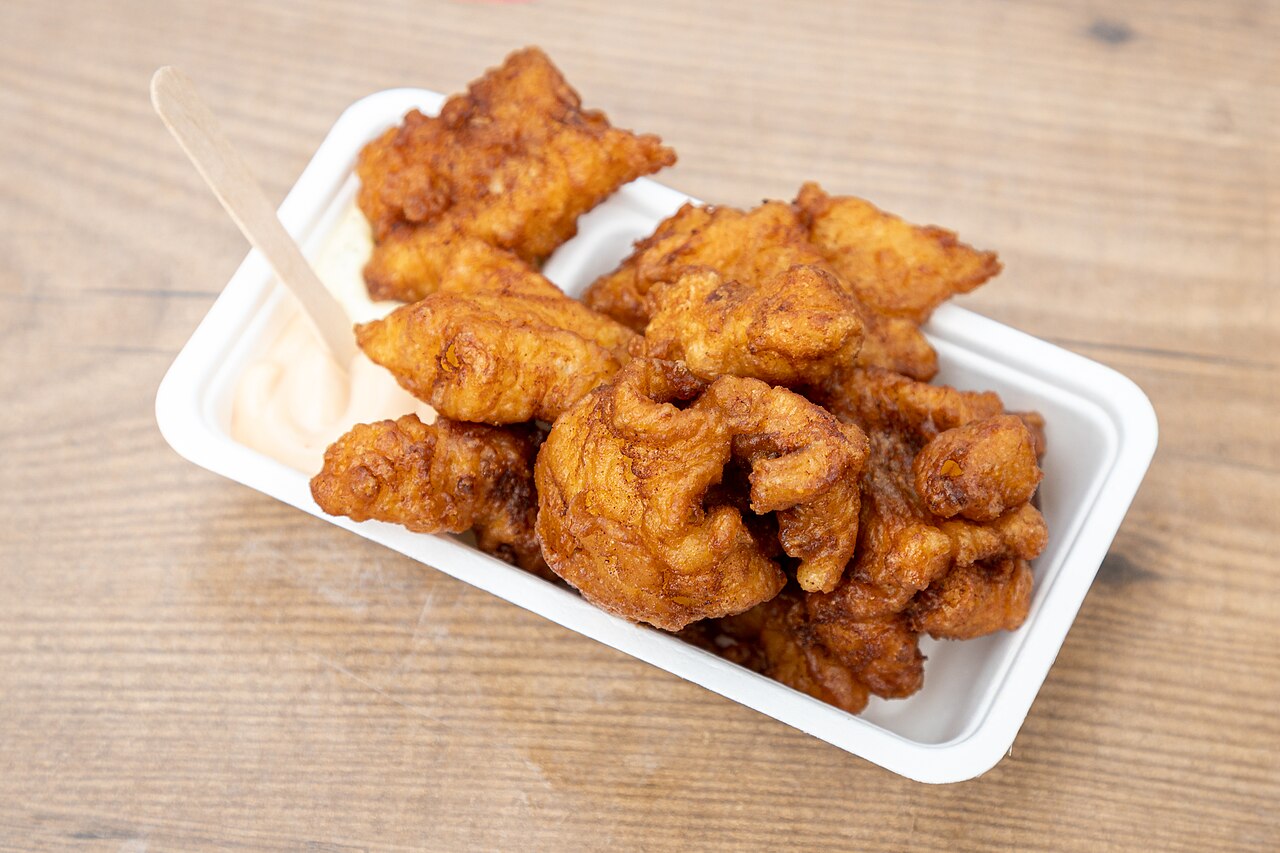
Bite-sized chunks of white fish, traditionally cod, in a spiced batter, fried and served hot from a market fish stall with a mayonnaise-based sauce such as remoulade.
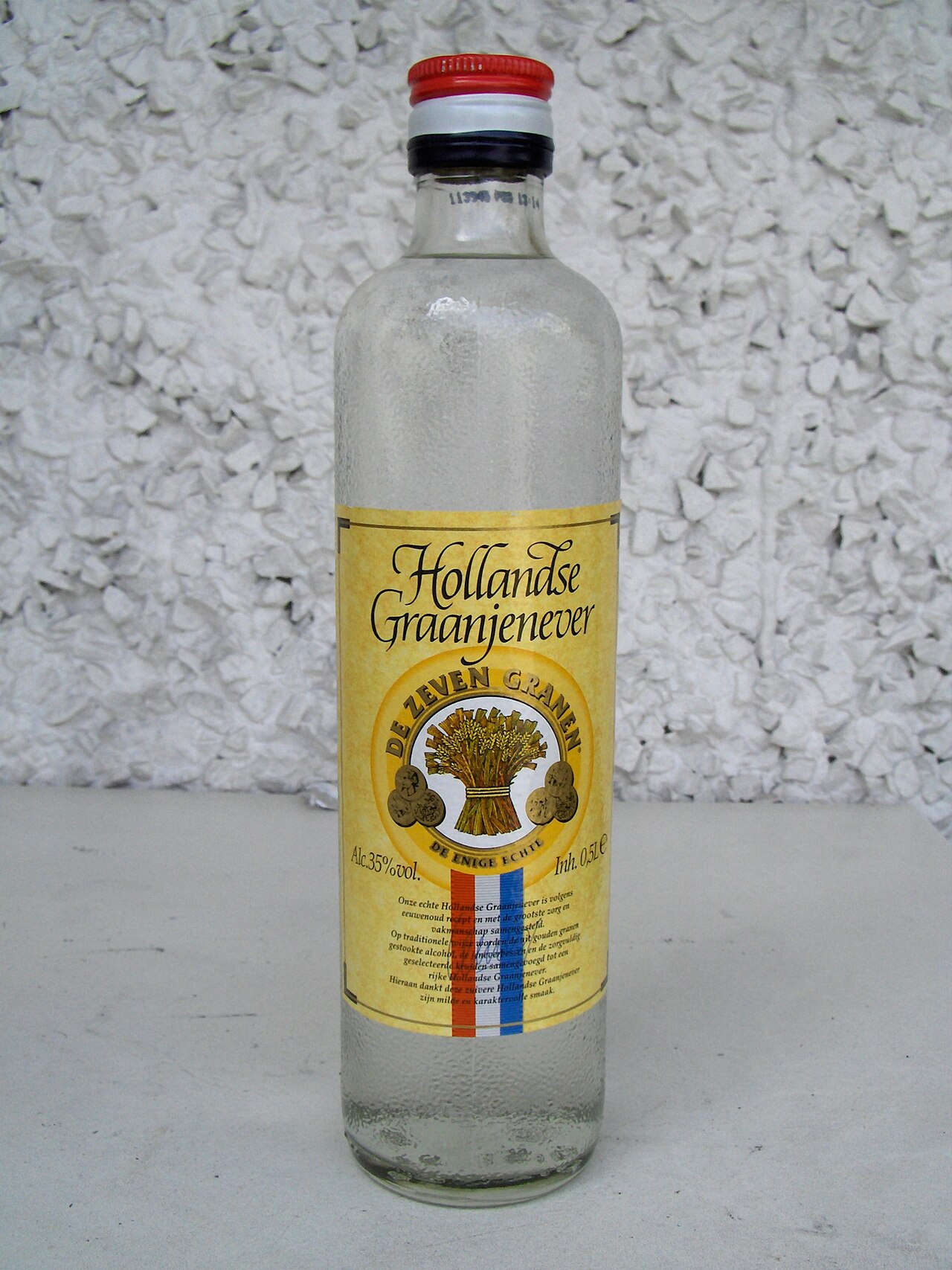
A juniper-flavoured spirit, the traditional liquor of the Netherlands and Belgium. There are two kinds, 'jonge' (young) and 'oude' (old). It is strong alcohol, to be sipped slowly.
Modern gin grew out of jenever after it was taken to Britain, and even the English word 'gin' comes from its name.
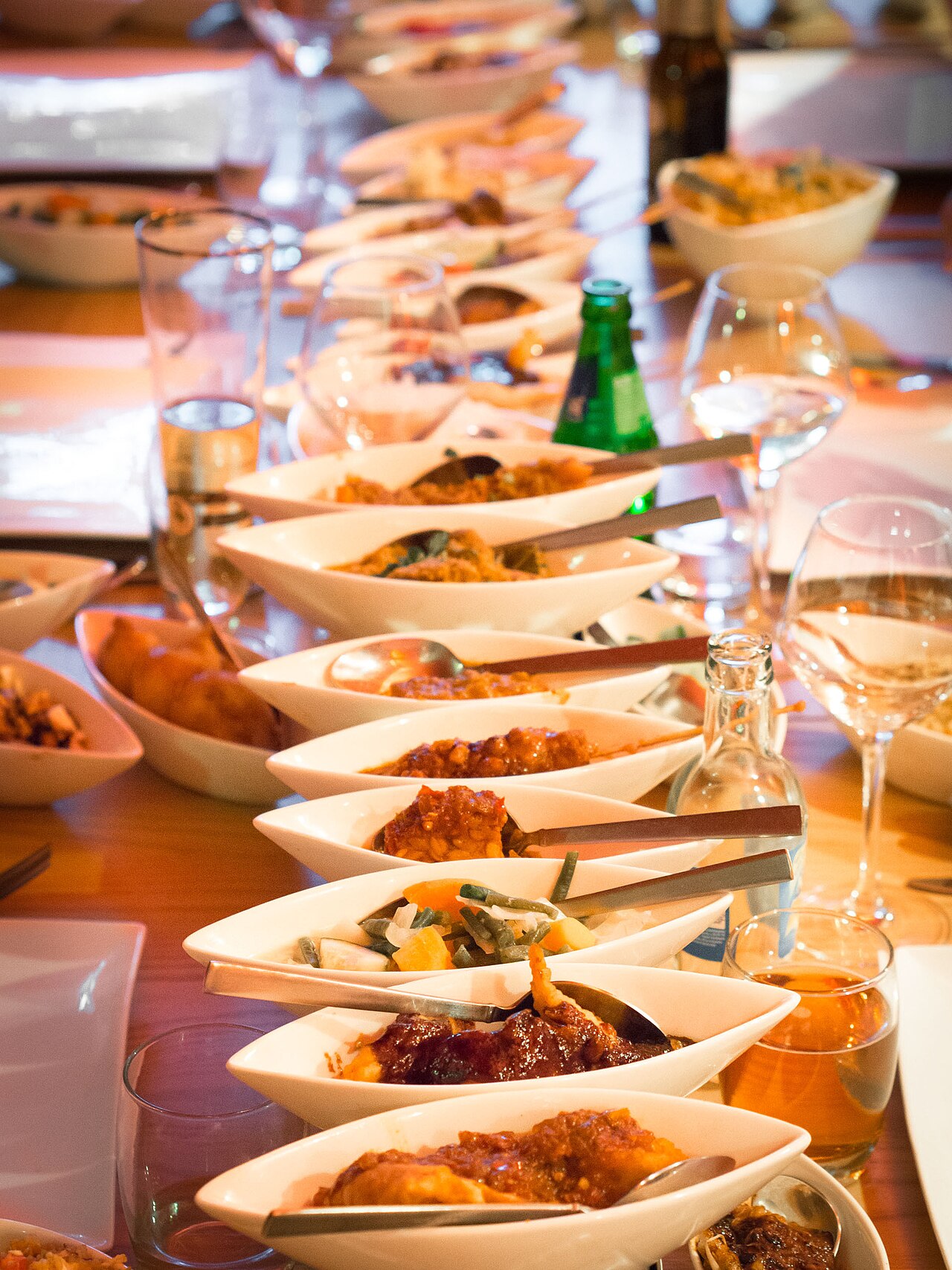
A feast of rice with many small Indonesian dishes: satay, sambal, curries, vegetables, eggs, fish and crunchy extras. The dishes are Indonesian, but the idea of serving dozens at once was a Dutch colonial custom, made to impress visitors.
Almost every Dutch town has a Chinese-Indonesian restaurant, a legacy of the colonial past in Indonesia.
At the table in the Netherlands
Before eating, people wish each other 'eet smakelijk' (ayt SMAH-kuh-luk), 'enjoy your meal'.
When raising a glass, say 'proost' (PROHST), 'cheers'.
Coffee time is a real tradition: guests are offered coffee or tea with a biscuit or a slice of cake, and the old saying goes that you take just one biscuit from the tin.
Service is included in restaurant prices by law. Tipping is not required, but rounding up or leaving 5 to 10 percent for good service is common.