14 fun facts about Bolivia
- 01
Bolivia has two capitals. Sucre is the capital named in the constitution and the seat of the courts, while La Paz is the seat of government, with the president and the parliament.
- 02
The country is named after Simón Bolívar. A congressman proposed the name with the words: 'If from Romulus, Rome, then from Bolívar, Bolivia.'
- 03
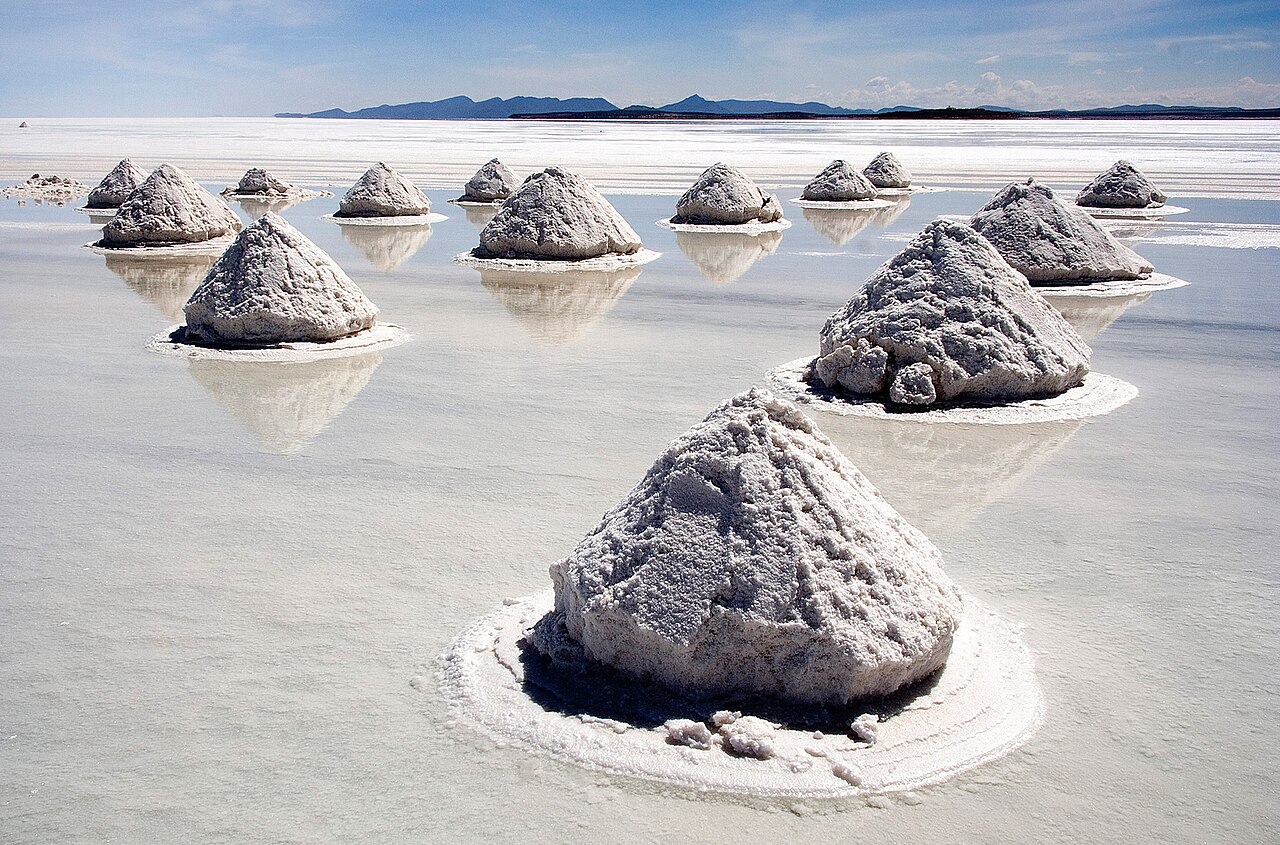
After rain, the Salar de Uyuni becomes the world's largest natural mirror, 129 km across. Its surface is so flat that it is used to calibrate the altimeters of Earth observation satellites.
- 04
Bolivia has had no coast since the War of the Pacific, but it still has a navy. Its sailors patrol the rivers and Lake Titicaca, often called the highest navigable lake in the world.
- 05
Every year on 23 March, the Day of the Sea, Bolivia remembers the coast it lost to Chile and repeats its claim to access to the Pacific Ocean.
- 06
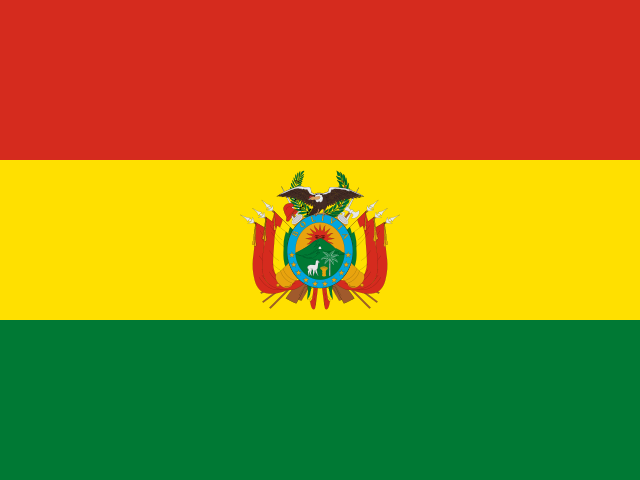
The 2009 constitution made the wiphala, a square flag of many coloured squares used by Andean peoples, a symbol of the state alongside the red, yellow and green national flag.
- 07
The bowler hats worn by many pollera women in La Paz came from Italy. Italian traders first sold them on the Altiplano in the late 19th century.
- 08
Chuño, the freeze-dried potato of the Andes, is made by leaving potatoes out on freezing nights and in strong sun by day, then trampling out the water. Chuño has been found at Tiwanaku, so the method is centuries older than the Incas.
- 09
At the Alasitas fair in La Paz, which starts every 24 January, people buy tiny models of what they wish for, such as houses, cars or banknotes, for Ekeko, the Andean god of abundance. Alasita is Aymara for 'buy from me'.
- 10
The old Yungas Road from La Paz, known as the Death Road, drops about 3,500 m, and it was the one road in Bolivia where traffic kept to the left, so drivers could see the edge of the cliff. Since a new asphalt road with guardrails replaced it, the old road has become popular with mountain bikers.
- 11
Six former Jesuit missions in the Chiquitos region of eastern Bolivia, with churches that mix European and Indigenous styles, have been a UNESCO World Heritage Site since 1990. They are unusual because their towns and culture largely survived after the Jesuits were expelled in 1767.
- 12
As of 2026, La Paz's Mi Teleférico, which links the city with El Alto, is the largest urban cable-car network in the world, with ten lines. It was the first city system to use cable cars as the backbone of public transport.
- 13
One theory holds that the dollar sign comes from the mint mark of Potosí, the letters PTSI written on top of one another, stamped on colonial silver coins.
- 14
Singani, Bolivia's national spirit, is distilled from Muscat of Alexandria grapes, and by law the vineyards must be at least 1,600 m above sea level.
Sources (19)
- Bolivia (Wikipedia)
- Constitution of Bolivia (Wikipedia)
- Sucre (Wikipedia)
- La Paz (Wikipedia)
- Potosí (Wikipedia)
- Chuño (Wikipedia)
- Singani (Wikipedia)
- Salar de Uyuni (Wikipedia)
- Lake Titicaca (Wikipedia)
- Mi Teleférico (Wikipedia)
- Jesuit Missions of Chiquitos (Wikipedia)
- Bolivia (Plurinational State of): World Heritage properties (UNESCO)
- Alasitas (Wikipedia)
- Ekeko (Wikipedia)
- Día del Mar (Wikipedia)
- Bolivian Navy (Wikipedia)
- Wiphala (Wikipedia)
- Pollera women (Wikipedia)
- Yungas Road (Wikipedia)
Fun facts from nearby countries
More about Bolivia
- The trip to BoliviaMap, story, food, phrases and a friendly quiz.
- Bolivian foodThe dishes to try, with photos and recipes.
- Bolivia triviaQuestions and answers to read aloud or print.
- Bolivia word searchCities and dishes in large print.
- Bolivian words crosswordLearn a few words while you solve it.
- Colour the flag of BoliviaPrint it or colour it in on the screen.
- Bolivian rootsA family guide: history, recipes and words for the grandchildren.
- Before you goPhrases, customs and tips for travellers.
- Printable packLarge print, with a quiz and answers.