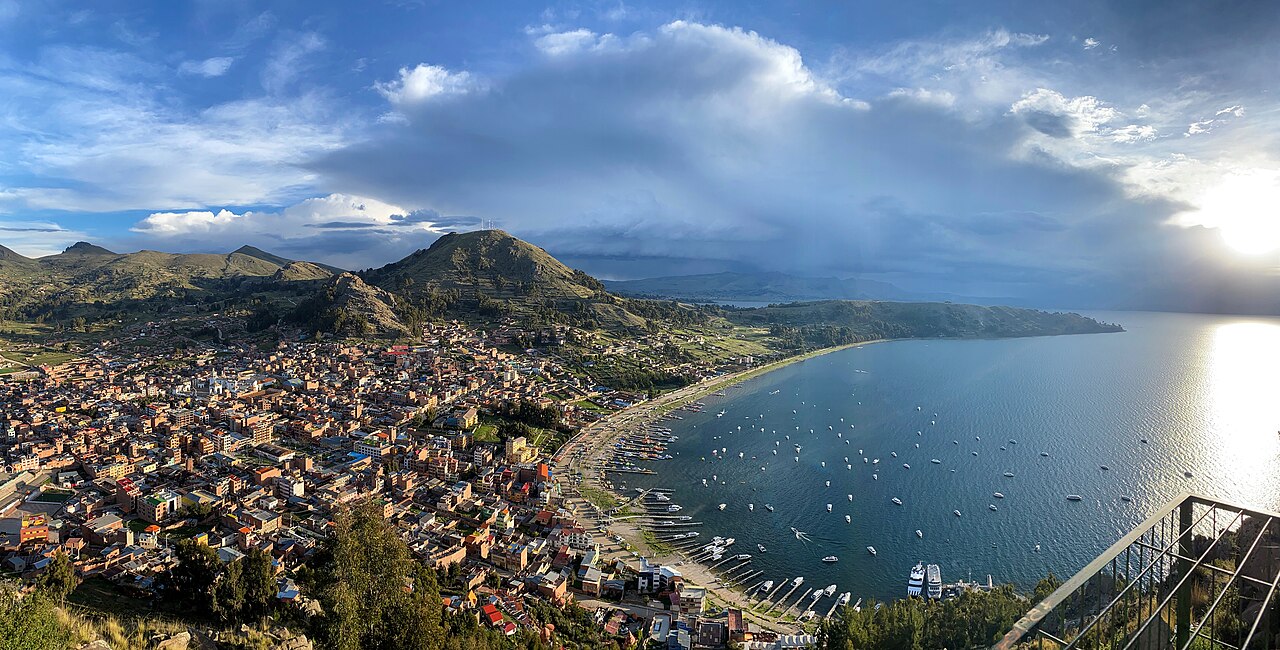
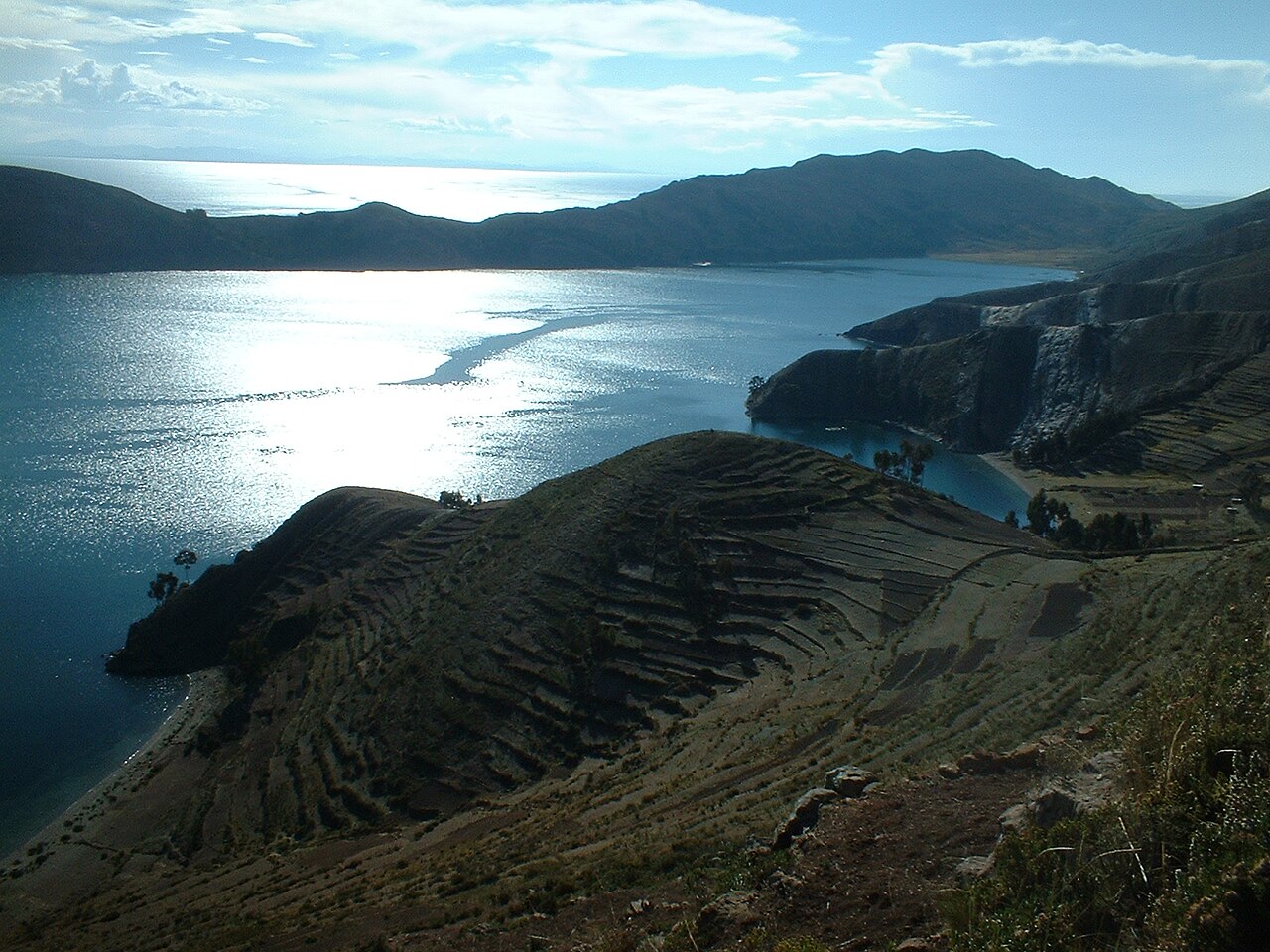
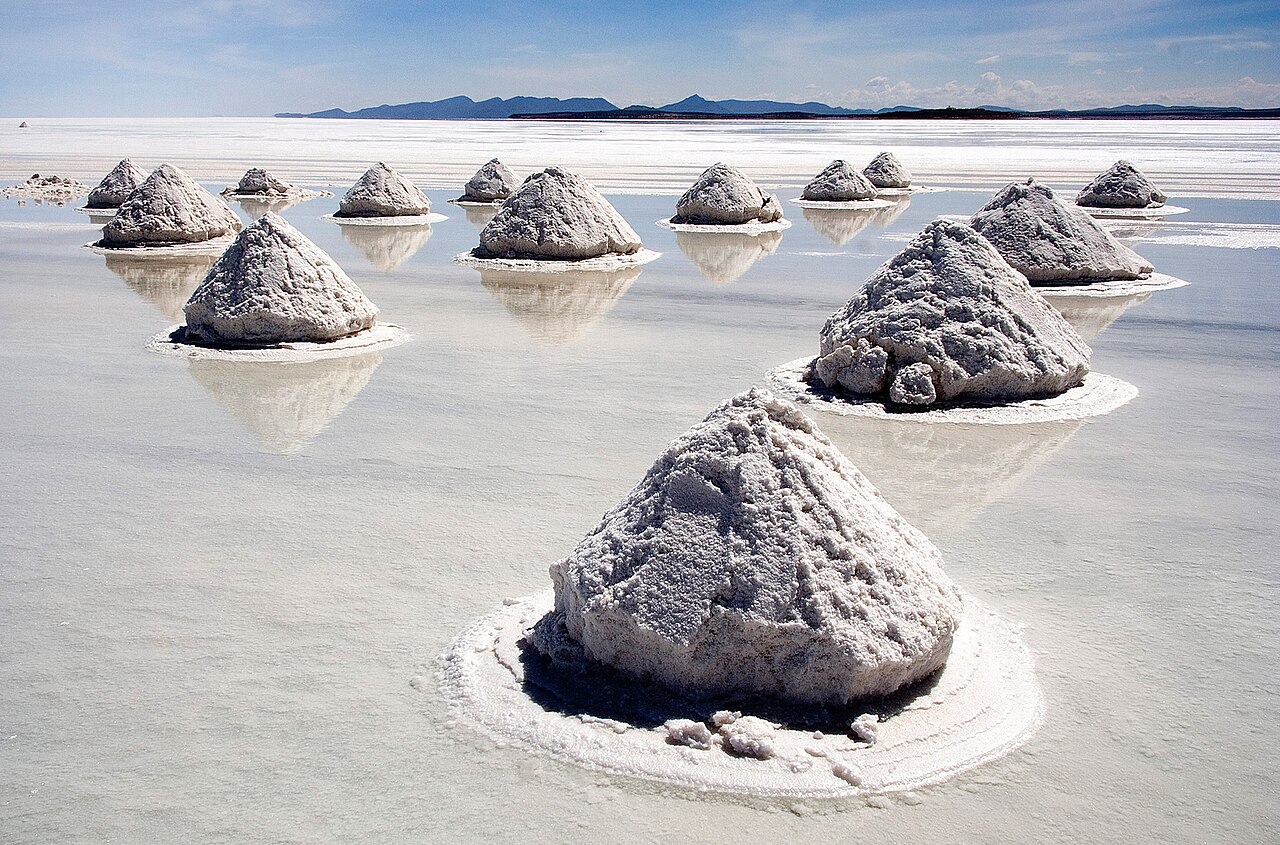
Bolivia lies in the middle of South America and has no coast. The west is high country: two ranges of the Andes with the Altiplano, a vast cold plateau, between them. Here are Lake Titicaca, which Bolivia shares with Peru, and the Salar de Uyuni, the largest salt flat in the world. The east and north, about two thirds of the country, are warm lowlands of savanna and Amazon rainforest.
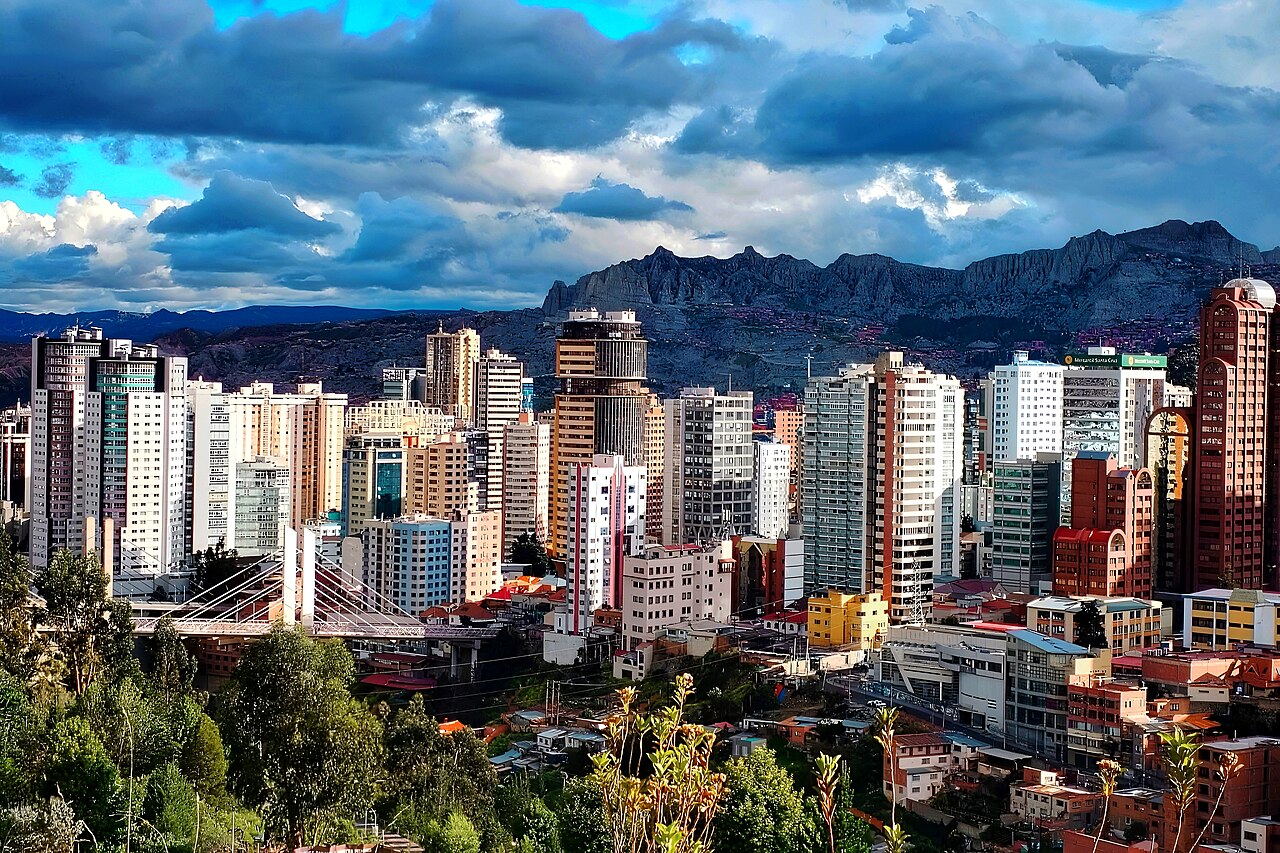
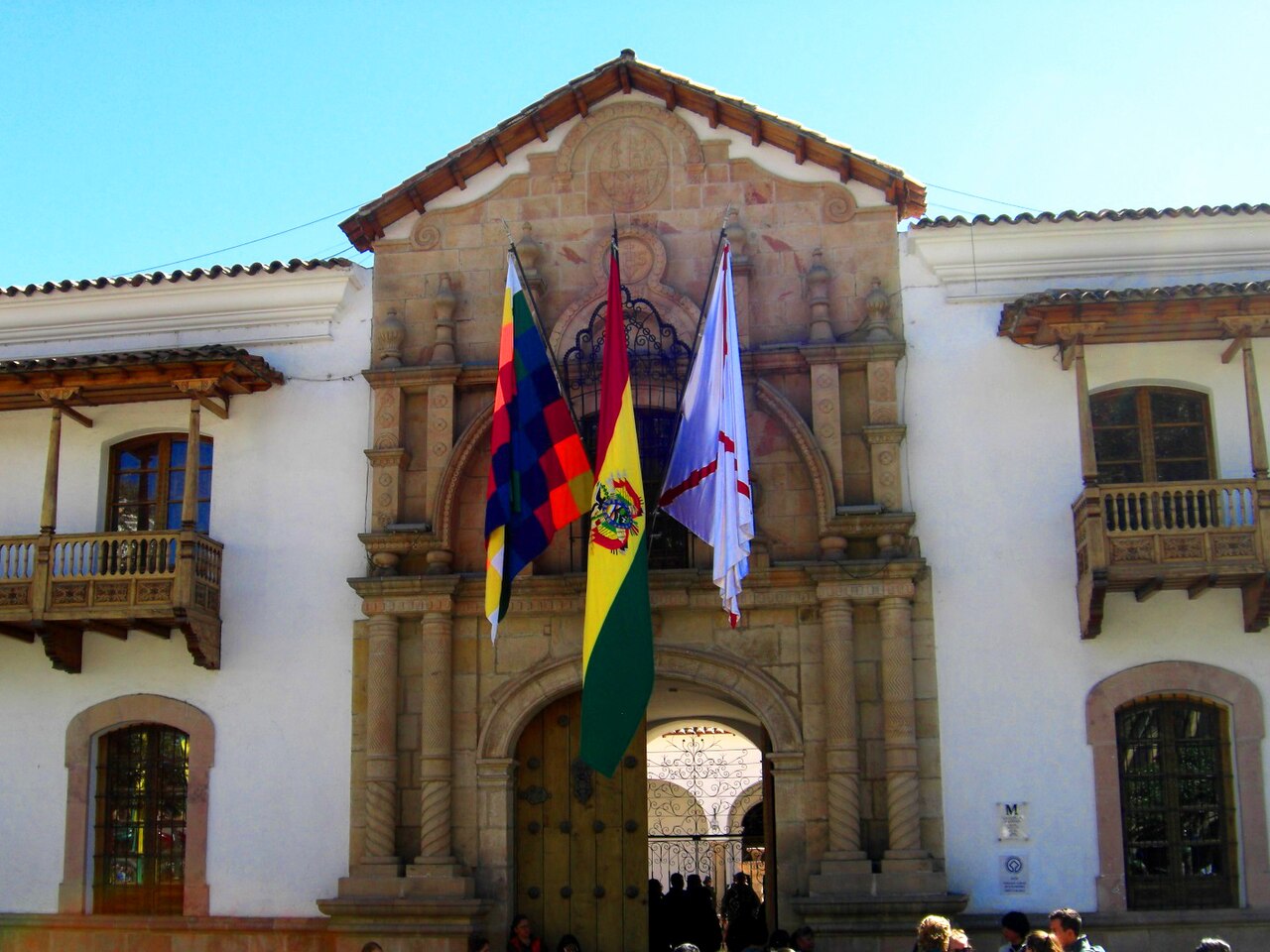
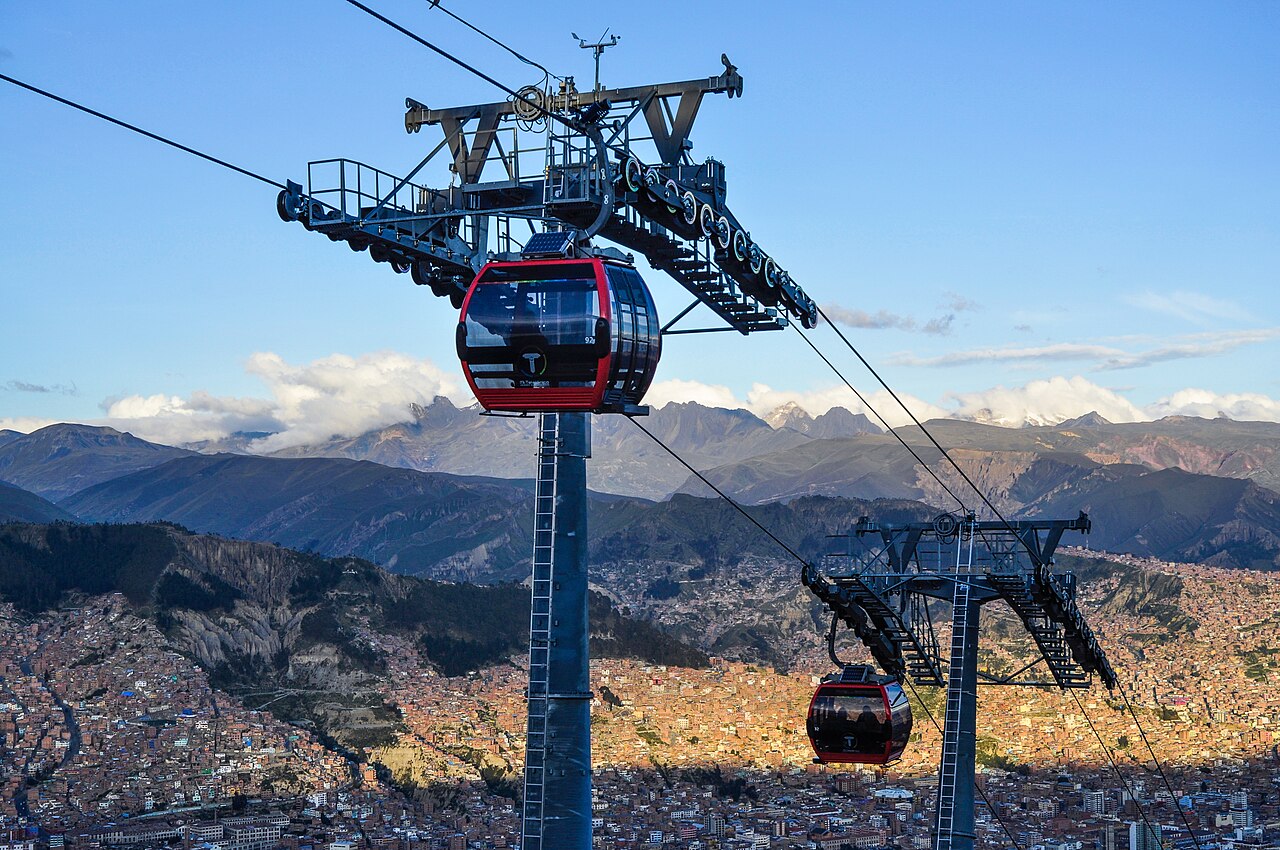
Bolivia is one of the few countries with two capital cities, and it helps to know the difference. Sucre is the capital named in the constitution and the home of the Supreme Court. La Paz is the seat of government, where the president, the parliament and the electoral authority work. The largest city of all is a third one, Santa Cruz de la Sierra, in the tropical east.
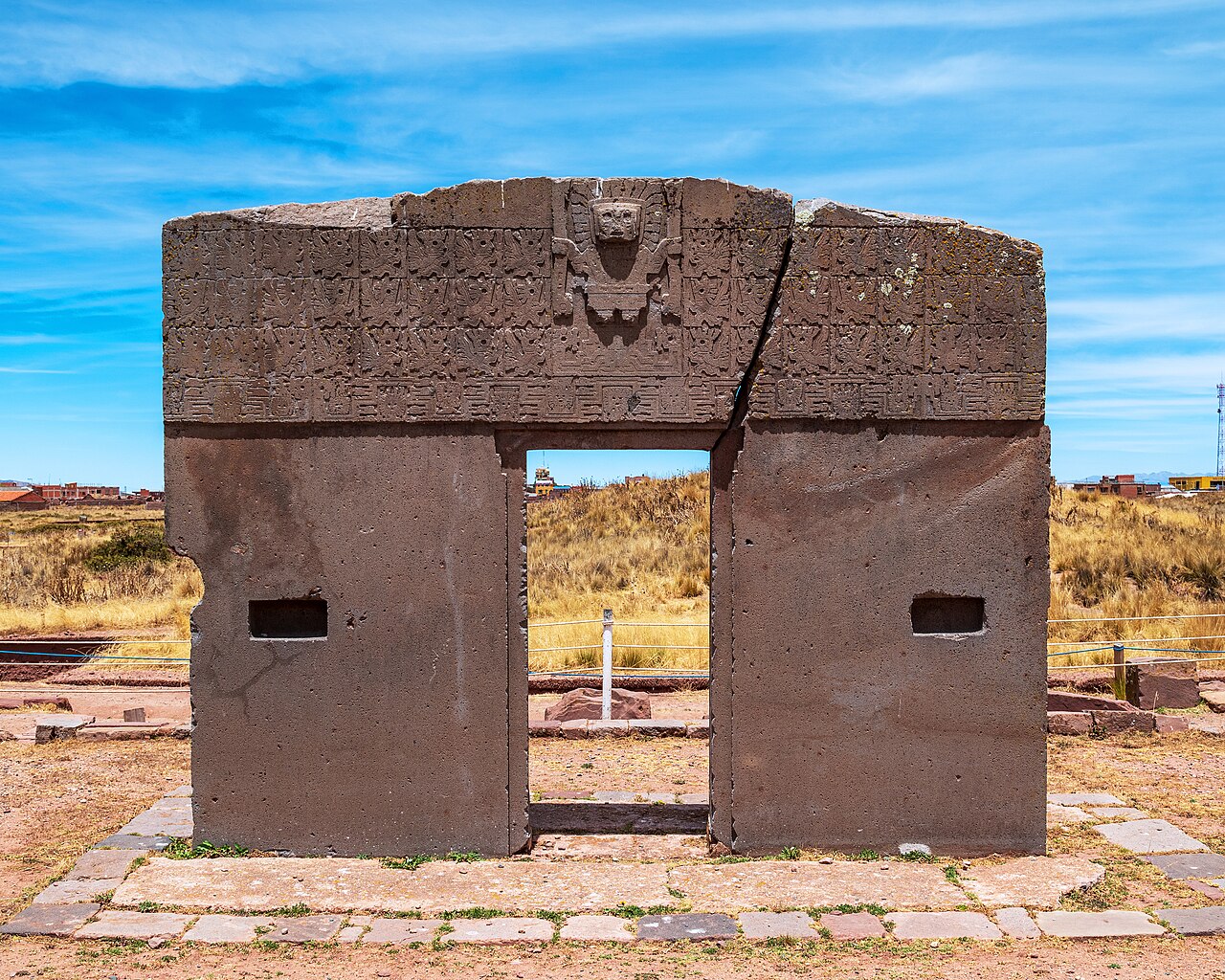
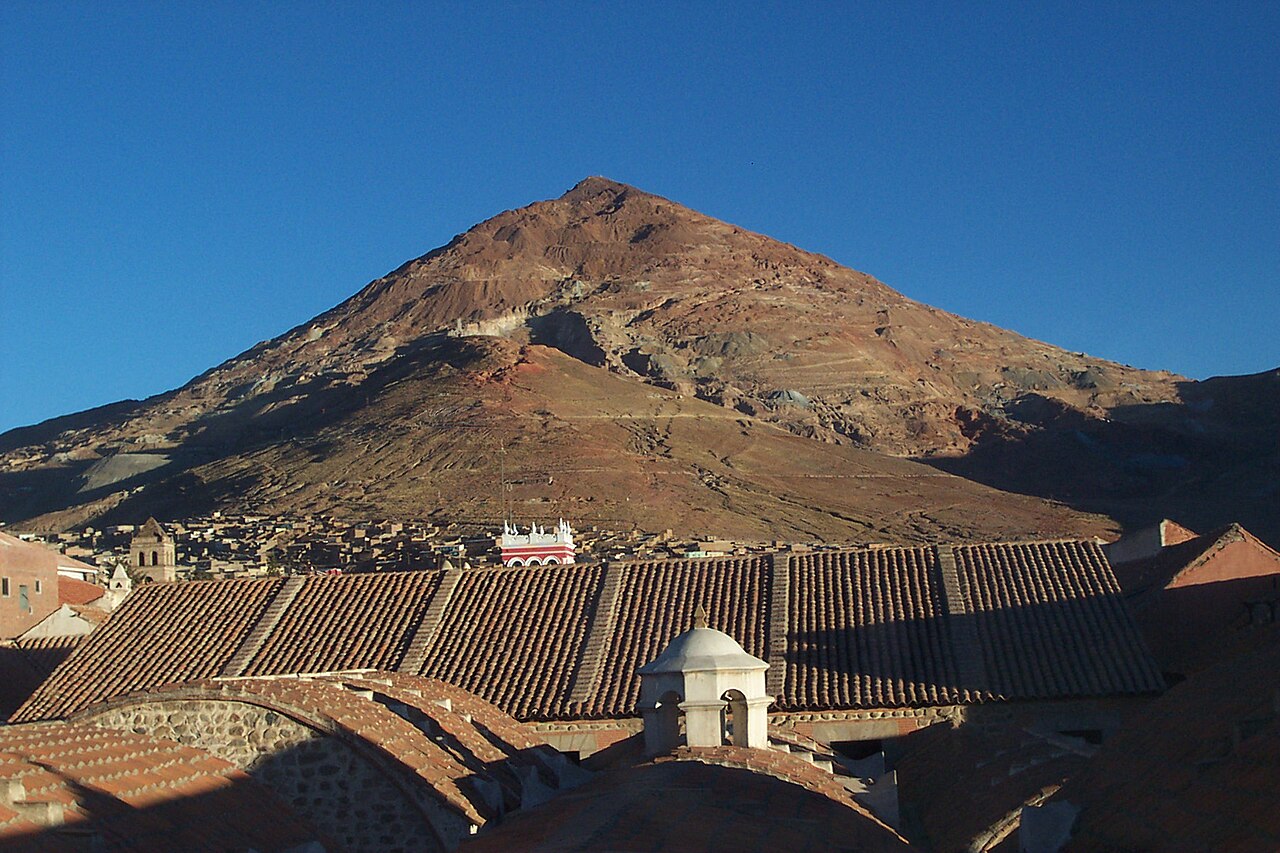
Long before the Incas, the city of Tiwanaku near Lake Titicaca was the centre of a great Andean culture. Under Spanish rule, the silver mountain above Potosí made the city one of the richest places on earth. Bolivia became independent in 1825 and took its name from Simón Bolívar. Today it has about 11.4 million people, and alongside Spanish, millions speak Quechua, Aymara or Guaraní.
CapitalSucre
Seat of governmentLa Paz, home of the president, the parliament and the electoral authority. Sucre, the constitutional capital, is the seat of the judiciary
PopulationAbout 11.4 million (2024 census)
Official languageSpanish and 36 Indigenous languages named in the 2009 constitution. The most widely spoken are Quechua, Aymara and Guaraní
CurrencyBolivian boliviano (BOB)
AreaAbout 1.1 million km², the fifth largest country in South America
GovernmentPresidential republic, divided into nine departments
Highest mountainNevado Sajama, 6,542 m, an extinct volcano in Oruro Department
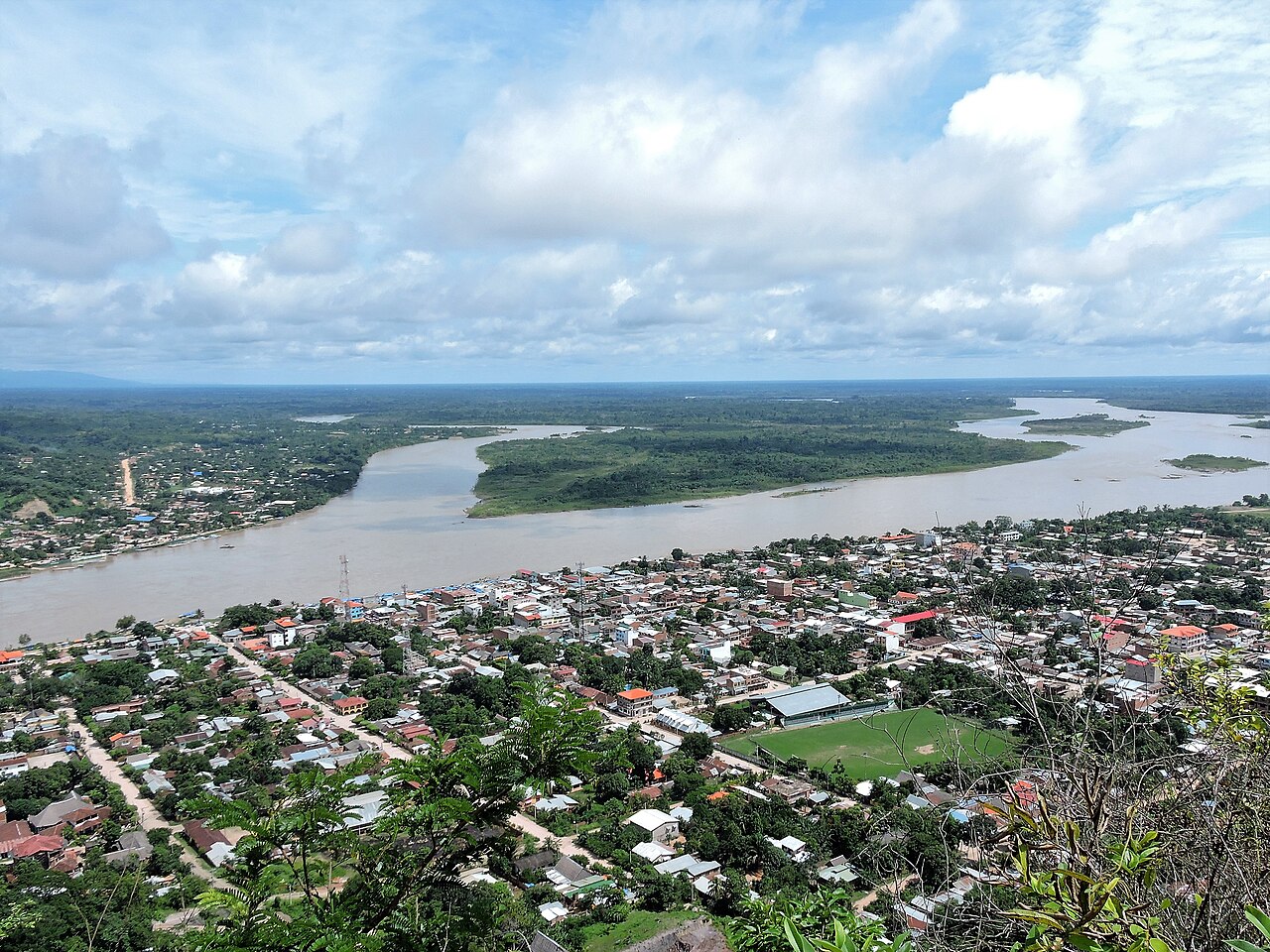
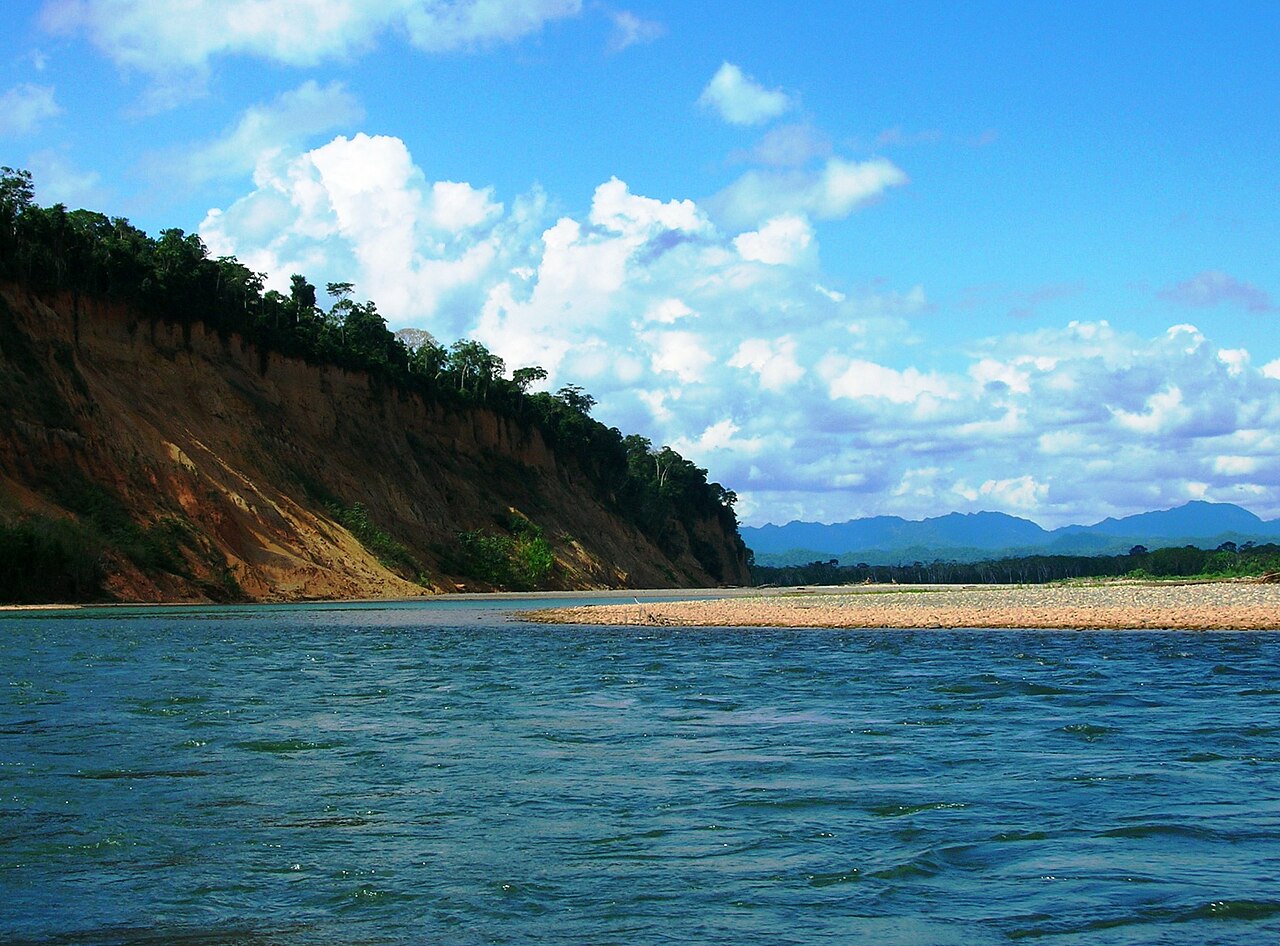
Longest riverThe Mamoré, close to 2,000 km. It flows north and, together with the Beni, forms the Madeira, the largest tributary of the Amazon
NeighboursBrazil, Paraguay, Argentina, Chile and Peru. The longest border is with Brazil
Drives on theRight
Calling code+591
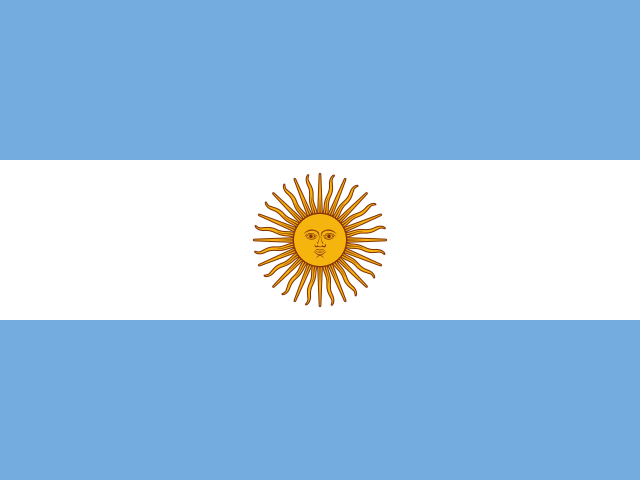 Argentina
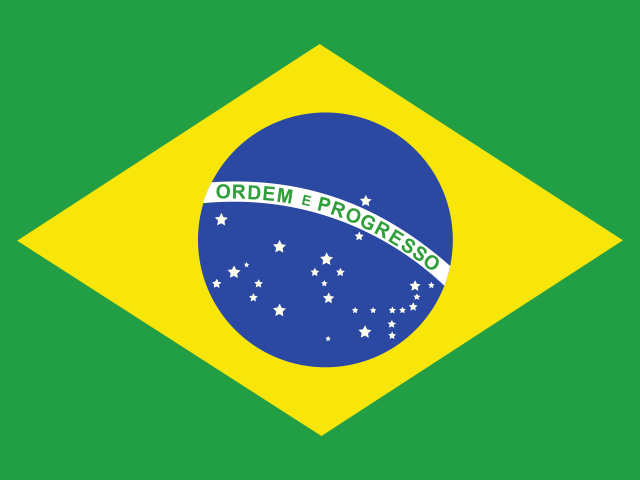 Brazil
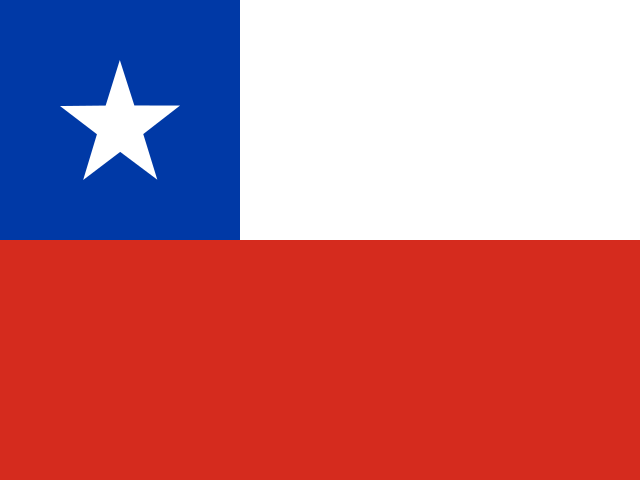 Chile
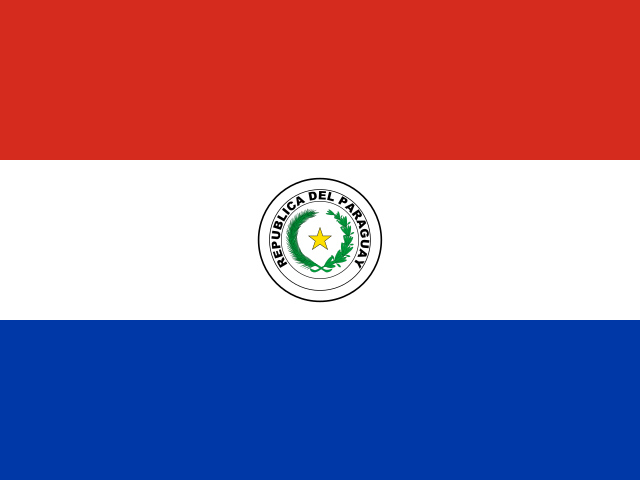 Paraguay
 Peru