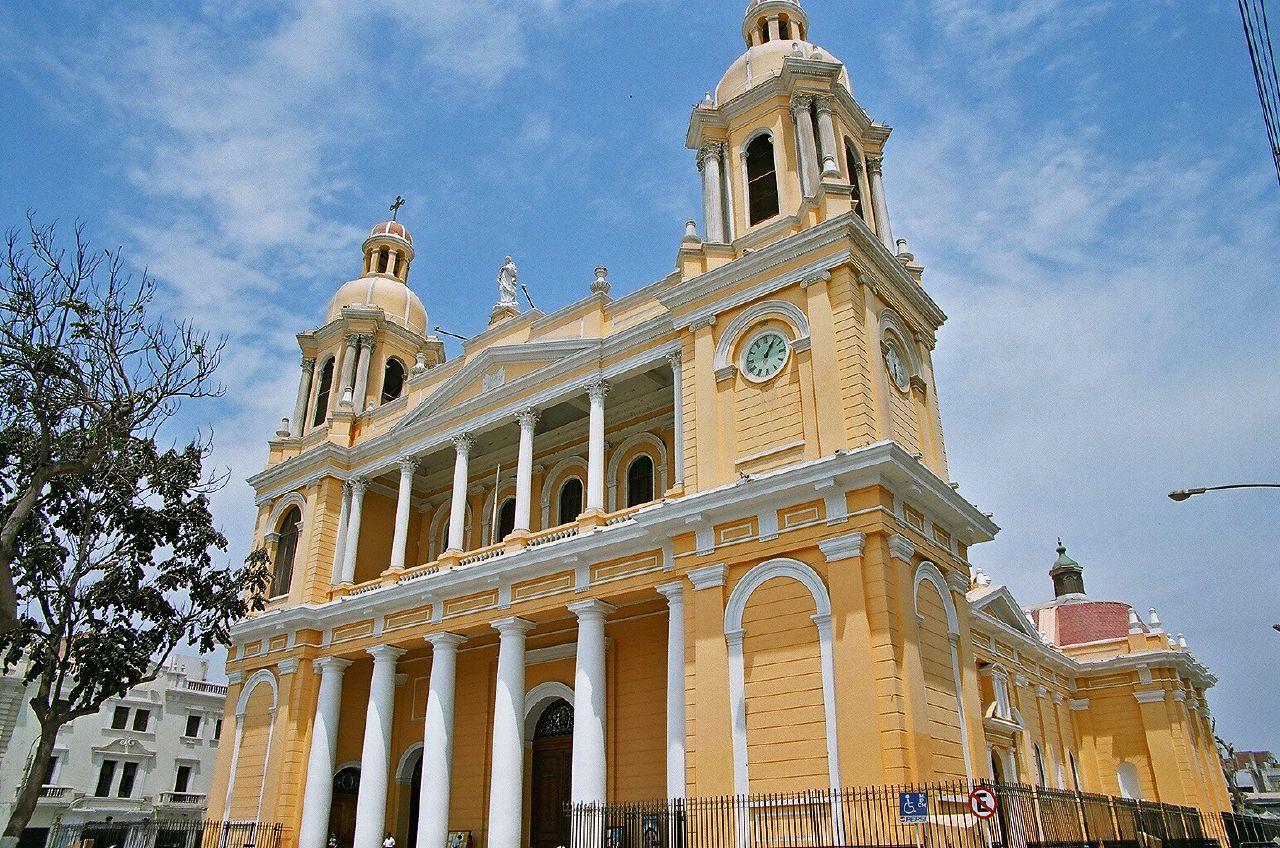
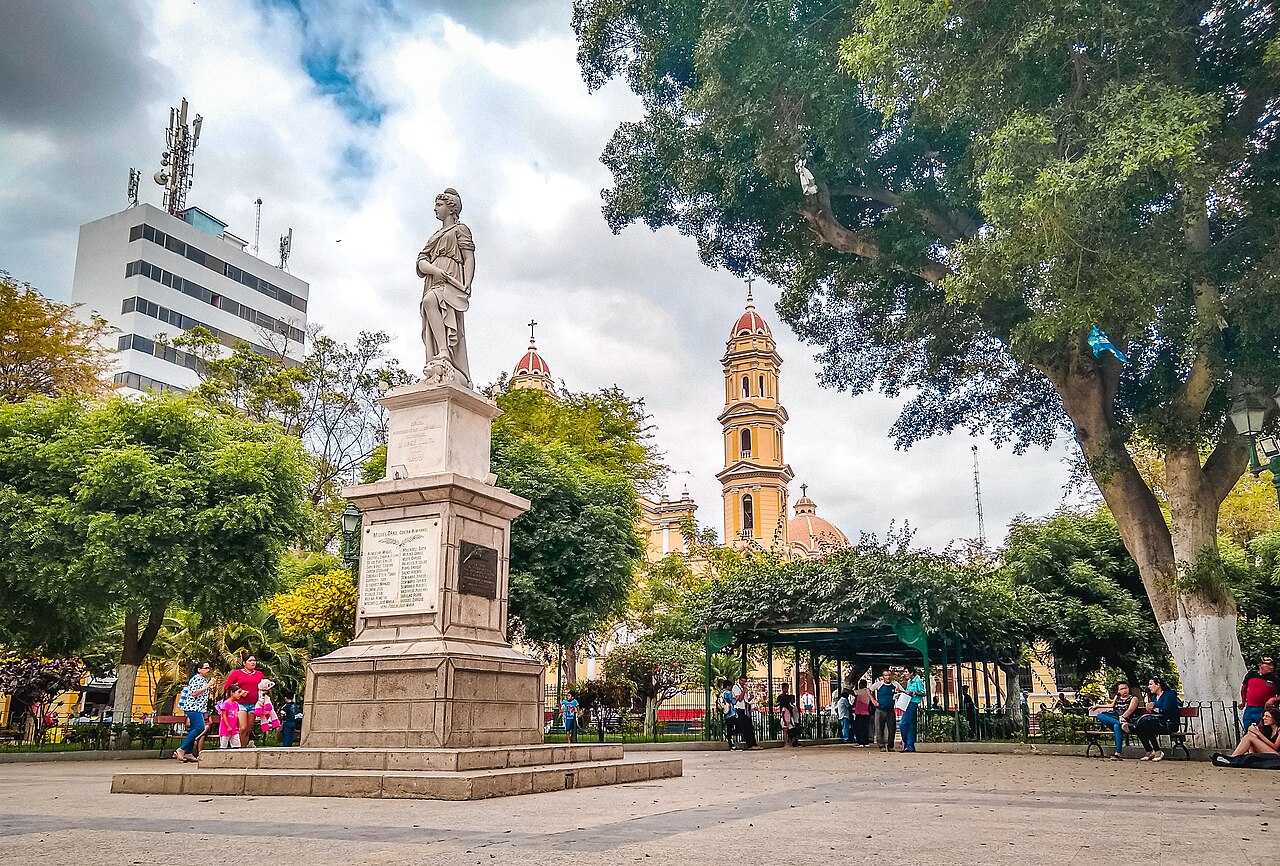
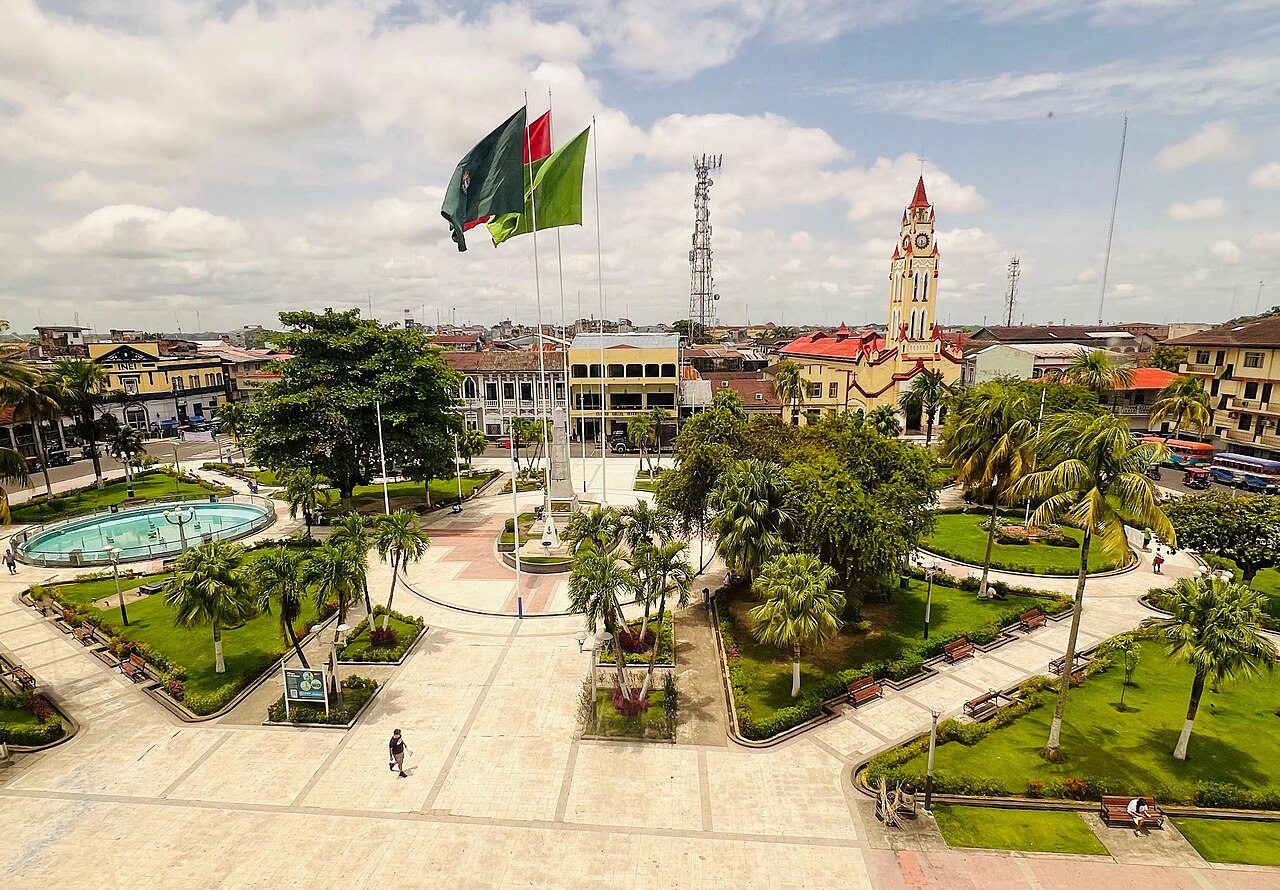
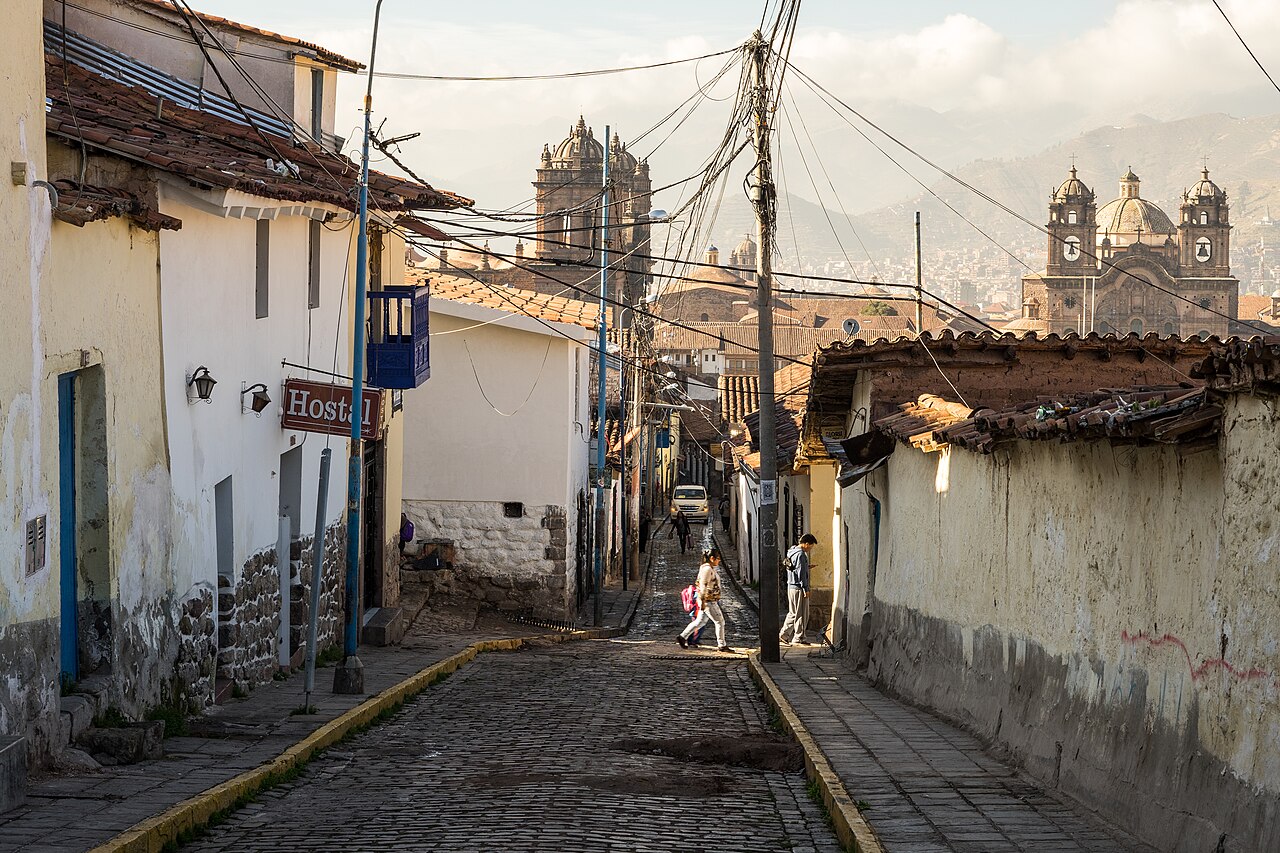
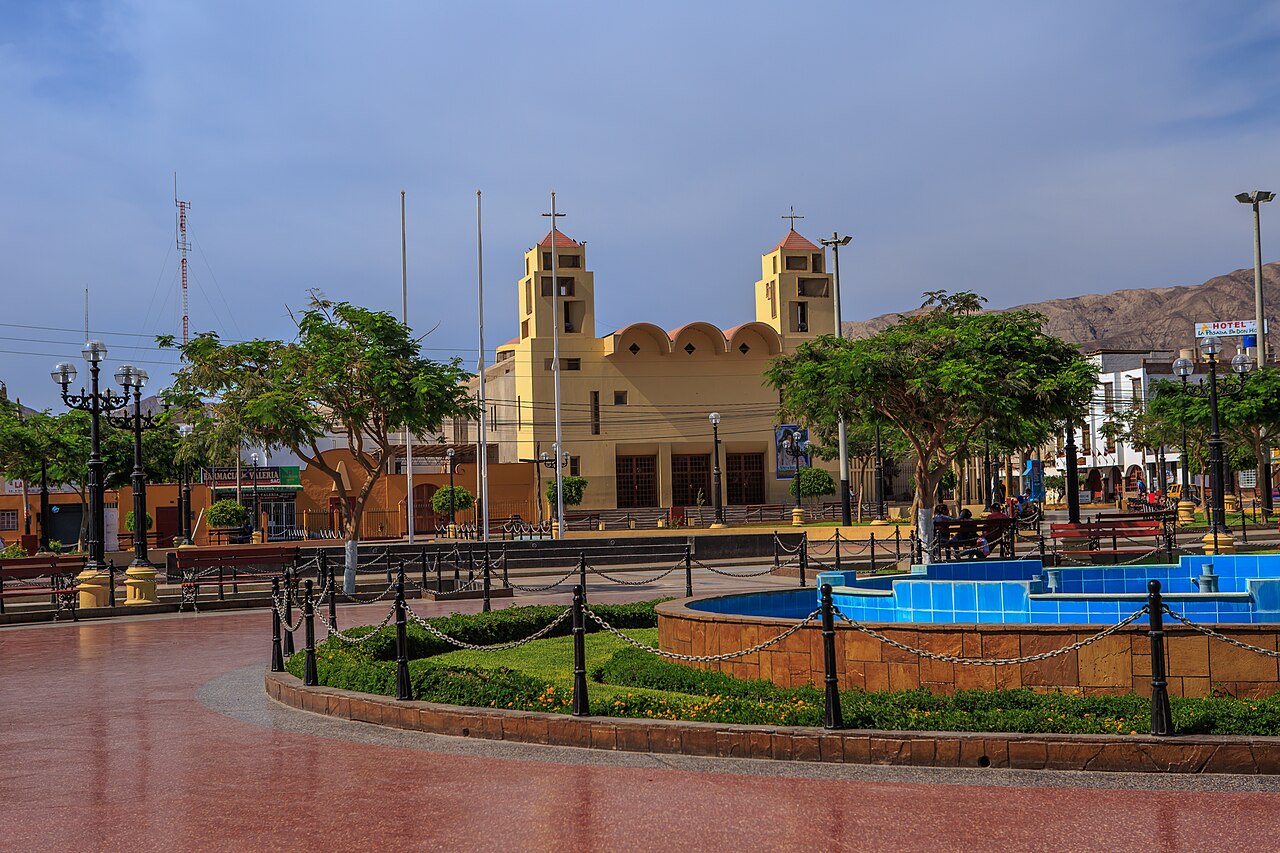
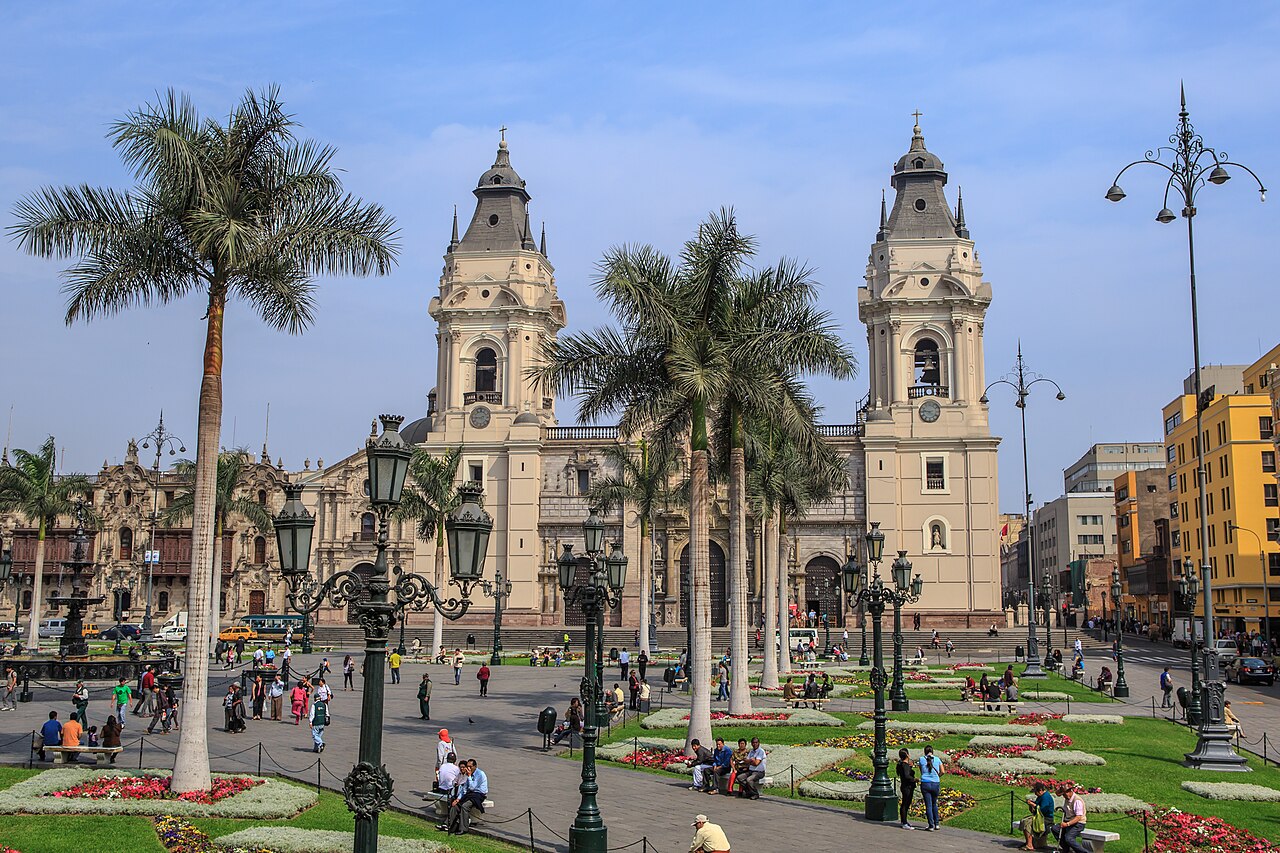
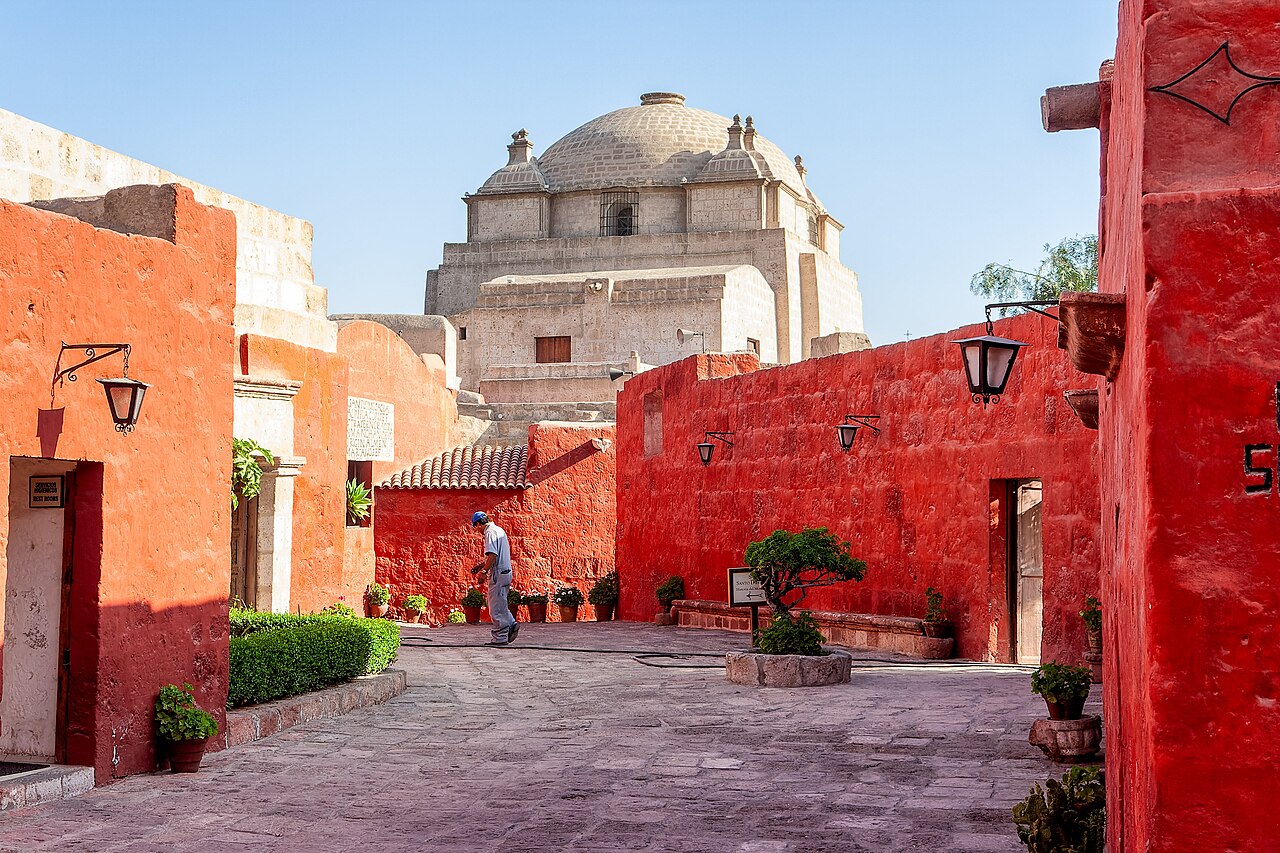
Peru lies on the Pacific coast of South America. It has three very different parts: a narrow desert coast, where most people live; the high Andes mountains down the middle; and the Amazon rainforest in the east, which covers more than half of the country. Lima, the capital, stands on the dry coast, where rain is extremely rare.
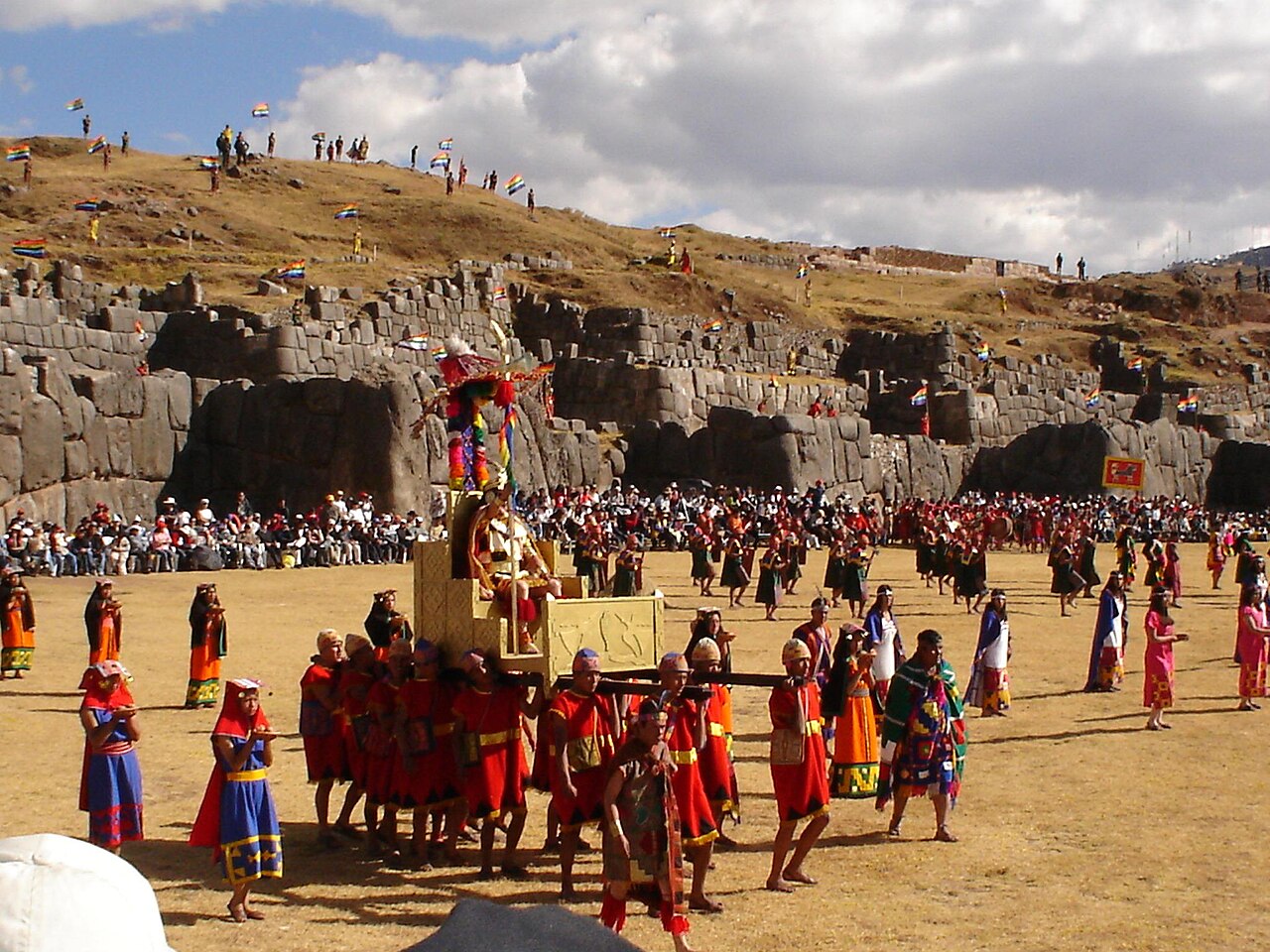
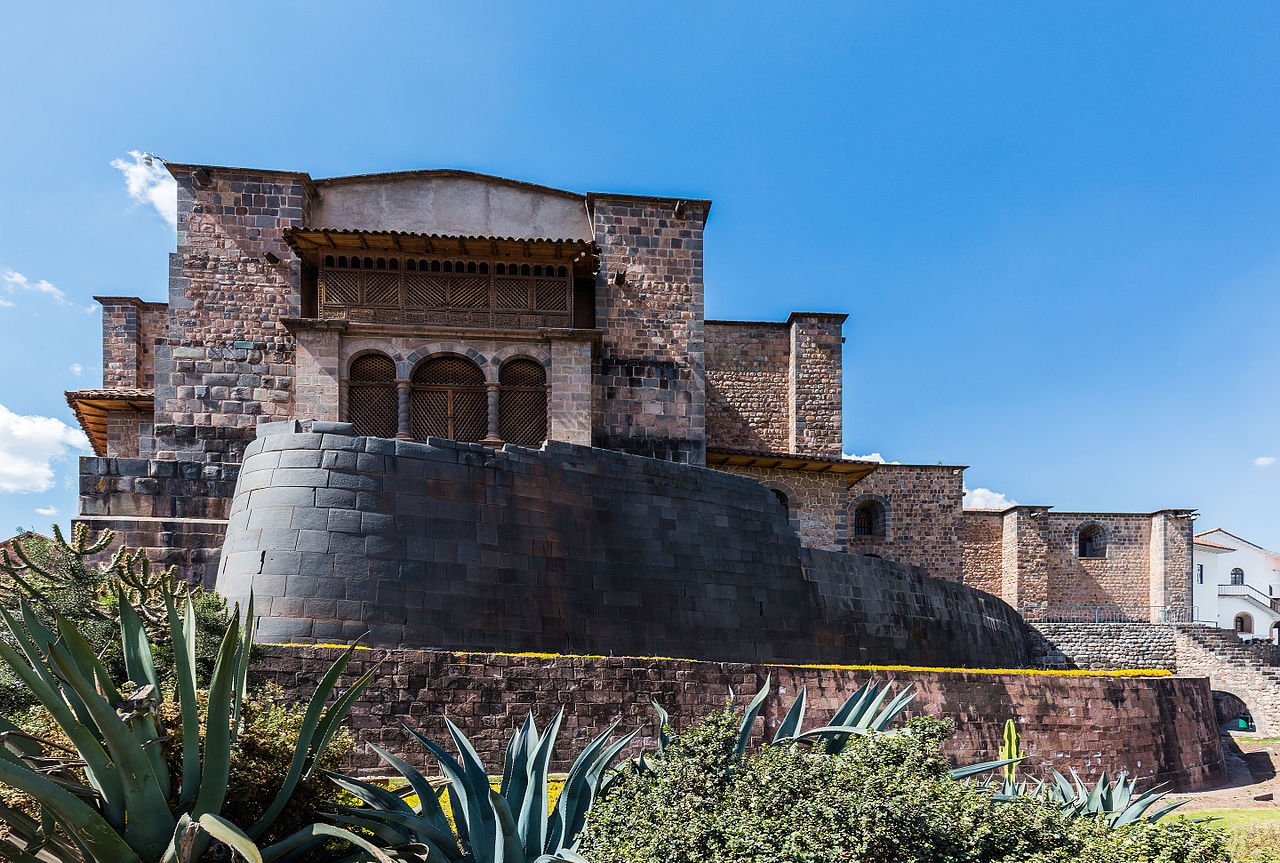
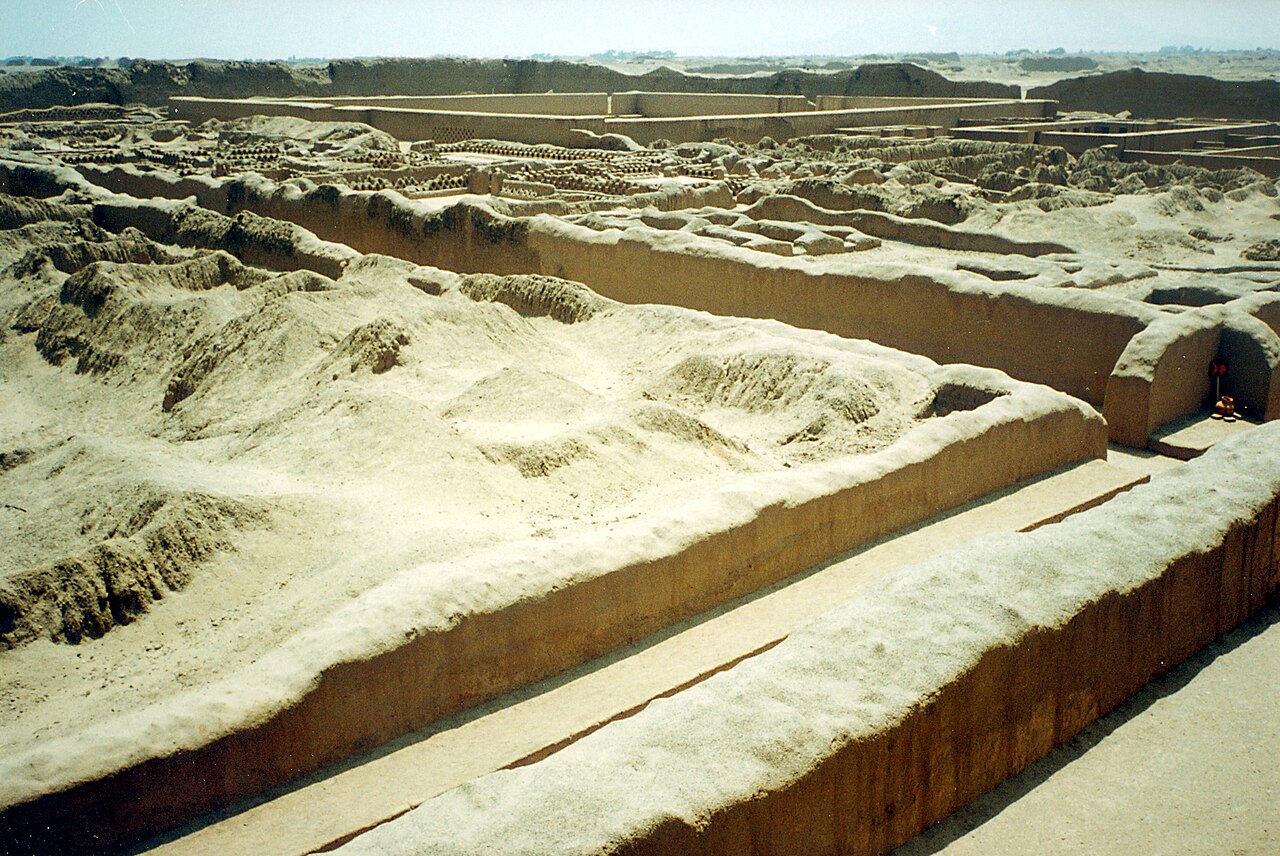
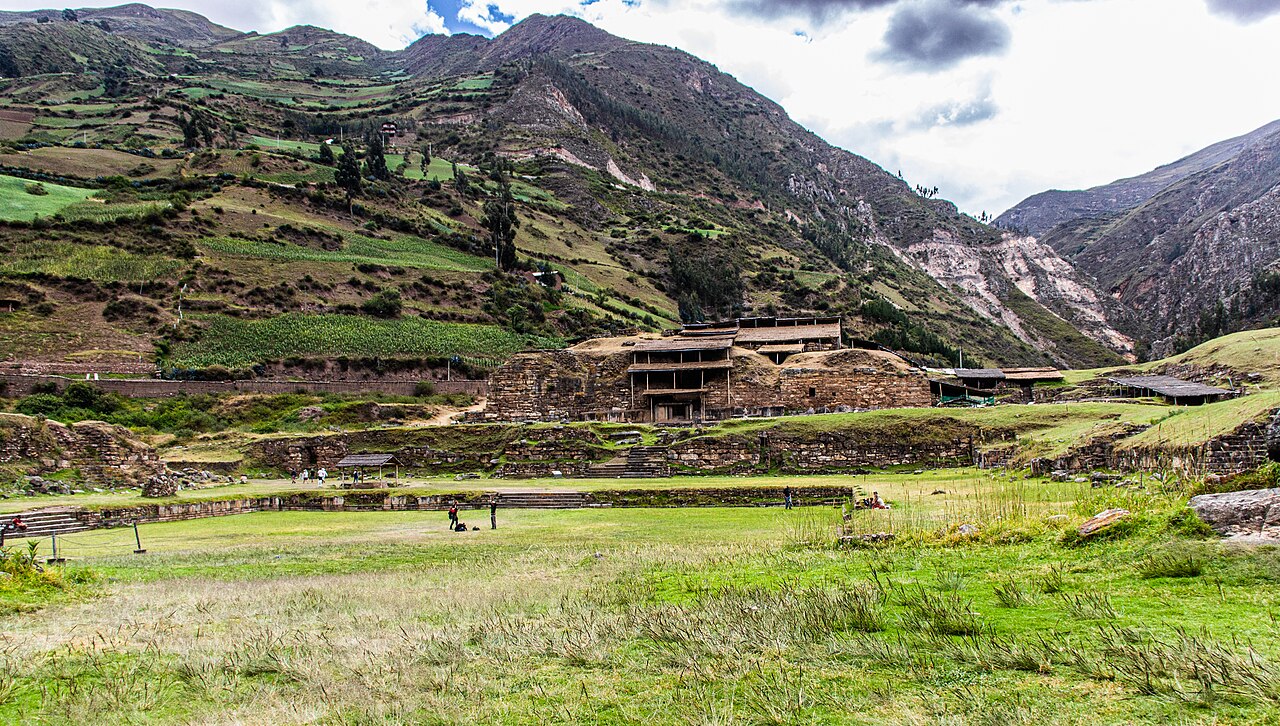
People have lived here for more than 14,000 years. Caral, one of the oldest cities in the Americas, was built more than 4,500 years ago, and later came the Chavín, Nazca and Moche cultures. In the 1400s the Incas, ruling from Cusco, built the largest empire in the Americas before the Europeans arrived. Spain conquered it in the 1530s, and Peru declared its independence in 1821.
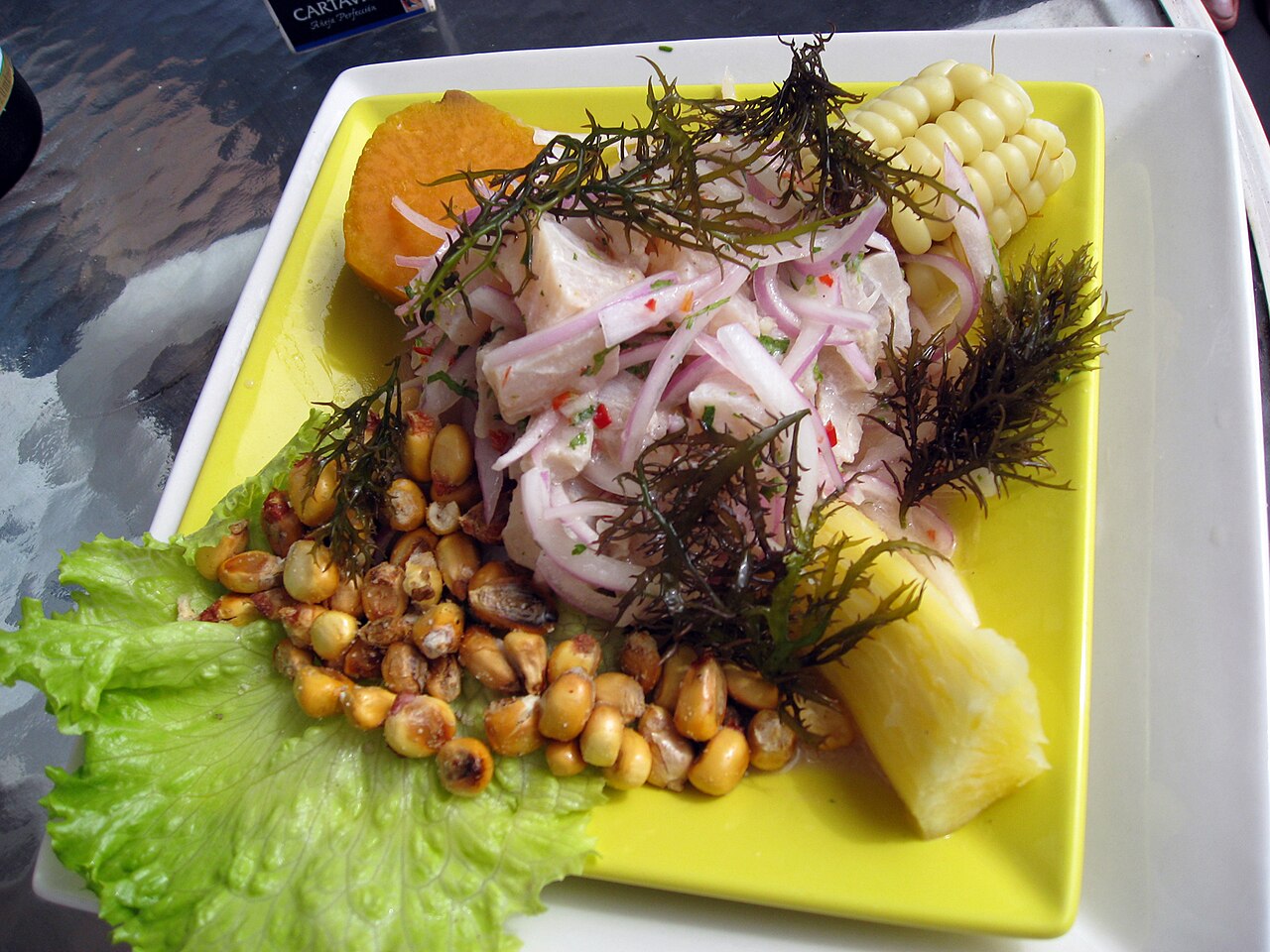
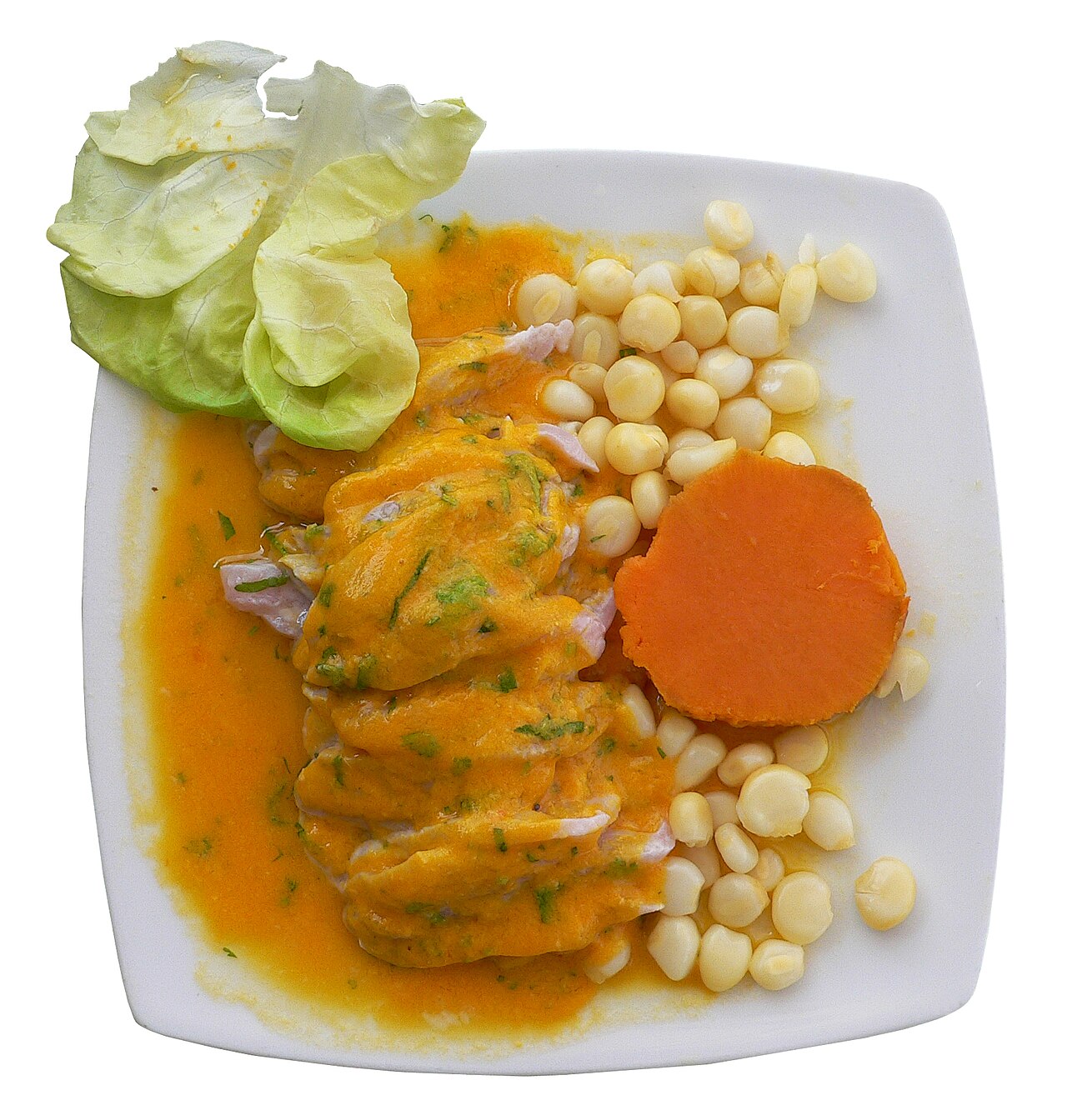
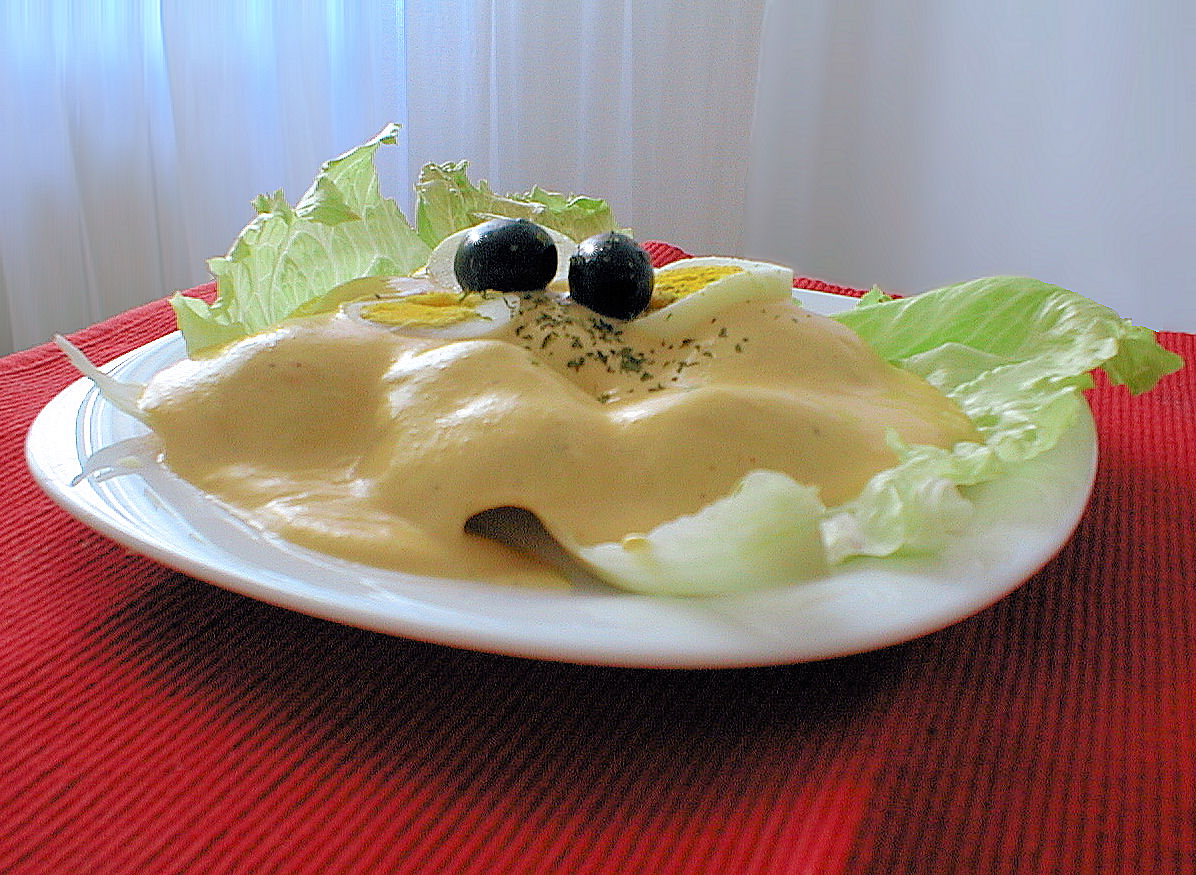
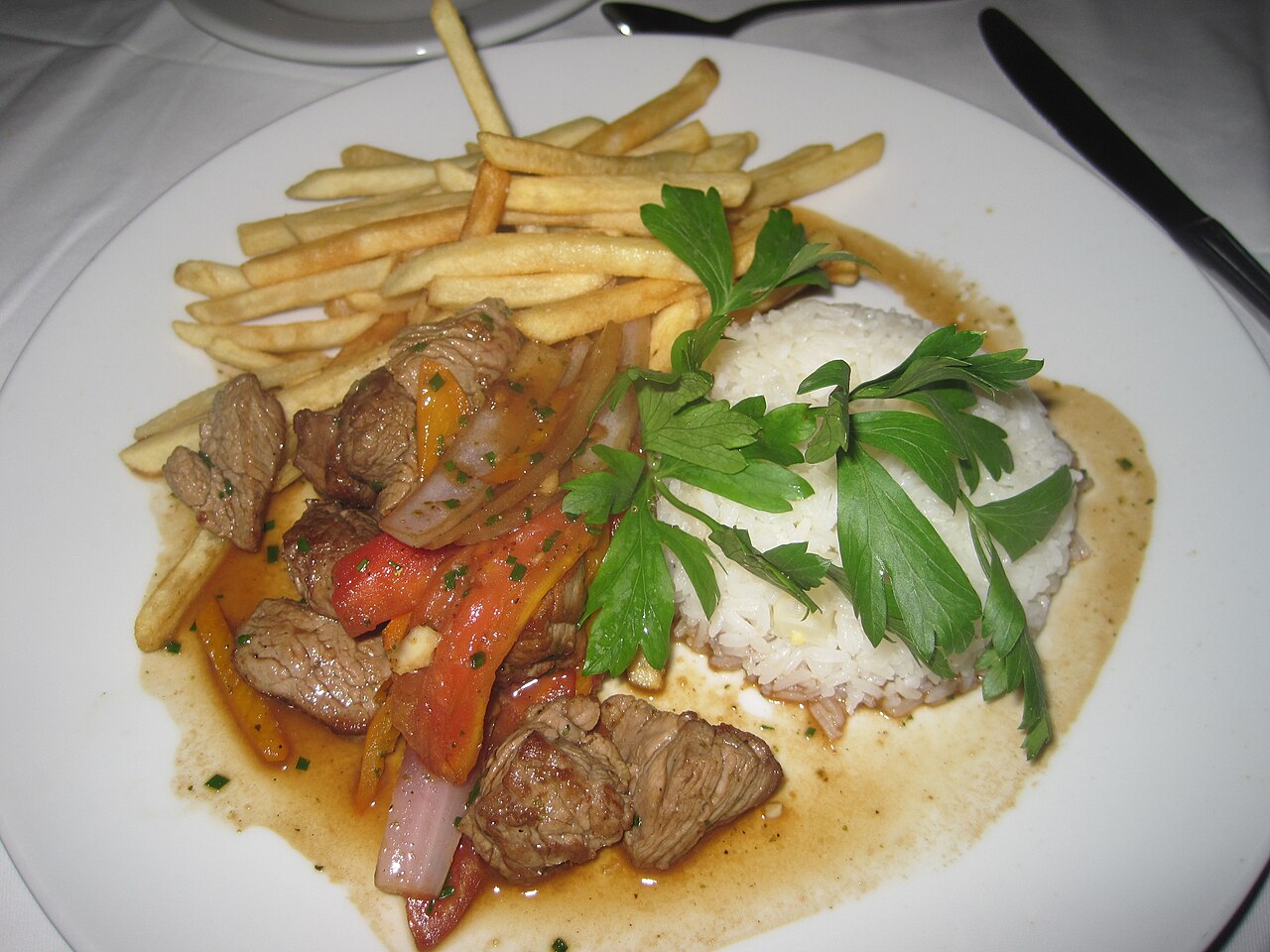
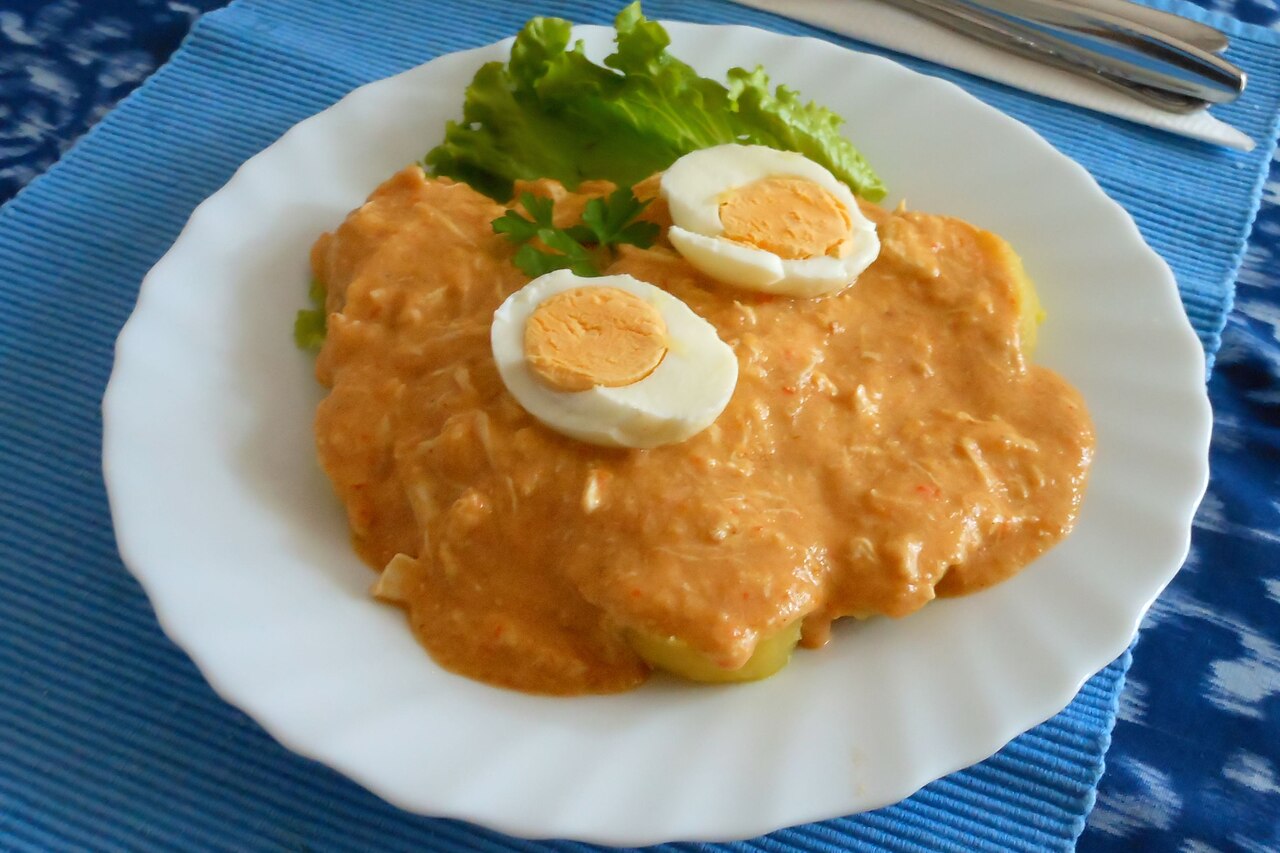
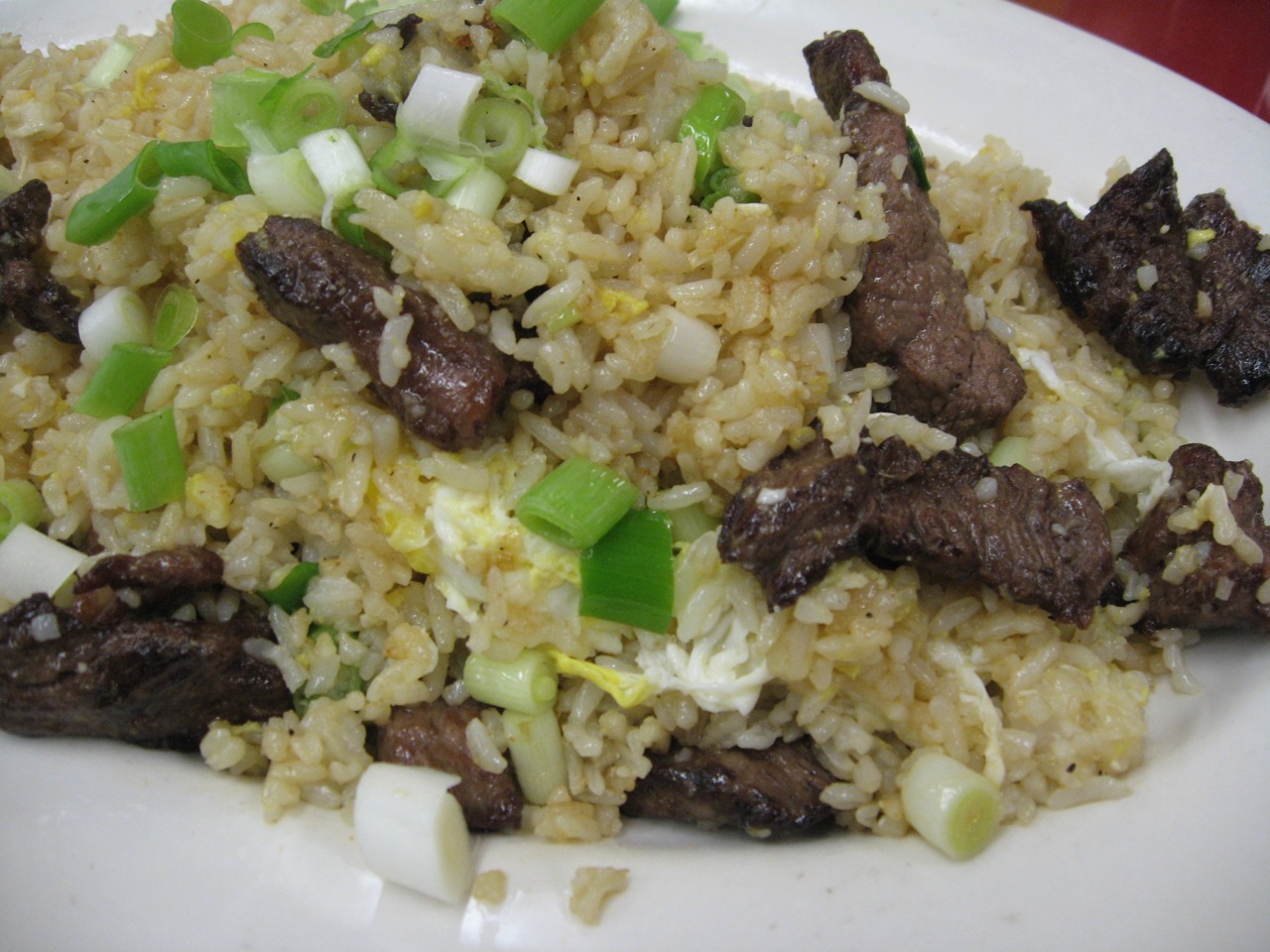
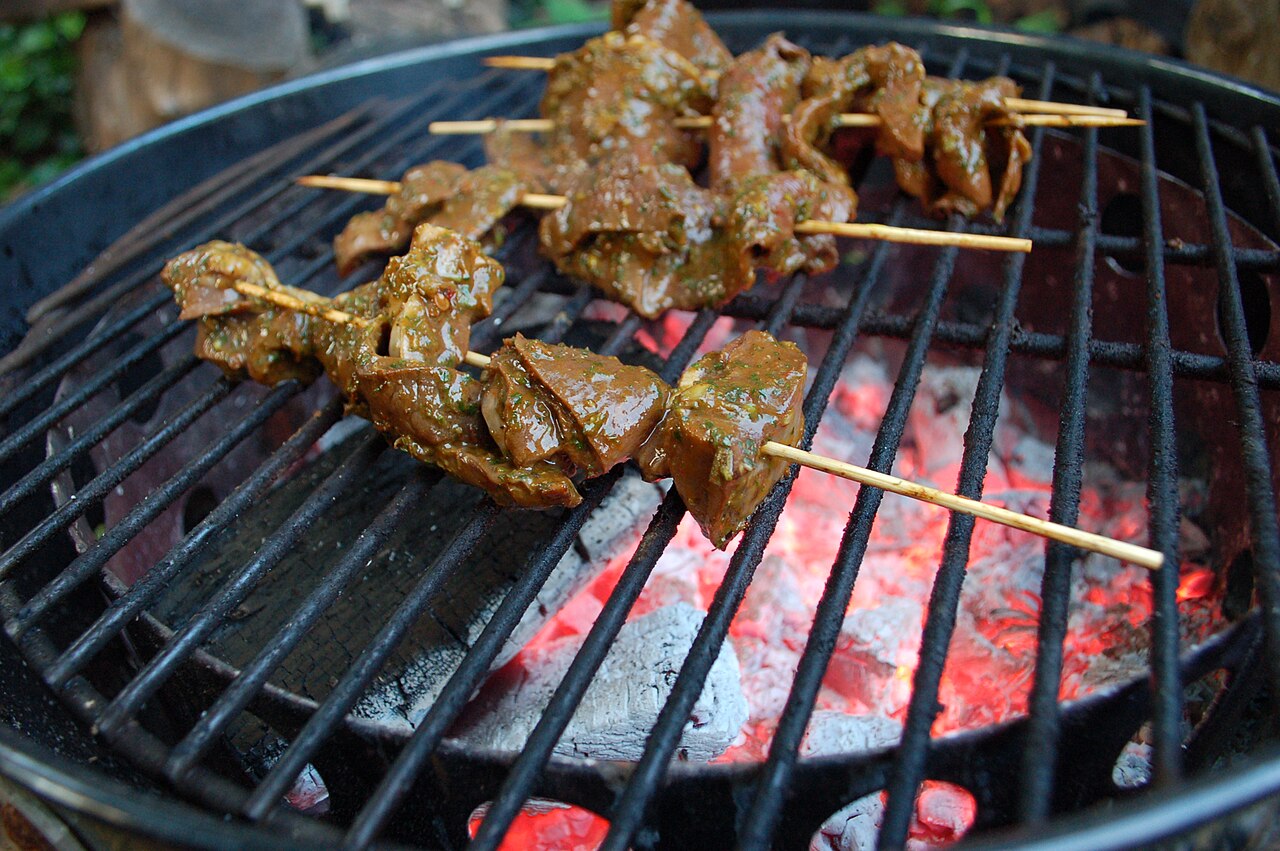
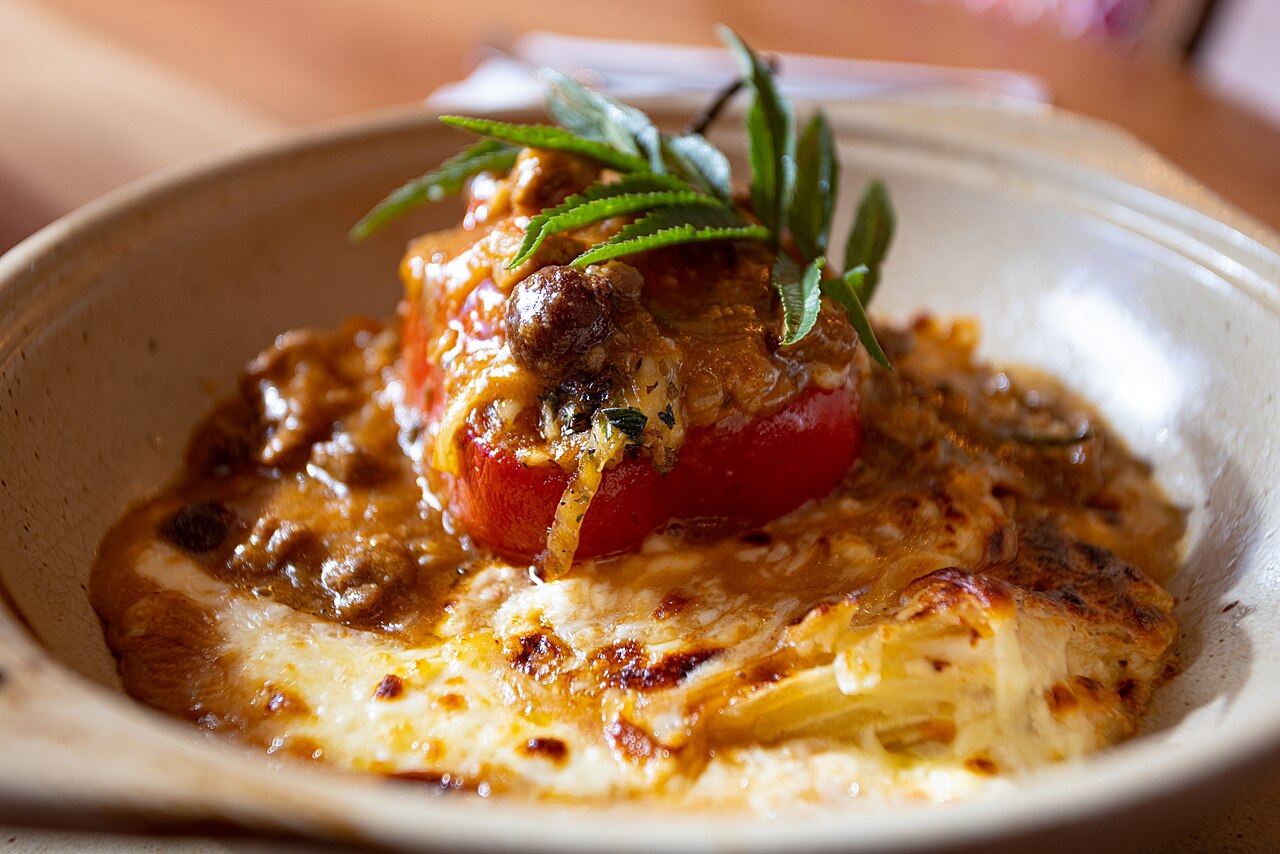
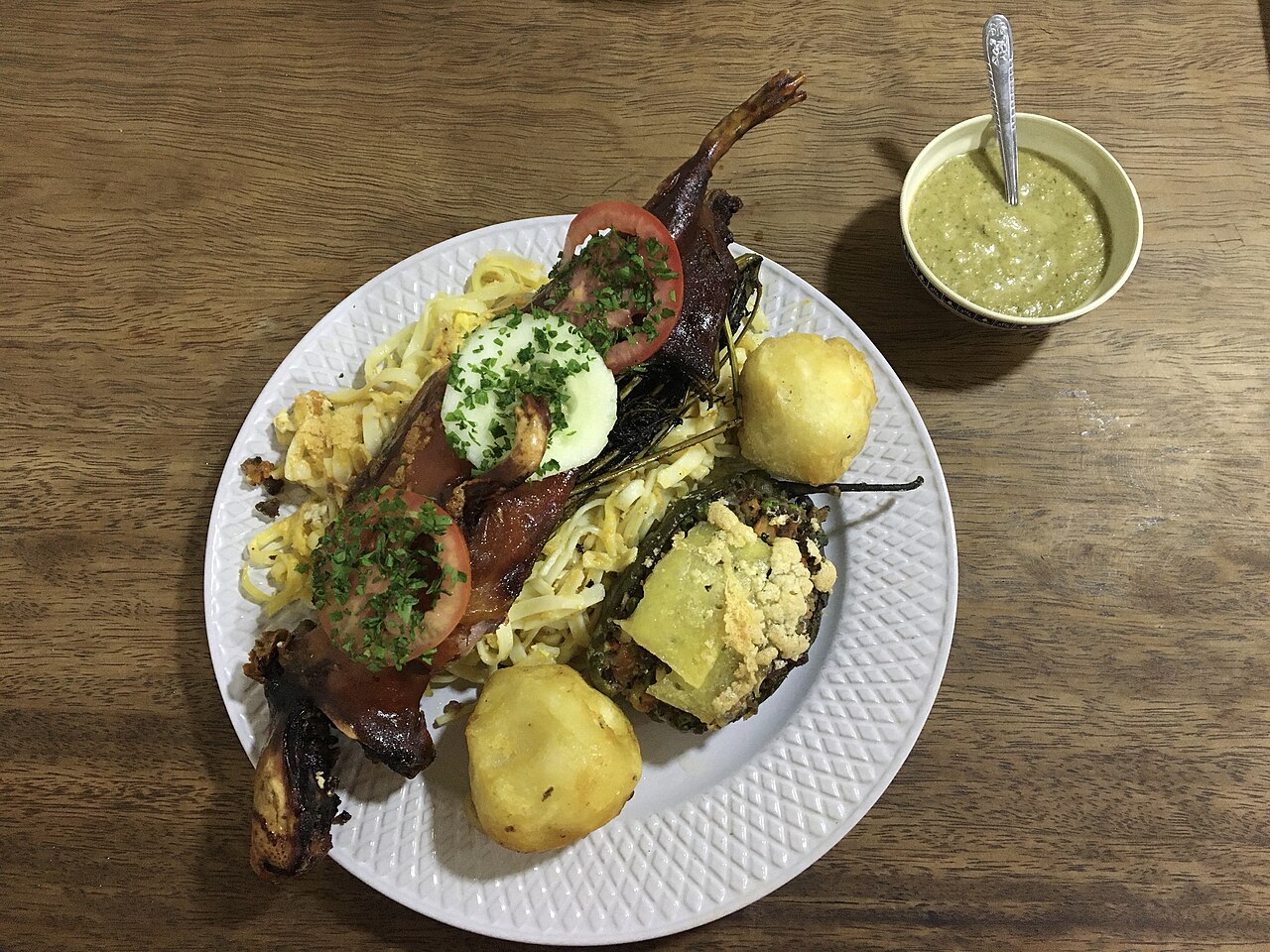
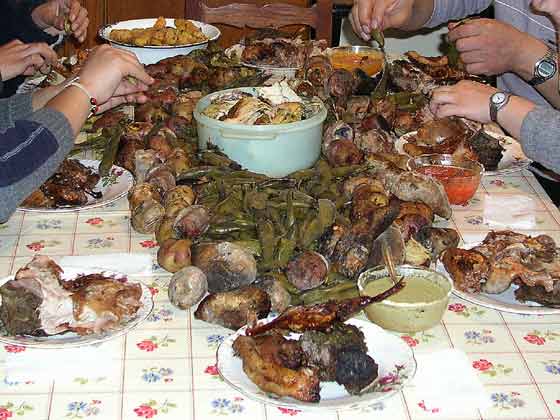
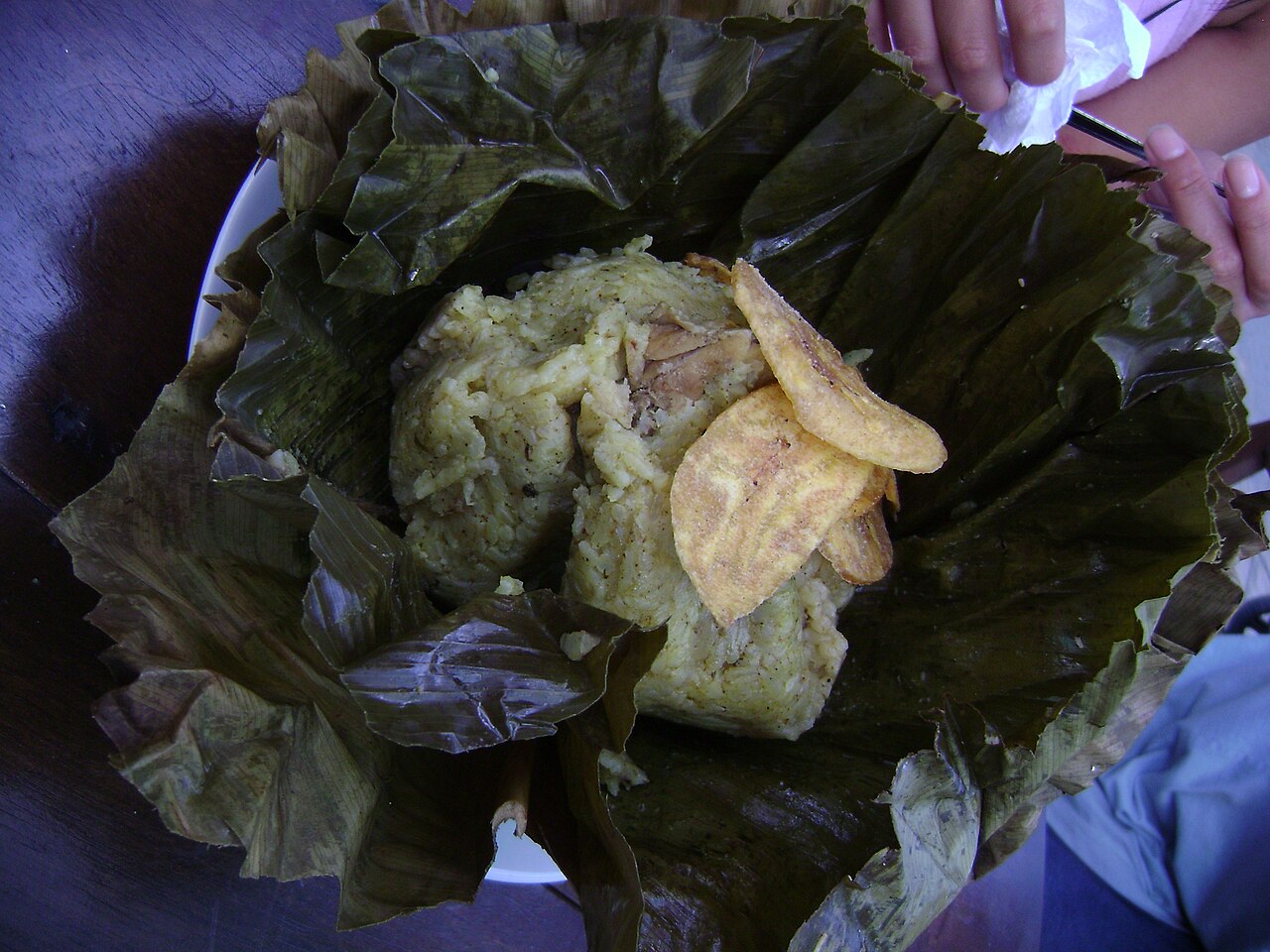
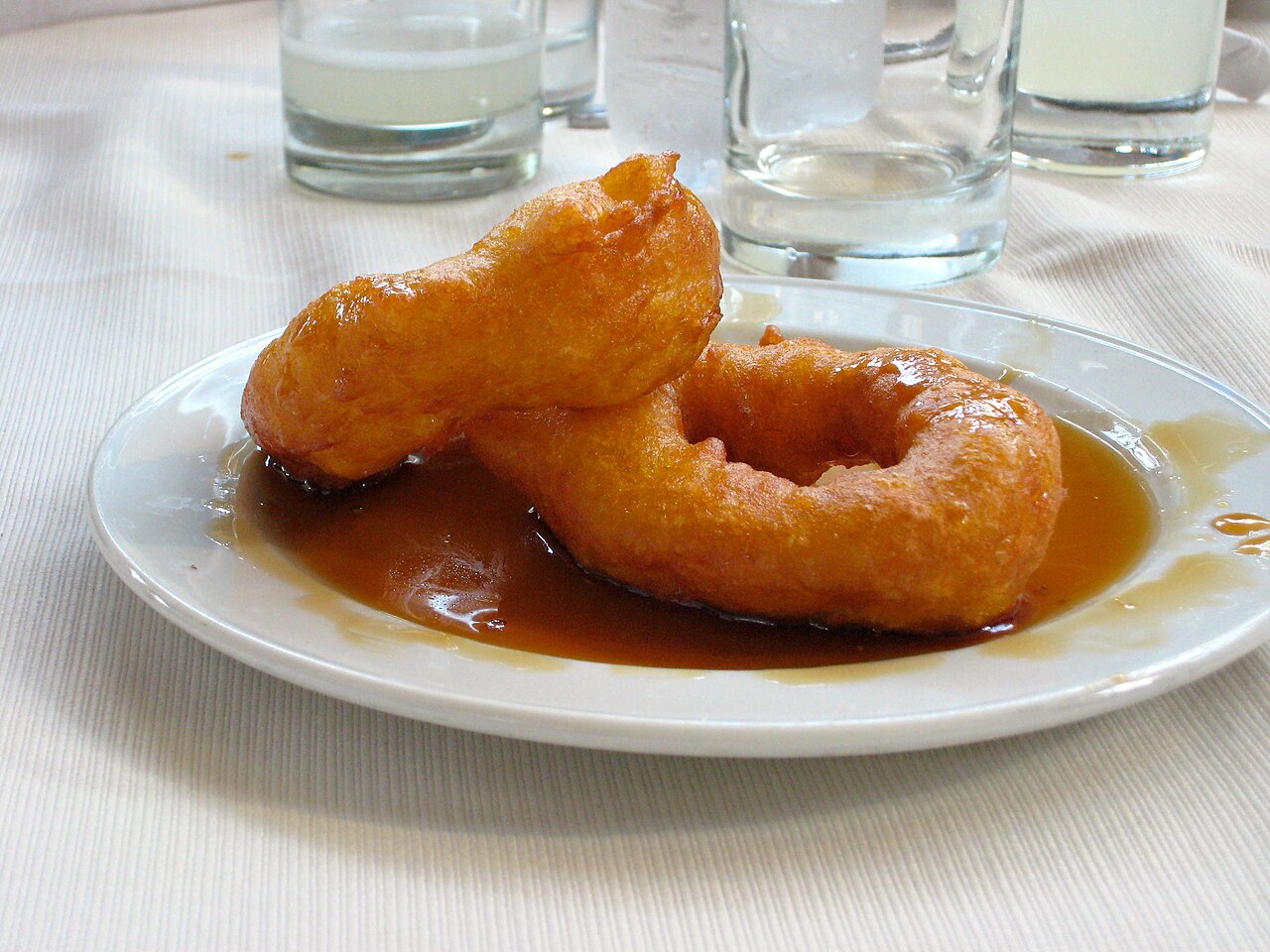
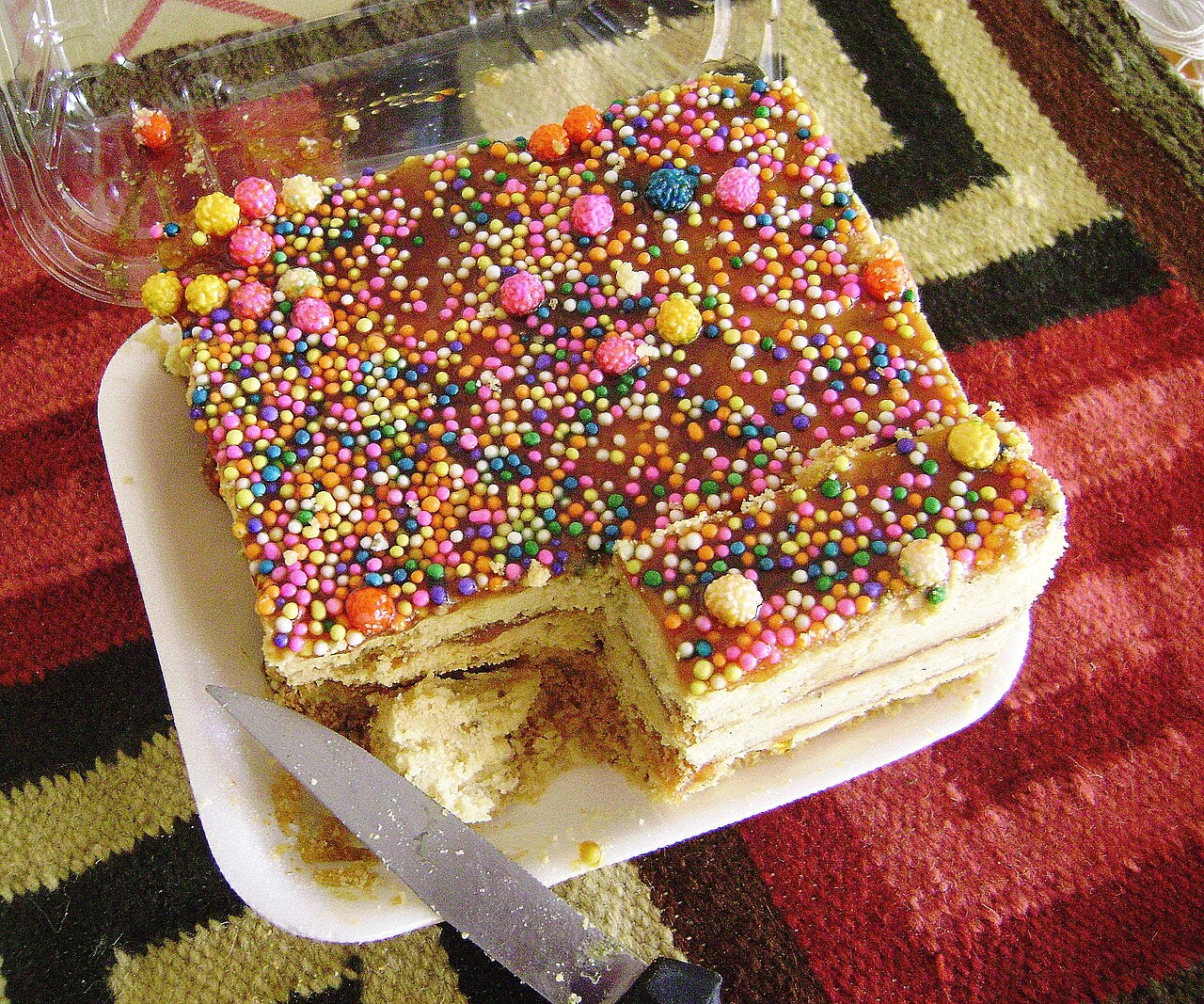
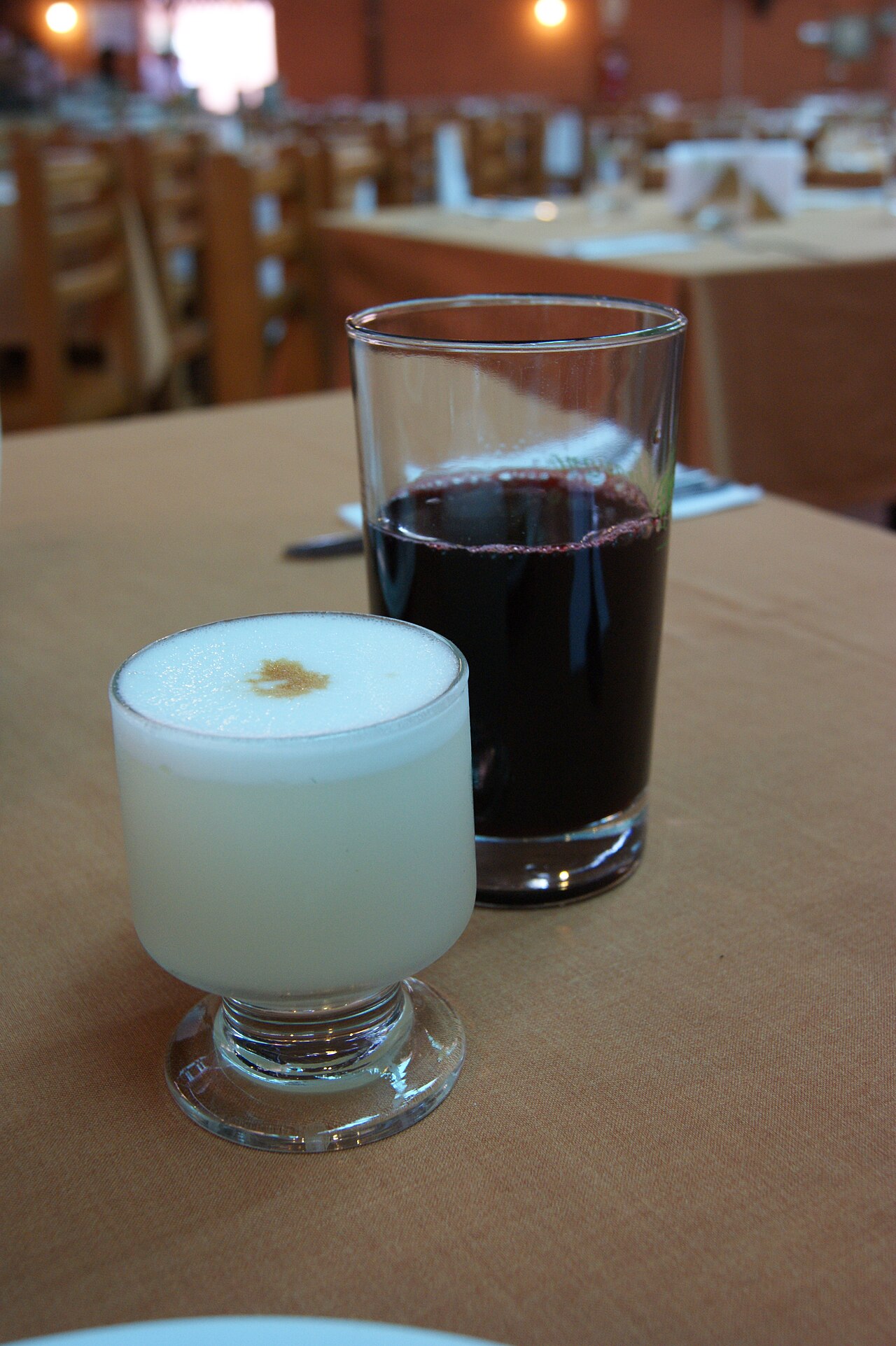
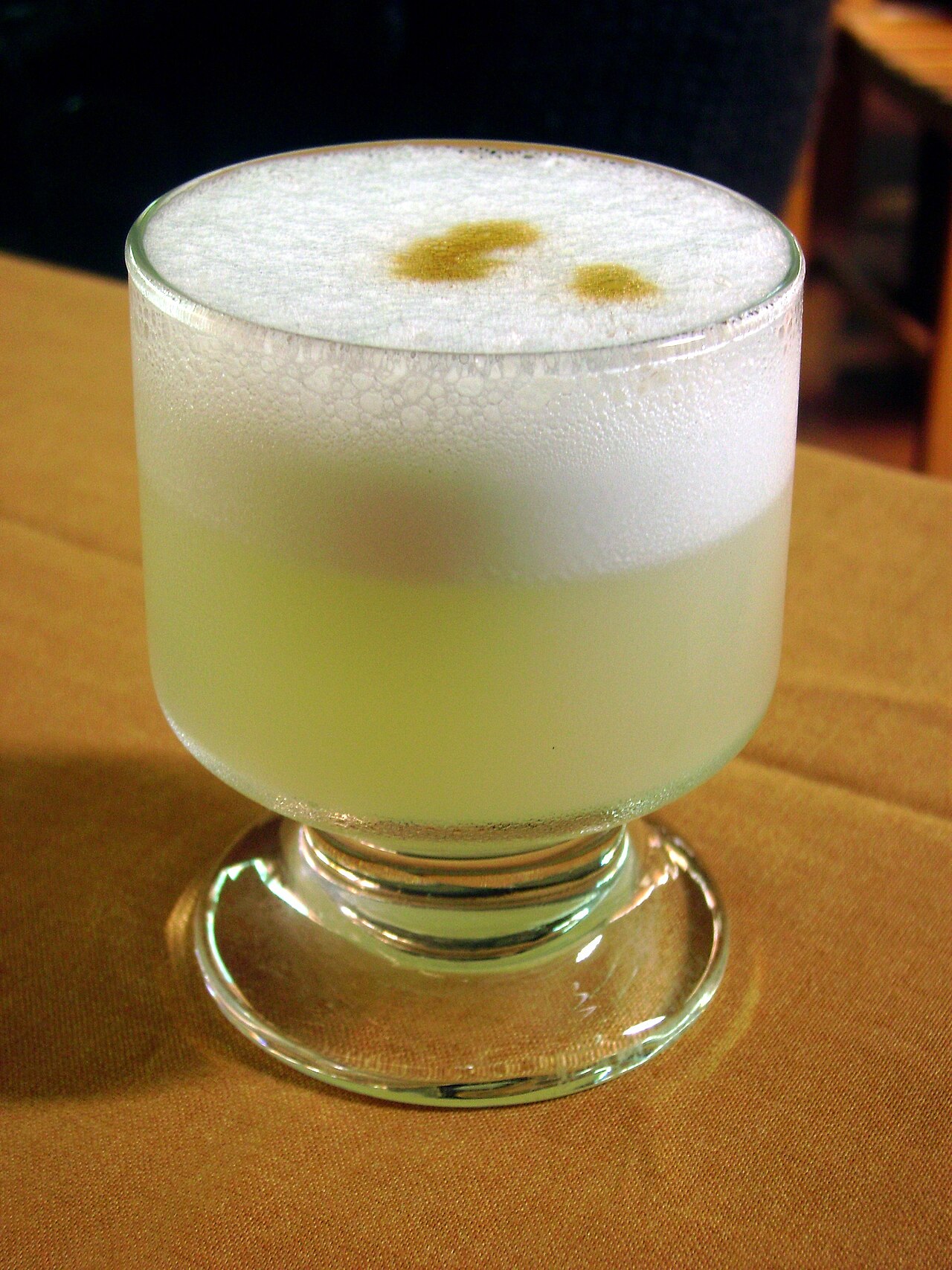
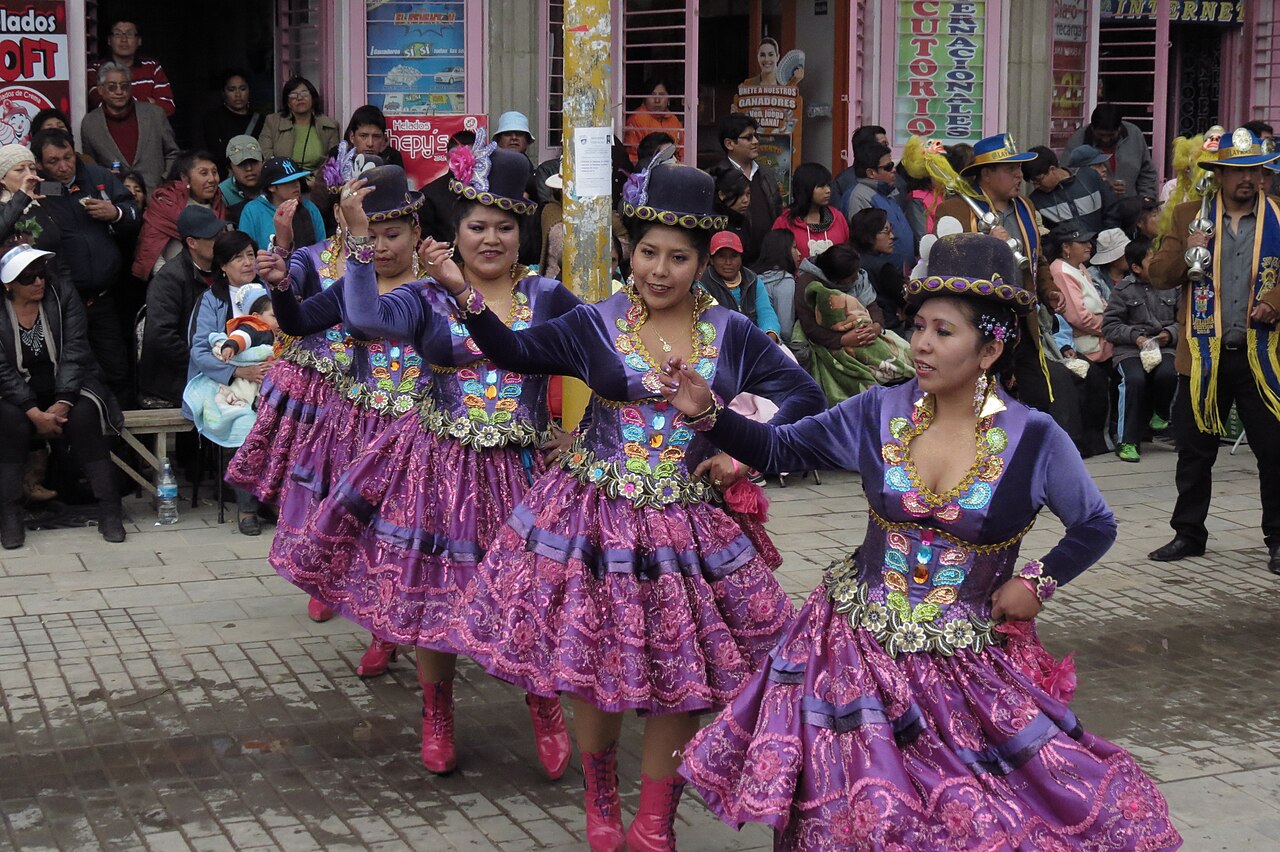
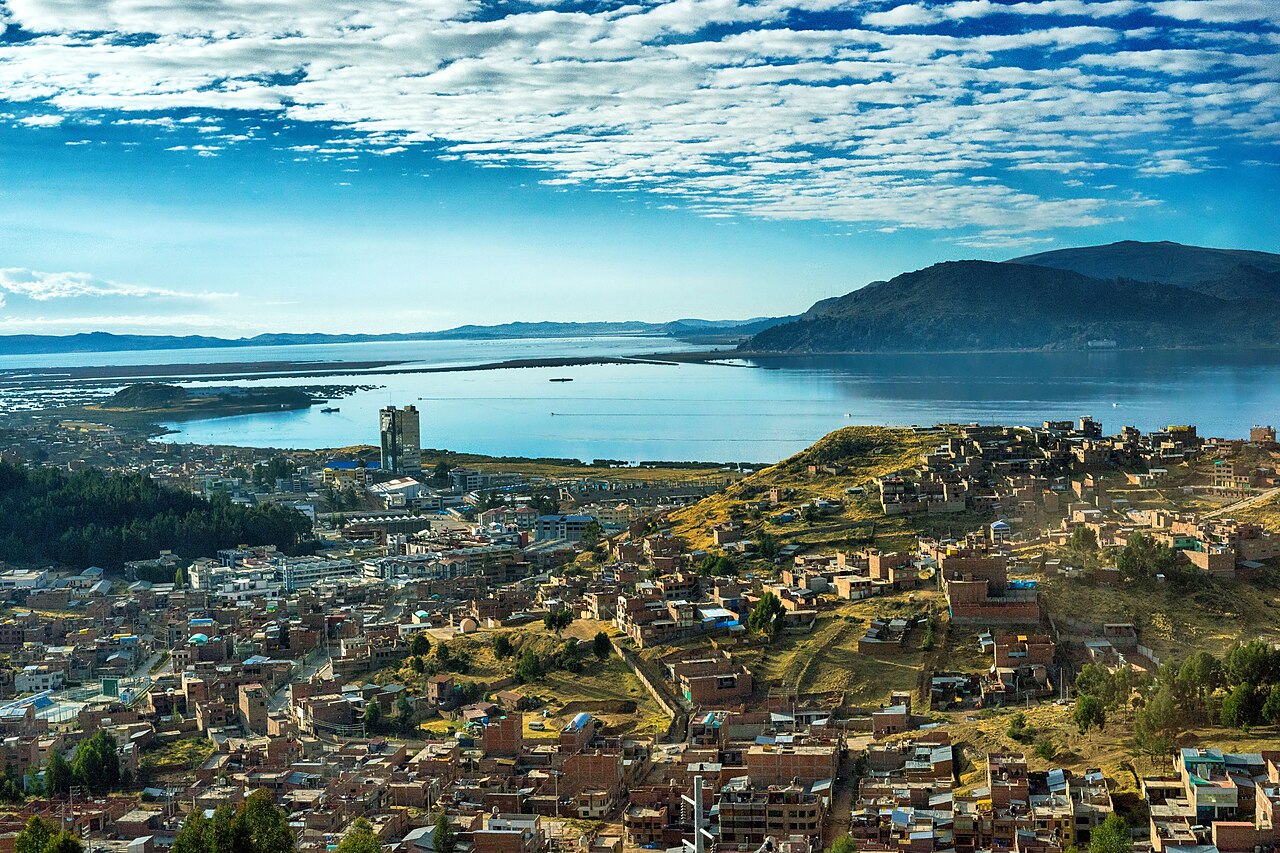
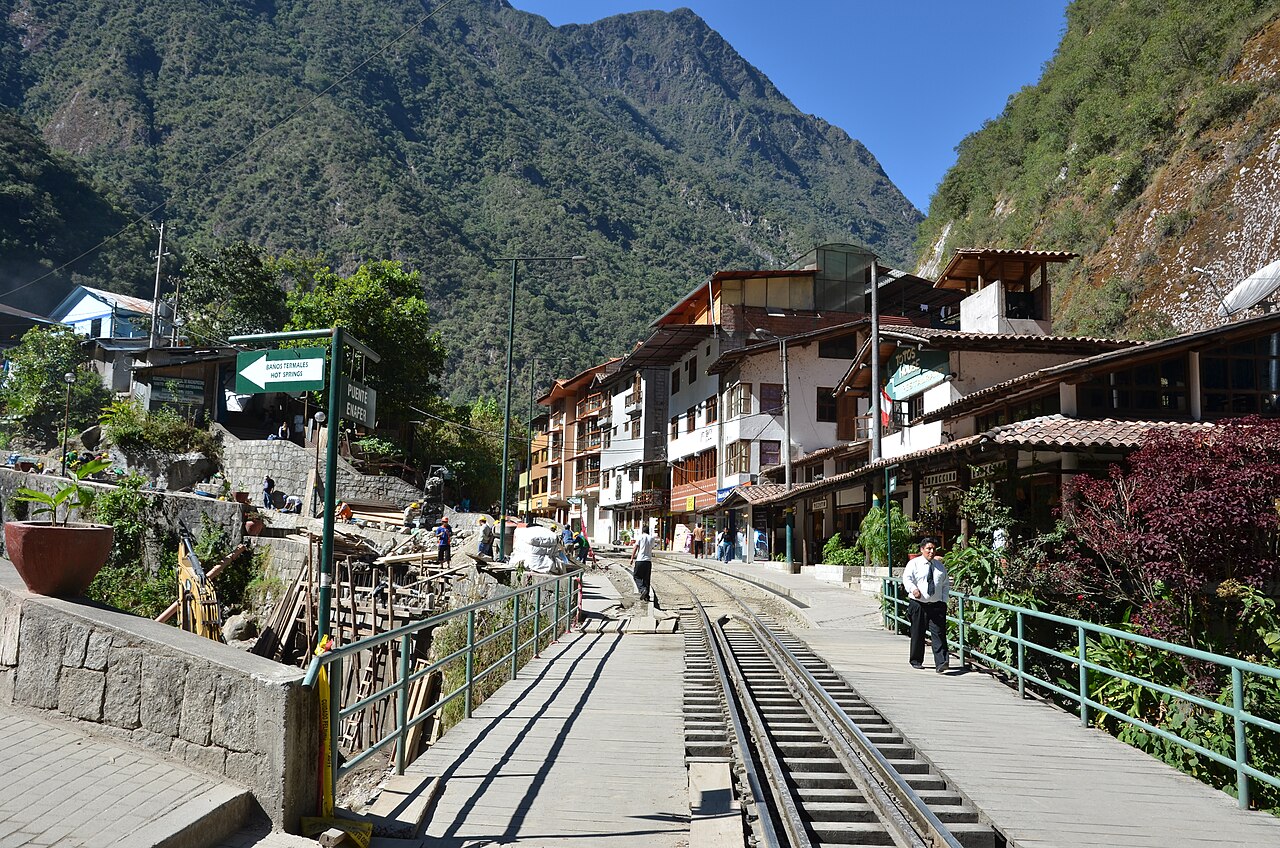
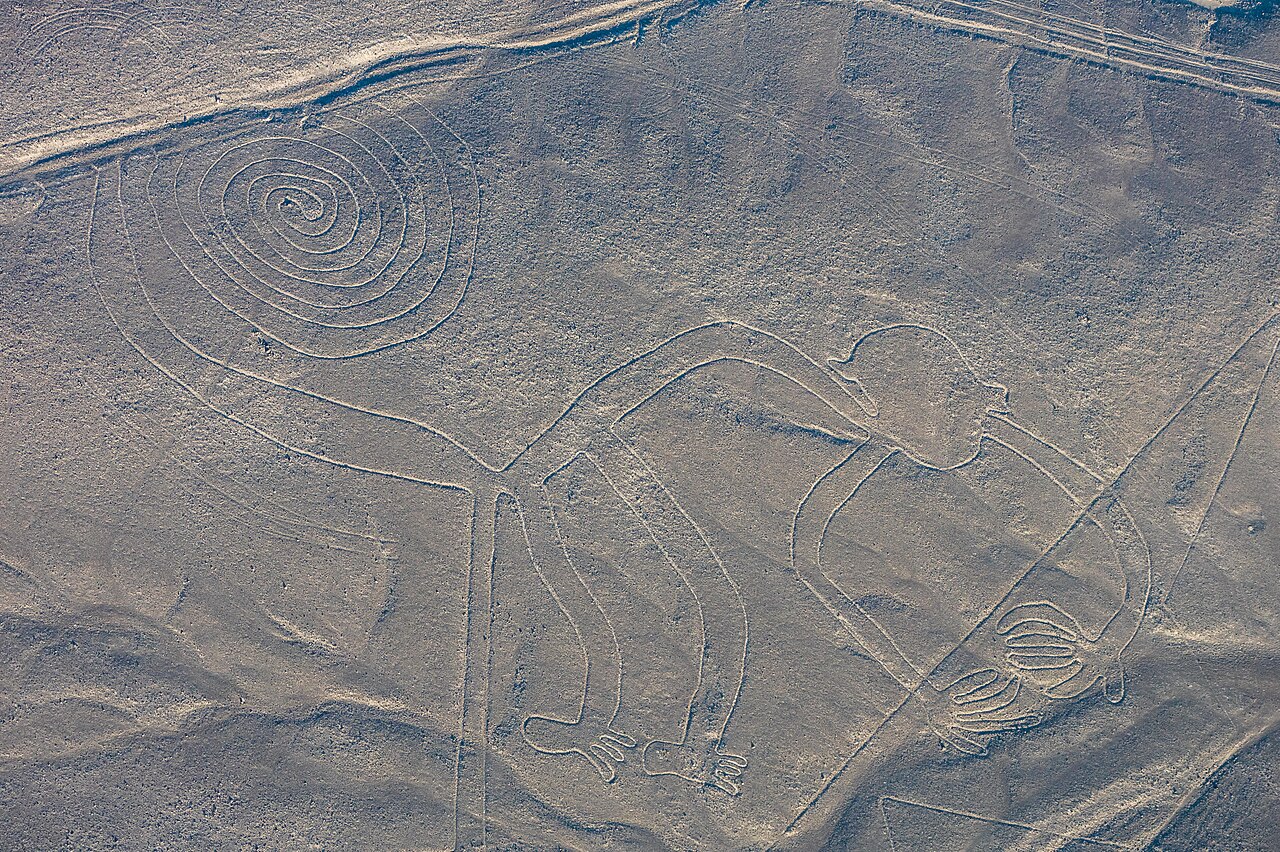
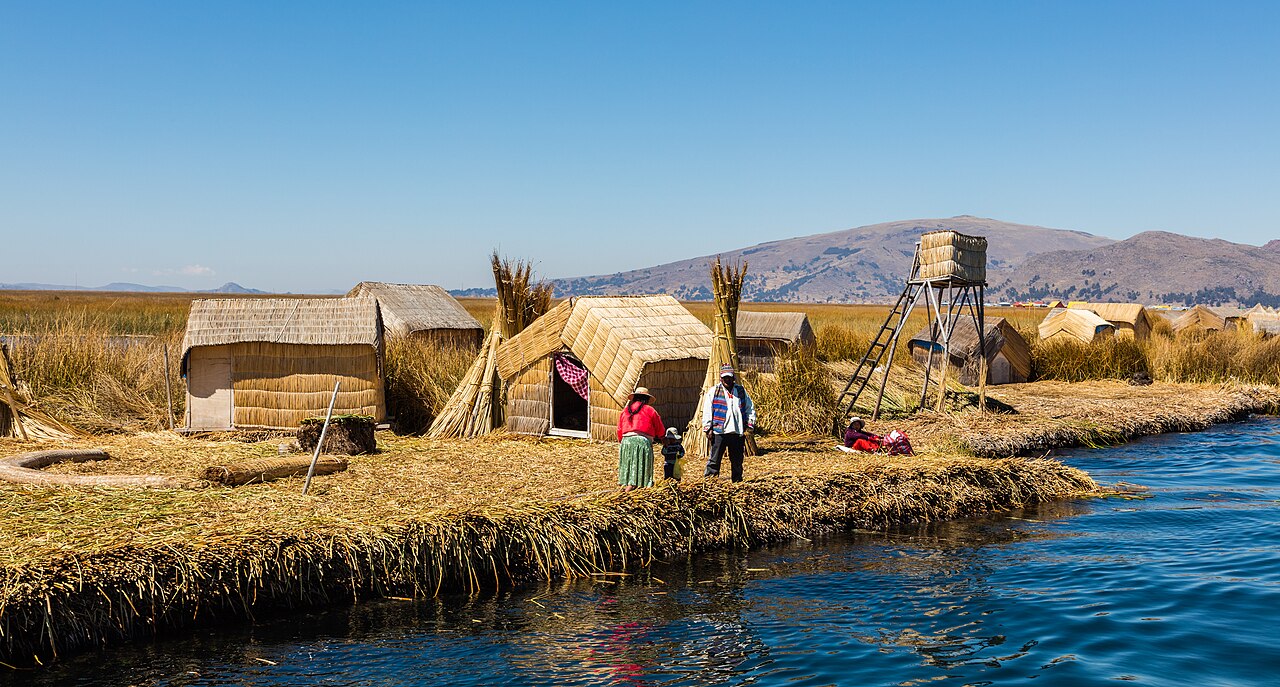
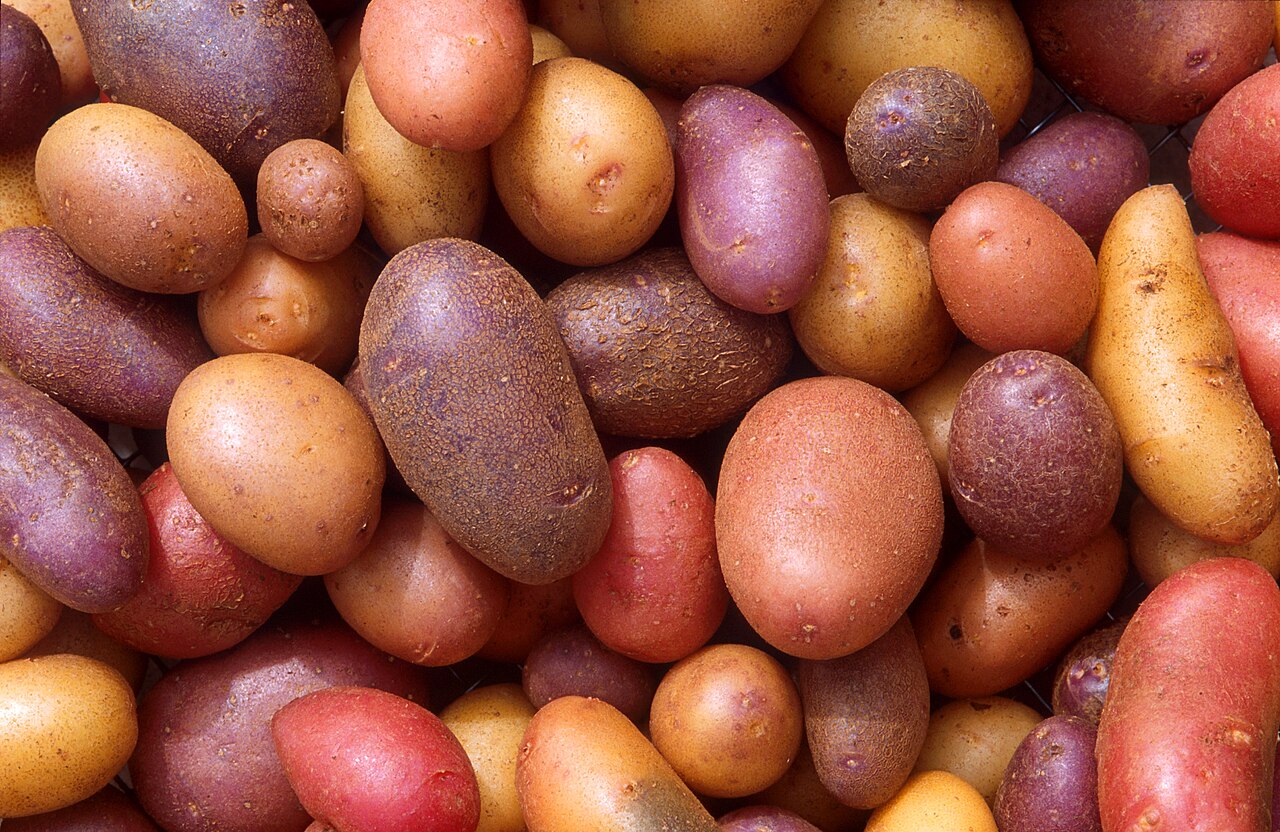
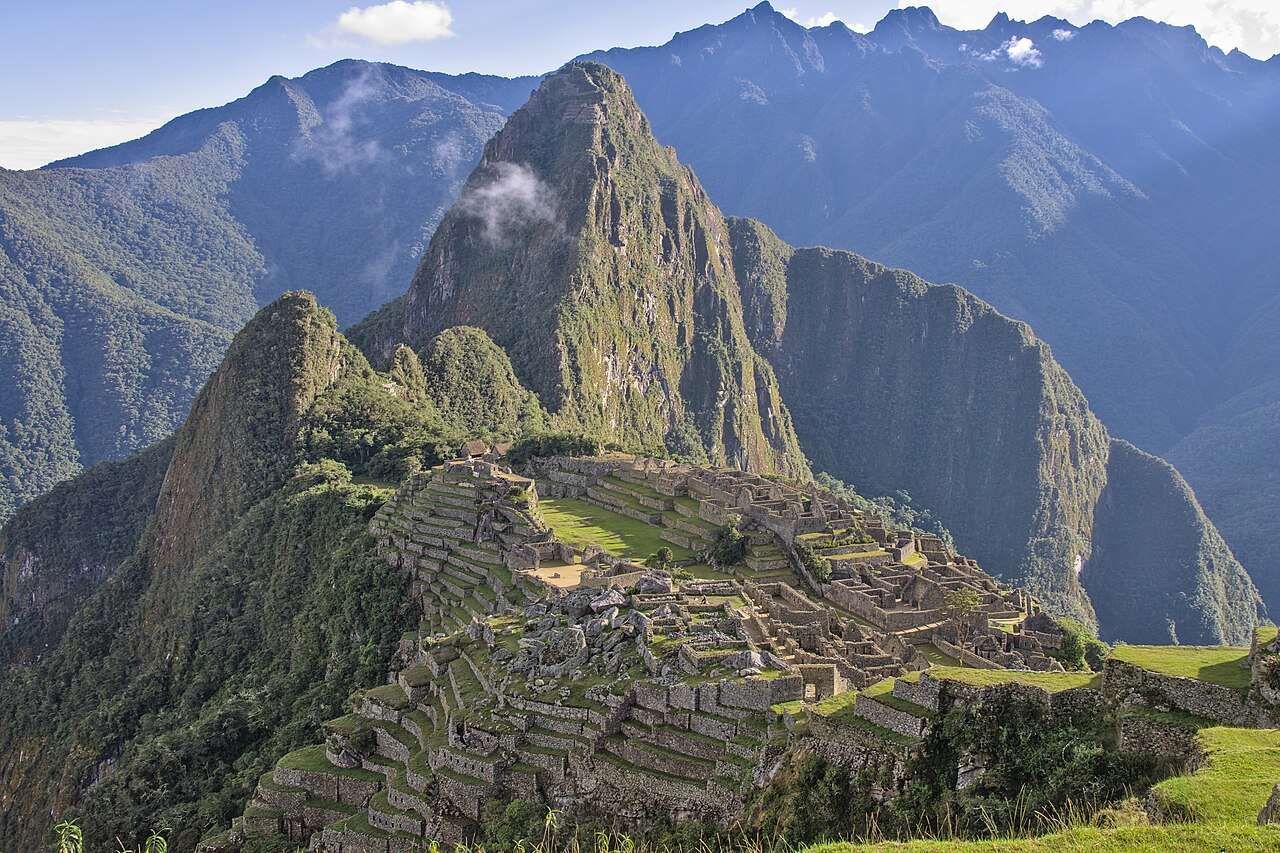
Today Peru is a republic of about 34 million people. Most speak Spanish, and millions also speak Quechua, the language of the Incas, or Aymara. Visitors come for Machu Picchu, the Nazca Lines and Lake Titicaca, and more and more for the food: ceviche, potatoes of every colour, and dishes shaped by Spanish, African, Chinese and Japanese cooks.
CapitalLima
PopulationAbout 34 million (2025 national census, INEI)
Official languageSpanish, and in the areas where they predominate, Quechua, Aymara and the other Indigenous languages (constitution of 1993)
CurrencyPeruvian sol (PEN)
AreaAbout 1.29 million km², the third largest country in South America
GovernmentRepublic with an elected president, divided into 25 regions
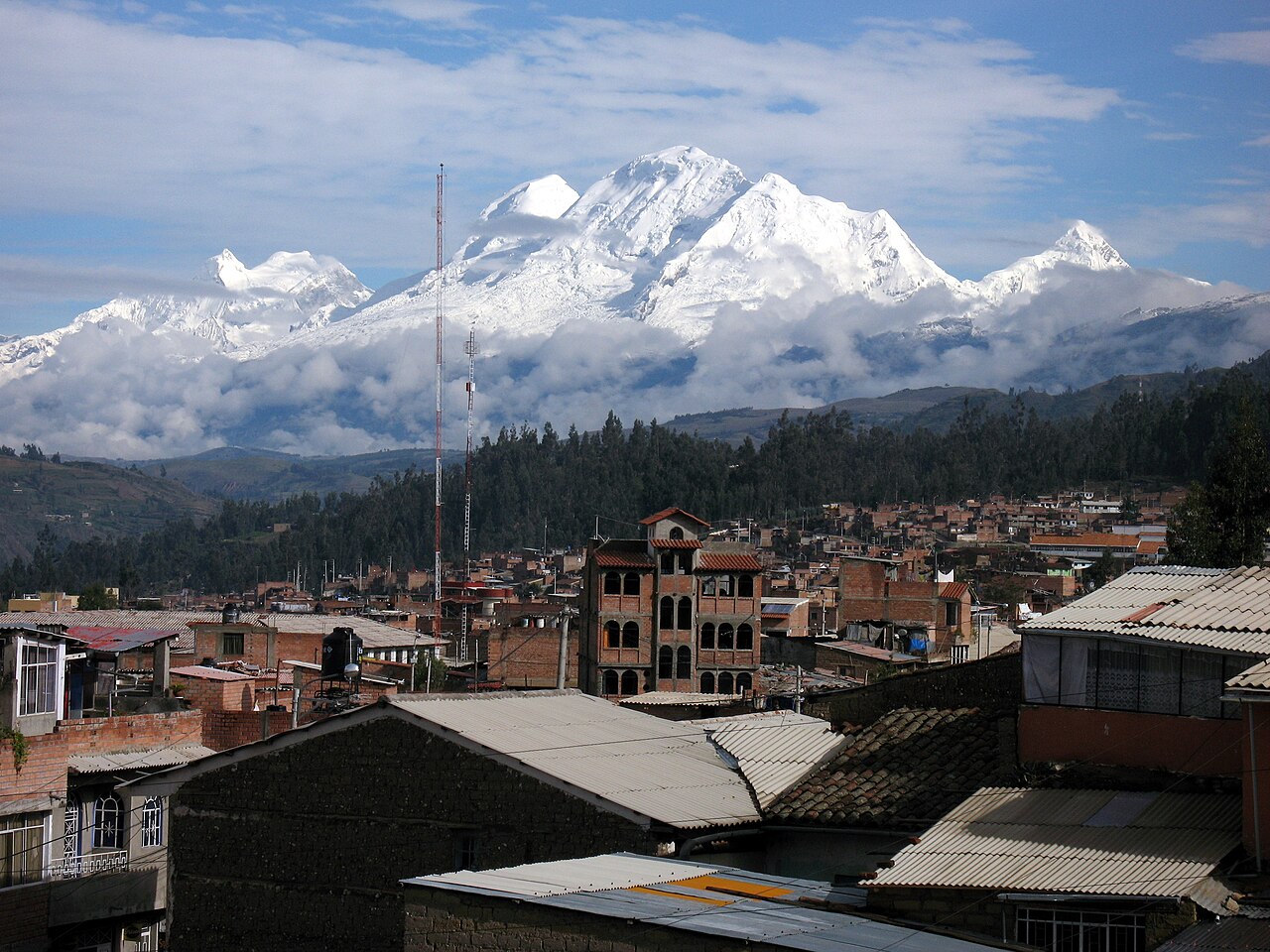
Highest mountainHuascarán (southern summit), 6,768 m, the highest point in the Earth's tropics
Longest riverThe Amazon. Its main headwaters, the Ucayali and the Marañón, rise in the Peruvian Andes and meet upstream of Iquitos
NeighboursEcuador, Colombia, Brazil, Bolivia and Chile. The longest border is with Brazil
Drives on theRight
Calling code+51
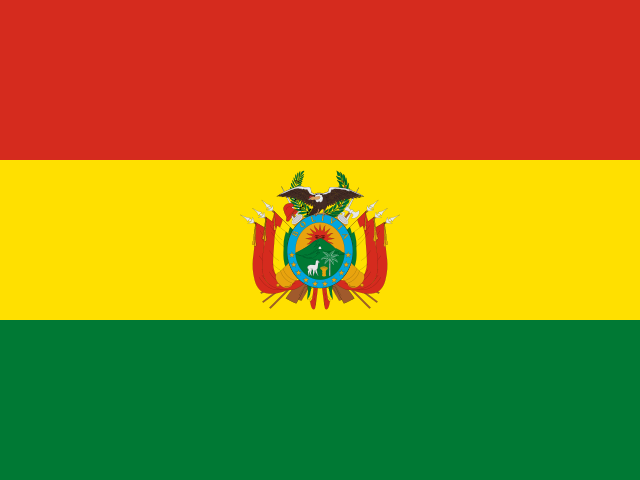 Bolivia
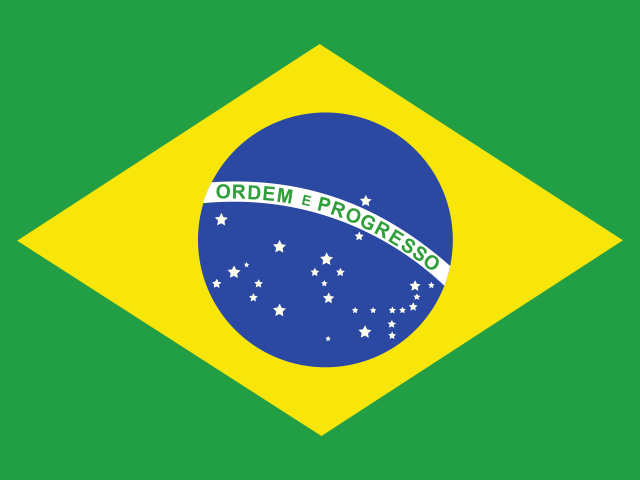 Brazil
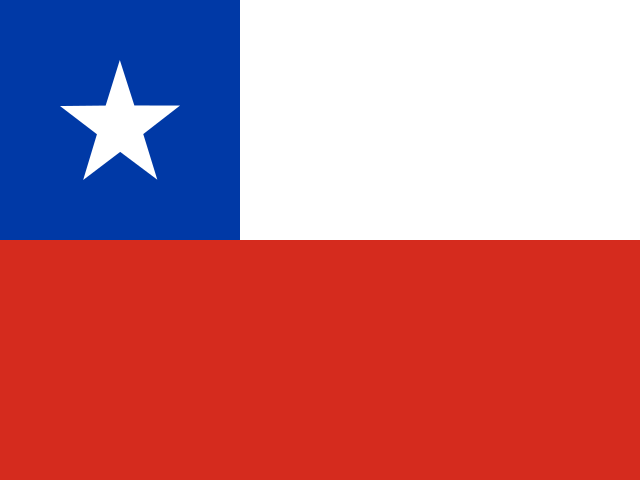 Chile
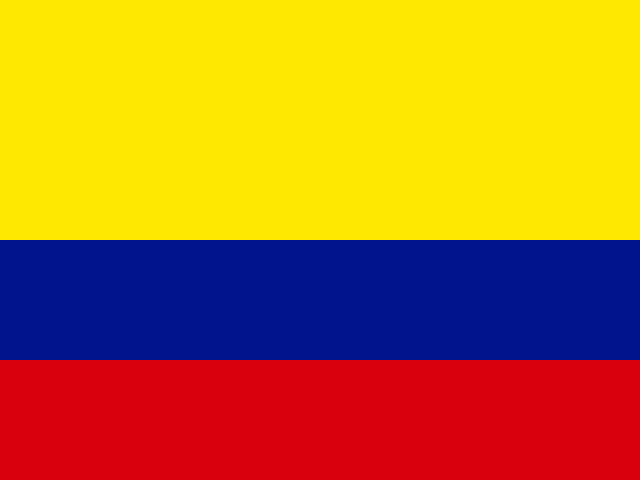 Colombia
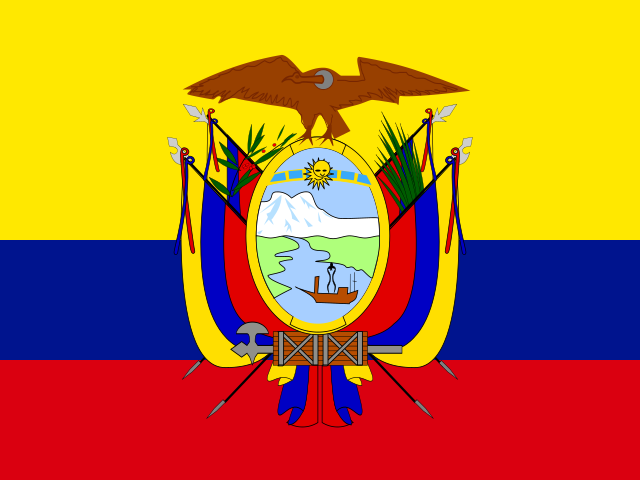 Ecuador