A free large-print PDF. Choose what goes in: facts, map, history, dishes and recipes, phrases, fun facts, a quiz with or without answers. Made for clubs, care homes, libraries and family afternoons.
Colombia sits in the north-west corner of South America, with coasts on two seas: the Caribbean to the north and the Pacific Ocean to the west. The Andes split into three long mountain ranges here, and most Colombians live in their cool valleys and high plateaus. To the east lie the grassy plains of the Llanos and the Amazon rainforest, which together cover more than half the country but hold less than 6 percent of its people.
People have lived here for at least 12,000 years. Peoples such as the Muisca, famous for their gold work, and the Tairona, who built stone terraces in the mountains, were here when Spain arrived in 1499. Colombia declared independence in 1810 and won it at the Battle of Boyacá in 1819. The country took its name from Christopher Columbus.
Today Colombia is a republic of about 52.7 million people, most of them Spanish speakers. For decades it lived with an armed conflict, and in 2016 the government signed a peace agreement with the largest guerrilla group, the FARC. Visitors come for colonial Cartagena, the coffee country, the lively cities of Bogotá and Medellín, the Caribbean coast and the music: cumbia, vallenato and salsa.
CapitalBogotá
PopulationAbout 52.7 million (2024 estimate by DANE, the national statistics office)
Official languageSpanish. Under the 1991 constitution, the languages of ethnic groups are also official in their own territories
CurrencyColombian peso (COP)
AreaAbout 1.14 million km², the fourth largest country in South America
GovernmentPresidential republic, divided into 32 departments and the Capital District of Bogotá
Highest mountainPico Cristóbal Colón and Pico Simón Bolívar, twin summits of about 5,700 m in the Sierra Nevada de Santa Marta. Measurements differ, so it is not certain which is higher
Main riverThe Magdalena, about 1,500 km long, which flows north through the Andes to the Caribbean
NeighboursPanama, Venezuela, Brazil, Peru and Ecuador on land. At sea it also shares boundaries with Costa Rica, Nicaragua, Honduras, Jamaica, Haiti and the Dominican Republic
Colombia's story begins with Indigenous peoples such as the Muisca of the high plateau around Bogotá and the Tairona of the Sierra Nevada de Santa Marta. Spain conquered the land in the 1500s and ruled it as the New Kingdom of Granada, later a viceroyalty with its capital in Bogotá. After independence the country changed its name and shape several times, lost Panama in 1903, and in the 20th century went through long periods of political violence. A new constitution in 1991 and a peace agreement with the FARC guerrillas in 2016 opened a calmer chapter, although some armed groups remain active.
AD 800
The Tairona build Ciudad Perdida
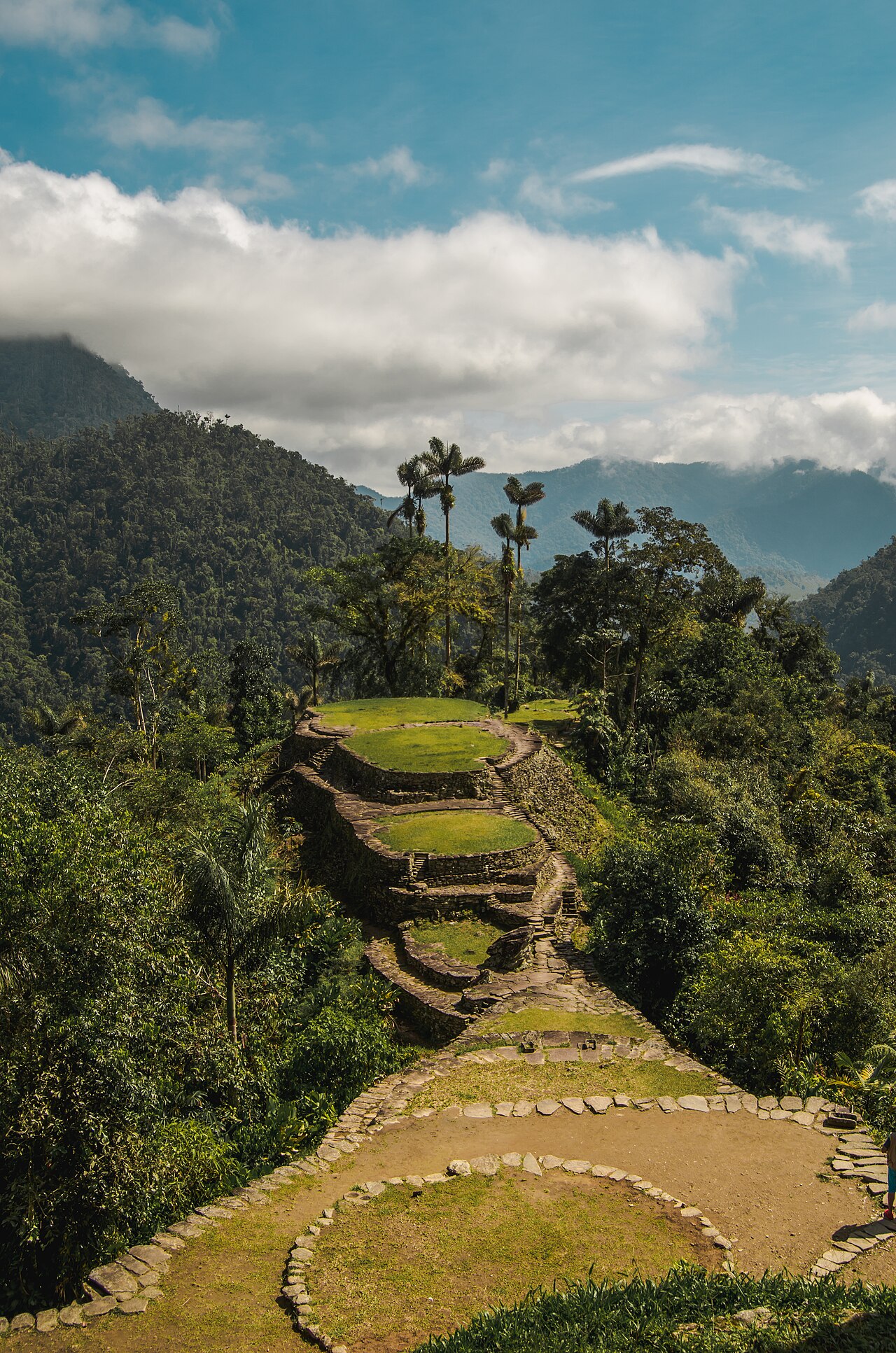
Around AD 800, the Tairona people built a town of stone terraces, paths and plazas high in the jungle of the Sierra Nevada de Santa Marta. Today it is called Ciudad Perdida, the Lost City, and it is thought to be about 650 years older than Machu Picchu.
1499
Alonso de Ojeda reaches La Guajira
In 1499 the Spanish explorer Alonso de Ojeda, who had sailed with Columbus, reached the Guajira Peninsula in the far north. It was the start of Spain's exploration of the Caribbean coast.
1525
Santa Marta is founded
On 29 July 1525 the Spanish conqueror Rodrigo de Bastidas founded Santa Marta on a bay of the Caribbean coast. It is Colombia's oldest surviving city.
1533
Cartagena is founded
On 1 June 1533 the Spanish founded Cartagena de Indias. With its fine harbour it became one of the most important ports of the Spanish Empire, and was ringed with walls and forts against pirates.
1538
Jiménez de Quesada founds Bogotá
On 6 August 1538 the conquistador Gonzalo Jiménez de Quesada founded Santa Fe, later Bogotá, on the high plateau of the Muisca people. It became the capital of the New Kingdom of Granada.
1741
Cartagena resists a British siege
In 1741 a huge British fleet under Admiral Edward Vernon attacked Cartagena during the War of Jenkins' Ear. The Spanish defenders, led by Blas de Lezo and Sebastián de Eslava, held the city and the British sailed away.
1810
Bogotá declares self-government
On 20 July 1810 a quarrel over a borrowed flower vase sparked protests in Bogotá, and local leaders removed the Spanish viceroy and formed their own government. 20 July is celebrated as Colombia's Independence Day.
1819
The Battle of Boyacá
On 7 August 1819 Simón Bolívar's army of Colombian and Venezuelan troops, with a British Legion, defeated the Spanish royalists at Boyacá, about 150 km from Bogotá. Later that year Bolívar created the Republic of Colombia, now called Gran Colombia.
1899
The Thousand Days' War begins
In October 1899 Liberals rose up against the Conservative government, starting a civil war that lasted until November 1902. Between 100,000 and 180,000 people are thought to have died.
1903
Panama separates from Colombia
On 3 November 1903 Panama, until then a part of Colombia, declared its independence with the backing of the United States, which wanted to build the Panama Canal. This gave Colombia its present borders.
1948
The Bogotazo riots
On 9 April 1948 the popular Liberal leader Jorge Eliécer Gaitán was shot dead in Bogotá. Riots destroyed much of the city centre and deepened La Violencia, years of fighting between Liberals and Conservatives that lasted until about 1958.
1964
The FARC guerrillas are formed
In 1964 left-wing rebels formed the FARC in the countryside. For more than five decades, fighting between the state, guerrilla groups, right-wing paramilitaries and drug traffickers cost many lives and forced millions of people from their homes.
1982
García Márquez wins the Nobel Prize
In 1982 Gabriel García Márquez, born in the Caribbean town of Aracataca, won the Nobel Prize in Literature. His novel One Hundred Years of Solitude, set in the imaginary village of Macondo, has sold more than fifty million copies.
1991
A new constitution
In July 1991 Colombia adopted a new constitution, replacing the one from 1886. It recognises the country's ethnic and cultural diversity and protects the rights of citizens, and many Colombians see it as a step forward.
2016
A peace agreement with the FARC
After four years of talks in Havana, the government and the FARC agreed to end their conflict. Voters narrowly rejected the first deal in a referendum on 2 October 2016, so a revised agreement was signed on 24 November and approved by Congress. President Juan Manuel Santos received the Nobel Peace Prize that year.
2017
The FARC hand over their weapons
On 27 June 2017 the FARC finished handing over their weapons to the United Nations and stopped being an armed group. They became a legal political party, later renamed the Commons. Most former fighters kept to the agreement, but some breakaway groups rejected it or later took up arms again.
Colombian food changes from region to region: soups and potatoes in the cool Andes, fish, coconut and plantain on the Caribbean coast, and hearty platters in the coffee country. Indigenous corn, Spanish meat and African cooking all meet on the plate, and the arepa, a round corn cake, is eaten everywhere. Breakfast might be hot chocolate with bread and cheese, or changua, a milk and egg soup. Lunch, el almuerzo, is the main meal of the day: many people eat a set lunch called a corrientazo, with soup, a plate of rice, meat, beans and plantain, and a soft drink or juice. In the afternoon many people stop for 'onces', a light snack.
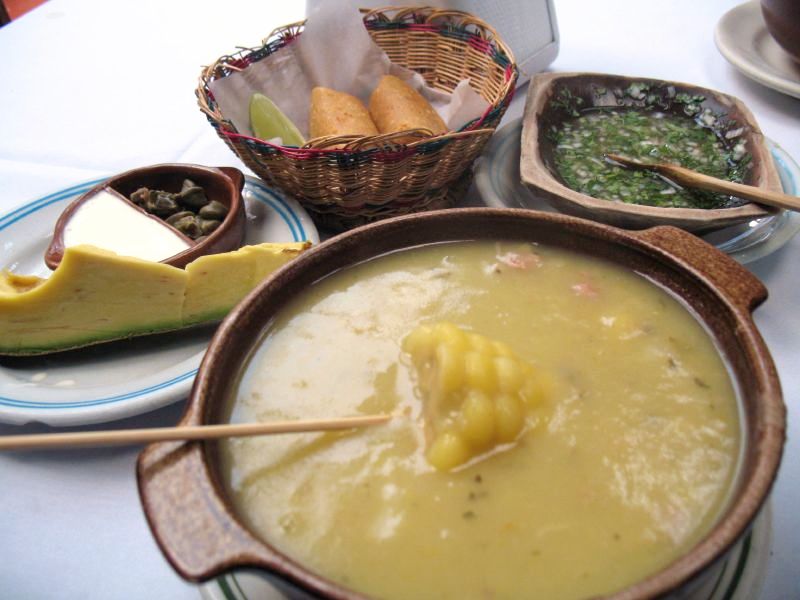
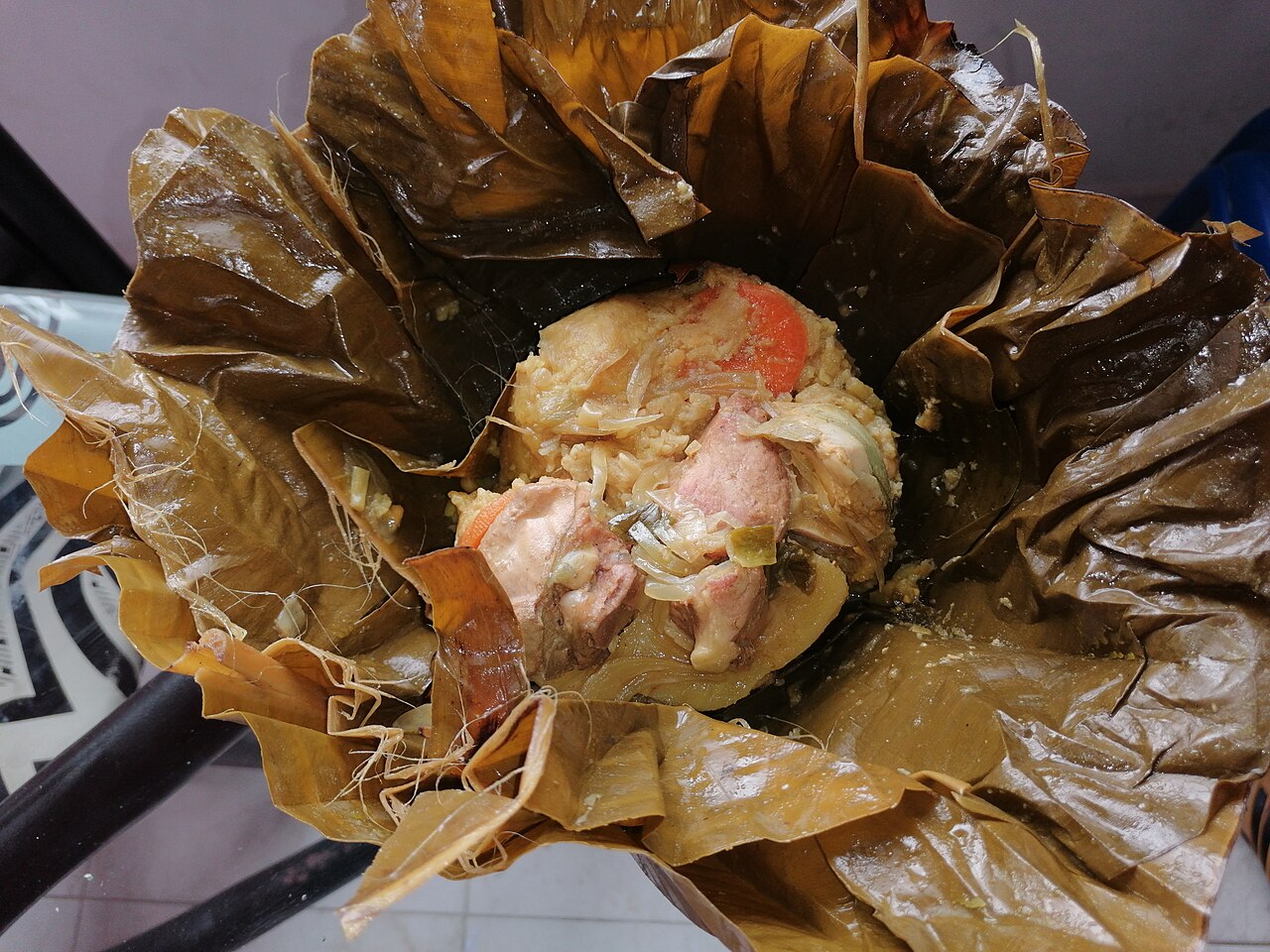
A thick chicken and potato soup made with three kinds of potato, corn on the cob and guascas, a local herb. It is served with cream, capers and avocado on the side, so everyone adds them to taste.
Along with bandeja paisa, ajiaco is often called Colombia's national dish, and some consider it the most Colombian dish of all.
See the recipe
Serves 6
1 h 30 min
Ingredients
1 kg chicken breasts or thighs, on the bone
2 litres water or chicken stock
2 spring onions and 2 garlic cloves
500 g small yellow potatoes (papa criolla), or waxy baby potatoes, peeled
500 g floury potatoes, peeled and sliced
500 g red or white potatoes, peeled and sliced
3 corn cobs, each cut into 3 pieces
2 tablespoons dried guascas (from Latin American shops), or leave out
Salt and pepper
To serve: single cream, capers, sliced avocado and white rice
Method
Put the chicken, water, spring onions and garlic in a large pot with a little salt. Bring to the boil and simmer for 30 minutes, until the chicken is cooked.
Take out the chicken, let it cool and shred it with two forks. Throw away the onions and garlic.
Add all the potatoes and the corn to the broth and simmer gently for 40 to 45 minutes, stirring now and then, until the small yellow potatoes fall apart and thicken the soup.
Stir in the guascas and the shredded chicken and cook for 5 more minutes. Season with salt and pepper.
Serve in deep bowls, with a piece of corn in each, and put cream, capers, avocado and rice on the table for everyone to add.
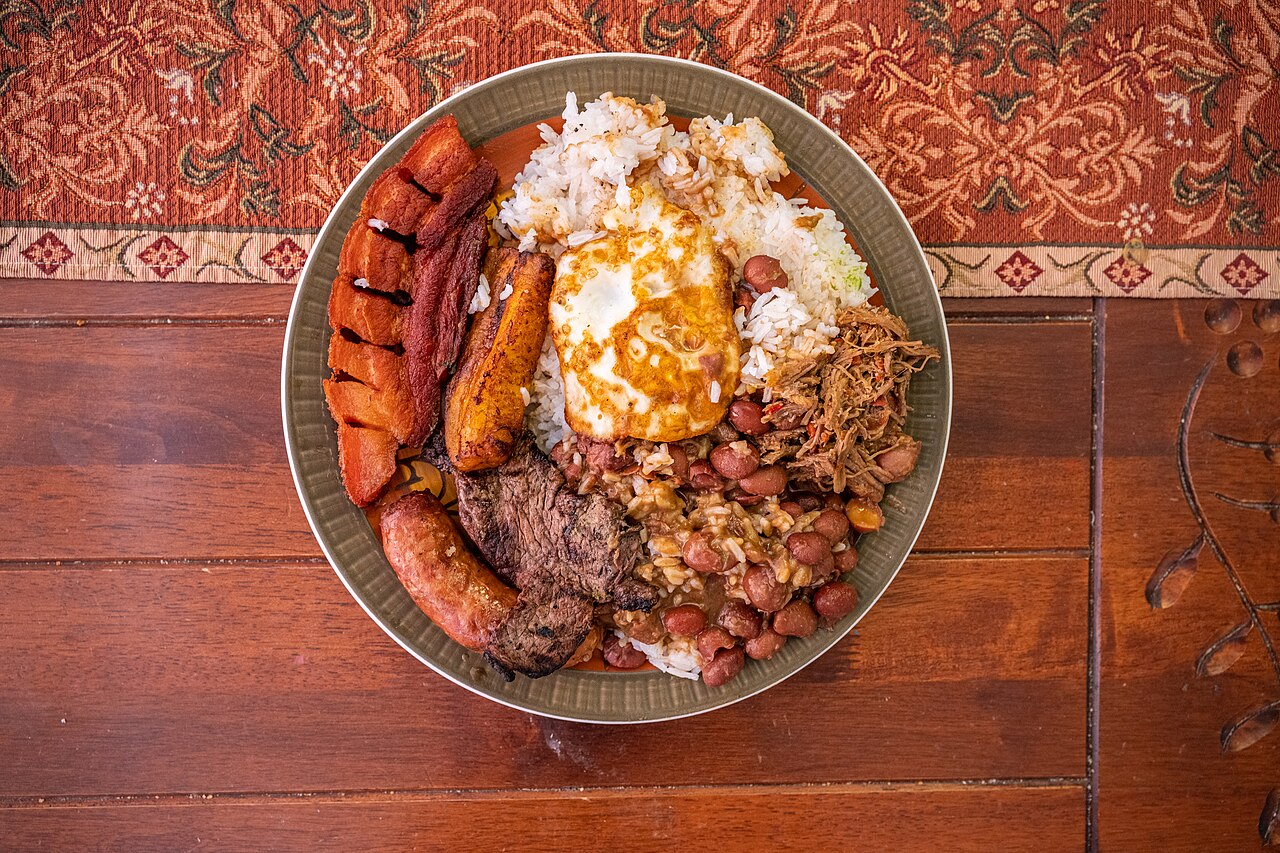
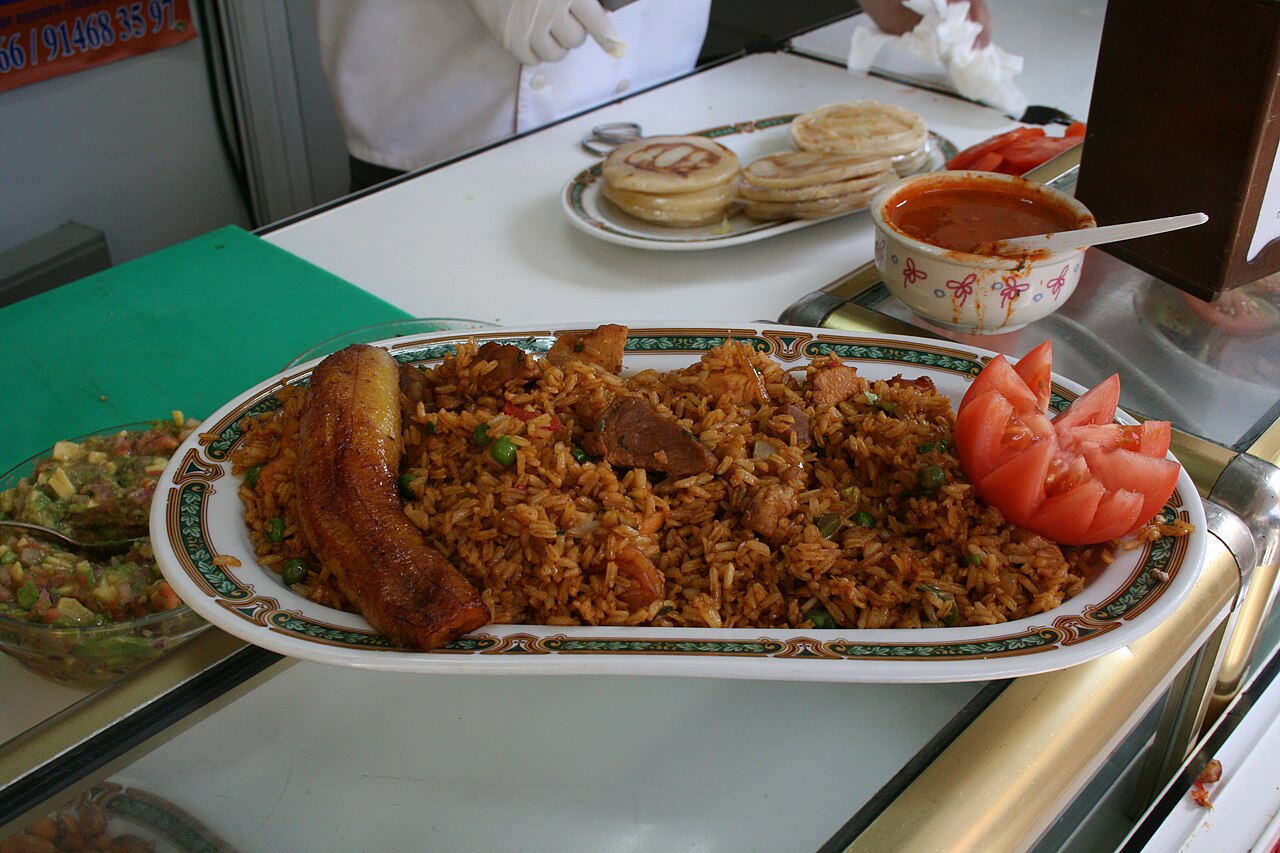
A huge platter for a big appetite: red beans cooked with pork, white rice, minced meat, crispy pork belly (chicharrón), chorizo, black pudding, a fried egg, fried sweet plantain, an arepa and avocado.
The name means 'Paisa platter', after the people of Antioquia. Food writers found no mention of the dish before 1950, so in its present form it is younger than many people think.
All over Colombia, especially the Valle del Cauca around Cali
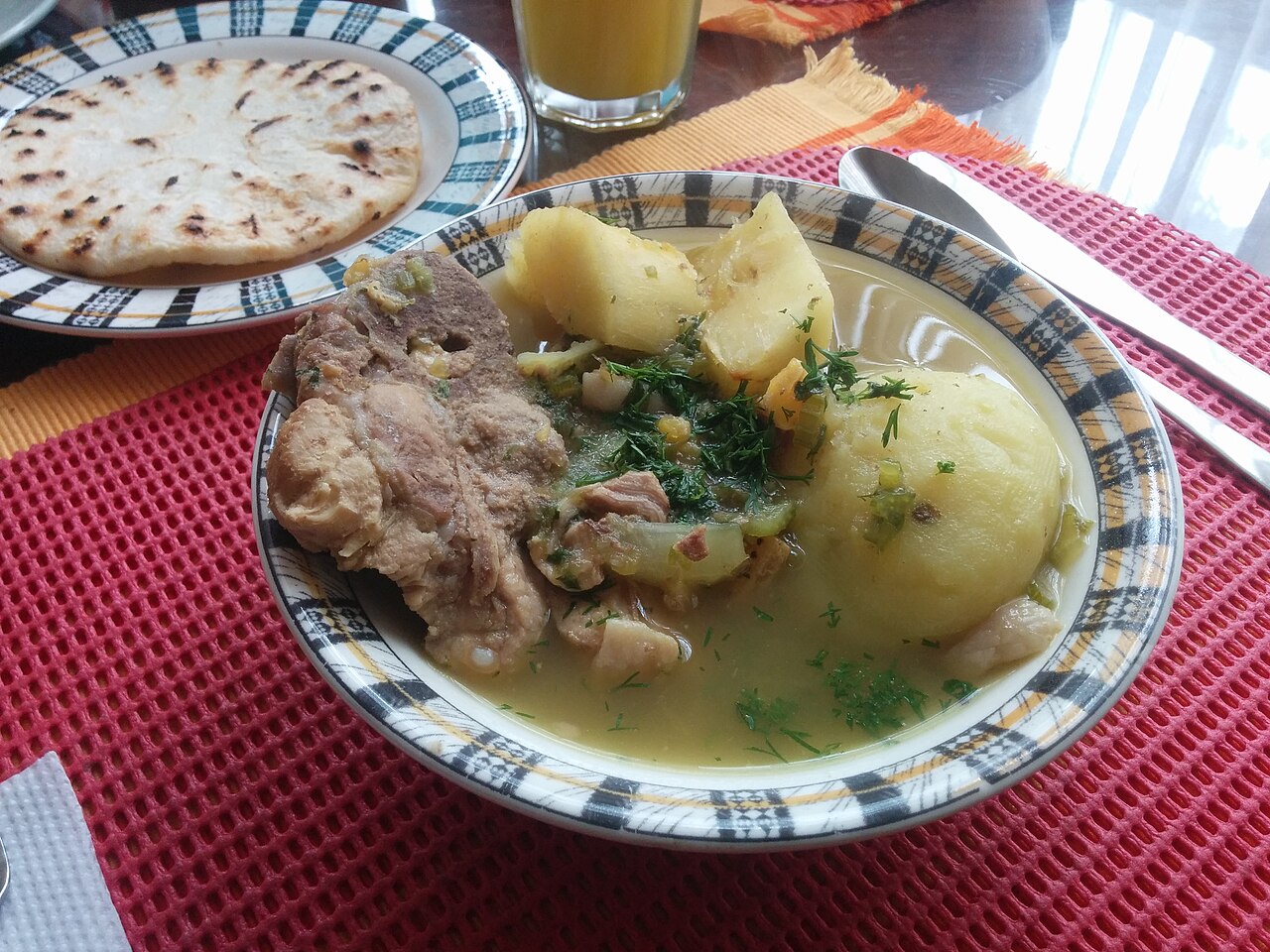
A hearty stew-soup with large pieces of meat or fish, plantain, potato, cassava (yuca) and corn on the cob, flavoured with coriander. It comes with white rice and avocado, and many people dip a spoonful of rice into each spoonful of soup.
Sancocho de gallina, made with hen, is the classic dish of Cali. Similar stews are loved across the Caribbean, from Panama to the Dominican Republic.
A whole pig stuffed with pork, yellow peas, spring onion and spices, then roasted for several hours in an outdoor brick oven. It is served with arepas.
Yellow rice is sometimes added to the filling, especially in Bogotá.
Bogotá and the highlands of Boyacá and Cundinamarca
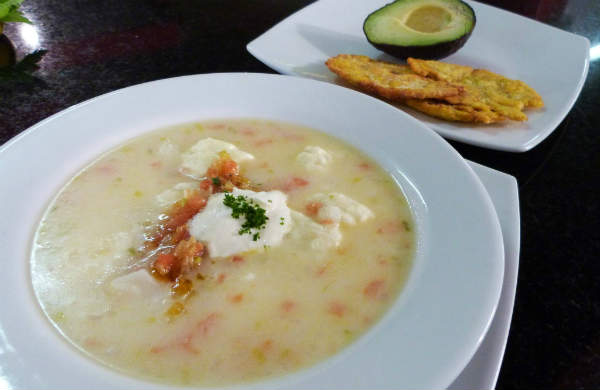
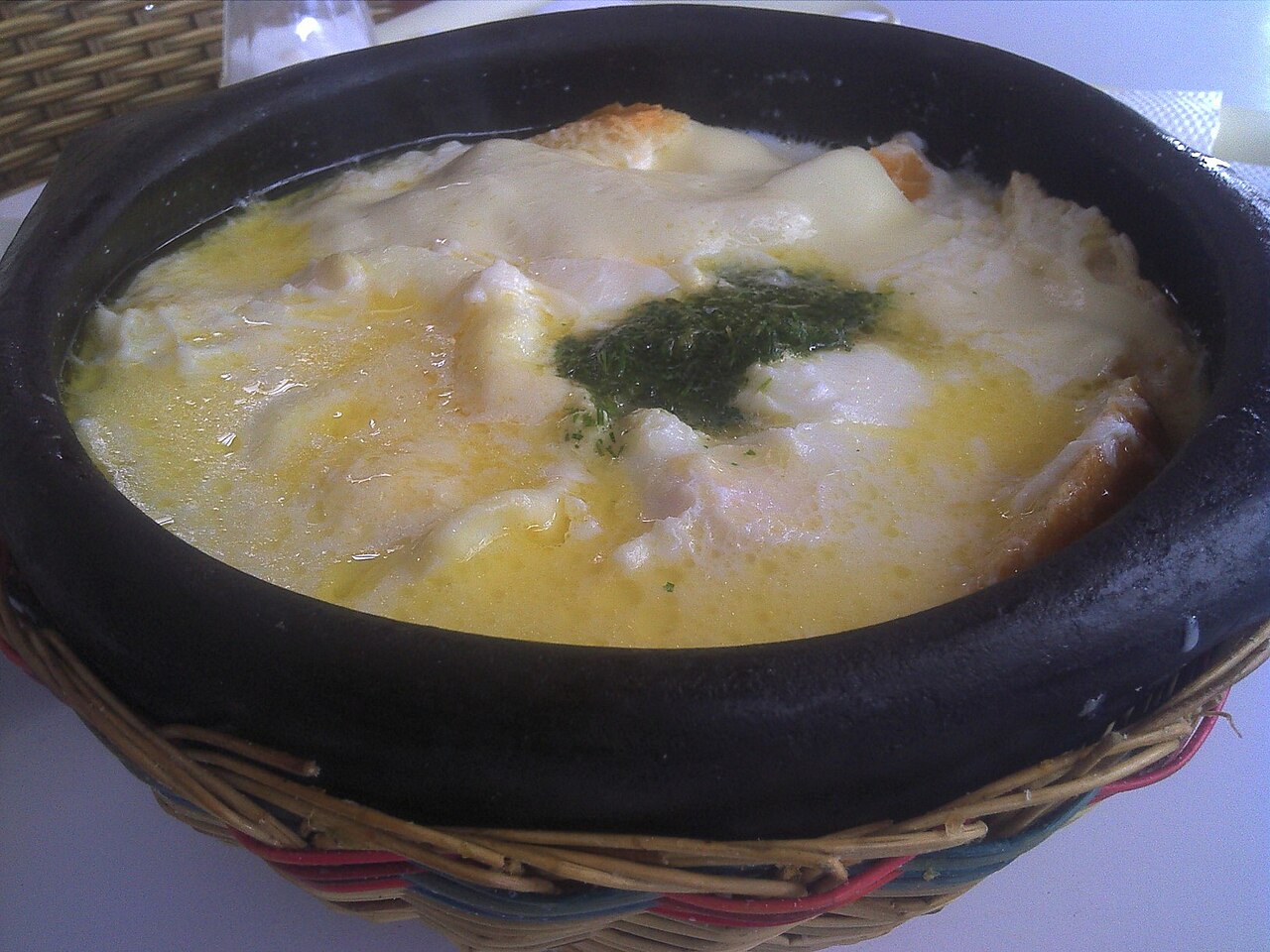
A breakfast soup of milk and water with an egg poached in it, spring onion and coriander, served with a piece of hard bread that softens in the bowl. The yolk is often left soft: pregnant women, young children, older people and anyone with a weak immune system should ask for the egg cooked until firm.
Its name is thought to come from Muisca words for water and salt. It also has a reputation as a cure for the morning after a party.
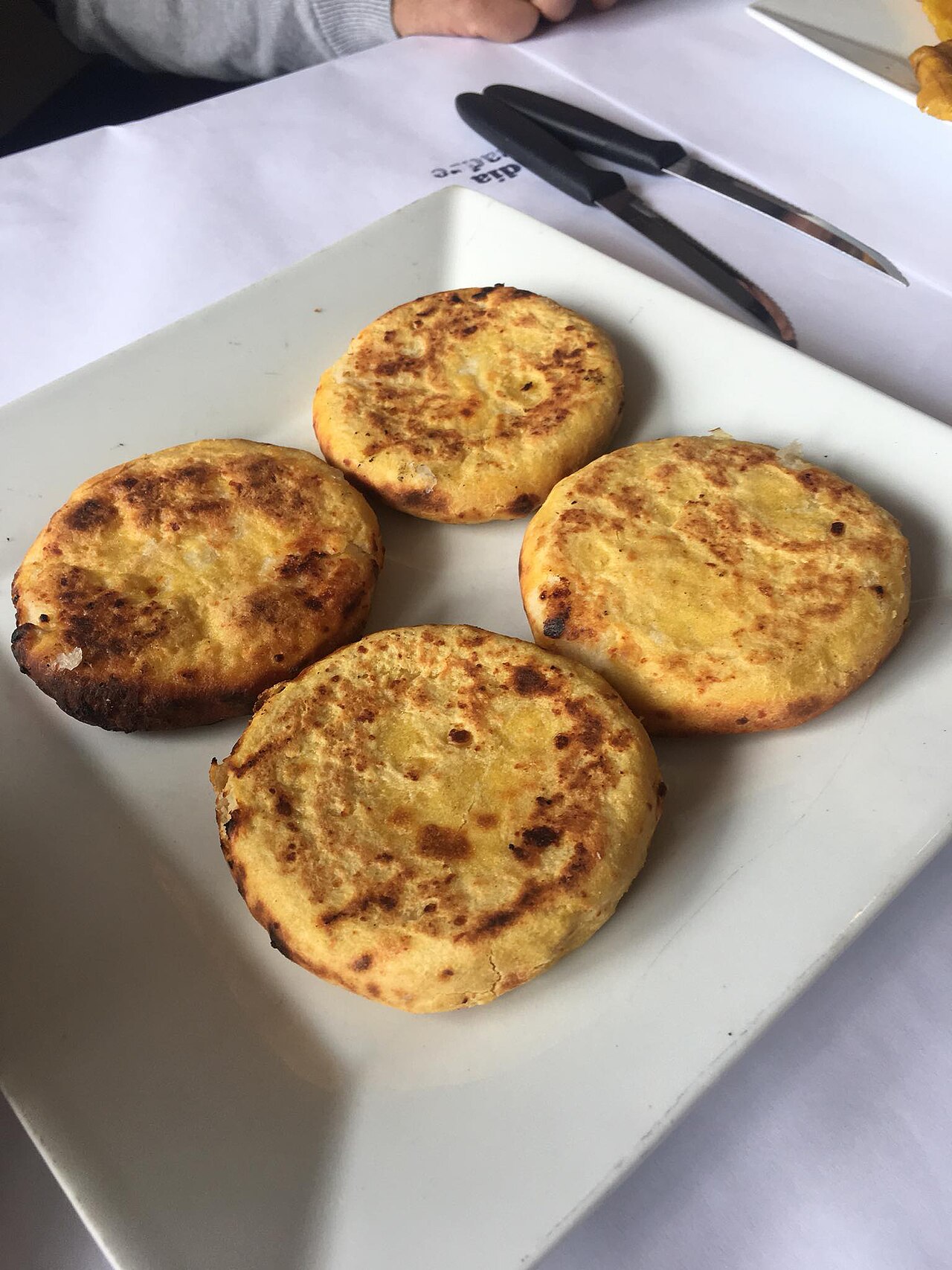
A round, flat cake of corn dough, grilled or fried, eaten at any meal. It can be plain, topped with butter and cheese, or split and filled. Colombia has dozens of regional kinds, from the Paisa arepa of Antioquia to sweet corn arepas.
In 2006 the arepa was chosen as Colombia's cultural symbol in a national competition run by Semana magazine. Arepas were already being made about 3,000 years ago by the Muisca.
See the recipe
Serves 4
30 min
Ingredients
250 g pre-cooked white corn flour (masarepa or harina precocida)
About 350 ml warm water
1 teaspoon salt
1 tablespoon butter, softened, plus a little oil for the pan
100 g grated mozzarella or other mild cheese (optional)
Method
Mix the corn flour and salt in a bowl. Add the warm water little by little and knead with your hands for 2 minutes, until you have a soft dough that does not crack. Add the butter and the cheese, if using.
Leave the dough to rest for 5 minutes, then divide it into 8 balls.
Flatten each ball between your palms into a round about 1 cm thick. Smooth any cracks around the edge with a wet finger.
Heat a lightly oiled frying pan over a medium heat. Cook the arepas for about 5 to 6 minutes on each side, until they have golden spots and sound hollow when tapped.
Serve hot, with butter and fresh cheese, or split them open and fill them with eggs, beans or meat.
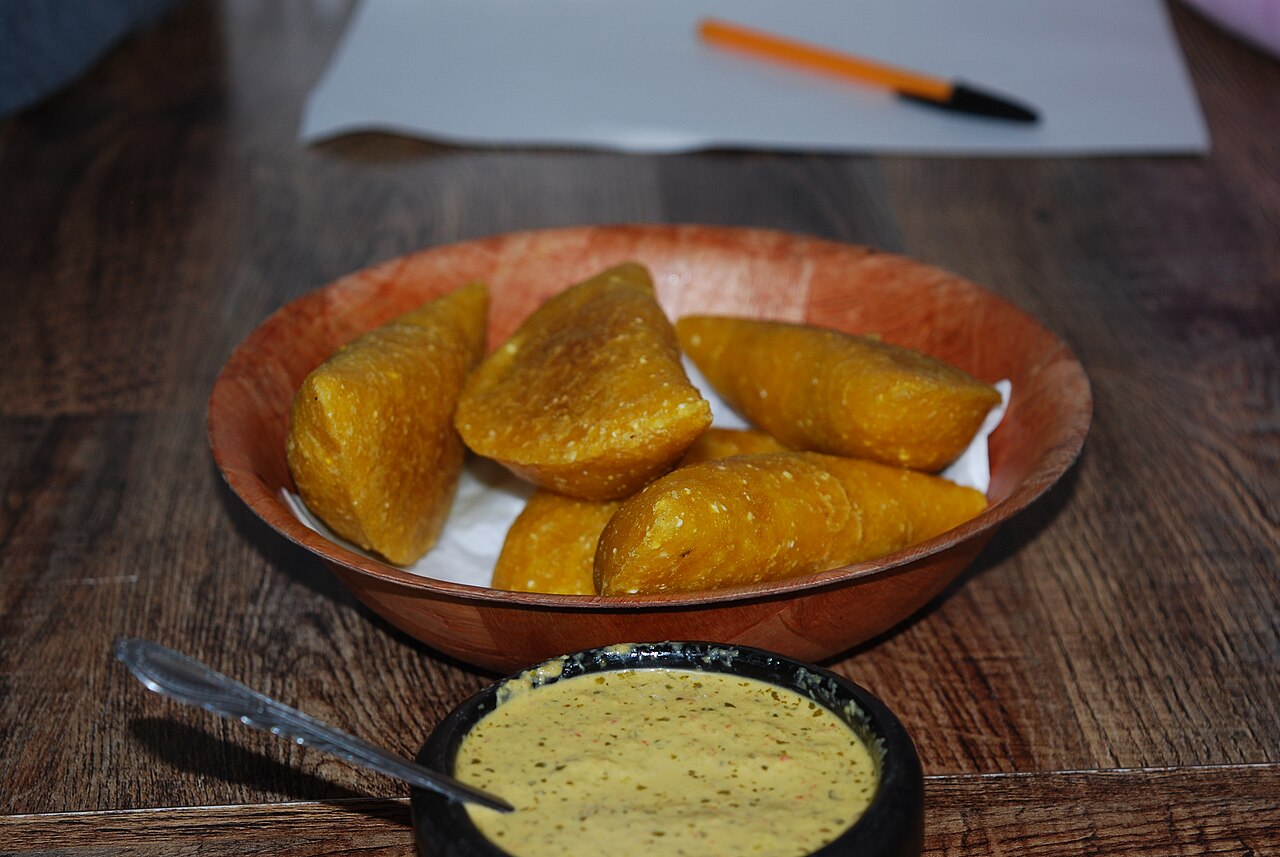
Half-moon pastries made with corn dough, not wheat, filled with potato and seasoned beef, pork or chicken, and deep-fried until crisp. They are sold at street stalls and bakeries and eaten with a squeeze of lime and a spoonful of ají, a spicy herb sauce.
The corn dough and the crisp, golden shell make Colombian empanadas different from the wheat-pastry empanadas of many other Latin American countries.
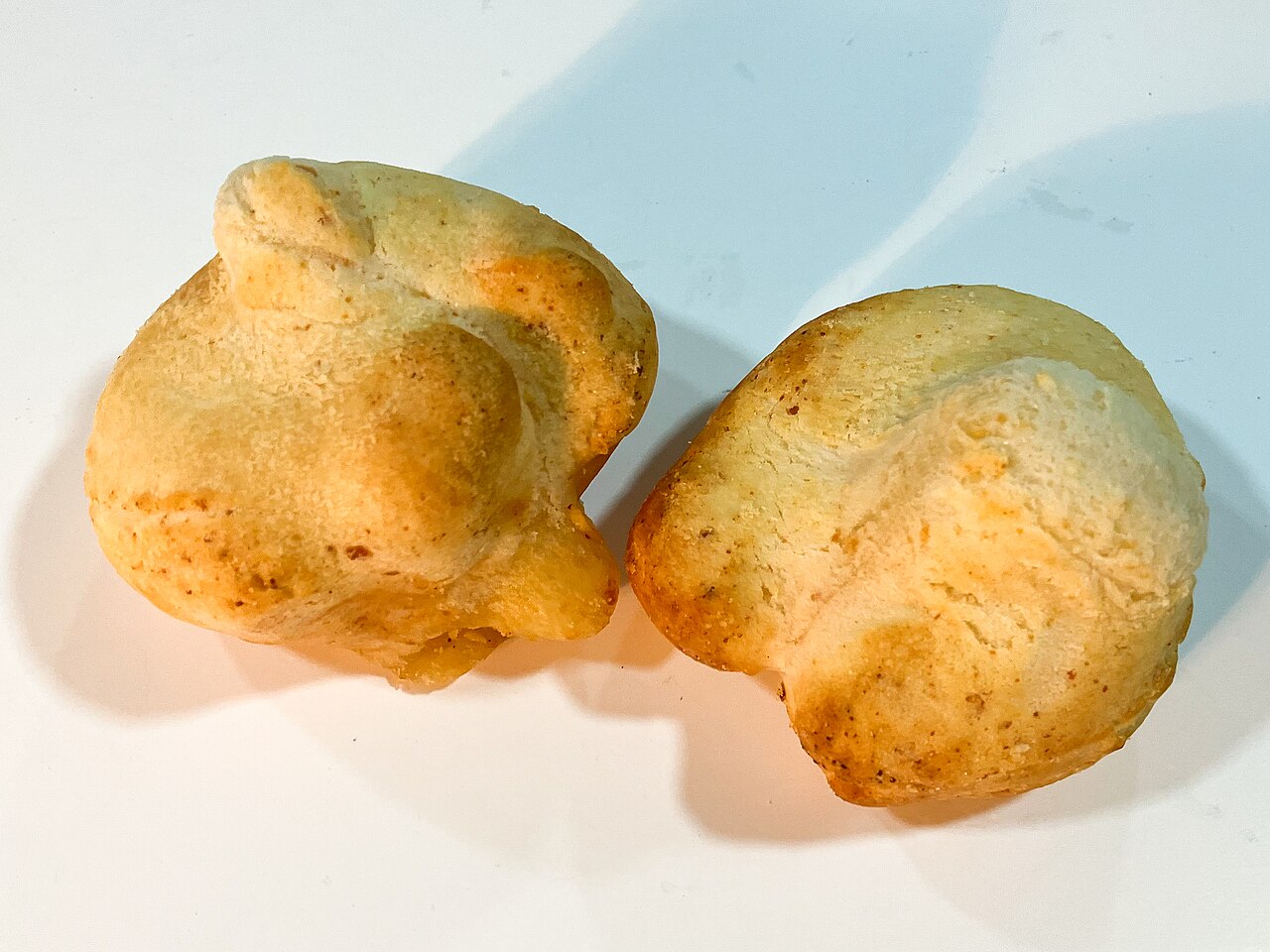
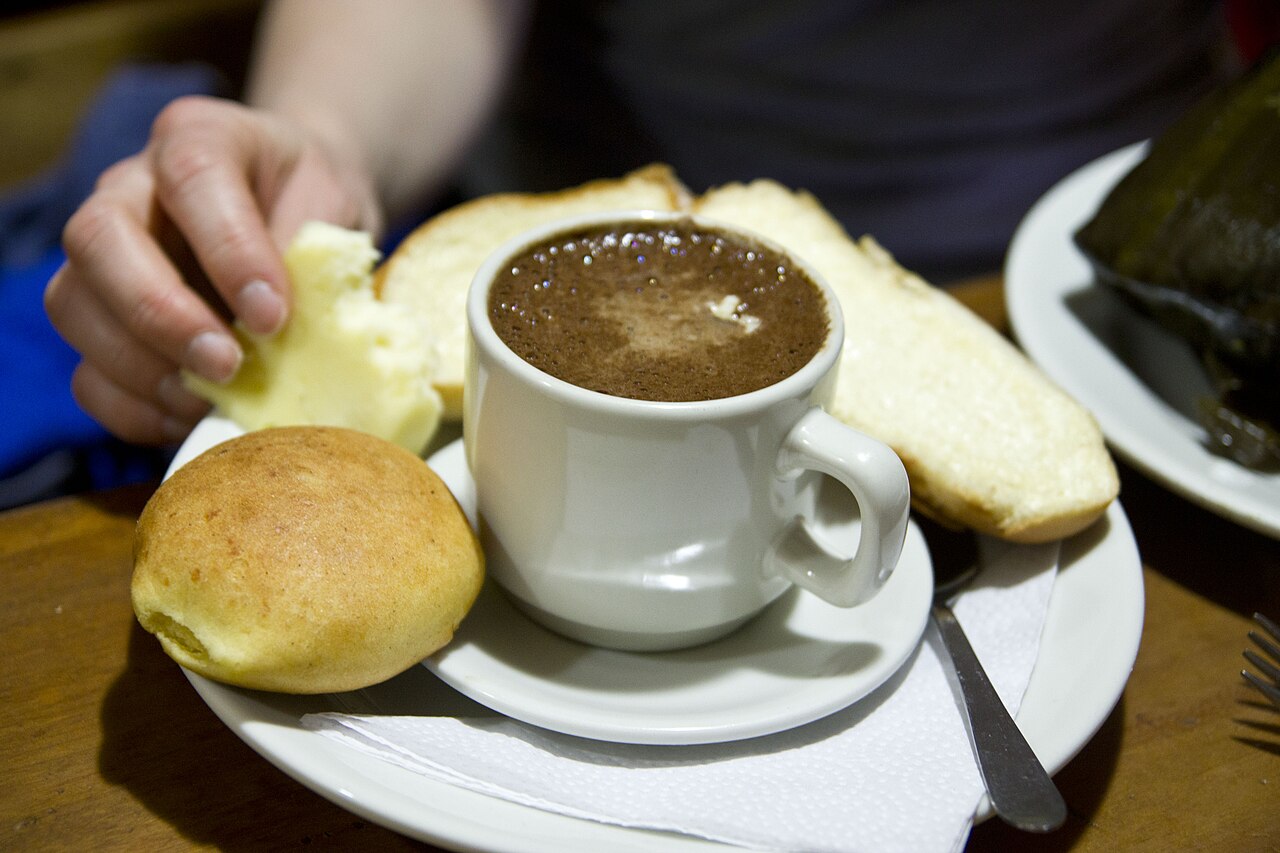
Small, soft cheese breads made with cassava starch, corn flour, cheese and egg, baked until golden. They are best eaten warm, a few minutes out of the oven, with hot chocolate or coffee.
The best-known story says the name comes from 'pan de El Bono', bread made at the El Bono hacienda on the old road between Cali and the port of Buenaventura.
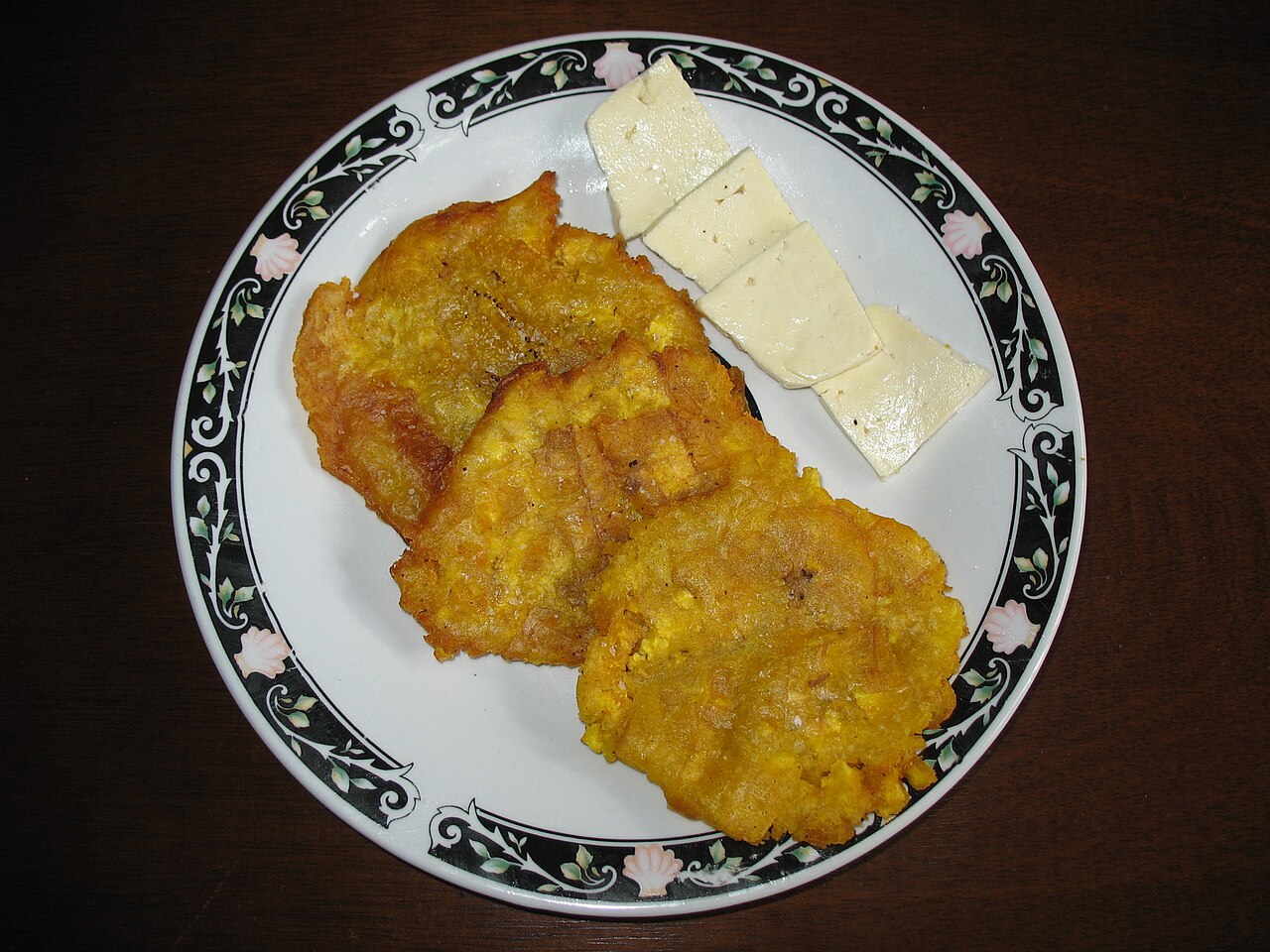
Slices of green (unripe) plantain, fried, flattened and fried again until crisp. They are served with fish, soup or as a snack, sometimes topped with hogao, a tomato and onion sauce, or shredded beef.
In Colombia they are sometimes called patacón pisao, squashed plantain. In Puerto Rico and Cuba the same dish is called tostones.
See the recipe
Serves 4
30 min
Ingredients
2 large green (unripe) plantains
Vegetable oil for shallow frying, about 2 cm deep
Salt
Lime wedges, to serve
Method
Cut off both ends of the plantains, make a long cut along the skin and peel it off. Cut the plantains into pieces about 3 cm thick.
Heat the oil in a deep frying pan over a medium heat. Fry the pieces for about 3 to 4 minutes on each side, until pale gold but not brown. Lift them out onto kitchen paper.
Put each piece between two sheets of baking paper and press it flat with the bottom of a heavy mug or a plate, to about 1 cm thick.
Turn up the heat a little and fry the flattened pieces again for 2 to 3 minutes on each side, until crisp and golden.
Drain on kitchen paper, sprinkle with salt and serve hot with lime wedges.
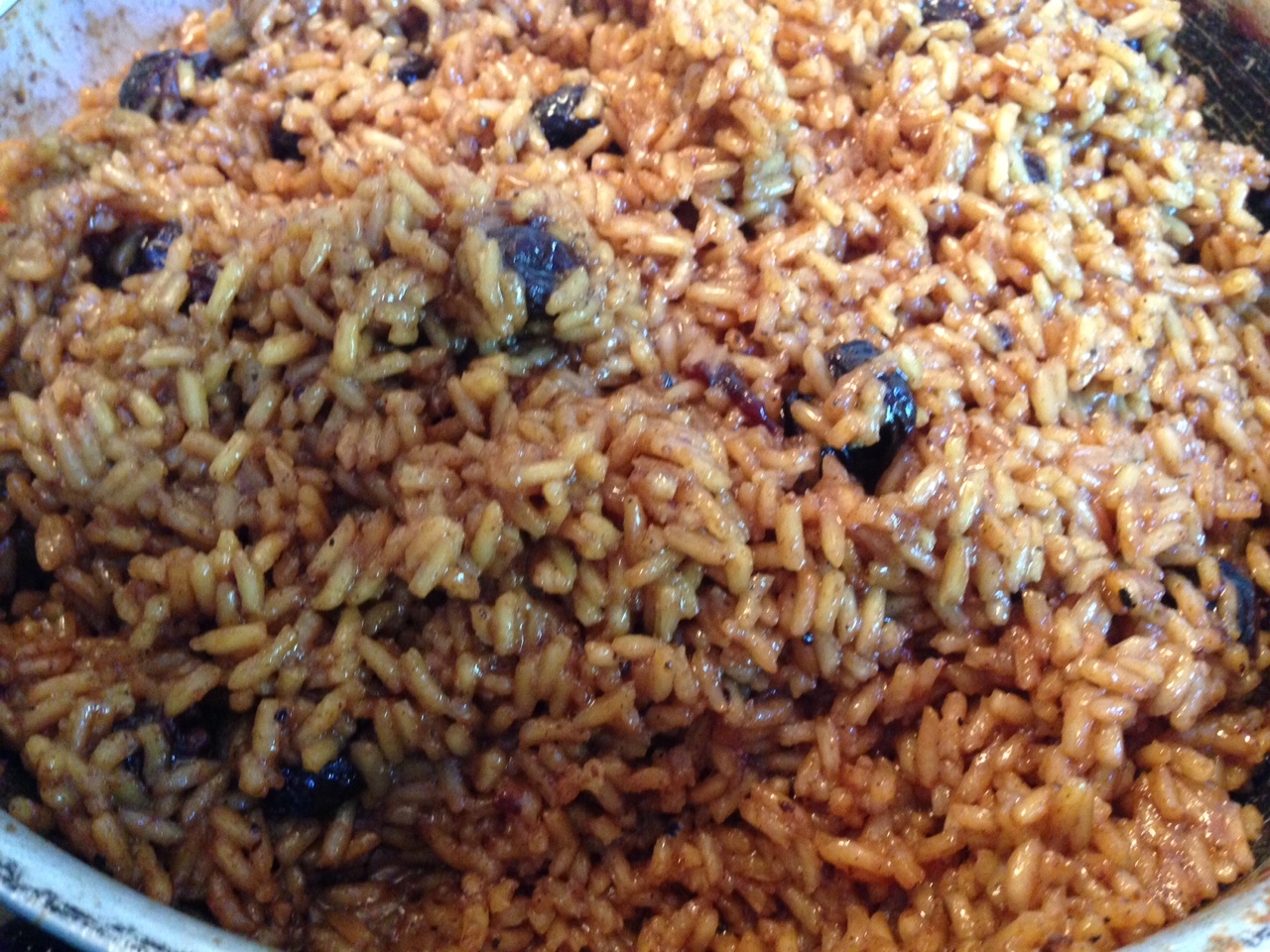
Rice cooked in coconut milk with a little sugar and salt, sometimes with raisins. On the coast it is the usual partner for fried fish and patacones.
See the recipe
Serves 4
35 min
Ingredients
300 g long-grain white rice
400 ml tin of coconut milk
200 ml water
1 tablespoon sugar
1 teaspoon salt
2 tablespoons raisins (optional)
Method
Rinse the rice in a sieve under cold water until the water runs clear.
Pour the coconut milk into a heavy pot and simmer over a medium heat, stirring often, for about 10 minutes, until it thickens and starts to turn light golden.
Stir in the water, sugar and salt, then add the rice and the raisins, if using. Bring to the boil.
Turn the heat very low, cover tightly and cook for 18 to 20 minutes, until the rice is tender and the liquid is absorbed.
Leave to rest, covered, for 5 minutes, then fluff with a fork and serve with fried fish or chicken.
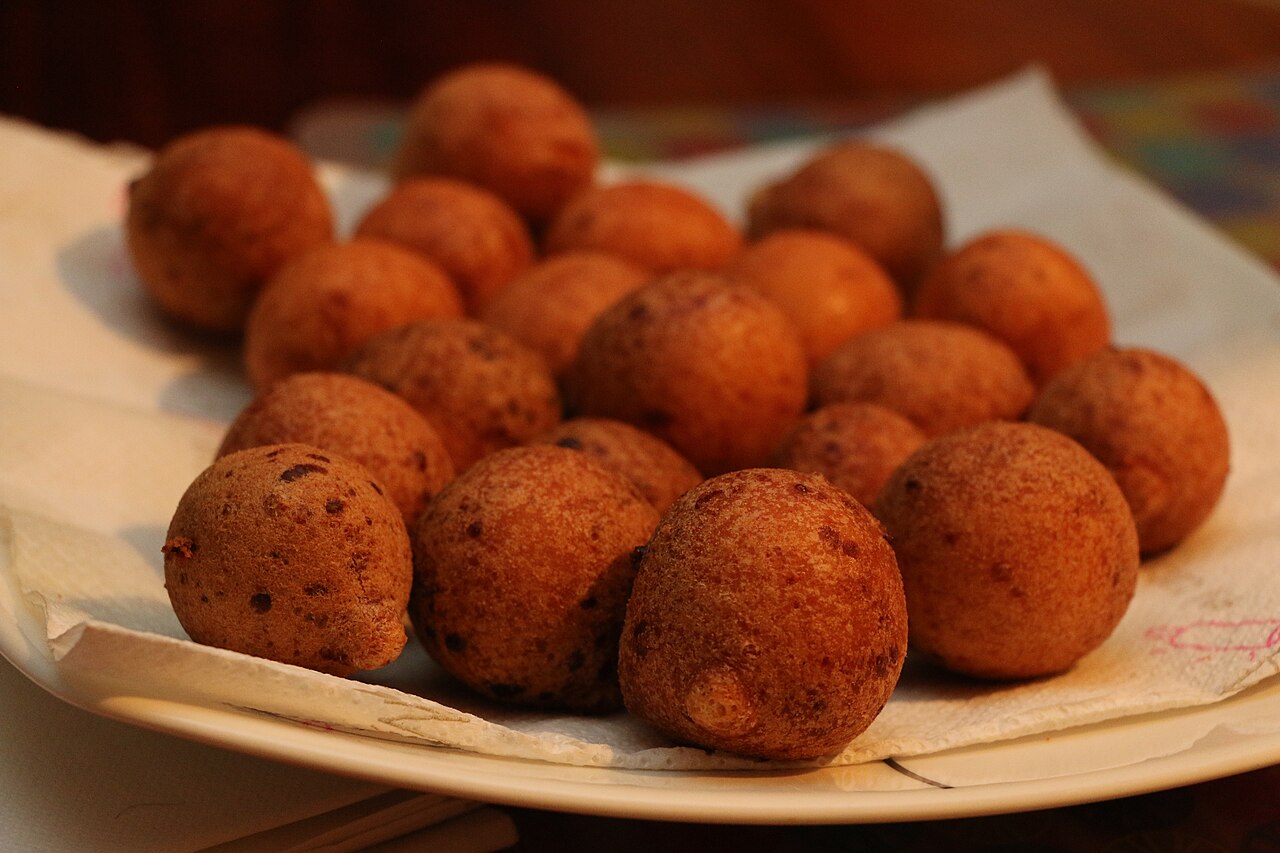
Round golden balls of dough made with fresh white cheese, cassava flour and cornflour, deep-fried until they puff up. They are crisp outside and soft and cheesy inside.
Buñuelos are a Christmas tradition, eaten together with natilla and manjar blanco.
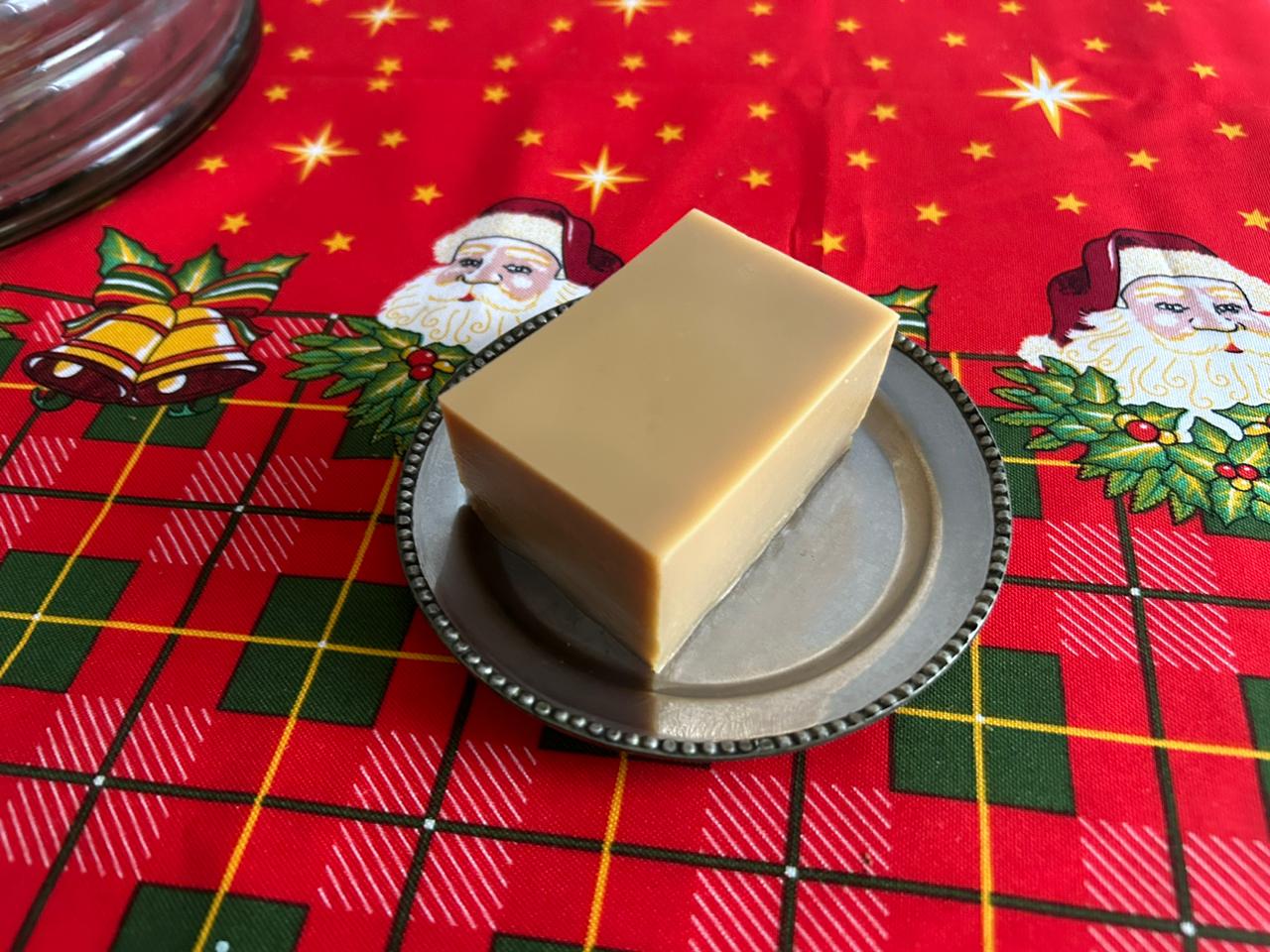
A soft, set pudding of milk, panela (unrefined cane sugar), cinnamon and cornflour, dusted with ground cinnamon and cut into squares. Unlike Spanish natillas, the Colombian version has no eggs.
Natilla is Colombia's most popular Christmas dish, and many families still cook it together over an outdoor fire.
A simple drink of panela, hardened sugar cane juice, dissolved in water. It is drunk cold with lime on a hot day, or hot, sometimes with a piece of fresh cheese dropped in to melt.
In Colombia black coffee is often made with aguapanela instead of water and sugar. Many people believe it helps with colds, although it is mostly sugar and water.
See the recipe
Serves 4
15 min
Ingredients
200 g panela (from Latin American shops), or dark brown sugar
1 litre water
2 limes
Ice, for the cold version, or 4 small pieces of mild fresh cheese made from pasteurised milk, for the hot version
Method
Break the panela into small pieces with a heavy knife or a rolling pin.
Put the water and panela in a pan and heat gently, stirring, until the panela has completely dissolved. Let it simmer for 5 minutes.
For a cold drink, let it cool, add the juice of the limes and serve over ice.
For a hot drink, pour it into mugs and add a squeeze of lime, or drop a piece of fresh cheese into each mug and eat it with a spoon as it softens.
South-west Colombia, especially Cali and the Valle del Cauca
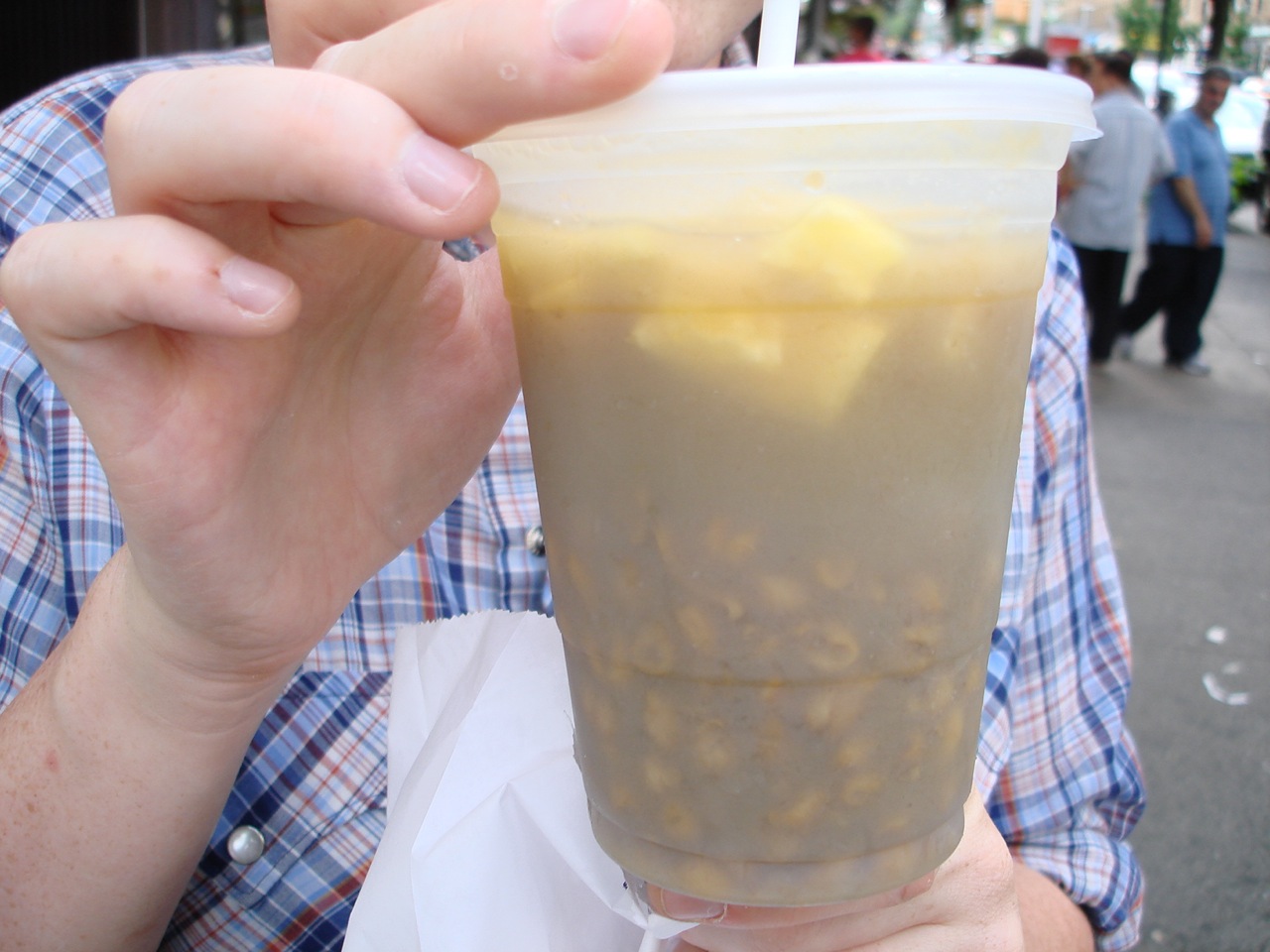
A thick, sweet, cold drink of crushed corn, lulo (a tangy local fruit), pineapple and panela, spiced with cinnamon, cloves and orange leaves.
In the southern departments of Nariño and Cauca it is mainly a Christmas drink, but in the Valle del Cauca it is served very cold all year round.
Table manners
Lunch is the main meal of the day, usually eaten between about 11:30 and 3:30. A set lunch, the corrientazo, brings a soup and a main plate together for a low price.
With sancocho and other soups, a plate of white rice comes on the side. Many Colombians dip a spoonful of rice into the soup with each mouthful.
Aguardiente, an anise-flavoured sugar cane spirit, is the drink of Colombian parties. It is usually about 24 to 29 percent alcohol and is drunk neat in small glasses, so sip it slowly.
Do not be surprised to see fresh cheese dropped into hot chocolate or hot aguapanela. Colombians let it melt and eat it with a spoon or on bread.
Ají, the green herb and chilli sauce on the table, can be mild or very hot. Taste a little before you pour it on.
When you pass people who are eating, or before you start, it is polite to say '¡Buen provecho!', enjoy your meal.
Most Colombians live in the Andes, in cities built in high, cool valleys, while the Caribbean coast has hot port cities with colonial walls and carnival music. Add small colonial towns, coffee country and a river port in the Amazon, and Colombia's cities range from sea level to more than 2,600 m.
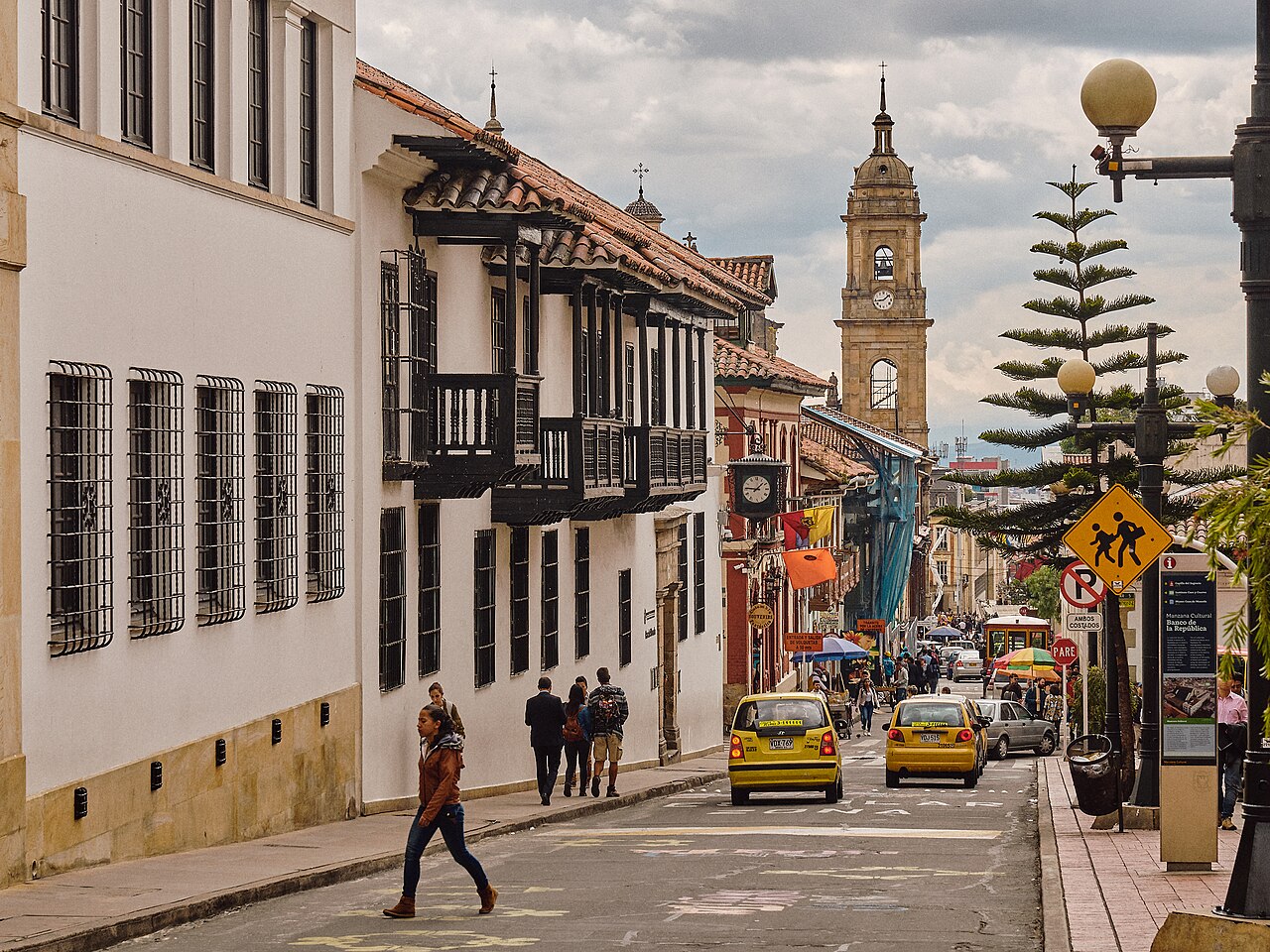
The capital and largest city, on a high plateau in the eastern Andes at about 2,640 m, with a cool climate all year. It was founded in 1538 on Muisca land and is the centre of government, business and culture.
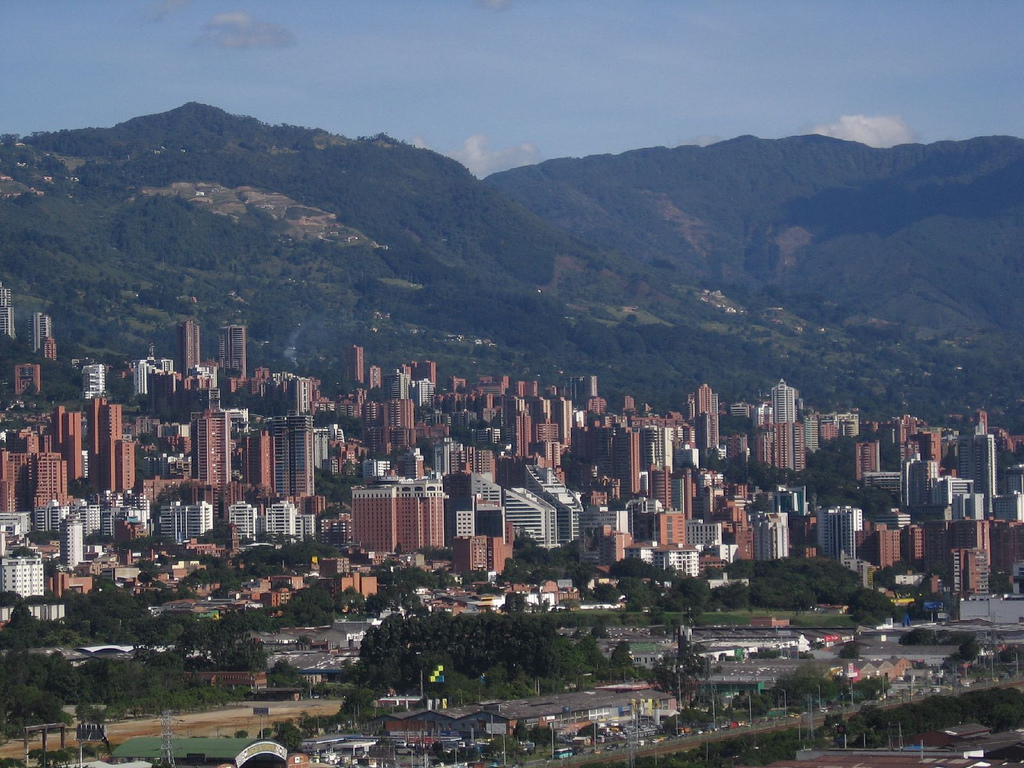
Colombia's second largest city, in the Aburrá Valley at about 1,500 m. Once known for the violence of the 1980s and 1990s, it has since won international prizes for new ideas in city planning and transport.
The Metro and the MetroCable gondolas up the hillsides
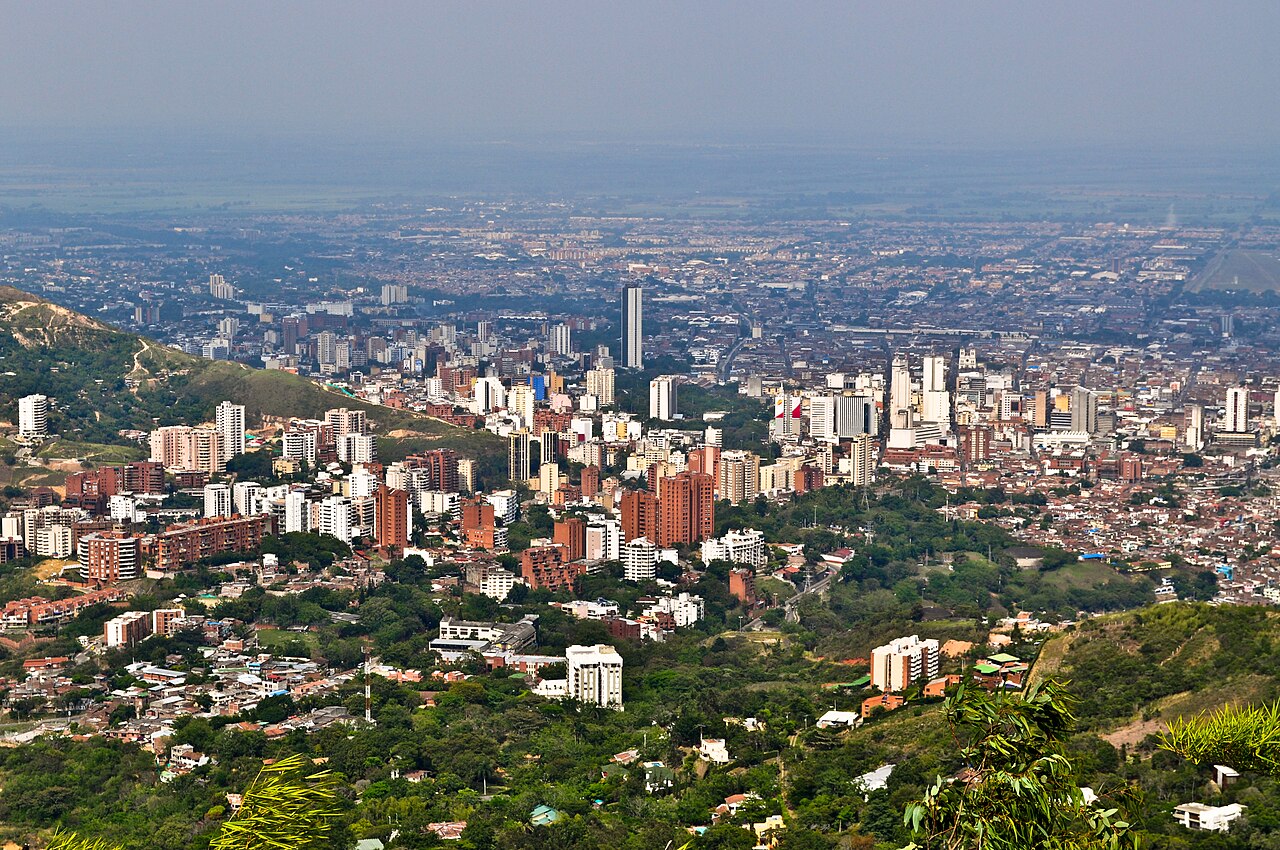
The main city of south-west Colombia and the third largest in the country, founded in 1536. It is known as the capital of salsa music, with dance schools, clubs and a salsa festival.
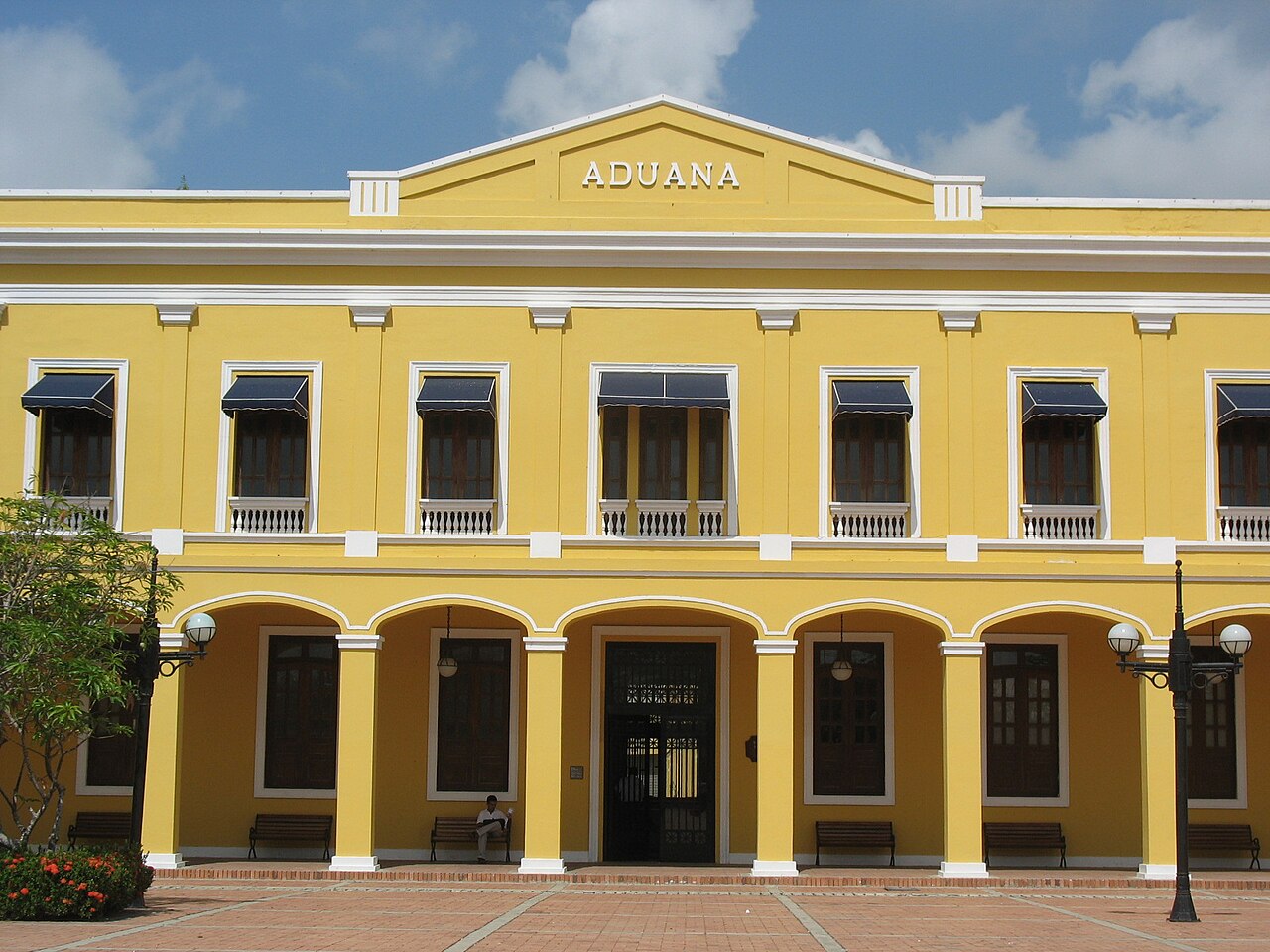
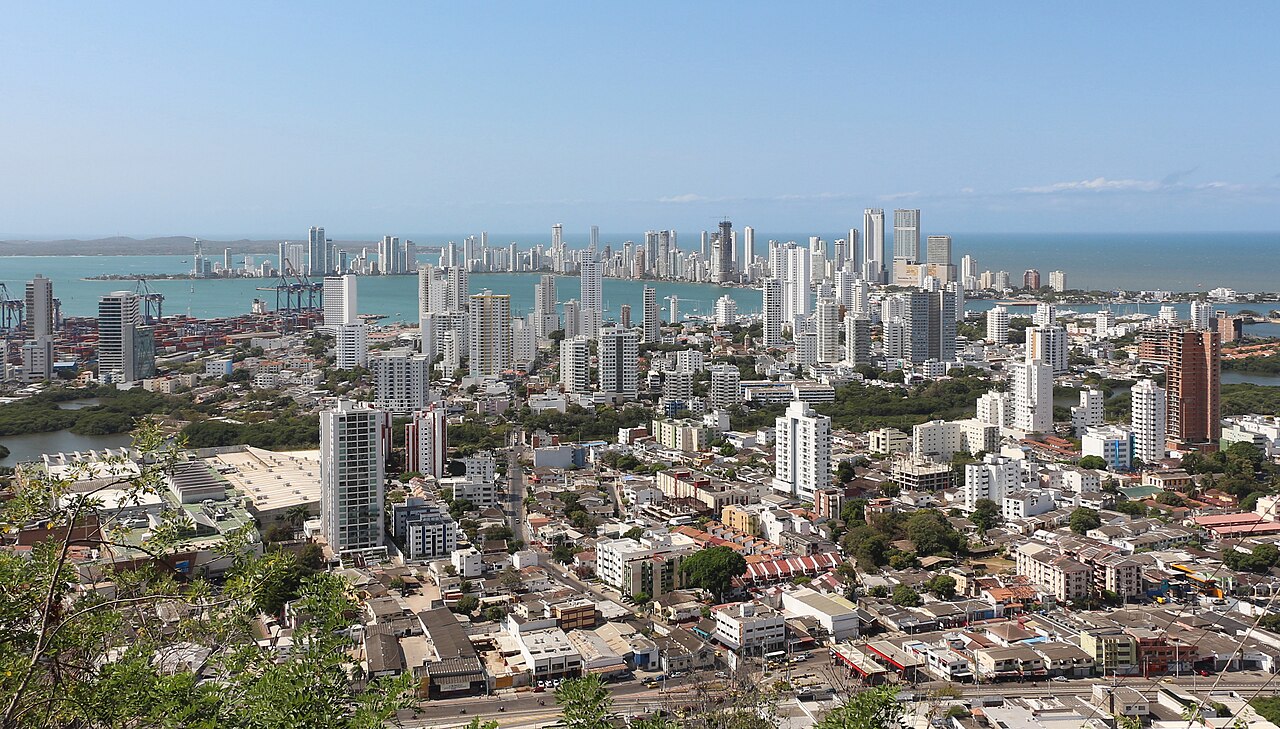
The largest city on the Caribbean coast, beside the mouth of the Magdalena River. It grew as a port and welcomed many immigrants, including large communities from Lebanon and Palestine.
A Caribbean port founded in 1533, once one of the most important harbours of the Spanish Empire. Its old town, surrounded by stone walls and forts, is a UNESCO World Heritage Site.
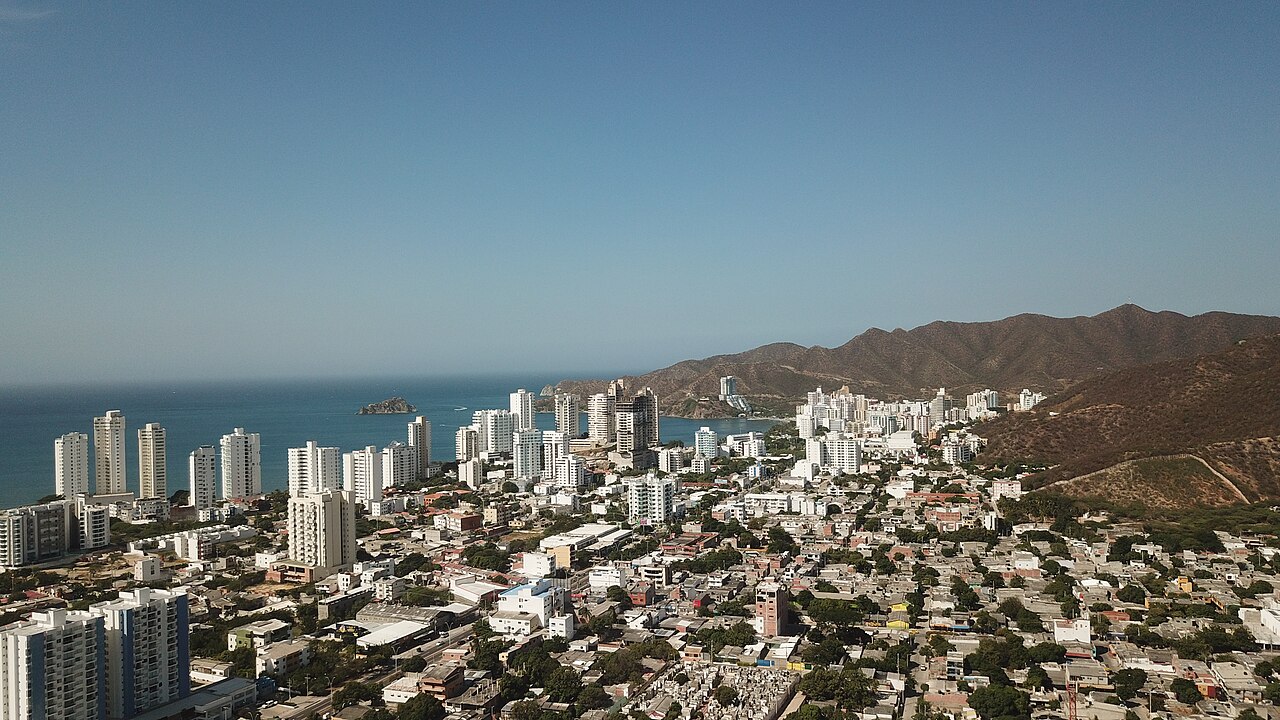
Colombia's oldest surviving city, founded in 1525 on a Caribbean bay below the snowy Sierra Nevada. Simón Bolívar spent his last weeks here and died in 1830.
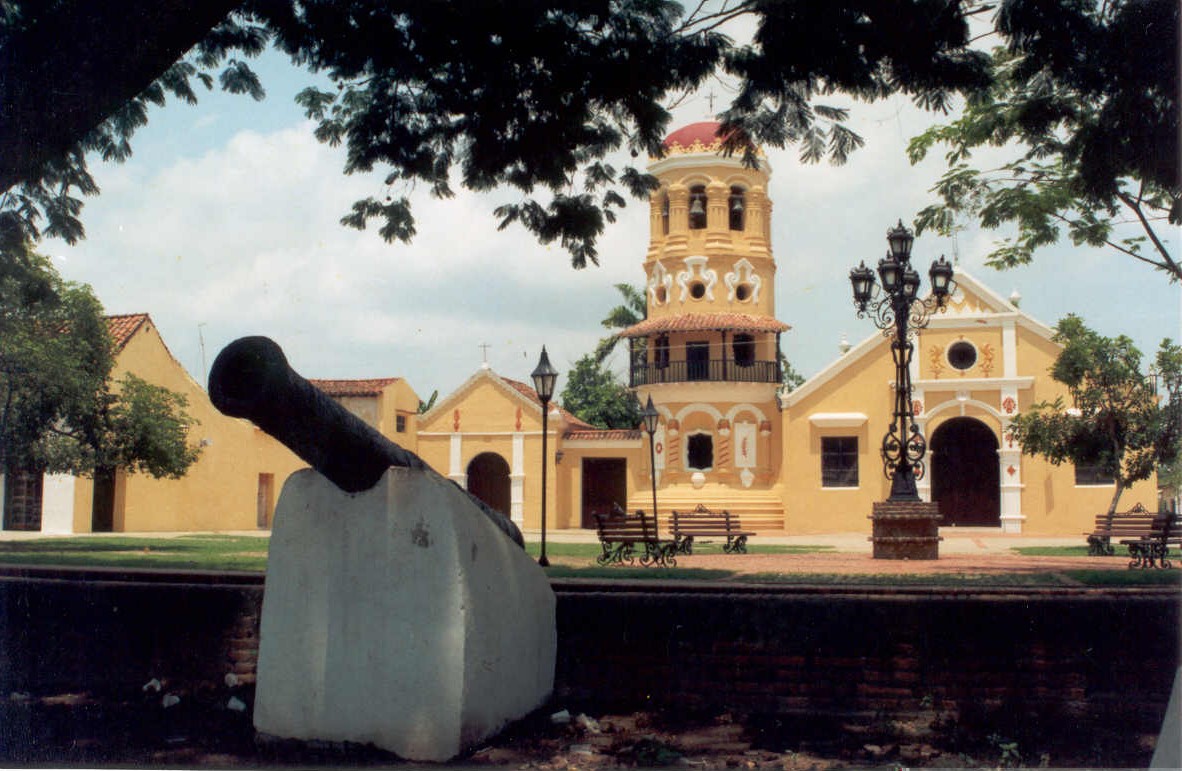
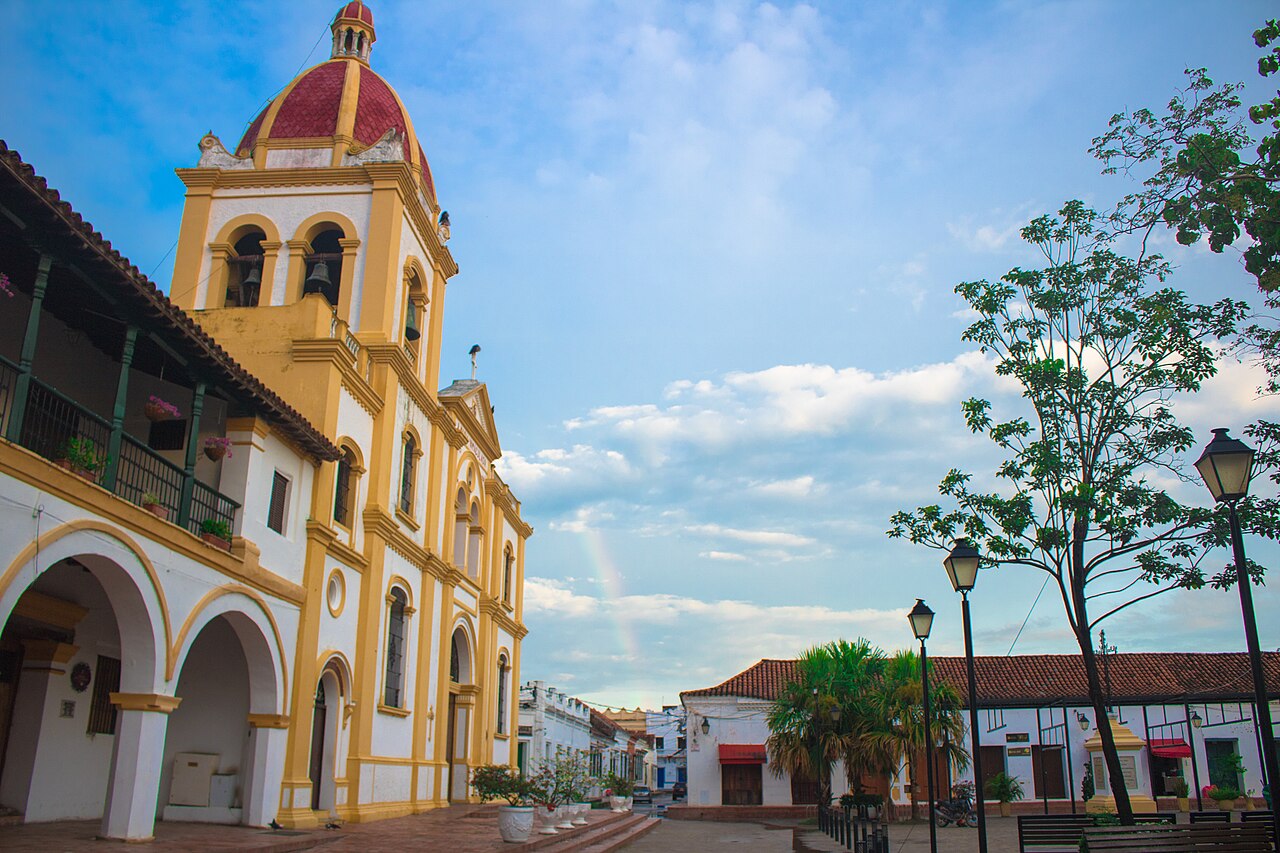
A colonial river town by the Magdalena, founded in 1537. It grew rich as a river port and was known for its goldsmiths, and its well-kept historic centre is a UNESCO World Heritage Site.
Colonial churches and streets by the river
Its tradition of goldsmiths
Declaring independence from Spain on 6 August 1810
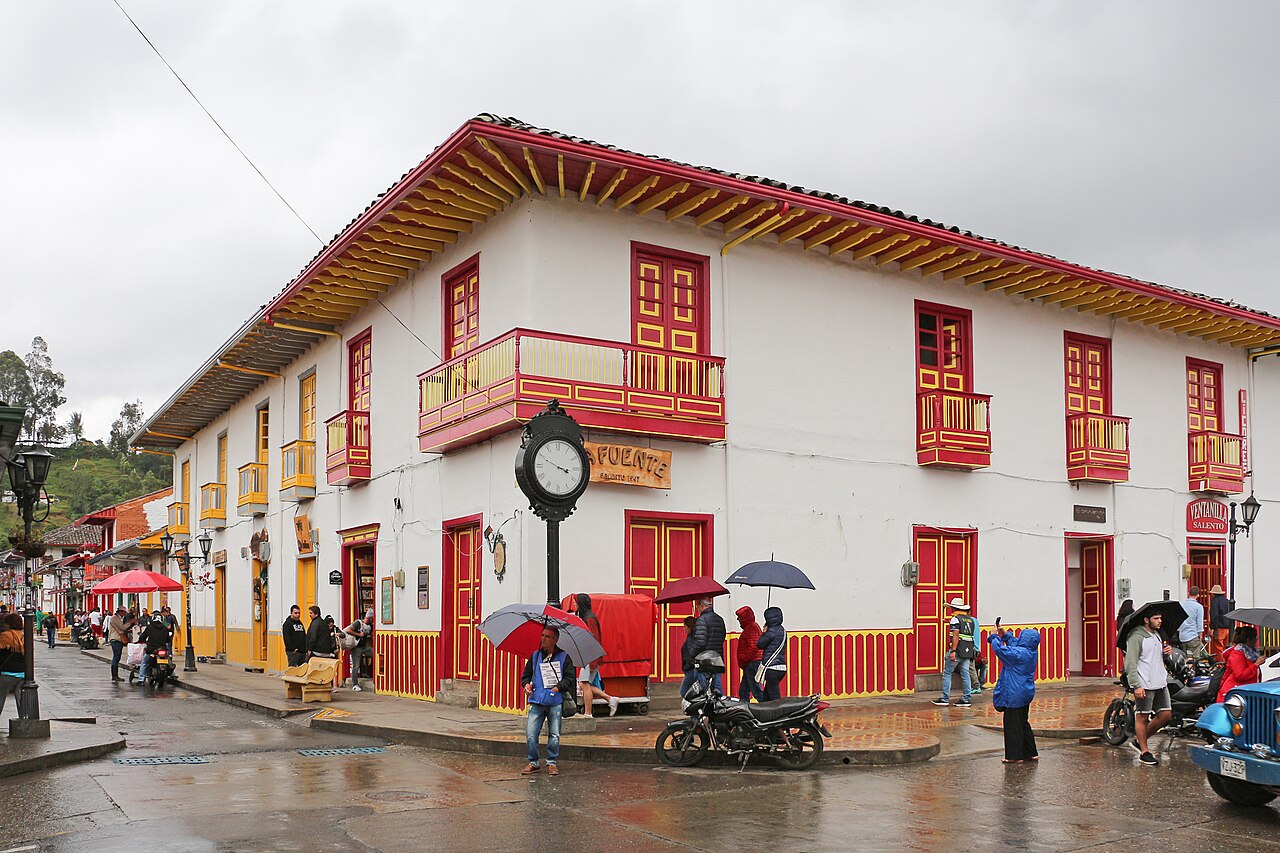
A small town in the coffee country that has kept more of its traditional colonial architecture than most. Its historic centre is part of the Coffee Cultural Landscape of Colombia, a UNESCO World Heritage Site.
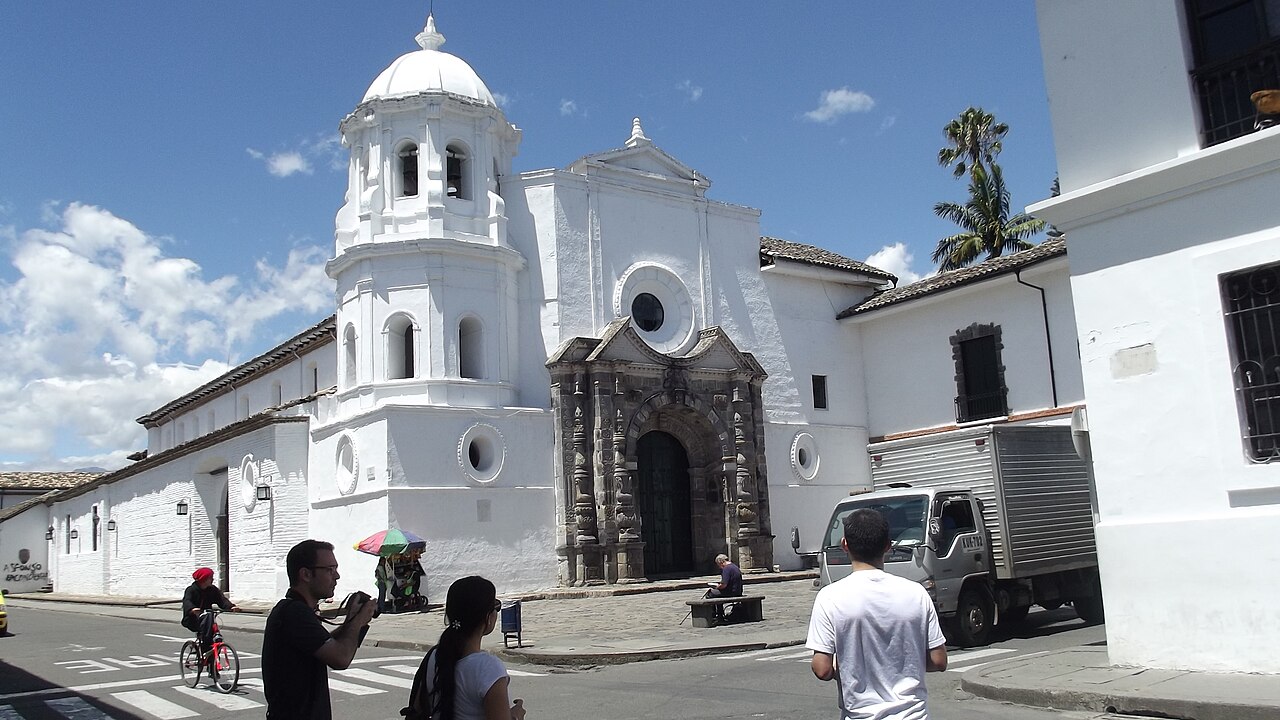
The 'White City' of the south-west, named for the whitewashed colonial buildings of its centre. It has been home to seventeen Colombian presidents and has one of the country's oldest universities.
Holy Week processions, on UNESCO's intangible heritage list
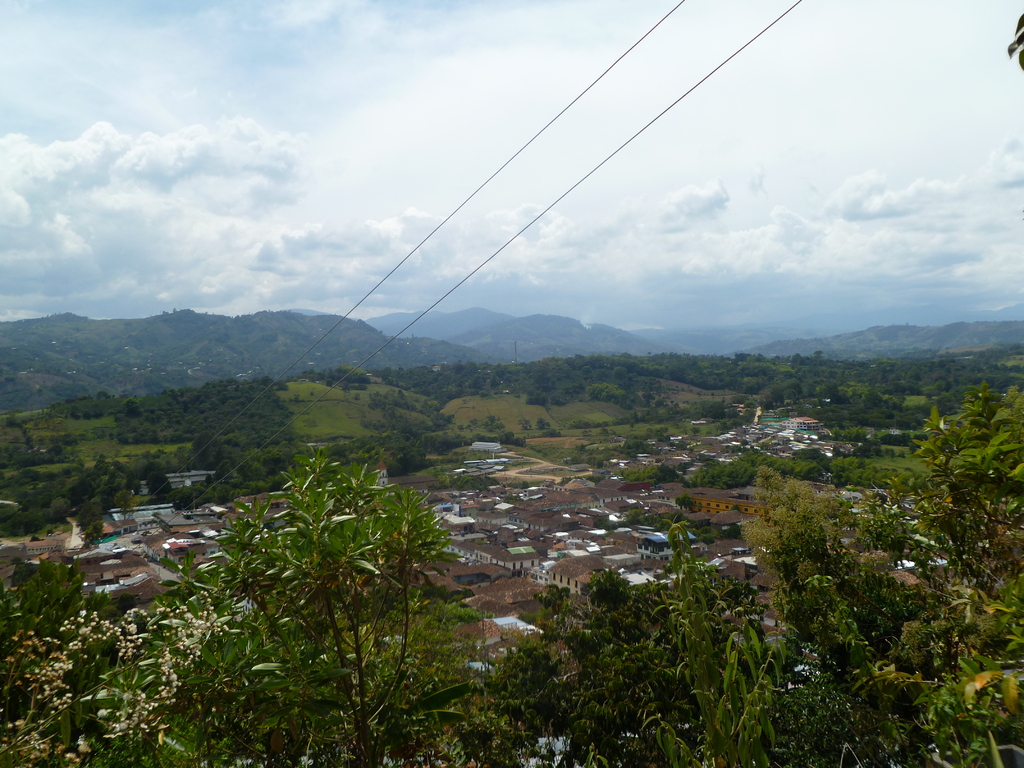
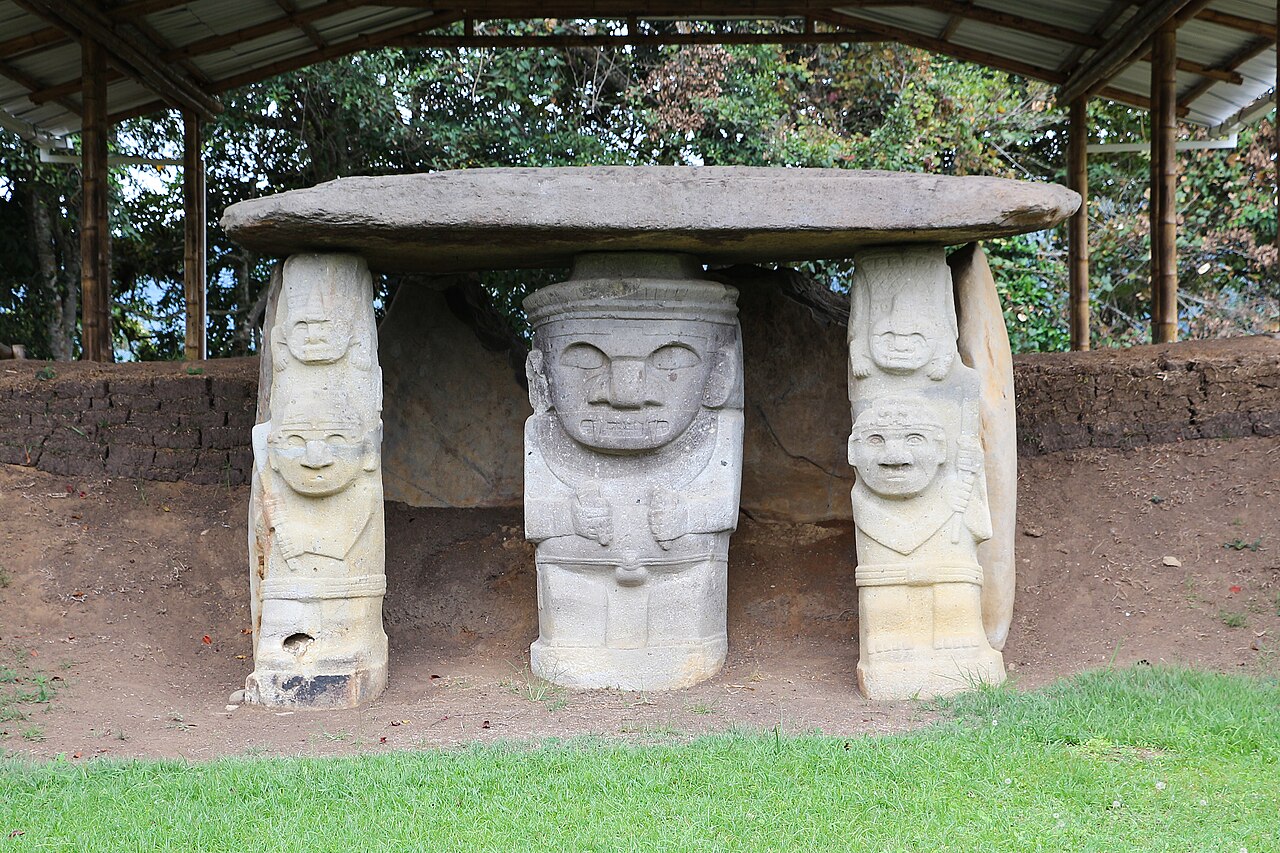
A small town in the department of Huila, in the southern Andes, refounded in its present form in 1790. Visitors come for the mysterious ancient stone statues of the San Agustín Archaeological Park nearby.
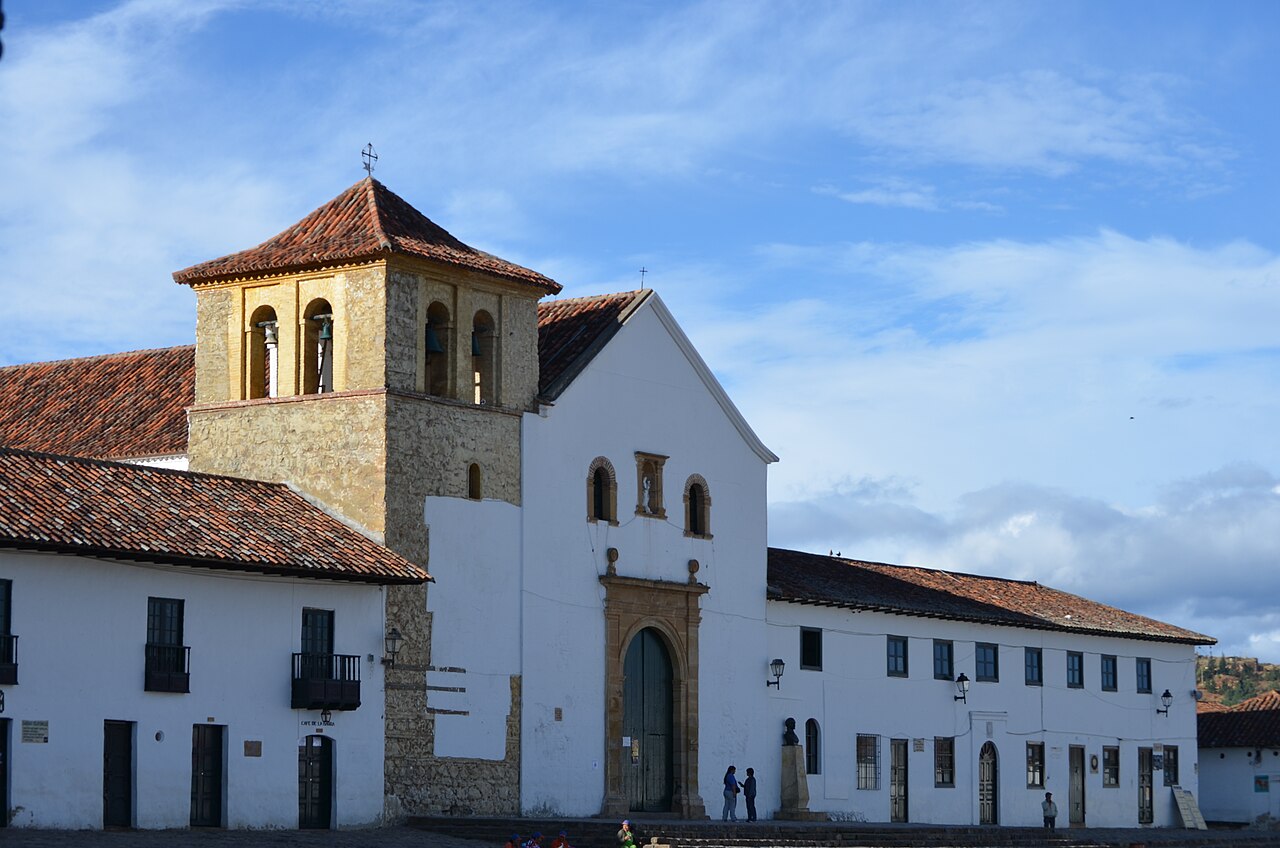
A colonial town about three hours from Bogotá, at about 2,150 m. Little has changed here in 400 years, so it has kept its colonial buildings, cobbled streets and large central square, and is a favourite weekend trip for people from Bogotá.
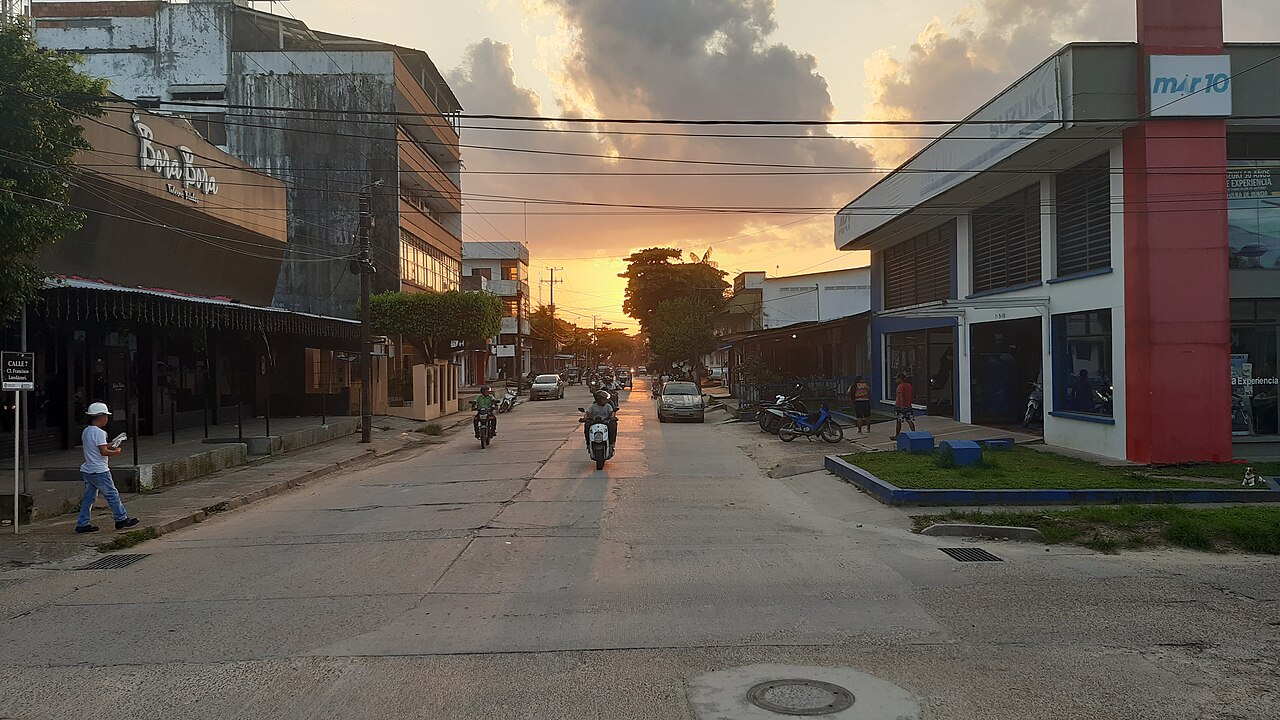
Colombia's southernmost city, a port on the Amazon River where Colombia, Brazil and Peru meet. It sits next to the Brazilian town of Tabatinga and is the largest Colombian town in the Southern Hemisphere.
The Amazon River and rainforest trips
The 'Three Borders' with Brazil and Peru
Being the largest Colombian town south of the Equator
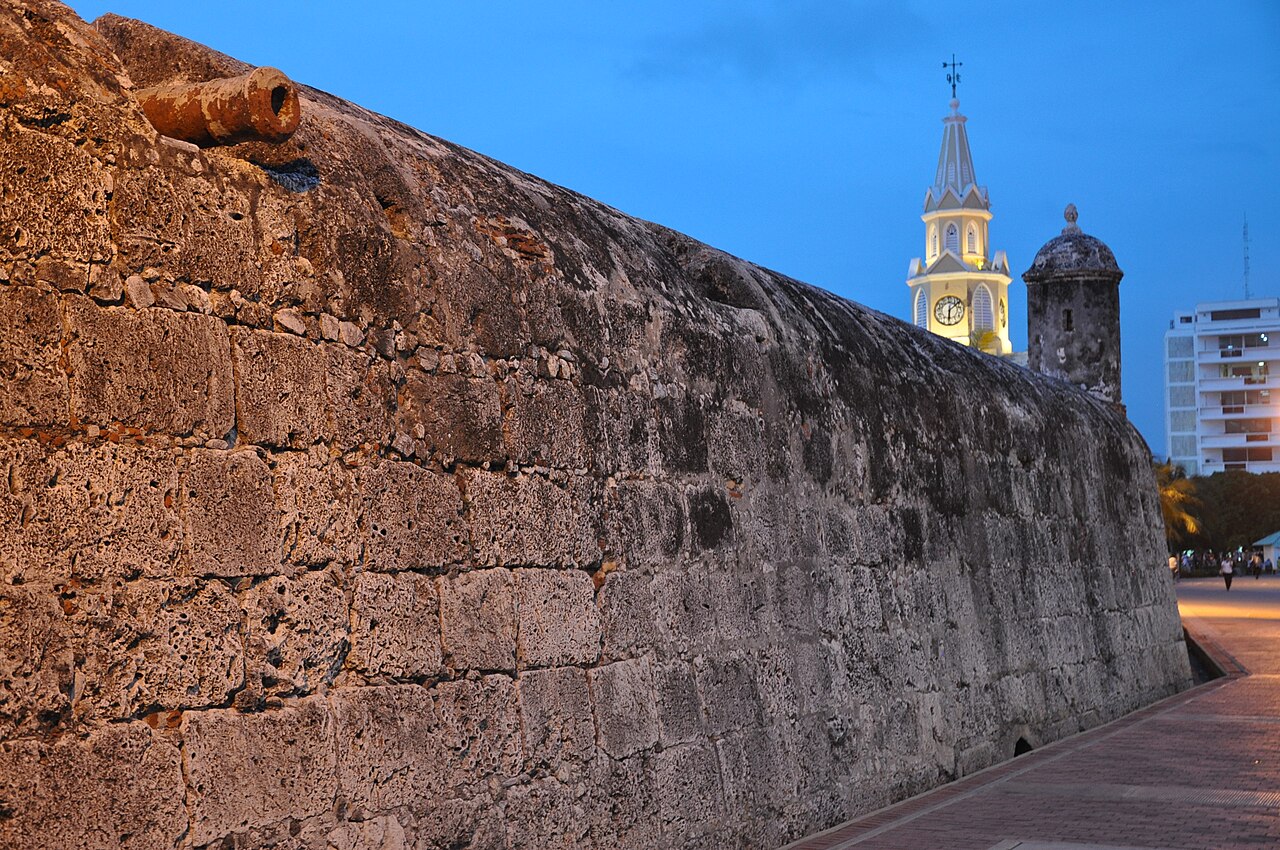
The old town of Cartagena, surrounded by thick stone walls built over some two centuries to defend the port from pirates and enemy fleets. Inside are colonial churches, squares and houses. Together with the forts, it has been a UNESCO World Heritage Site since 1984.
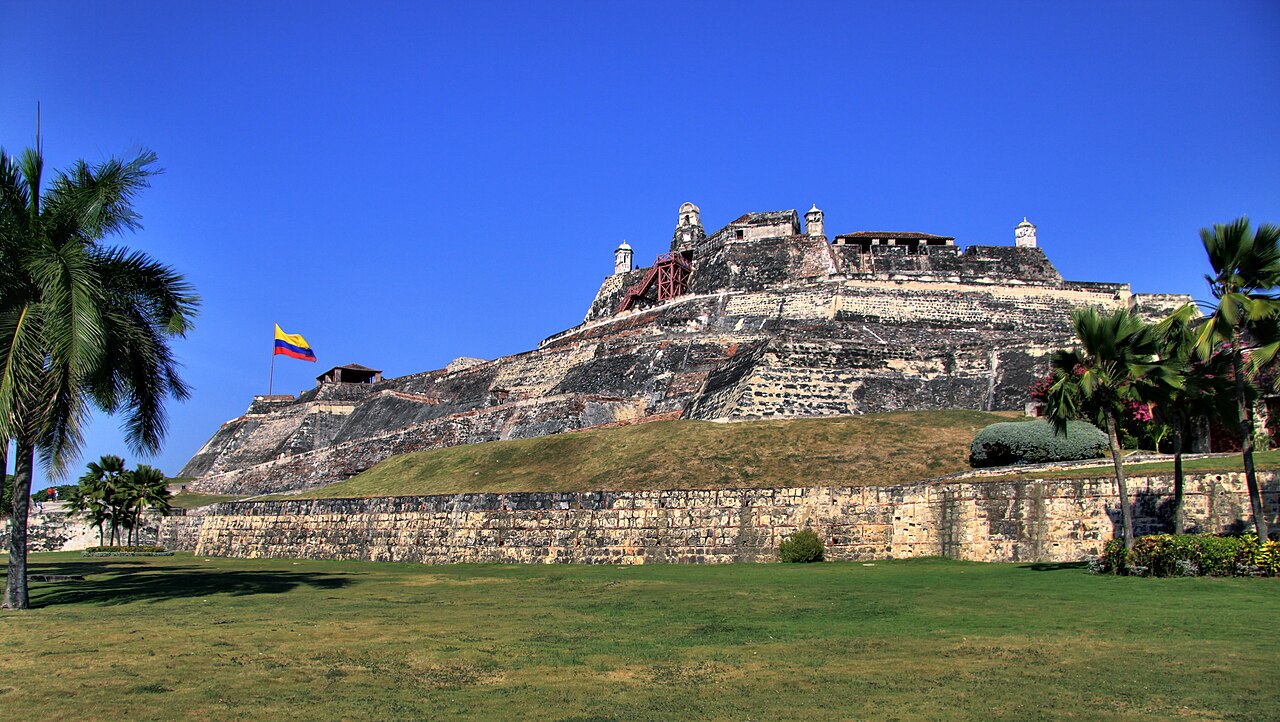
A great stone fortress on San Lázaro hill, just outside Cartagena's walls, built from 1639 by enslaved Africans under Spanish command. In 1741 it helped the city hold out against the British fleet of Admiral Vernon. It is part of Cartagena's World Heritage Site.
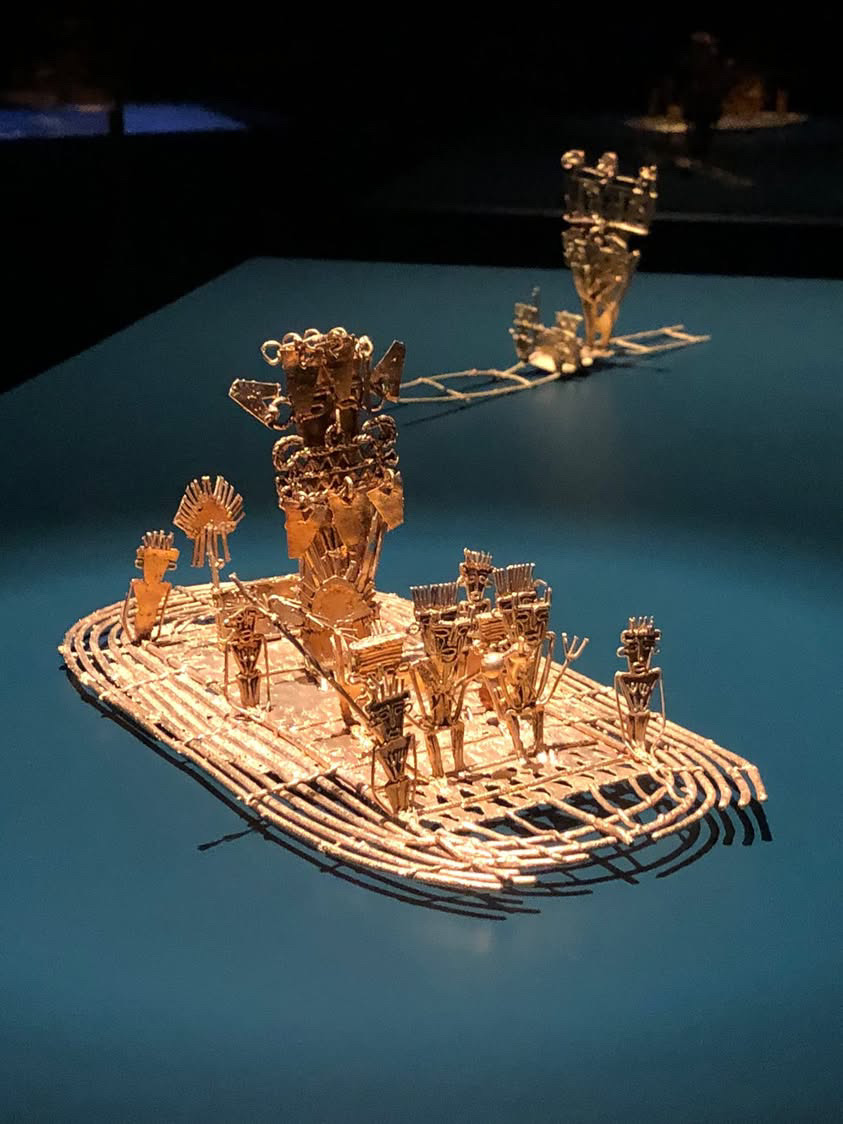
A museum in central Bogotá run by the Bank of the Republic, with pre-Columbian gold objects made by peoples such as the Muisca and Quimbaya. As of September 2026, it has the largest collection of gold artefacts on display anywhere in the world. Its most famous piece is the Muisca raft, a small golden raft linked to the legend of El Dorado.
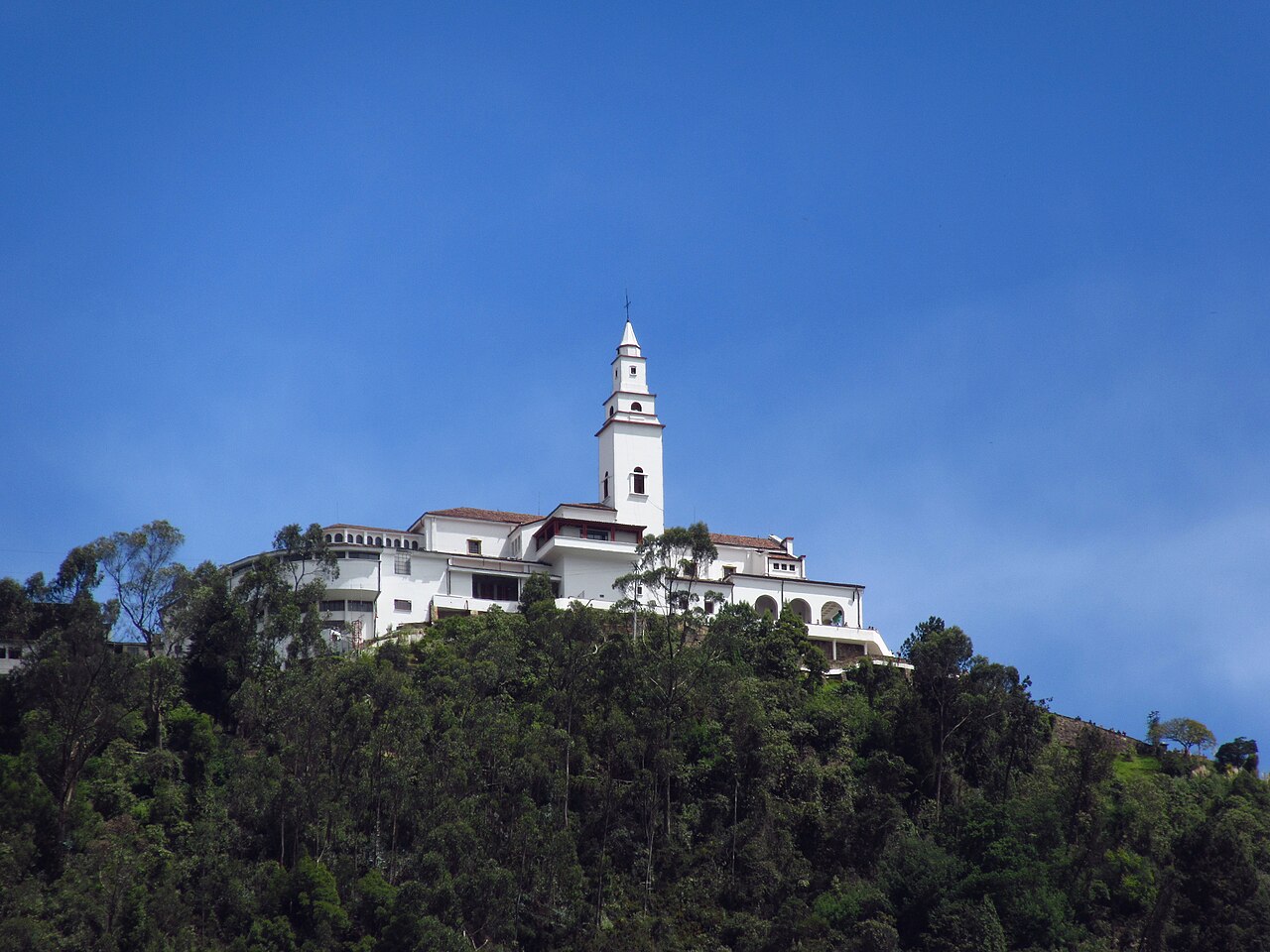
A mountain that rises to 3,152 m above the centre of Bogotá, with a 17th-century church at the top, a place of pilgrimage. You can go up by cable car, by funicular railway or on foot, and the views over the city are best at sunset.
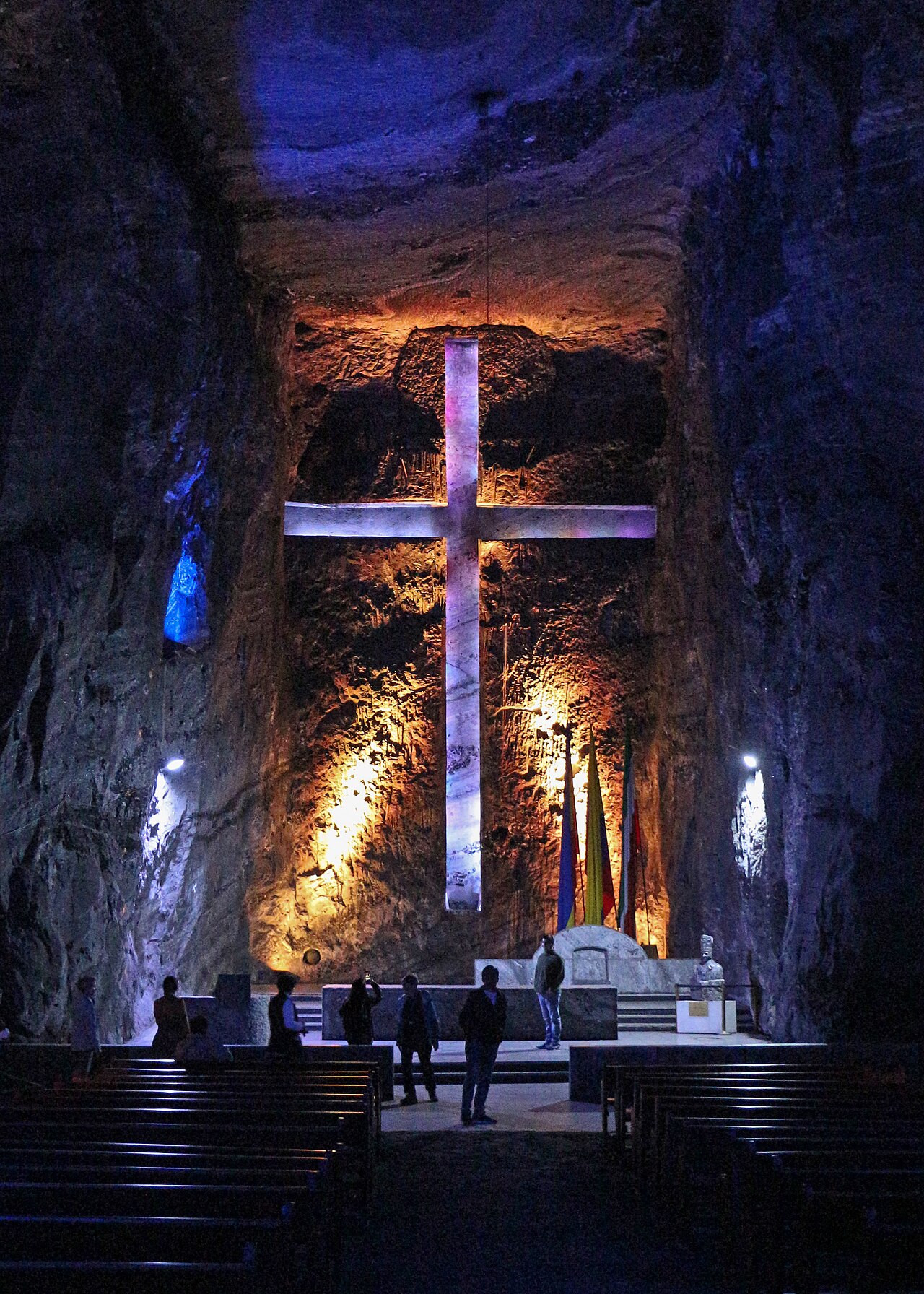
An underground church carved into the tunnels of a salt mine, about 200 m below ground, in the town of Zipaquirá north of Bogotá. Its icons and decorations are carved by hand from the rock salt. The present cathedral opened in 1995 and is a working church, although it has no bishop.
The 'Lost City' of the Tairona, built around AD 800 in the jungle of the Sierra Nevada de Santa Marta. It has 169 stone terraces, paths and plazas, and visitors reach it on foot, on a jungle trek of several days that ends with about 1,200 stone steps. Local looters found it in 1972; the Kogi people, descendants of the Tairona, call it Teyuna.
A large area of ancient stone statues and tombs in the hills near San Agustín, often described as the largest group of religious monuments and megalithic sculptures in Latin America. The statues are believed to have been carved between about AD 5 and 400, and who the carvers were is still a mystery. It became a UNESCO World Heritage Site in 1995.
Colonial streets, churches and houses by the Magdalena River, little changed since the town was a busy river port. The historic centre became a UNESCO World Heritage Site in 1995.
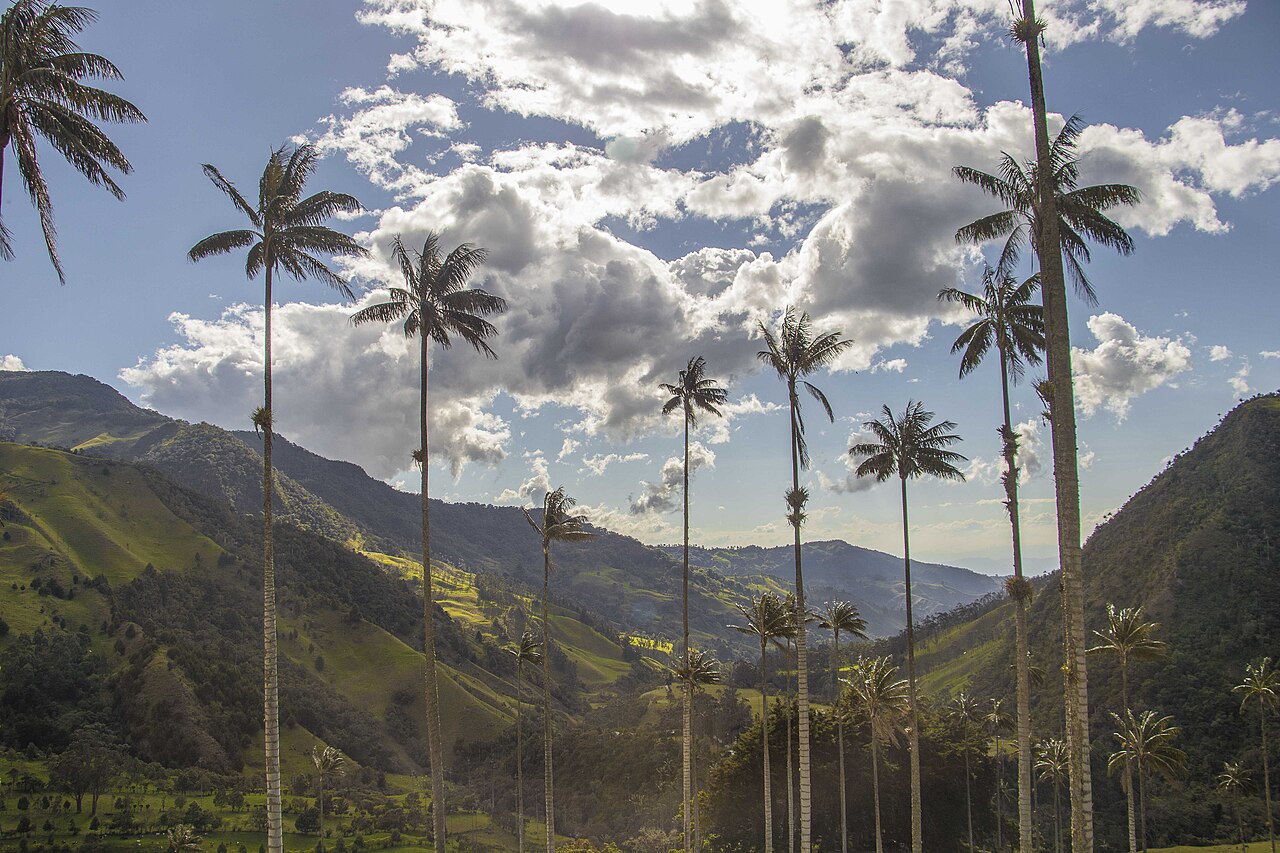
A green valley between about 1,800 and 2,400 m, reached by jeep from Salento, where Quindío wax palms, Colombia's national tree, stand high above the pastures. These palms can grow to 45 m, rarely even 60 m. The valley is part of Los Nevados National Natural Park.
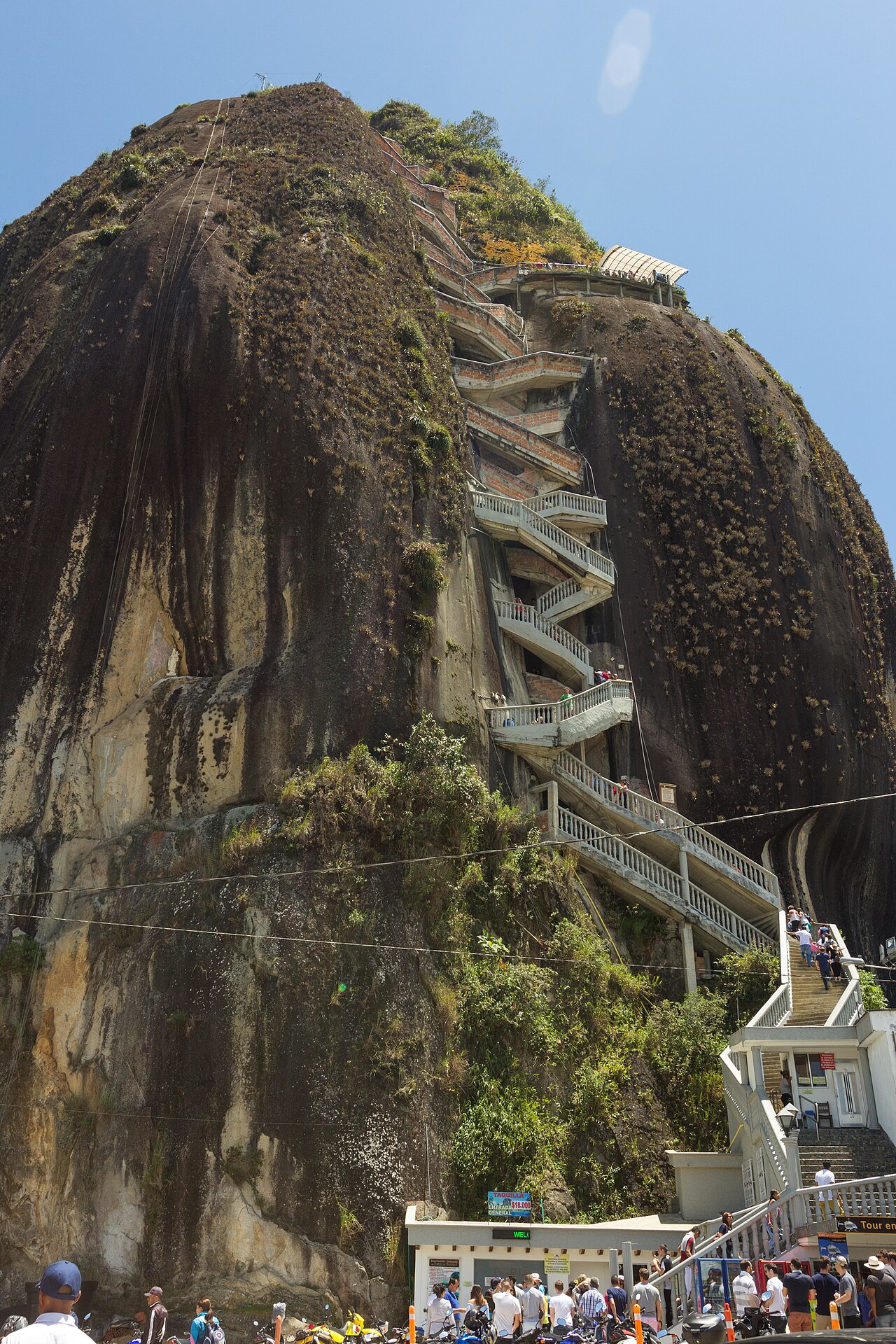
A huge granite rock that rises about 200 m above the land near the town of Guatapé, east of Medellín. A staircase of 708 steps climbs one side to a viewpoint tower at the top.
Colombia is named after Christopher Columbus, whose name in Spanish is Cristóbal Colón. The name was first used for the new republic of 1819, and the country took its present name, Republic of Colombia, in 1886.
02
As of September 2026, Colombia has more kinds of birds than any other country: over 1,900 species, more than Europe and North America put together. It is also first in the world for orchid species.
03
The Quindío wax palm, Colombia's national tree, can grow to 45 m and, rarely, to 60 m. It is the tallest monocot ever recorded, the plant group that includes palms, grasses and lilies.
04
The legend of El Dorado, the Golden One, began with the Muisca. When a new ruler took power, he was said to cover himself in gold dust and throw gold offerings into Lake Guatavita, near Bogotá.
05
Colombia has historically been the world's largest producer of emeralds. In the ten years up to 2005 it mined 47 percent of all the emeralds in the world.
06
Tejo, a traditional Colombian game, has players throw a metal disc about 18.5 m at a clay-covered board. Small envelopes of gunpowder, called mechas, sit on the target and explode loudly when hit.
07
Bogotá lies at about 2,640 m above sea level, making it one of the highest capital cities in the world.
08
The Caño Cristales river in the Serranía de la Macarena is nicknamed the 'River of Five Colours'. From the end of July to November its bed turns red, yellow, green and blue, mostly thanks to a red water plant that grows on the rocks.
09
As of September 2026, Colombia is the world's third largest coffee producer, after Brazil and Vietnam. Its growers' federation, founded in 1927, is known around the world for its Juan Valdez advertising campaign.
10
As of September 2026, Colombia is the world's second largest exporter of flowers, after the Netherlands.
11
During the British attack on Cartagena in 1741, Lawrence Washington, George Washington's half-brother, served under Admiral Vernon. He later named his Virginia estate Mount Vernon in honour of his commander.
12
The Barranquilla Carnival, four days of parades, dances and music before Lent, was declared a Masterpiece of the Oral and Intangible Heritage of Humanity by UNESCO in 2003.
13
San Basilio de Palenque, a village near Cartagena, was founded by Africans who had escaped slavery and is often called the first free African town in the Americas. Its culture was recognised by UNESCO in 2005.
14
Vallenato, accordion music from the Caribbean coast around Valledupar, is on UNESCO's list of Intangible Cultural Heritage in Need of Urgent Safeguarding.
As of September 2026, the UK Foreign Office advises against all but essential travel to several parts of Colombia, mostly remote border and rural areas, such as along the Venezuelan border and parts of the Pacific coast. Bogotá, Medellín, Cartagena and the coffee region are not among them. It also reports heightened security measures in Santa Marta after an operation against armed groups, and risks on Route 90, the coast road from Santa Marta to Tayrona National Park. If you go, follow the advice of local authorities. Check the latest advice before you book.
Take it easy in Bogotá
Bogotá is at about 2,640 m, and altitude sickness is a risk there. Rest on your first day, drink water and go easy on alcohol. If you have heart or breathing problems, talk to your doctor before you go.
Drink bottled water outside Bogotá
According to the UK Foreign Office, tap water is safe to drink only in Bogotá. Elsewhere, drink bottled water and avoid ice in drinks.
Book your taxi
Do not hail taxis in the street. Use a licensed taxi booked by phone, through an app or by your hotel. Licensed taxis are yellow.
Use cash machines inside
Robberies near cash machines happen. Use ATMs during opening hours, inside a bank, supermarket or shopping centre, and do not carry large amounts of cash or jewellery.
Never accept drinks from strangers
Criminals sometimes use a drug called scopolamine, slipped into drinks or food, to rob people. Do not accept drinks or food from strangers, and be careful with people met on dating apps.
Before you fly
As of September 2026, British visitors can stay up to 90 days without a visa. Colombia recommends filling in the online Check-MIG form, which is optional, between 72 hours and one hour before you travel. Make sure your passport is stamped when you arrive.
Ask about vaccines early
Yellow fever, dengue, Zika and malaria are found in parts of Colombia. See your doctor or a travel clinic at least 8 weeks before you go.
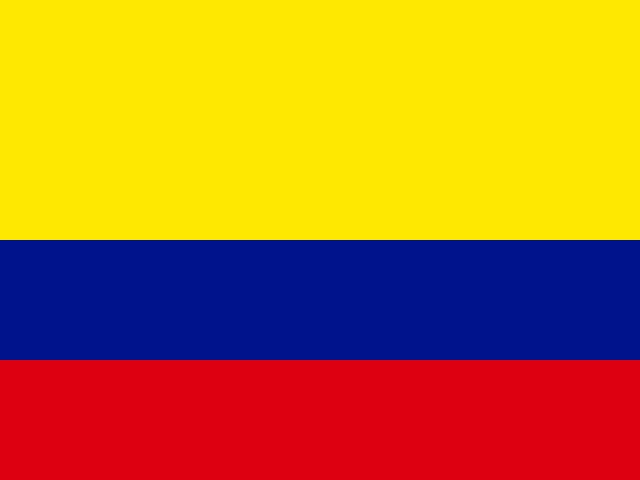
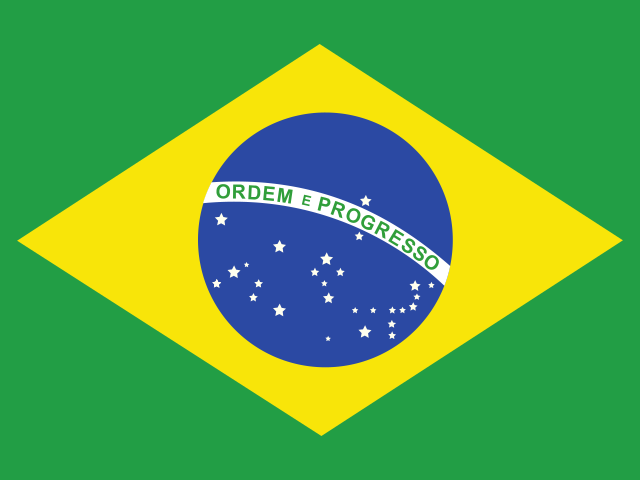 Brazil
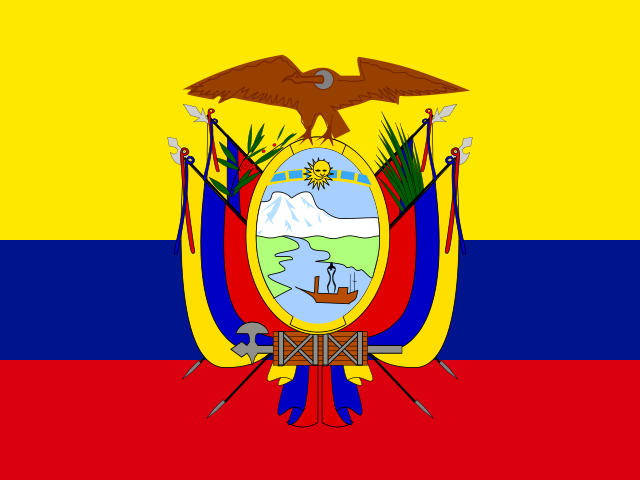 Ecuador
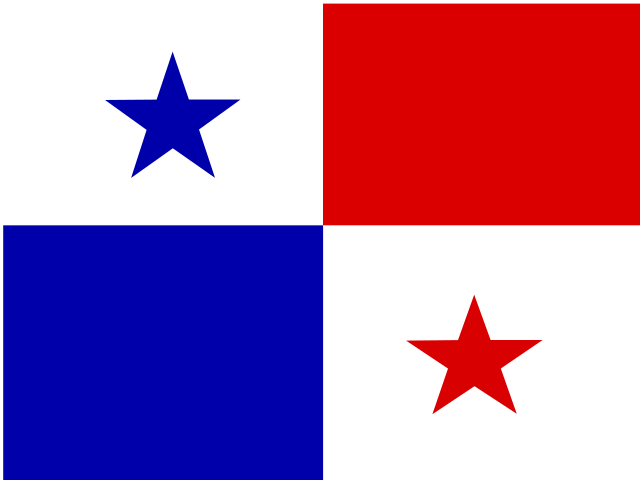 Panama
 Peru
Peru Venezuela