A narrow land bridge between two oceans, where ships climb over the hills through a famous canal, old forts guard the Caribbean shore, and rainforest begins just outside the capital.
Your trip to Panama
Ready for the trip?
10 questionsAbout 3 minutesNo timer
Explore Panama
You have explored 0 of 9 parts. Scroll on to discover the rest.
A free large-print PDF. Choose what goes in: facts, map, history, dishes and recipes, phrases, fun facts, a quiz with or without answers. Made for clubs, care homes, libraries and family afternoons.
Panama is the narrow, S-shaped country that joins Central America to South America. Costa Rica lies to the west and Colombia to the southeast, the Caribbean Sea washes its northern coast and the Pacific Ocean its southern one. A spine of mountains runs down the middle, rising to Volcán Barú, about 3,475 m high. The climate is tropical and warm all year, with a long rainy season from about May to November and a shorter dry season from about December to April. Around 40 percent of the land is still covered by forest.
Indigenous peoples such as the Guna, Emberá and Ngäbe lived here long before Europeans came. In 1513 the Spaniard Vasco Núñez de Balboa crossed the isthmus and saw the Pacific, and for almost 300 years Panama was the route by which Spain carried gold and silver from Peru to the Caribbean ports. Panama broke away from Spain in 1821 and joined Gran Colombia, then separated from Colombia in 1903 with the backing of the United States, which built the Panama Canal and opened it in 1914. Panama took full control of the canal on 31 December 1999.
Today Panama has about 4.1 million people, and nearly half of them live in and around Panama City. Its economy rests on the canal, shipping, banking and trade, and the US dollar is used alongside the Panamanian balboa. Visitors come to watch ships rise through the canal locks, to walk the old streets of Casco Viejo, to sail among the islands of Guna Yala and Bocas del Toro, and to taste coffee in the cool highlands around Boquete.
CapitalPanama City
PopulationAbout 4.1 million (2023 national census)
Official languageSpanish. Many people in business and on the Caribbean coast also speak English, and Indigenous languages such as Ngäbere and Guna are spoken in their own territories
CurrencyPanamanian balboa (PAB), fixed at one to one with the United States dollar, which is also legal tender. Panama mints its own coins, but all paper money is US dollars
AreaAbout 75,000 km²
GovernmentPresidential republic. The president is both head of state and head of government and is elected for five years. The country is divided into 10 provinces and 6 Indigenous territories called comarcas
Highest mountainVolcán Barú, about 3,475 m, an active volcano in Chiriquí province near the border with Costa Rica
Longest riverThe Chucunaque, in Darién province. It flows into the Tuira, the largest river in the country
NeighboursCosta Rica to the west and Colombia to the southeast
Drives on theRight. Panama drove on the left in the past and later switched
The Isthmus of Panama rose from the sea about three million years ago and joined two continents. Its peoples made some of the earliest pottery in the Americas. From the 1500s it was Spain's crossing point between the oceans, a prize for pirates and privateers, and later the site of a railway and one of the greatest engineering works in the world, the Panama Canal. The 20th century was shaped by the long struggle over who should control the canal, which ended when Panama took it over in 1999.
1513
Balboa sees the Pacific
On 25 September 1513 the Spanish explorer Vasco Núñez de Balboa, guided by local Indigenous people, crossed the isthmus from the Caribbean side and became the first known European in the Americas to see the Pacific Ocean. He called it the South Sea. Panama's currency, the balboa, is named after him.
1519
Panama City is founded
On 15 August 1519 the Spanish governor Pedro Arias Dávila, known as Pedrarias, founded Panamá on the Pacific shore, one of the first European towns on the Pacific coast of the Americas. Gold and silver from Peru were landed here and carried across the isthmus by mule along stone trails called the Camino Real and the Camino de Cruces.
1597
Portobelo is founded
In 1597 the Spanish founded Portobelo on the Caribbean coast because of its deep natural harbour. It replaced Nombre de Dios as the port where Peruvian silver was loaded onto Spain's treasure fleets, and it held great trade fairs when the fleets arrived. Forts were built to protect it, but English privateers still captured it several times.
1671
Henry Morgan sacks Panama City
On 28 January 1671 the Welsh privateer Henry Morgan marched across the isthmus with about 1,400 men and captured Panama City, which was then destroyed by fire. A new city was founded on 21 January 1673 on a peninsula about 8 km to the southwest; today it is the old quarter, Casco Viejo. The ruins of the first city are called Panamá Viejo.
1698
The Scottish Darien scheme
In 1698 settlers from Scotland founded a colony called New Caledonia on the Caribbean coast of Darién, hoping to control a trade route between the oceans. Disease, hunger and a Spanish siege ended it by March 1700, and most of the settlers died. The huge financial losses helped push Scotland into union with England in 1707.
1821
Independence from Spain
On 10 November 1821 the people of La Villa de Los Santos, on the Azuero Peninsula, made the first call for independence. On 28 November 1821 Panama declared itself free of the Spanish Empire and joined Gran Colombia, the republic led by Simón Bolívar. Panamanians celebrate 28 November as the day of independence from Spain.
1855
The Panama Railway opens
On 28 January 1855 the first train ran the full length of a new railway from Colón on the Caribbean to Panama City on the Pacific, about 76 km. It was built mainly for travellers heading to the California gold rush, and thousands of workers died building it in the jungle. It is often called the first transcontinental railway.
1881
The French start digging a canal
On 1 January 1881 a French company led by Ferdinand de Lesseps, who had built the Suez Canal, began digging a canal at sea level. Yellow fever, malaria and landslides killed an estimated 22,000 workers, and the company went bankrupt in 1889. The scandal ruined many small French investors.
1903
Panama separates from Colombia
After Colombia's Senate rejected a canal treaty with the United States, Panama declared its separation from Colombia on 3 November 1903, with American support. Weeks later a treaty gave the United States a zone about 16 km wide across the isthmus, where it could build and run a canal 'in perpetuity'. This zone became the Panama Canal Zone.
1914
The Panama Canal opens
On 15 August 1914 the cargo ship SS Ancon made the first official passage through the canal. American engineers had dammed the Chagres River to create Gatun Lake, then the largest artificial lake in the world, and cut through the hills of the continental divide. Doctors fought yellow fever and malaria by controlling mosquitoes.
1964
Martyrs' Day
On 9 January 1964 Panamanian students entered the Canal Zone to fly their national flag beside the American flag at a school. In the scuffle that followed, the Panamanian flag was torn, and three days of riots left about 22 Panamanians and four US soldiers dead. 9 January is now a day of national mourning, and the events led to talks about returning the canal.
1977
The Torrijos–Carter Treaties are signed
On 7 September 1977 in Washington, General Omar Torrijos, Panama's leader, and US President Jimmy Carter signed two treaties. The land of the Canal Zone returned to Panama in 1979, and Panama took full control of the canal at noon on 31 December 1999, while the canal stays permanently neutral and open to ships of all nations.
1989
The United States invades Panama
From 1968 Panama was under military rule, and in the 1980s General Manuel Noriega held power. In May 1989 he annulled an election won by the opposition. On 20 December 1989 US forces invaded; Noriega surrendered on 3 January 1990 and was taken to the United States for trial. Hundreds of Panamanians died, and estimates of the number vary widely. The elected president took office, and Panama replaced its army with police and border forces.
1999
Panama takes over the canal
At noon on 31 December 1999, as agreed in 1977, the Panama Canal passed fully into Panamanian hands. It is run by the Panama Canal Authority, and its earnings are a major part of the national economy.
2016
The expanded canal opens
In a referendum in 2006, 76.8 percent of voters approved building a third, wider lane of locks. The expanded canal opened on 26 June 2016 and doubled the canal's capacity, letting through much larger ships, called Neopanamax ships.
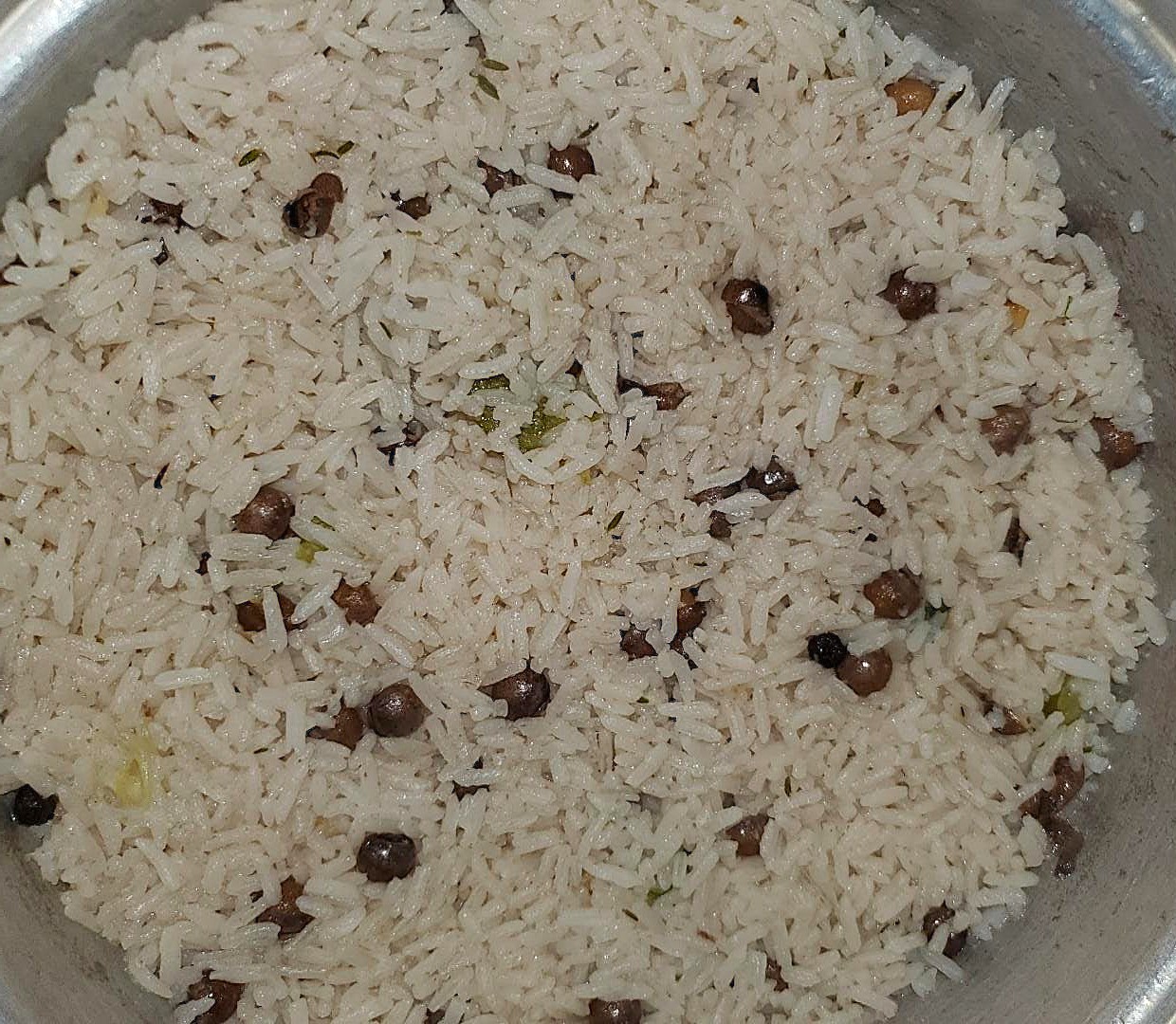
Panamanian food mixes Indigenous, Spanish, African and Afro-Caribbean cooking, and it is mild rather than spicy. Rice comes with almost every lunch, the main meal of the day: a typical plate has rice, beans or lentils, a piece of meat or fish, a little salad and patacones, fried green plantain. Breakfast is often something fried, such as a corn tortilla, carimañolas or fried yuca. The best-loved soup is sancocho, chicken simmered with ñame (yam) and culantro, a local herb like a stronger coriander. On the Caribbean coast, dishes are cooked with coconut milk, and everywhere people drink chichas, fresh fruit drinks, with their meals.
Spain, now cooked all over Panama and the Caribbean
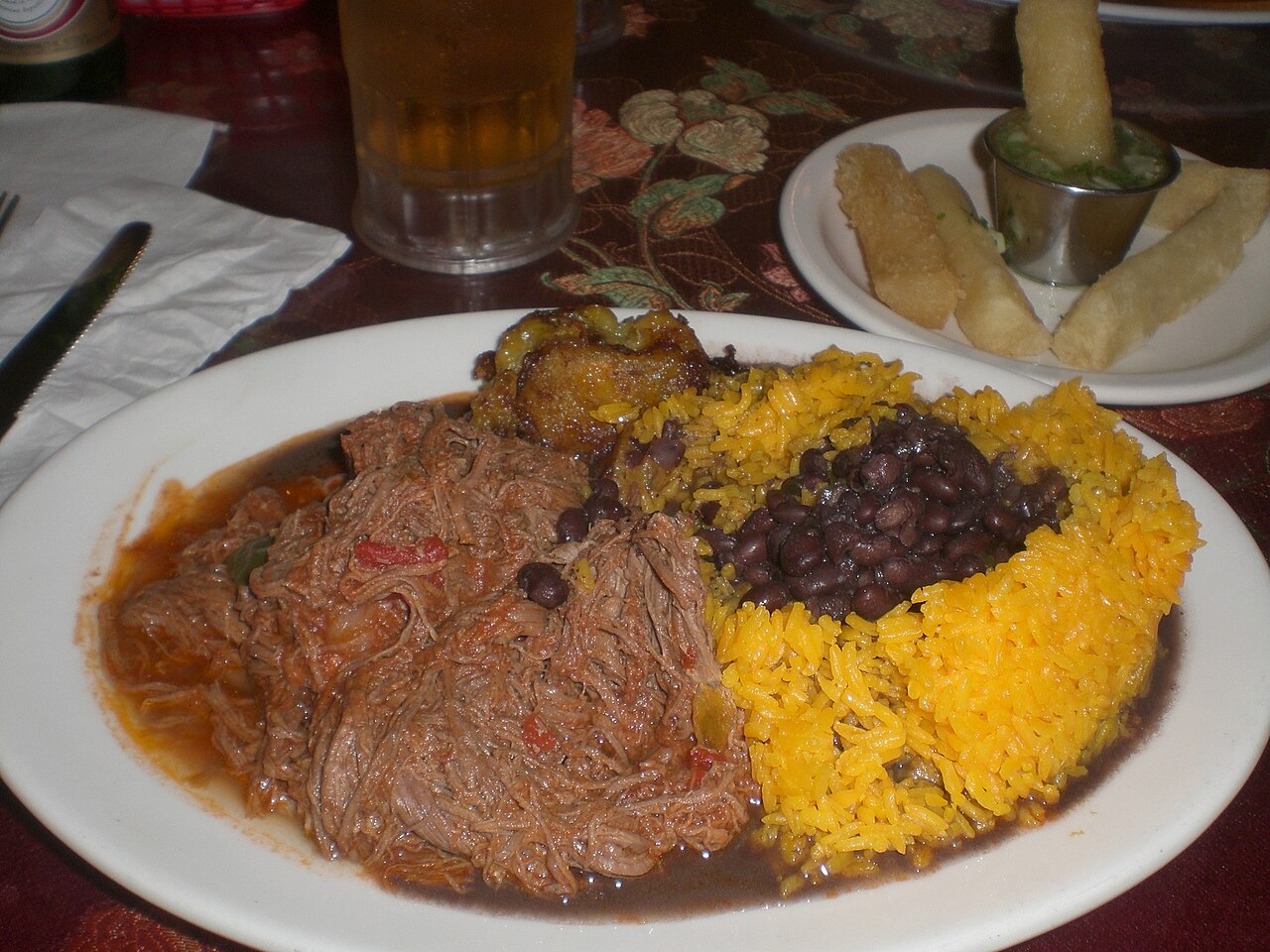
Beef that is simmered until soft, pulled into shreds and stewed with tomato, onion, sweet peppers and garlic. In Panama it comes on a plate with white rice, beans and a slice of fried ripe plantain.
The name means 'old clothes', perhaps because the shredded meat looks like torn rags.
See the recipe
Serves 4
2 h 30 min
Ingredients
800 g beef flank or brisket
1 onion, halved, plus 1 onion, sliced
1 red and 1 green pepper, sliced
3 garlic cloves, chopped
400 g tin chopped tomatoes
2 tablespoons tomato paste
1 teaspoon ground cumin and 1 teaspoon dried oregano
A handful of fresh coriander (or culantro), chopped
2 tablespoons oil, salt and pepper
Method
Put the beef and the halved onion in a pot, cover with water, add salt and simmer gently for about 1 hour 30 minutes, until the meat is very tender. Keep a cup of the cooking liquid.
Let the meat cool a little, then pull it into thin shreds with two forks.
Heat the oil in a large pan and soften the sliced onion, the peppers and the garlic for about 8 minutes.
Add the tomatoes, tomato paste, cumin, oregano and half a cup of the cooking liquid. Simmer for 10 minutes.
Stir in the shredded beef and cook for 15 minutes more, adding a little liquid if it gets dry. Season, scatter over the coriander and serve with rice, beans and fried ripe plantain.
The coasts, especially the Caribbean side and the fish market in Panama City
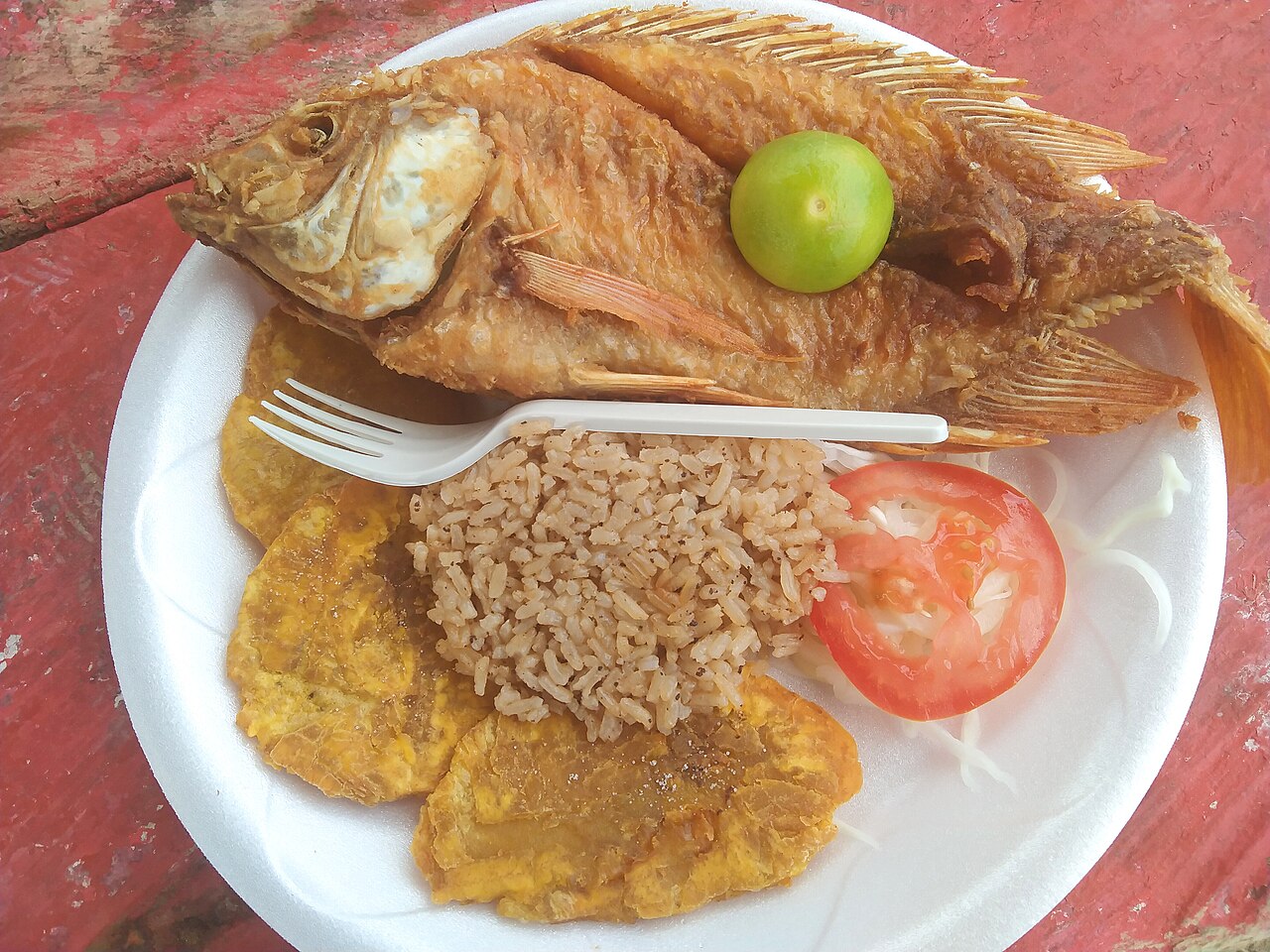
A whole fish, seasoned and fried until the skin is crisp, served with rice cooked in coconut milk, patacones and a little cabbage and tomato salad. The fish market by the sea in Panama City, the Mercado de Mariscos, is a favourite place to eat it.
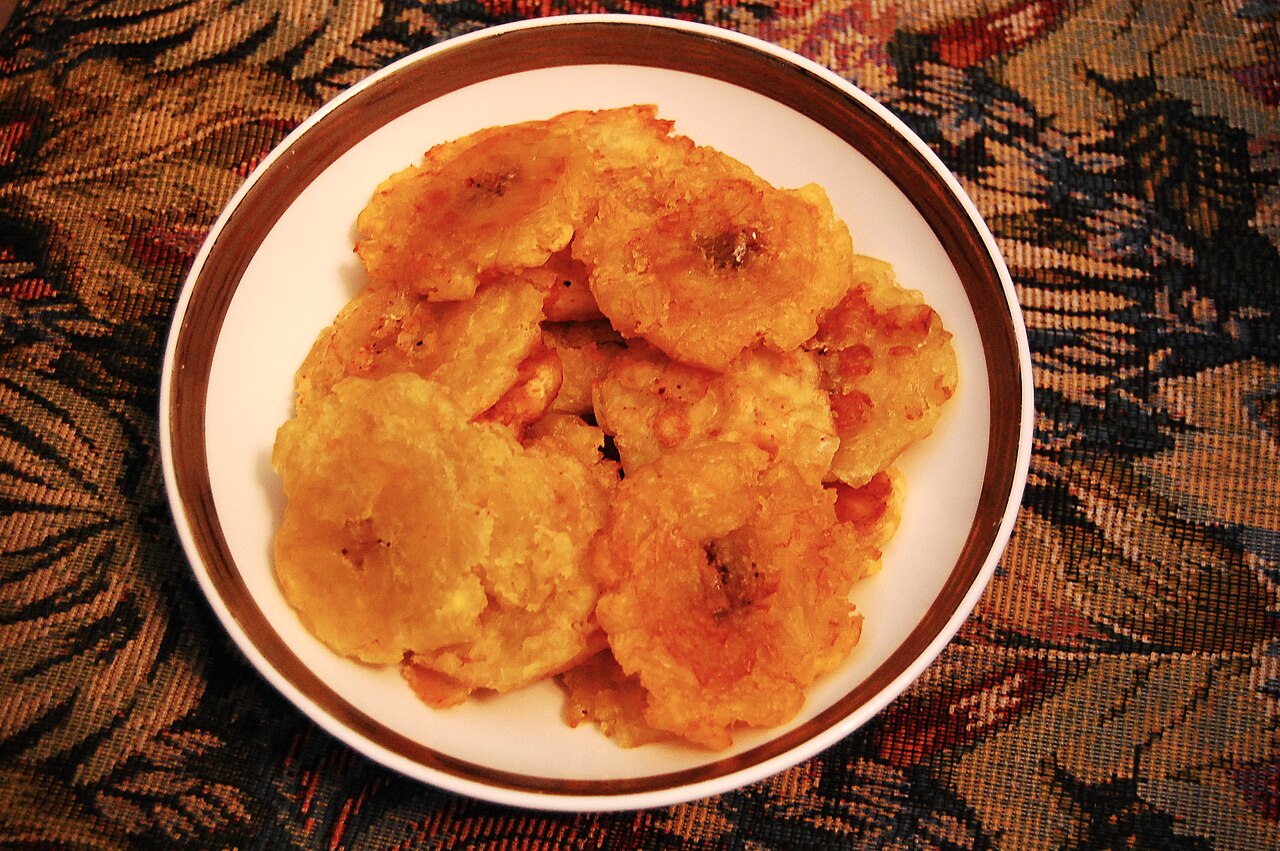
Slices of green plantain fried, flattened and fried again until golden and crisp, then sprinkled with salt. They come with almost everything: fried fish, meat, ceviche, or simply on their own as a snack.
In Panama and much of South America they are called patacones; in Cuba, Puerto Rico and Mexico the same thing is called tostones.
See the recipe
Serves 4
30 min
Ingredients
2 large green (unripe) plantains
Oil for frying, about 2 cm deep
Salt
A lime, cut into wedges (optional)
Method
Cut the ends off the plantains, slit the skin along its length and peel it off. Cut the plantains into slices about 3 cm thick.
Heat the oil in a deep frying pan to about 170°C. Fry the slices for 3 to 4 minutes, turning once, until pale golden but not brown. Lift them out onto kitchen paper.
Flatten each slice to about 1 cm thick by pressing it with the bottom of a heavy glass or between two sheets of baking paper.
Fry the flattened slices again in the hot oil for 2 to 3 minutes, until crisp and golden. Take care with the hot oil.
Drain on kitchen paper, sprinkle with salt at once and serve hot, with lime wedges if you like.
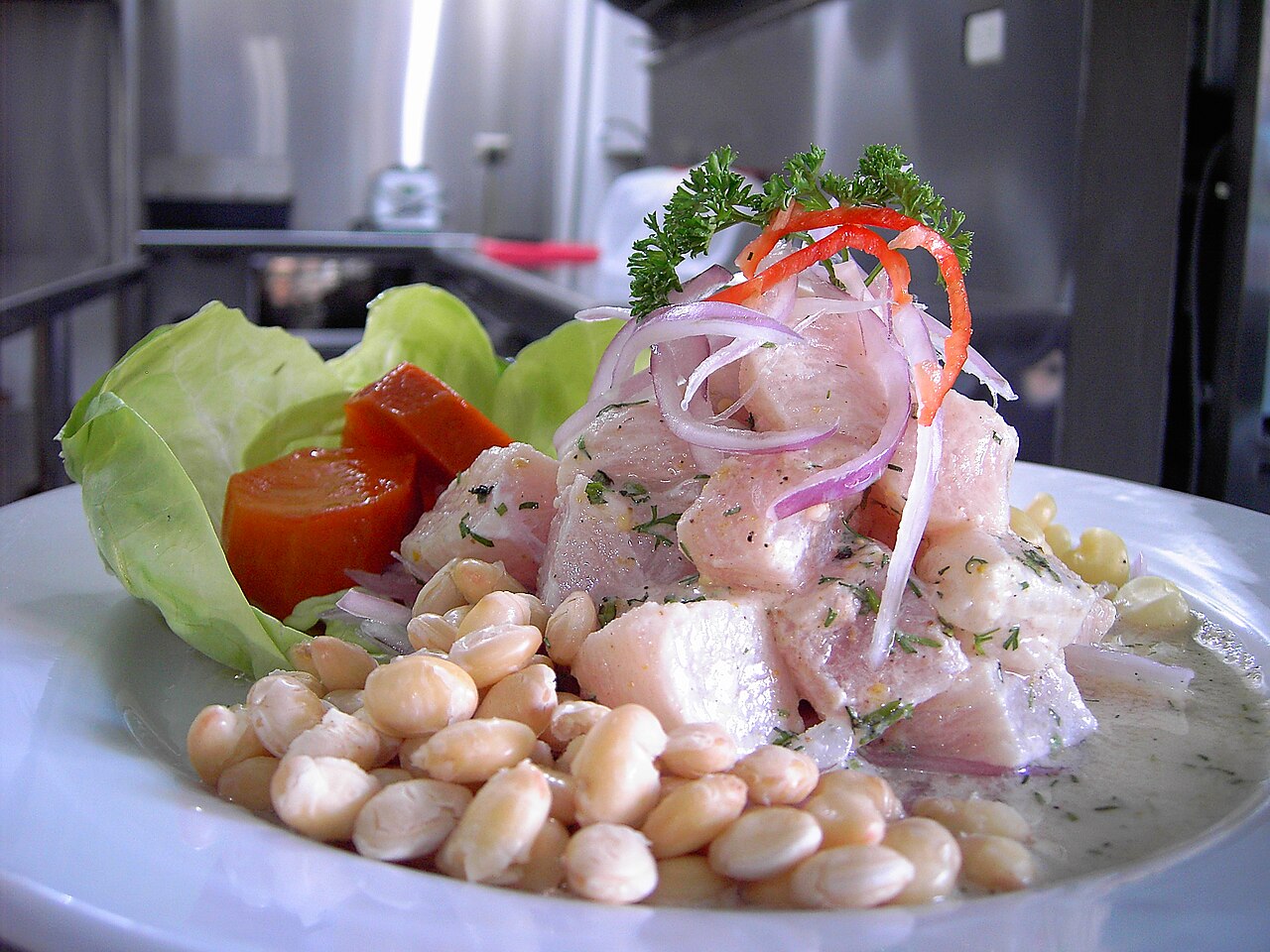
Small pieces of raw white fish, most often corvina (a kind of sea bass), 'cooked' in lime or lemon juice with chopped onion, celery, coriander and peppers. It is served cold as a starter, in a cup or in small pastry shells called canastitas, with crackers on the side. Shrimp and octopus ceviche are popular too.
A little ají chombo, a very hot local pepper, is sometimes added to give it a kick.
See the recipe
Serves 4
30 min
Ingredients
500 g very fresh skinless white fish, such as sea bass, that has been frozen first (see step 1)
250 ml fresh lime or lemon juice
1 red onion, very finely chopped
1 celery stick, very finely chopped
A handful of fresh coriander, chopped
Half a small hot chilli, seeded and very finely chopped (optional)
1 teaspoon salt
Salted crackers, to serve
Method
The fish is not cooked with heat, so buy it from a trusted fishmonger and use fish that has been frozen first, which kills parasites. Pregnant women, young children, older people and anyone with a weak immune system should choose a cooked dish instead.
Cut the fish into 1 cm cubes and put them in a glass or ceramic bowl.
Add the onion, celery, chilli if using, and salt, then pour over enough lime juice to cover the fish.
Cover and chill in the fridge for 1 to 2 hours, stirring once, until the fish turns white and firm all the way through.
Stir in the coriander, taste for salt and serve very cold, with crackers.
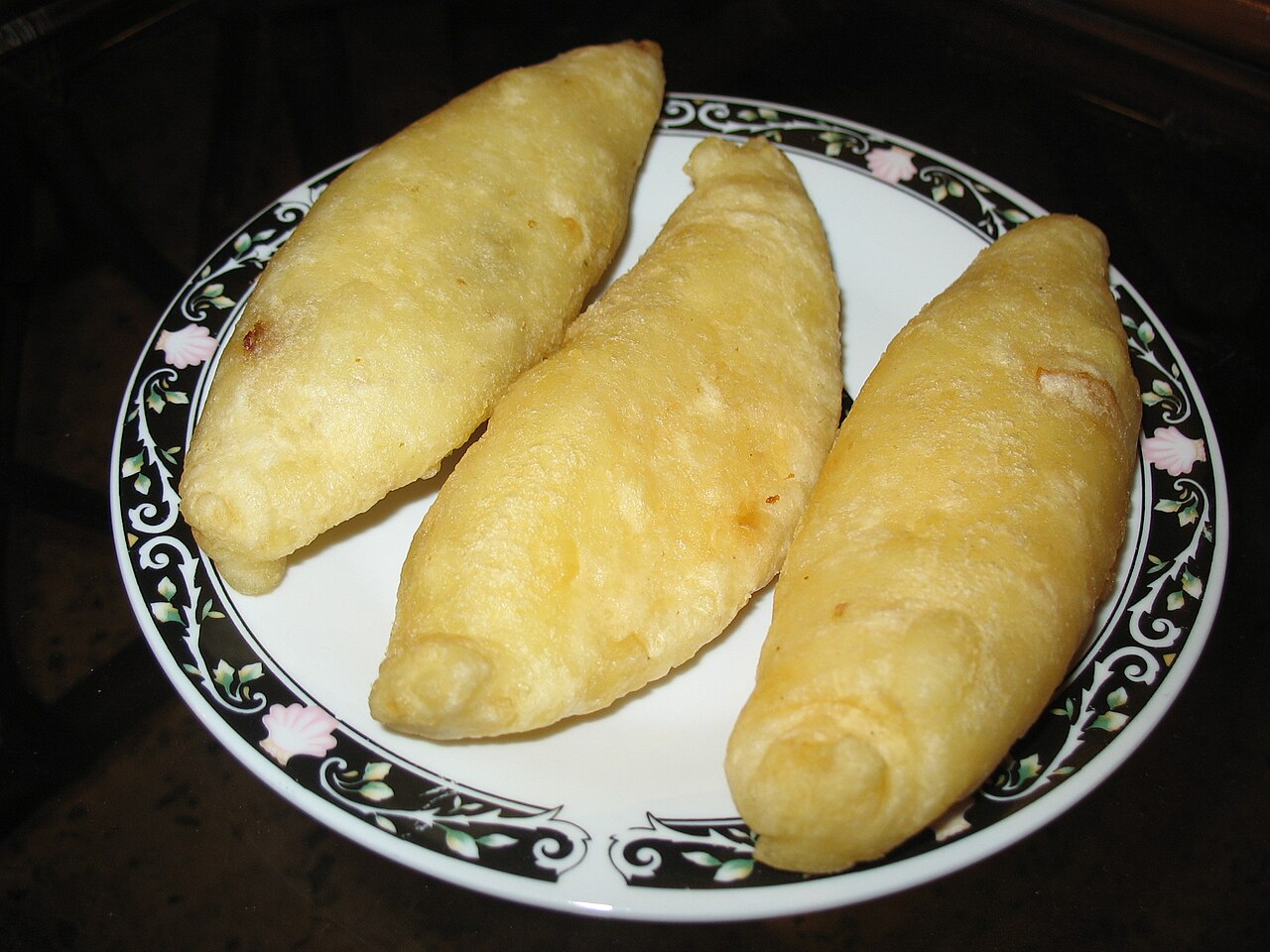
Torpedo-shaped fritters made from a dough of boiled, mashed yuca (cassava), filled with seasoned minced beef, chicken or cheese, and fried until golden and crisp. They are a favourite breakfast, often eaten with coffee.
They look like small bread rolls, but there is no flour in them: the whole outside is yuca.
See the recipe
Serves 4
1 h 15 min
Ingredients
700 g yuca (cassava), peeled, or frozen yuca
1 teaspoon salt
250 g minced beef
1 small onion and 1 garlic clove, finely chopped
Half a green pepper, finely chopped
2 tablespoons tomato paste
Oil for frying
Method
Cut the yuca into chunks, remove the tough core and boil in salted water for about 25 minutes, until very soft. Drain well and mash while hot into a smooth, sticky dough. Leave to cool.
Fry the onion, garlic and pepper in a spoonful of oil until soft, add the beef and cook until brown. Stir in the tomato paste and a pinch of salt and cook for 5 minutes, then let it cool.
With damp hands, take a piece of yuca dough the size of an egg, flatten it in your palm, put a spoonful of filling in the middle and close the dough around it to make a torpedo shape.
Heat about 5 cm of oil in a deep pan to about 175°C. Fry the carimañolas a few at a time for 4 to 5 minutes, turning, until golden. Take care with the hot oil.
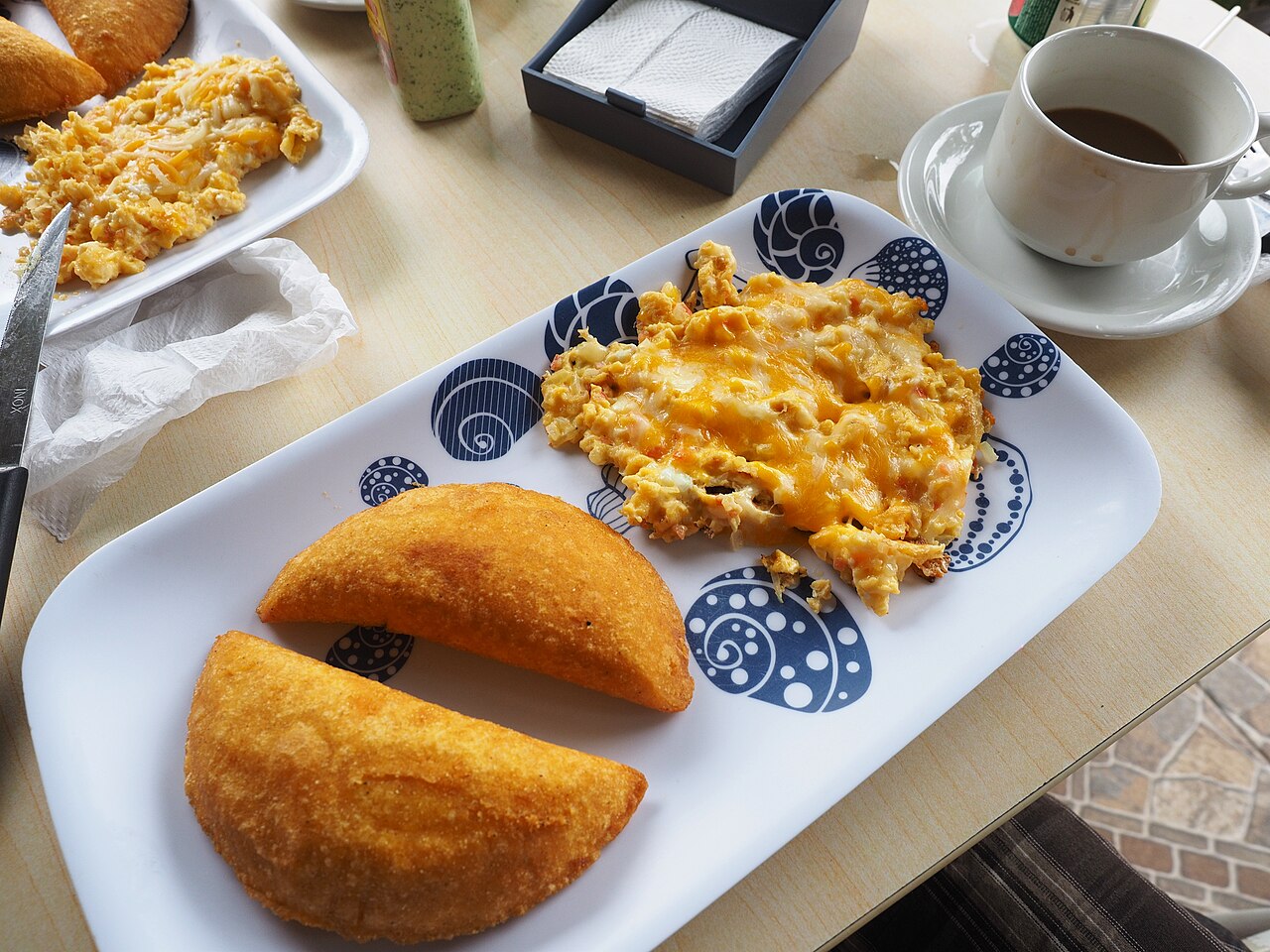
Half-moon pastries made from wheat flour or corn dough, filled with meat, chicken, cheese or sometimes a sweet filling such as fruit jam or manjar blanco (milk caramel), and usually fried. They are sold at bakeries, street stalls and small kiosks.
The Caribbean coast and the countryside, famous in La Chorrera
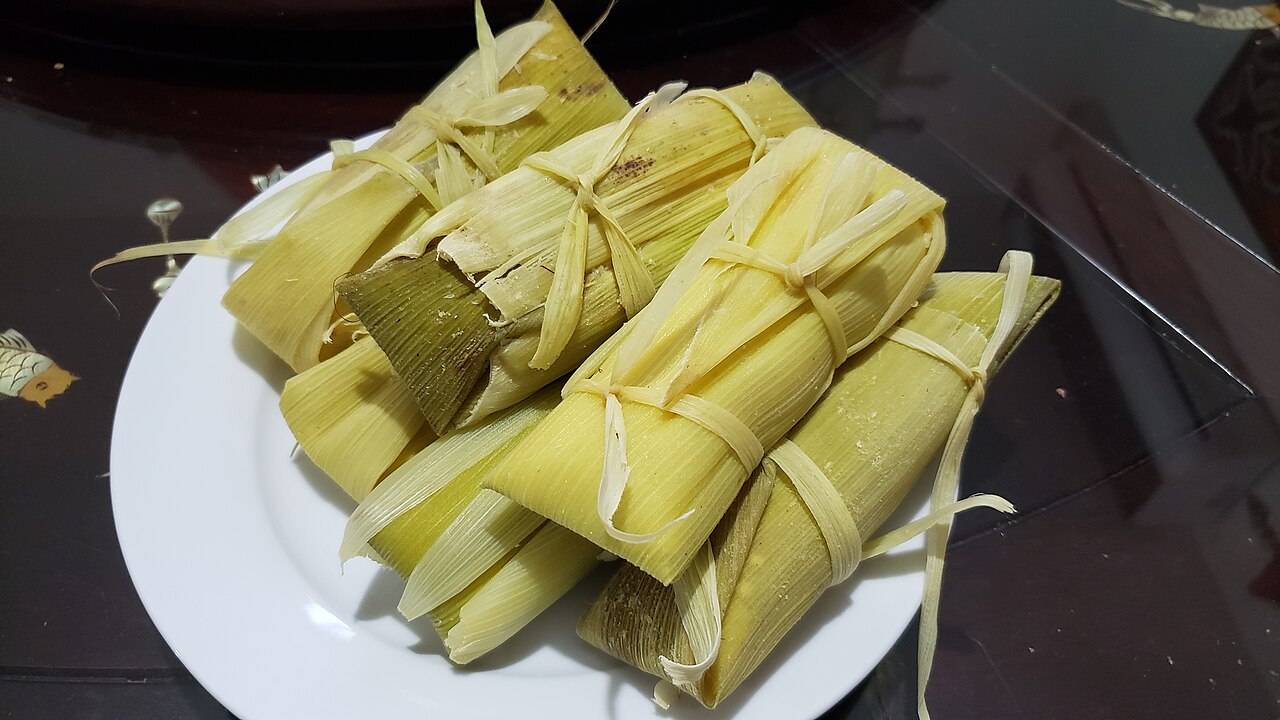
Rolls of ground corn dough wrapped tightly in leaves (corn husks, plantain leaves or palm leaves), tied with string and boiled. There are bollos of fresh young corn and of dried corn, and some are flavoured with butter or coconut or stuffed with beef.
A bollo stuffed with meat is called a bollo preñado, a 'pregnant bollo'.
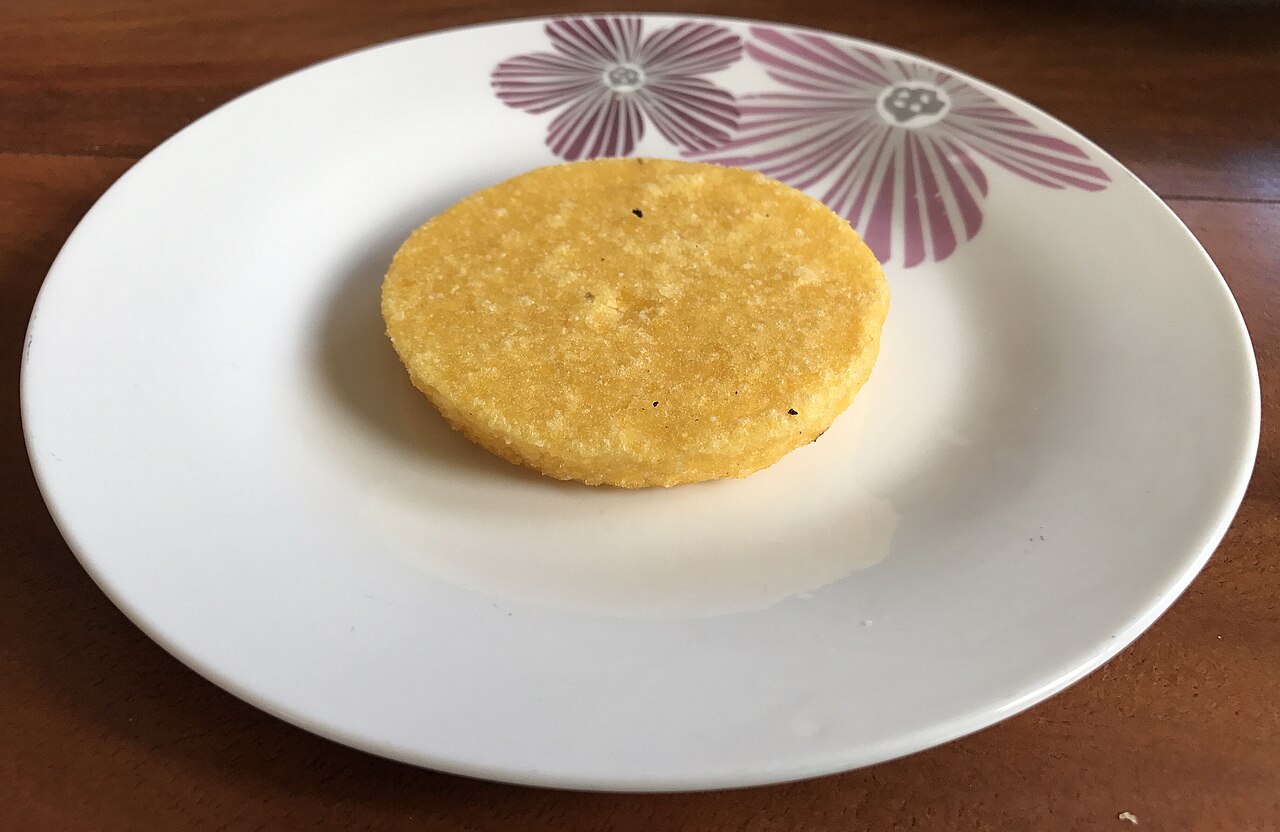
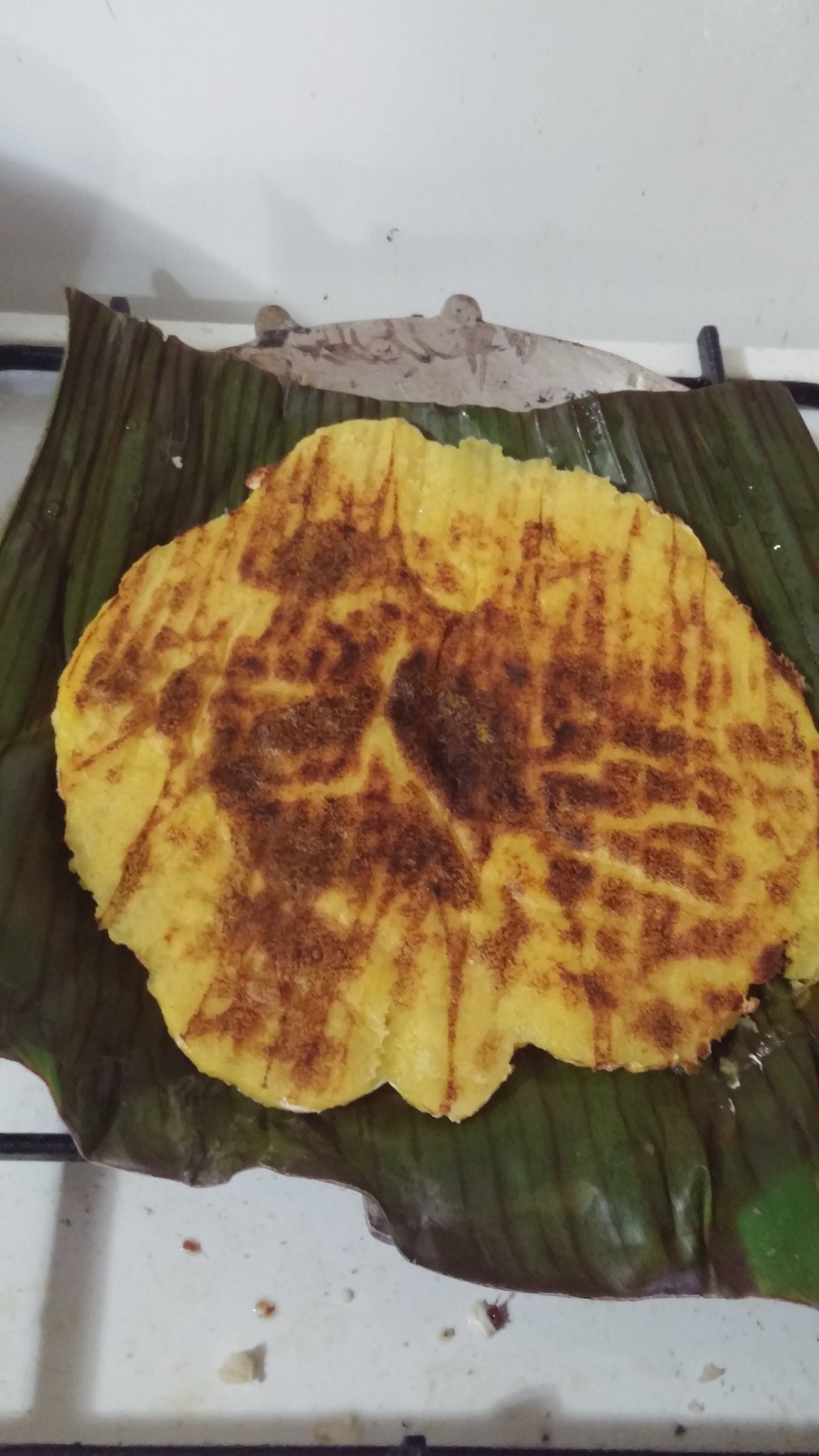
A round of corn dough that is either cooked on a griddle or, in a smaller and thicker form about 10 cm across, fried until crisp outside and soft inside. With fresh white cheese, eggs or liver and onions it makes a classic Panamanian breakfast.
Traditional cooks make the dough from dried corn kernels that are boiled and then ground, not from ready-made corn flour.
The countryside, especially Chiriquí and the central provinces
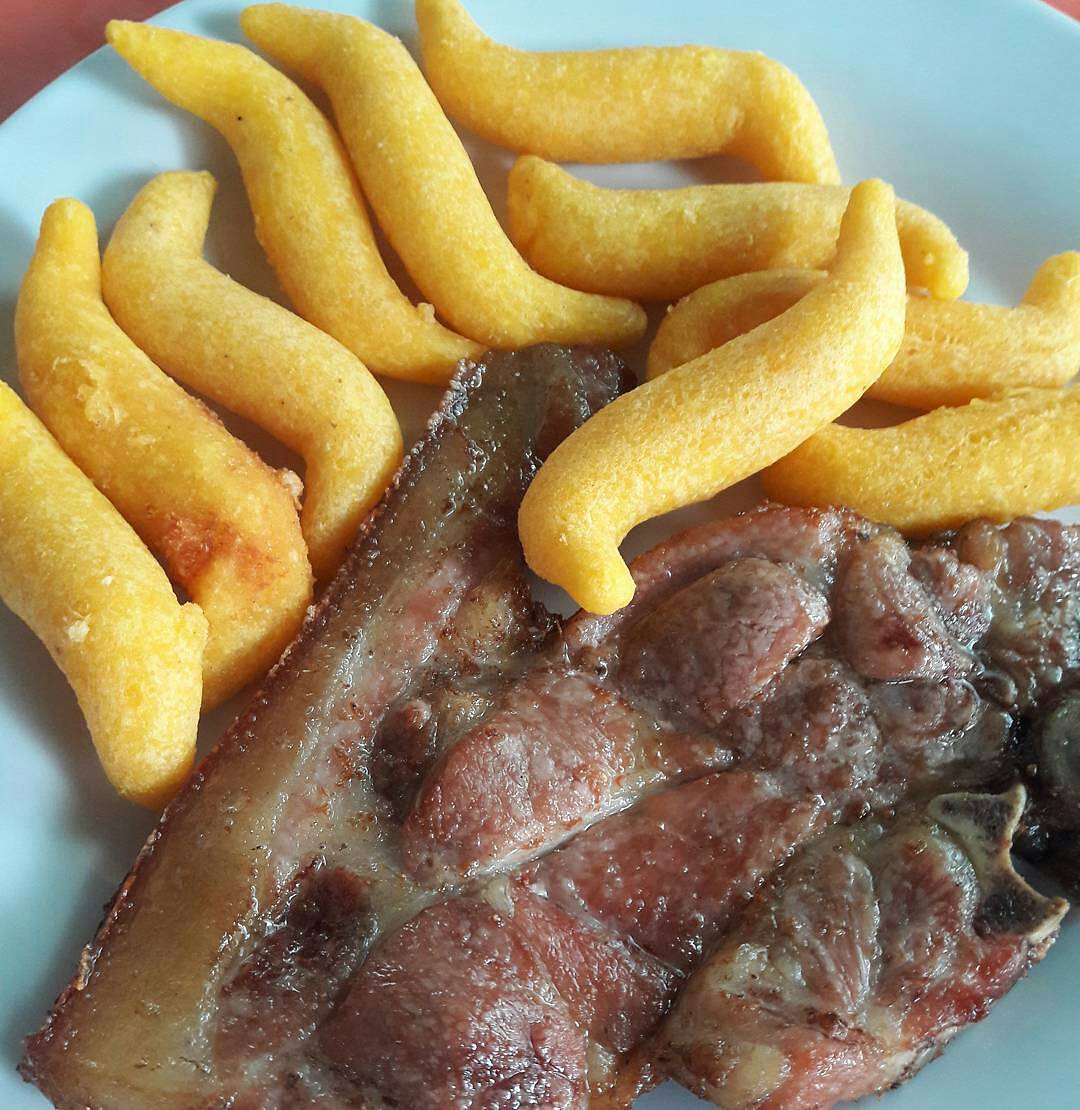
Small S-shaped fritters of corn dough, fried until golden. They are eaten at breakfast or at dinner, for example with smoked pork, especially in the countryside of Chiriquí.
In Colombia an almojábana is a round cheese bread, but in Panama the name means these curly corn fritters.
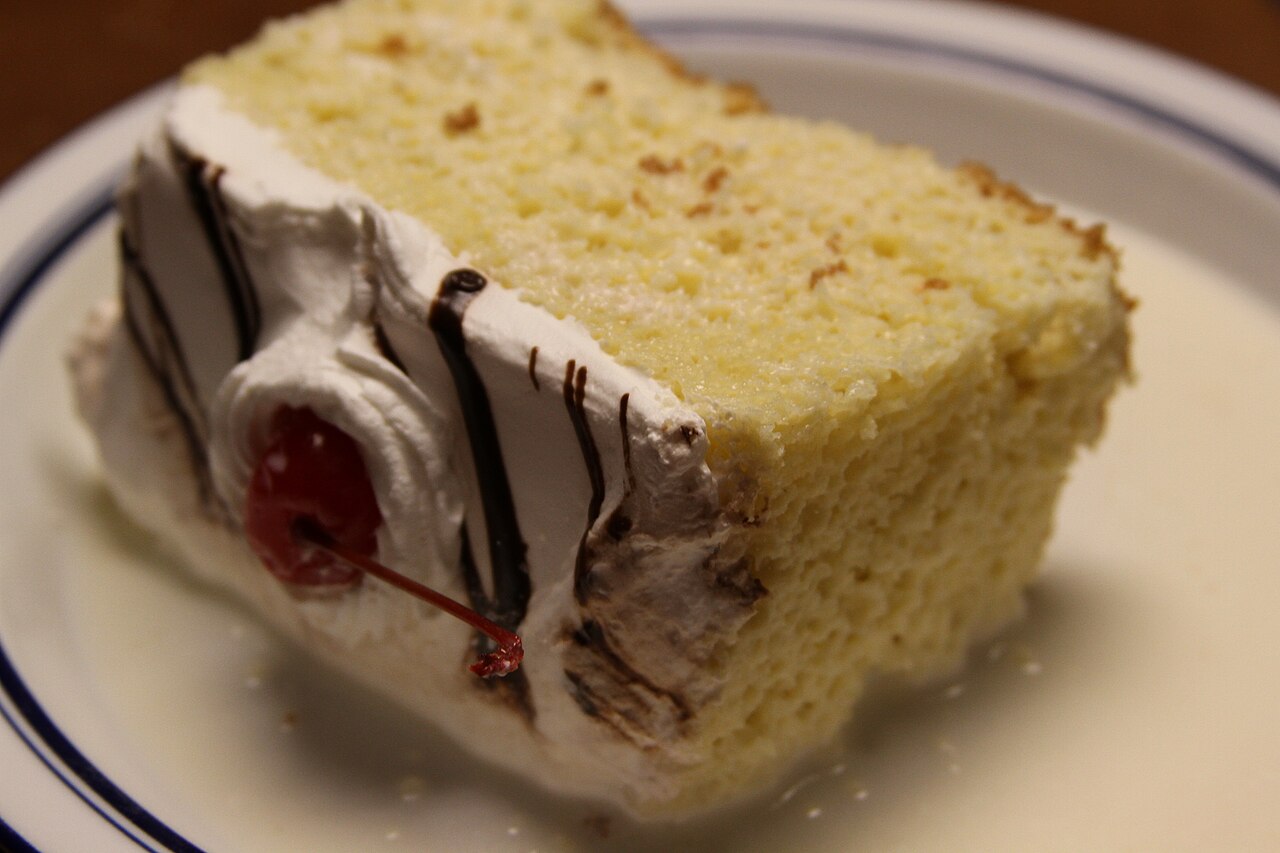
A light sponge cake soaked in a mixture of three milks: evaporated milk, condensed milk and fresh milk or cream. It is served cold, very moist, and topped with whipped cream or meringue and a sprinkle of cinnamon.
La Chorrera and the provinces of Colón and Panamá Oeste
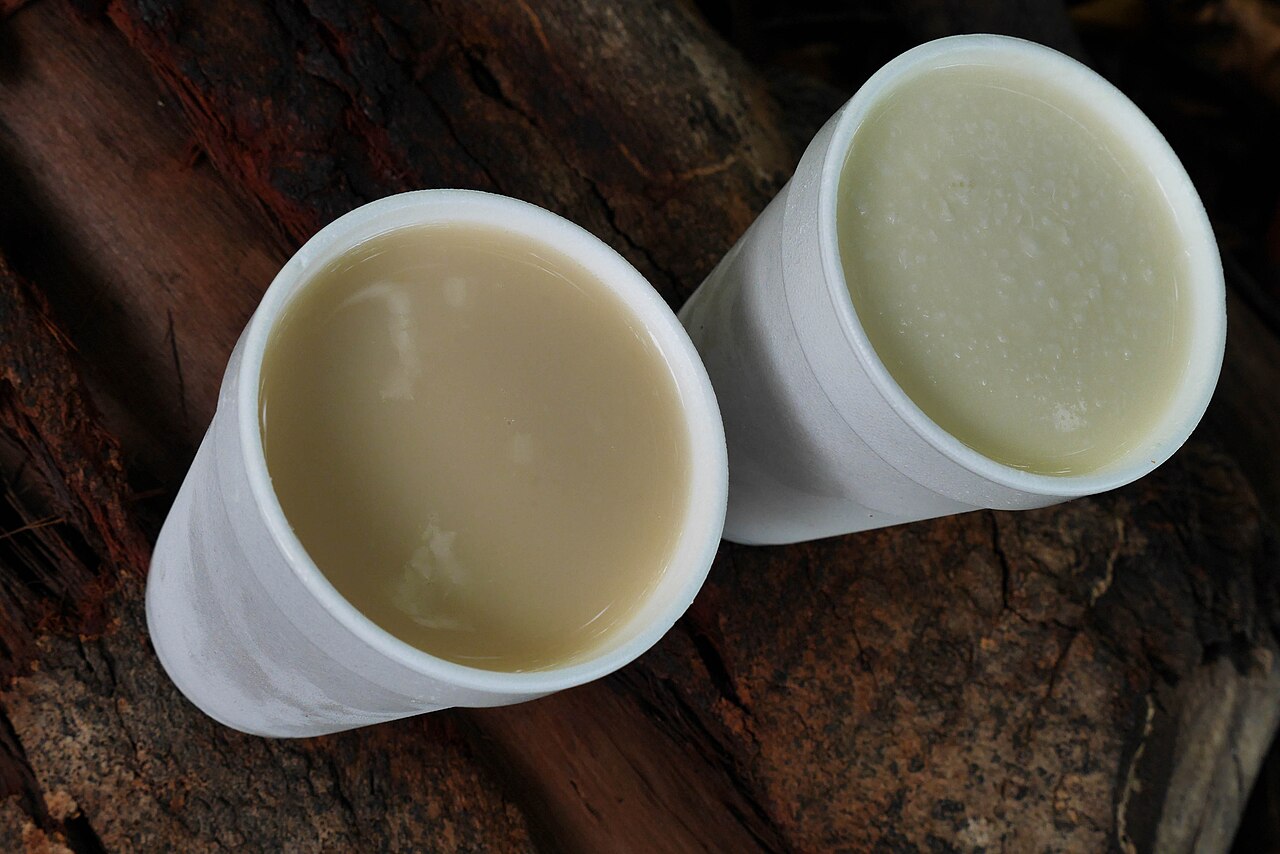
A thick, sweet drink made from hulled corn, cooked until soft and spiced with cinnamon, then served cold. It is sold at roadside stands and by street vendors, often together with empanadas.
La Chorrera, just west of the capital, is proud to call itself the home of chicheme and of bollos.
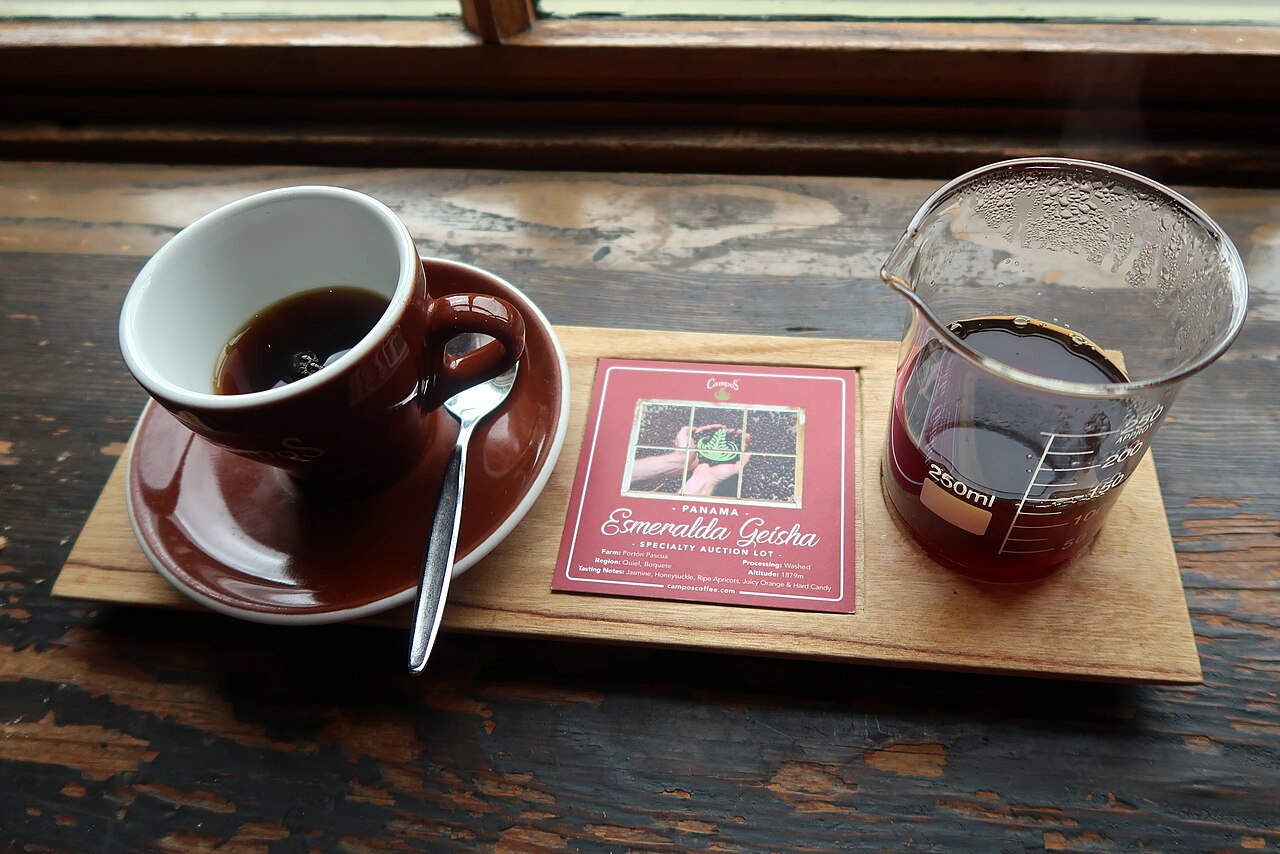
A coffee grown on the cool slopes of the Chiriquí highlands from the Geisha variety, famous for its light, flowery and sweet taste. It sells for some of the highest prices of any coffee, and farms around Boquete offer tours and tastings. It contains caffeine.
The Geisha plant came originally from Ethiopia. In 2004 a Geisha coffee from a Boquete farm won the Best of Panama competition and sold for a record price, making Panamanian coffee world famous.
Table manners
Lunch is the main meal of the day. In small family restaurants called fondas you get a full plate of rice, beans, meat and salad for a low price; if you are given a glass bottle of soda, hand the empty bottle back.
Panamanian food is not hot. If you like it spicy, ask for the hot sauce made with ají chombo peppers and add it yourself, a little at a time.
Try a chicha with your meal: a fresh fruit drink of tamarind, passion fruit, papaya or other fruits, or agua de pipa, the water of a young green coconut.
Panamanians dress neatly. Beachwear is fine at the beach, but in towns, and especially in banks and offices, long trousers or a skirt are expected.
Panama's life is centred on the corridor between Panama City on the Pacific and Colón on the Caribbean, along the canal. To the west, the Pan-American Highway runs through the farming towns of the Azuero Peninsula and the central provinces to David and the coffee highlands of Chiriquí. The Caribbean islands of Bocas del Toro lie in the far northwest, and in the east the road ends at Yaviza, at the edge of the Darién jungle.
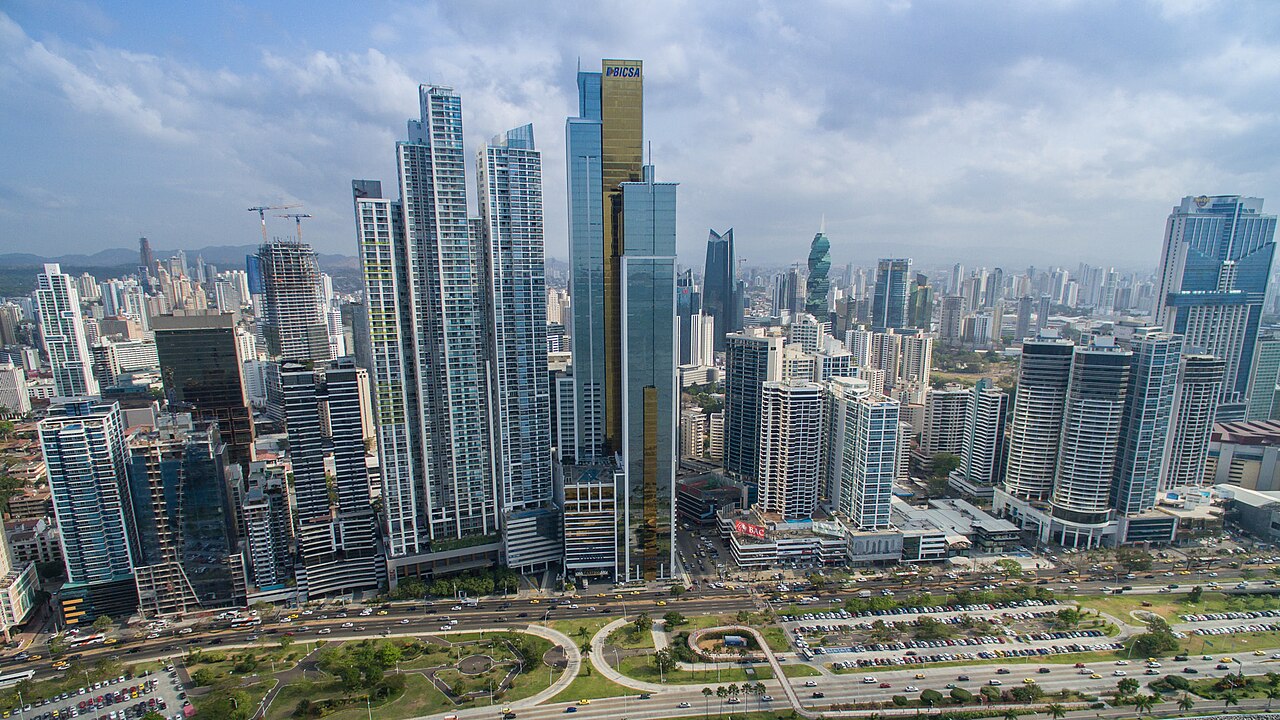
The capital and by far the largest city, at the Pacific entrance of the Panama Canal. About 1.1 million people live in the Panamá district (2023 census) and more than 2 million in the metropolitan area. Tall towers rise along the bay, while the old quarter keeps its colonial churches and squares.
Casco Viejo, the old quarter, and the ruins of Panamá Viejo
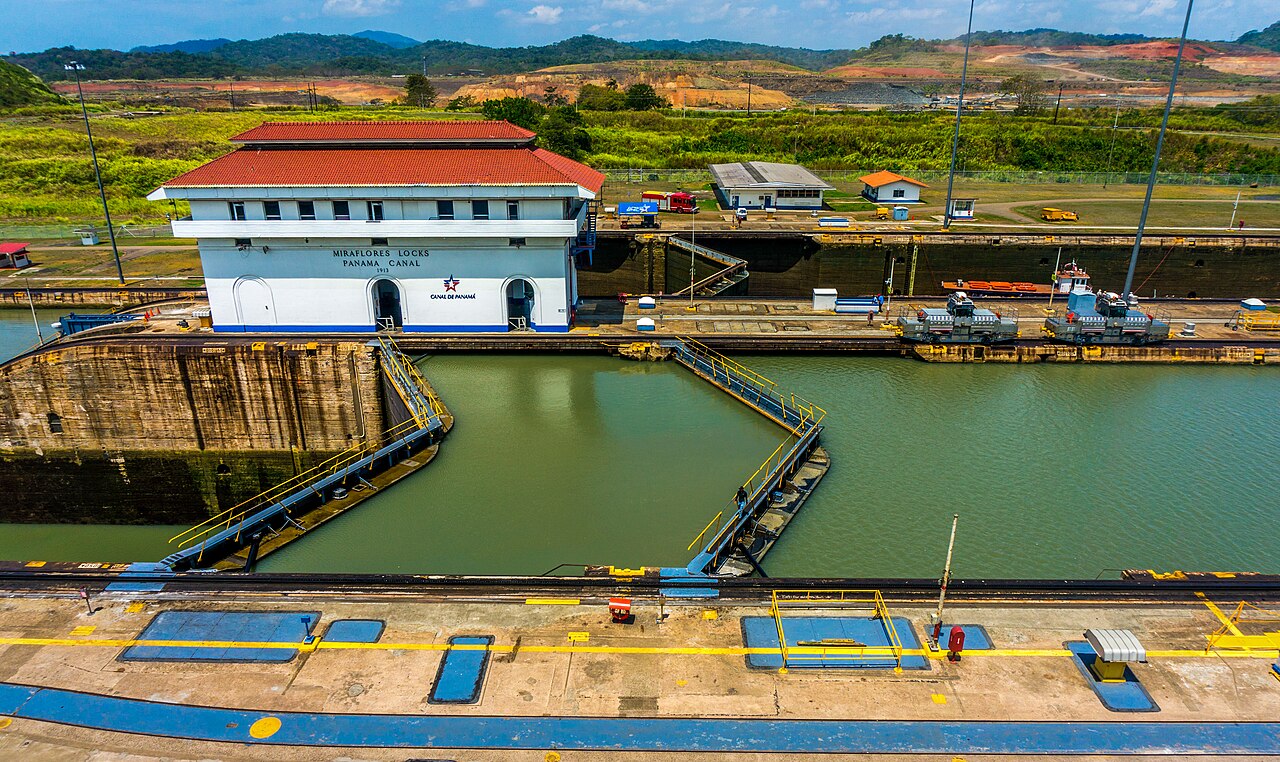
The Miraflores Locks of the canal on the edge of the city
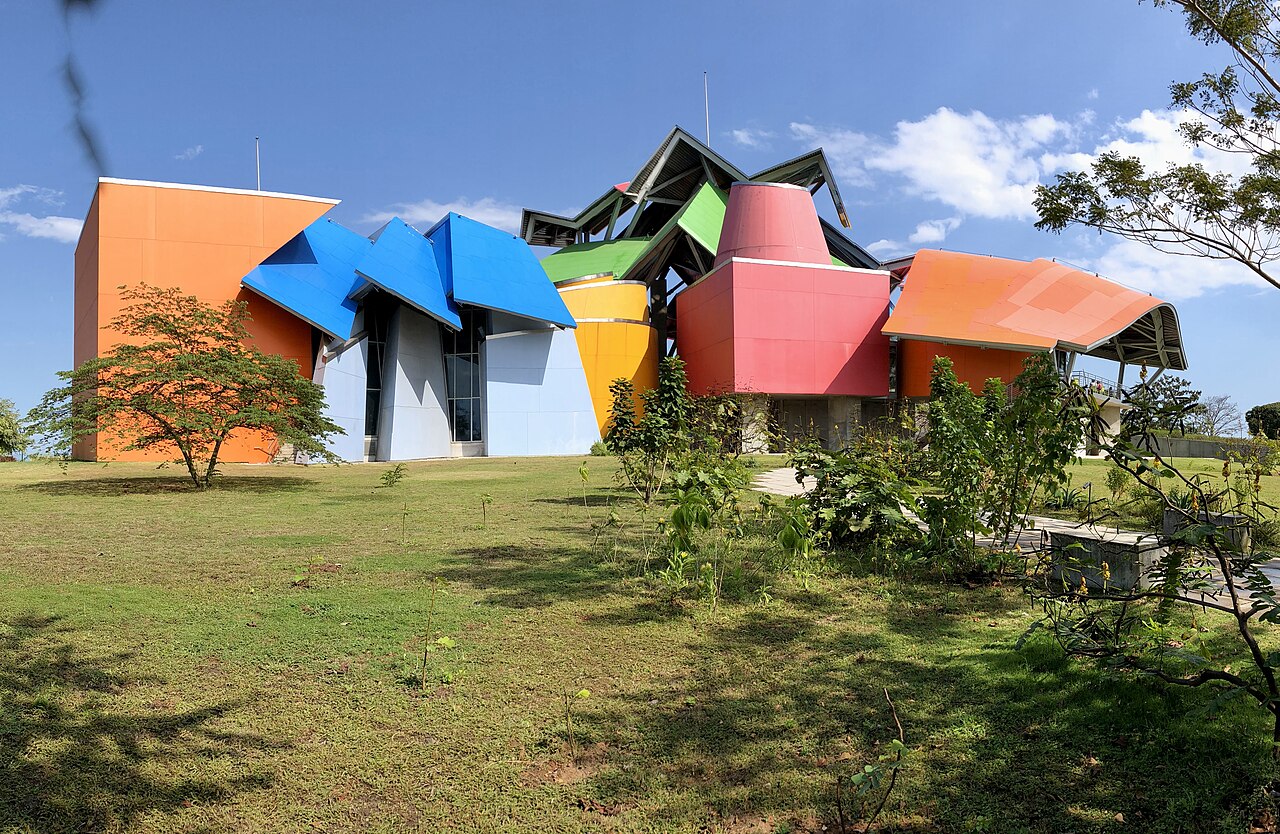
The Amador Causeway and Frank Gehry's colourful Biomuseo
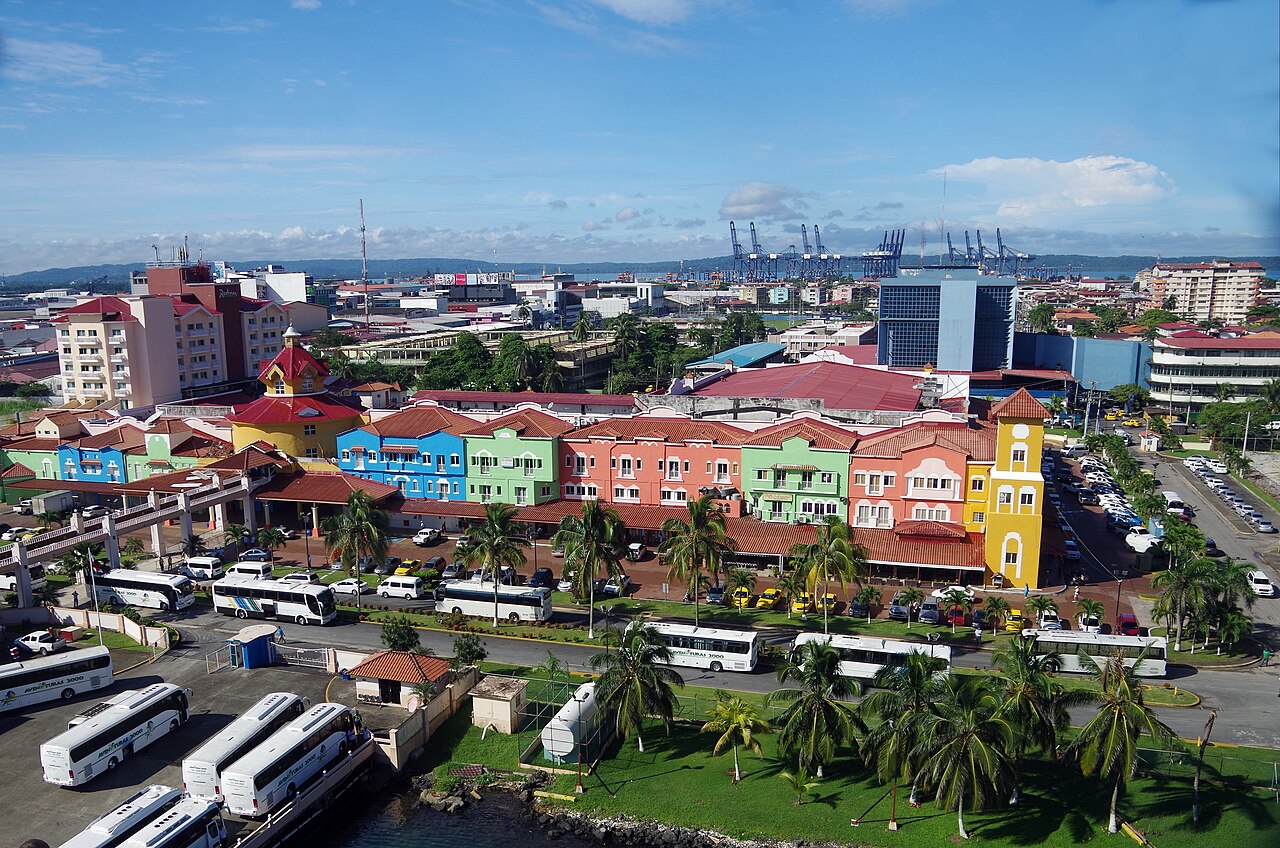
The port city at the Caribbean entrance of the canal, founded in 1850 as the Atlantic end of the Panama Railway. For many years it was known as Panama's second city. Many Afro-Panamanians here descend from West Indian workers who came to build the railway and the canal.
The Colón Free Trade Zone, a huge duty-free trading area opened in 1948
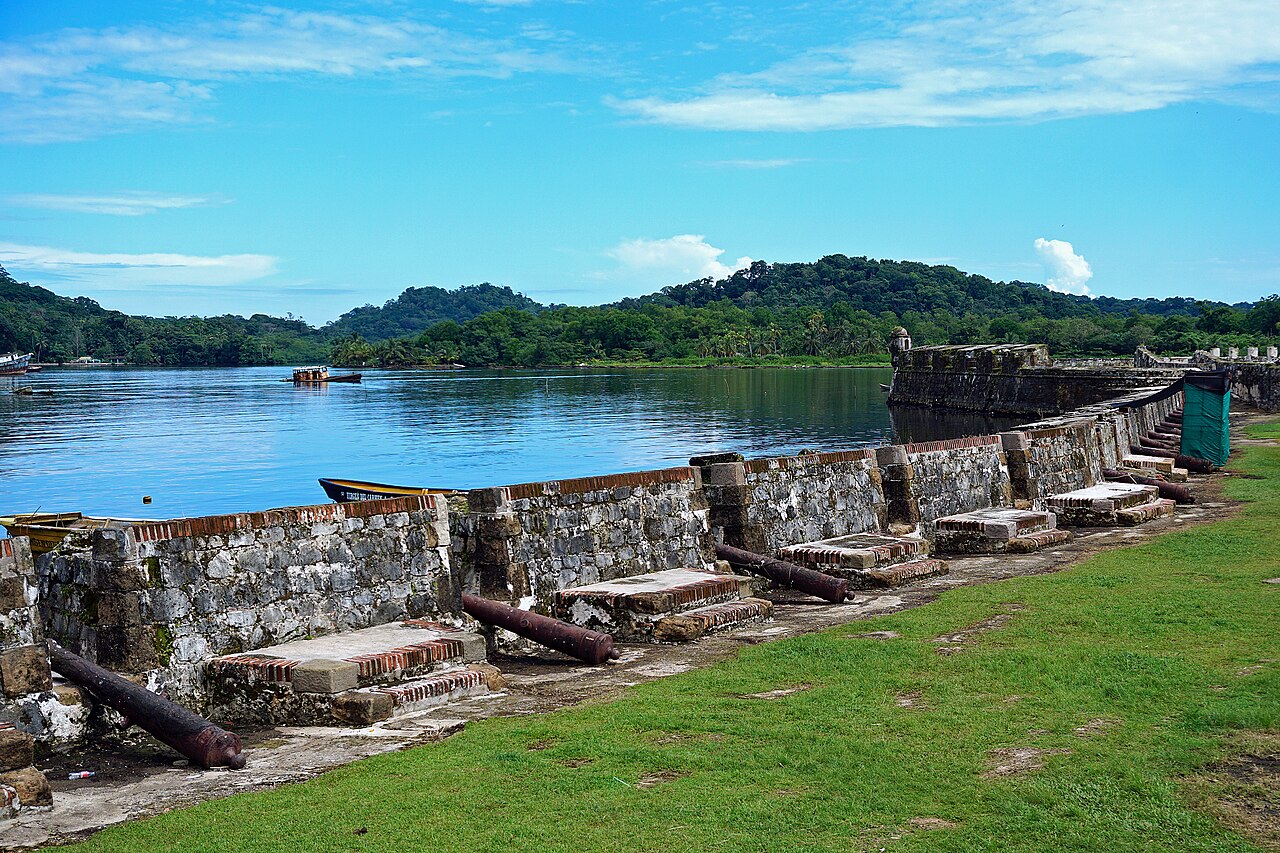
A small town of about 4,500 people (2010) on a deep Caribbean bay, founded in 1597. In Spanish colonial times its trade fairs loaded silver onto the treasure fleets, and its stone forts are now a UNESCO World Heritage Site.
Colonial forts and the old royal customs house
The Black Christ festival every 21 October
The Festival of Devils and Congos, Afro-Panamanian dances
A city about 30 km southwest of Panama City and the capital of Panamá Oeste province. Its name is thought to come from its many waterfalls. The baseball pitcher Mariano Rivera grew up in Puerto Caimito, a fishing village in La Chorrera district.
The capital of Coclé province, founded in 1581, in the flat lowlands near the geographic centre of the country. After Henry Morgan destroyed Panama City in 1671, it served for a short time as the capital.
A legend about the chief Nomé, who resisted the Spanish
The capital of Veraguas province, next to the Pan-American Highway in the middle of the country. It was founded in the early 1600s and is the main centre for shopping, business and education in Veraguas.
A stop on the Pan-American Highway between Panama City and David
Shops, offices and schools for the whole of Veraguas province
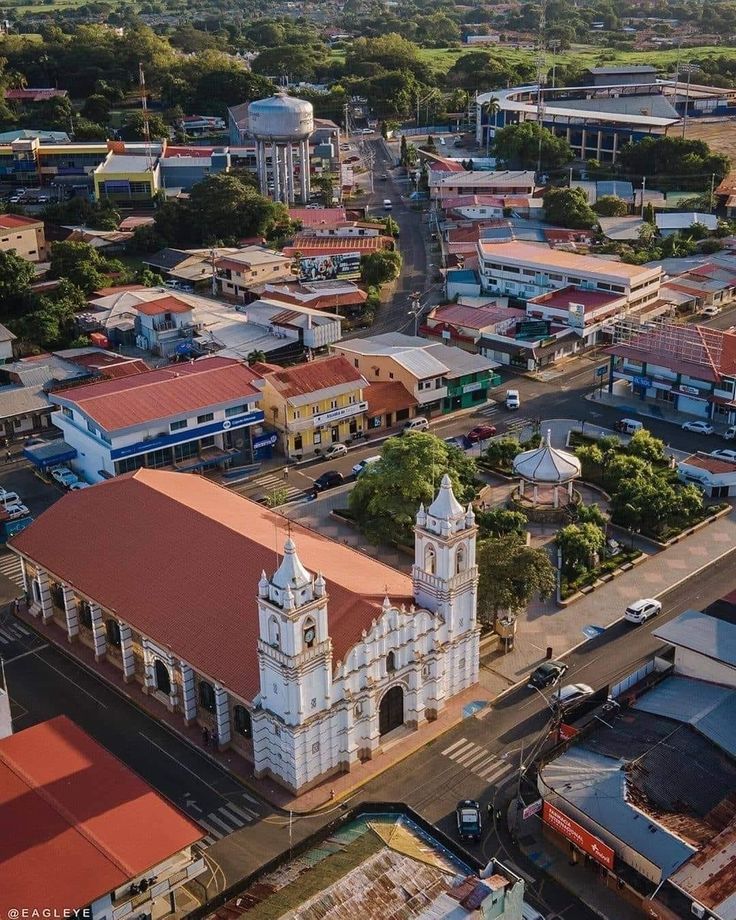
The capital of Herrera province and the main commercial town of the Azuero Peninsula, the heartland of Panamanian folklore. It is nicknamed 'the city where no one is a stranger'.
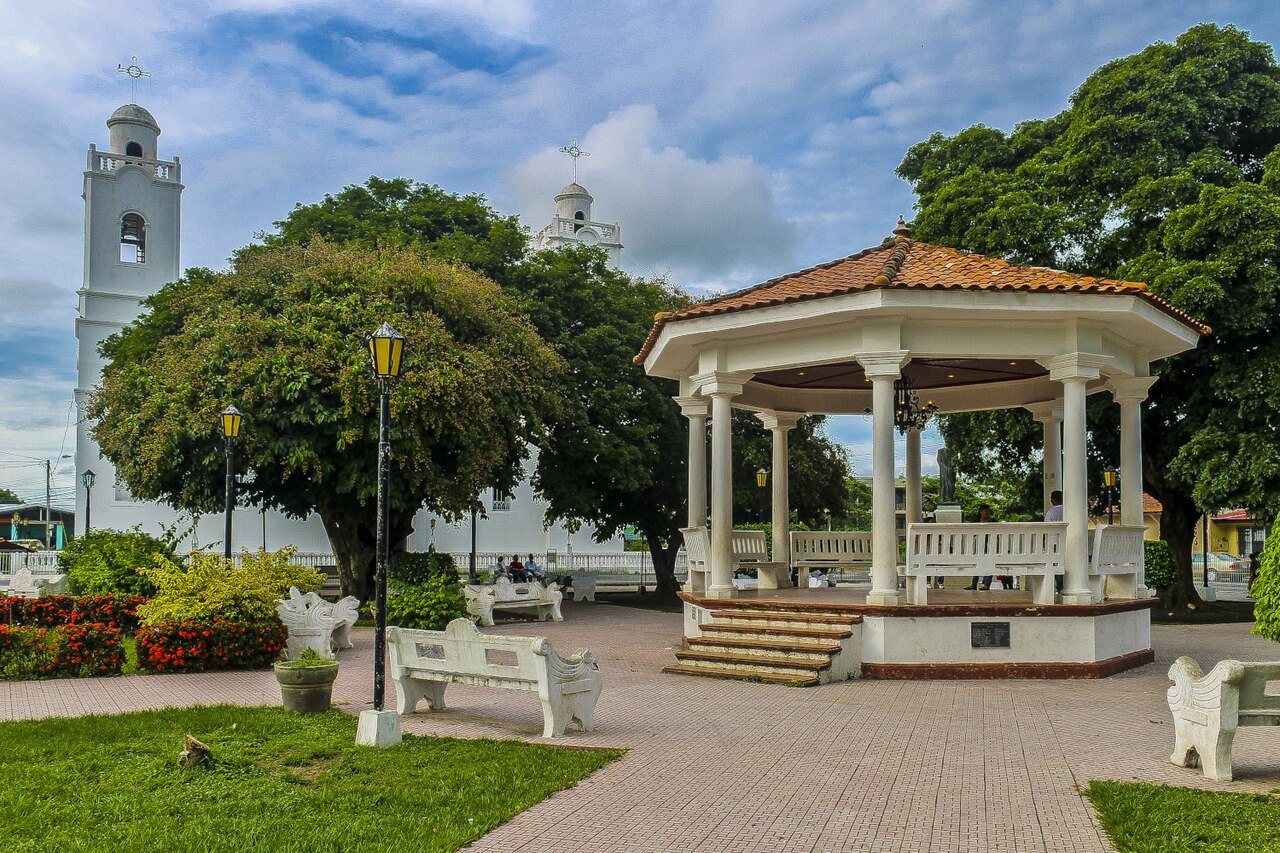
A small town that is the capital of Los Santos province and a centre of Panamanian folk music, dance and dress. According to legend, its first houses were built from planks of a Spanish ship that ran aground nearby, which gave it its name, 'The Boards'.
A famous carnival where Calle Arriba and Calle Abajo compete
Folk music, dance, food and crafts
The birthplace of Belisario Porras, three times president
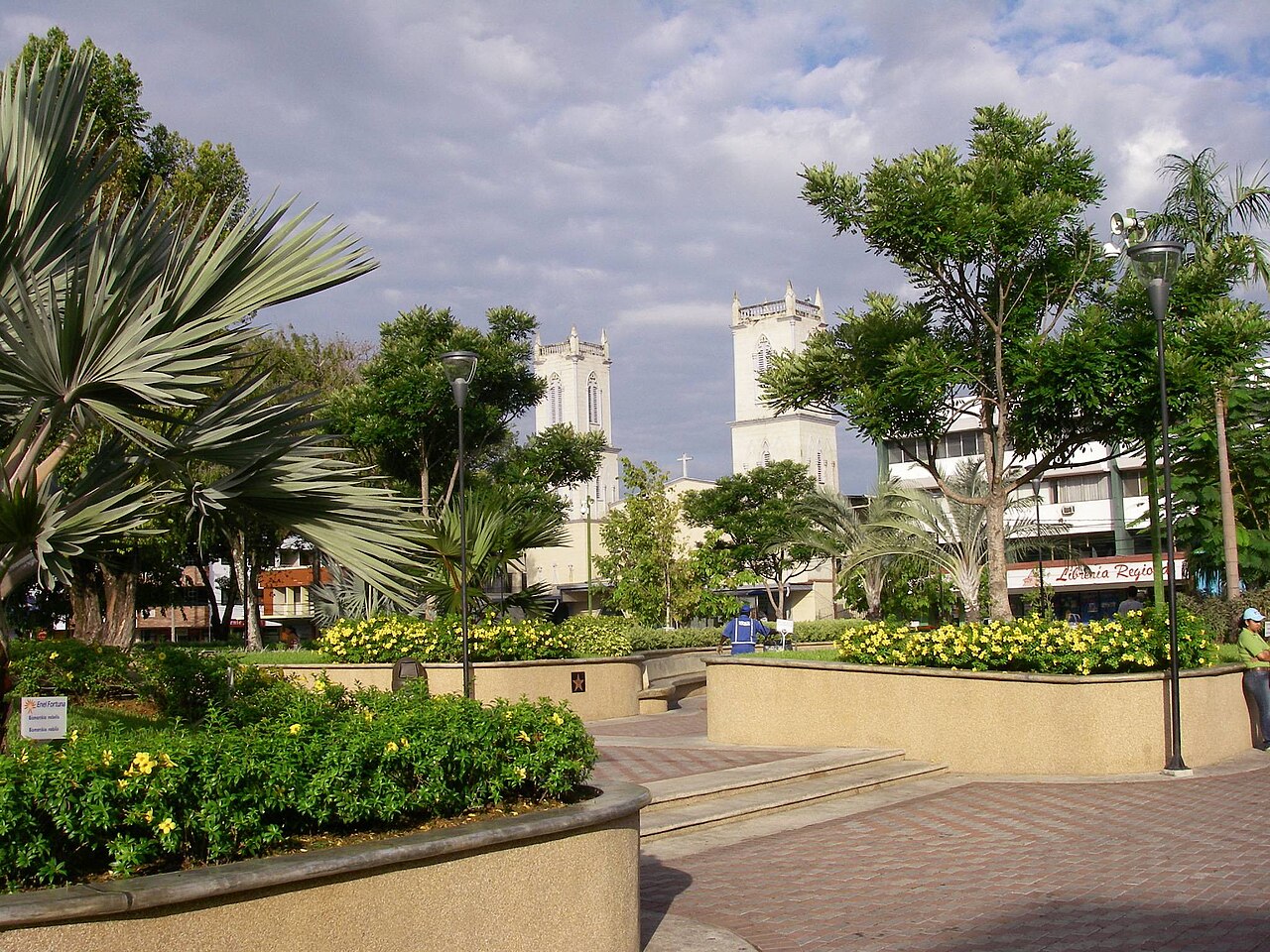
The capital of Chiriquí province and the largest city in western Panama, with about 77,000 people (2023 census). It was founded in 1602 and is a busy centre of trade and banking on the Pan-American Highway.
The gateway to Boquete and Volcán Barú
The economic centre of Chiriquí province
The Gulf of Chiriquí, a short drive away at the port of Pedregal
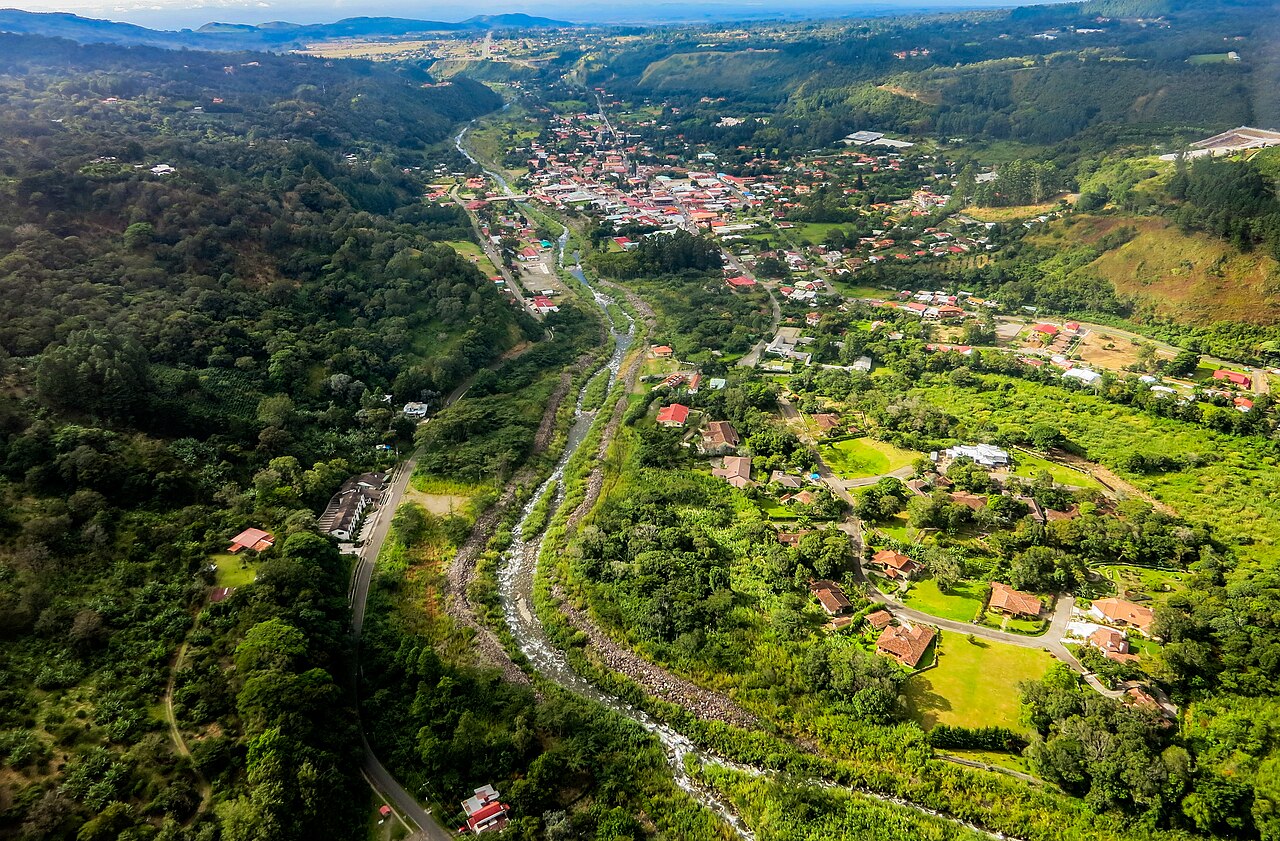
A small mountain town about 1,200 m above sea level, on the Caldera River on the eastern slopes of Volcán Barú. Its cool climate and coffee farms attract visitors and many foreign retirees.
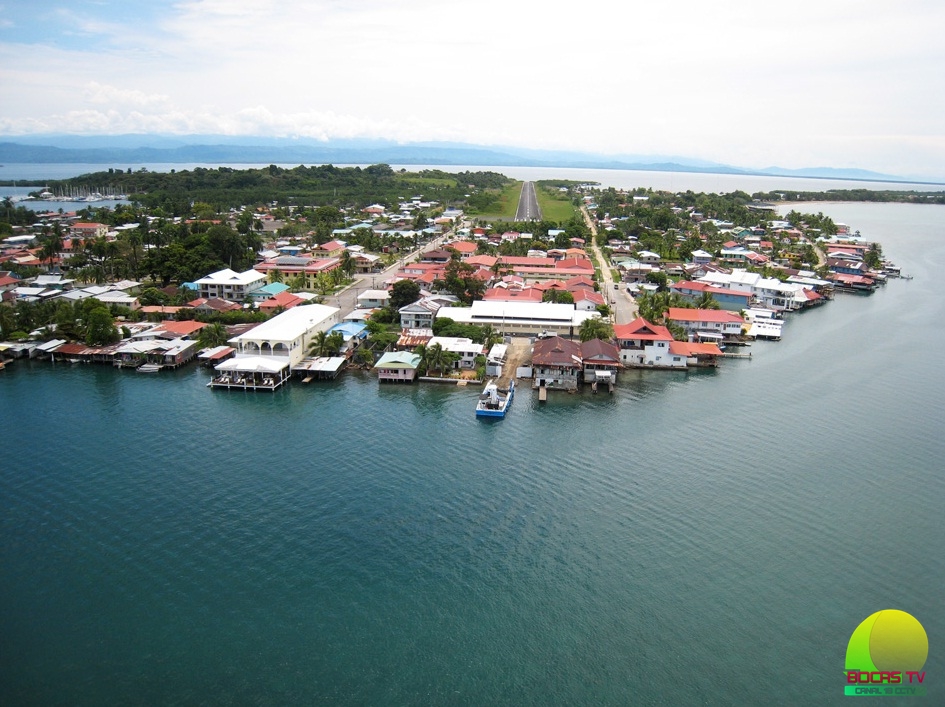
A small Caribbean town at the southern tip of Colón Island in the Bocas del Toro archipelago. Most visitors arrive by small plane from Panama City or by boat from the mainland, and the town is small enough to explore on foot.
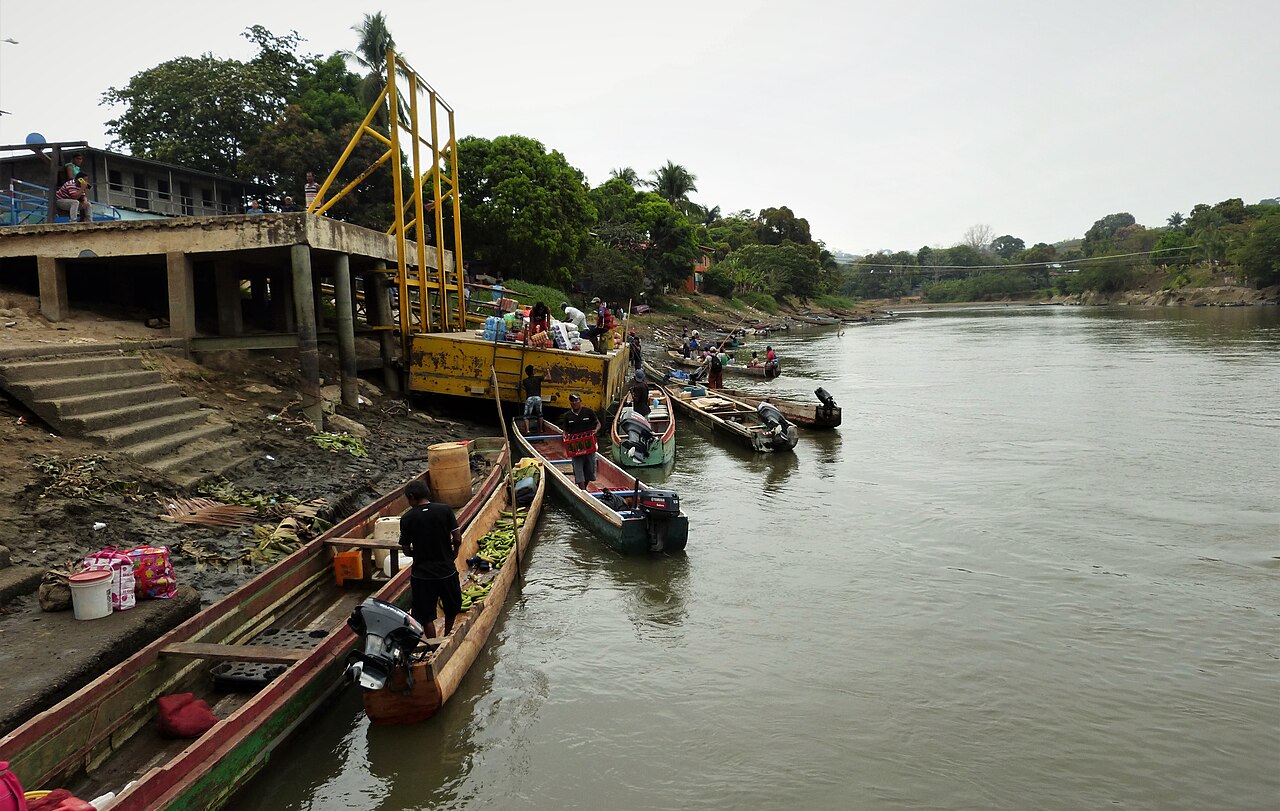
A small river town of about 4,400 people (2010) on the Chucunaque River in Darién province, founded by Spanish missionaries in 1638. Here the northern half of the Pan-American Highway comes to an end, at the edge of the roadless Darién Gap.
The locks closest to the Pacific, where ships are lifted or lowered about 16.5 m in two steps. From the terraces of the visitor centre you can watch huge ships pass slowly through the chambers, pulled by small electric locomotives. The whole canal is about 82 km long.
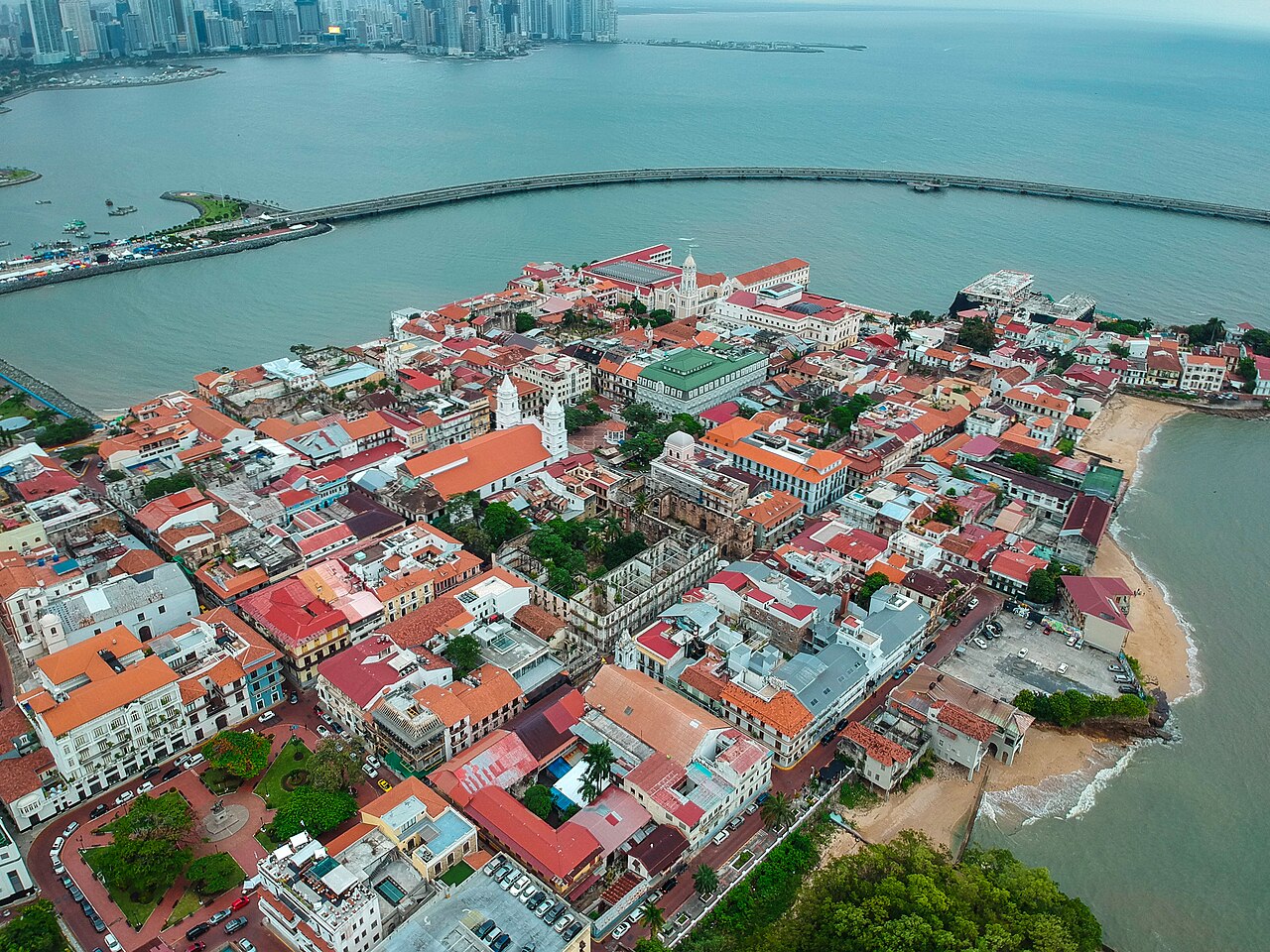
The old quarter of Panama City, founded in 1673 on a walled peninsula after the first city was destroyed. Its narrow streets mix colonial churches, neoclassical buildings and Afro-Antillean houses around squares such as Plaza de la Independencia and Plaza de Francia. It is part of the UNESCO World Heritage Site 'The Colonial Transisthmian Route of Panamá'.
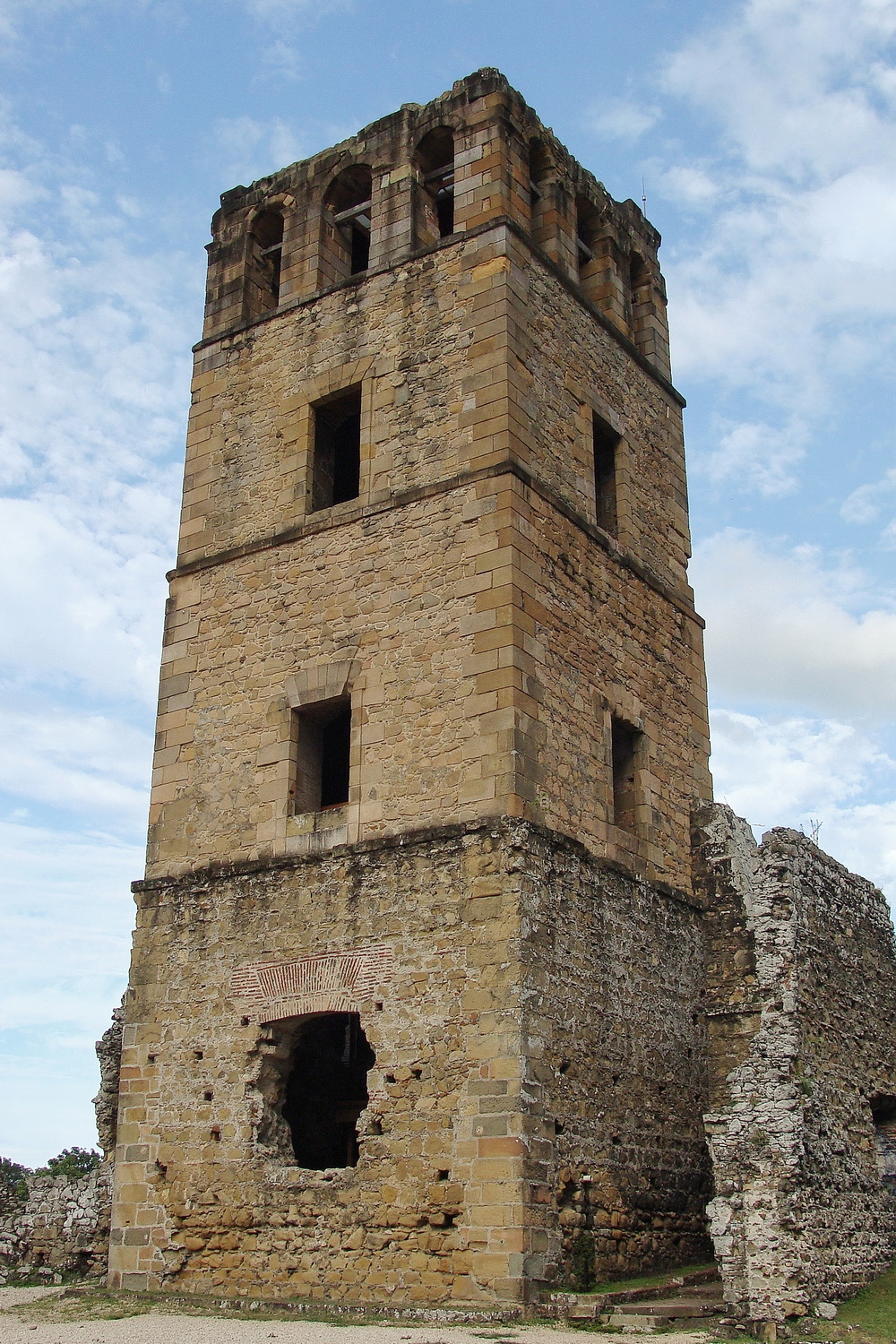
The ruins of the first Panama City, founded in 1519 and destroyed in 1671 when Henry Morgan attacked. The 30 m stone tower of the old cathedral still stands, and visitors can climb it for the view. It was added to the UNESCO World Heritage List in 2003, and since 2025 it is part of 'The Colonial Transisthmian Route of Panamá'.
A museum of biodiversity on the Amador Causeway, with a brightly coloured, folded metal roof. It was designed by the architect Frank Gehry, his first building in Latin America, and opened in 2014. It tells how the rise of the isthmus joined two continents and changed life on Earth.
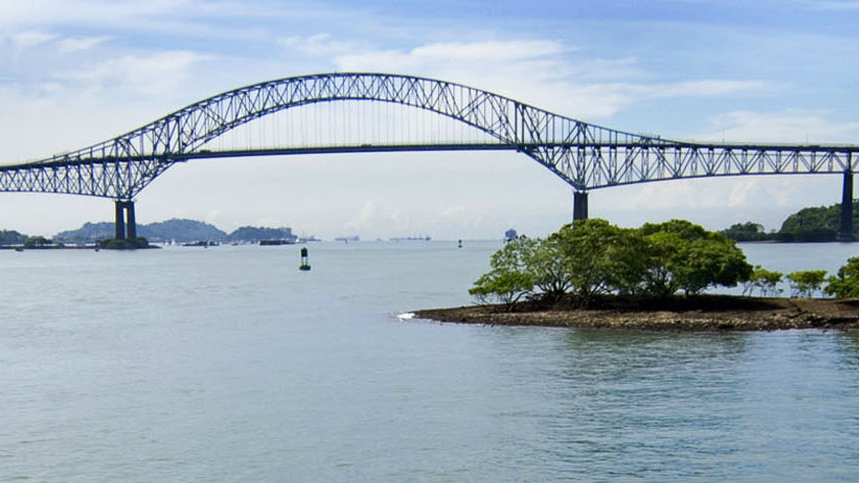
A great steel arch bridge, completed in 1962, that carries the road across the Pacific entrance of the canal near Balboa. It is about 1,654 m long, and for over 40 years it was the main road link across the canal. Every ship coming from the Pacific passes beneath it.
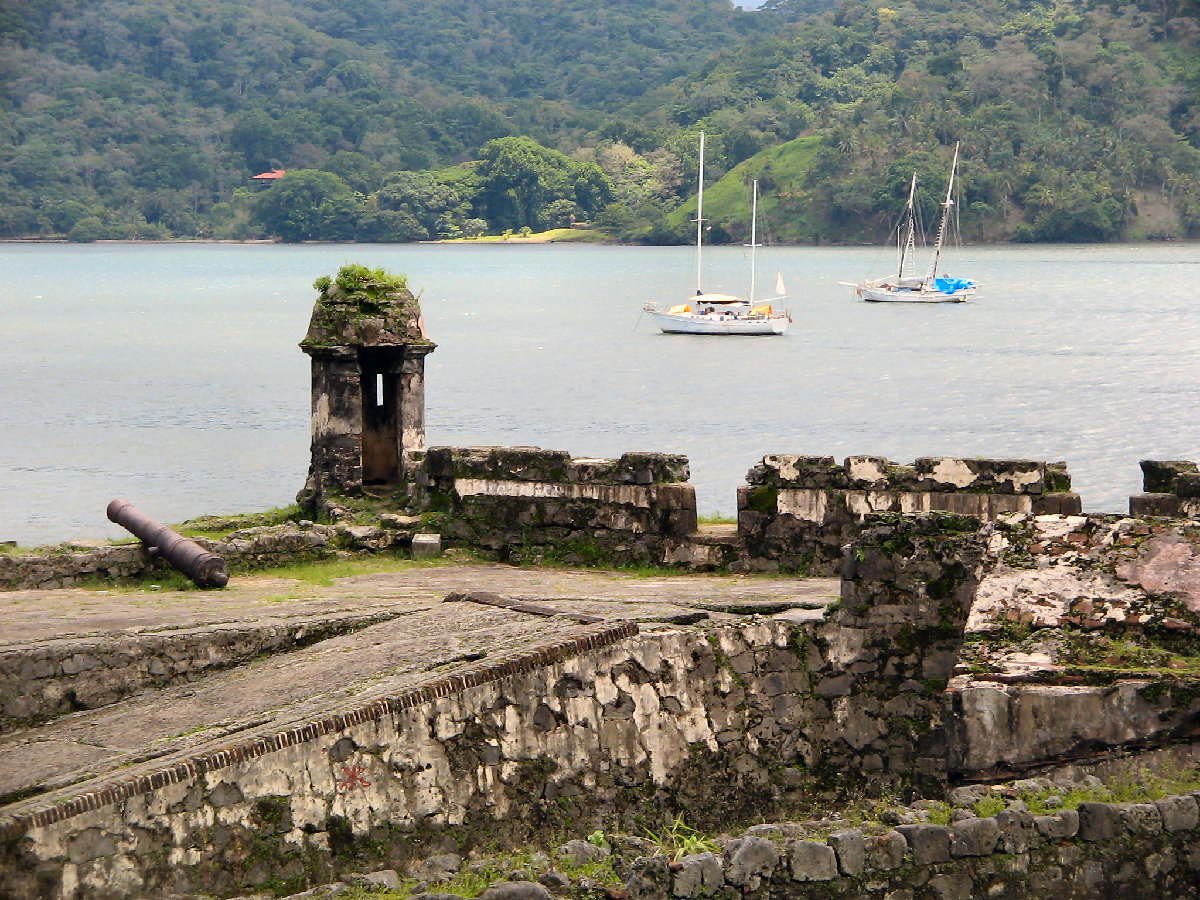
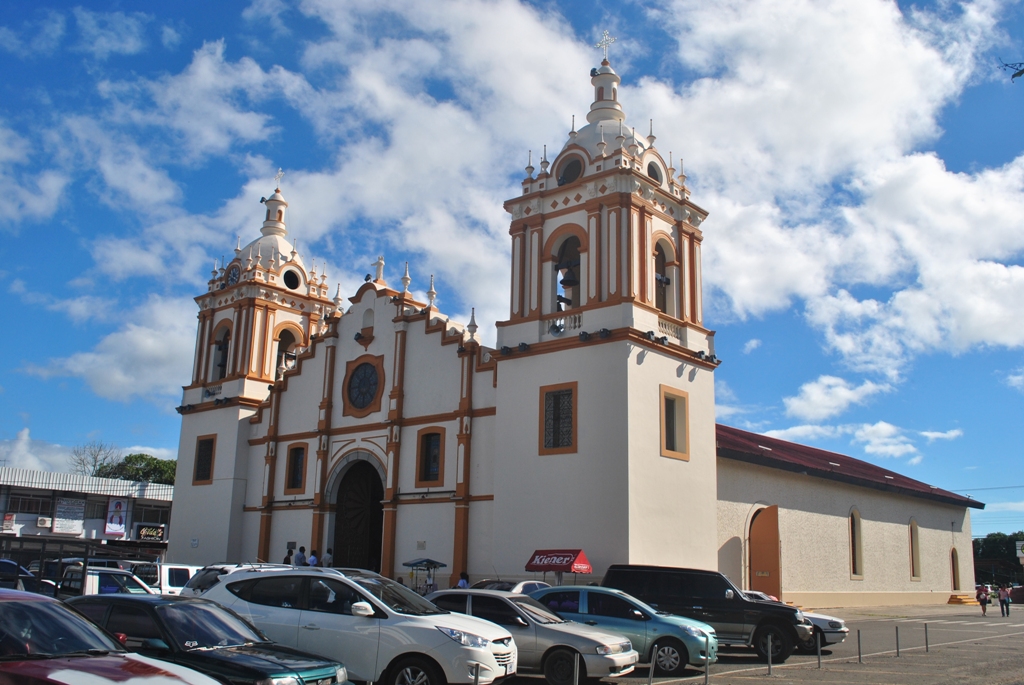
Spanish stone forts, cannon batteries and a customs house built from the 1600s to the 1700s to guard the treasure port of Portobelo. Together with Fort San Lorenzo they became a UNESCO World Heritage Site in 1980. In town, the Iglesia de San Felipe holds the statue of the Black Christ.
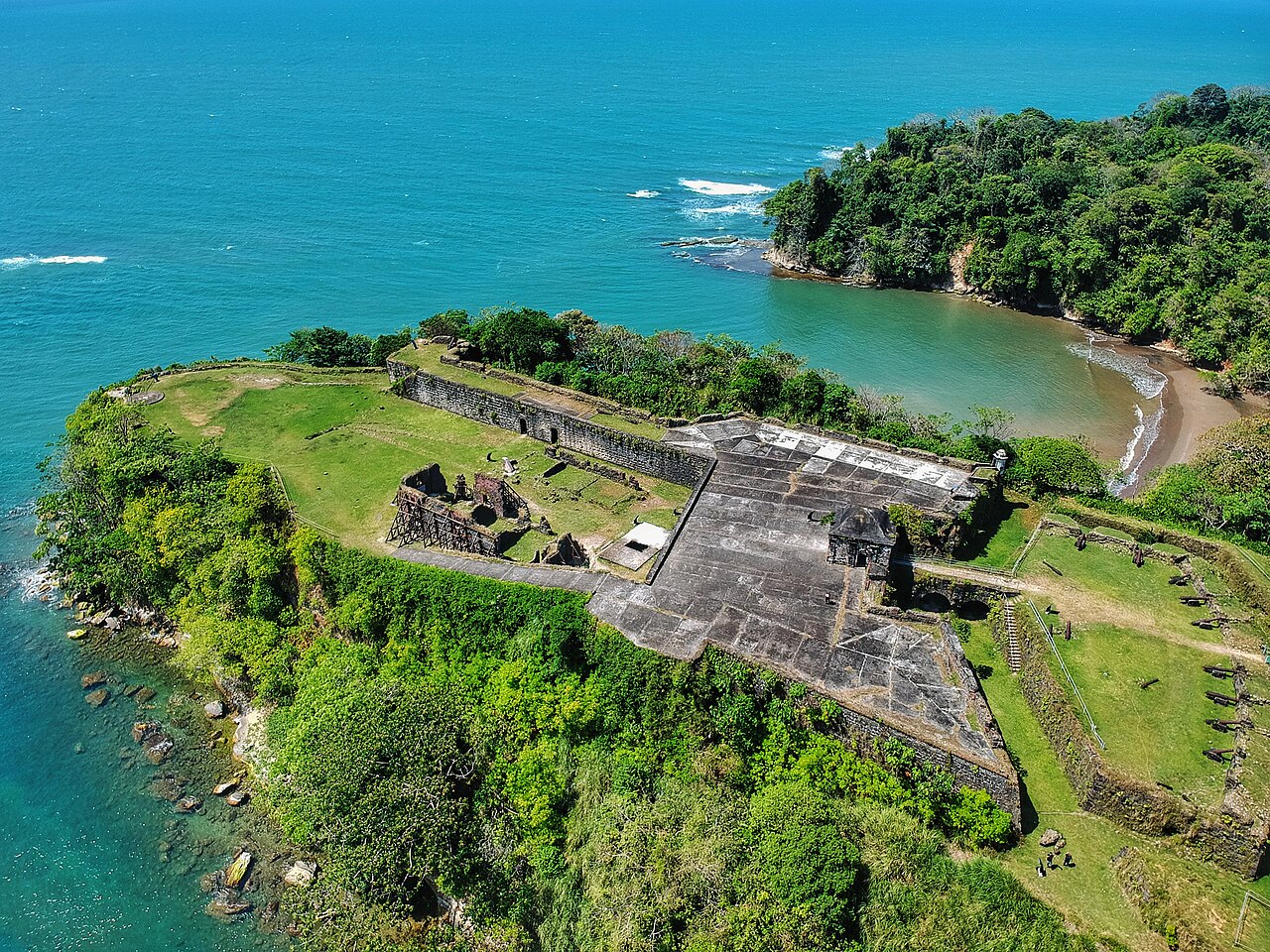
The ruins of a Spanish fort on a cliff above the mouth of the Chagres River, about 13 km west of Colón, surrounded by rainforest. It guarded the start of the river route to Panama City. Henry Morgan destroyed it in 1670, and the Spanish rebuilt it higher on the cliff with a dry moat and a drawbridge.
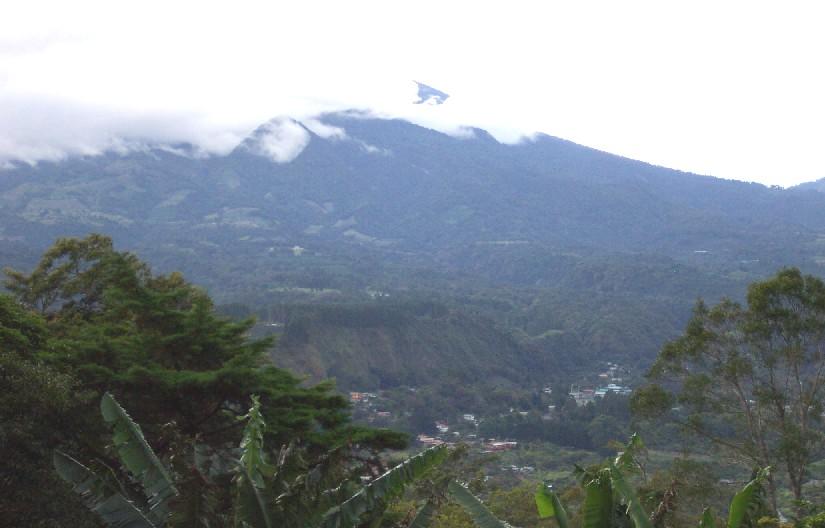
Panama's highest mountain, an active volcano about 3,475 m high, inside a national park just west of Boquete. Hikers set off at night to reach the summit at sunrise, when on a rare clear day both the Pacific Ocean and the Caribbean Sea can be seen. Its last eruption was about 500 years ago.
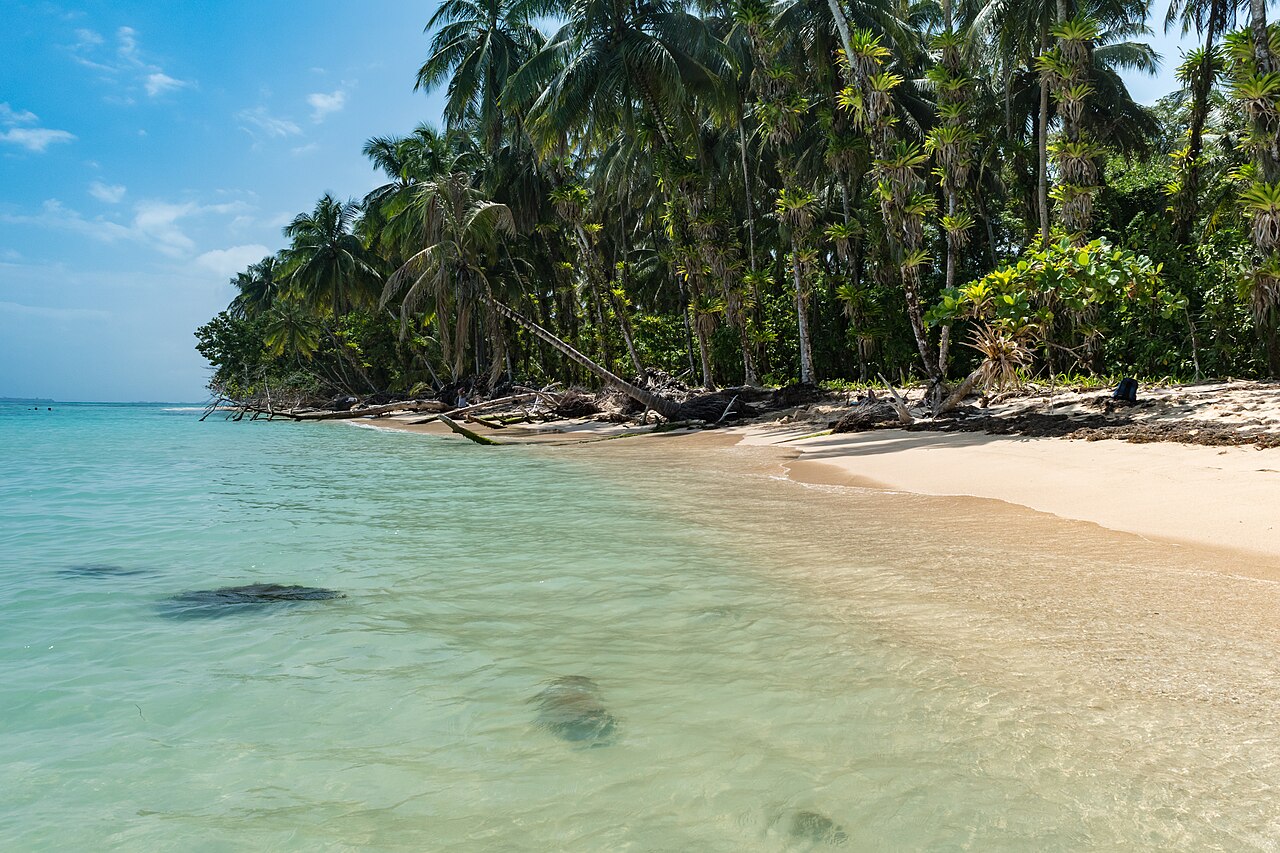
A marine park created in 1988 in the Bocas del Toro archipelago, a short boat ride from Bocas town. It protects coral reefs, mangroves, rainforest and the beaches of the Zapatilla cays. Sea turtles nest on Playa Larga, and the tiny red poison dart frog lives in the forest.
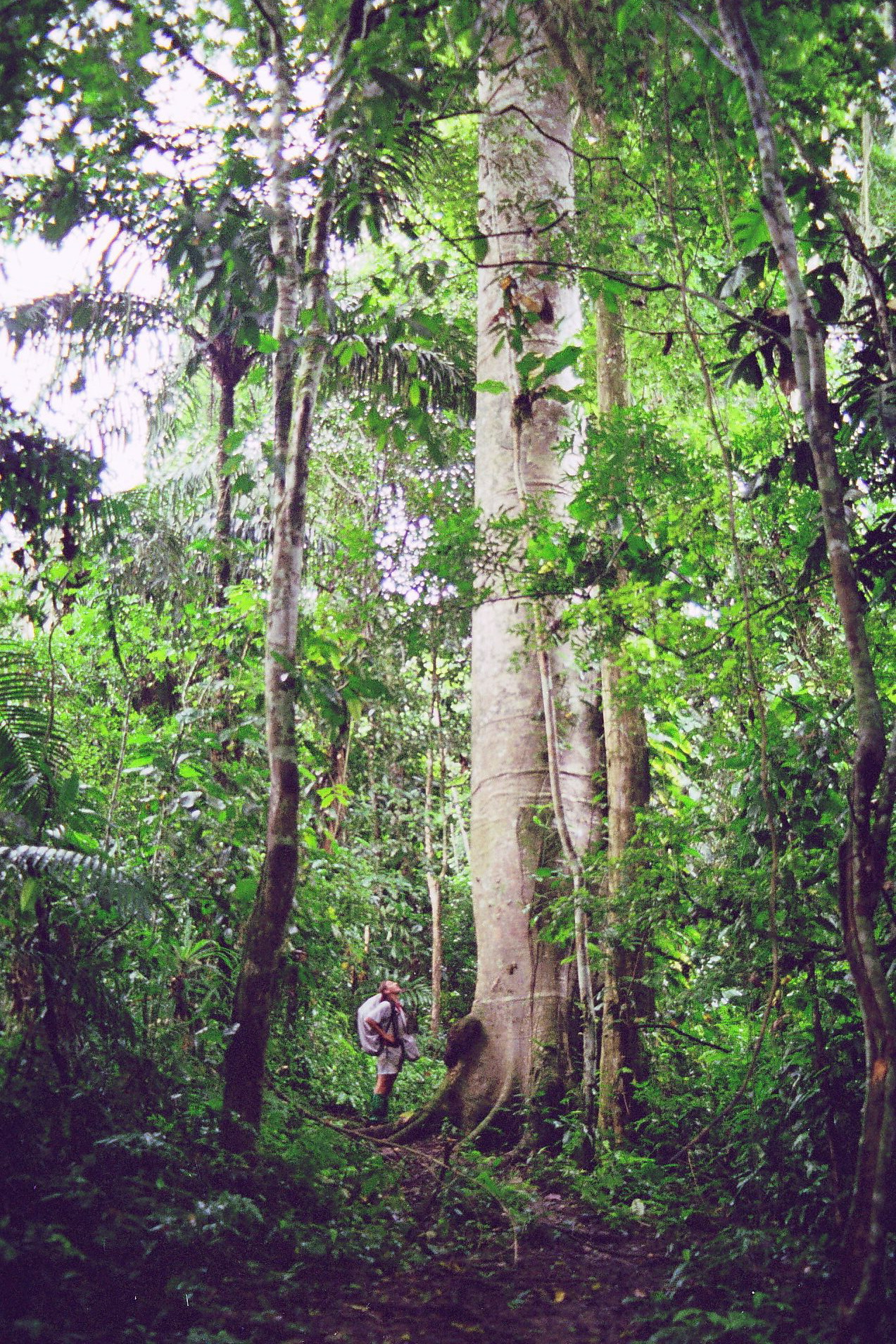
Panama's largest national park, about 5,790 km² of rainforest, mountains, swamps and coast along the border with Colombia. It became a UNESCO World Heritage Site in 1981. Indigenous communities live inside it, and it is one of the best places in the world for birdwatching. It is remote and hard to reach, and visitors should go only with organised trips.
Because of the S-shape of the isthmus, a ship crossing the Panama Canal from the Atlantic to the Pacific travels roughly from northwest to southeast, so the Pacific end of the canal lies further east than the Atlantic end.
02
The lowest toll ever paid to cross the Panama Canal was 36 cents, by the American adventurer Richard Halliburton, who swam the canal in 1928.
03
The famous Panama hat does not come from Panama at all: it comes from Ecuador. It got its name because the hats were shipped through Panama, and it became even more popular after President Theodore Roosevelt was photographed wearing one at the canal works in 1906.
04
Panama's only banknotes, printed in 1941, were withdrawn after a few days and are remembered as the 'Seven Day Dollars'. Everyday paper money is US dollars, used together with Panama's own balboa coins, which are the same size as US coins.
05
The national motto, on the coat of arms, is 'Pro Mundi Beneficio', Latin for 'For the benefit of the world'. The eagle on the coat of arms is the harpy eagle, Panama's national bird, one of the largest eagles in the world.
06
The Panamanian golden frog is a national symbol, and its skin is poisonous. It may have been extinct in the wild since 2007, so the species now survives mainly in breeding programmes.
07
Guna women make molas: colourful panels of several layers of cloth, cut and sewn by hand in a technique called reverse appliqué, which form the front and back of their blouses. Mola means 'shirt' or 'clothing' in the Guna language.
08
Portobello Road in London, Portobello in Edinburgh and other places in Britain are named after the British capture of Portobelo in Panama in 1739.
09
The Pan-American Highway runs from Alaska to the tip of South America, with one break: roughly 106 km of roadless jungle in the Darién Gap, between Yaviza in Panama and Turbo in Colombia.
10
Coiba, off the Pacific coast of Veraguas, is the largest island in Central America. For most of the 20th century it held a feared prison, which kept people away and left the forest untouched. The prison closed in 2004, and the island is now part of Coiba National Park, a UNESCO World Heritage Site since 2005.
11
The pollera, Panama's national dress, is sewn and embroidered by hand and worn with gold chains and pearl hair ornaments called tembleques. A fine pollera can take a year or more to make.
12
Baseball is Panama's favourite sport. The Panamanian pitcher Mariano Rivera, who grew up in Puerto Caimito in La Chorrera district, holds the Major League record for saves (652), and in 2019 he became the first player ever elected unanimously to the Baseball Hall of Fame.
13
When Gatun Lake was filled in 1913 to create the middle part of the canal, it was the largest artificial lake in the world. Its largest island, Barro Colorado, has been a famous rainforest research station since 1923.
Panama is warm all year, around 30 to 33°C by day on the coasts. The dry season, called verano (summer), runs from about December to April and is the most popular time to visit. In the rainy season, called invierno (winter), from about May to November, mornings are often sunny and the rain comes in the afternoon. The mountains around Boquete are cooler, so bring layers and a rain jacket.
Carry small US dollar notes
Panama uses US dollar notes, together with Panamanian coins that are the same size and value as US coins and are used alongside them. Many businesses will not accept 50 or 100 dollar notes, because of forgeries, so carry plenty of small notes. Outside the big towns, cards are not always accepted.
See the canal at work
The easiest place to watch ships is the visitor centre at the Miraflores Locks, a short taxi ride from central Panama City, with viewing terraces and a cinema. Ships pass through on a schedule during the day, so ask at the centre when the next big ones are expected. On the Caribbean side, near Colón, are the Gatún Locks and the newer, larger Agua Clara Locks.
Getting around
Panama City has a modern metro, opened in 2014, and city buses called MetroBus; both use the same rechargeable card, bought at the bigger stations. Long-distance buses leave from the Albrook terminal, next to a large shopping mall, and are cheap and frequent. Taxis usually have no meter, so agree the fare before you get in.
Respect Indigenous communities
Do not point at or photograph people in traditional dress without asking first, and use the names of the peoples: Guna, Emberá, Ngäbe and others. On the road to the Guna Yala islands, visitors pay an entry fee to the Guna territory, and on the islands most things, from hammocks to beaches, have a small charge.
Keep away from the Colombian border area
As of September 2026, the UK government advises that the area near the Colombian border, east of a line from Punta Carreto in Guna Yala through Yaviza to Punta Piña on the Pacific, should only be visited with an organised group and with the local police informed. The Darién jungle has no roads and is dangerous without guides.
Water, mosquitoes and health
Tap water is safe to drink in most towns, but drink bottled water in Bocas del Toro. Dengue, spread by mosquitoes, is a risk across the country, and there is some malaria in rural parts of Bocas del Toro, Darién and Guna Yala, so use insect repellent and check vaccine advice at least 8 weeks before you travel. Bring your regular medicines and good travel insurance.
Entry and documents
As of September 2026, British visitors arriving by air or land can stay up to 3 months without a visa. Border officers may ask for a return or onward ticket, your hotel address and proof of funds, such as about 1,000 US dollars or a credit card. Always carry a copy of your passport and of the entry stamp. Check the latest rules for your own nationality before you go.
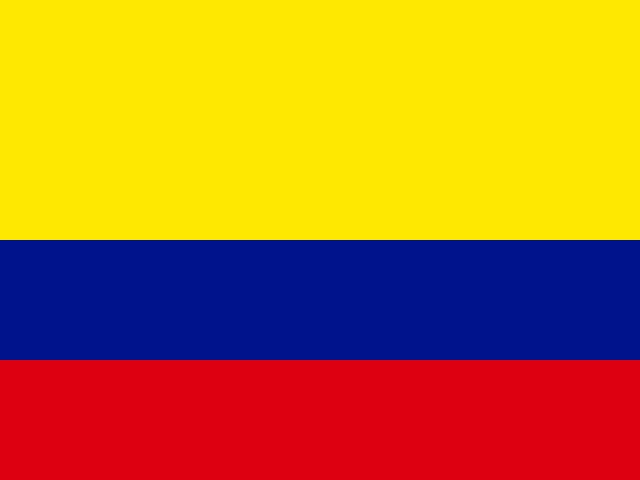 Colombia
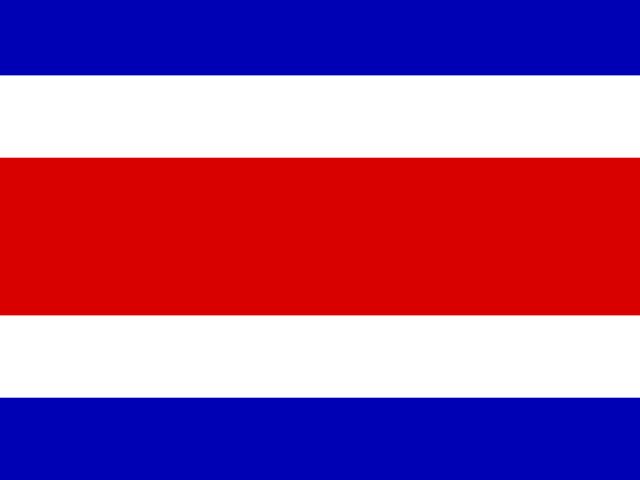 Costa Rica