Panamanian food mixes Indigenous, Spanish, African and Afro-Caribbean cooking, and it is mild rather than spicy. Rice comes with almost every lunch, the main meal of the day: a typical plate has rice, beans or lentils, a piece of meat or fish, a little salad and patacones, fried green plantain. Breakfast is often something fried, such as a corn tortilla, carimañolas or fried yuca. The best-loved soup is sancocho, chicken simmered with ñame (yam) and culantro, a local herb like a stronger coriander. On the Caribbean coast, dishes are cooked with coconut milk, and everywhere people drink chichas, fresh fruit drinks, with their meals.
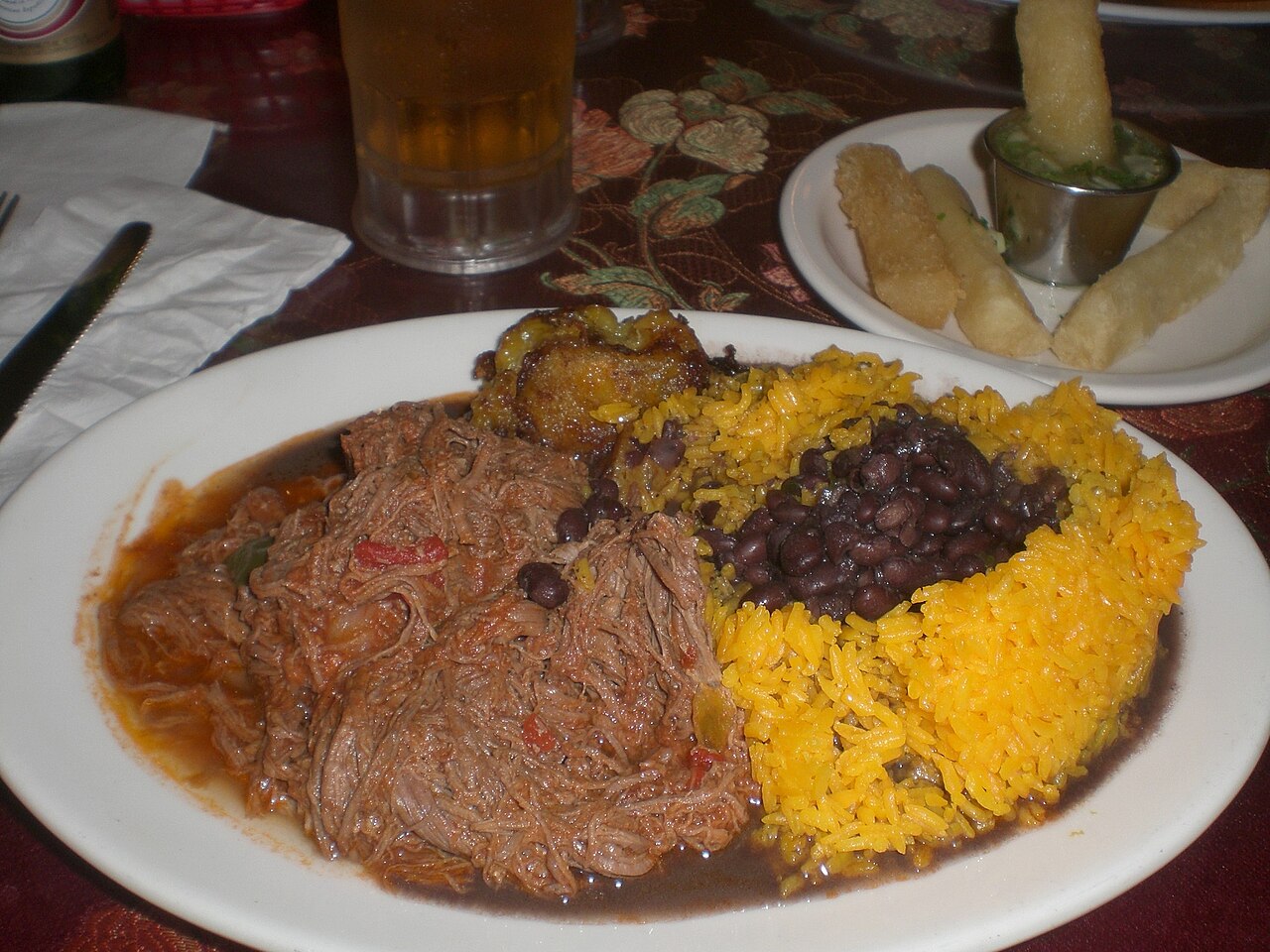
Spain, now cooked all over Panama and the Caribbean
Beef that is simmered until soft, pulled into shreds and stewed with tomato, onion, sweet peppers and garlic. In Panama it comes on a plate with white rice, beans and a slice of fried ripe plantain.
The name means 'old clothes', perhaps because the shredded meat looks like torn rags.
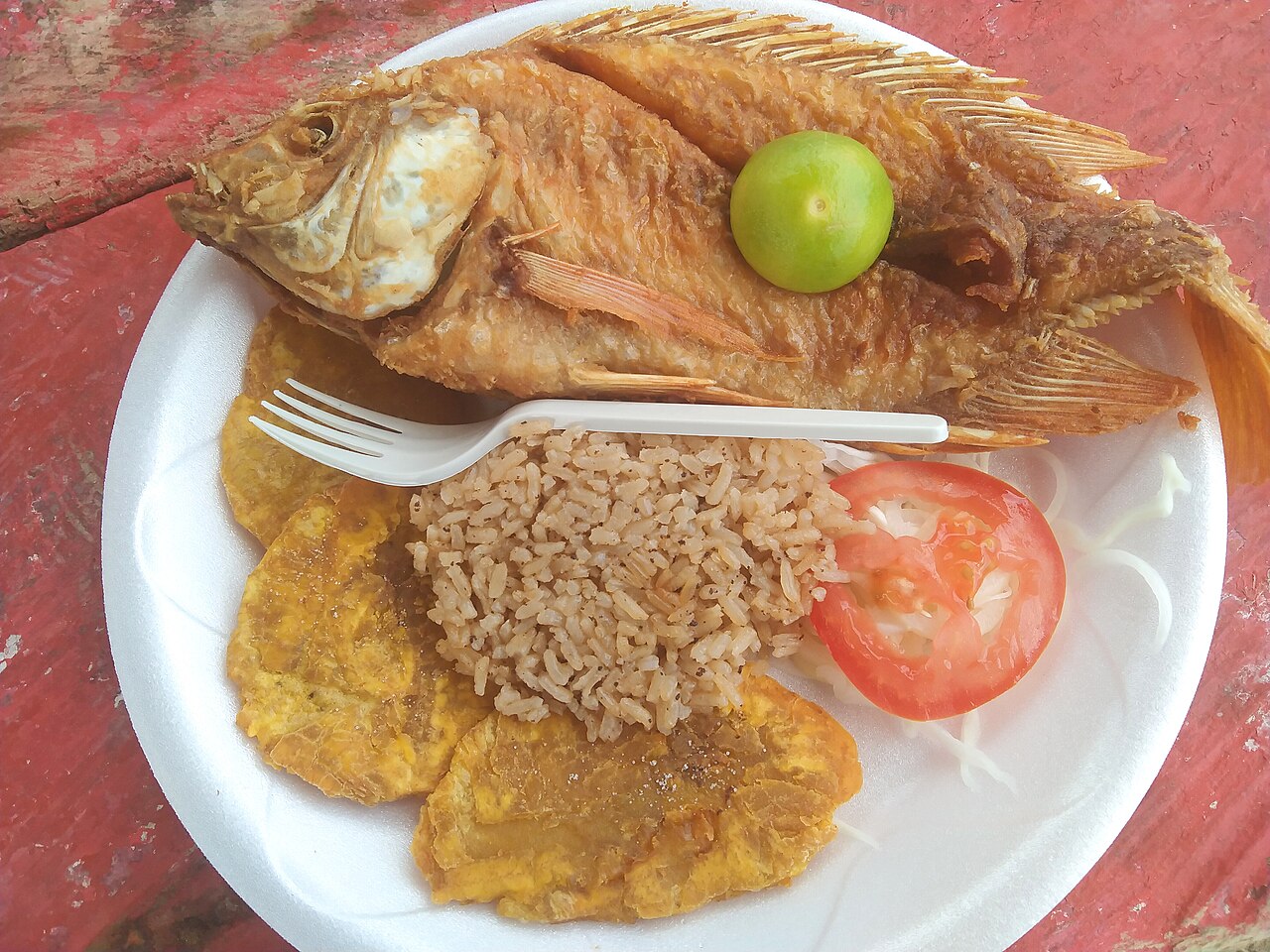
The coasts, especially the Caribbean side and the fish market in Panama City
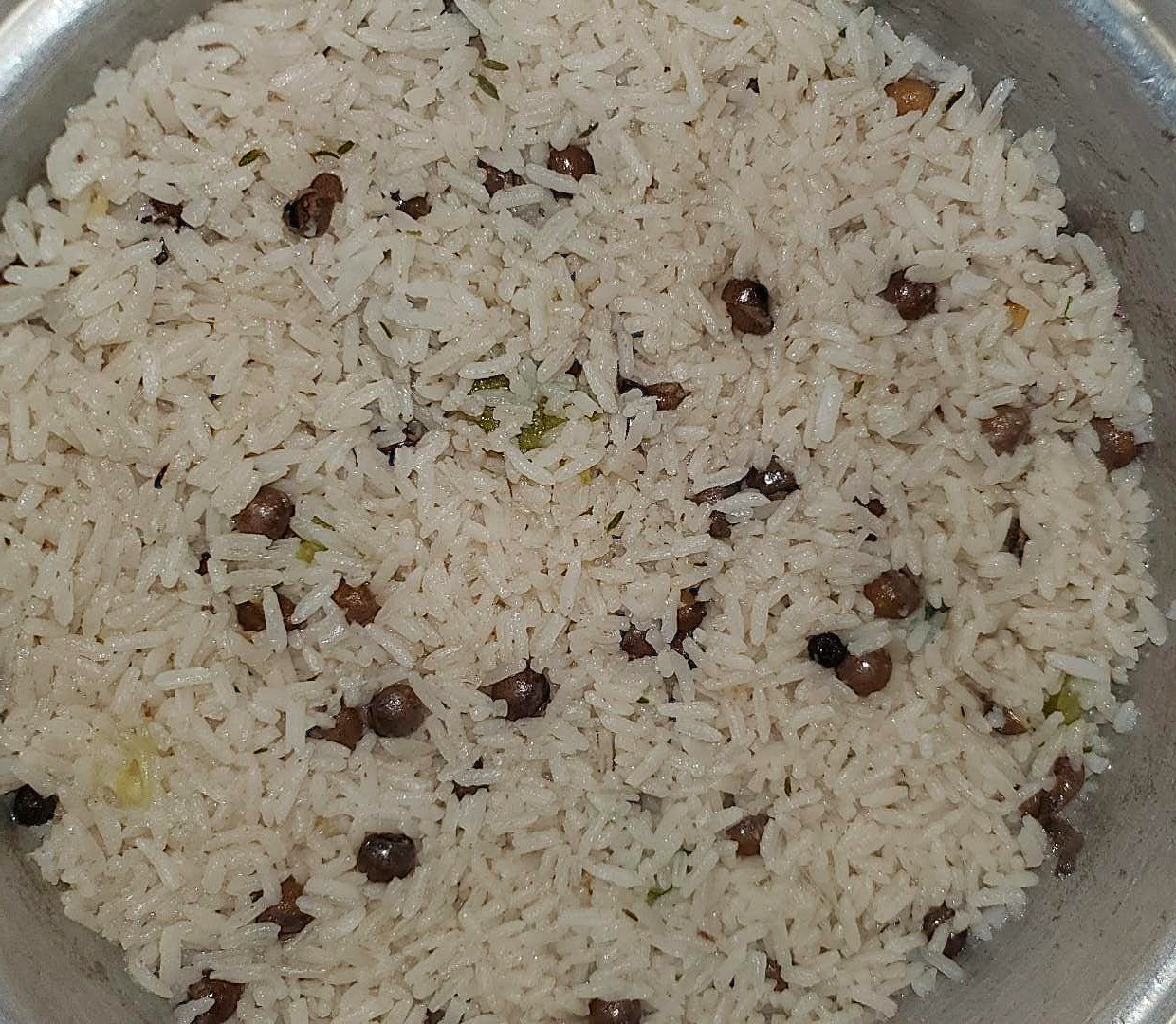
A whole fish, seasoned and fried until the skin is crisp, served with rice cooked in coconut milk, patacones and a little cabbage and tomato salad. The fish market by the sea in Panama City, the Mercado de Mariscos, is a favourite place to eat it.
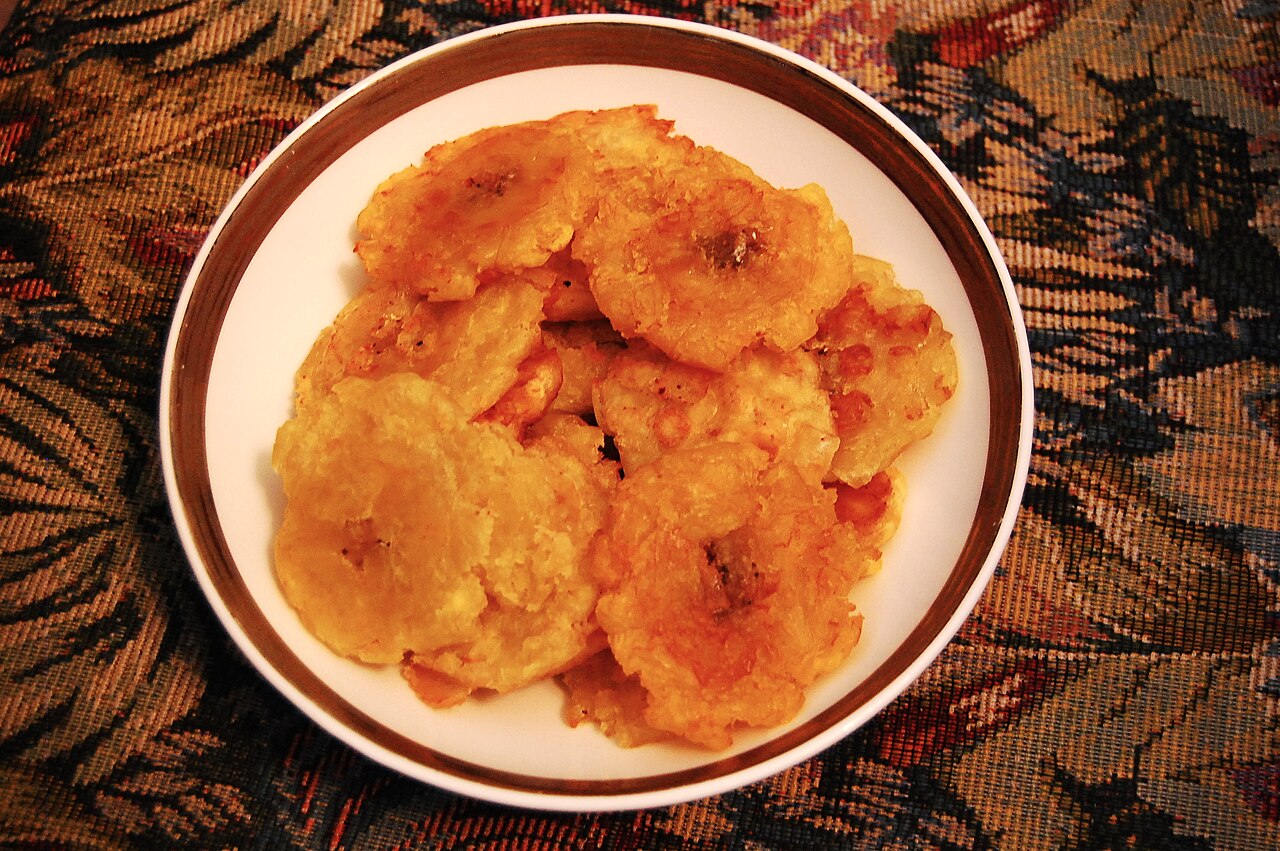
Slices of green plantain fried, flattened and fried again until golden and crisp, then sprinkled with salt. They come with almost everything: fried fish, meat, ceviche, or simply on their own as a snack.
In Panama and much of South America they are called patacones; in Cuba, Puerto Rico and Mexico the same thing is called tostones.
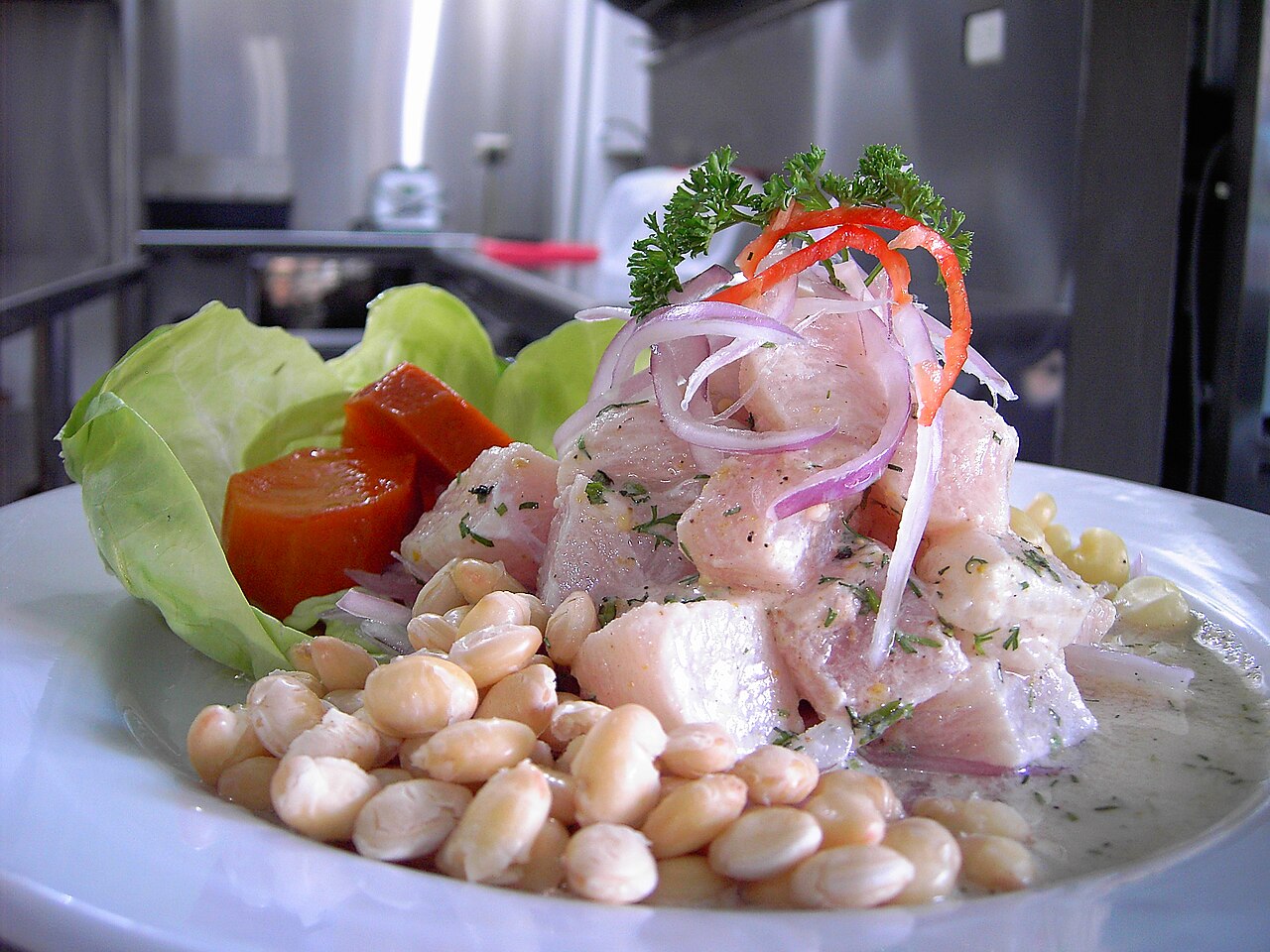
Small pieces of raw white fish, most often corvina (a kind of sea bass), 'cooked' in lime or lemon juice with chopped onion, celery, coriander and peppers. It is served cold as a starter, in a cup or in small pastry shells called canastitas, with crackers on the side. Shrimp and octopus ceviche are popular too.
A little ají chombo, a very hot local pepper, is sometimes added to give it a kick.
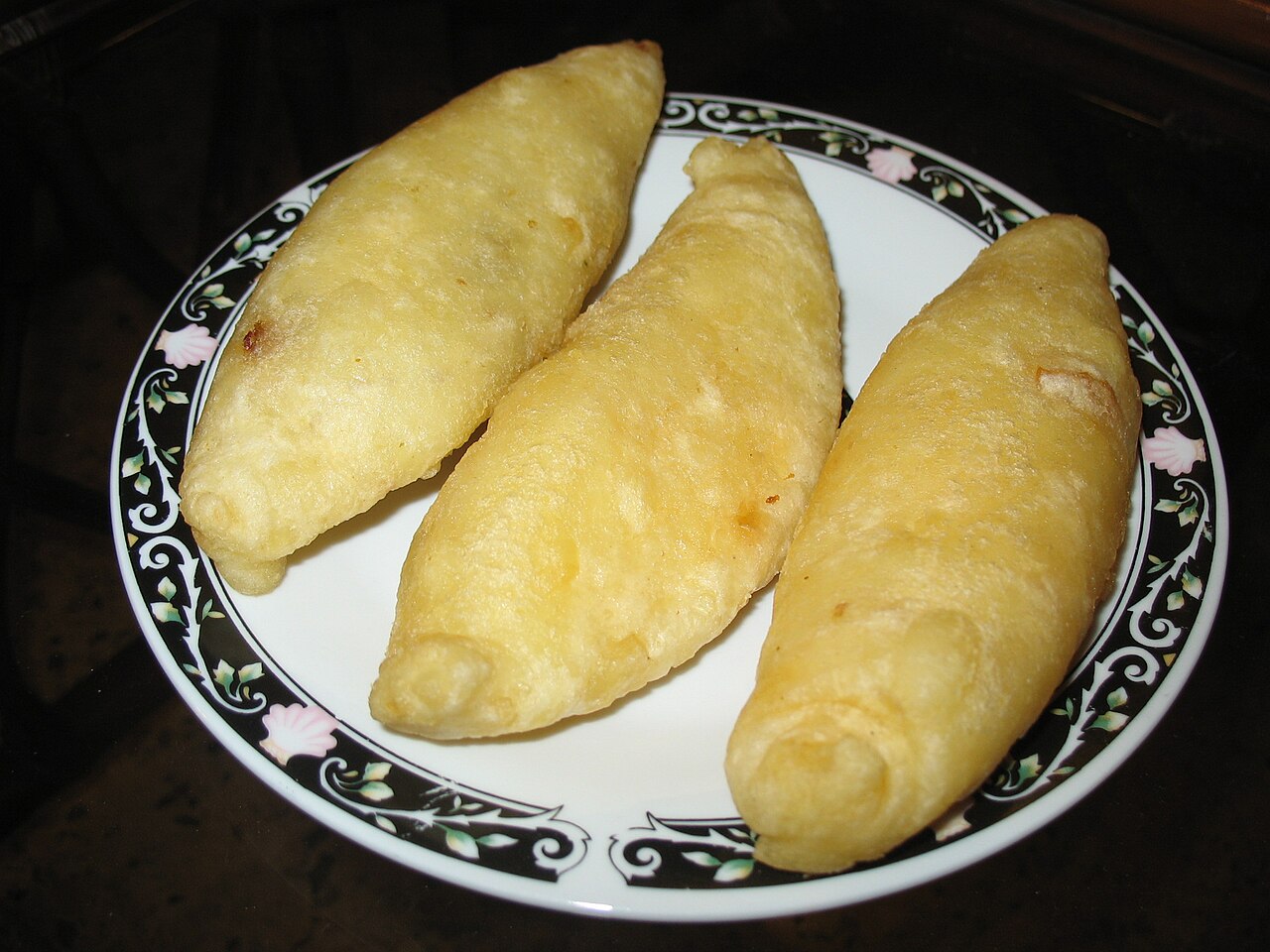
Torpedo-shaped fritters made from a dough of boiled, mashed yuca (cassava), filled with seasoned minced beef, chicken or cheese, and fried until golden and crisp. They are a favourite breakfast, often eaten with coffee.
They look like small bread rolls, but there is no flour in them: the whole outside is yuca.
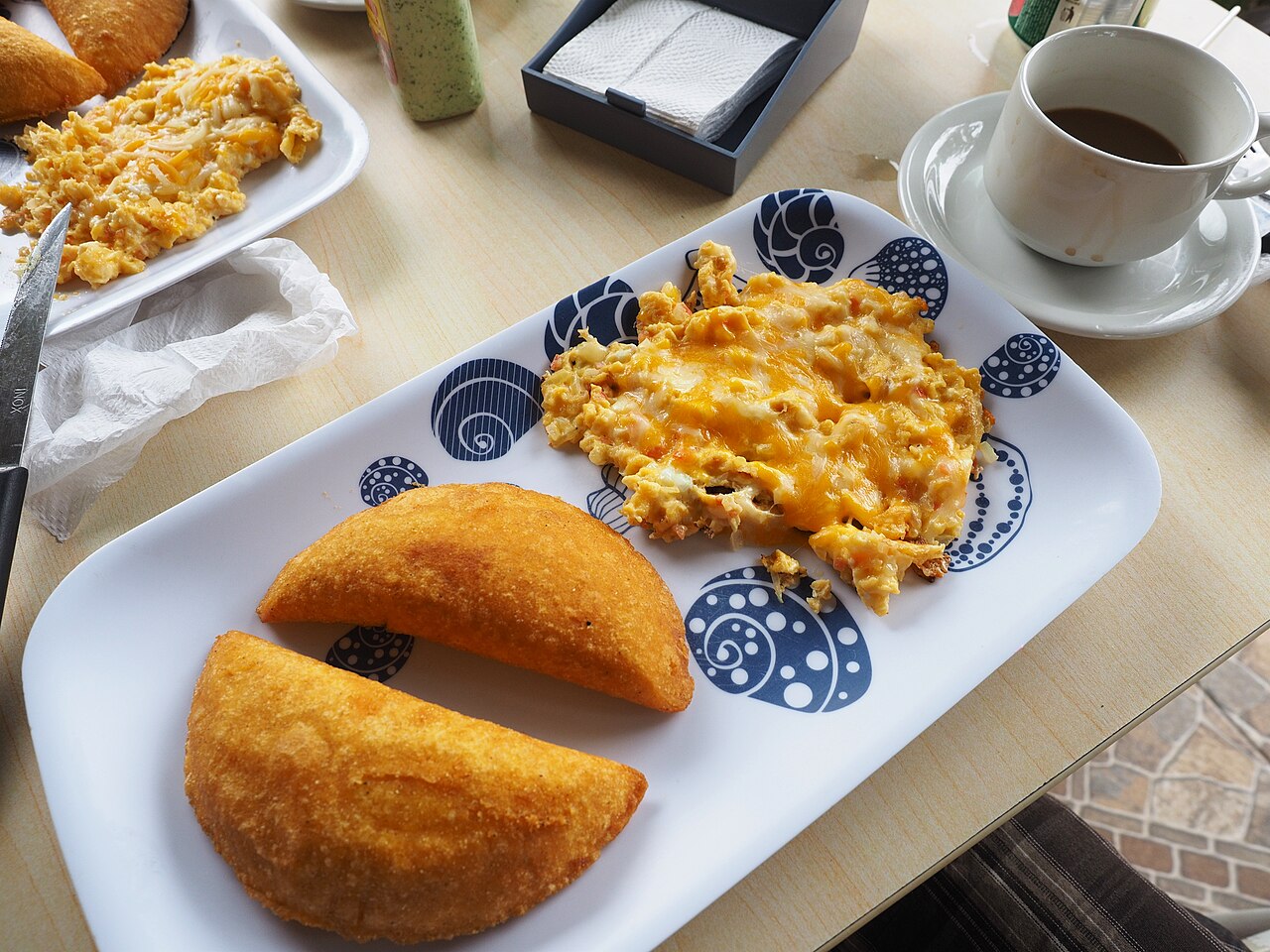
Half-moon pastries made from wheat flour or corn dough, filled with meat, chicken, cheese or sometimes a sweet filling such as fruit jam or manjar blanco (milk caramel), and usually fried. They are sold at bakeries, street stalls and small kiosks.
The Caribbean coast and the countryside, famous in La Chorrera
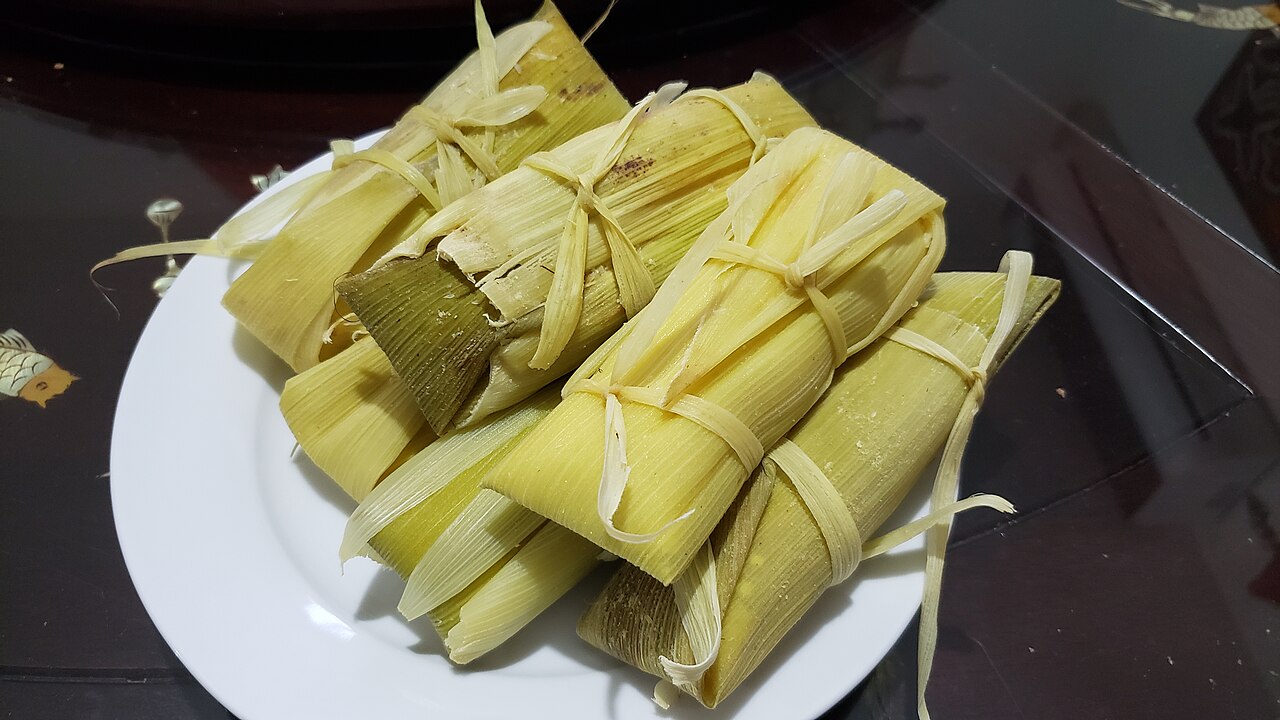
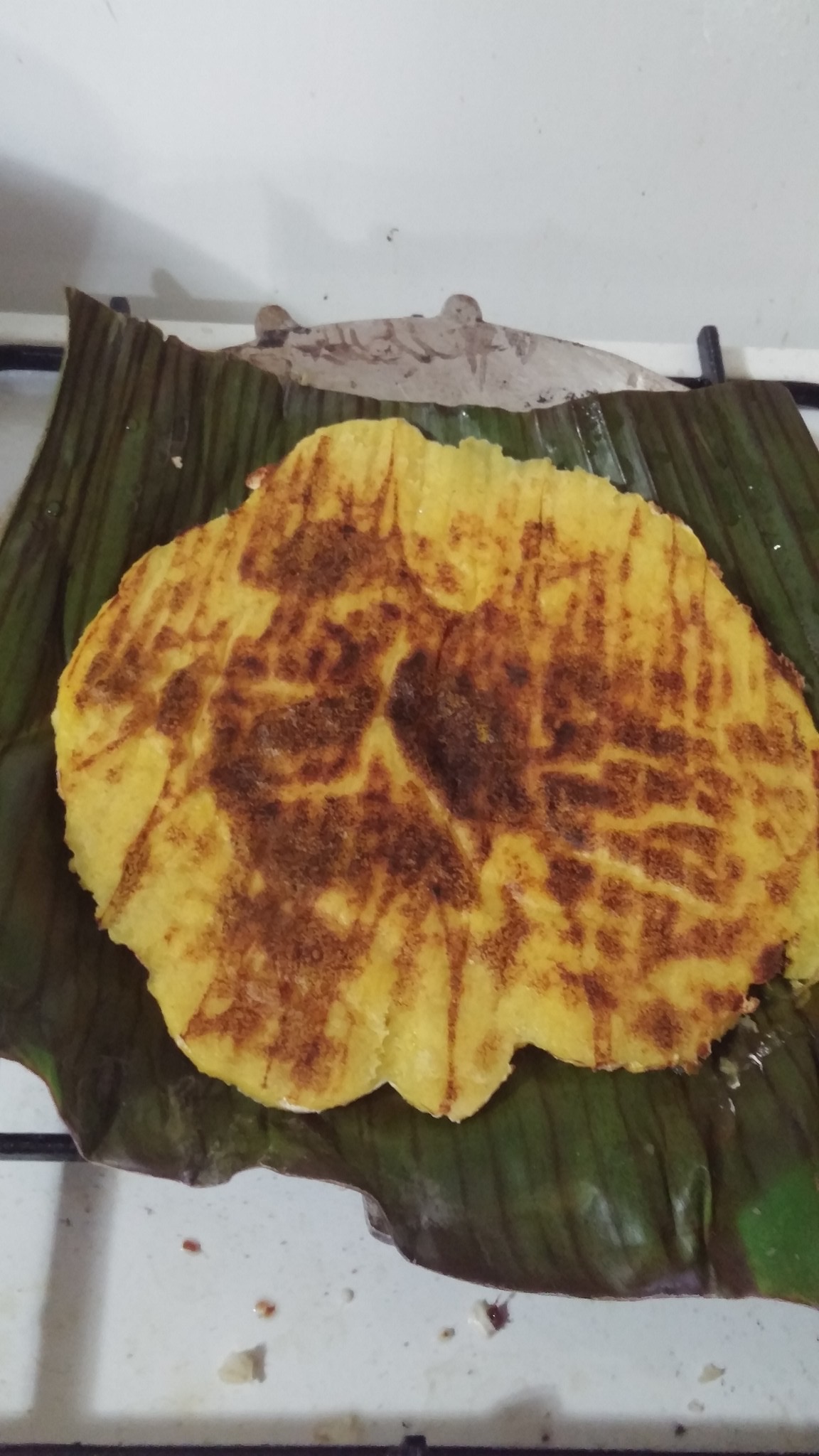
Rolls of ground corn dough wrapped tightly in leaves (corn husks, plantain leaves or palm leaves), tied with string and boiled. There are bollos of fresh young corn and of dried corn, and some are flavoured with butter or coconut or stuffed with beef.
A bollo stuffed with meat is called a bollo preñado, a 'pregnant bollo'.
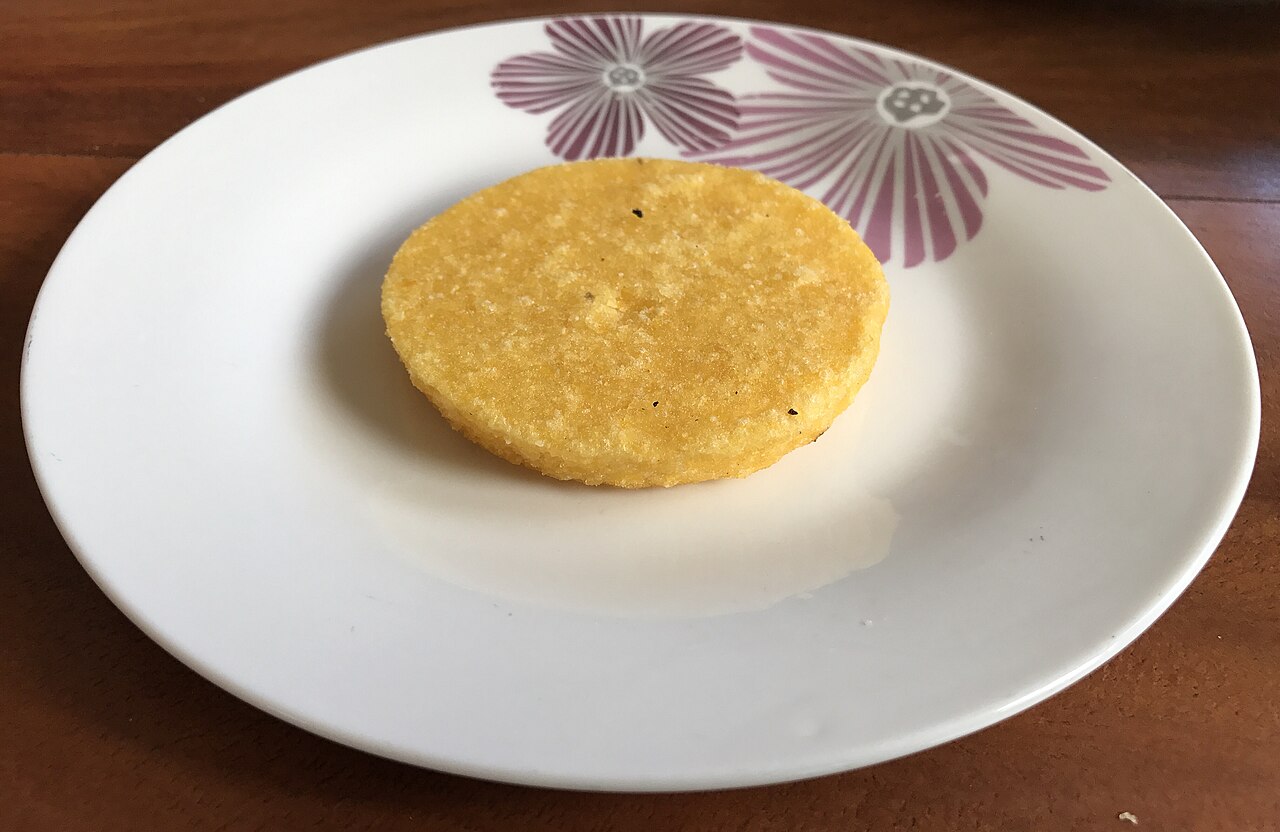
A round of corn dough that is either cooked on a griddle or, in a smaller and thicker form about 10 cm across, fried until crisp outside and soft inside. With fresh white cheese, eggs or liver and onions it makes a classic Panamanian breakfast.
Traditional cooks make the dough from dried corn kernels that are boiled and then ground, not from ready-made corn flour.
The countryside, especially Chiriquí and the central provinces
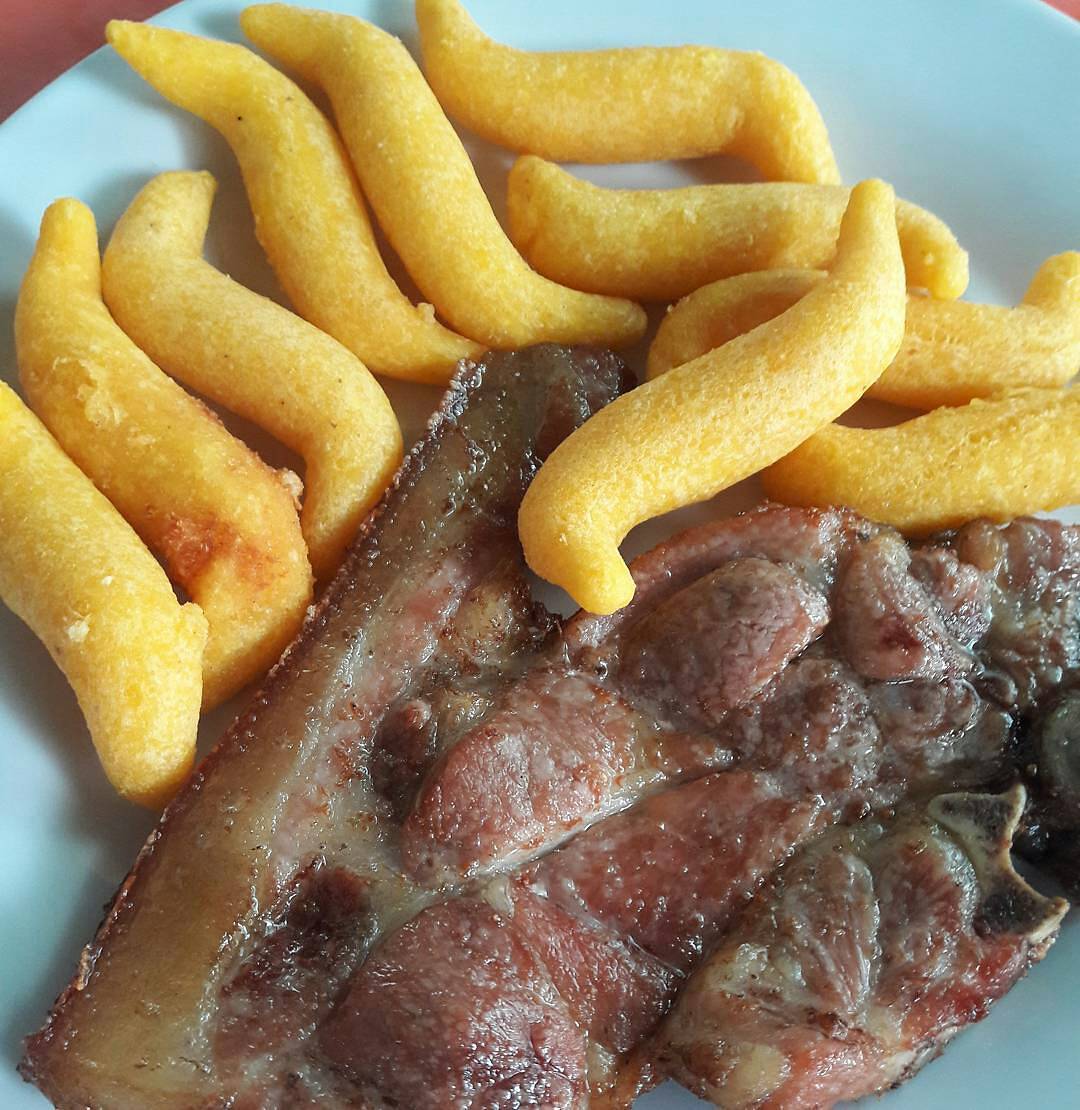
Small S-shaped fritters of corn dough, fried until golden. They are eaten at breakfast or at dinner, for example with smoked pork, especially in the countryside of Chiriquí.
In Colombia an almojábana is a round cheese bread, but in Panama the name means these curly corn fritters.
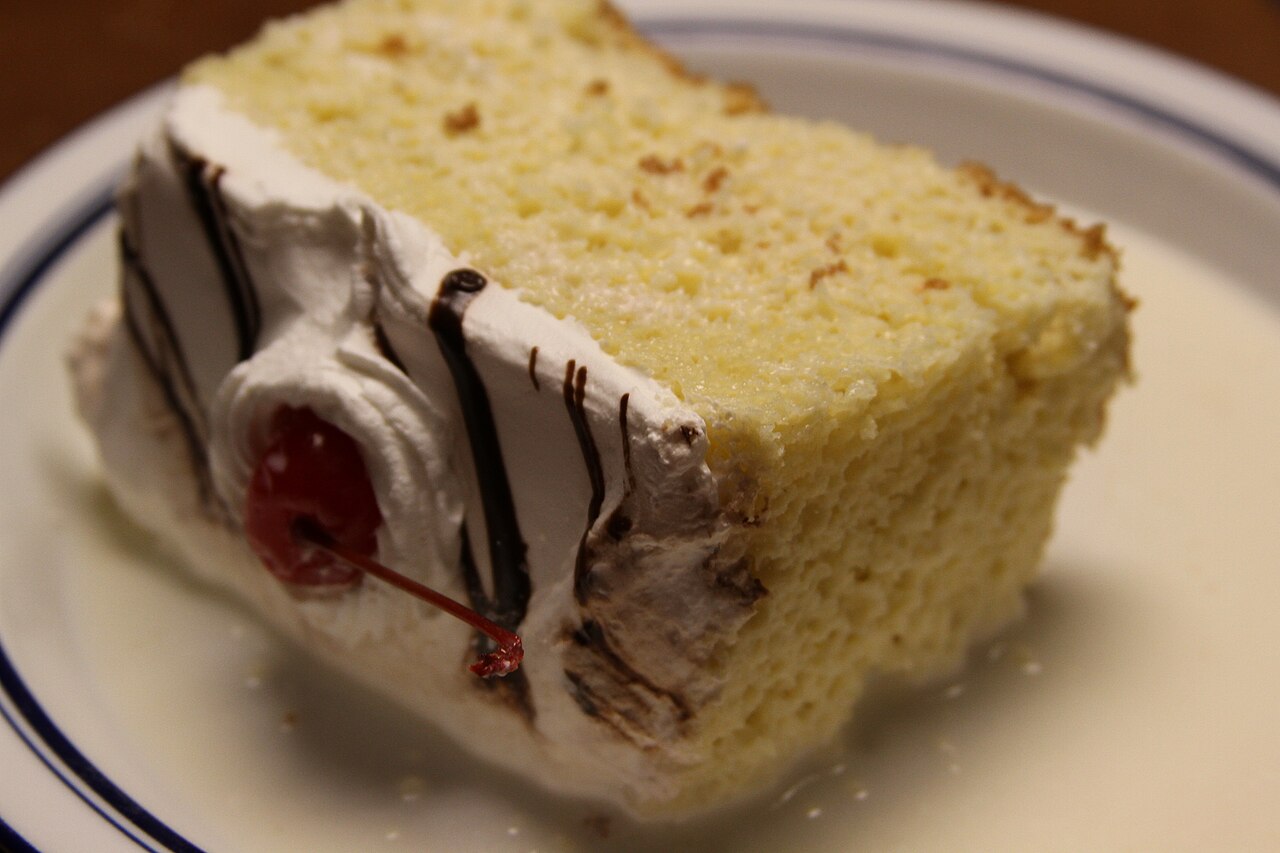
A light sponge cake soaked in a mixture of three milks: evaporated milk, condensed milk and fresh milk or cream. It is served cold, very moist, and topped with whipped cream or meringue and a sprinkle of cinnamon.
La Chorrera and the provinces of Colón and Panamá Oeste
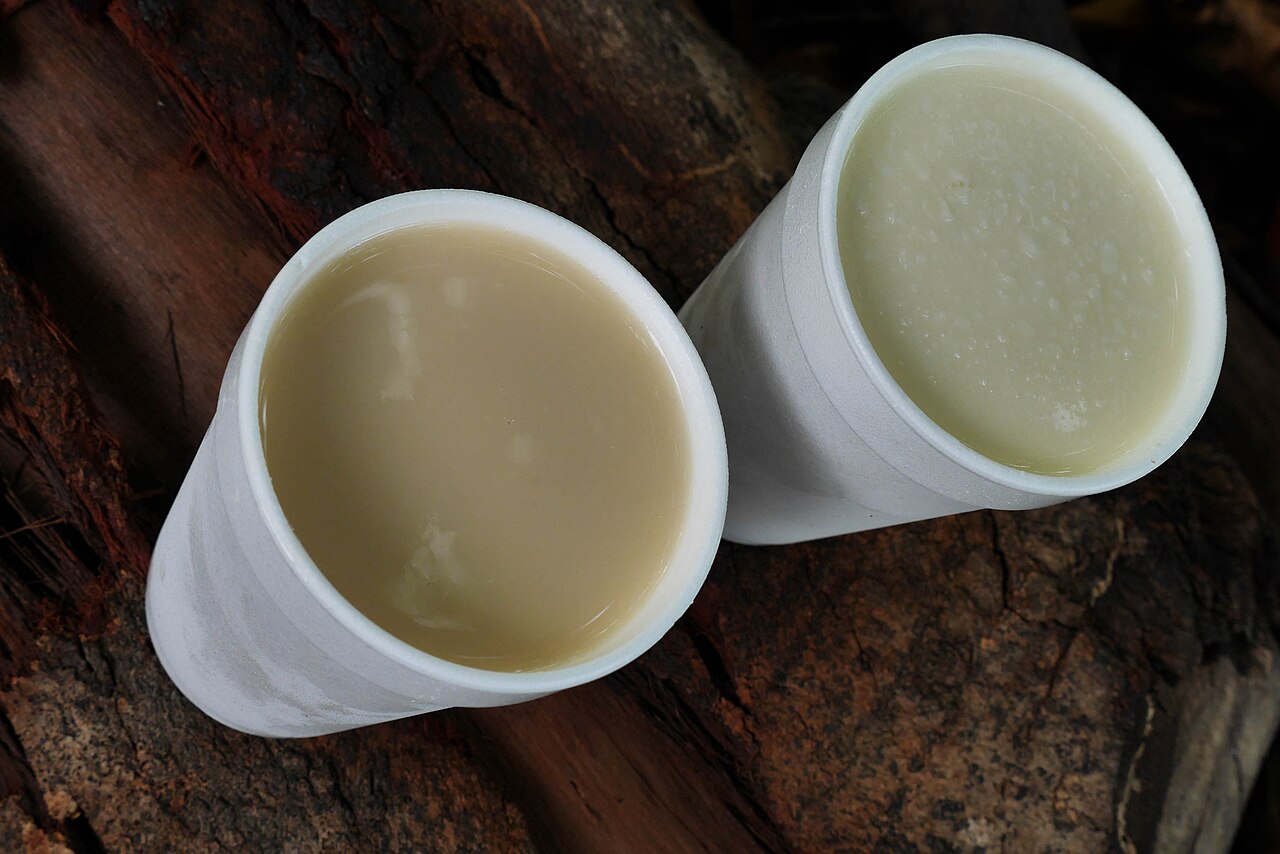
A thick, sweet drink made from hulled corn, cooked until soft and spiced with cinnamon, then served cold. It is sold at roadside stands and by street vendors, often together with empanadas.
La Chorrera, just west of the capital, is proud to call itself the home of chicheme and of bollos.
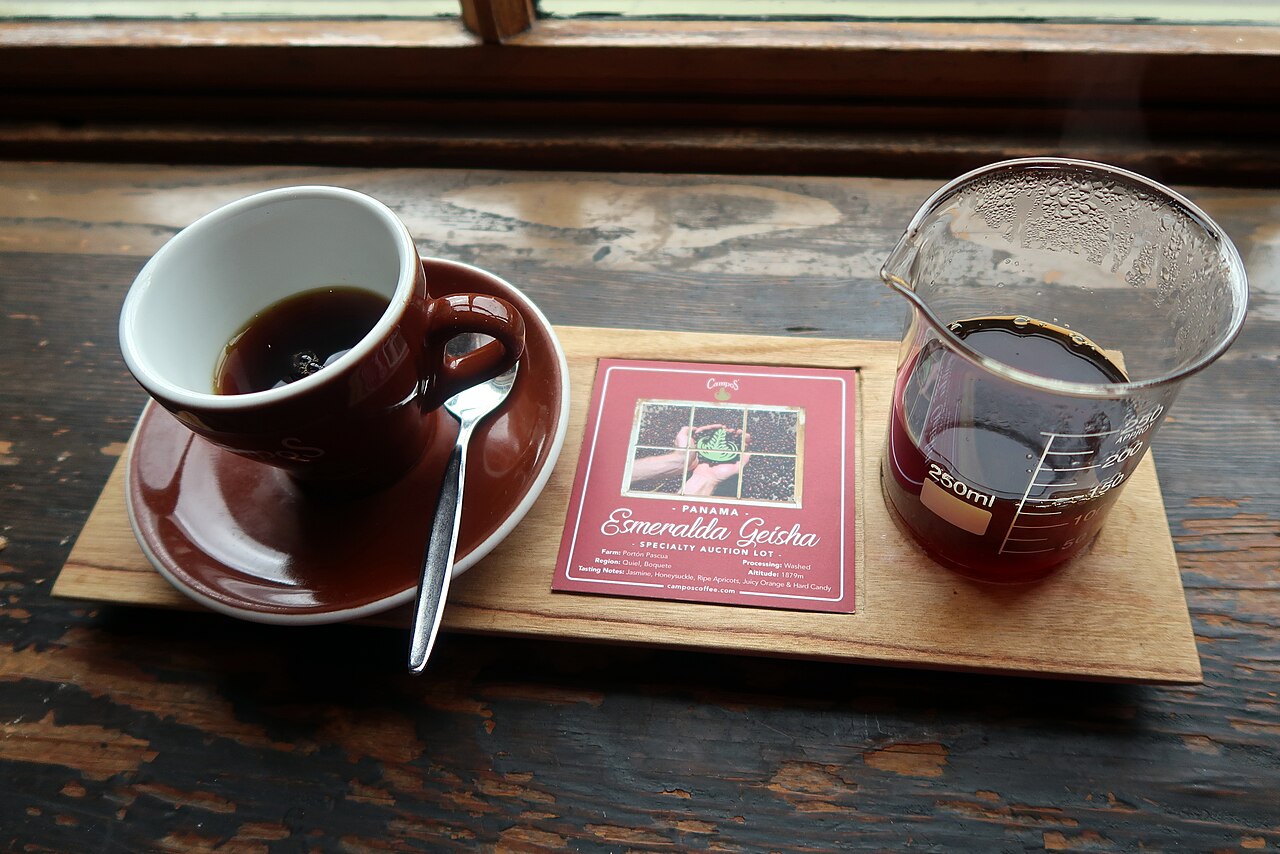
A coffee grown on the cool slopes of the Chiriquí highlands from the Geisha variety, famous for its light, flowery and sweet taste. It sells for some of the highest prices of any coffee, and farms around Boquete offer tours and tastings. It contains caffeine.
The Geisha plant came originally from Ethiopia. In 2004 a Geisha coffee from a Boquete farm won the Best of Panama competition and sold for a record price, making Panamanian coffee world famous.
At the table in Panama
Lunch is the main meal of the day. In small family restaurants called fondas you get a full plate of rice, beans, meat and salad for a low price; if you are given a glass bottle of soda, hand the empty bottle back.
Panamanian food is not hot. If you like it spicy, ask for the hot sauce made with ají chombo peppers and add it yourself, a little at a time.
Try a chicha with your meal: a fresh fruit drink of tamarind, passion fruit, papaya or other fruits, or agua de pipa, the water of a young green coconut.
Panamanians dress neatly. Beachwear is fine at the beach, but in towns, and especially in banks and offices, long trousers or a skirt are expected.