Guatemalan cooking grows from Maya roots: maize, beans, chillies, tomatoes, squash and cacao, joined by Spanish meat, rice, spices and sugar. Every meal comes with warm corn tortillas, and a typical breakfast is black beans, eggs, fried plantains, fresh cheese and cream. Lunch, the main meal, is often a caldo (soup) or a recado, a thick sauce of toasted seeds, chillies and tomatoes simmered with meat and served with rice and small plain tamales. Tamales wrapped in leaves are made in hundreds of ways, and certain dishes belong to certain days: paches on Thursdays, fiambre on All Saints' Day, tamales and hot fruit punch at Christmas.
The whole country, especially Antigua and the central highlands
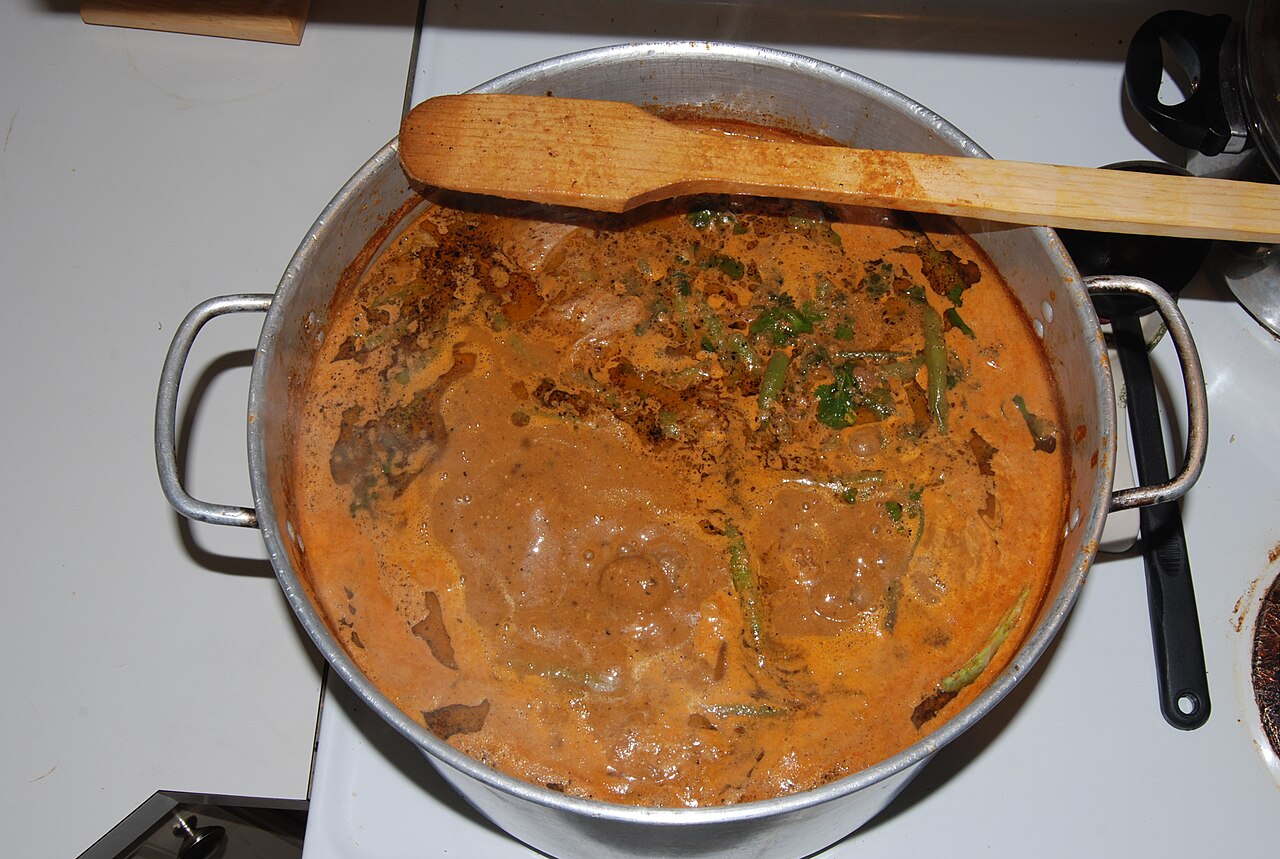
Often called the national dish: a thick, rust-coloured stew of chicken or beef with potatoes, chayote and green beans. The sauce is made from pumpkin and sesame seeds, dried chillies, tomatoes and tomatillos, all toasted until dark and fragrant before being ground. It is served with rice and tortillas or small tamales.
In 2007 Guatemala's Ministry of Culture declared pepián, jocón, kak'ik and plantains in mole to be Intangible Cultural Heritage of the Nation.
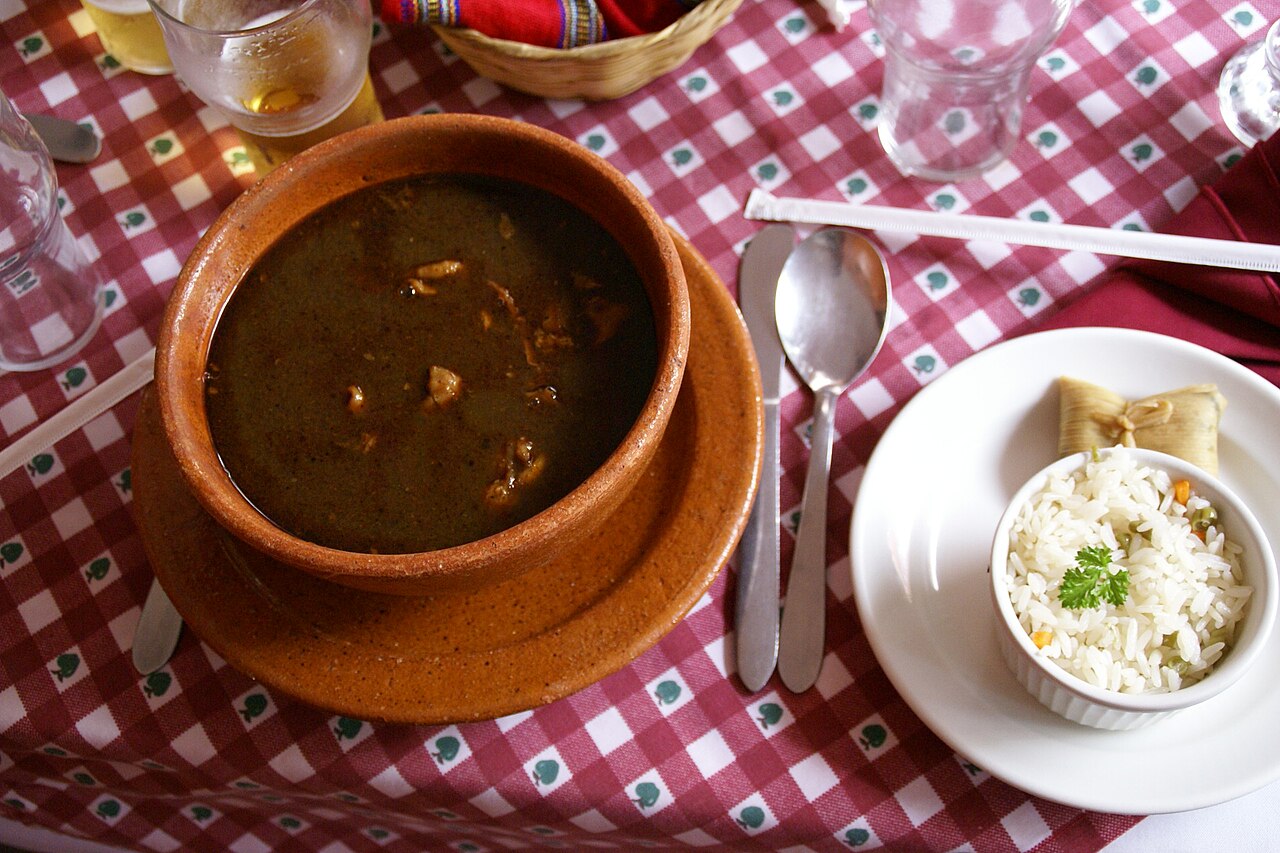
A red, spicy turkey soup of pre-Hispanic origin. Turkey pieces are cooked in a broth coloured with annatto and flavoured with tomatoes, dried chillies, garlic, coriander, mint and a herb called culantro. It is served with rice and white tamales wrapped in leaves.
The name comes from Q'eqchi' words meaning red and hot or spicy.
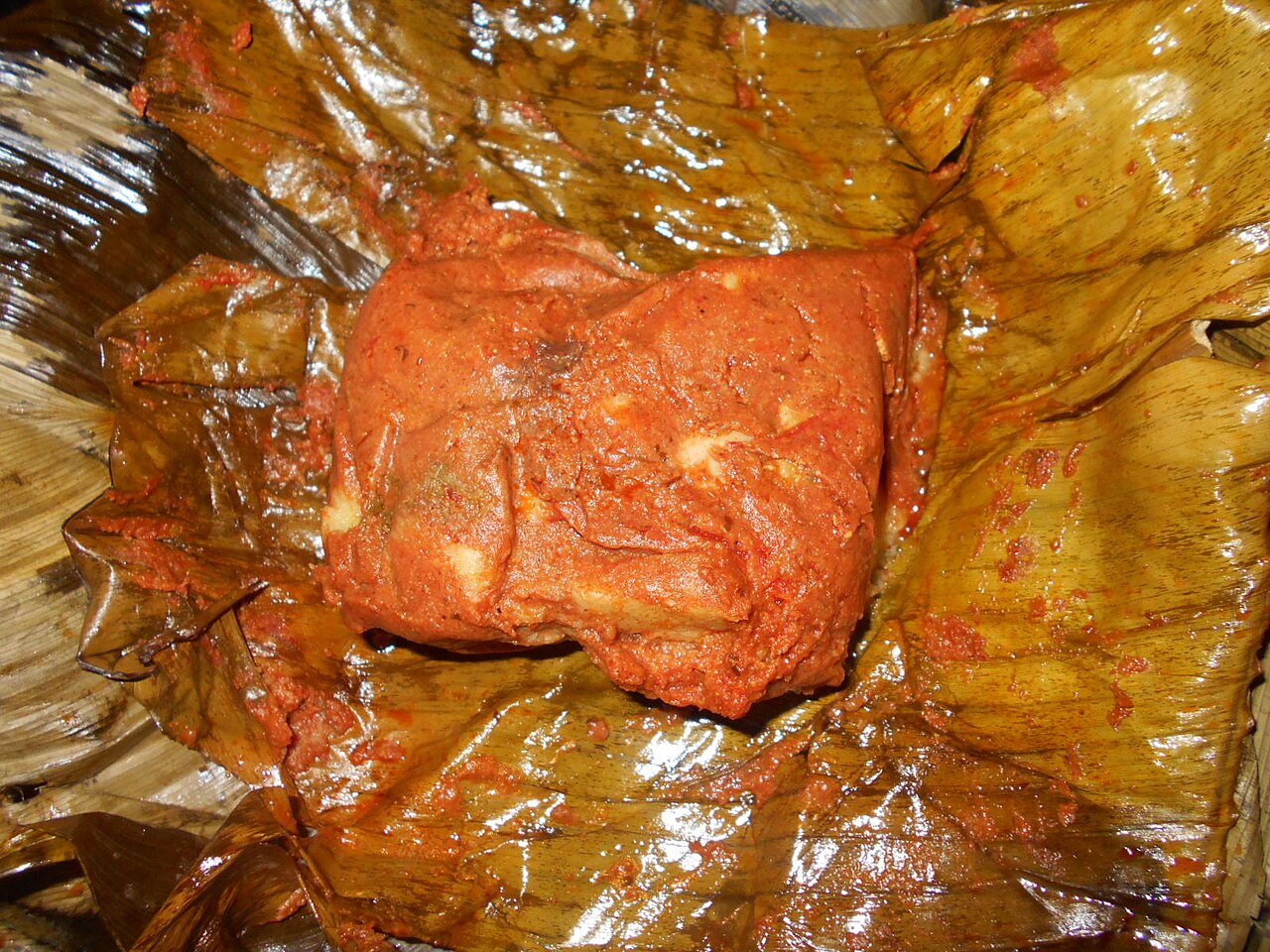
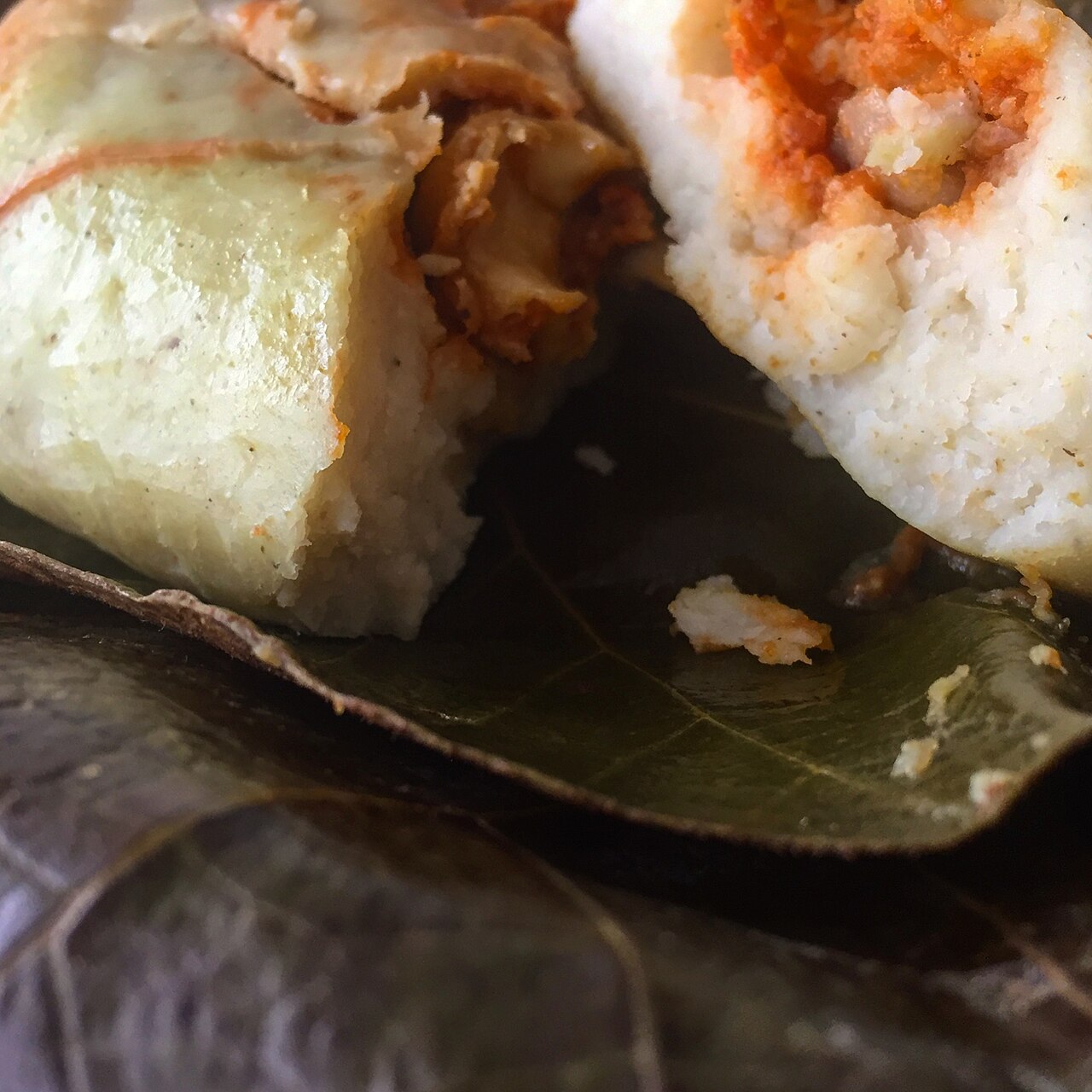
Large red tamales of soft cooked corn dough topped with a tomato and annatto sauce, a piece of chicken or pork, a strip of red pepper, an olive and sometimes a caper, then wrapped in leaves and steamed. Many families eat them on Saturday nights and above all on Christmas Eve.
They are wrapped in the broad green leaves of a plant called maxán or in banana leaves, not in corn husks like chuchitos.
Small, firm tamales of corn dough with a little meat and tomato sauce inside, wrapped in dried corn husks. They are served with a simple tomato salsa and a sprinkling of hard, salty white cheese.
In Guatemala a chucho is a dog, and chuchito is often explained as 'little dog', although the origin of the name is not certain.
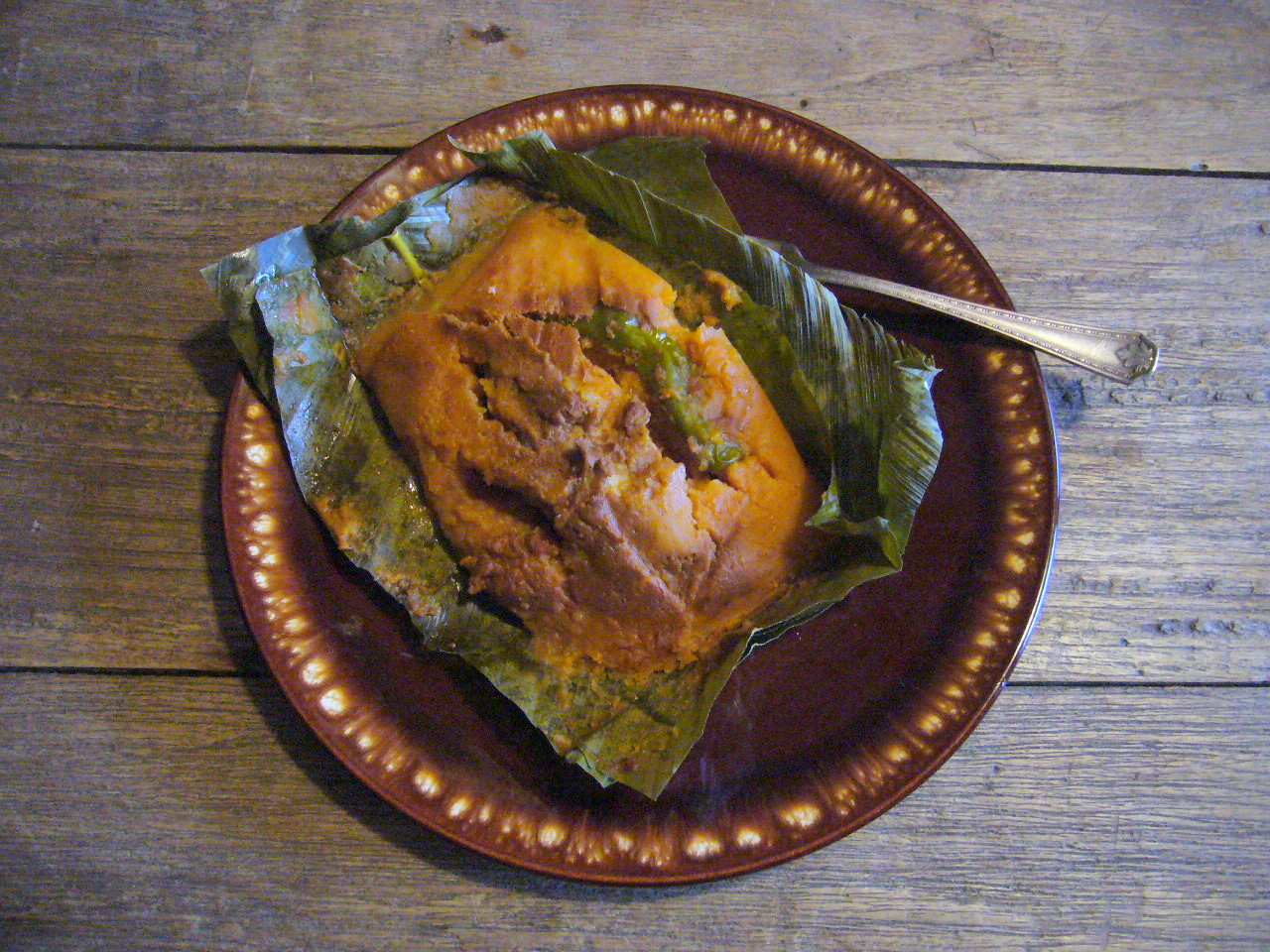
Tamales made from mashed potato instead of corn, mixed with a tomato sauce and a piece of chicken or pork and a hot green chilli, then wrapped in leaves and steamed.
Eating paches on Thursday is a popular custom all over Guatemala.
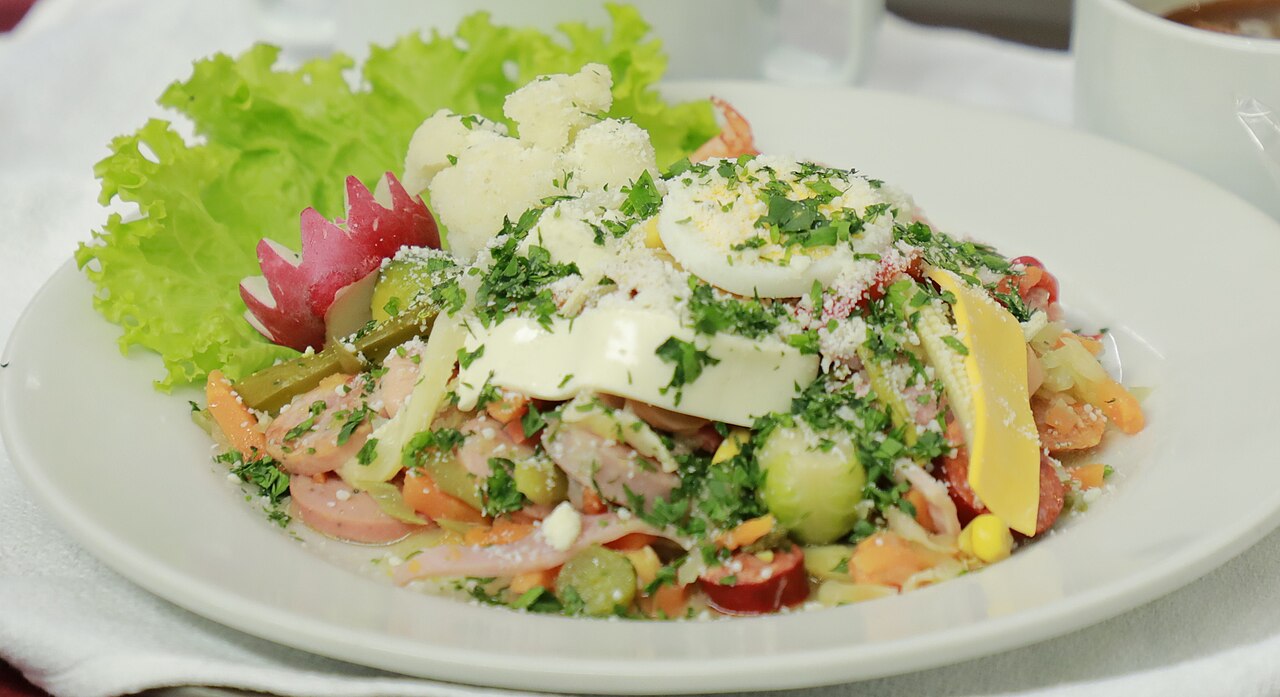
A huge cold salad made only once a year for All Saints' Day on 1 November. It can contain dozens of ingredients: sausages and cold meats, chicken, pickled vegetables, baby corn, beetroot, olives, cheeses and the edible flower of the pacaya palm. It is fiambre rojo with beetroot and fiambre blanco without.
It is said to come from the custom of bringing the favourite dishes of the dead to the cemetery: as families shared their dishes, they were mixed into one.
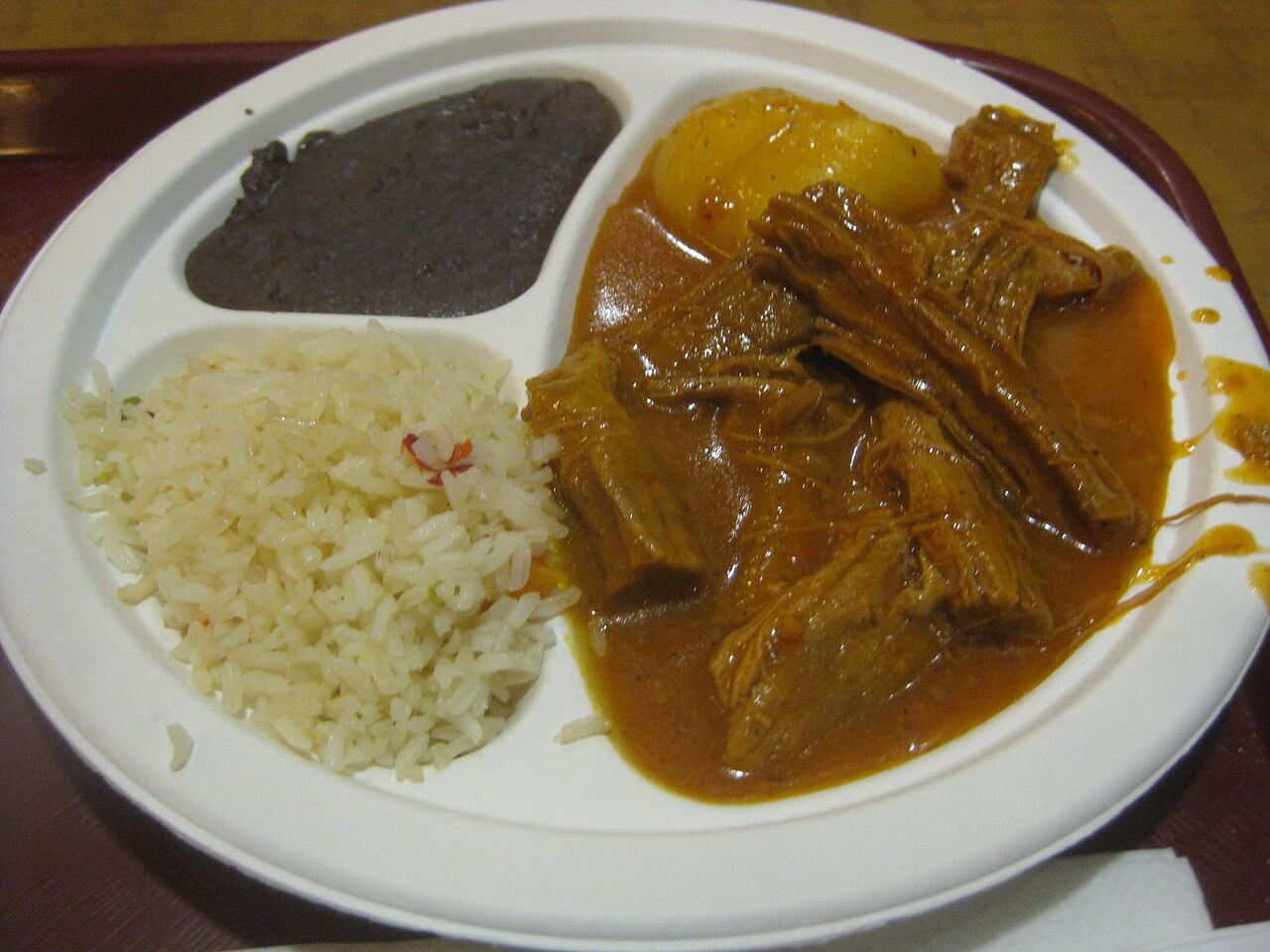
Boiled beef pulled into shreds and simmered in a sauce of tomatoes, tomatillos and mild dried chillies, with potatoes and carrots. It is eaten with rice, black beans and tortillas.
Hilachas means 'rags' or 'threads', after the shredded meat.
Livingston and Puerto Barrios, on the Caribbean coast
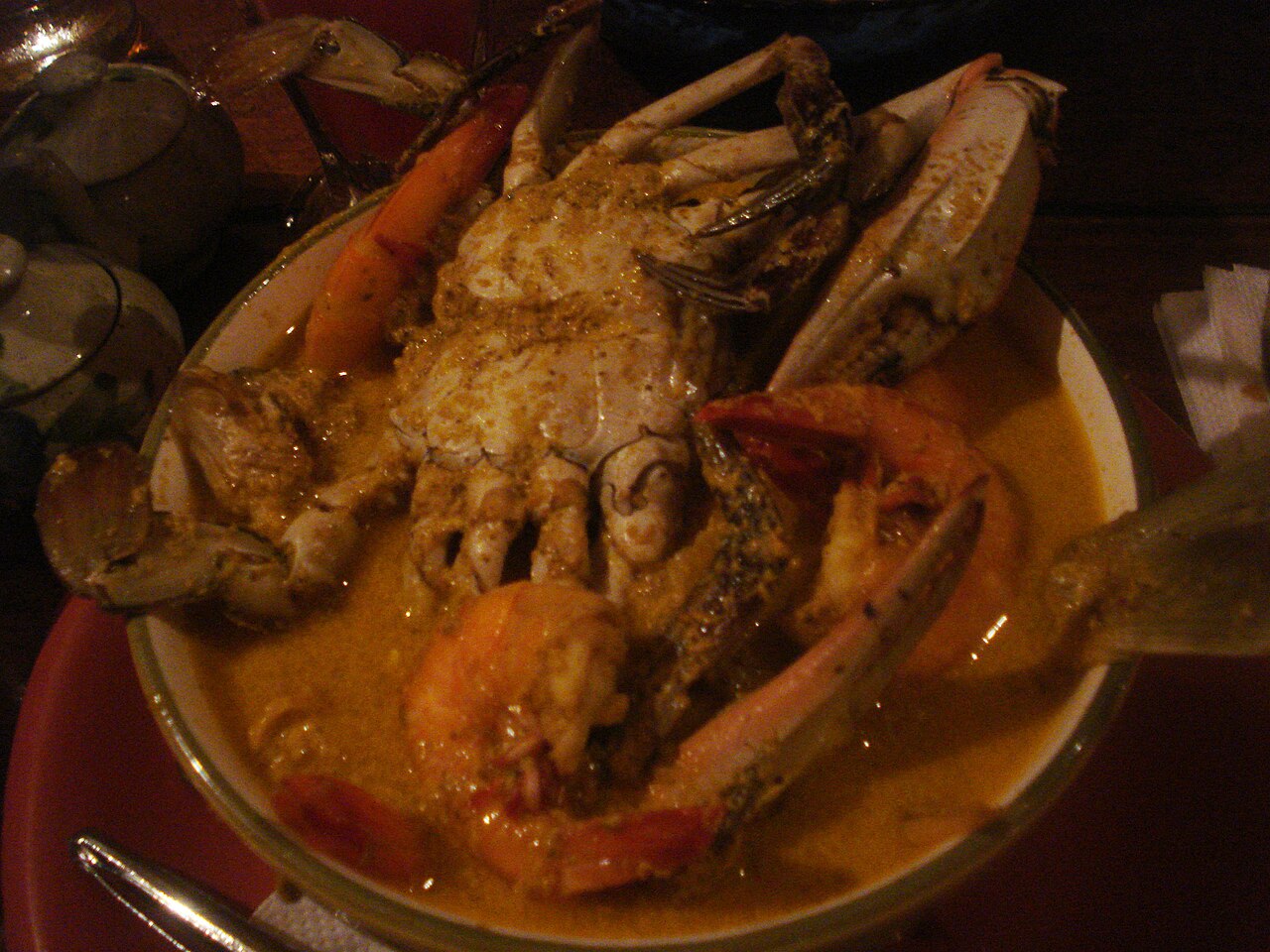
A rich seafood soup of the Garifuna people. Whole fish, crab, prawns and other shellfish are cooked in coconut milk with green plantain, tomato, onion and coriander.
The Garifuna are descended from Africans and Indigenous Caribbean people of the island of St Vincent. In Guatemala they live mainly in Livingston and Puerto Barrios.
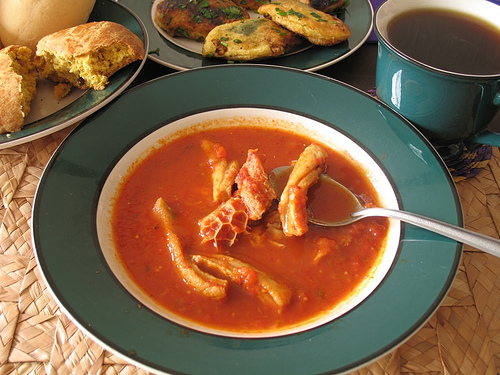
A thick, deep red stew of pork head and offal in a sauce of tomatoes and mild dried chillies. It is a hearty dish, often eaten with white rice and tortillas.
It is a fusion of Maya and mestizo cooking that makes use of every part of the pig.
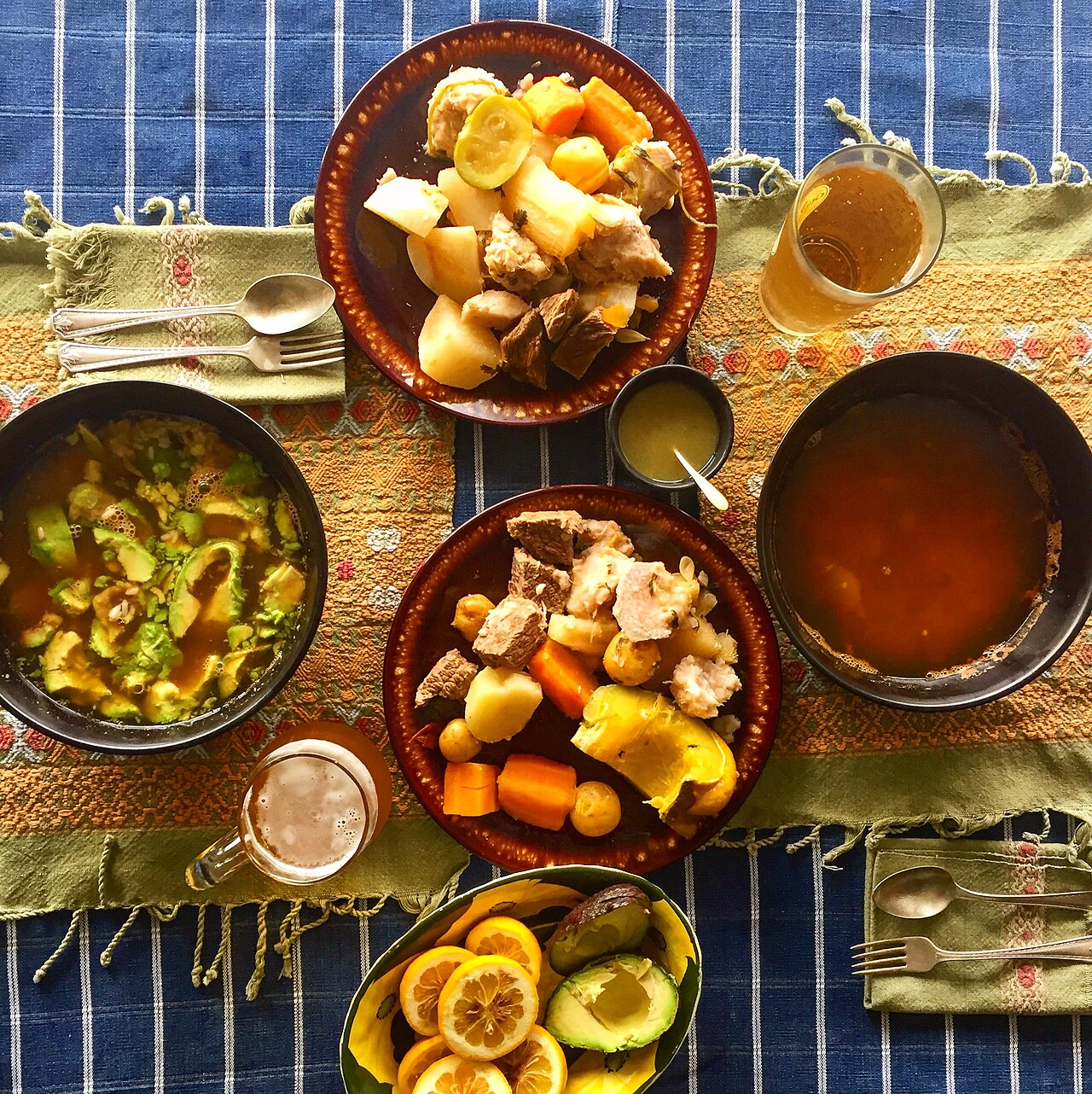
A big beef soup of colonial origin, made with beef bones and meat and plenty of vegetables: corn on the cob, cabbage, carrots, potatoes, cassava, chayote, squash and plantain. A squeeze of lime or bitter orange is added at the table, and it comes with rice, avocado and hot tortillas.
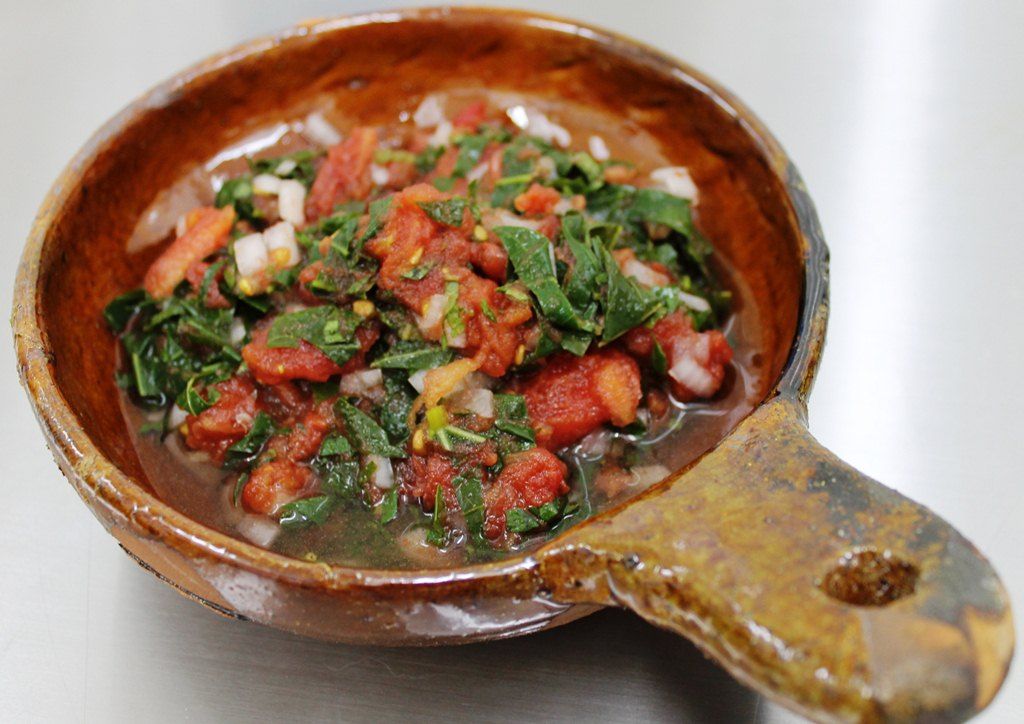
The everyday Guatemalan salsa: tomatoes roasted until charred, mashed with onion, coriander, lime juice and salt, sometimes with a little chilli. It goes with grilled meat, eggs, beans and almost everything else.
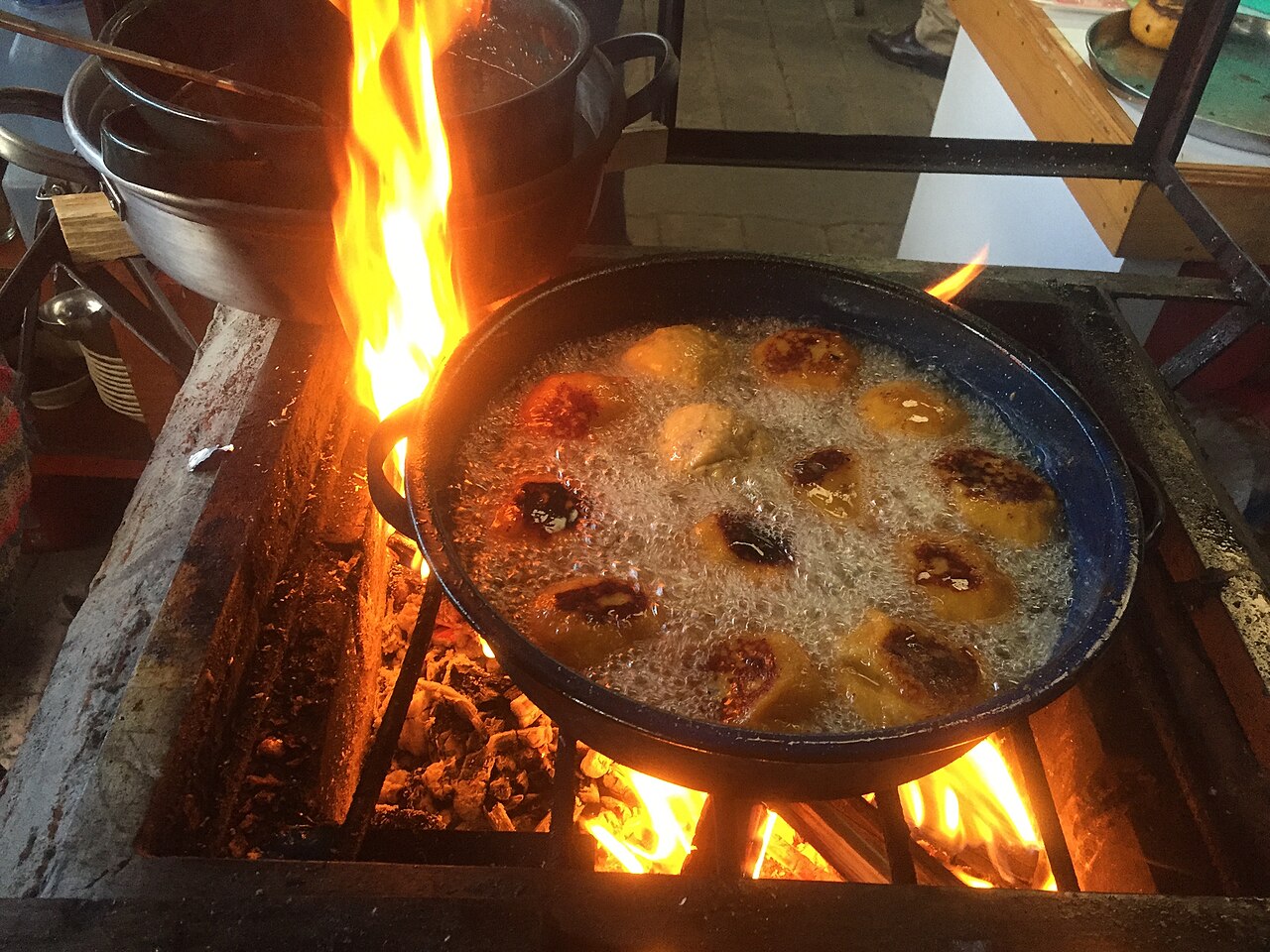
Little egg-shaped balls of sweet mashed plantain filled with a mixture of black beans, chocolate and cinnamon, fried until golden and dusted with sugar. The bean filling surprises many visitors, but it tastes like a chocolate pudding.
Rellenito comes from rellenar, to stuff, so the name means 'little stuffed plantain things'.
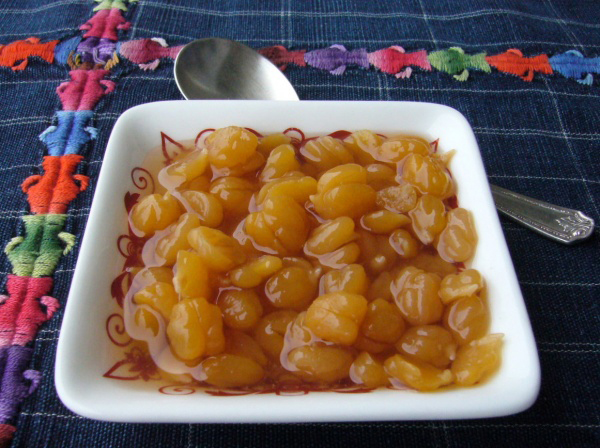
Chickpeas cooked slowly in a thick syrup of dark cane sugar and cinnamon until they turn golden and glossy. It is one of the classic Guatemalan sweets in syrup, along with mangoes and squash cooked the same way.
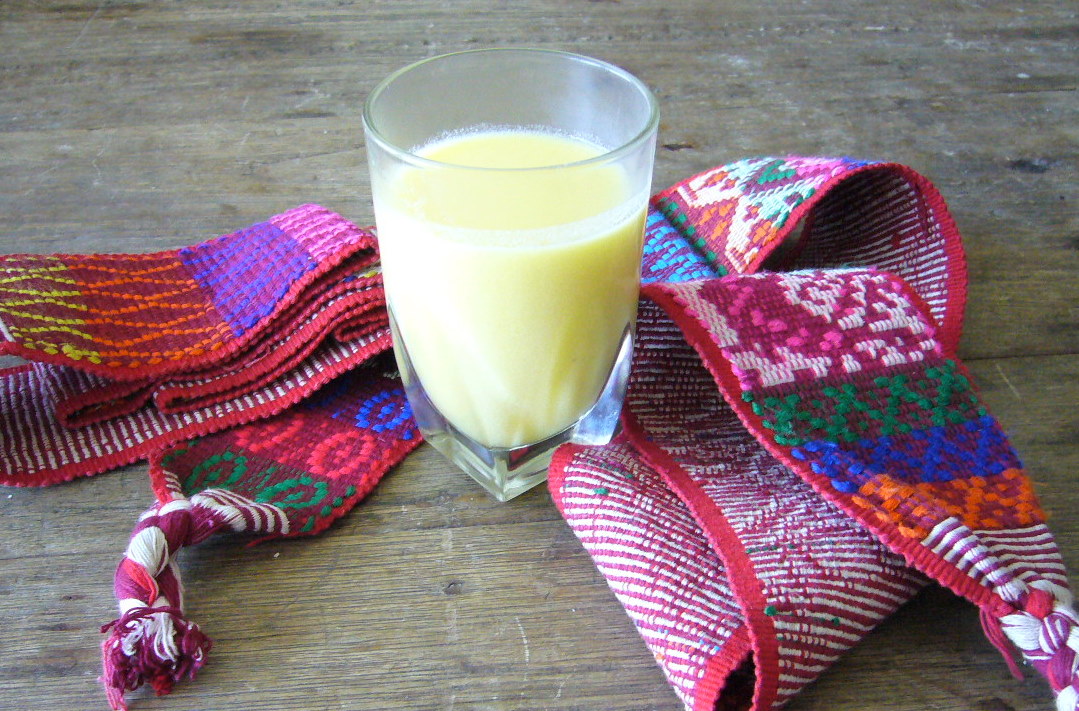
A warm, thick and sweet drink of fresh young corn blended with water or milk, strained and cooked with sugar and cinnamon. It is sold from big pots in markets and at street corners, especially on cool highland evenings.
Atol is a Maya drink: cacao and atol are the two main contents named on many painted Classic Maya drinking vessels.
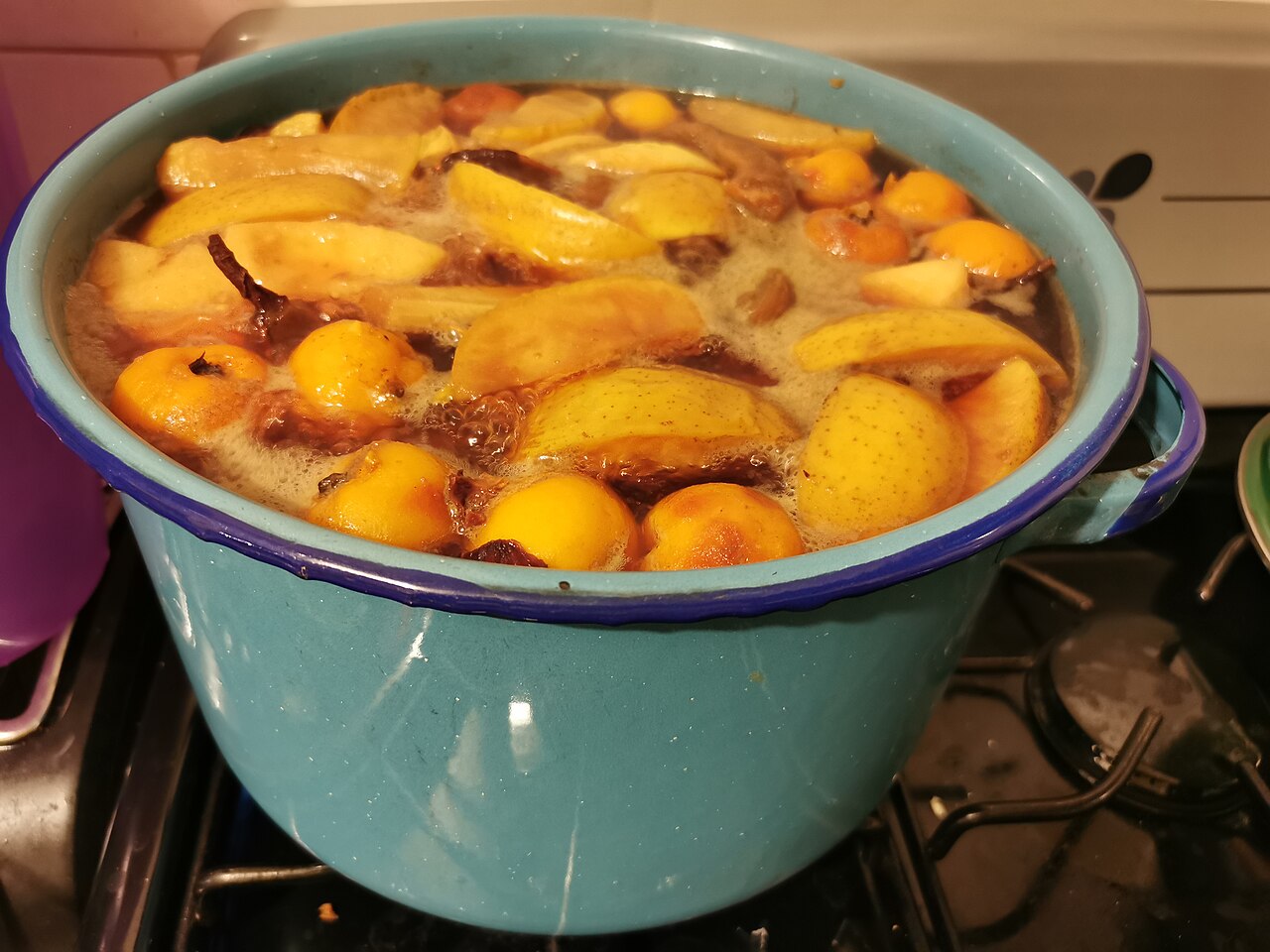
A hot Christmas punch of chopped fruit such as pineapple, apple, papaya, prunes and raisins, simmered with cinnamon and sugar. It is drunk in December, above all with tamales on Christmas Eve.
At the table in Guatemala
Greet everyone when you arrive, with 'buenos días' or 'buenas tardes'. In small towns people also greet strangers politely in the street, and it is good to answer.
Tortillas are eaten at every meal and are often served in a covered basket or cloth to keep them warm. Close the cloth again after you take one.
Say '¡Buen provecho!' (enjoy your meal) to people who are eating when you come into or leave a room, even in a restaurant.
It is polite to wait until everyone is served before you start eating, and to thank the cook at the end.
In many restaurants a suggested tip (propina) of about 10 percent is already on the bill. Check before you add a tip of your own.
Drink only bottled or purified water (agua pura), and ask for drinks without ice if you are not sure where the ice came from.