Colombian food changes from region to region: soups and potatoes in the cool Andes, fish, coconut and plantain on the Caribbean coast, and hearty platters in the coffee country. Indigenous corn, Spanish meat and African cooking all meet on the plate, and the arepa, a round corn cake, is eaten everywhere. Breakfast might be hot chocolate with bread and cheese, or changua, a milk and egg soup. Lunch, el almuerzo, is the main meal of the day: many people eat a set lunch called a corrientazo, with soup, a plate of rice, meat, beans and plantain, and a soft drink or juice. In the afternoon many people stop for 'onces', a light snack.
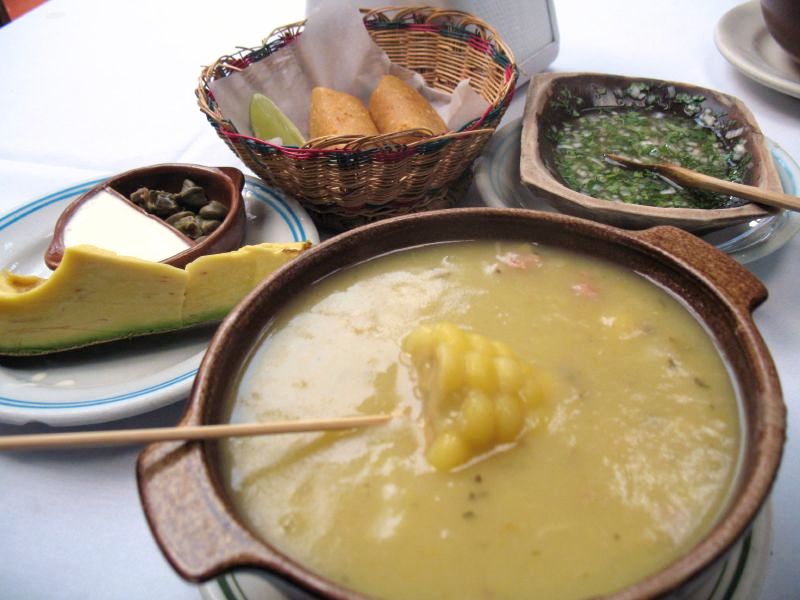
A thick chicken and potato soup made with three kinds of potato, corn on the cob and guascas, a local herb. It is served with cream, capers and avocado on the side, so everyone adds them to taste.
Along with bandeja paisa, ajiaco is often called Colombia's national dish, and some consider it the most Colombian dish of all.
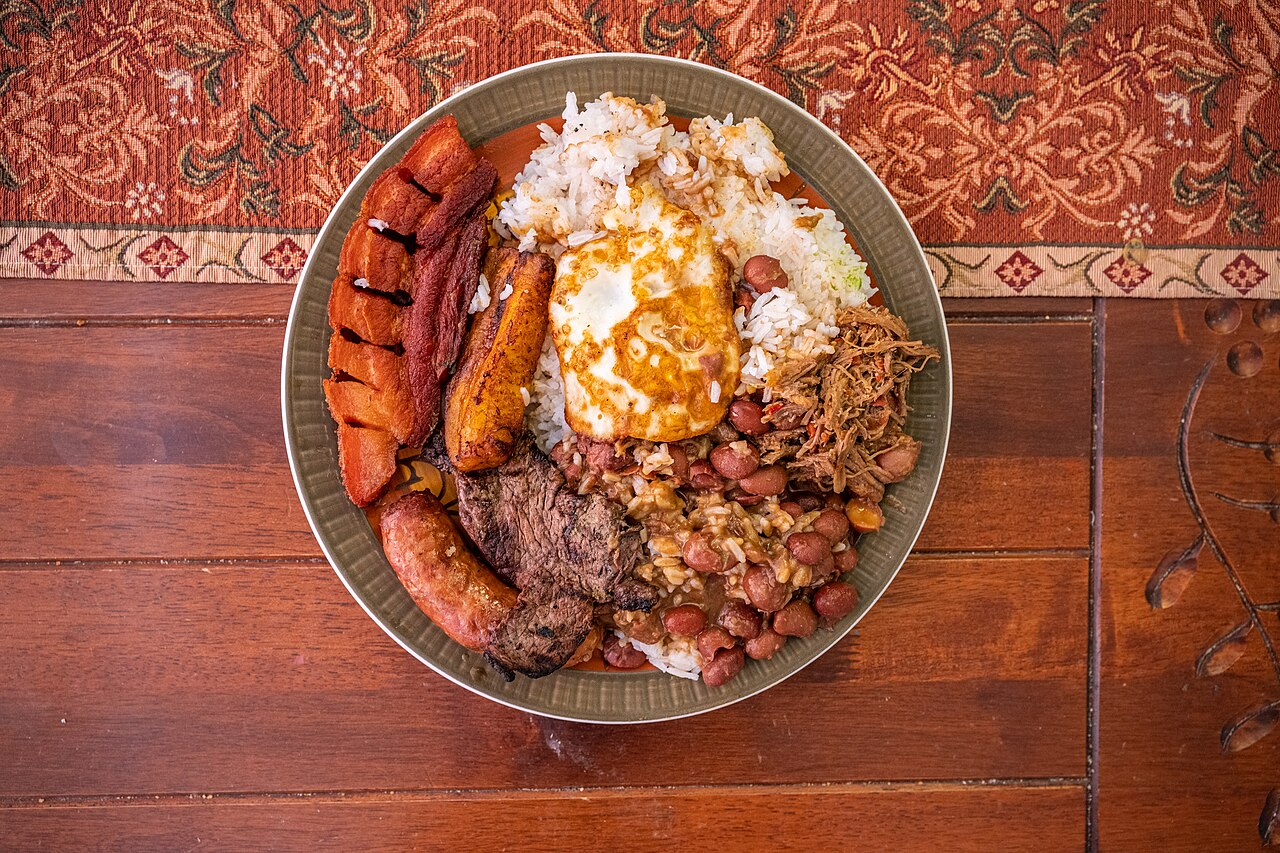
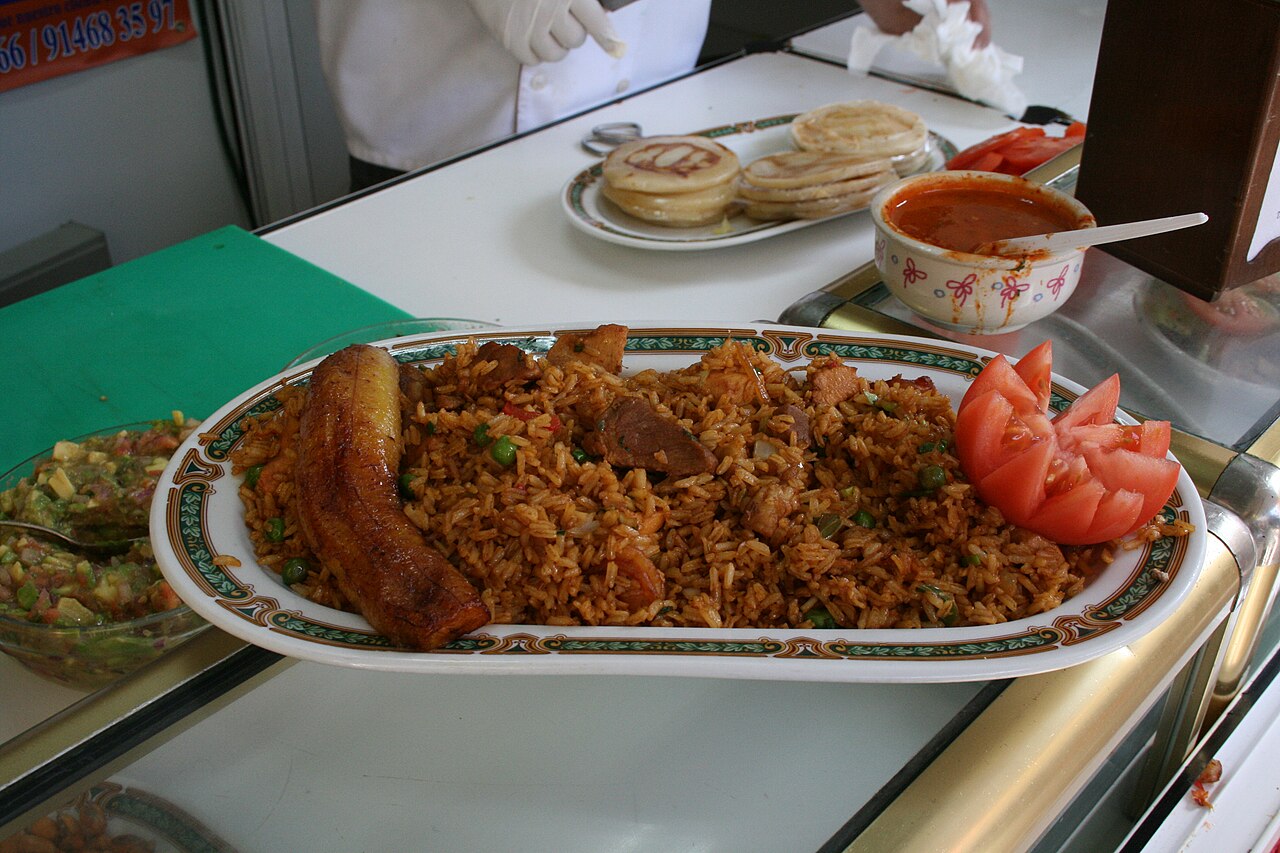
A huge platter for a big appetite: red beans cooked with pork, white rice, minced meat, crispy pork belly (chicharrón), chorizo, black pudding, a fried egg, fried sweet plantain, an arepa and avocado.
The name means 'Paisa platter', after the people of Antioquia. Food writers found no mention of the dish before 1950, so in its present form it is younger than many people think.
All over Colombia, especially the Valle del Cauca around Cali
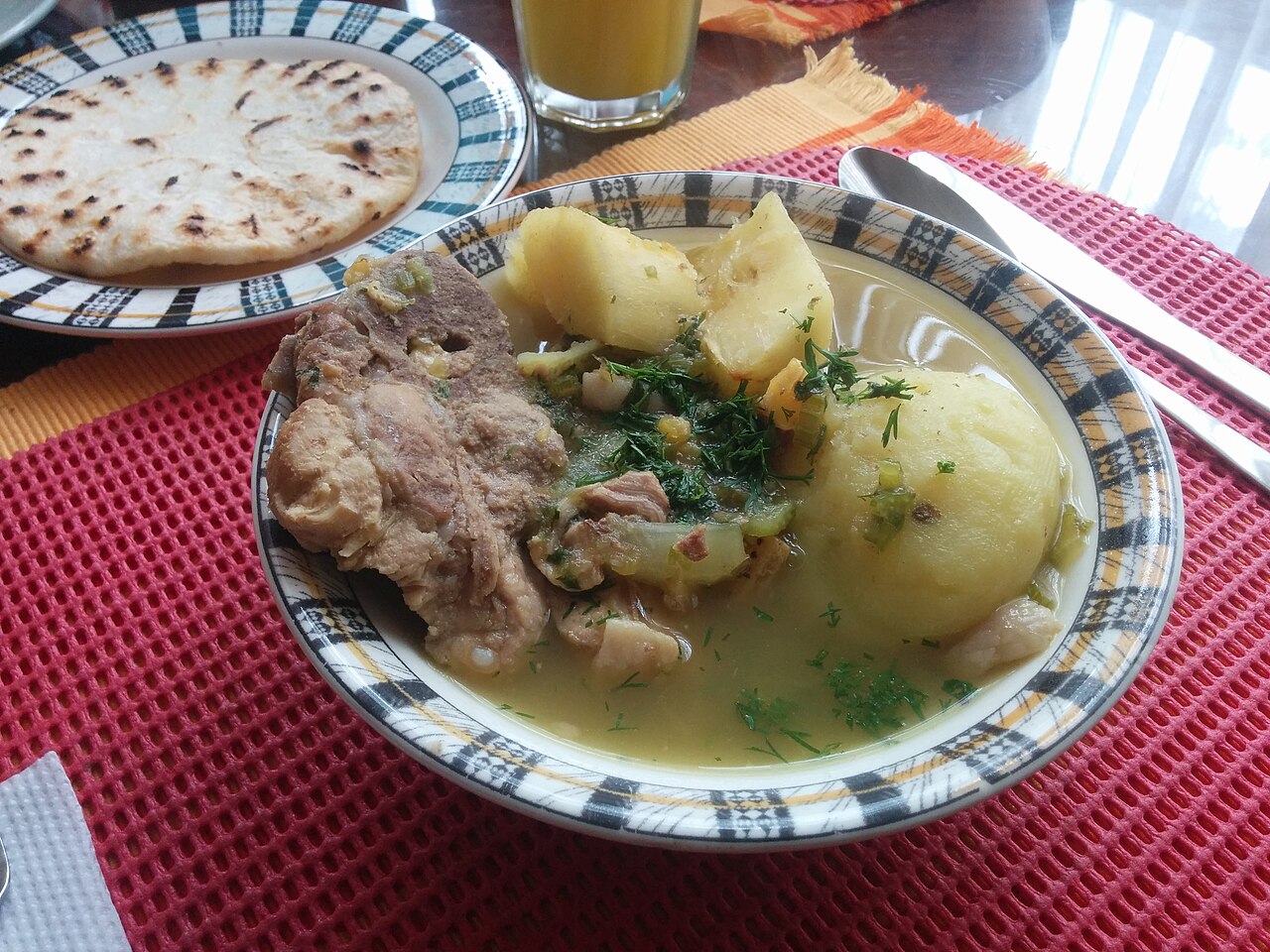
A hearty stew-soup with large pieces of meat or fish, plantain, potato, cassava (yuca) and corn on the cob, flavoured with coriander. It comes with white rice and avocado, and many people dip a spoonful of rice into each spoonful of soup.
Sancocho de gallina, made with hen, is the classic dish of Cali. Similar stews are loved across the Caribbean, from Panama to the Dominican Republic.
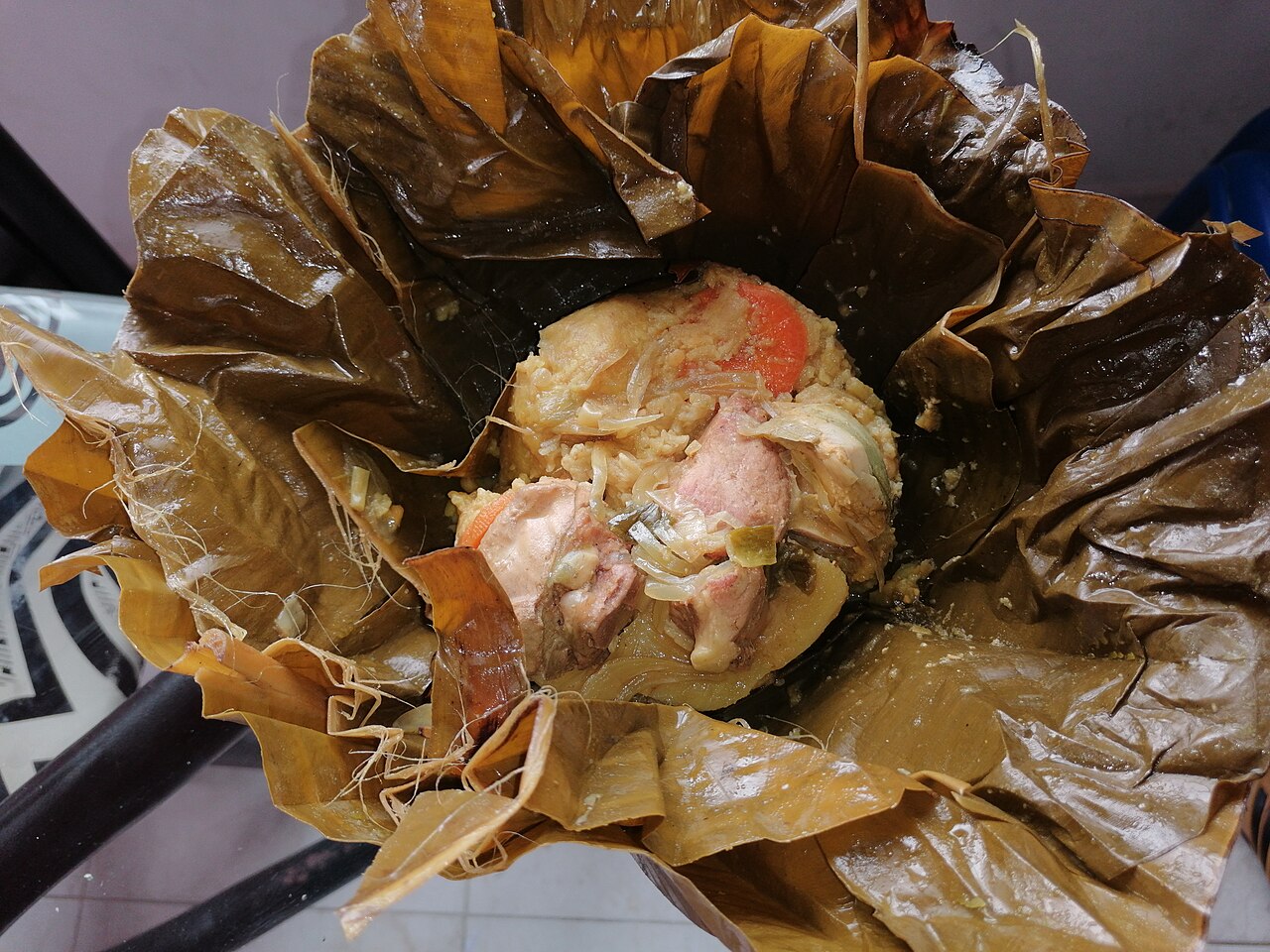
A whole pig stuffed with pork, yellow peas, spring onion and spices, then roasted for several hours in an outdoor brick oven. It is served with arepas.
Yellow rice is sometimes added to the filling, especially in Bogotá.
Bogotá and the highlands of Boyacá and Cundinamarca
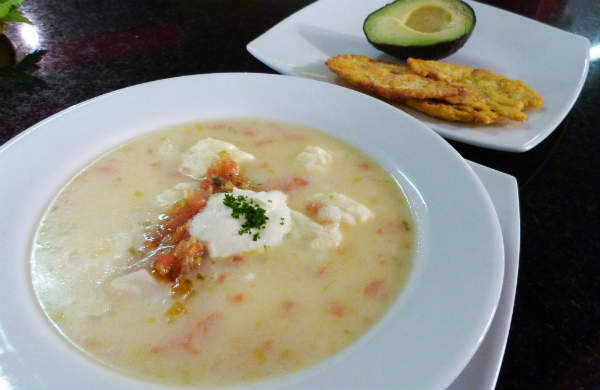
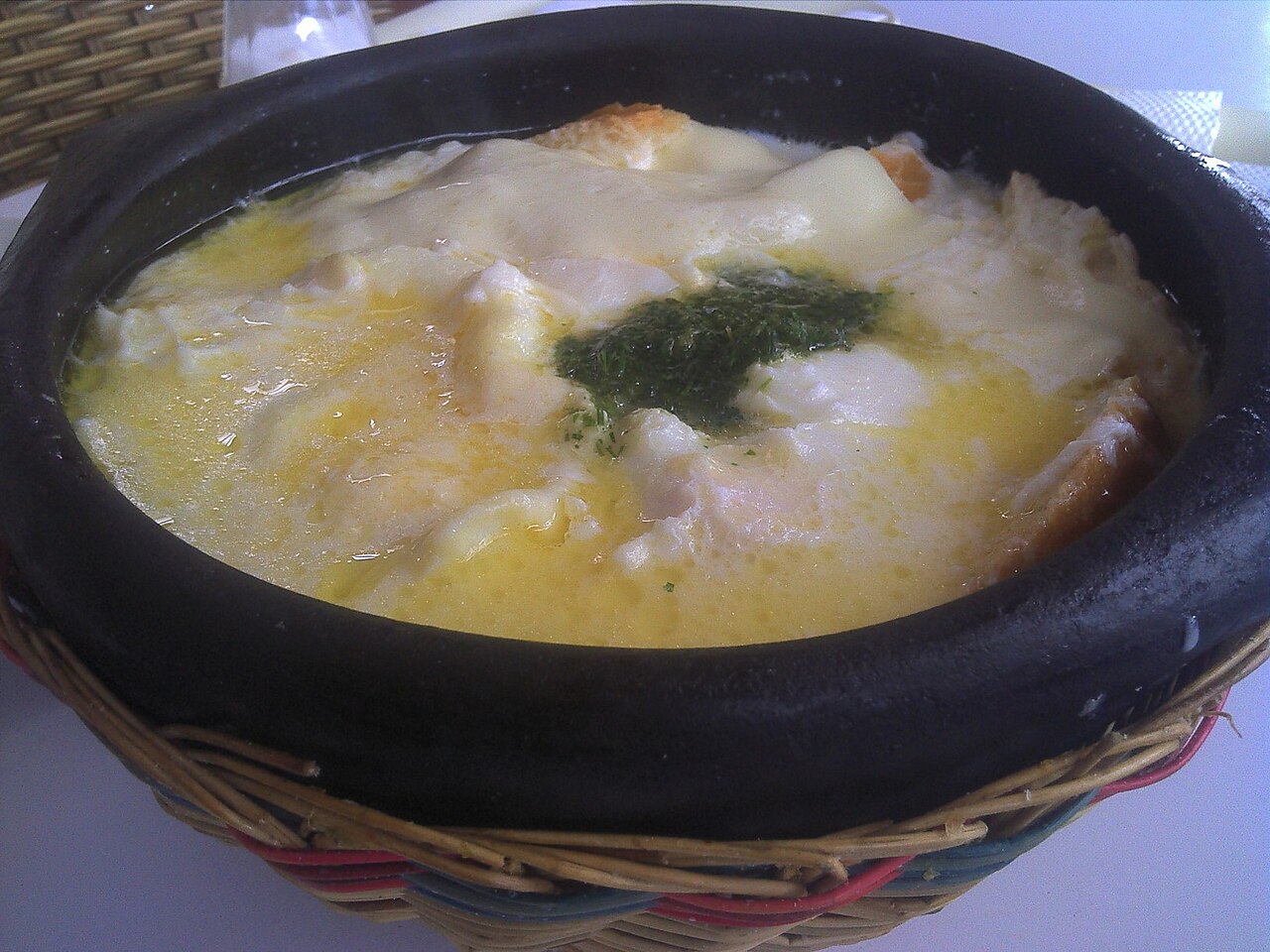
A breakfast soup of milk and water with an egg poached in it, spring onion and coriander, served with a piece of hard bread that softens in the bowl. The yolk is often left soft: pregnant women, young children, older people and anyone with a weak immune system should ask for the egg cooked until firm.
Its name is thought to come from Muisca words for water and salt. It also has a reputation as a cure for the morning after a party.
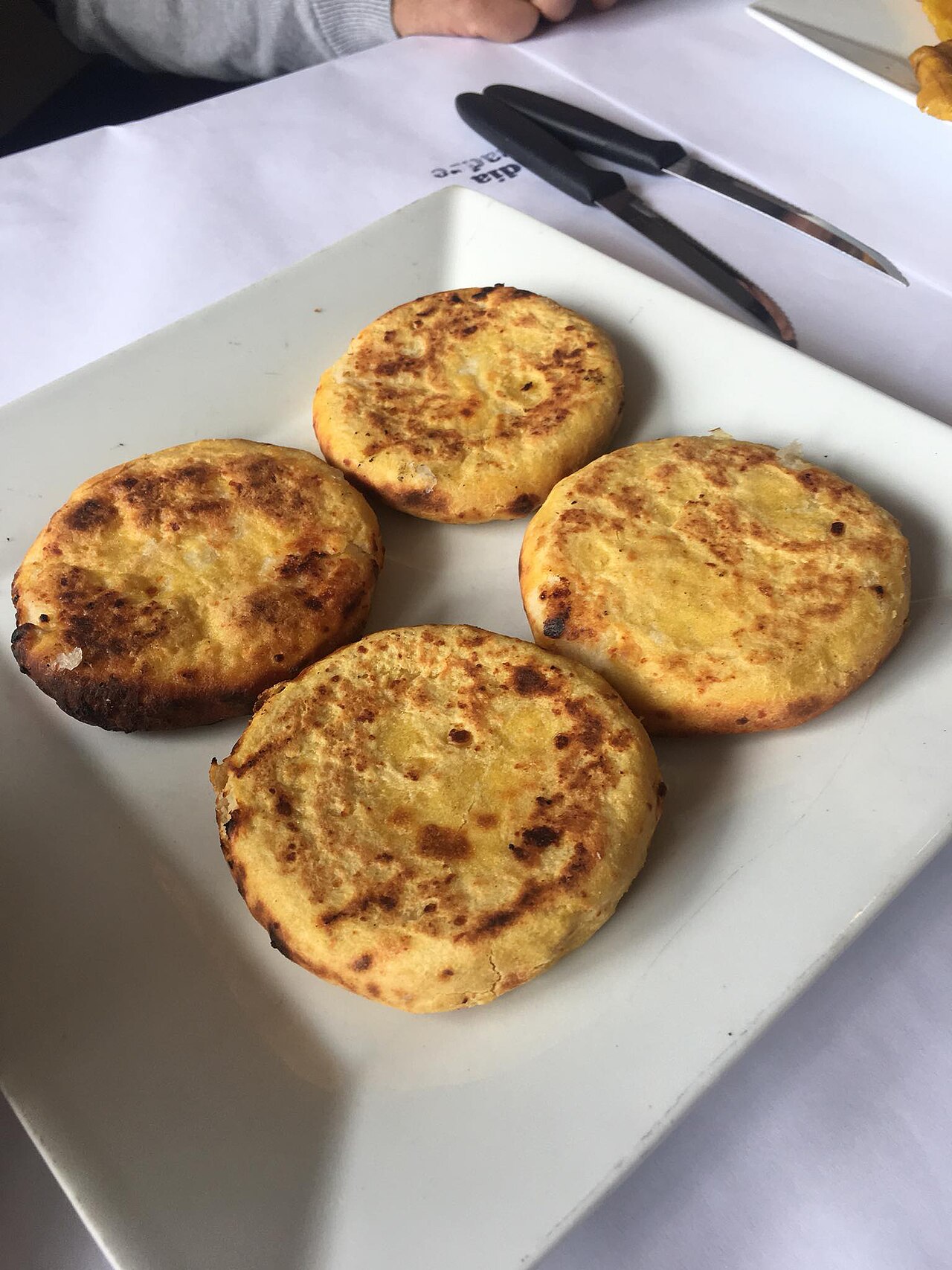
A round, flat cake of corn dough, grilled or fried, eaten at any meal. It can be plain, topped with butter and cheese, or split and filled. Colombia has dozens of regional kinds, from the Paisa arepa of Antioquia to sweet corn arepas.
In 2006 the arepa was chosen as Colombia's cultural symbol in a national competition run by Semana magazine. Arepas were already being made about 3,000 years ago by the Muisca.
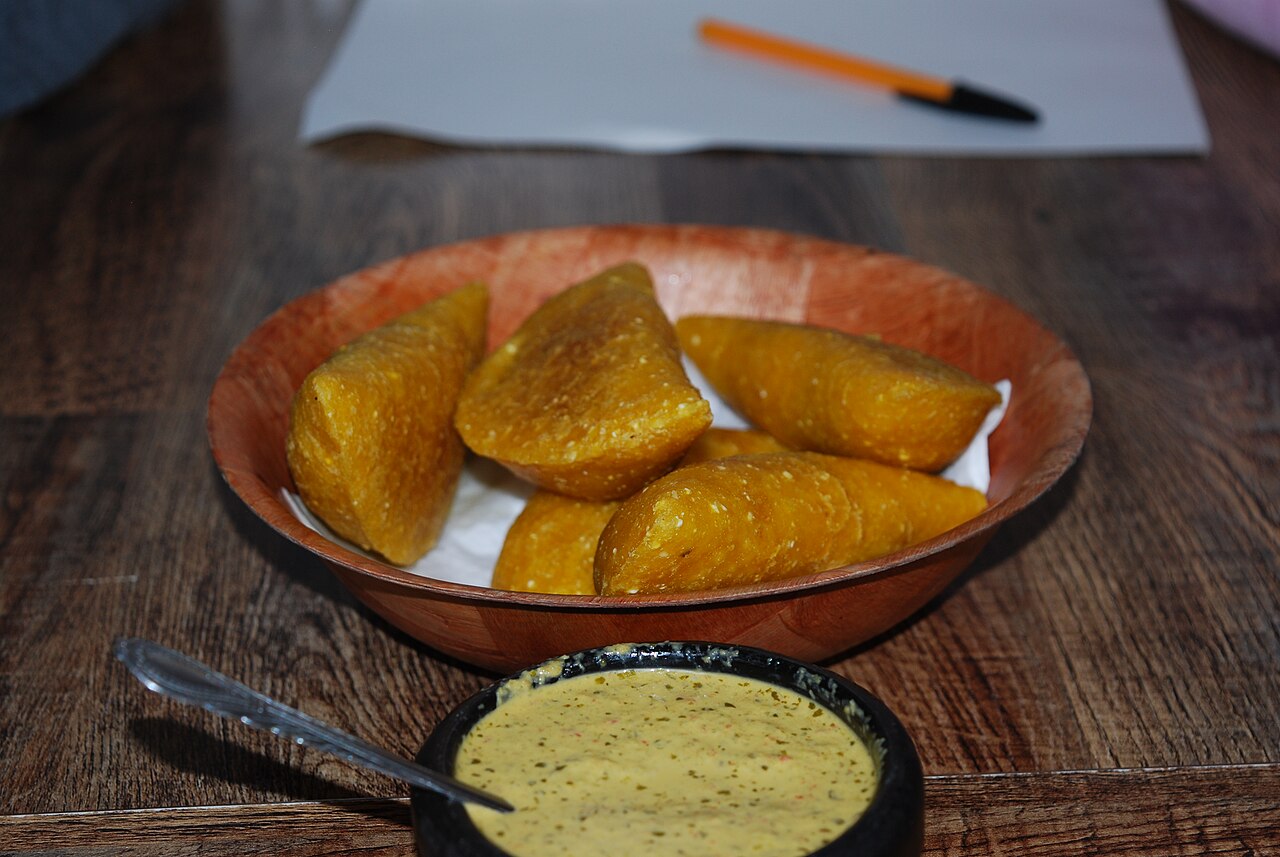
Half-moon pastries made with corn dough, not wheat, filled with potato and seasoned beef, pork or chicken, and deep-fried until crisp. They are sold at street stalls and bakeries and eaten with a squeeze of lime and a spoonful of ají, a spicy herb sauce.
The corn dough and the crisp, golden shell make Colombian empanadas different from the wheat-pastry empanadas of many other Latin American countries.
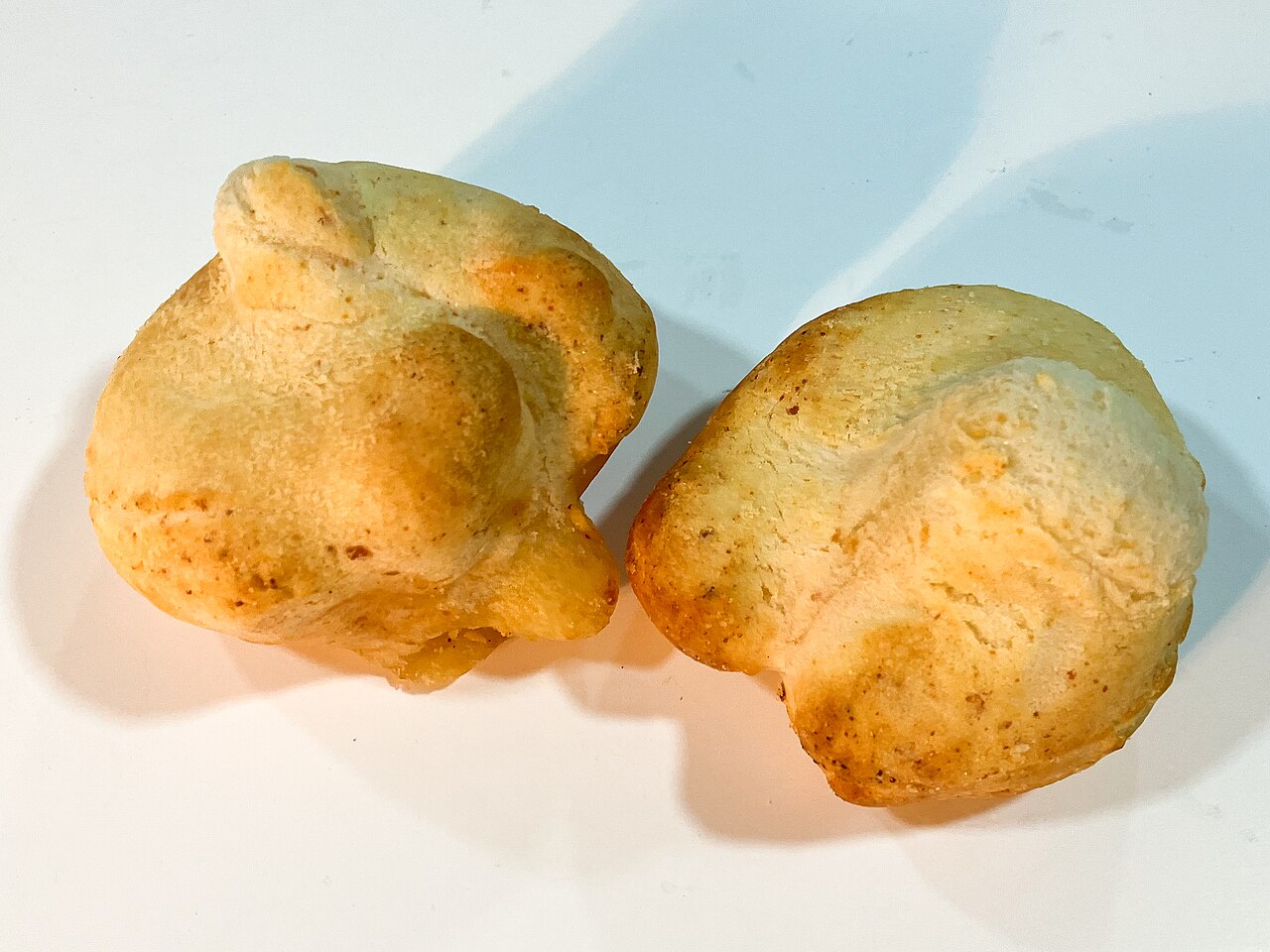
Small, soft cheese breads made with cassava starch, corn flour, cheese and egg, baked until golden. They are best eaten warm, a few minutes out of the oven, with hot chocolate or coffee.
The best-known story says the name comes from 'pan de El Bono', bread made at the El Bono hacienda on the old road between Cali and the port of Buenaventura.
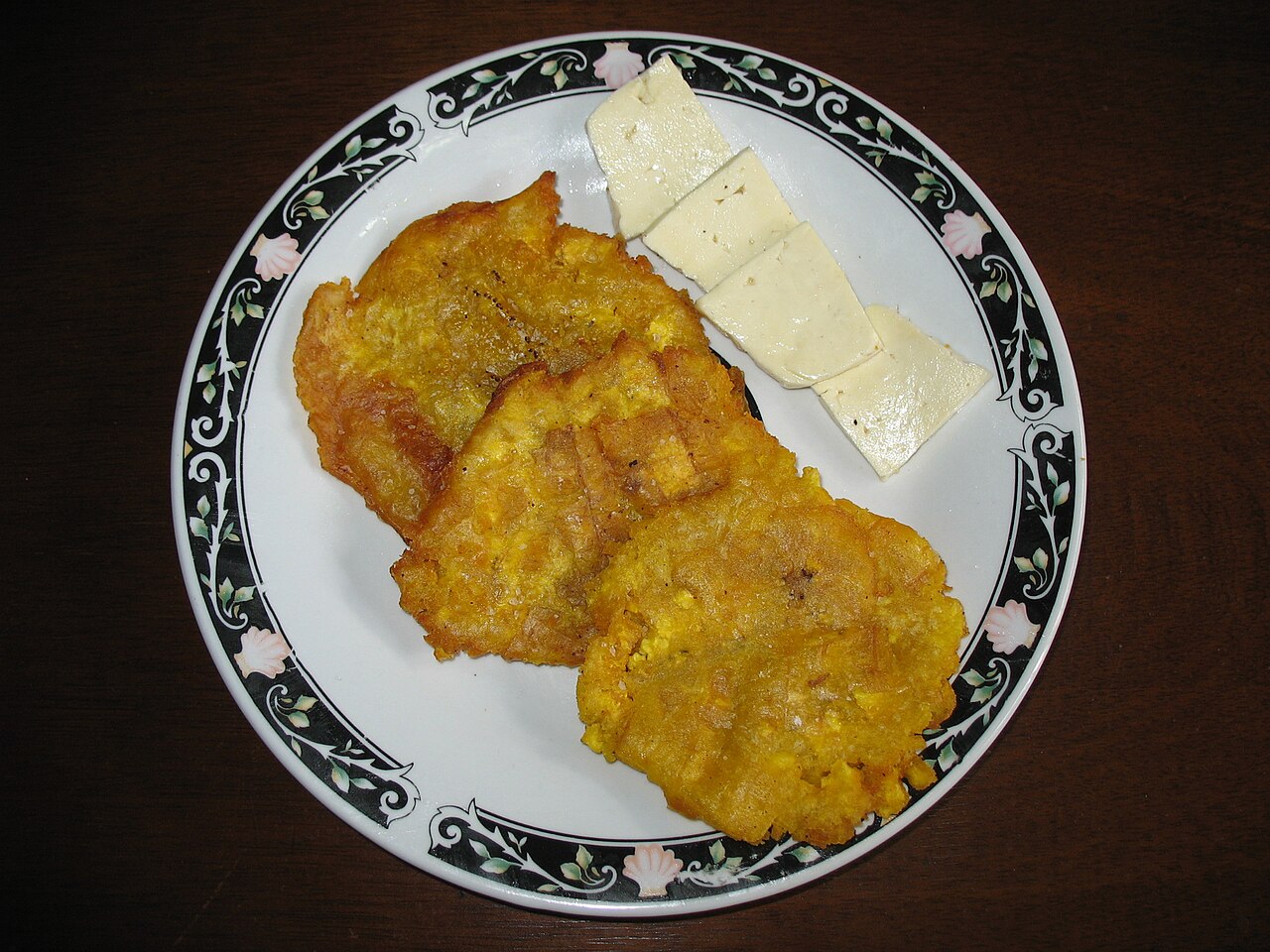
Slices of green (unripe) plantain, fried, flattened and fried again until crisp. They are served with fish, soup or as a snack, sometimes topped with hogao, a tomato and onion sauce, or shredded beef.
In Colombia they are sometimes called patacón pisao, squashed plantain. In Puerto Rico and Cuba the same dish is called tostones.
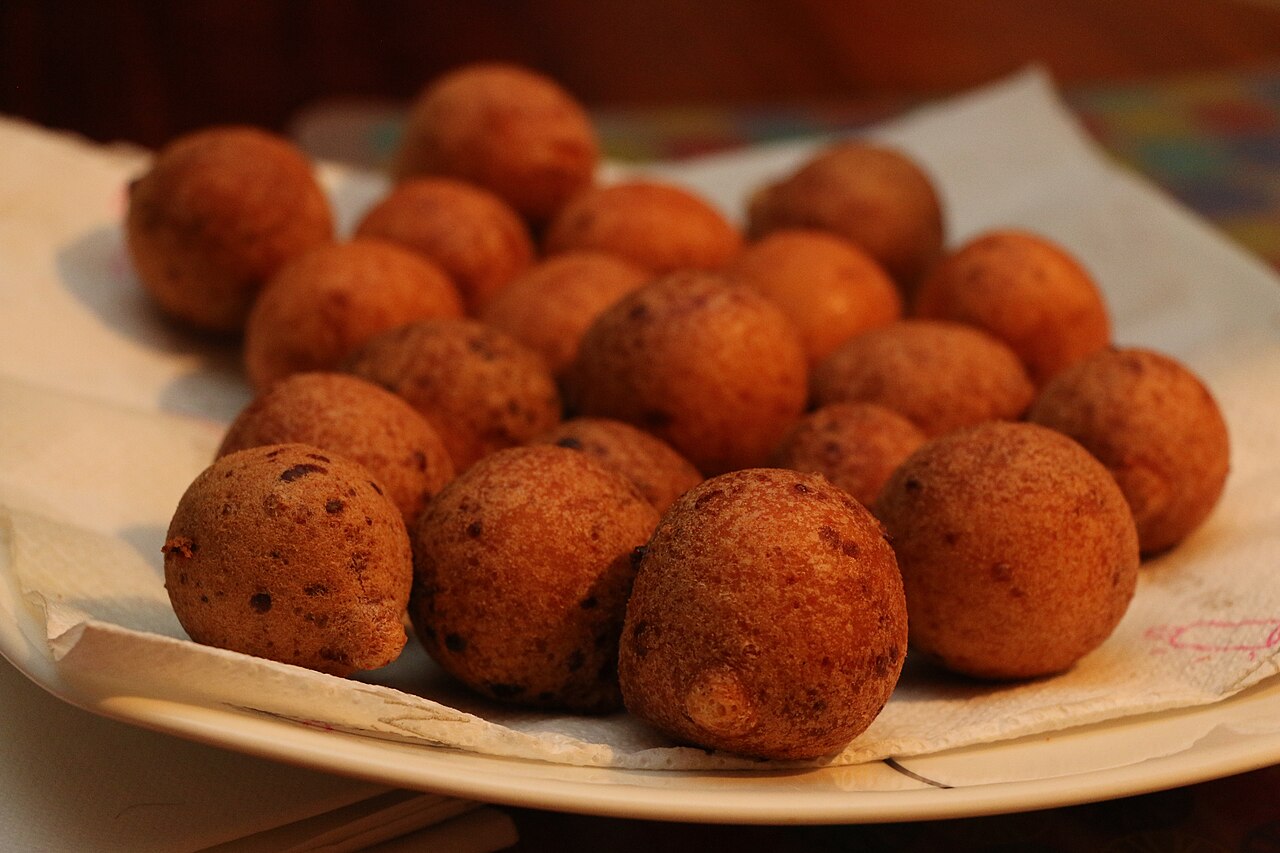
Round golden balls of dough made with fresh white cheese, cassava flour and cornflour, deep-fried until they puff up. They are crisp outside and soft and cheesy inside.
Buñuelos are a Christmas tradition, eaten together with natilla and manjar blanco.
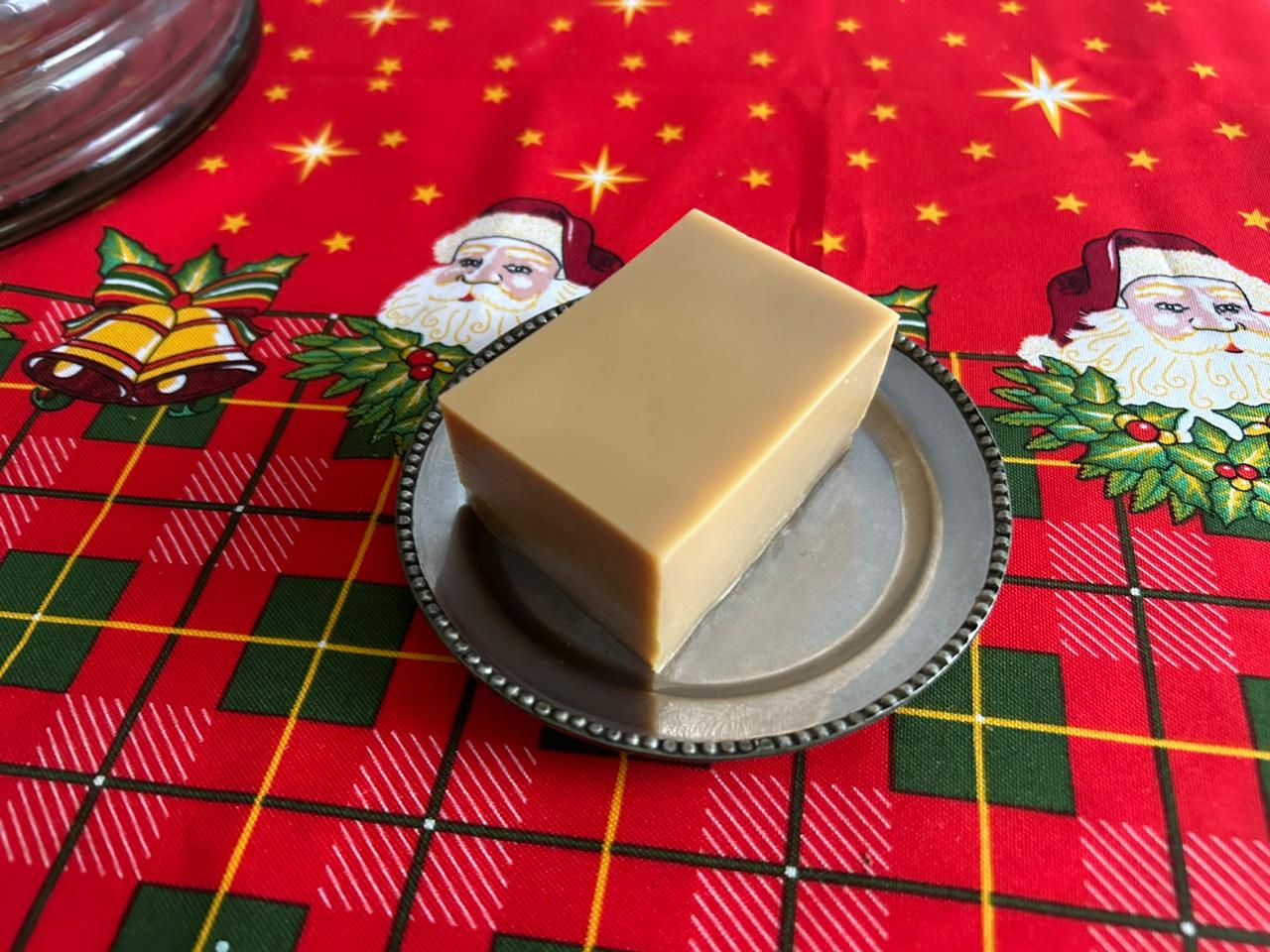
A soft, set pudding of milk, panela (unrefined cane sugar), cinnamon and cornflour, dusted with ground cinnamon and cut into squares. Unlike Spanish natillas, the Colombian version has no eggs.
Natilla is Colombia's most popular Christmas dish, and many families still cook it together over an outdoor fire.
A simple drink of panela, hardened sugar cane juice, dissolved in water. It is drunk cold with lime on a hot day, or hot, sometimes with a piece of fresh cheese dropped in to melt.
In Colombia black coffee is often made with aguapanela instead of water and sugar. Many people believe it helps with colds, although it is mostly sugar and water.
South-west Colombia, especially Cali and the Valle del Cauca
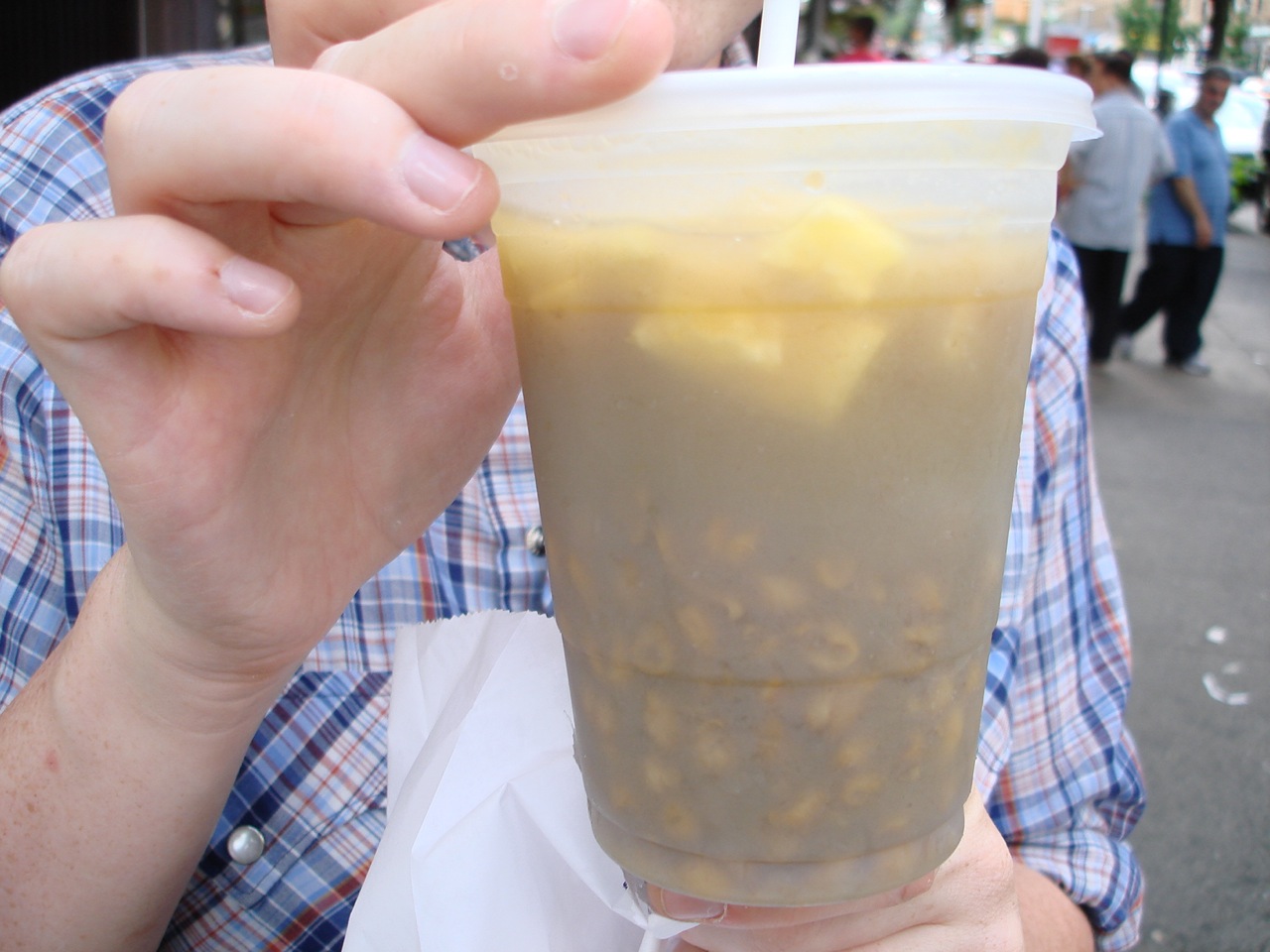
A thick, sweet, cold drink of crushed corn, lulo (a tangy local fruit), pineapple and panela, spiced with cinnamon, cloves and orange leaves.
In the southern departments of Nariño and Cauca it is mainly a Christmas drink, but in the Valle del Cauca it is served very cold all year round.
At the table in Colombia
Lunch is the main meal of the day, usually eaten between about 11:30 and 3:30. A set lunch, the corrientazo, brings a soup and a main plate together for a low price.
With sancocho and other soups, a plate of white rice comes on the side. Many Colombians dip a spoonful of rice into the soup with each mouthful.
Aguardiente, an anise-flavoured sugar cane spirit, is the drink of Colombian parties. It is usually about 24 to 29 percent alcohol and is drunk neat in small glasses, so sip it slowly.
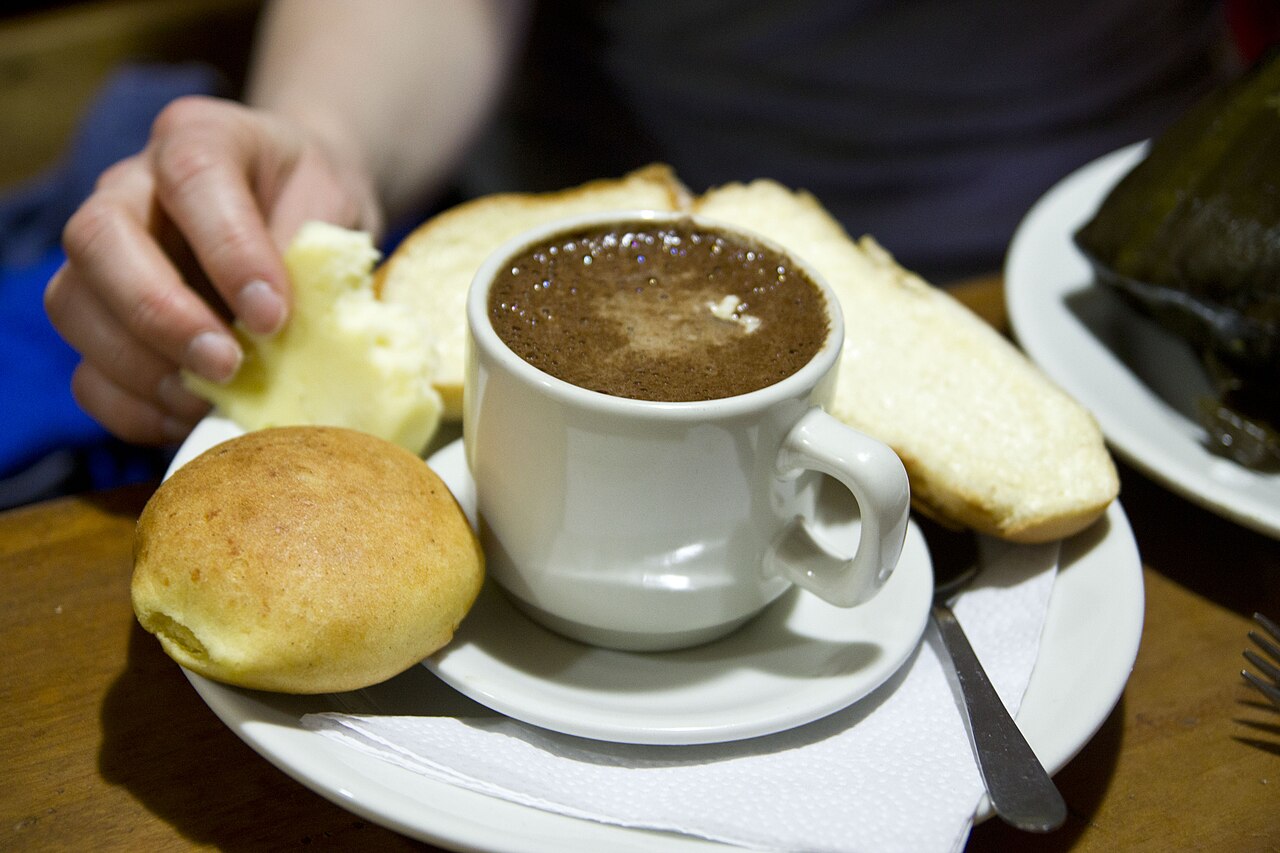
Do not be surprised to see fresh cheese dropped into hot chocolate or hot aguapanela. Colombians let it melt and eat it with a spoon or on bread.
Ají, the green herb and chilli sauce on the table, can be mild or very hot. Taste a little before you pour it on.
When you pass people who are eating, or before you start, it is polite to say '¡Buen provecho!', enjoy your meal.