Bolivian food is built on what the Andes have grown for thousands of years: potatoes, corn, quinoa, beans and chilli peppers, joined after the Spanish arrived by rice, wheat, beef and pork. The cold highlands like hearty, spicy soups and stews; the warm lowlands of the east cook with cassava (yuca), plantains, rice and river fish. Breakfast is simple, often a coffee and a bread roll called a marraqueta. Lunch, el almuerzo, is the main meal: a soup, then a main course of meat with rice and potatoes, and many shops close from about 12 to 2 pm. In the late afternoon many people stop for tea and pastries, and supper is light. With almost everything comes llajwa, a fresh sauce of tomato and hot locoto pepper.
All of Bolivia. Potosí, Sucre and Cochabamba all claim the best
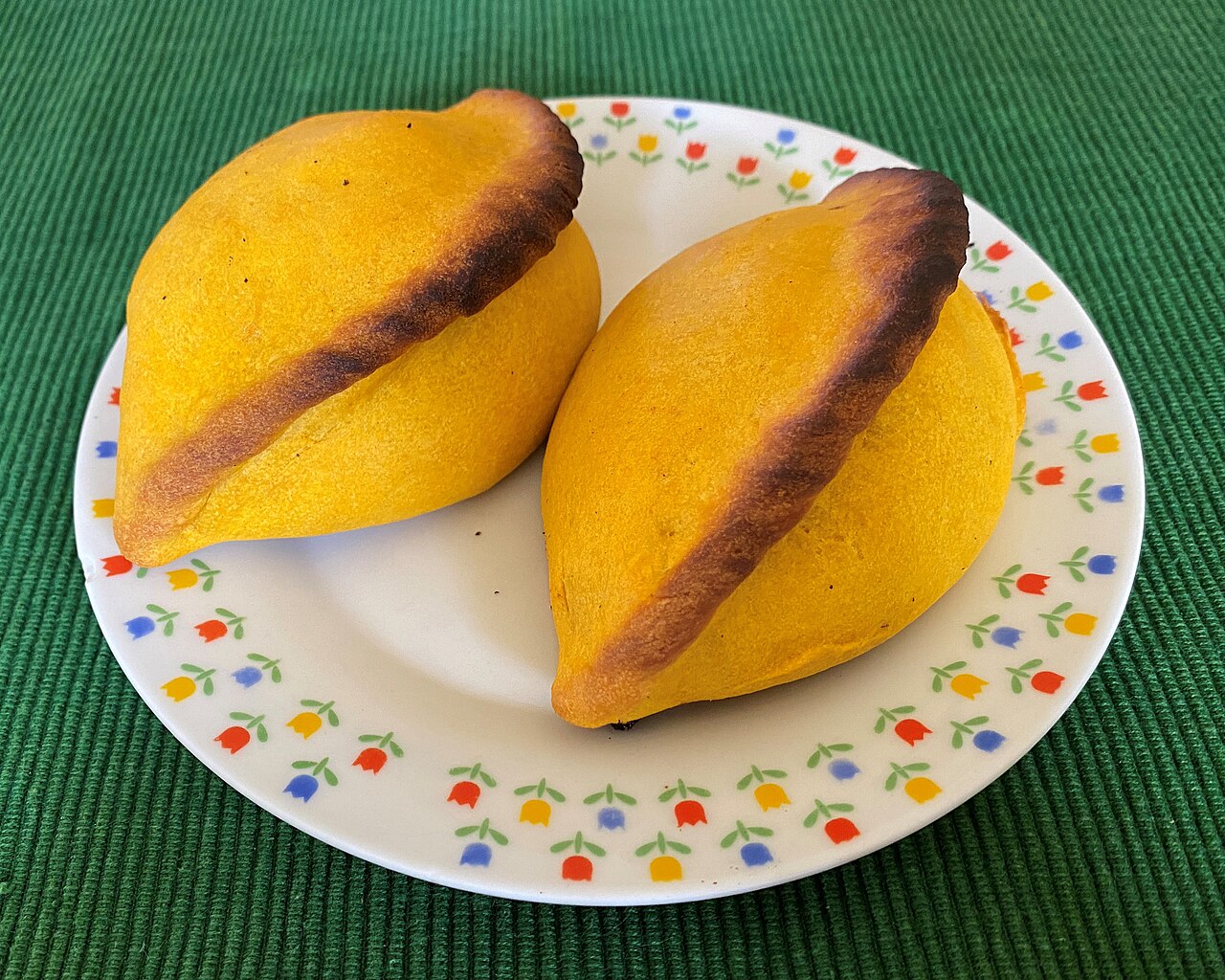
Bolivia's favourite mid-morning snack: a baked pastry with a slightly sweet crust, filled with beef, pork or chicken, potato and a juicy, mildly spicy stew. The stew is solid when the pastry is filled and melts in the oven, so eat it carefully so as not to spill the juice.
Salteñas are sold from about 7 am until noon, and most sellers are sold out by mid-morning. The name points to Salta in Argentina: a popular story, without firm evidence, credits the writer Juana Manuela Gorriti, from Salta, who lived in exile in Bolivia.
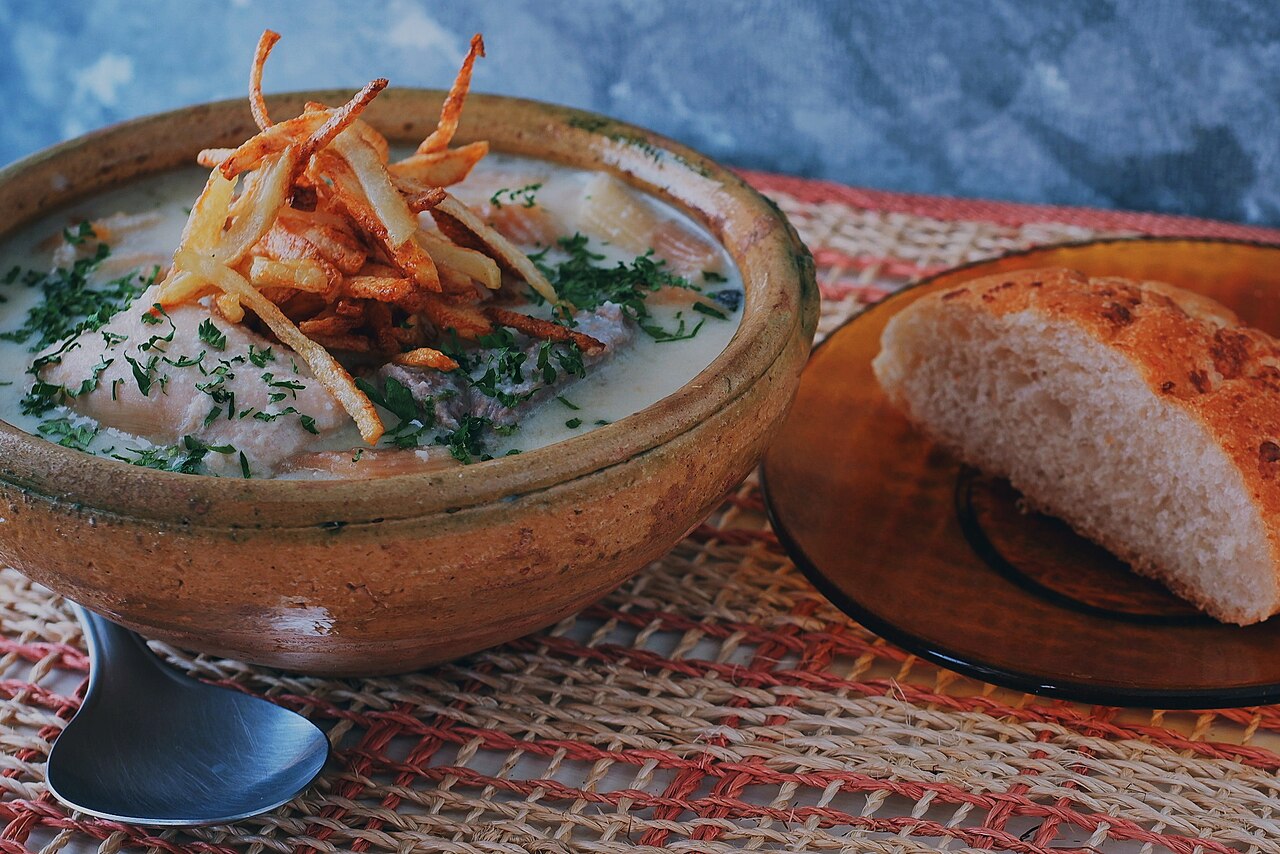
A creamy soup made from ground peanuts in a meat broth, with vegetables, often with pasta or rice, and topped with fried potato sticks and parsley. It is a classic first course of the Bolivian lunch.
In Bolivia it is often made with large macaroni and served with spicy llajwa ground on a stone.
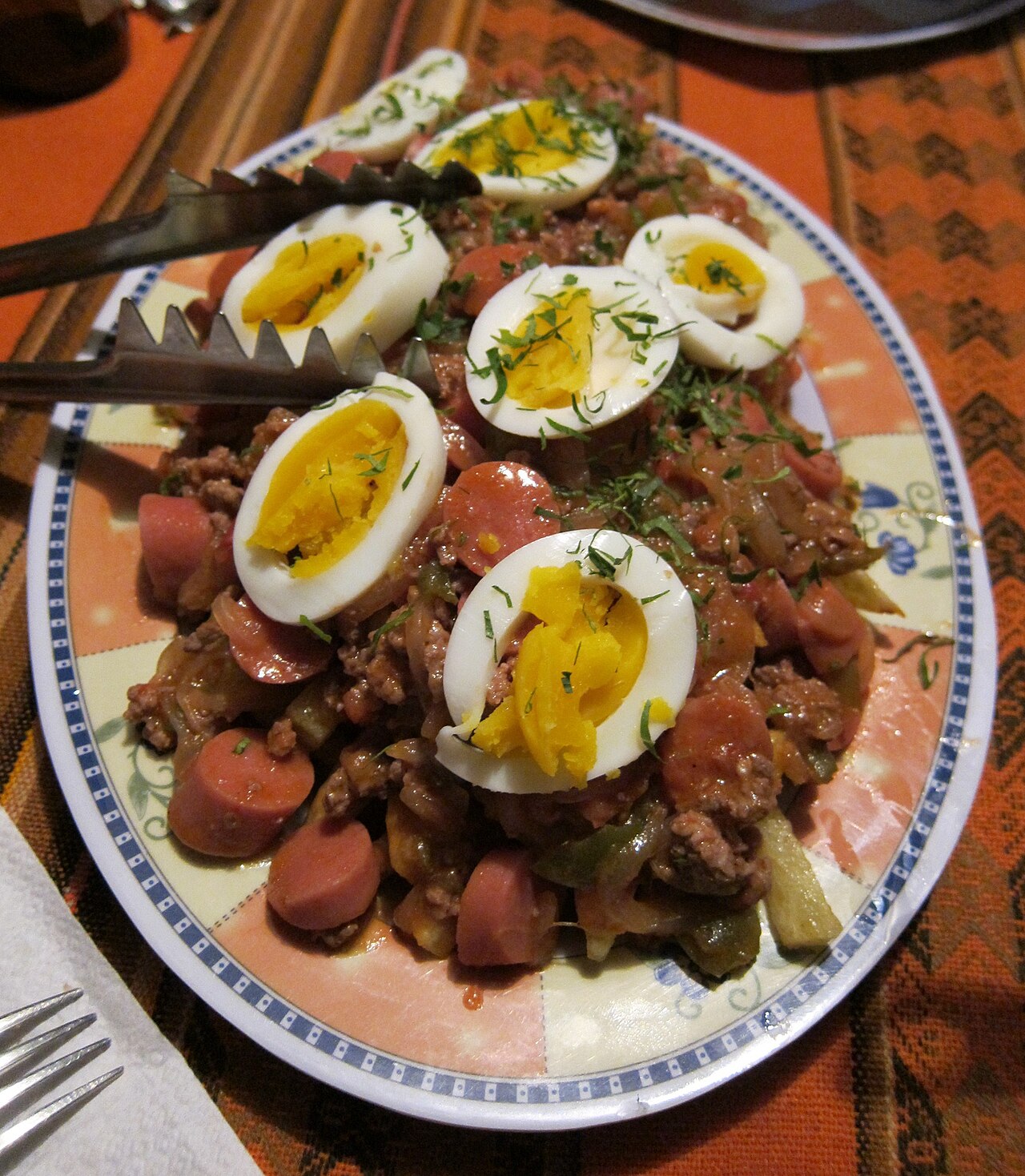
A mountain of chips topped with pieces of beef, sliced sausage, onion, tomato, green pepper and hot locoto pepper, with boiled egg, mustard and mayonnaise. One plate is big enough for two or more, and most people share.
It is said to come from the El Prado restaurant in Cochabamba in the 1970s. The owner served late, hungry guests a very spicy plate and told them to eat it if they were 'machos', man enough.
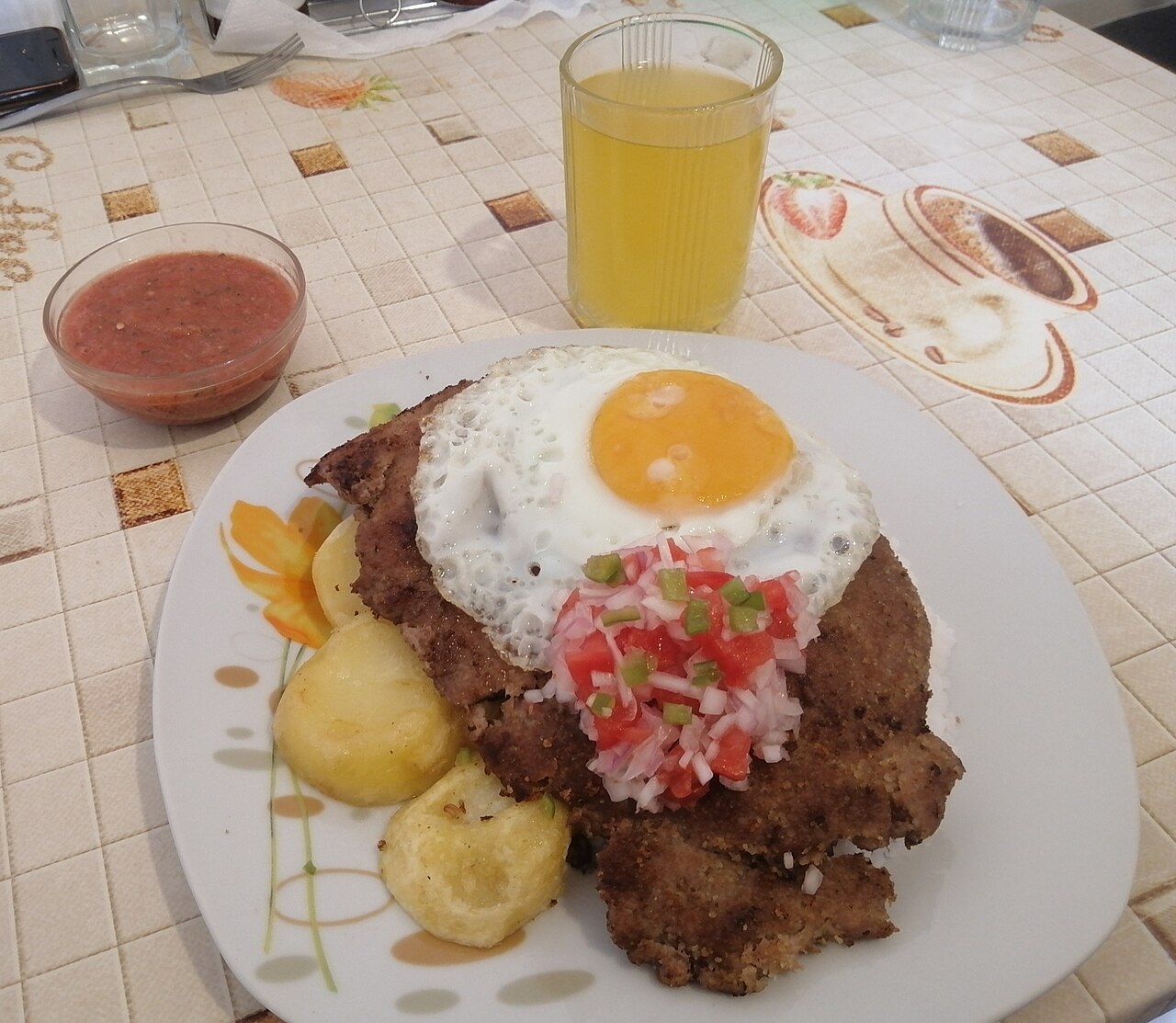
Layers on one big plate: white rice, sliced fried potatoes, a very thin breaded beef steak that covers almost the whole plate, one or two fried eggs, and a fresh salad of tomato, onion and hot locoto on top.
The name comes from the Quechua sillp'anchu, meaning flattened and thin. Cochabamba honours Celia la Fuente Peredo, who died in 2008, as the woman who created the dish as it is served today.
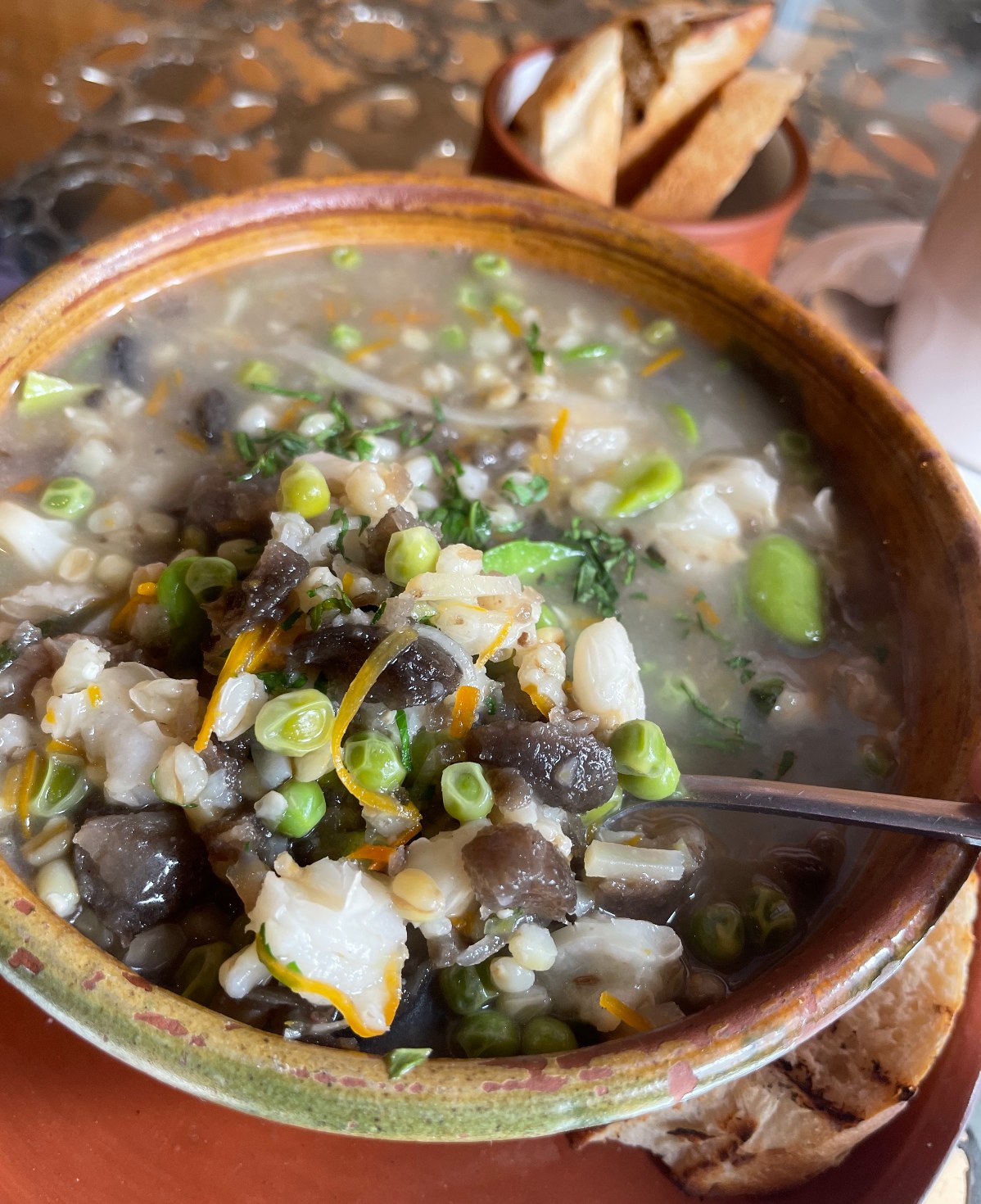
A thick, warming highland soup with chuño (freeze-dried potato), potatoes, broad beans, hominy corn, lamb or beef and dried meat. It is served very hot, a warming meal in the cold highlands.
Country people are said to have made chairo from ingredients that kept well, so it could be carried on long days of work far from home.
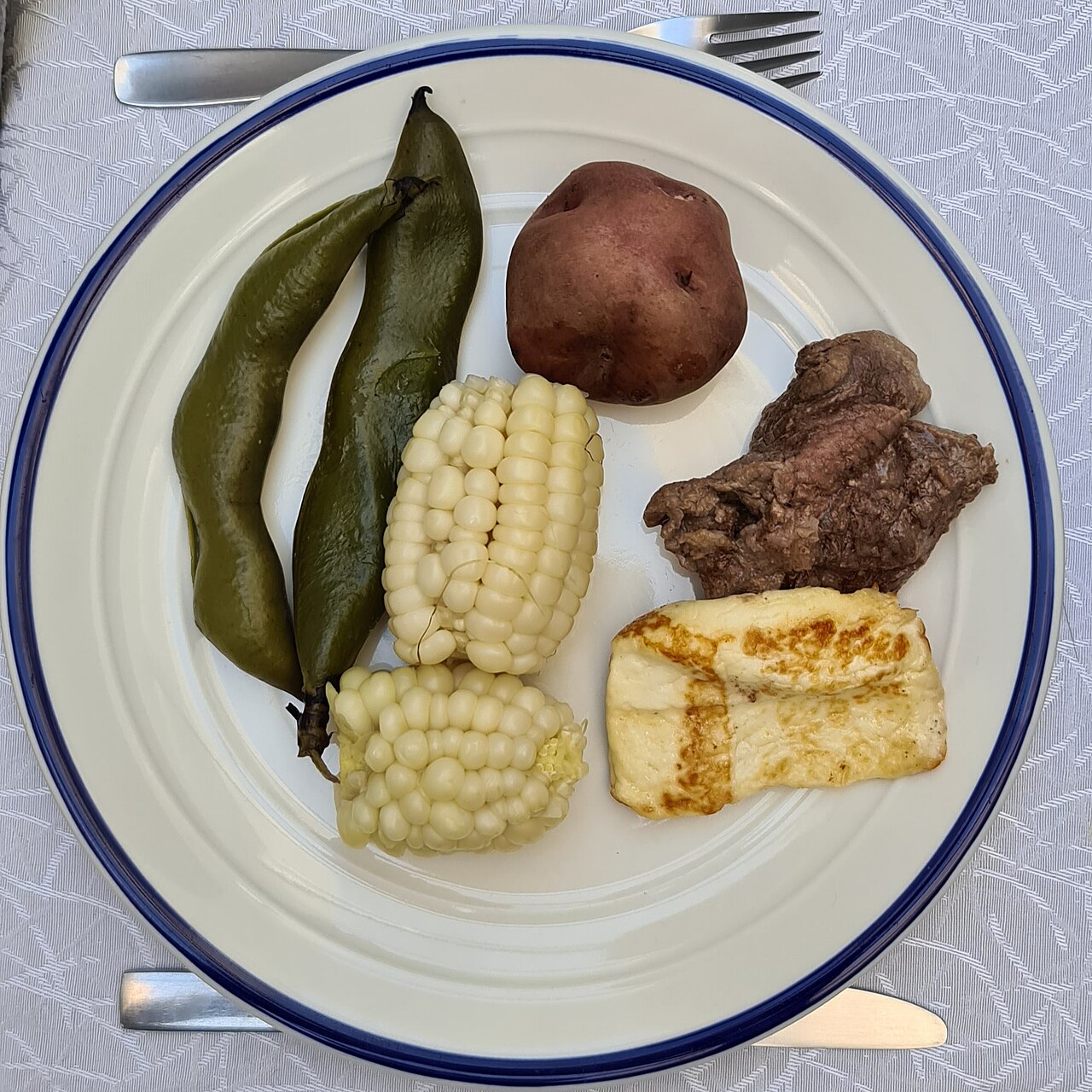
A simple, generous plate of the Andes: corn on the cob, broad beans and potatoes boiled in their skins, and a slice of fried cheese, often with fried beef and always with llajwa.
Tradition links it to the siege of La Paz in 1781, when the town collected all the corn, beans, potatoes and cheese it could find. The meat was only added in the 19th century.
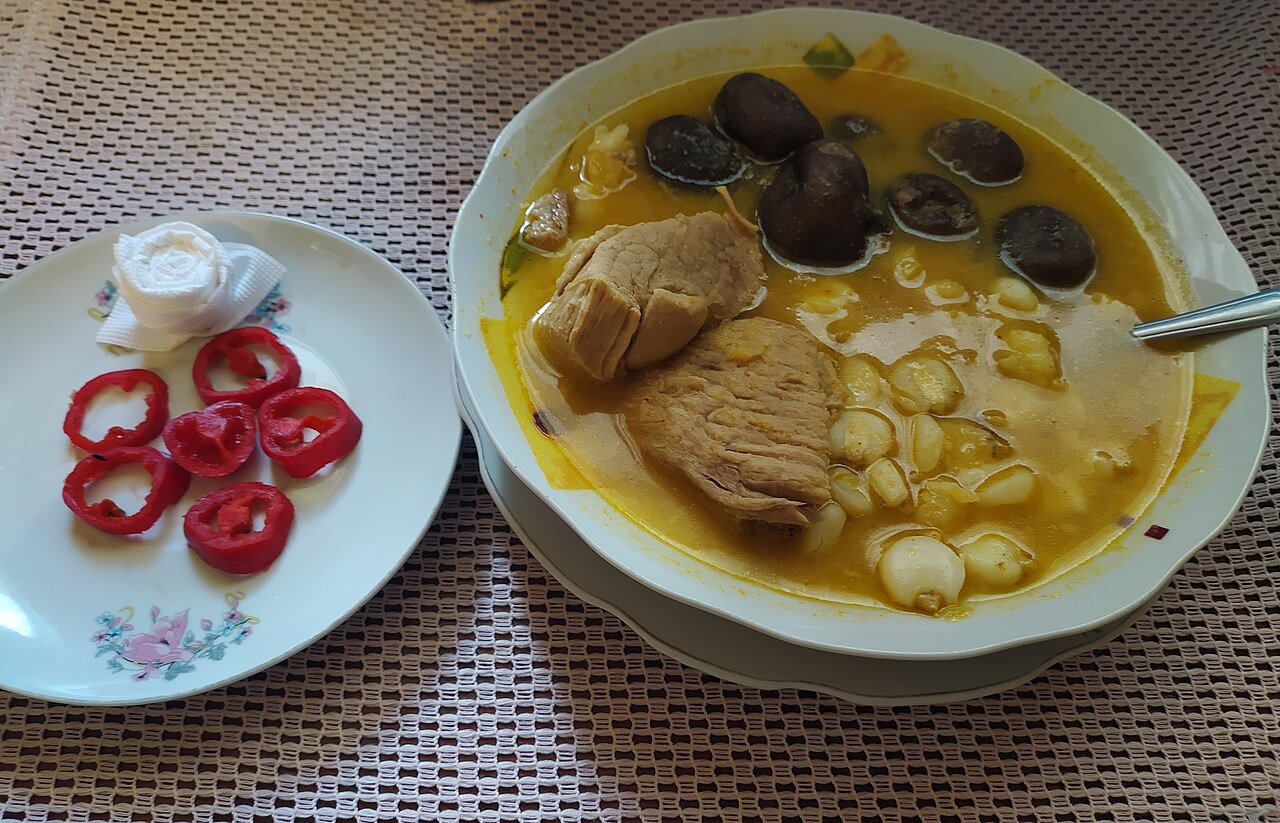
A spicy soup of large pieces of pork, or sometimes chicken, with hominy corn and chuño or potatoes, flavoured with onion, garlic, pepper and sometimes ají. It is often eaten in the morning.
Many Bolivians swear by a bowl of fricasé the morning after a party, as a cure for a hangover.
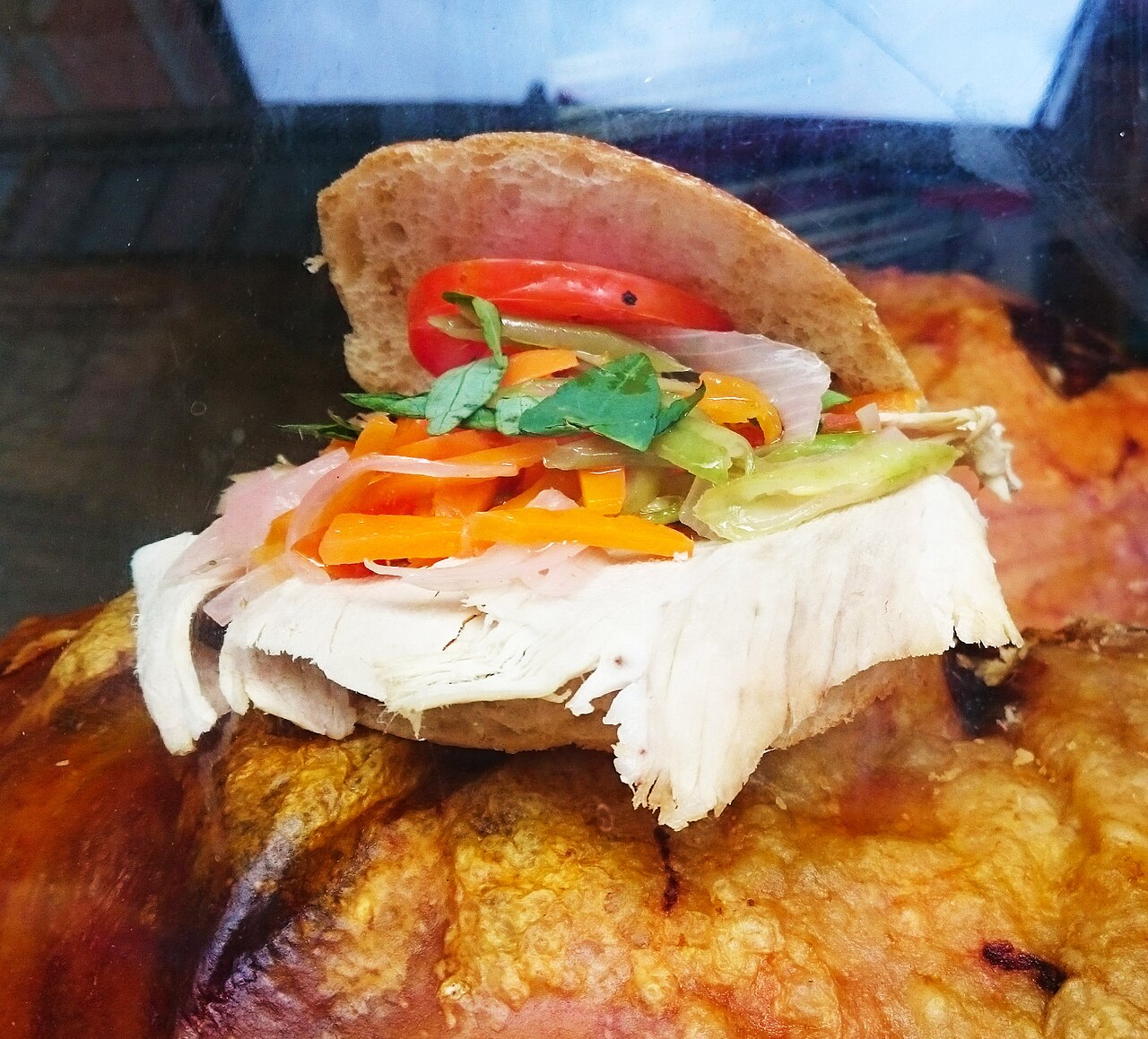
A crusty marraqueta roll filled with slices of slow-roasted pork leg, pickled vegetables, hot llajwa sauce, tomato and a piece of crackling on top.
It is named after the pollera women, the 'cholas' of La Paz, who first sold it at a park in the south of the city in the early 20th century. It took its modern form, with roast pork, in the 1970s.
The Andean cities, a favourite late-evening street food
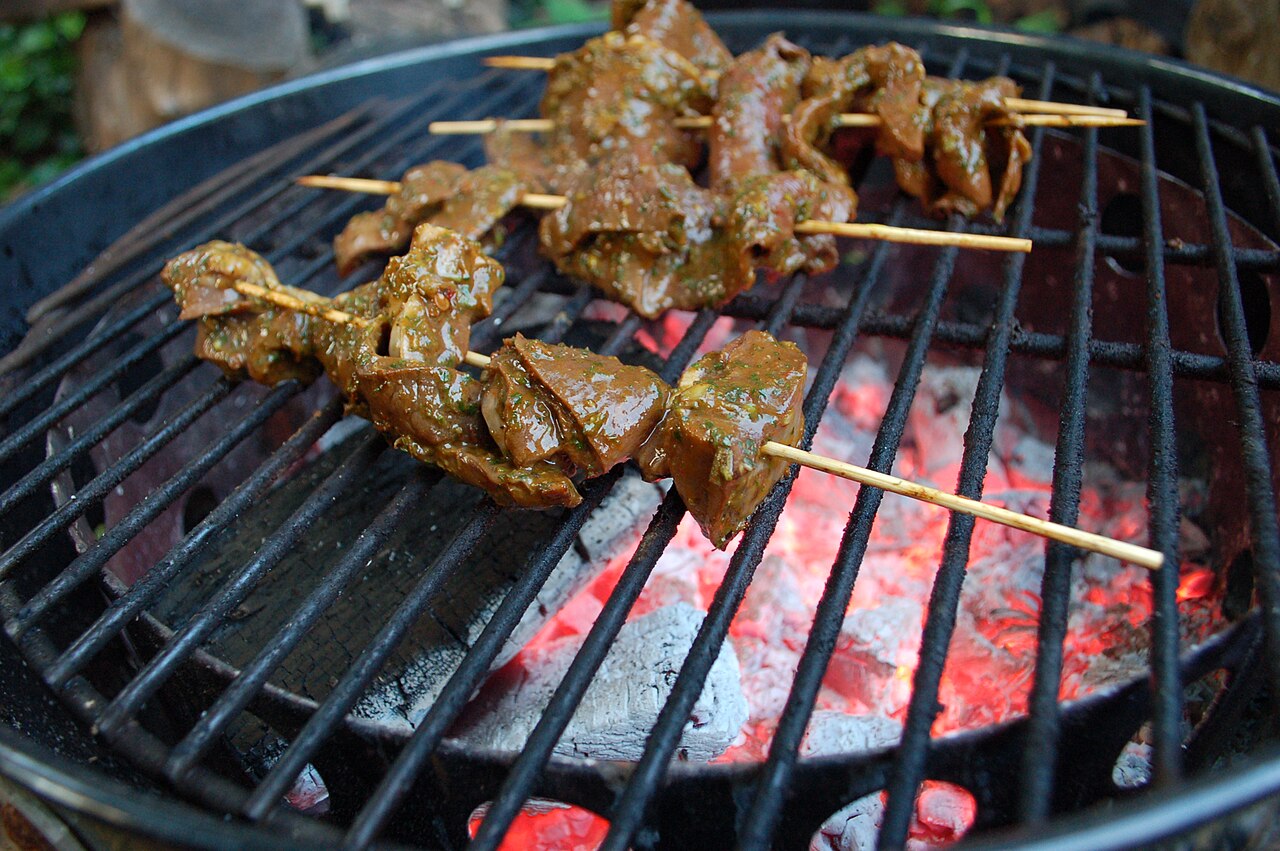
Thin slices of beef heart marinated in spices, oil and vinegar, grilled on skewers over charcoal and served hot with potatoes and a spicy sauce, sometimes made with peanuts.
The women who sell them, the anticucheras, make the flames leap up from the grill, and the smell draws customers from down the street.
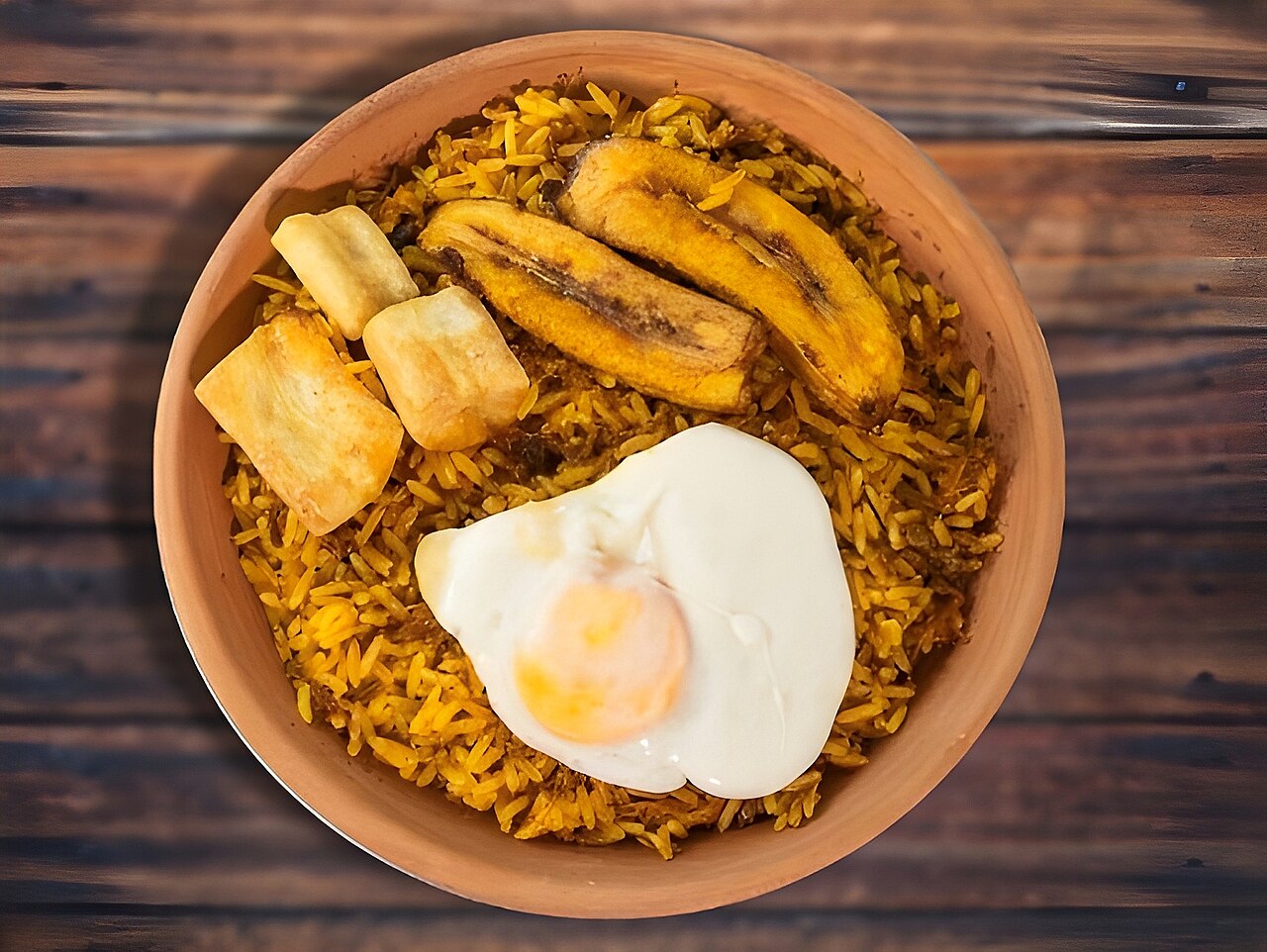
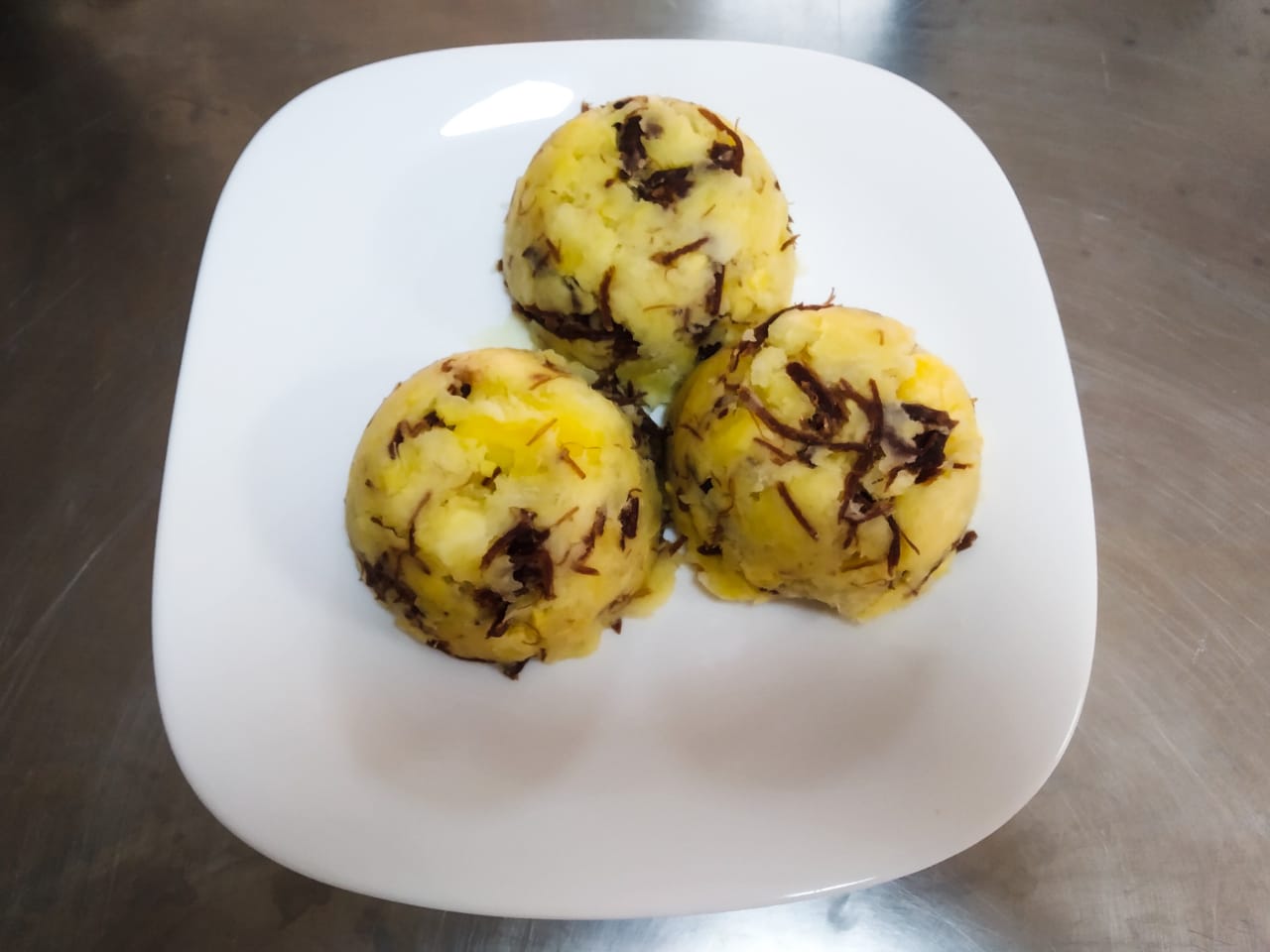
Boiled cassava or plantain pounded into a rough dough and mixed with cheese or dried beef. It is usually eaten with a hot drink after the afternoon siesta.
It was traditionally pounded in a tacú, a large wooden mortar, and Santa Cruz and Trinidad hold festivals in its honour.
The Andean highlands, above all La Paz, Oruro, Potosí and Cochabamba
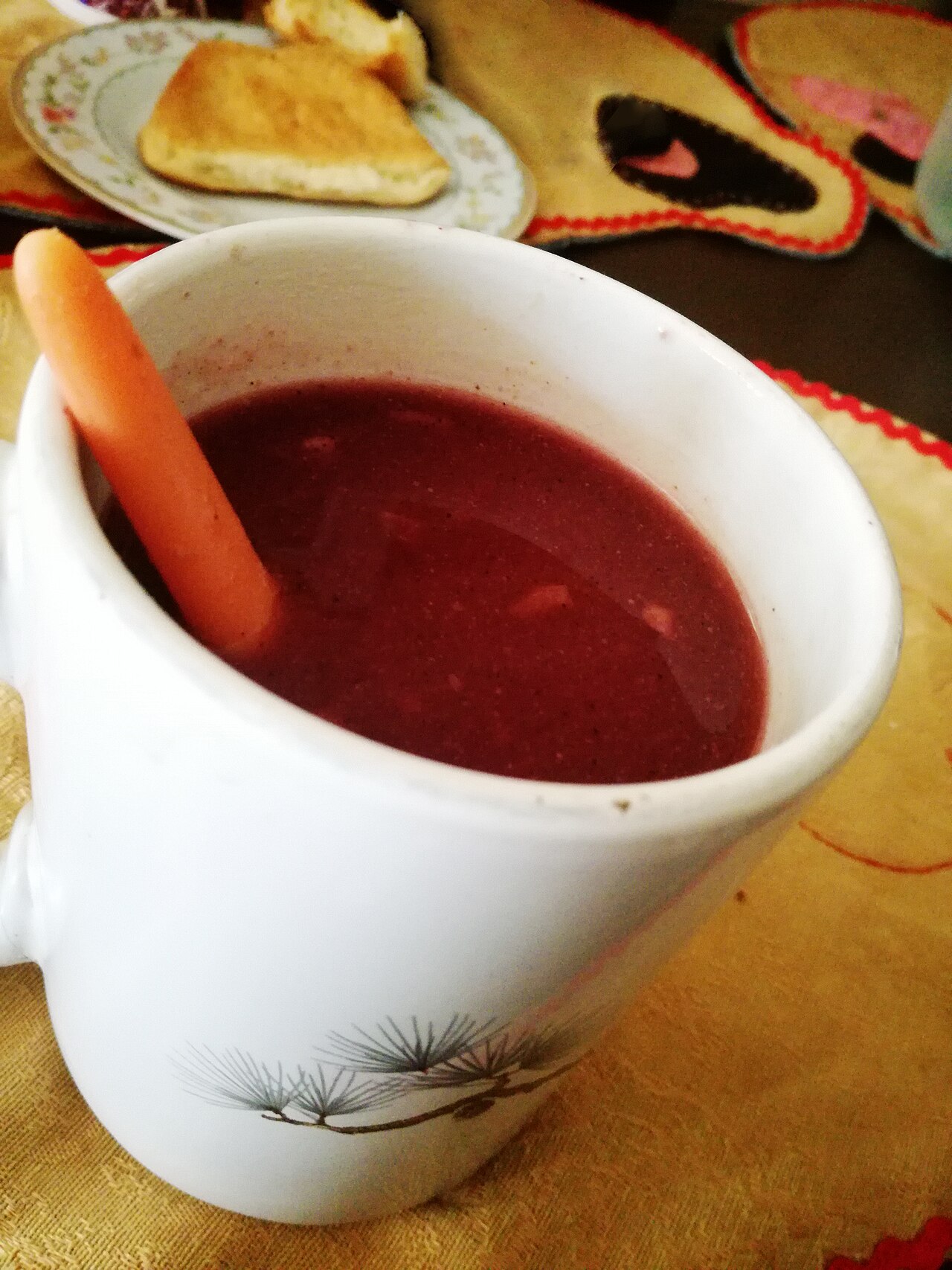
A thick, warm drink made from purple corn, sweetened and spiced with cinnamon and cloves. In Bolivia it is often served with buñuelos, fried pastries with cane syrup, for breakfast.
The drink is pre-Columbian, and its name is the Quechua word for a kind of porridge. Its smell fills the bus stations at dawn during the Oruro Carnival.
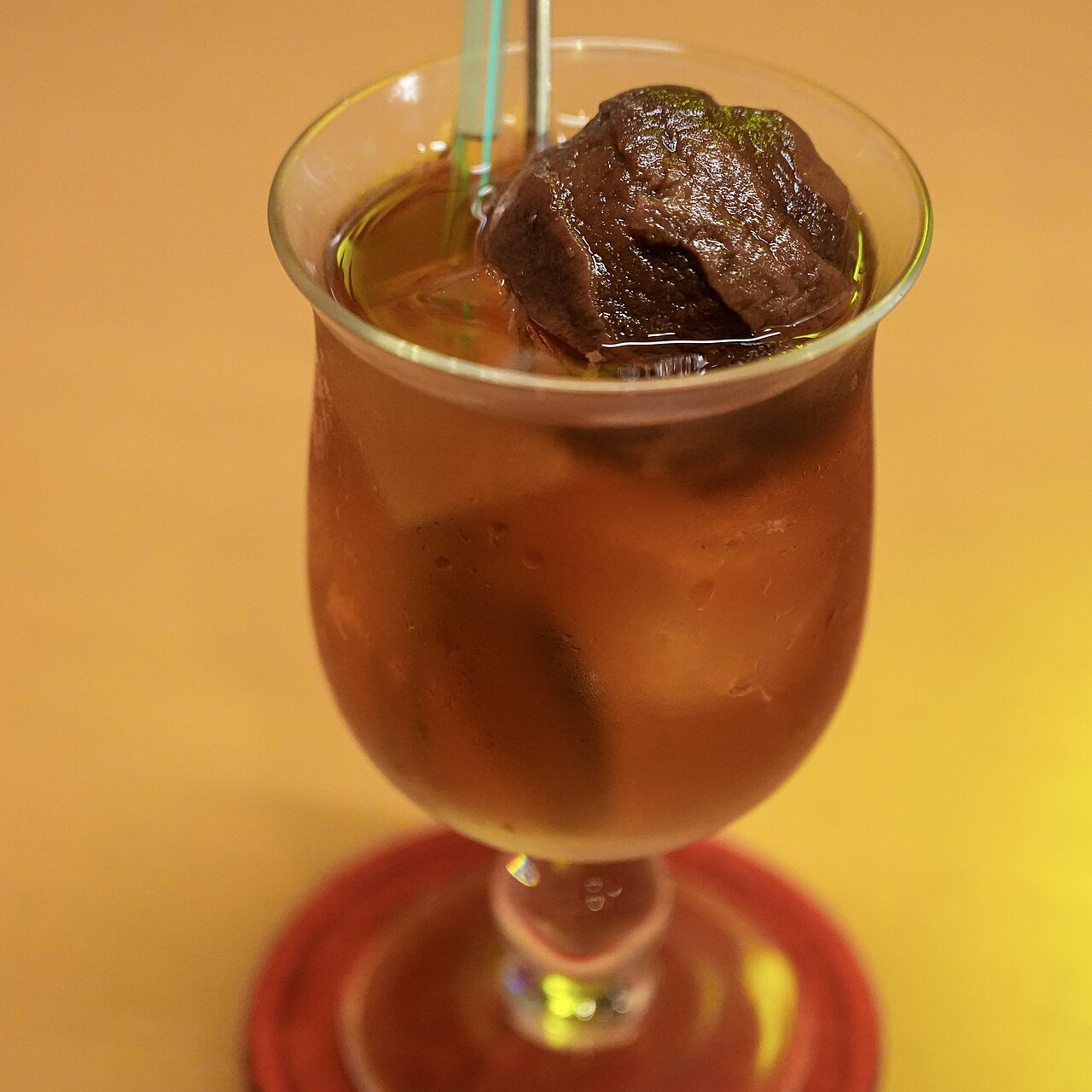
A cold drink made from peeled, dried peaches soaked overnight and then boiled with sugar and cinnamon. When the glass is empty, you eat the soft peach at the bottom.
The name comes from the Quechua word for dried peach.
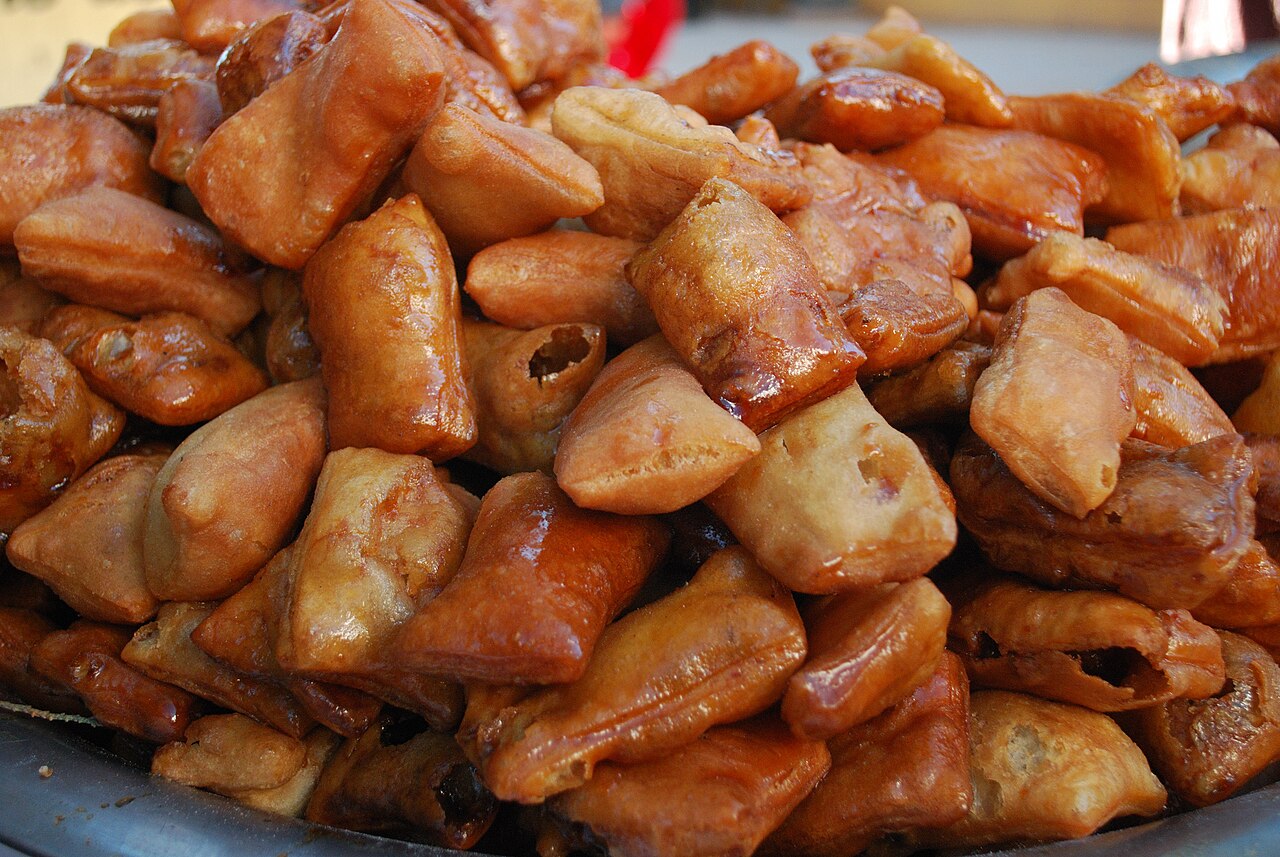
Diamond-shaped pieces of fried dough, soaked in honey or cane syrup, eaten at breakfast or teatime and at the feast of Corpus Christi.
Tawa means four in Quechua, after the four cuts that give them their shape. In 2014 a Bolivian law declared them, with other Potosí sweets, part of the national heritage.
At the table in Bolivia
Lunch, el almuerzo, is the main meal of the day, with a soup first and then a main course. Many shops and offices close from about 12 to 2 pm.
Salteñas are a morning food, sold until about noon. Bite carefully, because they are full of juice.
In the late afternoon, many Bolivians stop for tea or coffee with pastries, just like an English teatime.
Llajwa, the fresh chilli sauce served with many dishes, can be very hot. Taste a little before you spoon it over your food.
Before you start, or when you pass people who are eating, it is polite to say '¡Buen provecho!', which means 'enjoy your meal'.