Brazilian food mixes Indigenous ingredients such as cassava, corn and Amazon fruits with Portuguese, African and immigrant cooking, and every region has its own dishes. Breakfast, café da manhã, is usually light: coffee with milk, bread, fruit and cheese. Lunch, almoço, is the main meal of the day, eaten from about 11 in the morning to 2 in the afternoon, and for millions of Brazilians it means rice and beans every day, with meat or fish, salad and farofa. Dinner is lighter, and a tiny cup of strong, sweet coffee, a cafezinho, is offered at almost any time.
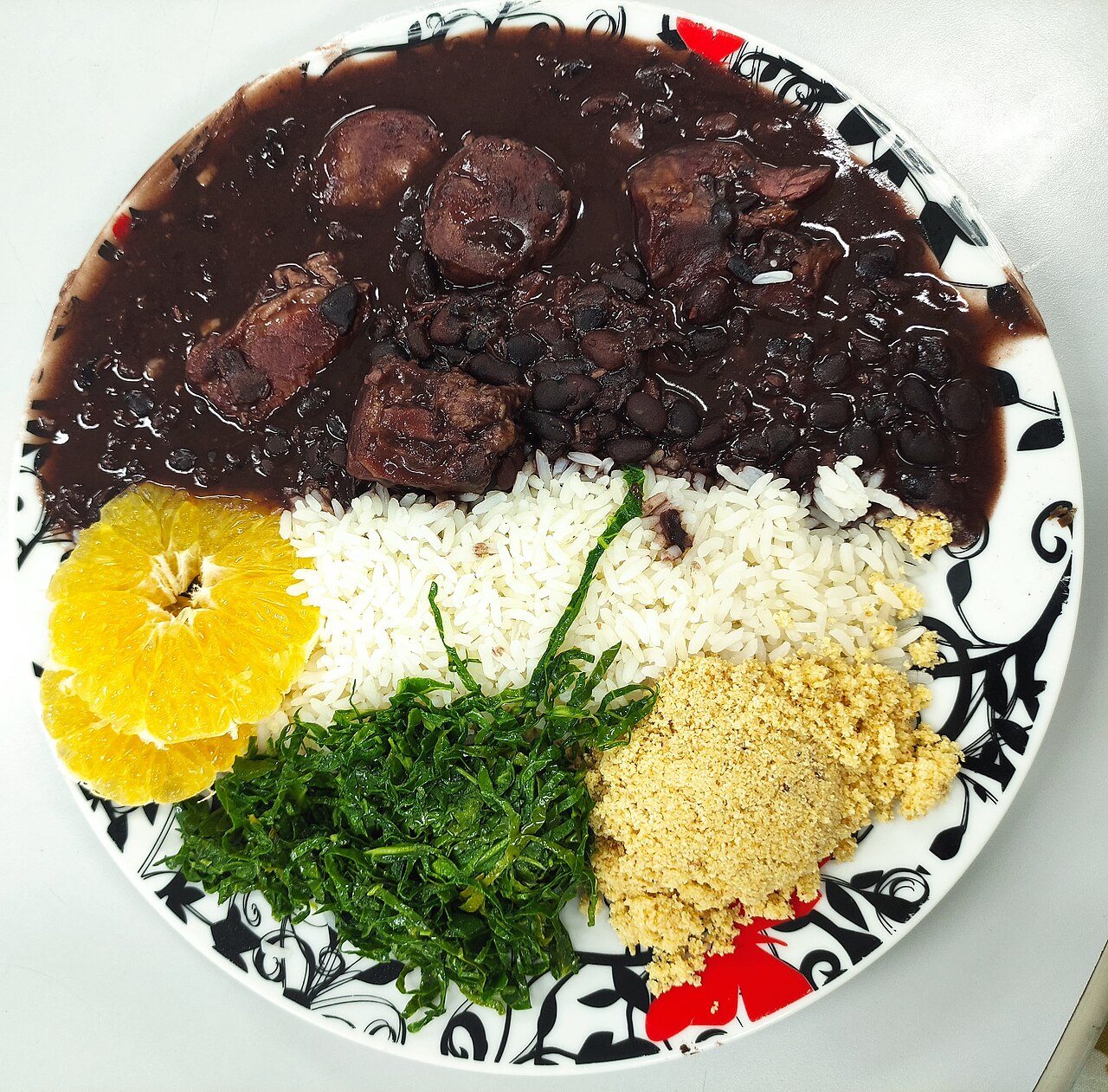
Eaten all over Brazil, traditionally for Saturday lunch. Often called the national dish
A slow-cooked stew of black beans with smoked sausage, pork and dried or salted meats. It is served with white rice, farofa, collard greens and slices of orange.
Bean and pork stews called feijoada are also cooked in Portugal and in other Portuguese-speaking countries. How the Brazilian version began is still debated by food historians.
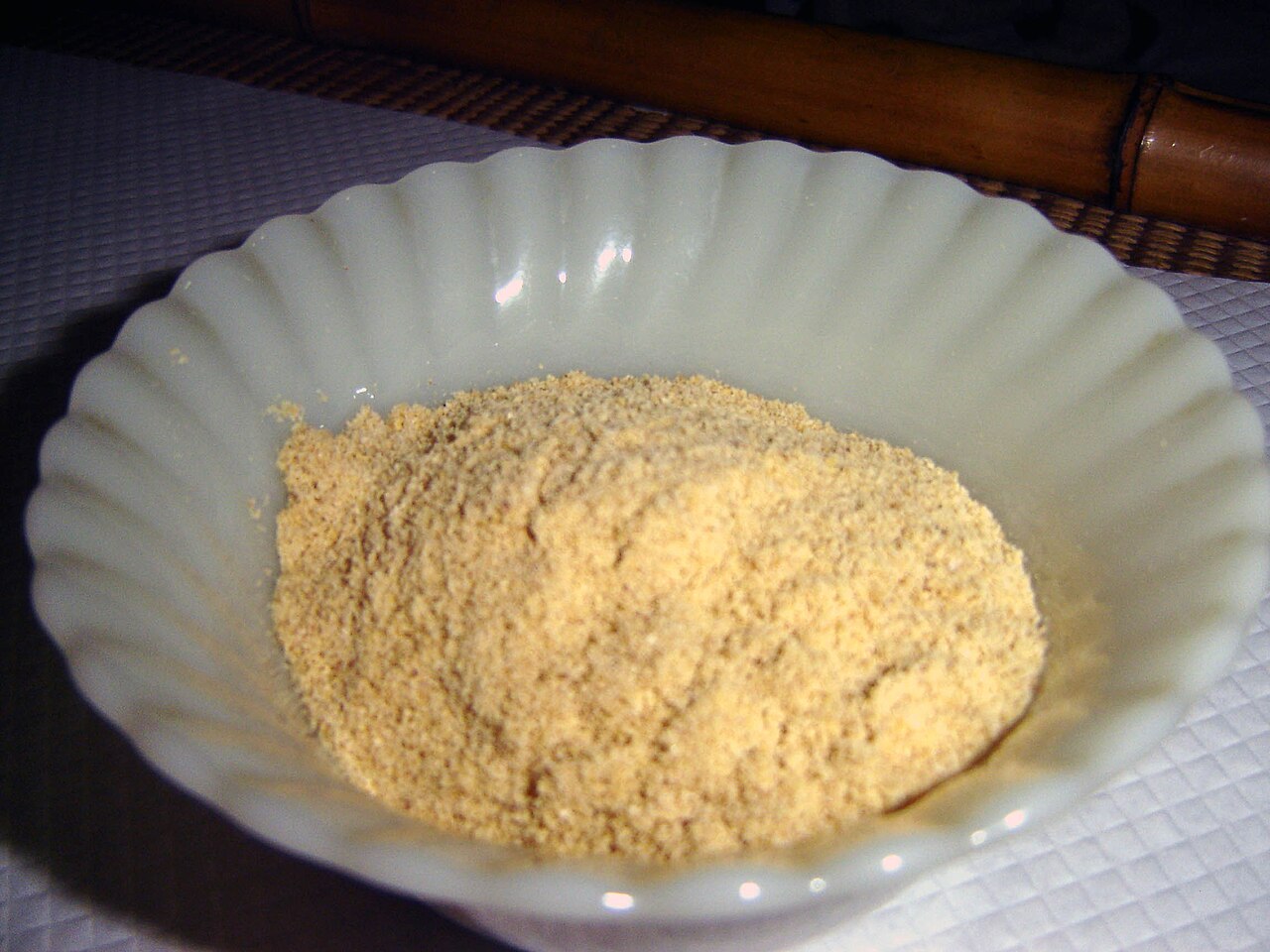
Cassava flour toasted in butter or oil until golden, often with onion, garlic or bacon. Brazilians sprinkle it over rice, beans and grilled meat to add crunch.
In Bahia, farofa is often made with dendê, red palm oil, which turns it yellow.
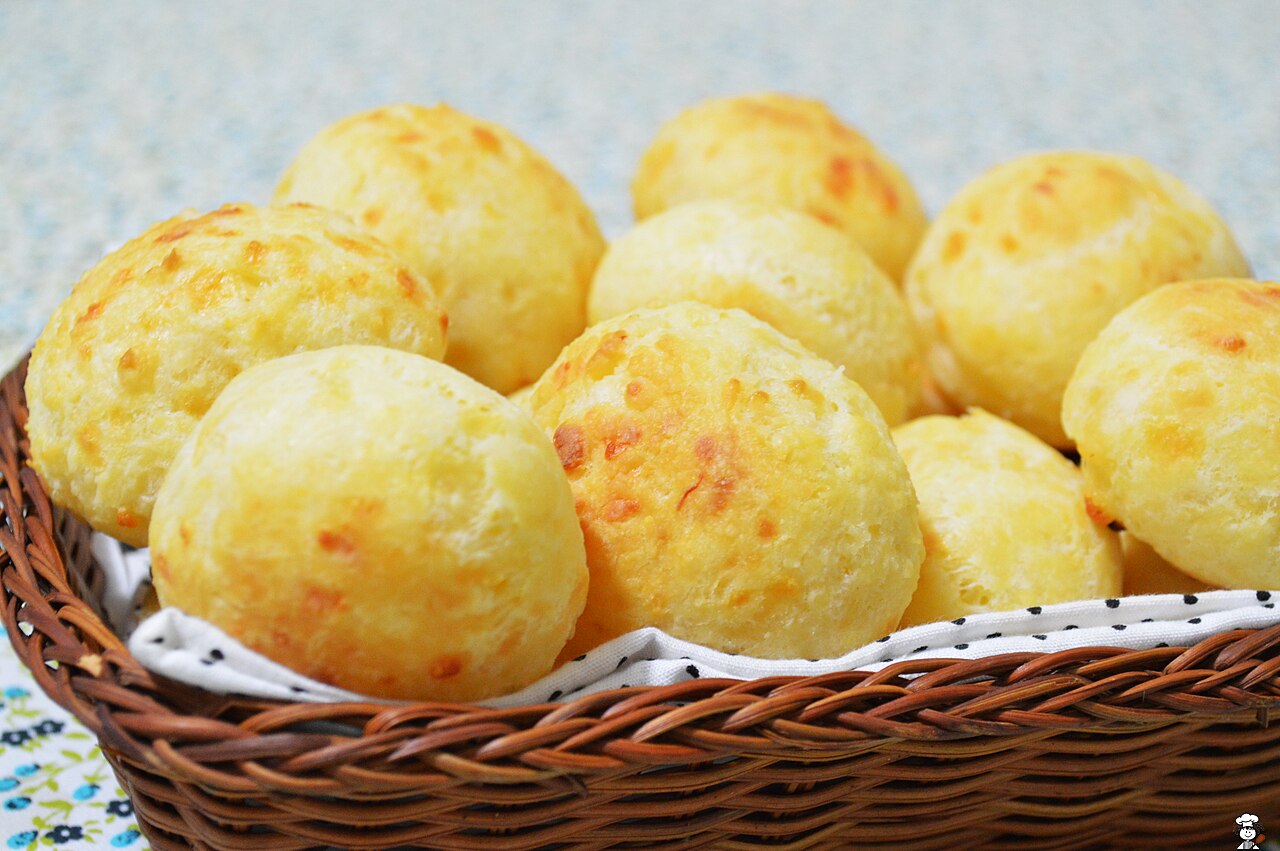
Small, warm balls of bread, crisp outside and soft and chewy inside, made with cassava starch, eggs, milk and cheese. It is eaten at breakfast and with coffee in the afternoon.
It is made with cassava starch, not wheat flour, so it contains no gluten. Cooks in Minas Gerais made bread from cassava as early as the 1700s; the cheese came later.
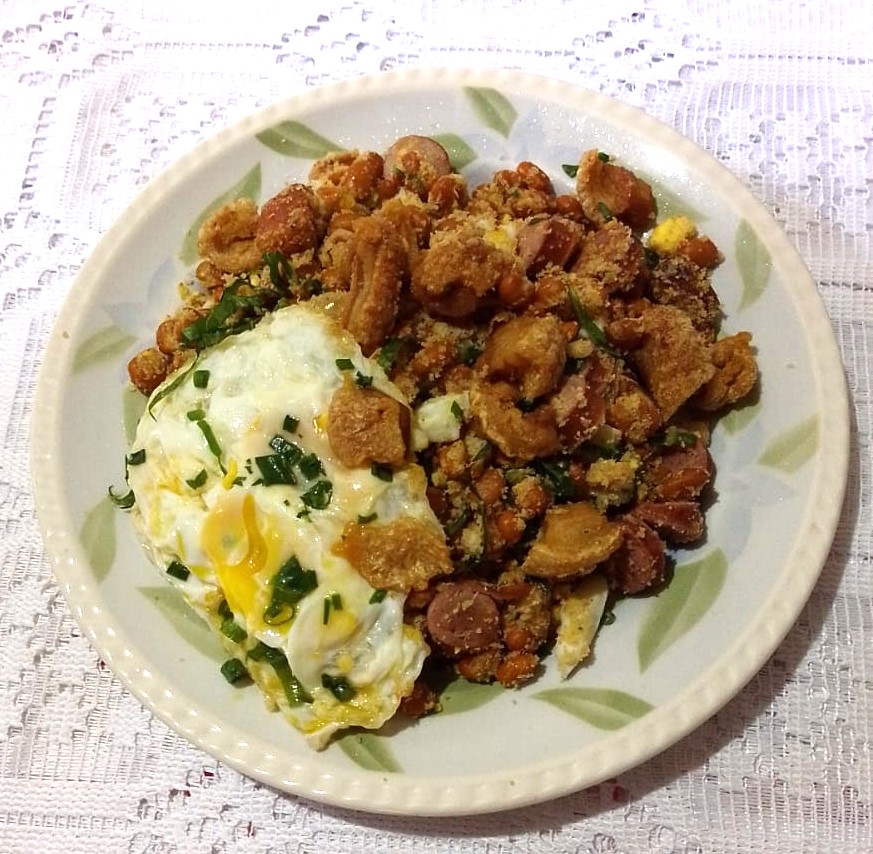
Beans mixed with cassava flour, fried sausage, bacon, egg, garlic and onion, often with collard greens. A hearty dish that keeps well.
It is named after the tropeiros, merchants who drove mule trains across the interior and needed food that would last on long journeys. In Belo Horizonte it is a favourite at the football stadium.
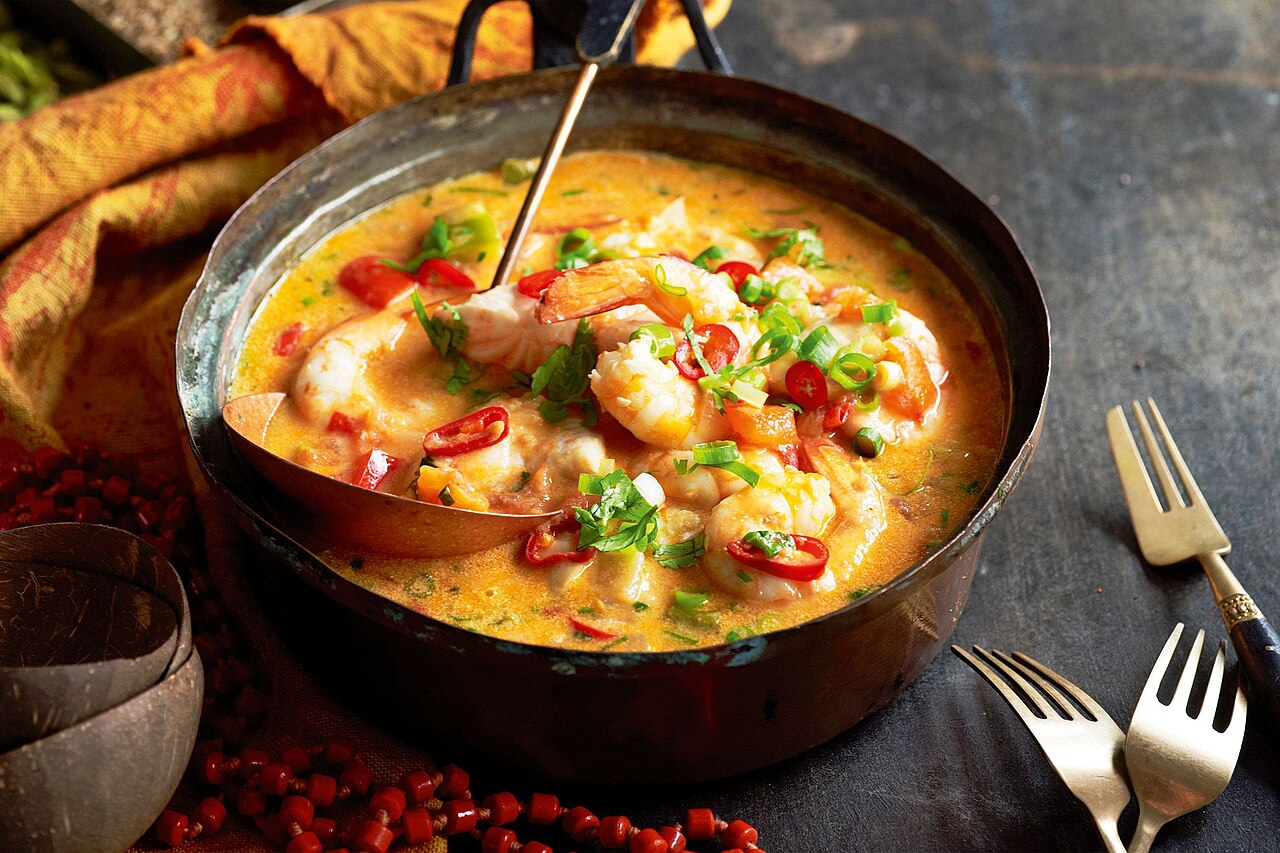
The coast of Bahia (moqueca baiana) and Espírito Santo (moqueca capixaba), each with its own version
A fish or prawn stew cooked with tomatoes, onions, peppers, lime and coriander. The Bahian moqueca adds coconut milk and dendê, red palm oil. The version from Espírito Santo is lighter, made with olive oil and annatto instead of palm oil, and is always cooked in a black clay pot.
Both states are proud of their own version. Food historians trace moqueca back to Indigenous fish cooked in leaves, with Portuguese and African ingredients added later.
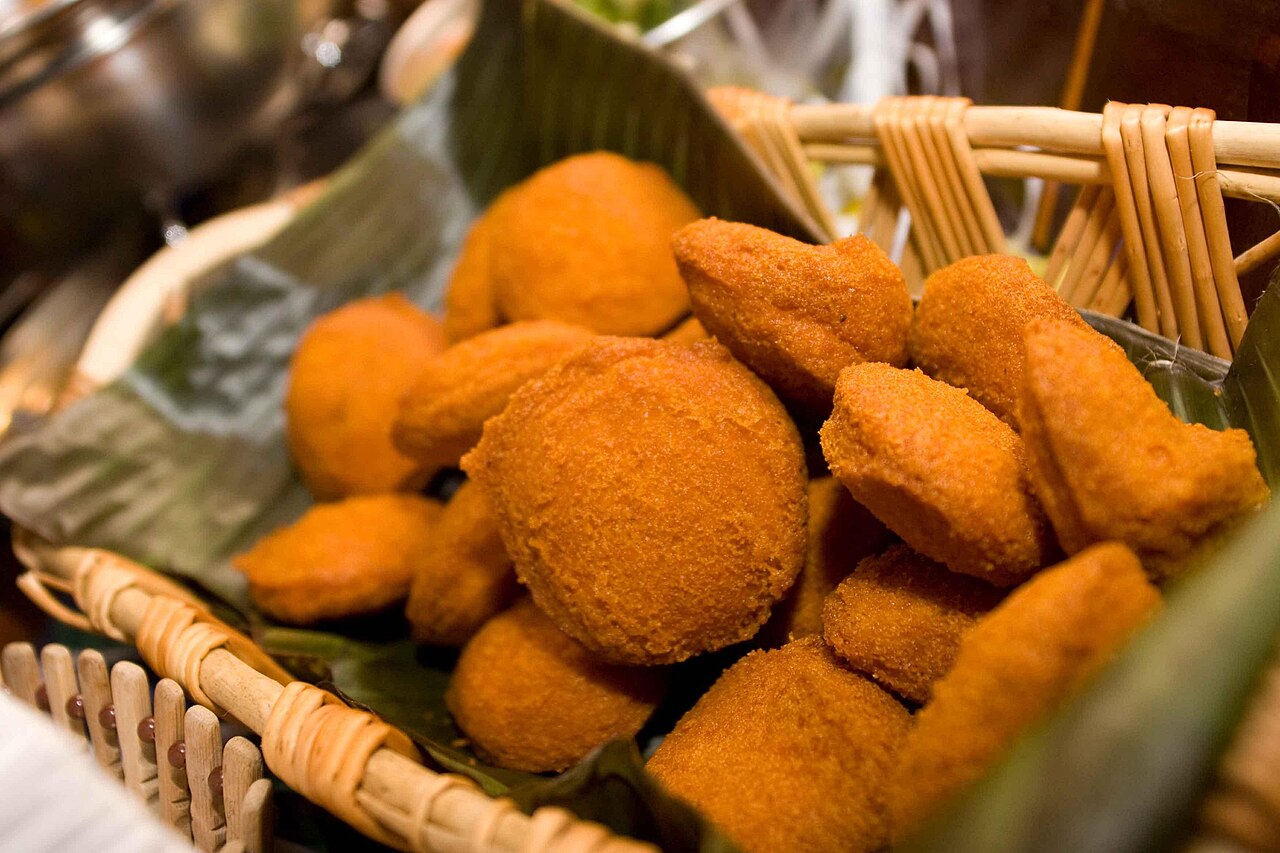
A fritter of mashed black-eyed peas fried in dendê, red palm oil, split open and filled with vatapá, a creamy paste of bread, prawns, coconut milk, peanuts or cashews and palm oil, and with more dried prawns.
It is sold in the streets of Salvador by the baianas de acarajé in white dresses and headscarves. The dish comes from the Yoruba akara and was brought by enslaved West Africans. The craft of the baianas de acarajé is protected as part of Brazil's national heritage.
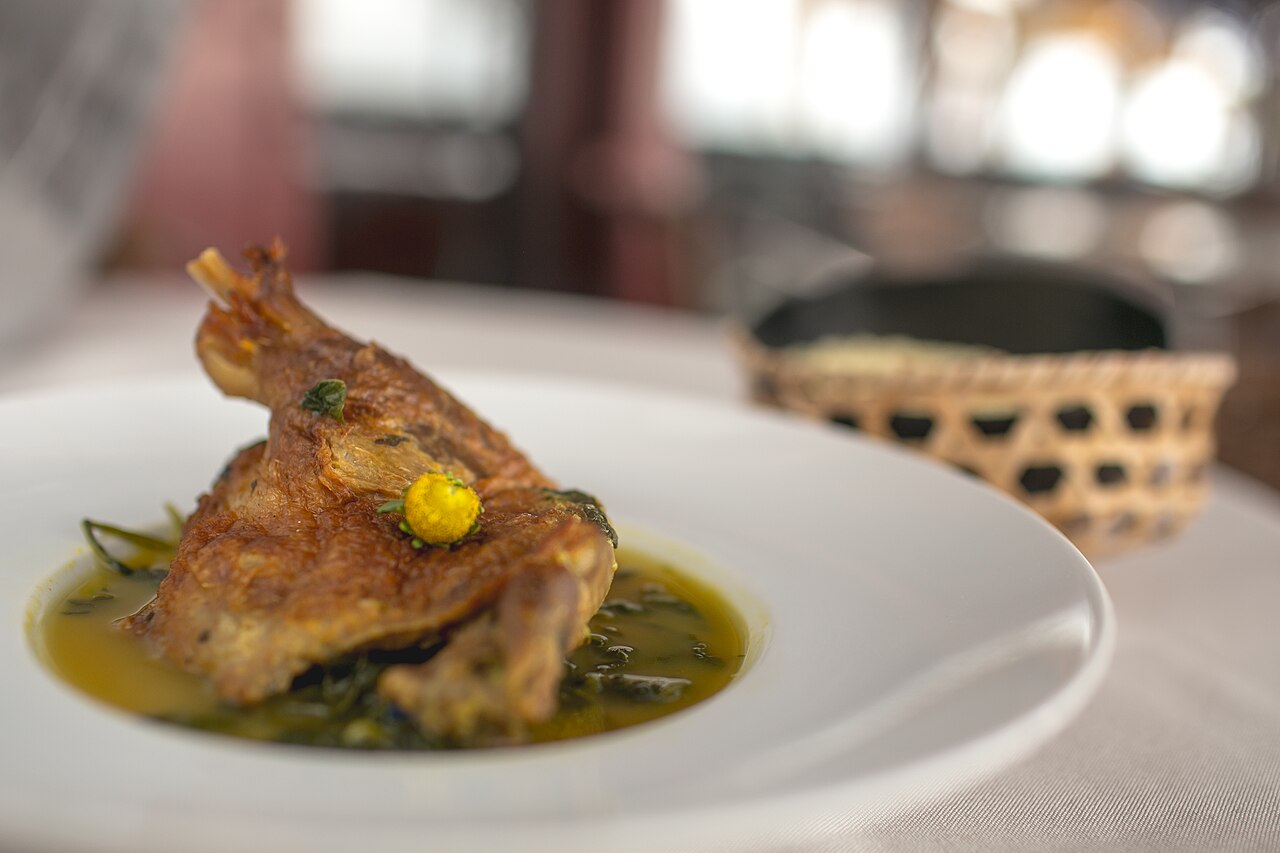
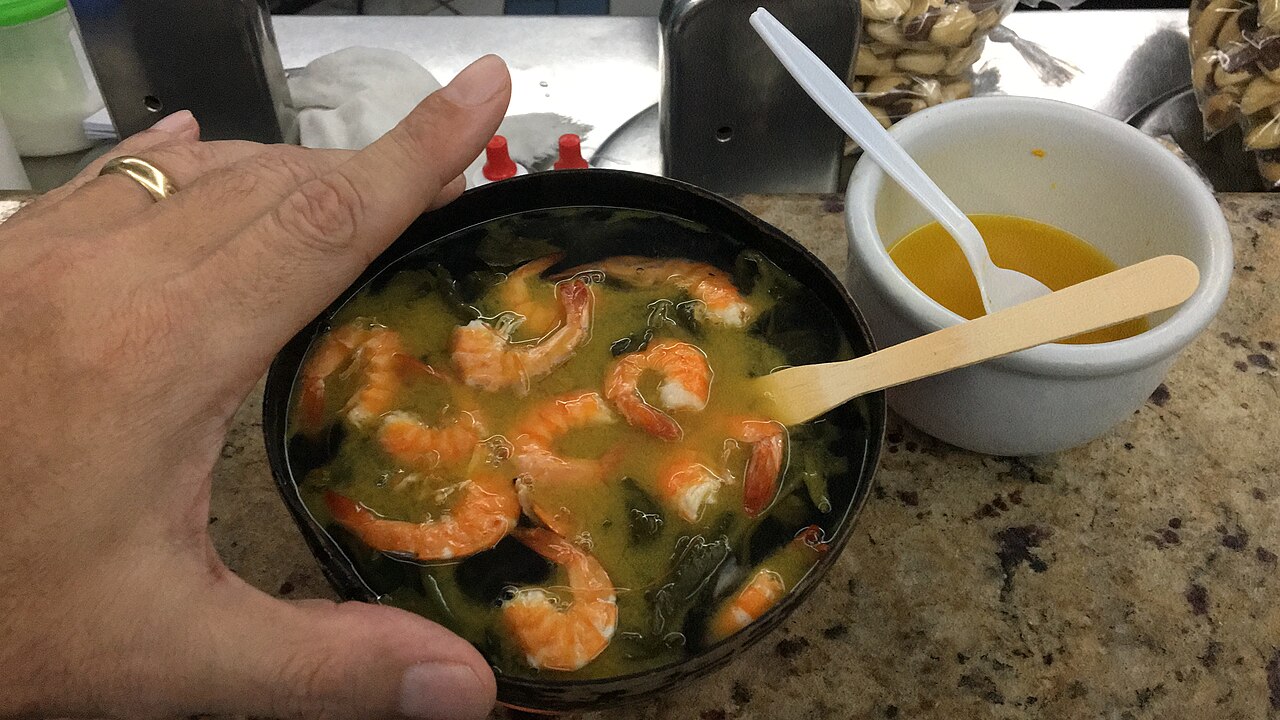
Duck simmered in tucupi, a yellow broth made from the juice of bitter cassava root, with jambu leaves that make your lips tingle. It is served with rice and cassava flour.
Raw cassava juice is poisonous, so tucupi must be carefully fermented and cooked before it is safe to eat. Never make it yourself from raw cassava.
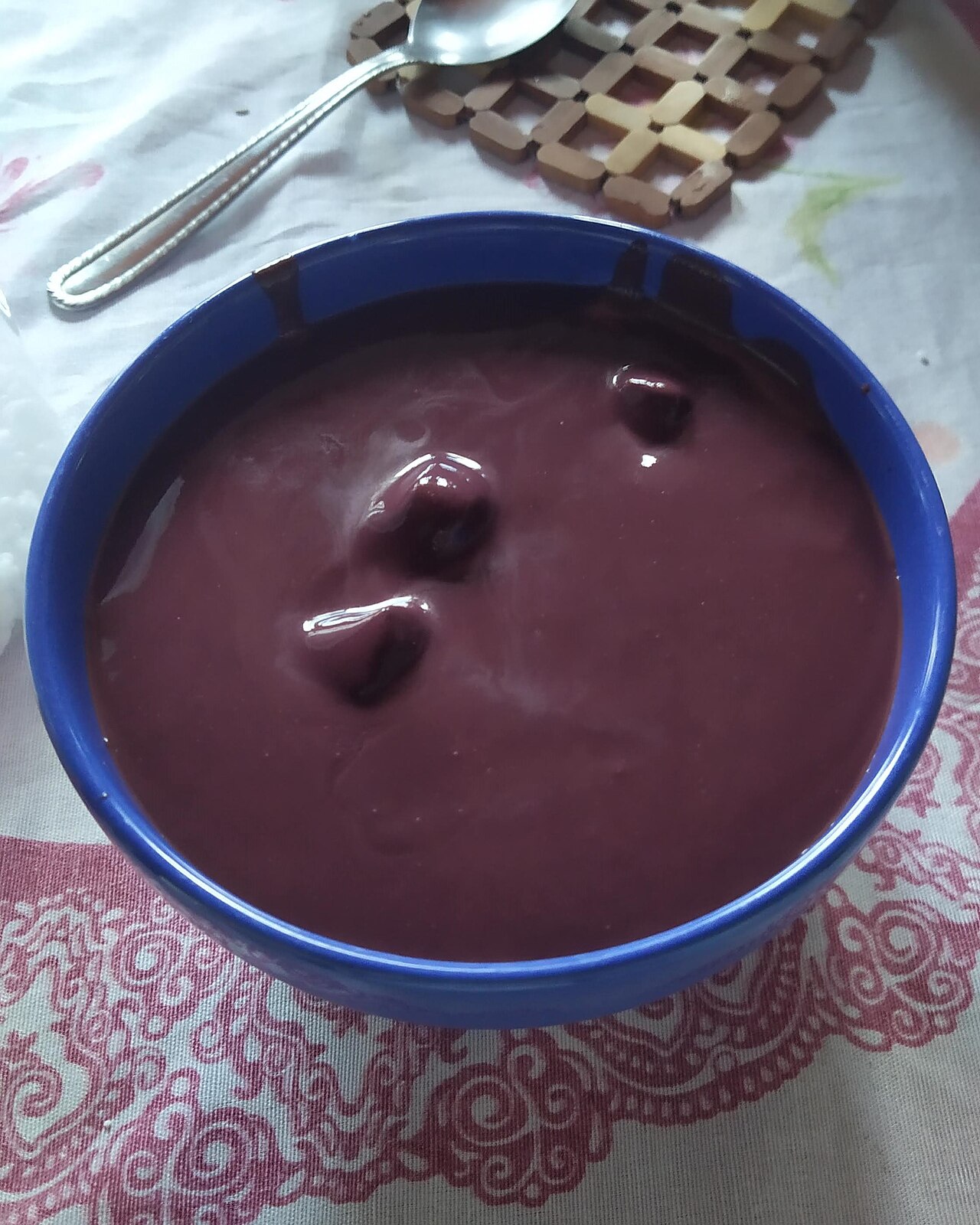
The dark purple pulp of the açaí palm fruit. In Rio de Janeiro and the rest of Brazil it is frozen and eaten sweet in a bowl with banana and granola. In the Amazon it is traditionally eaten unsweetened, as part of a meal with fish and cassava flour.
Brazil grows almost all of the world's açaí, and most of it comes from the state of Pará. The sweet frozen bowl became popular in Rio de Janeiro in the 1980s.
Rio Grande do Sul, from the gaúcho cattle herders of the south
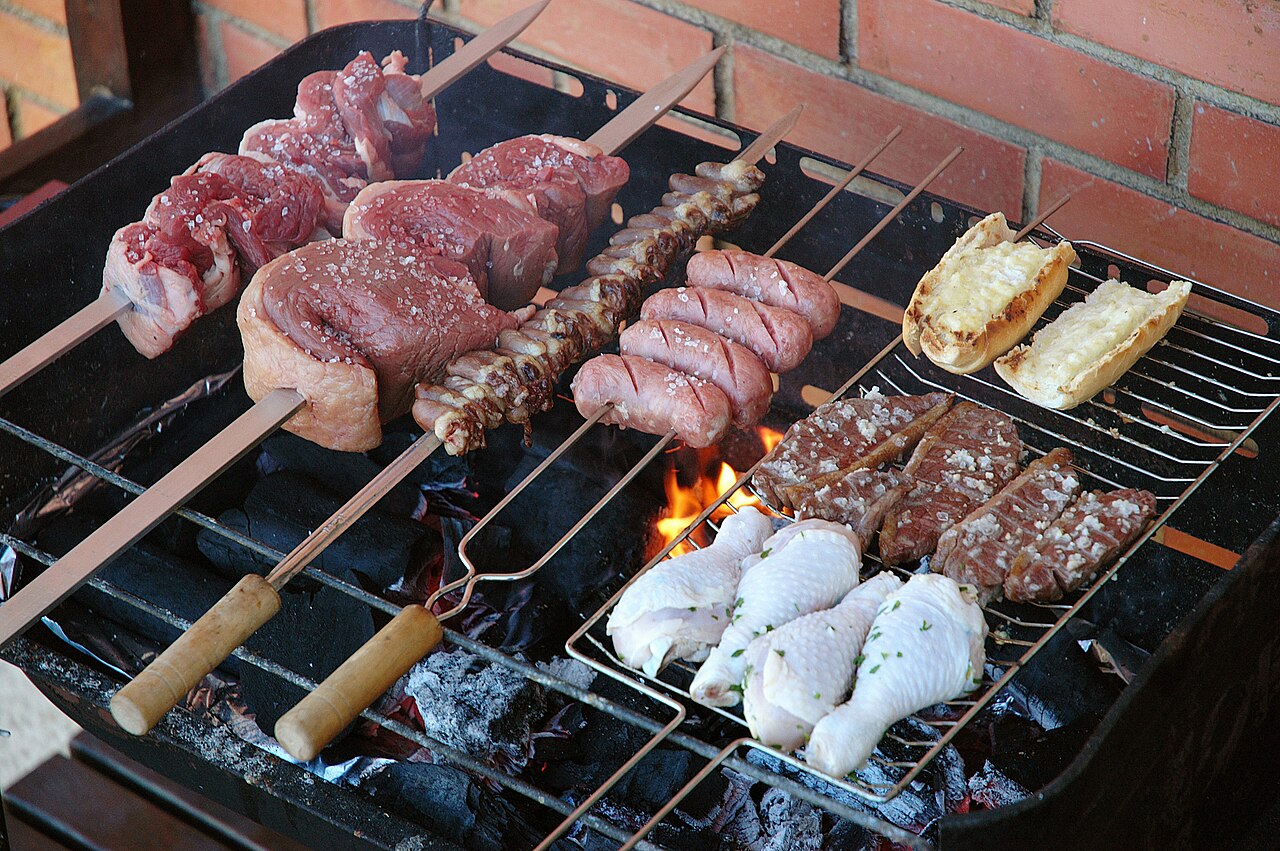
Beef, pork, sausage and chicken grilled on long skewers over charcoal. In a churrascaria, waiters walk from table to table with skewers and slice meat straight onto your plate.
This way of serving is called rodízio or espeto corrido: you pay one price and the meat keeps coming until you say stop.
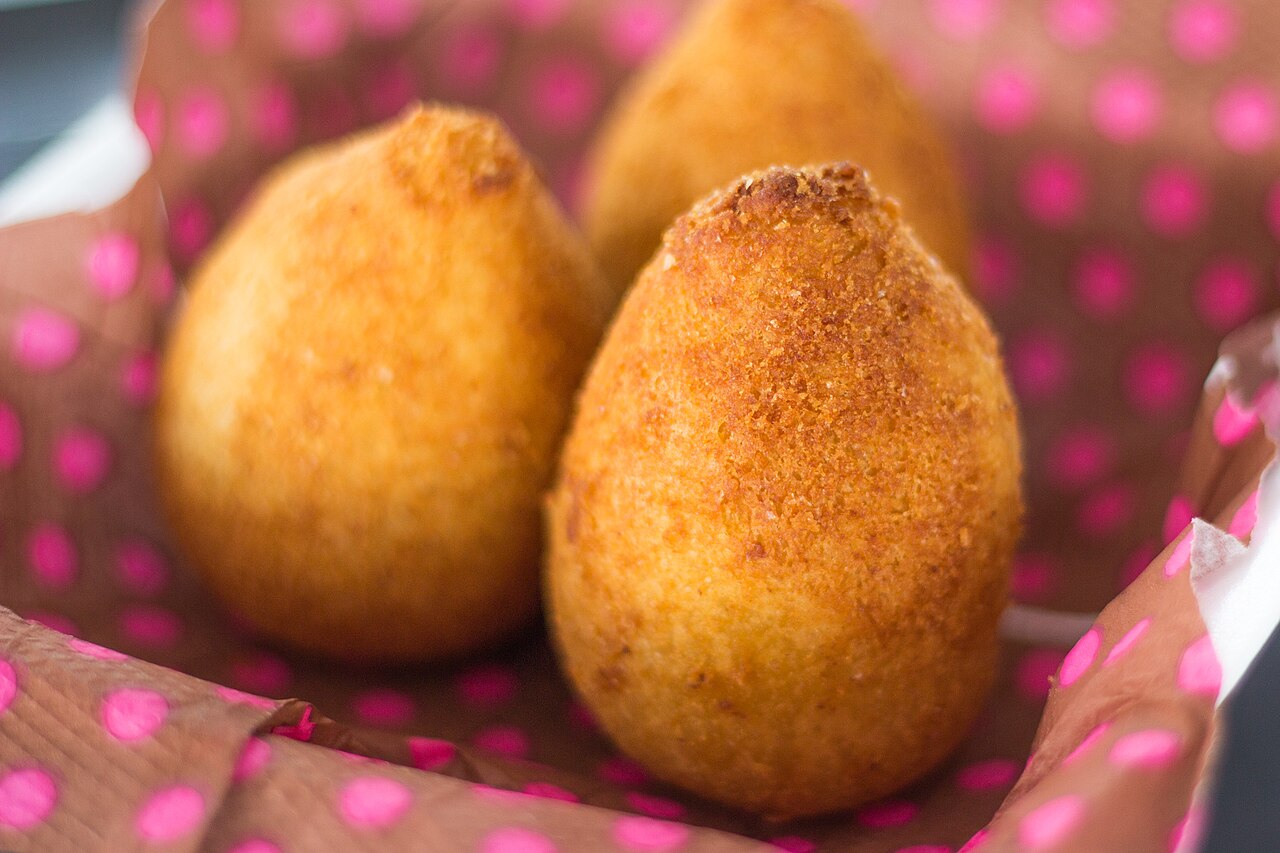
Shredded, seasoned chicken, often with creamy cheese, wrapped in a soft dough, shaped like a teardrop, coated in breadcrumbs and deep-fried. One of Brazil's favourite snacks in bars and bakeries.
Coxinha means 'little thigh', because it is shaped like a chicken drumstick. A popular legend links it to the son of Princess Isabel, but nobody knows for sure where it began.
Street markets all over Brazil, especially São Paulo
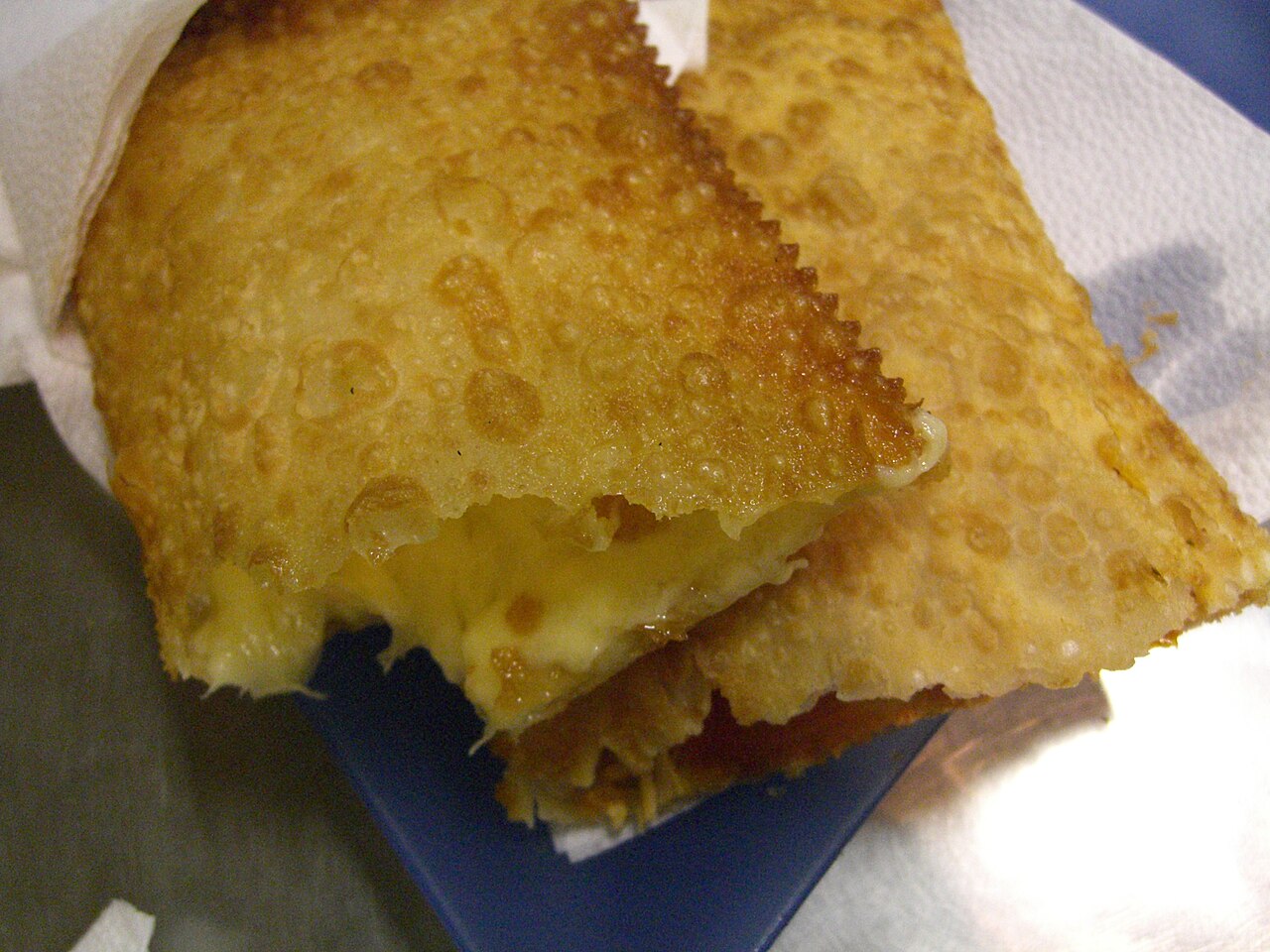
A large, thin, crisp pastry pocket, deep-fried and filled with minced meat, cheese, heart of palm, chicken or prawns, or sweet fillings such as guava paste with cheese.
At weekly street markets it is eaten with a glass of fresh sugarcane juice, caldo de cana. A popular story says Japanese immigrants created it from Chinese spring rolls, but this has not been proved.
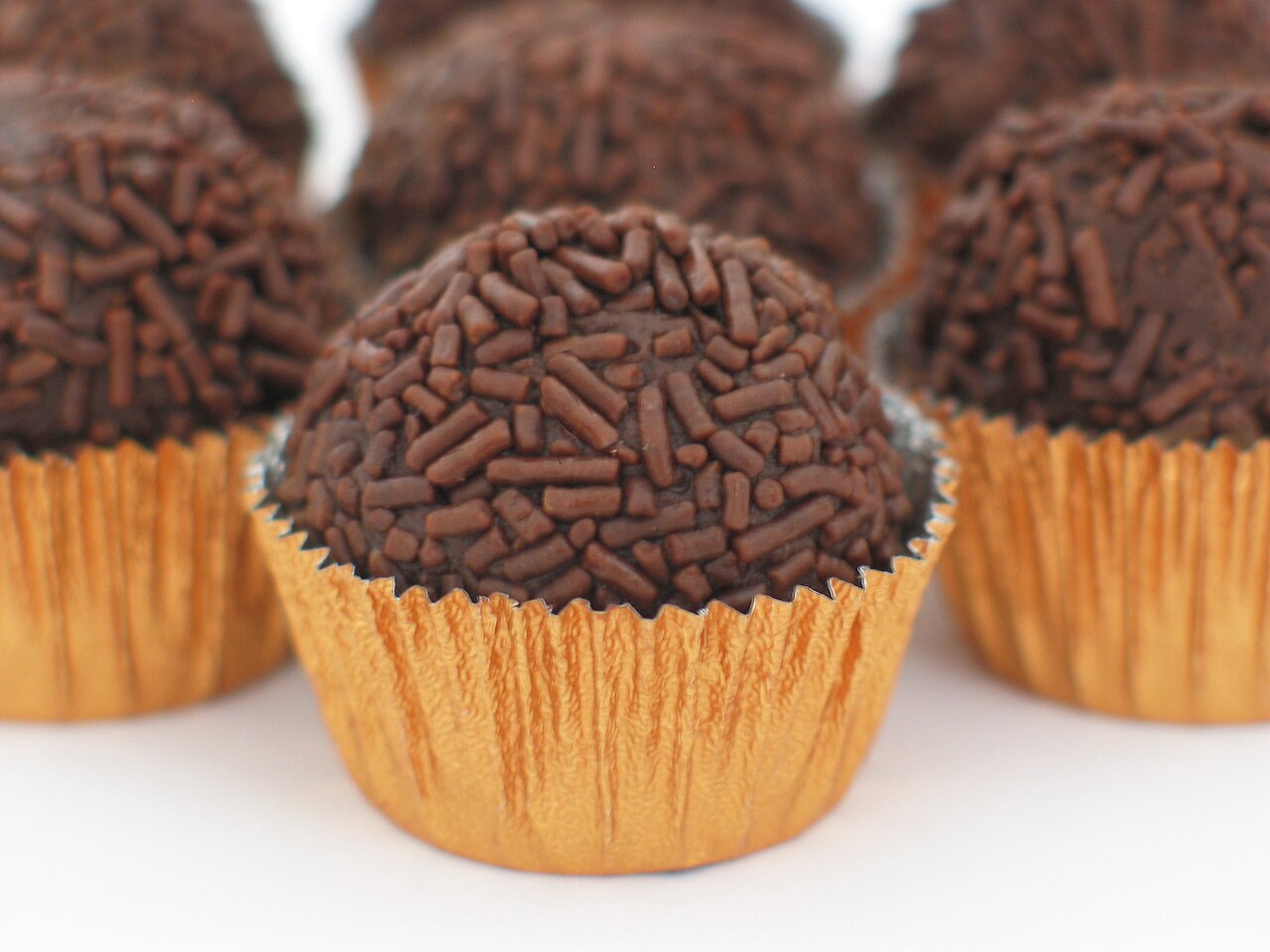
Soft chocolate truffles made of condensed milk, butter and cocoa, rolled in chocolate sprinkles. No Brazilian birthday party is complete without them.
They are named after Brigadier Eduardo Gomes, an air force officer who ran for president in 1945. They were first made by Heloísa Nabuco de Oliveira in Rio de Janeiro and sold to raise money for his campaign. He lost, but the sweet stayed.
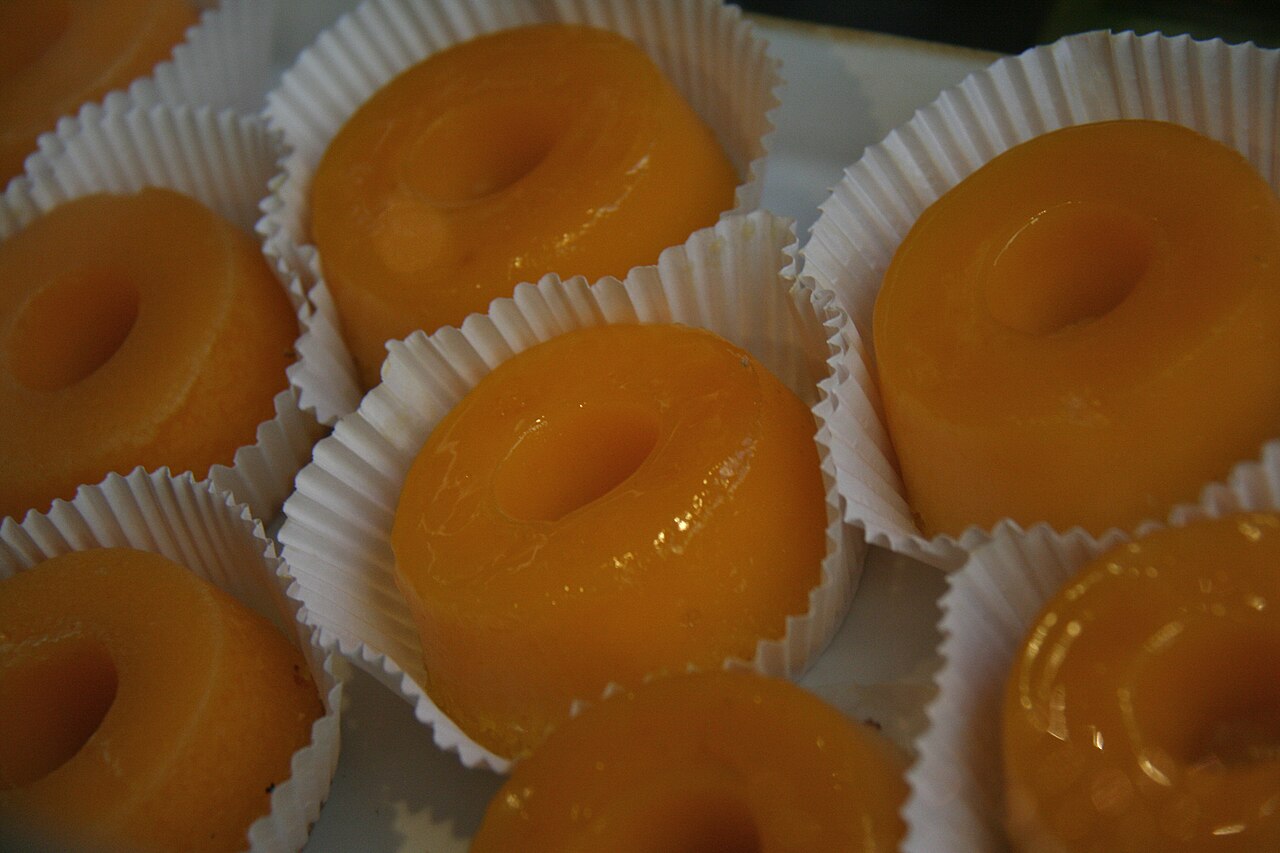
A small, shiny, bright yellow baked custard of egg yolks, sugar and grated coconut, turned out of its mould and served cold.
It joins Portuguese sweets made with egg yolks to the coconut of Brazil's northeast. Its name comes from a word in Kikongo, a language of Central Africa.
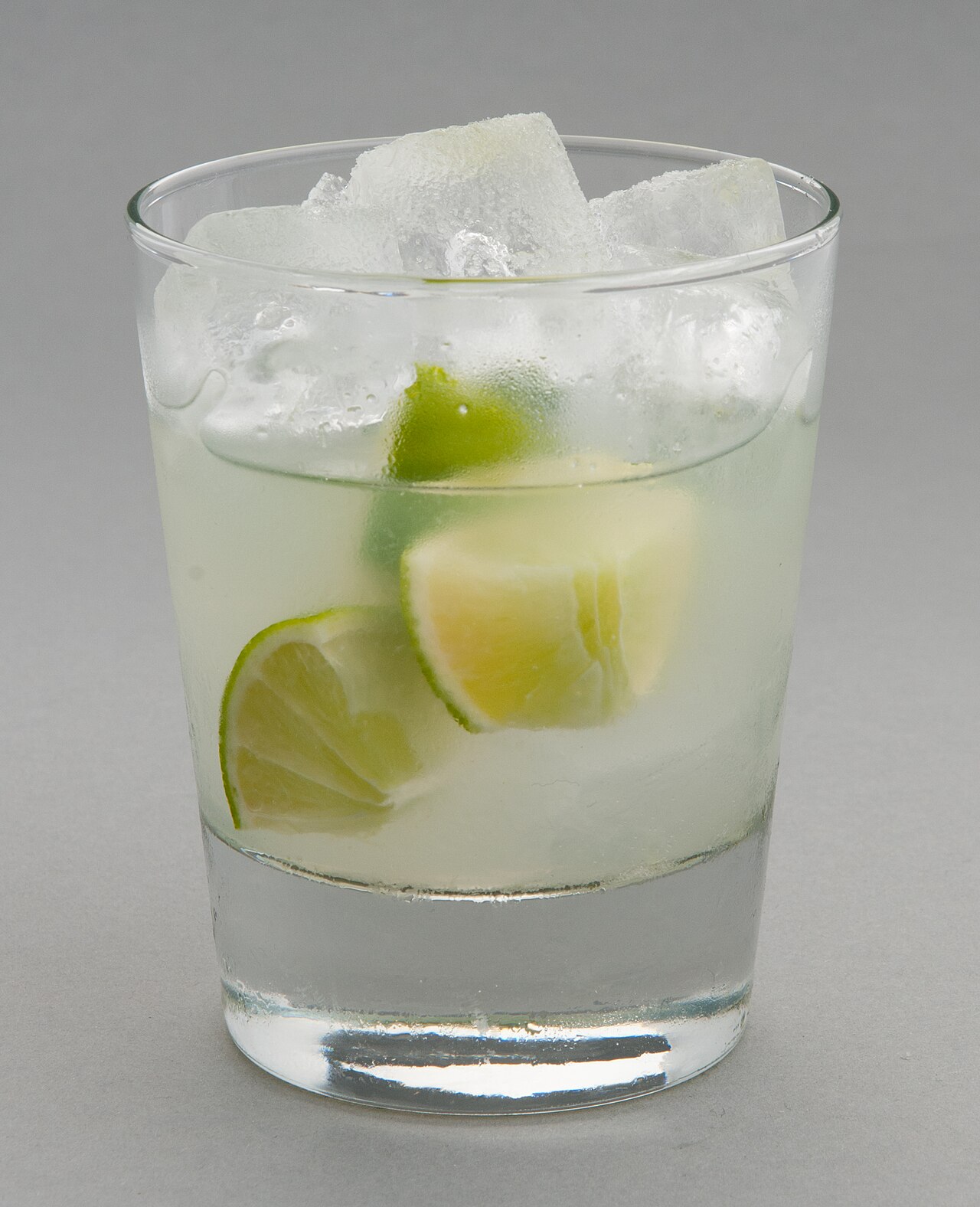
Brazil's national cocktail: lime and sugar crushed in the glass, with ice and cachaça, a spirit distilled from sugarcane juice. It is strong, so sip it slowly.
The name comes from caipira, a word for the country people of São Paulo state. With vodka instead of cachaça it becomes a caipiroska.
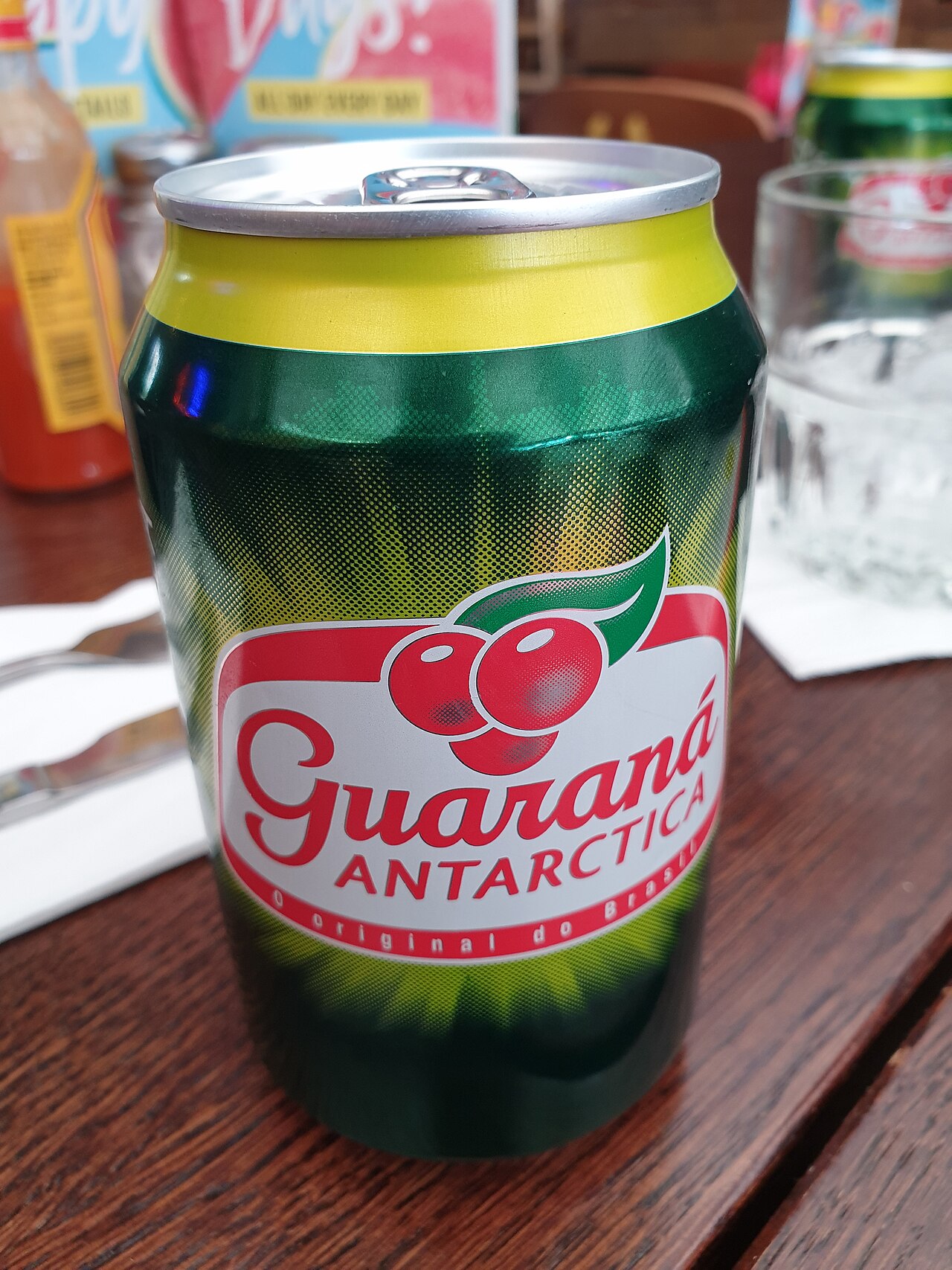
Made from an Amazon fruit; bottled as a soft drink since the early 1900s
A sweet, fizzy soft drink flavoured with guaraná, a fruit from the Amazon. It contains a little natural caffeine and is Brazil's own soft drink.
Guaraná Champagne Antarctica, one of the best-known brands, was launched in 1921.
At the table in Brazil
Lunch, almoço, is the main meal of the day, usually eaten between 11 in the morning and 2 in the afternoon. Rice and beans are on the table almost every day.
In many towns you will find 'comida por quilo' restaurants: you fill your plate at a buffet and pay by the weight of the food.
In a churrascaria, waiters bring meat on skewers to your table and slice it onto your plate. Take small pieces, because the meat keeps coming.
Most restaurants add a 10 percent service charge (serviço) to the bill. It counts as the tip, so you do not need to add more.
Feijoada is a heavy dish, traditionally eaten for a long lunch on Saturday.
Coffee is the national drink. A cafezinho, a tiny cup of strong, sweet coffee, is offered after meals and to visitors.