Ecuadorian food changes with the altitude. On the coast people eat fish, prawns and green plantains, often cooked with peanuts or coconut, a legacy of African cooks. In the Andes the table is full of potatoes, maize, pork and, on special days, roast guinea pig. In the Amazon, cassava (yuca) is the staple. Lunch is the main meal: first a soup, then a 'segundo' of rice with meat, chicken or fish, and finally a dessert and coffee. Supper is lighter, sometimes just coffee or herbal tea with bread.
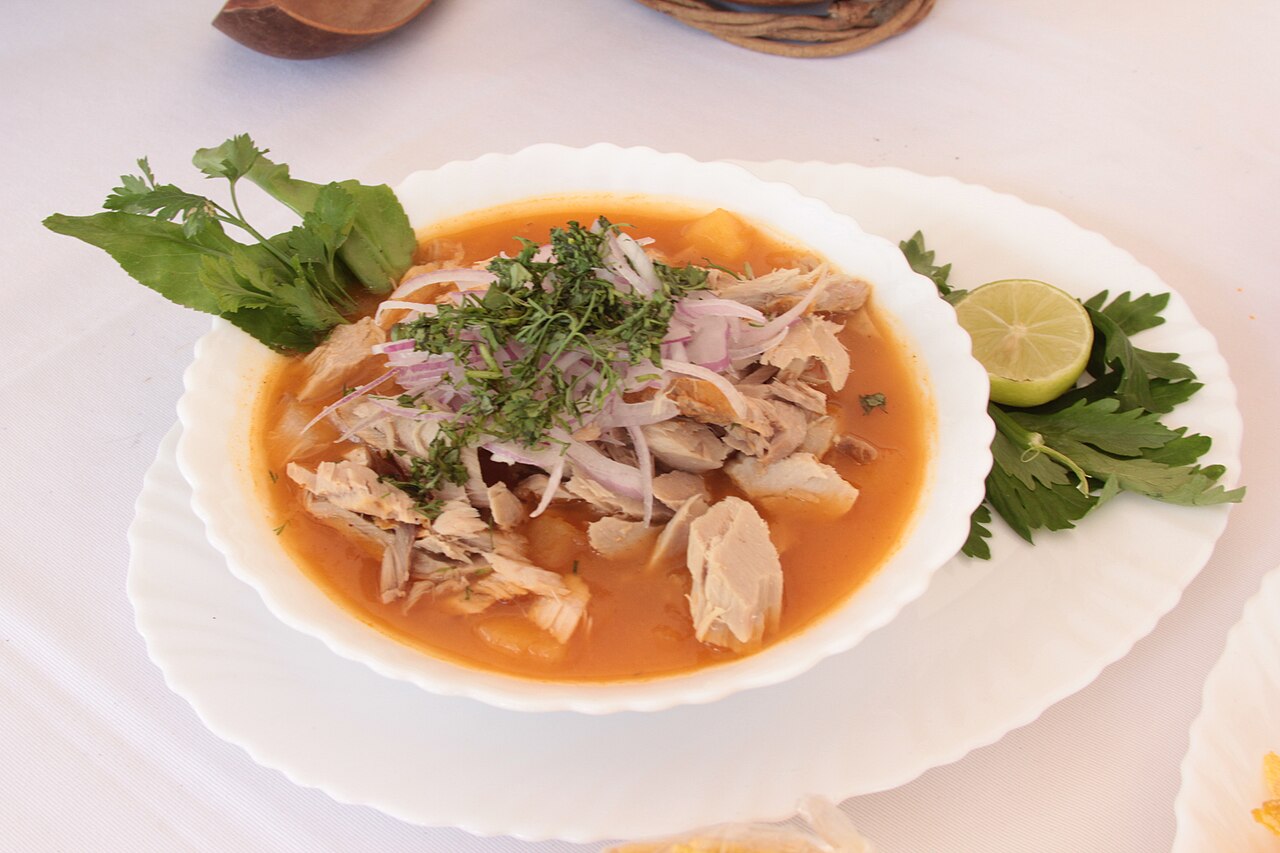
A hearty fish soup made with albacore or other tuna, boiled cassava and a topping of pickled red onion, tomato and coriander. It is served with lime, toasted corn and crisp banana chips called chifles.
Ecuadorians eat it at breakfast, lunch or dinner. Some restaurants sell nothing else and open early in the morning, and it is the country's favourite cure for a hangover, which Ecuadorians call a 'chuchaqui'.
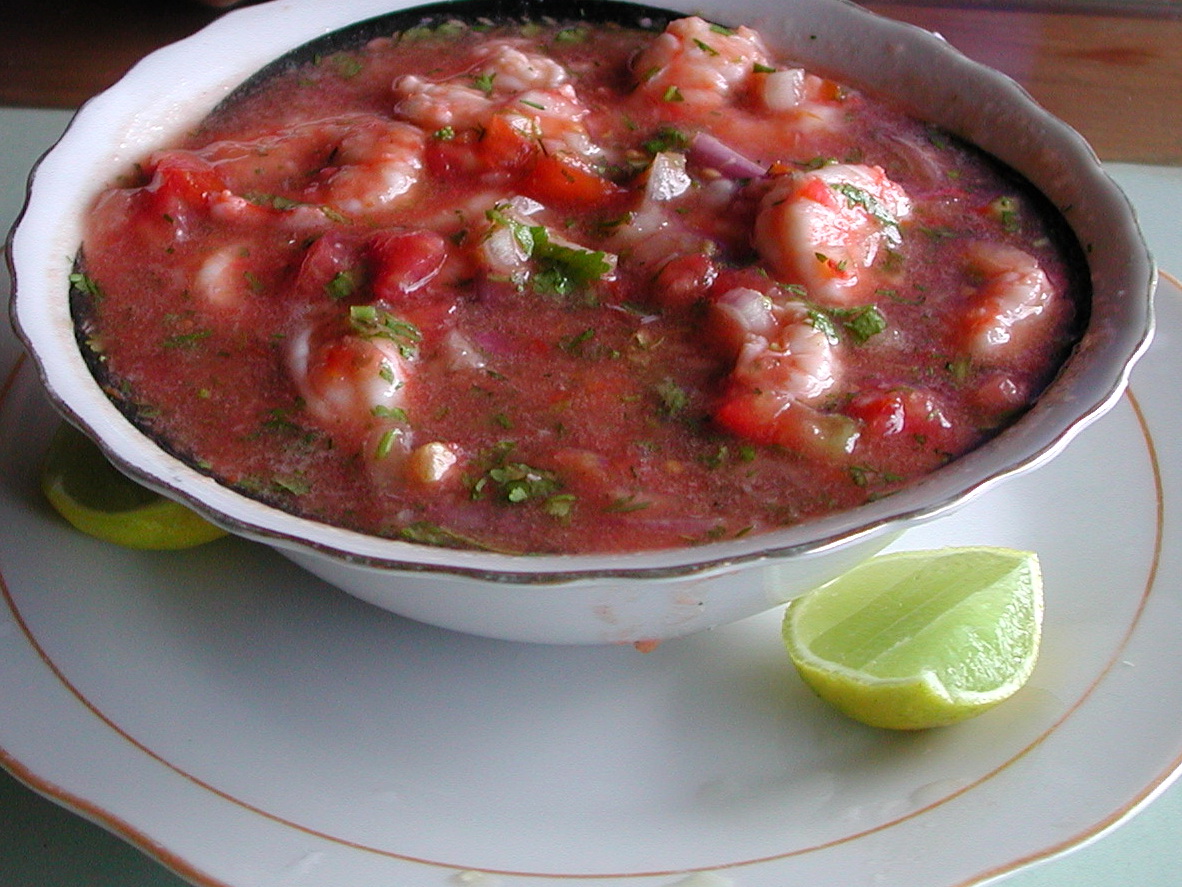
Cooked prawns served cold in a tangy juice of lime, bitter orange and tomato, with red onion and coriander. Unlike the Peruvian kind, Ecuadorian ceviche is usually made with cooked seafood, and it comes with popcorn, toasted corn or plantain chips on the side.
Some cooks stir in a little tomato ketchup and mustard. In the Andes, where seafood was scarce, there are even vegetarian versions made with lupin beans or palm hearts.
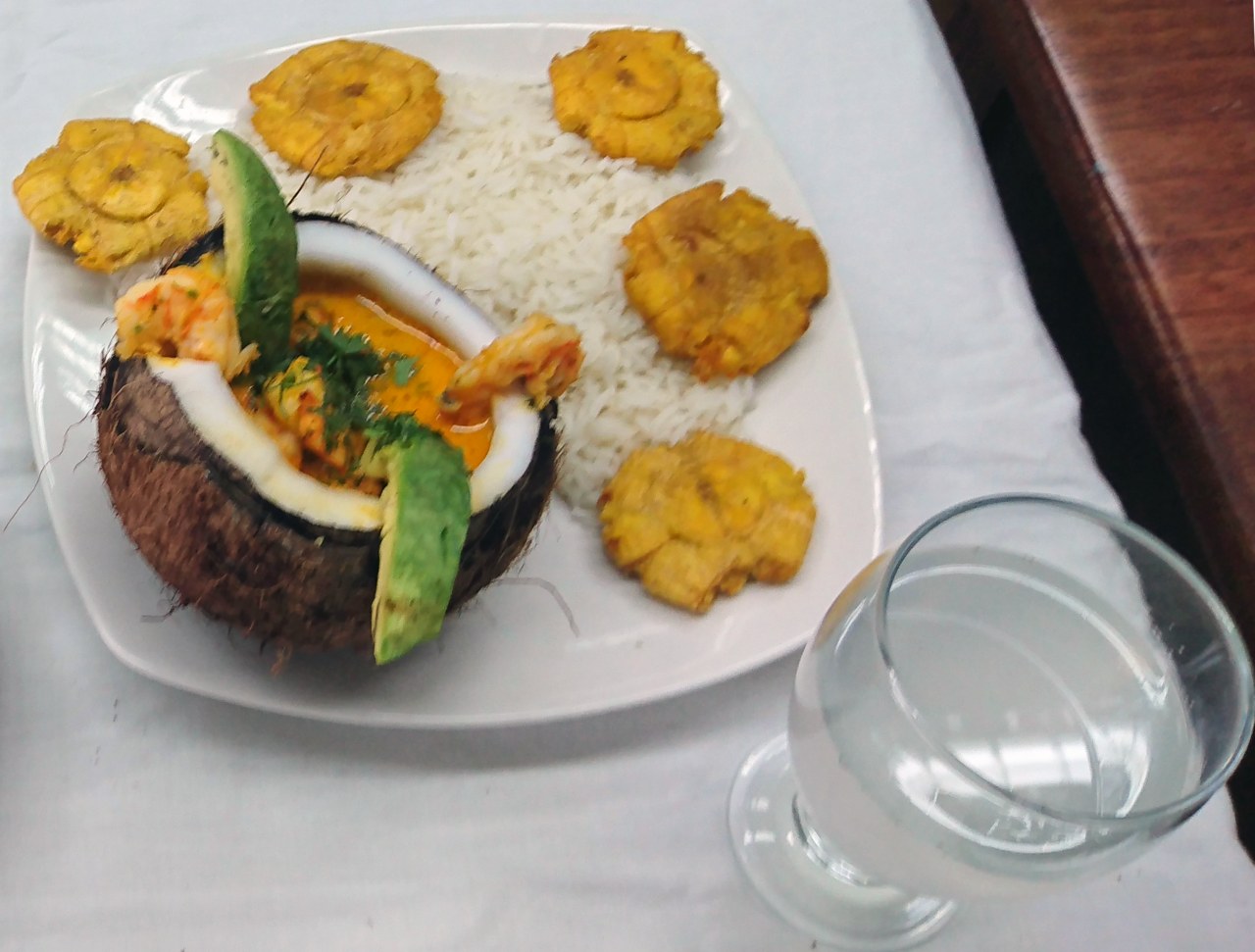
Fish or prawns simmered in a rich sauce made from freshly grated coconut, with garlic, onion and local herbs. It is served with rice and fried plantains.
The dish goes back to the recipes of Africans who settled on the coast of Esmeraldas in colonial times. Its name comes from 'coco', coconut.
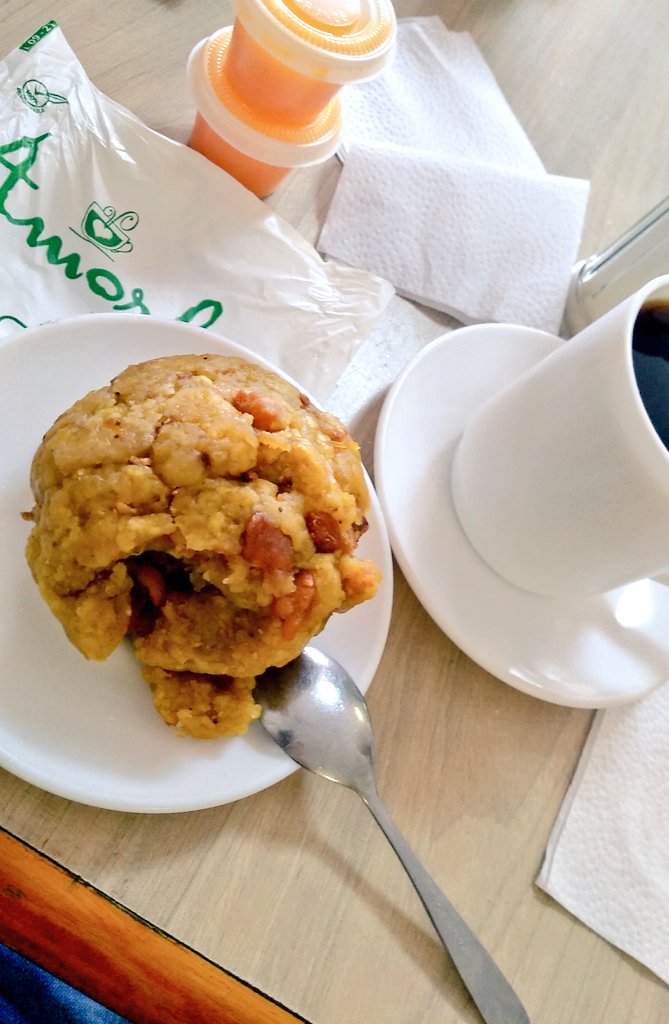
A ball about the size of a fist, made of green plantain that is cooked, mashed and kneaded with cheese or crispy pork, then fried until golden. On the coast it is a very common breakfast, served with black coffee.
Guinness World Records recognised a giant bolón of 292 kg, made in New York.
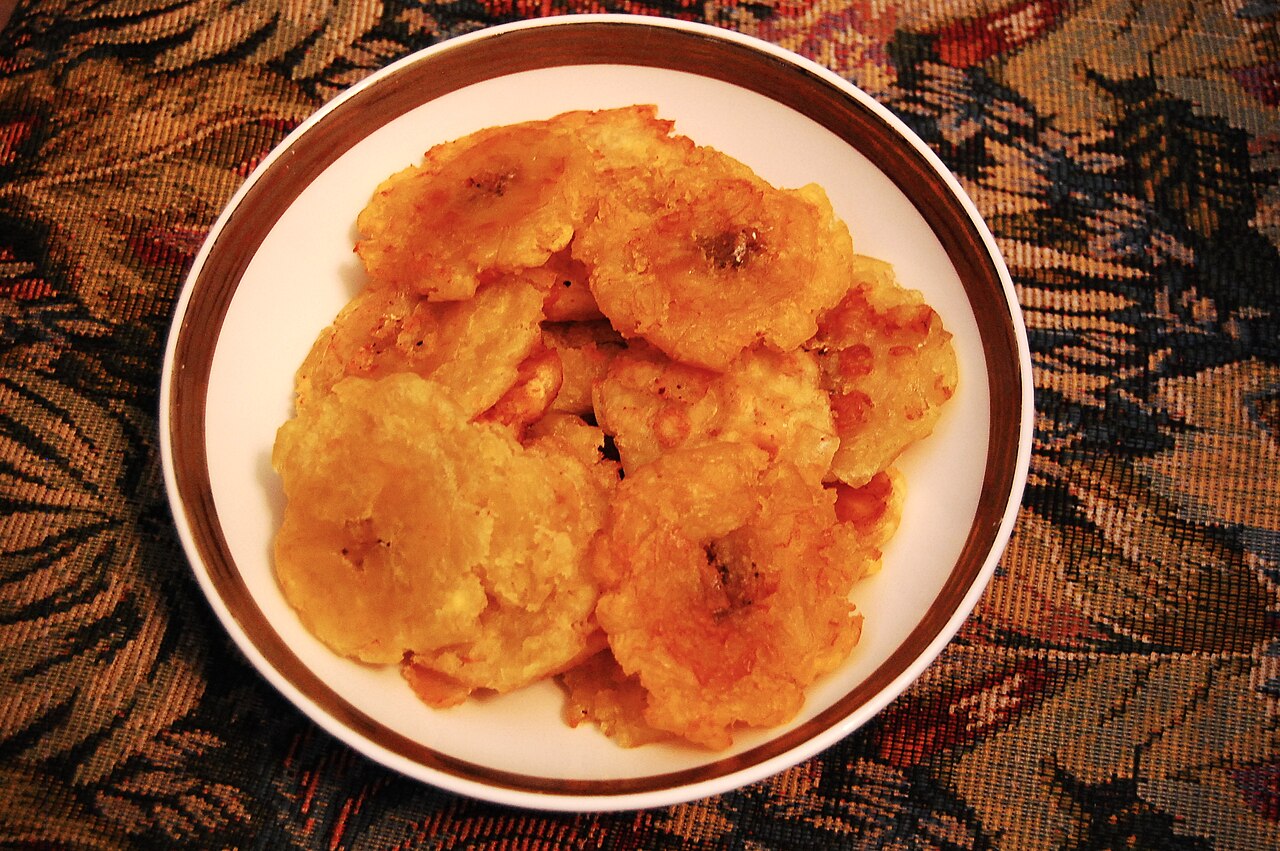
Thick slices of green plantain that are fried, flattened and fried again until crisp outside and soft inside. They are served with fish, ceviche, stews and rice dishes.
In Puerto Rico and Cuba the same thing is called tostones. Ecuador, Colombia, Panama and Peru call them patacones.
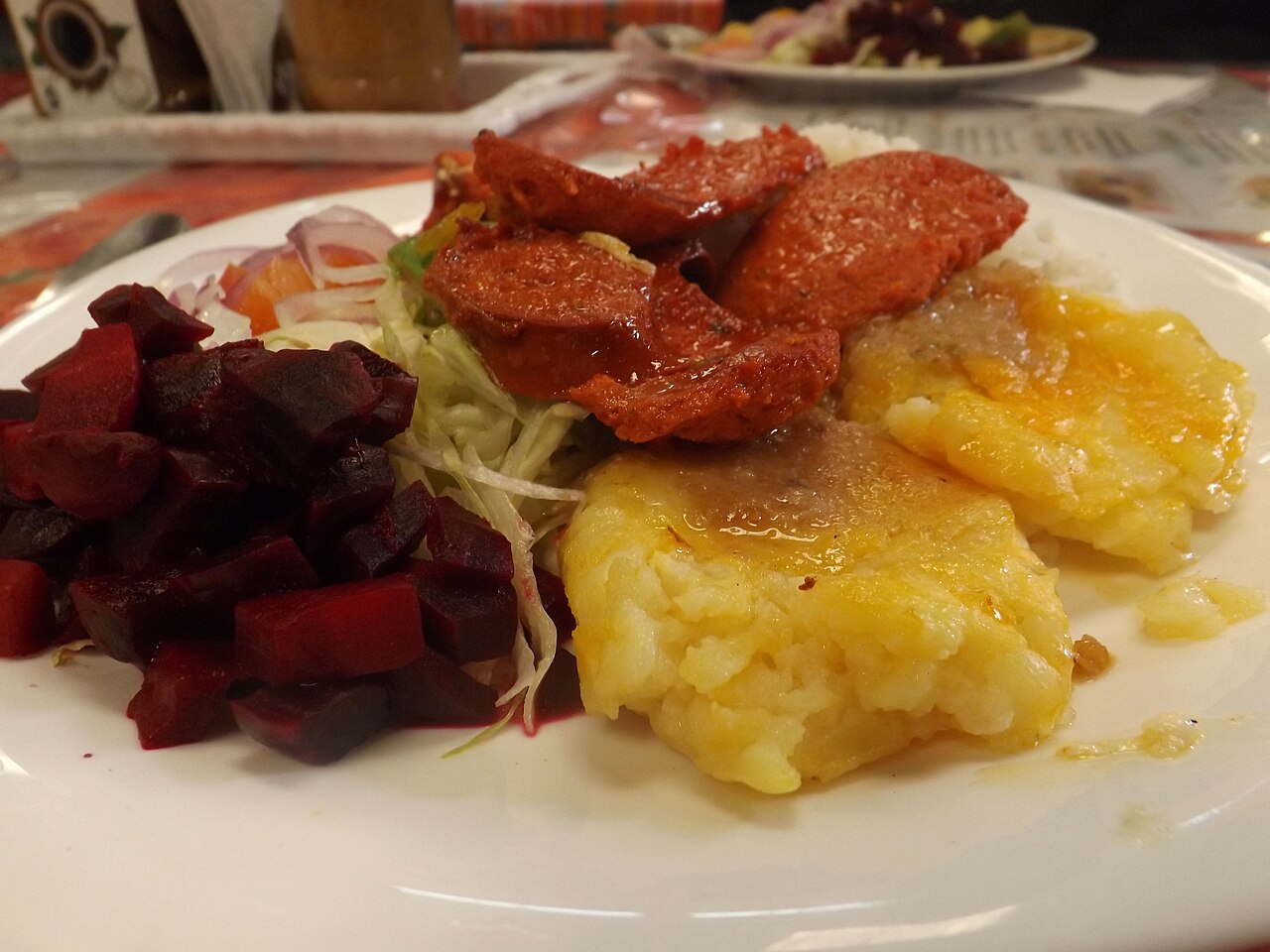
Potato patties coloured orange with achiote (annatto), stuffed with fresh cheese and cooked on a hot griddle until crisp. They come with a peanut sauce, and often with roast pork, sausage, a fried egg, avocado and salad.
A whole pig, roasted and sold by the plate in highland markets. It is usually served with llapingachos, mote (big boiled maize kernels) and vegetables.
The Andes, above all Quito. Eaten all over Ecuador at Easter
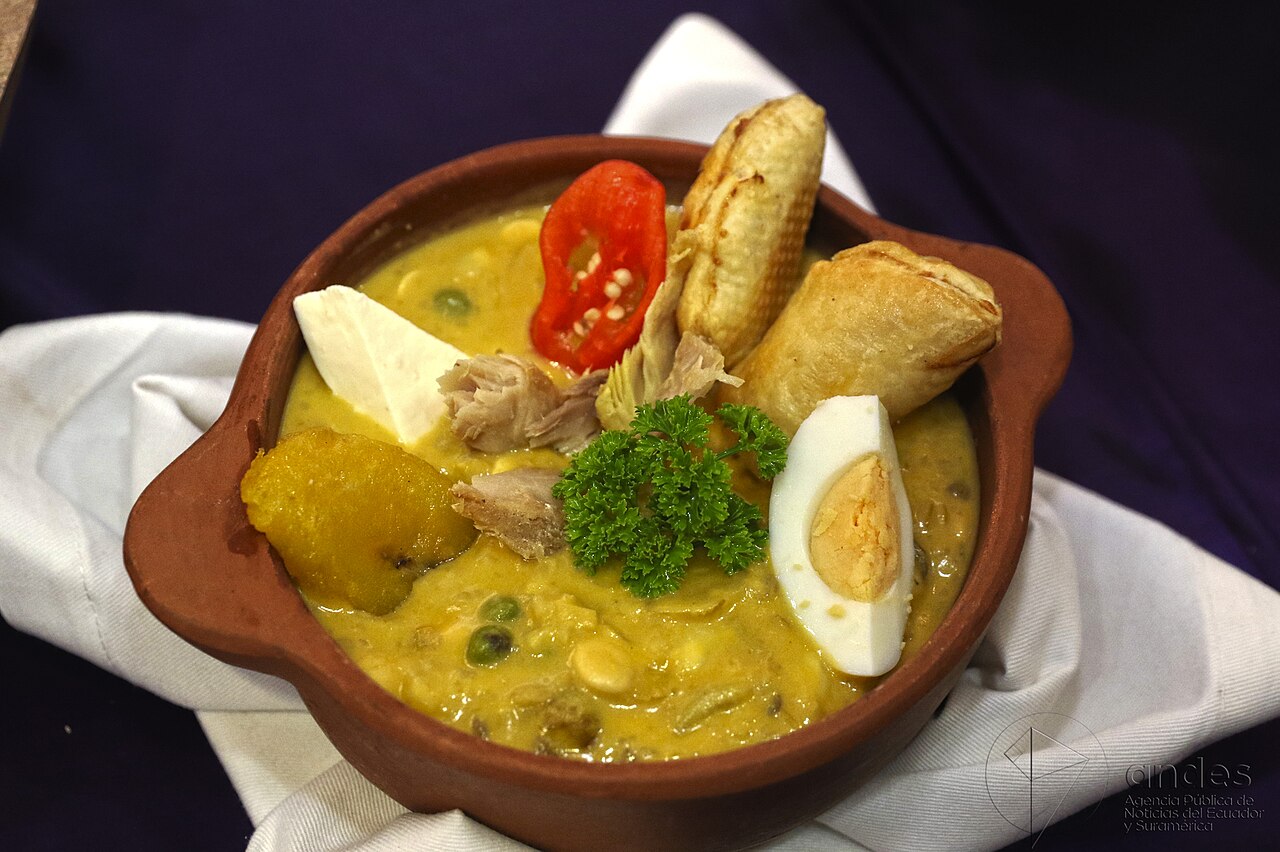
A thick, rich soup of Andean squash, milk and many kinds of tender grains, beans, lentils and peas, with salted dried fish. Households and whole communities prepare it together and share it.
Fanesca is traditionally made only once a year, for Holy Week and Good Friday. Its roots mix a pre-Hispanic harvest meal of tender grains with Spanish Lenten fish.
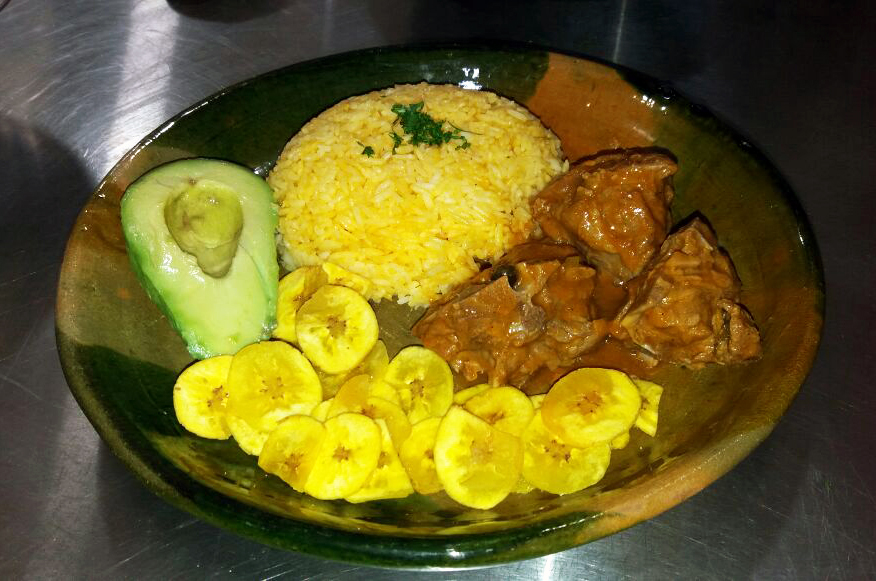
A slow-cooked goat stew. The meat is first marinated in something sour, such as naranjilla fruit juice, beer or chicha, and then stewed in the same sauce. It is served with rice.
'Seco' means dry, but the stew is not dry at all. Nobody agrees where the name comes from.
The Andes, especially the central and southern highlands
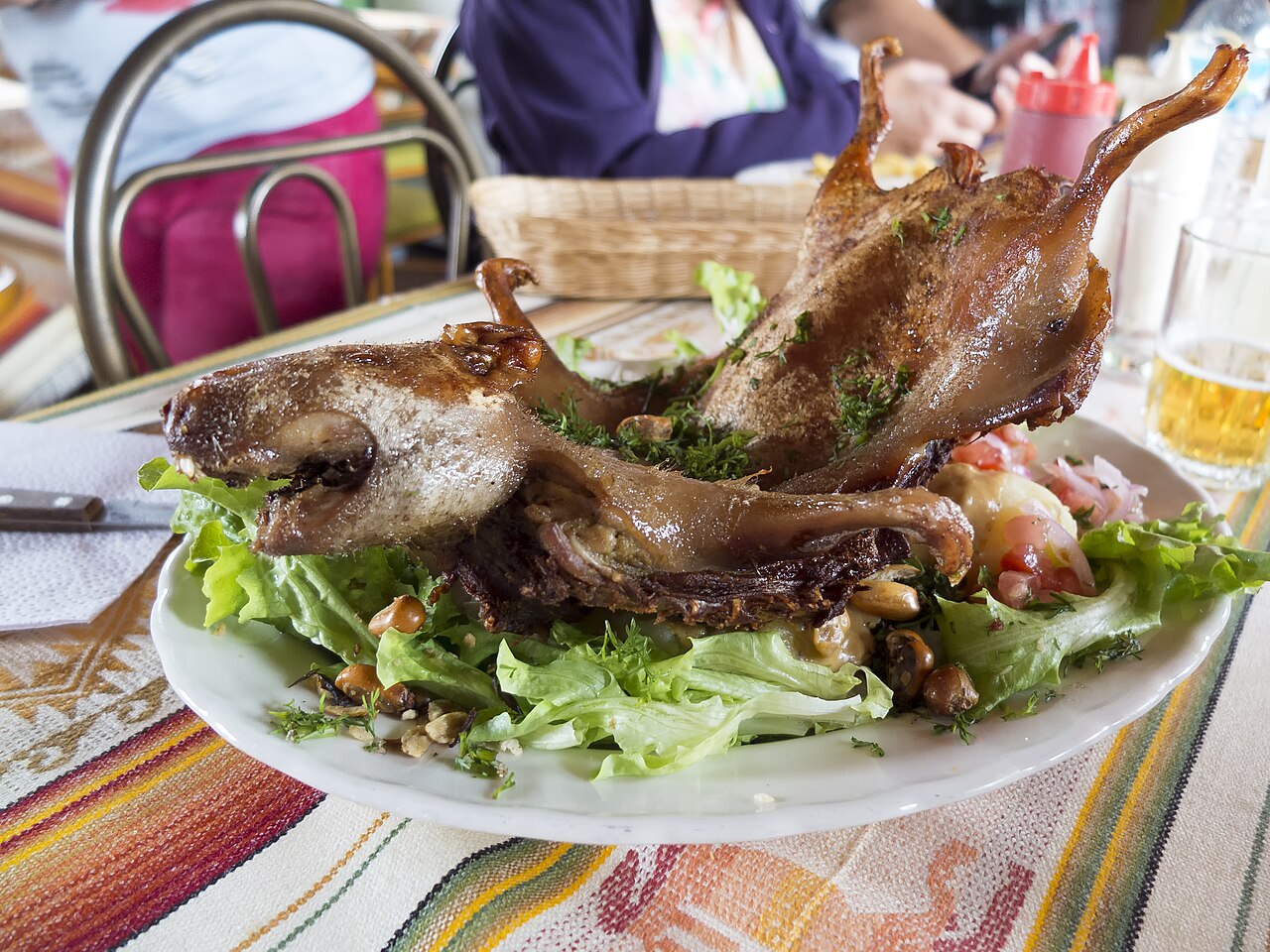
A whole guinea pig, seasoned and roasted or grilled until the skin is crisp, served with potatoes or mote. In the Andes it was traditionally kept for ceremonial meals and festivals, and it is still a dish for special occasions.
Guinea pigs were first kept for food in the Andes, including what is now southern Colombia and Ecuador, as early as 5000 BC. The Spanish word 'cuy' comes from the Quechua 'quwi'.
The Andes. A pre-Hispanic dish shared with Peru, Bolivia, Chile and Argentina
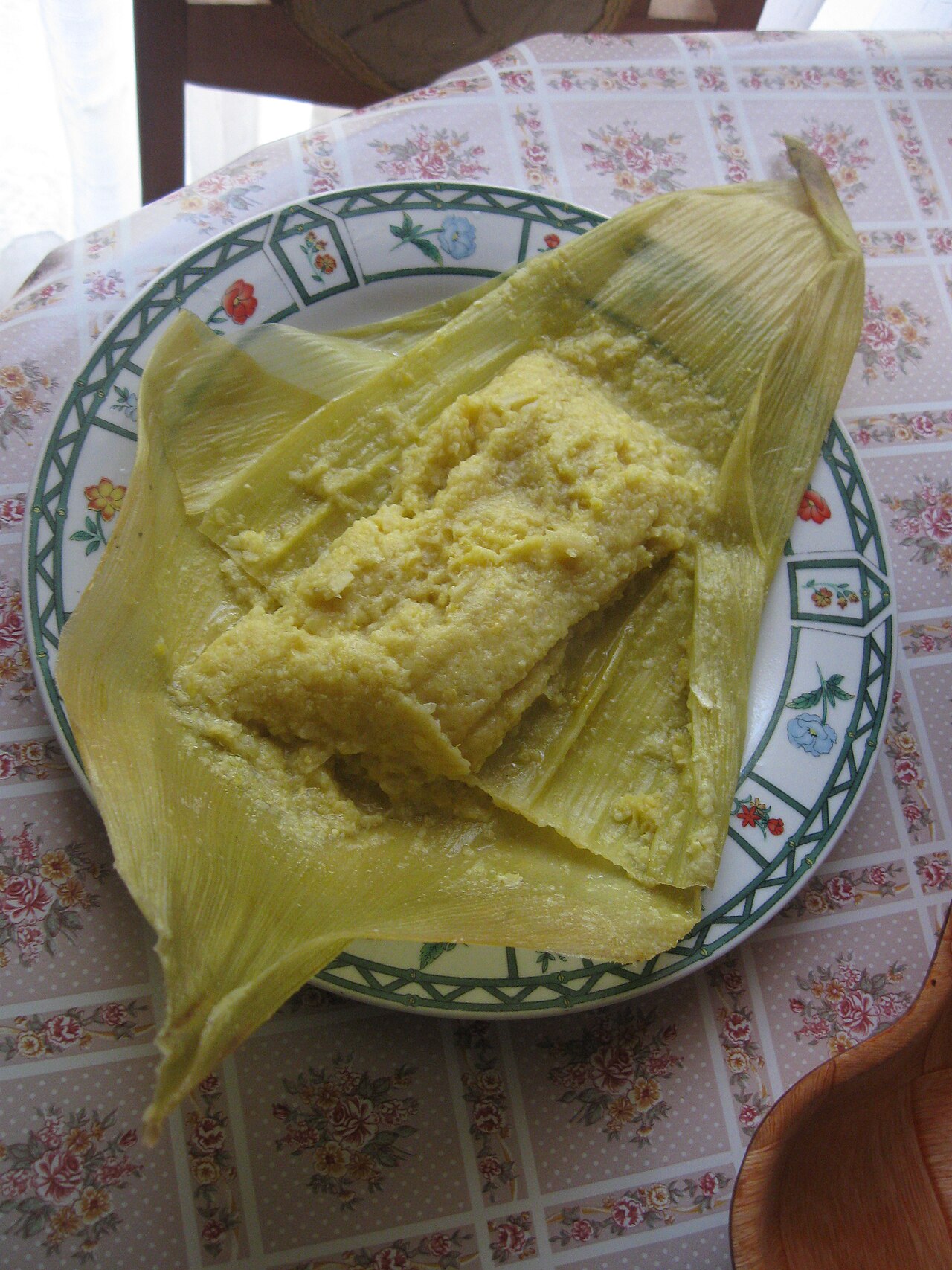
Fresh sweetcorn pounded to a paste, wrapped in a fresh corn husk and slowly steamed. The dish goes back to before the Spanish arrived and is eaten from Ecuador to northwest Argentina.
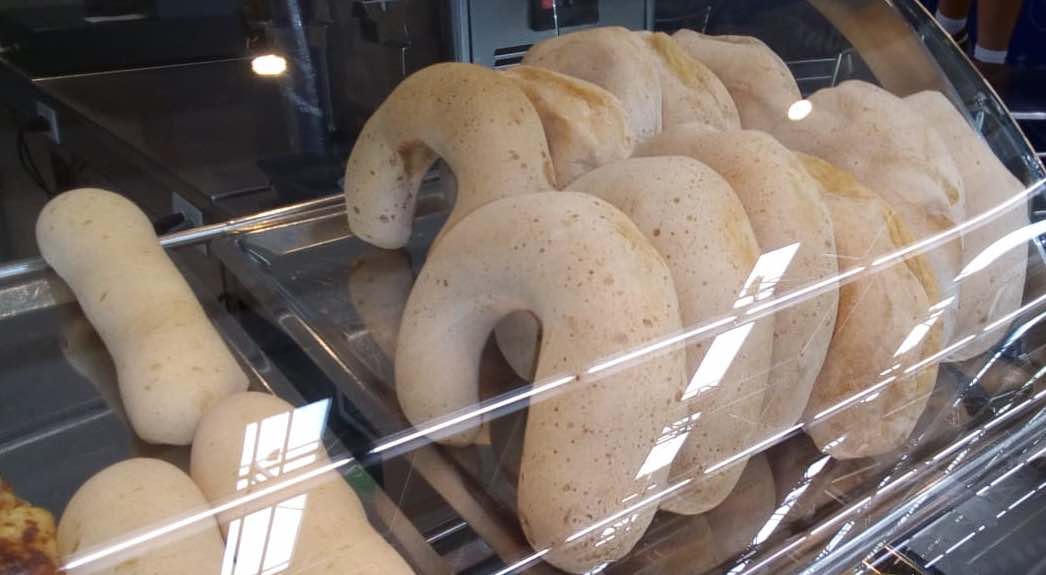
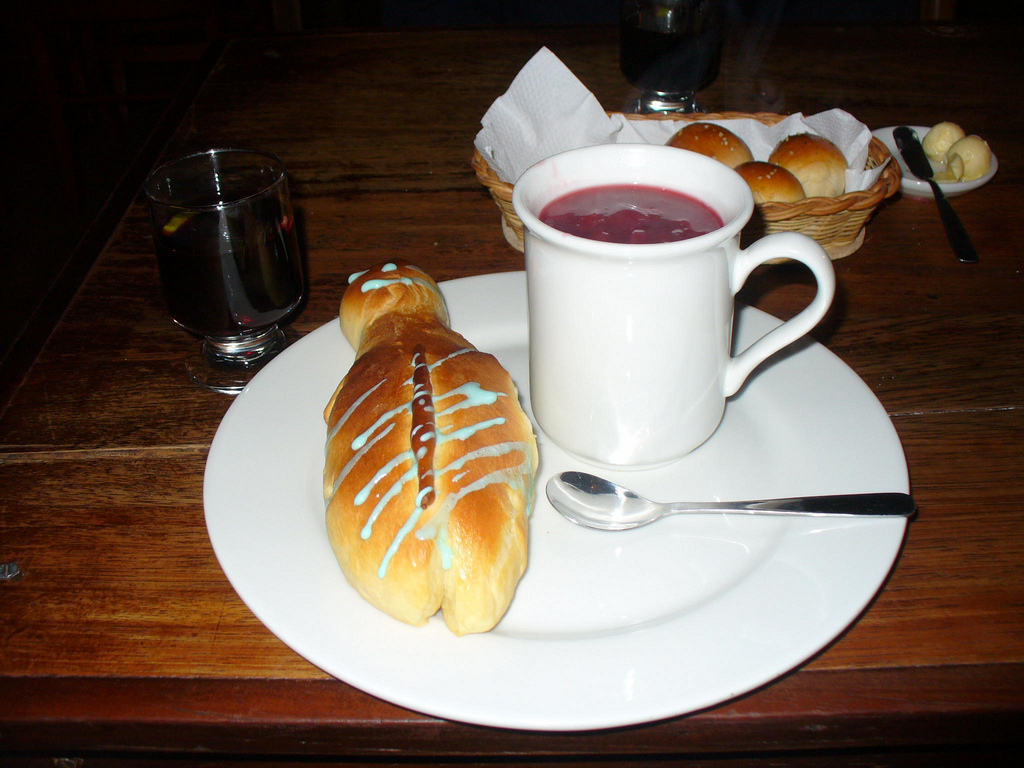
A thick, warm, purple drink made with purple corn flour and fruit such as blackberries, pineapple, strawberries and babaco, spiced with cinnamon and cloves. It is served with guaguas de pan, sweet bread rolls shaped like a baby wrapped in a blanket.
It is the drink of 2 November, All Souls' Day, when families remember their dead. 'Guagua' comes from the Quechua (Kichwa) word 'wawa', baby or child.
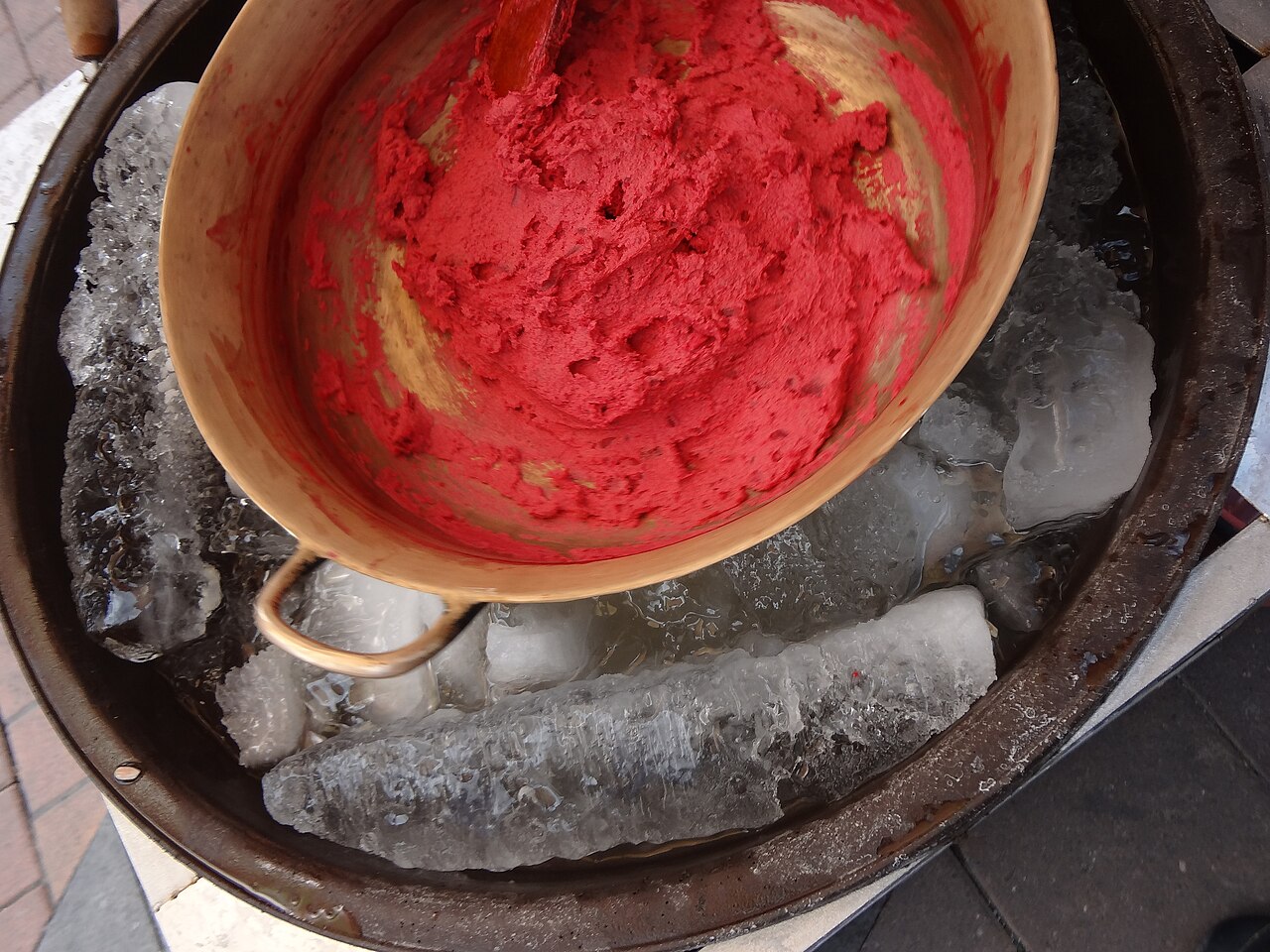
A fruit sorbet made by hand: fruit juice and sugar are stirred with a wooden spoon in a large bronze pan (paila) that spins on a bed of ice and straw. Popular flavours include blackberry, naranjilla, soursop and passion fruit.
It was invented before refrigerators existed. The story goes that it was first made in Ibarra with snow and ice brought down from the nearby Imbabura volcano.
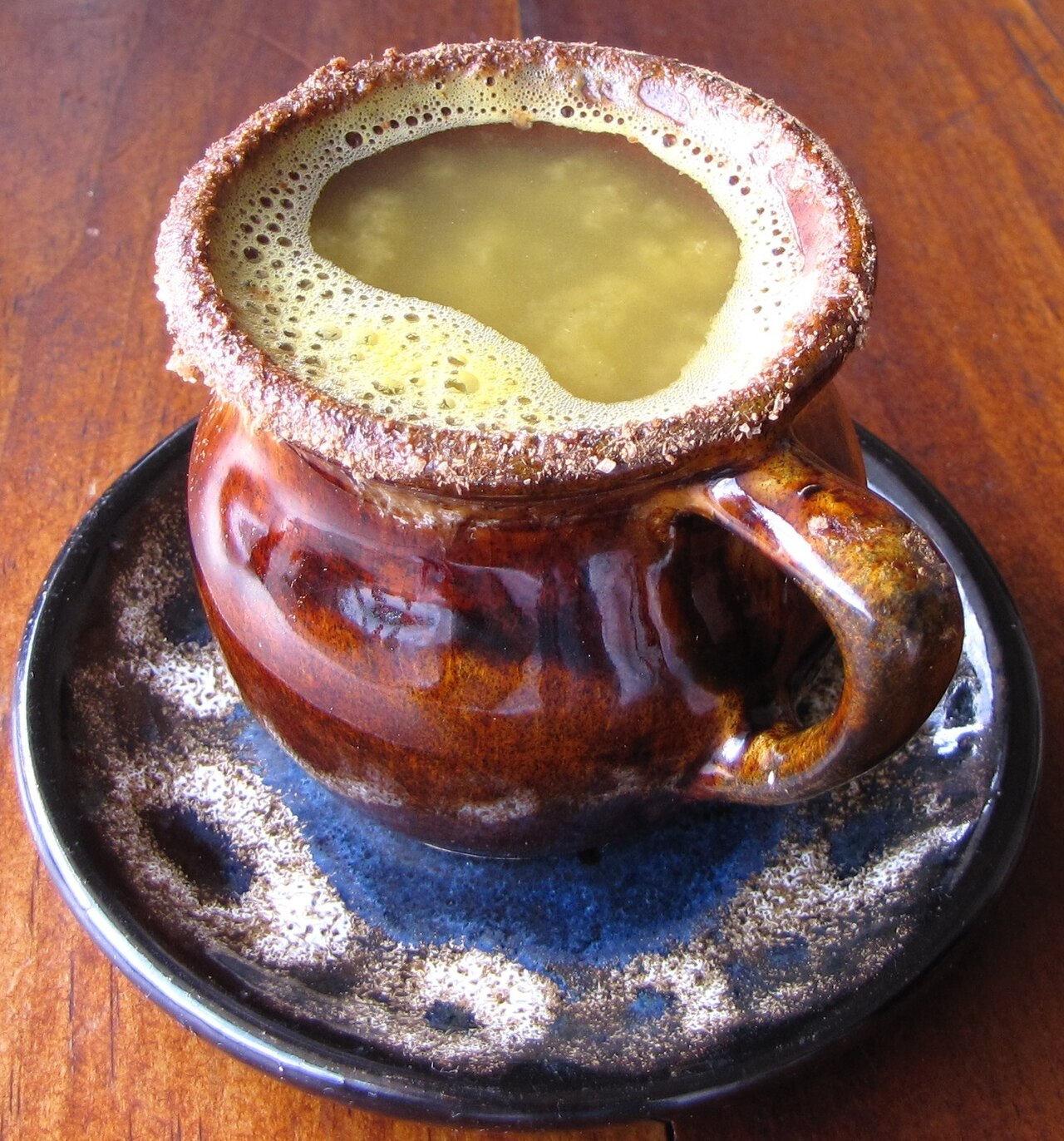
A hot drink of cinnamon water sweetened with raw cane sugar (panela), often with fruit juice such as naranjilla or blackberry, and a splash of aguardiente, a sugar-cane spirit. It is sold by street vendors during the Fiestas de Quito and at Christmas.
Lunch, el almuerzo, is the main meal of the day. It usually starts with a soup, followed by a 'segundo' of rice with meat, chicken or fish, then a dessert and coffee.
Supper is light. It can be just a coffee or a herbal tea with bread.
Encebollado is eaten any time of day. On the coast, restaurants that serve only this fish soup open early in the morning.
Some dishes belong to one day of the year: fanesca to Holy Week, and colada morada with guaguas de pan to 2 November, All Souls' Day.
Do not drink tap water. Ask for bottled water, and avoid ice unless you know it is made from purified water.