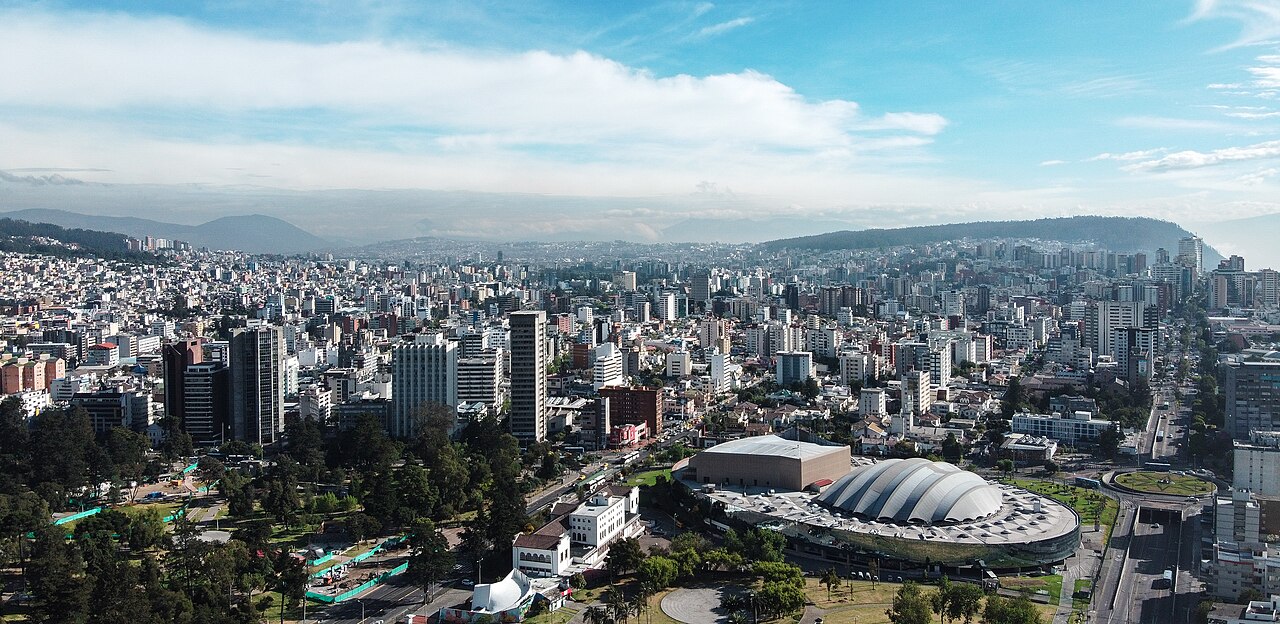
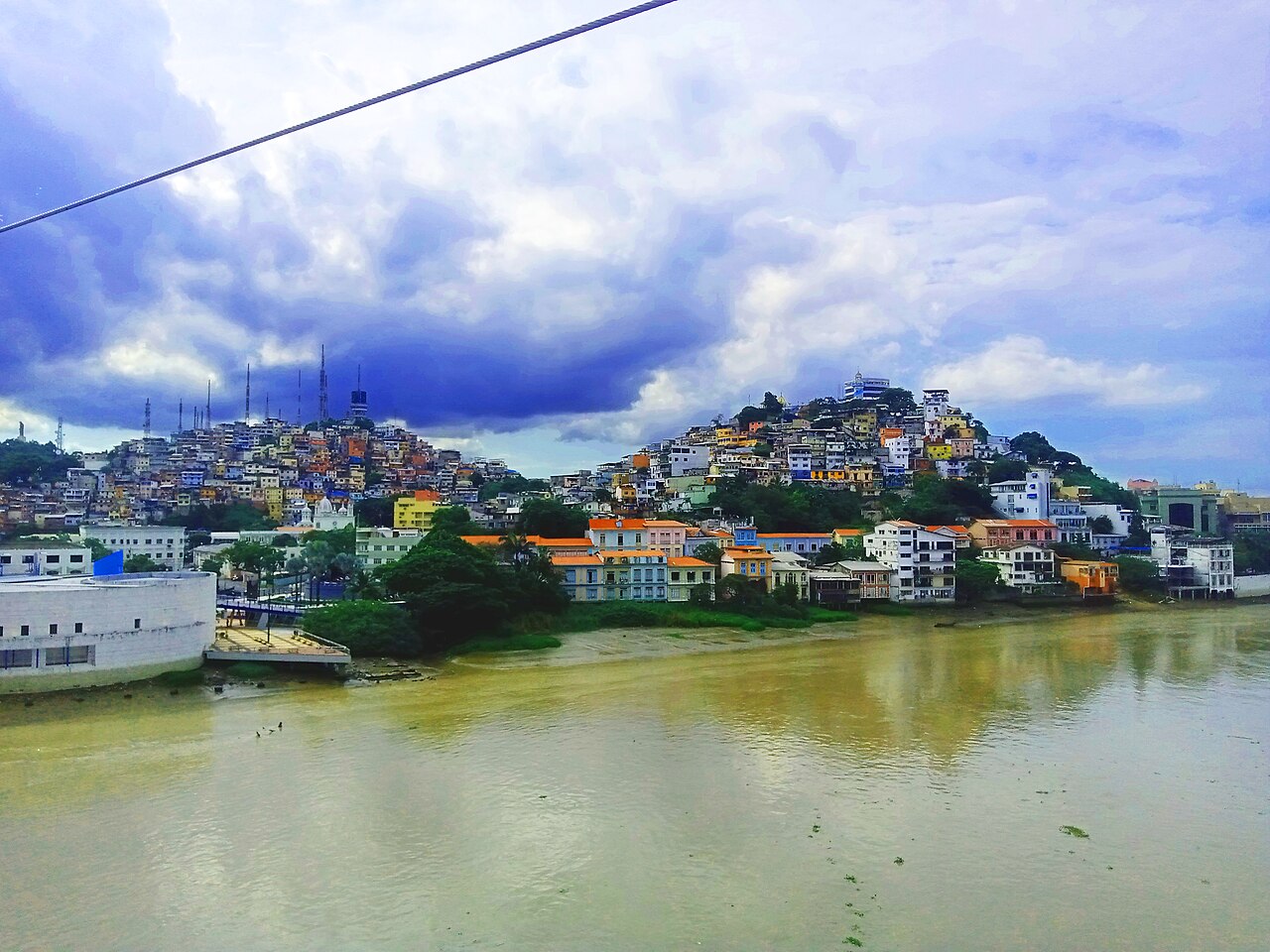
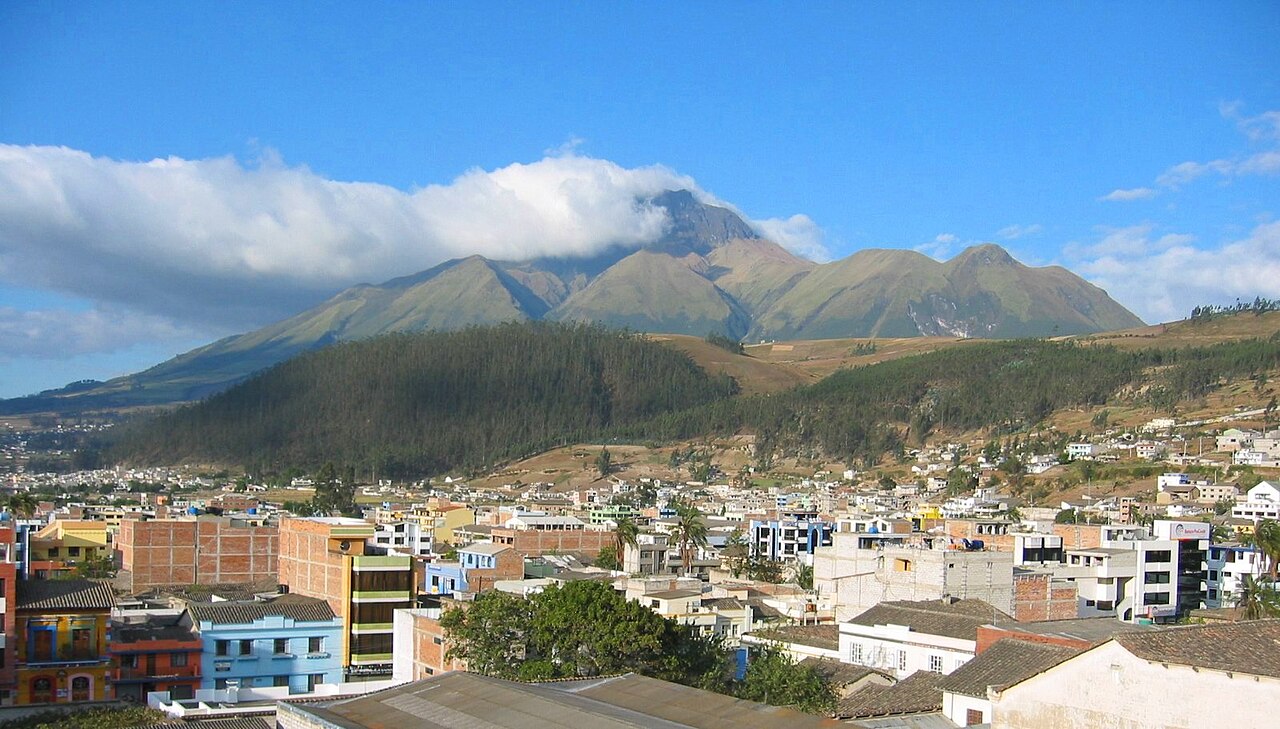
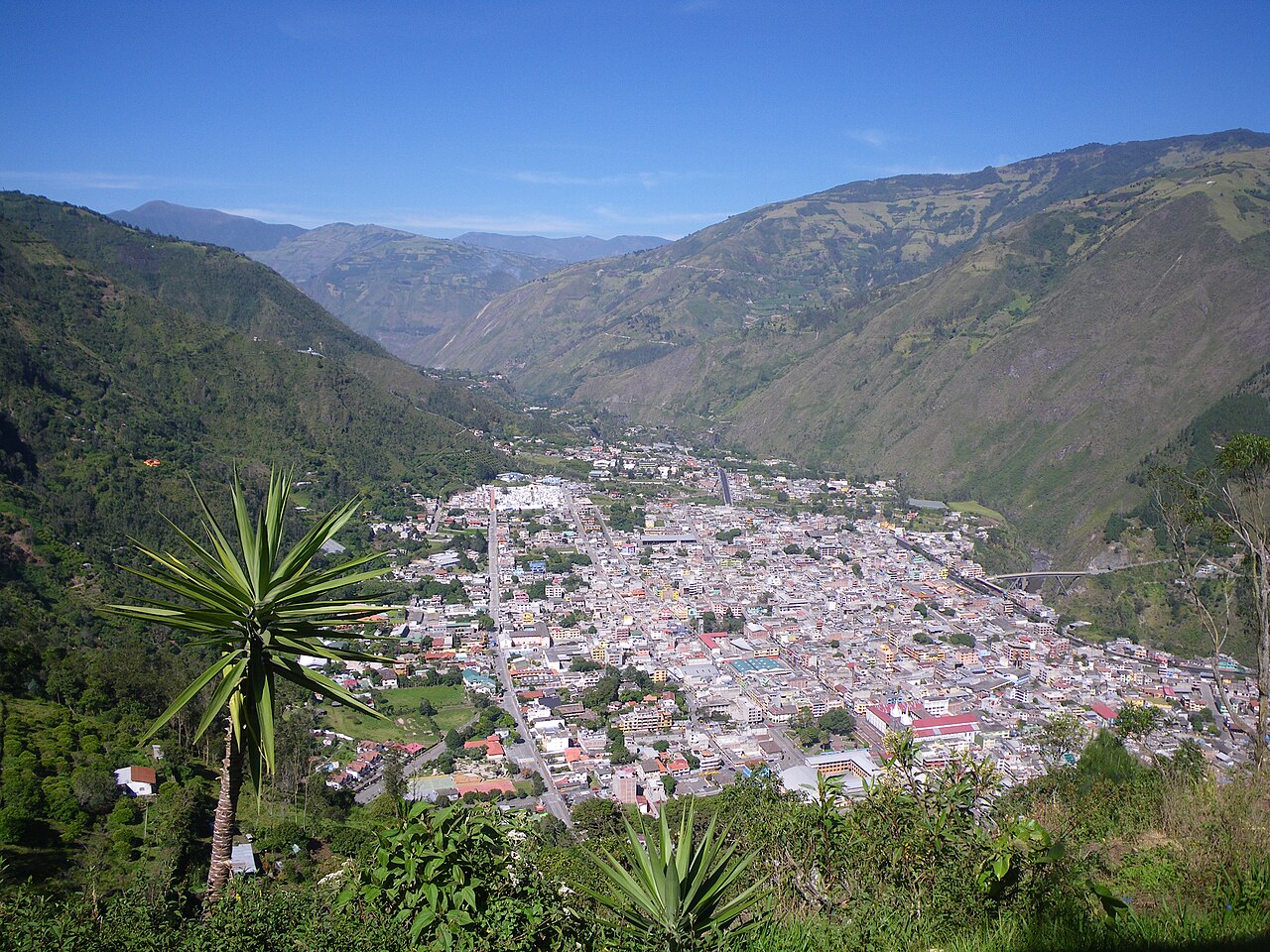
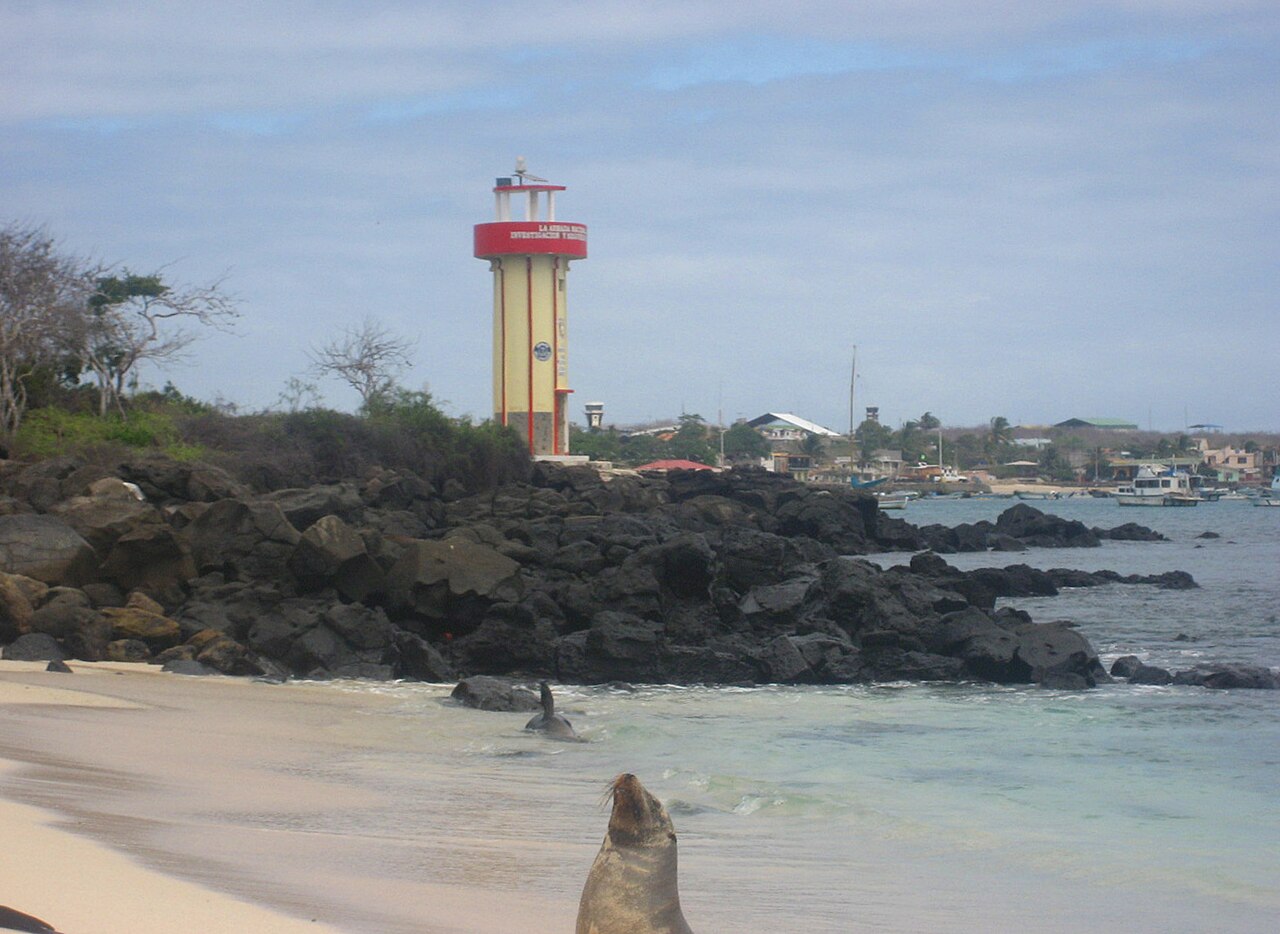
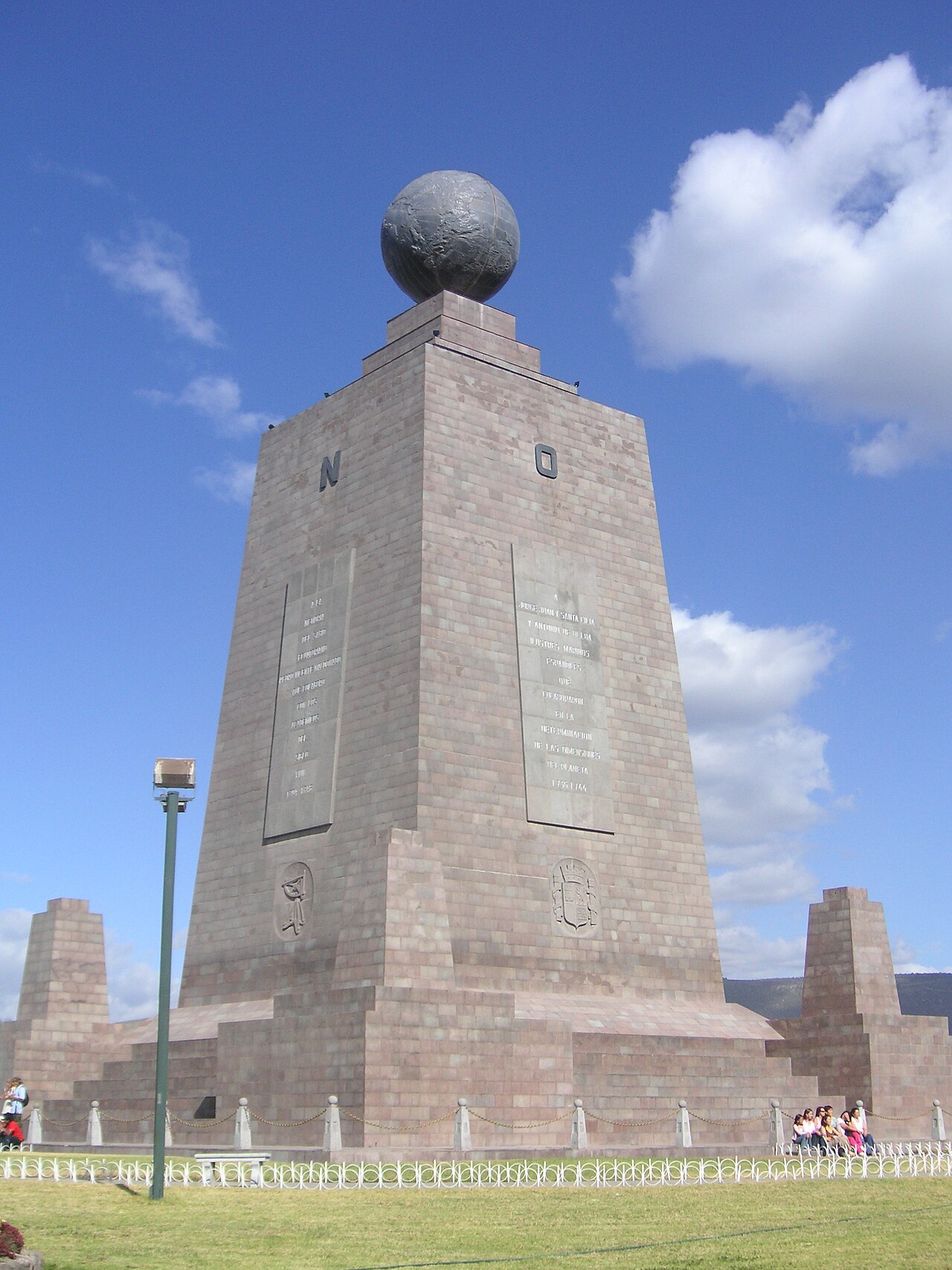
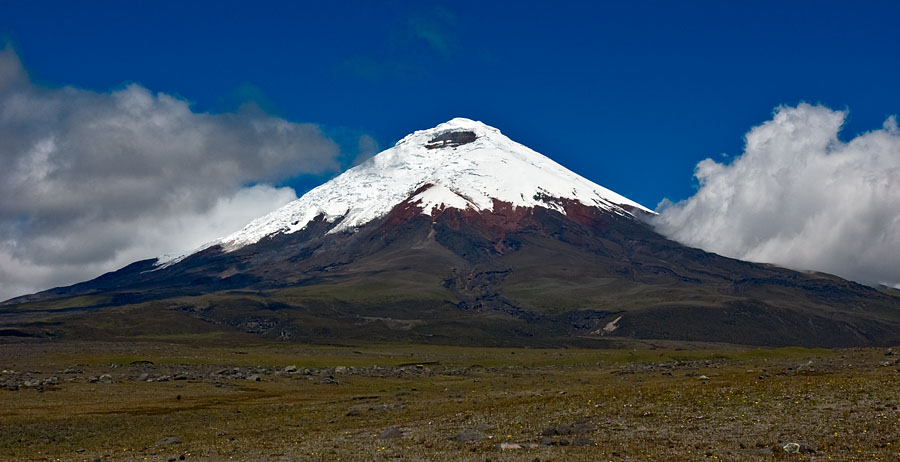
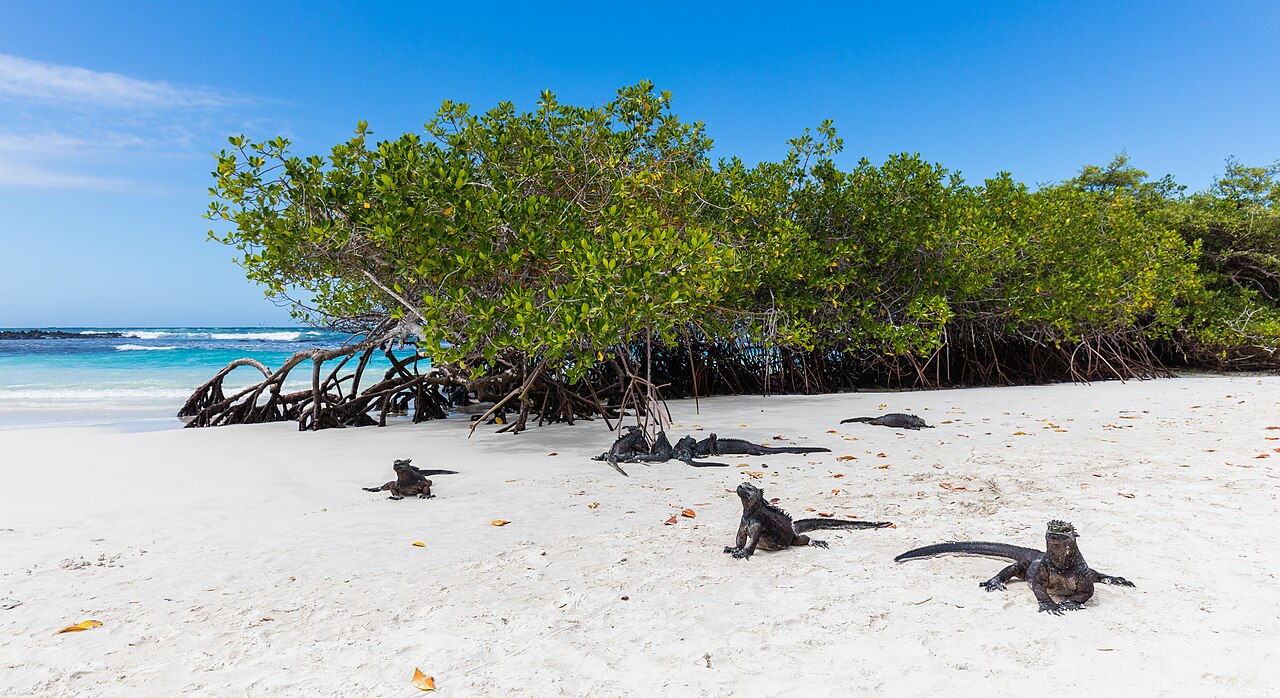
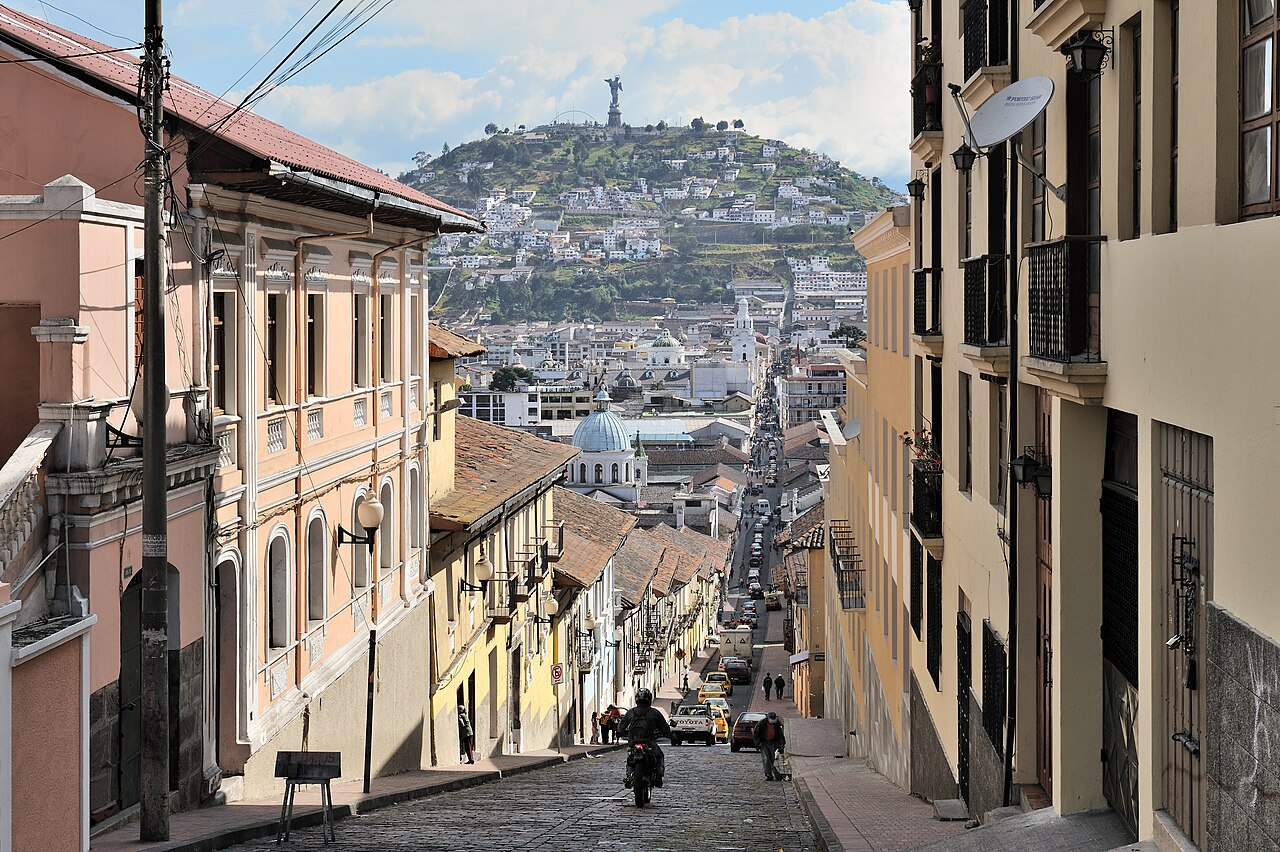
Ecuador lies in the northwest of South America, on the Pacific coast, between Colombia and Peru. Its name is simply the Spanish word for the equator, which runs just north of the capital, Quito. The country has four very different parts: a warm coast of banana plantations and fishing ports, the Andes mountains with their chain of volcanoes, the Amazon rainforest in the east, and, about 1,000 km out in the Pacific, the Galápagos Islands.
People lived here long before the Incas. On the coast, the Valdivia culture, one of the oldest settled cultures in the Americas, was making pottery more than 4,500 years ago. The Incas conquered the highlands between 1463 and about 1500, and the Spanish arrived in the 1530s and founded Quito in 1534. After the victory at Pichincha in 1822, Ecuador joined Simón Bolívar's Gran Colombia, and in 1830 it became an independent republic.
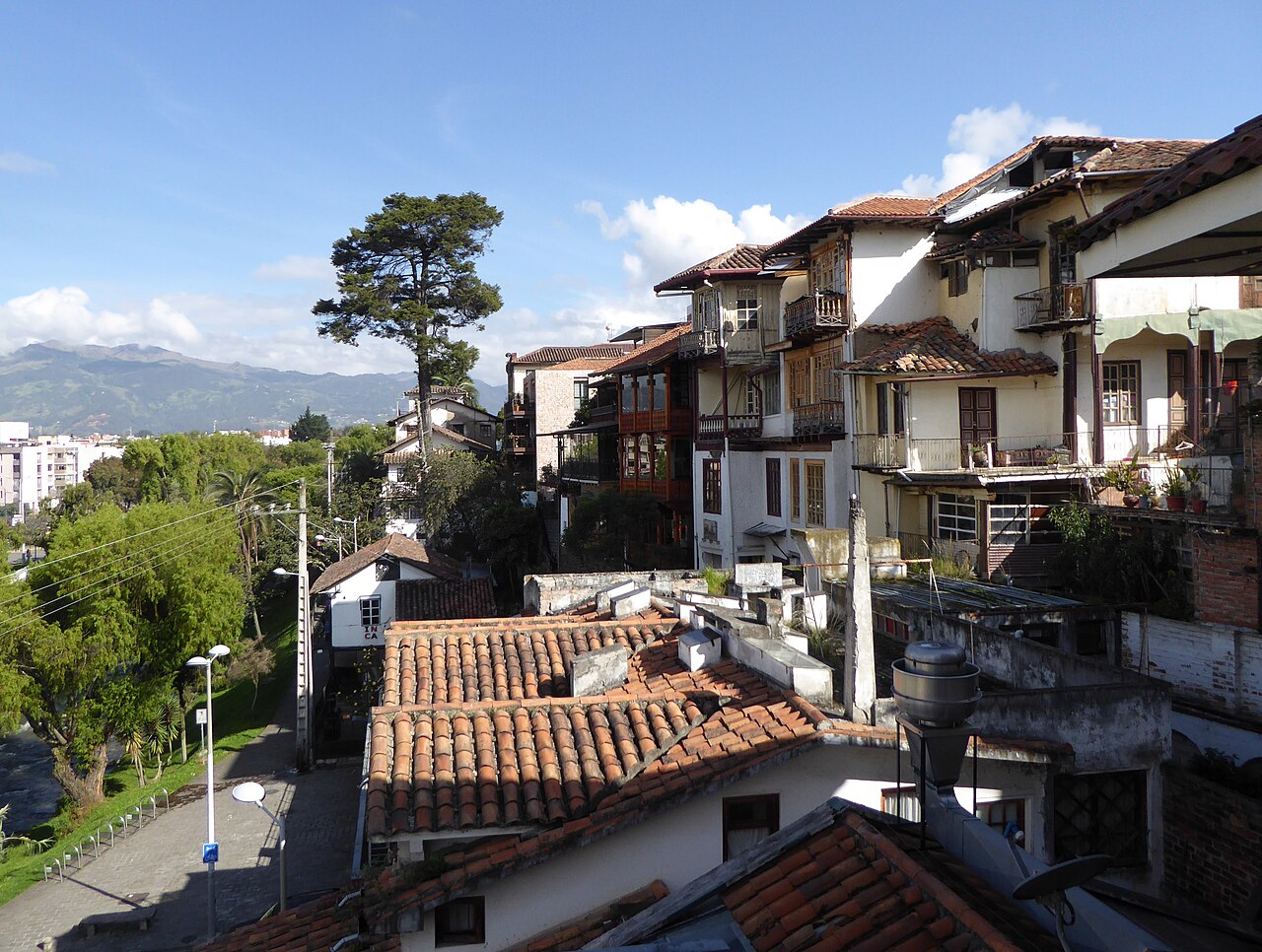
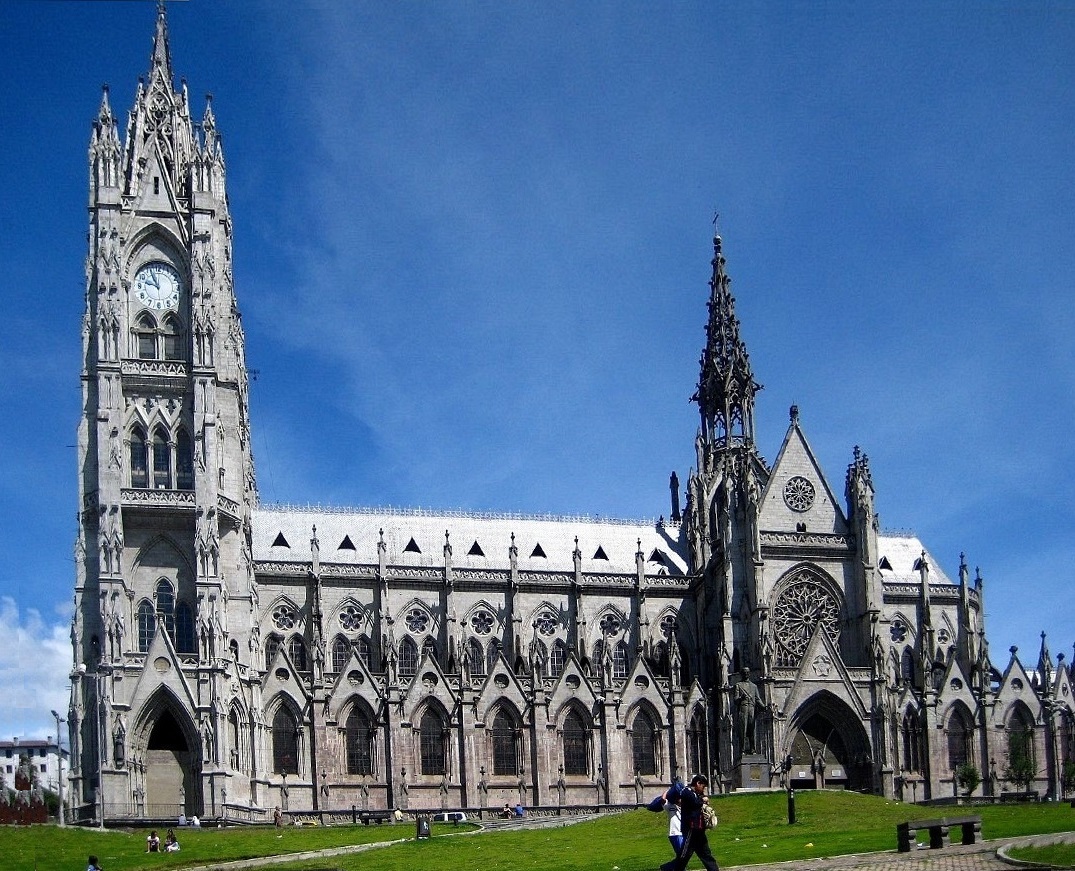
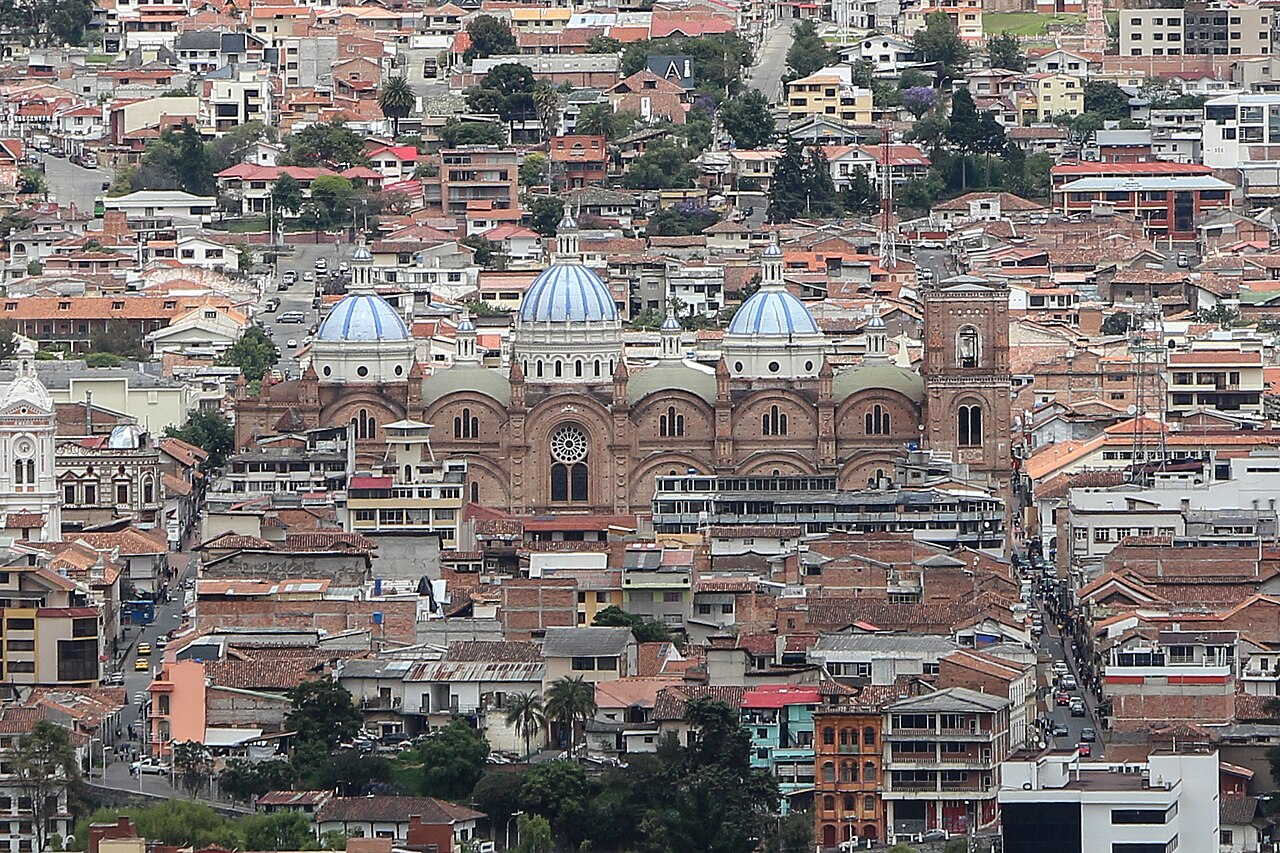
Today Ecuador is a republic of about 17 million people. Almost everyone speaks Spanish, and about half a million people, mostly in the Andes, also speak Kichwa, a form of the Inca language Quechua. Since 2000 the country has used the United States dollar. Visitors come for the old towns of Quito and Cuenca, the markets of the Andes, the volcanoes and, above all, the wildlife of the Galápagos.
CapitalQuito
PopulationAbout 17 million (2022 national census)
Official languageSpanish. Kichwa and Shuar are official languages of intercultural relations in their communities
CurrencyUnited States dollar (since 2000)
AreaAbout 284,000 km², including the Galápagos Islands
GovernmentPresidential republic. The president is elected for a four-year term
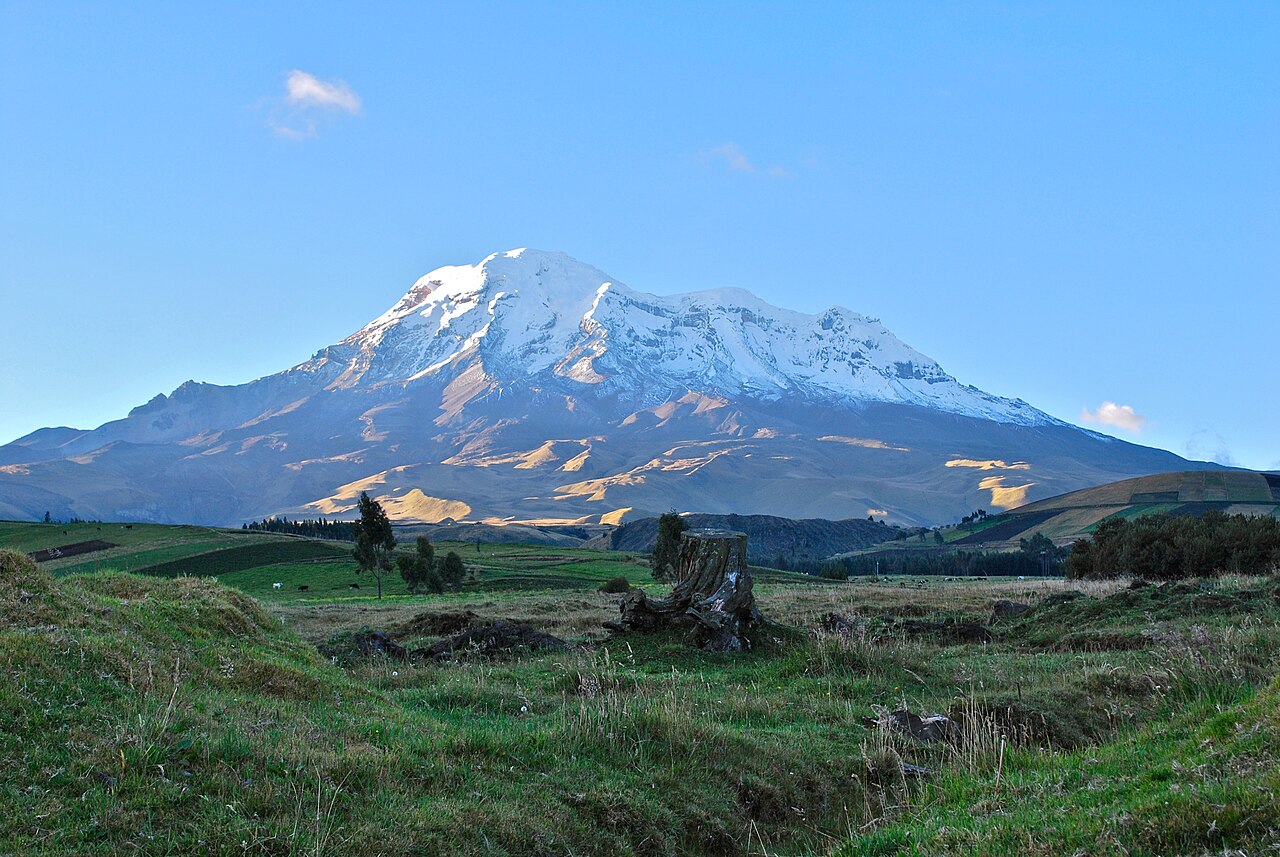
Highest mountainChimborazo, 6,263 m, whose summit is the point on Earth's surface farthest from the planet's centre
Main riversThe Guayas flows to the Pacific; the Napo and the Pastaza flow east to the Amazon
NeighboursColombia to the north and Peru to the east and south. The Pacific Ocean lies to the west
Drives on theRight
Calling code+593
 Colombia
 Peru