Costa Rican food is mild, fresh and filling, and it rests on rice and beans, which can appear at breakfast, lunch and dinner. The day starts with gallo pinto, eggs and strong coffee. Lunch, the main meal for many, is often a casado: rice, beans, meat or fish, salad and fried plantain on one plate. People eat simply at small family restaurants called sodas, snack on 'bocas' with a beer in the evening, and keep a bottle of the tangy brown Salsa Lizano on the table. On the Caribbean coast, Afro-Caribbean cooking adds coconut milk, hot peppers and slow stews.
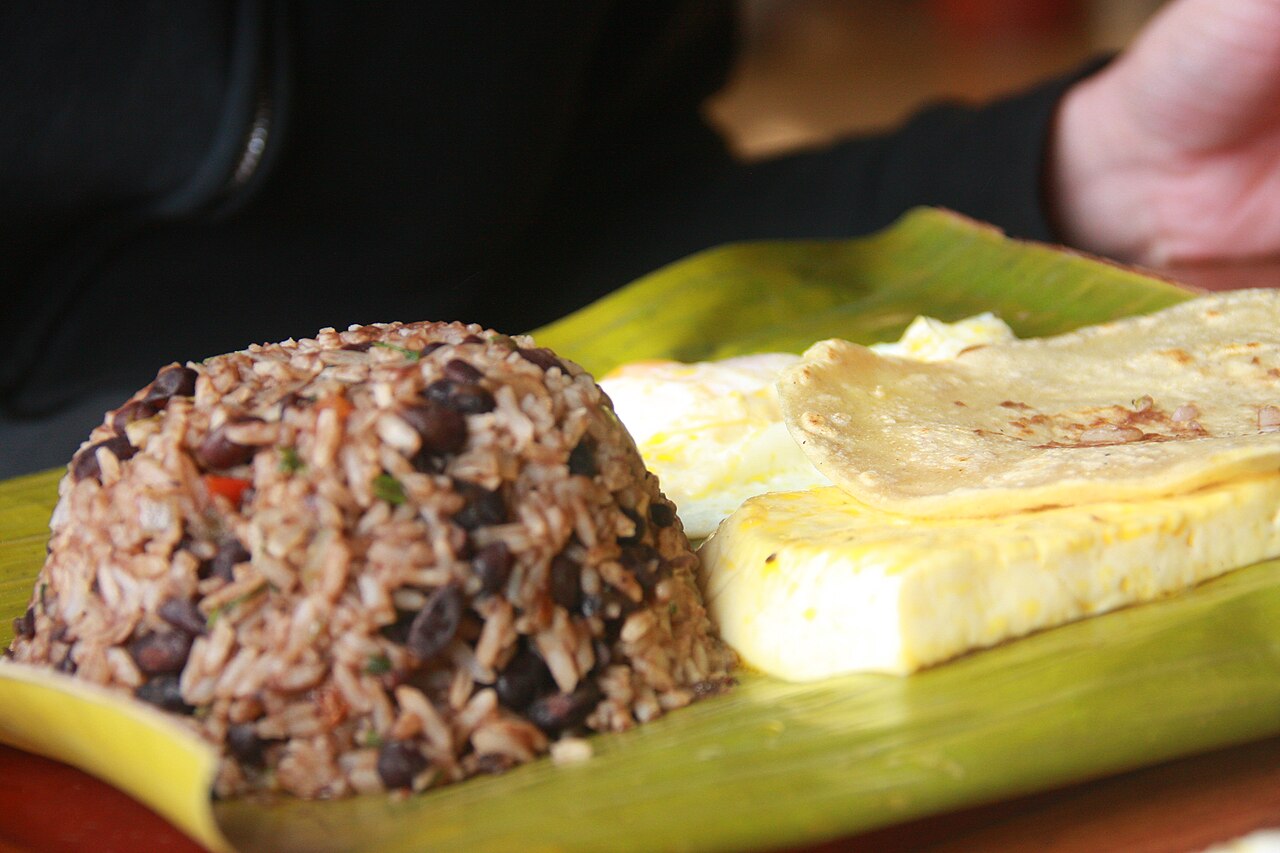
Rice and black beans fried together with onion, sweet pepper and coriander (cilantro), often seasoned with Salsa Lizano. It is served at breakfast with eggs, fried plantain, tortillas, cheese or sour cream. At home it is usually made with the rice and beans left over from the day before.
The name means 'spotted rooster', from the speckled look of the rice and beans. Costa Rica and Nicaragua both claim the dish, and in 2003 they began to compete over who could cook the biggest pot of it.
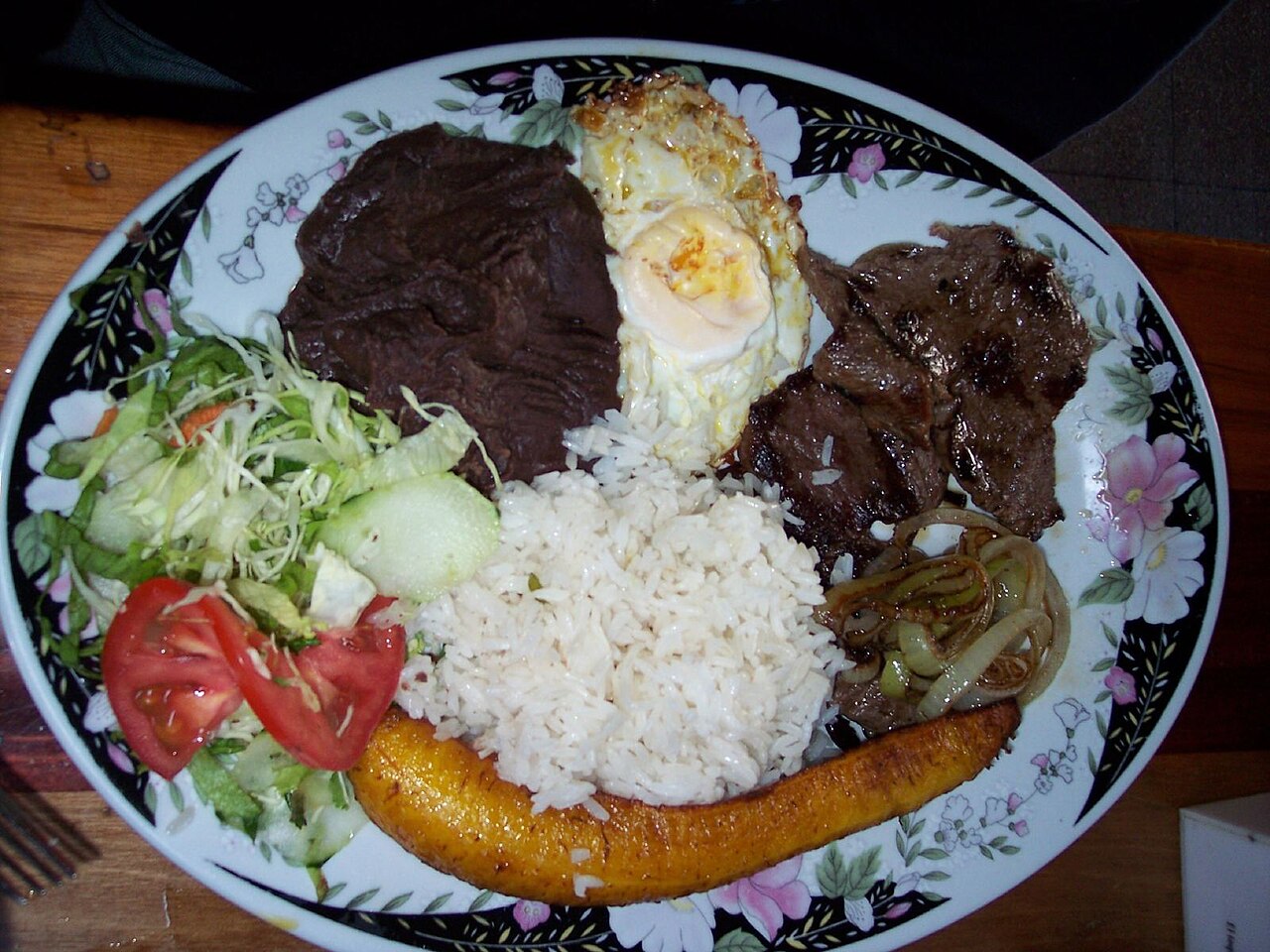
A full lunch on one plate: white rice and beans served side by side, not mixed, with meat, chicken or fish, a small salad, and often fried plantain, a slice of white cheese or a corn tortilla. Almost every soda has one on the menu.
Casado means 'married man'. The name is said to come from the lunches wives once packed in a banana leaf for their husbands to take to work in the fields.
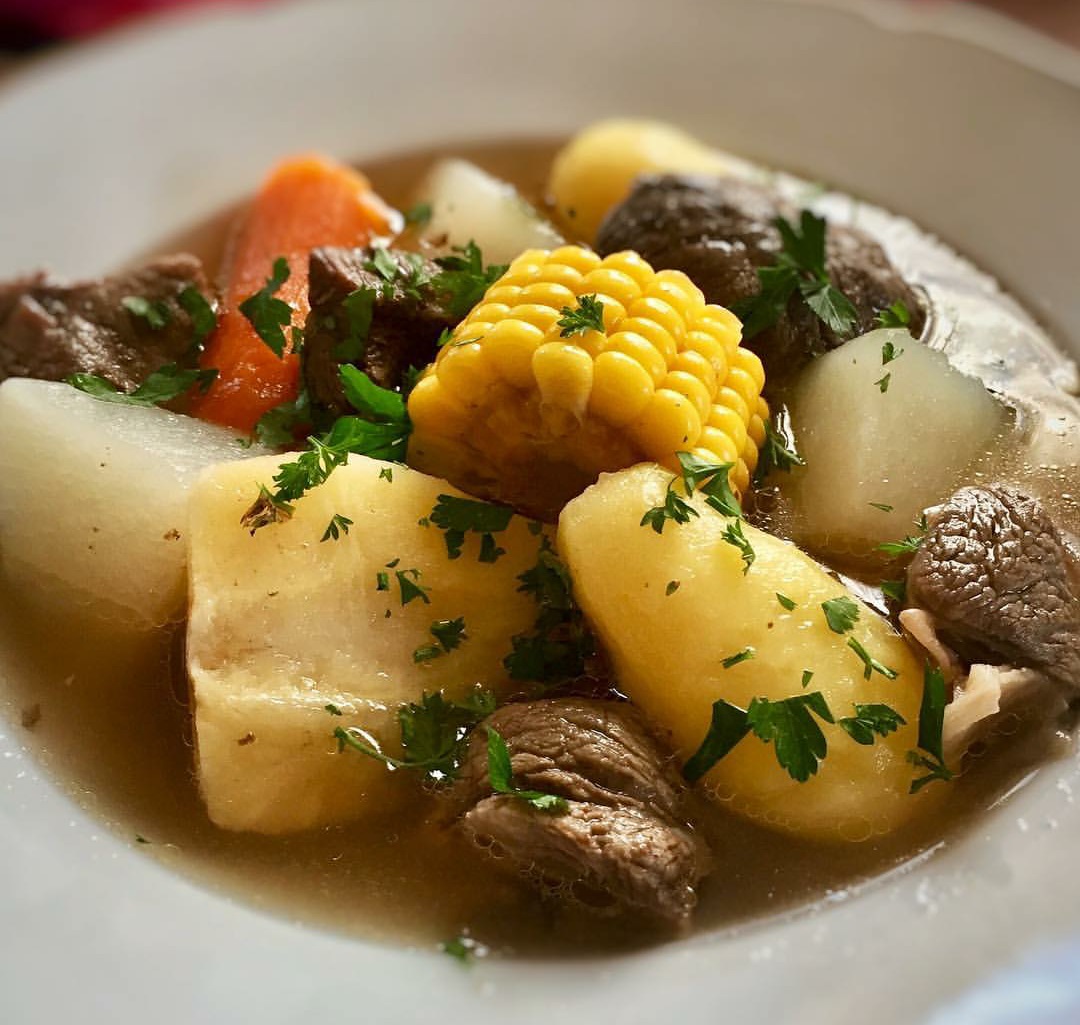
A big pot of beef soup full of vegetables: cassava (yuca), potato, chayote, corn on the cob, green plantain, squash, carrot and other roots. It is a complete midday meal, often eaten with white rice and tortillas.
It grew out of Spanish stews such as the 'olla podrida' mentioned in Don Quixote, with local roots and vegetables added. In the central markets of San José, Heredia and Alajuela it often comes with the vegetables, the broth and the meat on separate plates.
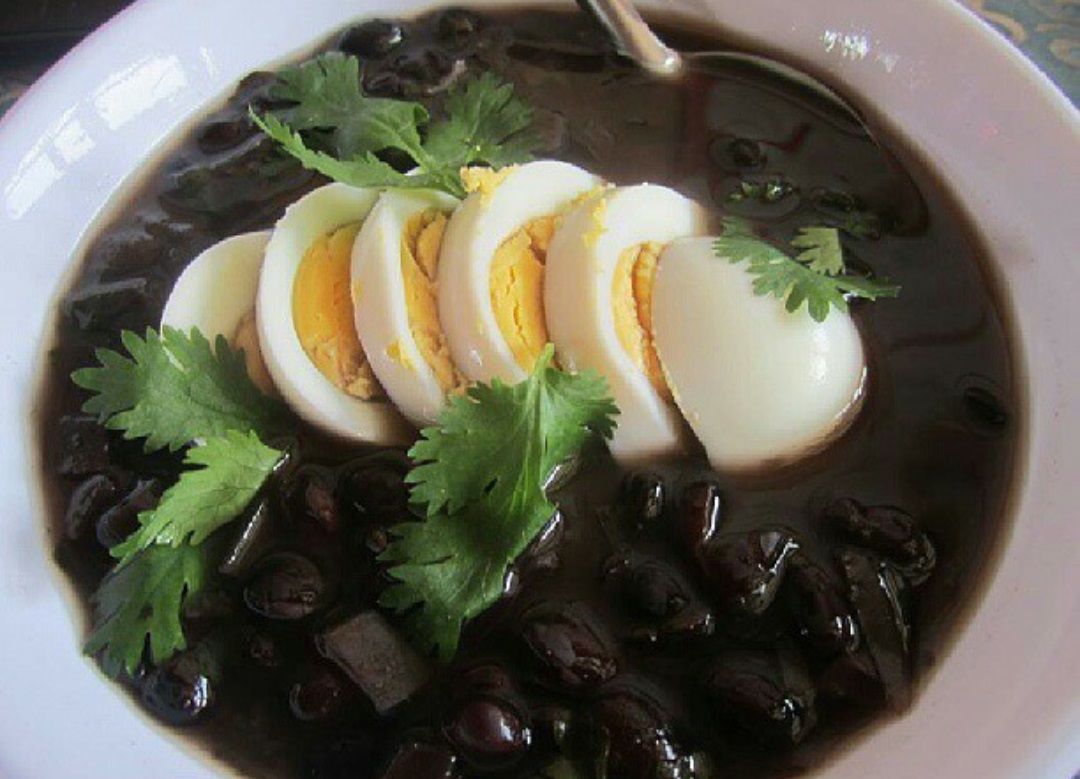
A dark black bean soup flavoured with onion, garlic, sweet pepper and coriander, served with a hard-boiled egg in the bowl. It is a warming, cheap and very Costa Rican way to use beans.
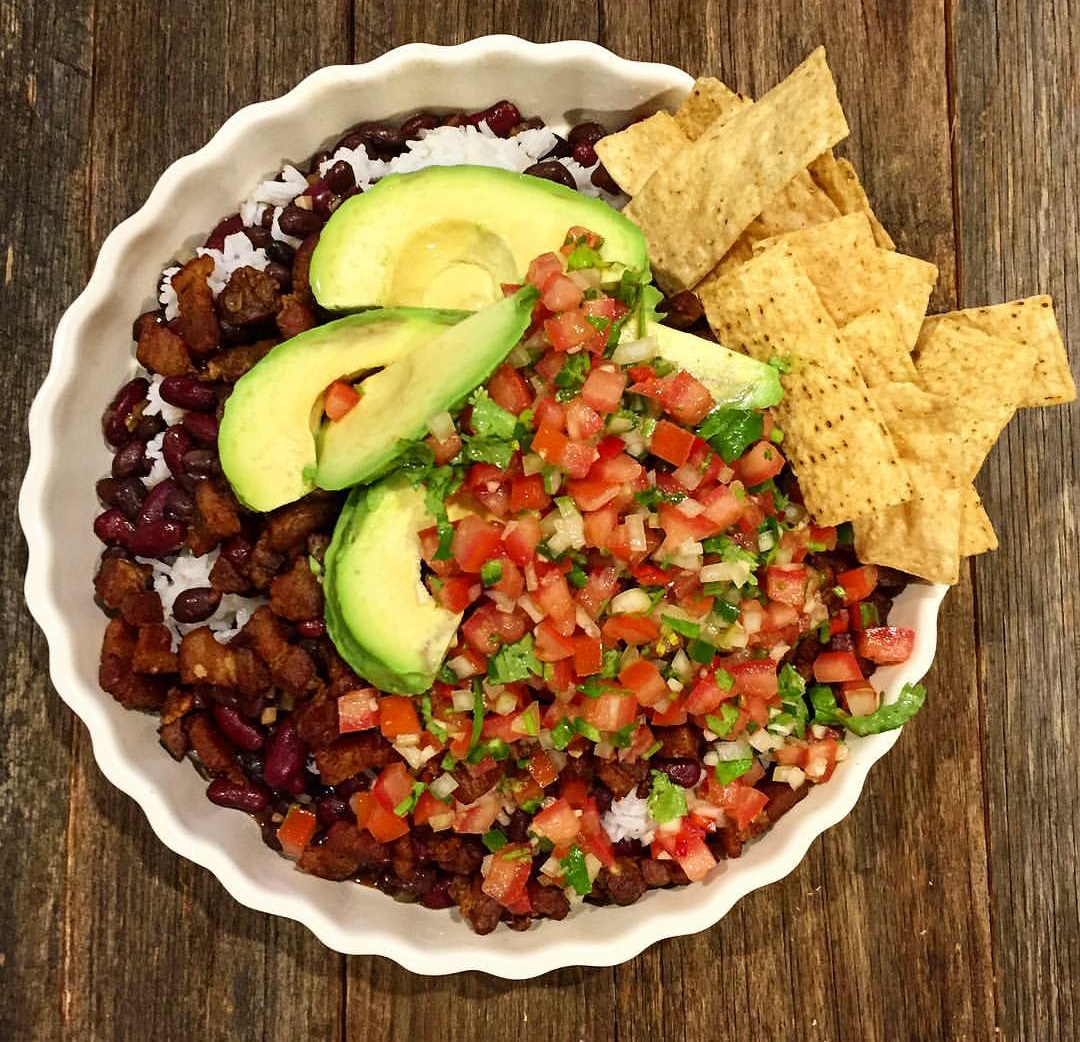
A bowl of beans with a little broth, rice, crispy fried pork (chicharrón) and a fresh tomato and onion salsa, served with fried corn tortilla chips. It is a favourite bar snack with a cold beer.
The name joins the first letters of its two main ingredients: CHIcharrón and FRIJOles (beans). In 2014 a family tried to stop other restaurants using the word, but a judge ruled against them.
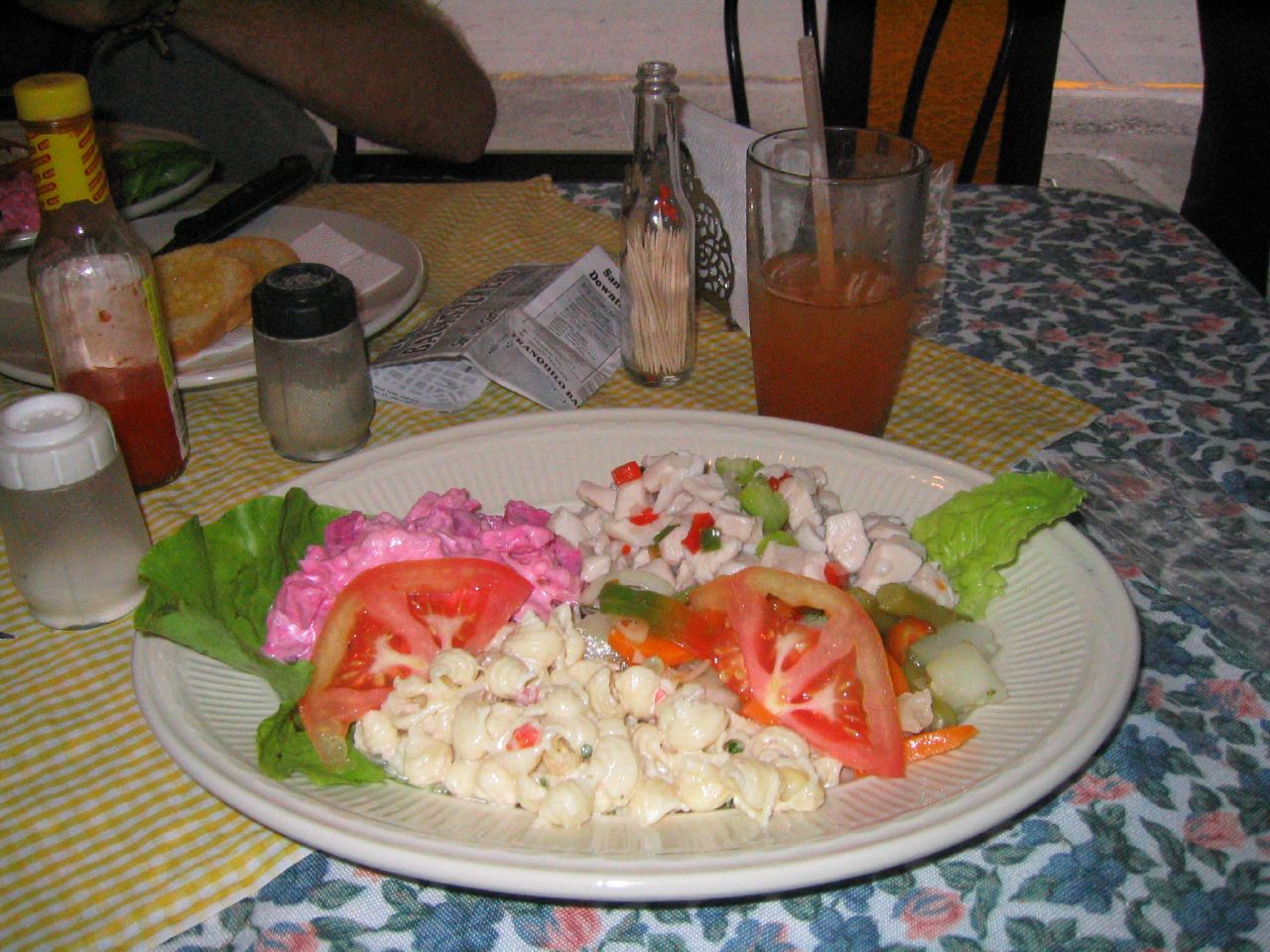
Raw white fish, such as sea bass (corvina), tilapia or mahi-mahi, cut small and marinated in lime juice with onion, coriander and finely chopped sweet pepper. It is often served in a glass with soda crackers on the side. Lime 'cooks' the fish in taste and texture, but the fish is still raw, so pregnant women, older people and anyone with a weak immune system should choose a cooked dish instead.
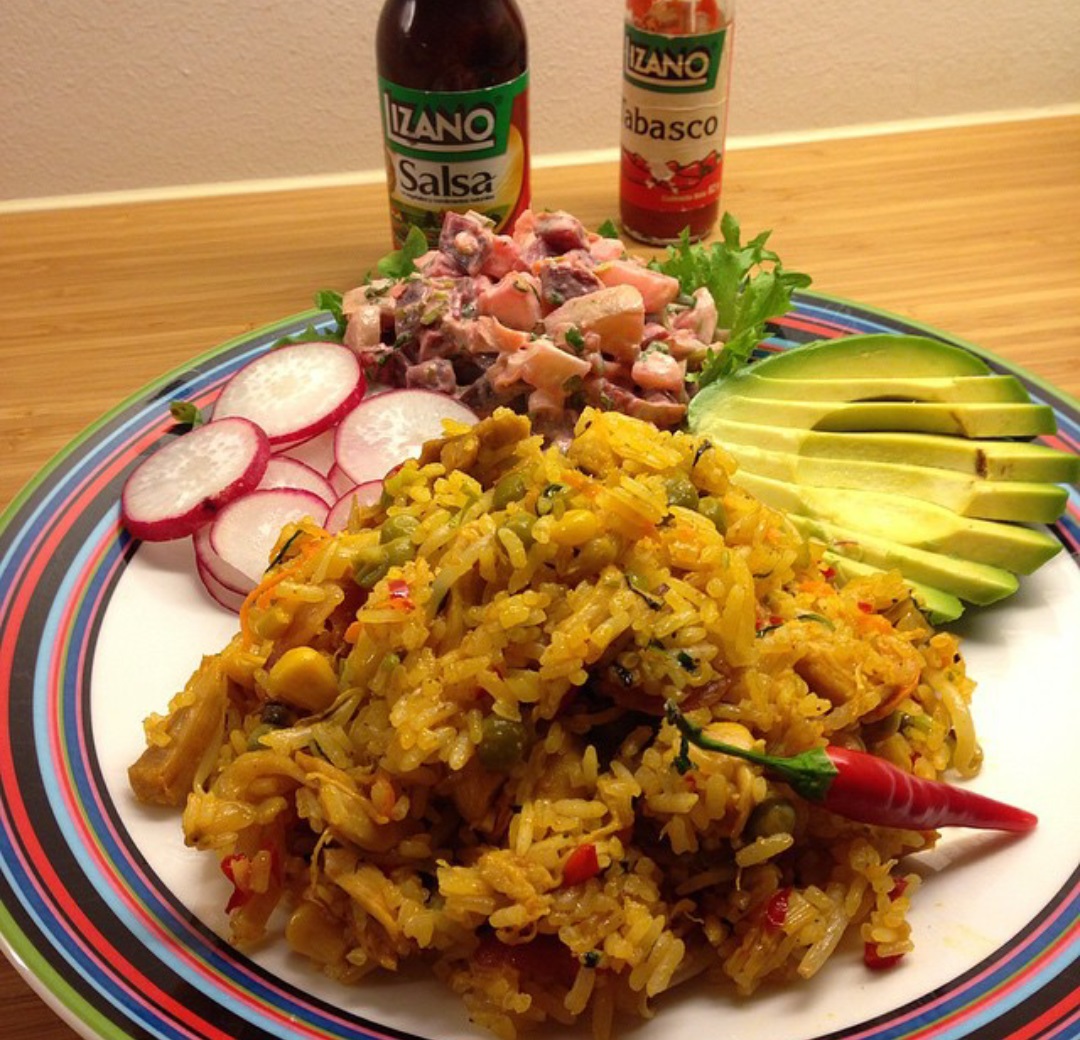
Rice cooked with chicken, vegetables such as carrots, peas and sweet pepper, mild spices and a splash of Salsa Lizano. It is the dish families make for birthdays, parties and big get-togethers.
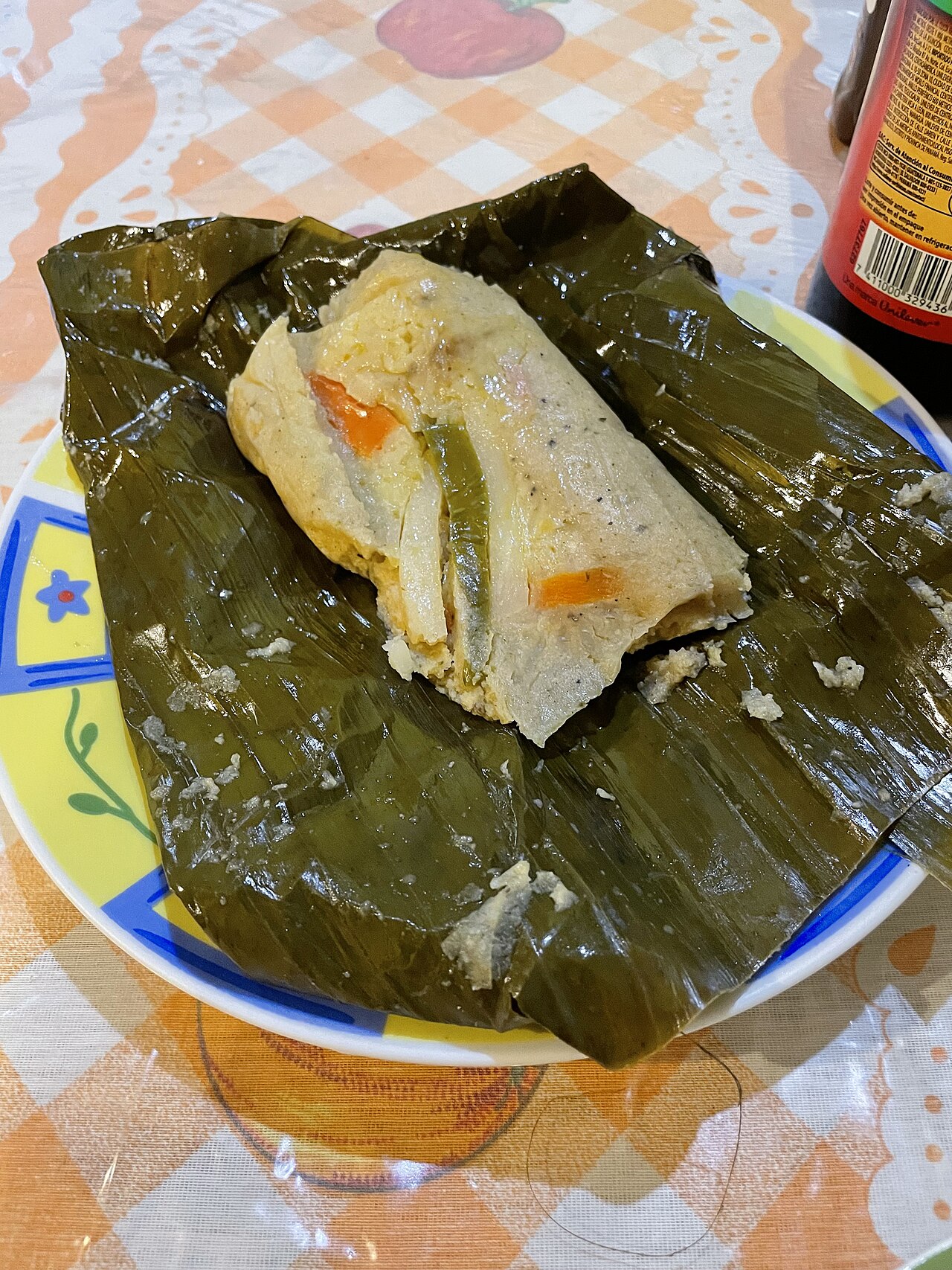
A soft corn dough made with lard and spices, filled with meat, rice and vegetables, wrapped in banana or plantain leaves and steamed. Tamales are made above all for Christmas, when families gather to make them together, and also for Holy Week.
Not all tamales use corn. Some are made from green plantain, rice or cassava dough, and in Guanacaste and Puntarenas people make 'tamales yol' from fresh young corn wrapped in its own husks.
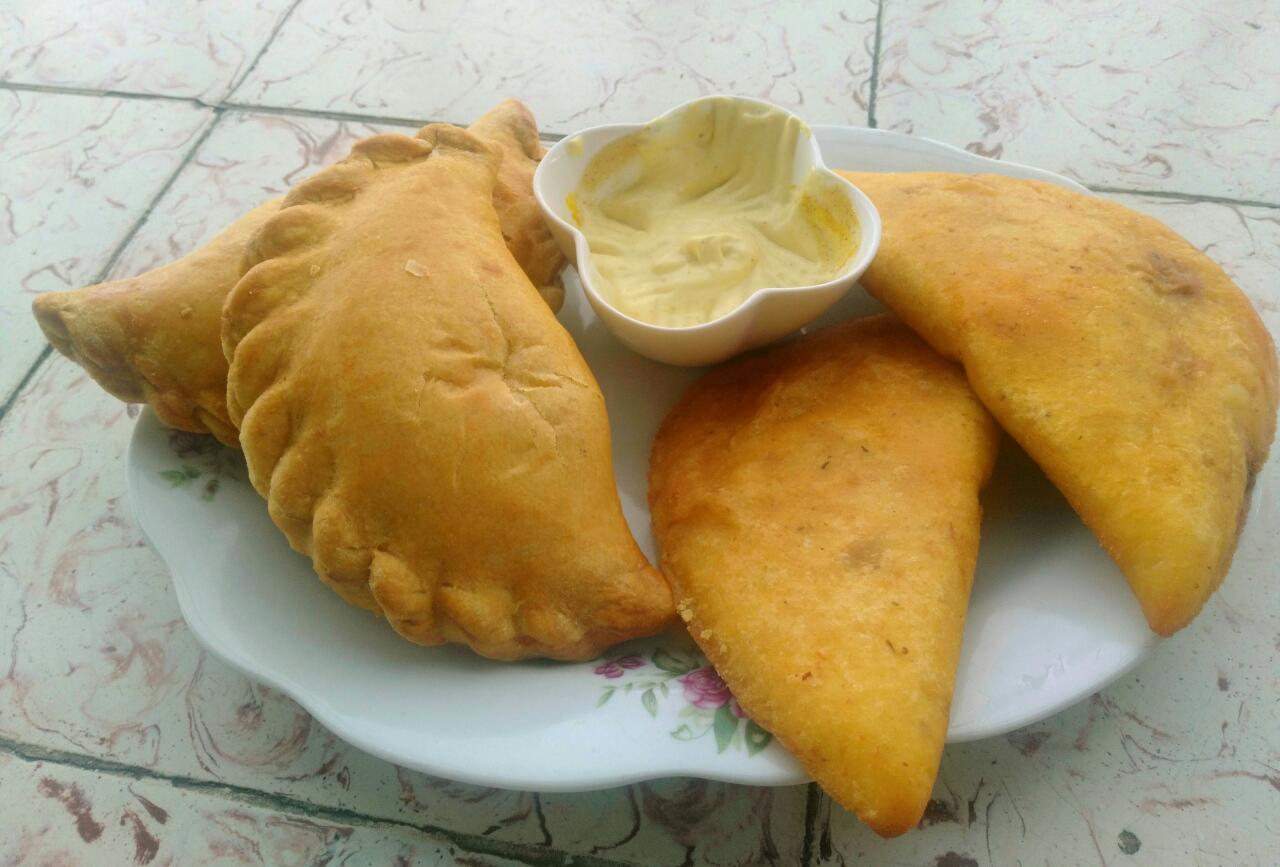
Half-moon corn turnovers filled with minced beef, chicken, cheese or a sweet fruit filling. Small snack stands and shops called sodas sell them through the day.
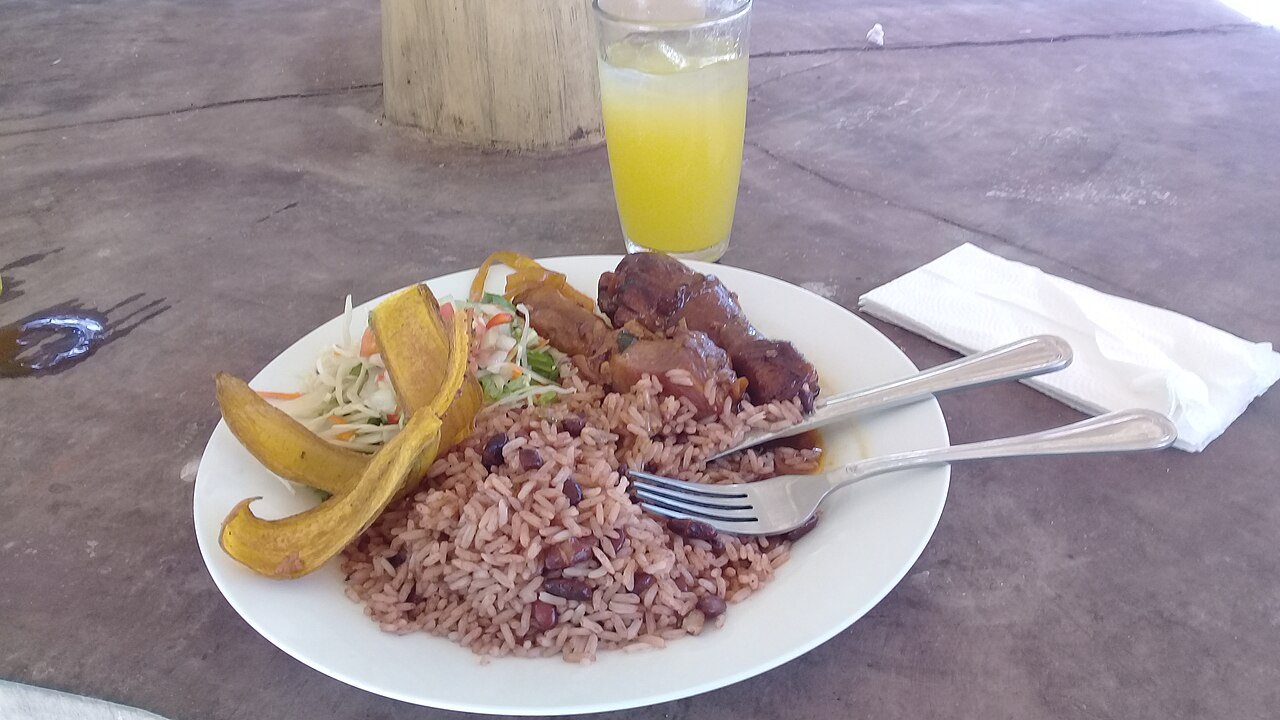
Rice and red beans cooked together in coconut milk, with a hot pepper for aroma. It is usually served with fish and fried plantain. It keeps its English name on the Caribbean coast, home of the Afro-Costa Rican community, most of whose families came from Jamaica.
It is not the same as gallo pinto. Gallo pinto mixes already cooked rice and beans in a pan, while rice and beans cooks the rice with the beans in coconut milk.
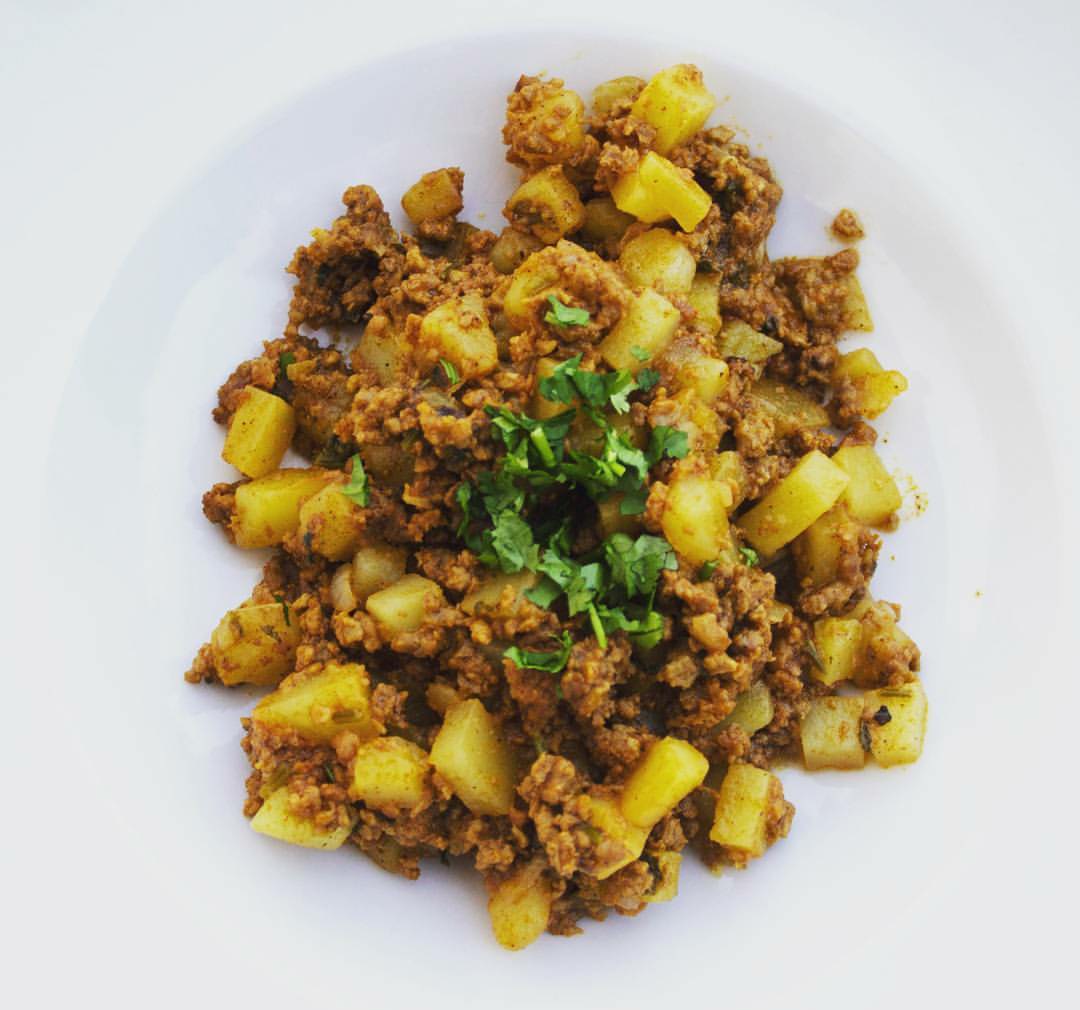
Finely chopped vegetables, such as potato, chayote or green beans, cooked with spices and achiote, often with a little minced beef. It is eaten as a side dish with a casado, or spooned onto a warm corn tortilla to make a 'gallito'.
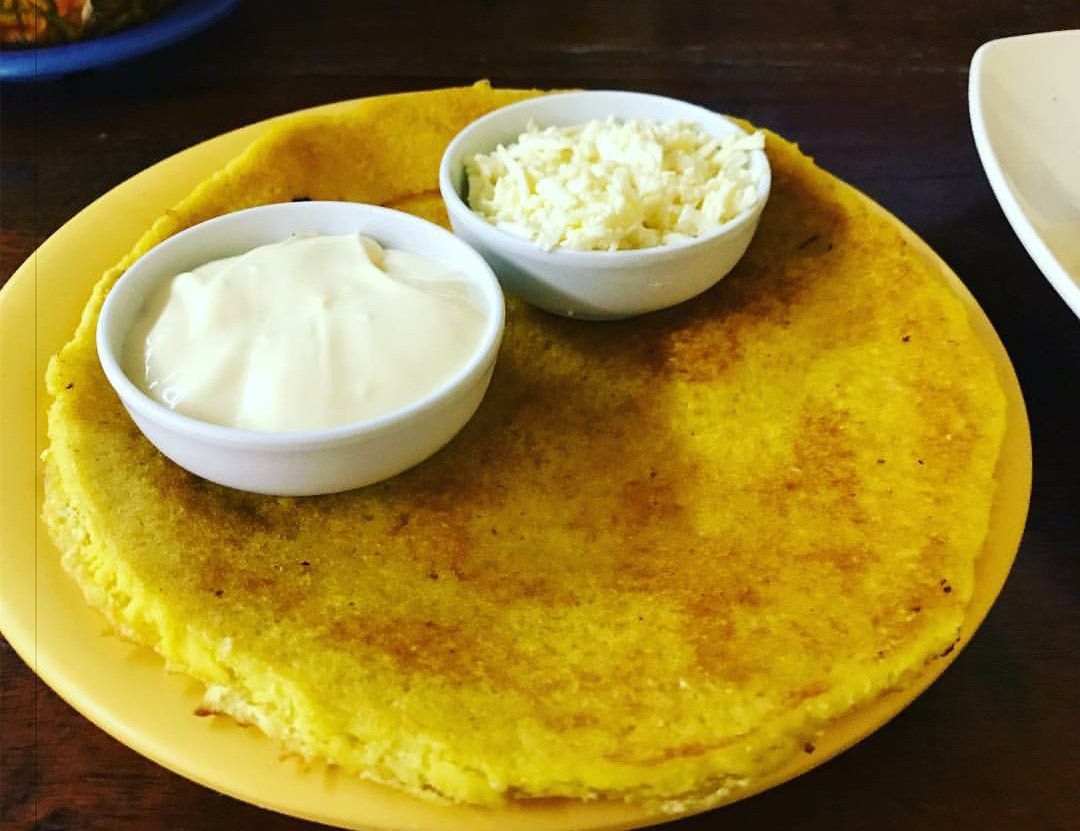
Sweet pancakes made from fresh corn, cooked on a griddle and eaten for breakfast with a spoonful of sour cream. They are not as common as they once were, which makes them a treat.
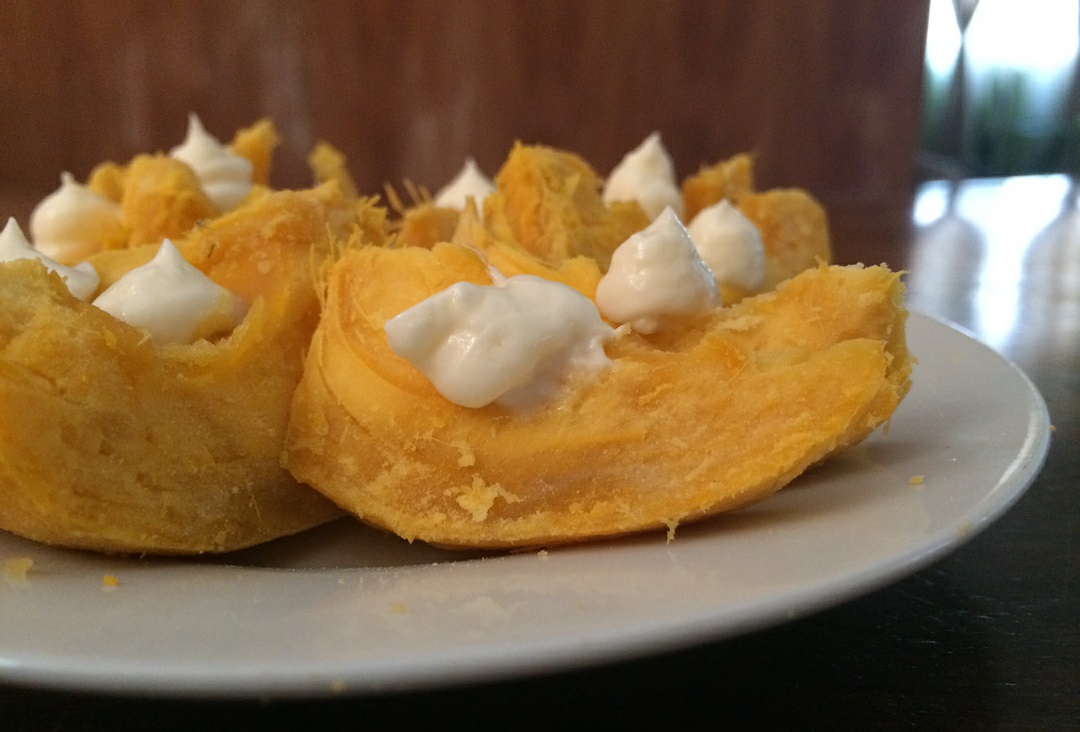
The orange fruit of the peach palm, boiled in salted water, peeled and eaten warm with a little mayonnaise. The texture is like a firm sweet potato and the taste has been compared to roasted chestnut. It must be cooked, because the raw fruit contains irritating crystals.
The palm was a staple food of Indigenous peoples long before the Spanish arrived. Spanish explorers reported a plantation of 30,000 of these palms on the Caribbean coast.
Popular across Latin America and all of Costa Rica
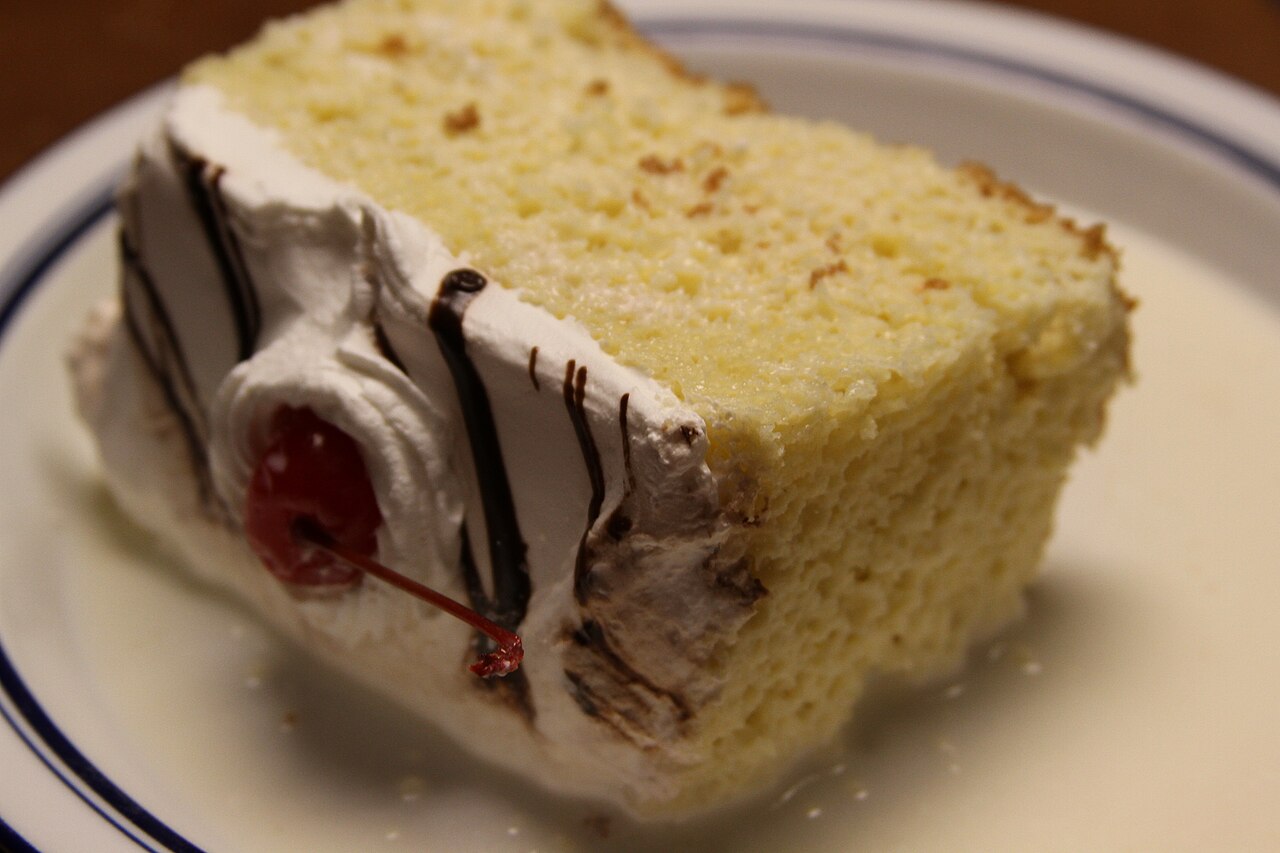
A light sponge cake soaked in three kinds of milk: evaporated milk, sweetened condensed milk and whole milk or cream, often topped with whipped cream and cinnamon. It stays airy, not soggy, and is a favourite after lunch or dinner.
Where the cake was invented is still debated. Many countries in Latin America claim it.
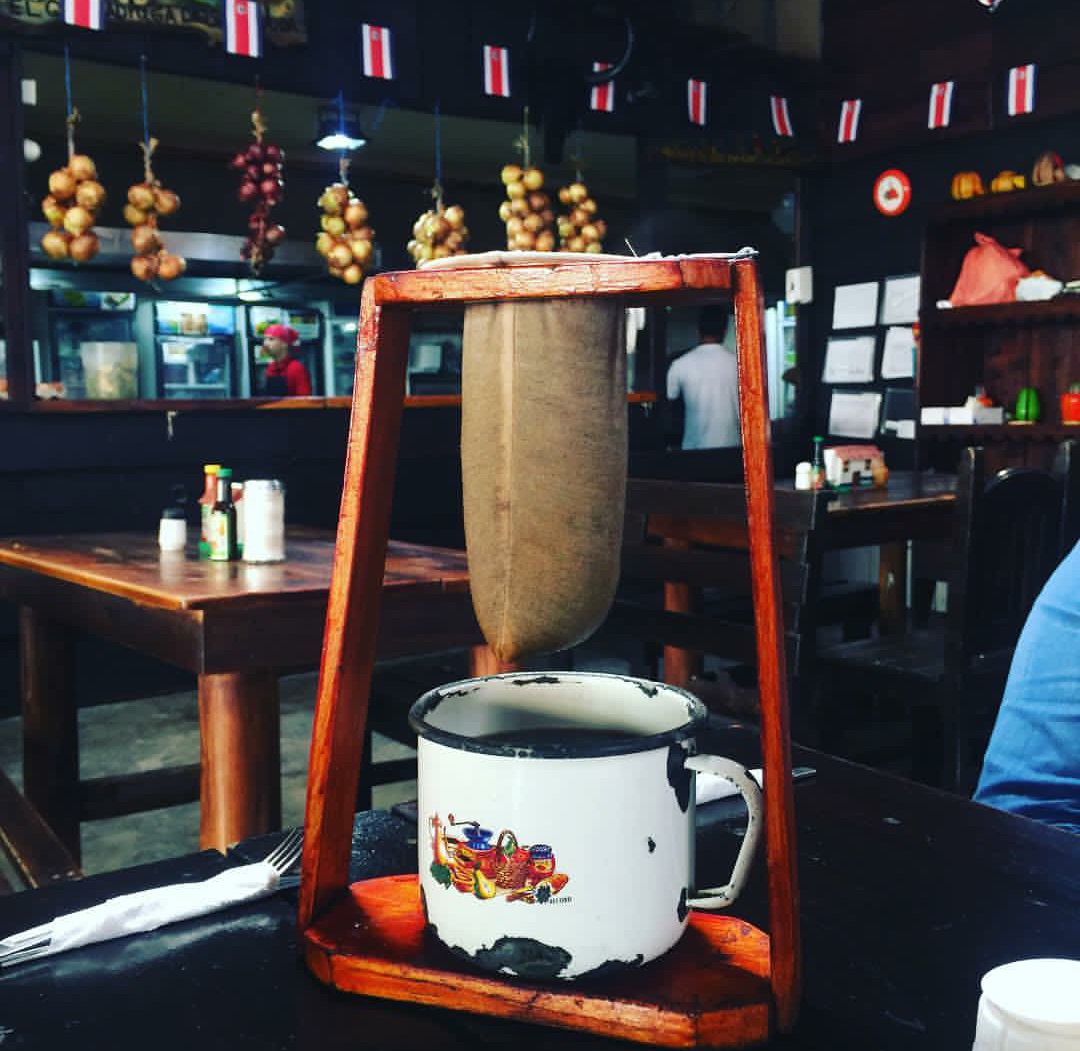
Coffee made the traditional way in a chorreador: a wooden stand holding a small cloth bag. Ground coffee goes in the bag, hot water is poured slowly over it, and the coffee drips into the cup or pot below. Costa Ricans drink coffee at breakfast and again in the afternoon.
The cloth bag is never washed with soap, which would spoil the taste. It is rinsed with water after each use and scrubbed with salt now and then.
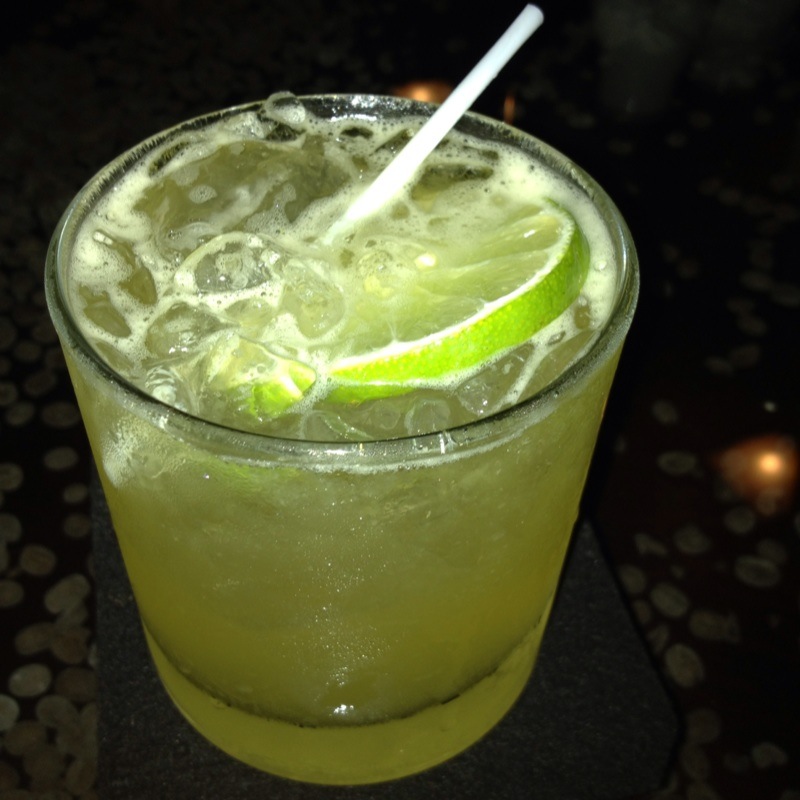
Guaro is a clear spirit distilled from sugar cane, a little sweeter than vodka and not as strong. Costa Ricans usually drink it in a cocktail called a guaro sour, or as a quick shot. Buy it only in shops, bars and restaurants, because counterfeit guaro has caused methanol poisoning.
The state's National Liquor Factory makes Cacique, the only legal brand of guaro. The government took over making it in 1851 to stop illegal home distilling.
At the table in Costa Rica
Rice and beans come with almost every meal. At breakfast they are fried together as gallo pinto; at lunch they sit side by side on your plate as part of a casado.
Lunch is a proper meal for many Costa Ricans, and a casado at a small local soda is a filling meal at a fair price.
Salsa Lizano, a tangy brown sauce, stands on many tables. Try a little on your gallo pinto or eggs.
In the evening, bars serve 'bocas', small plates such as chifrijo or fried plantain, to go with a drink.
Menu prices in restaurants usually already include 13 percent sales tax and a 10 percent service charge, so there is no need to add a big tip. A little extra for very good service is always welcome.
Coffee comes with breakfast, again in the afternoon and sometimes after dinner. It is usually strong, served black or with milk (café con leche).