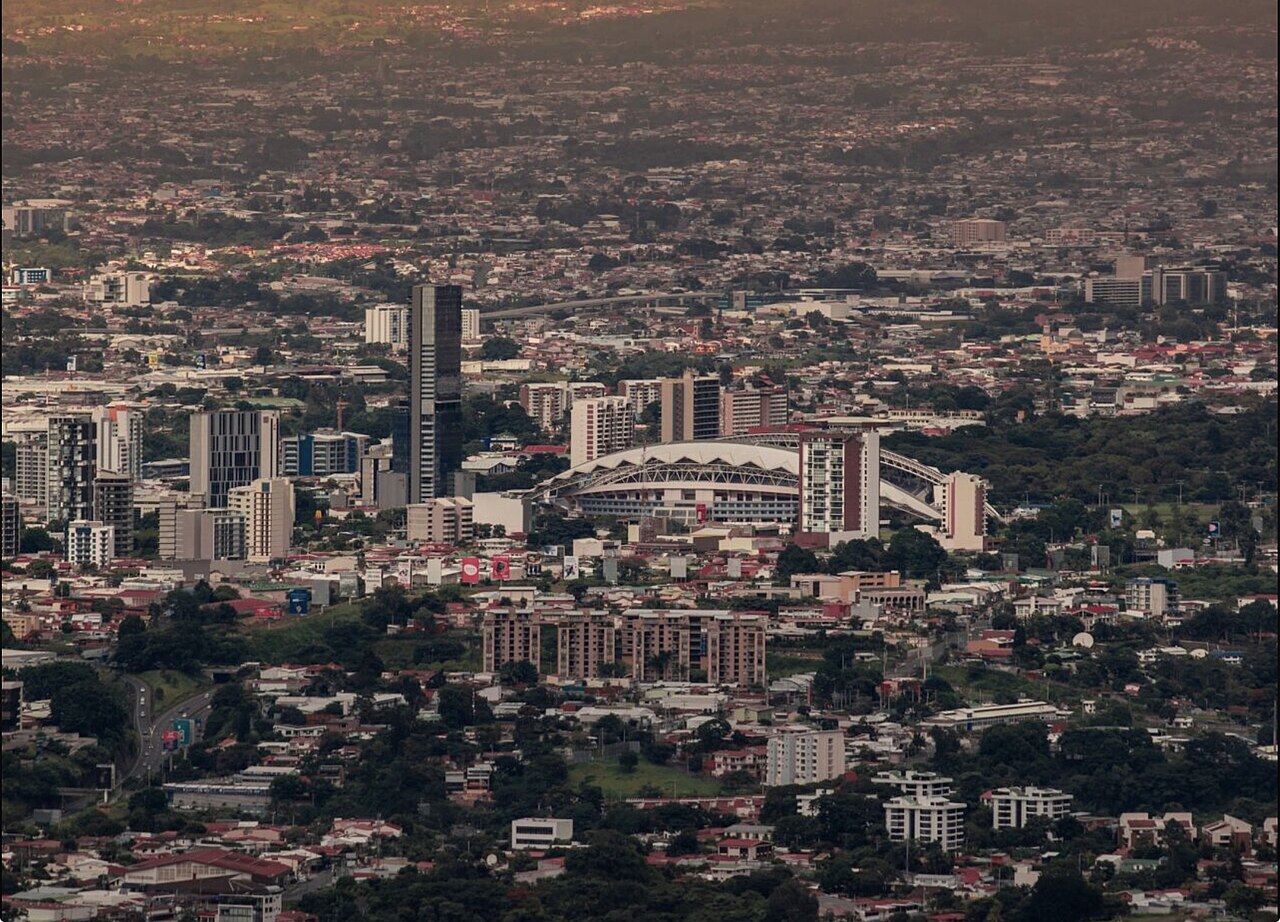
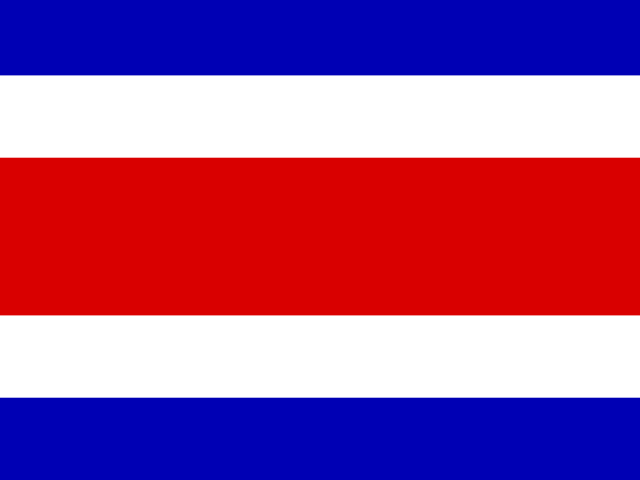
Costa Rica is a small country in Central America, between Nicaragua to the north and Panama to the southeast. It has the Caribbean Sea on one side and the Pacific Ocean on the other. A chain of volcanic mountains runs down the middle, and most people live in the cool Central Valley, where the capital, San José, stands.
The name means 'rich coast' in Spanish. Christopher Columbus sailed along its Caribbean shore in 1502, and Spain ruled it for about two and a half centuries as a poor and faraway province. It became independent with the rest of Central America in 1821. Coffee made it prosperous in the 1800s, and bananas followed.
After a short civil war in 1948, Costa Rica abolished its army and put the money into schools and health care. Today it is a stable democracy of about five million people, famous for its national parks, its wildlife and a relaxed, friendly way of life summed up in two words: 'pura vida'.
CapitalSan José
PopulationAbout 5 million (the 2022 census counted 5,044,197 people)
Official languageSpanish, set in the constitution by an amendment of 1975. Several Indigenous languages, such as Bribri and Cabécar, are also spoken
CurrencyCosta Rican colón (CRC), named after Christopher Columbus
AreaAbout 51,180 km², a little smaller than Bosnia and Herzegovina
GovernmentPresidential republic of seven provinces (constitution of 1949), with no army
Highest mountainCerro Chirripó, about 3,820 m, in the Cordillera de Talamanca
Largest riverThe Río Grande de Térraba, about 160 km long, in the south; its basin covers a tenth of the country
NeighboursNicaragua and Panama by land. At sea it also borders Colombia and Ecuador, far out in the Pacific around Cocos Island
Drives on theRight
Calling code+506
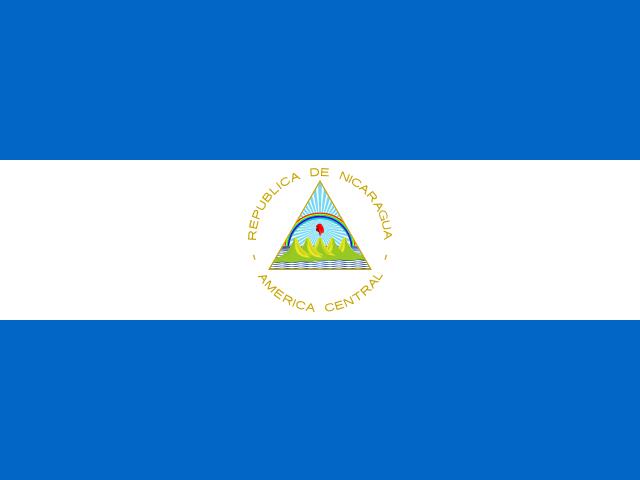 Nicaragua
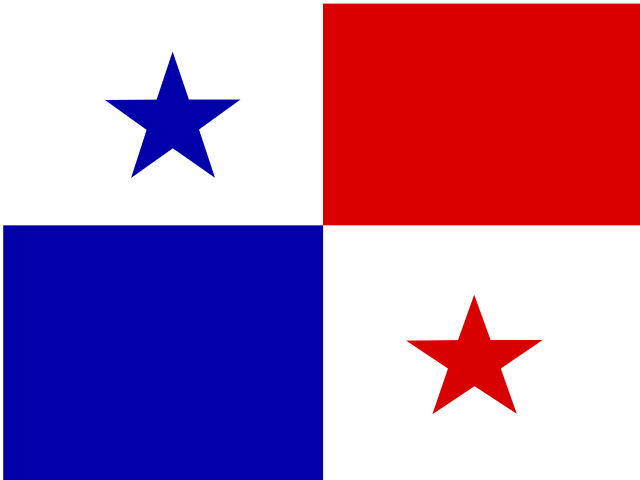 Panama